Drive to start of trek. Afternoon walk and preparation of equipment for the trek. Camp.
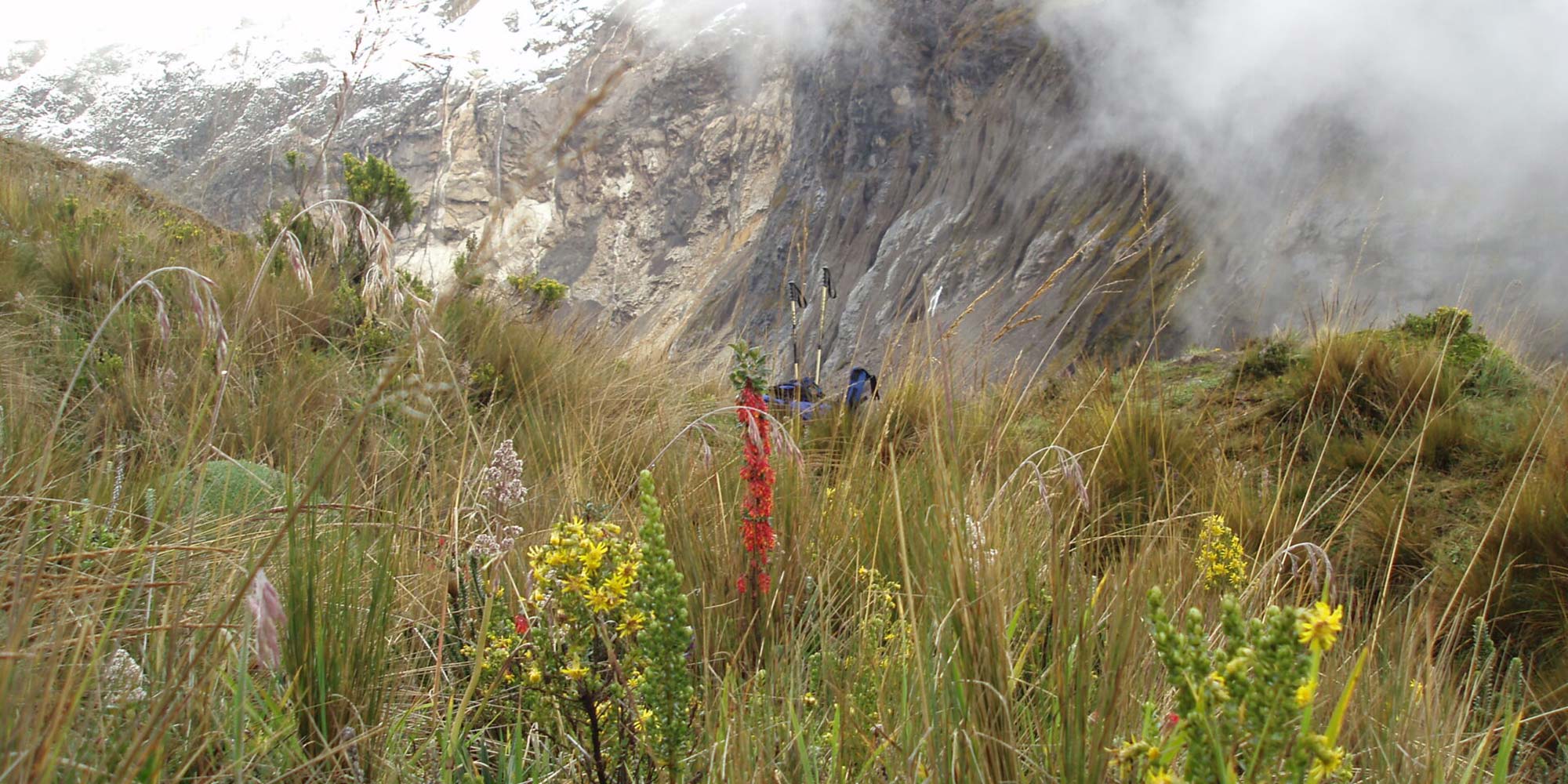
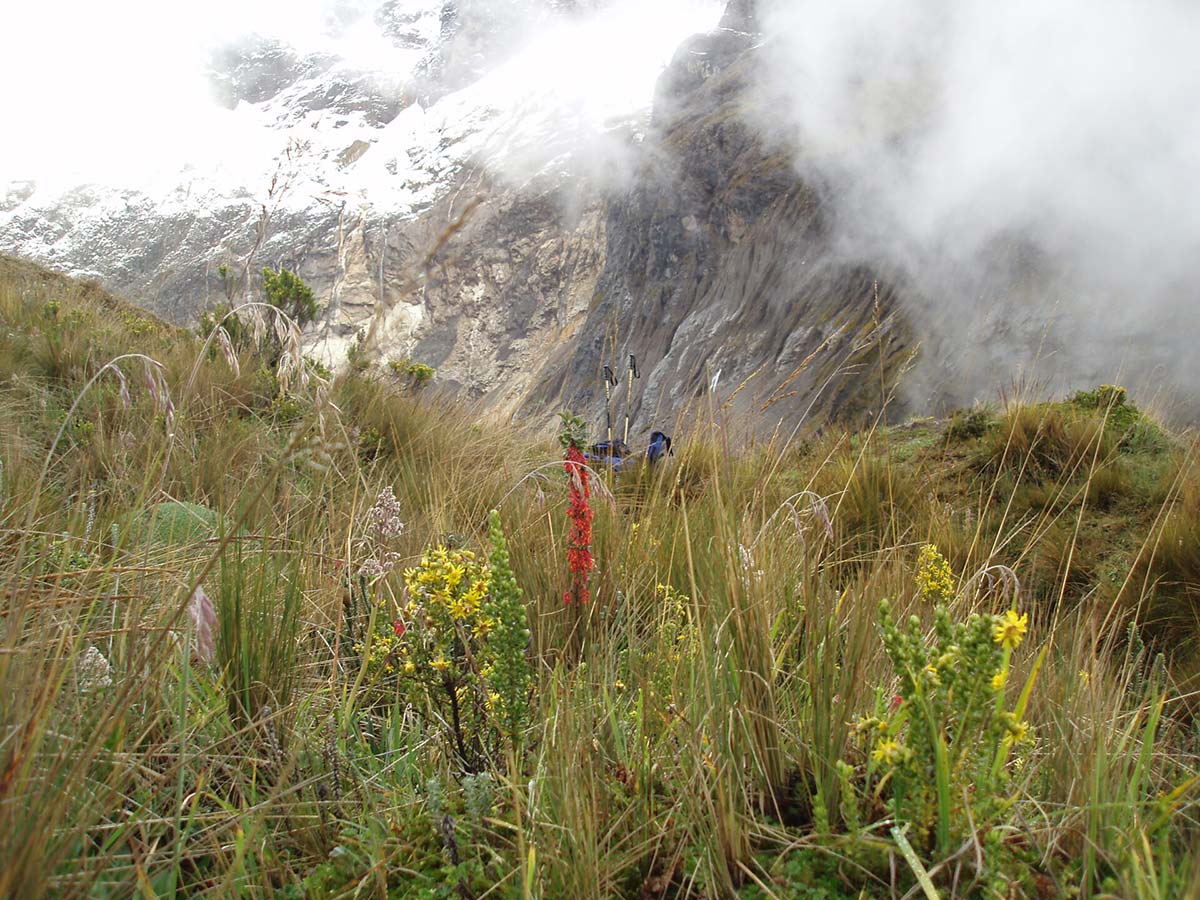
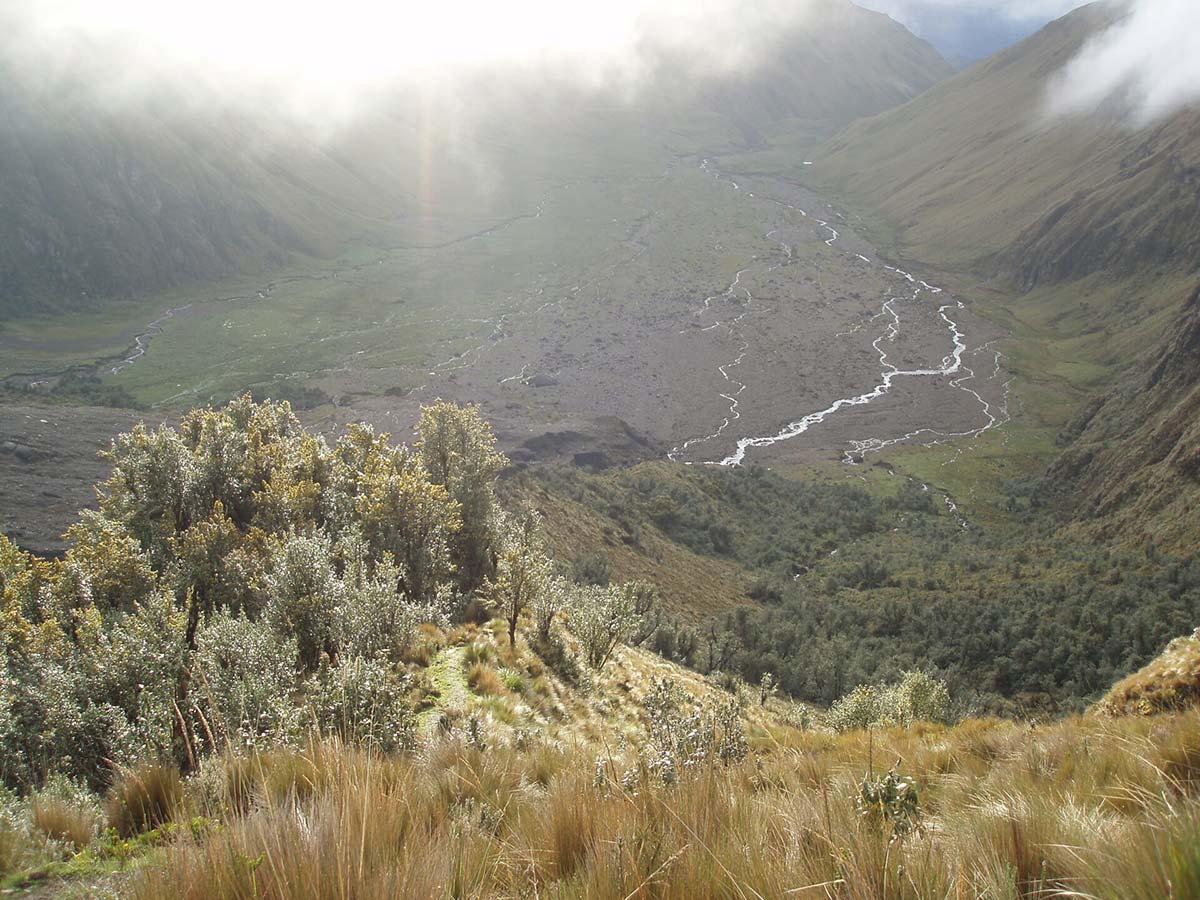
After breakfast we start our trek in the direction of the Abraspungu valley. You will see plenty of high altitude fauna (vicunas, alpacas, llamas birds, rabbits and deer) and the typical flora of high puna grassland.
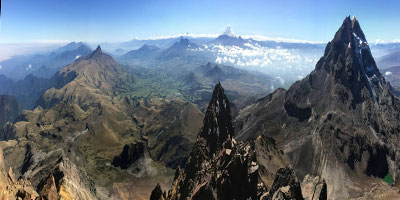
If the weather is good, we have excellent views of the volcanoes Altar and Tungurahua. Tungurahua is very active and with a bit of luck will provide us with a spectacular show.
We walk a total of 5-6 hours uphill, till we reach our camp in Plazapampa.
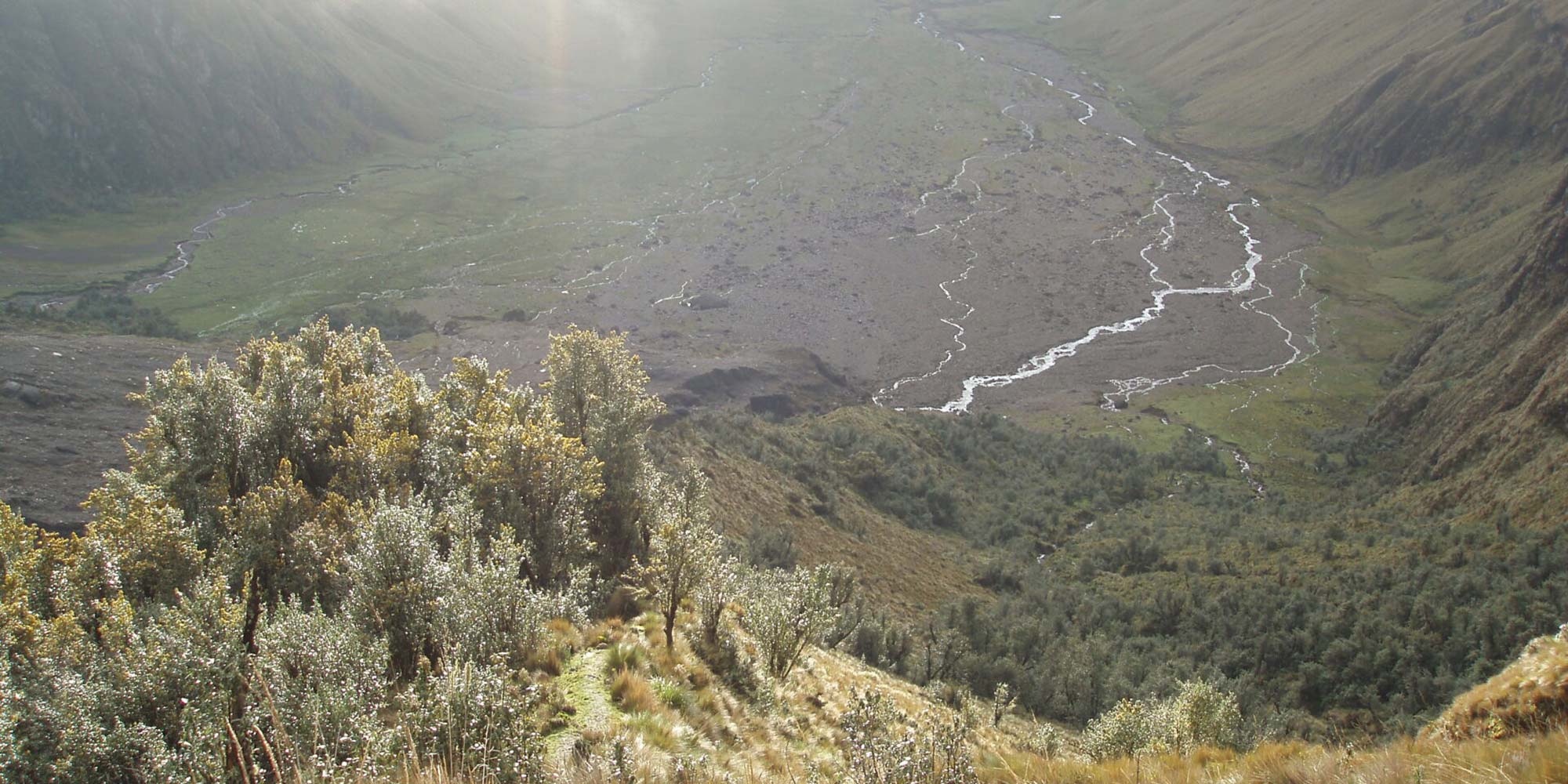
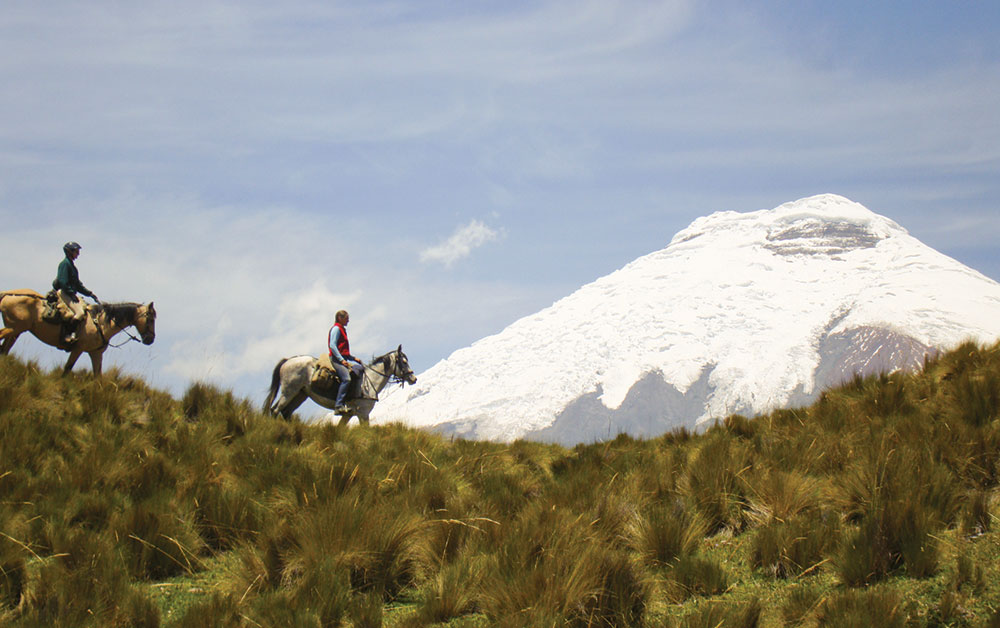
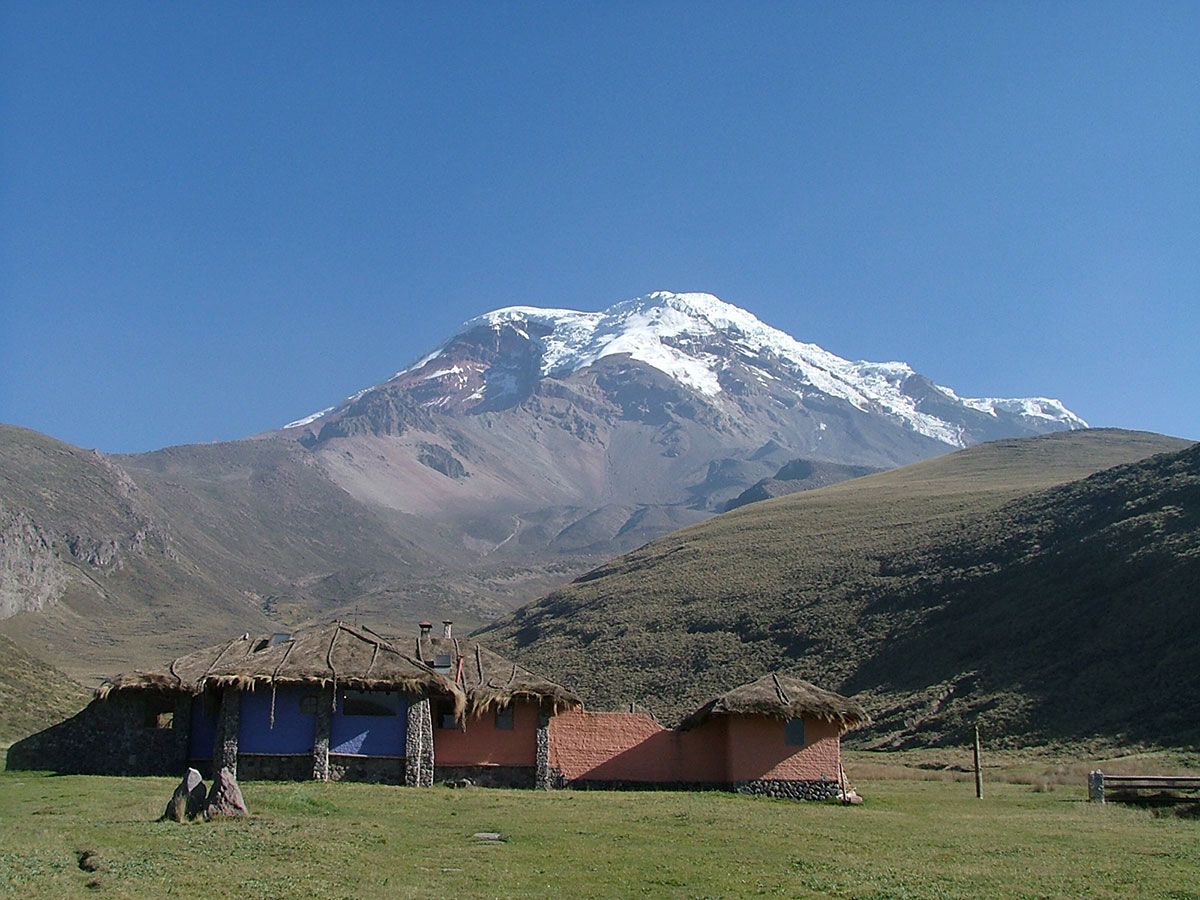
Today we hike for approximately 6 hours through the Abraspungo valley. This affords excellent views of Chimborazo and Carihuayrazo.
We set up our camp at 4,800m/15,748ft at the base of Carihuayrazo near Laguna Negra. Camp.
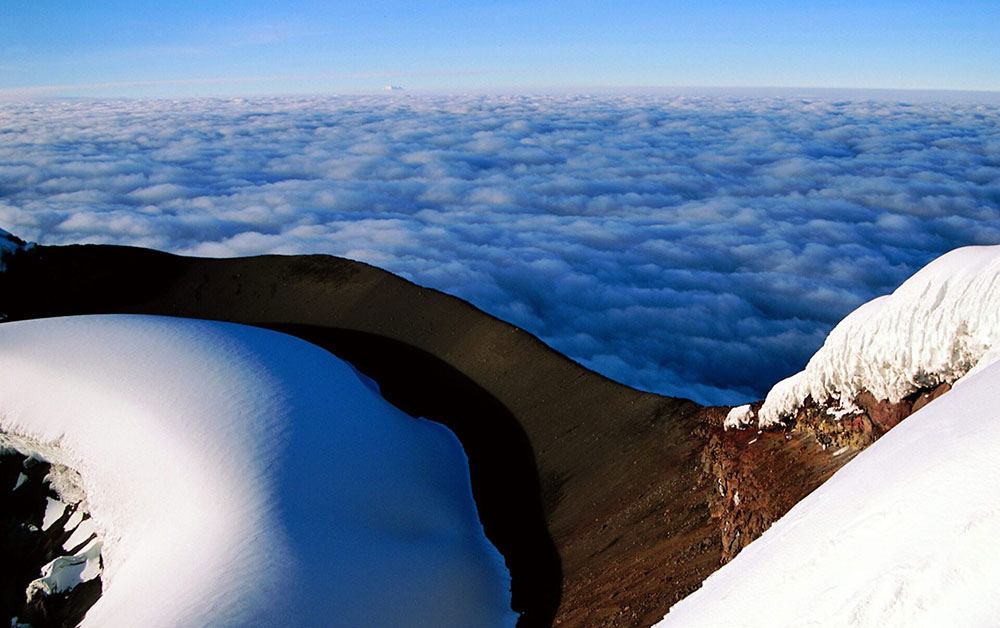
We have an early breakfast and then set off for our climb of the central peak of Carihuayrazo at 5,018m/16,463ft.
We lunch on the summit, then head back to camp in the afternoon. Camp.
Walk to the road head to meet our vehicle. Return to Quito.
Camping, two man mountain tents.
The trip is open to anyone with a positive attitude who wants to walk in a stunning and remote part of Ecuador’s Andes
This is a remote trip. It is open to those with no previous trekking experience, although experience of hiking and camping is beneficial.
You need to have a very good level of fitness for the trip.
You must be very well acclimatised – with 4-5 days at altitude immediately before the hike, with walking at higher levels. We can help with acclimatisation programmes.
When at camp, your breakfasts will be a mix of hot drinks, cereals, fruits and toast with jams.
Lunch, while out walking, will be either sandwiches or meat and cheese with crackers, with fruits etc available on trips from basecamps.
Meals at basecamps / evening camps feature vegetables, meats and hot drinks, rice and pasta dishes. Almost all dietary requirements can be catered for – please ask.
We have worked for many years with our fully qualified mountain guides.
They live for climbing in the area and know the mountains extremely well. They speak English and will show you all the techniques you need in order to make a safe and successful summit trek,
We use the same local drivers and support staff we have used for many years – the cooks, porters etc all have many years experience in the mountains.
A delightful Ecuadorian journey combining cultural discovery in Cuenca with the fascinating wildlife of the Galapagos Islands.
A thrilling multi-activity adventure through the Galapagos Islands, packed with wildlife, energy, and unforgettable moments.
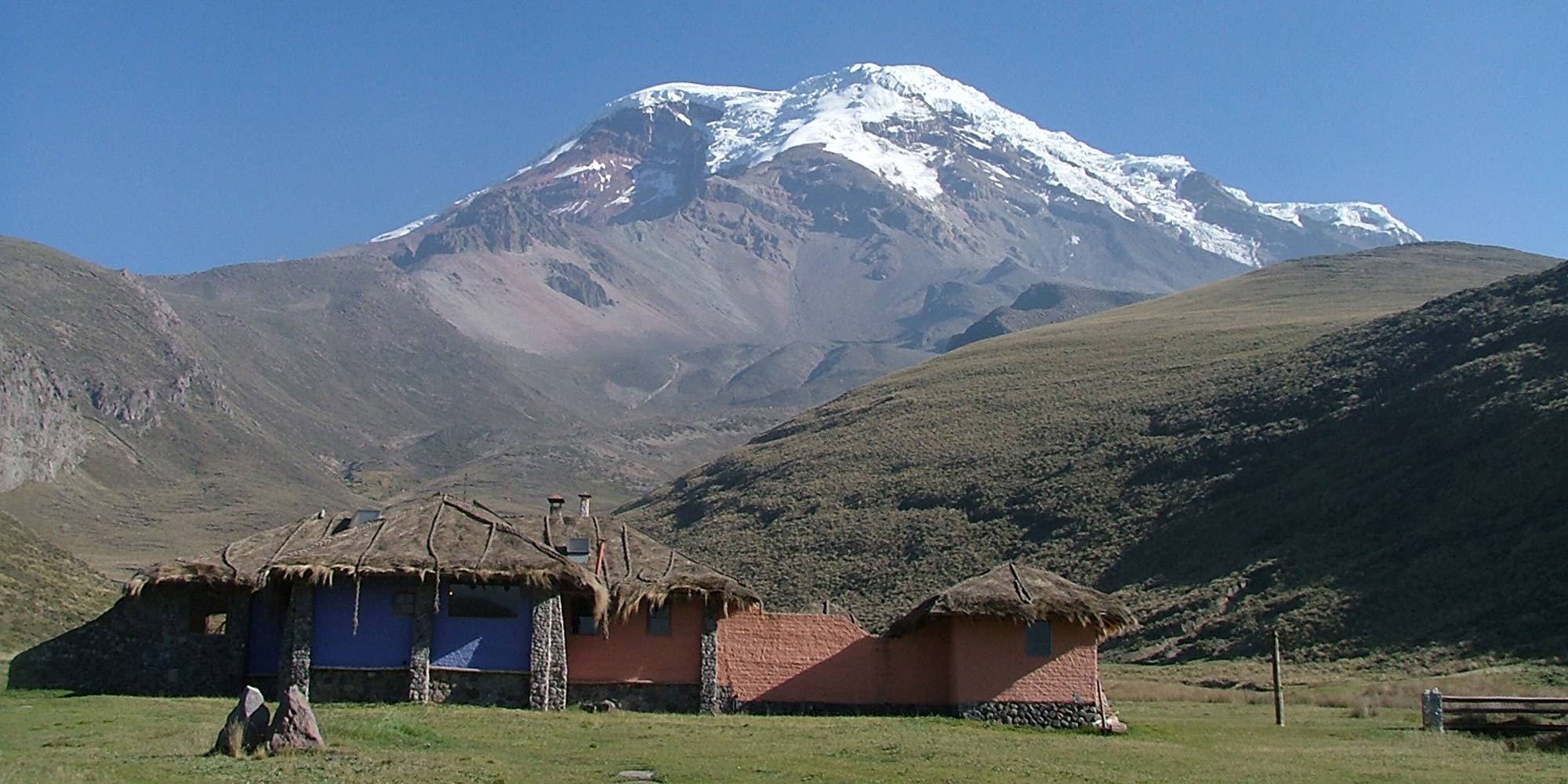
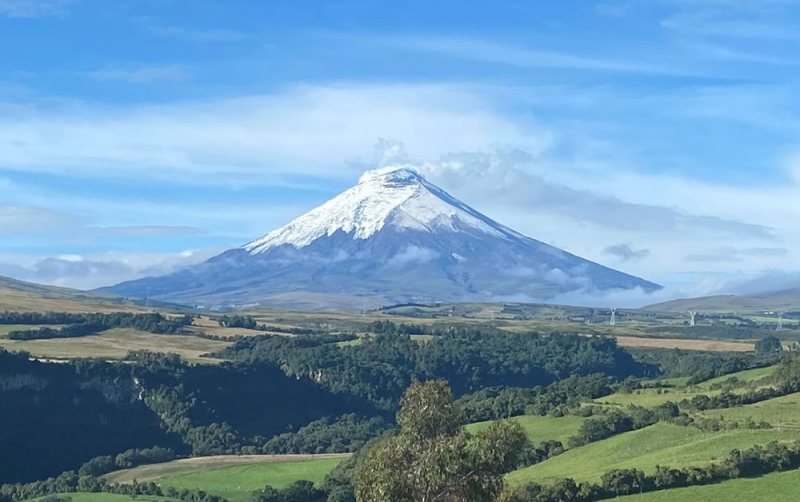
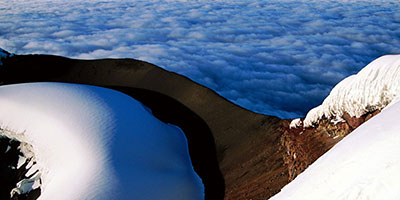
Our Abraspungo hike takes us along the northern side of Chimborazo, Ecuador’s highest peak at 6,310 m/20,702 ft – one of the most impressive in all the Andes.
This hike also offers a great chance to climb a 5,000 m/16,404 ft mountain – Carihuayrazo.
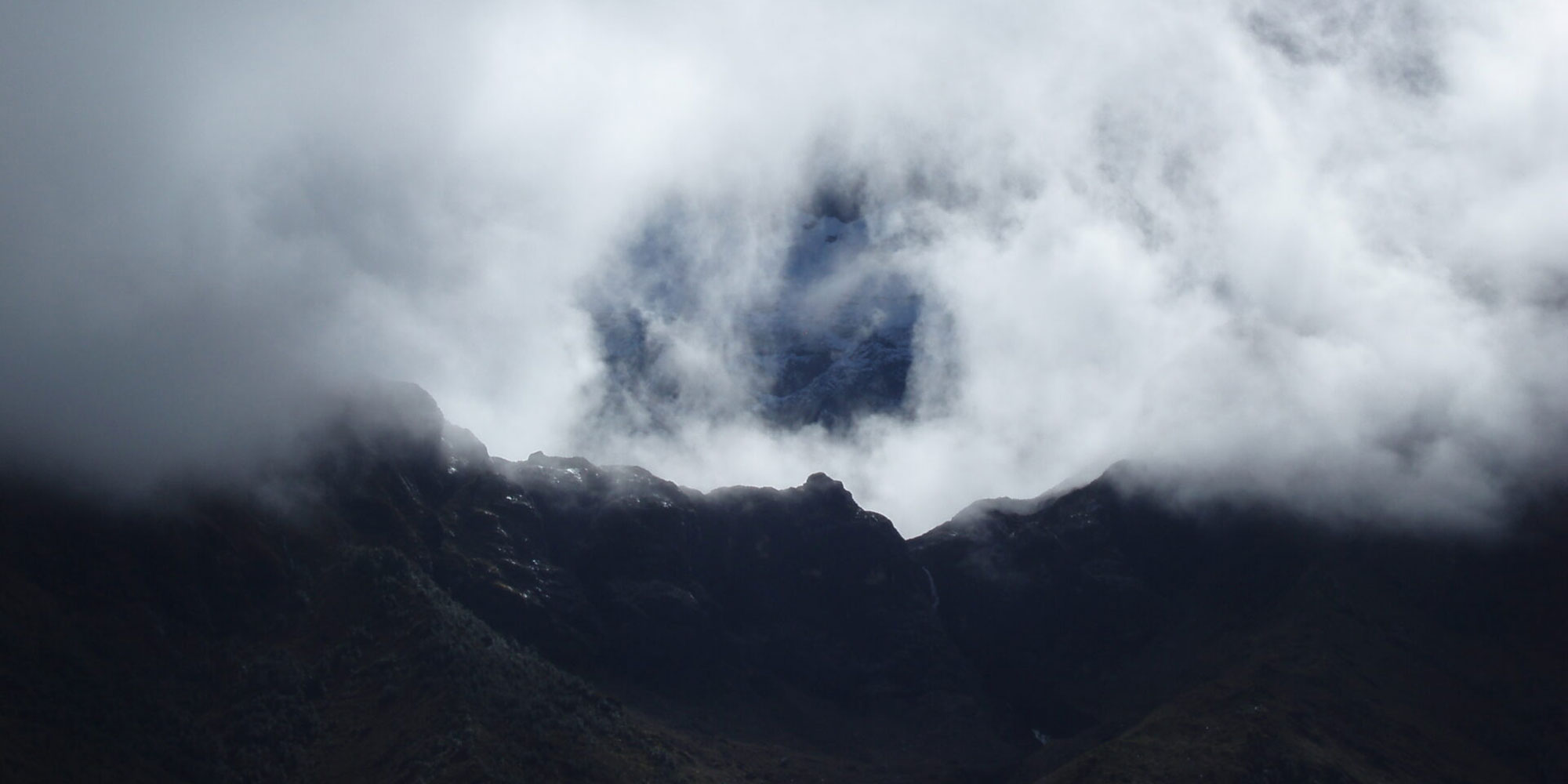
On the last day we climb the craggy peaks of Carihuayrazo (5,018m/16,463ft) – meaning man of strong wind.
It is relatively easy and can be done by people with no previous mountaineering experience.
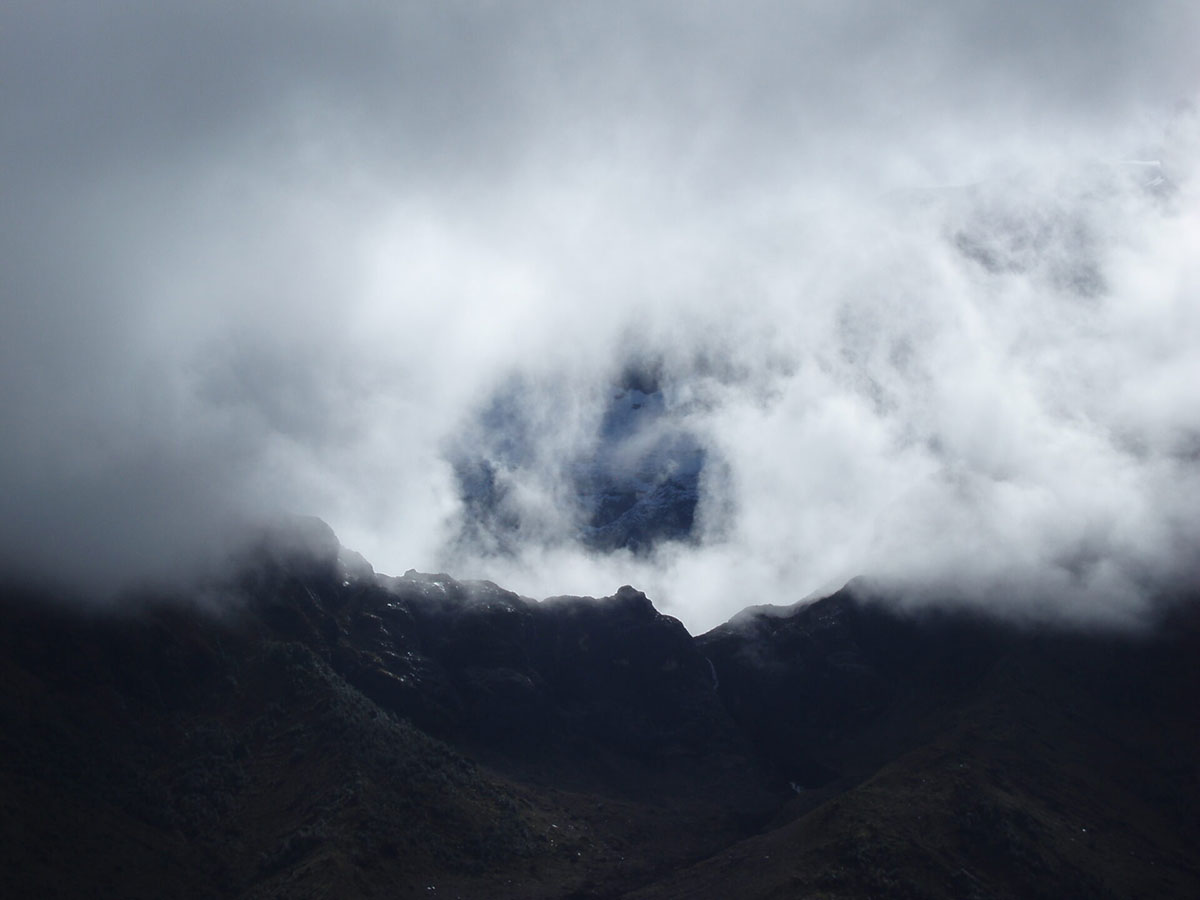
Best time of year: July and August are driest and coldest, December to February can also be good. Fog and rain common at other times of year.
Before starting this trek you should already have spent several days at altitude.
From: $2092 per person
Duration
7 days

Landscapes vary from the drier south to the more humid north.
The Highlands, or sierra, encompass two Andean Cordilleras (the Central and Western), which run north to south through the country. Ecuador’s largest volcano is Chimborazo (6,310m) whose summit, because of its proximity to the equator, is the closest point on earth to the sun. Several of Ecuador’s volcanoes are still active, and it’s a great area for trekking.
Descending the steep, east-facing slopes of the eastern Cordillera, one passes through a transition zone comprising dense cloud forest and humid high jungle, before entering the Amazon lowlands.
This mainly primary rainforest covers a third of the country, accounts for 5% of the population and stretches across Ecuador, from its Colombian to its Peruvian borders.
The Galapagos Islands are simply unique. Lying 600 miles off the mainland, the archipelago comprises the summits of gigantic equatorial volcanoes.
The flora and fauna of the Galapagos, long separated from their continental cousins, have evolved differently. Charles Darwin used his observations there to develop his theory of Evolution.
A full Health and Safety document will be sent to you at the time of booking and before you travel.
You can also read it on our website, or contact us for more information.
Ecuador is the second smallest South American country, and one of the most varied.
It comprises three main geographical areas: the coast, highlands and Amazon plus is home to the Galapagos Islands.
Because of its relatively compact size, it makes a great holiday destination as you can move from highlight to highlight fairly easily and rapidly.
Ecuador lies between latitudes 4º south and 2º north. Overall, climate varies according to time of year, altitude and region.
In the Ecuadorian highlands, there is little temperature variation by season as temperature depends largely on altitude.
In Quito, shade temperatures range from 6 to 10ºC in the morning and from 19 to 23ºC in the afternoon, with cool nights. In the lower basins between mountains, it gets significantly warmer.
Rainfall depends on whether an area lies closer to the eastern or western Andes. To the west, June-Sept is the dry period and Oct-May the wet (with often a short, dry spell in Dec or Jan).
The best period to visit Quito and trek and climb volcanoes such as Cotopaxi is the west Andean dry season of June-Sept and Dec/Jan. This is also Ecuador’s high season. During the Oct-May wet season, most rainfall is in the afternoons.
To the east, Oct to Feb are dry and Mar-Sept are wet. Overall, the southern highlands are drier than the northern highlands.
On the Pacific coast, rainfall becomes less from north to south. The coast can be enjoyed year-round, although from June-Sept mornings are often grey with the garua mists.
Jan-May is the hottest and rainiest time of year.
In Ecuador’s Amazonian region, rain can fall at any time, but Dec-March is usually the driest season and Mar-Sept is usually the wettest period.
Galapagos can be visited at any time of year.
The warm season is Jan-Jun, bringing calm, warm waters (around 70°F) and sunny days (72-9°F or 22-32°C), February and March being the hottest and sunniest months with blue skies and sunshine.
The islands receive slightly more rainfall during these months, occasional heavy bursts in the afternoon. Great for snorkelling and you can spend a lot of time in the water without wetsuits, with great, clear waters.
The dry ‘garua’ season is Jun-Dec an it’s a great time for marine life. August and September are the coolest when you may need a jacket in the evenings and the sea can be choppy and temperature drops around 15-24ºC on average.
There can be mist on the islands in the mornings (garua) which usually burns off by midday leaving overcast skies or a sunny afternoon.
Sea temperatures may drop to 60°F- 72°F (15-22°C) during this time and snorkellers will want a wet suit for prolonged periods in the sea.
A delightful Ecuadorian journey combining cultural discovery in Cuenca with the fascinating wildlife of the Galapagos Islands.
A thrilling multi-activity adventure through the Galapagos Islands, packed with wildlife, energy, and unforgettable moments.