


Galapagos Active Adventure Tour
Hotel based, active adventure holiday in the Galapagos Islands
We combine snorkelling, biking, hiking and sea kayaking in a unique itinerary taking in the highlights of these magical islands.
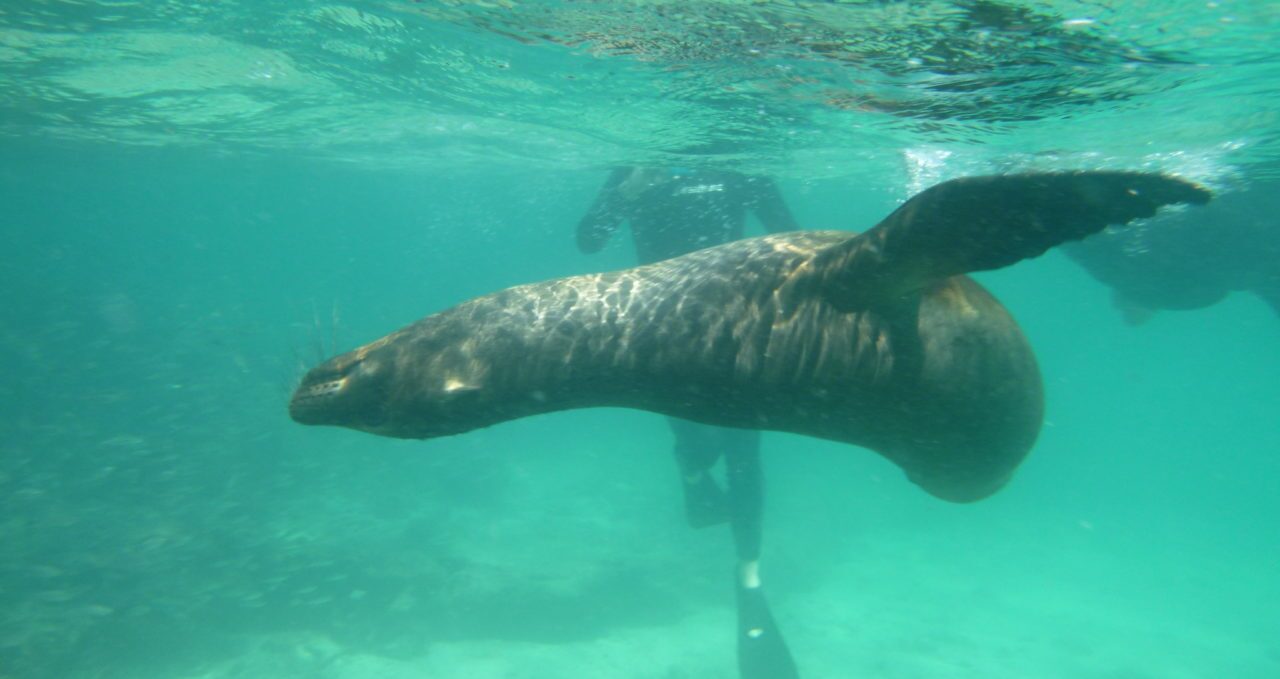
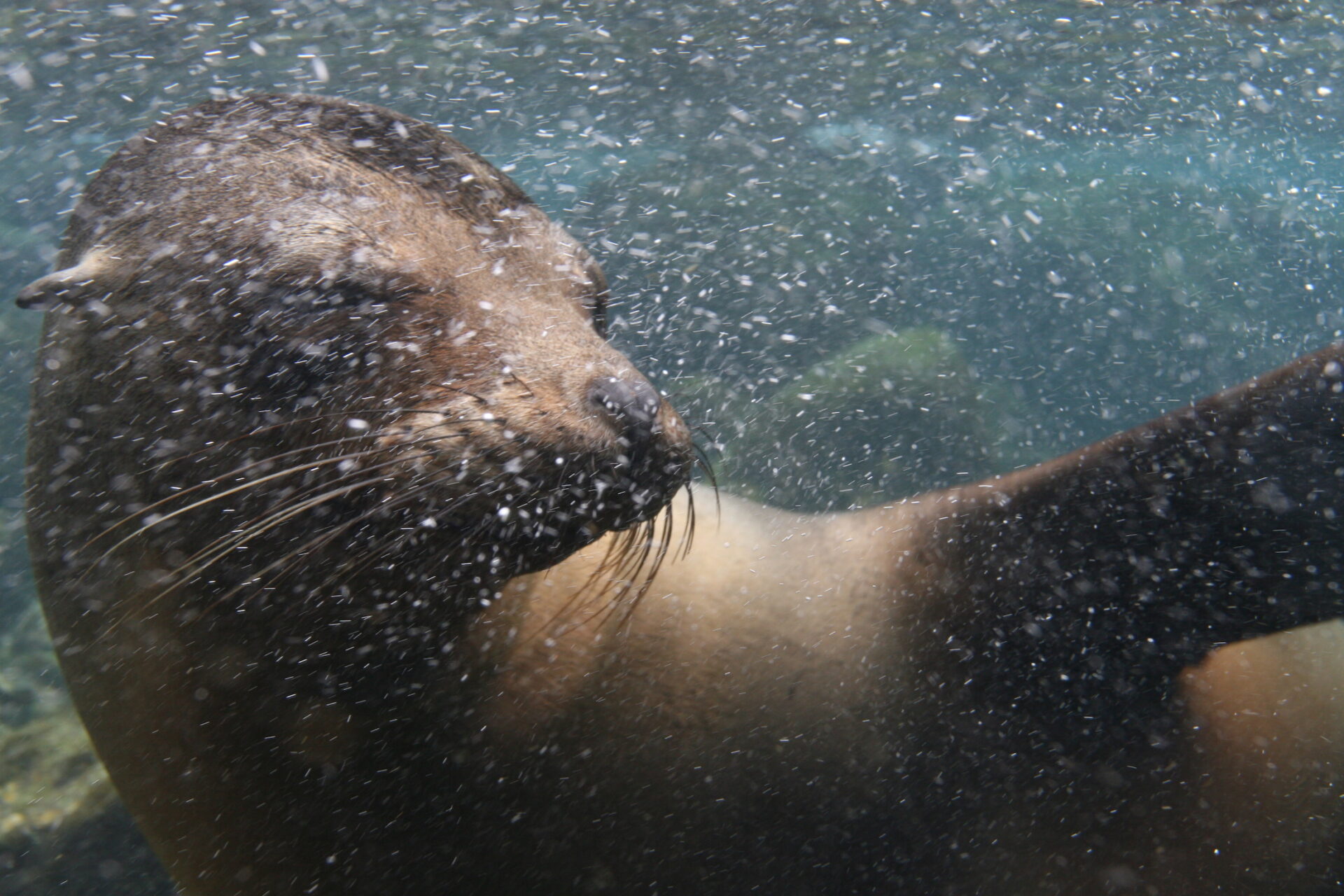
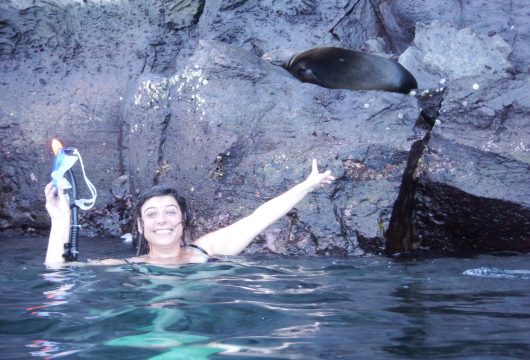
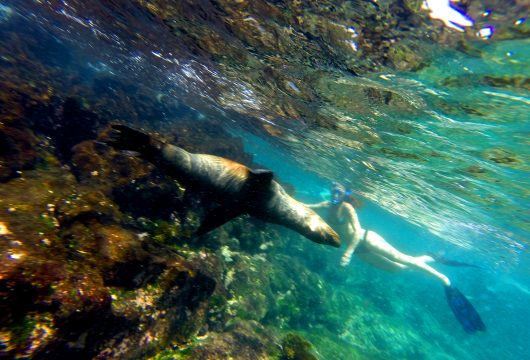
Snorkel with playful sea lions, watch sharks and giant manta rays, or just enjoy the company of the Galapagos giant tortoise.
As well as the wildlife, by staying on the islands you get a feel for the culture of the people who live on the Galapagos.
Depending on the size of your group, you will have one guide for the whole trip or different guides on each island. Some day excursions will be shared.
Go home with memories that will last a lifetime with our trip that blends wildlife, activity, relaxation and fun!
Guided shared trip
On this adventure holiday, you will explore three islands by land, sea and small plane, using shared transportation.
Enrich your adventure with the perspectives of the different knowledgeable and experienced guides who will accompany you and ensure you experience the islands to the full.
Kick back at our comfortable and well-located hotels. We’ve included breakfast and some lunches while you’re out on an excursion but most days you will be free to choose from a range of typical local restaurants, allowing you to eat what and where you want.
Trip Highlights
Print Share Download as PDF-
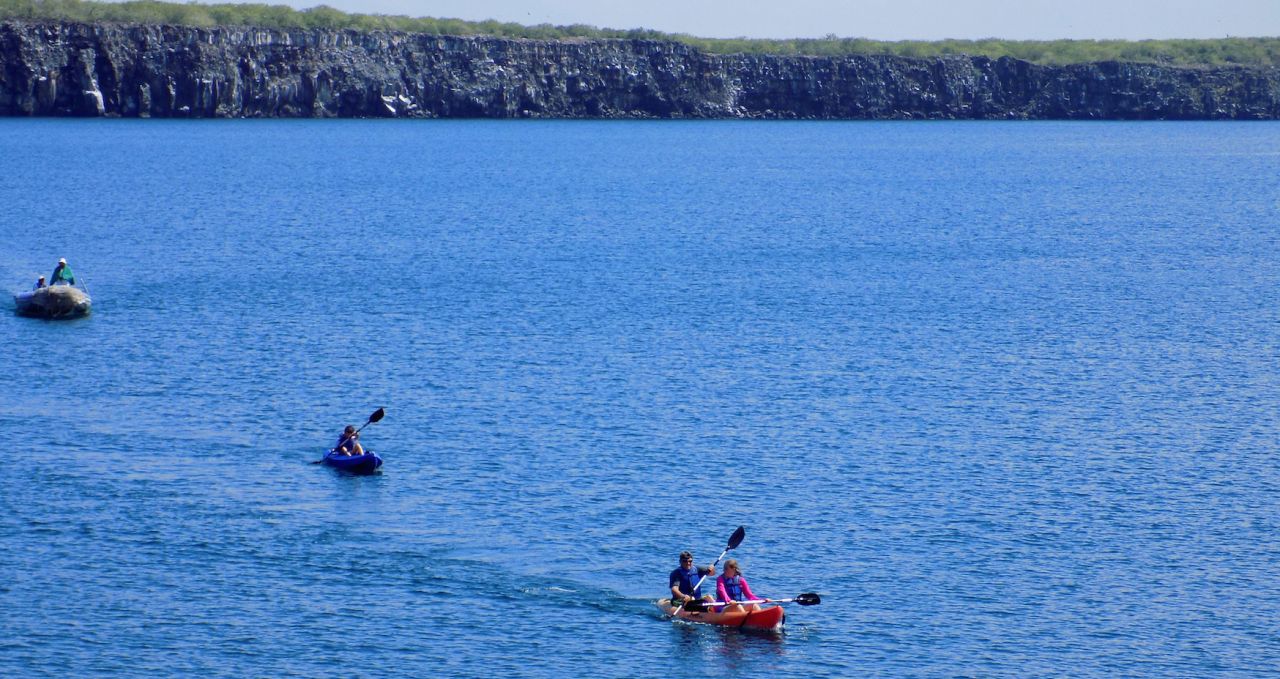
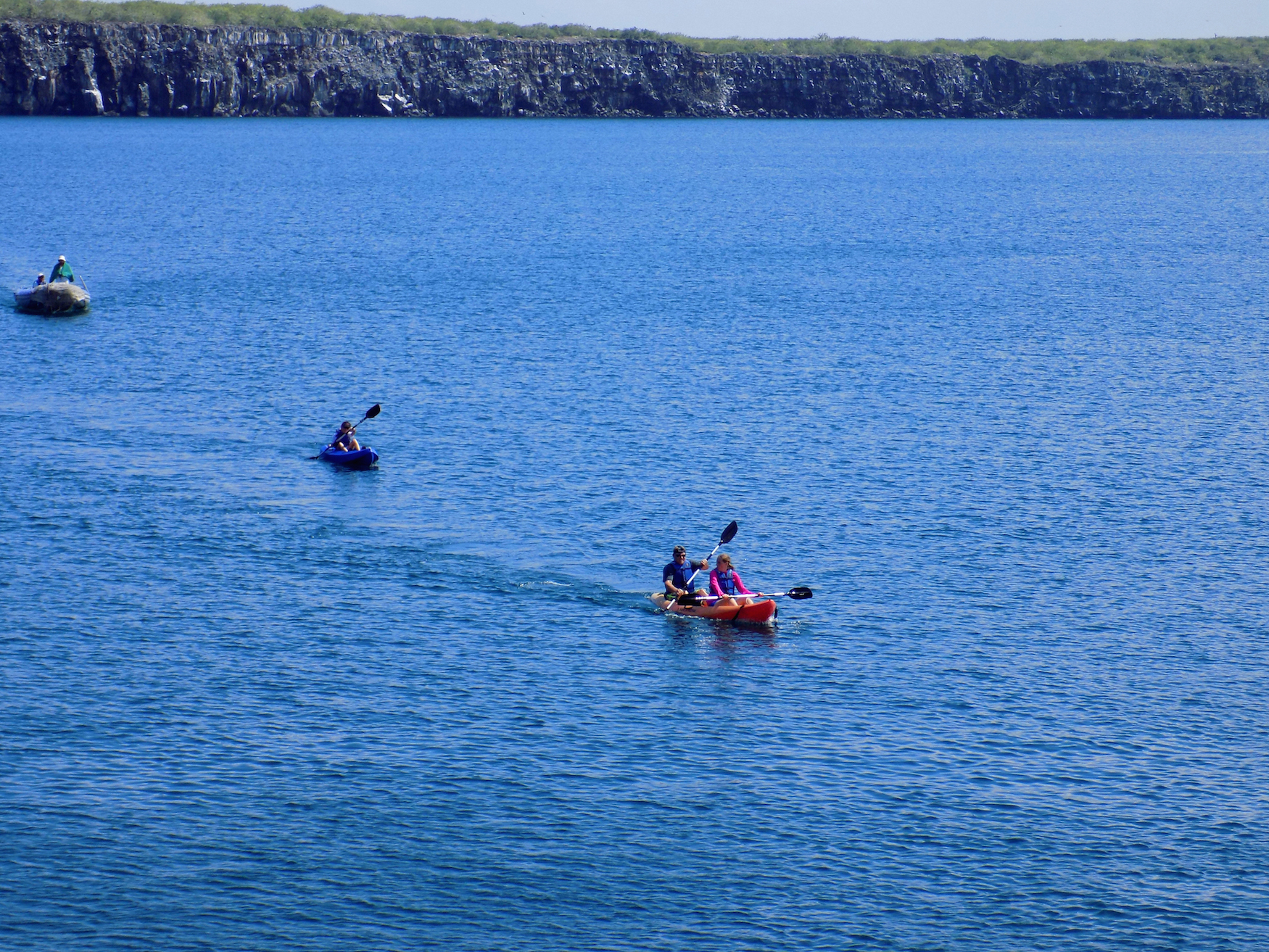
Sea kayak alongside sharks, marine iguanas, sea turtles, and playful sea lions.
-
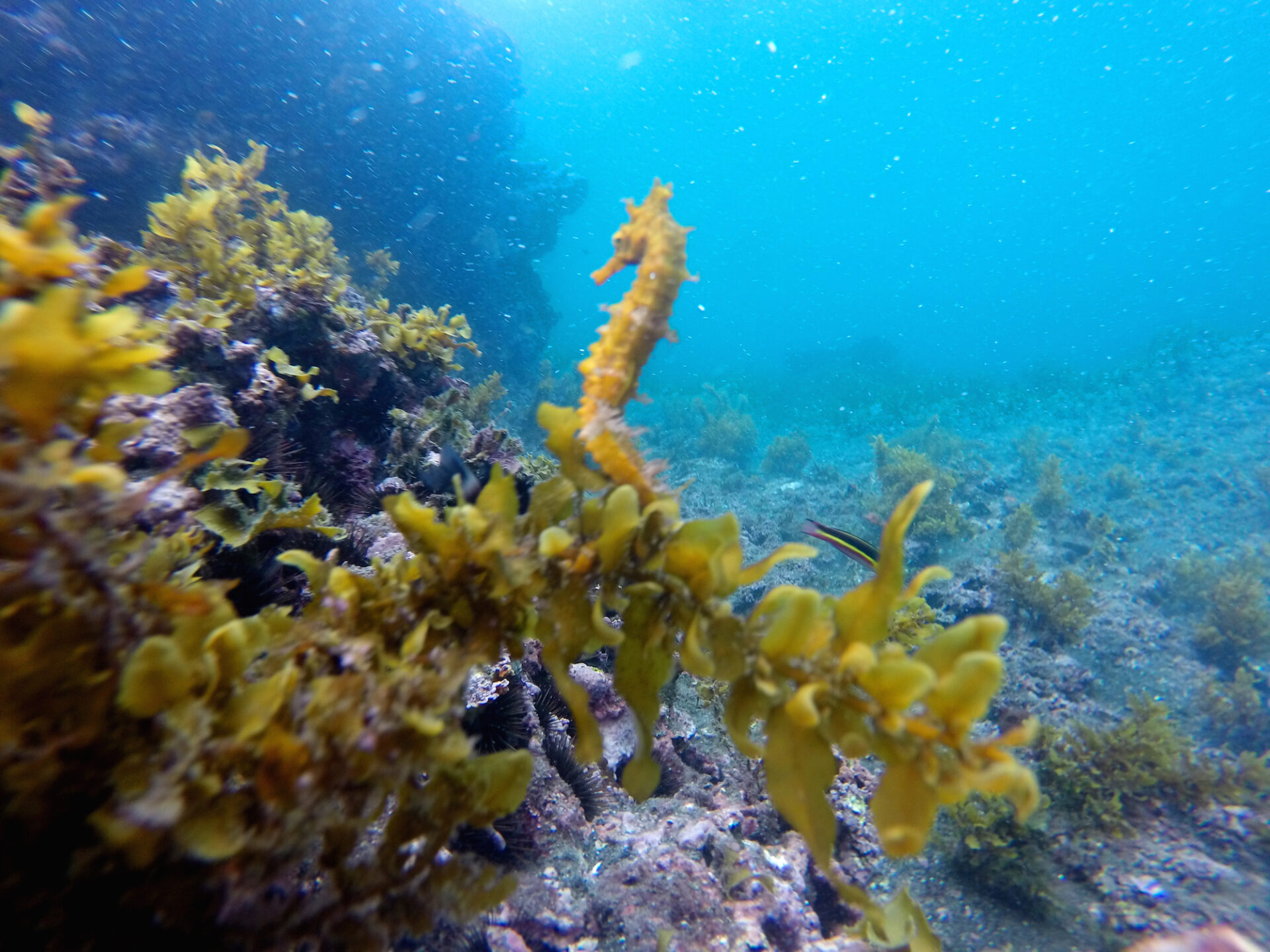
Snorkel with tropical fish, rays, sea lions, and sharks.
-
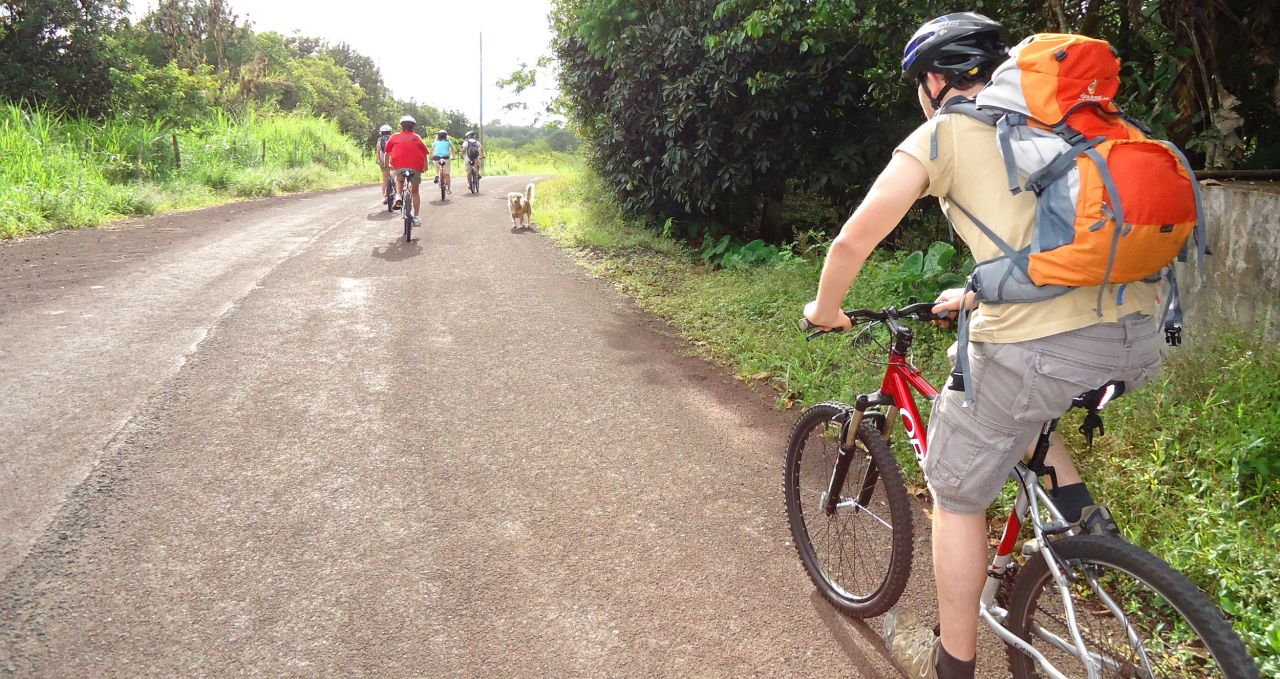
Bike along unspoiled coastlines.
-
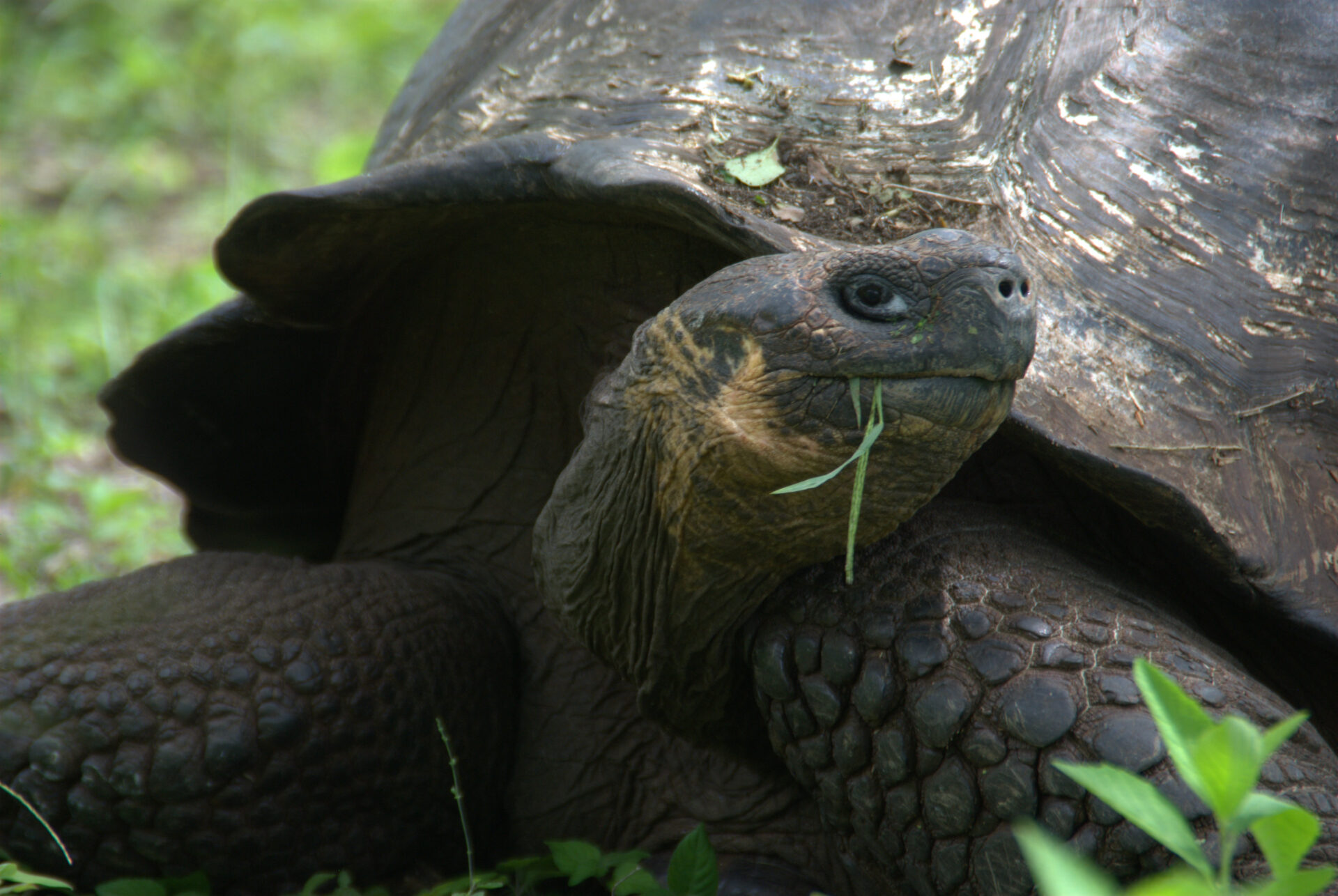
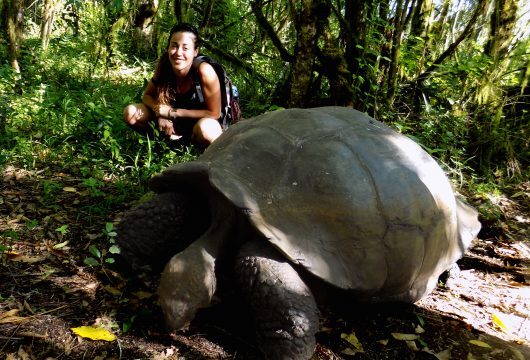
Stroll among giant Galapagos tortoises in their natural environment.
-
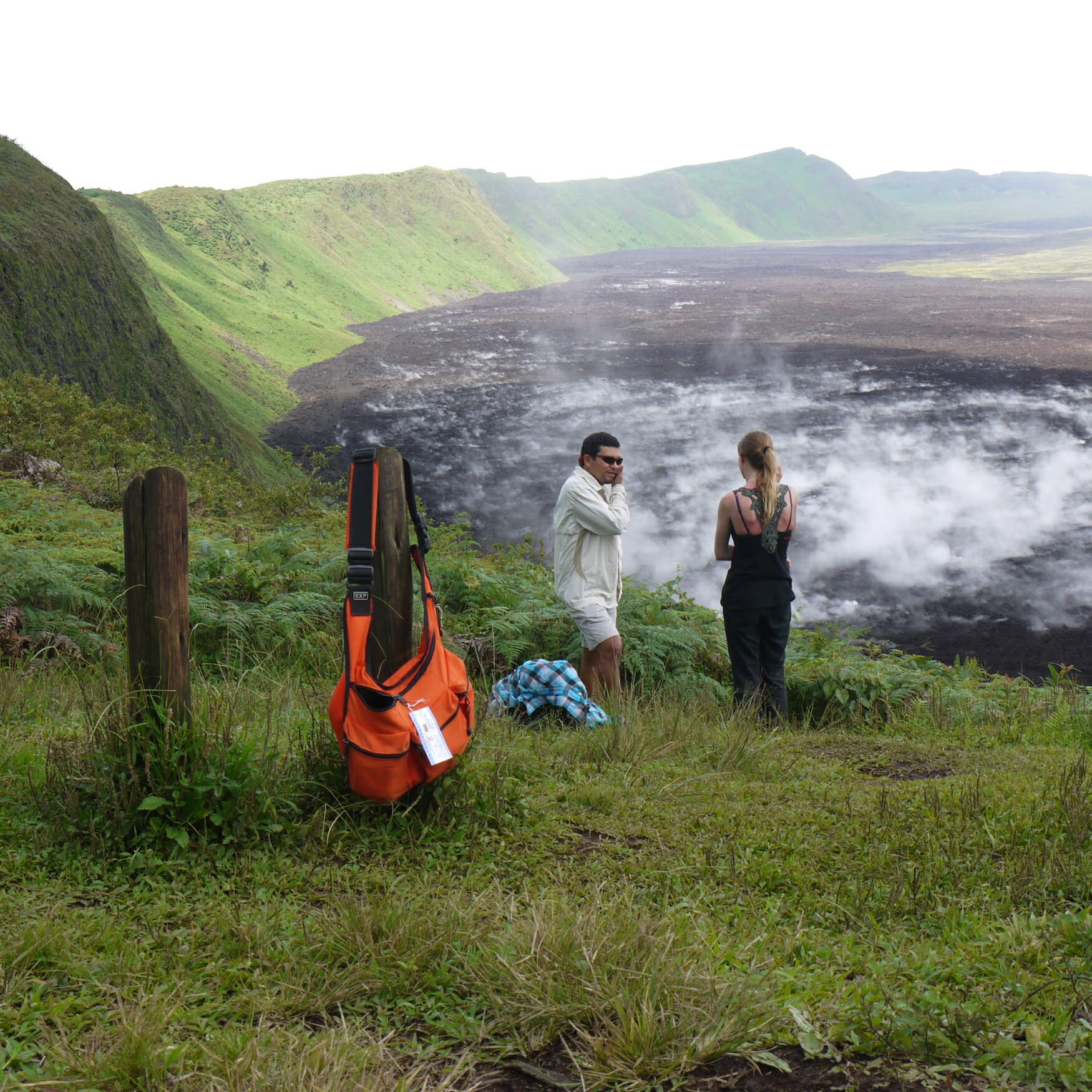
Hike around the rim of a vast active volcano crater.
-
Visit three of the four inhabited islands and explore the local food and culture.
-
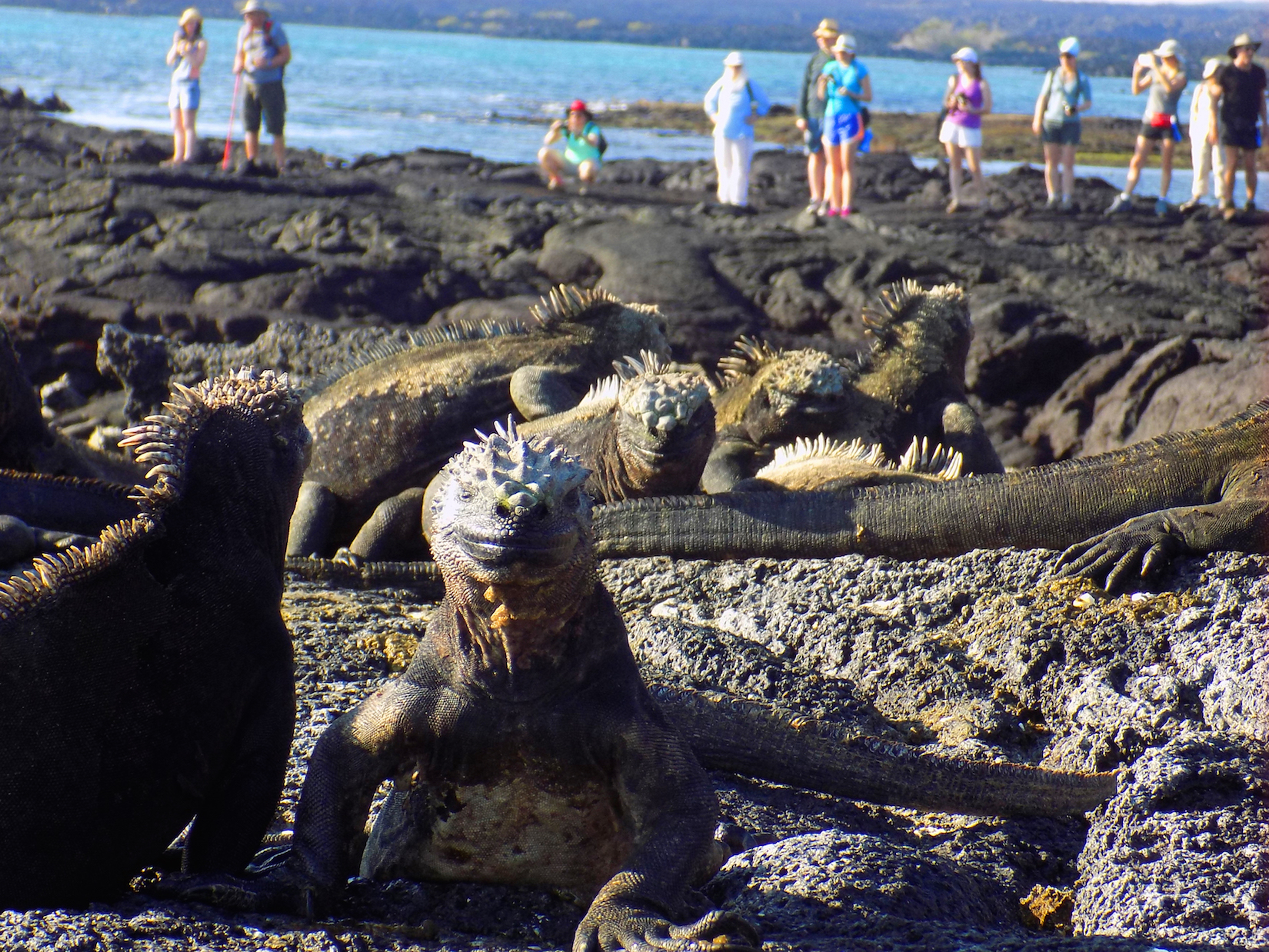
Unwind on beautiful beaches with sea lions and marine iguanas.
Really had a great time. Guide on Galapagos first rate and he really helped make the tour. Loads of experience and born in the islands.
Good people person and he really helped get best out of holiday.
Y.Chen, Galapagos
Gallery
Videos

Full Itinerary
Day 1: Arrive Quito
Today, we will meet you at Quito Airport and transfer you to the hotel.
You’ll have time to acclimatize and, if you’d like, visit the old town, to soak up the rich culture and colonial architecture, as well as trying some of the local cuisine. Let us know if you’d like a guide (extra cost).
There will be a briefing the evening. This is a chance to meet your guide and the rest of the group, and to receive key information for the days ahead.
Overnight: Swissotel or similar
Day 2: Fly to Galapagos: Highlands of Santa Cruz (B, L)
After breakfast, a representative will meet you in the hotel lobby and help with your transfer to the airport for your flight to Baltra Island, one of the main gateways to the Galapagos.
After landing, you will pass through the Galapagos migration counters, where a Naturalist Guide from the Galapagos National Park will meet you, help with luggage, and guide you to our next transport—a mix of road and ferry—to Santa Cruz Island.
Your first stop is the highlands of Santa Cruz, which offer a cooler climate than the coast. You will visit El Chato Reserve, home to giant tortoises in the wild. After lunch, you will have the chance to watch these tortoises as they move, feed, or rest in the mud pools. Your guide will explain their behaviour, diet, and the adaptations that help them survive here.
The highlands are also a good place to see local birdlife, including Galapagos flycatchers, Darwin’s finches, and vermilion flycatchers. You will also walk through one of the island’s lava tunnels, formed by ancient volcanic activity.
Later, you will visit a small craft brewery in the highlands. You can try beers made with local ingredients and learn about the brewing process and the sustainable practices they use. The brewery also offers alcohol-free options.
Once we reach Puerto Ayora, you will have free time to relax and look around the town. You may want to explore the cafés, shops, and waterfront restaurants. After dark, consider a walk to the docks, where you can often see blacktip sharks, rays, and other marine life drawn to the harbour lights.
Overnight: Hotel La Isla or similar
Santa Cruz Highlands notes: If it’s been raining, the farm can be muddy. The lava tunnel is damp, dark and rocky. There are lights in the tunnel, but if you have a headlamp, bring it. Closed toed shoes recommended and keep a rain jacket handy just in case.
Day 3: Santa Cruz Bay Tour, speedboat to Isabela Island (B)
After breakfast, you will take a scenic boat tour of the bay, where you can observe local flora and fauna. You will then make a short crossing and walk along lava trails. Later, enjoy a swim at Las Grietas, followed by a snorkelling session in the bay, where you may spot colourful fish, rays, sharks and turtles.
Back in Puerto Ayora, there’s free time for lunch. You guide will suggest several good places to eat, many offering fresh seafood and sea views.
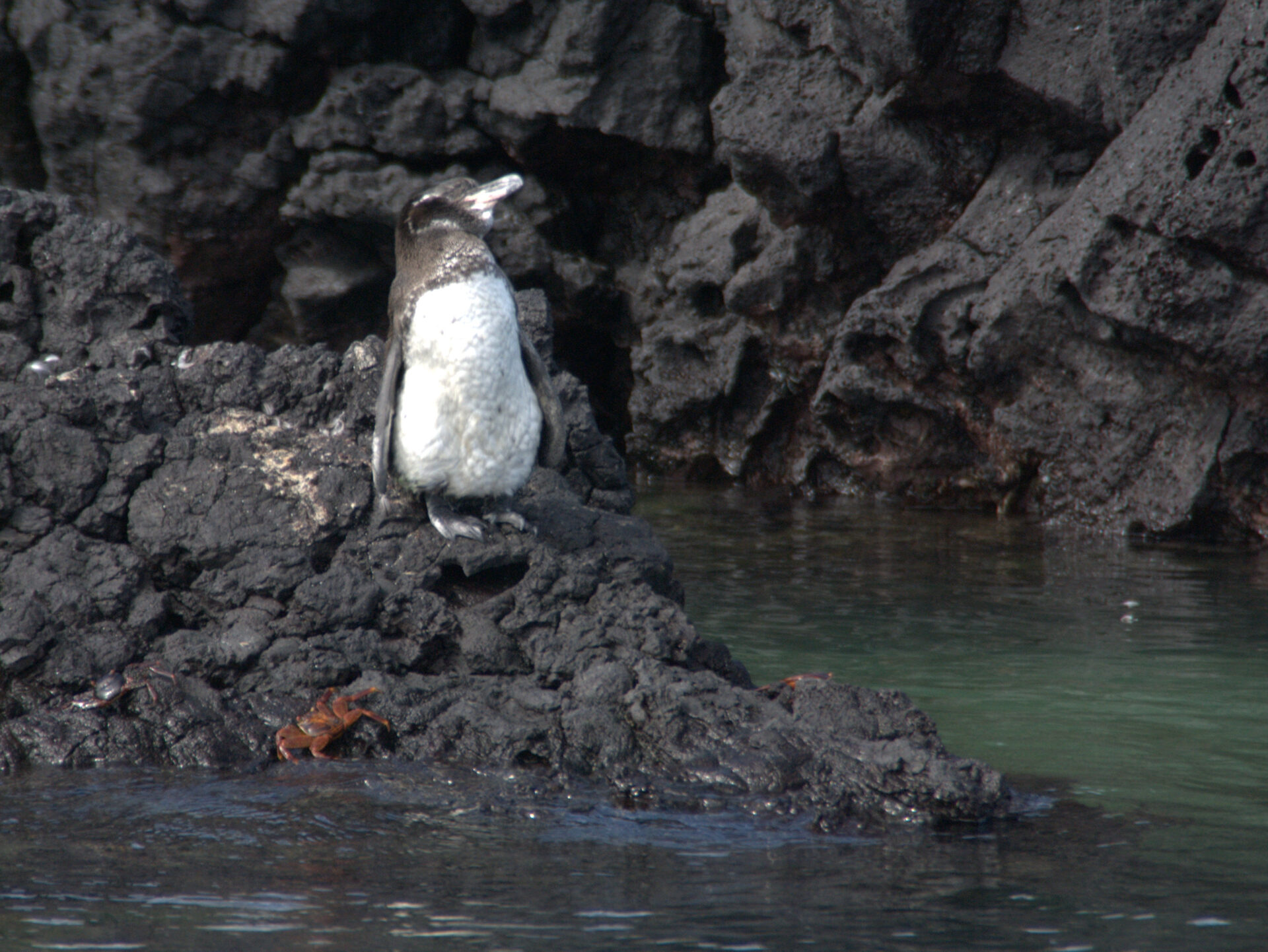
In the afternoon, you board a speed boat to Isabela Island, the largest and one of the least developed islands in the archipelago. Isabela is known for its wildlife, including marine iguanas, flamingos, giant tortoises and the Galapagos penguin, the only penguin found north of the equator.
On arrival, our representative will help you transfer to your hotel and recommend places for dinner. After checking in, you will have the rest of the evening free to relax. You may wish to take a walk along the beach or simply watch the sunset over the Pacific.
Overnight: Hotel Cormorant or similar
Speedboat Crossings:
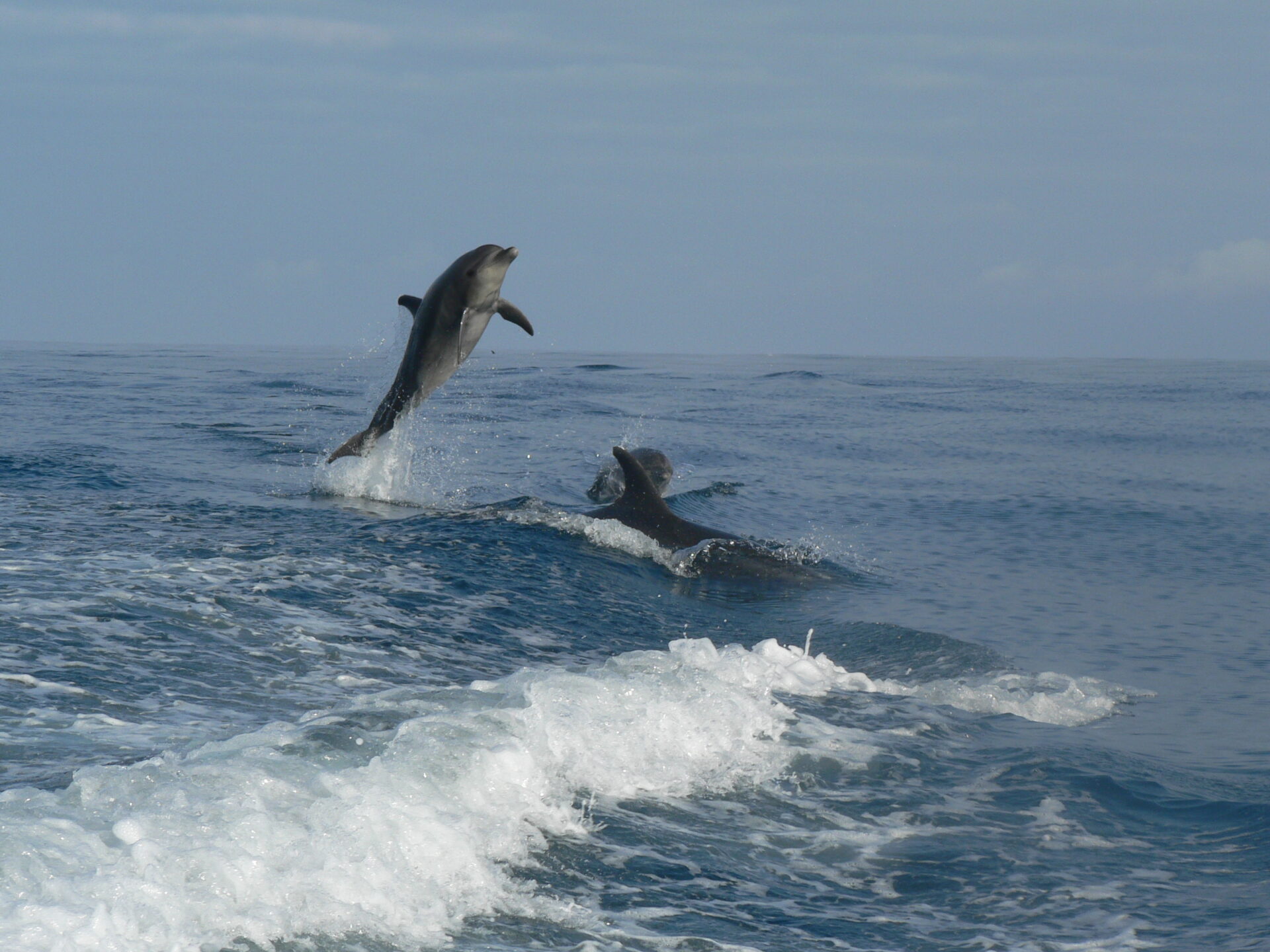
Residents and tourist alike use this method of transport regularly between the main inhabited islands. However, for this tour you’ll be on a private boat. Out on the open ocean, this is your best chance to see whales and dolphins. Each crossing takes about 2 hours. Less time if the sea is calm, more time if the sea is rough. Boats are usually 30-35 feet long and hold 20-30 passengers. You’ll be leaving bright and early most days when the sea is usually calm, but if you’re prone to seasickness or not sure, bring some seasickness pills just in case.
Day 4: Isabela: Kayaking and Snorkelling (B, L)
After breakfast, you set off on a bike ride along a dedicated trail that highlights the varied landscapes and ecosystems of Isabela Island. The day includes cycling, short walks and several stops that give a closer look at the island’s history, wildlife and conservation work.
First visit is the Wetlands, an area of lagoons, swamps and mangroves that support many bird species, including flamingos, herons and finches. As you cycle through this area, your guide will explain its importance to the island’s biodiversity.
Next stop is at the Wall of Tears, a historic site built by prisoners during the island’s penal colony period in the mid-1900s. Your guide will share the stories behind this difficult part of Isabela’s past.
Then it’s on to Playa del Amor, known for its black lava formations and large population of marine iguanas. These iguanas, found only in the Galapagos, can often be seen warming themselves on the rocks or swimming in search of algae.
A highlight of the morning is the visit to the Tortoise Breeding Centre, an important part of the islands’ conservation efforts. Here, you will learn about the programmes designed to protect and increase the tortoise population. You will see tortoises at different ages, from hatchlings to adults, and understand the work being done to support the species.
After the morning activities, it’s back to Puerto Villamil for lunch.
The afternoon starts with a visit to Tintoreras Islet, a group of volcanic rocks surrounded by clear water. The islet is named after the white-tip reef sharks often found resting in the shallow channels.
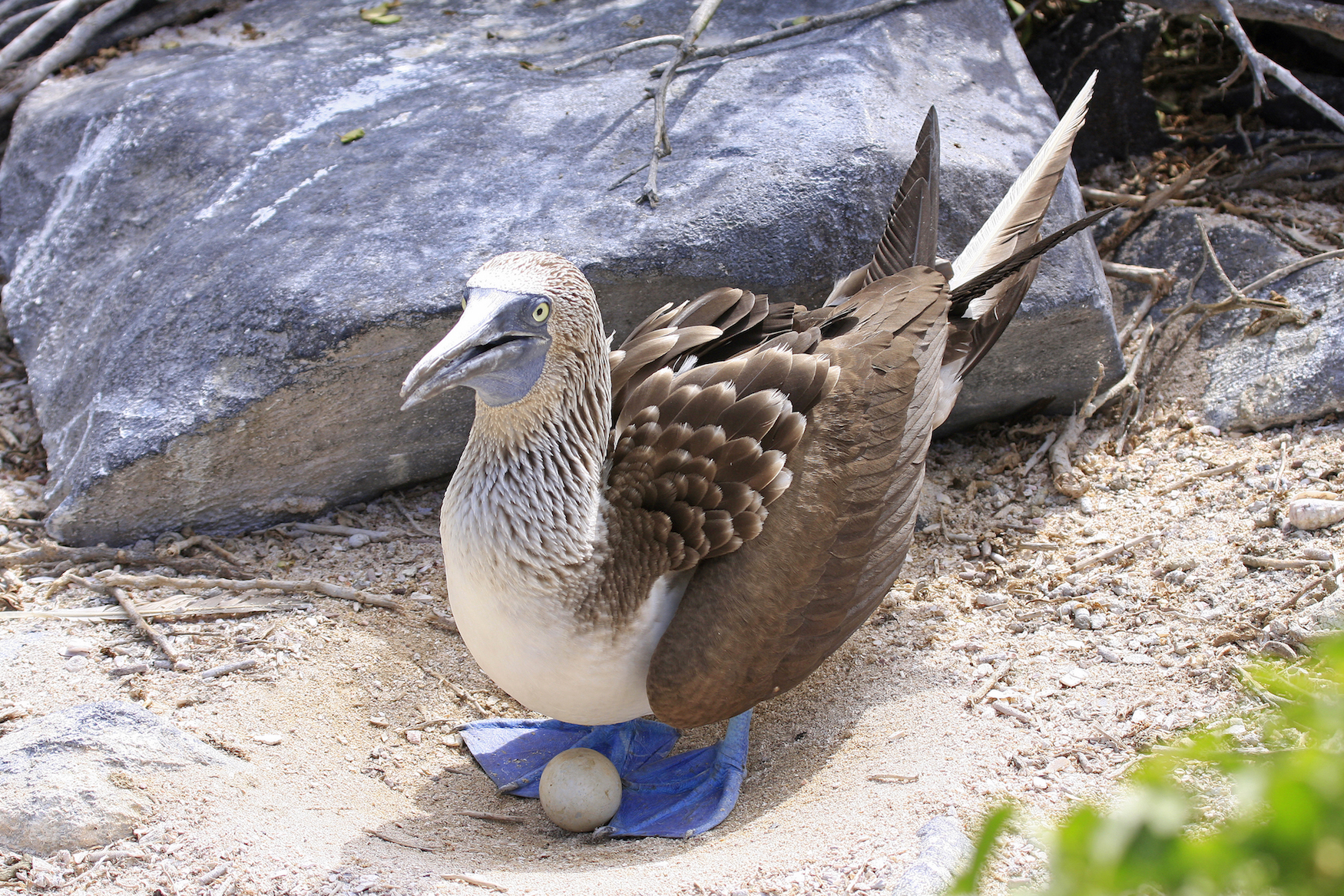
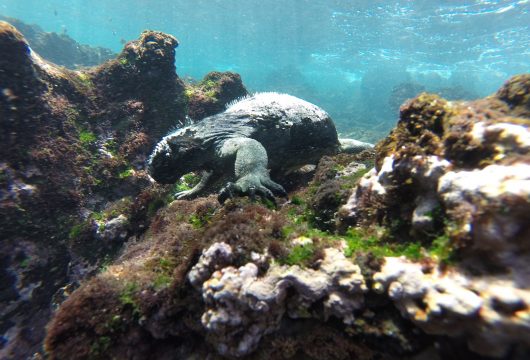
You can then go snorkelling in an area rich in marine life with the chance of spotting Galapagos penguins, blue-footed boobies diving for fish, sea turtles, sea lions, schools of fish and even marine iguanas feeding underwater.
For those who prefer not to snorkel, the views from the surface are impressive. The contrast between the dark volcanic rock, the clear water and the wildlife makes for excellent photo opportunities.
Overnight: Hotel Cormorant or similar
Day 5: Isabela: Sierra Negra Volcano hike (B, L)
Today you head into the highlands of Isabela Island for a trek to the Sierra Negra Volcano, which has one of the largest volcanic calderas in the world, measuring almost 6 miles across. The walk is about 10 miles round trip and offers wide views of the landscape and a close look at the volcanic features of the area.
Following the rim of the caldera, you’ll see the volcanic material left from the 2018 eruption, which changed parts of the crater floor. On clear days, you can enjoy views across the island, including towards Elizabeth Bay, an area known for its mangroves and marine life. Keep an eye out for native birds such as the Galapagos hawk, finches and the vermilion flycatcher.
After the trek, you will have free time to relax and enjoy the sunset, with the sound of the waves in the background. If you have the energy to explore more, you can walk to nearby spots such as Concha Perla, a good place for a swim or a quiet rest by the water.
Overnight: Hotel Cormorant or similar
Volcano hike notes: From the National Park checkpoint, there’s about a 45-minute walk uphill to the rim of the volcano. The trail around the rim has only slight up and downs with a few short steep inclines. The lava fields of Volcan Chico are uneven and rocky in areas.
The path in and out is dirt: if it’s been raining, it could be muddy. There’s one proper bathroom at the beginning of the trail. The majority of walking is on level terrain and as long as you’re comfortable walking 4-6 hours, it’s definitely doable. If you have weak ankles, use athletic braces and wear hiking boots. If you have knee trouble, bring a hiking pole or two. This is a non-technical hike.
Day 6: Isabela: Snorkelling at Los Tuneles (B,L,D)
Today, you will visit Los Tuneles, one of the most distinctive snorkelling sites in the Galapagos. This area was formed by ancient lava flows that cooled and cracked, creating arches, tunnels and pools both above and below the water. It is now a sheltered habitat for many marine species.
As you travel by boat, your guide will explain how these formations developed and the ecosystem they support. On foot, you will explore the rocky arches and look for blue-footed boobies nesting on them. If you’re lucky, you may see their courtship display.
The snorkelling at Los Tuneles is a highlight. In clear water, you may see:
- White-tip reef sharks resting in the tunnels
- Sea turtles swimming through the channels
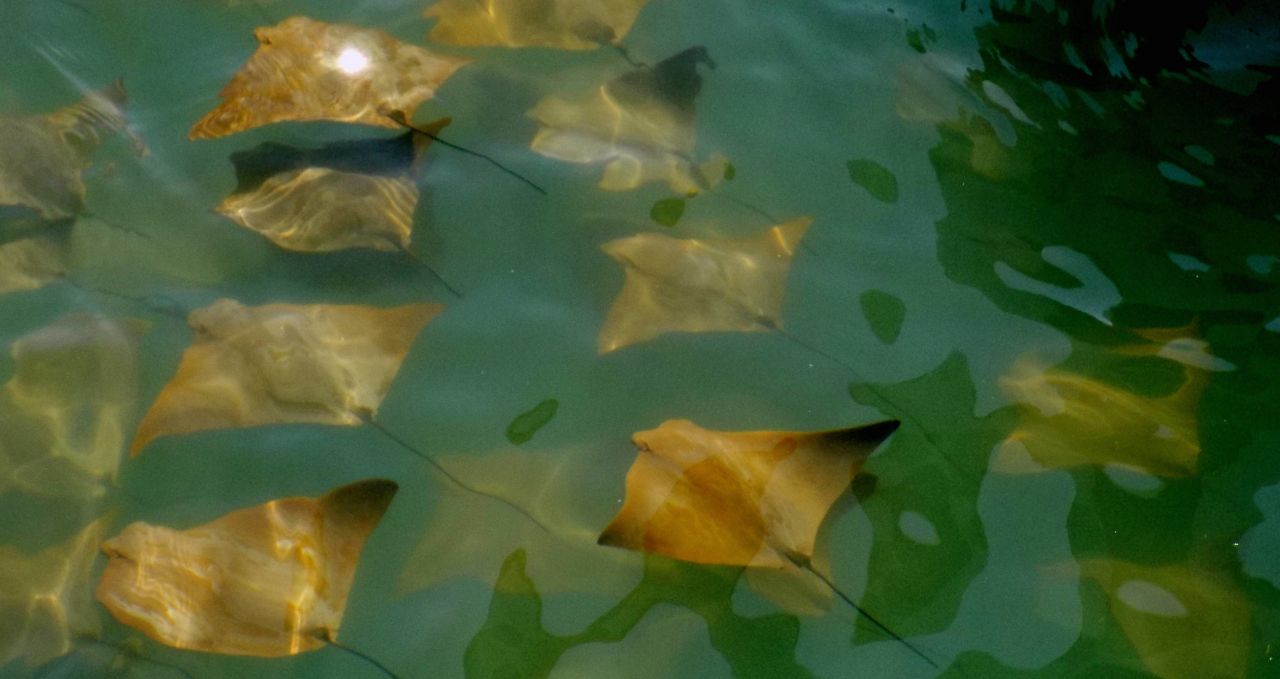
- Golden and spotted eagle rays moving over the sand
- A variety of reef fish, such as parrotfish and damselfish
- Sea lions playing near snorkellers
After lunch on board, we will continue to El Finado, another excellent snorkelling site. Once used by local fishermen as a shelter, it is now home to:
- Manta rays and stingrays
- Octopuses hiding among the rocks
- Brightly coloured starfish
- Schools of fish reflecting the sunlight
If you prefer not to snorkel, the views of the volcanic coastline and clear water from the boat are also impressive.
As the day winds down, enjoy an Ecuadorian wine-tasting social hour—a relaxed moment to share stories and reflect on the day. Afterwards, we will head into town for dinner at a local restaurant.
Overnight: Hotel Cormorant or similar
Day 7: Isabela: Kayaking, afternoon flight to San Cristobal (B)
After an early breakfast, you will set out on a kayaking trip towards small islets formed by jagged volcanic rock. These rocks create narrow underwater channels that attract many marine species. Kayaking here is a special experience, as you paddle in the open Pacific surrounded by volcanic scenery and rich wildlife. Along the way, you may see Galapagos penguins swimming nearby, blue-footed boobies diving for fish, and sea lions approaching the kayaks out of curiosity. The calm water and close wildlife encounters make this a memorable outing.
Return to the hotel for check-out and lunch, then transfer to Isabela’s airport.
Next, you will take a short scenic flight to San Cristóbal Island, the fifth largest and easternmost island in the Galapagos. It is made up of several fused volcanoes, all now extinct. The island is named after St Christopher, the patron saint of sailors.
On arrival, our representative will meet you and assist with the transfer and hotel check-in.
The afternoon is free for you to relax or explore the island at your own pace.
Overnight: Hotel Seaside or similar
Day 8: Snorkelling trip to Kicker Rock, cooking class (B,L,D)
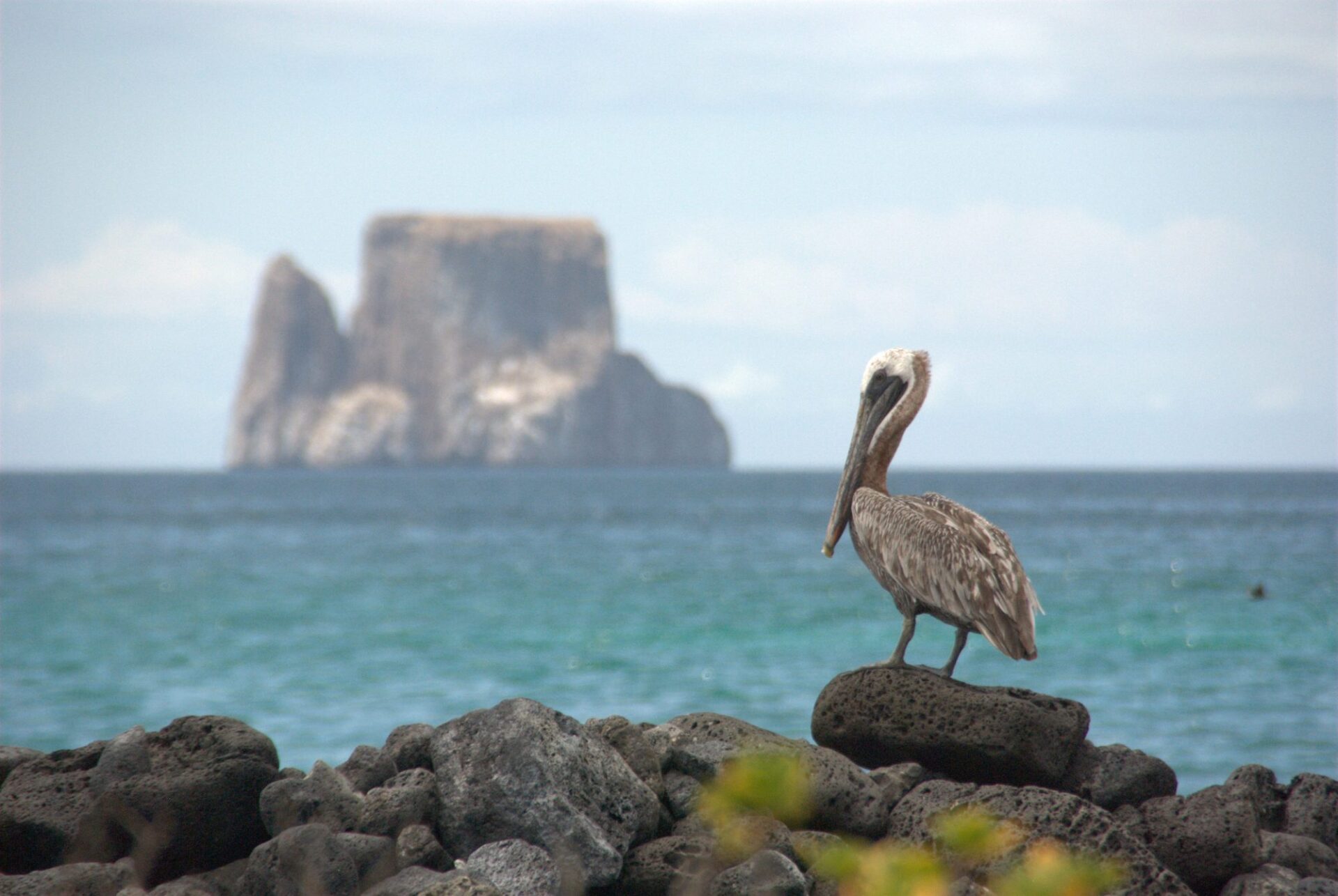
You will start the day with a 50-minute boat ride across calm blue water to Kicker Rock, one of the most striking sights in the Galapagos. This tall volcanic formation rises about 500 feet above the sea and creates a natural channel that is excellent for wildlife viewing.
On arrival, get ready for your first snorkelling session in the channel between the rocks. Underwater, you may see white-tip reef sharks, rays, sea lions, sea turtles and many colourful fish. With luck, you might also spot hammerhead sharks. You’ll have two chances to snorkel here, giving you plenty of time to enjoy the rich marine life.
After snorkelling, you will visit a quiet white-sand beach within the reserve. You can relax on the shore and enjoy the peaceful setting. A freshly prepared lunch will be served on board.
In the afternoon, return to town for a cultural activity. You will visit the home of a local fishing family and take part in a traditional Ecuadorian cooking class. With their guidance, you will prepare dishes using local ingredients and learn about their customs and way of life. They will share stories about living in the Galapagos and the challenges and rewards of island life.
In the evening, you will have free time for a wander around town.
Overnight: Hotel Seaside or similar
Day 9: Fly back to Quito (B)
After a final breakfast in the Galapagos, you will be collected from your hotel in time for your transfer to San Cristóbal Airport.
At the airport, board your flight back to mainland Ecuador, which typically takes 2-3 hours, usually with a brief stop in Guayaquil.
On arrival in Quito, our team will meet you and assist with your transfer to your hotel in the city
Overnight: Swissotel or Similar
Day 10: Departure day, airport transfer (B)
Departure day! We’ll coordinate your transfer to the airport based on your flight schedule. To ensure a smooth check-in, we recommend planning your pick-up at least three hours before your flight.
Safe onward travel, we hope you leave with amazing memories of your Galapagos adventure!
Meals included: Breakfast
Prices From $3,100 / £2,520 per person
What's Included?
Airport transfers, experienced Certified English-Speaking guides, land and water transport, inter-island flight from Isabela Island to San Cristobal Island, accommodation for nine nights, meals according to the itinerary, water and snacks at all time, biking gear: hybrid bikes, certified helmets and gloves, paddling gear: sit on top double kayaks and paddles, snorkelling gear: mask and fins
What's Not Included?
International or domestic flights, Galapagos transit control card INGALA ($20), Galapagos National Park fee ($200/children $100), Isabela Island fee ($10), meals not mentioned in the itinerary, tips for guides and drivers, travel insurance (mandatory), optional activities: Scuba diving option at Kicker Rock
Accommodation
This is an active, adventure-oriented trip but the hotels you will be staying at are comfortable and well-located.
Hotels – singles, twin, doubles and some triples and family rooms available.
Tour Staff
Our team of guides and expedition crews is composed of native Galapagueños, born and raised in the islands. They bring a wealth of knowledge about the flora, fauna, and cultural heritage of the Galapagos, including local cuisine and customs, providing a unique experience.
Our guides are seasoned professionals, experts in each activity we offer, and adhere to the highest standards set by international organizations. They are trained and licensed by the Galapagos National Park and continually update their knowledge with the latest research and information about the natural life in the Galapagos.
Passionate about what they do best, our guides delight in showing their homeland to visitors from around the world, ensuring an enriching experience that goes beyond a typical vacation.
Meals
We can cater for many special dietary requirements on this tour. Please let us know at the time of booking.
Breakfast and some lunches are included in this tour. When you have free time to choose your own meals, our guide can make recommendations or you can explore on your own.
Typically, there is a lot of eggs, fish, chicken, rice and some potatoes, plus fresh fruit and vegetables and coffee. There are also international plates such as pasta, pizza, hamburgers etc.
Activity Level
All activities are within the scope of people that like to be active. No previous experience is necessary for any of the activities, however, as none are designed to be overly strenuous.
The hiking at Sierra Negra involves 4-5 hours of walking. Other activities will last between 2-4 hours.
Practical Information
Introduction to Galapagos
These magical islands comprise of 50 volcanic islands of varying shapes and sizes, which lie 1,000 kilometres off the coast of Ecuador.
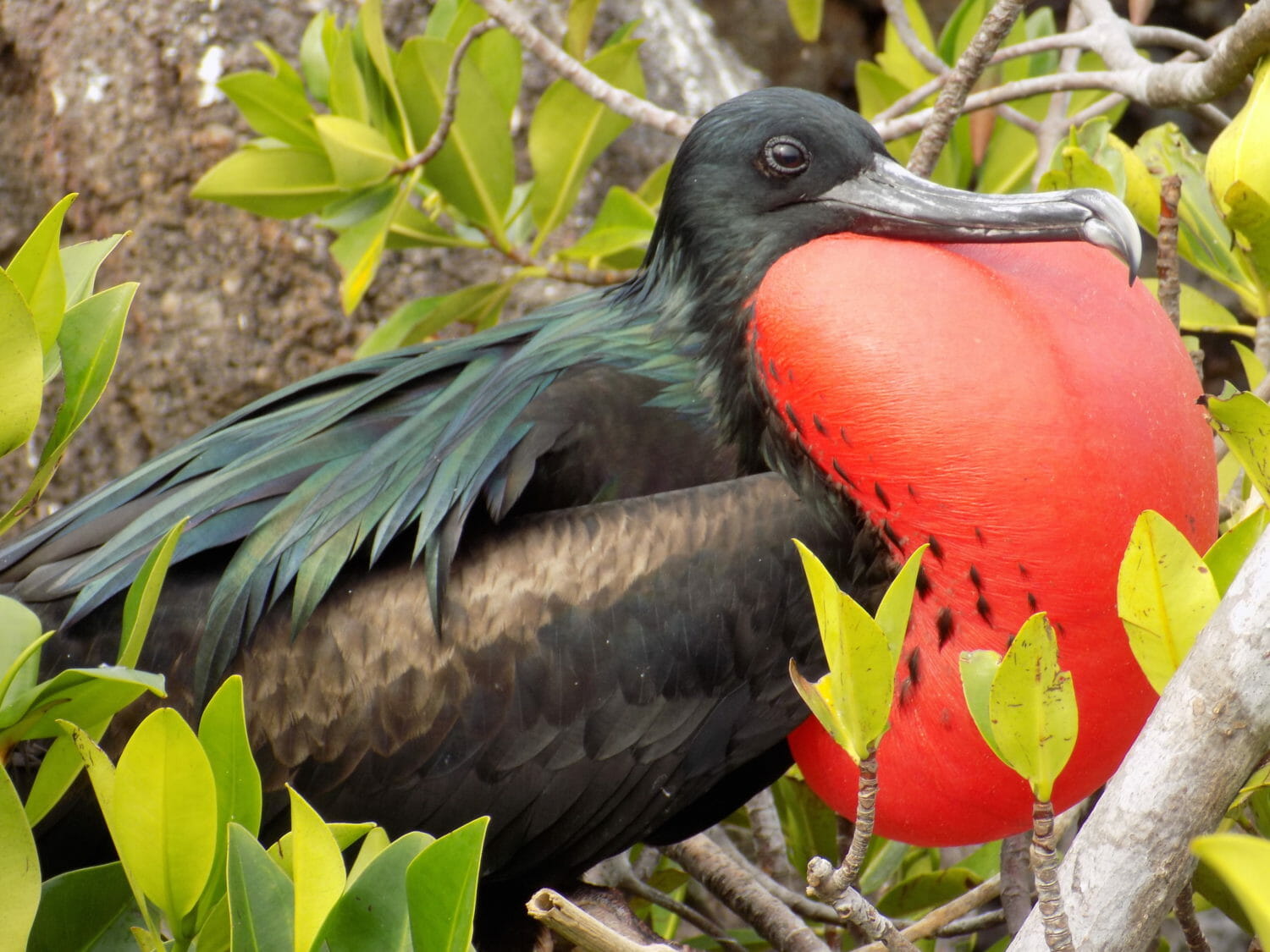
Here, unlike anywhere else on Earth, you can enjoy a thousand close encounters with a weird and wonderful variety of ‘friendly locals’, including giant tortoises, fur seals, sea iguanas, frigate birds and blue-footed boobies.
Read our Galapagos Islands Guide and more about diving.
In 1535, Tomás de Berlanga, Bishop of Panama, floated into this archipelago and named it Galapagos after the giant tortoises he encountered. Pirates used the islands for refuge and to bury their stolen treasure after that.
The islands’ most celebrated visitor was Charles Darwin, who arrived aboard the HMS Beagle in 1835. The rare life forms he encountered helped him formulate his theory of evolution, which he published in The Origin of Species by Means of Natural Selection.
It wasn’t until 1959 when it became part of Ecuador’s national park system that this fragile ecosystem with its rare and endemic species came under protection.
In 1979 the Galapagos archipelago was declared a UNESCO World Heritage Site.
Weather in Galapagos
When to visit Galapagos Islands: weather and wildlife
There is no real ‘best’ time to visit Galapagos on holiday as there is always wonderful wildlife and weather to enjoy. Read our blog for more.
Most animals – tortoises, sharks, sea lions and boobies – are found year round and many of the species here are non-migratory.
The Galapagos Islands are located right on the equator so air and water temperatures do not vary by much.
Having said that, there are two recognised seasons, and each months brings natural marvels for the visitor to enjoy.
Below is our quick guide to the weather and wildlife you can find on the Galapagos Islands.
General weather information
The warm season (Jan-Jun)
- Calm, clear warm waters, great for snorkelling, often without a wetsuit.
- Great weather, with February and March being the hottest and sunniest months with blue skies and sunshine.
- Occasional heavy bursts of rain in the afternoons.
Sea temperatures: 22-25°C / 72-77°F
Land temperatures: 21-32°C / 72-90°F
The dry ‘garua’ season (Jun-Dec)
- It’s a great time for marine life in the cooler seas. Snorkellers may want a wetsuit.
- August and September the coolest when you may need a jacket in the evenings and the sea can be choppy.
- There can be mist on the islands in the mornings (garua) which usually burns off by midday leaving overcast skies or a sunny afternoon.
Sea temperatures: 15-22°C / 60-72°F
Land temperatures: 18-24°C / 65-75°F

Air and sea temperatures in Galapagos, month-by-month
Diving in Galapagos
Diving in Galapagos is mainly aimed at experienced divers – PADI advanced or more – with experience in cold, fast moving waters and with good buoyancy.
Beginners can now join day dives on land-based (hotel-based) packages.
Read more on our Galapagos Diving page.
The more experienced divers can choose hotel-based packages or live aboard a specified dive boat that only offers week long, dive-only cruises.
Diving is not permitted on almost all standard cruises, although some can now offer a few dives while the rest of the group is ashore or snorkelling.
Please ask for details as National Park rules are complex and dive availability in this form is scarce.
Galapagos kit list
Good kit is vital for every trip.
Book with Andean Trails and get 15% off Páramo’s fantastic ethical and high performance outdoor gear.
Galapagos – general advice
Galapagos is warm and humid, and you will need t-shirts (moisture wick-away or breathable t-shirts can be very useful, it can get very hot in the day), shorts, lightweight skirt or trousers and bathing suits.
One or two cotton shirts can be used to protect you from sunburn, especially when snorkelling (not very elegant worn in the water over a swimsuit, but practical – and Galapagos is NOT an elegant place!).
You may want to change into different clothes for the evening, but don’t take anything dressy or smart – there really is a very relaxed atmosphere in island hotels.
Pack something warm and windproof for being the inter-island speedboats – and a waterproof for the Highlands.
Strong sandals, trainers, or light hiking boots are ideal footwear – you may like to have something suitable for easy walks and another for tougher terrain – your guide will advise you daily what the walking will be like.
Do take a hat!
Seasickness tablets if you think you will have problems – i.e. Sturgeon, or Mareol if you buy them in Quito. The sea can be choppy, so it is recommended to take them as a precaution.
Galapagos – detailed kit list
- First aid kit – aspirin, imodium, sun tan lotion (facter 50 recommended), sunburn cream, lip salve, throat lozenges, insect repellent, etc.
- Earplugs, if you sleep lightly.
- Sun glasses and sun hat.
- Snorkelling equipment is provided on every tour, but it may suit you better to take equipment in your size that you know will fit you. Even if you have not snorkelled before, DO have a go – under water Galapagos is a very special experience. Try it first of all from the beach, to get the hang of breathing through gritted teeth, then take the plunge!
- Towel, for the beach.
- Money belt.
- Passport, with at least 6 months remaining from date of return from Ecuador.
- US Dollars cash and mixed denomination notes, undamaged and unmarked.
- Visa/MasterCard, Cash card.
- Personal & Medical insurance.
- Camera and film / memory cards (take at least twice the amount you think you will need!). You may want to take an underwater camera for snorkelling.
- Camera charger
- Binoculars
- Small backpack – to keep your sun cream, water, shirt etc in when you are on shore/activity.
- Small plastic water bottle, 1-2 litres, depending on how much you drink.
- Biodegradable (v. high factor, 50+ recommended) and lip salve.
- Toiletries (featuring biodegradable soap).
- Wet Wipes/antiseptic hand wash cream
- Travel alarm clock.
- Sewing kit.
- Spanish/English phrasebook.
- Book, e-book, mp3 player/ipod or other for free time.
The Galapagos Islands are a very fragile environment and the arrival of more and more inhabitants to the islands, as well as tourist have an impact.
Please try to minimise your impact by:
- Bringing a water bottle to refill, rather than using a new bottle each time.
- Recycling your rubbish where possible, not leaving any rubbish behind.
- Taking batteries back home with you – they cannot be recycled properly in Ecuador.
- Saving water where possible.
- Leave toiletries that contain microbeads at home
- Saving energy by switching your lights off when you leave the room. Electricity on the islands comes from a generator, fuelled by petrol. For this same reason, please think about whether you really need to use your air conditioning.
Quito
Pleasantly warm during the day, but can be quite chilly during the morning or at night when you might want a jacket or a fleece, plus a waterproof.
You may want to dress up a little more in the evening here, depending on where you are staying, and what sort of restaurant you like.
Guayaquil
Conditions here are similar to Galapagos – hot and humid. T-shirts and shorts in the day, and like Quito, something smarter for eating out in restaurants at night.
Fitness and experience
The Galapagos Islands are a suitable destination for most ages and fitness levels. Walks are generally short, although some volcano hikes are more challenging and may involve 2-3 hours of walking. Snorkelling is a real highlight on the Galapagos, so the ability to swim and snorkel is recommended. Snorkelling is suitable for those that have never tried before.
You need to be able to make some wet landings i.e. stepping out of a panga onto a sandy shore, and you may need to ascend or desend small ladders when getting on or off boats at docks or to snorkel.
The fitter you are, the more you will enjoy the Islands, but they really are accessible to all. You can choose to skip any activities you do not wish to partake in.
Read more in our blog about a typical day on Galapagos.
Floreana, Galapagos
Floreana is the least populated Galapagos island and yet home to its most scandalous tales!
Gossip aside, it is home to Post Office Bay, where a post barrel was erected in the late 18th century by English whalers. Passing sailors took the messages onwards – and it still functions today.
The nearby Devil’s Crown is one of Galapagos’ most special snorkels.
A (at times strong) current pushes you past the remains of a submerged volcano with its crater ‘horns’ still exposed, and you’ll see a brilliant array of colourful fish and corals.
Great viewpoints at Asilo de La Paz and Baroness view, too.
Isabela, Galapagos
Isabela is the largest and one of the youngest Galapagos islands, and its small human but enormous wildlife population make it perfect for cruises and hotel-based visits.
It also has a mile-long, pristine white-sand beach, with some small and cool bars to hang out in with some sundowners.
Must-do’s include Sierra Negra volcano and its active caldera, head to Los Tuneles to snorkel face-to-face with sharks and turtles and spend some time looking for penguins at Las Tintoreras.
Isabela is great for adventure and families alike.
For cruises only, Punta Vicente Roca is a lovely snorkel, and Urbina Bay is a top spot for wild giant tortoises and colourful land iguanas.
Kicker Rock, Galapagos
A truly impressive sight, Kicker Rock is the remains of an underwater volcano rising vertically 150m/492ft out of the sea.
The exposed cone has fractured in two, leaving a wildlife rich sea channel for us to enjoy, snorkelling or diving.
Jump in the water and drift with the gentle current through the cleft, keeping an eye out below for sea turtles, manta rays and maybe the odd harmless Galapagos shark, just to name a few.
Hammerheads are occasionally seen here too.
On the cliffs, we can spot Blue-footed Boobies, Nazca Boobies and magnificent Frigate birds. A memorable snorkel.
Santa Cruz, Galapagos
Almost everyone will visit Santa Cruz during a Galapagos stay.
It’s popular because of the incredible variety of habitat and animals go alongside its strategic location.
The famous Charles Darwin Centre is a must, as is a visit to see Giant Tortoises and a kayak in the turquoise waters at Garrapatero beach.
There are a plethora of great dive and snorkel sites nearby, lively bars and some good beaches for relaxing, like Tortuga Bay.
Most cruises start or end here, and the majority of flights come to Santa Cruz, plus there are many accommodation options, from basic to luxury.
Santiago (James), Galapagos
Curious, dark sand greets the visitor to this centrally-located island.
Marine iguanas may join you for a snorkel after warming up in the sun, along with white-tipped reef sharks, rays, surgeon and parrotfish and turtles.
Crabs, sea lions and spectacular blowholes line the shore.
On the other side of the island, red sand cliffs are home to many seabirds, and Bucaneer cove tells its own whaling and pirate history.
A group of nearby small rocky islands called Bainbridge Rocks feature a stunning, turquoise saltwater lagoon that is home to flamingos.
The Galapagos Islands
The Galapagos is an ideal year-round destination, with its volcanic landscapes and tame wildlife.
Whether you cruise or stay in a hotel, you are guaranteed to see giant tortoises, sea lions, iguanas and blue-footed boobies to name a few, plus amazing volcanic formations and stunning beaches.
No trip here is complete without diving or snorkelling – turtles, rays, schools of fish, and for the lucky, hammerhead and whale sharks.
Divers can enjoy some of the best underwater diving in the world on liveaboard cruises to remote and spectacular dive sites.
Tower (Genovesa), Galapagos
Flung way out to the north of the archipelago, this spectacular island is a Galapagos in miniature.
Its remote location meaning very few people make it this far.
Sea lions, sharks and Flightless Cormorants will no doubt accompany you on snorkels in deep waters as well as close to the beautiful, white-sand bay.
A multitude of birds nest at Tower, and it’s the only place you’re sure to see the Red-Footed Booby, as well as the chance to spot petrels, owls, gulls and more.
Available Dates
13th Mar 2026 - From $3100 / £2520.3
2026 price from per person, shared room basis.Single supplement applies (USD850)
High season supplement applies
Hotel upgrade possible
17th Apr 2026 - From $3100 / £2520.3
2026 price from per person, shared room basis.Single supplement applies (USD850)
High season supplement applies
Hotel upgrade possible
15th May 2026 - From $3100 / £2520.3
2026 price from per person, shared room basis.Single supplement applies (USD850)
High season supplement applies
Hotel upgrade possible
12th Jun 2026 - From $3100 / £2520.3
2026 price from per person, shared room basis.Single supplement applies (USD850)
High season supplement applies
Hotel upgrade possible
17th Jul 2026 - From $3100 / £2520.3
2026 price from per person, shared room basis.Single supplement applies (USD850)
High season supplement applies
Hotel upgrade possible
14th Aug 2026 - From $3100 / £2520.3
2026 price from per person, shared room basis.Single supplement applies (USD850)
High season supplement applies
Hotel upgrade possible
18th Sep 2026 - From $3100 / £2520.3
2026 price from per person, shared room basis.Single supplement applies (USD850)
High season supplement applies
Hotel upgrade possible
16th Oct 2026 - From $3100 / £2520.3
2026 price from per person, shared room basis.Single supplement applies (USD850)
High season supplement applies
Hotel upgrade possible
13th Nov 2026 - From $3100 / £2520.3
2026 price from per person, shared room basis.Single supplement applies (USD850)
High season supplement applies
Hotel upgrade possible
11th Dec 2026 - From $3100 / £2520.3
2026 price from per person, shared room basis.Single supplement applies (USD850)
High season supplement applies
Hotel upgrade possible


Dates & Prices
Select an available date to view pricing and information for that particular trip.
Guide price from per person, shared room basis.
Single supplement applies (USD850)
*8-day version also available- please ask about our departure dates
High season supplement applies
Hotel upgrade possible
Can’t find what you’re looking for? Get in Touch
+44 (0)131 378 5593
+44 (0)131 554 6025
Suggested Trips
Ecuador & Galapagos Tour For Families Under 8s
https://www.andeantrails.co.uk/tour/ecuador-galapagos-tour/ a Tailor Made Tour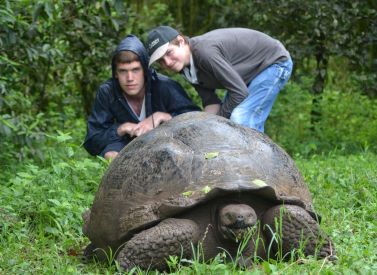
Prices From $3,372 / £2,741 per person
Duration: 13
Capacity: 16 people
Visit Galapagos Kids learn about different cultures and breaking down barriers, visit Andean musicians and see what happens in a lodge kitchen. Haggle at the famous Otavalo market and look for monkeys, hummingbirds and bears in the cloud forest. Water pays a big part in this trip – waterfalls, river…Finch Bay Galapagos Eco-Hotel
https://www.andeantrails.co.uk/tour/finch-bay-galapagos/ a Group Tour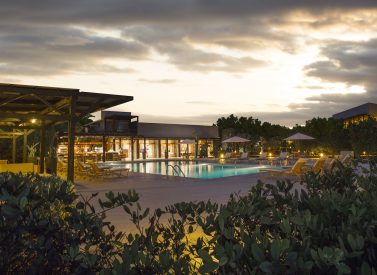
Prices From $2,409 / £1,959 per person
Duration: 4
Capacity: 42 people
More on Finch Bay, Galapagos Santa Cruz is the island on which you’ll find Finch Bay, recently renovated to reach the highest hotel standards on the Galapagos Islands. Tours available include hikes, snorkelling, biking and kayaking. Or choose to explore lava fields, hang around in the pool or on your balcony,…Galapagos Island Hopping: San Cristóbal, Isabela and Santa Cruz
https://www.andeantrails.co.uk/tour/galapagos-island-hopping/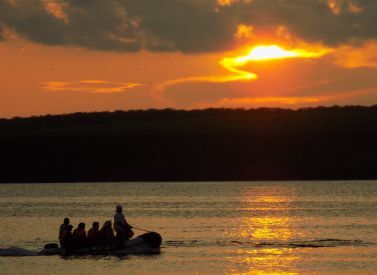
Prices From $3,063 / £2,490 per person
Duration: 8
Capacity: 16 people
More about Galapagos island hopping. We tailormake the tour to your preferences, making it perfect for those special, one-off holidays. Honeymoons, anniversaries or special occasions all lend themselves to Galapagos island hopping tours. Families also love our bespoke itineraries as we pick the tours that best suit your needs. Add…Galapagos Land Tour: Santa Cruz & Isabela
https://www.andeantrails.co.uk/tour/galapagos-land-tours/
Prices From $2,515 / £2,045 per person
Duration: 8
Capacity: 16 people
More on Galapagos land tours You join up with different groups during the day. Tours available include a hike up Sierra Negra volcano on Isabela and visiting Giant Tortoises on Santa Cruz. In the water we offer some great snorkelling – including Tuneles, one of the best snorkels in Galapagos.…