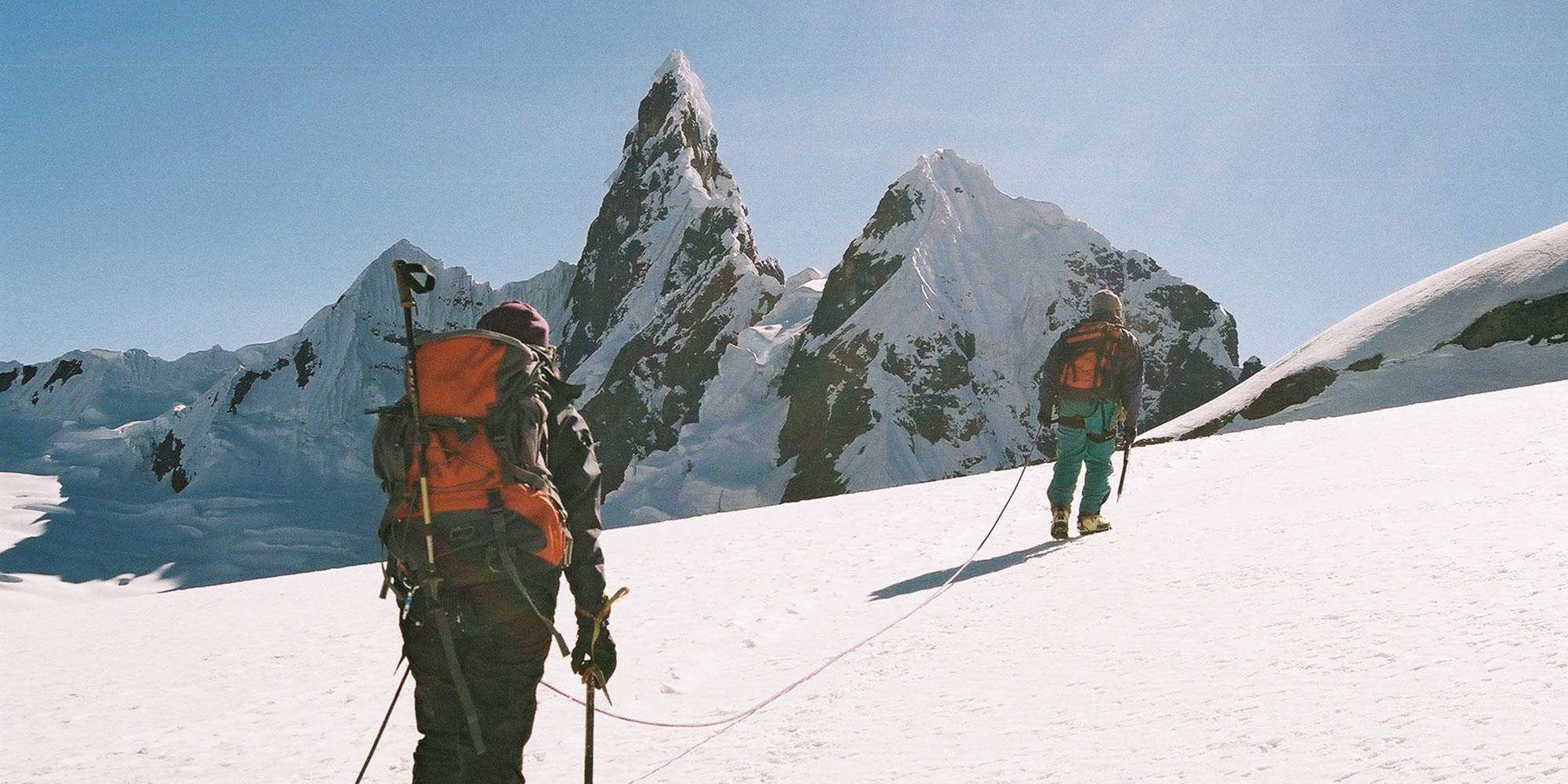
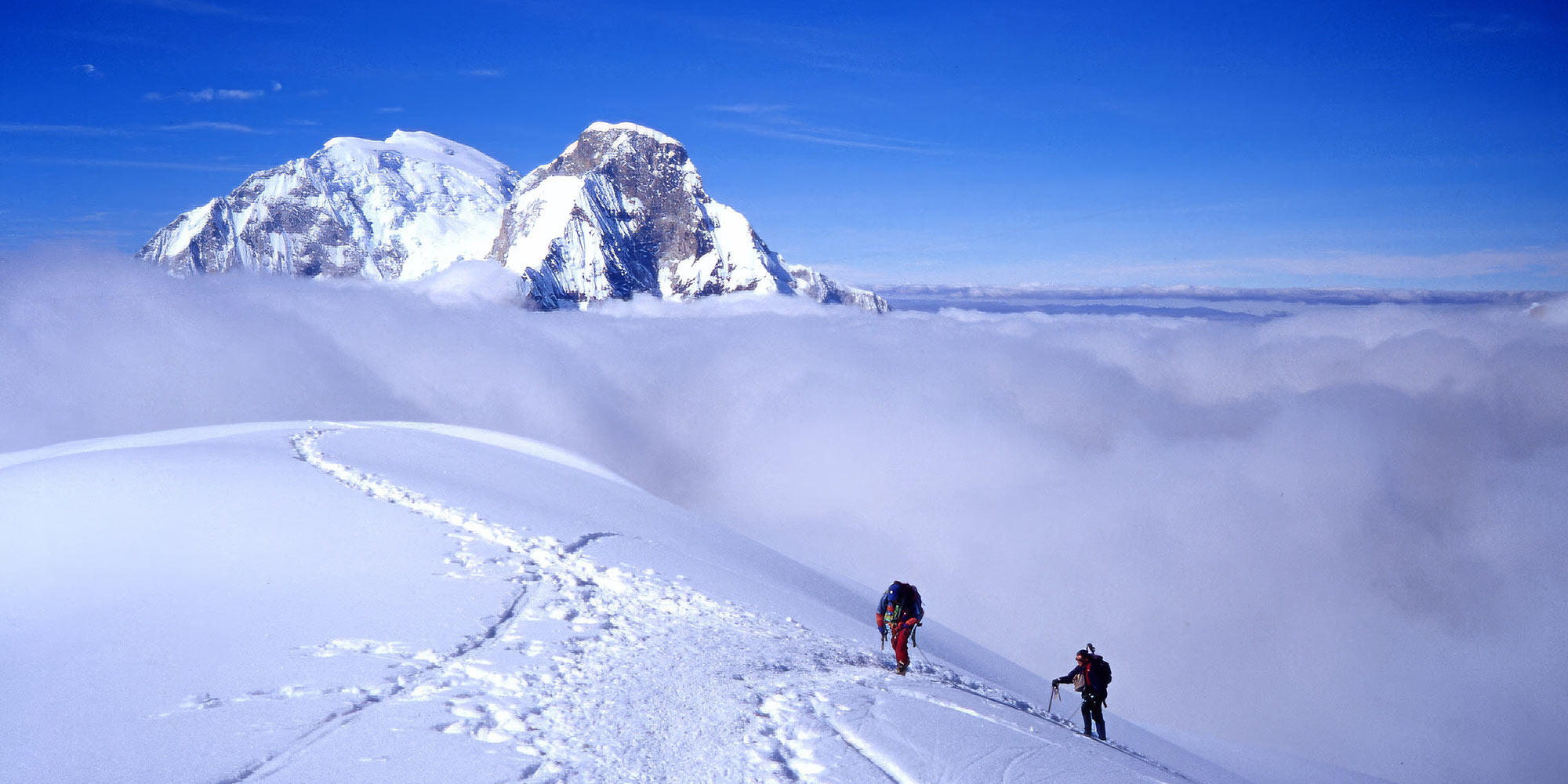
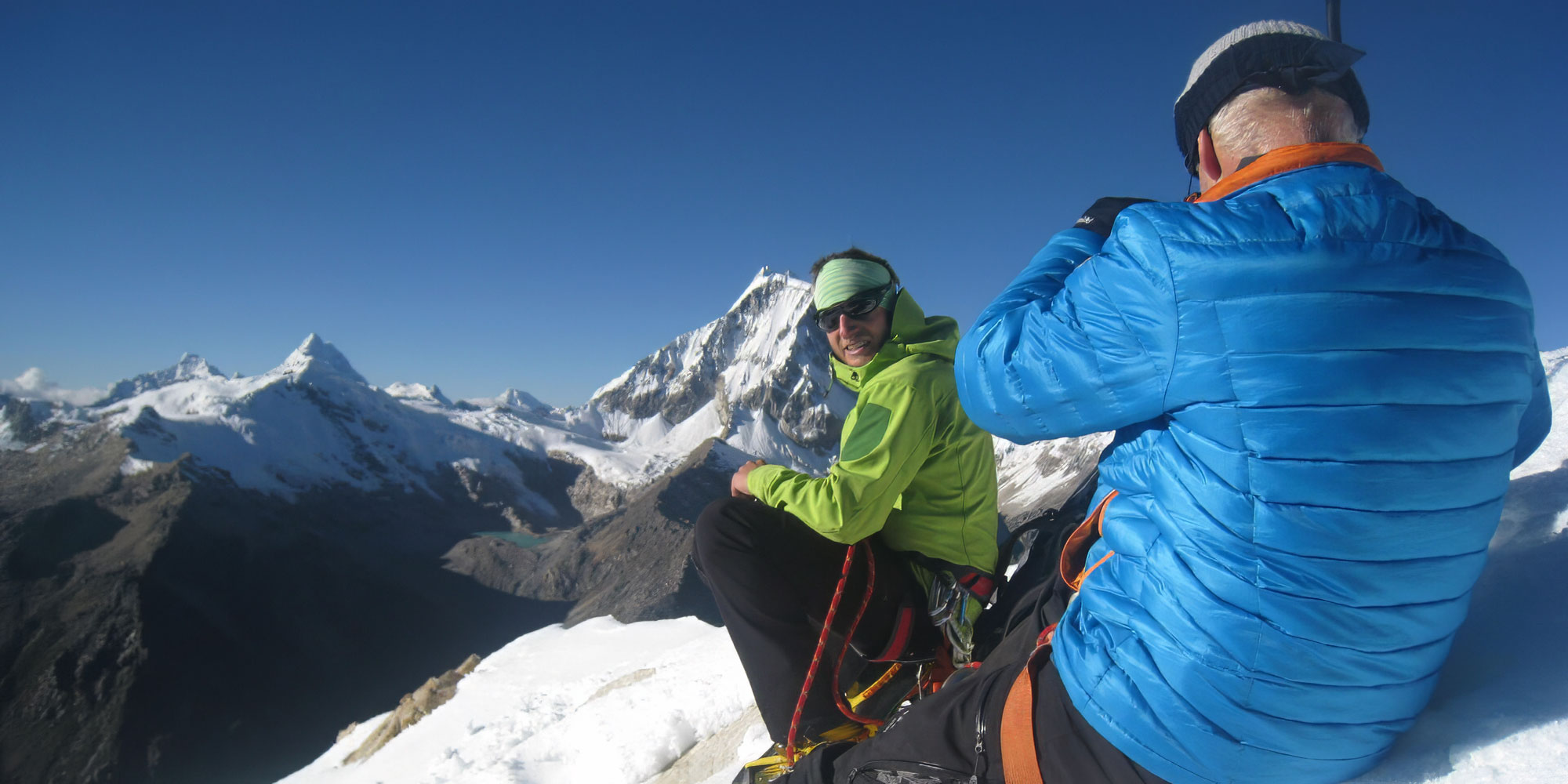
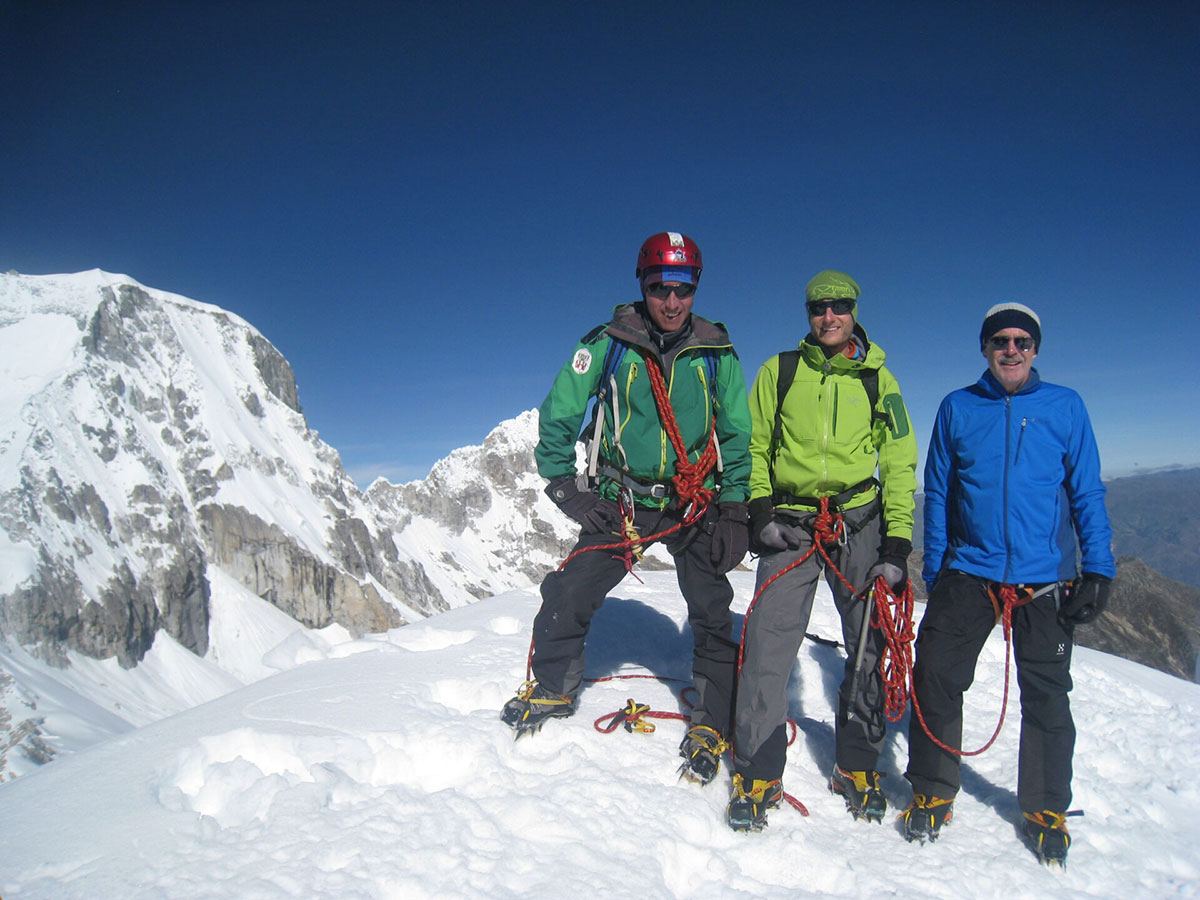
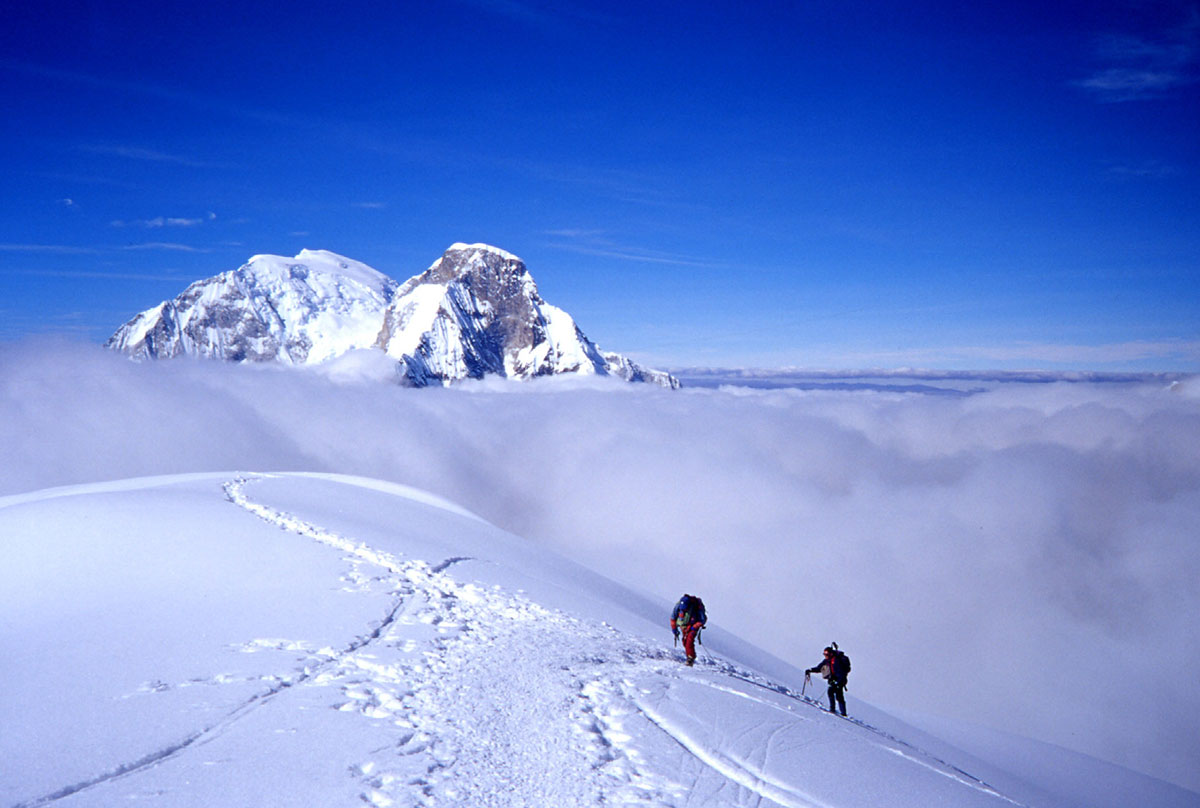
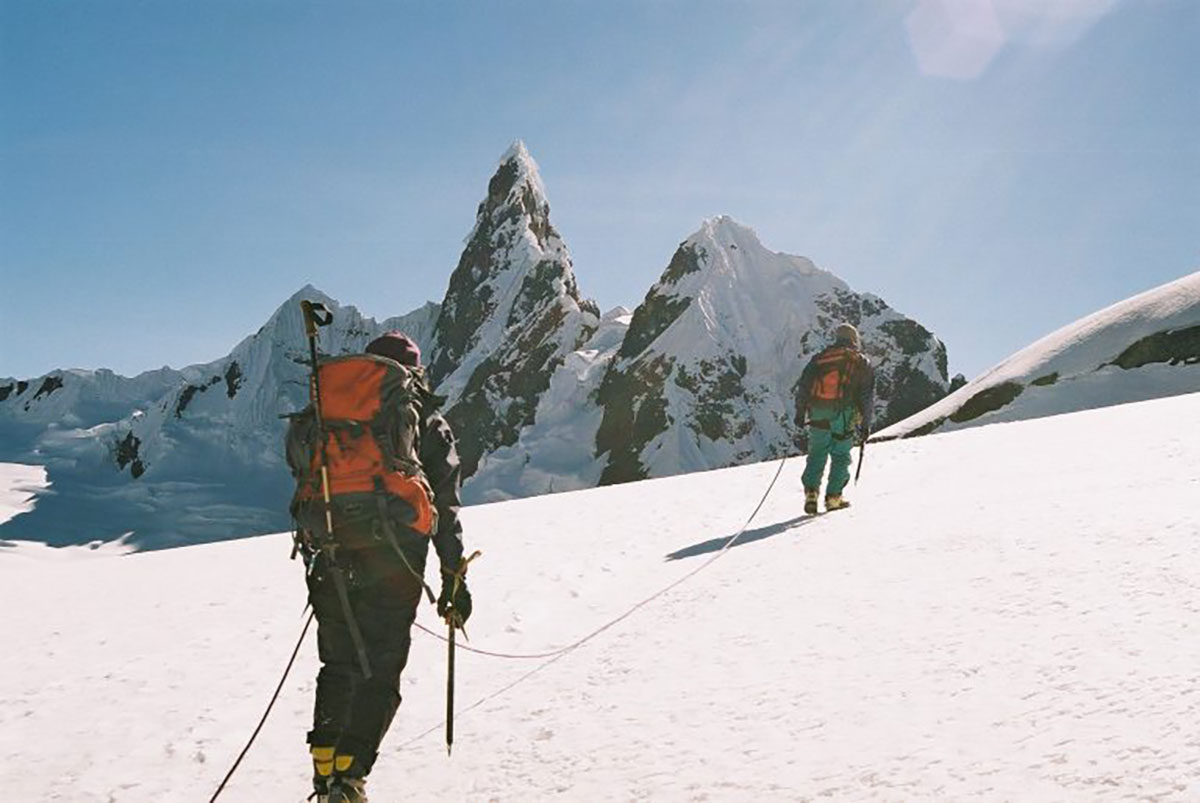
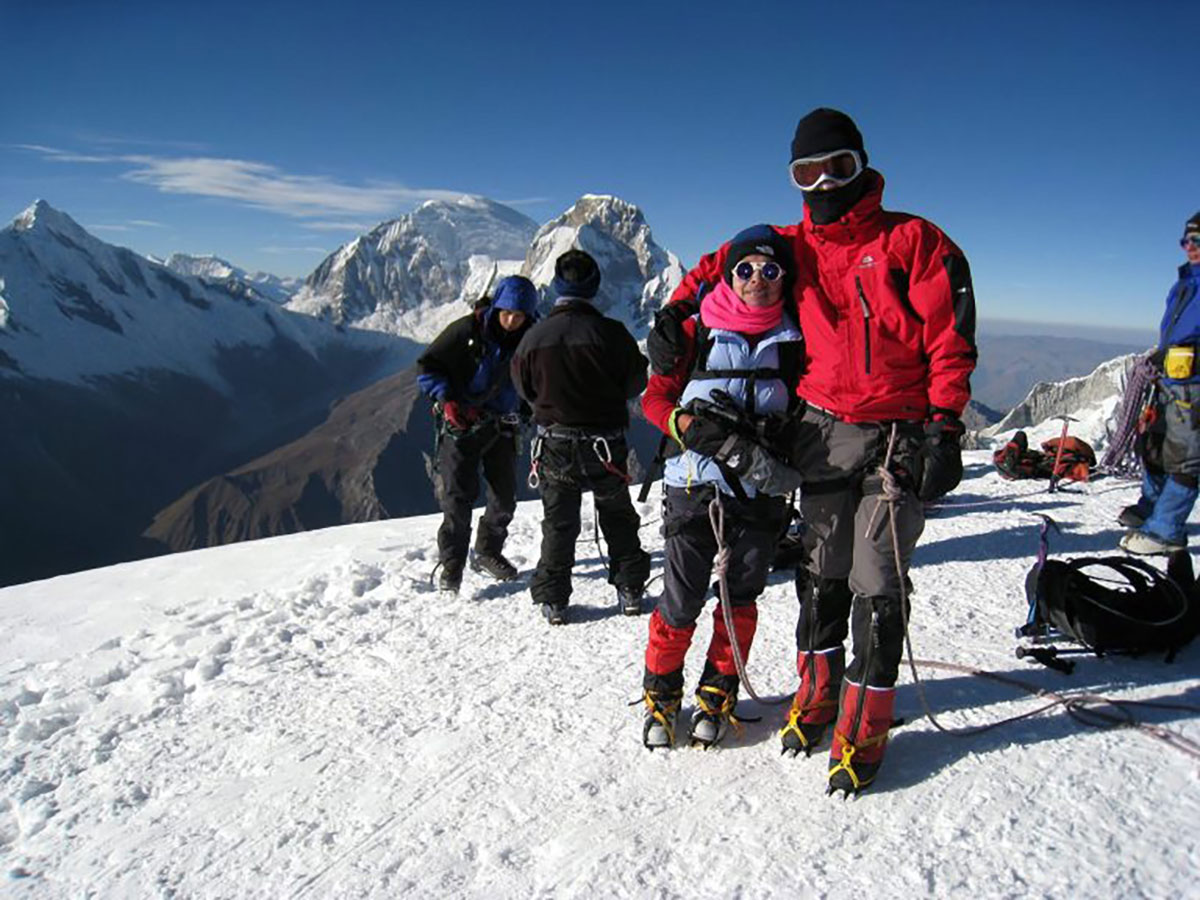
Good kit is vital for every trip.
Book with Andean Trails and get 15% off Páramo’s fantastic ethical and high performance outdoor gear.
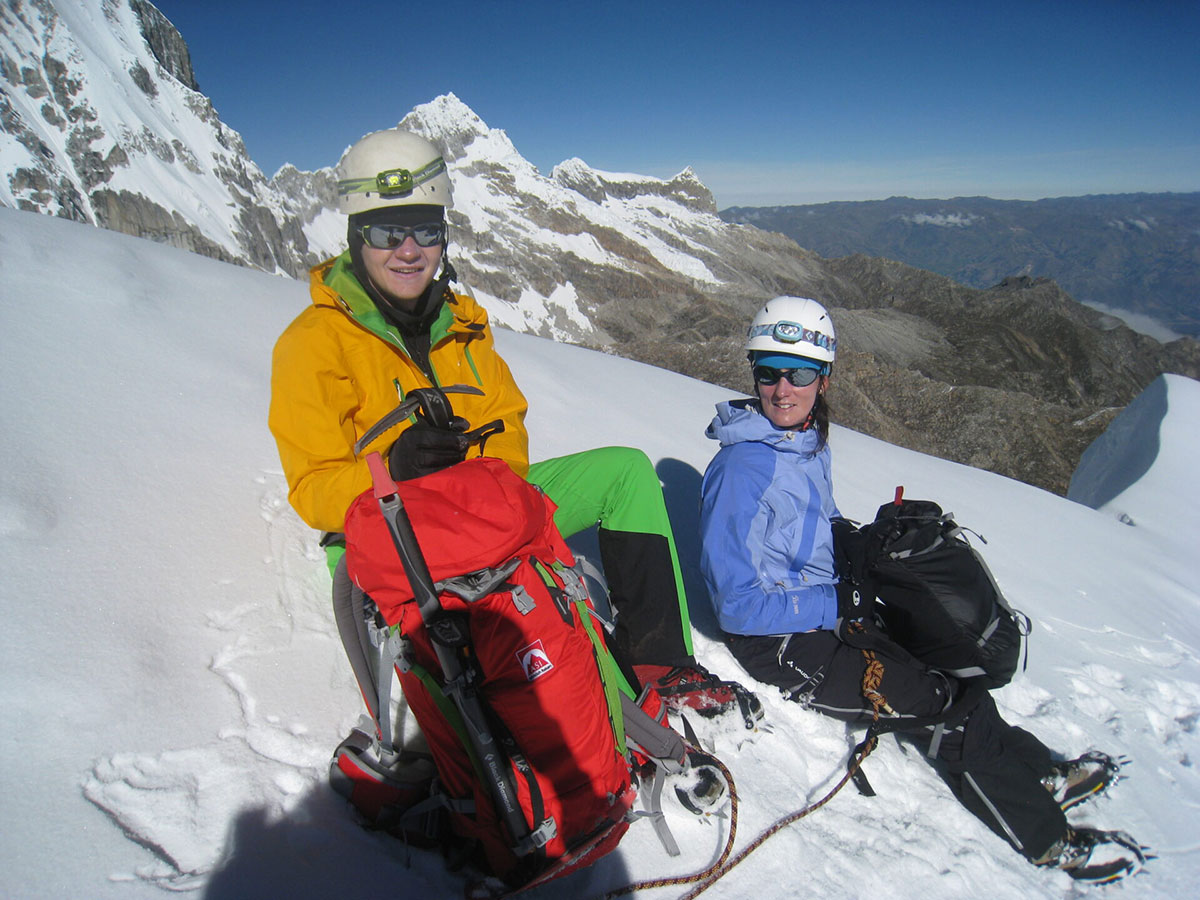
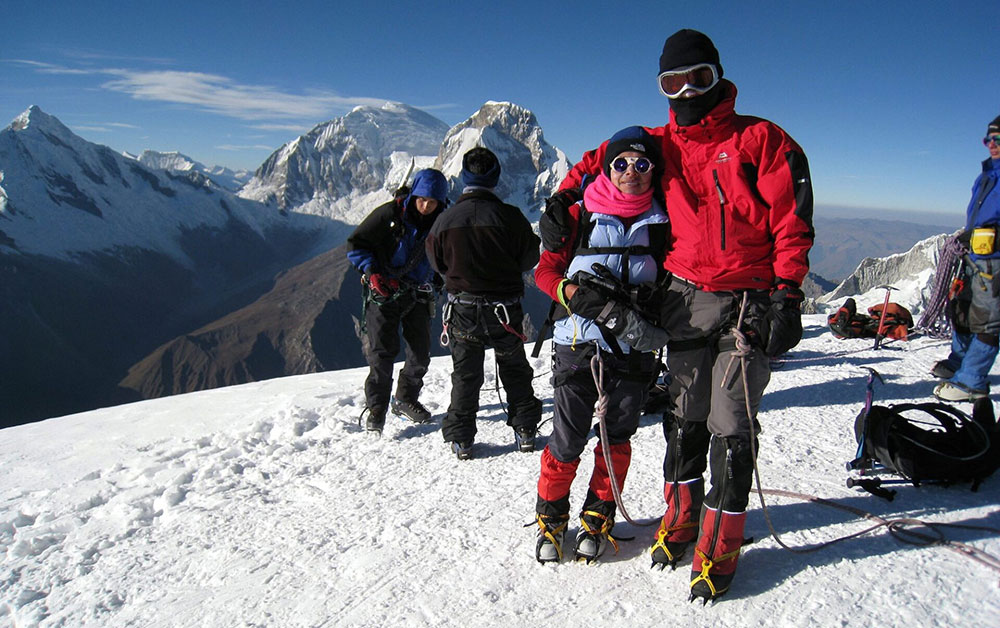
When planning for the extreme climatic conditions encountered on high peaks in the Andes, layering is the most practical and versatile clothing system. It’s worth remembering that our clothing keeps us warm by retaining and isolating the heat we ourselves create.
To best maintain body heat, several layers of lightweight, warm and quick-drying clothing are far more efficient than one or two thick layers.
Layers should have the following qualities:
- Breathability (able to wick away the humidity produced by sweat);
- Isolation (able to keep in the warm air our body produces); and
- Impermeability (able to impede the passing of wind and water).
First (base) layer: This layer wicks the sweat away from our skin, thus helping keep the body dry and warm. To this end, synthetic fabrics such as polypropylene should be used.
Mid layers: These isolating layers should also be synthetic (e.g. the known polar linings such as polartec or windblock, which are light and insulate twice as well as wool). Very important layers for retaining body heat.
Outer layer / shell: Finally, the vital layer which protects us from climatic adversities. A breathable, wind-proof and waterproof anorak, such as Goretex.
Note that it’s our extremities that stand to suffer the most, and on high Andean peaks the poorly-equipped mountaineer is at risk of becoming frostbitten. Hence, much thought should be given to deciding how best to protect hands, feet and head.
Give plenty of thought to kit selection, and try to keep weight down.
Below is a more detailed guide.
Feet
- 2 pairs synthetic inner socks (e.g. polypropylene, thermastat, coolmax)
- 4 pairs thick loop-stitch/wool socks for cold.
- Trekking boots – should be well broken-in, waterproof and provide good ankle support. Given the extreme cold, plastic mountaineering boots (e.g. Koflach) are also required. These are indispensable. (see ‘TECHNICAL KIT’ below)
- Gaiters (1 pair), heavy and large enough to fit over plastic boots.
- Trainers/sandals, for city-wear, evenings at lower camps & river crossings.
Legs
- Base layer leggings (1-2 pair).
- Thick fleece leggings (or salopettes) (1 pair).
- Goretex-type over-trousers (or salopettes) (1 pair).
- Trekking trousers (1 pair).
- Shorts – wear sparingly in early stages at altitude, as sun burns.
Body
- Thermal base layer shirts (2).
- Microfleece mid-layer shirt (1).
- Shirt/T-shirt 1 or 2 for lower altitudes. Long-sleeved, collared shirt protects against sun.
- Fleece jacket or similar (1).
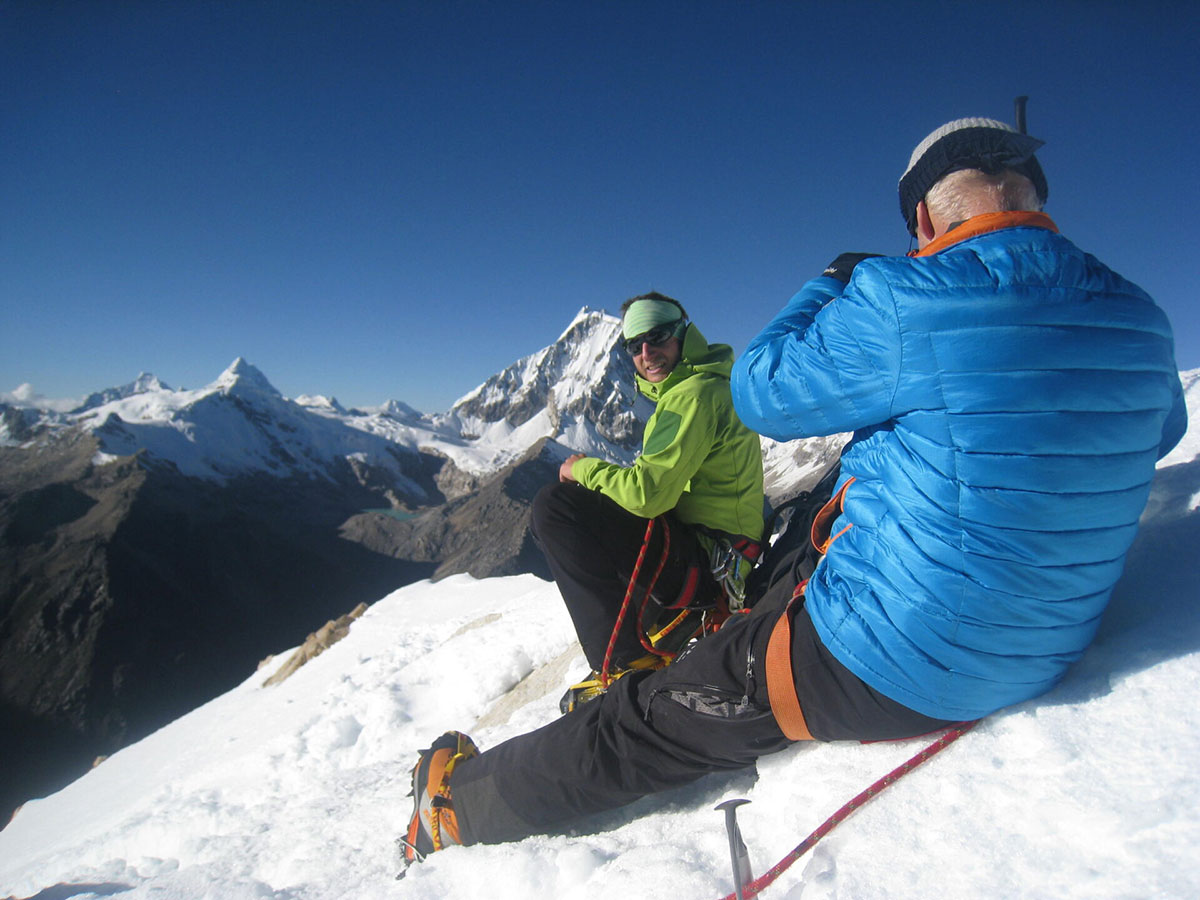
- Warm jacket (down or synthetic) with hood. For camp and upper slopes.
- Waterproof Goretex-type jacket.
- 1-2 sports bras/tanks (for women)
Head and neck
- Broad-brimmed sunhat, essential.
- Warm hat, fleece or wool. (N.B. Up to 30% of body heat can be lost through the head).
- Balaclava/full-face ski mask (1)
- Sunglasses with UV filter and nose and side-pieces.
- 1 pair of glacier compatible sunglasses (full coverage – ask salesperson if you are not sure)
- Scarf for cold.
- Bandanna – to protect neck from strong sun.
- 1 cap with visor
Hands
For the extreme cold, we recommend a 3-layer scheme:
- 1 pair of Gore-Tex shell gloves
- 2 pairs of removable fleece glove liners
- Mittens allow you to keep the fingers together, and better conserve heat (though they also make it difficult to perform certain tasks).
Technical kit
- Large backpack (80-90 litres). Comfortable and with waterproof lining or cover.
- You will need another bag to store belongings left at hotel during expedition.
- Daypack (at least 30 litres). Comfortable and with waterproof lining or cover.
- Plastic mountaineering boots (you can rent these)
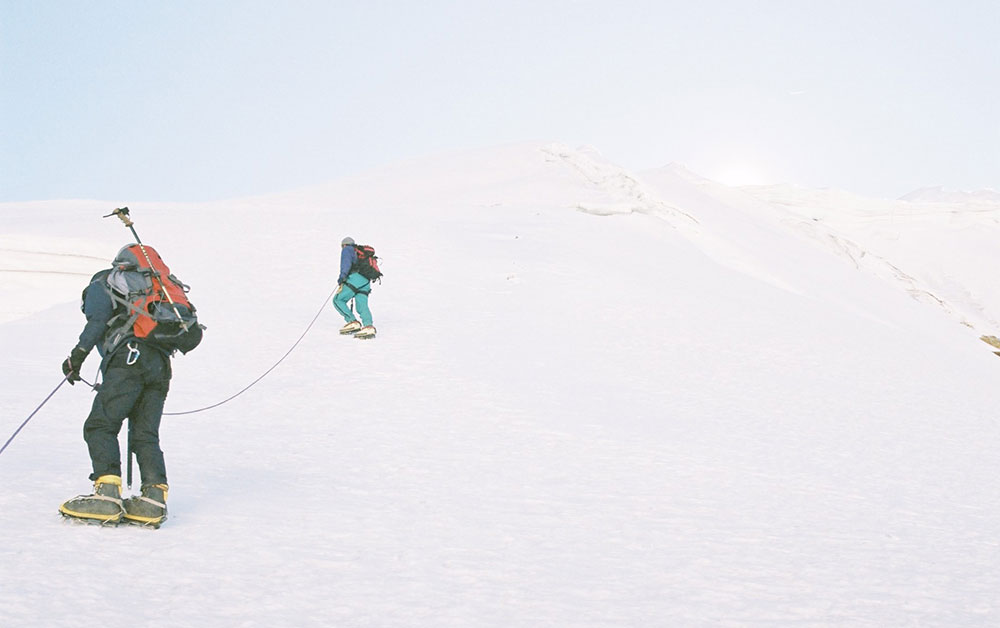
- Crampons, strap-on or step-in (can be rented)
- Walking ice axe (can be rented)
- Pair of telescopic trekking poles. (can be rented).
Other expedition kit
- Sleeping bag – a good warm bag (‘4-season’, minimum) and liner will be necessary for high-altitude camping.
- Sleeping mat, a foam mat is provided
- 2 x water bottles (2 litres each approx).
- Pee bottle.
- Personal first-aid kit to include: painkillers, plasters (band-aids), moleskin, anti-biotic cream, general antibiotics (ask your GP), after-bite (tiger balm), anti-diarrhoea tablets, throat lozenges, re-hydration salts & personal medication.
- Towel & wash-kit.
- Wet Wipes/antiseptic hand-wash cream.
- Sunscreen (factor 40+) and lip salve.
- Head-lamp (Plus spare bulbs and batteries x 2 at least).
- Penknife.
- Thermos flask (1 litre) Stainless steel.
- Alarm clock.
- Plastic bags ‘Zip-loc’ & tough bin liners.
- Camera and film / memory cards (take at least twice the amount you think you will need!).
- Book, e-book, mp3 player/ipod or other for free time.
- Binoculars.
- Spanish/English phrasebook.
- Extra snacks i.e. cereal bars or favourite chocolate bars.
All other non-personal trekking and camping equipment is provided, e.g. tents, cutlery etc.