Trek & Hike in Cochamó, Chile Lake District

Duration:4 days

From: £1,277

From: $1,700

Capacity: 16

ATOL 6275 protected
Speak directly to the experts
28 years experience

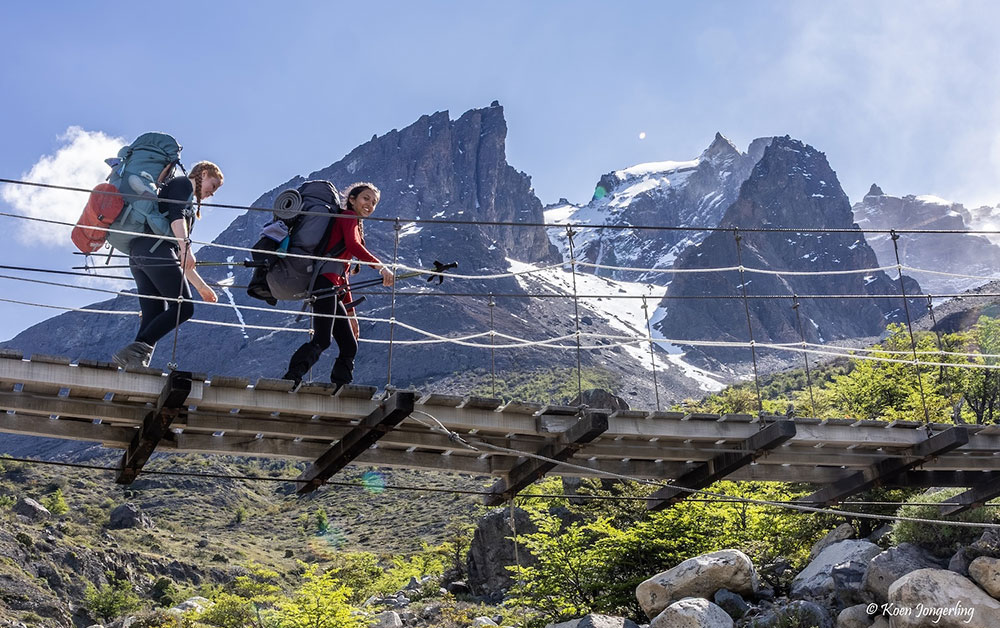
Hike the remote La Junta Valley, Cochamó, in hidden, remote Patagonia.

Tour highlights

  • Trekking in a hidden corner of Patagonia.
  • Flexible itinerary – add in sea kayaking, horse riding, cycling, mountain climbing and more.
  • Beautiful mountains and rivers keep you company at all times.
  • See how the locals live in this beautiful and remote area.

Itinerary for Trek & Hike in Cochamó, Chile Lake District

Overview

  • Day 1 Day 1: Transfer Puerto Montt or Puerto Varas to Cochamo, refugio Cochamo (L,D)
  • Day 2 Day 2: Trek into La Junta Valley, Arco Iris Hill, refugio (B,L,D)
  • Day 3 Day 3: La Paloma, refugio (B,L,D)
  • Day 4 Day 4: Trek out, transfer Puerto Varas, tour ends (B,L)

Day 1: Transfer Puerto Montt or Puerto Varas to Cochamo, refugio Cochamo (L,D)

We drive down the scenic coastal road that will take us to the town of Cochamó located by the Reloncavi Estuary, the first Fjord of Patagonia.

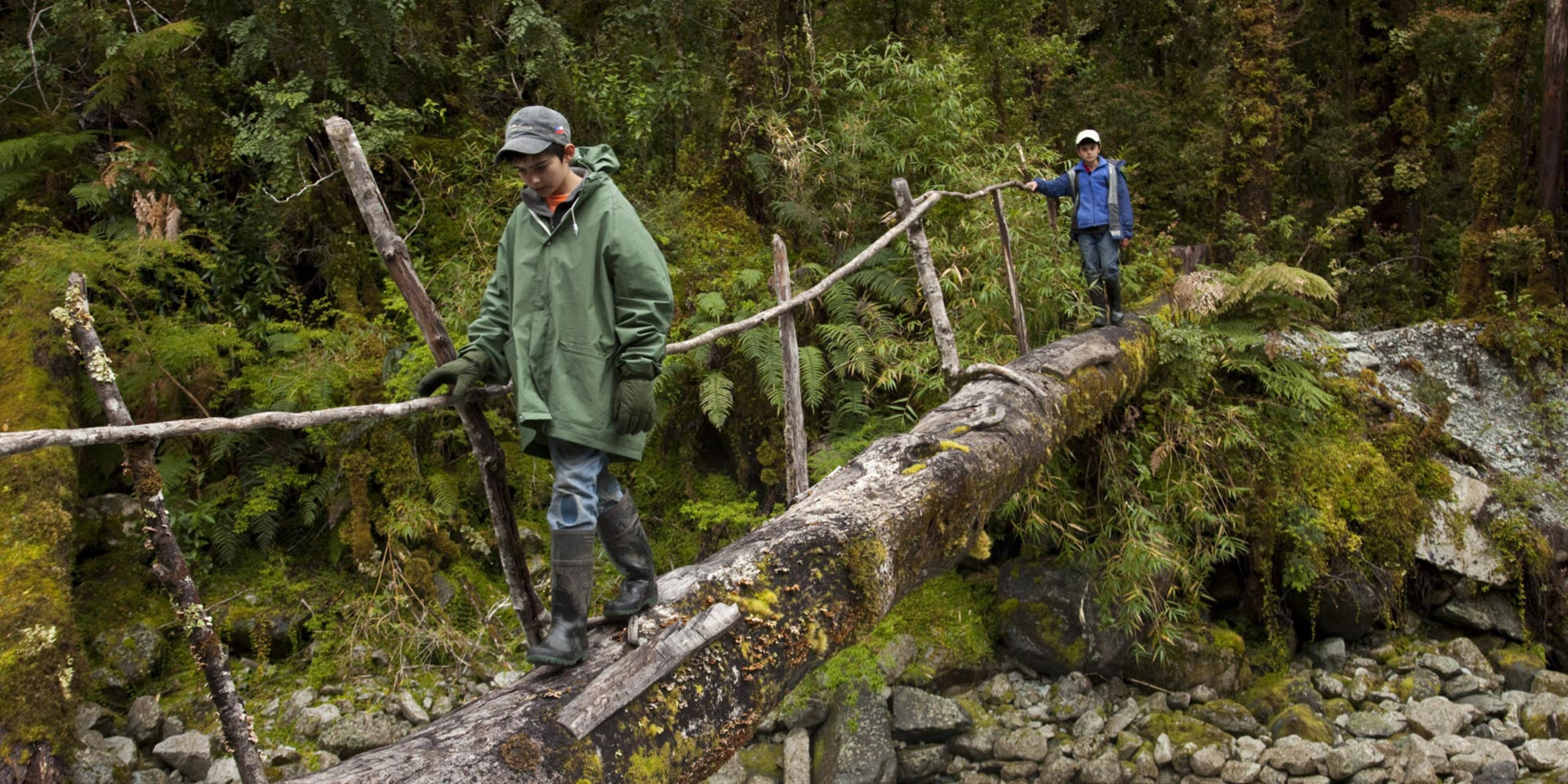
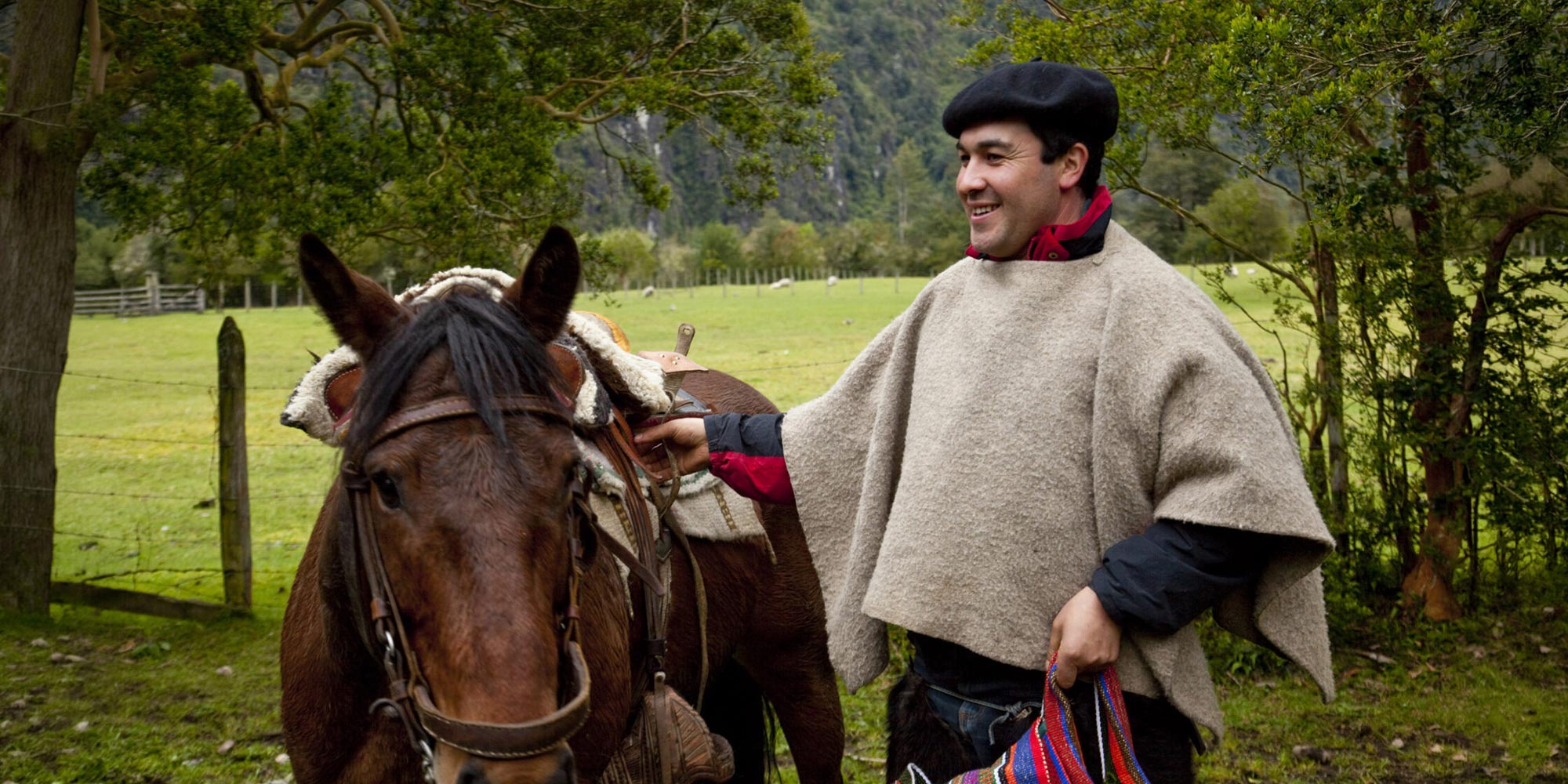
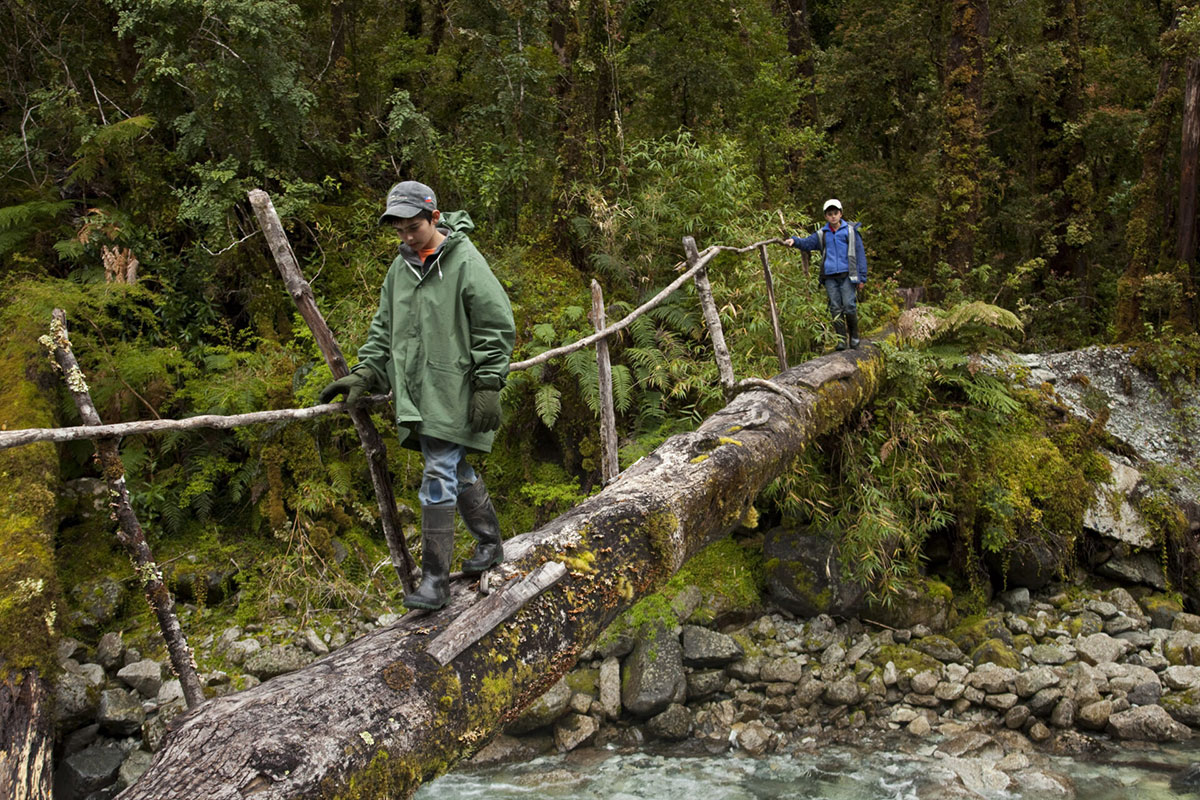
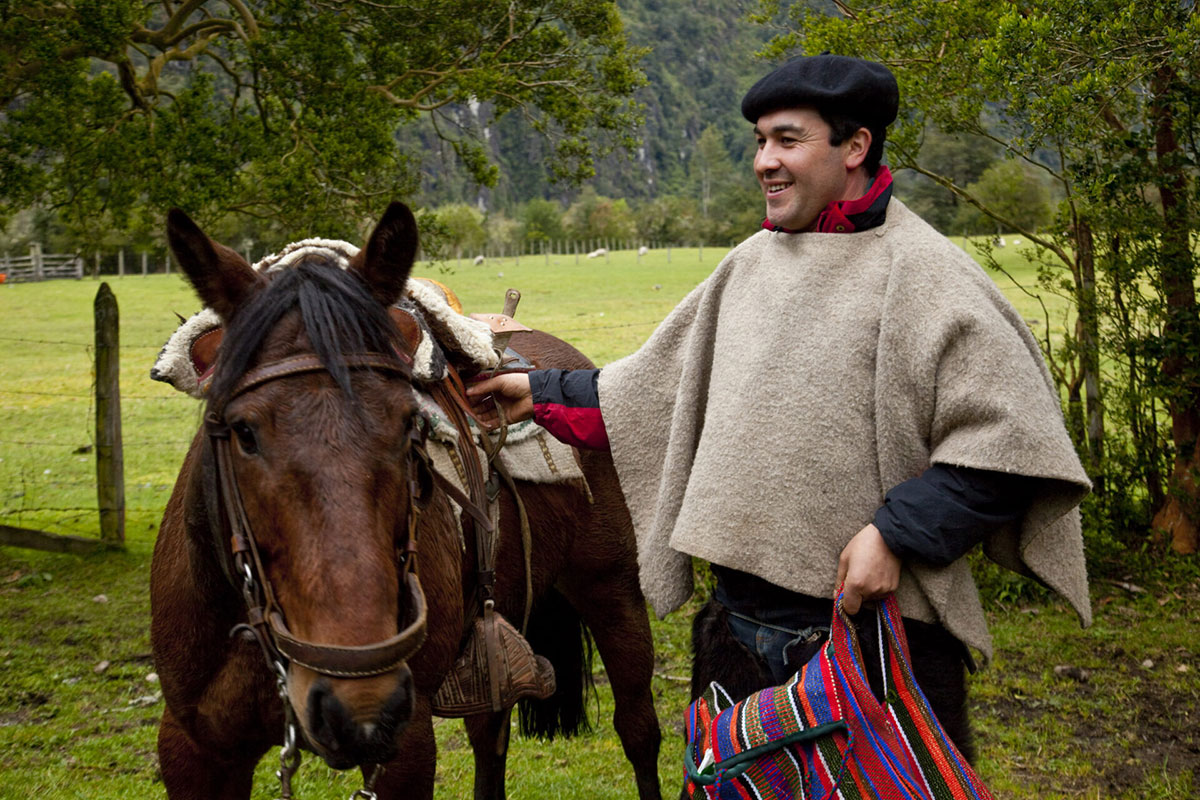
Here we will meet with the local guide (arriero) to load the horses that are going to carry all our gear. Hike up the valley (5 miles, 9km)covered withrainforest and amazing views of granite walls.

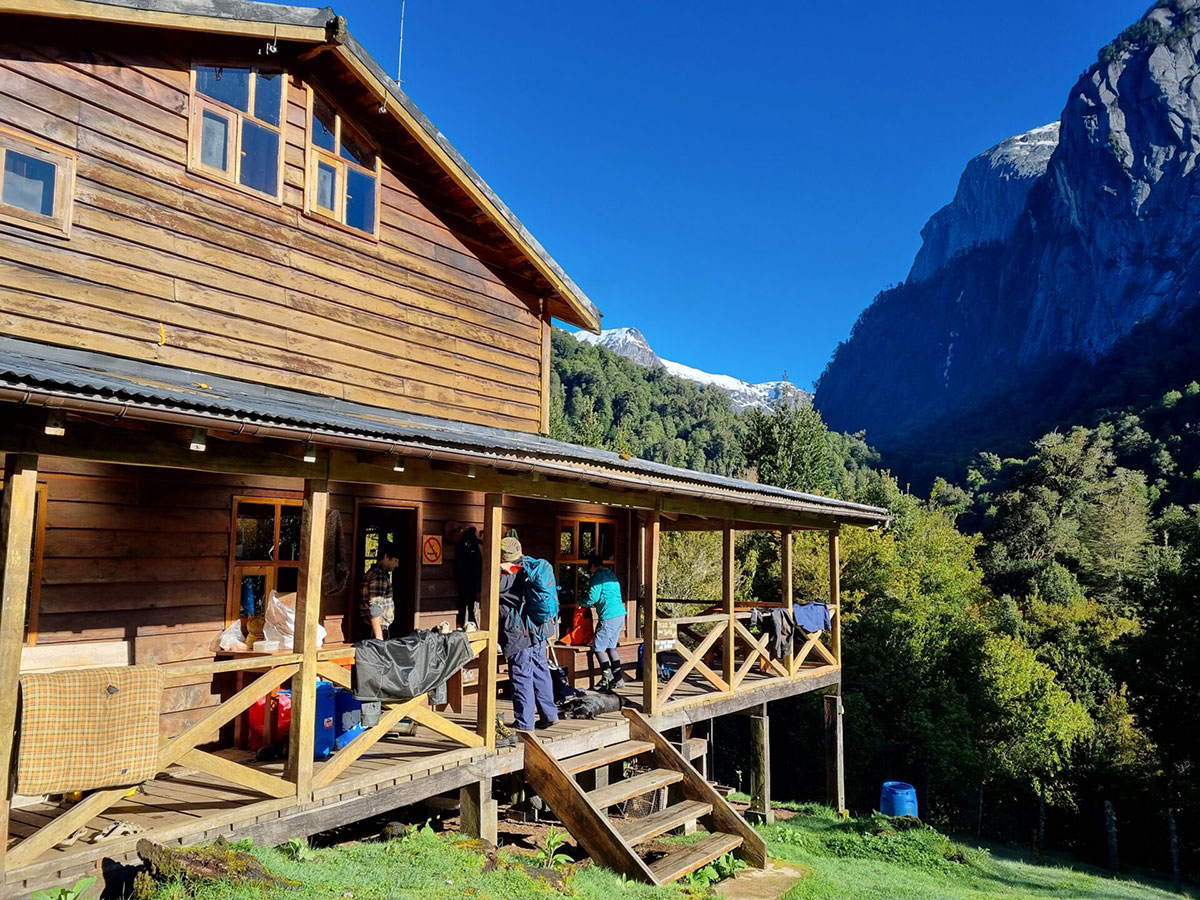
Once in Las Juntas we rest and spend the night in Refugio Cochamó.

Day 2: Trek into La Junta Valley, Arco Iris Hill, refugio (B,L,D)

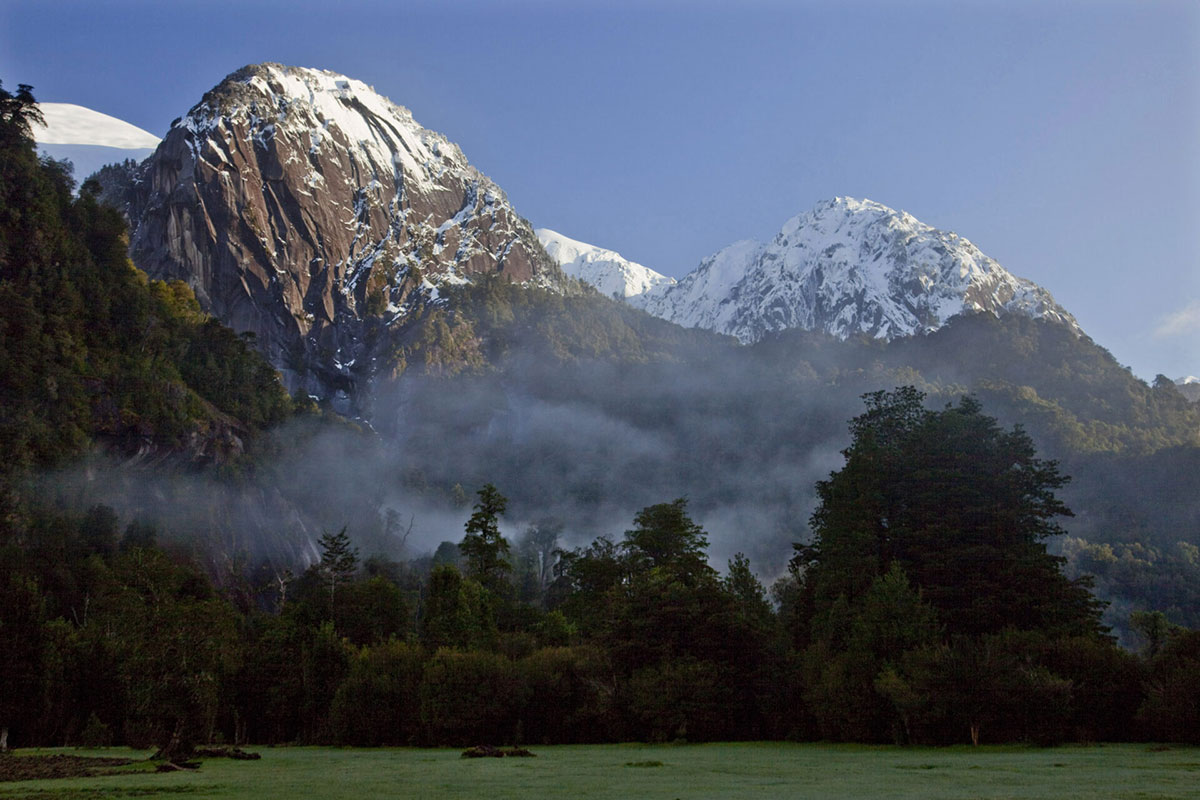
Today is a big day, when the sun rises we will be surrounded by granite mountains. We will climb up and into the forest having a close look at the native trees – mañíos, coigües, alerces and lenga trees.

After 5 hours walking and a little easy scrambling, we will be high up in the Cochamó Valley, look up for the chance to see soaring Andean Condors and get out the binoculars to spot intrepid rock climbers.

After a picnic lunch we walk back to the refuge for afternoon tea and to celebrate the day (8km / 5 miles in total), surrounded by stunning scenery all the way.

Day 3: La Paloma, refugio (B,L,D)

As we go higher up the valley we get different views of our beautiful surroundings.

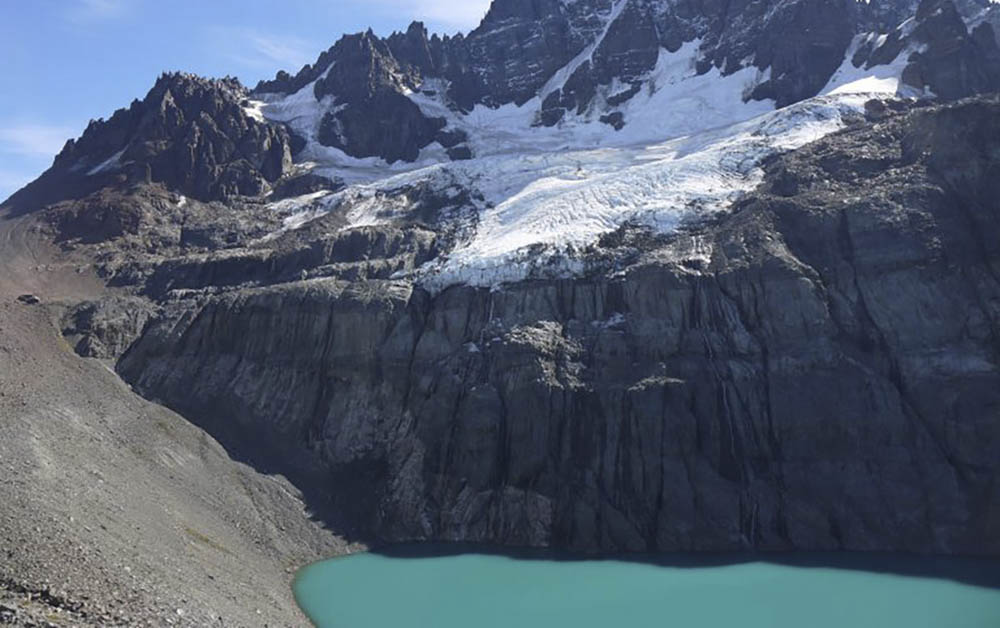
All the walks take up into high valleys to admire waterfalls, pristine streams, ancient forest and granite peaks.

Day 4: Trek out, transfer Puerto Varas, tour ends (B,L)

After a big breakfast we will start heading back to Puerto Varas.

We walk for 9km with the slope in our favour and reach the road where our van will be waiting for us for the drive to Puerto Varas, where the trip ends.

We can add a few days here for cyling, mountain biking, kayak, rafting, walking and generally enjoying this beautiful part of the Chilean lake district.

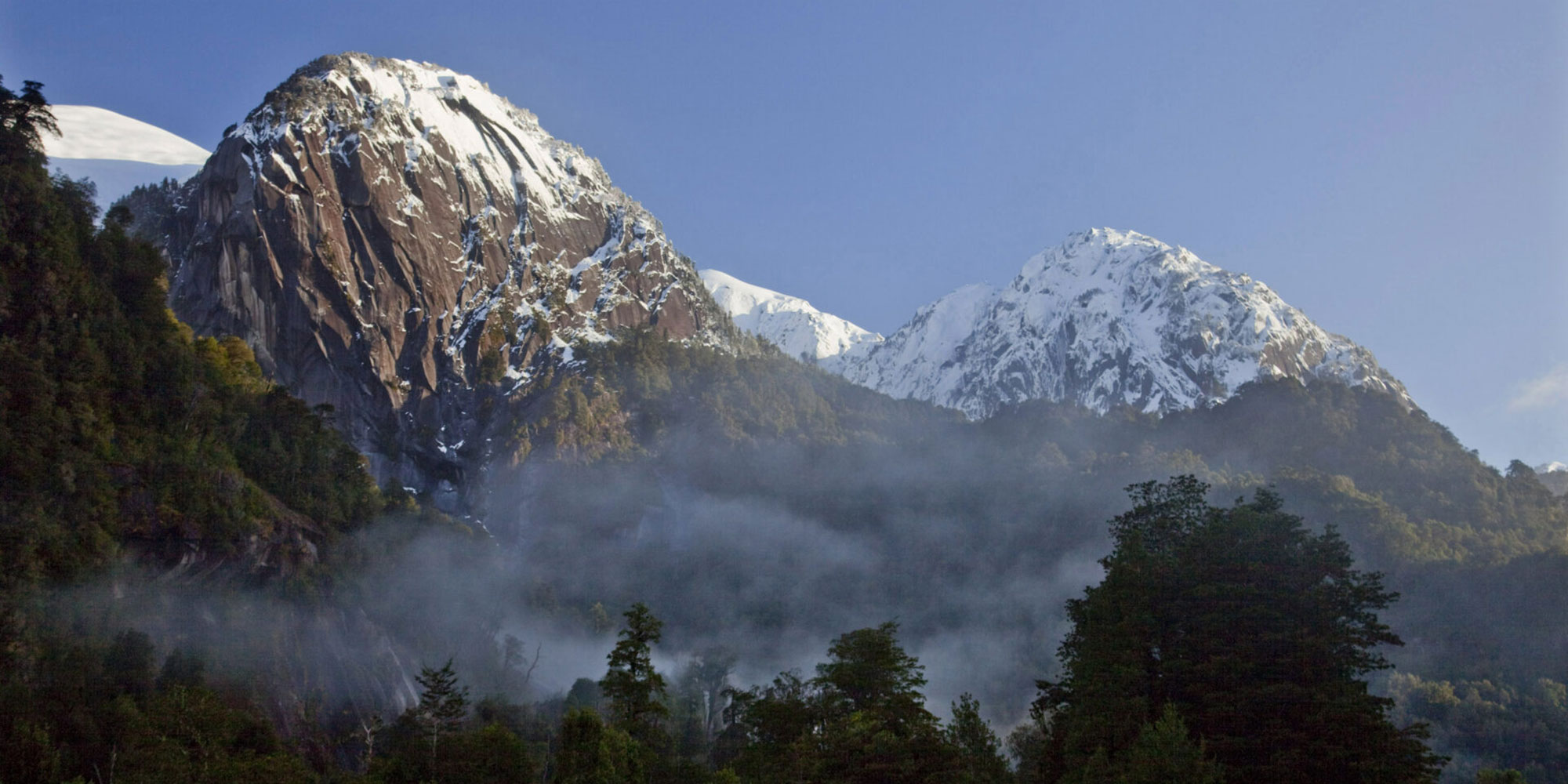
Cochamó's granite walls rise straight out of the valley floor, climbers call it South America's Yosemite, and you'll likely spot a few on the rock as you walk beneath them.
Kathy Jarvis

Dates & Prices

Available dates & prices

From: $1,700

(£1,277)

  • Guide price only, per person
  • Contact us for more
  • Shorter/longer stays possible
  • Single supplement applies

What's included?

  • Transfers,
  • accommodation and meals as listed,
  • English-speaking local guide,
  • horse support for luggage

What's not included?

  • Flights (we can look for these for you),
  • alcoholic or soft drinks,
  • services not mentioned,
  • tips, personal items,
  • insurance

Accommodation

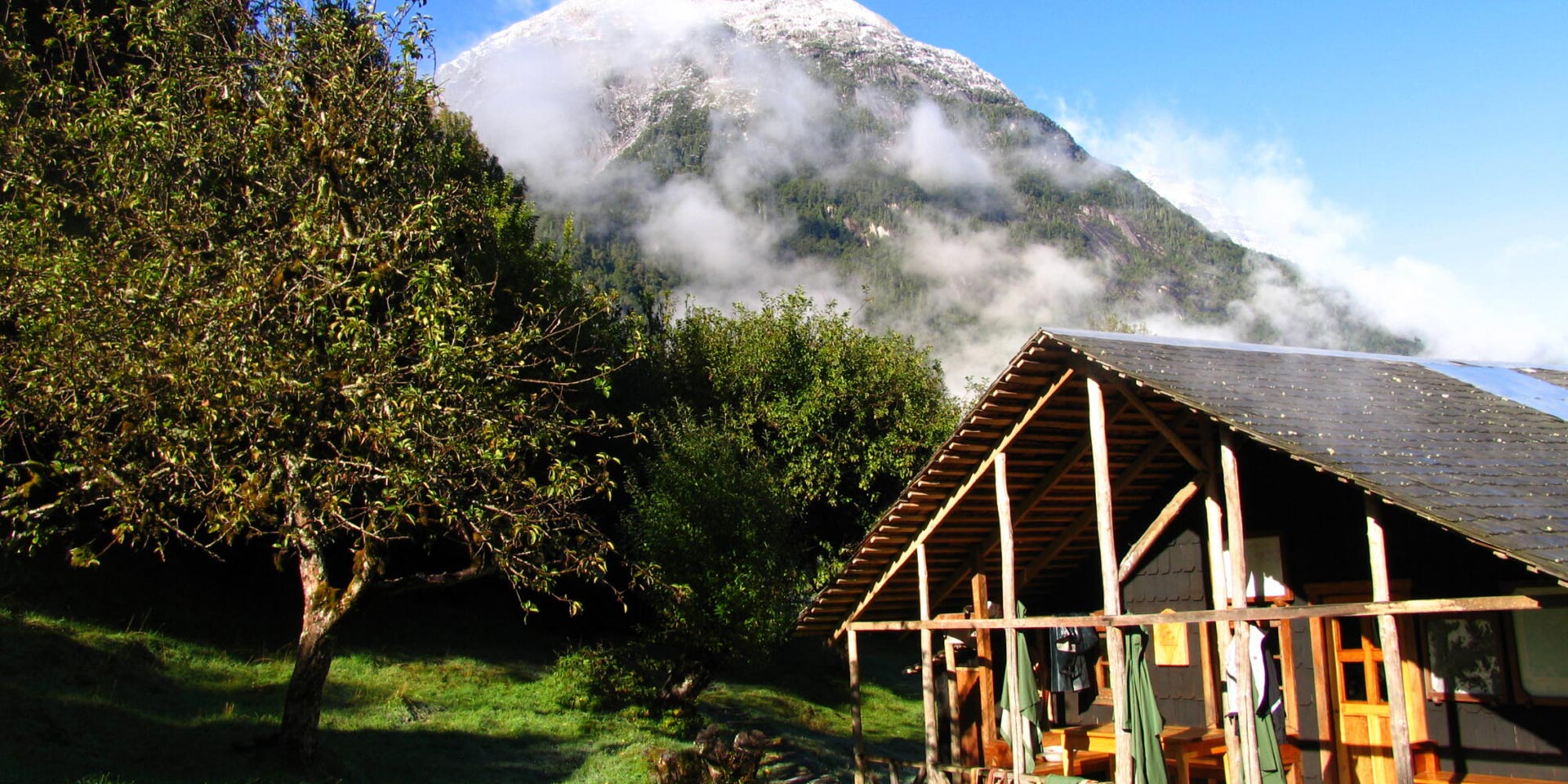
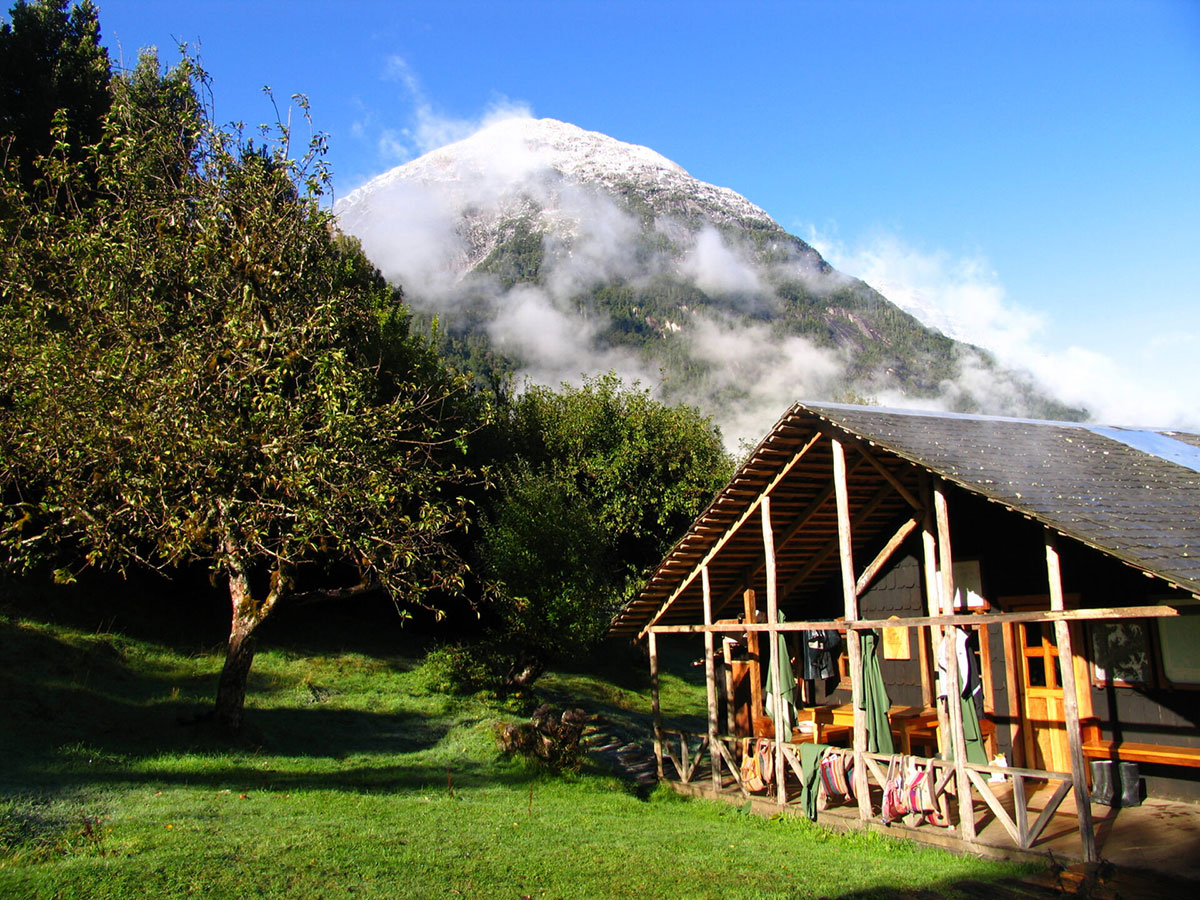
The lodge is nestled amid the towering granite peaks of La Junta, about 20 kms upstream in the Cochamó River Valley.

It can be reached only on horseback or on foot, along the centuries-old Cochamó Trail, that passes through lush rainforest. This traditional refuge offers a welcoming family feel – and countless opportunities to hike, ride, climb, swim, fish, and revel in nature.

The main house is surrounded by grass pasture and then native foreest.

You need to have a good level of fitness for the trip, as the fitter you are, the more you will enjoy it.

Those with no previous trekking experience can trek here, although experience of hiking in remote areas is beneficial. These is no high altitude to worry about on this trip.

The trip is open to anyone with a positive attitude who wants to walk in a stunning and remote part of the Patagonian Andes.

Note: The treks in La Junta can take anything from 5 – 8 hours (depending very much on fitness & stamina and, occasionally, on the weather).

Visitors’ requirements are assessed on arrival and there is flexibility to shorten/lengthen or suggest other routes, based on discussions.

Sample treks:

Cerro Trinidad. 7-8 hours round trip. Approx. 4kms. Elev. Gain: +/- 900 m . Steep.
Arco Iris Rainbow Trail. 6-7 hours round trip. Approx. 3.5kms. Elev Gain: +/- 900 m . Steep.
La Paloma Ice Valley. 5-6 hours round trip. Elev. Gain: +/- 300 m . Some steep, some flat.
Nature Trail (easy). 1-2 hours round trip. 1.5 kms. Elev. Gain: +/- 100m

On a couple of the trails (Arco Iris & Cerro Trinidad), there are logical ‘half-way’ points, at which one could stop and decide to turn back, still very satisfied with the exercise and the scenery.

Almost all dietary requirements can be catered for – please ask.

While trekking, you usually wake early, around 07.00. You sleep in a cosy bed each night, and meals are eaten in a shared dining room – it’s very much like a home from home. Breakfast will be prepared by the guide and will consist of hot drinks, cereals, fruits and toast with jams, and home-cooked food.

After breakfast, packs are prepared and your guide will explain the day’s walk, and you typically walk 3-4 hours in the morning before lunch, with a short or break or two en route.

Lunch, while out walking, will be sandwiches, fruit, snacks etc.

After an hour or so for lunch – depending on weather conditions – you will continue your walk, usually 2-4 hours more, although some days are shorter or longer than others, and then relax back at the refugio.

Evening meals are large and feature bread, vegetables, meats and hot drinks, rice and pasta dishes. Wine is included too.

After eating, you can choose to socialise with team members, relax around the log burner in the refugio, or take in the stars – with no light pollution this is a fabulous opportunity for star gazing.

All staff and guides are locals and know the area intimately

An expertly organised Patagonia adventure and Cape Horn cruise, where outstanding staff and professional care turned even unexpected challenges into a memorable experience.

D. Rowell, UK

A flexible Patagonia adventure of scenic drives, glacier views, and unforgettable self-guided treks.

W.King, Australia

Tour information: Trek & Hike in Cochamó, Chile Lake District

La Junta Valley has been called Chile’s Yosemite and it’s easy to see why. Steep granite walls rise dramatically above deep cut valleys and crystal-clear rivers.

From your mountain refuge base you can explore this stunning and remote valley on foot, trekking different mountain trails amongst the soaring granite peaks of La Junta.

The Cochamó Valley is located where the Andes merge with the Pacific Ocean forming the first Patagonian fjord. The local community is making strong conservation efforts to protect this fragile environment and support sustainable tourism.

The innumerable lakes, rivers and mountains fringed with lush temperate rainforest around the valley set an extraordinary stage for some of Chile’s best trekking.

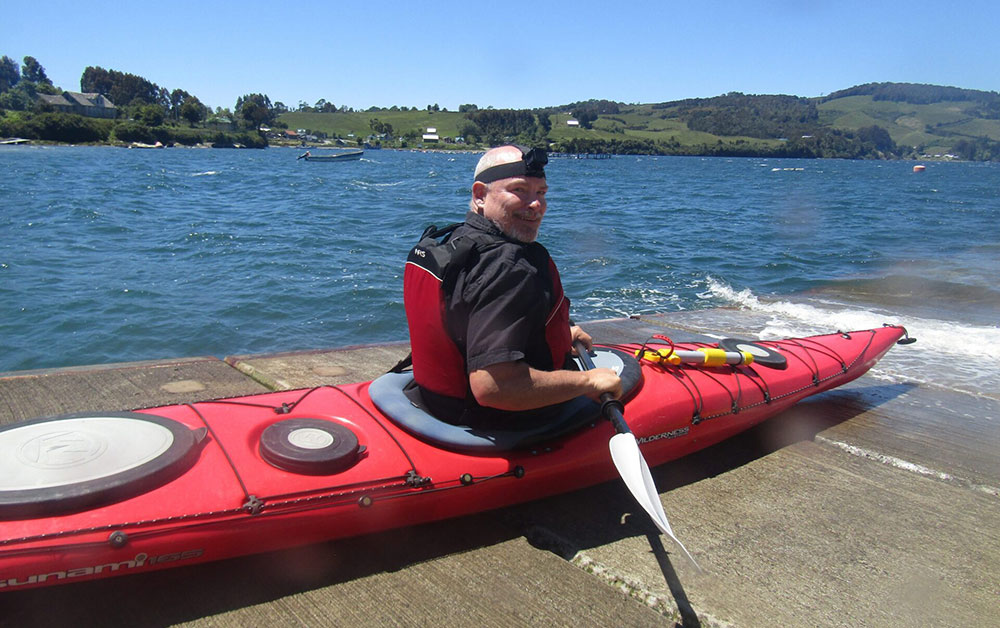
With this flexible itinerary, we can also offer riding on horse back in and out of the valley and add on excursions, cycling and sea kayaking.

refuge cochamo
Marble Caves, Patagonia, Chile
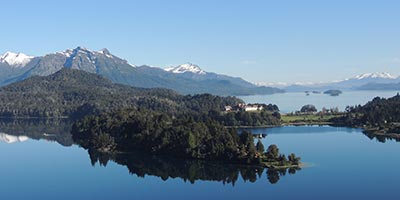
Lake Villarrica as seen from Hotel Antumalal, Pucon, Chile
Villarrica Volcano, Pucon, Patagonia, Chile

Get in touch and let's create your adventure

Trek & Hike in Cochamó, Chile Lake District

  • Trekking in a hidden corner of Patagonia.
  • Flexible itinerary – add in sea kayaking, horse riding, cycling, mountain climbing and more.
  • Beautiful mountains and rivers keep you company at all times.
  • See how the locals live in this beautiful and remote area.
Trek & Hike in Cochamó, Chile Lake District

From the blog

Similar Tours

Lakutaia Lodge, Cape Horn

From: $1656 per person

Duration

4 days

trekking icon

Mitico Lodge, Puelo Valley

From: $1750 per person

Duration

4 days

trekking icon

Bariloche Multi-activity Tour

From: $1350 per person

Duration

5 days

trekking icon

Practical Information

Geography of Patagonia

Southern Patagonia (latitudes 49° to 55°), encompassing the southern Andes of Chile and Argentina plus Tierra del Fuego, has an altogether more vertical aspect than the rest of Patagonia.

As the continent tapers towards its southern point, the Andes take on new characteristics and offer some truly impressive panoramas.

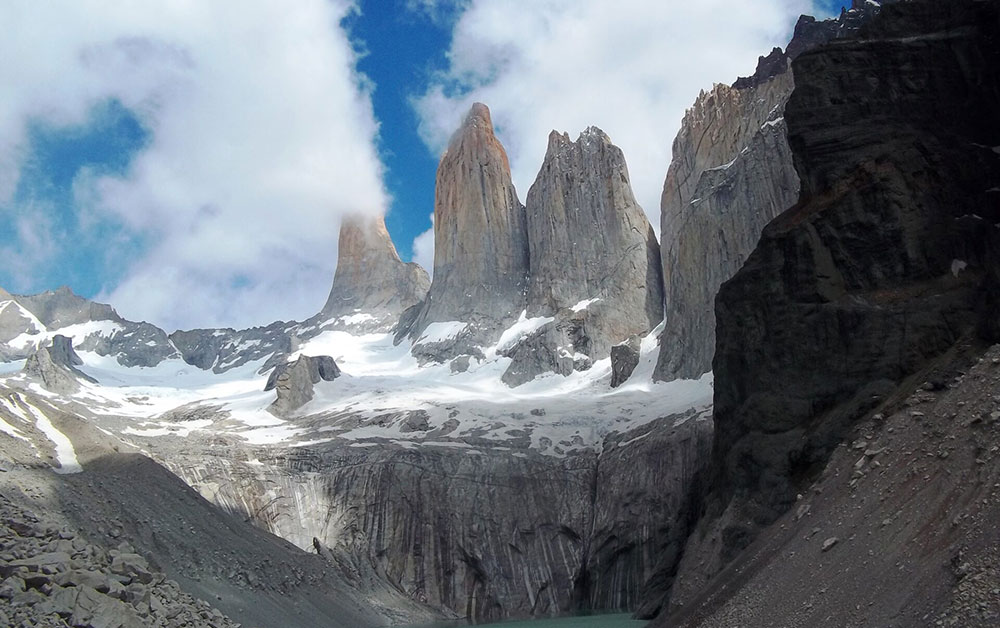
Much of southern Patagonia is characterized by virgin landscapes where man’s hand has either not been present or, because of the scale of the landscapes, goes almost unnoticed. To the west of the semi-arid Patagonian plateau, mile-high granite spires – e.g. Cerro Torre and Fitzroy in Argentina and the Torres and Cuernos del Paine in Chile – rise abruptly from the Andean foothills, while vast blue glaciers, fringed by southern beech forest, gouge out thevalleys below.

At the heart of these magnificent landscapes lies the South Patagonian Ice Field, an utterly remote icy wilderness spanning hundreds of kilometers, whose glaciers – including the Perito Moreno and Upsala – are tens of kilometres long by severalkilometers wide.

Also characteristic of the southern Patagonian Andes are its turquoise, iceberg-filled lakes. To the west lies the southern portion of the Chilean Archipelago, comprising snow-capped islands and fjords.

Across the Magellan Straits from mainland Patagonia lies Tierra del Fuego which, like the rest of Patagonia, is divided between Argentina and Chile.

The north and east of Tierra del Fuego is flat, but flanking the Beagle Channel in the south, the tail end of the Andes provide very dramatic mountain scenery.

The Lake District (latitudes 40° to 45°) or the Araucania, is a region of dramatic conical volcanoes, evergreen, high-canopy forests and, of course, lakes.

It straddles the Chile-Argentine border, and also takes in Chiloe island, in the extreme north of the Chilean Archipelago. This region stretches from Temuco in the north to Chiloe in the south.

Central Patagonia (latitudes 45 to 49) is one of South America’s best-kept secrets. The vast wilderness area can be divided in two:

  • The dry band of Andean foothills and wind-blown plateau lying on the Argentine side of the Andes. This remote area is traversed north to south by a gravel highway known as the Ruta Cuarenta (Highway 40).
  • The Chilean portion to the west of the Andean watershed, often referred to as the Careterra Austral (after the little-used gravel highway that crosses it from north to south).

This huge region, embracing the sparsely-inhabited southern Araucaria and Aisén Region, features temperate rainforests, snow-peaks (often extinct volcanoes), lakes and, to the west, the Chilean Archipelago: a labyrinth of fjords and mountain-islands. This, the Chilean portion of central Patagonia, boasts the northernmost of Patagonia’s many giant, sea-level glaciers.

The San Raphael Glacier, probably this region’s most famous landmark, is an immense hanging glacier whose seracs calve into an iceberg-filled lagoon.

Find out more about Patagonia with our blog about its wildlife.

Introduction to Patagonia

For most people, Patagonia evokes a vast, windblown plateau, jagged mountains and the life of the gauchos.

The steppe that occupies much of southern South America is only one aspect of a magical region, jam-packed with amazing and contrasting landscapes.

Patagonia (latitudes 40°-55°, approximately) embraces a vast portion of southern Chile and Argentina, from the Rio Colorado in the north, to Tierra del Fuego in the south.

For convenience, we have divided the region into three zones: the Lakes District of northern Patagonian, central Patagonia and southern Patagonia.

Kit list

Good kit is vital for every trip.

Book with Andean Trails and get 15% off Páramo’s fantastic ethical and high performance outdoor gear.

Overview

When planning for the varied climatic conditions encountered in Patagonia, layering is the most practical and versatile clothing system. It’s worth remembering that our clothing keeps us warm by retaining and isolating the heat we ourselves create.

To best maintain body heat, several layers of lightweight, warm and quick-drying clothing are far more efficient than one or two thick layers. Layers should have the following qualities:

  • Breathability (able to wick away the humidity produced by sweat):
  • Isolation (able to keep in the warm air our body produces); and
  • Impermeability (able to impede the passing of wind and water).

First (base) layer: This layer wicks the sweat away from our skin, thus helping keep the body dry and warm. To this end, synthetic fabrics such as polypropylene should be used.

Mid layers: These isolating layers should also be synthetic (e.g. the known polar linings such as polartec or windblock, which are light and insulate twice as well as wool). Very important layers for retaining body heat.

Outer layer / shell: Finally, the vital layer which protects us from climatic adversities. A breathable, wind-proof and waterproof anorak, such as Goretex.

Give plenty of thought to kit selection, and try to keep weight down.

Detailed kit list

  • Sleeping bag liner (optional), for hygiene purposes.
  • 2 pairs synthetic inner socks (e.g. polypropylene, thermastat, coolmax) and 2 pairs thick loop-stitch/wool socks for cold.
  • Trekking boots – should be well broken-in, waterproof and provide good ankle support.
  • Trainers/sandals for city-wear, evenings at lower camps & river crossings.
  • Base layer leggings (1 pair).
  • Thick fleece leggings (or salopettes) (1 pair).
  • Goretex-type over-trousers (or salopettes) (1 pair).
  • Gaiters (optional).
  • Trekking trousers (2 pairs).
  • Shorts – wear sparingly in early stages at altitude, as sun burns.
  • Thermal base layer shirts (2).
  • Microfleece mid-layer shirt (1).
  • Shirt/t-shirt 1 or 2 for lower altitudes. Long-sleeved, collared shirt protects against sun
  • Fleece jacket or similar (1).
  • Warm jacket (down or synthetic). For camp and upper slopes.
  • Waterproof Goretex-type jacket.
  • Broad-brimmed sunhat, essential.
  • Warm hat, fleece or wool. (N.B. Up to 30% of body heat can be lost through the head).
  • Sunglasses with UV filter.
  • Scarf for cold.
  • Bandanna – to protect neck from strong sun.
  • Light inner gloves.
  • Warm gloves, e.g. fleece, and outer waterproof gloves or mittens (1 pair).
  • Mittens allow you to keep the fingers together, and better conserve heat (though they also make it difficult to perform certain tasks).
  • Daypack (at least 30-50 litres). Comfortable and with waterproof lining or cover.
  • Large rucksack or suitcase.
  • Pair of telescopic trekking poles (optional).
  • Water bottle (2 litres approx.) & purification tablets.
  • Personal first-aid kit to include: painkillers, plasters (band-aids), moleskin, anti-biotic cream, after-bite (tiger balm), anti-diarrhoea tablets, throat lozenges, re-hydration salts & personal medication.
  • Insect repellent.
  • Towel & wash-kit.
  • Wet Wipes/antiseptic hand-wash cream.
  • Toilet paper (1).
  • Sunscreen (factor 50+) and lip salve.
  • Head-lamp (plus spare bulb and batteries).
  • Penknife.
  • Plastic bags – ‘Zip-loc’ & tough bin liners.
  • Camera and film / memory cards (take at least twice the amount you think you will need!).
  • Book, e-book, mp3 player/iPod or other for free time.
  • Binoculars.
  • Spanish/English phrasebook.
  • Extra snacks i.e. cereal bars or favourite chocolate bars.
  • All non-personal trekking / camping gear e.g. tents, cutlery etc is provided.

Miscellaneous others

  • Money belt.
  • Passport.
  • U.S. dollars cash, mixed-denomination notes, undamaged and unmarked.
  • ATM cash/credit card.
  • Personal & medical insurance certificates.
Weather

Chilean Patagonia, in the south of the country, has a climate with lower temperatures compared to the rest of Chile.

Lake District and Patagonia

It can be better to go in the Austral summer (Oct-March). Daylight hours are much longer at this time, with Nov-Feb being popular times to visit. October and March can be very colourful and vivid with less visitors, but weather can be more blustery.

In Patagonia, the weather is, putting it mildly, variable, and variable on a daily basis. It is usually cool and windy all year round but seldom does the temperature fall below freezing point. Some days start with snow and end in balmy sunshine. It is always interesting, and can range from 10°C-20°C in the summer, although the wind can make it feel chilly.

The vast unbroken stretch of ocean to the west and south of the South American continent leaves the Patagonian Andes very exposed to the saturated winds that circle the Antarctic landmass. Also the South Patagonia Ice field influence makes the weather hard to predict. In spring or early summer fine weather may deteriorate almost without warning, bringing rains and eventually snow. Even in summer (Dec-Mar) you should come prepared to find cold, strong winds (up to 130 km/hr) and rainfalls. The summer’s average temperature is 11ºC/52ºF (24ºC max, 2ºC min).

Winter visits to these southern areas are possible, but many hotels close and not all trips are possible. Daylight hours can be very short, but the lack of visitors can greatly improve chances of seeing wildlife in parks such as Paine.

The Lake District’s temperate climate can be said to resemble that of the UK, with rain possible but also enjoying long spells of fine, fresh weather in the summer (Oct-March).

An expertly organised Patagonia adventure and Cape Horn cruise, where outstanding staff and professional care turned even unexpected challenges into a memorable experience.

D. Rowell, UK

A flexible Patagonia adventure of scenic drives, glacier views, and unforgettable self-guided treks.

W.King, Australia