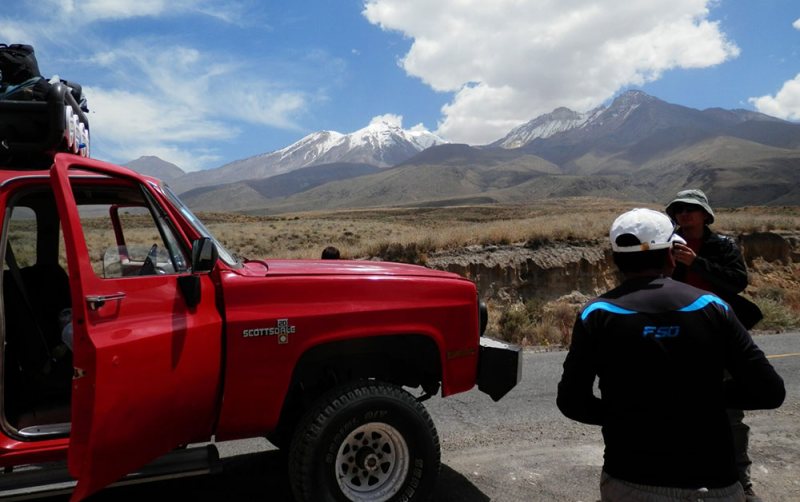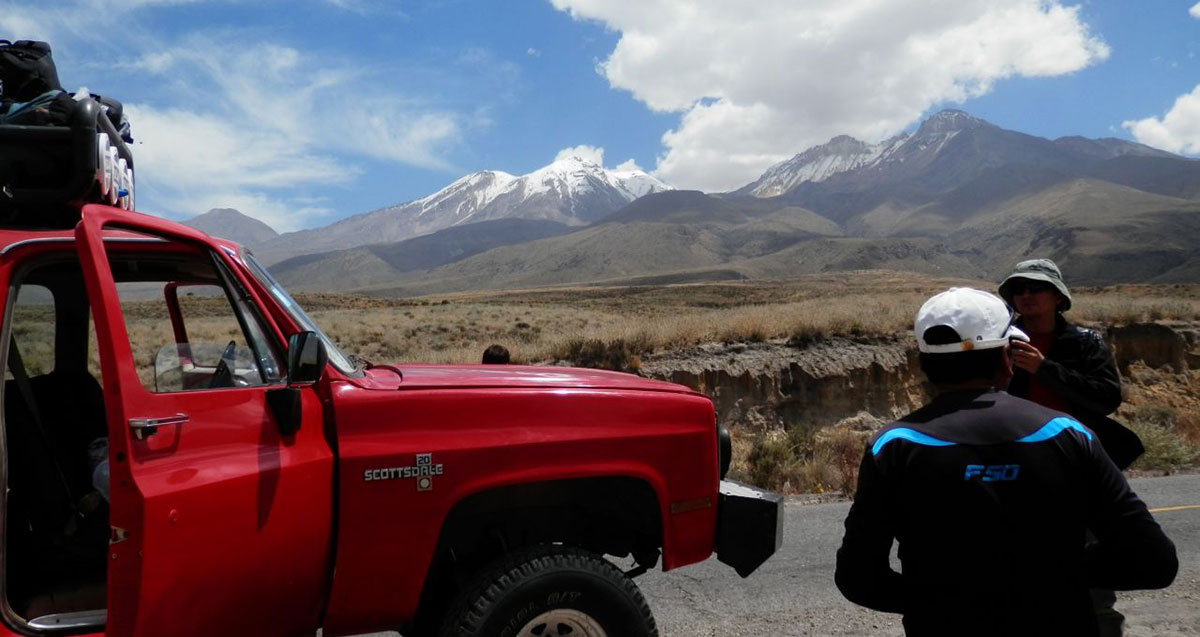
Leave early from your hotel in Arequipa to Sallalli, at the base of the mountain.
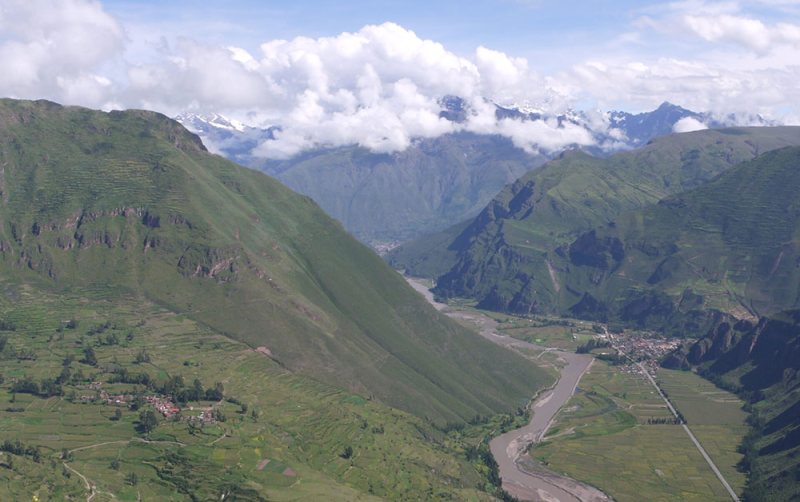
En route we may see big groups of alpacas, llamas and vicuñas as we enter the national reserve of Aguada Blanca y Salinas.
Once the vehicle has dropped us off, we have five hours of trekking to get to our base camp, passing Sallalli at 4,400m/14,435ft to get to our base camp at 5,260m/17,257ft.
Summit day.
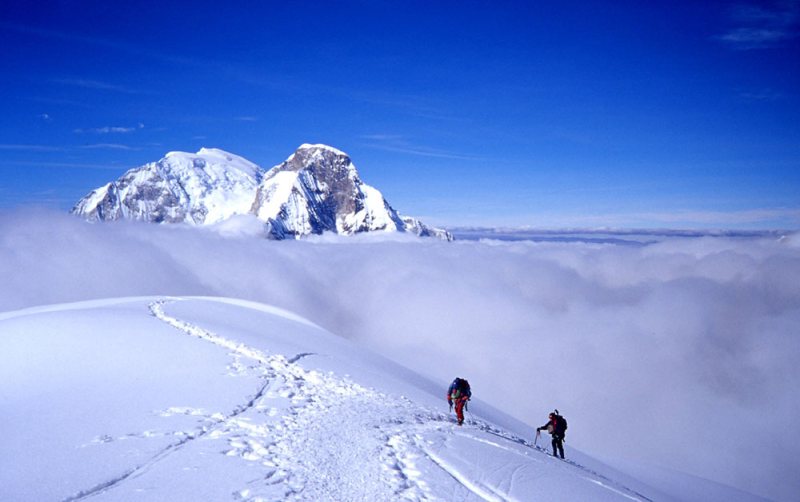
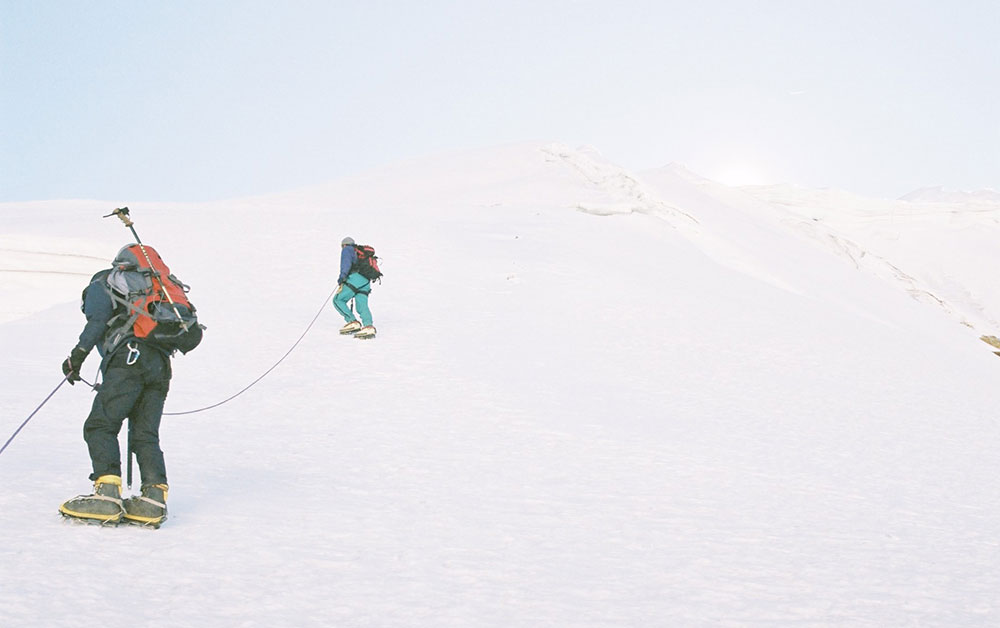
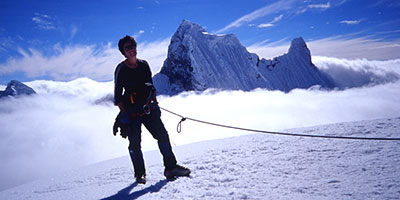
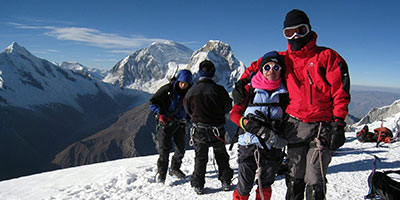
We set off early to climb to the summit, which may take up to six hours, but we have great views once the sun comes up.
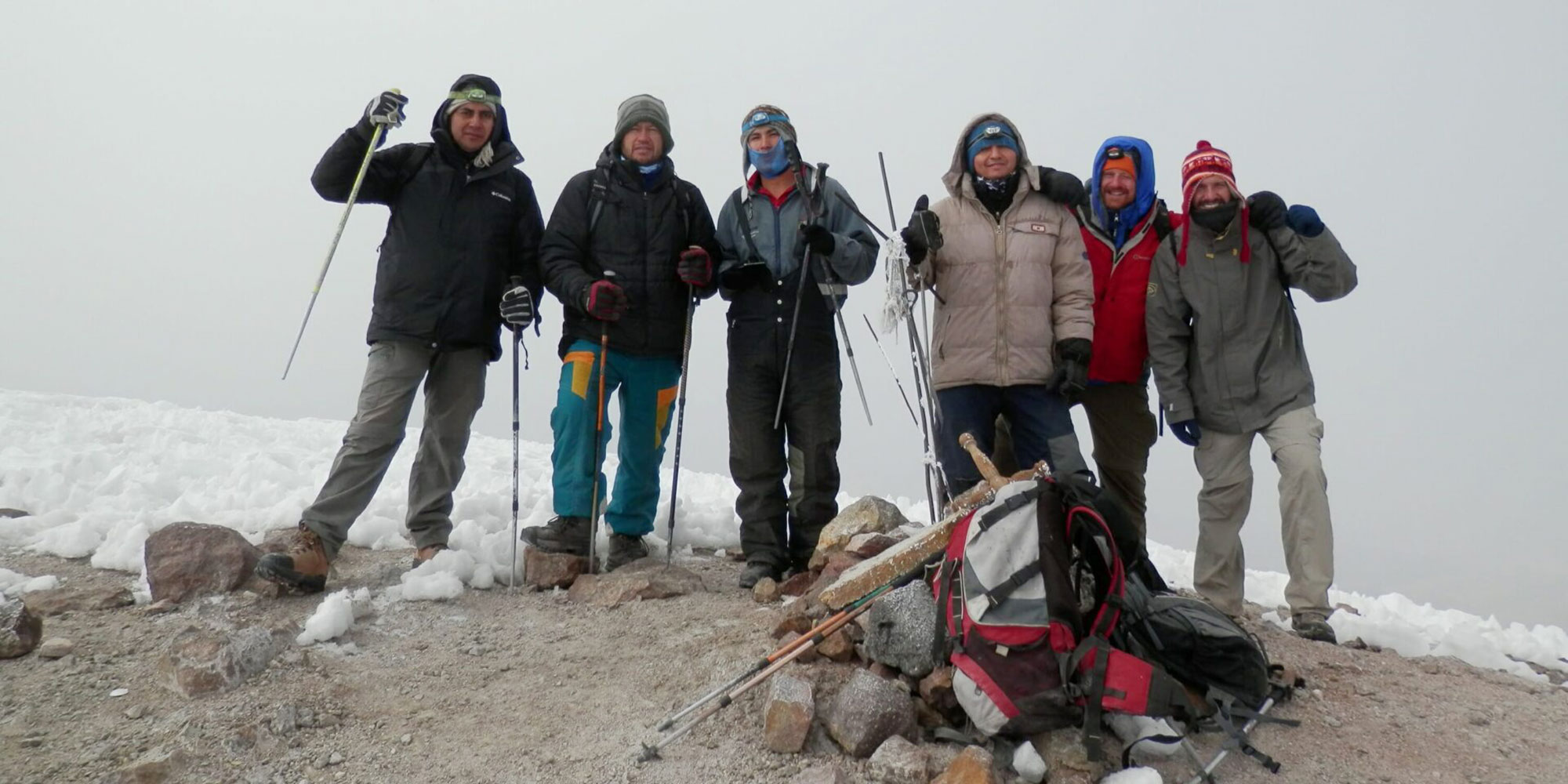
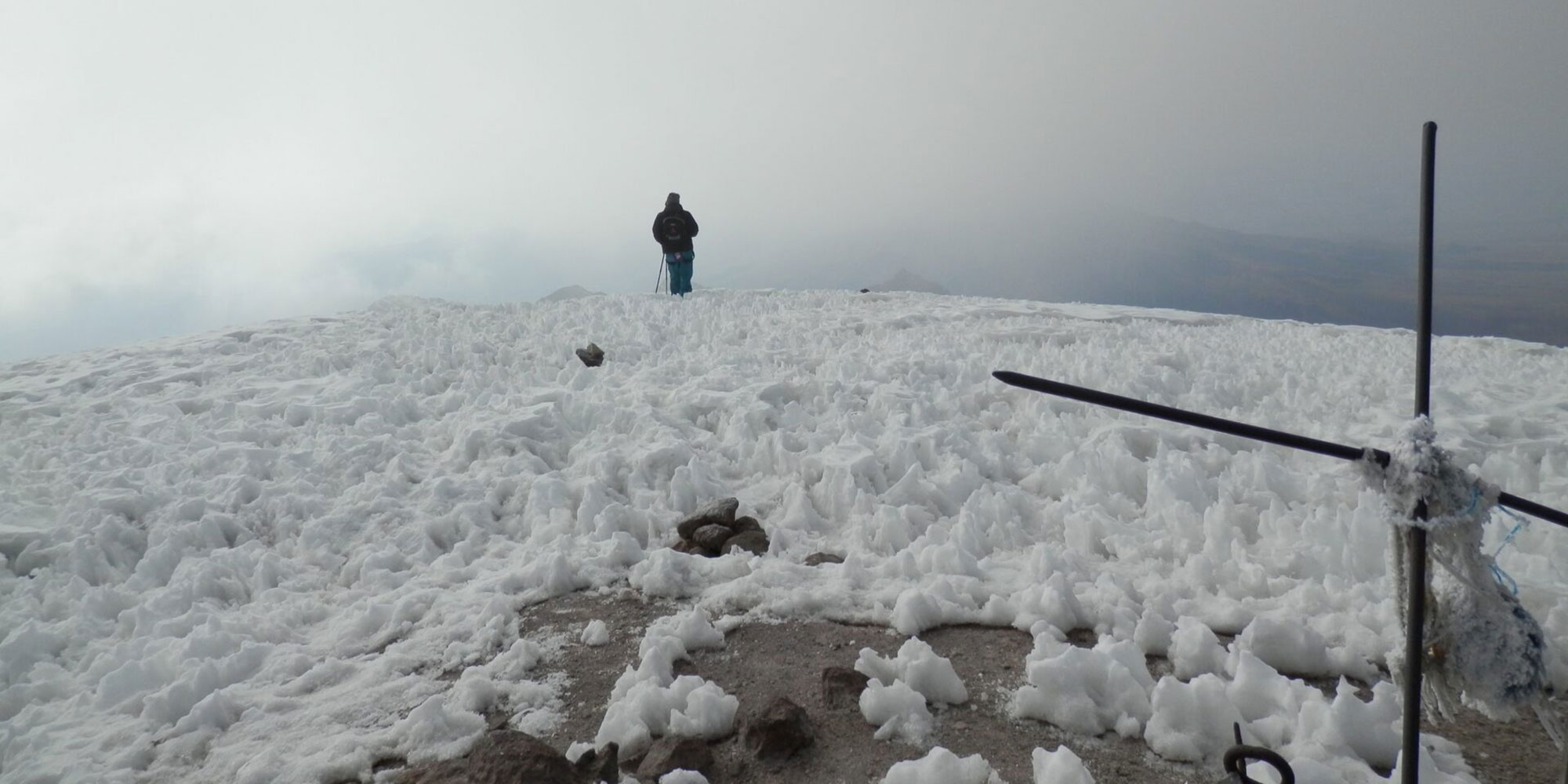
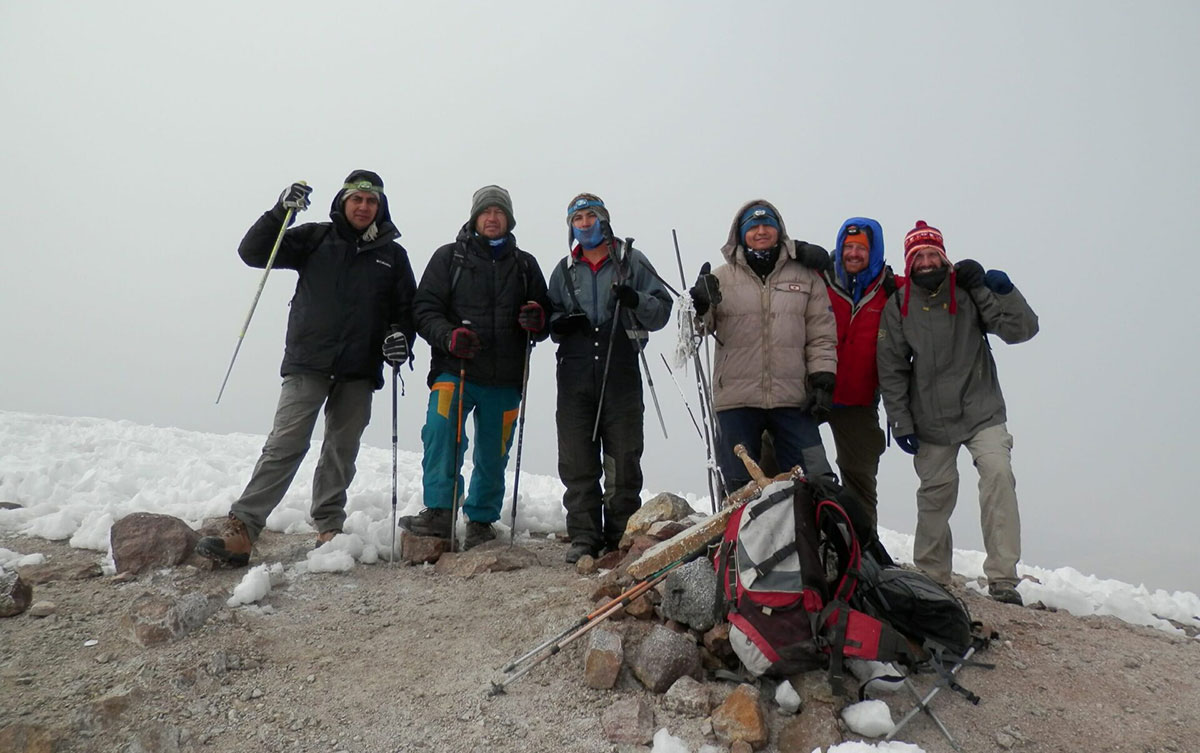
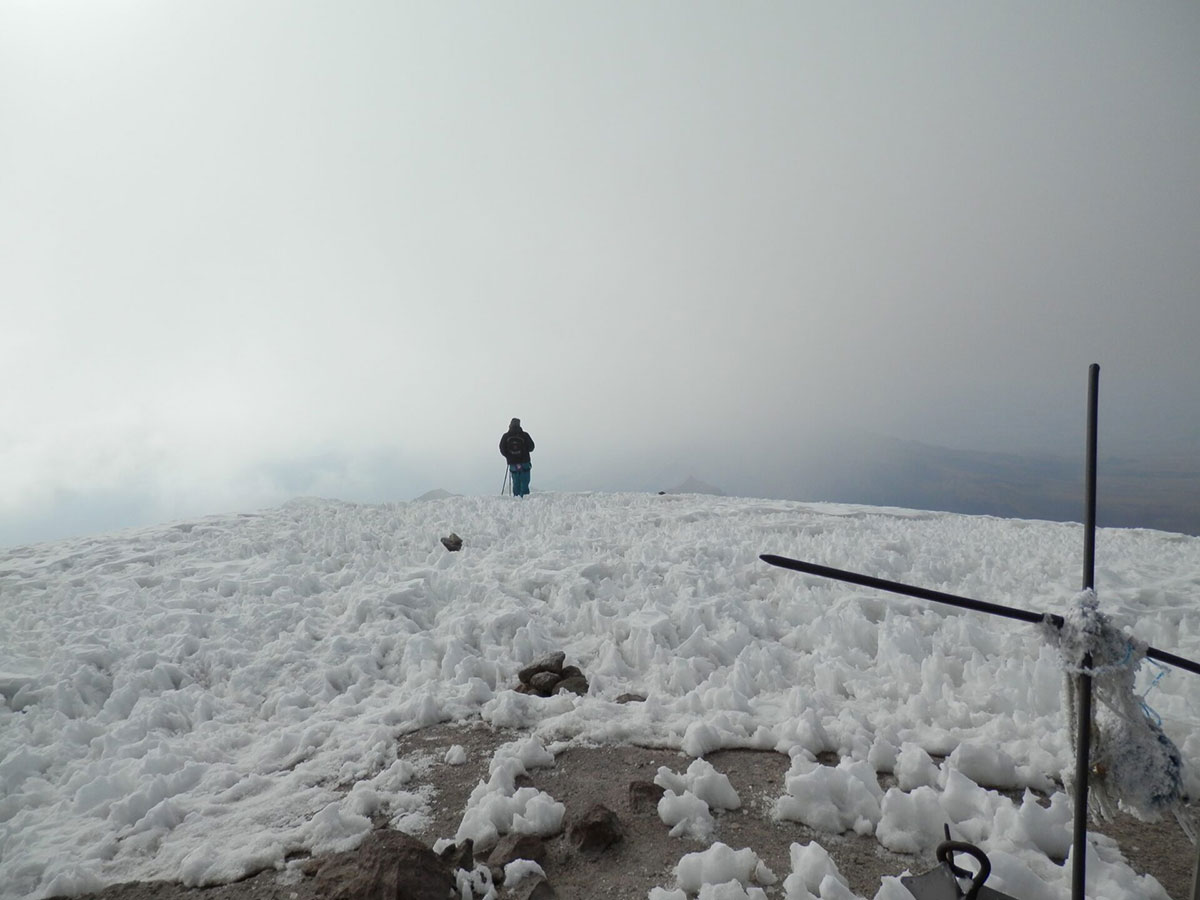
At the top, 6,318m/20,728ft, you can visit the archaeological site where the maiden of Ampato was found.
Having celebrated the summit, we then descend (five hours) and trek out to meet our vehicle and drive back to Arequipa.
Note: We can add an extra night at the base camp for those who want to avoid a long summit day.
Camping.
You will carry your personal items such as clothes, sleeping bag etc. You need to take a backpack for the items you want to carry. This MUST be waterproof – or pack your things inside plastic bags. Keep the weight down as much as possible. You can take a small backpack too, for the summit attempt.
In order to get the most out of the tour you should be in very good physical condition and very well acclimatised to high altitude.
It is preferable to attempt Ampato after a long, high altitude trek such as Huayhuash.
It is not easy to grade the fitness level required for the trek, since it is a subjective matter.
However, we have classified this trek as strenuous.
We trek approximately five to eight hours per day with several long ascents and descents at very high altitudes.
Vegetarians and many other dietary requirements are catered for without problems. Please let us know in advance of any requirements you have.
On trekking days you wake early, usually around 06.00. Breakfast is served in a dining tent, and consists of hot drinks, porridge, toast, jams and bread, and your guide will explain the day’s trekking plans. It’s usually cold in the morning mountain air, and, after eating and then packing your backpack, we set off walking, usually for a couple of hours at a time, with breaks to rest.
On summit days, breakfast will be a basic snack as we leave the tents around 01.00-03.00, depending on conditions.
Lunch is usually around 13.00 and can feature soups and pasta, with vegetarian options and hot drinks too. We aim to get to camp about 16.00 on most days, and your tent will be set up for you, although you may be asked to help out if conditions have been bad and the team needs help. It’s hard for gas to burn at high altitudes, so meals tend to be basic.
Dinner is served around 19.30, and will feature pasta, mashed potatoes, rice and/or vegetarian options, followed by hot drinks and a pudding. Most people go to bed fairly early after a long day trekking, to recover energy for the morning, or to be ready for the early summit attempt time, where we leave the tent around midnight to 03.00, depending on conditions.
Local drivers will take you to and from the mountain, and all logistics are taken care of in Arequipa.
Your guide will be a professional, qualified and English-speaking guide, who knows the route well and how to get you to the summit.
An exhilarating Peruvian mountain adventure filled with rewarding summits, expert guidance, and unforgettable Andean scenery.
An unforgettable journey through Peru’s ancient Chachapoyas region, where the unexcavated ruins of Kuelap and mysterious cliff sarcophagi brought the country’s rich past vividly to life.
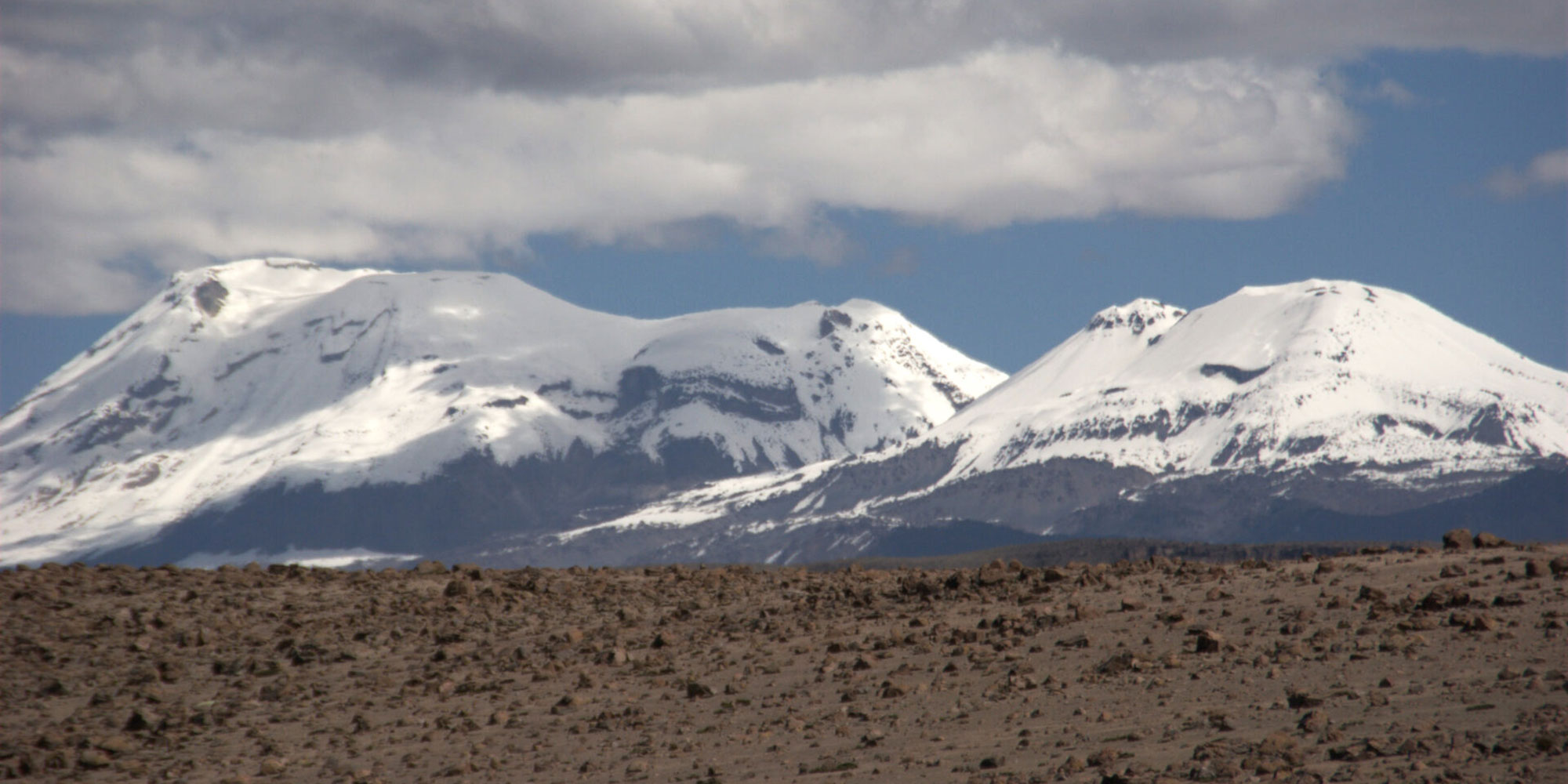
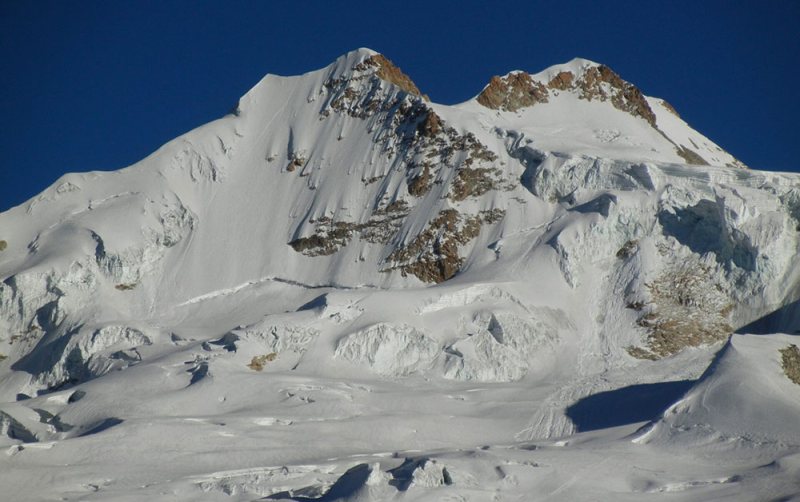
This is a challenging trekking peak because Ampato rises up 6,318 m/20,728 ft into the sky.
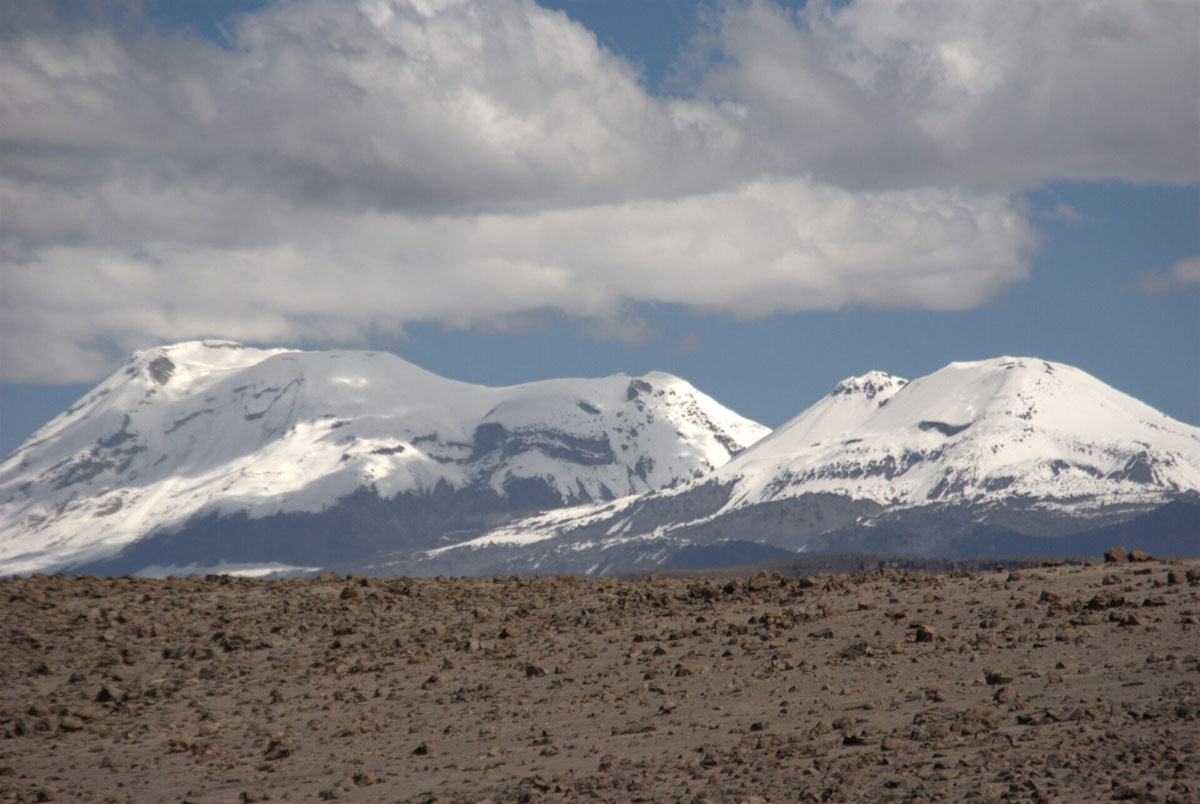
Ampato is one of the largest in the chain of volcanoes which master the landscape of Arequipa.
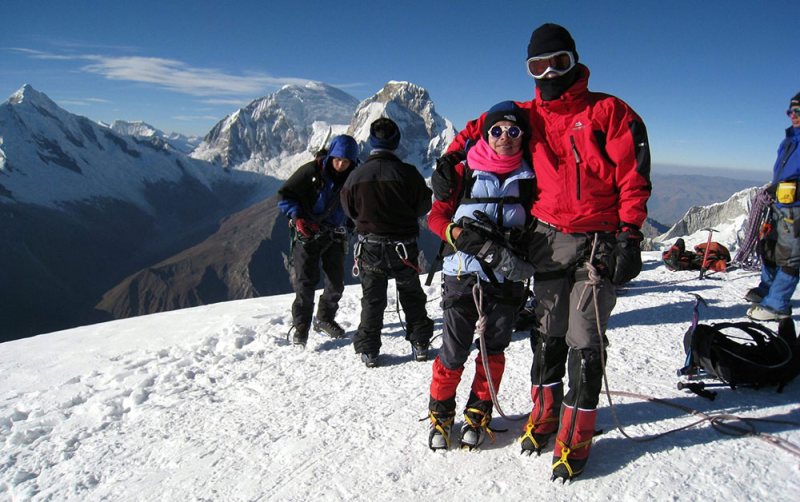
The final summit requires use of an ice axe, crampons and ice boots – our guide will give instruction.
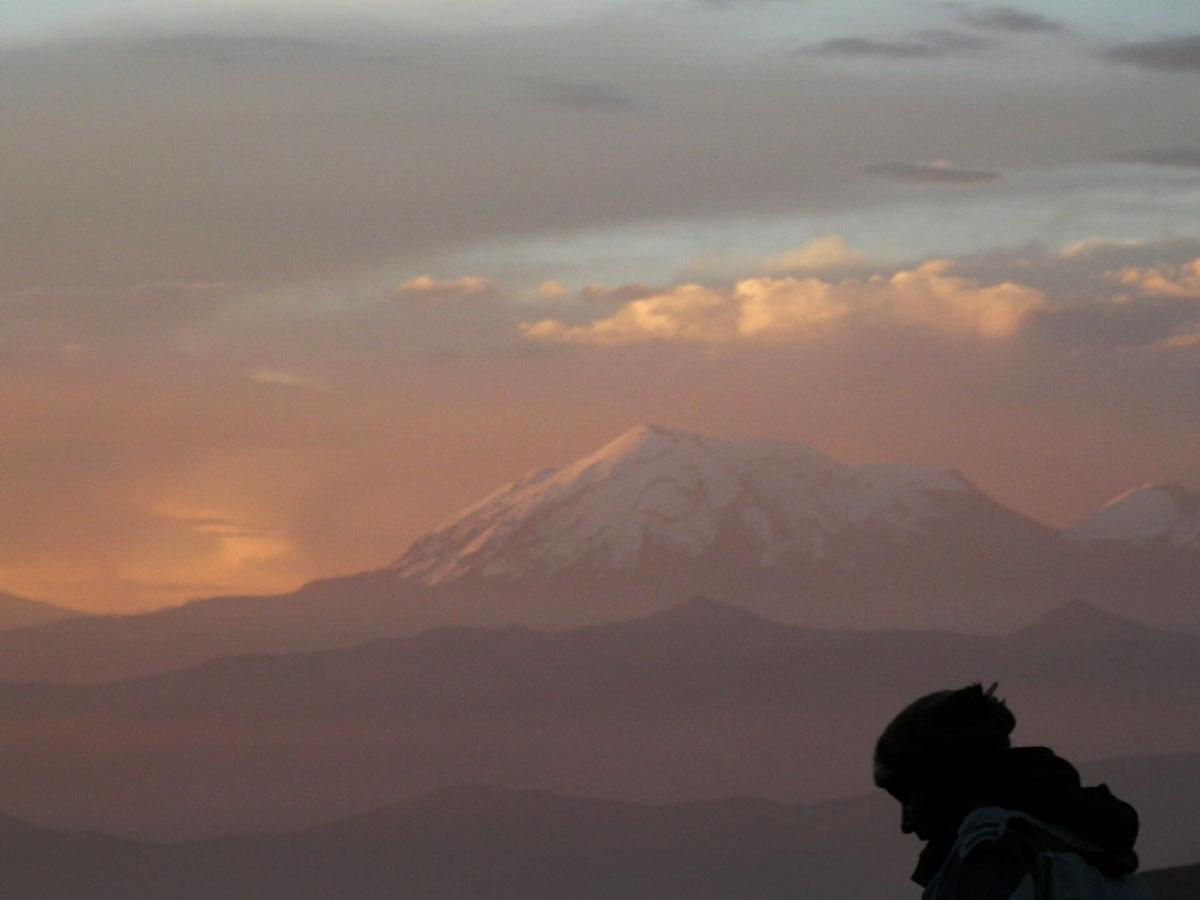
In 1995, a group of archaeologists found at the summit Momia Juanita (Mummy Juanita) – a mummified young Inca woman.
This maiden of Ampato was in much the same condition as when she was sacrificed 500 years ago, and can be seen in the Arequipa city museum of Santuarios Andinos Universidad Catolica Santa Maria.
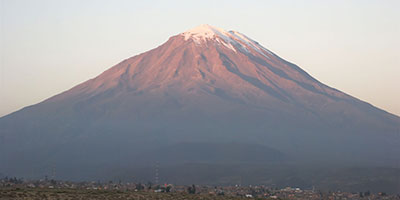
We off three more volcanoes – Chachani, Misti and Coropuna – and all are an adventure site for climbers and walkers and offer great views from the summit.
The dry season (April-November) is the best time to scale Ampato and the other volcanoes.
Being at altitude, especially in the tropics, is usually a pleasure as it isn’t so hot, there are few insects and the air is clear.
However, when gaining altitude, air pressure drops and the amount of oxygen reaching the lungs is reduced. Although we build plenty of acclimatisation time into our itineraries, certain ill-effects are possible. Nevertheless, all of these can be minimised or prevented if care is taken.
On reaching heights above 2,500m (approx. 8,200 ft), especially when ascent has been straight from sea level, heart pounding, mild headache and shortness of breath are normal, especially on exertion.
Acute mountain sickness (AMS) is a syndrome known locally as soroche, whose symptoms can include of bad headache, dizziness and nausea).
To avoid AMS, you should:
Peru is the perfect holiday destination for adventure travellers that want an amazing variety of activity, geography and cultural travel experiences.
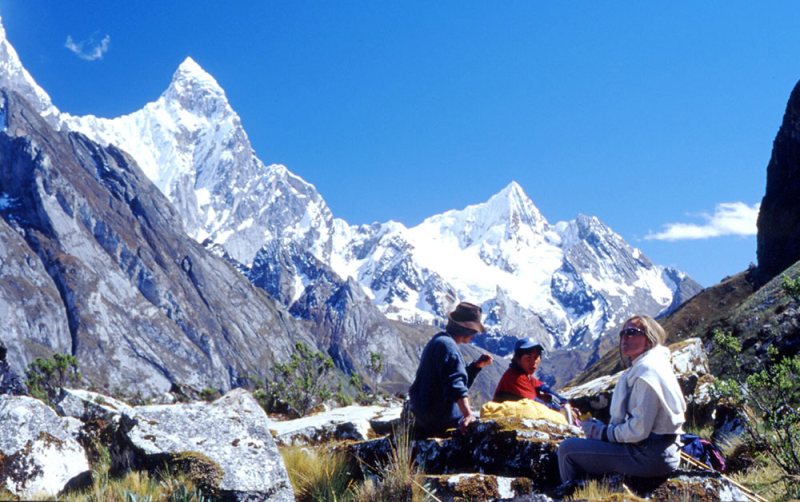
The breadth of travel experiences in Peru is breathtaking – from trekking in the Andes to Machu Picchu to the tropical jungle of the Amazon, and plenty in between.
The people of Peru make it a special destination too, with its colourful and traditional street life and friendly locals.
Good kit is vital for every trip.
Book with Andean Trails and get 15% off Páramo’s fantastic ethical and high performance outdoor gear.
When planning for the extreme climatic conditions encountered on high peaks in the Andes, layering is the most practical and versatile clothing system. It’s worth remembering that our clothing keeps us warm by retaining and isolating the heat we ourselves create.
To best maintain body heat, several layers of lightweight, warm and quick-drying clothing are far more efficient than one or two thick layers.
Layers should have the following qualities:
First (base) layer: This layer wicks the sweat away from our skin, thus helping keep the body dry and warm. To this end, synthetic fabrics such as polypropylene should be used.
Mid layers: These isolating layers should also be synthetic (e.g. the known polar linings such as polartec or windblock, which are light and insulate twice as well as wool). Very important layers for retaining body heat.
Outer layer / shell: Finally, the vital layer which protects us from climatic adversities. A breathable, wind-proof and waterproof anorak, such as Goretex.
Note that it’s our extremities that stand to suffer the most, and on high Andean peaks the poorly-equipped mountaineer is at risk of becoming frostbitten. Hence, much thought should be given to deciding how best to protect hands, feet and head.
Give plenty of thought to kit selection, and try to keep weight down.
Below is a more detailed guide.
For the extreme cold, we recommend a 3-layer scheme:
All other non-personal trekking and camping equipment is provided, e.g. tents, cutlery etc.
An exhilarating Peruvian mountain adventure filled with rewarding summits, expert guidance, and unforgettable Andean scenery.
An unforgettable journey through Peru’s ancient Chachapoyas region, where the unexcavated ruins of Kuelap and mysterious cliff sarcophagi brought the country’s rich past vividly to life.