Luxury Inca Trail Trek & Cusco

Duration:10 days

From: £2,751

From: $3,663

Capacity: 16

ATOL 6275 protected
Speak directly to the experts
28 years experience

Hike to Machu Picchu in style with our private, luxury Inca Trail tours.

Tour highlights

  • Our top, luxury Inca Trail trek to Machu Picchu.
  • Arrive at Machu Picchu in style, feeling refreshed and energised after staying in secluded campsites, away from the crowds.
  • Choice of boutique hotels in colonial city of Cusco and Aguas Calientes.
  • Experience the best of Peru and Andean hospitality and products.

Itinerary for Luxury Inca Trail Trek & Cusco

Overview

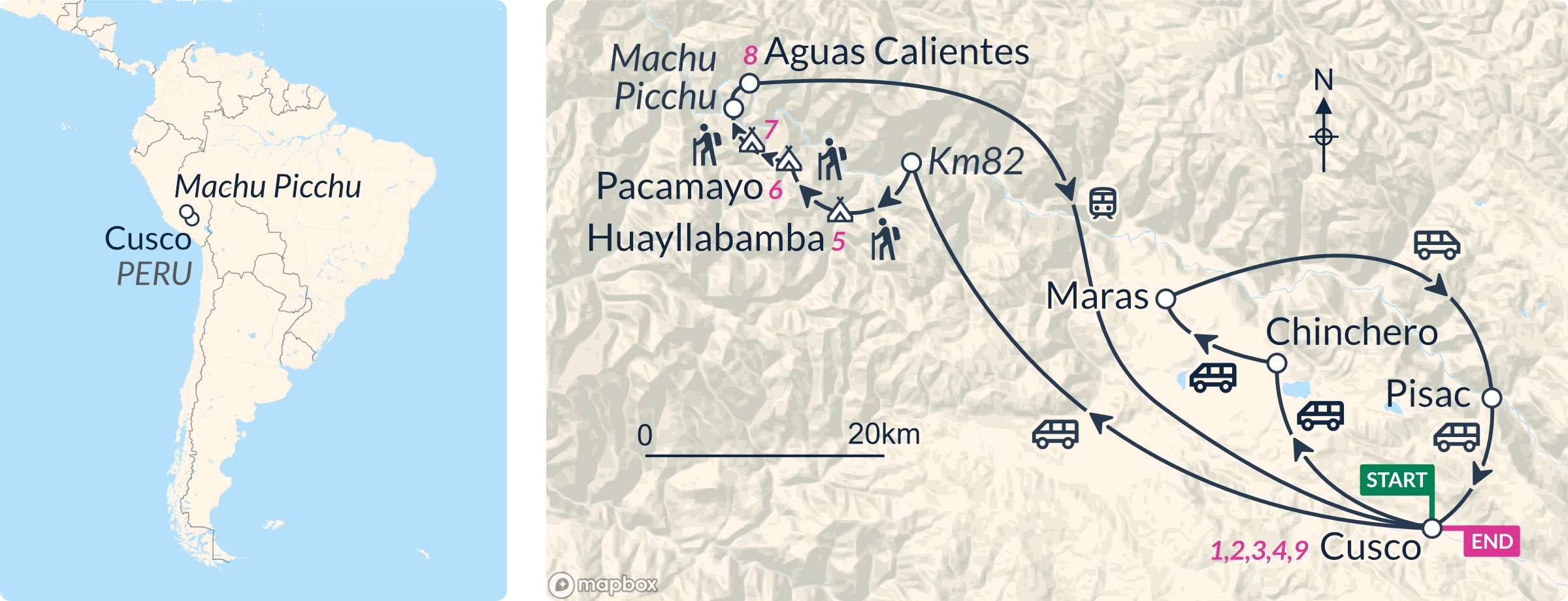
  • Day 1 Day 1: Arrive Cusco, transfer to Cusco hotel
  • Day 2 Day 2: Cusco hotel, city tour (B)
  • Day 3 Day 3: Sacred Valley tour, Cusco hotel (B,L)
  • Day 4 Day 4: Free day in Cusco, hotel (B)
  • Day 5 Day 5: Inca Trail: Transfer to KM 82, trek to Huayllabamba, camp (B,L,D)
  • Day 6 Day 6: Inca Trail: Trek Huayllabamba to Pacaymayo, camp (B,L,D)
  • Day 7 Day 7: Inca Trail: Trek Pacaymayo to Sayacmarca, then to Phuyupatamarca, camp (B,L,D)
  • Day 8 Day 8: Inca trail: Phuyupatamarca to Machu Picchu, descend to Aguas Calientes, hotel (B,L)
  • Day 9 Day 9: Guided tour of Machu Picchu, return train to Cusco, transfer to hotel (B,L)
  • Day 10 Day 10: Transfer out. (B)

Day 1: Arrive Cusco, transfer to Cusco hotel

On arrival, you driver and guide take you to your hotel. Cusco has an excellent range of top quality hotels, many with beautiful and peaceful colonial courtyards. You can take it easy on arrival, the high altitude (3,450m/11,319ft) can take your breath away.

Cusco is also a lively and exciting city boasting a wide range of restaurants and an active nightlife to suit everybody. Nowadays Cusco’s main source of income is tourism, but it remains an important market town for the many farming communities that surround it. Street markets contain a huge range of highland and jungle produce.

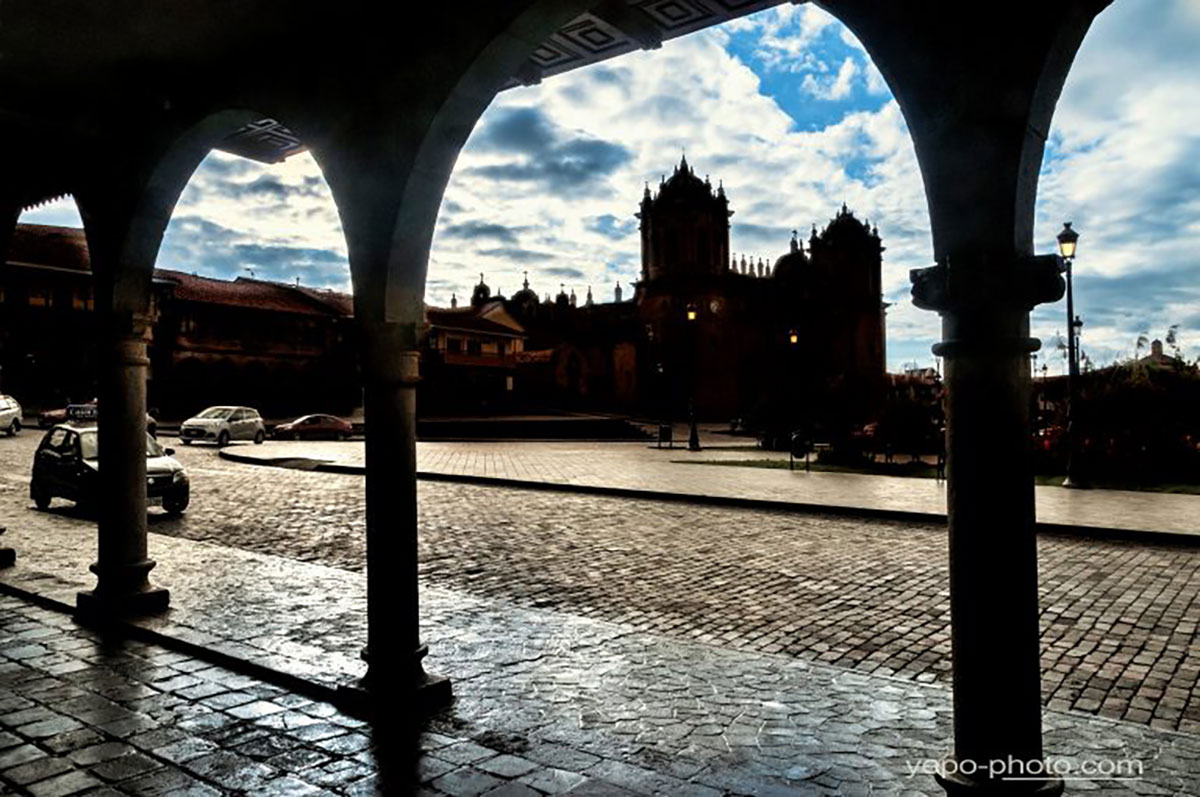
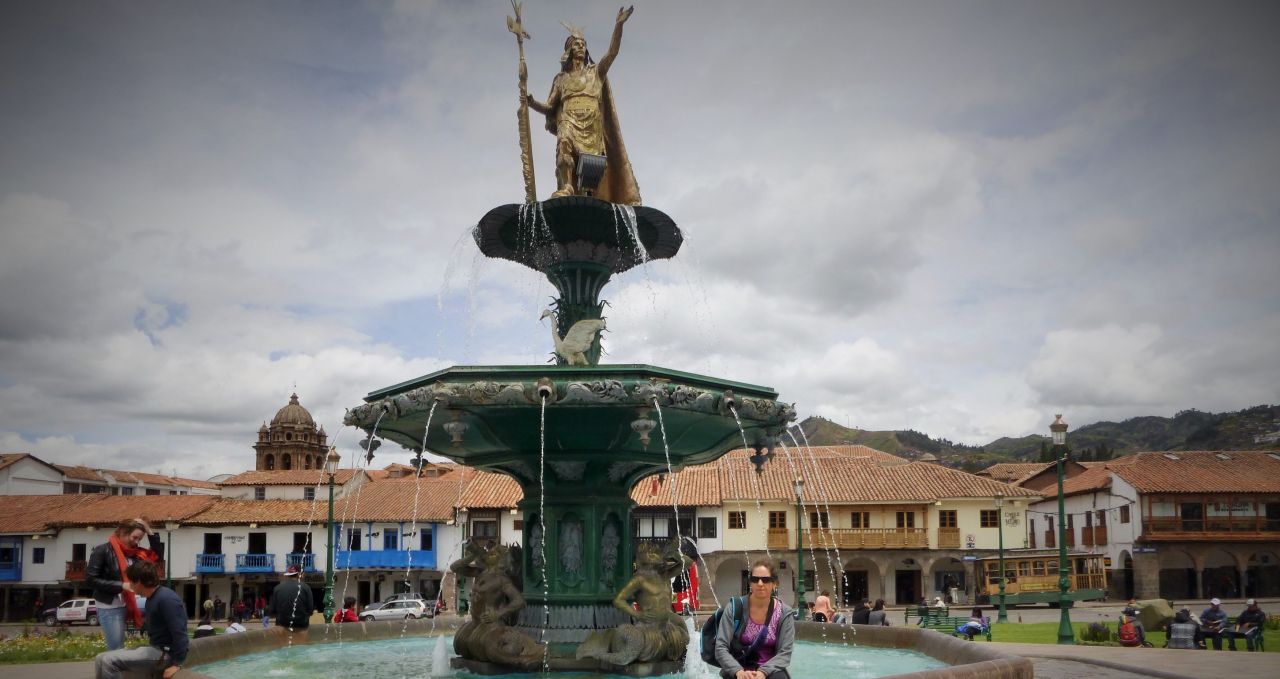
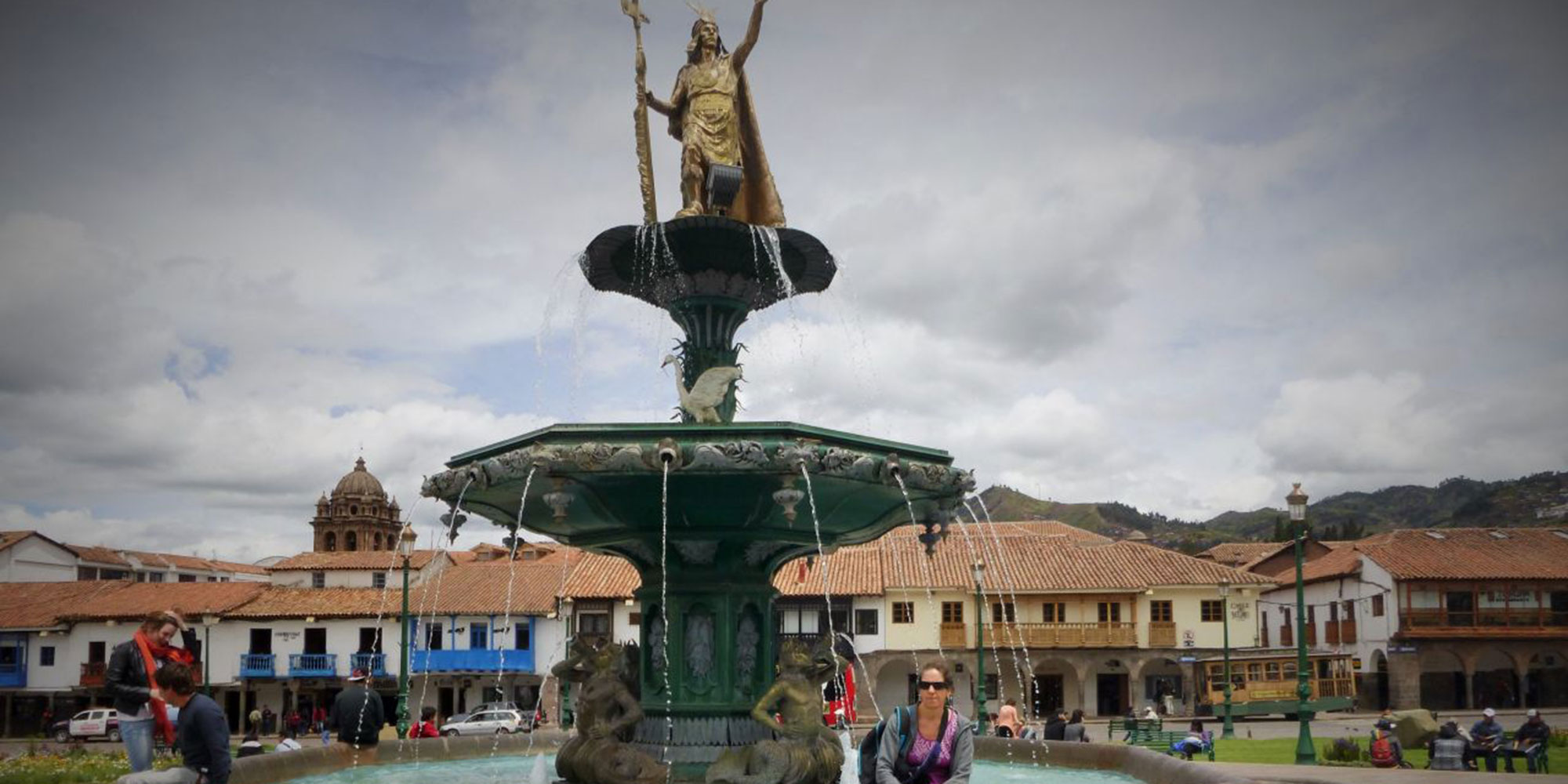
Cusco is a beautiful city with a unique fusion of Inca stonework and elegant Spanish colonial architecture. Legend has it that Cusco was founded around AD 1100 by the first Inca king, Manco Capac, and his sister queen, Mama Ocllo, in AD 1100. He was the son of the Sun god (Inti) and she the daughter of the Moon goddess. Archaeological evidence suggests that, for the first few hundred years, the Inca tribes kept within a short radius of Cusco with little conquering ambition. Only in 1438, with the arrival of Pachacutec (ninth Inca Emperor), did serious expansion begin and soon Cusco was at the centre of a rapidly expanding empire.

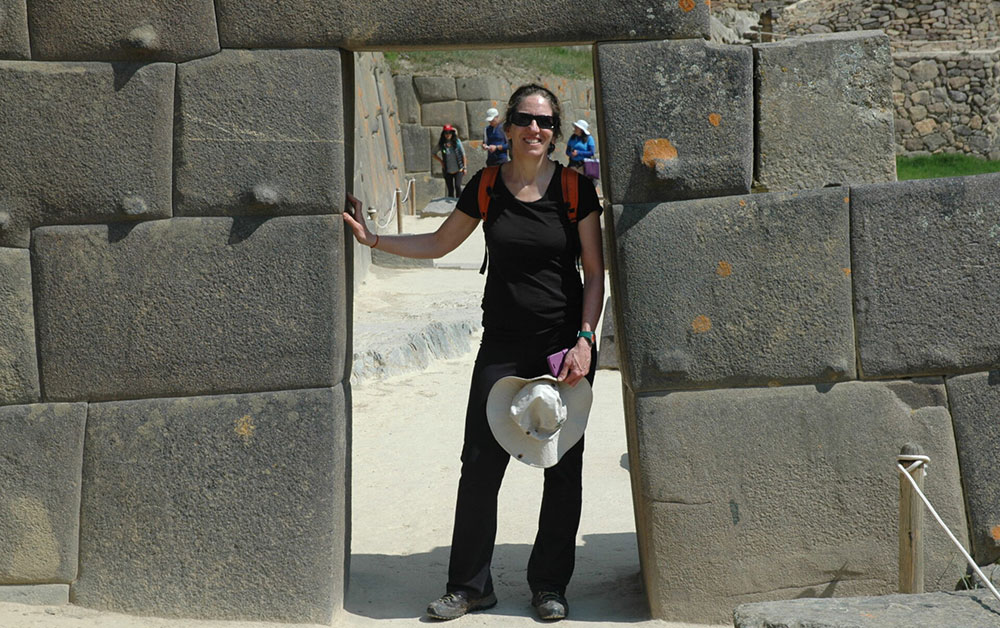
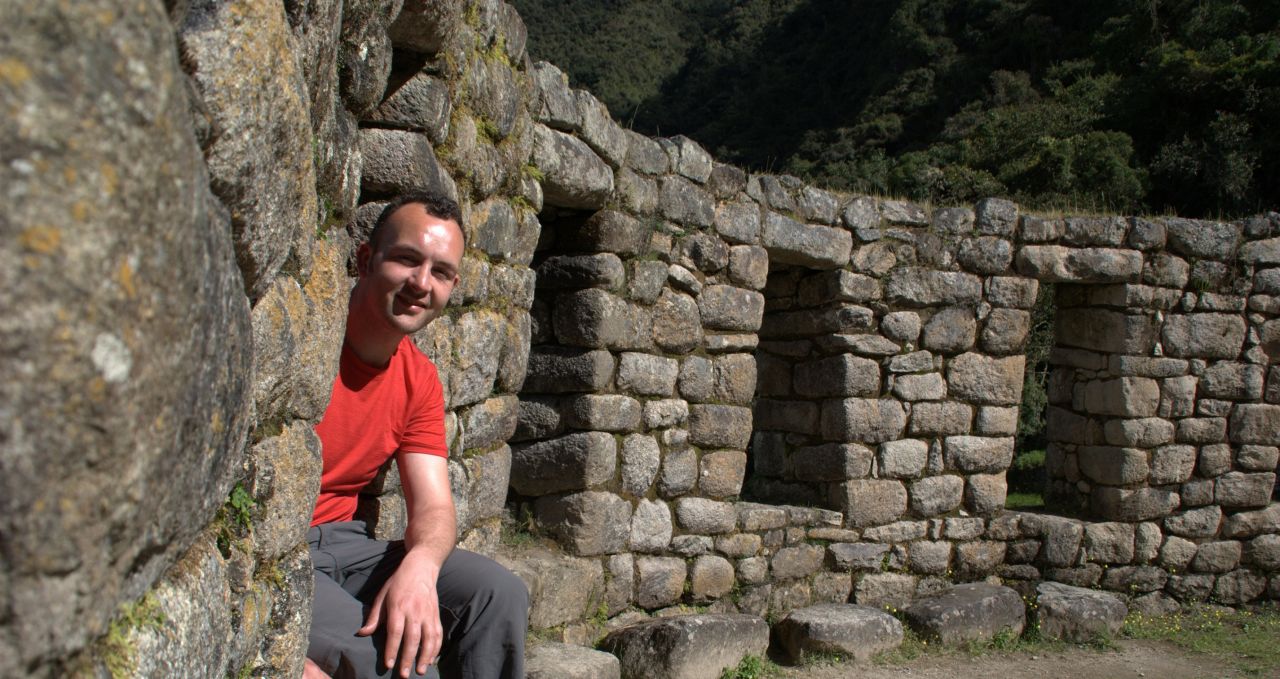
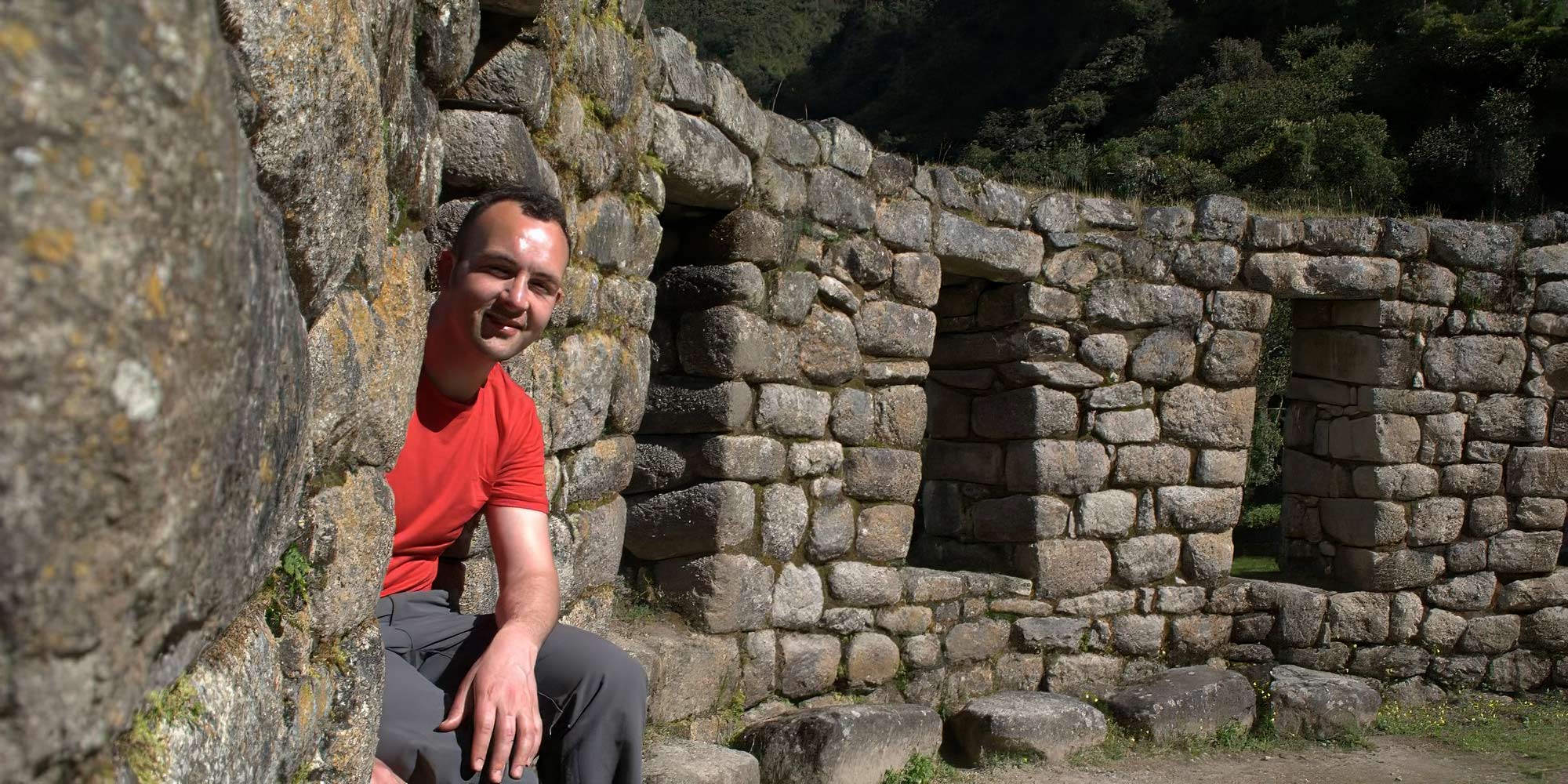
The characteristic interlocking stonework of ancient Inca structures can still be seen today and gives Cusco its very special charm.

Day 2: Cusco hotel, city tour (B)

Today is an easy day physically, as you get used to the altitude. A private city tour is the perfect way to see this fascinating city, with its many highlights illuminated by your guide as you walk around.

You can take in some of the archaeological sites of Cusco – the Cathedral, Koricancha (Temple of the Sun) and Sacsayhuaman to name a few.

After a tour, you can relax, explore the city yourself, visit its markets and enjoy the many lively streets and squares of the city.

Day 3: Sacred Valley tour, Cusco hotel (B,L)

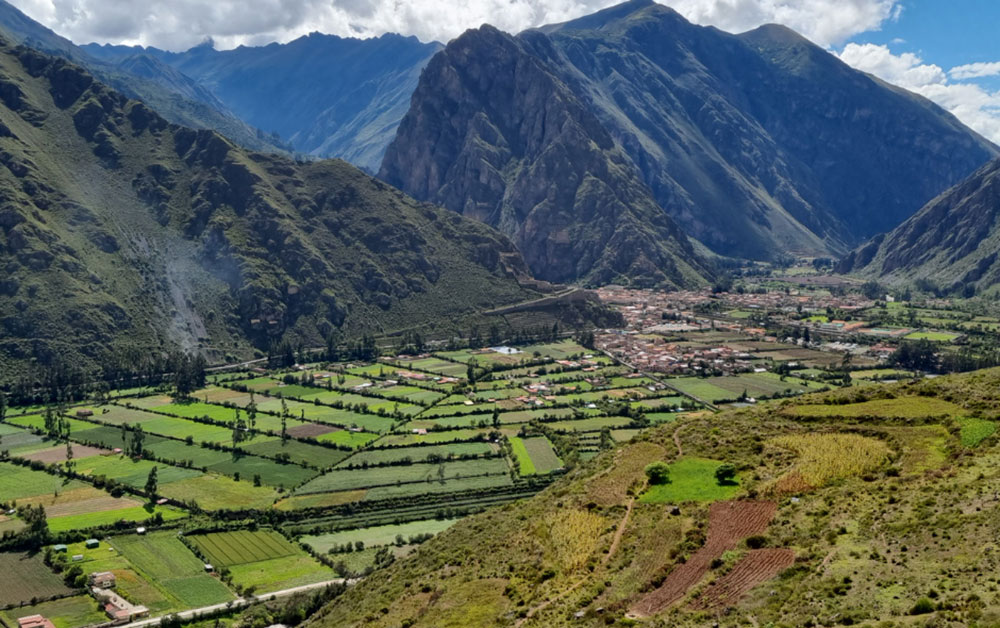
The Sacred Valley has a much warmer climate than Cusco, wealthy Cuzqueños often have second homes there for weekends away. It also is extremely fertile, producing some of the best maize in all of Peru.

On today’s private full day tour, you will visit the highlights of the Valley: such as the weaving community of Chincheros and Pisac, famous for its ruin and impressive market. Or go the other way and stop off at the Moray ruins  and  the fascinating Maras salt flats where salt is still harvested by hand today.

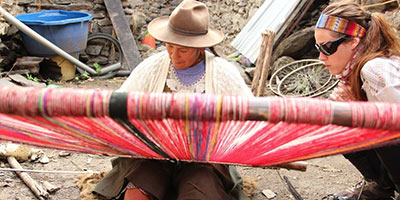
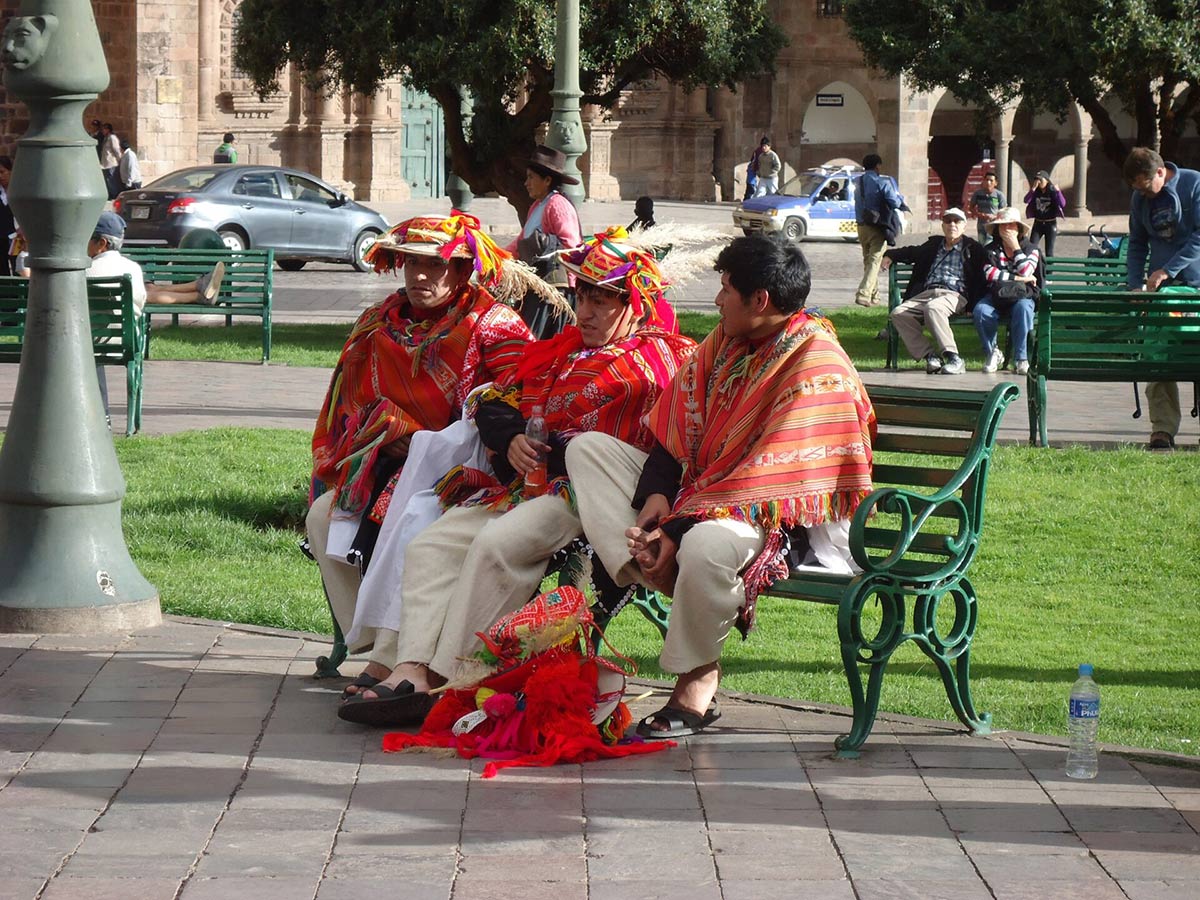
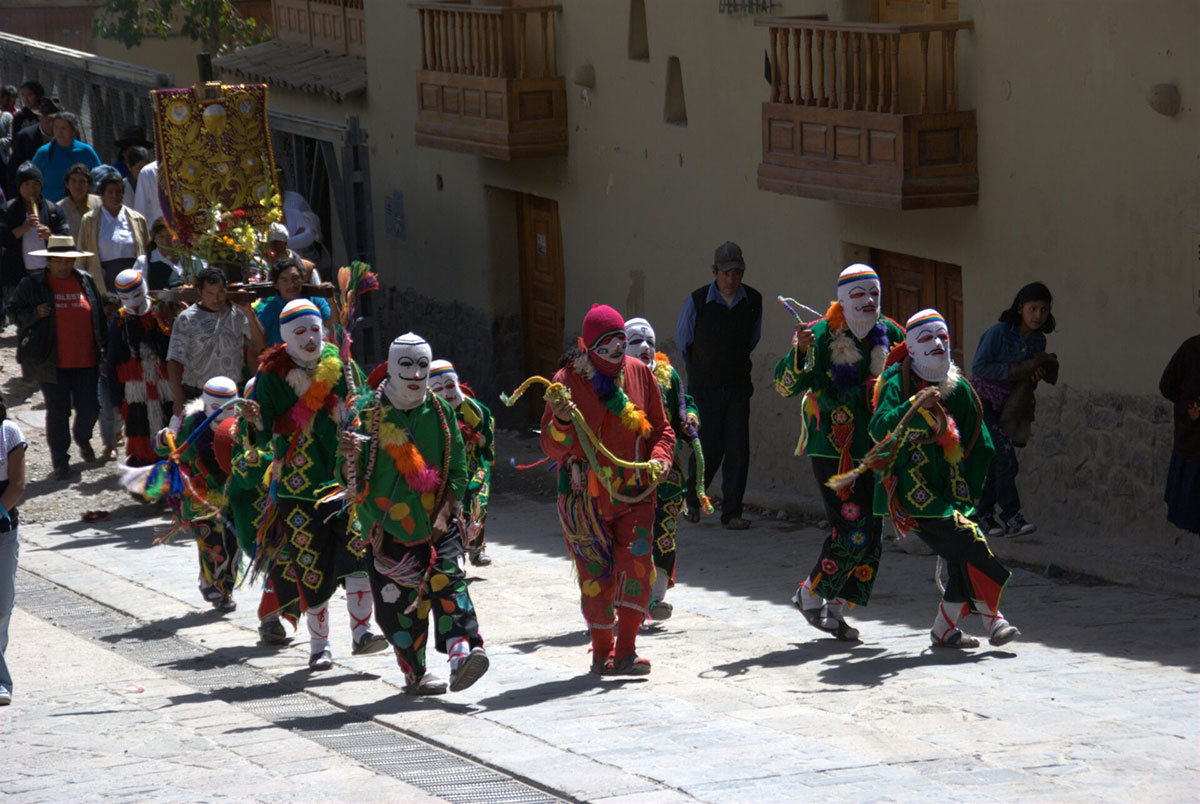
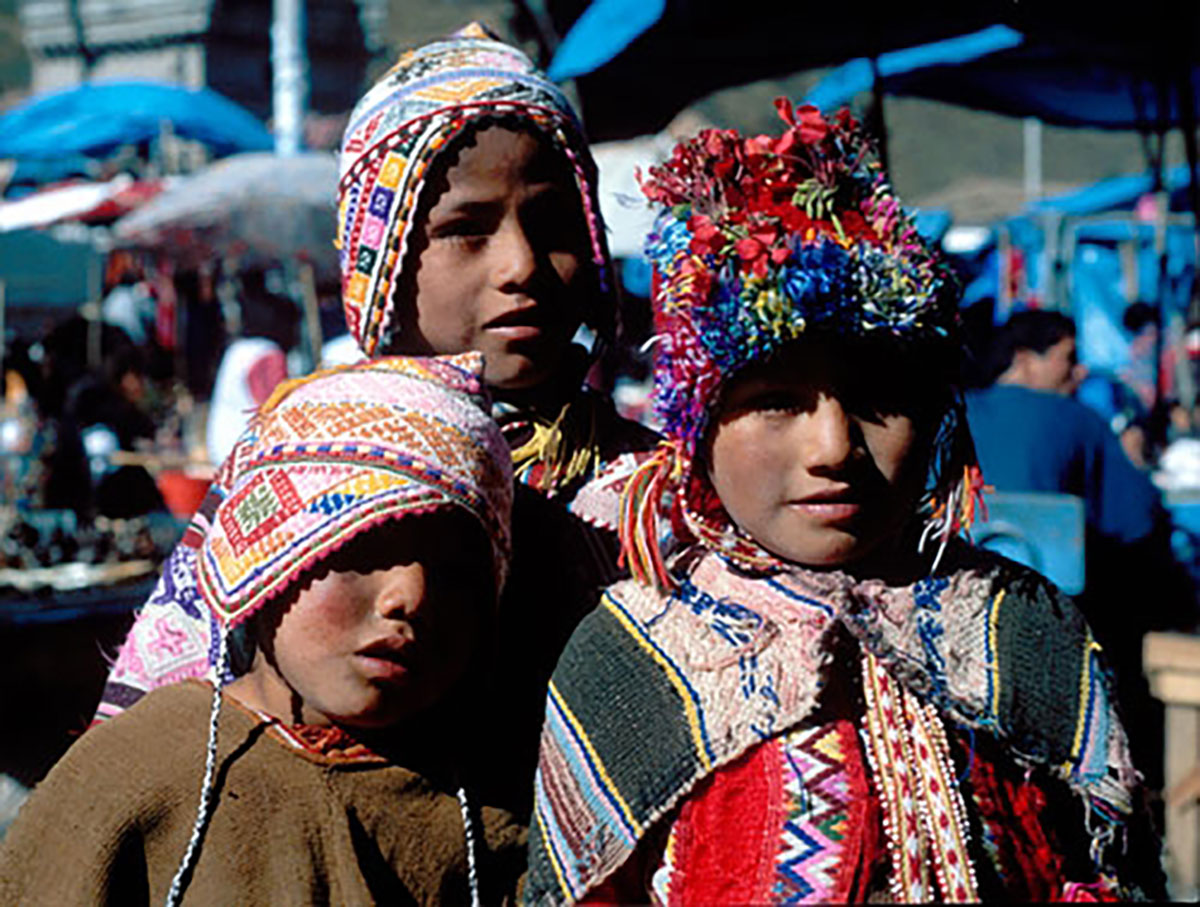
The valley is characterised by its rural landscapes and highland Indian villages with a strong community identity and a traditional, though changing way of life.  Here, people make a living from farming and the herding of llamas and alpaca. The weavings of this area are particularly well known and the everyday wear of the local people is still handmade, with special elaborate clothes being made for festivals.

Day 4: Free day in Cusco, hotel (B)

A day to relax if you wish, there is still so much to see and do in Cusco and you will certainly not tire of the city!

Or get active and choose from a range of (additional) options such as rafting, biking, walks, horse riding. Your hotel or we can help to arrange this in advance or you can choose the night before.

Day 5: Inca Trail: Transfer to KM 82, trek to Huayllabamba, camp (B,L,D)

A spectacular early morning drive through the Sacred Valley of the Incas takes us to our trailhead at Km. 82 of the Machu Picchu railroad.

After getting acquainted with our trail crew we set out, crossing a footbridge to hike a gentle two hours down the Urubamba canyon, and then visit imposing sculpted Inca farming terraces and the settlement of Llaqtapata on the banks of the Cusichaca side river.

We then climb a short way up the Cusichaca valley to Huayllabamba, the last inhabited village on the trail, where we camp. (campsites subject to availability)

Distance walked: 11.2km/6.9 miles

Max. altitude: 2,912m/9,554ft

Height gained: 398m/1,306ft

Height lost: 302m/991ft

Starting altitude: 2,753m/9,032ft

Finishing altitude: 2,885m/9,466ft

Day 6: Inca Trail: Trek Huayllabamba to Pacaymayo, camp (B,L,D)

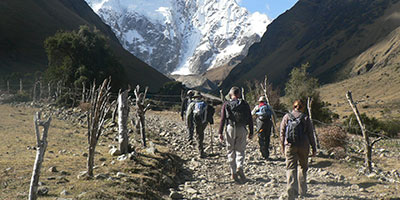
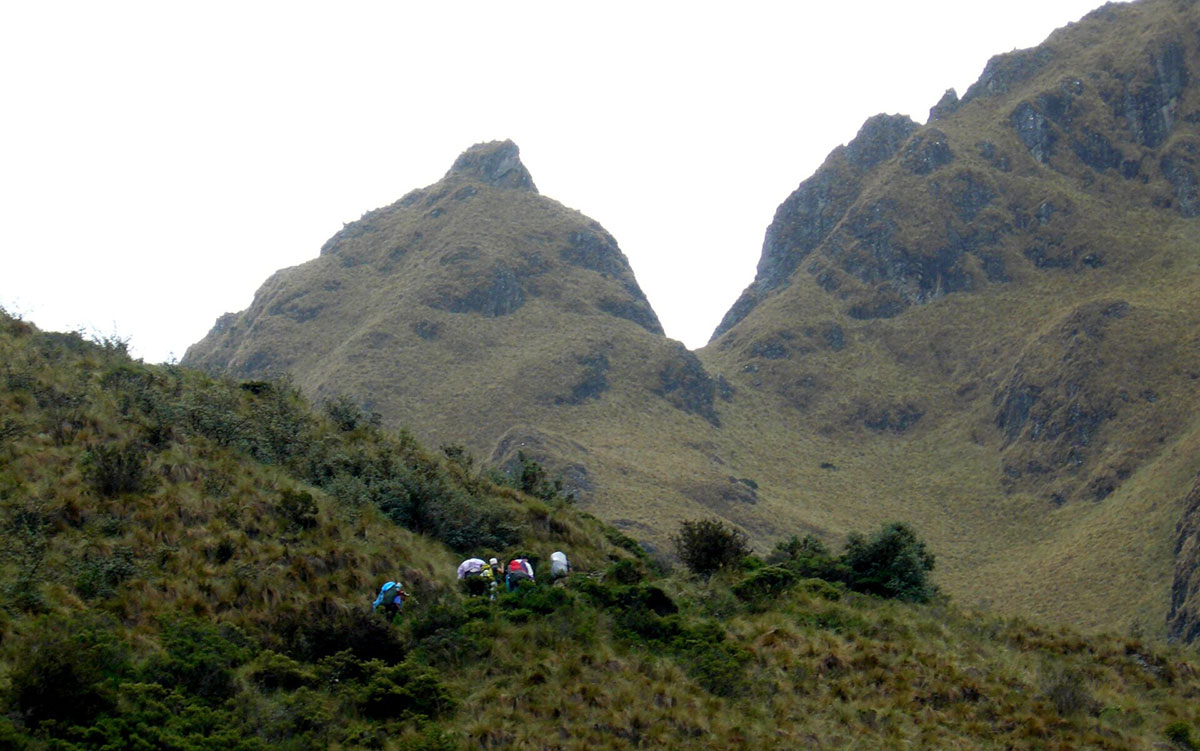
From Huayllabamba we begin a steeper ascent, climbing the Llullucha valley along a stream that rushes through enchanted native unca woodland.

Crossing the rim of a small plateau, we abruptly find ourselves in the puna, the treeless grasslands of the high Andes.

Here a stretch of open trail climbs beneath mighty crags to our first and highest pass, Warmiwañusca (4,200m/13,776ft) – also known as Dead Woman’s pass.

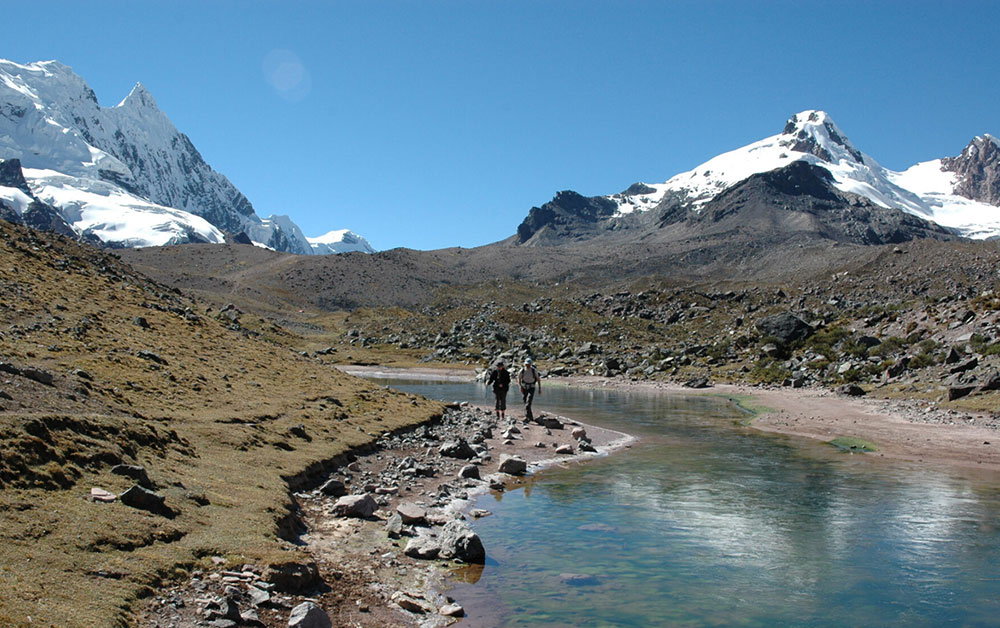
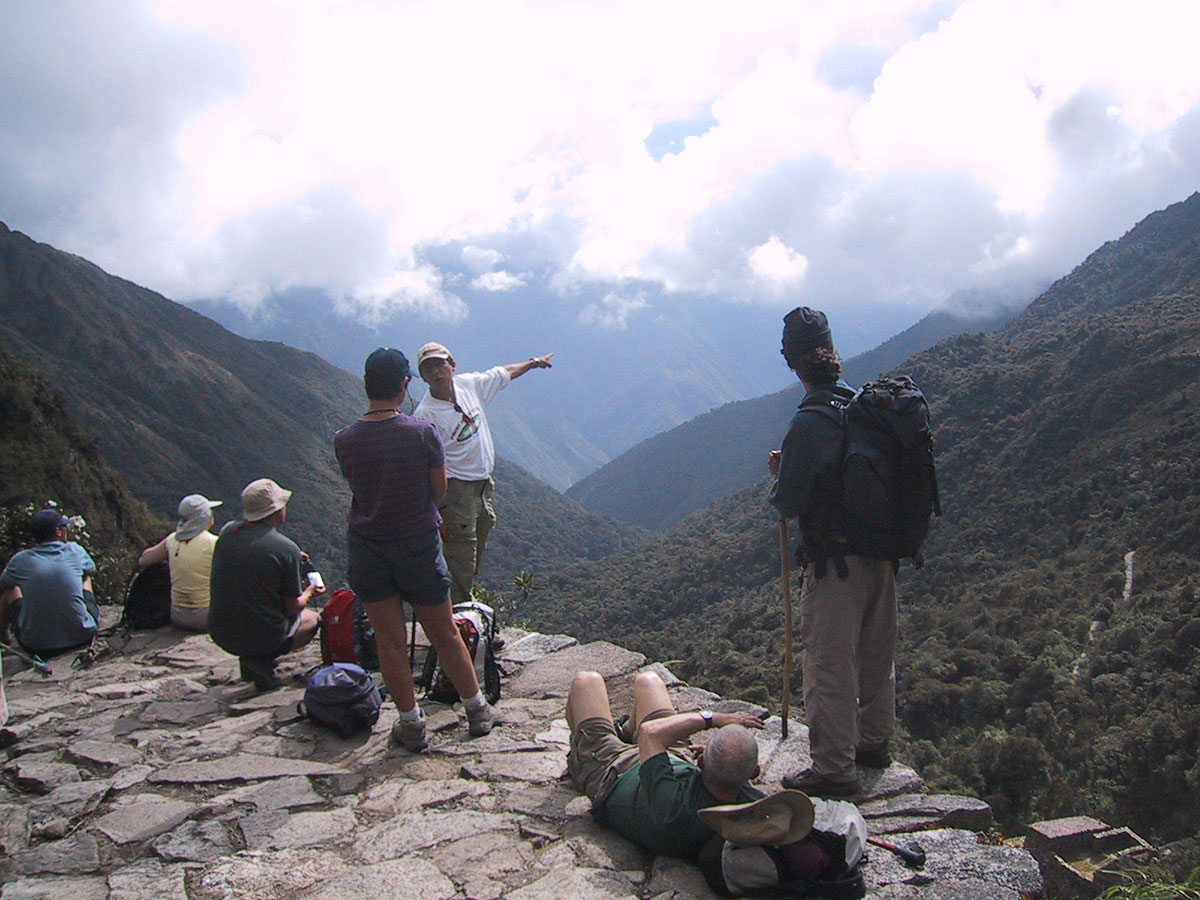
From Warmiwañusca we can look back to the spectacular snowpeaks and valleys of the Huayanay massif, and ahead to a distant view of tomorrow’s trail to the second pass. Descending a stepped stone trail we encounter our campsite in a clearing of the forested Pacamayo valley. (campsites subject to availability)

Distance walked: 12.3km/7.7 miles

Max. altitude: 4,222m/13,852ft

Height gained: 1,361m/4,465ft

Height lost: 613m/2,011ft

Starting altitude: 2,885m/9,446ft

Finishing altitude: 3,603m/11,821ft

Day 7: Inca Trail: Trek Pacaymayo to Sayacmarca, then to Phuyupatamarca, camp (B,L,D)

We pick up an Inca stairway and ascend again past the small Inca site of Runkuracay.

As we reach the second pass the landscape opens onto spectacular new views to the snowpeaks of the Pumasillo range. We descend again, this time to the ruins of Sayacmarca (Inaccessible Town), an intricate labyrinth of houses, plazas and water channels, perched precariously on a rocky spur overlooking the Aobamba valley.

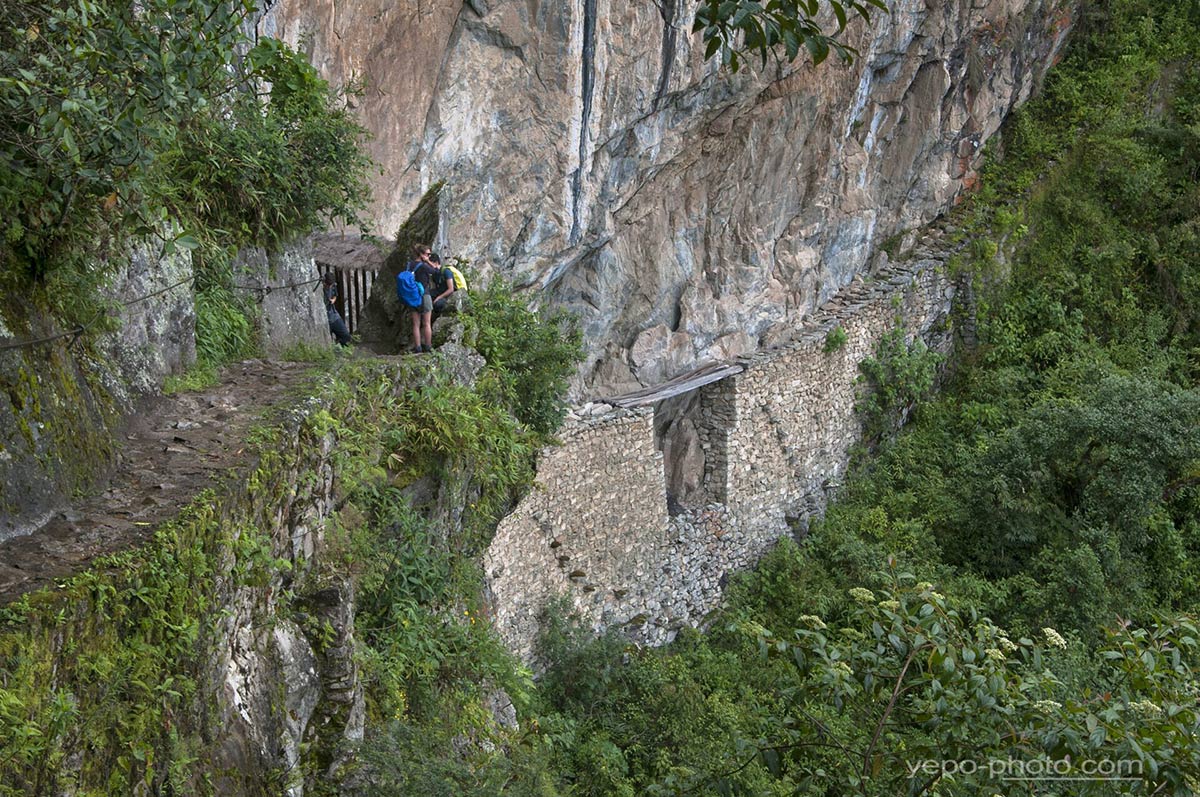
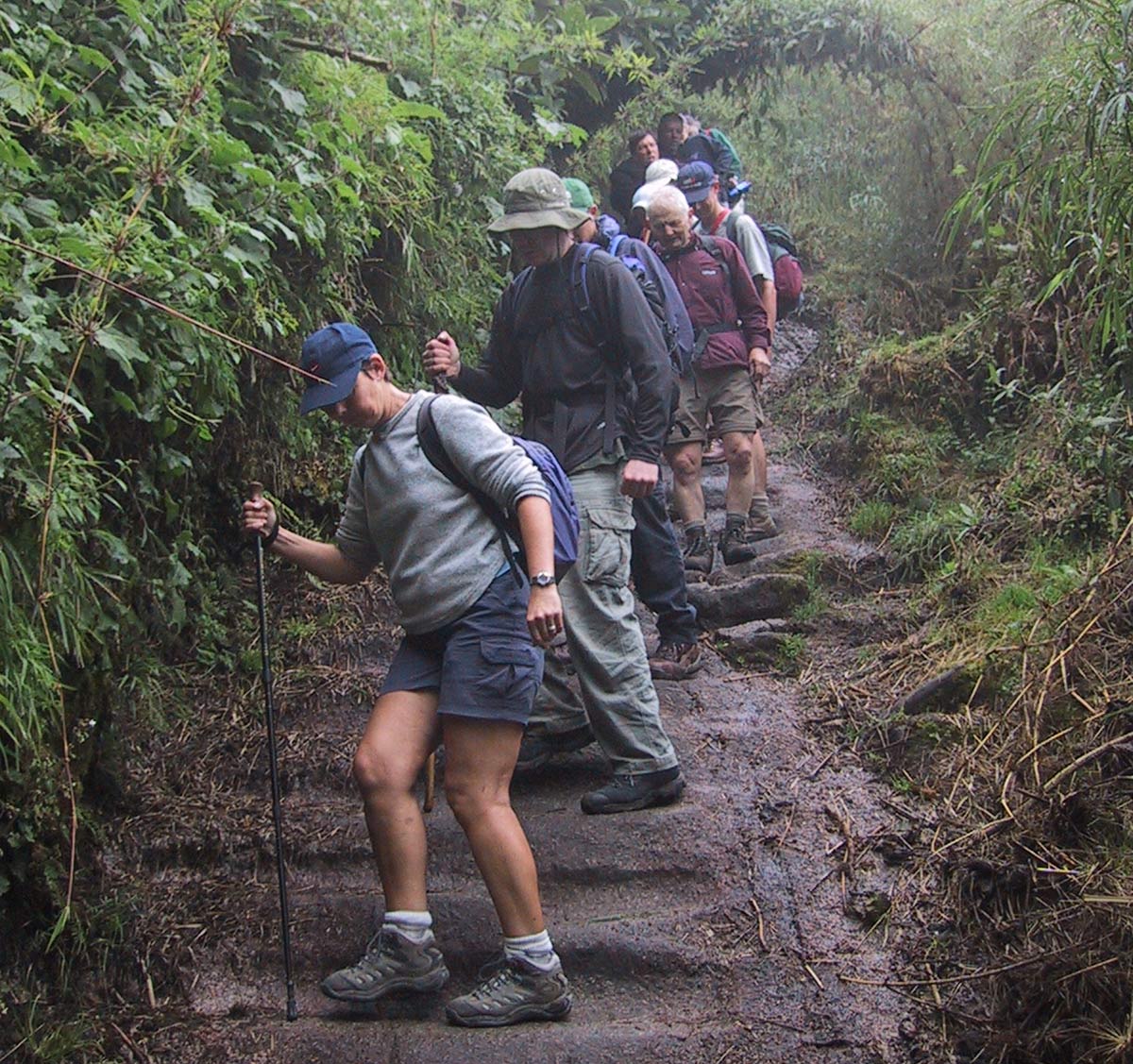
The Inca trail, now a massive buttressed structure of granite paving stones, continues along the steep upper fringes of the cloud forest through a colourful riot of orchids, bromeliads, mosses and ferns.

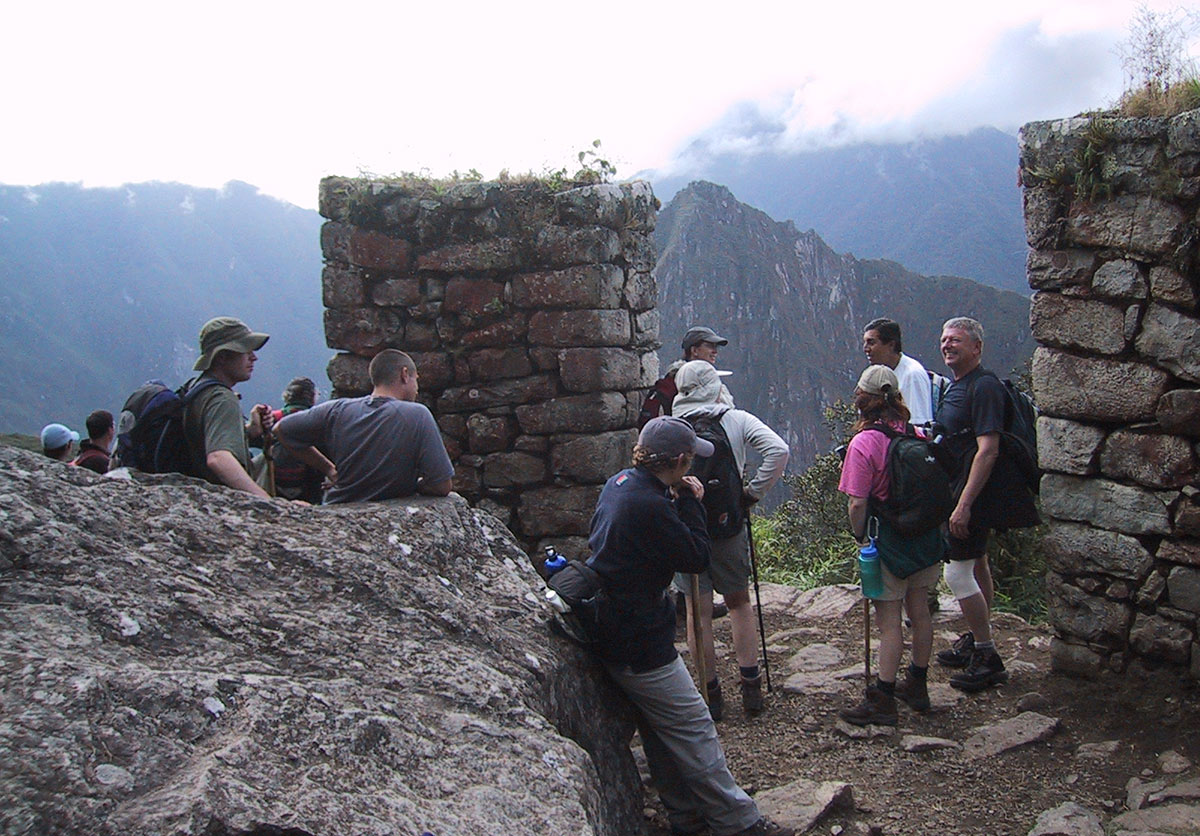
At the third pass we camp by pinnacles topped with Inca viewing platforms, overlooking the archaeological complex of Phuyupatamarca (meaning cloud-level town). (campsites subject to availability)

Distance walked: 6.4km/4 miles

Max. altitude: 3,949m/12,958ft

Starting altitude: 3,603m/11,821ft

Finishing altitude: 3,613m/11,855ft

Day 8: Inca trail: Phuyupatamarca to Machu Picchu, descend to Aguas Calientes, hotel (B,L)

We explore the wondrous maze of Inca stone towers, fountains and stairways spilling down the mountainside at Phuyupatamarca then begin a long descent through ever-changing layers of cloud forest.

An Inca stairway partly cut from living granite leads us finally to the site of Wiñay Wayna (Forever Young), the largest and most exquisite of the Inca Trail sites.

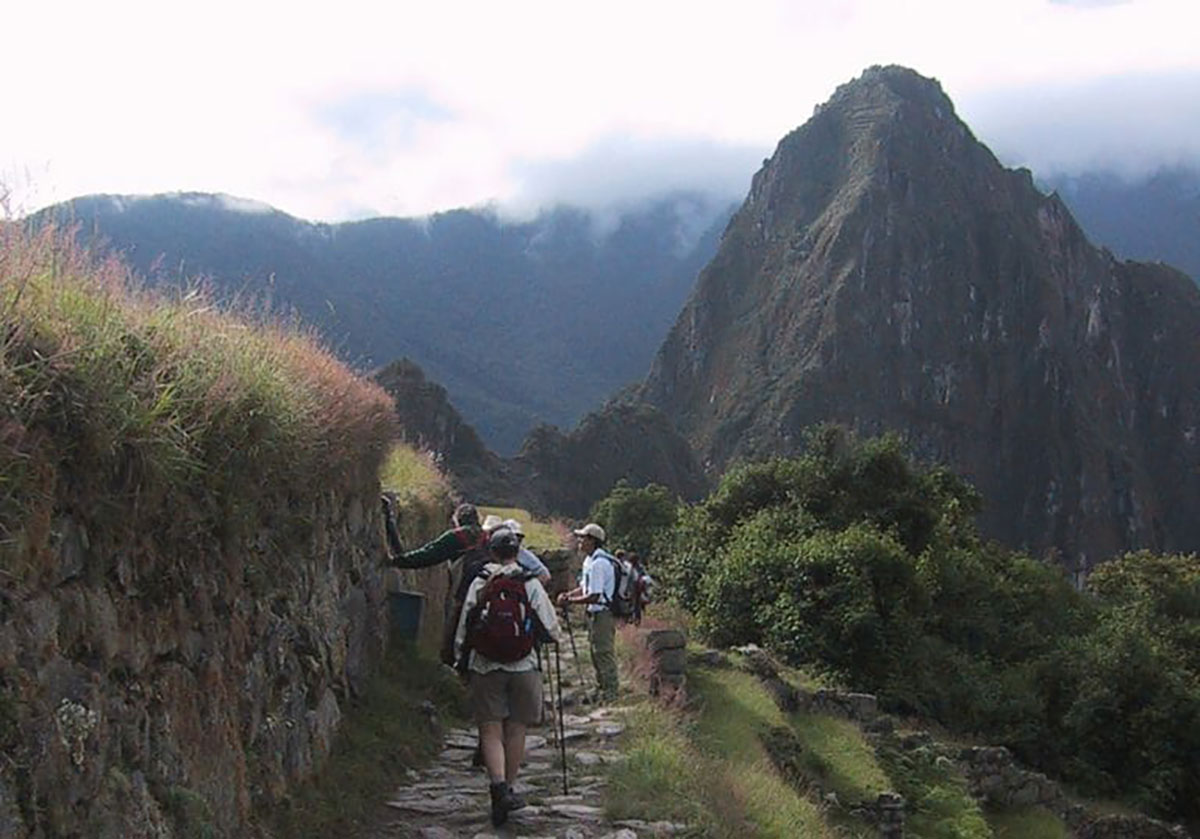
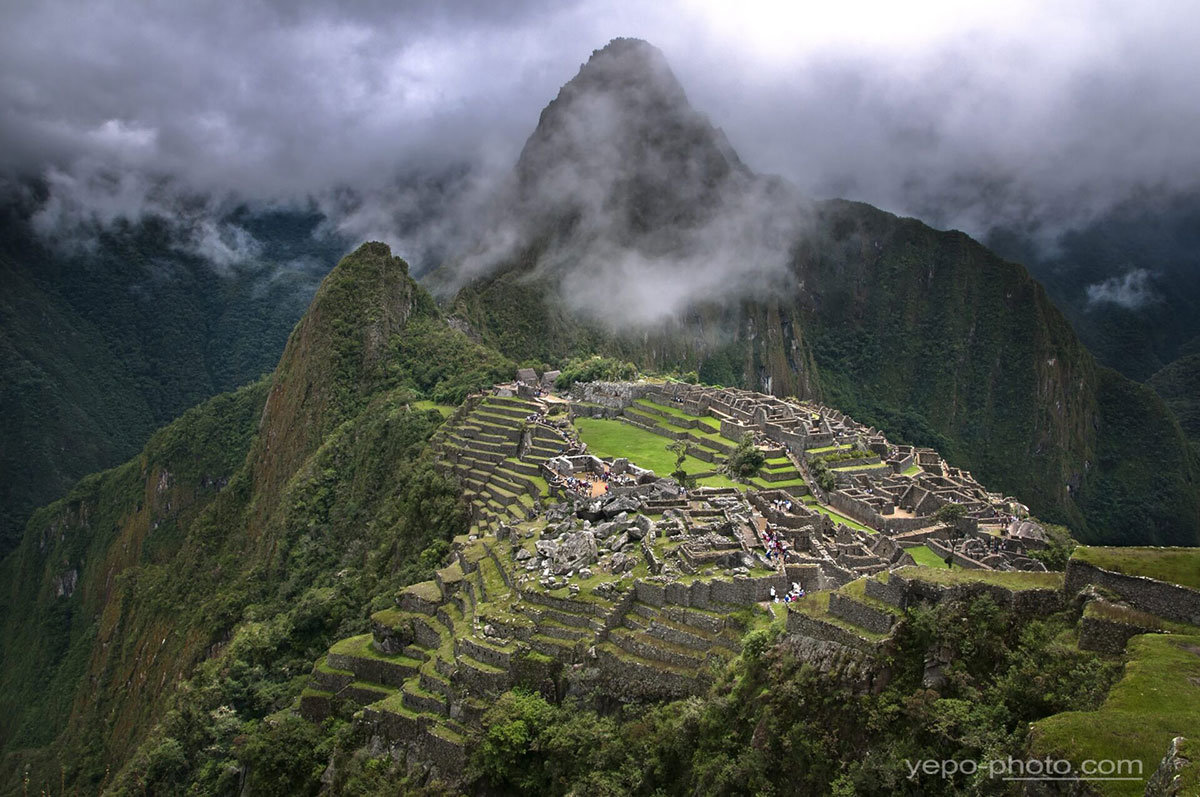
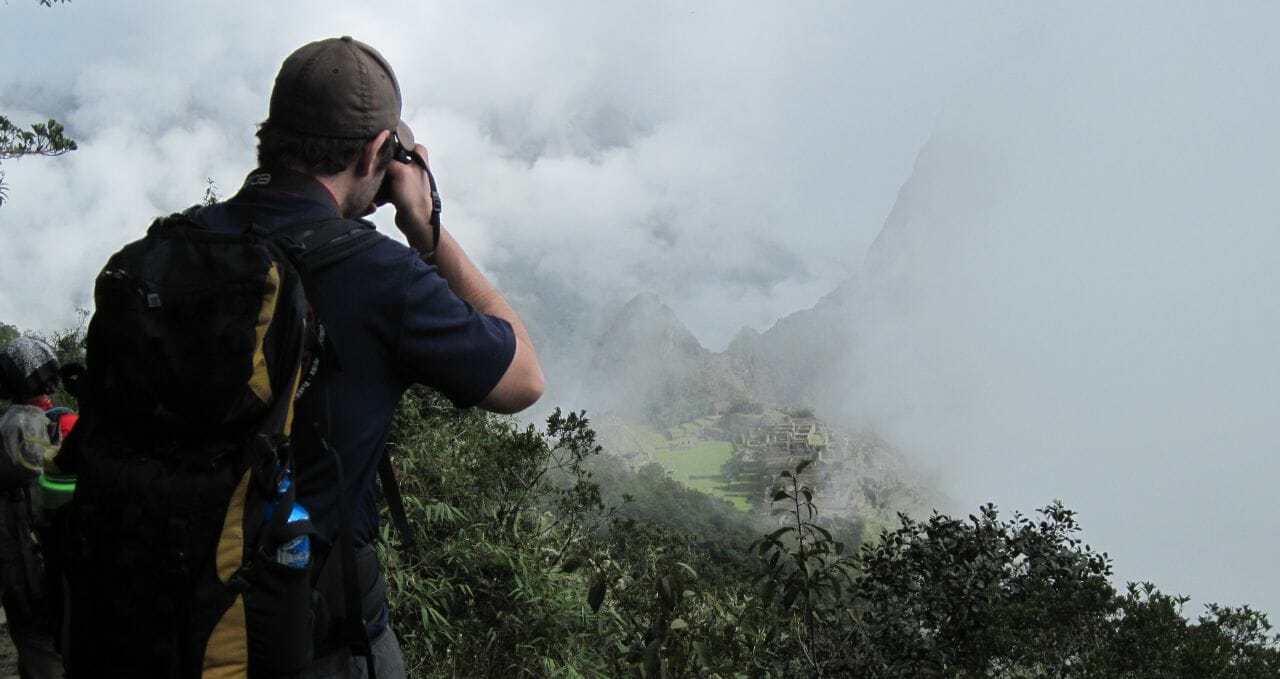
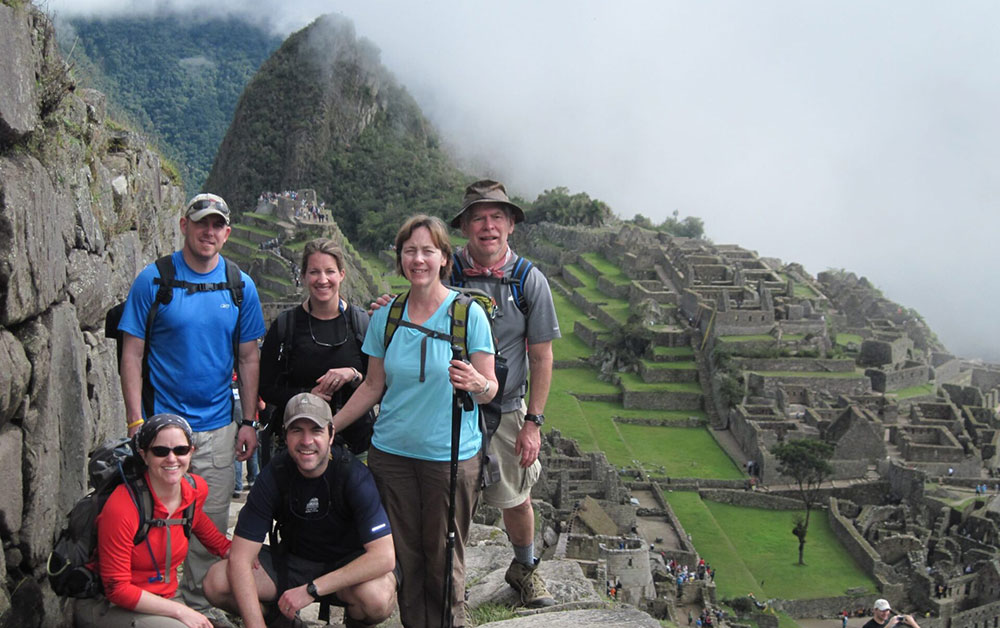
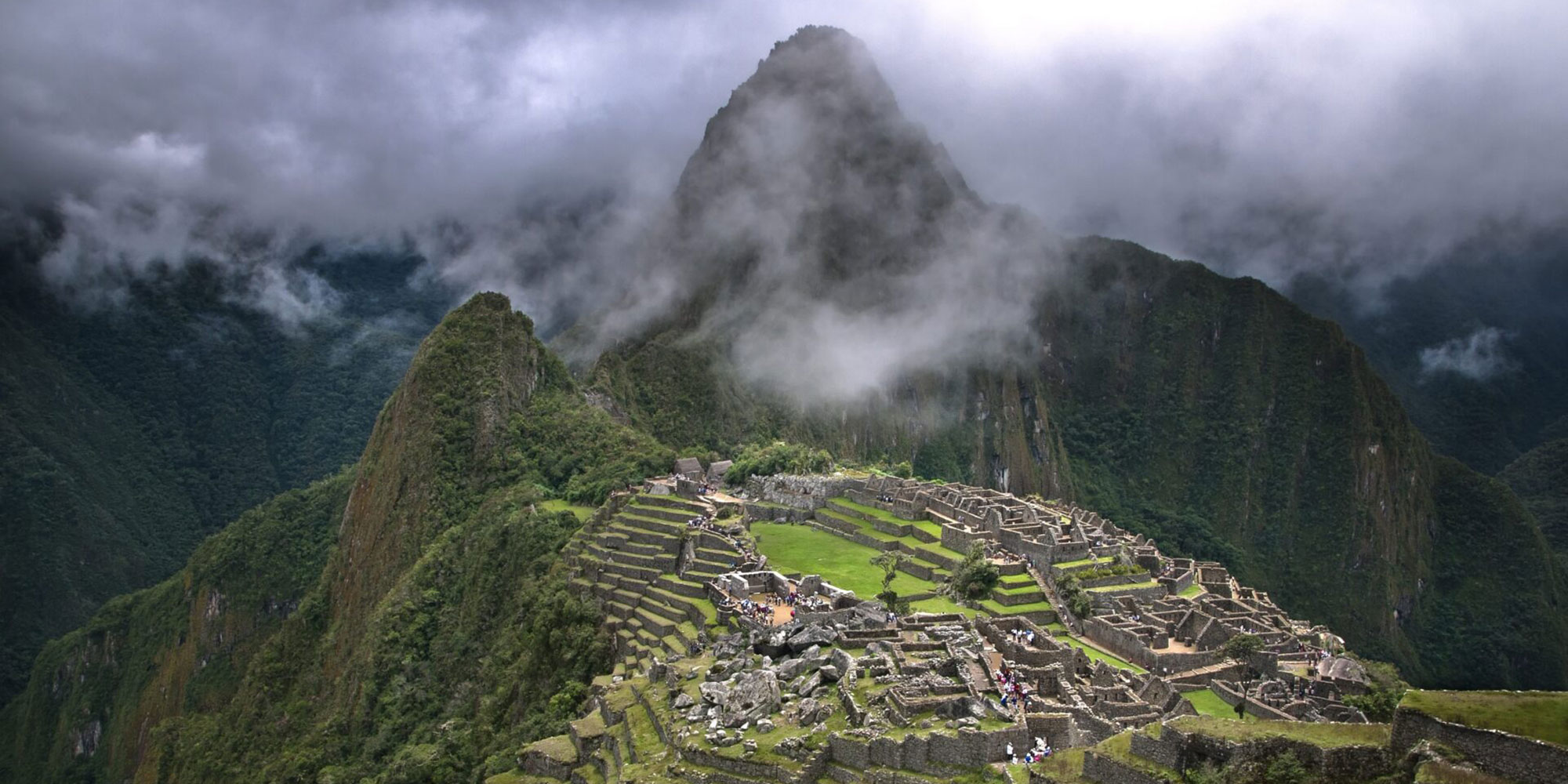
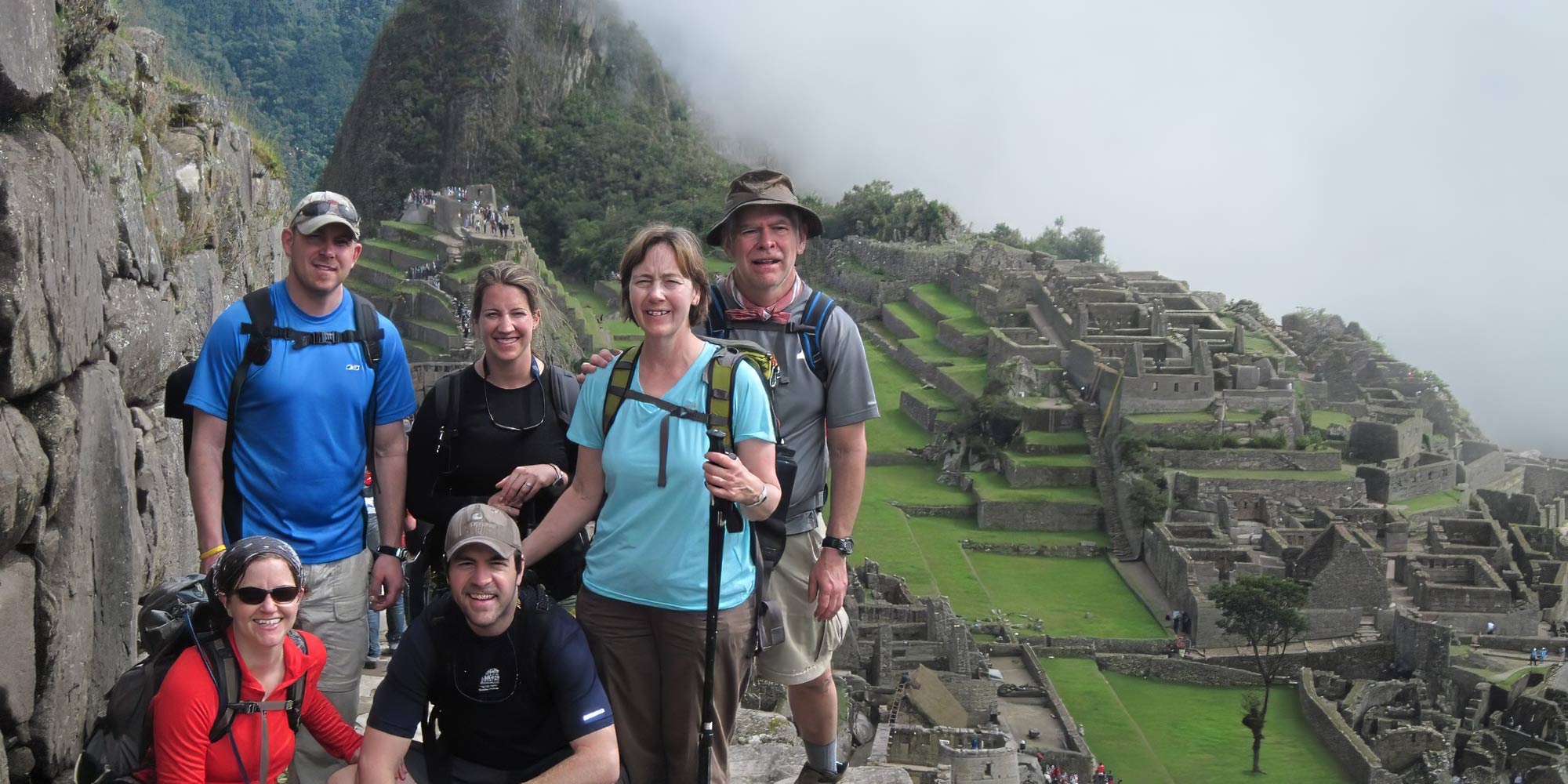
In the afternoon we follow the last stretch of trail across a steep mountainside through a lush, humid cloud-forest of giant ferns and broad-leaf vegetation. Suddenly we cross the stone threshold of Intipunku (Sun Gate) and encounter an unforgettable sweep of natural beauty and human artistry – a backdrop of twisting gorge and forested peaks framing the magical city of Machu Picchu.

We descend to Aguas Calientes and our hotel, where we check in, grab a shower, and ready ourselves for tomorrow’s guided tour.

Distance walked: 9km/5.6 miles

Max. altitude: 3,613m/11,855ft

Starting altitude: 3,613m/11,855ft

Finishing altitude: 2,464m/8,085ft

Note: park authorities may occasionally designate different campsites than those indicated.

Day 9: Guided tour of Machu Picchu, return train to Cusco, transfer to hotel (B,L)

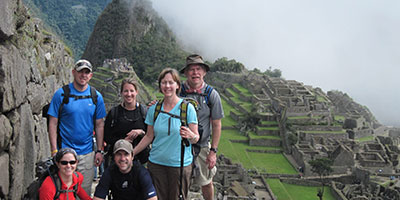
We return to Machu Picchu by bus and spend the day in both guided and individual exploration, visiting the most fascinating features of this astounding and mysterious Inca settlement.

Some will want to take the optional hike to the summit of Wayna Picchu for an amazing overview of the site, while others may want to investigate Machu Picchu’s multitude of hidden nooks and corners.

After a full-on experience of this glorious monument to the Inca achievement, we return to Aguas Calientes and board the return train to Cusco.

Day 10: Transfer out. (B)

We wave goodbye to Cusco today, and take you to the airport for the flight to Lima, Juliaca, Arequipa or Puerto maldonado (gateway to the Amazon).
Coming through Intipunku right at dawn, Machu Picchu still wrapped in cloud below Huayna Picchu, doesn't dull no matter how many times I've made that walk.
Kathy Jarvis

Dates & Prices

Available dates & prices

From: $3,663

(£2,751)

  • Guide price, per person, shared room basis
  • 4*/5* hotels – hotel changes available at extra cost
  • Based on private Inca Trail
  • Alternative treks if Inca Trail sold out

What's included?

General:

  • Hotels
  • Private transfers
  • Meals as listed (B = Breakfast, L = Lunch, D = Dinner)
  • Inca Trail as listed

Inca Trail:

  • Transfer from hotel to Inca Trail in private vehicle
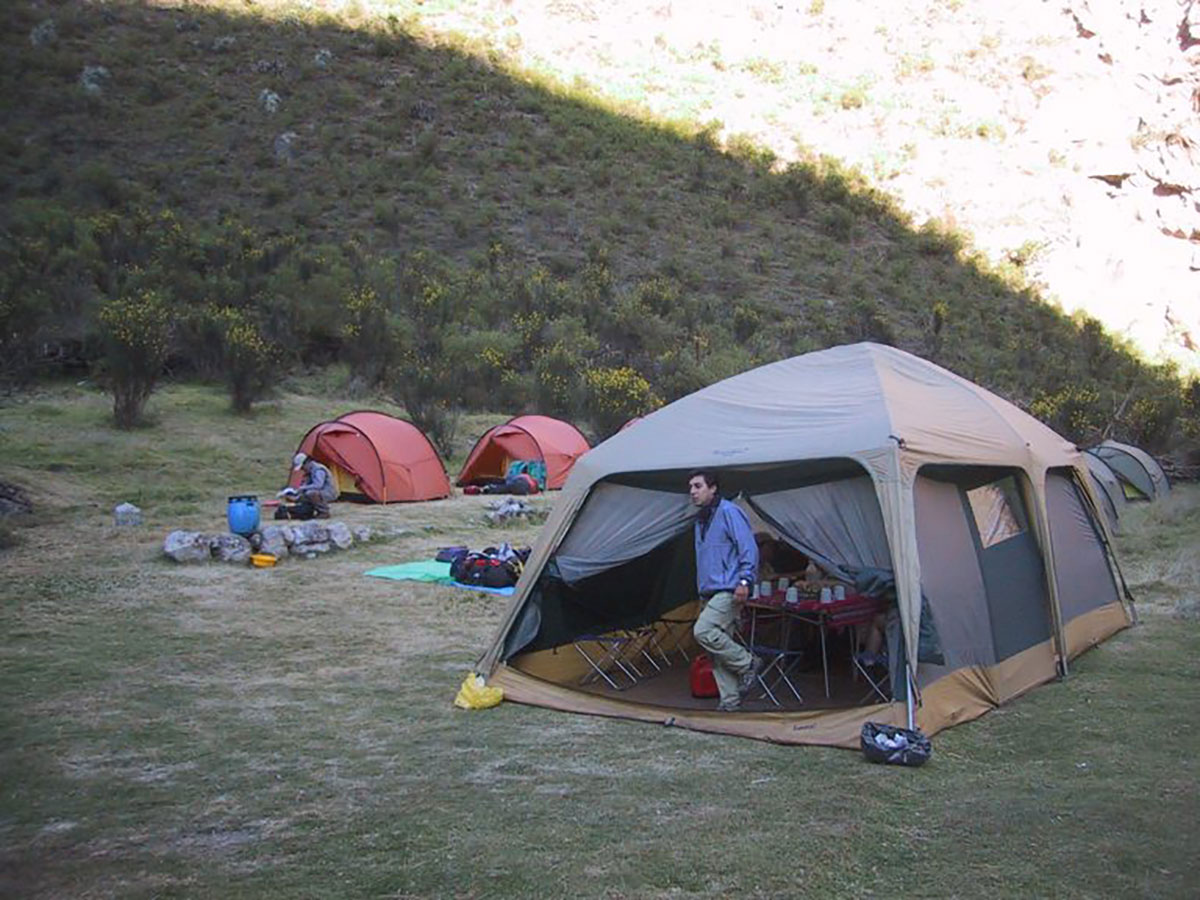
  • All camping and cooking equipment
  • Sleeping bag
  • Thermarests
  • Large two-person tents
  • Dining tent
  • Toilet tent
  • Emergency first-aid kit and oxygen
  • Qualified, English-speaking Inca Trail guide
  • All porters (to carry 4-6kg of personal belongings and all communal kit)
  • Cook team
  • Standard room in Inkaterra Machu Picchu Pueblo hotel
  • Guided tour of Machu Picchu
  • Entry to the Inca Trail and Machu Picchu
  • Bus transfers to and from the ruins
  • Train from Machu Picchu to Ollantaytambo or Poroy and bus to Cusco
  • Breakfast and lunch days 1-5
  • Dinner days 1-3 (B = Breakfast, L = Lunch, D = Dinner)

What's not included?

General:

  • International or domestic flights (we can look for these)
  • Meals not indicated
  • Insurance
  • Tips
  • Personal items
  • Alcoholic or soft drinks

Inca Trail:

  • Personal belongings
  • Personal expenses
  • Tips and dinner in Aguas Calientes & Cusco (day 4 + 5)
  • International flights (we can book for these for you)
  • Insurance
  • Entry to Huayna Picchu

Accommodation

4-5 star hotels in towns for 6 nights, (upgrades available, please ask, extra cost), tents 3 nights on Inca Trail with thermarests, 2-3 man high quality tents, dining tents and toilet tent.

The majority of the trip is open to people of good mobility and health. We build in acclimatisation, and the first tours are not physically strenuous.

The Inca Trail requires every participant to be well acclimatised to high altitude and to be in good physical condition.

We grade this as a ‘medium’ trek because of the high altitude and consecutive trekking days.

Trekkers ideally need to be used to walking while carrying a rucksack and ideally accustomed to walking several days in a row.

However, it is also open to first time trekkers who are in good physical shape.

Almost all dietary requirements can be catered for – please ask us for more information.

Breakfasts at hotels will feature teas, coffees and juices to drink, plus cereals, fruit, eggs, toast and jams etc.

While out on tours, we either supply a packed lunch of sandwiches, snacks, soup, fruit etc, or we eat at a local restaurant. These are often buffet style with soups, rice, pasta, potatoes and then puddings/fruit.

Evenings are often free for you to choose to eat in a local restaurant. Bigger towns have international and local Peruvian options.

Inca Trail

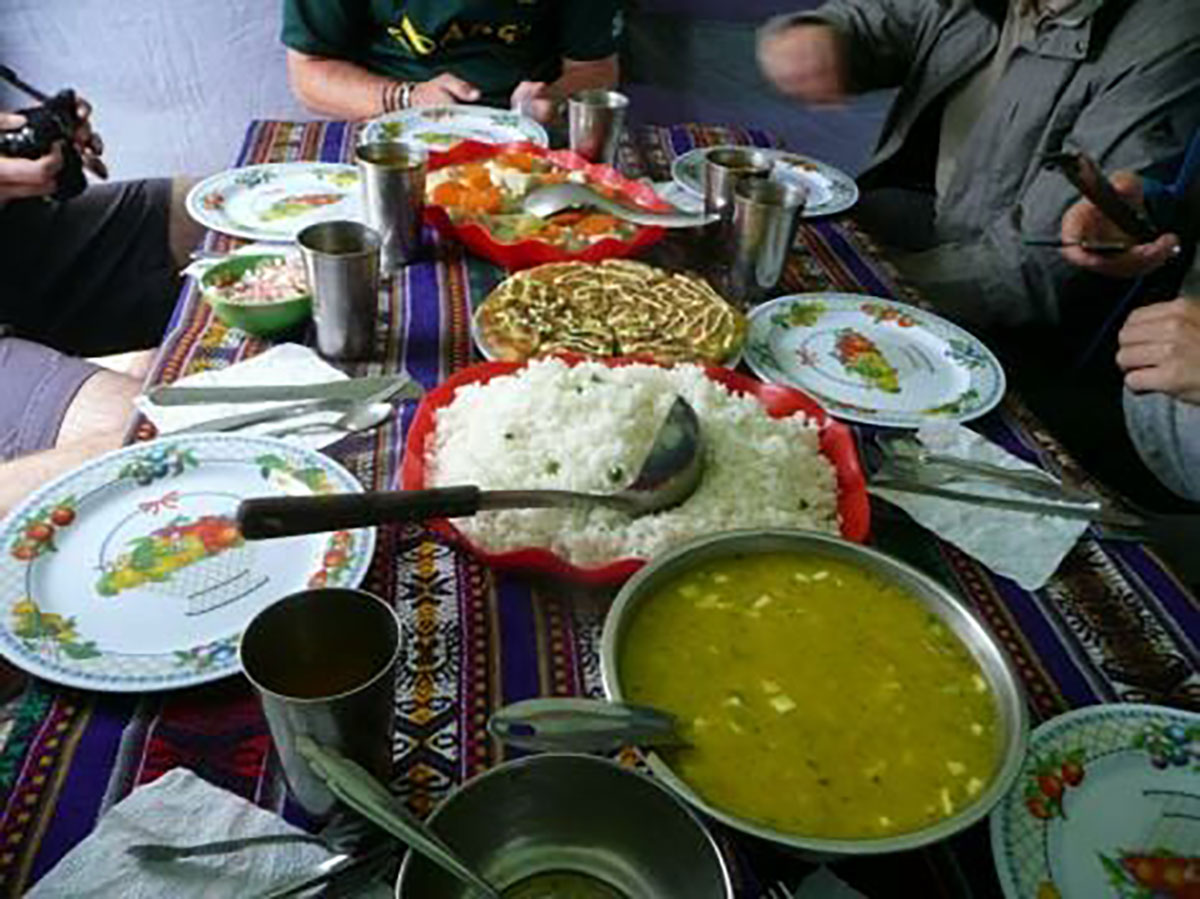
Standard menu

A typical day’s menu would be something along the following lines – as this is our luxury tour, there is a heavier emphasis on quality, fresh fruits and salads.

Snack: Mandarins and granola bar

Breakfast: Porridge , bread, butter, jam, milk, coffee, tea, fruit juice and fruit salad.

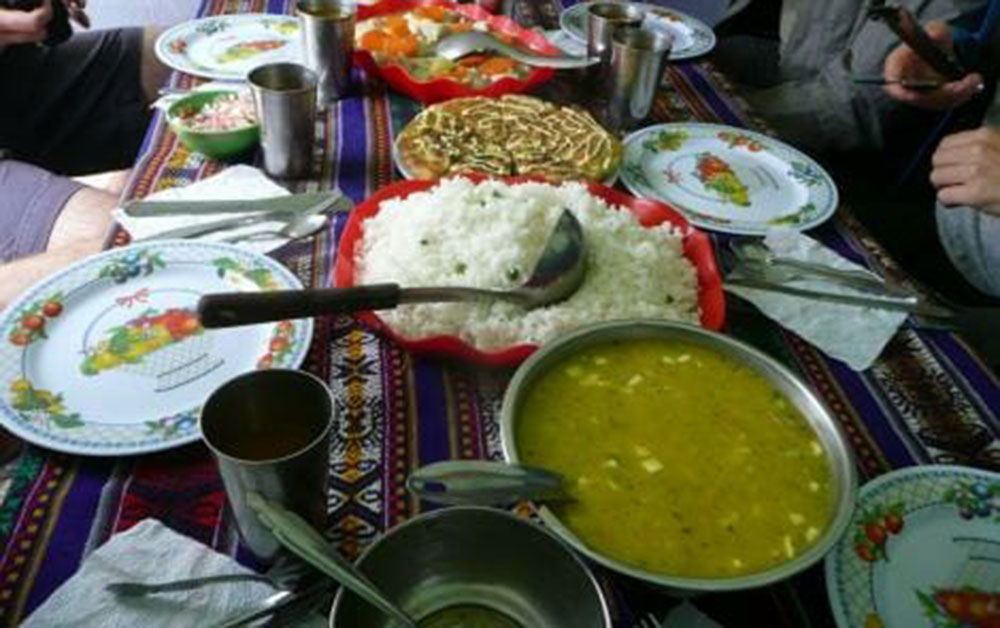
Lunch: Wantan (deep-fried pastry filled with cheese and ham),  quinoa soup,  chicken with stir fried rice, corn salad

Afternoon tea: Biscuits, pop corn, coffee, tea, infusions.

Dinner: Vegetable soup, meatballs with gratin potatoes and rice, salad selection and swiss chard pie, fried bananas.

Special dietary requirements

People with special dietary requirements are well catered for. A typical day of vegan fare on the standard Inca Trail could be:

Breakfast: Corn bread,  fruit salad, soya yoghurt, quinoa flakes, hot drinks.

Lunch: Vegetable soup; broad bean, carrot, mushroom and seaweed salad with “sancochadas” potatoes. Hot drinks.

Dinner: Vegetarian minestrone soup, sautéed green beans with soya meat, vegetables and rice, poached apples. Hot drinks.

Celiacs/gluten free diets are catered for by replacing rice and pasta with quinoa, canihua and quiwicha as well as special produce such as camote (sweet potato) bread.

Water on the trail

You will be provided with boiled water every morning, and evening – fit for drinking. There are always generous amounts available.

The sterilising tablets ‘MicroPur’ can be bought in most pharmacies in Cusco. With these you put the tablets in the water and then wait 40 minutes before drinking. Try to ensure that the mouth of the bottle is also fully sterilised, by tipping your bottle up and down and allowing sterilised water to flow out before you drink.

Tour leader throughout the tour, a local, bilingual Peruvian Inca Trail guide with many years’ experience.

Inca Trail

In Cusco you will meet Jesus Sucari, our local man on the ground, and he’ll answer any questions with a pre-trek briefing.

We operate the Inca Trail together with our Cusco partner, owned and managed locally, in accordance with Inca Trail regulations.

On the Inca Trail we employ local staff, who are paid fair wages. We provide free life insurance to all of our porters. Tented accommodation and meals are provided for all trekking staff as well as foam mats, sleeping bags and rain ponchos.

We have also provided the staff with trekking shoes. We ensure our porters carry a maximum of only 20kg. We offer them backpacks and they generally use back supports.

Additionally, each year we donate to the communities our Inca Trail porters come from. We ask the community what is most needed and usually we are asked to provide materials (books, pencils, paper etc.) for the children and the local school.

Most of the porters are farmers and cannot afford to pay for all of the materials their kids require for school. By trekking on the Inca Trail you are directly helping the families and communities of your porters.

A challenging yet awe-inspiring Cordillera Huayhuash trek through Peru’s magnificent Andean landscapes.

J. Turner, UK

A perfectly organised Peruvian adventure, from the Inca Trail to the Santa Cruz Valley, with excellent guides, great company, and unforgettable mountain experiences.

S Day, UK

Tour information: Luxury Inca Trail Trek & Cusco

‘Glamp’ along the luxury Inca Trail in the most comfortable way to arrive to the famous Inca ruins feeling as fresh as a daisy.

Stay at exclusive campsites – often with no other trekkers – and enjoy fine dining, the best guides and the highest standards at all times.

You concentrate on the stunning scenery and feelings of following pioneering explorers, and we’ll make sure you feeling energised.

dinner on the inca trail peru
Machu Picchu: Hike the Four Day Inca Trail video
Inca Trail Trek
Victoria's Inca Trail Trek to Machu Picchu

Get in touch and let's create your adventure

Luxury Inca Trail Trek & Cusco

  • Our top, luxury Inca Trail trek to Machu Picchu.
  • Arrive at Machu Picchu in style, feeling refreshed and energised after staying in secluded campsites, away from the crowds.
  • Choice of boutique hotels in colonial city of Cusco and Aguas Calientes.
  • Experience the best of Peru and Andean hospitality and products.
Luxury Inca Trail Trek & Cusco

From the blog

Similar Tours

Salkantay Lodge Trek To Machu Picchu

From: $3990 per person

Duration

7 days

trekking icon

4-Day Inca Trail Hike To Machu Picchu, Peru

From: $1237 per person

Duration

4 days

trekking icon

Lares Luxury Lodges Trek To Machu Picchu

From: $3150 per person

Duration

7 days

trekking icon

Practical Information

Geography of Peru

Peru is made up of 3 distinct geographical areas: the coast, the mountains and the jungle.

The costa or coastal region is a narrow ribbon of desert 2,250 km long, crossed by fertile river valleys flowing from the Andes. It takes up 11% of the country and holds more than 40% of the population.

The cold Humboldt current gives rise to a blanket of mist – the garua – which hangs above coastal cities like the capital Lima from May to November.

Heading east, you’re soon climbing above the garua and into the Andes. The sierra, or mountainous region, covers some 25% of Peru’s territory and contains 50% of the population. The sierra inhabitants are mainly Indigenous or Mestizo, and many still speak Quechua or Aymara.

The sierra contains dozens of 6,000-metre snow peaks and volcanoes, including Huascaran (6,768m) the highest mountain in the tropics. The deep valley basins contain most of the towns and arable land; the terracing and canal systems of the Incas and pre-Incas are often still used today.

The eastern Andes are heavily forested up to 3,350m and sweep down into the Amazon Basin.

Peru’s selva or jungle makes up almost two thirds of the country’s area, but holds only about 6% of the population: the only towns with significant populations are Iquitos and Pucallpa.

Introduction to Peru

Peru is the perfect holiday destination for adventure travellers that want an amazing variety of activity, geography and cultural travel experiences.

The breadth of travel experiences in Peru is breathtaking – from trekking in the Andes to Machu Picchu to the tropical jungle of the Amazon, and plenty in between.

The people of Peru make it a special destination too, with its colourful and traditional street life and friendly locals.

Kit list

Good kit is vital for every trip.

Book with Andean Trails and get 15% off Páramo’s fantastic ethical and high performance outdoor gear.

Overview

When planning for the climatic conditions encountered in the High Andes, layering is the most practical and versatile clothing system. It’s worth remembering that our clothing keeps us warm by retaining and isolating the heat we ourselves create.

To best maintain body heat, several layers of lightweight, warm and quick-drying clothing are far more efficient than one or two thick layers. Layers should have the following qualities:

  • Breathability (able to wick away the humidity produced by sweat)
  • Isolation (able to keep in the warm air our body produces)
  • Impermeability (able to impede the passing of wind and water)

First (base) layer: This layer wicks the sweat away from our skin, thus helping keep the body dry and warm. To this end, synthetic fabrics such as polypropylene should be used.

Mid layers: These isloating layers should also be synthetic (e.g. the known polar linings such as polartec or windblock, which are light and insulate twice as well as wool). Very important layers for retaining body heat.

Outer layer / shell: Finally, the vital layer which protects us from climatic adversities. A breathable, wind-proof and waterproof anorak, such as Goretex.

Give plenty of thought to kit selection, and try to keep weight down.

We provide thermarests on the trek but you have to bring (or RENT, please ask) a sleeping bag (-5ºC).

We also carry an extensive first aid kit & oxygen on all trips, but these are generally for emergencies only.

Detailed kit list

  • 2 pairs synthetic inner socks (e.g. polypropylene, thermastat, coolmax) and 2 pairs thick loop-stitch/wool socks for cold
  • Trekking boots – should be well broken-in, waterproof and provide good ankle support
  • Trainers/sandals for city-wear, evenings at lower camps & river crossings
  • Base layer leggings (1 pair)
  • Thick fleece leggings (or salopettes) (1 pair)
  • Goretex-type over-trousers (or salopettes) (1 pair)
  • Trekking trousers (2 pairs)
  • Shorts – wear sparingly in early stages at altitude, as sun burns
  • Thermal base layer shirts (2)
  • Microfleece mid-layer shirt (1)
  • Shirt/t-shirt 1 or 2 for lower altitudes. Long-sleeved, collared shirt protects against sun
  • Fleece jacket or similar (1)
  • Warm jacket (down or synthetic) for camp and upper slopes
  • Waterproof Goretex-type jacket
  • Broad-brimmed sunhat, essential
  • Warm hat, fleece or wool (N.B. Up to 30% of body heat can be lost through the head)
  • Sunglasses with UV filter
  • Scarf for cold
  • Bandanna – to protect neck from strong sun
  • Light inner gloves
  • Warm gloves, e.g. fleece, and outer waterproof gloves or mittens (1 pair)
  • Mittens allow you to keep the fingers together, and better conserve heat (though they also make it difficult to perform certain tasks)
  • Daypack (at least 30 litres). Comfortable and with waterproof lining or cover
  • Pair of telescopic trekking poles (optional, can be rented, please ask). Note: You must have rubber tips on your poles
  • Duffel bag or large rucksack for extra clothing, carried by horse/mule/porter while you are trekking
  • Water bottle (2 litres approx.) & purification tablets
  • Personal first-aid kit to include: painkillers, plasters (band-aids), moleskin, anti-biotic cream, general antibiotics (ask your GP), after-bite (tiger balm), anti-diarrhoea tablets, throat lozenges, re-hydration salts & personal medication
  • Insect repellent
  • Towel & wash-kit
  • Wet wipes/antiseptic hand-wash cream
  • Sunscreen (factor 30+) and lip salve
  • Head-lamp (plus spare bulb and batteries)
  • Penknife
  • Travel alarm clock
  • Plastic bags – ‘Zip-loc’ & tough bin liners
  • Camera and film / memory cards (take at least twice the amount you think you will need!)
  • Book, e-book, mp3 player/ipod or other for free time
  • Binoculars
  • Spanish/English phrasebook
  • Extra snacks i.e. cereal bars or favourite chocolate bars
  • All other non-personal trekking camping gear e.g. tents, cutlery etc is provided

Miscellaneous others

  • Money belt
  • Passport
  • U.S. dollars cash, mixed-denomination notes, undamaged and unmarked
  • ATM cash/credit card
  • Any inoculation certificates
  • Personal & medical insurance certificates
  • Presents e.g. Postcards from home
  • Comfortable clothes for travel
  • Smart clothes for night life
Weather in Peru

You can also read about the weather of Peru in our blog.

You can also read about the weather of Peru in our blog.

Peru is located in the southern tropics (latitudes 0º to 18º), but climate varies significantly according to season, altitude and region.

Lima & the coast

From May to October, Lima is often overcast, but with minimal precipitation. There are sunny spells, and it’s a fresh to pleasant 13-20ºC.

At the same time, inland areas and the north coast mid to high 20’s ºC.

November to April is generally warm and sunny and Lima enjoys warm temperature of 19-25ºC, with the coast averaging 22-30ºC.

The Andes

Climate depends largely on altitude. As a rule of thumb, below 2,000m climate is mild and above 2,000m warm clothing is required for evenings, nights and early mornings.

The Andean sun is very strong.

May to Oct (dry season in The Andes)

Cusco (3,300m): Average max/min temps: 22ºC /2ºC. Average 3 or 4 wet days per month.

Arequipa (2,380m): Average max/min temps: 26ºC /9ºC. Sunny more than 340 days/year with minimal precipitation.

On highland treks: Conditions are generally dry. However, at this time of year, expect a range of conditions within a single day: cold/freezing nights at camps above 4,000m, where pre-dawn temperatures can be -5ºC; warm, spring-like mornings and afternoons; and cold evenings.

Note that mountain weather can be fickle and localised, and that precipitation is not unknown in the dry season. Expect temperatures to swing between sun and shade, sheltered and exposed ground and with altitude gain and loss. A quick-setting sun means temperatures drop fast.

In the cloud forest, e.g. around Machu Picchu, daytime conditions are generally warm or hot, and evenings cool.

Nov to March/April (wet season in The Andes)

Cusco: Average max/min temps: 23ºC /6ºC. Average 13 wet days per month.

Arequipa: Average max/min temps: 25ºC /14ºC.

On highland treks: Wetter conditions, with cooler days and milder nights than dry season. Jan-Mar usually the wettest months.

The Amazon rainforest

Year-round, weather conditions are hot and humid and there is always the risk of rain.

There is a ‘dry season’ in Tambopata and Manu between May and October. The average daytime high temperature is between 25°C and 34°C and the average nighttime low is between 16°C and 22°C. Heavy downpours typically occur every few days.

Around 80% of annual average rainfall – approx 2,000 mm in Manu and Tambopata and 1,400 mm in Iquitos – occurs in the wet season Nov-April.

On rare occasions, between May and September, cold fronts from Argentina – ‘friajes’ – can sweep into southwest Amazonia and push temperatures down to 9°C. (Friajes usually last between 1 and 3 days).

A challenging yet awe-inspiring Cordillera Huayhuash trek through Peru’s magnificent Andean landscapes.

J. Turner, UK

A perfectly organised Peruvian adventure, from the Inca Trail to the Santa Cruz Valley, with excellent guides, great company, and unforgettable mountain experiences.

S Day, UK