Since 1998, we've crafted journeys using knowledge gained on our own explorations of South America's spectacular wilderness, fascinating cultures and diverse wildlife.

Bring a sense of adventure and an open mind. We'll take care of the logistics and support you round the clock.
We only work with small, locally owned operators and guides. Your money stays where you travel, and a share of every trip supports local communities and the wild places they protect.
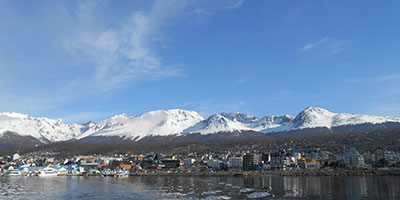
Ushuaia, in Tierra del Fuego, is Argentina’s southernmost city and is perched on the Beagle Channel.
What was once a remote penal colony is now a bustling port and the gateway to Antarctica.
Ushuaia is historically interesting, Charles Darwin wrote much about it, and it is home to some interesting museums of naval history.
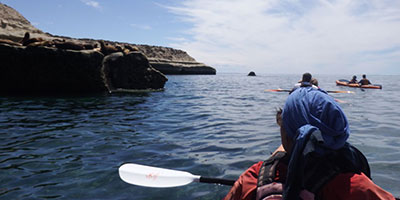
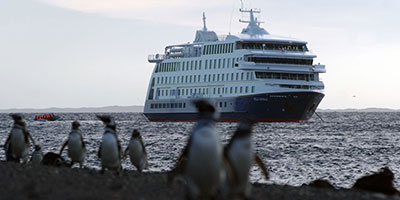
Visitors can take a sailing tour on the wildlife rich Beagle channel, visit a Penguin colony during the season, trek into the mountains behind the city and kayak in the Tierra del Fuego national park.
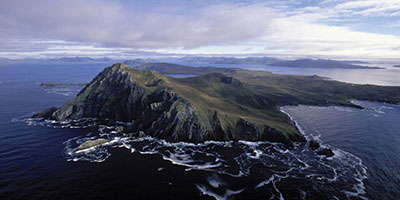
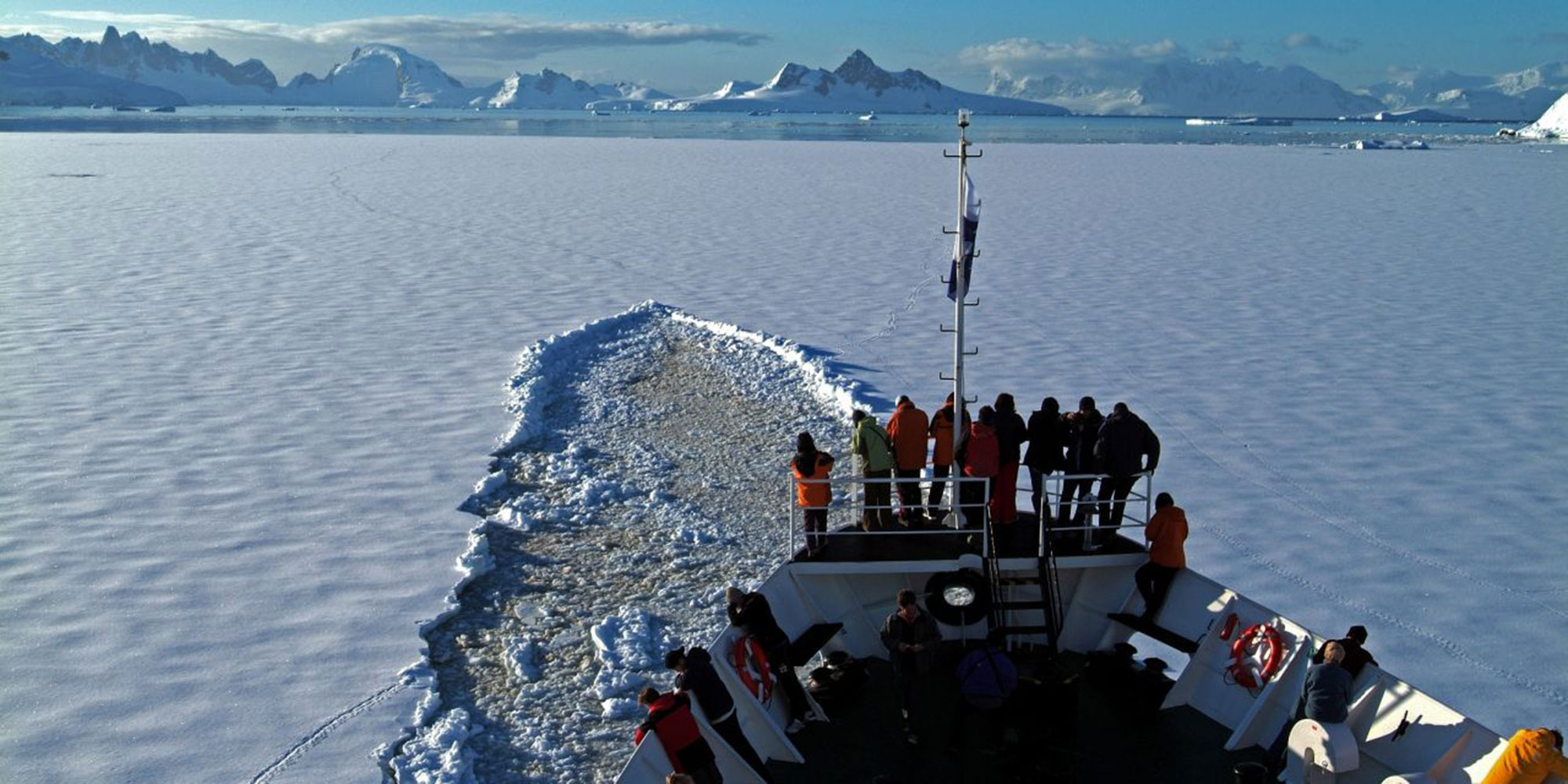
Cruises set off from here for Antarctica or Punta Arenas in Chile – via Cape Horn.

Highlights include:

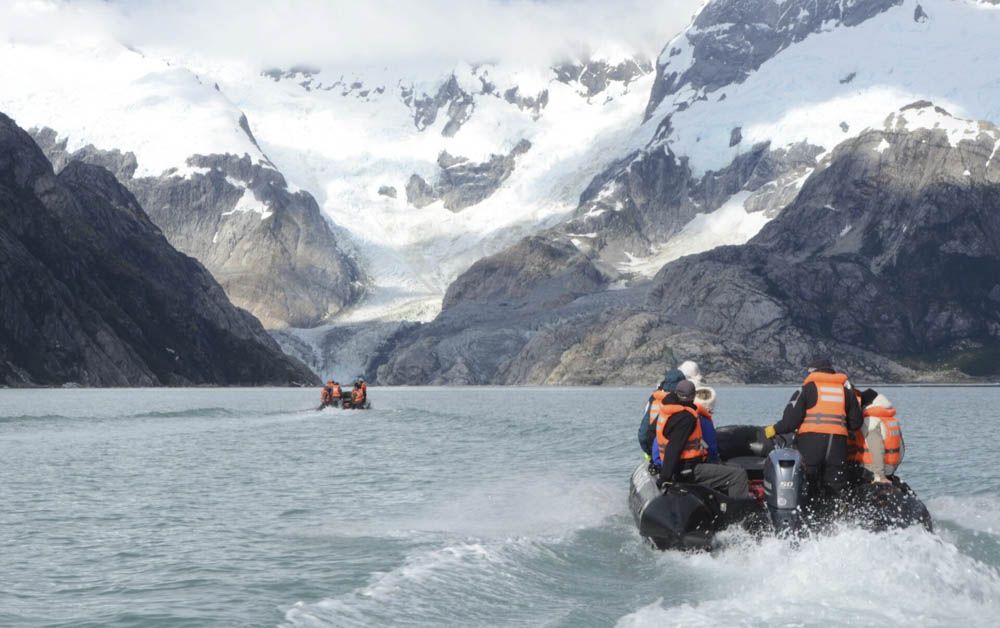
Chilean Patagonia is a pristine wilderness of fjords, glaciers, plains, mountains and forests.
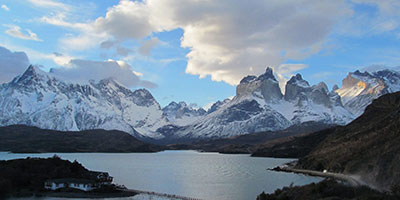
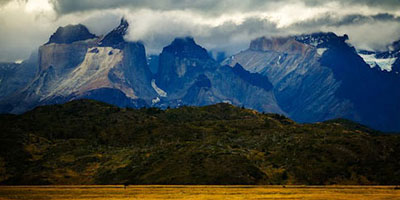
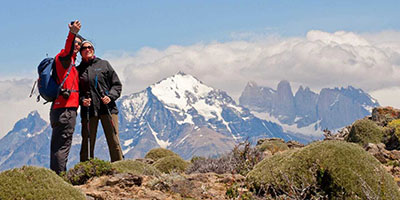
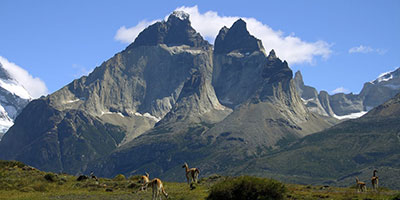
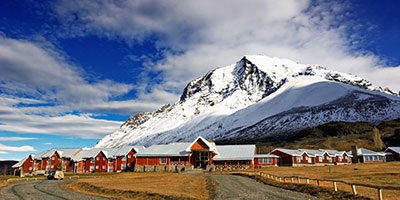
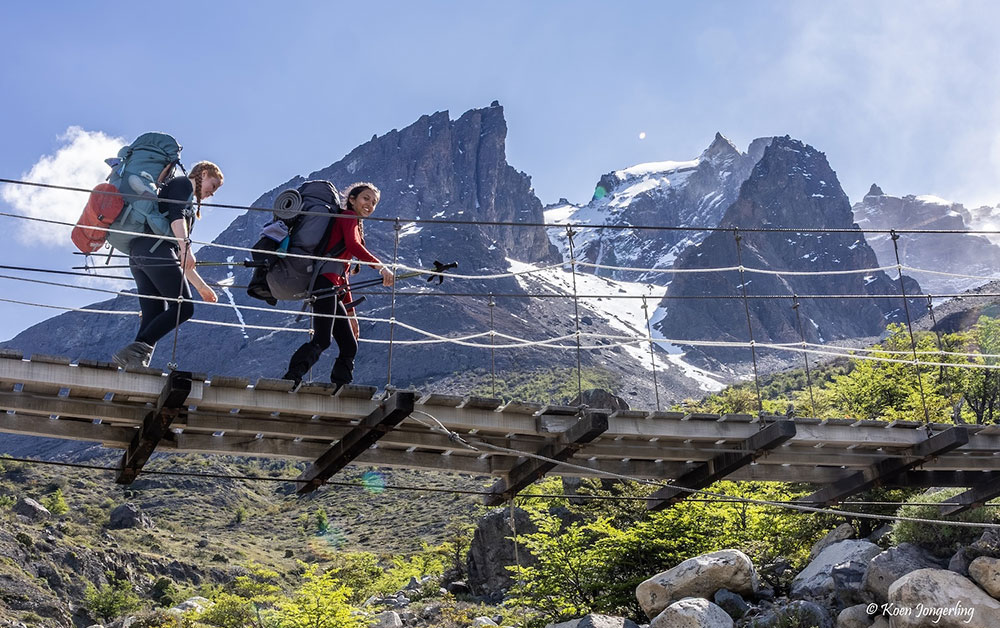
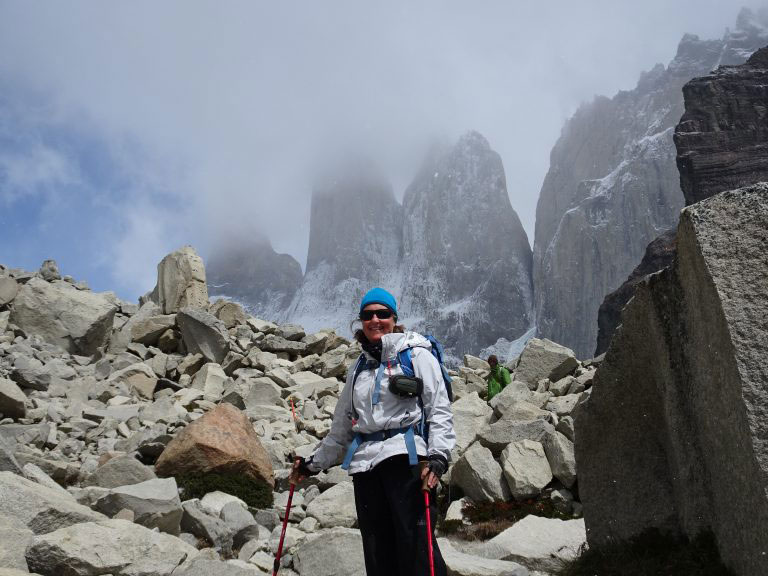
Southern Patagonia’s main attraction is the Torres del Paine National park. The granite spires attract many visitors to what some have called the 8th Wonder of the World. The park is a trekkers paradise with two classic treks, the Paine W and the Paine Circuit.
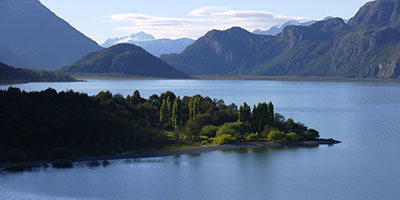
Northern Patagonia, the Aysen region, is one of the least populated parts of the country and is blessed with spectacular countryside.
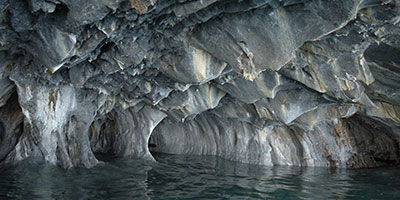
The main airport is Balmaceda near the city of Coyhaique and must see places include Lake General Carrera and the Marble Caves, The San Rafael Glacier, the Quelat Hanging Glacier as well as driving the Austral Road.
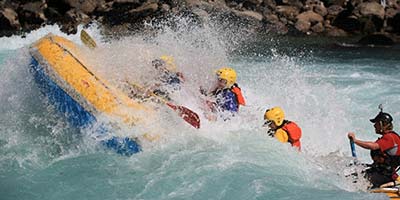
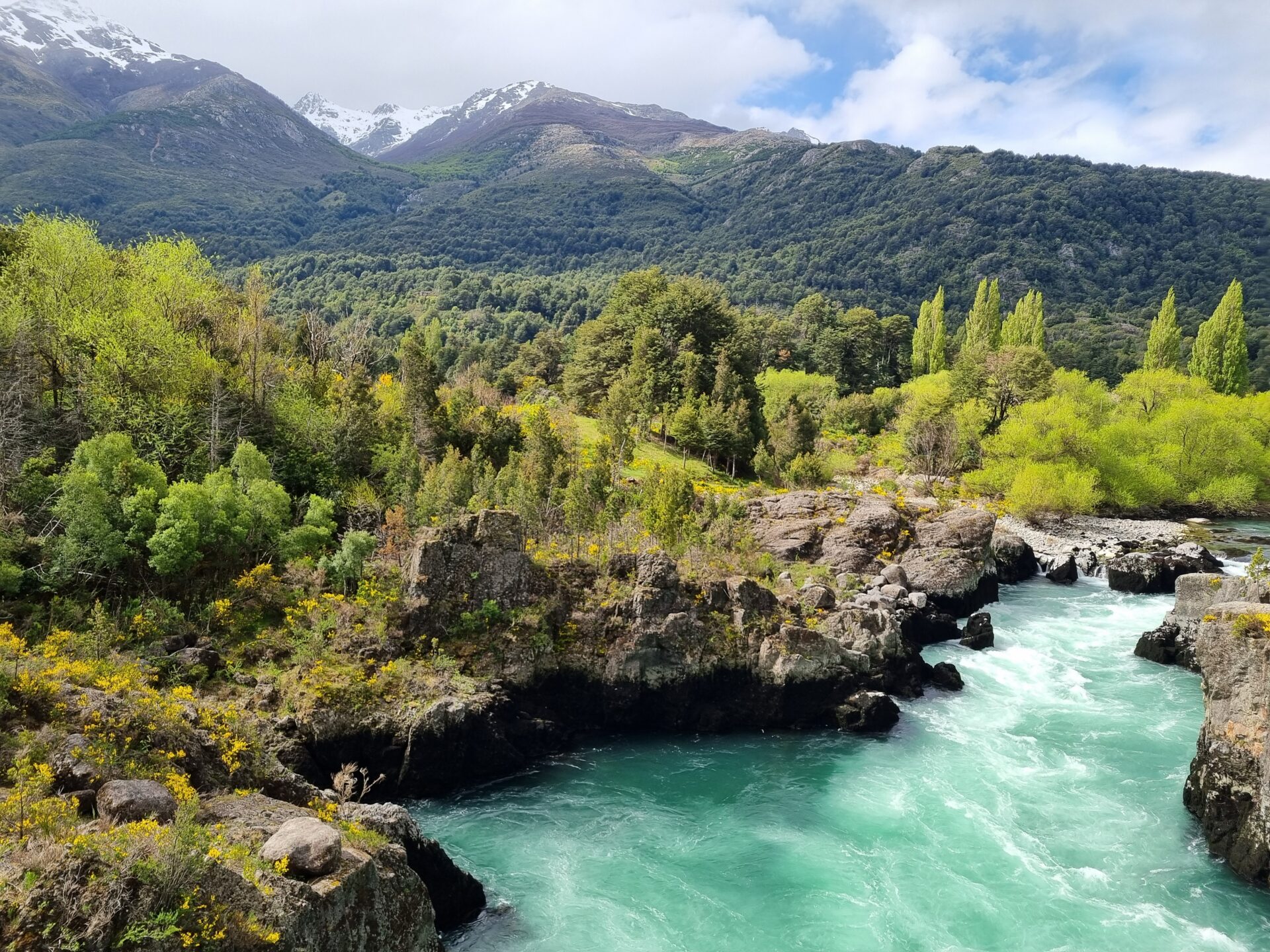
The Futaleufu River is a must for white water enthusiasts.
The region also offers great horseback opportunities as well as kayaking ones. Nature enthusiasts can admire the impressive scenery, imposing glaciers and fascinating wildlife and flora.

Bariloche is the jewel in Argentina’s Lake District Crown.
Beautiful mountains, forests and lakes make this area perfect for anyone who likes the outdoors.
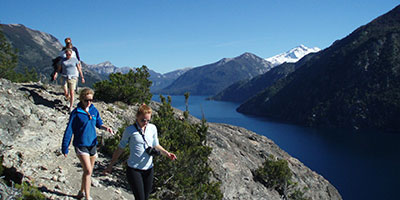
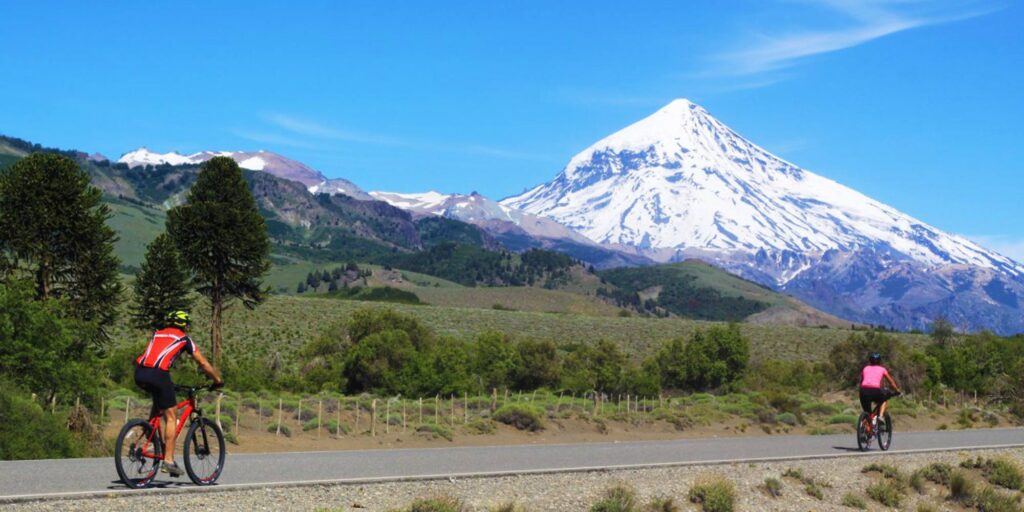
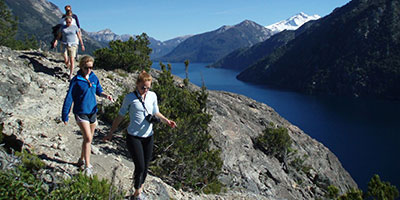
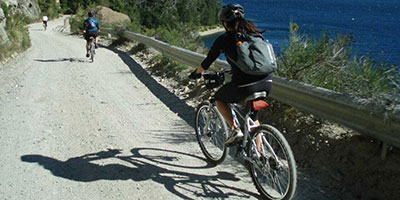
You can kayak, bike and hike around the stunning scenery of Nahuel Huapi National park.
Or perhaps hike to amazing viewpoints with panoramas over a stunning area of great beauty. Enjoy the local chocolate and excellent Argentinean specialities like asado of lamb or steak, a Swiss inspired fondu and of course some of the best Malbec.
Bariloche also offers the Cruce Andino Lake Crossing into Chile. The best time to visit the area is October-April.

El Calafate is situated on the southern shore of Lago Argentino, and is your starting point for discovering Los Glaciares National Park.
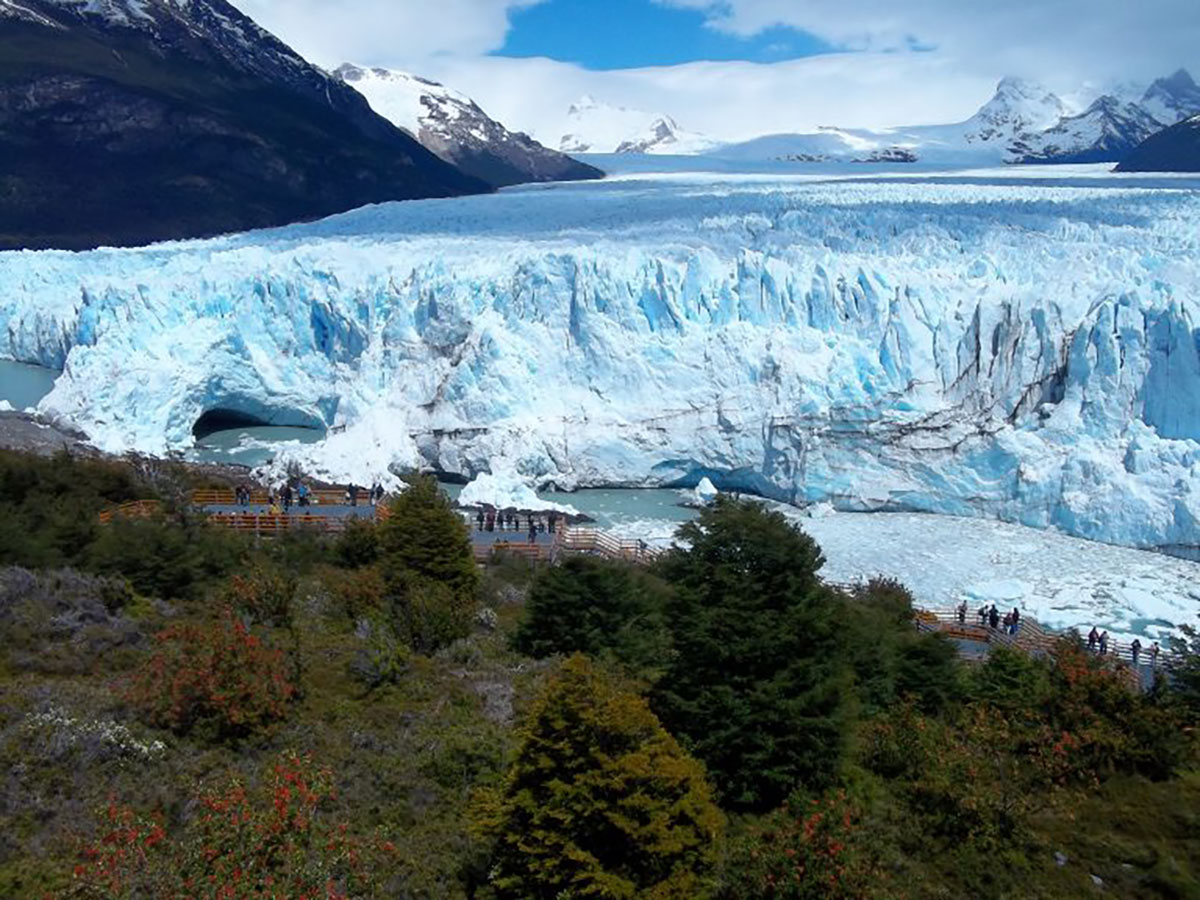
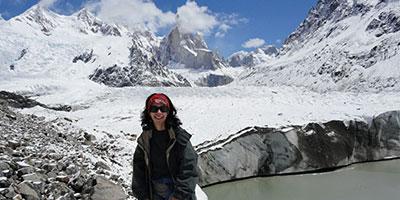
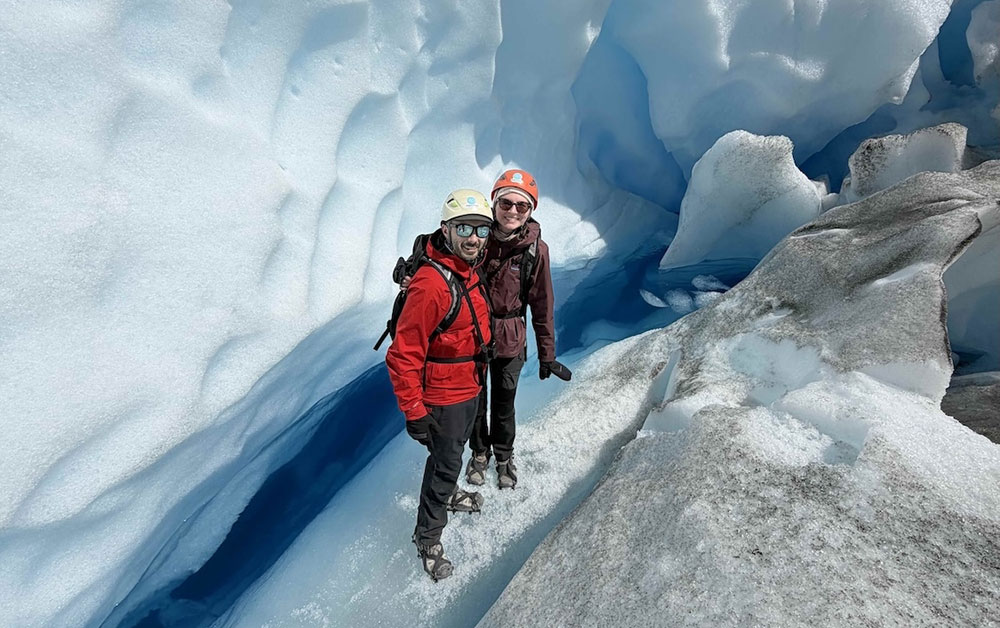
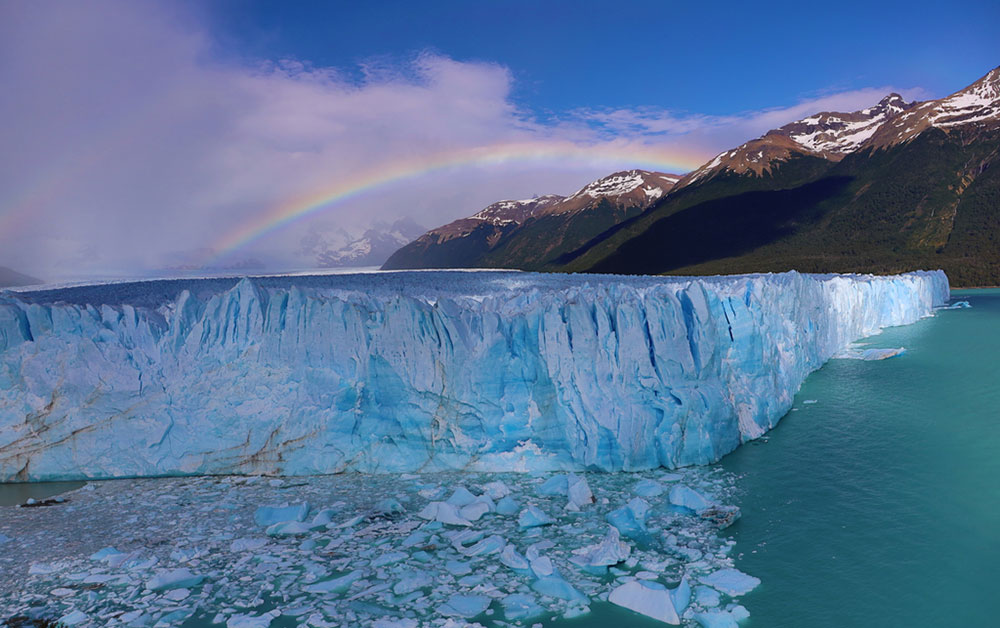
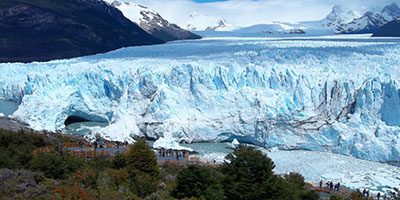
The Perito Moreno Glacier is accessed from El Calafate and is one of the most impressive and dynamic glaciers with a 75m high and 5km wide glacial wall. You can get up close on a series of wooden walkways, you can travel by boat to the face of the glacier or ice hike.
Most trekkers will come through El Calafate en route to El Chalten and the Fitz Roy range.
Other glaciers which can be visited are the Upsala glacier and the town has its own Glaciarium – ice museum.
The town offers a wide range of accommodation options and restaurants as well as outdoor shops.

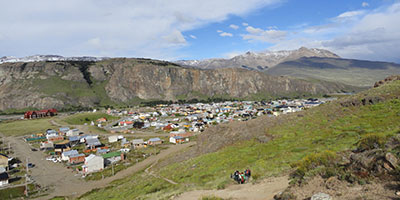
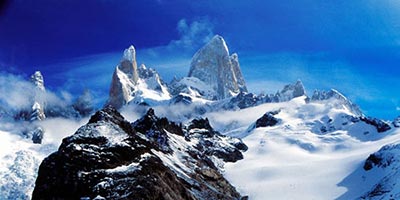
El Chalten is the trailhead for the hiking trails into the Glaciares National Park – Fitz Roy!
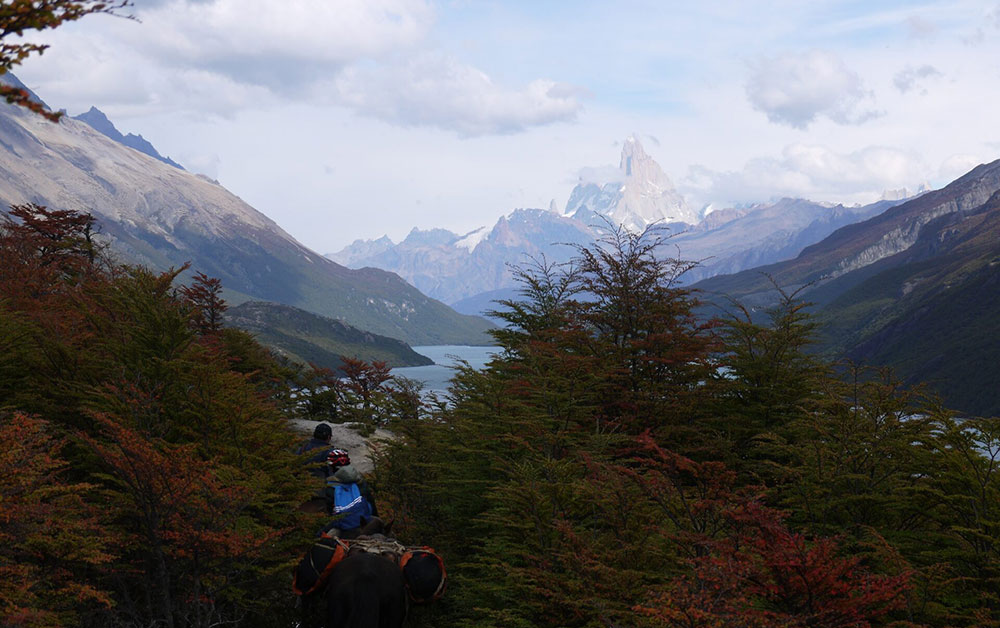
Day treks are some of the best in the world and include the Lake Torre Trail to Cerro Torre peak, trek to Laguna Los Tres at the base of Mount Fitzroy, and the Loma de Pliegue Tumbado Trek.
The town is also the departure point for expeditions to the Southern Ice Field and backcountry treks such as the Huemul circuit. There are options for all abilities.
El Chalten is a great place to learn some basic mountaineering on peaks such as Paso Cuadrado, Cerro Madsen or Mojon Rojo and you will regularly bump into mountaineering stars at the bars in town.
This trekking hub has a variety of accommodation options and many great places to eat.

The Valdes Peninsula on the northern coast of Argentine Patagonia is a paradise for nature and wildlife lovers.
The Southern Right whale can be spotted from June to December, Orca, also known as killer whales can be seen from September to April and Magellanic penguins from September to March.
Sea lions, dolphins, seals as well as guanacos, maras, rheas and armadillos can be found all year round.
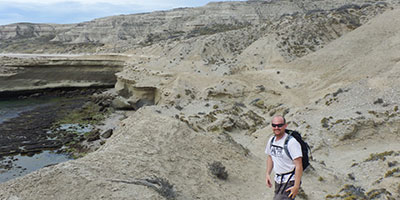
There are lots of shells, fossils and natural history on full display in the rocky cliffs.
The gateway airport is at Trelew and the ideal base for exploration is Puerto Madryn.

The Aysen region is one of the great undiscovered destinations of Chilean Patagonia.
Here you will find the world renowned white-water of the Futaleufu river, the marble caves on Lake General Carrera, the San Rafael Glacier, the Quelat Hanging Glacier and stunning scenery.
This part of the country is the least densely populated, so if you want to get away from the crowds this is the place to come.
The Carretera Austral is a relatively new road and biking or driving down its length takes you on a journey past temperate rainforest, to the Northern icefield and

The granite spires of Chile’s Torres del Paine National Park are one of the great draws to Patagonia.
The Horns of Paine and the Towers of Paine look down on a network of valleys and lakes punctured by the odd glacier, which are a trekker’s paradise.
There are two classic treks, the Paine W and the more challenging Paine Circuit. There are also an array of day hikes for those who would prefer to hike from comfort.
As well as the spectacular scenery the flora and fauna are great attractions and you will find many herds of guanacos as well as rheas, the odd Pudu – a rare miniature deer.
And if you are lucky, even a puma.
From: $4719 per person
Duration
From: $1890 per person
Duration
From: $5300 per person
Duration
From: $1190 per person
Duration

Travel to the amazing collection of soaring spires and vast glaciers that make up Chile’s Torres del Paine National Park. Or discover Argentina’s Fitzroy National Park, home to the calving Perito Moreno glacier and incredible trekking tails around El Chalten. Awesome panoramas await, and we have a variety of trips to suit all holiday tastes and budgets. Our Patagonia tours offer everything from relaxed to hardcore treks to luxury spa hotels – or a mixture of them all for an unforgettable South American holiday.

Argentinian Patagonia is home to a great variety of places and sights to see as well as activities to do. Ushuaia, located at the end of the earth in the Tierra del Fuego National Park, offers great remote mountain treks. It is on the Beagle Channel and is the launch port for Antarctica and Patagonia cruises. El Calafate is the gateway to the Perito Moreno Glacier offering a great range of accommodation and activities. Horse rides, kayak, visiting estancias, sailing glacial lakes amongst ice floes are just some of the activities available.
One of the highlights of an Argentina Patagonia tour is a visit to the Peninsula Valdez. Wildlife is the attraction with Southern right whales from June to December and Magellanic penguins from September through March. El Chalten is paradise for trekkers with classic trails such as Laguna de Los Tres which lies at the base of the Fitzroy spires. The Lake District area offers verdant forests and dramatic volcanoes pocked by the crystal blue bodies of water that gives the area its name. Bariloche and San Martin de Los Andes are in the heart of this region too.

The Torres del Paine National Park is a must-see destination on any Chilean Patagonia holiday. Its granite spires, shimmering lakes, abundant wildlife and stunning scenery will not fail to amaze. Trekkers are drawn by the famous “W” trek or the more demanding “O”, also known as the Paine Circuit. There are guided and self-guided options, and for the more discerning traveller, all-inclusive adventure packages.
The Aysen region is the hidden gem on a Chile Patagonia Holiday. Glaciers, forests, wildlife, mountains, lakes and no people. The Chilean Lake District, between Puerto Varas and Temuco, offers the visitor a wide range of choices. Outdoor activities include rafting, kayak, cycling, trekking as well as horse riding. The backdrop to all these are emeralds coloured lakes, snow-capped volcanoes and marvellous scenery. There is a wide range of options for accommodation and facilities are excellent.

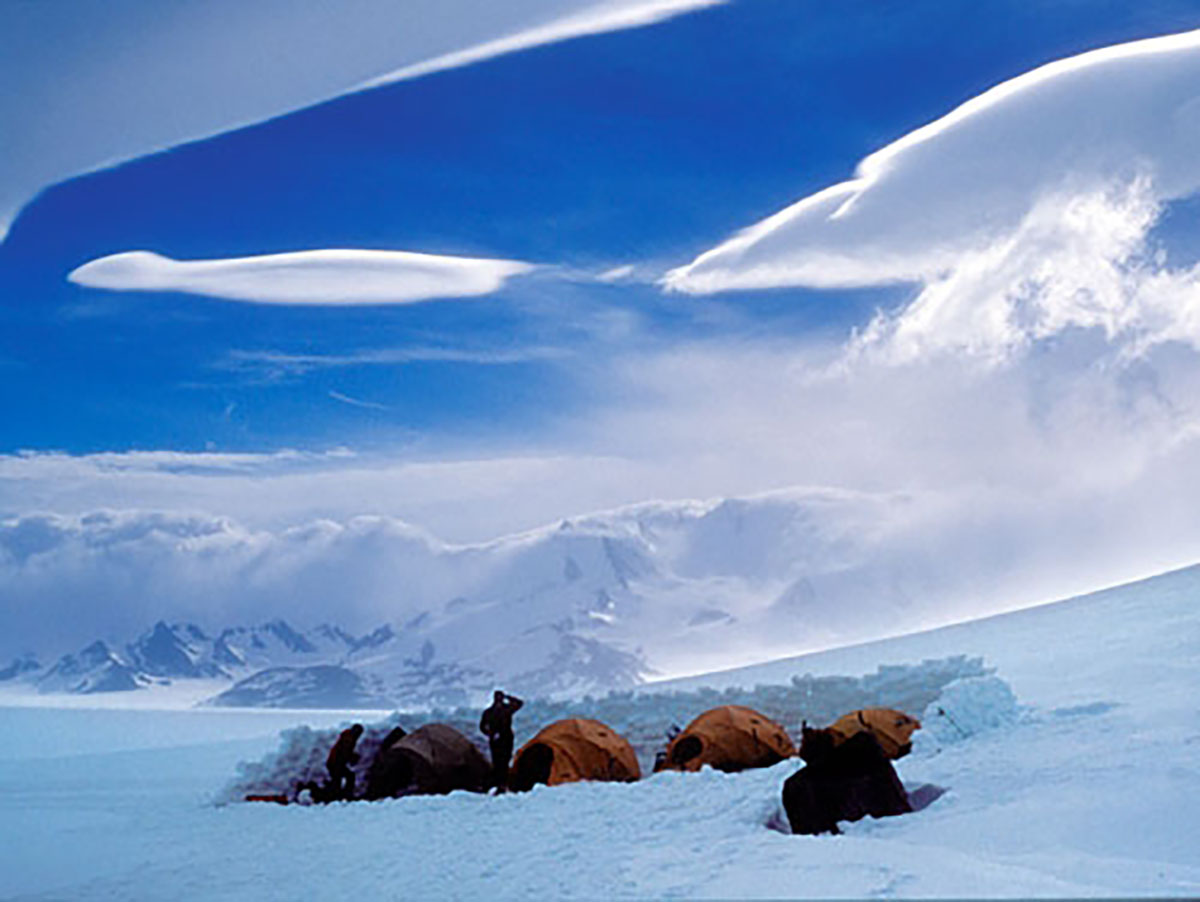
Patagonia Highlights is the trip to see it all, and for the hardy, head to the South Patagonian Ice Field.
Or you can combine a Chile Patagonia tour with an Argentina Patagonia tour or tailor-make a Patagonia holiday, including self-drive options.
Whether you are after a cultural experience, more leisurely trekking or a full-on trekking challenge, contact us for more.
A seamless self-guided Patagonia adventure offered breathtaking trekking, expert local advice, and unforgettable landscapes.
Expert organization and glacier views made this sunny Patagonia trekking adventure truly unforgettable.
Be prepared for your dream holiday to Patagonia with our helpful information.
From money advice to visas, from inoculations to which plugs to take, below you’ll find a wide range of travel tips, advice and information that will help you get ready to explore the region.
Can’t find what you’re looking for?
Get in touch and we’ll be happy to help.
Being at altitude, especially in the tropics, is usually a pleasure as it isn’t so hot, there are few insects and the air is clear.
However, when gaining altitude, air pressure drops and the amount of oxygen reaching the lungs is reduced. Although we build plenty of acclimatisation time into our itineraries, certain ill-effects are possible. Nevertheless, all of these can be minimised or prevented if care is taken.
On reaching heights above 2,500m (approx. 8,200 ft), especially when ascent has been straight from sea level, heart pounding, mild headache and shortness of breath are normal, especially on exertion.
Acute mountain sickness (AMS) is a syndrome known locally as soroche, whose symptoms can include of bad headache, dizziness and nausea).
To avoid AMS, you should:
Most hotels, cafés, restaurants and airports offer free and generally good Wi-Fi. In some towns and cities, main plazas provide free public Wi-Fi.
Internet cafés are slowly disappearing, but most towns and cities still have some in central areas.
Head to the state-owned Correos de Chile for postal services in Chile.
Correo Argentino is the national, state-run postal service in Argentina.
To call Argentina from abroad, or using your mobile phone in Argentina, follow these steps.
Example number: Buenos Aires (0)11 1234-5678
+54 is Argentina’s country code.
11 is Buenos Aires’ city code, without the (0).
Final number: +54 11 1234 5678.
Argentina mobiles start with 15 when dialled locally.
Example number: Buenos Aires mobile 15-8765-4321
+54 is Argentina’s country code.
Remove the 15 from the start of the mobile number.
Add a 9 and the area code without the (0). For Buenos Aires the code is 11.
Final number: +54 9 11 8765 4321.
From an Argentine landline or mobile, simply dial 15-8765-4321.
If taking a mobile phone with you, check roaming rates with your operator before travelling, as they can be very high.
A good way to avoid expensive charges is to bring your own unlocked tri- or quad-band phone and buy an inexpensive SIM card with a local number. These are available in many kiosks and locutorios and allow cheap calls and affordable data.
The international code for Chile is +56.
Regions have dialling codes.
Not all smartphones will work in Chile. Check with your operator before arrival. Roaming charges may be high.
Chile’s landlines have 7 digits, apart from Santiago where they have 8 digits.
To call landline to landline in the same city, add the regional code and then the 7 or 8 digit number. For example, Arica code is 58, so dial 58 1234567.
If calling another region, dial the area code without the 0. For example, Puerto Natales code 61: dial 61 1234567.
If using your own mobile phone to call a landline, dial the country code, the regional or city code without the 0, and then the number. For example: +56 61 1234567.
Mobiles have 8 digits.
If dialling a Chilean mobile from a Chilean landline, add 9 before the number. For example: 9 1234 5678.
If using your own mobile phone to call a Chilean mobile, dial the country code, then 9, then the 8-digit number. For example: +56 9 1234 5678.
If calling an Argentine mobile while in Chile, dial +54 9, then the area code without the 0, then the number, leaving out the 15.
Example: Buenos Aires mobile 15 1234 5678
Dial: +54 9 11 1234 5678.
Andean Trails can book all your international and domestic flights for this trip and for UK passengers; we have full ATOL bonding and can book flights with most airlines.
International flight prices are variable and usually can only be guaranteed at the time of booking. If you would like to upgrade to business or first class, or even arrive at an earlier date/depart at a later date we can also arrange this for you.
Typically, you fly to a country’s capital city and then overnight there or make a connecting flight (if available) to your next destination.
Please contact us for flight advice especially if you do make a connection on the same day. It is important to purchase a through ticket and not separate tickets for connections, so that you are covered for any delays. Passengers with separate tickets that are delayed run the risk of having to buy an entirely new ticket to continue their journeys.
Please note all airline schedules are subject to change and are out of our control.
Almost all flight tickets are now e-tickets. Any that are not will be handed to you on arrival in South America – this is most common for flights on smaller planes in Amazon areas such as Guyana/Bolivia.
The final travel instructions we send you some 2-3 weeks before departure will list the latest flight times, flight numbers etc as well as list your e-ticket numbers and booking reference code (6 characters i.e. GB75RK). This is what you will need to check in with.
Depending on the airline, we can reserve some seats for you at the time of booking your international flights with us.
If we cannot reserve seats at the time of booking, you have to wait for online check in to open (usually 24-72 hours before departure).
To check in online you will need to go to the website of the airline you are travelling with, and have your e-ticket number/booking reference to hand. Click check in online, enter your details, and choose your seat.
Some flights will allocate seats at the check in desk at the airport and some may not allocate seats at all.
The United States (USA) has an Electronic System for Travel Authorization (ESTA) which all travellers to and via the USA must complete BEFORE travel to/via its airports and shores.
More information can be found on their ESTA website.
Passengers who have not completed the form will be denied boarding.
Before you begin this application, make sure that you have a valid passport and credit card available.
This application will only accept the following credit cards: MasterCard, VISA, American Express, and Discover (JCB, Diners Club).
Southern Patagonia (latitudes 49° to 55°), encompassing the southern Andes of Chile and Argentina plus Tierra del Fuego, has an altogether more vertical aspect than the rest of Patagonia.
As the continent tapers towards its southern point, the Andes take on new characteristics and offer some truly impressive panoramas.
Much of southern Patagonia is characterized by virgin landscapes where man’s hand has either not been present or, because of the scale of the landscapes, goes almost unnoticed. To the west of the semi-arid Patagonian plateau, mile-high granite spires – e.g. Cerro Torre and Fitzroy in Argentina and the Torres and Cuernos del Paine in Chile – rise abruptly from the Andean foothills, while vast blue glaciers, fringed by southern beech forest, gouge out thevalleys below.
At the heart of these magnificent landscapes lies the South Patagonian Ice Field, an utterly remote icy wilderness spanning hundreds of kilometers, whose glaciers – including the Perito Moreno and Upsala – are tens of kilometres long by severalkilometers wide.
Also characteristic of the southern Patagonian Andes are its turquoise, iceberg-filled lakes. To the west lies the southern portion of the Chilean Archipelago, comprising snow-capped islands and fjords.
Across the Magellan Straits from mainland Patagonia lies Tierra del Fuego which, like the rest of Patagonia, is divided between Argentina and Chile.
The north and east of Tierra del Fuego is flat, but flanking the Beagle Channel in the south, the tail end of the Andes provide very dramatic mountain scenery.
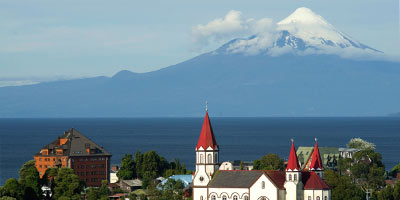
The Lake District (latitudes 40° to 45°) or the Araucania, is a region of dramatic conical volcanoes, evergreen, high-canopy forests and, of course, lakes.
It straddles the Chile-Argentine border, and also takes in Chiloe island, in the extreme north of the Chilean Archipelago. This region stretches from Temuco in the north to Chiloe in the south.
Central Patagonia (latitudes 45 to 49) is one of South America’s best-kept secrets. The vast wilderness area can be divided in two:
This huge region, embracing the sparsely-inhabited southern Araucaria and Aisén Region, features temperate rainforests, snow-peaks (often extinct volcanoes), lakes and, to the west, the Chilean Archipelago: a labyrinth of fjords and mountain-islands. This, the Chilean portion of central Patagonia, boasts the northernmost of Patagonia’s many giant, sea-level glaciers.
The San Raphael Glacier, probably this region’s most famous landmark, is an immense hanging glacier whose seracs calve into an iceberg-filled lagoon.
Find out more about Patagonia with our blog about its wildlife.
For most people, Patagonia evokes a vast, windblown plateau, jagged mountains and the life of the gauchos.
The steppe that occupies much of southern South America is only one aspect of a magical region, jam-packed with amazing and contrasting landscapes.
Patagonia (latitudes 40°-55°, approximately) embraces a vast portion of southern Chile and Argentina, from the Rio Colorado in the north, to Tierra del Fuego in the south.
For convenience, we have divided the region into three zones: the Lakes District of northern Patagonian, central Patagonia and southern Patagonia.
Learning a few words of Spanish can really ingratiate you with the locals you’ll encounter, adding to the enjoyment of your holiday. Below are some basics to get you started.
| Greetings | |
|---|---|
| Good morning | Buenos días |
| How are you? | ¿Cómo estás? |
| Good afternoon | Buenas tardes |
| Good bye | Adiós |
| Most frequently asked questions (theirs) | |
| Where are you (plural) from? | ¿De dónde eres (son)? |
| What time is it? | ¿Qué hora es? |
| Where have you come from? | ¿De dónde vienes? |
| Give me (frequent, unwelcome question) | Dáme / regálame |
| Most frequent questions (yours) | |
| How much is it? | ¿Cuánto vale? |
| What is this place called? | ¿Cómo se llama este lugar? |
| What’s your name? | ¿Cómo te llamas? |
| Do you have a map? | ¿Tienes un mapa? |
| In the street / places | |
| Where can I find a currency exchange? | ¿Dónde encuentro una casa de cambio? |
| Where is there a cash machine? | ¿Dónde hay un cajero automático? |
| Where is the underground/subway station? | ¿Dónde está la estación de metro/subte (Buenos Aires)? |
| Where can I find a taxi? | ¿Dónde puedo encontrar un taxi? |
| Where can I find a supermarket? | ¿Dónde puedo encontrar un supermercado? |
| Where is the hospital? | ¿Dónde está el hospital? |
| Where can I find a restaurant? | ¿Dónde puedo encontrar un restaurante? |
| In the hotel | |
| What floor am I on? | ¿En qué piso estoy? |
| Where are the elevators/lifts? | ¿Dónde están los ascensores? |
| How do I access the Internet? | ¿Cómo puedo acceder a Internet? |
| How do I call for room service? | ¿Cómo llamo para el servicio de habitación? |
| How do I call down to the front desk? | ¿Cómo llamo a la recepción? |
| In the restaurant | |
| A table for two/four please | Una mesa para dos/cuatro, por favor |
| I would like to drink… | Me gustaría tomar… |
| May I see a menu? | ¿Puedo ver la carta / menú? |
| I would like to order… | Me gustaría pedir… |
| Can you bring me the check/bill please? | ¿Me trae la cuenta, por favor? |
| Emergency | |
| I need help. | Necesito ayuda. |
| I have lost my passport. | He perdido mi pasaporte. |
| Someone stole my money. | Alguien robó mi dinero. |
| I have been robbed. | Me han robado. |
| I need to call the police. | Necesito llamar a la policía. |
| I need to call the (country) Embassy. | Necesito llamar a la embajada de (country). |
| Help! | ¡Socorro! |
Take US dollars with you (preferably new notes or at least unmarked and undamaged notes) in smaller denominations of 10s, 20s and maybe some 50s. Do not take USD 100 bills as they are unlikely to be accepted.
Argentina has had several years of economic instability and with a previous government there were tight exchange controls.
These have now been relaxed so payments with debit and credit cards are widely accepted.
However, there may be controls on ATM withdrawals (possibly a max of AR 1,000 / GB 50 per day and you may well be charged substantially for each withdrawal). ATMs can also be unreliable and we have had several reports of “empty” cash machines. We suggest that you have enough cash to cover your needs, especially in more remote areas.
ATM debit/credit cards are now widely used in major restaurants, hotels and shops (with fees).
On arrival to Argentina, at the airport/border, exchange US dollars so that you have some local peso. Some businesses, particularly in tourist spots may accept payment in US dollars – ask first.
Click here for the current exchange rate.
Peso banknotes: 2, 5, 10, 20, 50, 100, 200, 500 pesos
Peso coins: 5, 10, 25, 50 centavos, 1 peso, 2 pesos
Most businesses (unless a tourist shop/restaurant) will only accept Chilean pesos. Note that the Peso comes in very high denominations (see below), so you’ll need to get used to very big numbers on bills that are not worth very much.
ATM debit/credit cards are widely used in major restaurants, hotels and shops (with fees). There are plenty of ATMs (hole-in-the-wall) cash machines throughout the country, however check with your bank to see if there is a daily maximum you may withdraw.
Click here for the current exchange rate.
Peso banknotes: 1,000, 2,000, 5,000, 10,000, 20,000 pesos
Peso coins: 1, 5, 10, 50, 100, 500 pesos
Don’t forget to read our tipping guides for Argentina and Chile.
Argentina and Chile both have fantastic culinary and wine reputations.
There are more and more top-end restaurants almost everywhere, and you can easily spend USD 100pp and more on meals.
Prices vary greatly, below is a rough guide to what you can expect to pay in Argentina and/or Chile.
Beer/soft drink: USD 4
Menu del dia: USD 10-15
Coffee: USD 2
Bottle of wine: From USD 15 upwards
Beer/soft drink: USD 5-7
Main dish: USD 20 upwards
Coffee: USD 3
Bottle of wine: From USD 20 upwards
220 volts (110v in some hotels), 50 Hz, in both Chile and Argentina.
Most cameras, phones and computers are dual or multi voltage and probably won’t need a convertor – please check before leaving.
Some items you may bring, such as hairdryers, may need a convertor. They may short if you use them without the correct convertor.
If you go on a cruise boat in Patagonia, most boats take the two pin, round-pronged Type C plug show below.
Argentina uses Type i (I) plugs, although some Type C plugs can be found in older buildings and bathrooms.
Chile uses Type C as above and Type L plugs.


Patagonia is a relatively safe region, but we still recommend that in large towns and cities you take certain precautions (see below).
Chile and Argentina are, overall, among the safest countries in South America.
However, in Buenos Aires and Santiago, muggings and opportunistic crime – although not common – do occur.
In Buenos Aires, ‘distraction muggings’ sometimes happen in quiet streets, in the daytime as well as at night.
We suggest that you take the following precautions:
Tipping is entirely voluntary and how much you give depends on how you feel about the service you have received.
This is a rough guideline:
We strongly suggest that everyone planning to travel to Patagonia visits their local doctor/travel clinic prior to departure for the latest vaccination information.
UK and USA citizens do not require a visa to enter Argentina or Chile as a tourist.
Please ensure your passport has at least six months remaining validity.
On presentation of a valid UK or USA passport you will be granted a 90-day stay in either country. Please keep any tourist card you are given safe – you need this to leave the country.
Australians have to pay a reciprocity fee to enter Argentina, and this must be obtained before travelling to Argentine.
Australians entering Chile at Santiago International airport must also pay a reciprocity fee, paying cash on arrival.
All non-UK nationals should check with their nearest Chilean/Argentine consulates for the latest visa and fee information.
All requirements are subject to change and should be confirmed before departure.
Chilean Patagonia, in the south of the country, has a climate with lower temperatures compared to the rest of Chile.
It can be better to go in the Austral summer (Oct-March). Daylight hours are much longer at this time, with Nov-Feb being popular times to visit. October and March can be very colourful and vivid with less visitors, but weather can be more blustery.
In Patagonia, the weather is, putting it mildly, variable, and variable on a daily basis. It is usually cool and windy all year round but seldom does the temperature fall below freezing point. Some days start with snow and end in balmy sunshine. It is always interesting, and can range from 10°C-20°C in the summer, although the wind can make it feel chilly.
The vast unbroken stretch of ocean to the west and south of the South American continent leaves the Patagonian Andes very exposed to the saturated winds that circle the Antarctic landmass. Also the South Patagonia Ice field influence makes the weather hard to predict. In spring or early summer fine weather may deteriorate almost without warning, bringing rains and eventually snow. Even in summer (Dec-Mar) you should come prepared to find cold, strong winds (up to 130 km/hr) and rainfalls. The summer’s average temperature is 11ºC/52ºF (24ºC max, 2ºC min).

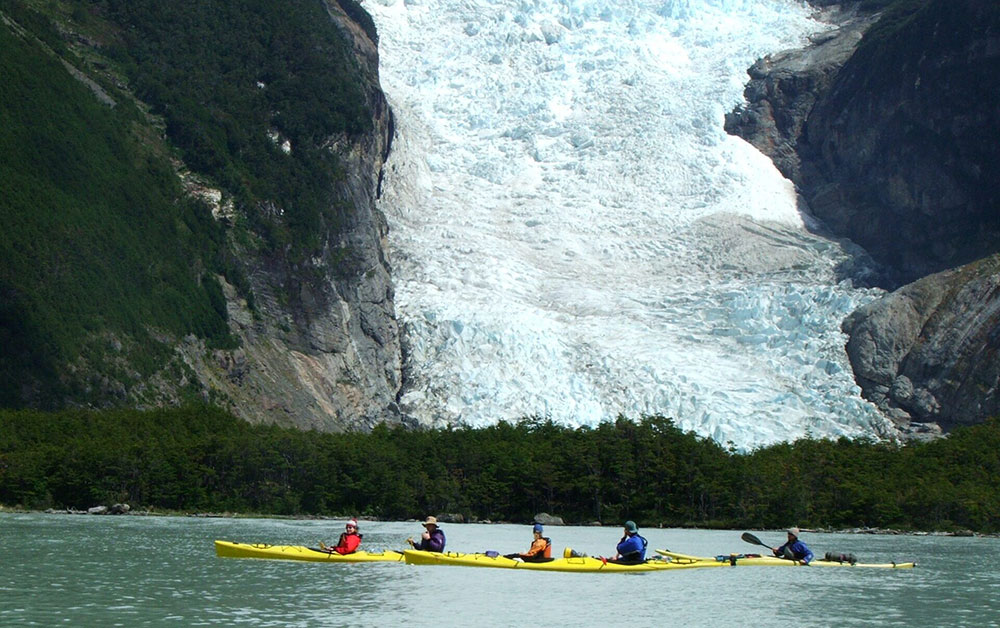
Winter visits to these southern areas are possible, but many hotels close and not all trips are possible. Daylight hours can be very short, but the lack of visitors can greatly improve chances of seeing wildlife in parks such as Paine.
The Lake District’s temperate climate can be said to resemble that of the UK, with rain possible but also enjoying long spells of fine, fresh weather in the summer (Oct-March).