Since 1998, we've crafted journeys using knowledge gained on our own explorations of South America's spectacular wilderness, fascinating cultures and diverse wildlife.

Bring a sense of adventure and an open mind. We'll take care of the logistics and support you round the clock.
We only work with small, locally owned operators and guides. Your money stays where you travel, and a share of every trip supports local communities and the wild places they protect.
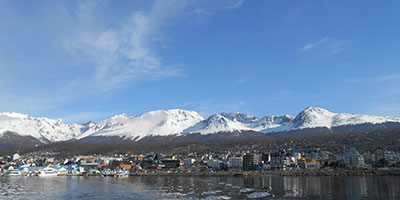
Ushuaia, in Tierra del Fuego, is Argentina’s southernmost city and is perched on the Beagle Channel.
What was once a remote penal colony is now a bustling port and the gateway to Antarctica.
Ushuaia is historically interesting, Charles Darwin wrote much about it, and it is home to some interesting museums of naval history.
Visitors can take a sailing tour on the wildlife rich Beagle channel, visit a Penguin colony during the season, trek into the mountains behind the city and kayak in the Tierra del Fuego national park.
Cruises set off from here for Antarctica or Punta Arenas in Chile – via Cape Horn.

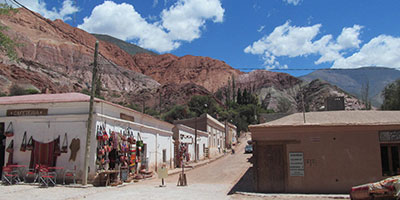
North west Argentina is one of those places that is still off the beaten track but when you get there you wonder why.
The main gateway is the city of Salta – famous for its pasties, known locally as empanadas.
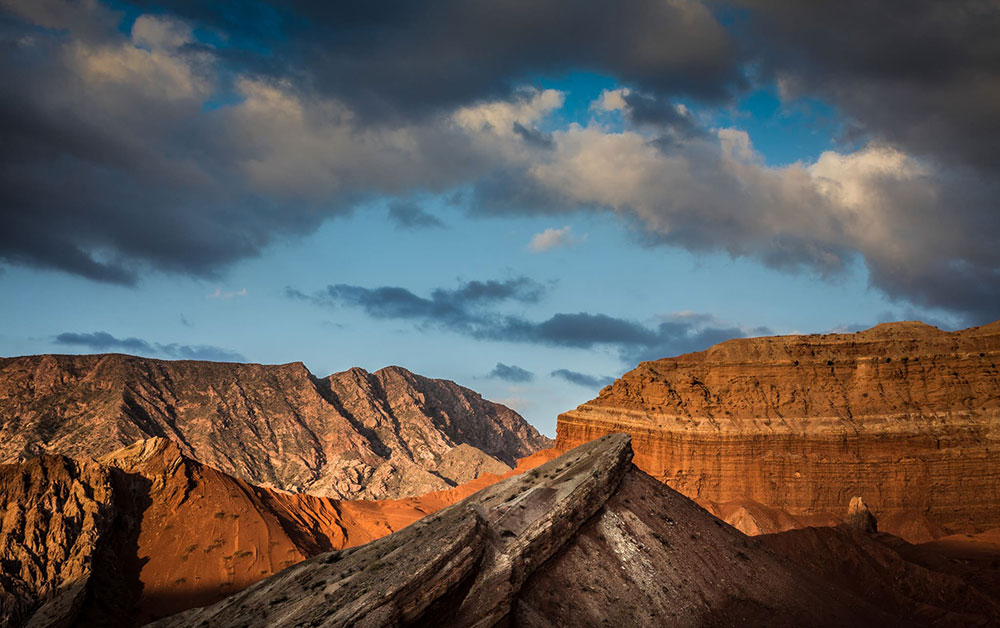
Places to visit are Cafayate – famous for its wines and the “Quebrada de Las Cochas” with its incredible rock formations.
North of Salta don’t miss Humahuaca with its multicoloured hills, Tilcara with its Pukara (pre-Columbian fortress) and the Salinas Grandes salt flat.
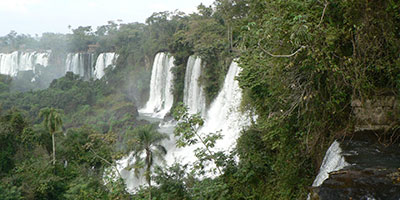
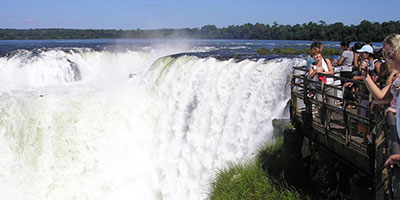
The mighty roar of the water poring over the cliff edges is the soundtrack to this incredible spectacle of nature.
Iguazu Falls is made up of some 275 individual cascades which line the rim of a crescent-shaped cliff about 2.5 miles long.
From here, the waters plummet up to 82m/269ft into the gorge below, in one of the most dramatic settings in Argentina, with the thunderous roaring of Iguazu heard from miles away.
Walk the paths among the different falls and for those with a head for heights take the walkway that leads you into the heart of the Devil’s throat, the biggest, deepest, most impressive fall.
There is the opportunity to take a boat ride at the foot of the falls or to just walk and admire the lush tropical vegetation and wildlife, as well as the scenery.
It is well worth visiting both the Argentine and Brazilian sides of the Falls to really experience and appreciate the true power of these waterfalls.

Buenos Aires is Argentina’s elegant capital city.
It is a city of culture, art and music and gateway to the rest of the country, well worth a few days of exploring.
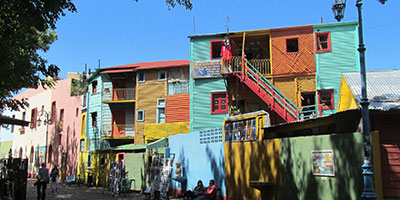
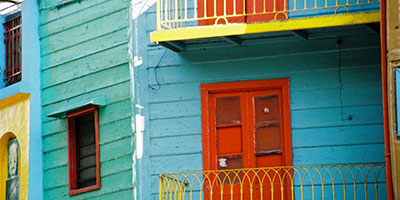
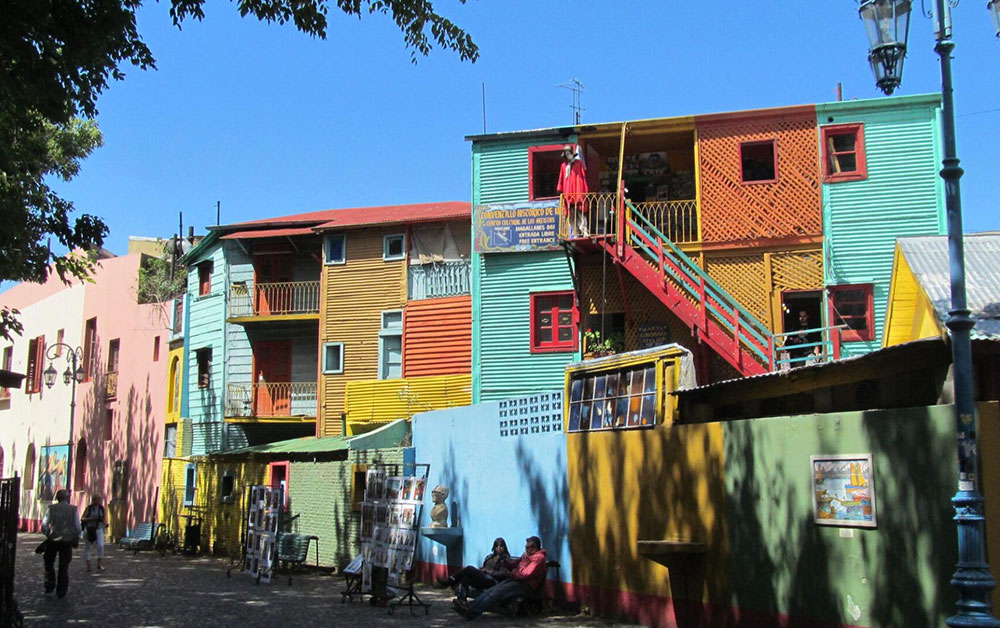
Must sees are the Casa Rosada Government Palace, the Cathedral, La Boca district with its colourful houses and tradition of tango and football.
Also not to be missed are the flea market and streets of the bohemian neighbourhood of San Telmo and the Recoleta cemetery where Evita’s tomb is to be found.
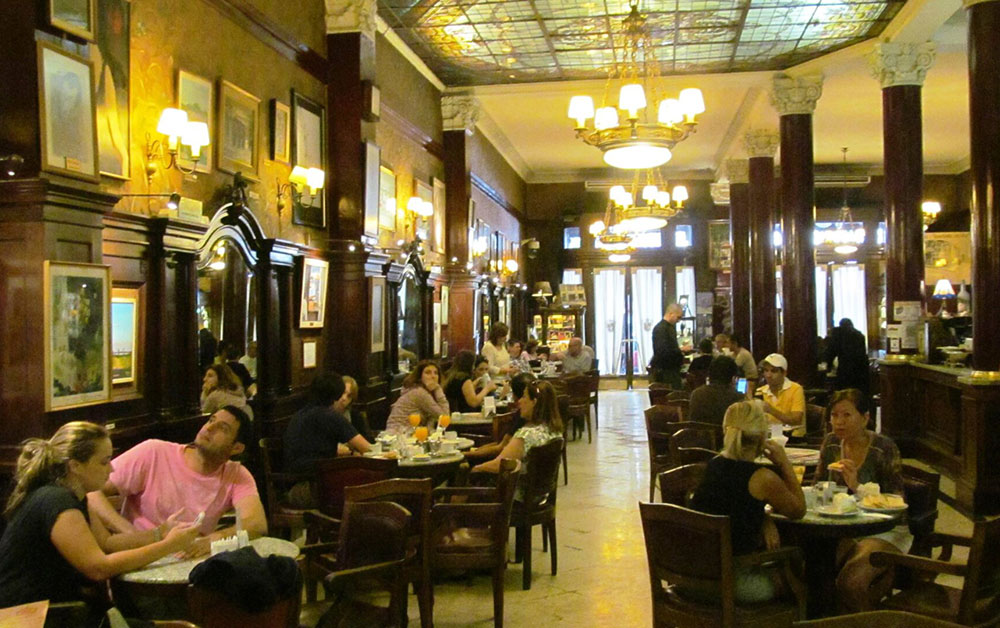
After a guided tour by bike or on foot, take the time to sit at one of the many excellent coffee shops and watch the sophisticated Porteños go about their business.
The city has a plethora of good restaurants and is a haven for meat eaters, with plenty of veggie options too.
The night life is buzzing and the district of Palermo will have a meal and bar to suit all pockets and tastes.

Highlights include:

Bariloche is the jewel in Argentina’s Lake District Crown.
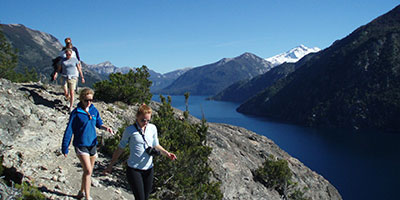
Beautiful mountains, forests and lakes make this area perfect for anyone who likes the outdoors.
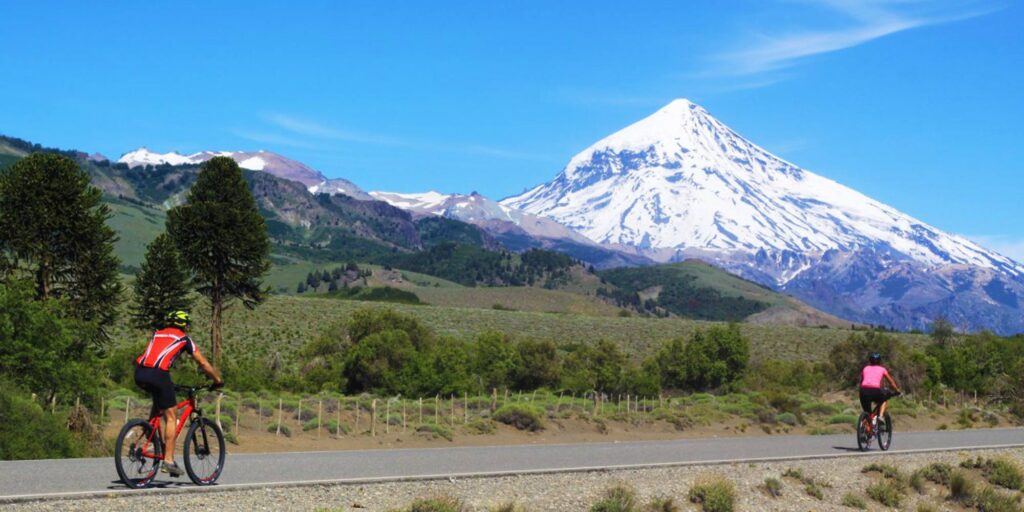
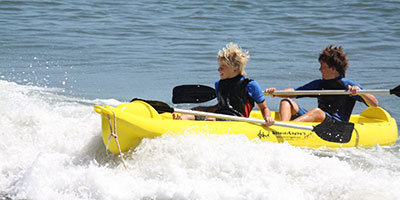
You can kayak, bike and hike around the stunning scenery of Nahuel Huapi National park.
Or perhaps hike to amazing viewpoints with panoramas over a stunning area of great beauty. Enjoy the local chocolate and excellent Argentinean specialities like asado of lamb or steak, a Swiss inspired fondu and of course some of the best Malbec.
Bariloche also offers the Cruce Andino Lake Crossing into Chile. The best time to visit the area is October-April.

El Calafate is situated on the southern shore of Lago Argentino, and is your starting point for discovering Los Glaciares National Park.
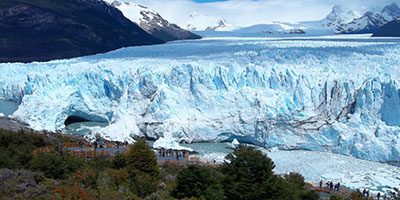
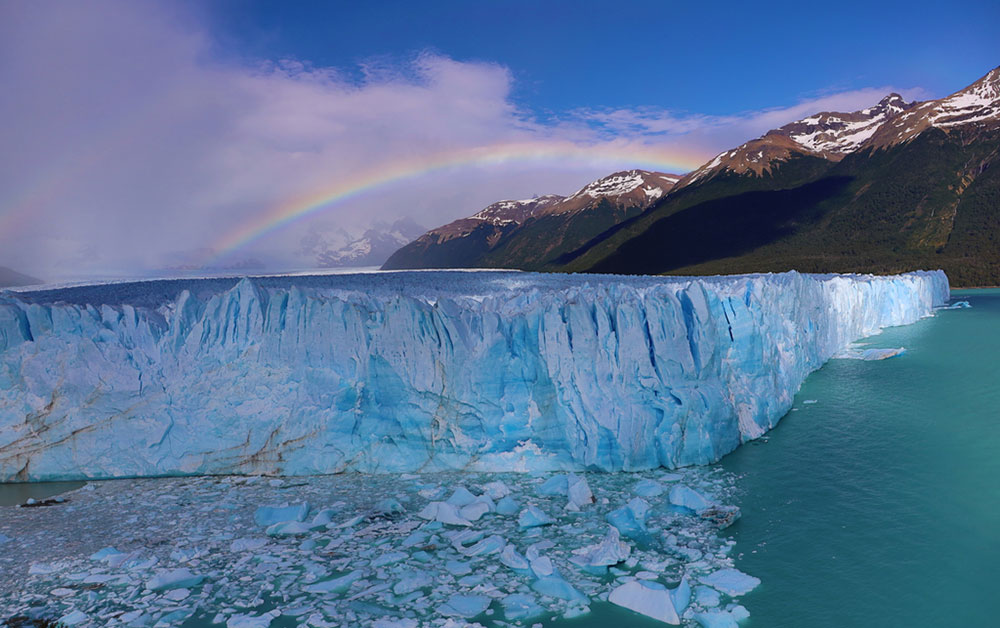
The Perito Moreno Glacier is accessed from El Calafate and is one of the most impressive and dynamic glaciers with a 75m high and 5km wide glacial wall. You can get up close on a series of wooden walkways, you can travel by boat to the face of the glacier or ice hike.
Most trekkers will come through El Calafate en route to El Chalten and the Fitz Roy range.
Other glaciers which can be visited are the Upsala glacier and the town has its own Glaciarium – ice museum.
The town offers a wide range of accommodation options and restaurants as well as outdoor shops.

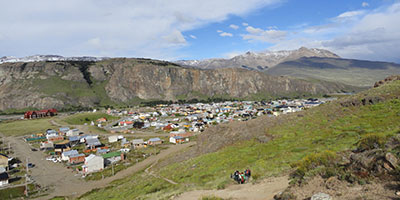
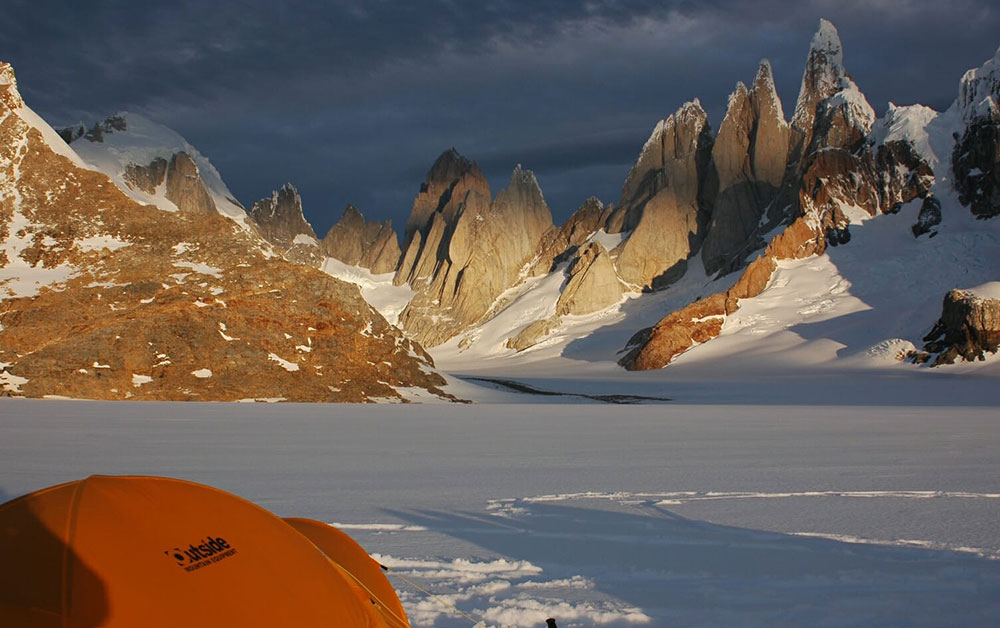
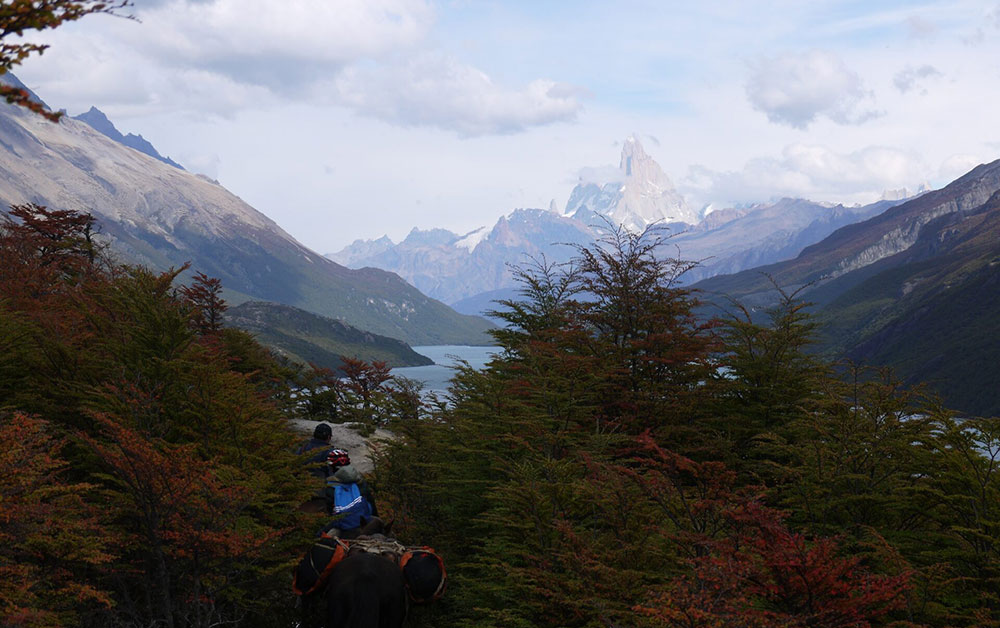
El Chalten is the trailhead for the hiking trails into the Glaciares National Park – Fitz Roy!
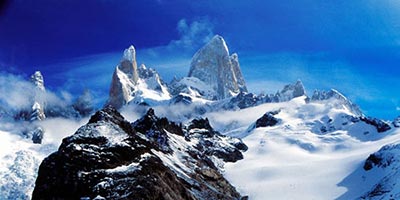
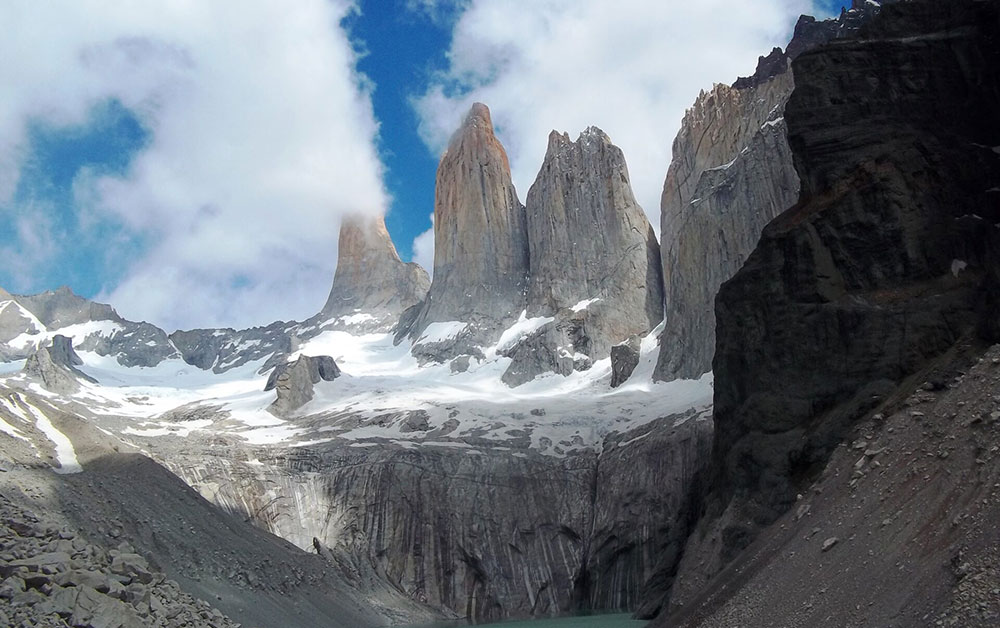
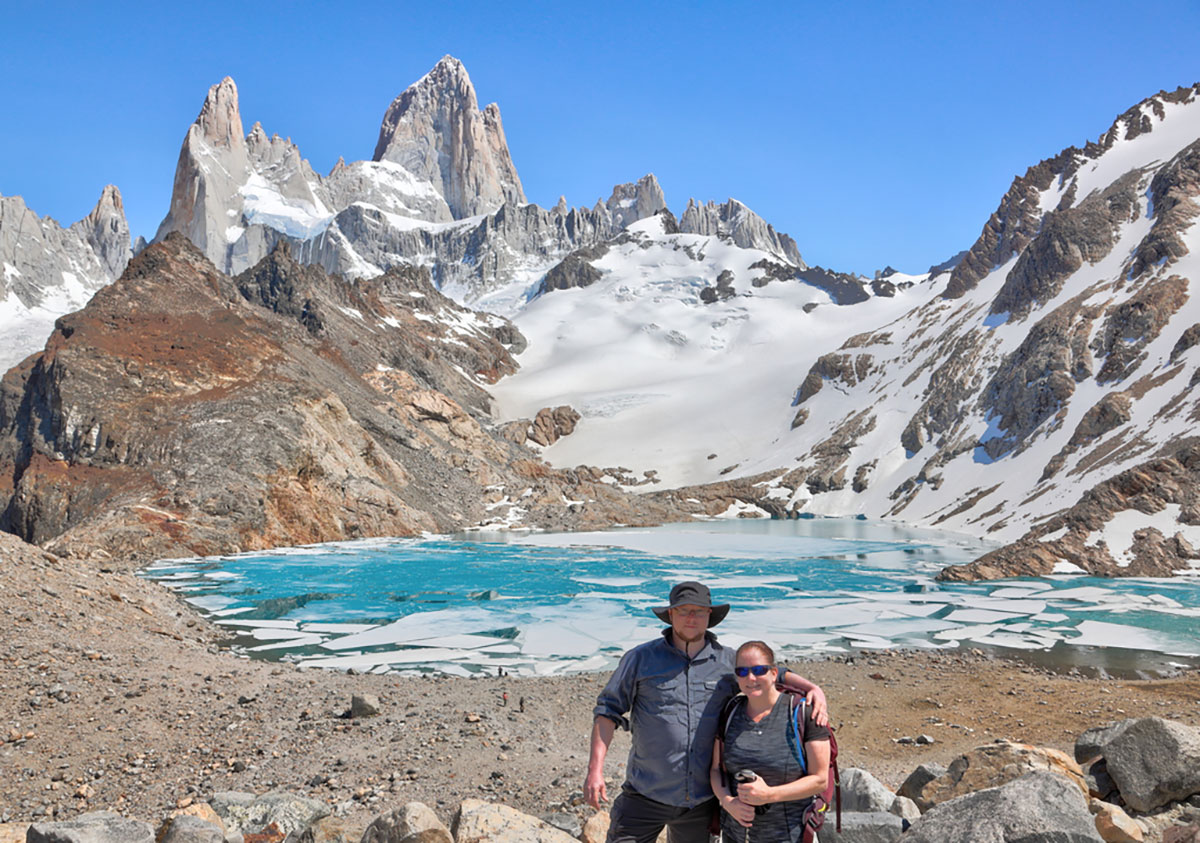
Day treks are some of the best in the world and include the Lake Torre Trail to Cerro Torre peak, trek to Laguna Los Tres at the base of Mount Fitzroy, and the Loma de Pliegue Tumbado Trek.
The town is also the departure point for expeditions to the Southern Ice Field and backcountry treks such as the Huemul circuit. There are options for all abilities.
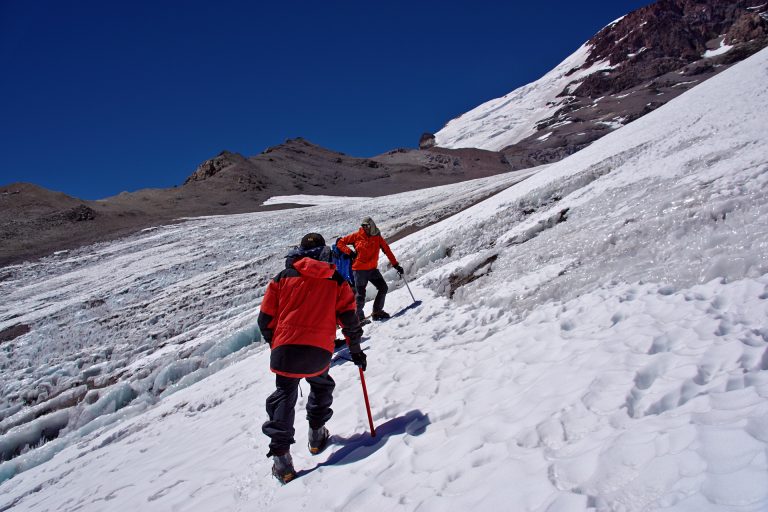
El Chalten is a great place to learn some basic mountaineering on peaks such as Paso Cuadrado, Cerro Madsen or Mojon Rojo and you will regularly bump into mountaineering stars at the bars in town.
This trekking hub has a variety of accommodation options and many great places to eat.

The Valdes Peninsula on the northern coast of Argentine Patagonia is a paradise for nature and wildlife lovers.
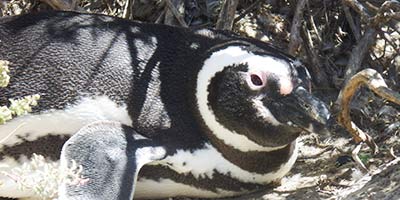
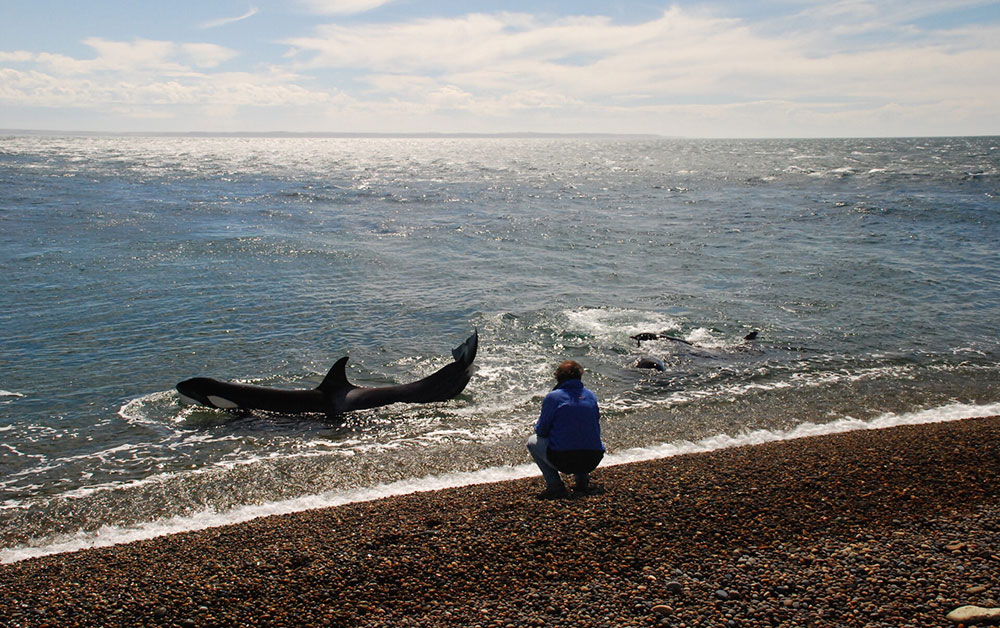
The Southern Right whale can be spotted from June to December, Orca, also known as killer whales can be seen from September to April and Magellanic penguins from September to March.
Sea lions, dolphins, seals as well as guanacos, maras, rheas and armadillos can be found all year round.
There are lots of shells, fossils and natural history on full display in the rocky cliffs.
The gateway airport is at Trelew and the ideal base for exploration is Puerto Madryn.
From: $4719 per person
Duration
From: $5300 per person
Duration

Argentina is enormous – the eighth-largest country in the world – and offers a great variety of terrains, from beach to high mountains to rainforest and wetlands. It is home to Aconcagua, South America’s highest mountain, rolling pampas and enormous glaciers.
The constant is that wherever you travel in Argentina, fine dining will follow you. From the famous Malbec red wine to parillas (BBQs) with its famous steak, holidays here are famed for eating out. In Buenos Aires, this is often accompanied by the thrill of Tango shows and dances.

Hikers and lovers of stunning scenery are naturally drawn to holidays in Patagonia, in the south of Argentina. Starting at El Calafate, the calving glacier of Perito Moreno – voted a Modern Wonder of The World – is a must-see as tonnes of ice crash into a crystal-blue lake below. Next is El Chalten, a trekker’s mecca. From here you can walk into Fitz Roy National Park to see Cerro Torre, Fitz Roy or walk on the Ice Field. Verdant forests and spectacularly rugged, glacier-topped mountains are guaranteed.
Ushuaia is Argentina’s southernmost city and the access point for many Antarctica cruises. Walkers love the isolation and beauty of the Martial Glacier circuit in the mountains that circle the city. Wildlife enthusiasts can see penguins and seals on a cruise through the Beagle Channel.
Want more? Peninsula Valdes is the place to sail or kayak by whales and orcas and spot sea lions. There are historic haciendas to relax at, a Welsh-speaking village nearby and beach walks perfect for fossil hunting.

Being so vast, some of Argentina tours take you to other-worldly feeling areas. This is never truer than in the north of the country. Start in Salta, famous for empanadas and wine, then self-drive through the vineyards of El Cafayate. Here, the mountains take on a red glow. Explore further and you’ll find multi-coloured peaks, salt lakes and remote Andean communities. Deep gorges and desert-like mountain tops make for stunning treks.
Bariloche in the Lake District delivers beautiful, snow-capped mountains, vast forests and deep lakes. You can ski in the winter (Jun-Sep). Most people visit from October to April to enjoy kayaking, biking and hiking in this pristine land.
Mendoza is world-famous for its red wines and the ton centre has a throng of delightful cafes, plazas and markets. The vineyards are set against a backdrop of wonderful Andean mountains – Mendoza is the starting point to climb Aconcagua, the highest peak in the Americas.

To the north, the country warms and becomes sub-tropical as you approach its borders with Paraguay and Brasil. Iguazu Falls are the biggest attraction here and it’s easy to see why people travel. This is one of nature’s true wonders with hundreds of waterfalls crashing dramatically through the rainforest.
If wildlife is your thing, the Ibera wetlands close to Iguazu offers an abundance of marine, bird and land species. Caiman, capybara and monkeys are a few of the larger animals you may see, alongside a plethora of birds.

Almost all Argentina tours start or end in the buzzing capital of Buenos Aires. This is a vibrant and romantic city which invites you to soak up the pride and passion of its tango, fine wines and food. Famous barrios (neighbourhood) to visit include La Boca, San Telmo and Palermo, as well as its wonderful museums, cafes and restaurants. And don’t forget its fantastic nightlife.
Discover our Argentina tours, read our Argentina Travel Highlights Guideor contact us for more.
A breathtaking Patagonian trek filled with challenge, beauty, and respect for the pristine natural world.
A life-changing Patagonian journey blending epic treks, stunning glaciers and a spectacular Tierra del Fuego cruise.
From money advice to visas, from inoculations to which plugs to take, below you’ll find a wide range of travel tips, advice and information that will help you get ready to explore Argentina.
Can’t find what you’re looking for?
Get in touch and we’ll be happy to help.
Being at altitude, especially in the tropics, is usually a pleasure as it isn’t so hot, there are few insects and the air is clear.
However, when gaining altitude, air pressure drops and the amount of oxygen reaching the lungs is reduced. Although we build plenty of acclimatisation time into our itineraries, certain ill-effects are possible. Nevertheless, all of these can be minimised or prevented if care is taken.
On reaching heights above 2,500m (approx. 8,200 ft), especially when ascent has been straight from sea level, heart pounding, mild headache and shortness of breath are normal, especially on exertion.
Acute mountain sickness (AMS) is a syndrome known locally as soroche, whose symptoms can include of bad headache, dizziness and nausea).
To avoid AMS, you should:
Festival: Carnaval
Fancy dress parades to music.
Location: Nation wide
Festival: Festival de la Venidimia / Grape Harvest
Dancers, performers, Harvest Queen and fireworks
Location: Mendoza
Festival: Tango festival
A celebration of the Tango. Music and dance.
Location: Buenos Aires
Festival: Casabindo Festival
Location: Buenos Aires
Festival: El Dia de Tradicion / Tradition Day
Celebration of Gaucho history and culture
Location: San Antonio de Areco
To call Argentina from abroad, or using your mobile phone in Argentina, follow these steps.
Example number: Buenos Aires (0)11 1234-5678, you would dial:
Argentina mobiles start with the number 15. If using your mobile phone to call an Argentine mobile, follow these steps.
Example number: Buenos Aires mobile 15-8765-4321, you would dial:
If taking a mobile phone with you, check roaming rates with your operator before leaving – they can be very high.
A good way to avoid expensive charges is to bring own unlocked tri- or quad-band phone to Argentina and then buy an inexpensive SIM chip with a local number. These are available in many kiosks and locutorios and offer ability to make cheap calls as well as affordable data for the internet.
Most hotels, cafes, restaurants and airports offer free and generally good Wi-Fi.
There are also a lot of ‘locutorios’ (internet cafes) in towns and cities. You can often make cheap calls home from here, use faxes etc.
Skype and other internet-based phone systems are also good ways to contact home.
Correo Argentino is the national, state-run postal service.
Read our blogs about Buenos Aires’ restaurants and the best food experiences, plus where to eat in Patagonia.
| Main dishes | |
|---|---|
| Asado | Roast cooked on open fire |
| Parrillada | Mixed grill of roast meat, offal, chorizo (spicy sausage) & morcilla (black pudding) |
| Churrasco | Thick grilled steak |
| Bife de chorizo | Rump steak (not to be confused with the chorizo sausage) |
| Bife de lomo | Fillet steak |
| Choripán | Chorizo (spicy sausage) in a bread roll |
| Puchero | Stew |
| Carbonada | Onions, tomatoes and minced beef |
| Bife a caballo | Steak topped with fried egg |
| Arroz con pollo | Rice, chicken, egg, vegetables and sauce |
| Puchero de gallina | Chicken, sausage, maize, potatoes and squash cooked together |
| Empanadas | Pasties with fillings such as beef, chicken, cheese or tuna |
| Milanesa de pollo | Chicken escalope (good value) |
| Milanesa | Veal escalope (good value) |
| Ñoquis | Gnocchi potato dumplings |
| Locro | Thick stew of maize, white beans, beef, sausage, pumpkin and herbs |
| Desserts | |
| Almendrado | Ice cream rolled in crushed almonds |
| Dulce de zapallo | Pumpkin in syrup (usually eaten with cheese) |
| Dulce de leche | Very popular soft, pale fudge |
| Dulce de batata / membrillo | Sweet potato or quince preserve, served with cheese |
| Postre Balcarce | Cream and meringue cake |
| Alfajores | Maize-flour biscuit sandwich filled with dulce de leche or jam |
| Media lunas | Croissants served at breakfast, either dry (de grasa) or rich and fluffy (de mantequilla) |
| Drinks | |
| Vino | From cheap and cheerful upwards, Argentine wines are consistently good |
| Cerveza | Mainly lager-style beer, often served with a small snack such as peanuts |
Argentina’s neighbours are Bolivia, Brazil, and Paraguay to the north, Uruguay to the north east and Chile to the west. In the east Argentina has a long South Atlantic Ocean coastline.
The central region of Argentina is the rich plain known as La Pampa.
There is jungle in the extreme northeast while the southern half of Argentina is dominated by the flat to rolling plateau of Patagonia.
The western border with Chile is along the rugged Andes mountains, including Aconcagua, the highest mountain outside the Himalayas. Close to Aconcagua lies Mendoza, an area famed for its fine wine production.
The western Cuyo regions at the base of the Andes are mostly rocky desert.
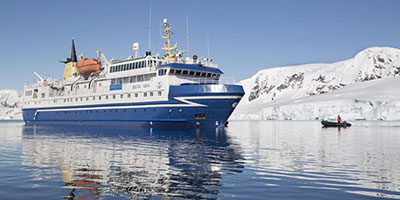
Most Antarctic cruises embark and disembark in Ushuaia, at the tip of South America, allowing access to the South Pole, South Georgia and also the Falkland Islands.
Argentina is a land of contrast.
Nothing states this better than the fact it features the highest point in the South America, Aconcagua, and the lowest, Salinas Chicas, 40m below sea level.
Its vastness – it is the eighth largest country in the world – and diversity are just part of the appeal. A fantastic culture of fine wine and dining sits alongside its adventurous and beautiful landscapes.
The local’s cheery disposition and fantastic word plays add to the enjoyment of being in this fascinating country.
The name Argentina derives from argentinos, the Ancient Greek diminutive (tinos) form for silver (argentos), which is what early Spanish explorers sought when they first reached the region in the sixteenth century.
There are distinct regions of Argentina, from the Andean culture of the North West to the rancho lifestyle of the plains of Patagonia to the eternally seductive Buenos Aires.
Good kit is vital for every trip.
Book with Andean Trails and get 15% off Páramo’s fantastic ethical and high performance outdoor gear.
Argentina is the eighth largest country in the world, and has a myriad of climates from humid tropics to bracingly cold Patagonia.
When planning for these changeable climatic conditions you will encounter across Argentina, layering is the most practical and versatile clothing system.
The sun is very strong throughout the country, so good sun cream, a hat and sunglasses are vital. Summer in the north of the country means t-shirts and shorts.
It can also get very cold at night time especially in the mountains. Jumpers, fleeces and warms hats – which you can buy there – are also essential.
Give plenty of thought to kit selection, and try to keep weight down.
Below is a more detailed guide.
Argentina’s monetary unit is the “Argentina Peso”.
Argentina has had several years of economic instability and with a previous government there were tight exchange controls. It is currently experiencing high inflation and devaluation of the currency.
These have now been relaxed so payments with debit and credit cards are accepted. However, there is still a significant number of places that do not accept payment by card. Make sure you have enough cash or che3ck that cards are accepted before placing any orders.
For payment by card you will be asked for proof if identity so carry a photo or scan of your passport title page.
However, there may be controls on ATM withdrawals (possibly a max of AR 1000 / GB 50 per day and you may well be charged substantially for each withdrawal). ATMs can also be unreliable and we have had several reports of “empty” cash machines. We suggest that you have enough cash to cover your needs, especially in more remote areas.
ATM debit/credit cards are now widely used in major restaurants, hotels and shops (with fees).
Take US dollars with you (preferably new notes or at least unmarked and undamaged notes) in smaller denominations of 10s, 20s and maybe some 50s. Do not take USD 100 bills as they are unlikely to be accepted.
On arrival to Argentina , at the airport/border, exchange US dollars so that you have some local peso. Some businesses, particularly in tourist spots may accept payment in US dollars – ask first.
Click here for the current exchange rate.
Peso banknotes: 2, 5, 10, 20, 50, 100, 200, 500 pesos
Peso coins: 5, 10, 25, 50 centavos, 1 peso, 2 pesos
Don’t forget to read out tipping guide to Argentina.
Argentina has a world famous culinary and wine reputation.
There are more and more top-end restaurants almost everywhere, and you can easily spend USD 100pp and more on meals.
Prices vary greatly, below is a rough guide to what you can expect to pay in Argentina.
Beer/soft drink: USD 4
Menu del dia: USD 10-15
Coffee: USD 2
Bottle of wine: From USD 15 upwards
Beer/soft drink: USD 5-7
Main dish: USD 20 upwards
Coffee: USD 3
Bottle of wine: From USD 20 upwards
220 volts (110v in some hotels), 50 Hz.
Most cameras, phones and computers are dual or multi voltage and probably won’t need a convertor – please check before leaving.
Some items you may bring, such as hairdryers, may need a convertor. They may short if you use them without the correct convertor.
Argentina uses Type i (I) plugs, although some two pin, round-pronged Type C plugs can be found in older buildings and bathrooms.



Most of Argentina is a relatively safe country to travel around. However, we still recommend that in large towns and cities you take certain precautions (see below). Argentina is, overall, among the safest countries in South America.
However, in Buenos Aires, muggings and opportunistic crime – although not common – do occur.
In Buenos Aires and other big cities, ‘distraction muggings’ sometimes happen in quiet streets, in the daytime as well as at night. We suggest that you take the following precautions:
Tipping is entirely voluntary and how much you give depends on how you feel about the service you have received.
This is a rough guideline:
We strongly suggest that everyone planning to travel to Argentina visits their local doctor/travel clinic prior to departure for the latest vaccination information.
Anti-malarial protection (chloroquine) is recommended only in risk areas. Malaria risk in Argentina is low, and confined to northern rural areas along the borders with Bolivia (lowlands of Jujuy and Salta provinces) and Paraguay (lowlands of Corrientes and Misiones provinces). It is exclusively in the benign vivax form, and no risk exists in Buenos Aires or Patagonia In the UK, contact the Malaria Reference Laborator. North Americans should contact the Centers for Disease Control.
UK and USA citizens do not require a visa to enter Argentina as a tourist.
Please ensure your passport has at least six months remaining validity.
On presentation of a valid UK or USA passport you will be granted a 90-day stay in the country.
All non-UK nationals should check with their nearest Argentine consulates for the latest visa and fee information.
All requirements are subject to change and should be confirmed before departure.
Argentina’s seasons are the reverse to the northern hemisphere, with summer running from October to March, and winter from May to September.
Buenos Aires and the Pampas in the north are temperate; cold in the winter, 5-15°C, and hot and humid in the summer, 17-27°C, the warmest and most humid being December to February. Spring and Autumn are lovely times to visit Buenos Aires.
The best time to visit Iguazu Falls is from January to March – the rainy season, this is when water flow of the waterfall is greatest, but the waterfall is amazing at any time of year. The hottest months in Iguazu Falls are October through April with lows of 20°C and highs of 32°C. Winter sees this fall to highs of 22°C and occasional lows of 12°C, with cooler nights. Being tropical and humid, there is always the chance of rain in Iguazu.
Bariloche is nestled in Argentina’s Lake District and is built next to the cold water Lake Nahuel Huapi. During the summer, daylight extends from 6am to 10pm and temperatures fluctuate from 5-20°C, the warm days making for ideal conditions for exploration. In the winter, snow abounds for skiers and daylight is from 9am to 7pm, city temps varying from just above to just below freezing, with much cooler temperatures in the mountains.
The rain-shadow effect in Bariloche means weather conditions are relatively dry and stable. Summer rainfall in the town of Bariloche is low (average 5 days precipitation a month).