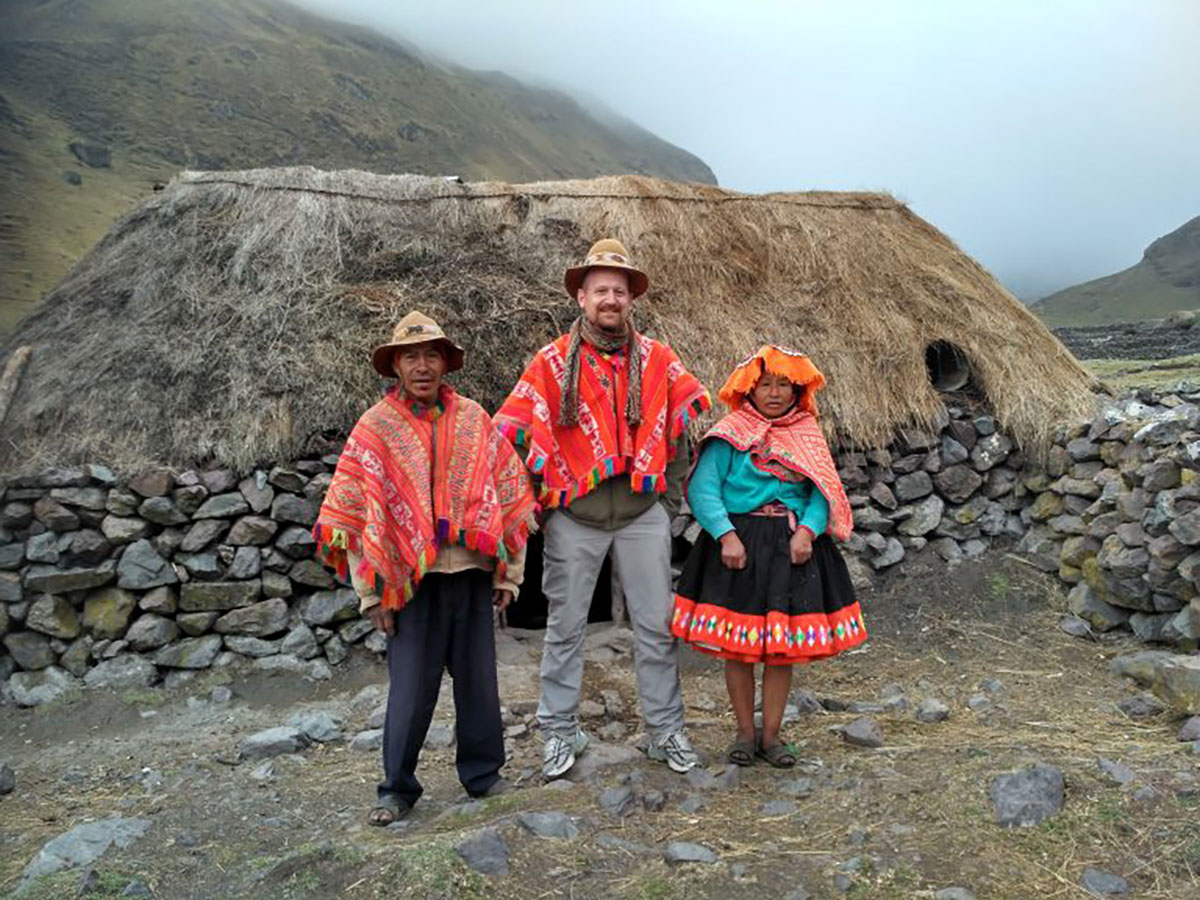
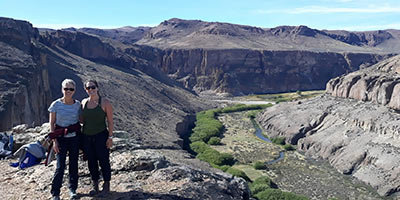
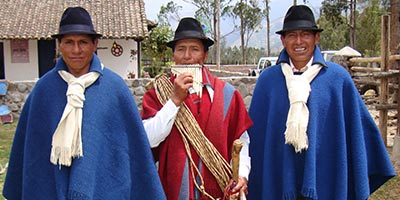
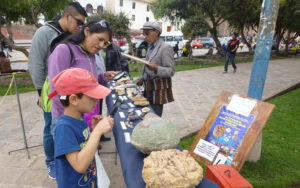
Our most popular tour style is to move around countries with our local guides, who give a unique insight into their own cultures.
We also offer home stays with local families so that you can immerse yourself in their present and traditional lifestyles.
Learning the local language really helps you integrate more fully as well as open up more travel opportunities in the future.
Culture interchanges are possible whether trekking, in cities, exploring the Amazon or just relaxing in sunny plazas or terrace cafés.
Let us help to show you the many fascinating cultural faces of South America.

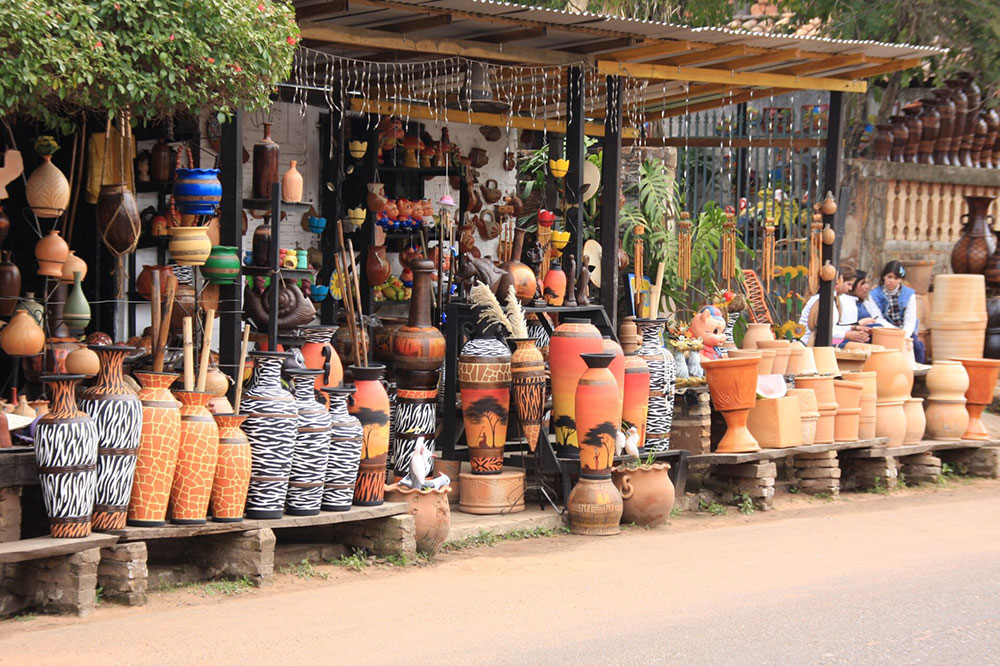
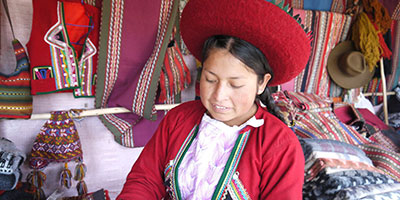
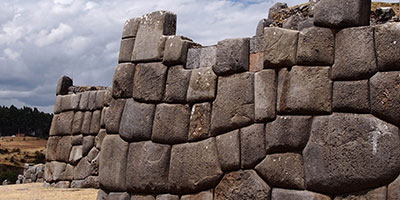
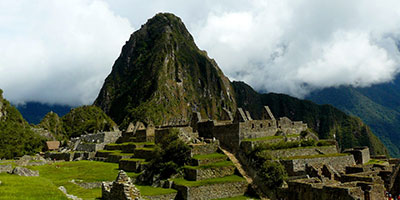
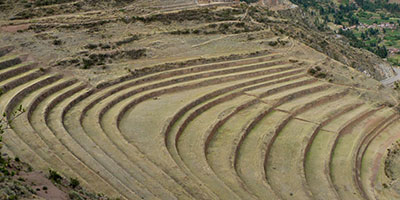
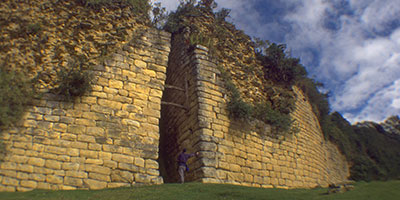
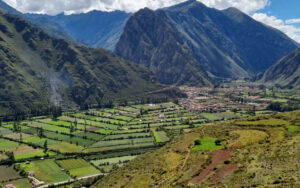
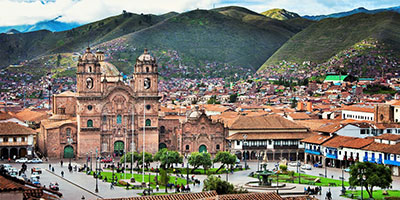
In Peru, explore the ancient Inca and Spanish architecture and archaeological sites, watch traditional weavers and potters at work and enjoy buying superb handmade weavings, or visit the Amazon, home to man tribal groups.
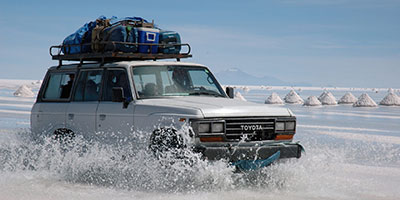
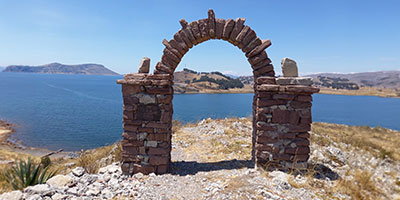
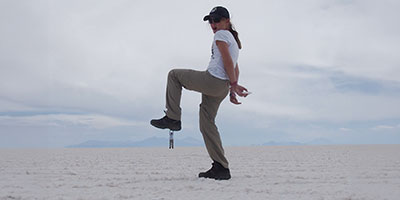
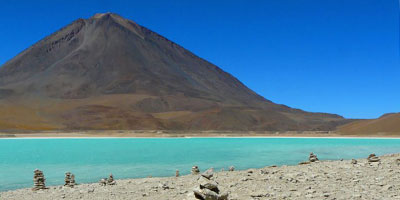
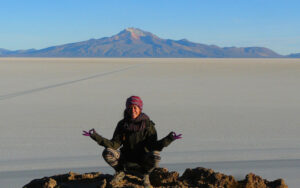
Bolivia’s highlands are no less diverse, from the people that populate Lake Titicaca to those that defy the elements on Uyuni’s salt flats.
And then there is Cuba, bursting with romance and dance, where the people love to get out and share their culture, music and dance. Ecuador is a land of diverstiy in geography, wildlife and culture. Check out Ecuador’s calypso coasts and verdant jungles.
Cultural tours are one of the best ways to get the most of your adventure travel in South America.

A breathtaking, tailor-made odyssey through Ecuador, Chile, and Argentina, uniting mountains, wildlife, and unforgettable landscapes.
A thrilling and expertly organized Peruvian mountaineering expedition featuring glacier training, great food, and exceptional guidance.
From: $1237 per person
Duration
From: $4855 per person
Duration
From: $4880 per person
Duration
From: $1190 per person
Duration
From: $1432 per person
Duration
From: $1570 per person
Duration
From: $2298 per person
Duration
From: $4604 per person
Duration
From: $2188 per person
Duration
From: $3750 per person
Duration
From: $1644 per person
Duration
From: $3990 per person
Duration
From: $2730 per person
Duration
From: $2600 per person
Duration
From: $1900 per person
Duration
From: $2134 per person
Duration
From: $2033 per person
Duration
From: $3300 per person
Duration
From: $3372 per person
Duration
From: $4164 per person
Duration
From: $1957 per person
Duration
From: $1870 per person
Duration
Get prepared for your cultural holiday in South America.
Below you’ll find a range of travel tips, advice and information that will help you get ready to explore South America.
If you can’t find what you’re looking for, get in touch and we’ll be happy to help.
Brazil is the largest country in South America with a huge offer for the adventurous traveller: Rainforest and wildlife, culture and gastronomy, beach and sport, mountains and rivers.
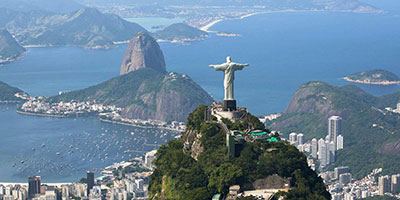
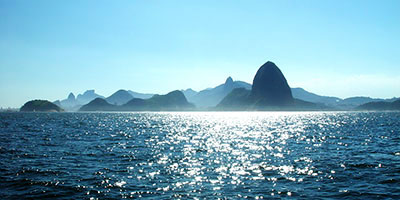
Rio de Janeiro, to many, is the gateway to Brazil. It is a vibrant city, located in a spectacular geographical setting. This is the ultimate place to finish off a holiday, chilling on its world famous beaches, taking in the sights, sounds and sunshine.
Choose to extend your stay in the area combining Rio with Paraty, a quaint, well preserved colonial coastal village; or Buzios a charming, buzzing and fun coastal town; or Ilha Grande, an island with no roads where you can really enjoy the wonders of nature.
Further afield, the state of Bahia in the north east of the country is another strong draw. The colonial capital, Salvador, with its colourful architecture, history and fiery culture is a great place to explore. Inland, Chapada Diamantina is ideal for trekkers, who head to with its plains, table-topped mountains, rivers, waterfalls and natural pools. Remote, with palm lined beaches lapped by turquoise waters, Praia do Forte is an idyllic place in which to to put up your feet and relax.
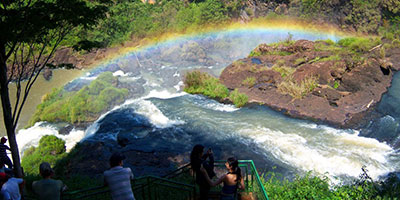
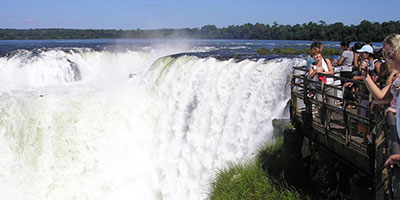
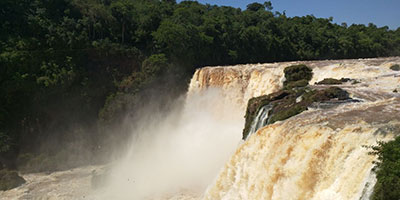
The mighty Iguazu Falls on the shared border with Argentina are another massive draw.
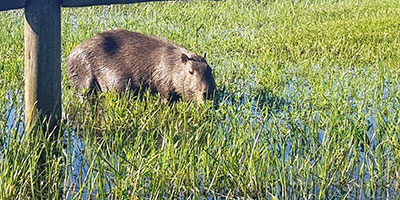
The Pantanal – wetlands in the West of the country are an animal lover’s paradise. The World’s largest wetlands is teeming with wildlife including giant anacondas, capybaras, caimans and jaguars.
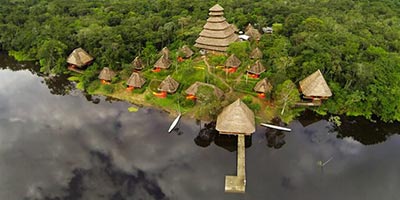
The mighty Amazon River is another attraction and can be explored by boat or from a comfortable eco friendly lodge.
Not only does Brazil offer stunning sights but it also has a cultural vibrancy unmatched anywhere else. Music and dance are part of the Brazilian DNA. A varied gastronomy and a warm welcome will make any visitor immediately at ease.
Brazil shares a border with every country in South America except for Ecuador and Chile – ten in total and has great transportation links so can easily be combined with one or more other countries.

Colombia is the country that has everything you could need from a South America holiday.
Diverse people and landscapes make this a country rich in wildlife, landscapes and culture.
Hikers can choose to trek to glaciers on snow-capped peaks, or through steamy forest to hidden ruins, or to unique Paramó plains.
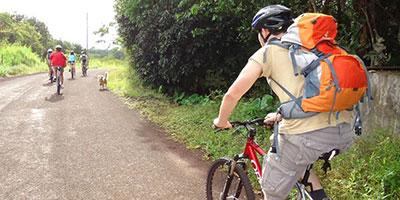
Cyclists can pedal over and around the Andean peaks that dominate, and adventure seekers can try anything from paragliding to canyoning.
Beach lovers can enjoy surfing and relaxing with a Colombian twist, or head to islands for a more Caribbean vibe.
Prefer wildlife? Try the pacific coast and its whales and turtles, or perhaps the Amazon and its diverse flora and fauna.
The cities are cosmopolitan and cultured, replete with incredible museums with enormous collections.
Ecuador is the second smallest South American country, and one of the most varied.
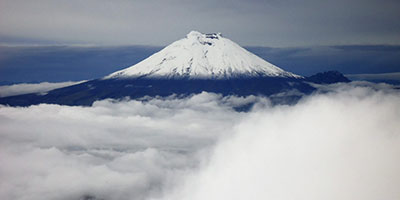
It comprises three main geographical areas: the coast, highlands and Amazon plus is home to the Galapagos Islands.
Because of its relatively compact size, it makes a great holiday destination as you can move from highlight to highlight fairly easily and rapidly.
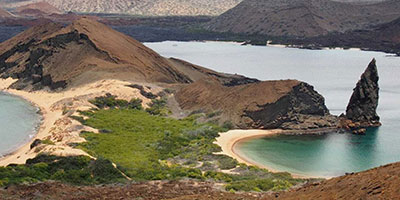
These magical islands comprise of 50 volcanic islands of varying shapes and sizes, which lie 1,000 kilometres off the coast of Ecuador.
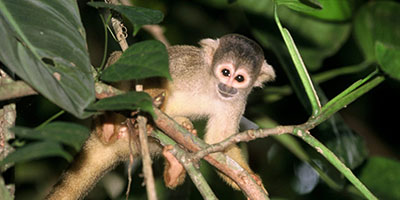
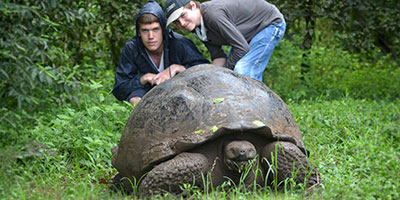
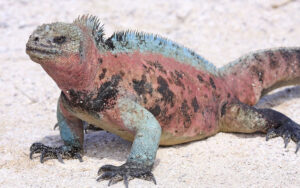
Here, unlike anywhere else on Earth, you can enjoy a thousand close encounters with a weird and wonderful variety of ‘friendly locals’, including giant tortoises, fur seals, sea iguanas, frigate birds and blue-footed boobies.
Read our Galapagos Islands Guide and more about diving.
In 1535, Tomás de Berlanga, Bishop of Panama, floated into this archipelago and named it Galapagos after the giant tortoises he encountered. Pirates used the islands for refuge and to bury their stolen treasure after that.
The islands’ most celebrated visitor was Charles Darwin, who arrived aboard the HMS Beagle in 1835. The rare life forms he encountered helped him formulate his theory of evolution, which he published in The Origin of Species by Means of Natural Selection.
It wasn’t until 1959 when it became part of Ecuador’s national park system that this fragile ecosystem with its rare and endemic species came under protection.
In 1979 the Galapagos archipelago was declared a UNESCO World Heritage Site.
Guyana is the only English-speaking country on the South American continent and has a Caribbean feel.
It is a destination for the nature lover looking for an off-the-beaten-path destination with many attractions. Guyana offers pristine rainforest, abundant wildlife, jaguars and the mighty Kaieteur Falls.
Start your adventure in the melting pot that is the country’s capital – Georgetown. Here Hindu, Muslim and Christian cultures blend in harmony.
Head off to visit the breathtaking Kaieteur Falls – the world’s highest single-drop waterfall.
Then the interior beckons. Jungle and Savannah await. With luck you might spot the Cock o’ the rock or a harpy eagle.
Bigger mammals such as the ant eater might surprise you or if incredibly lucky the mighty jaguar. Travel by road or river and stay in rustic but comfortable lodges – all with an authentic Guyanese welcome.
Guyana will be an unforgettable adventure.
Paraguay is a landlocked hidden gem of a destination unspoilt by mass tourism.
The country is bordered by Bolivia, Brazil and Argentina and split into East and West by the mighty Paraguay River.
The capital Asuncion, lying on the banks of the Paraguay River, is the gateway to the country and the two main tourism regions.
In the arid West one will find the great Chaco. This is the largest and most sparsely populated territory of the country with extensive and valuable ecological and biological reserves.
Here you will find Amerindian communities and colonies of Mennonites who settled here to escape religious persecution and where they still maintain their unique way of life. You will also bear witness to the tragic history of the Chaco wars and its catastrophic consequences.
In the fertile East you will find rolling hills, green countryside bordered by mountain foothills, shady valleys dotted by streams and lakes, dense forests, along with the majority of the country’s cities and towns.

One of the main attractions of this region are the ruins of the Jesuit Missions the story of which Hollywood dramatised in Roland Joffe’s film “The Mission”.
The mighty Iguazu Falls are also just across the border from Ciudad del Este at the “tri-border” where Brazil, Argentina and Paraguay meet.
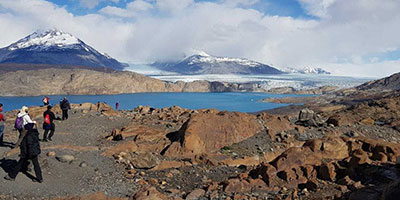
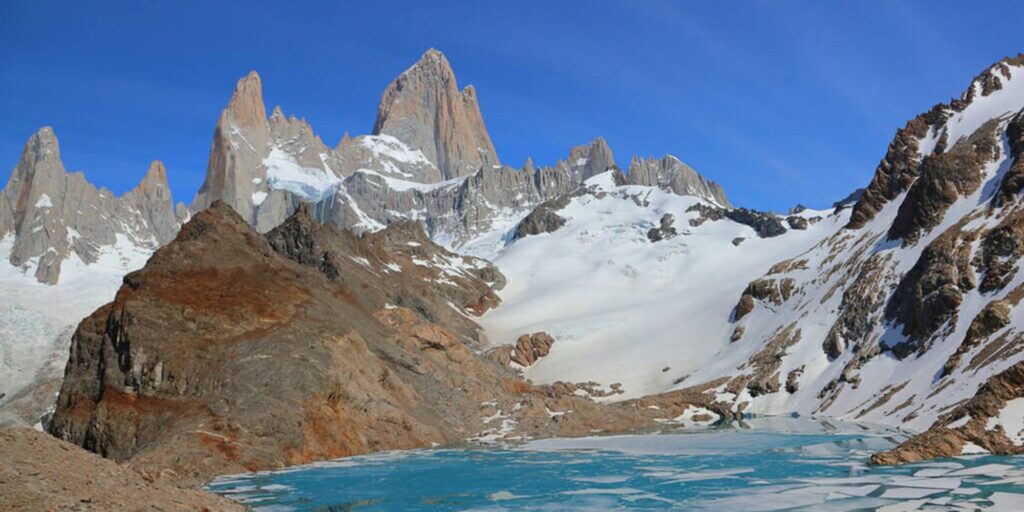
For most people, Patagonia evokes a vast, windblown plateau, jagged mountains and the life of the gauchos.
The steppe that occupies much of southern South America is only one aspect of a magical region, jam-packed with amazing and contrasting landscapes.
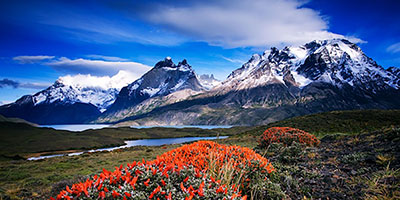
Patagonia (latitudes 40°-55°, approximately) embraces a vast portion of southern Chile and Argentina, from the Rio Colorado in the north, to Tierra del Fuego in the south.
For convenience, we have divided the region into three zones: the Lakes District of northern Patagonian, central Patagonia and southern Patagonia.
Peru is the perfect holiday destination for adventure travellers that want an amazing variety of activity, geography and cultural travel experiences.
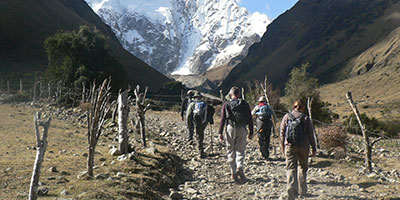
The breadth of travel experiences in Peru is breathtaking – from trekking in the Andes to Machu Picchu to the tropical jungle of the Amazon, and plenty in between.
The people of Peru make it a special destination too, with its colourful and traditional street life and friendly locals.
Uruguay is one of South America’s undiscovered gems, a welcoming and charming country with dramatic coast lines and hidden treasures.
Nestled between Brasil, Argentina and its rugged Atlantic Ocean coast, Uruguay features a large number of sandy beaches, rolling hills and vast, wide open spaces in the countryside.
Its warm, friendly population of only 3 million – who you’ll see supping yerba maté tea as the sun goes down – live peacefully in an area the size of England and Wales.
Uruguay’s capital, Montevideo, is vibrant and home to some scorching tango nights as well as many art-deco buildings.
The coast has lovely beaches and warms seas, which the locals flock to, to relax, swim and sunbathe.
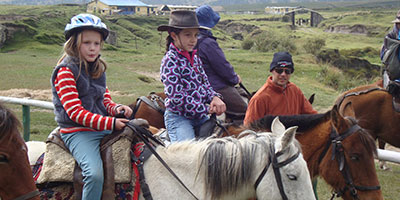
Journey inland and into the countryside you can stay at estancias to taste the rural life, and perhaps some horse riding.
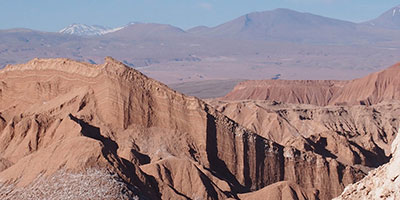
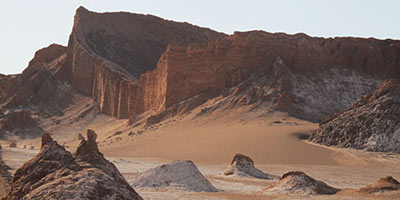
Chile is the land of contrasts, from verdant vineyards to driest desert, deep fjords and towering glaciated volcanoes.
A narrow but incredibly long, snake-like country, Chile’s unusual geography features more than 5,000km of South Pacific Ocean coast. The country is almost 4,400km long but barely more than 160km at its widest.
It is best divided into general regions, all of which offer spectacular landscapes and identities of their own.
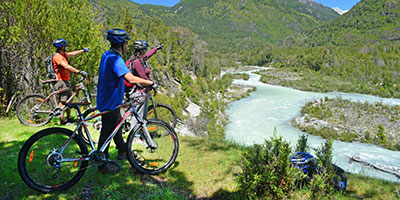
This variety means Chile is the land where almost every activity is possible. Hiking, biking, rafting and kayaking.
Or climbing, cruising, fishing, horse riding, wine tasting.
Or simply eating great food, relaxing and exploring.
Argentina is a land of contrast.
Nothing states this better than the fact it features the highest point in the South America, Aconcagua, and the lowest, Salinas Chicas, 40m below sea level.
Its vastness – it is the eighth largest country in the world – and diversity are just part of the appeal. A fantastic culture of fine wine and dining sits alongside its adventurous and beautiful landscapes.
The local’s cheery disposition and fantastic word plays add to the enjoyment of being in this fascinating country.
The name Argentina derives from argentinos, the Ancient Greek diminutive (tinos) form for silver (argentos), which is what early Spanish explorers sought when they first reached the region in the sixteenth century.
There are distinct regions of Argentina, from the Andean culture of the North West to the rancho lifestyle of the plains of Patagonia to the eternally seductive Buenos Aires.
Land-locked Bolivia is a country of dramatic landscapes and fascinating native cultures and traditions.
The Altiplano or “High Plain”, averaging 3,800m, is its most populous region. The vast, luminous plateau is flanked to east and west by parallel Andean ranges.
La Paz, the world’s highest capital, lies in a deep canyon at the edge of the Altiplano, and at the foot of Illimani (6,400m). It is a striking city for its dramatic setting and its strong Indian character.
Lake Titicaca is the world’s highest navigable lake. It was sacred to the Incas; according to legend, their founding emperor-gods rose from these waters to give birth to their empire. Just south of the lake stands the sacred pre-Inca site of Tiahuanaco.