In the morning, transfer from your Cusco base to the Turismo MER bus station for your journey to Puno. The tourist bus features a bilingual guide, Wi-Fi, and onboard tea and snacks. It leaves from Cusco at 7:00 am and arrives in Puno around 5:00 pm.
Note: This tour also starts in Juliaca or Puno. Contact us for more information.
Along the bus route, you visit several attractions. The first stop is Andahuaylillas, where time seems to have stood still. Large trees shade the houses around the square, and the narrow streets create a picturesque scene. The most beautiful building is the church, built in 1580 and known as the Sistine Chapel of South America, featuring beautiful wall paintings. Unfortunately, photography inside is not allowed.
Next, you stop at the temple of Wiracocha in the village of Raqchi. This impressive structure hosts the annual Day of the Sun celebration on June 16th. The local population still uses the aqueducts and irrigation channels left by the Incas.
Around noon, you stop for a buffet lunch (included). The journey continues, gradually ascending to La Raya pass, the highest point between Cusco and Puno, at 4,335 metres (14,222ft). Our last stop will be the museum in Pucará, a town known for the decorative bulls seen on rooftops.
At around 4:30 pm, the bus arrives in Juliaca, a bustling and windy city close to Puno and Lake Titicaca. At Juliaca, you leave the bus and meet your driver, who will take you to the Chifrón community, about 20 minutes drive away.
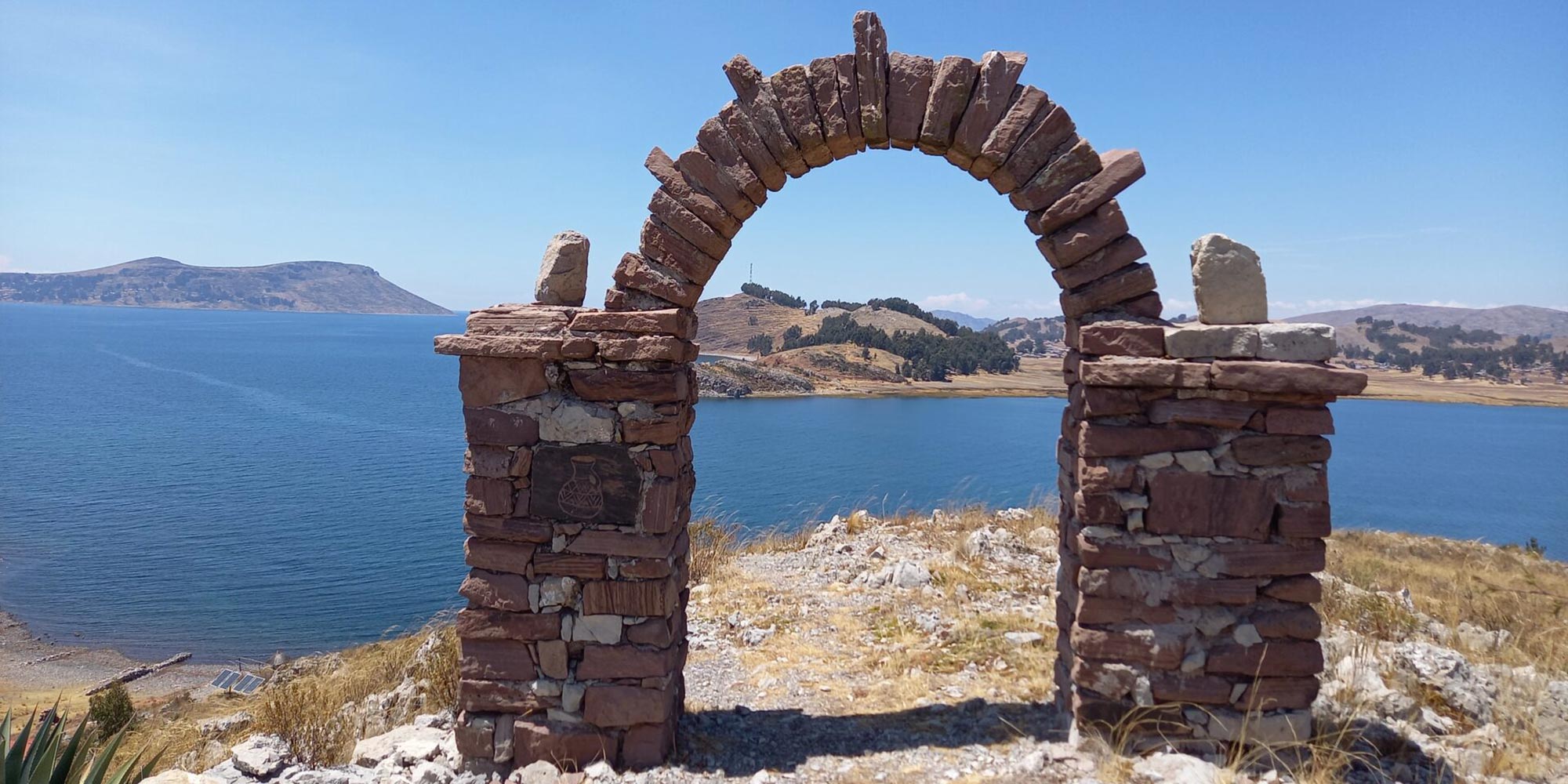
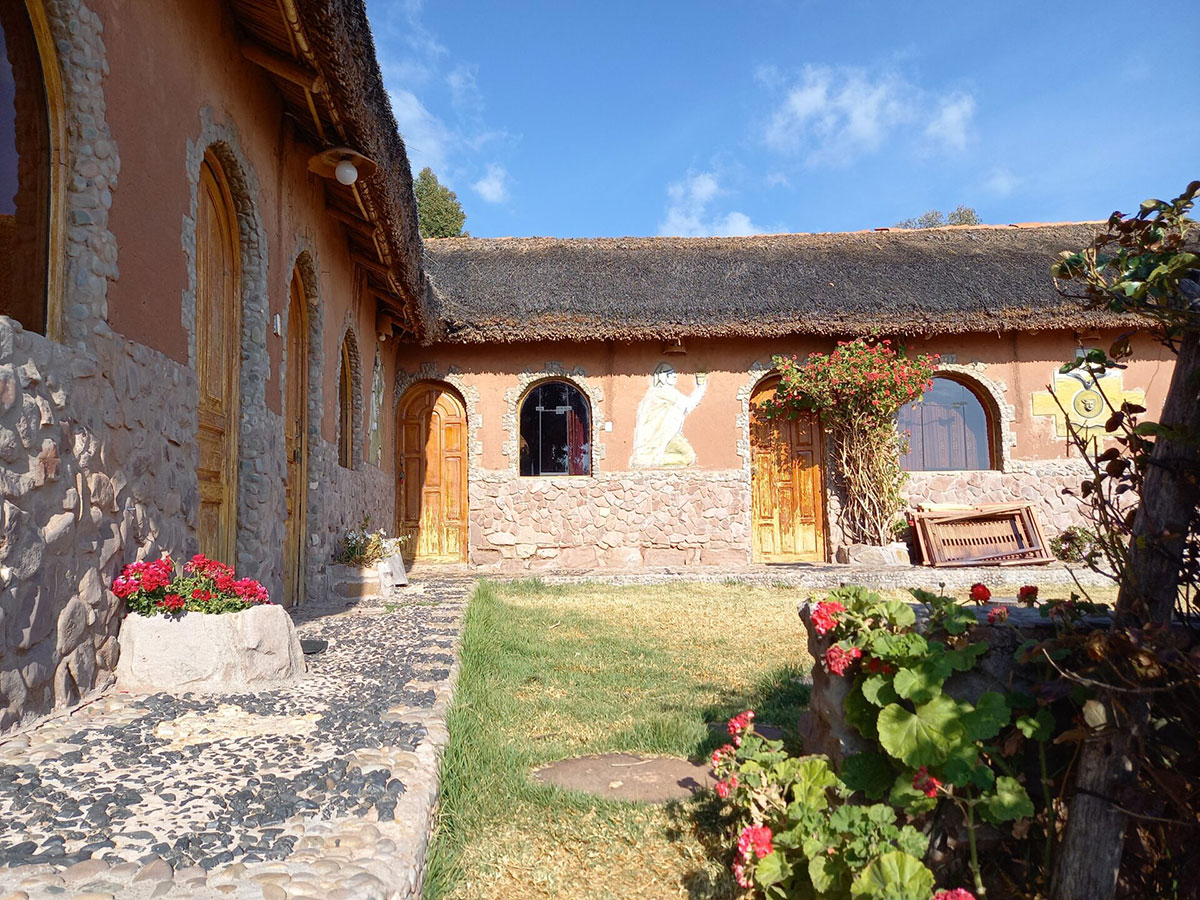
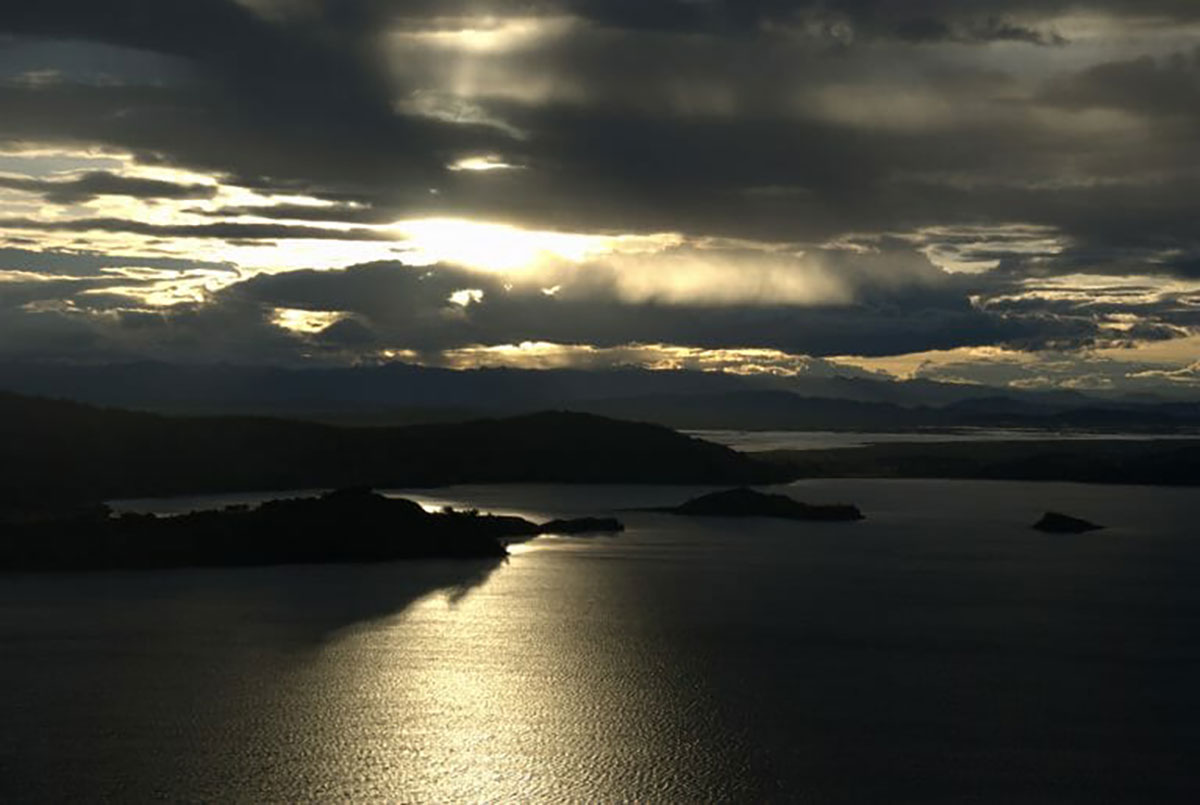
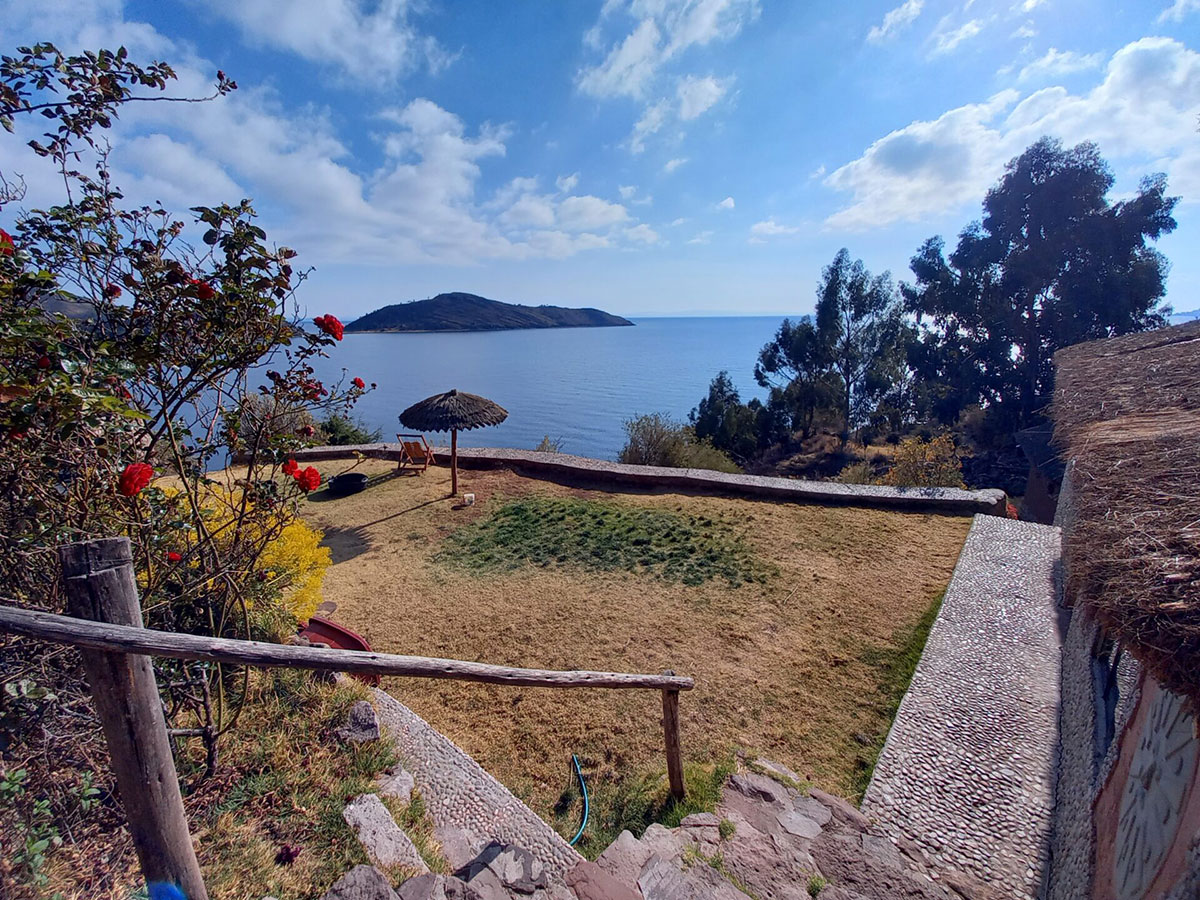
Once settled in, you have dinner and spend the night at Inti Wasi Guest House. The house has stunning views of Chifrón’s sandy beach and Lake Titicaca, with Bolivia’s Cordillera Real visible in the background.
The rooms with private bathrooms are simple and clean, with solar-heated hot water, towels, and heating. (Lunch, Dinner)
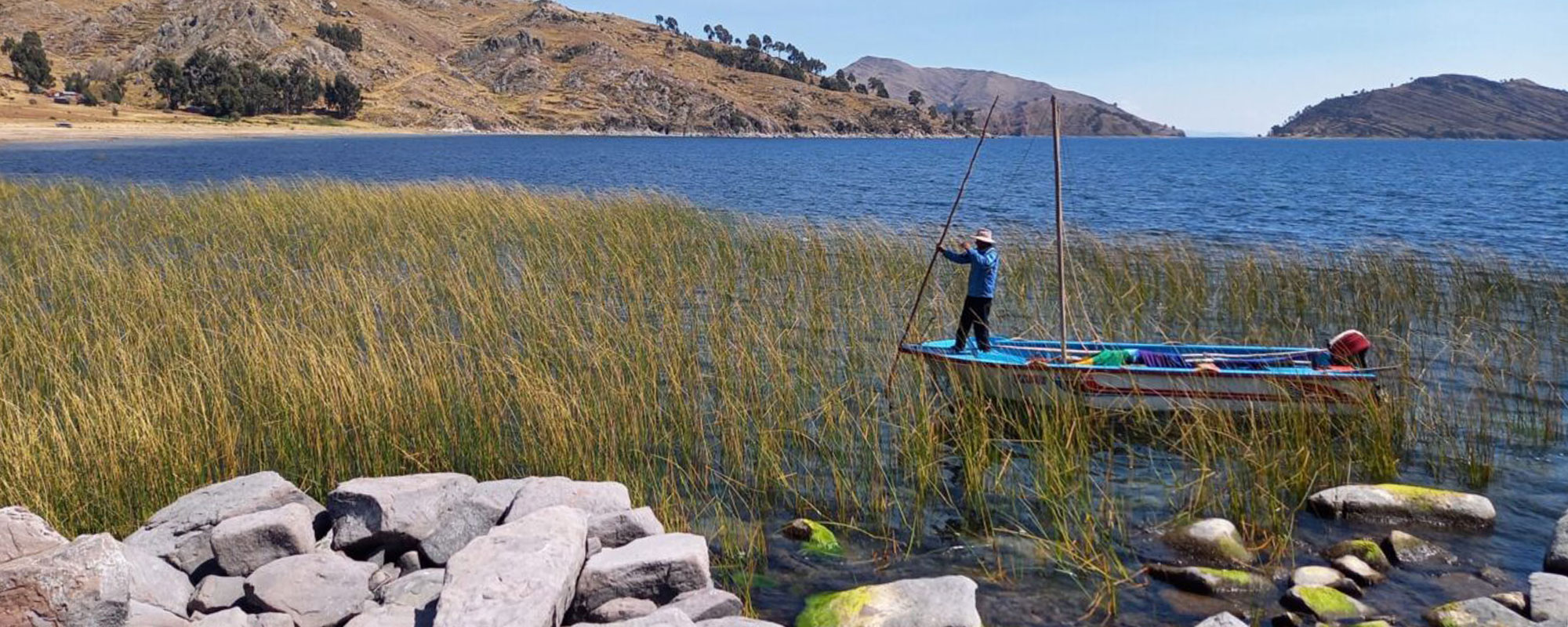
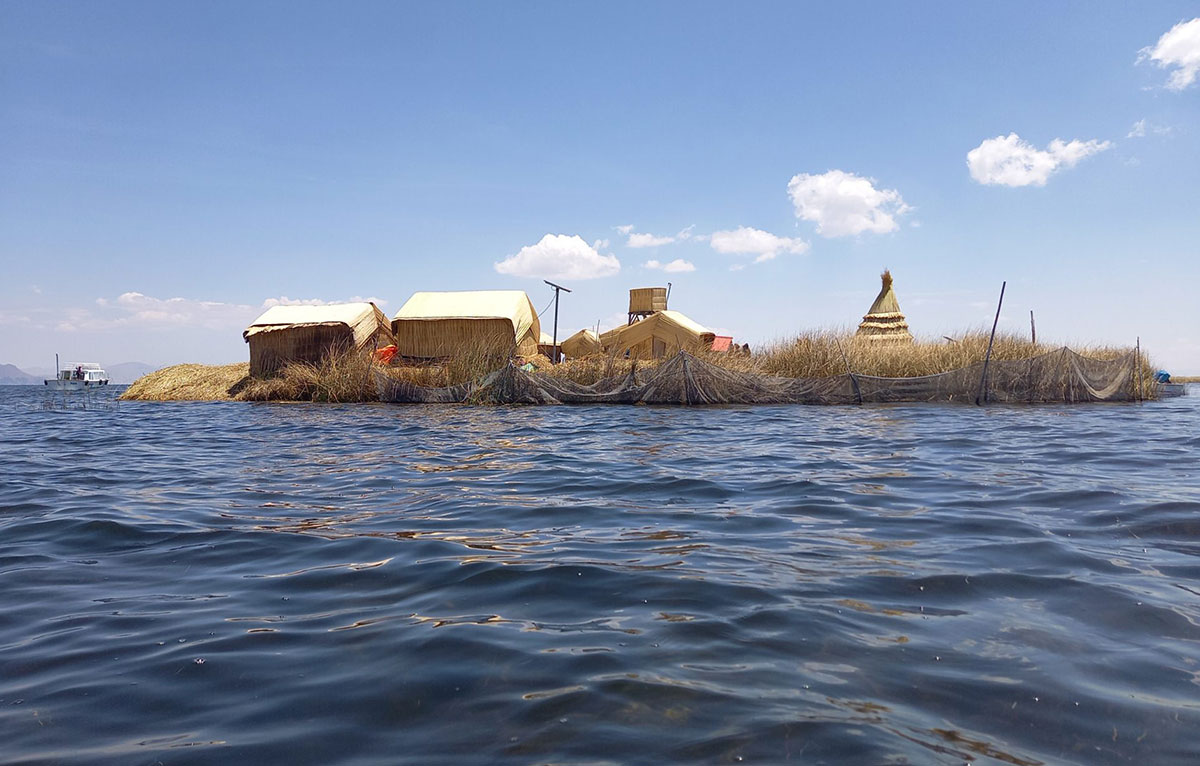
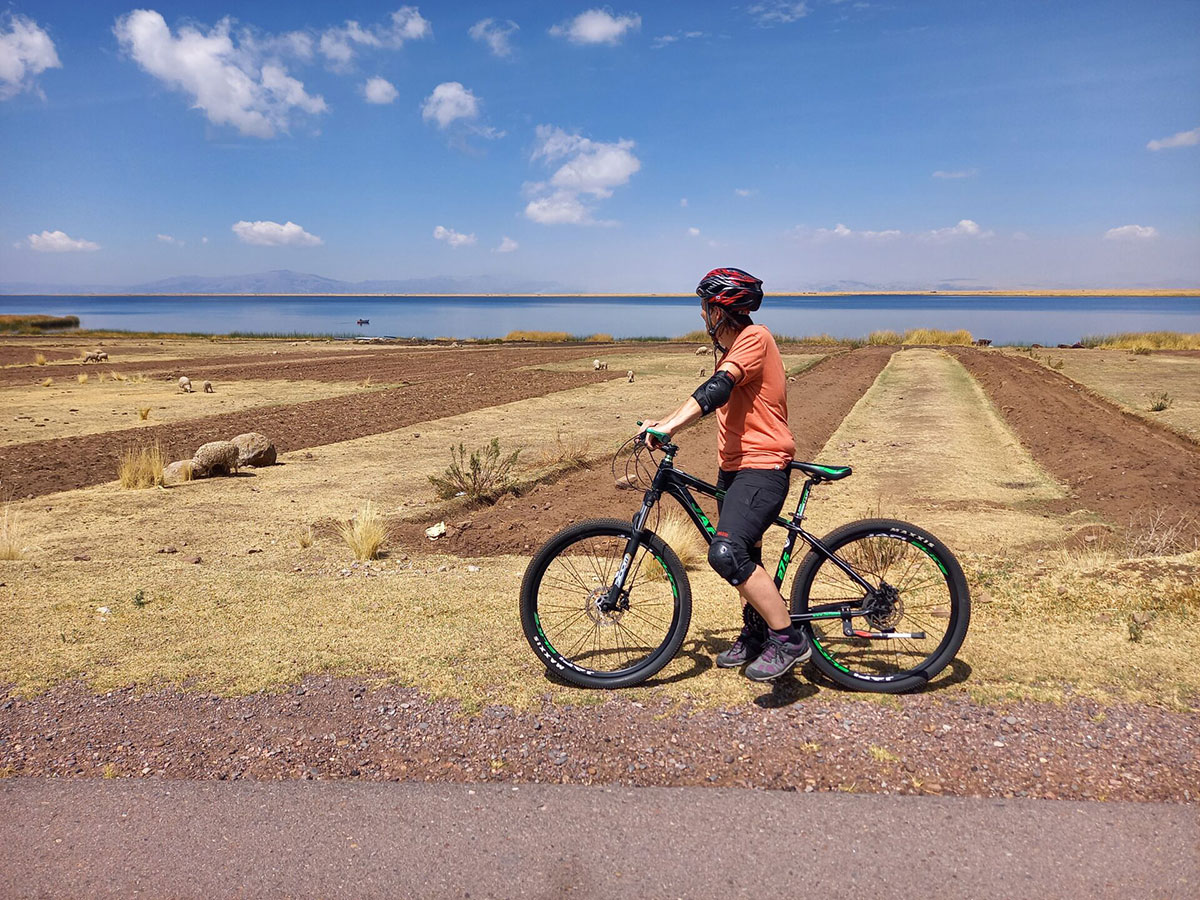
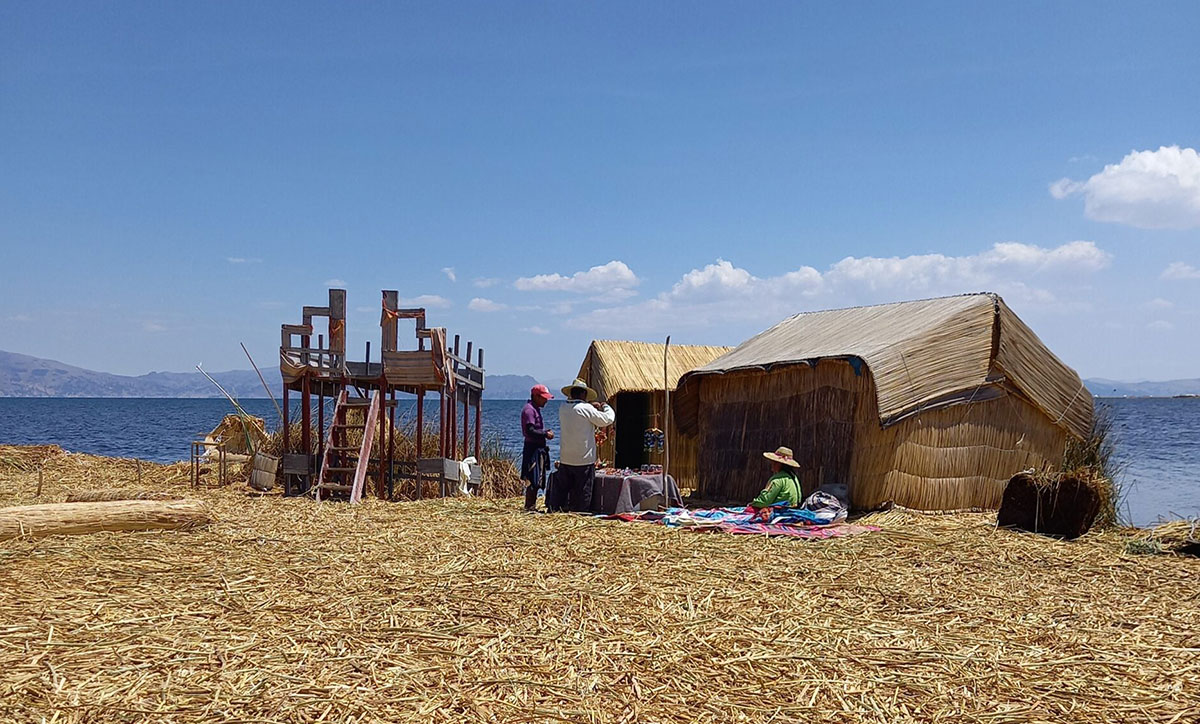
A transfer takes you from the guest house to the port of San Pedro in the community of Llachón, located on the Capachica peninsula. If you’re feeling energetic, you can choose to cycle from the guest house along the shore to the launch spot on the lake’s edge. From there, you board a boat to the floating Uros Titino islands, a journey of around 30 minutes. Unlike the more visited Uros Islands, the Titino Islands are home to families still living on the floating islands.
*Option for experienced kayakers: Take to the water and kayak through totora reeds to the Uros Titino islands, a serene experience bringing you close to the lake’s birdlife (additional cost)
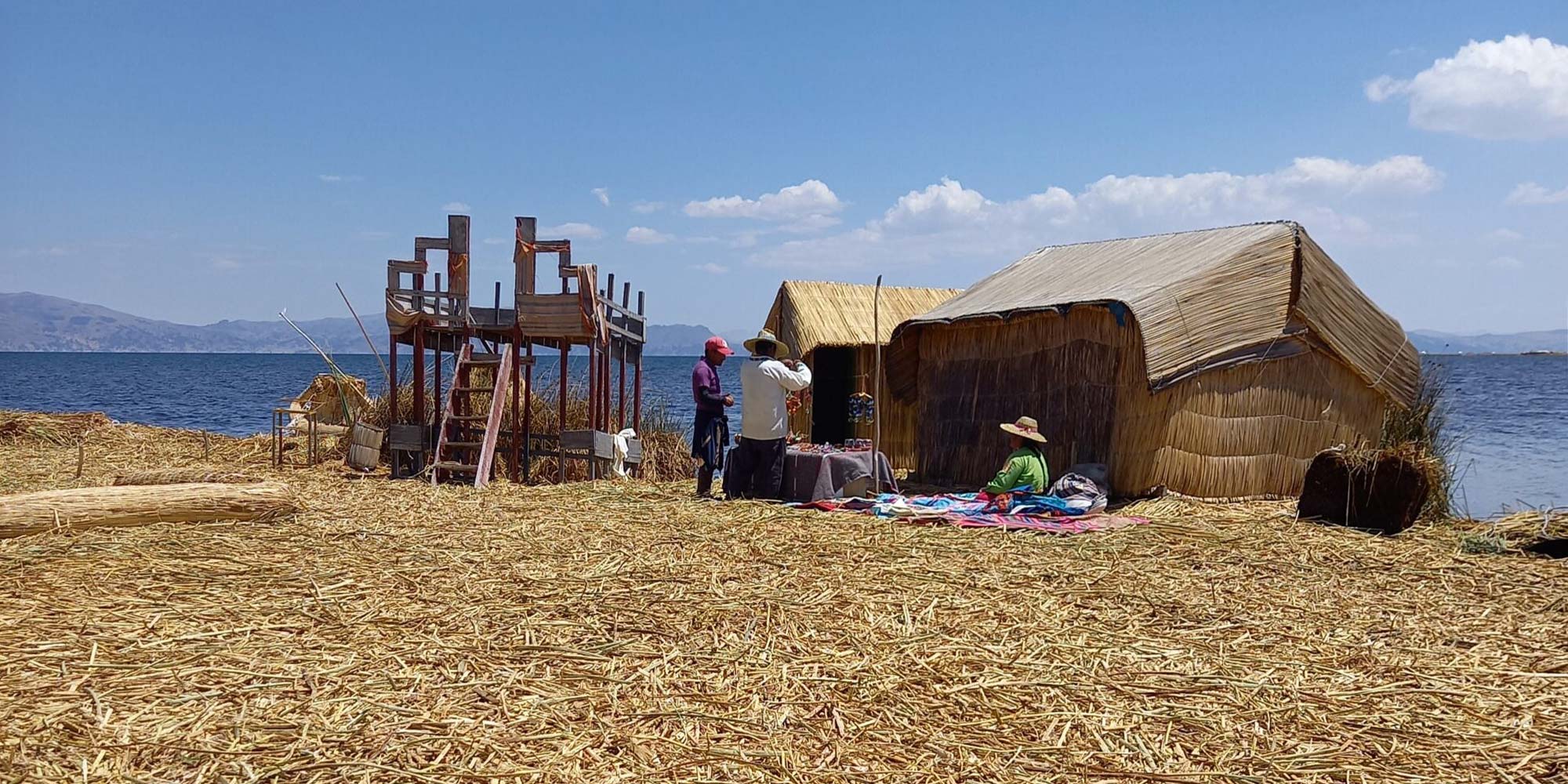
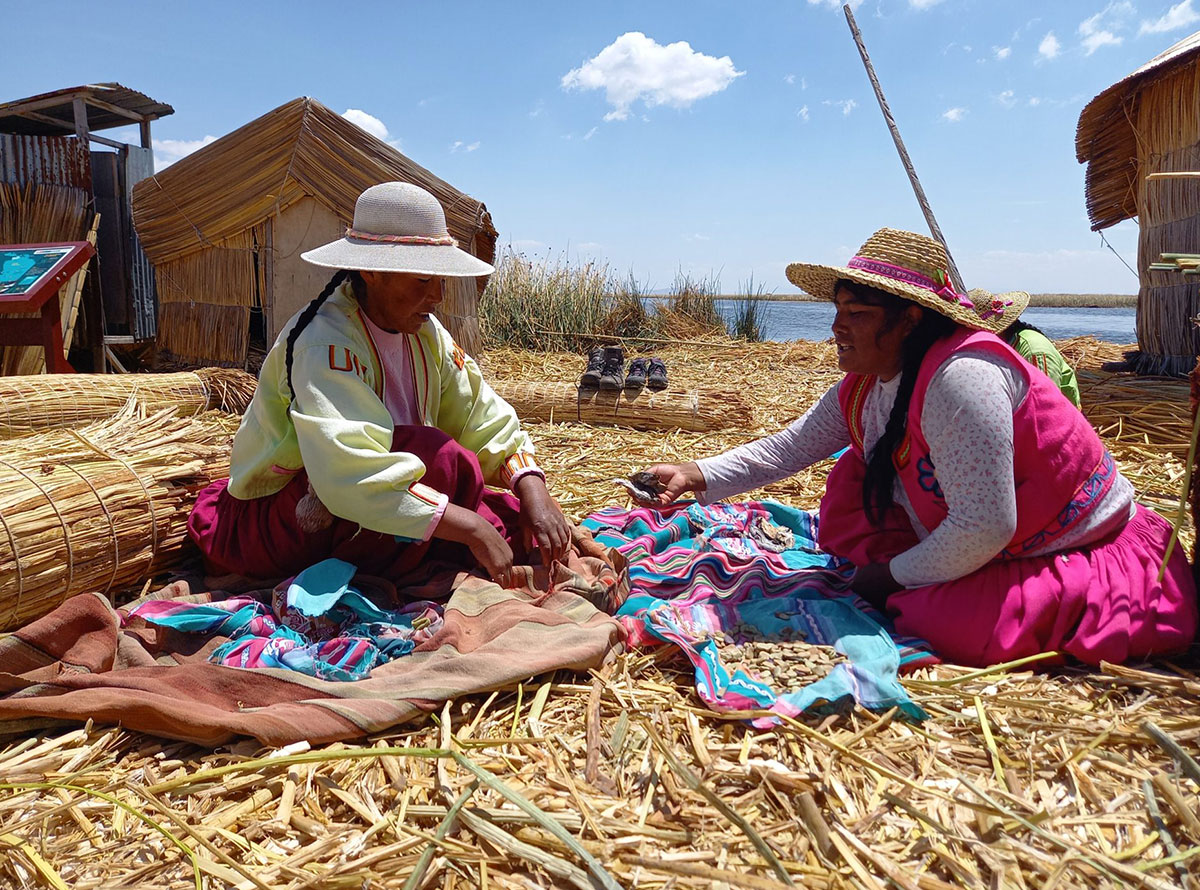
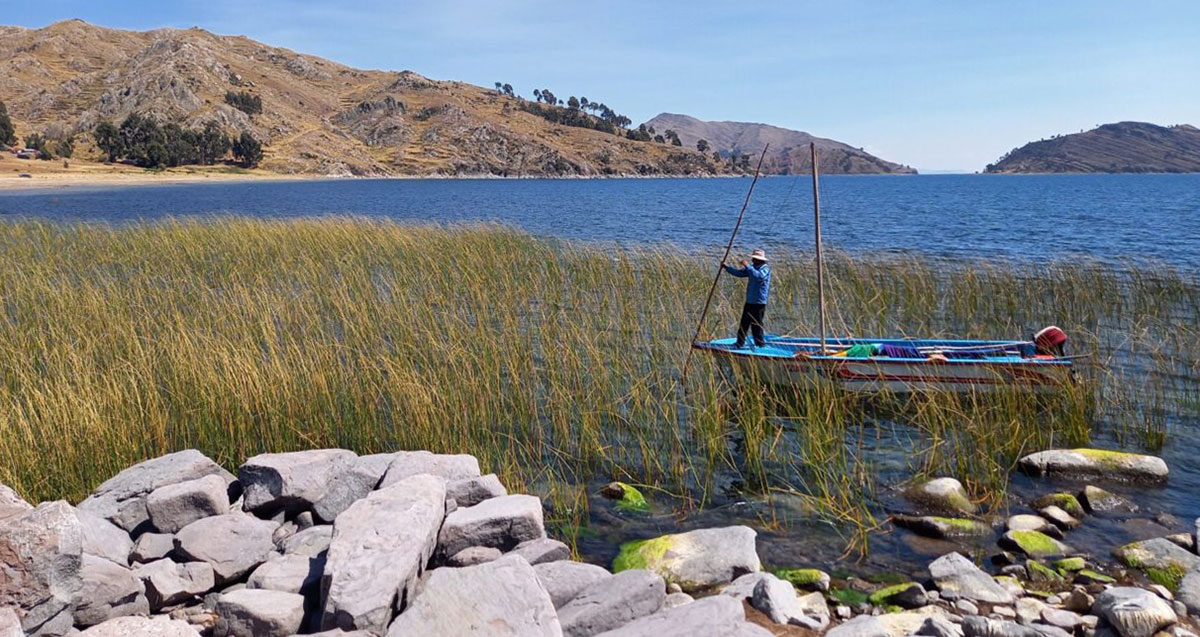
On arrival, a local family greets you and explains their daily life on the floating reed islands. They’ll explain how the totora reeds form the basis of their floating islands and boats. Walking on the island feels somewhat like a waterbed. There’s also the chance to ride on a traditional reed boat, a wonderful experience.
Afterward, you return to the community of Llachón to enjoy a typical lunch at a local family’s home.
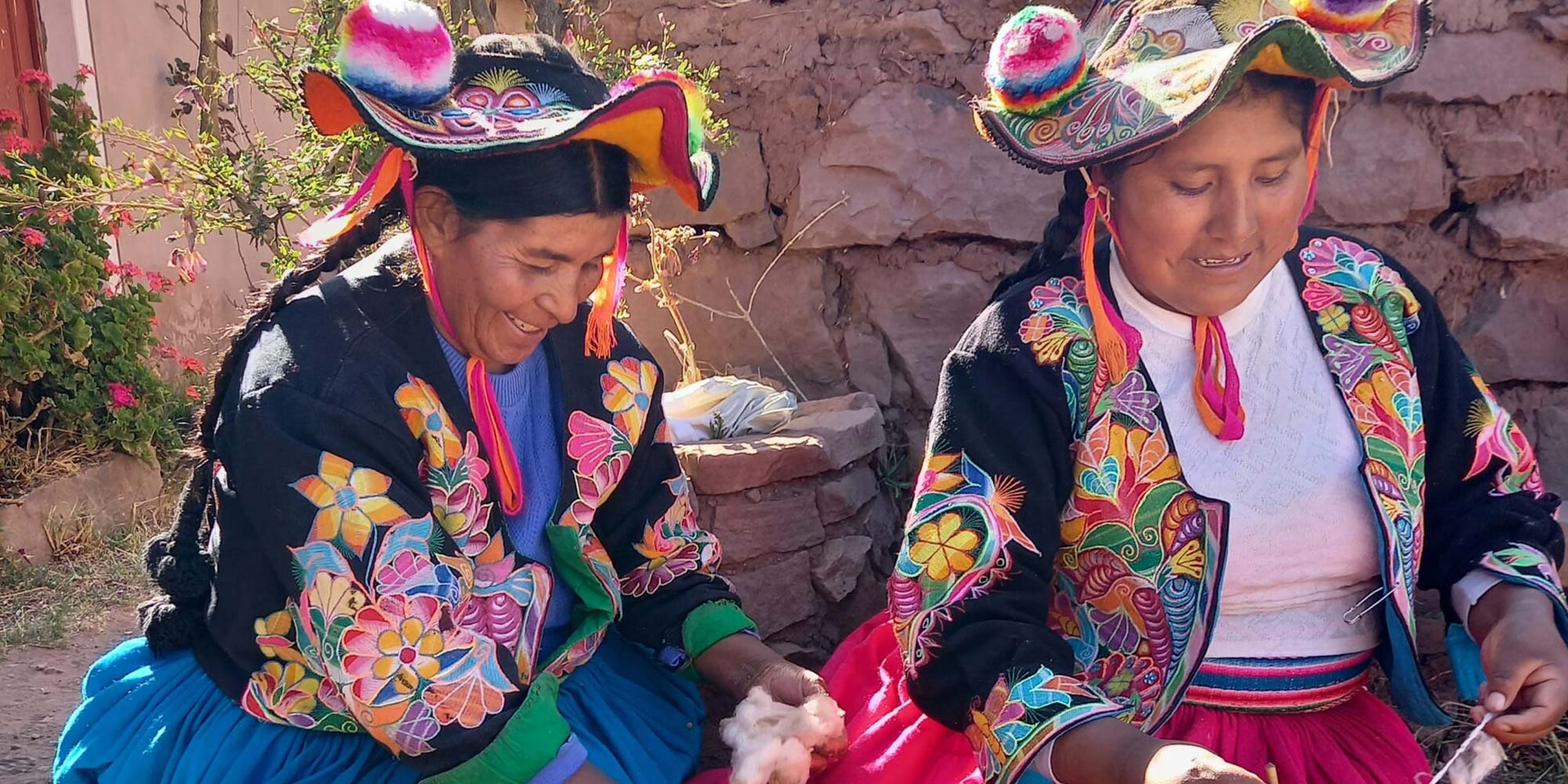
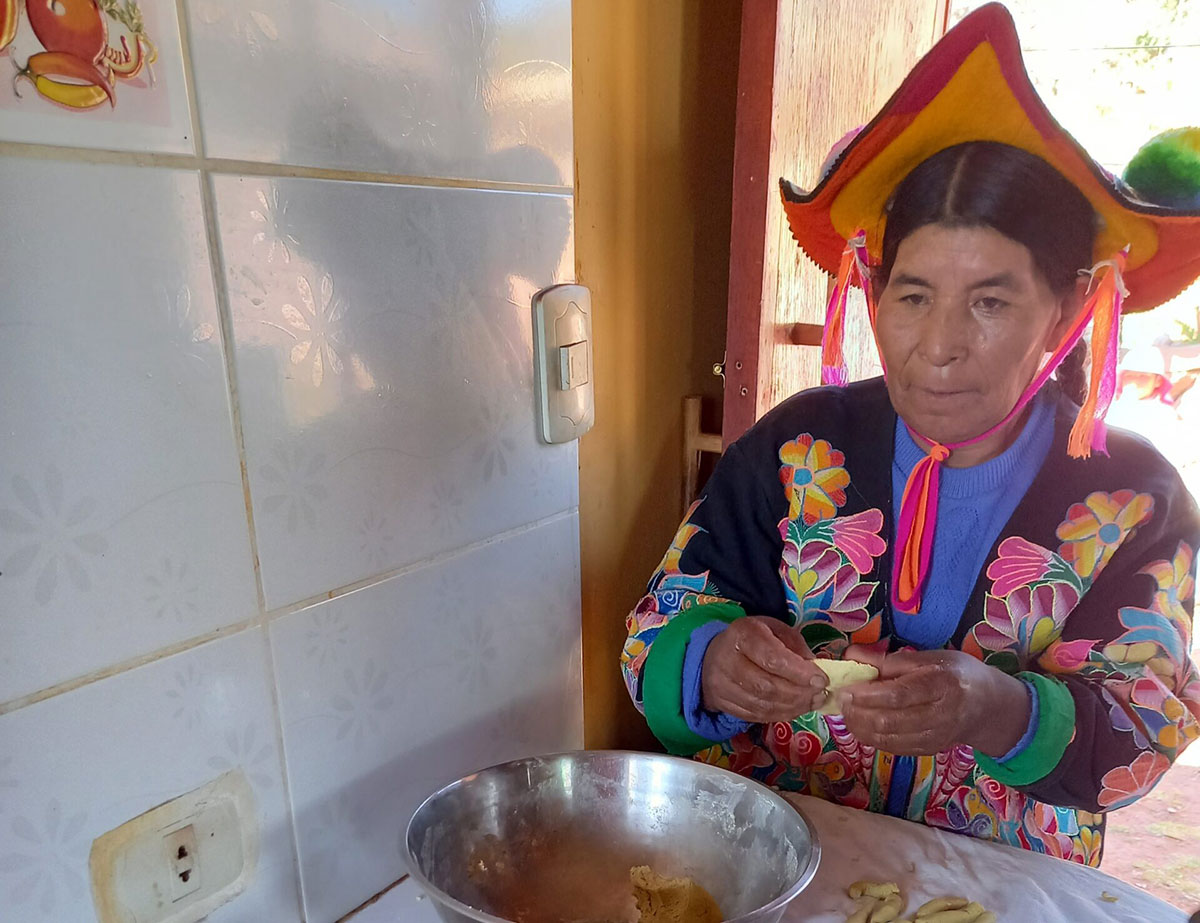
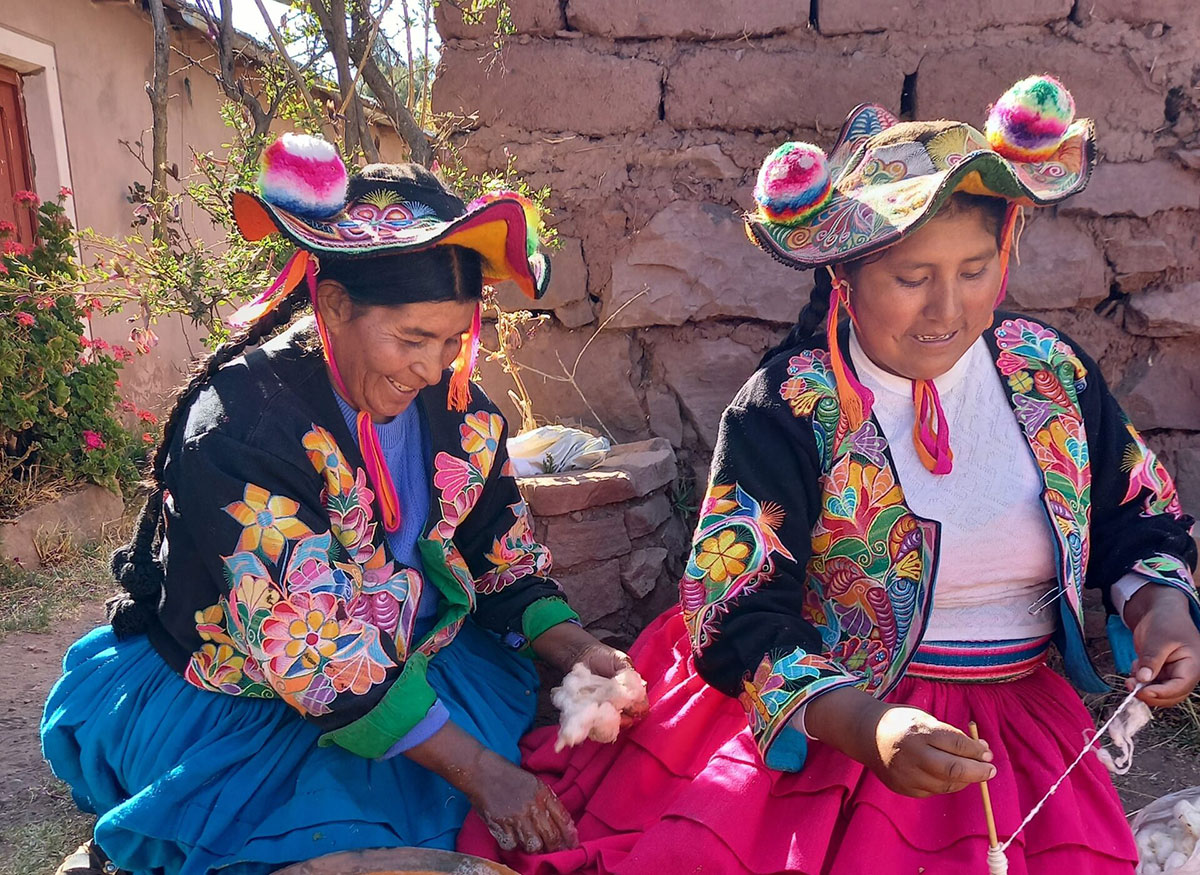
Next, learn more about life on the shores of Lake Titicaca: You’ll learn more about farming and weaving and can even try your hand at preparing some local delicacies. You could also opt for a stroll in the surrounding countryside.
(Breakfast, Lunch, Dinner)
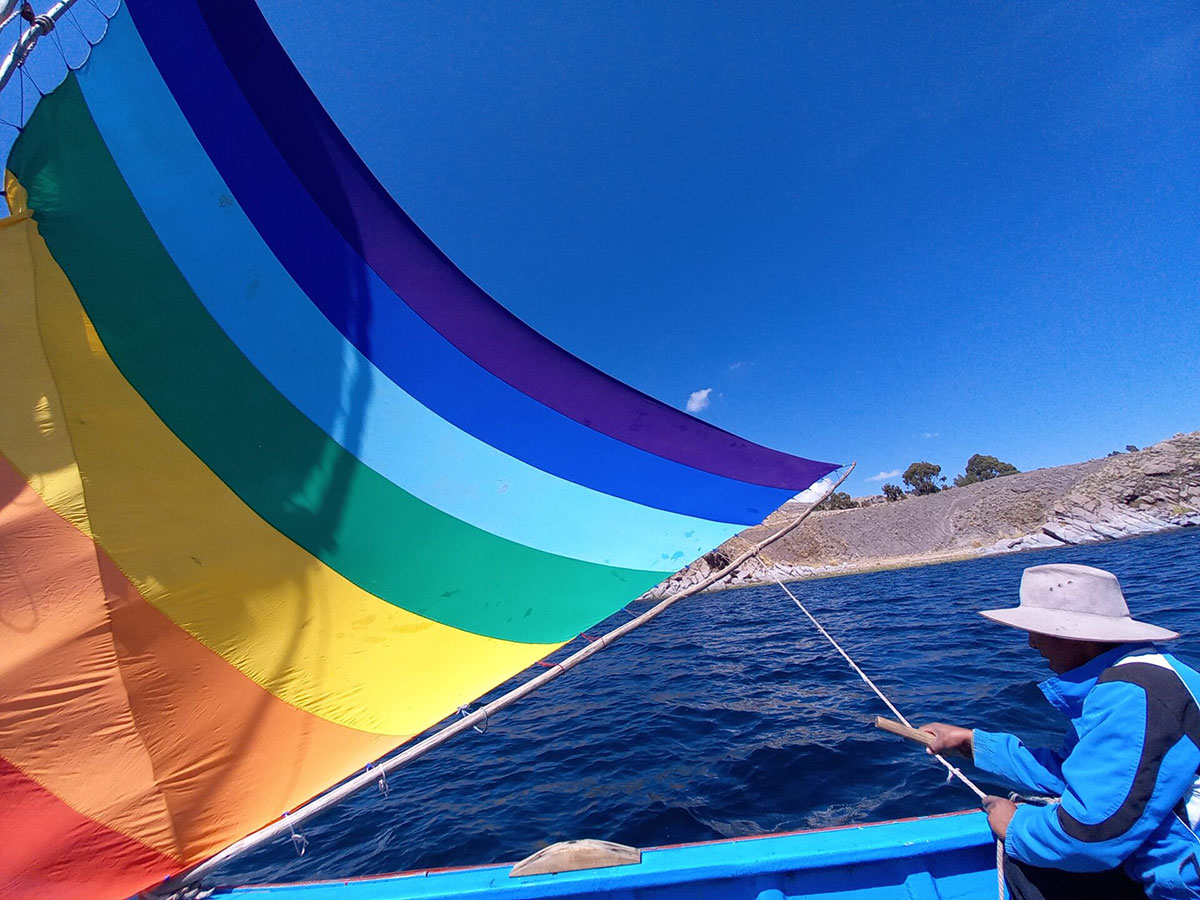
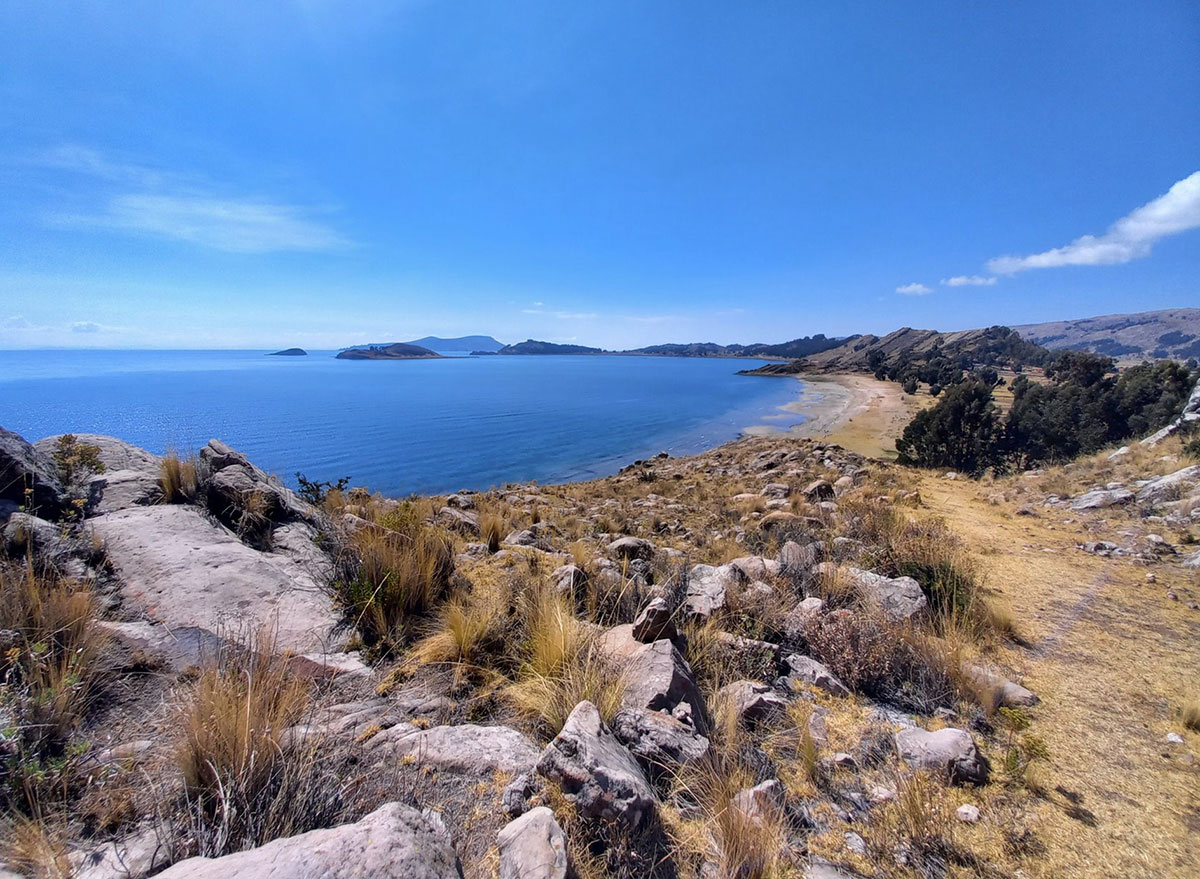
After breakfast, join your guide on a sailboat to visit the small island of Tikonata. During the trip, you learn about the local fishing methods on Lake Titicaca. On Tikonata, you will explore the island on foot and visit a small museum showcasing mummies discovered on this little island.
After a walk to a beautiful viewpoint, you return to your guesthouse for lunch. You are free to enjoy the afternoon at your leisure. You can take a walk to the beach, relax in the sun, or read a book until it is time for you to head back to Juliaca or Puno to continue your journey.
This community-run tour is one of the best on Lake Titicaca. It offers a chance to see the real floating island lifestyle.
(Breakfast, Lunch)
The guesthouse on Lake Titicaca is simple and clean, rooms have a private bathroom with solar-heated hot water, towels, and heating.
There is a lovely garden to relax and enjoy the views over the lake. Dinners are enjoyed in the spacious main building, which the family sometimes shares as a common room.
Lake Titicaca is suitable for most ages and fitness levels. The main challenges are the high altitude (3,800m/12,467ft), daytime sun strength and the contrasting cold wind and very cold night temperatures.
Walks are generally short, although some hikes involve 30 minutes to an hour of walking, so you must remain hydrated. Lake Titicaca is an excellent place to acclimatise before heading to Cusco, or to visit after Cusco. You can go straight to Lake Titicaca from sea level with no previous acclimatisation. However, note that this can be hard and is not ideal.
It is much better to spend some time in Cusco or Colca Canyon/Arequipa beforehand or in highland Bolivia to become accustomed to the high altitude.
Most trips start early in the morning, around 07.00, with a break for lunch around 13.00, and finish around 16.00, with free time to explore the islands until sunset.
You may be invited to dinner and some music/dancing at the guest house.
We can cater for all dietary requirements, please let us know.
Meals are generous; you can watch your host prepare them in the open kitchen.
Breakfast will feature teas, coffees, juices, cereals, fruit, eggs, toast and jams, among other things.
Our representative will meet you at Juliaca bus station and take you to your guesthouse, giving you any necessary vouchers and advising you of any changes in plan etc.
They will drop you off at the airport/station at the end of the trip.
Guides are from the area, and by visiting local families and staying at a locally run guesthouse, you are helping the community preserve its lifestyles.
Well-organised trekking adventures through Peru highlighted great food, solid guidance, and memorable mountain routes.
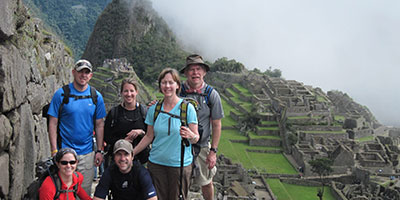
A memorable trekking adventure to Machu Picchu, with excellent guiding, delicious food, and unforgettable camping experiences.
Our Lake Titicaca homestay tour takes you to the area’s world-famous totora reed floating islands and community-run tourism projects that help the people whose homes you visit.
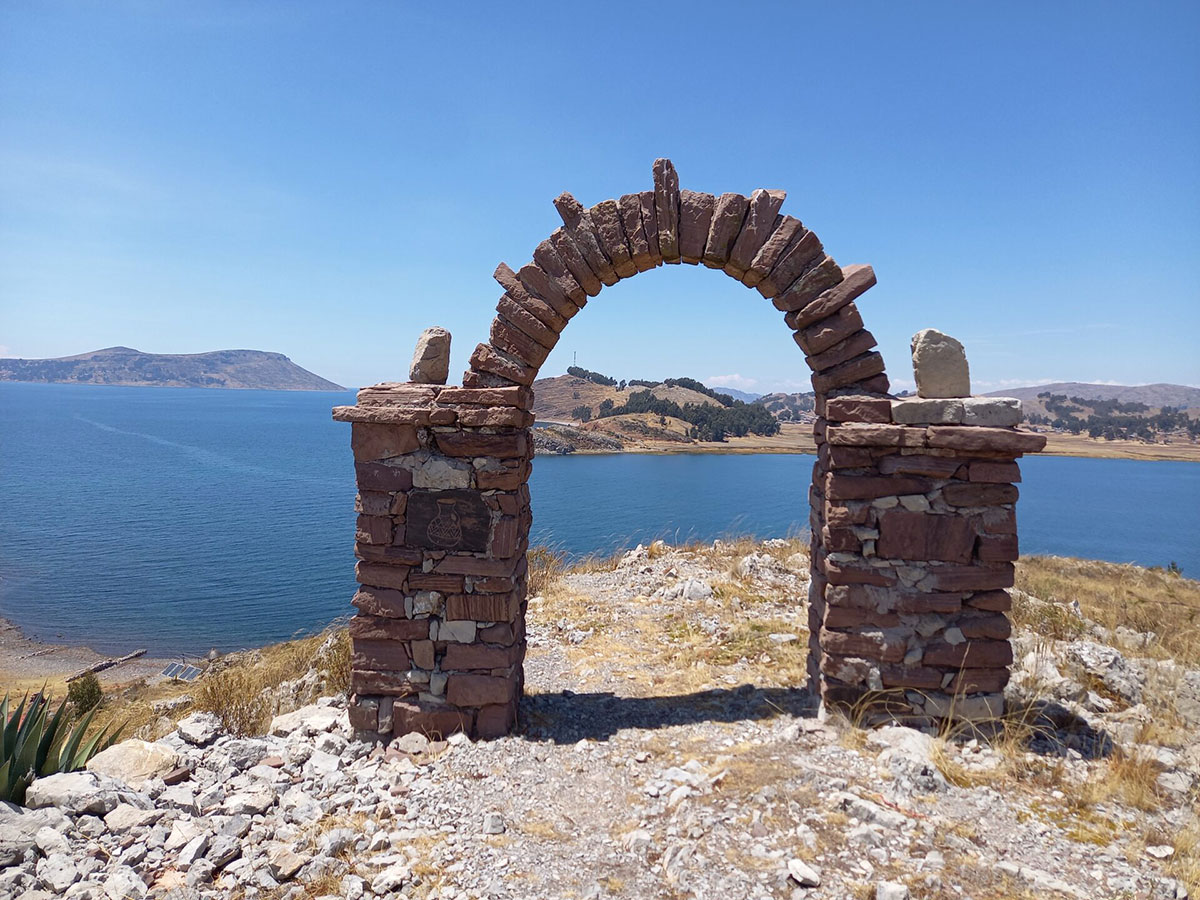
Start with a visit to the traditional community of Chifrón on the shores of Lake Titicaca. Here, stay in a locally run guest house with stunning views of the lake, the world’s highest navigable body of water.
Next, visit the inhabited islands of Uros Titino. These floating reed islands are built the same way as the famous Uros floating islands. However, the Uros Titino islands are still inhabited, opening up a more authentic experience with the people of Lake Titicaca.

A local family opens up about their daily lives, showing you how their floating islands and boats are built using lake reeds. Later return by boat to the Pensinsula Llachon, where you will have lunch with a family living on the shores of the highest navegable lake. Here you learn more about farming and weaving, and even try your hand at preparing local delicacies.
This Lake Titicaca tour ends with a sailboat visit to the remote island of Tikonata. On the journey, you’ll learn about local fishing methods, ancient and new. Tikonata is also home to a mummy museum, with mummification an intrinsic part of this fascinating culture.

This tour starts in Cusco but can also be picked up in Juliaca or Puno, Lake Titicaca.
We offer these as day trips, or you can stay the night in a homestay and get a glimpse of people’s lives during your visit to Lake Titicaca.
Read our blogs about Lake Titicaca (Amantani) and sleeping on the Uros floating islands – we offer overnights on both.
Lake Titicaca is a beautiful area to visit, and our socially responsible overnight and day tours ensure you leave a positive footprint. The Uros Titino floating islands visit provides an authentic and sustainable tour to this incredible part of Peru.

Peru is made up of 3 distinct geographical areas: the coast, the mountains and the jungle.
The costa or coastal region is a narrow ribbon of desert 2,250 km long, crossed by fertile river valleys flowing from the Andes. It takes up 11% of the country and holds more than 40% of the population.
The cold Humboldt current gives rise to a blanket of mist – the garua – which hangs above coastal cities like the capital Lima from May to November.
Heading east, you’re soon climbing above the garua and into the Andes. The sierra, or mountainous region, covers some 25% of Peru’s territory and contains 50% of the population. The sierra inhabitants are mainly Indigenous or Mestizo, and many still speak Quechua or Aymara.
The sierra contains dozens of 6,000-metre snow peaks and volcanoes, including Huascaran (6,768m) the highest mountain in the tropics. The deep valley basins contain most of the towns and arable land; the terracing and canal systems of the Incas and pre-Incas are often still used today.
The eastern Andes are heavily forested up to 3,350m and sweep down into the Amazon Basin.
Peru’s selva or jungle makes up almost two thirds of the country’s area, but holds only about 6% of the population: the only towns with significant populations are Iquitos and Pucallpa.
Peru is the perfect holiday destination for adventure travellers that want an amazing variety of activity, geography and cultural travel experiences.
The breadth of travel experiences in Peru is breathtaking – from trekking in the Andes to Machu Picchu to the tropical jungle of the Amazon, and plenty in between.
The people of Peru make it a special destination too, with its colourful and traditional street life and friendly locals.
Good kit is vital for every trip.
Book with Andean Trails and get 15% off Páramo’s fantastic ethical and high performance outdoor gear.
When planning for the varied climatic conditions you will encounter across Peru, layering is the most practical and versatile clothing system.
The sun is very strong throughout the country, so good sun cream, a hat and sunglasses are vital.
It can also get very cold at night time especially in the mountains. Jumpers, fleeces and warms hats – which you can buy there – are also essential.
Give plenty of thought to kit selection, and try to keep weight down.
Below is a more detailed guide.
You can also read about the weather of Peru in our blog.
Peru is located in the southern tropics (latitudes 0º to 18º), but climate varies significantly according to season, altitude and region.
From May to October, Lima is often overcast, but with minimal precipitation. There are sunny spells, and it’s a fresh to pleasant 13-20ºC.
At the same time, inland areas and the north coast mid to high 20’s ºC.
November to April is generally warm and sunny and Lima enjoys warm temperature of 19-25ºC, with the coast averaging 22-30ºC.
Climate depends largely on altitude. As a rule of thumb, below 2,000m climate is mild and above 2,000m warm clothing is required for evenings, nights and early mornings.
The Andean sun is very strong.
Cusco (3,300m): Average max/min temps: 22ºC /2ºC. Average 3 or 4 wet days per month.
Arequipa (2,380m): Average max/min temps: 26ºC /9ºC. Sunny more than 340 days/year with minimal precipitation.
On highland treks: Conditions are generally dry. However, at this time of year, expect a range of conditions within a single day: cold/freezing nights at camps above 4,000m, where pre-dawn temperatures can be -5ºC; warm, spring-like mornings and afternoons; and cold evenings.
Note that mountain weather can be fickle and localised, and that precipitation is not unknown in the dry season. Expect temperatures to swing between sun and shade, sheltered and exposed ground and with altitude gain and loss. A quick-setting sun means temperatures drop fast.
In the cloud forest, e.g. around Machu Picchu, daytime conditions are generally warm or hot, and evenings cool.
Cusco: Average max/min temps: 23ºC /6ºC. Average 13 wet days per month.
Arequipa: Average max/min temps: 25ºC /14ºC.
On highland treks: Wetter conditions, with cooler days and milder nights than dry season. Jan-Mar usually the wettest months.
Year-round, weather conditions are hot and humid and there is always the risk of rain.
There is a ‘dry season’ in Tambopata and Manu between May and October. The average daytime high temperature is between 25°C and 34°C and the average nighttime low is between 16°C and 22°C. Heavy downpours typically occur every few days.
Around 80% of annual average rainfall – approx 2,000 mm in Manu and Tambopata and 1,400 mm in Iquitos – occurs in the wet season Nov-April.
On rare occasions, between May and September, cold fronts from Argentina – ‘friajes’ – can sweep into southwest Amazonia and push temperatures down to 9°C. (Friajes usually last between 1 and 3 days).

Well-organised trekking adventures through Peru highlighted great food, solid guidance, and memorable mountain routes.
A memorable trekking adventure to Machu Picchu, with excellent guiding, delicious food, and unforgettable camping experiences.