
Since 1998, we've crafted journeys using knowledge gained on our own explorations of South America's spectacular wilderness, fascinating cultures and diverse wildlife.

Bring a sense of adventure and an open mind. We'll take care of the logistics and support you round the clock.

We only work with small, locally owned operators and guides. Your money stays where you travel, and a share of every trip supports local communities and the wild places they protect.
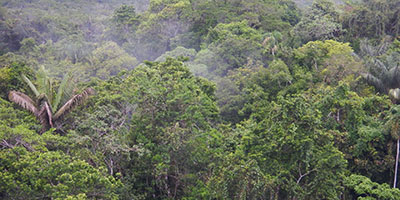
Colombia’s Amazon remains an authentic rainforest experience. Its flooded forests and great rivers are home to a few riverside communities and an incredible density of wildlife.
Fly from Bogotá to Leticia, near the borders of Colombia, Brazil, and Peru. Next, travel through natural reserves to the inspiring Puerto Nariño. This Indigenous-led municipality has banned motor vehicles, creating unmatched tranquillity.
Journey upstream to discover remote lodges, keeping an eye out for pink river dolphins, caimans, birds, and reptiles, including the anaconda. Visitors can also sleep high above the forest floor in treehouses at Tanimboca.
Cultural interactions with Indigenous communities await in Colombia’s Amazon, with handicraft workshops and explanations of forest myths and legends.
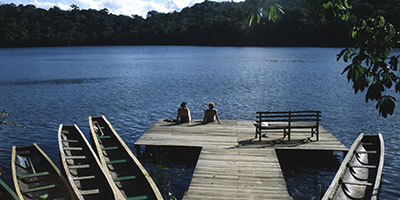
Rurrenabaque is the gateway to two contrasting wildlife experiences in Bolivia.
First, there is the rainforest of Madidi National Park, where the foothills of the Andes give way to vast stretches of Bolivia’s Amazon.
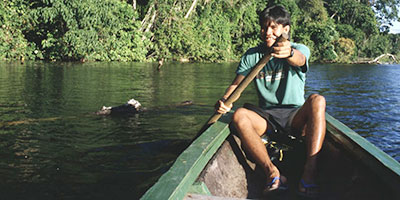
Travel upriver by motorised canoe to Chalalán, a community-owned eco-lodge beside a beautiful forest lake. Explore forest trails and waterways with local guides, listening for howler monkeys and watching for macaws, caimans, and other wildlife.
Your hosts from the San José de Uchupiamonas community combine rainforest exploration with insights into their ancient knowledge and conservation techniques.
Alternatively, head downriver from Rurrenabaque to the Pampas area. This offers a contrasting experience, with open wetlands and excellent opportunities for wildlife watching, including spotting pink dolphins.
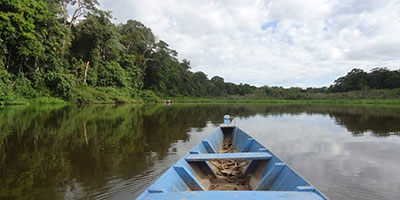
Peru’s Amazon boasts vast swathes of rainforest and cloud forest reserves that support an immense diversity of wildlife.
Tambopata National Reserve and Manu National Park are both accessible from Cusco, offering contrasting rainforest experiences.
Tambopata, reached via Puerto Maldonado, is famous for its spectacular macaw clay licks, oxbow lakes, and giant river otters, with comfortable lodges as bases. Further west, the Manu region offers extraordinary biodiversity, with opportunities for extended camping expeditions to get close to nature.
Both regions combine wonderfully with Cusco, the Sacred Valley, and Machu Picchu.
In contrast, in Peru’s north, Iquitos offers a different Amazon experience: multi-day boat trips to explore vast rivers and flooded forests.
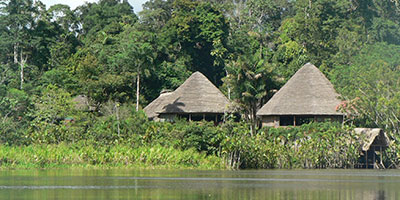
Ecuador offers an excellent introduction to the Amazon: extraordinary biodiversity, comfortable lodges, and welcoming Indigenous communities.
From Quito, fly 40 minutes to Coca and continue by boat into the Napo region, gateway to the wildlife-rich forests of Yasuní National Park. Yasuní is one of the world’s great biodiversity hotspots, with exceptional numbers of amphibians, birds, reptiles and tree species.
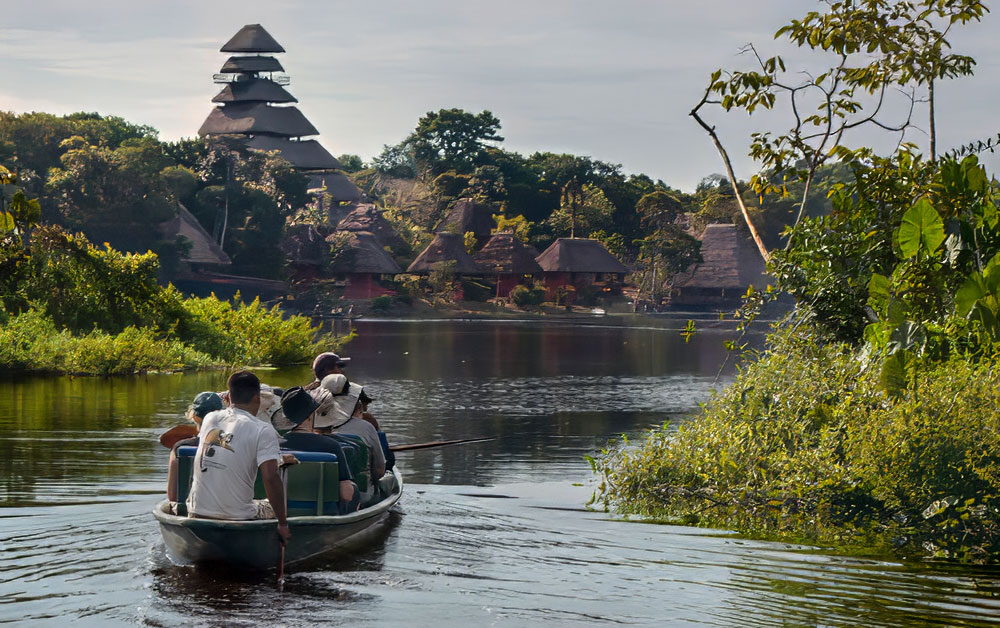
In Ecuador’s Amazon, you’ll explore forest trails, climb canopy observation towers, and paddle along quiet waterways in search of monkeys, toucans, macaws, caimans, and giant river otters. Parrot clay licks are another highlight.
Community-owned lodges offer fascinating cultural insights through expert Indigenous guides. A four- or five-day stay is ideal and pairs well with the Andes or the Galápagos Islands.
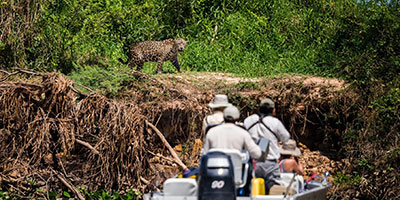
Brazil’s Pantanal is a vast seasonal wetland, quite different from the dense Amazon rainforest, and one of the best wildlife-watching destinations on Earth.
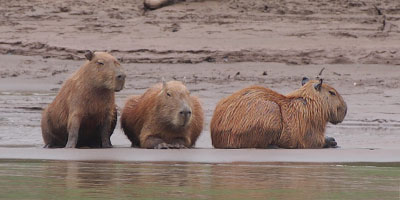
Its open, savannah-type landscapes, rivers, and lagoons make wildlife easier to observe than in the rainforest. Look out for capybaras, caimans, giant river otters, giant anteaters, hyacinth macaws, and an extraordinary variety of waterbirds.
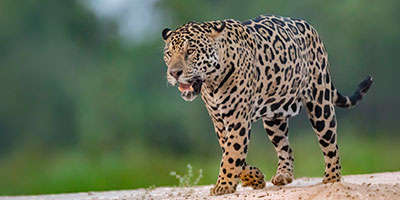
The Pantanal covers 170,000 square km—it’s larger than Tunisia—and is where the jaguar is king. Brazil’s northern Pantanal, particularly around Porto Jofre, is renowned for jaguar watching, home to one of the world’s highest concentrations of this beautiful big cat.
Explore the wetlands on guided drives and boat excursions, staying in wildlife lodges or comfortable floating accommodation. Cuiabá and Campo Grande provide access to different parts of this remarkable ecosystem.
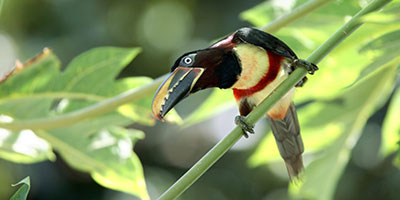
Brazil is where the mighty Amazon River winds through seemingly endless stretches of forest.
Manaus is the main gateway, with its magnificent opera house and fascinating rubber-boom history. From here, take a river cruise along the Amazon and Rio Negro rivers, visiting riverside communities and exploring smaller waterways by canoe.
Alternatively, stay at a remote jungle lodge, setting out with local guides on forest walks and boat excursions to look for monkeys, sloths, caiman, and river dolphins.
River levels shape the experience: higher water allows canoe trips through flooded forests, while lower levels reveal beaches and additional walking trails.
From: $7200 per person
Duration
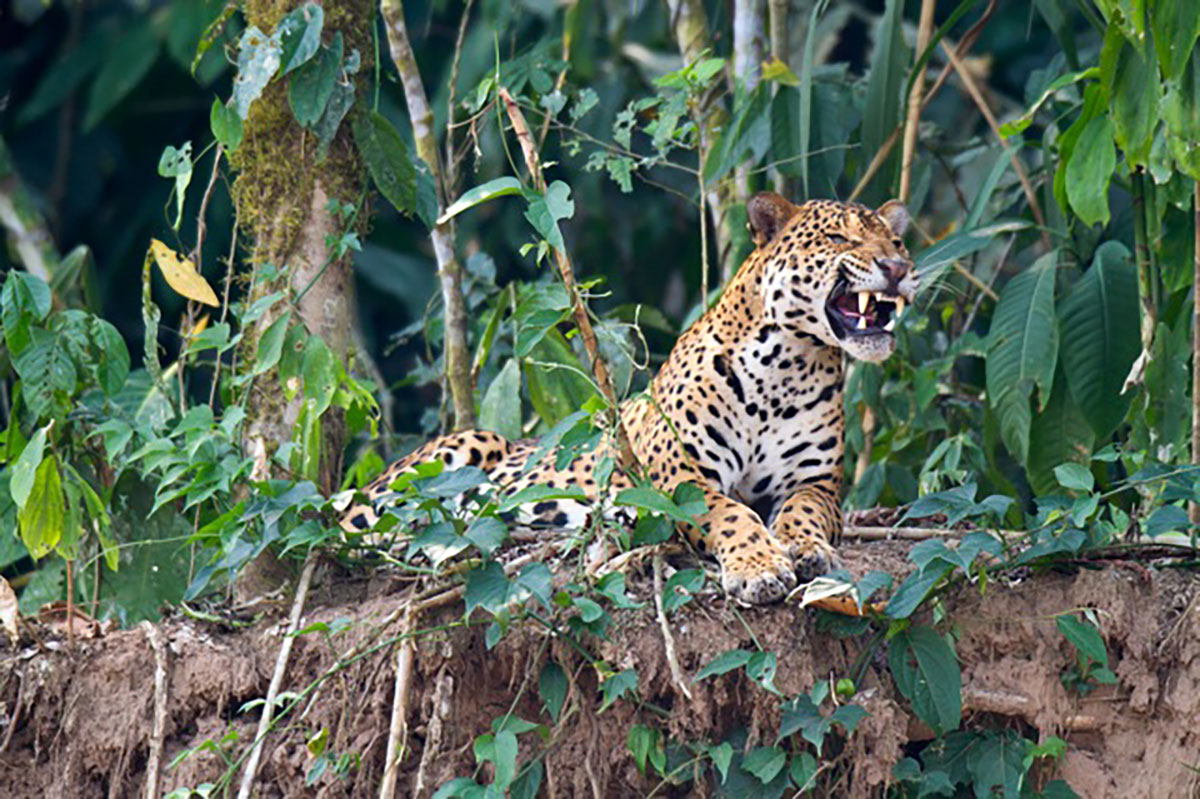
From the moment you arrive, the Amazon rainforest reveals itself to every sense.
This enormous region is constantly evolving, sculpted by its countless waterways. As you travel upstream into dense forest, the strange, liquid song of an oropendola may carry over the humid air. Flashes of bright macaw feathers paint images against the deep blue sky.
A caiman’s eyes, floating like marbles on the dark, still waters, sink before your canoe gets too close.
There are many ways to explore South America’s Amazon rainforest, the largest tropical rainforest on Earth, covering Peru, Ecuador, Bolivia, Brazil, and Colombia. Forest trails and waterways lead to intimate lodges, remote communities and extraordinary wildlife habitats.
You might hear monkeys crashing through the foliage as you explore trails, the rich, earthy smell of damp soil filling your nostrils. Raindrops gather on leaves before falling to the forest floor; around your feet, the Amazon teems with buzzing insects.
The forest is a stage, decorated by flowers, bark, and leaves, where frogs, birds, and mammals provide an ever-changing soundtrack.
There's always more happening in the rainforest than you can see; every outing reveals something new. Whether you're paddling through flooded forest, walking beneath towering trees, or listening to the night chorus, the Amazon’s sensations will stay with you forever.
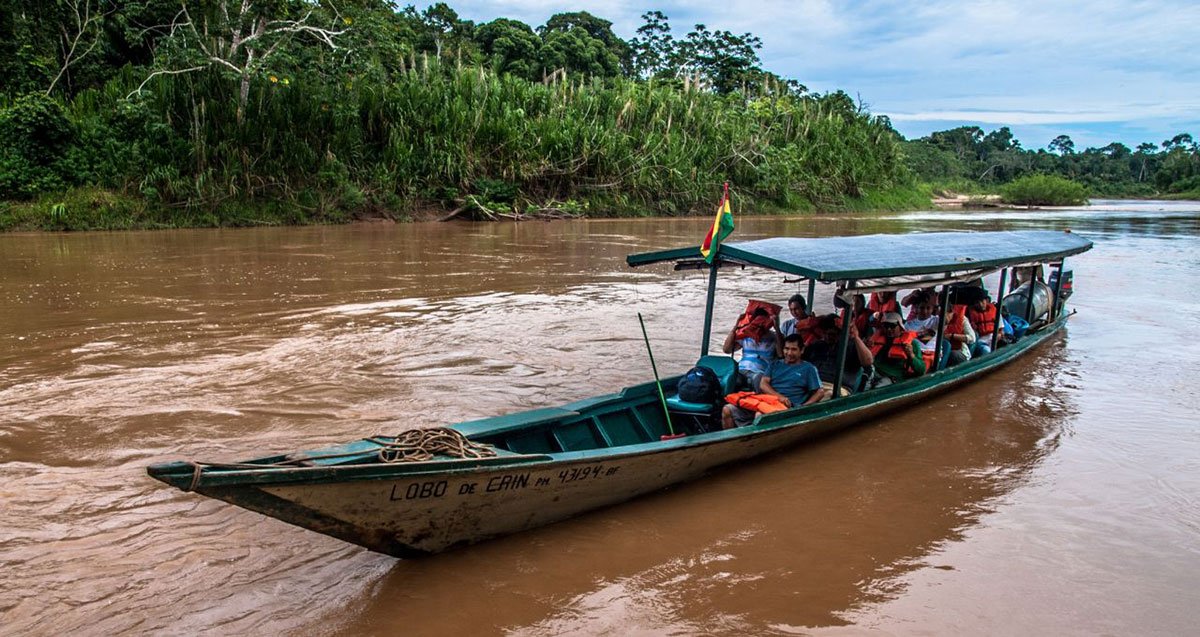
Fly from Lima or Cusco to Puerto Maldonado, then travel upriver to Tambopata's comfortable Amazon lodges. Tambopata is perfect for a shorter Amazon stay (4-5 days).
For a more adventurous Amazon holiday, travel overland from Cusco through cloud forest to the Manu region. Manu suits longer tours (5-9 days), with remote lodges and camping. Both regions combine naturally with Cusco and Machu Picchu tours.
Fly from Quito to Coca (40 minutes), then travel 2-3 hours down the Napo River to a choice of rainforest lodges (4-6 days).
Sani provides a 100% community-owned, intimate experience. Sacha’s canopy observation towers and comfortable rooms are second to none, while Napo Wildlife Centre offers remote wilderness and sustainable lodging an hour's canoe ride deep into Yasuní National Park. All combine perfectly with the Galapagos, cloud forest, and the Andes.
Fly La Paz to Rurrenabaque (45 minutes), then head upstream. Travel around 5 hours upriver through the Andean foothills to reach the community-owned Chalalán lodge, beside a beautiful forest lake in Madidi National Park.
Alternatively, visit Bolivia’s Pampas region, with its vast wetlands and the chance to see pink river dolphins. The Pampas provides incredible wildlife watching in open landscapes, making animals easier to spot.
Fly from Rio or São Paolo (4 hours) to Manaus, the gateway to Brazil’s Amazon. Board a river cruise along the Amazon and Rio Negro rivers and explore on foot and by canoe.
Alternatively, travel by river to remote lodges for guided wildlife walks.
You can access the Pantanal's vast wetlands and savannah-type landscapes from Cuiabá and Campo Grande. The northern Pantanal, particularly around Porto Jofre, offers excellent opportunities to spot jaguars (best July-October).
Fly from Bogotá to Leticia (two hours), then take a boat along the Amazon to Puerto Nariño, a peaceful, car-free Indigenous community.
Explore the surrounding waterways and the Amacayacu region with local guides, visit riverside Indigenous communities, and look for wildlife.
Alternatively, stay in a treehouse at Tanimboca, a rainforest reserve just outside Leticia.
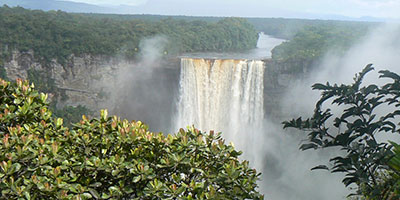
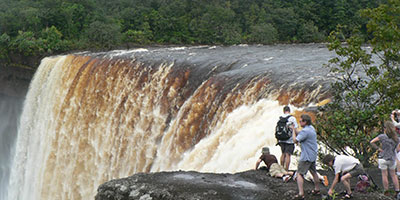
From Georgetown, take a small plane to the thundering Kaieteur Falls, or fly into Guyana's remote interior to explore Iwokrama's forest trails and canopy walkways.
Travel south through the Rupununi, staying at remote lodges before reaching Caiman House, where you may join researchers studying black caiman. Our Guyana tours connect these extraordinary wilderness experiences.
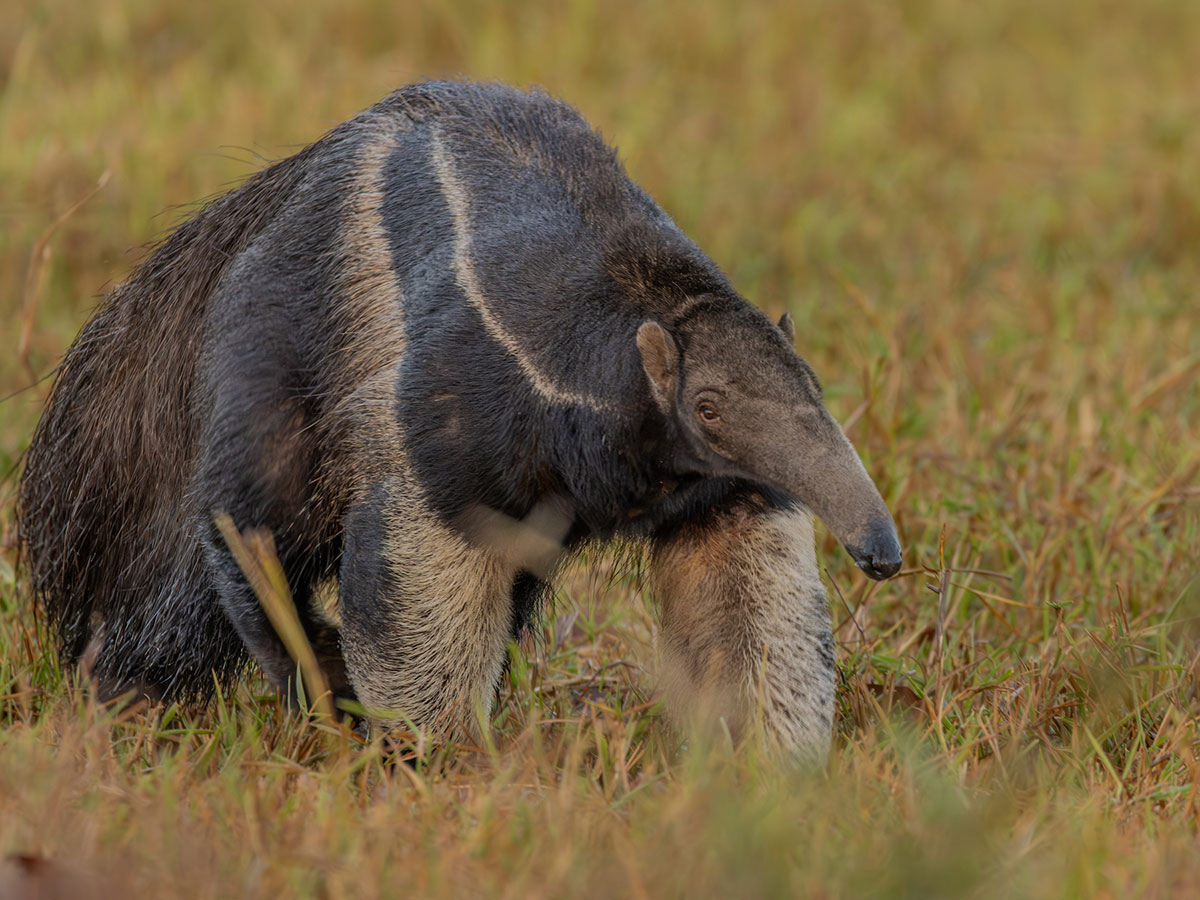
The Amazon is one of the world's richest wildlife habitats. Wildlife often announces itself through sounds before coming into view.
Expert local guides know where to look, whether along forest trails, waterways, at clay licks or high in the canopy.
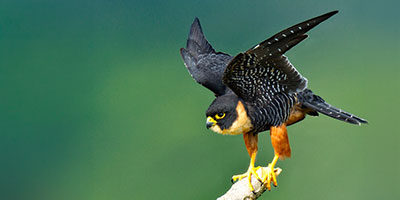
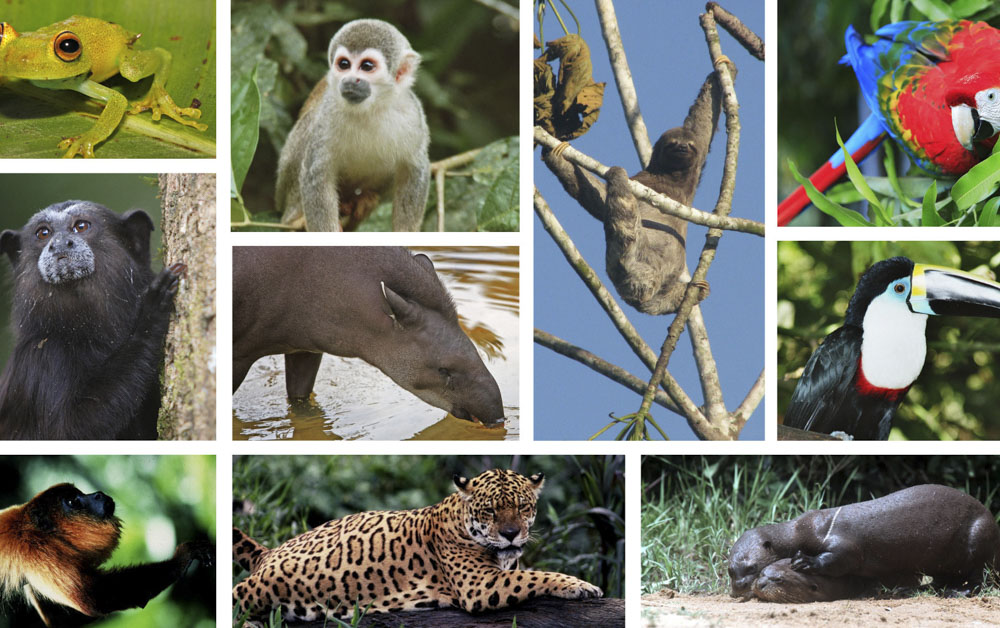
Popular wildlife includes monkeys, macaws, caimans, and countless smaller creatures. Jaguars also inhabit the rainforest, although sightings are rare.
Many species occur across several countries, but some destinations offer particularly rewarding wildlife encounters. Please note, wildlife sightings are never guaranteed during Amazon holidays.
Here are a few Amazon wildlife highlights:
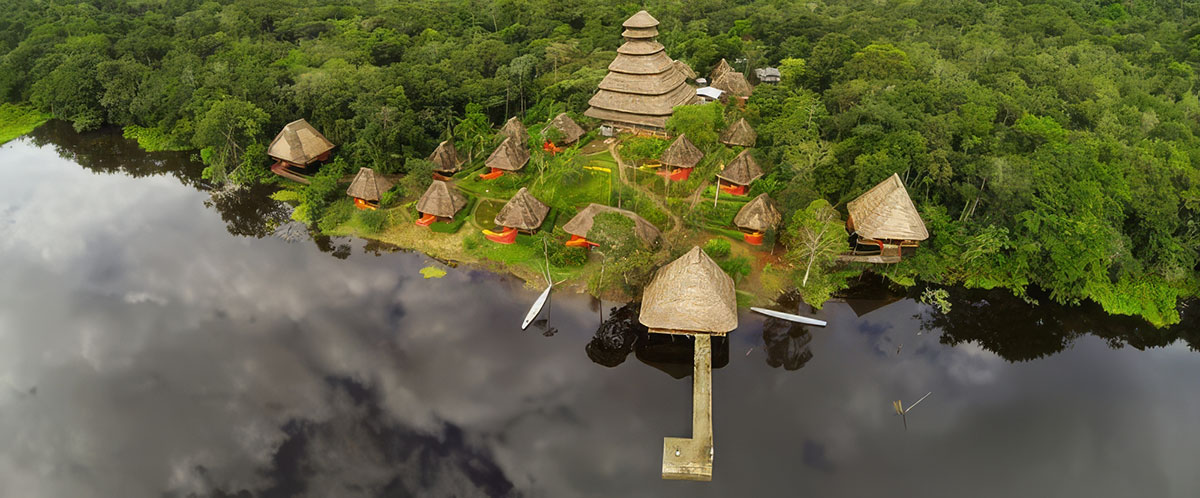
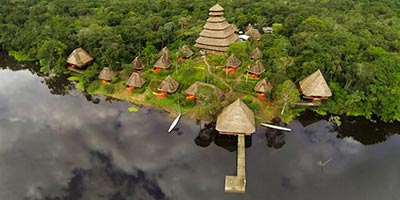
Where you stay shapes your Amazon holiday as much as where you go.
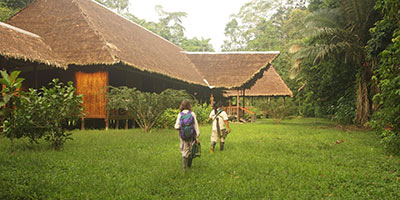
Accommodation ranges from luxurious lodges with spacious rooms, private bathrooms with showers, and excellent food, to rustic camps deep in the rainforest. Mosquito protection is provided, whether through nets, screened windows or enclosed rooms.
Ecuador’s Napo Wildlife Centre and Sacha offer the country’s premium Amazon accommodation.
In Peru, Tambopata offers everything from rustic to high-end suites. In contrast, the Manu region offers simple forest lodges, tented camps, and camping expeditions, sometimes with shared facilities and limited electricity.
Community-run lodges, such as Chalalán in Bolivia, Sani in Ecuador, and Surama in Guyana, offer opportunities to learn about the rainforest from local hosts and guides. Accommodation ranges from simple cabins to comfortable lodges
In Colombia, you can even sleep high above the forest floor in treehouses at Tanimboca.
Many explore Brazil's Amazon waterways on a river cruise, combining comfortable accommodation aboard with excursions by canoe and on foot. In the Pantanal, lodges and floating hotels provide bases for wildlife watching.
Facilities vary considerably: some lodges have WiFi, while others have no phone reception or hot water. Whatever your preferred level of comfort, we’ll help find an Amazon holiday that suits you.
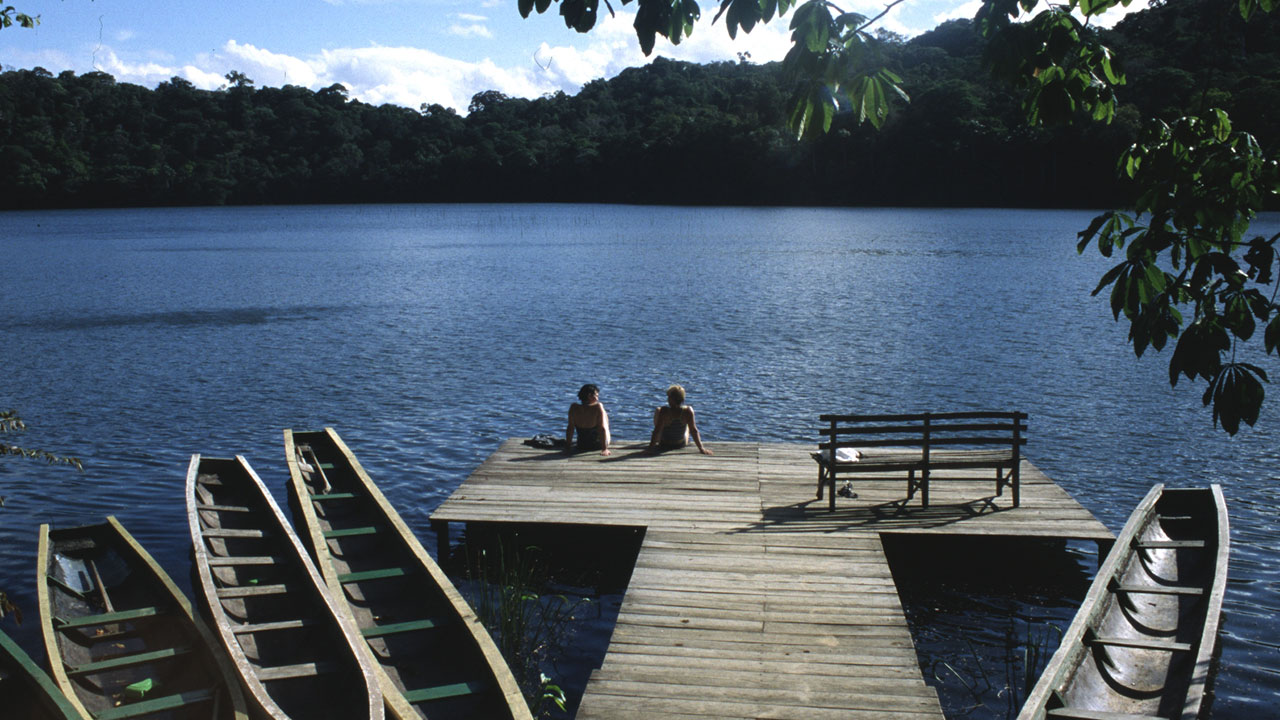
The Amazon rainforest is a year-round destination. However, the experience changes with the seasons, rainfall, and river levels. Even during the drier months, expect hot, humid conditions and occasional heavy rain.
In the drier season, forest trails are generally easier to explore. Lower water levels expose riverbanks and beaches and can make some wildlife easier to spot as animals come to rivers to drink.
Higher water levels in the rainy season open up flooded forests and narrow waterways to canoe excursions, bringing you closer to birds, monkeys and other wildlife.
| Where | When | Why |
| Peru Amazon | April–October | Less rain, easier forest walks in Tambopata and Manu |
| Ecuador Amazon | Year-round | Wildlife and lodge excursions throughout the year; rainfall and river levels vary |
| Bolivia Amazon | April–October | Drier conditions, better access to Madidi and the Pampas |
| Brazil Amazon | Year-round | May–July for flooded forests; September–November for lower water, beaches and trails |
| Colombia Amazon | Year-round | August–February generally drier for forest walks; higher water (March–July) favours canoe exploration |
| Guyana | February–April and September–November | Two drier periods apt for forest trails and wildlife watching |
| Brazil Pantanal | June–October | Lower water concentrates wildlife; July–October is particularly good for jaguar watching |
These seasons vary considerably across the Amazon, so the best time to visit depends on your chosen destination.
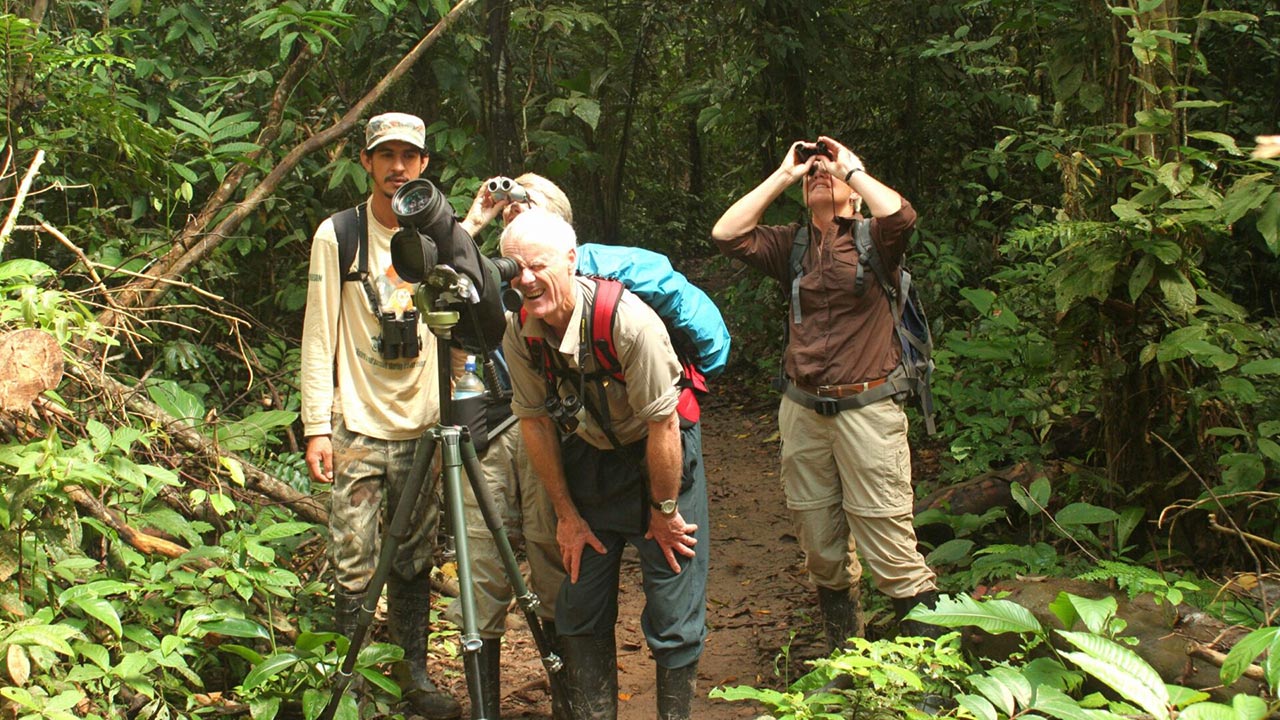
Amazon holidays suit families, couples, wildlife enthusiasts and adventurous travellers of all ages. Visits to Indigenous communities can add a fascinating cultural dimension to an Amazon holiday.
You don't need to be super-fit, but be prepared for heat, humidity, insects, muddy trails, and getting in and out of boats. Activities usually take place early in the morning or late afternoon, when wildlife is most active.
Many Amazon rainforest stays last 3–5 days and include guided forest walks, canoe excursions, and wildlife watching by day and night. Longer trips allow for deeper exploration.
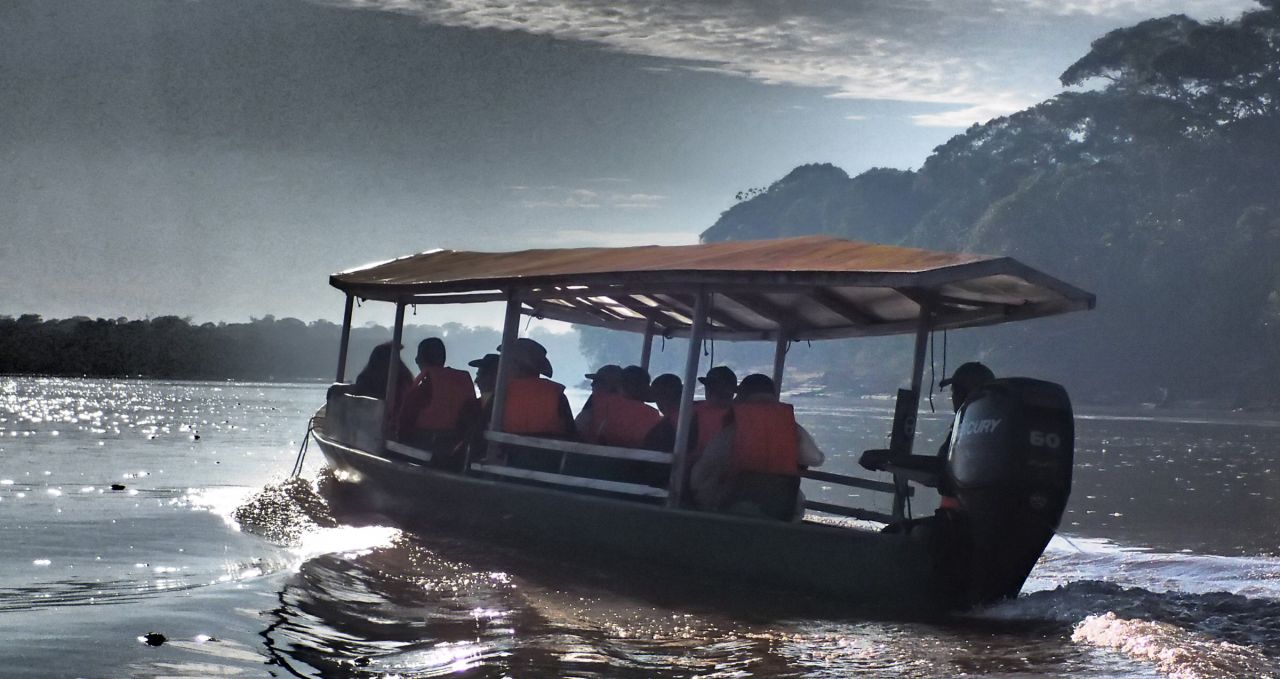
Journeys often involve a domestic flight or road transfer, followed by several hours travelling along rivers by motorboat or canoe. Some remote lodges, particularly in Guyana, are reached by light aircraft.
Pack lightweight, long-sleeved clothing, good insect repellent, waterproofs and binoculars. Check vaccination and malaria-prevention advice with a travel health professional before departure.
Classic Amazon holiday combinations include:
The Amazon biome covers approximately 6.7 million square kilometres—almost twice the size of India.
The Amazon region spans eight countries: Brazil (60%), Peru (13%), Bolivia (8%), Colombia (7%), Venezuela (6%), Guyana (3%), Suriname (2.5%), and Ecuador (1%). French Guiana (1.4%) is part of France.
The Amazon is home to approximately 10% of Earth's known species, including more than 400 mammal species, 1,300 bird species, 2,400 freshwater fish species, 16,000 tree species, and +2.5 million insect species.
An estimated 390 billion individual trees are in the Amazon. It can take up to ten minutes for rainfall to travel from the high canopy to the forest floor.
The Amazon is the world's largest river by water volume, accounting for roughly 18% of all river water discharged into the world's oceans. The Amazon River’s waterway network stretches 6,400-6,800 km/3,977-4,225 miles.
Around 47 million people live in the wider Amazon region. These include more than 400 Indigenous groups that speak hundreds of different languages.
A seamless journey from the jungles of Manu to the heights of the Inca Trail, with fantastic guides and a perfect stay at Cusco’s charming Amaru Hotel.
A wonderfully smooth and well-organised trip from the Andes to the Amazon, with excellent guides, great food, and unforgettable adventures like tree climbing and kayaking.
Good kit is vital for every trip.
Book with Andean Trails and get 15% off Páramo’s fantastic ethical and high-performance outdoor gear.
You can also read our blog about a day in the Amazon rainforest of Peru.
Please note: Guests should arrive in clothes which they do not mind getting slightly dirty or wet, and should wear footwear that is suitable to walk on a rainforest trail. Sun cream, insect repellent, hat and waterproof clothing should be carried in hand luggage and kept accessible for the journey to the lodge.
You may want to keep your binoculars and camera handy, too.
All bedding, toilet paper etc. is provided at the lodge (or camp, if camping).
We strongly suggest that everyone planning to travel to Bolivia visits their local doctor/travel clinic prior to departure for the latest vaccination information.
Malaria risk is present throughout the year in Bolivia’s Amazon areas.
Malaria risk also present in all areas below 2,500m and in the departments of Santa Cruz, northern Beni and Pando, especially in the localities of Guayaramerin and Riberalta.
We strongly suggest that everyone planning to travel to Brazil visits their local doctor/travel clinic prior to departure for the latest vaccination information.
We strongly suggest that everyone planning to travel to Colombia visits their local doctor/travel clinic prior to departure for the latest vaccination information.
We strongly suggest that everyone planning to travel to Ecuador visits their local doctor/travel clinic prior to departure for the latest vaccination information.
For people travelling to the Amazon/coast and regions below 1,500m (excluding Galapagos, which is malaria free):
We strongly suggest that everyone planning to travel to Guyana visits their local doctor/travel clinic prior to departure for the latest vaccination information.
We strongly suggest that everyone planning to travel to Peru visits their local doctor/travel clinic prior to departure for the latest vaccination information.
For people travelling to the Amazon/coast below 1,500m north of Lima and regions below 1,500m:
Year-round, weather conditions are hot and humid and there is always the risk of rain
There is a ‘dry season’ in Tambopata and Manu between May and October. The average daytime high temperature is between 25°C and 34°C and the average nighttime low is between 16°C and 22°C. Heavy downpours typically occur every few days.
Around 80% of annual average rainfall – approx 2,000 mm in Manu and Tambopata and 1,400 mm in Iquitos – occurs in the wet season Nov-April.
On rare occasions, between May and September, cold fronts from Argentina – ‘friajes’ – can sweep into southwest Amazonia and push temperatures down to 9° C. (Friajes usually last between 1 and 3 days).