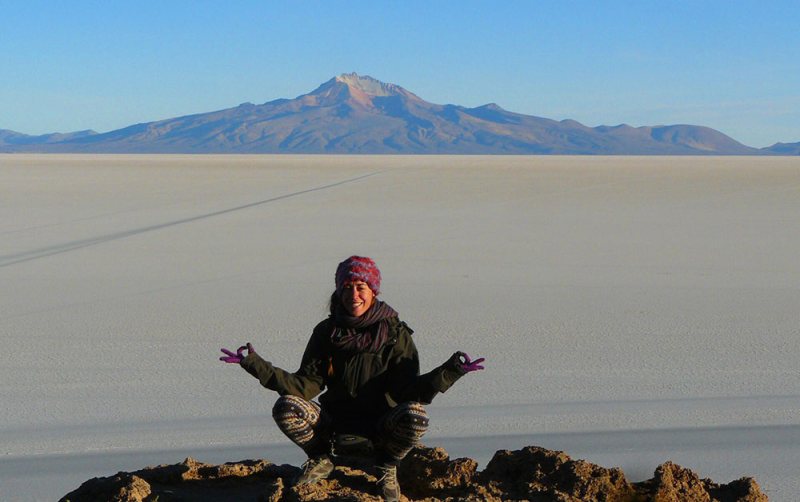
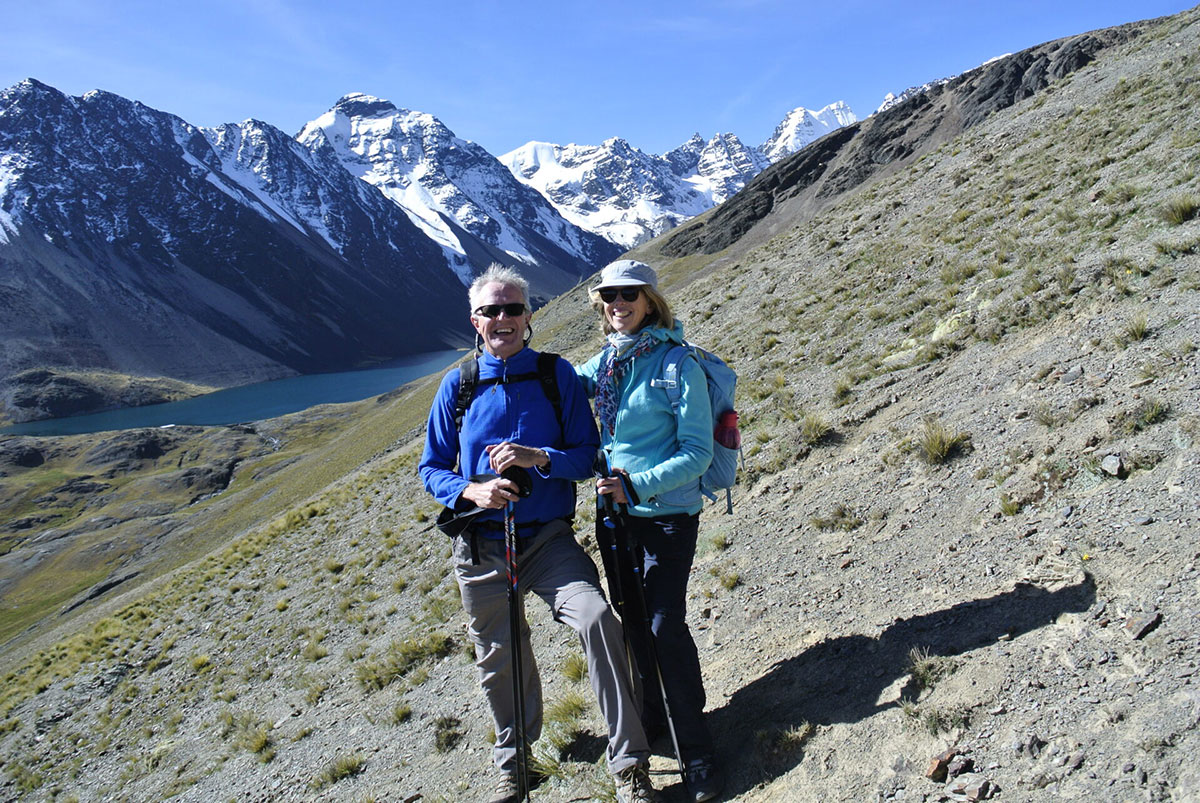
The best time to visit Bolivia is during the dry season from May to October, when clear skies and stable weather make travel easiest across the Andes, Uyuni Salt Flats, and Lake Titicaca.
However, Bolivia is a year-round destination. The ideal time to visit depends on whether you’re travelling in the high Andes, the Amazon basin, or the Uyuni Salt Flats.
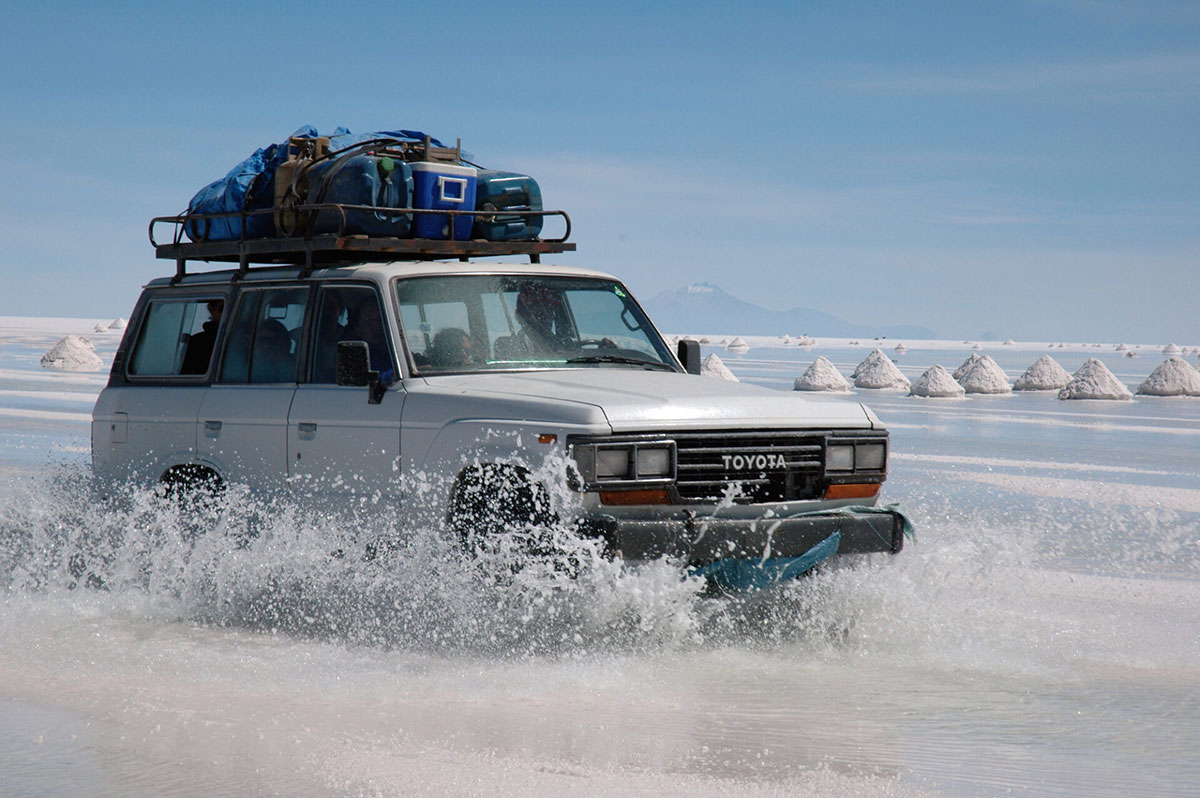
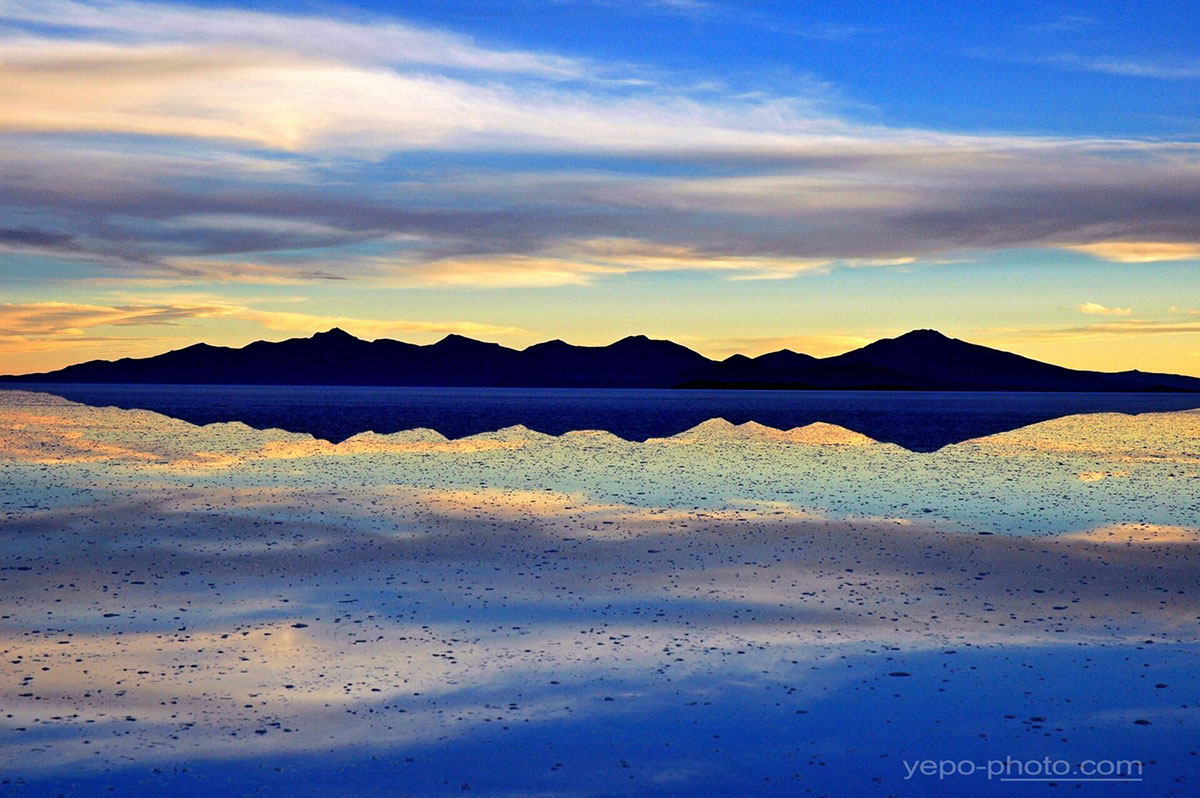
Many people love to travel to the Uyuni Salt Flats (Salar de Uyuni) between January and March. This is Bolivia’s rainy season (summer), and the water on the Flats reflects like a giant mirror, making for fabulous photos.
With Andean Trails, trekkers and climbers in Bolivia usually find May to September optimal for trekking. April and October are also good times to hike or visit, often with fewer people around. This guide outlines the best times to visit Bolivia’s attractions throughout the year.
Insider knowledge: June to August offers the clearest mountain views, but also the coldest nights.
Best Time to Visit Bolivia: At a Glance
The best time to visit Bolivia depends on your interests. Bolivia’s climate can be divided into the Andes, the Altiplano, the Lowlands and the Yungas (Amazon).
- May to October – Best overall (dry season, clear skies)
- January to March – Best for Uyuni Salt Flats mirror effect
- April & October – Fewer crowds, good weather
Here’s a quick overview by region:
| Region | Best Time to Visit | Why |
|---|---|---|
| Andes & Altiplano (La Paz, Lake Titicaca) | May – October | Dry season, clear skies, best for high-altitude trips & trekking |
| Uyuni Salt Flats | May – October (dry season)
Jan – March (mirror effect) |
Classic salt flats in dry season
Wet season for reflections |
| Yungas & Amazon Lowlands | May – October | Less rain, better wildlife viewing & road conditions |
Dry season, May to September: Highland (Altiplano) attractions like Lake Titicaca, Condoriri, and Potosí enjoy clear, sunny days during this period, with occasional freezing-cold nights. The Amazon is at its driest.
Rainy season, November to March: Rain and snow come to the high peaks during Bolivia’s summer. Hikers can expect afternoon rain, while the Amazon and the lowlands are very hot and humid.
Shoulder season, April and October: Summer’s rains leave verdant landscapes to enjoy in still-warm Highland temperatures with fewer tourists around. October’s weather remains stable for trekkers.
Mirror effect, Uyuni Salt Flats, January to March: Rains turn the salt flats into a giant mirror for striking photo opportunities; that same precipitation can also disrupt travel.
Insider knowledge: July and August bring the most visitors to Bolivia, but far fewer than in neighbouring Peru. The Amazon is tropical year-round.
When to Visit Bolivia: By Activity
Bolivia from April to October (dry season):
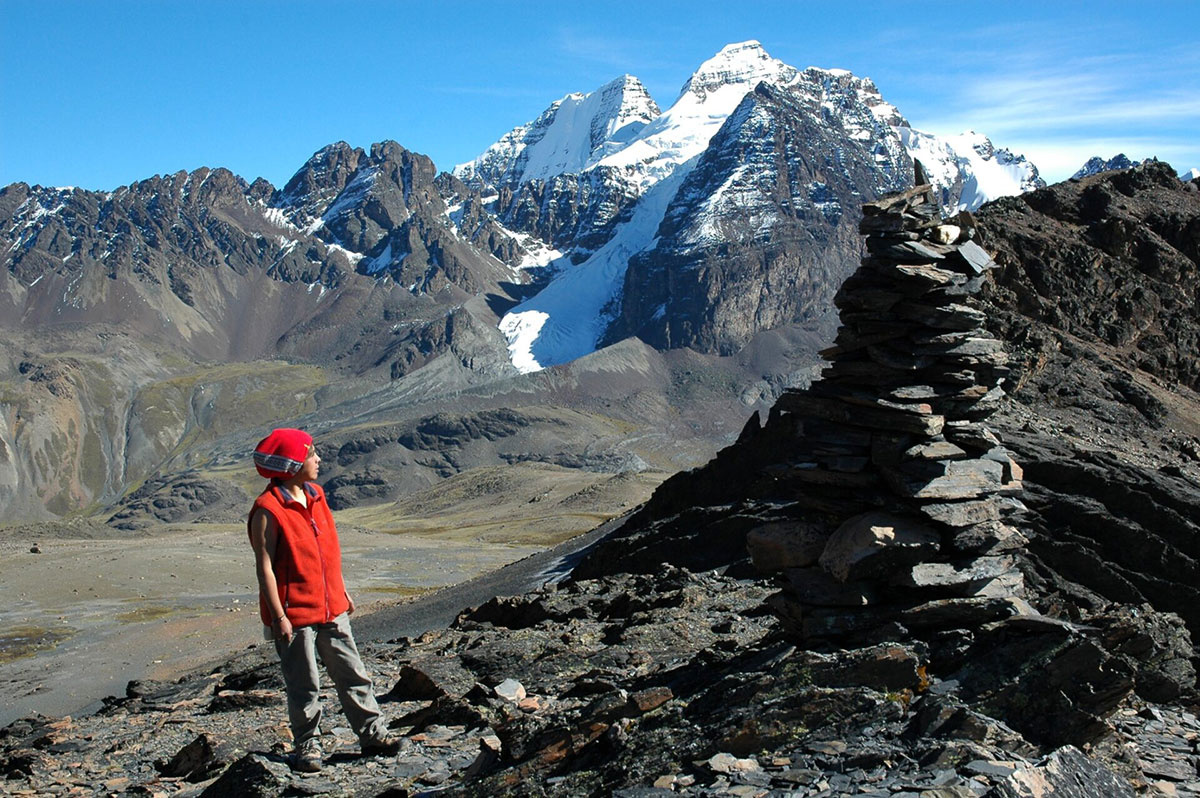
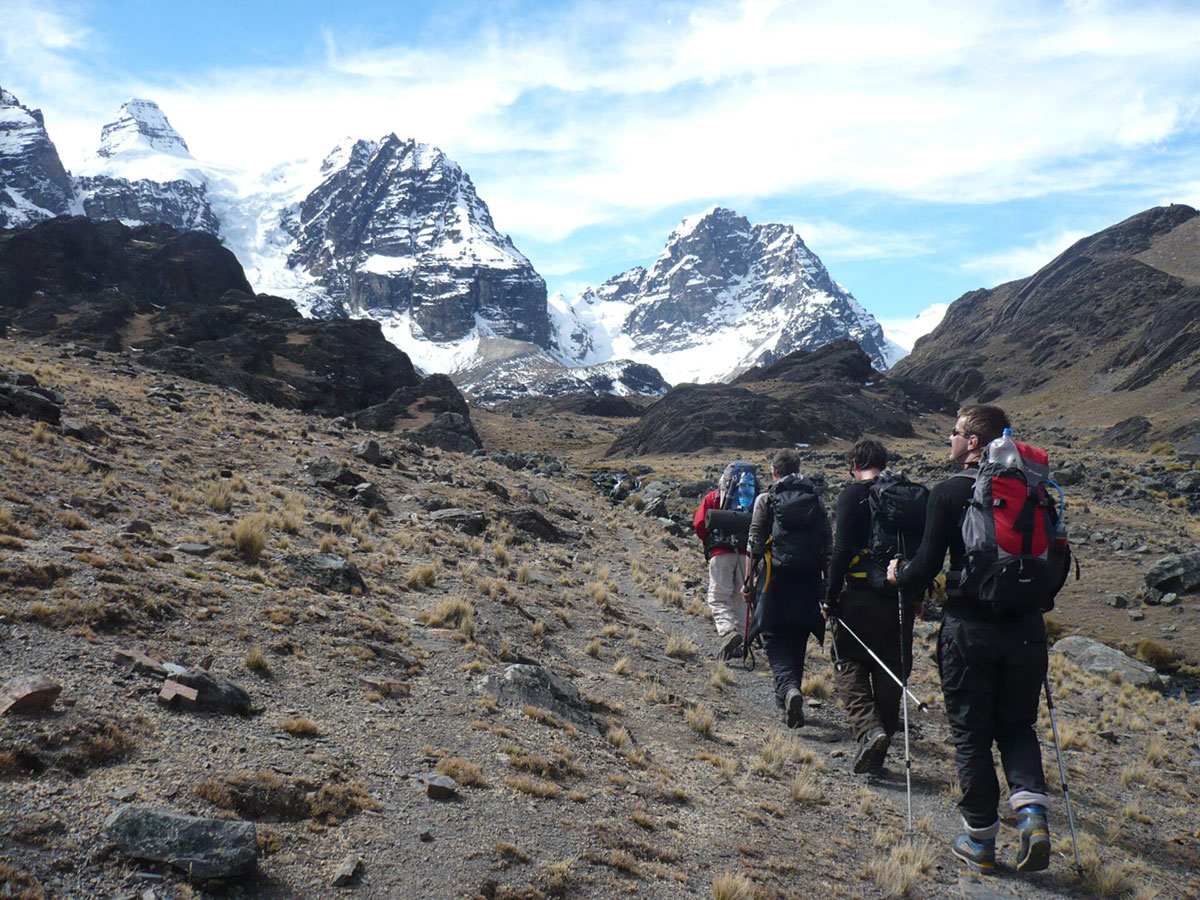
This is the best time for trekking in Bolivia. From our experience, hikers love remote treks like those in Condoriri and Sajama, while climbers can tackle 6,000m+ peaks like Potosi. Clear, stable weather provides perfect conditions for outdoor activities and photographing the outstanding views.
World-famous destinations like Lake Titicaca offer energetic day hikes across the Island of the Sun, accompanied by wonderful mountain views. Alternatively, relax as you cross the lake’s clear waters in a traditional totora reed boat to the Islands of the Moon and Sun.
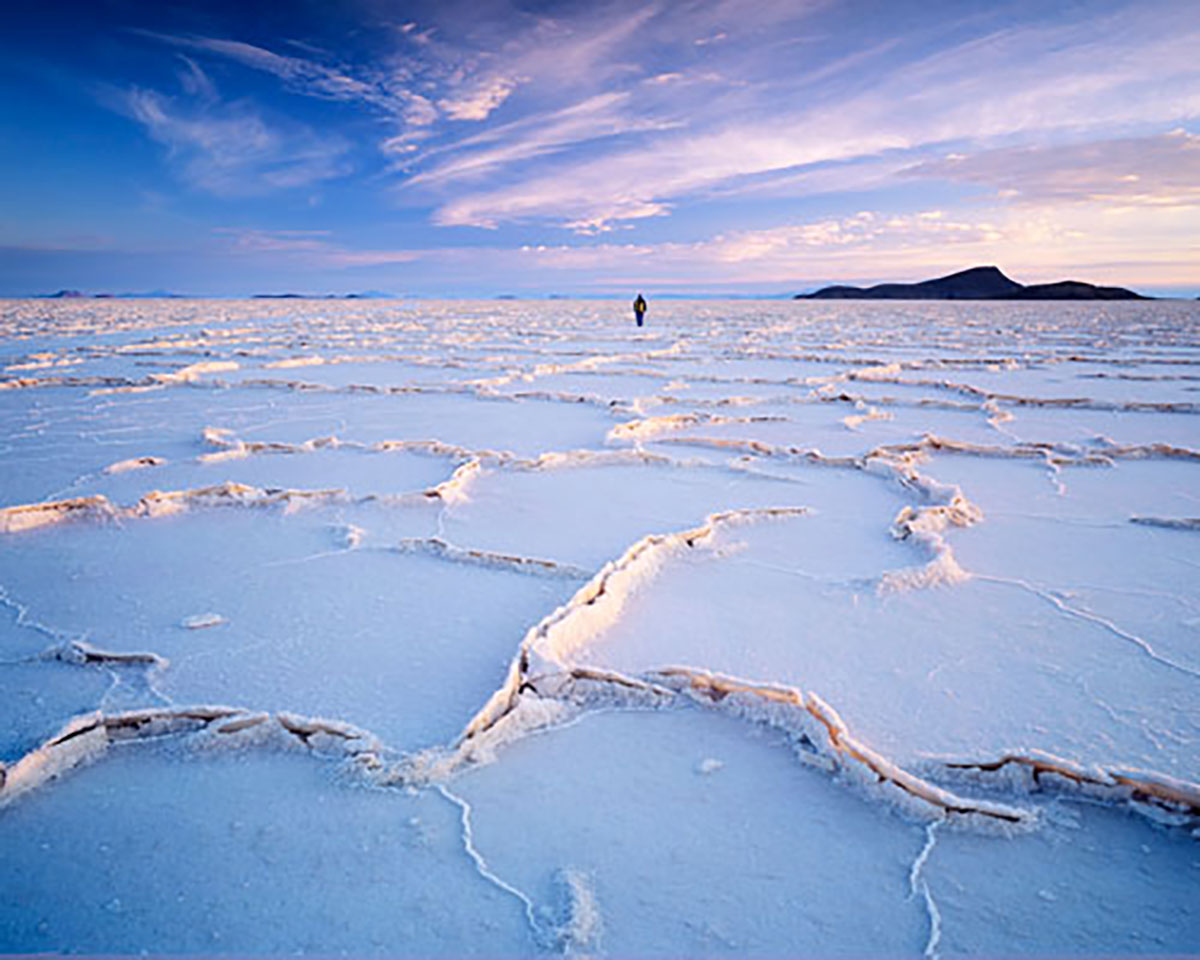
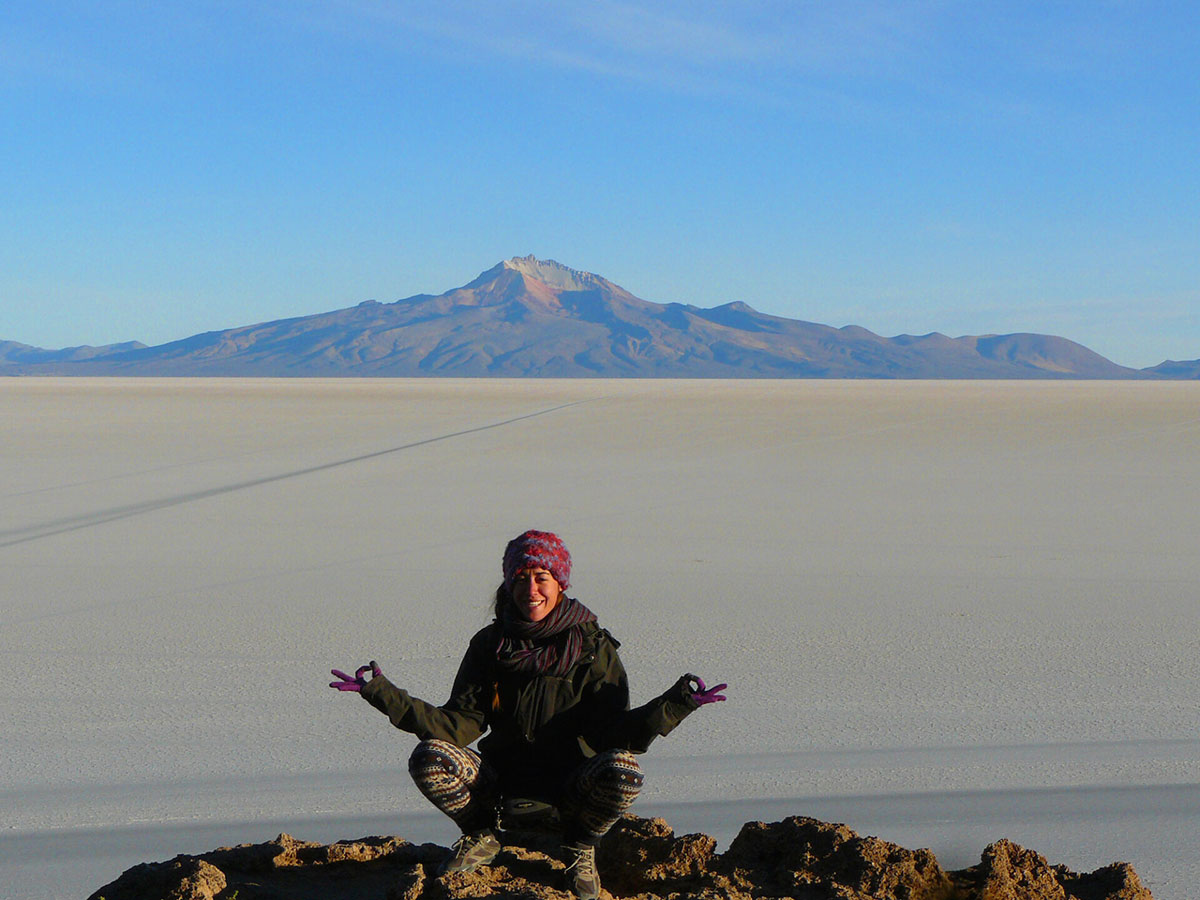
Uyuni’s Salt Flats dry under the intense Andean winter sun, leaving a shimmering white expanse of geometric crystalline patterns underfoot that contrast with the area’s multi-coloured mountains and volcanoes. May to October is the only time visitors can drive the entire Salar de Uyuni and visit the iconic Incahuasi Island.
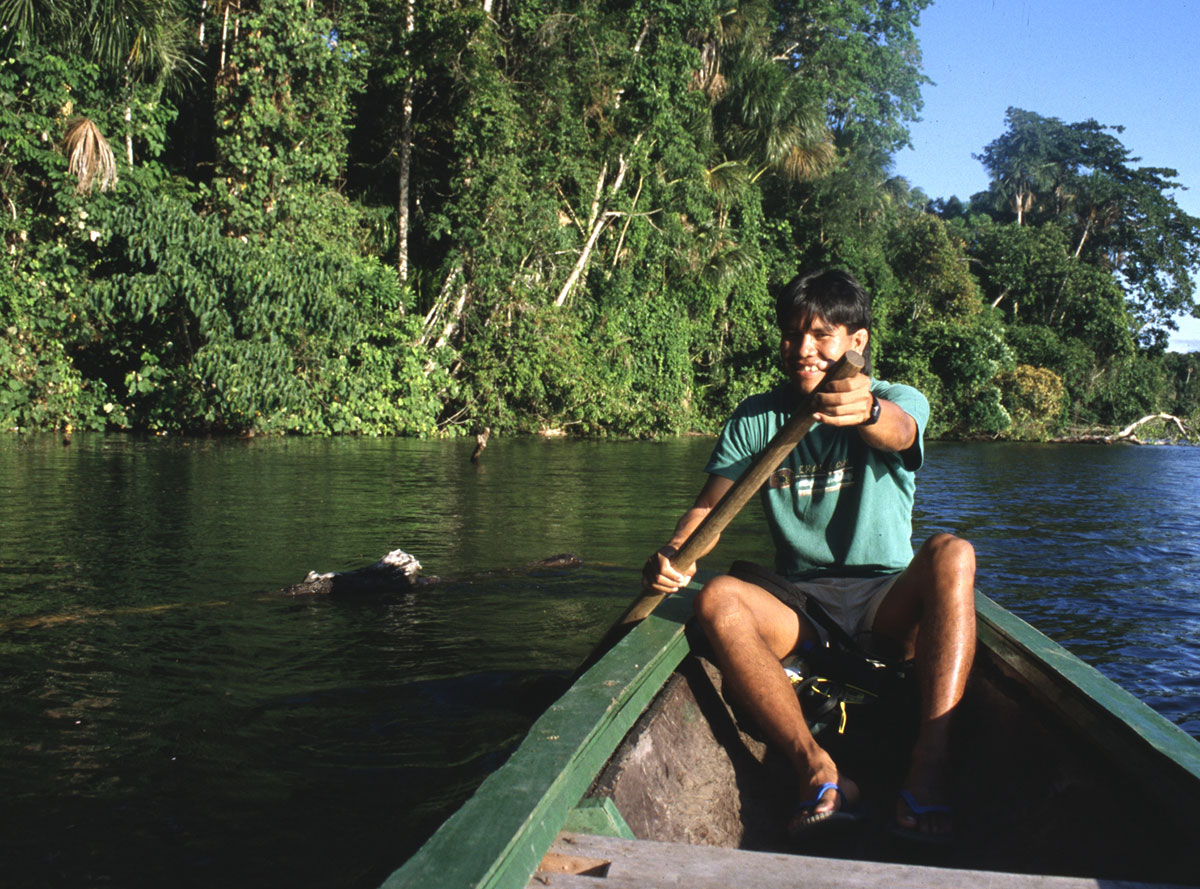
Wildlife enthusiasts will find May to October the most comfortable time to visit Bolivia’s Amazon rainforest, with hot daytime temperatures (25-34°C/77-93°F) and relatively cooler evenings (16-22°C/61-72°F). Rare cold fronts lasting 1-3 days called surazos may push in and drop temperatures to 9°C/48°F.
There are also fewer mosquitoes, and receding water levels make wildlife spotting easier as animals come to rivers to drink. With just 7-9 rainy days, conditions are drier than the near-daily rains of February and March.
Insider knowledge: During the dry season, nighttime temperatures in the Altiplano drop below freezing. Pack layers to help keep you warm.
Bolivia from November to March (wet season)
The Uyuni Salt Flat’s mirror effect occurs when a thin layer of water from summer rains covers the flats. The famous reflective surface makes for surreal pictures and an otherworldly experience for travellers.
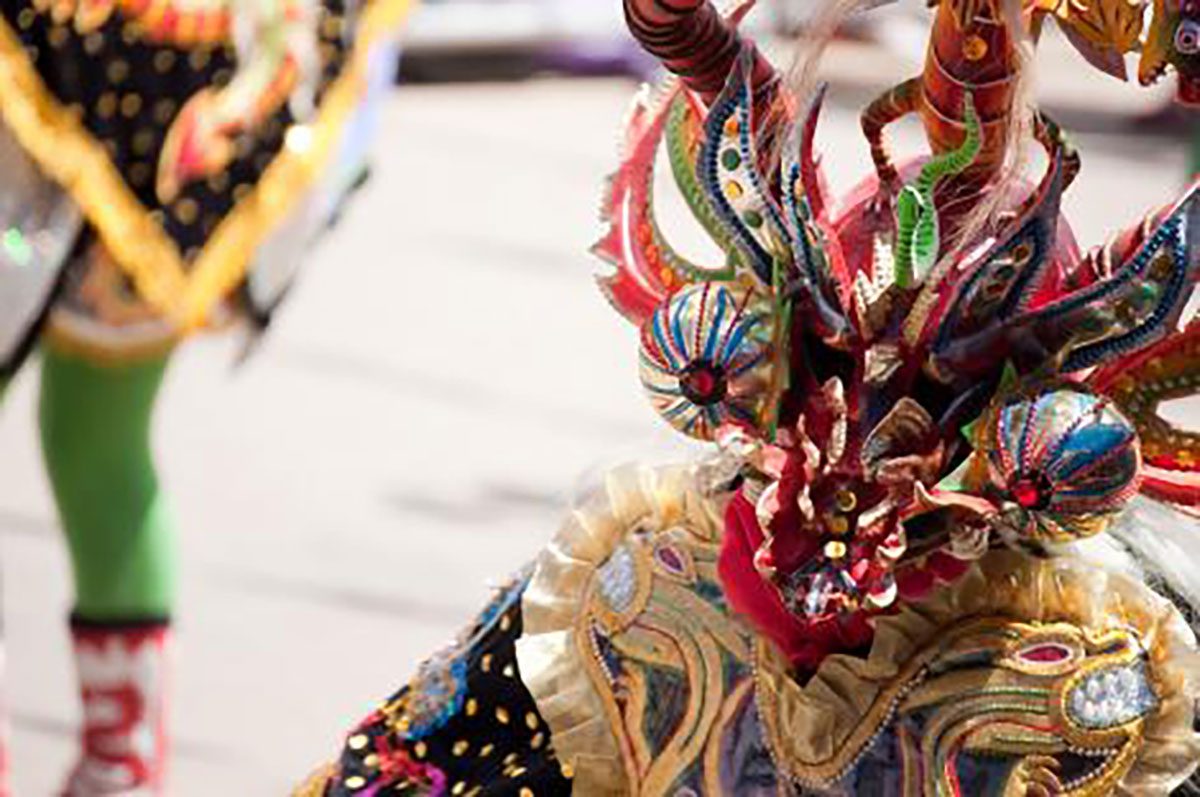
Bolivia’s summer also ignites the people’s party spirits. The 10-day, UNESCO-recognised Carnaval de Oruro is one of the continent’s most spectacular events. It features thousands of elaborately dressed dancers showcasing the region’s textiles, masks, and embroidery, along with enthusiastic musicians.
Each town and city also has its own take on the Day of the Dead, or Todos Santos, held on November 1 and 2.
La Paz takes pride in its Alasitas Fair (starts January 24). This month-long fair in La Paz is dedicated to Ekeko, the Andean god of abundance. People bring miniature versions of items they desire, like cars or houses, to bring them good luck in pursuing their material dreams.
Insider knowledge: The rainy season (summer) brings warmer days, but the extra rain can lead to road closures in remote areas. Build extra days into travel plans.
Not sure when to go? Contact the Andean Trails team for expert advice.
- Trekking tours in Bolivia Cordillera Real
- Uyuni Salt Flats in 4x4s
- Amazon holidays in Bolivia
- Cultural Bolivia trips
Month by Month Travel Guide to Bolivia
There’s always something to see in Bolivia, no matter when you visit.
The best time to travel is the winter (dry season) between May and September when weather systems over the Andes are typically stable. Most of the rain falls from December to March.
Here’s a month-by-month Bolivia travel planner:
| Month | Andes & Altiplano | Uyuni Salt Flats | Yungas and Amazon |
|---|---|---|---|
| Jan | Afternoon rains | Mirror effect (flooded) | Rainy season |
| Feb | Rainy season | Mirror effect (flooded) | Rainy season |
| Mar | Rain easing | Possible reflections | Wet, but improving |
| Apr | Good | Good | Good |
| May | Excellent | Excellent (dry) | Good |
| Jun | Excellent (cold nights) | Excellent (dry) | Good |
| Jul | Excellent (cold nights) | Excellent (dry) | Good |
| Aug | Excellent (cold nights) | Excellent (dry) | Good |
| Sep | Excellent | Excellent | Good |
| Oct | Very good | Very good | Good |
| Nov | Rain starting | Mixed conditions | Rain increasing |
| Dec | Rainy season | Possible reflections | Rainy season |
Here are some of our guide’s month-by-month highlights to help you pick the best time to visit Bolivia.
January in Bolivia
Visit the Fiesta de Alasitas in La Paz, or head to the recently flooded Uyuni Salt Flats for the start of its mirror-effect season, caused by the rains.
February in Bolivia
Party rhythms at Oruro’s Carnival are in full swing, and the warmer, wetter weather makes white-water rafting on the Río Coroico fun. Uyuni continues with its mirror effect.
March in Bolivia
The Salt Flats begin drying out towards the end of March. A good time to visit Lake Titicaca, before the busier winter months.
April in Bolivia
Andean skies clear to reveal verdant valleys full of flowers and quieter walking trails, particularly in the deep, dinosaur footprint-laden canyons of Toro Toro. Easter (Semana Santa) often falls in April, bringing colourful, flower-laden parades.
May in Bolivia
The Andes and Amazon reveal themselves: ice-climb, hike, bike, and enjoy the mountain ranges around La Paz and Lake Titicaca. Drier weather makes visits to the Potosi mines and the white city of Sucre more attractive.
June in Bolivia
The Uyuni Salt Flats are now glistening white, opening up the salar fully for exploration. Anyone in Bolivia on San Juan (June 24) will enjoy bonfires and fireworks on what is often the coldest night of the year.
July in Bolivia
Water levels drop, meaning great chances to see wildlife in the Amazon rainforest of Madidi or the nearby pampas’ pink river dolphins. Perfect trekking time in places like Sajama or climbing Huayna Potosi.
August in Bolivia
Bolivia remains fabulous for trekking, the Amazon, and exploring. The dry weather also brings festivities: the Virgen de Copacabana is celebrated on Lake Titicaca on August 5, while August 6 marks Bolivia’s nationwide Independence Day.
September in Bolivia
As winter turns to spring (with warm days and mostly dry weather), fewer visitors visit Bolivia’s best sites.
October in Bolivia
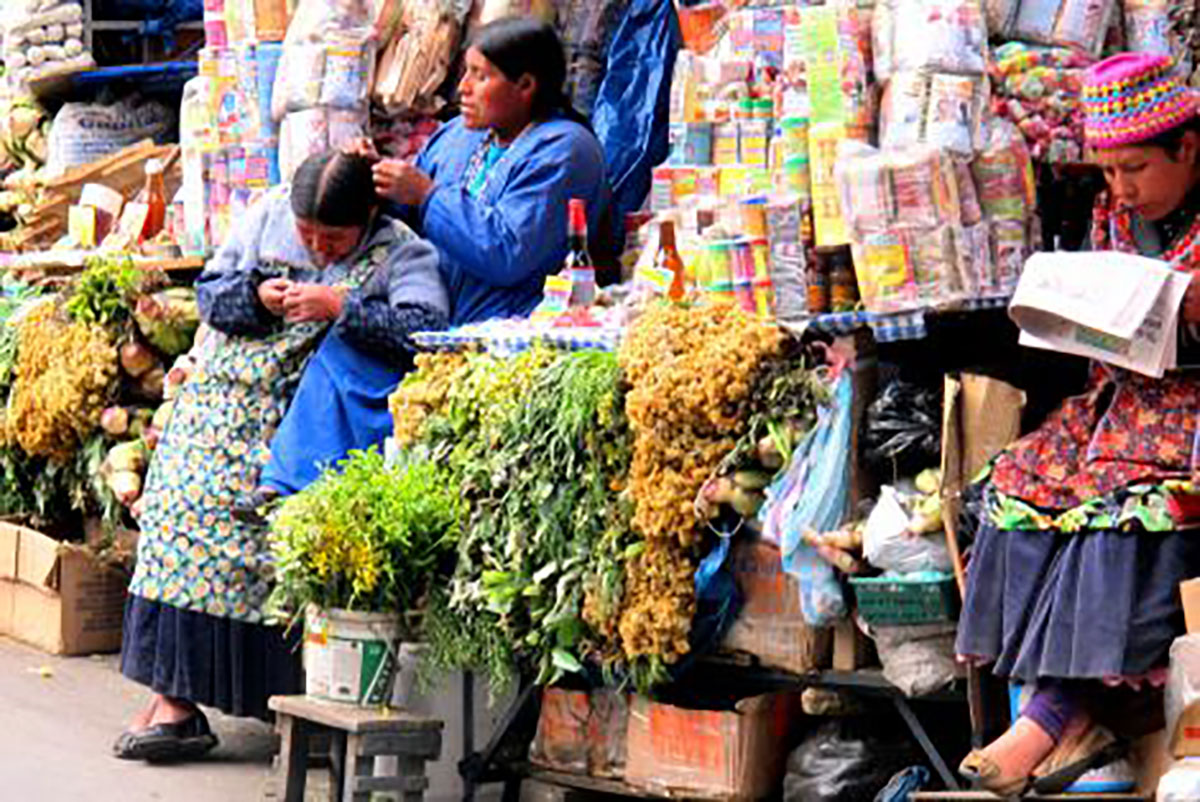
Visit the Eduardo Avaroa National Reserve to see flamingoes, or explore La Paz and its teleférico cable cars, Witches’ Market (Mercado de las Brujas), vibrant 16 de Julio market, and moon-like rock formations at Valley of the Moon (Valle de la Luna).
November in Bolivia
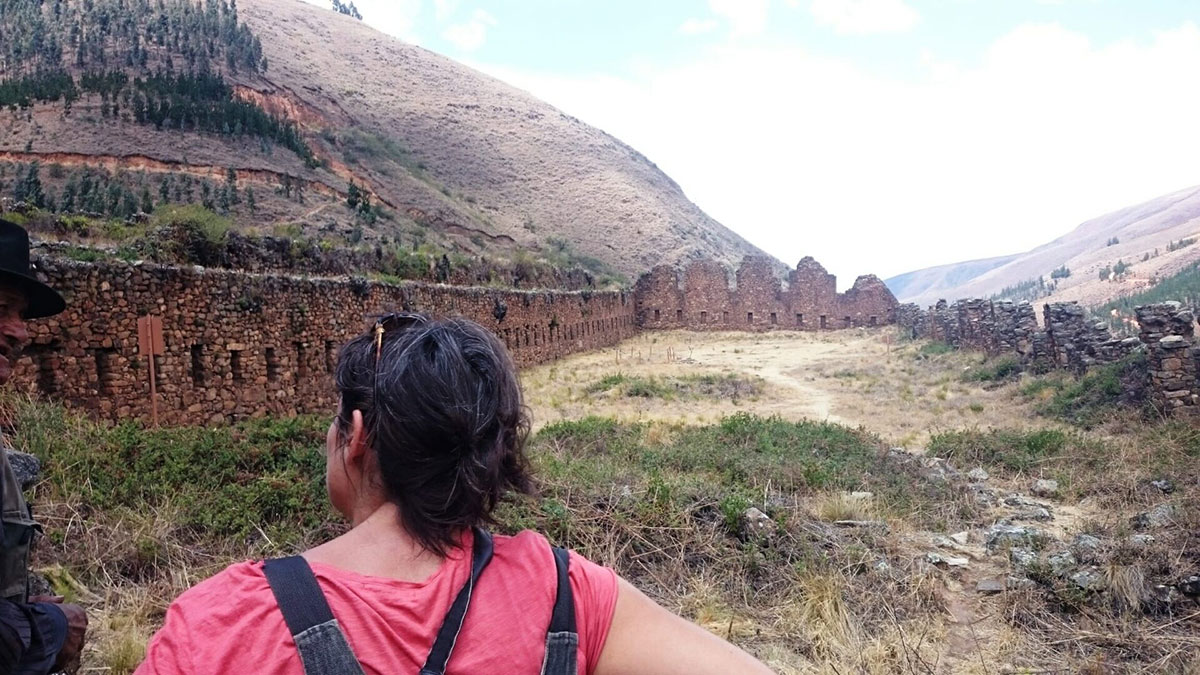
Mixed weather as summer (rainy season) arrives, usually meaning a higher chance of afternoon rain. Get up early and explore the pre-Inca Tiwanaku ruins near Lake Titicaca, or the Inca Incallajta ruins near Cochabamba.
December in Bolivia
The mirror effect begins on the Uyuni Salt Flats with the rains. Cities come alive with festivals: Illapacha de los Andes in La Paz marks the summer solstice (December 21), and the Fiesta de la Purísima (Immaculate Conception) in Cochabamba features traditional dances, food, and drink (December 8).
Weather Across Bolivia by Region
Here is more information on the ideal time to visit Bolivia, based on popular destinations.
April to Oct: dry season in the Altiplano (Andes) and Yungas (Amazon)
- La Paz (3,650m): Average max/min temps: 13ºC /-2ºC. Average of 1 wet day per month.
- Rurrenabaque (Amazon): Average max/min temps: 30ºC /20ºC. Average 6 to 8 wet days per month.
- Uyuni Salt Flats: Average max/min temps: 12ºC /-3ºC (lower in higher areas) with almost no rain.
Trekking in the Andes of Bolivia
Temperature-wise, the Andes and Altiplano experience significant fluctuations over a single day. At 4,000m, the pre-dawn temperature can drop to -15ºC, while noon temperatures at the same location can reach 20ºC.
The further south and west you go on the Altiplano, the drier the conditions are; around Uyuni, semiarid conditions prevail. Southerly cold winds mean the southern Altiplano is not only drier, but also noticeably colder and windier than the north (pre-dawn temperatures at Uyuni in July regularly drop to -20ºC).
Insider knowledge: October is one of our favourite months—great weather, fewer crowds, and generally good trekking conditions.
Nov to March/April: wet season in the Altiplano (Andes) and Yungas (Amazon)
- La Paz: Average max/min temps: 15ºC /5ºC. Average 10 wet days per month.
- Rurrenabaque (Amazon): Average max/min temps: 30-33ºC /23ºC (September and October are hottest), with a 50/50 chance of a rainy day.
- Uyuni Salt Flats: Average max/min temps: 20ºC /5ºC with 7 to 11 rainy days that help create the mirror effect.
- On highland treks: Wetter conditions, with cooler days and milder nights than the dry season. January to March are usually the wettest months, and climbs and high-pass treks are not possible.
FAQs About the Best Time to Visit Bolivia
When Is the Best Time to Visit Bolivia?
The best time to visit Bolivia is from May to October, the dry season. May to October is Bolivia’s winter, with clear skies and stable weather, making it ideal for exploring the Andes, the Uyuni Salt Flats, and other high-altitude regions like Lake Titicaca.
However, if you want to see the famous mirror effect at Uyuni Salt Flats, the best time is during the wet season from January to March.
What Is the Best Time to Visit the Uyuni Salt Flats?
The Uyuni Salt Flats can be visited year-round. The perfect time to visit the Uyuni Salt Flats depends on what you wish to see: whether you prefer dramatic reflections or classic landscapes.
- May to October (dry season): Classic white salt desert, with easy travel conditions across the entire salt flats.
- January to March (wet season): Rainwater covers the flats to create magical mirror-like reflections and stunning photographs, although the conditions restrict travel to some areas.
Both offer unique and equally memorable experiences.
When Is the Rainy Season in Bolivia?
Bolivia’s rainy season runs from November to March. The heaviest rainfall is typically in January and February. Travel through the country’s lush and green landscapes during this time can be affected.
Is Bolivia Good to Visit Year-Round?
Bolivia can be visited year-round. The best time to travel depends on where you wish to go:
- Andes & Altiplano: Best from May to October
- Uyuni Salt Flats: Year-round, with the mirror-effect from January to March, and the classic white salt views from May to October.
- Amazon & Yungas: Accessible all year, drier between May and October, with heavy rain from January to March.
When Is the Best Time to Visit La Paz?
For most travellers, the best months to visit La Paz are from May to October, when the weather is stable and perfect for exploring. Summer (December to February) means a higher likelihood of afternoon rains, but the city also comes alive with festivals and processions. Temperatures, however, remain cool year-round due to the city’s high altitude.
How Does Altitude Affect Travel in Bolivia?
Many of Bolivia’s top destinations—La Paz, Uyuni Salt Flats, Lake Titicaca, and more—are at high altitudes. Travellers arriving from sea level need to acclimatise to avoid altitude sickness, especially on arrival. Top tips include moving slowly, drinking lots of water (two litres or more, daily), avoiding heavy meals, coffee, and alcohol, and drinking plenty of coca tea.
Choose the Best Time to Visit Bolivia
Most visitors find that the best time to visit Bolivia is the dry season from May to October. The stable and dry weather makes it ideal for exploring the country. If you’re planning trekking, visiting the Uyuni Salt Flats, or exploring Lake Titicaca, this is the most reliable time to travel.
High-Andean treks and climbs are open, the weather is good, and travel to bucket-list destinations like Lake Titicaca and the Uyuni Salt Flats is reliable. Bright, sunny days are followed by chilly nights, with temperatures often dropping below freezing in remote, high areas.
May to October is also the ideal time to visit the rainforest, as it experiences the fewest rainy days during this period. Contact our Bolivia experts to start your travel planning.