Colombia Holidays and Tours

Planned by people who’ve been

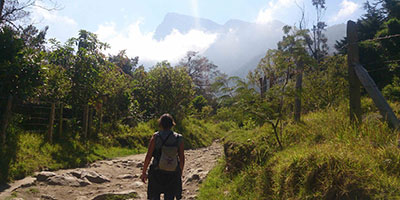
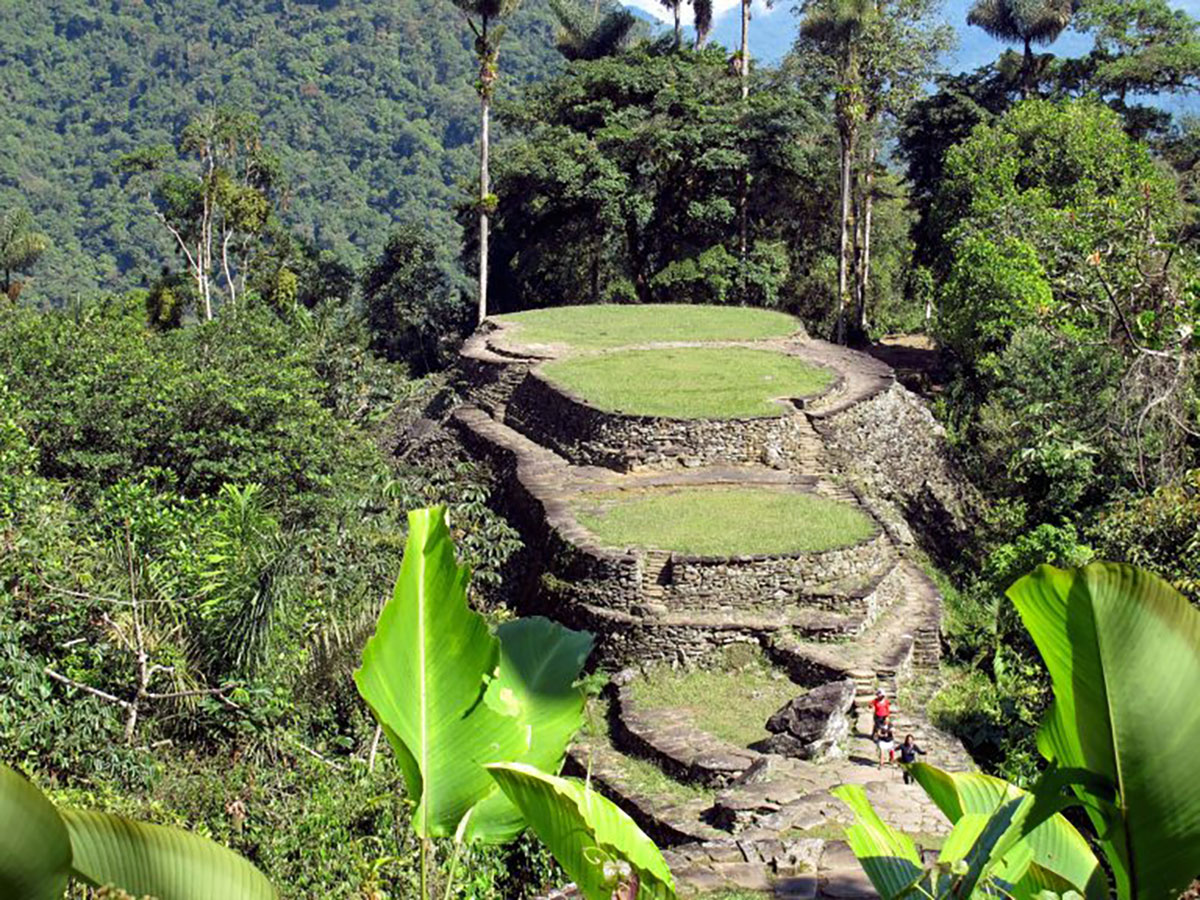
We’ve climbed the steps to the Lost City, trekked the páramo above the Cocora wax palms and cycled Bogotá’s Sunday Ciclovía. We’ll help you fit it all in without living in airports
ATOL 6275 protected
Speak directly to the experts
28 years experience
icon horse riding

South America Specialist

Since 1998, we've crafted journeys using knowledge gained on our own explorations of South America's spectacular wilderness, fascinating cultures and diverse wildlife.

trekking icon

Explore with confidence

Bring a sense of adventure and an open mind. We'll take care of the logistics and support you round the clock.

icon wildlife

Local connections

We only work with small, locally owned operators and guides. Your money stays where you travel, and a share of every trip supports local communities and the wild places they protect.
Places of interest in Colombia

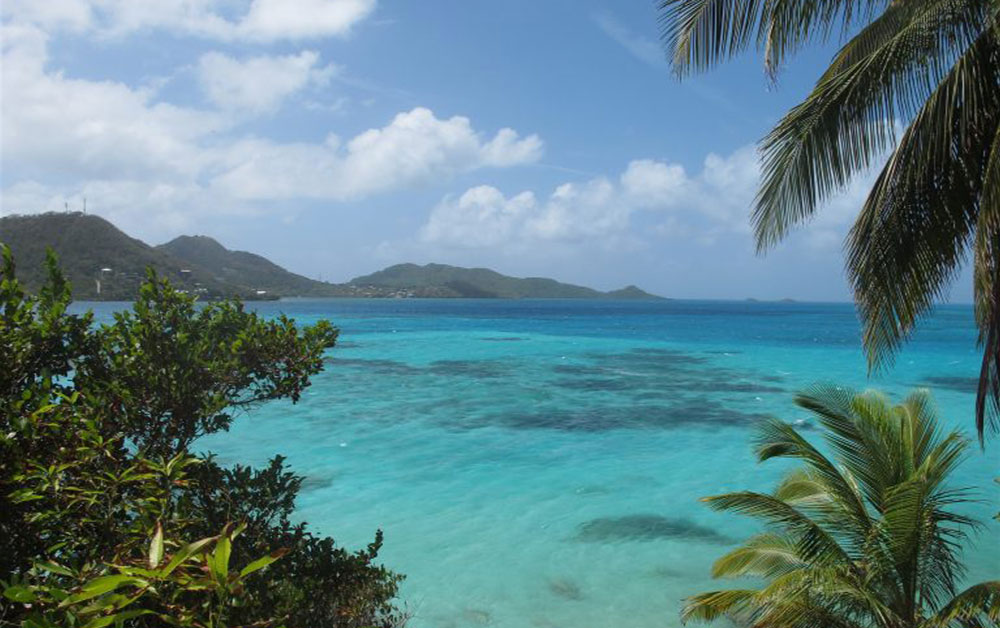
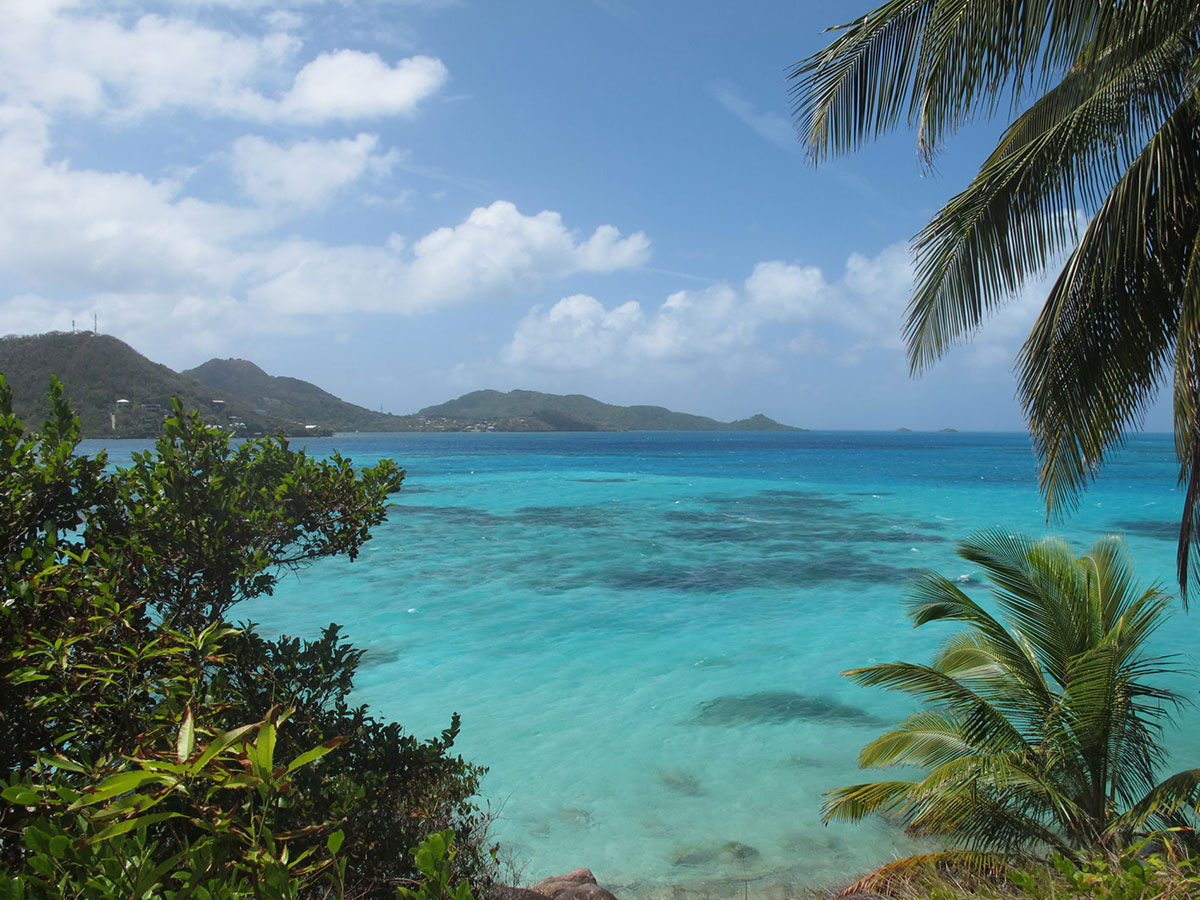
View From Cayo Cangrejo To Providencia
Blissfully remote islands showcasing the real Caribbean

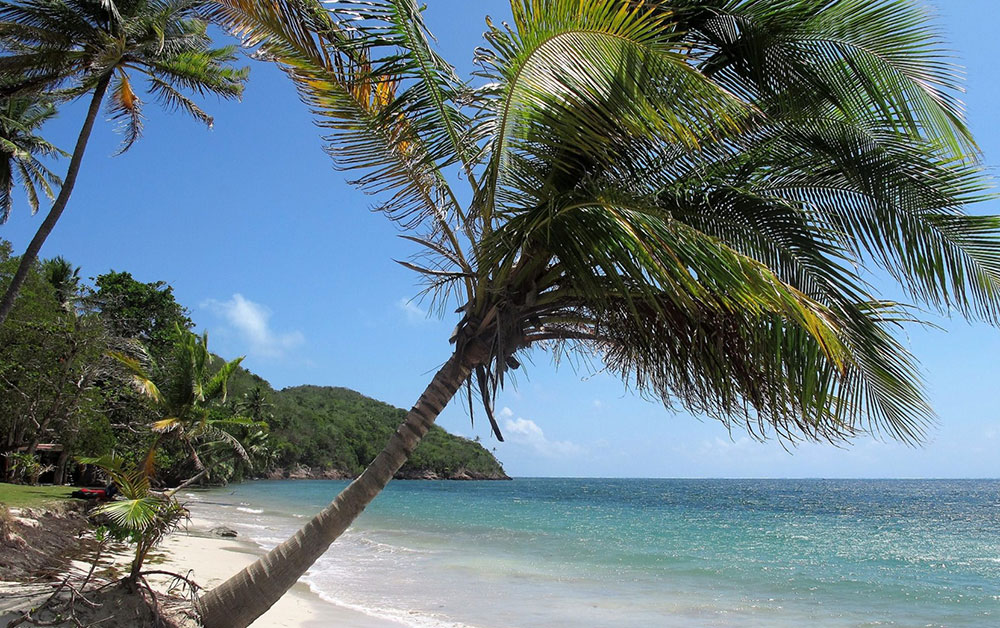
Colombia’s hidden San Andrés and Providencia islands offer visitors pristine turquoise seas and coral reefs straight out of a Caribbean dream.

Closer to Nicaragua than Colombia, these remote islands are also home to a distinctive creole-speaking Raizal culture.

Travellers have to fly to San Andrés first, famed for white-sand beaches and excellent snorkelling and diving. Here, the waters are famous for their ever-changing shades of blue, which wind surfers love to skim across. San Andrés is also a tax-free zone, making it popular with Colombians and lending it a vibrant restaurant and nightlife scene.

In contrast, Providencia is a wonderfully unspoilt and peaceful island of colourful wooden houses, deserted beaches, and friendly locals.

The wildlife-rich seas house extensive coral reefs, attracting snorkellers and divers to sites like Crab Cay and Old Providence McBean Lagoon National Natural Park. Stretch your legs and hike to El Pico, the island’s highest point, for superb views across the Caribbean, with darting vivid blue rainbow lizards along the way. 

Enjoy lazy lunches and relaxed evenings with freshly caught fish, crab, and other island specialities.

San Andrés brings energy, activities, and relaxation; Providencia is all about a slower pace and a true sense of escape. Combine the two for a glimpse into the real Caribbean.

Insider Tip
Don't forget to head to Roland's Bar on Manzanillo Beach for ear-splitting live reggae nights, superb sunsets (and sundowners), plus worth-the-wait seafood. Head over at the weekend, and you might just catch an impromptu local horse race between locals. April to May is when the famous black crab migration occurs.
manzanillo-beach palm tree colombia
Much more than picture-perfect beaches

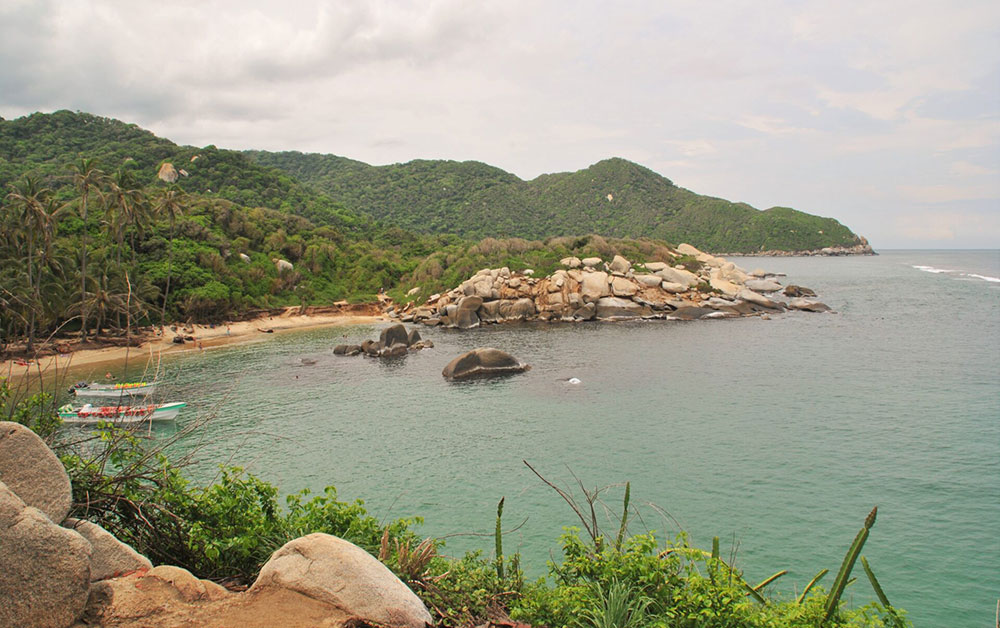
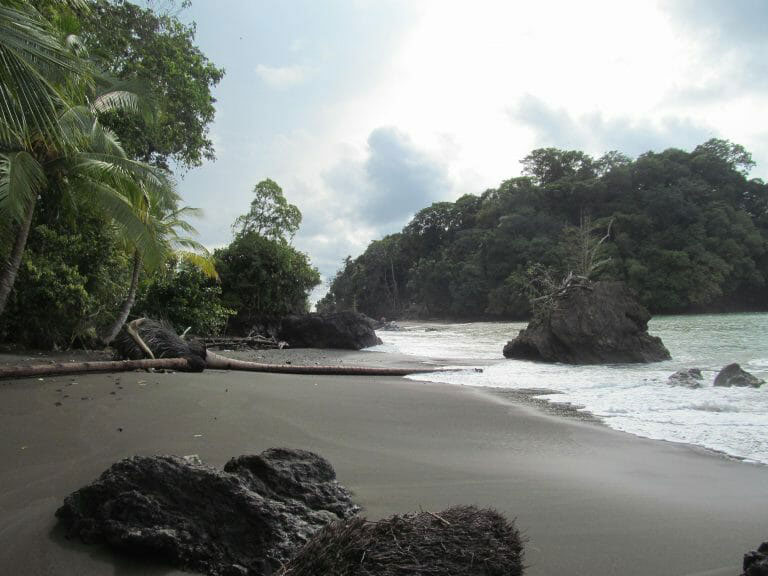
The famous Parque Nacional de Tayrona, Santa Marta, and the neighbouring Palomino are fabulous places from which to enjoy Colombia’s divine mainland coast.

Sip a cooling drink while lazing on warm, golden sands and listen to the Caribbean’s crashing waves. Various hotels line the coast, offering great bases for exploring the region.

Santa Marta is a great stepping stone to Colombia’s coastline, where you can stroll with the locals along the Malecón, or listen to buskers in the cute old town.

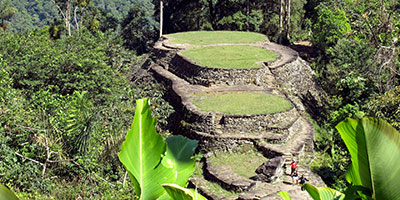
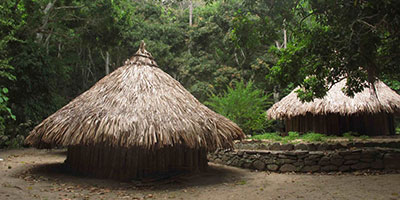
For the more energetic, hike through lush forests replete with colourful birdlife to the enigmatic Lost City, La Ciudad Perdida.

Insider Tip
Discover lush forest, fresh mountain air, and spectacular views stretching towards the Caribbean coastline from the nearby Minca. Explore waterfalls, cacao farms, scenic viewpoints, and birdlife-rich forest trails in this famously laid-back area.
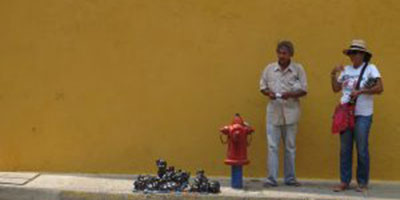
Street sellers in Cartagena Colombia
More than a wonderful, walled colonial port

Writers, painters and now travellers flock to Cartagena, Colombia’s world-famous and wonderful colonial port.

Cartagena’s city wall wraps itself around historic churches, colourful plazas, and atmospheric narrow streets. Fruit sellers, dancers, musicians, and more give the city vibrancy.

Traditional life runs alongside the modern: Five-star hotels and top-end restaurants rub shoulders with horse-drawn carriages to create a unique ambience, best enjoyed in the soft morning light (before 8am).

Visit San Felipe de Barajas Castle and amble through the Getsemani neighbourhood for street art and drinks for a city vibe. Don’t forget sundowners from 4.30pm on the Murallas (city walls).

Beach lovers love the escape to the white sandy beaches of the nearby Rosario Islands. The 40-minute ride over rewards guests with perfect places to relax and crystal-blue seas for swimming and snorkelling.

Alternatively, for a relaxing break at the start or end of your holiday, take a few days to relax on one of the quieter islands just off the coast. These are ideal for swimming, snorkelling among coral reefs and mangroves, or chilling on the beach with a cocktail.

Insider Tip
Explore the enormous and chaotic Bazurto market just outside the main walled city. Bazurto is often a bit smelly as the midday temperatures soar. Still, this market reveals Cartagena’s underbelly, away from the glistening lights and well-appointed historic centre.
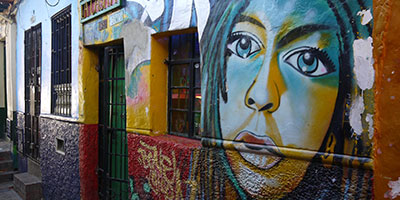
lady grafitti bogota colombia
Delve into the Athens of South America

Nestled at 2,650m/8,694ft between Andean peaks, Bogotá enjoys a near year-round spring climate. This recurring energy permeates every aspect of life, making Colombia’s capital city an exciting stopover.

The city is known as “The Athens of South America” (La Atenas suramericana) because of its history as a hub for education, literature, and science.

Explore the world’s most important and impressive collection of pre-Columbian goldwork at the Muséo de Oro, one of many excellent museums. Savour wonderful culinary treats and zesty fresh fruit juices on the streets.

Wander La Candelaria’s winding, colourful streets, with its coffee shops, artisanal shops, and dynamic nightlife. Or try the Chapinero neighbourhood for dining, Zona G or Quinta Camacho.

This is Bogota, Colombia’s vibrant capital, which locals call “The Fridge” (La Nevera) because of its fresh, high-altitude Andean weather.

Insider Tip
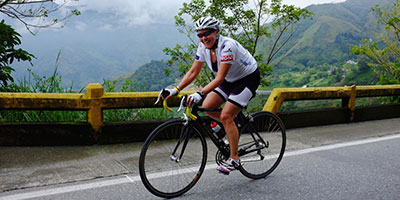
For a fabulous fun and local way to enjoy the city make sure you are there on a Sunday or public holiday. Between 0700 and 1400 many residents, of all ages and abilities, take to 140 km of closed city roads on their bikes. Bogota was the first of South America's cities to start this Ciclovia Sunday tradition. Bike hire widely available.
Sacha canopy Ecuador
Travel deep for an authentic rainforest visit

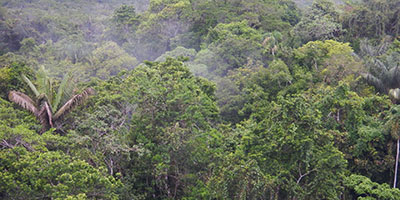
Colombia’s Amazon remains an authentic rainforest experience, home to few people but an incredible density of wildlife—and borders.

Fly from Bogotá to Leticia, which straddles the borders of Colombia, Brazil, and Peru- a unique Amazon feature. Next, travel through natural reserves to the inspiring Puerto Nariño. This Indigenous-led municipality has banned motor vehicles, bringing unmatched tranquillity to the area.

Cultural interactions with Indigenous communities await, with handicraft workshops and explanations of myths and legends.

Keep an eye out for pink river dolphins, caimans, birds, and reptiles, including the Anaconda.

Insider Tip
Fancy sleeping high up in the rainforest canopy? Tanimboca Natural Reserve offers lodge accommodation nestled in the branches of huge trees for a unique Amazon experience.
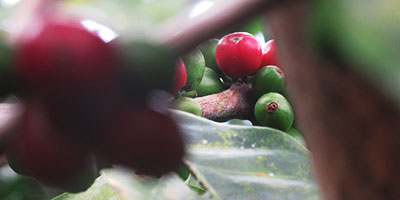
Coffee beans ripening Salento Colombia
The unmissable heart of Colombia

Brightly painted Salento is one of Colombia’s oldest coffee-producing towns and retains a captivating mix of tradition and new-world bustle.

Trekking-clad tourists brush shoulders with local farmers. Spot the locals strolling around in their ‘Aguandeñan’ hats (predecessor to the Panama hat), Wellington boots, machetes, and moustaches—with a customary poncho folded over their shoulders.

Try playing Tejo here, Colombia’s national game. This lively game involves throwing metal discs at clay targets lined with small gunpowder packets.

The iconic way to travel here is by ‘Willy’ jeep, with people often hanging off the side as they zip through the countryside, perhaps to visit one of the many traditional coffee plantations that made this valley famous.

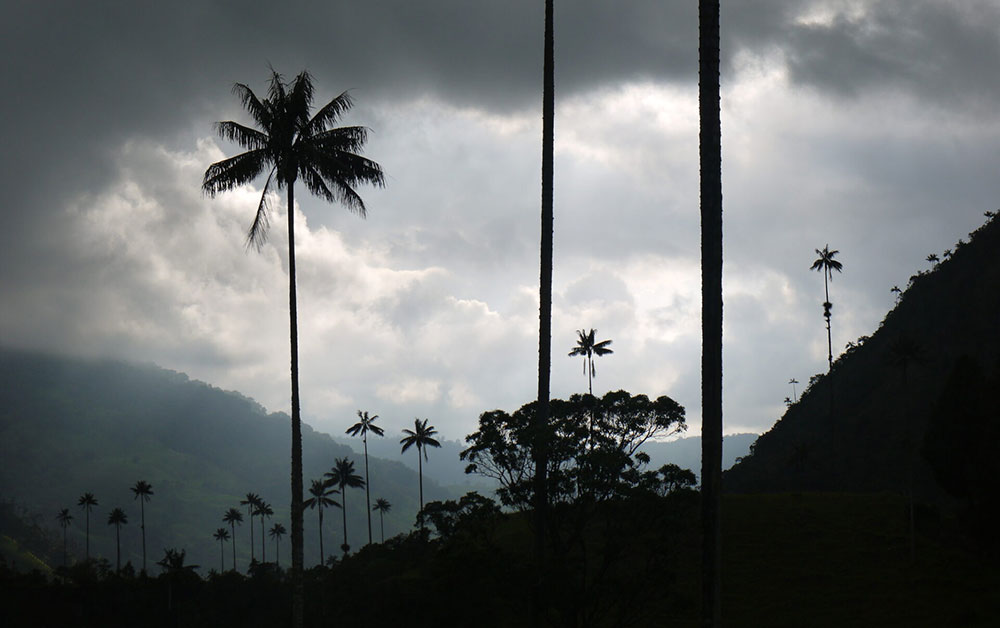
Many people travel to Cocora to gaze up at the Gigantic Wax Palm trees that grow here, thrusting up to 60m/197ft from earth to skyline. Here, trekkers enjoy walking through the mountain ranges of Los Nevados National Park, from cloud forest to high páramo.

Insider Tip
Hike away from the Cocora day trippers into the páramo, a high Andean grassland found only in a narrow band of the northern Andes. Its signature plant is the frailejón, which few visitors see. Some trekkers may also be rewarded with views of condors and mountain tapirs in this beautiful zone.
Roman soldier in Plazoleta de las Esculturas Medellin Colombia
Art, music, food: Medellín symobilises Colombia's transformation

Big and bustling, Medellín is becoming Colombia’s go-to city as it shakes off its Pablo Escobar past and emerges as a centre for art, culture, and nightlife.

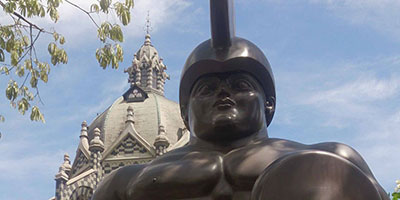
A visit to Plazoleta de las Esculturas to see 20 of Botero’s famous large bronze sculptures is essential, as is a look around the Museo d’Antioquia, which showcases his paintings and fantastic Colombian modern art.

The Comuna 13 neighbourhood has become a buzzing centre for street art and music. A high-quality metro system makes Medellín easy to get around, and telefericos can take you quickly up into the mountains for gorgeous views.

Thrillseekers might enjoy climbing the 740 steps to the summit of the nearby El Peñol. This spectacular monolithic granite formation offers wonderful views.

Insider Tip
Think Medellín is all nightlife and noise? Think again. Stay in the leafy neighbourhood of El Poblado and discover vibrant parks, mountain creeks, and local cafés at your own relaxed pace.

Explore Colombia Holidays and Tours

Colombia’s Coffee Region & Coast Tour

From: $4855 per person

Duration

15 days
trekking icon

Colombia’s Lost City Trek and Highlights

From: $3190 per person

Duration

12 days
trekking icon

Colombia Cycling Tour

From: $5193 per person

Duration

13 days
icon biking

5-Day Cocora Valley Trekking Tour

From: $1476 per person

Duration

5 days
Icon Off the beaten track

Colombia’s Tayrona National Park Tour

From: $1005 per person

Duration

4 days
off track icon

Colombia’s Beaches: Cartagena & Tayrona Tour

From: $1432 per person

Duration

7 days
icon culture
When to go?
Colombia works year-round, and the weather rarely gets in the way. Bogotá and Medellín feel like spring every month, with the odd afternoon shower. For the Caribbean coast and the coffee region, go from December to March or in July and August. October and November are the wettest months. The Amazon runs the other way: it’s driest from June to October, when animals come down to the rivers to drink. From December to May the forest floods, and you can travel deeper in by boat.
Peak Season Shoulder Season Off Season
Providencia and San Andrés
J
F
M
A
M
J
J
A
S
O
N
D
Caribbean Coast
J
F
M
A
M
J
J
A
S
O
N
D
Cartagena de las Indias
J
F
M
A
M
J
J
A
S
O
N
D
Bogotá
J
F
M
A
M
J
J
A
S
O
N
D
Amazon Rainforest
J
F
M
A
M
J
J
A
S
O
N
D
Coffee Region
J
F
M
A
M
J
J
A
S
O
N
D
Medellín
J
F
M
A
M
J
J
A
S
O
N
D
I spent two months in Colombia, and what I remember most is the people. Everyone seemed to want to help, chat or feed me. Usually it was sancocho, a big chicken and plantain stew that’s still my favourite thing to eat there. If you’re coming, I’d start in Bogotá on a Sunday, when they close the roads and what feels like half the city gets on a bike. Then head up to the coffee region. Pick some beans in Salento, walk among the wax palms in the Cocora Valley, and if you’ve got the legs, spend a few nights on the farms up in Los Nevados. After that, it’s the Caribbean coast: Cartagena’s old walls, and beaches for jumping waves.
Tom Shearman

Colombia at a glance

Colombia Travel Highlights

Now politically stable with well-developed flight and road infrastructure, Colombia makes for a fantastic trip. Rightly, it is gaining a reputation as the most beautiful and friendly of countries.

Your holiday in Colombia can take many shapes and forms, from snow-capped mountains to white-sand beaches to ancient archaeological treasures and much more in the various climes of Colombia. Rural regions remain delightfully unspoiled – beaming smiles, open arms and unrivalled hospitality await.

A fun and diverse Colombian adventure, from cycling and snorkelling to the epic Lost City trek, with excellent guides, friendly locals, and seamless organisation making every moment unforgettable.

C Crowther, UK

A rewarding Colombia trek to the Lost City, filled with stunning scenery, friendly people, and authentic adventure.

M Bradie, UK

Activities in Colombia

Colombia Off Beaten Track Tours
Colombia Off-the-beaten-track holidays
off track icon
Colombia Hiking Trekking Tours
Colombia Hiking and Trekking Tours
trekking icon
Colombia Cycling Tours
Colombia Cycling & Biking Tours
Icon cycling
Colombia Cultural Tours
Colombia Cultural Tours & Holidays
icon culture

Read our blog

Frequently Asked Questions about Colombia

Be prepared for your dream holiday to Colombia with our helpful information.

From money advice to visas, from inoculations to which plugs to take, below you’ll find a wide range of travel tips, advice and information that will help you get ready to explore Colombia.

Can’t find what you’re looking for?

Get in touch and we’ll be happy to help.

Colombia Festivals

February

Festival: Barranquilla Carnaval

4 days of parades, music and dancing.

Location: Barranquilla

March / April

Festival: Semana Santa / Easter

2 km procession.

Location: Popayán

August

Festival: Salsa Festival

Week of dance and music events.

Location: Cali

Festival: Feria de Las Flores / Flower Festival

Concerts, shows, parades and celebrations.

Location: Medellín

December

Festival: Festival of Cali

5-day festival between Christmas and New Year with music, horses, classic cars and salsa.

Location: Cali

Communication

Dialling codes

The international code for Colombia is +57.

Regions have single-digit dialling codes.

Landlines

Colombia’s landlines have 7 digits. To call landline to landline in the same city, simply dial the 7 digits.

If calling a landline in another region or city, start with a 0 followed by the city area code.

If using your own mobile phone to call a landline, dial the country code, the regional or city code without the 0, and then the number. For example: +57 1 1234567.

Mobiles

Mobiles have 10 digits.

If dialling mobile to mobile within Colombia, simply dial the 10-digit number.

If using your own mobile phone to call a Colombian mobile, dial the country code followed by the 10-digit number. For example: +57 1 1234567899.

You will see many street vendors selling minutos (minutes), allowing you to make local calls from their pre-paid mobiles at a cheap rate.

Almost all unlocked phones will work in Colombia with a local SIM, and 3G coverage is excellent. Check with your provider before arrival to confirm compatibility.

Roaming charges may be high, so it is advisable to check beforehand.

Internet

Most hotels, cafés, restaurants and airports offer free and generally good Wi-Fi. Many plazas, libraries and other public spaces also provide free Wi-Fi, as Colombia is a very connected country.

Internet cafés are slowly disappearing, but most towns and cities still have some in central areas.

Post

Head to the official postal service, 4-72, for postal services.

Food and drink in Colombia
Starters
Empanadas Fried meat (pork or beef) pasties.
Pandebono Traditional Colombian cheese bread.
Papa rellena Stuffed potatoes, usually filled with meat.
Picada A platter of fried meats and vegetables.
Pan de yuca Bread made with yuca flour and cheese.
Mains
Bandeja paisa Beans, white rice, chicharrón, beef or pork, chorizo, fried egg, ripe plantain, avocado and arepa.
Puchero santafereño Stew that usually includes beef, chicken, pork, plantain, yuca, potatoes, corn, chorizo and cabbage.
Tamales Cornmeal mixed with meat, chicken or fish, wrapped in a banana leaf.
Sudado de pollo Chicken stew served with rice.
Pescado frito A whole fried fish, usually served with green plantain, coconut rice and tomato salad.
Desserts
Salpicón de frutas Fresh fruit cocktail with watermelon juice and sometimes a scoop of ice cream.
Cocadas blancas Sweet sticky shredded coconut balls.
Flan de coco Coconut milk pudding.
Arroz con leche Sweet and creamy rice pudding.
Dulce de brevas Figs cooked in sugarcane syrup, served with cheese.
Drinks
Jugo de tamarindo Tamarind juice.
Aguardiente Spirit made from anise and sugar cane.
Limonada de coco Coconut limeade.
Chocolate santafereño Hot chocolate with a touch of cinnamon.
Tinto Strong, sweet black coffee.
Geography of Colombia

Colombia is divided into five main geographical regions: Pacific, Llanos, Amazon, Caribbean and Andes.

The Andes dominate and have three main branches, all running roughly from south to north.

The Cordillera Occidental lies furthest to the west, running parallel to the Pacific coast; Furthest east lies The Cordillera Oriental running almost to the whole length of the country and incorporating Bogota; and in between these two, is the Cordillera Central.

Less than 3% of the population live in two lowland areas that comprise more than half of Colombia’s overall size.

The first lies to the east of the Andes called Llanos and is a savannah, and forms a part of the Orinoco river basin.

The second is Colombia’s steamy Amazon rainforest, which lies to the far south east of the country and covers almost one third of the entire country.

In the north is the hot and humid Caribbean coast, characterised by beautiful beaches and turquoise seas as well as fertile and low-lying plains and La Guarija Desert.

Colombia lays claim to two small islands, close to Nicaragua, called San Andres and Providencia, and islands in the Pacific and these are known as the insular area.

The narrow Pacific coastal lowlands are densely covered with vegetation, with very few people living here.

Introduction to Colombia

Colombia is the country that has everything you could need from a South America holiday.

Diverse people and landscapes make this a country rich in wildlife, landscapes and culture.

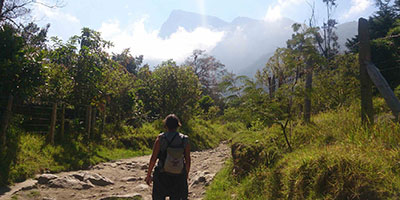
Hikers can choose to trek to glaciers on snow-capped peaks, or through steamy forest to hidden ruins, or to unique Paramó plains.

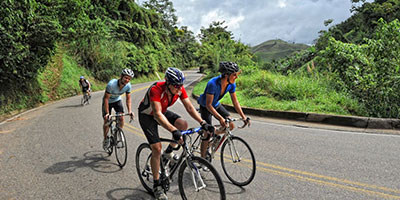
Cyclists can pedal over and around the Andean peaks that dominate, and adventure seekers can try anything from paragliding to canyoning.

Beach lovers can enjoy surfing and relaxing with a Colombian twist, or head to islands for a more Caribbean vibe.

Prefer wildlife? Try the pacific coast and its whales and turtles, or perhaps the Amazon and its diverse flora and fauna.

The cities are cosmopolitan and cultured, replete with incredible museums with enormous collections.

Useful Spanish phrases

Learning a few words of Spanish can really ingratiate you with the locals you’ll encounter, adding to the enjoyment of your holiday. Below are some basics to get you started.

Greetings
Good morning Buenos días
How are you? ¿Cómo estás?
Good afternoon Buenas tardes
Good bye Adiós
Most frequently asked questions (theirs)
Where are you (plural) from? ¿De dónde eres (son)?
What time is it? ¿Qué hora es?
Where have you come from? ¿De dónde vienes?
Give me (frequent, unwelcome question) Dáme / regálame
Most frequent questions (yours)
How much is it? ¿Cuánto vale?
What is this place called? ¿Cómo se llama este lugar?
What’s your name? ¿Cómo te llamas?
Do you have a map? ¿Tienes un mapa?
In the street / places
Where can I find a currency exchange? ¿Dónde encuentro una casa de cambio?
Where is there a cash machine? ¿Dónde hay un cajero automático?
Where is the underground/subway station? ¿Dónde está la estación de metro/subte (Buenos Aires)?
Where can I find a taxi? ¿Dónde puedo encontrar un taxi?
Where can I find a supermarket? ¿Dónde puedo encontrar un supermercado?
Where is the hospital? ¿Dónde está el hospital?
Where can I find a restaurant? ¿Dónde puedo encontrar un restaurante?
In the hotel
What floor am I on? ¿En qué piso estoy?
Where are the elevators/lifts? ¿Dónde están los ascensores?
How do I access the Internet? ¿Cómo puedo acceder a Internet?
How do I call for room service? ¿Cómo llamo para el servicio de habitación?
How do I call down to the front desk? ¿Cómo llamo a la recepción?
In the restaurant
A table for two/four please Una mesa para dos/cuatro, por favor
I would like to drink… Me gustaría tomar…
May I see a menu? ¿Puedo ver la carta / menú?
I would like to order… Me gustaría pedir…
Can you bring me the check/bill please? ¿Me trae la cuenta, por favor?
Emergency
I need help. Necesito ayuda.
I have lost my passport. He perdido mi pasaporte.
Someone stole my money. Alguien robó mi dinero.
I have been robbed. Me han robado.
I need to call the police. Necesito llamar a la policía.
I need to call the (country) Embassy. Necesito llamar a la embajada de (country).
Help! ¡Socorro!
Kit list

Good kit is vital for every trip.

Book with Andean Trails and get 15% off Páramo’s fantastic ethical and high performance outdoor gear.

Overview

Bogotá is a city high in the Andes Mountains (2625 metres) and has a spring-like climate, when the weather is generally cool and variable. It can rain, the sun can shine and it can be foggy and chilly.

Bogotános like to say that in Bogotá you can experience the four seasons all in one day.

On the Carribean coast it is usually hot and humid. In general you’ll need cool clothes. The Caribbean coast of Colombia is very hot most of the time and your change in altitude during the trek isn’t a lot. Whilst you’ll be kept a little cooler by the surrounding water and dense vegetation you will be pretty hot and sweating  during most if not all of the trek.

Give plenty of thought to kit selection, and try to keep weight down.

Below is a more detailed guide.

Detailed kit list

  • Light weight waterproof jacket.
  • 2-3 long-sleeve shirts – no cotton.
  • 2-3 short-sleeve T-shirts – no cotton.
  • 2 pair of hiking shorts – cotton or synthetic material (no jeans).
  • 2-3 mid-weight (wool or synthetic) socks.
  • 2-3 liner/thin/running socks if needed.
  • Athletic-type socks, for city use.
  • Light weight hiking boots that are waterproof and well broken-in, and suitable for muddy terrain.
  • Training shoes / all-terrain sandals – for crossing rivers and relaxing at camp.
  • Swim suit
  • 1 fleece or sweat trousers (for cold evenings in Bogota).
  • 1 lightweight wool sweater or windproof fleece
  • 1 wool or synthetic warm hat.
  • Broad-brimmed sunhat, essential.
  • Sunglasses with UV filter.
  • Bandana – to protect neck from strong sun.
  • Daypack (at least 30 litres). Comfortable and with waterproof lining or cover.
  • Large rucksack / sports bag for main luggage.
  • Sheet sleeping bag & pillow case  – mosquito netted mattress and a blanket and pillow are provided.
  • Water bottle (2 litres approx.) & purification tablets.
  • Personal first-aid kit to include: painkillers, plasters (band-aids), moleskin, anti-biotic cream, general antibiotics (ask your GP), after-bite (tiger balm), anti-diarrhoea tablets, throat lozenges, re-hydration salts & personal medication.
  • Insect repellent (just in case) – the mosquitoes aren’t awful but they can be a nuisance when you stop for a rest, at Ciudad Perdida itself and at camp.
  • Quick dry towel & wash-kit.
  • Trekking poles (optional).
  • Wet Wipes/antiseptic hand-wash cream.
  • Sunscreen (factor 30+) and lip salve.
  • Head-lamp (plus spare bulb and batteries) – after campsite 1 there is no power so you need to charge up here for the next two days.
  • Penknife.
  • Travel alarm clock.
  • Plastic bags – ‘Zip-loc’ & tough bin liners.
  • Camera and film / memory cards (take at least twice the amount you think you will need!).
  • Powertraveller charger (US type socket)
  • Book, e-book, mp3 player/ipod or other to help pass the time.
  • Binoculars.
  • Spanish/English phrasebook.
  • Extra snacks i.e. cereal bars or favourite chocolate bars.
  • Assorted stuff bags.

Miscellaneous others

  • Money belt.
  • Passport.
  • U.S. dollars cash, mixed-denomination notes, undamaged and unmarked.
  • ATM cash/credit card.
  • Any inoculation certificates.
  • Personal & medical insurance certificates.
  • Presents e.g. Postcards from home.
  • Comfortable clothes for travel, smart clothes for night life.
Money matters

Currency & Money Exchange

Colombia’s monetary unit is the “Colombian Peso”.

Most businesses (unless a tourist shop/restaurant) will only accept Colombian pesos. Note that the Peso comes in very high denominations (see below), so you’ll need to get used to very big numbers on bills that are not worth very much.

ATM debit/credit cards are widely used in major restaurants, hotels and shops (with fees) in major towns and cities. There are plenty of ATMS (hole-in-the-wall) cash machines throughout the country, although in rural areas there are none.

There is often a limit on the amount you can withdraw in one go (around USD 100), and your bank as well as the Colombian bank may charge you for withdrawals.

If you do take foreign currency to change take US dollars. These should be new notes, or at least unmarked and undamaged notes, in smaller denominations of 10s, 20s and maybe some 50s. Do not take USD 100 bills as they are unlikely to be accepted.

When changing money, don’t change with street changers (cambistas). Use a bank or casa de cambio (bureau de change). Count your bills carefully before handing over your US dollars, and look out for forged notes.

Click here for the current exchange rate.

Peso banknotes: 1,000, 2,000, 5,000, 10,000, 20,000, 50,000, 100,000 pesos

Peso coins: 20, 50, 100, 200, 500, 1,000 pesos

Eating and drinking

Colombia has a proud culinary history, with a wide variety of ingredients now being fused with international styles to create exciting new menus.

There are more and more high quality restaurants in most towns and cities, albeit it more rural areas there are very local eateries.

Prices vary greatly, below is a rough guide to what you can expect to pay in Colombia.

Local café/restaurant

Beer/soft drink: USD 1-2

Menu del dia: USD 3-7

Coffee: USD 1

Tourist style restaurant

Beer/soft drink: USD 2-4

Main dish: USD 10 upwards

Coffee: USD 2

Plugs and voltages

Electricity

Colombia uses 110 volts, with a frequency of 60 Hz.

Most cameras, phones and computers are dual or multi voltage and probably won’t need a convertor – please check before leaving.

Some items you may bring, such as hairdryers, may need a convertor. They may short if you use them without the correct convertor.

Plugs

Colombia mainly uses two-pin, flat-pronged Type A plugs and some sockets take Type B plugs.

Type A Plug
Type A Plug
Type B Plug
Type B Plug
Quick facts about Colombia
  • Official name: Republic of Colombia
  • Population: 48,000,000
  • Capital city: Bogotá (7.8 million)
  • Largest cities: Bogotá, Medellín, Cali, Barranquilla
  • Languages: Spanish (official) + 68 more recognised.
  • Latitude/Longitude: 4º S, 72º W
  • Official currency: Peso (COP)
  • Major industries: Finance, minerals, emeralds, oil
  • Time zone: GMT-5
Security in Colombia

General security

Although Colombia is relatively safe, we strongly recommend checking with the Foreign and Commonwealth office about safe travel areas before you depart.

Many areas are safe for travel but other areas are not. Our tours pass for through safe areas.

General advice for anywhere in Colombia is:

  • Leave paper valuables in hotel safe (caja fuerte), taking only what you need for the day. Carry a copy of passport (leave original in safe). When travelling, carry paper valuables in a money belt under clothing, not in a ‘bum-bag’.
  • In Bogota and other big cities, be suspicious of ‘overly-friendly’ locals or ‘tourists’ who might be con-men/women. Beware bag-snatchers on the street.
  • We suggest you do not exchange money on the street. Use a casa de cambio (bureau de change) or bank, ATM machine, and lock the ATM door.
  • Only take a daypack if you’re in a group. We suggest you carry this on your chest. Carry camera in bag, replacing after use. If alone, you’re advised to avoid walking in cities at night.
  • Always take special care in markets and busy streets. Great care is needed in the markets and bus stations.
  • Never carry a bag or valuables in these areas. Beware of distraction techniques.
  • At night, avoid quiet streets or streets with poor lighting, especially if alone; it’s best to use taxis at night, wherever you are.
  • NEVER leave your bags unattended, especially in airports, bus terminals and hotel lobbies.
Tipping

Tipping is entirely voluntary and how much you give depends on how you feel about the service you have received.

This is a rough guideline:

  • Airport porters: Minimum USD 0.50 – 1.00 per bag – compulsory.
  • Hotel staff: USD 0.50 – 1.00 per bag / per breakfast.
  • Transfer drivers: Generally not expected.
  • Drivers: USD 4-8 per day total from the group.
  • Specialist guides: USD 10-15 per day total from the group.
  • Tour leaders: USD 10-15 per day total from the group.
  • Restaurants: 5-15% for adequate to excellent food and service.
Vaccinations for Colombia

We strongly suggest that everyone planning to travel to Colombia visits their local doctor/travel clinic prior to departure for the latest vaccination information.

Recommended vaccinations

  • Up-to-date diphtheria and polio.
  • Tetanus or tetanus booster. (These three are effective for ten years.)
  • ‘Havrix’ for Hepatitis A. The course of two injections protects you for ten years. Gamma globulin is cheaper butless effective.
  • Typhoid vaccine is recommended by some doctors although it will not provide total protection and being careful about what you eat and drink is your best defence. It is given in two shots, four weeks apart and lasts for three years. Unless at exceptional risk, people over the age of 35 who have received four or more courses of typhoid immunisation need no more.
  • A pre-exposure rabies vaccination is worth considering if you are going to be in contact with animals or morethan 24 hours away from a reliable source of vaccine. Hikers are at some risk from rural dogs, certain of which carry rabies, and those visiting coastal or rainforest areas could be exposed to rabid bats.
  • Yellow fever. Required for entry to Santa Marta (Tayrona Park and Palomino area), La Guajira area, Chocó (Pacific Coast) and the Amazon region. Also wooded areas of the Orinoco, Meta, Vichada, Guaviare, Inírida, Vaupés, Putumayo and Caquetá Area. Not effective until ten days after inoculation; not recommended for pregnant women. This is also effective for ten years.
  • Anti-malarial protection. Malaria is present throughout the year. Risk is present in most municipalities but is highest in departments of Choco, Antioquia, Cordoba, Narino and the Amazon (Vichada, Guaviare, Vaupes, Guainia and Amazonas). There is no risk at high altitude and in the cities of Bogota and Cartagena. It is important that you follow the prophylactic regime carefully. Atovaquone/proguanil OR doxycycline OR mefloquine is usually advised for those visiting risk areas. In the UK, contact the Malaria Reference Laborator. North Americans should contact the Centers for Disease Control.
  • Zika. Spread by mosquito bikes and also a risk of sexual transmission. People planning pregnancies / pregnant women are advised against all travel to areas reporting Zika. If you develop any feverish illness whilst travelling or on return medical attention must be sought quickly.
  • Dengue Fever. There is no vaccine and prevention is through avoidance of mosquito bites. The mosquito that spreads dengue bites during the day and is more common in urban areas. Symptoms include fever, headache, severe joint, bone and muscular pain – hence its other name ‘breakbone fever’.
Visas for Colombia

Nationals of the UK and most of Western Europe, the Americas, Japan, Australia and New Zealand, do not need a visa to enter Colombia.

It’s a good idea to check this before your planned trip, because visa regulations change frequently.

Please check your passport is current and make a photocopy that you can carry with you at all times.

All visitors get an entry stamp or print in their passport from DAS (the security police responsible for immigration) upon arrival at any international airport or land border crossing. The stamp says how many days you can stay in the country.

The maximum allowed is 90 days.

Weather in Colombia

Colombia has warm to hot average temperatures all year round.

Cartagena on the Caribbean coast, for example, averages around 325 days of sunshine a year, even during its ‘winter’.

There are, however, two rainy and dry seasons that Colombians call summer and winter.

The severity and length of these seasons also depends on where you are in the country – the coast has slightly more severe and longer dry seasons than the Andean region, for example.

Dry season

Dec-March and July-early Sept.

On the coast the rainfall stays low during the whole of September.

Wet Season

April to June and October to early December.

Much depends on where you are in the country. Up in the mountains one of the great attractions of Colombia is the fact that within half and hour of travel, either losing or gaining altitude, you can emerge in a totally different climate, substantially hotter and drier, or colder and more humid, depending on where you are.

On mountain treks the temperature will decrease around 6°C for every 1,000 metre (3,300 feet) increase in altitude.

In the Paramo, temperatures average around 5ºC and drop below freezing at nighttime.

Again, variations depend on geography.