Since 1998, we've crafted journeys using knowledge gained on our own explorations of South America's spectacular wilderness, fascinating cultures and diverse wildlife.

Bring a sense of adventure and an open mind. We'll take care of the logistics and support you round the clock.

We only work with small, locally owned operators and guides. Your money stays where you travel, and a share of every trip supports local communities and the wild places they protect.
Peru’s southern desert coast combines wildlife, archaeology, and spectacular landscapes with stunning sunsets and a sense of adventure.
Paracas, about three hours south of Lima by road, is a relaxed coastal town and a perfect base for exploring the area, mixing tourism with its maritime history. From here, explore the Paracas National Reserve, where desert cliffs and empty beaches meet the Pacific.
The nearby Ballestas Islands—often dubbed Peru’s mini Galapagos—are home to large colonies of sea lions and seabirds, as well as Humboldt penguins. Boat tours usually sail past the mysterious Candelabro geoglyph en route to the raucous wildlife colonies of the Ballestas.
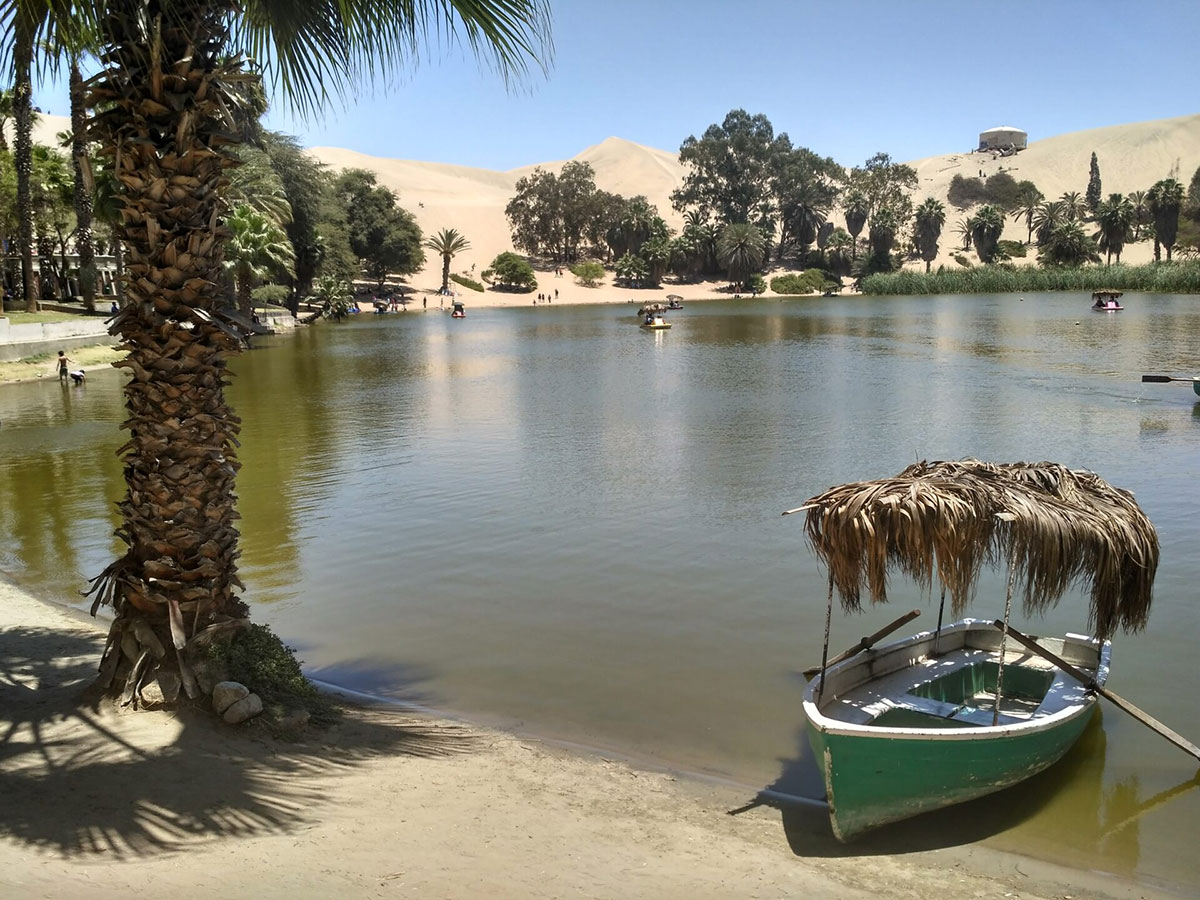
Further south, Ica is the gateway to Huacachina, a palm-fringed oasis surrounded by enormous dunes. Walk, sandboard, or take a dune buggy through the dunes before settling down to enjoy one of Peru’s most dazzling sunsets.
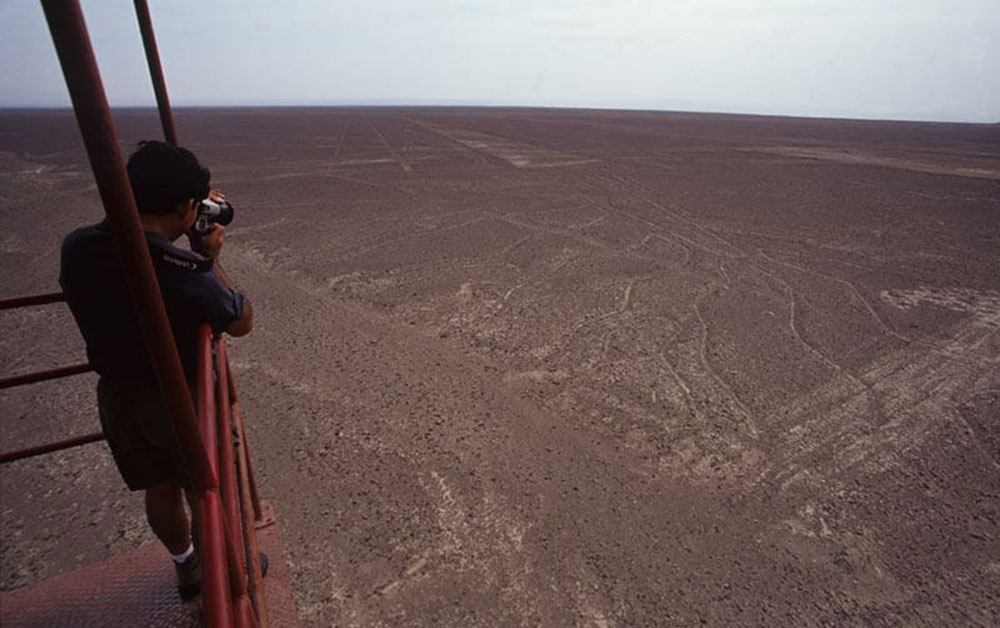
The world-famous Nazca Lines draw many visitors—they are one of Peru’s great archaeological mysteries. A light-aircraft flight over the desert reveals ancient geoglyphs—huge drawings of animals, birds, and geometric designs etched into the desert floor.
From Nazca, continue south to Arequipa or return to Lima. Peru’s southern desert coast reveals a completely different side of Peru from the Andes.

Peru’s less-visited northern coast offers some of the country’s richest pre-Inca archaeology. Explore vast adobe cities, painted temples, and royal tombs, giving insights to sophisticated cultures that flourished centuries before the Incas.
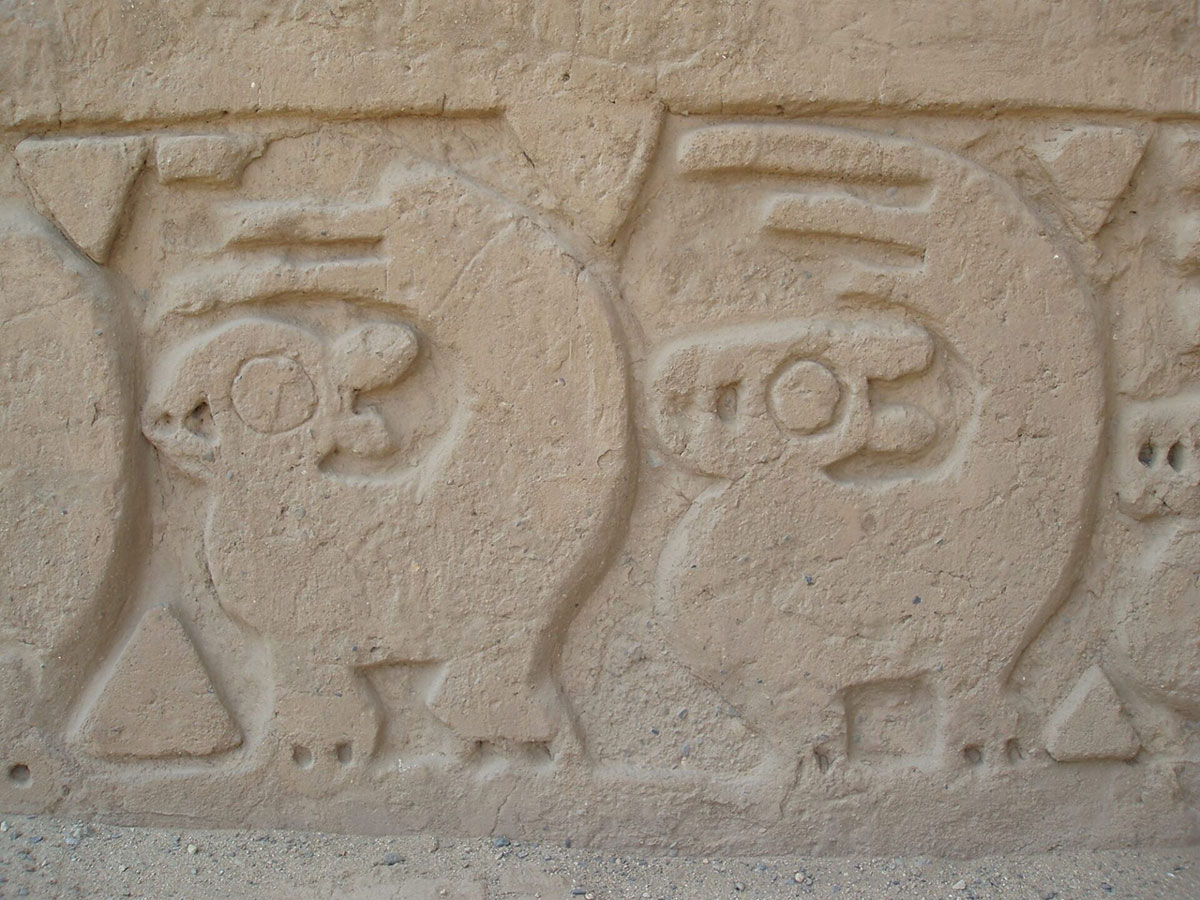
The colourful colonial city of Trujllo offers wonderful cuisine and excellent access to many archaeological sites. Closest is the immense Chan Chan, former capital of the Chimú kingdom and the largest earthen city in pre-Columbian America. Walking through its ceremonial spaces and compounds gives an inkling to this civilisation’s scale and prowess.
The Moche dominated this region before the Chimú. Their beliefs and rituals remain visible today in the remarkably preserved painted reliefs and ceremonial spaces of the Huacas del Sol y de la Luna, about 30 minutes from Trujillo.
You can discover more Moche history at the El Brujo complex. The museum here houses the remarkably preserved remains of the Señora de Cao, an elite Moche woman whose elaborate ceremonial burial revealed much about the status and power women could hold in Moche society.
Huanchaco is a surfer’s delight, with regular waves to catch and excellent seafood served beside the Pacific. Non-surfers can enjoy the beach and watch local fisherfolk head out on their caballitos de totora—traditional reed fishing craft whose origins stretch back to pre-Columbian times.
Peru’s northern coast brings the fascinating detail and diversity of the country’s pre-Inca history to the fore.

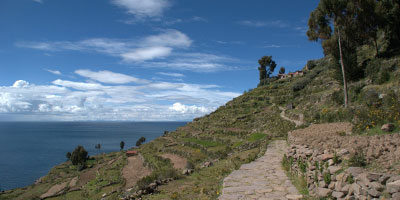
Lake Titicaca, at around 4,000m/13,123ft above sea level, is a vast shimmering body of water on the Peru/Bolivia border.
The islands and shoreline of Lake Titicaca support many Indian communities, including the well known floating islands of Uros and the more remote islands of Taquile and Amantani. Here, traditions are strong and it appears time really does stand.
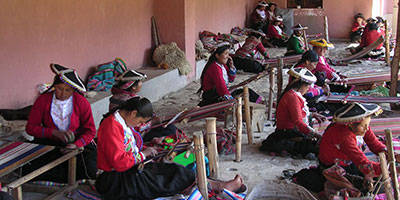
Agriculture, fishing, knitting and weaving are important to the islanders and by staying a day or two you gain just a small insights into this traditional way of life.
Islanders welcome tourists into their homes and this is a wonderful opportunity to experience island life.

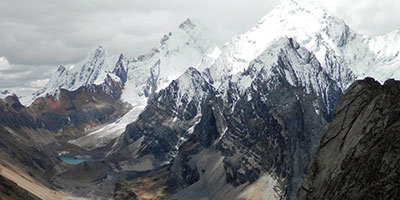
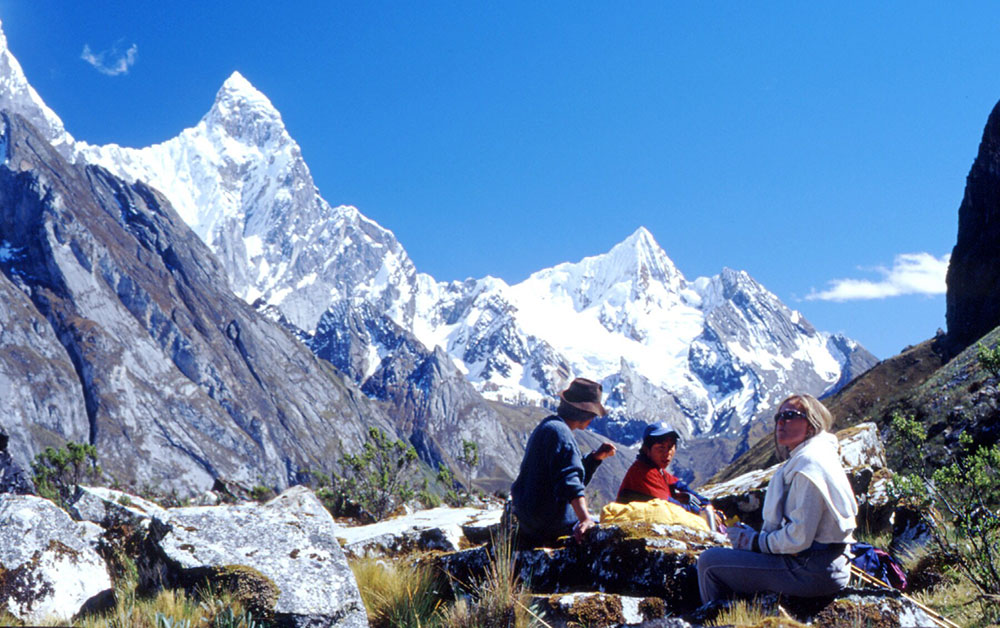
North east of Lima, the Cordillera Blanca boasts dozens of peaks over 6,000 metres, including Peru’s highest Huascaran at 6,768m/22,205ft above sea level.
The Blanca range also contains the world’s largest concentration of tropical glaciers.
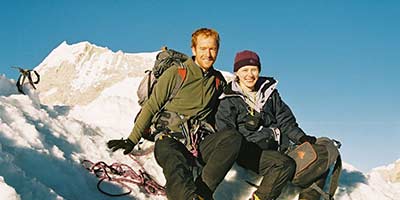
This is an ideal destination for treks, from just a few to 12 days or so and also an ideal starting place for learning or improving mountaineering skills.
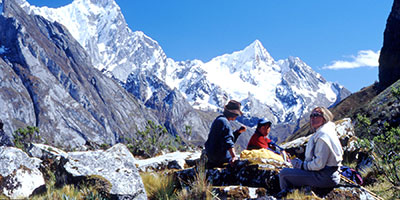
The nearby Huayhuash mountain range contains a dazzling array of snow peaks including seven summits above 6,000 metres.
This is a trekking paradise with breathtaking majestic panoramas and stunningly remote and picturesque camping spots. There is no better place to visit to get away from it all.

Cusco is the one-time centre of the vast Inca Empire is a bustling highland city with bags of character.
Its whitewashed streets and plazas feature a fascinating blend of Inca and Spanish colonial stonework and offer endless possibilities for exploration.
You don’t have to venture far to find outstanding examples of high quality Inca architecture, including the monumental temple fortress of Sacsayhuaman.
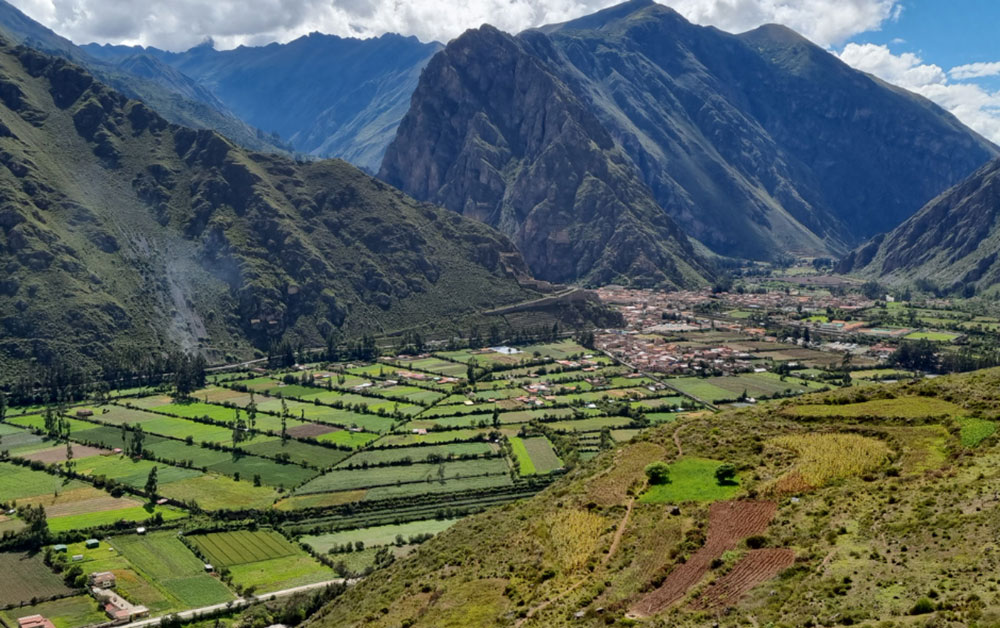
There is also the fertile farming land of the Sacred Valley on the doorstep, with many Inca terraces, temples and fortresses, plus colourful local markets and small villages.
At night, Cusco offers an excellent array or restaurants and bars plus the continent’s best Andean folk music scene.

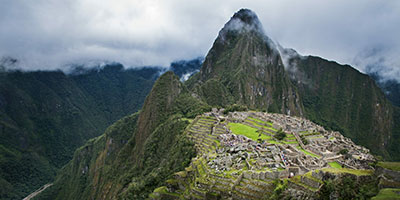
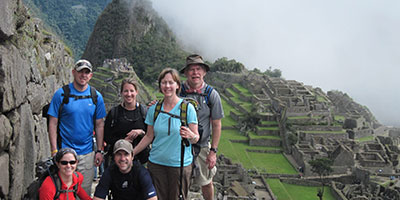
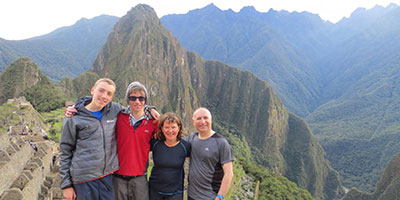
Nothing says Peru quite the way Machu Picchu does.
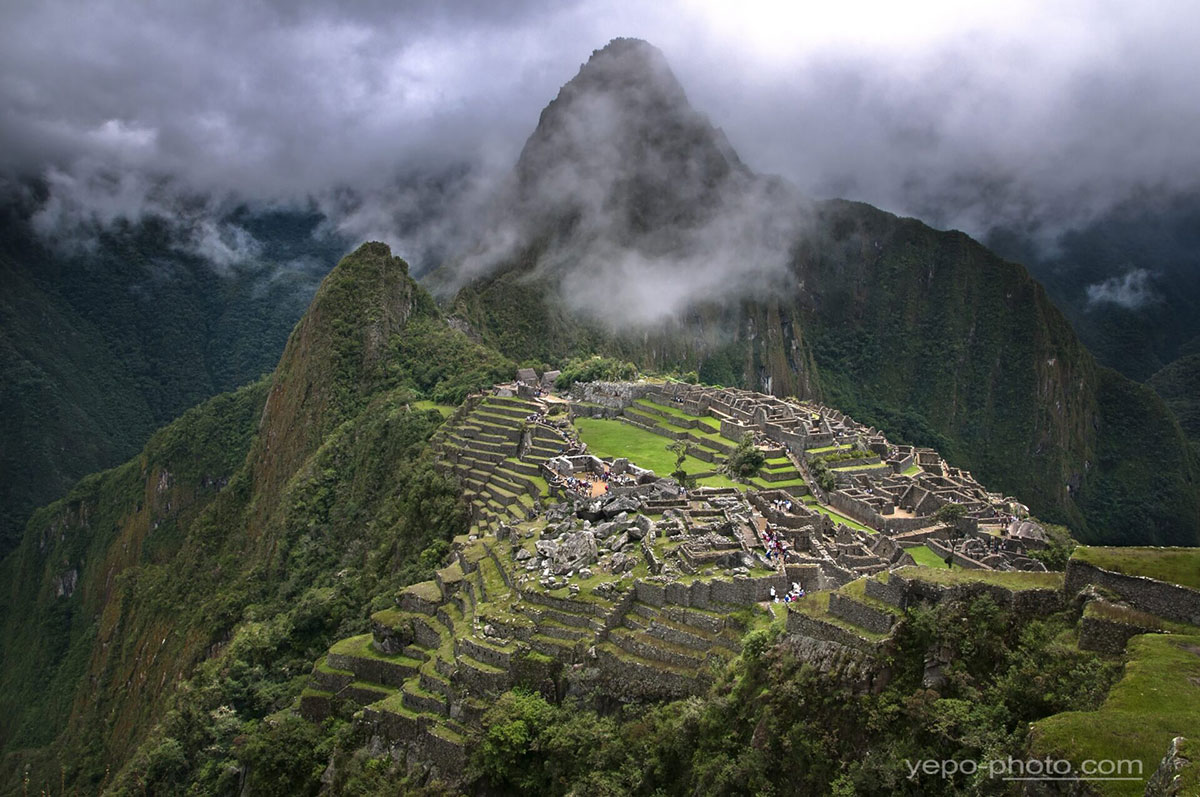
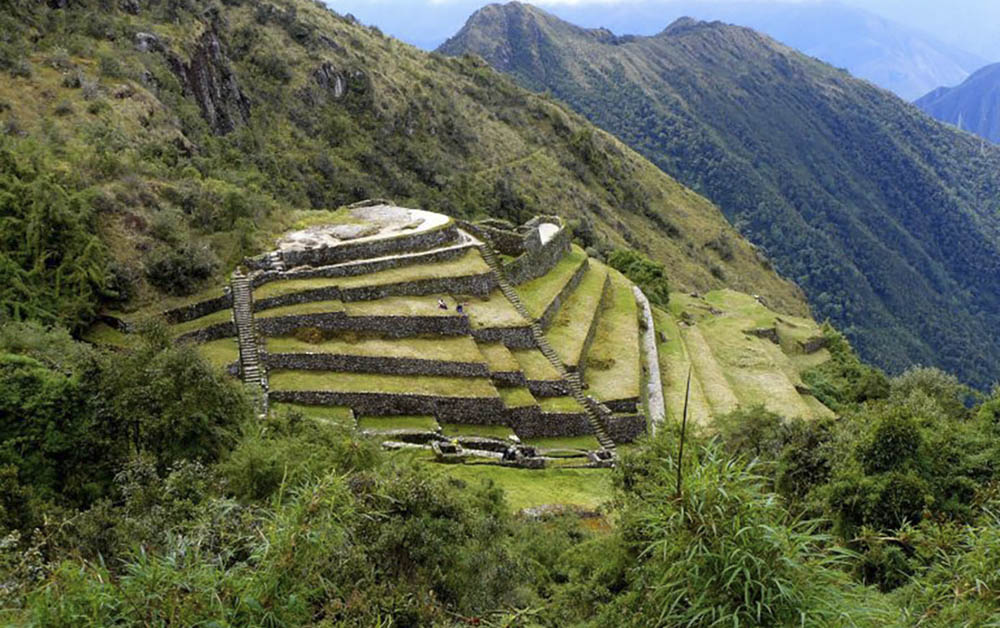
The Lost City of the Incas, perches dramatically on a ridge-top 400 metres above the Urubamba river. The extensive site, with its many terraces, temples and palaces, is set amid a beautiful landscape of deep gorges and thickly forested mountains.
When Machu Picchu was rediscovered early in the 20th century and cleared of forest, it was found to be very well preserved. It has since presented archaeologists with many unanswered questions regarding the role it played in Inca times.
The sense of grandeur, whether you arrive on the Inca Trail or not, is impressive.
Try to arrive early at the site to enjoy it at its best – and late afternoon can often see you almost alone in the ruins.

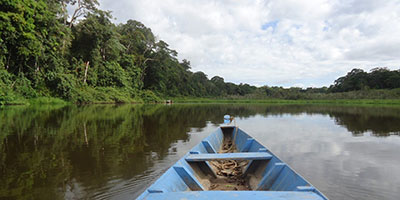
Peru boasts in its Amazonian region a vast swathe of world-class tropical wilderness with several rain forest and cloud forest reserves which are home to an immense diversity of wildlife.
Accessible from Lima, Iquitos or Cusco, the Amazon jungle is just a short flight away.
In Peru’s southeast lies the extraordinary region comprising the Tambopata National Reserve and the Bahuaja Sonene and Manu National Parks.
Whether you choose to base yourself at a comfortable lodge or enjoy a more demanding camping trip, you can be sure of a unique, exhilarating and unforgettable experience.

Lima, the capital city of Peru, is a vibrant bustling place with a wide variety of things to do.
Stroll or bike around the historic centre, visiting the many museums or just chilling out in a café or restaurant in Miraflores.
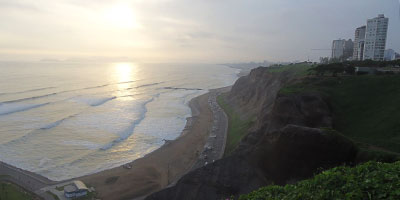
In Parque Kennedy you can sit outside in Parisian fashion and watch the world go by in cafes and restaurants, or walk to the shore and the cliffs overlooking the Pacific Ocean.
There are a number of artisan shops & market stalls, plus a big silver jewellery trade, and a burgeoning number of top end restaurants with delicious food.
The centre of Lima is home to impressive Colonial architecture – Plaza de Armas has the Palace, official residence of the president, on one side, and on another is the Cathedral.
San Francisco Church, home of the Catacombs, is well worth a visit, as is the Inquisition museum.

In the northeast of Peru lies Kuelap – the jewel in the massive archaeological crown of the Chachapoyas Cloud People.
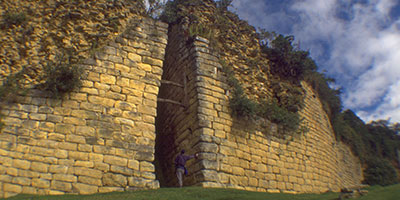
The mystical structure of Kuelap – dubbed the Peru’s second Machu Picchu by locals – is 1,200 years old.
It features massive limestone walls towering 60 feet, pottery, bones and hundreds of mysterious round stone structures, and away from the crowds of other sites.
This is a remote area of sub-tropical valleys, half way down the eastern slopes of the Andes. The jungle is impenetrable, dense with low trees, bromeliads, bamboos, orchids and mosses.

The beautiful colonial city of Arequipa is replete with history and culture, and is the gateway to the condors of Colca Canyon.
Nestled at 2,325m/7,627ft, the ‘white city’ sits at the foot of three tremendous volcanoes: El Misti (5,821m/19,098ft), Chachani (6,075m/19,930ft) and Pichu Pichu (5,542m/18,182ft).
Arequipa’s attractions include the Cathedral, Compañía de Jesús Church, Santa Catalina Convent and the Dama de Ampato (Juanita Mummy) Museum.
With a year-round spring climate and sunshine guaranteed for 300 days of the year, it is the perfect place to begin acclimatising before continuing upwards.
Nearby is the famous Colca Canyon. At hundred kilometres long, this incredible gorge is said to reach a maximum depth of 3,400m/11,155ft – twice that of the Grand Canyon.
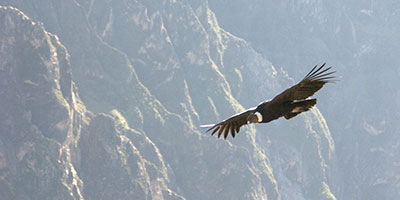
An overnight tour to Colca gives you the chance to see the iconic, soaring condors of the canyon.
From: $1237 per person
Duration
From: $3125 per person
Duration

Explore the iconic Inca site of Machu Picchu, the deep valleys and icy tops of the high Andes, the vast altiplano and shimmering lake Titicaca. Get to know the wildlife rich Amazon rainforest and enjoy an astonishing variety of food and culture to match.

Peru is a country of immense variety, with its diverse geography shaping both the climate and the way of life of its people. This diversity also means there is something to suit every style of travel. Travel in style and stay in characterful boutique hotels and beautifully located lodges. Or opt for adventure as you trek through remote mountain ranges, with options ranging from homestays and local lodgings to campsites.
Start your Peru holiday with a visit to the coast, where there is a plethora of pre-Inca sites from Pachacamac to Chan Chan to the Huacas of the Sun and the Moon. Enjoy the fabulous wildlife of the Ballestas Islands. And discover Nazca, famous for the lines etched in the desert and mummies.
The high plains of Peru, known as thigh-altitude, offer vast vistas. And the sparkling high-altitude waters of Lake Titicaca are home to the islands with some of Peru’s oldest, fascinating, cultures.
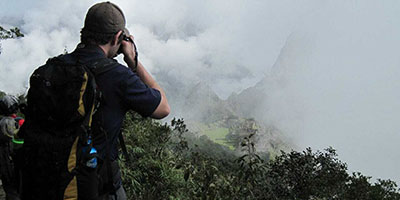
The highlands of Peru allow some of the best trekking holidays anywhere in the world. Opt for a remote trek through stunning Andean landscapes, observe local cultures unchanged for centuries. Classic treks include the Huayhuash Circuit and the Inca Trail to Machu Picchu, but there are many more, and Andean Trails are trekking specialists, since 1998. The Andes of Peru are perfect for mountaineering courses and climbing trekking peaks such as Pisco, near Huaraz. Go off the beaten track and explore Kuelap, town in the clouds, enigmatic home to the Chachapoyas people.
The Amazon rainforest occupies a large part of Peru’s interior and for wildlife lovers should not be missed. A variety of eco-lodges run programmes over several days with good chances to see monkeys, giant otters, pecari, snakes, spiders, many species of birds and even jaguar for the lucky.

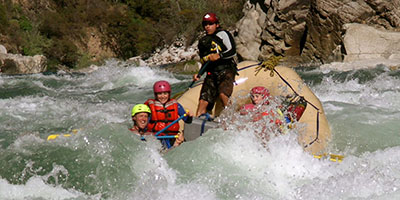
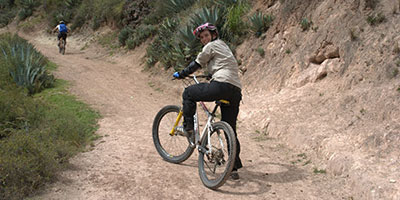
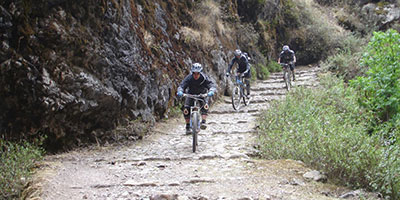
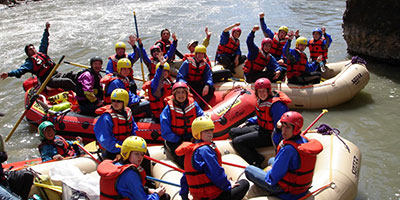
Peru is the ideal holiday destination for adventure seekers. Whether you prefer to trek or climb, raft, paddle board or kayak, mountain bike or take on some day walks through the Andes, Peru offers a variety of adventure second to none.
Discover the magic of the Inca Trail leading to the lost city of Machu Picchu, and Peru’s many other Inca and pre-Inca ruins. Witness colourful and traditional street life and shop at local markets. Visit excellent museums, discover the history of this fascinating nation and enjoy friendly Peruvian hospitality and culture and excellent gourmet food.
A memorable Peruvian journey blending iconic trekking views with heartfelt cultural experiences on Amantani Island.
A spectacular tailor-made adventure through Peru and Bolivia, from the magic of Machu Picchu to the vast salt flats, with flawless organisation, great guides, and expert planning that turned an ambitious dream into reality.
Be prepared for your dream holiday to Peru with our helpful information.
From money advice to visas, from inoculations to which plugs to take, below you’ll find a wide range of travel tips, advice and information that will help you get ready to explore Peru.
Can’t find what you’re looking for?
Get in touch and we’ll be happy to help.
Being at altitude, especially in the tropics, is usually a pleasure as it isn’t so hot, there are few insects and the air is clear.
However, when gaining altitude, air pressure drops and the amount of oxygen reaching the lungs is reduced. Although we build plenty of acclimatisation time into our itineraries, certain ill-effects are possible. Nevertheless, all of these can be minimised or prevented if care is taken.
On reaching heights above 2,500m (approx. 8,200 ft), especially when ascent has been straight from sea level, heart pounding, mild headache and shortness of breath are normal, especially on exertion.
Acute mountain sickness (AMS) is a syndrome known locally as soroche, whose symptoms can include of bad headache, dizziness and nausea).
To avoid AMS, you should:
The international code for Peru is +51.
Regions have dialling codes, with a 0 prefix.
Peru’s landlines have 6–7 digits. To call landline to landline in the same city, simply dial the 7 digits.
If calling a landline in another region or city, start with a 0 followed by the regional code.
If using your own mobile phone to call a landline, dial the country code, the regional or city code without the 0, and then the number. For example, for Lima (code: 01), dial +51 1 1234567.
Mobile numbers start with 9 and are 9 digits long.
If dialling a Peruvian landline or mobile to a Peru mobile, simply dial the full 9-digit number from anywhere in Peru.
If using your own mobile phone to call a Peruvian mobile, dial the country code followed by the 9-digit number. For example: +51 999 999 999.
Almost all unlocked phones will work in Peru with a local SIM. Check with your provider before arrival to confirm compatibility.
Roaming charges may be high, so it is advisable to check beforehand.
Most hotels, cafés, restaurants and airports offer free and generally good Wi-Fi.
There are plenty of locutorios (internet cafés) offering affordable and reliable internet access in most towns and cities.
Head to the privatised postal service, Serpost.

Andean Trails can book all your international and domestic flights for this trip and for UK passengers; we have full ATOL bonding and can book flights with most airlines.
International flight prices are variable and usually can only be guaranteed at the time of booking. If you would like to upgrade to business or first class, or even arrive at an earlier date/depart at a later date we can also arrange this for you.
Typically, you fly to a country’s capital city and then overnight there or make a connecting flight (if available) to your next destination.
Please contact us for flight advice especially if you do make a connection on the same day. It is important to purchase a through ticket and not separate tickets for connections, so that you are covered for any delays. Passengers with separate tickets that are delayed run the risk of having to buy an entirely new ticket to continue their journeys.
Please note all airline schedules are subject to change and are out of our control.
Almost all flight tickets are now e-tickets. Any that are not will be handed to you on arrival in South America – this is most common for flights on smaller planes in Amazon areas such as Guyana/Bolivia.
The final travel instructions we send you some 2-3 weeks before departure will list the latest flight times, flight numbers etc as well as list your e-ticket numbers and booking reference code (6 characters i.e. GB75RK). This is what you will need to check in with.
Depending on the airline, we can reserve some seats for you at the time of booking your international flights with us.
If we cannot reserve seats at the time of booking, you have to wait for online check in to open (usually 24-72 hours before departure).
To check in online you will need to go to the website of the airline you are travelling with, and have your e-ticket number/booking reference to hand. Click check in online, enter your details, and choose your seat.
Some flights will allocate seats at the check in desk at the airport and some may not allocate seats at all.
The United States (USA) has an Electronic System for Travel Authorization (ESTA) which all travellers to and via the USA must complete BEFORE travel to/via its airports and shores.
More information can be found on their ESTA website.
Passengers who have not completed the form will be denied boarding.
Before you begin this application, make sure that you have a valid passport and credit card available.
This application will only accept the following credit cards: MasterCard, VISA, American Express, and Discover (JCB, Diners Club).
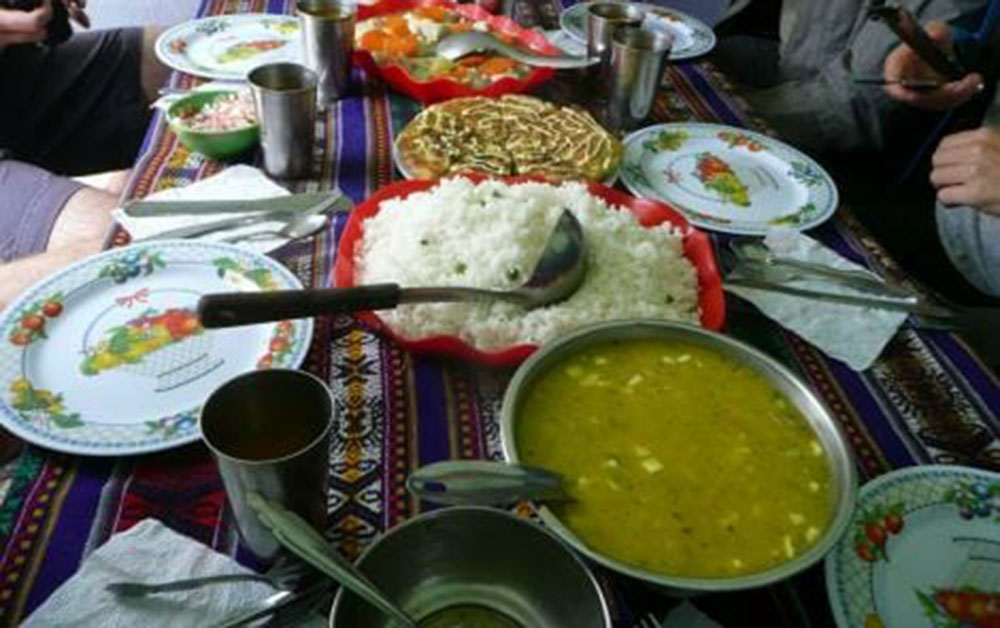
Read some of our blogs about food and drink in Peru:
| Starters | |
|---|---|
| Palta rellena | Avocado filled with chicken salad. |
| Palta reina | Avocado filled with mixed salad and mayonnaise. |
| Papa a la huancaína | Cold potatoes with a rich egg and cheese sauce. |
| Rocoto relleno | Stuffed green peppers, often very hot. |
| Tamales or humitas | Ground maize steamed in banana leaves, filled with meat or cheese. Sometimes sweet. |
| Sopa criolla | Creamy spiced soup with noodles and chopped meat. |
| Chupe de mariscos | Very rich and creamy shellfish soup. |
| Causa | Cold dish made from mashed yellow potatoes, avocado and peppers. |
| Main dishes (meat) | |
| Churrasco and lomo | Fillet or rump steak. |
| Apanado | Breaded meat cutlet. |
| Chorrillana | Meat smothered in tomato and onion sauce. |
| Adobo (Cusco speciality) | Chopped, marinated pork in a richly seasoned gravy. |
| Piqueo | Very spicy stew with meat, onions and potatoes. |
| Sancochado | Meat, vegetables and garlic stew. |
| Lomo saltado | Chopped meat in a sauce with onions, tomatoes and potatoes. |
| Picante de… | Meat or fish with a hot, spicy sauce. |
| Parrillada | Grilled beef, sausage and offal. |
| Chicharrones | Deep-fried pork with roast potatoes and corn. |
| Chaufa | Chinese-style fried rice. |
| Cabro or cabrito | Goat meat. |
| Anticuchos | Beef-heart shish kebab. |
| Pollo a la brasa con papas | Spit-roast chicken with chips. |
| Pachamanca | Highlands festival dish. Meats and vegetables cooked underground on hot stones. |
| Fish dishes (mainly coast) | |
| Choros a la chalaca | Mussels with tomato and onion sauce. Cold starter. |
| Conchas a la parmesana | Scallops with melted parmesan. Hot starter. |
| Ceviche de pescado or mariscos | Marinated fish or shellfish. |
| Tiradito de pescado or mariscos | Marinated fish or shellfish in hot sauce. |
| Corvina or lenguado | Sea bass or sole. |
| Chicharrón de pulpo or calamares | Deep-fried octopus or squid. |
| Jalea | Deep-fried fish and shellfish dish. |
| Sudado de pescado | Steamed fish. |
| Fish dishes (mainly highlands) | |
| Pejerrey a la plancha | Grilled fresh-water kingfish. |
| Trucha frita | Fried trout. |
| Chupe de camarón | Rich fresh-water shrimp soup. |
| Desserts | |
| Mazamorra morada | Pudding made from purple maize and fruit. |
| Flan | Crème caramel. |
| Picarones | Fried batter rings served with syrup. |
| Keke or torta | Cake. |
| Drinks | |
| Pisco | Grape brandy. Popular as Pisco Sour with lemon, sugar and egg white. |
| Chicha de jora | Fermented maize beer. Common at rural celebrations. |
| Chicha morada | Soft drink made from purple maize. |
| Cerveza | Lager-style beer. Regional brands include Cusqueña and Arequipeña. |
| Vino | Local Peruvian wines are often sweet. Export-quality brands include Tacama and Ocucaje. Chilean wines such as Undurraga and Casillero del Diablo are widely available. |
| Vino tinto | Red wine. |
| Vino blanco | White wine. |
| Agua mineral | Mineral water. Specify con gas or sin gas. |
| Mate | Herbal tea. Includes mate de coca, manzanilla, hierba luisa, hierba buena and anís. |
| Jugos | Fruit juices. |
Peru is made up of 3 distinct geographical areas: the coast, the mountains and the jungle.
The costa or coastal region is a narrow ribbon of desert 2,250 km long, crossed by fertile river valleys flowing from the Andes. It takes up 11% of the country and holds more than 40% of the population.
The cold Humboldt current gives rise to a blanket of mist – the garua – which hangs above coastal cities like the capital Lima from May to November.
Heading east, you’re soon climbing above the garua and into the Andes. The sierra, or mountainous region, covers some 25% of Peru’s territory and contains 50% of the population. The sierra inhabitants are mainly Indigenous or Mestizo, and many still speak Quechua or Aymara.
The sierra contains dozens of 6,000-metre snow peaks and volcanoes, including Huascaran (6,768m) the highest mountain in the tropics. The deep valley basins contain most of the towns and arable land; the terracing and canal systems of the Incas and pre-Incas are often still used today.
The eastern Andes are heavily forested up to 3,350m and sweep down into the Amazon Basin.
Peru’s selva or jungle makes up almost two thirds of the country’s area, but holds only about 6% of the population: the only towns with significant populations are Iquitos and Pucallpa.
Peru is the perfect holiday destination for adventure travellers that want an amazing variety of activity, geography and cultural travel experiences.
The breadth of travel experiences in Peru is breathtaking – from trekking in the Andes to Machu Picchu to the tropical jungle of the Amazon, and plenty in between.
The people of Peru make it a special destination too, with its colourful and traditional street life and friendly locals.
Learning a few words of Spanish can really ingratiate you with the locals you’ll encounter, adding to the enjoyment of your holiday. Below are some basics to get you started.
| Greetings | |
|---|---|
| Good morning | Buenos días |
| How are you? | ¿Cómo estás? |
| Good afternoon | Buenas tardes |
| Good bye | Adiós |
| Most frequently asked questions (theirs) | |
| Where are you (plural) from? | ¿De dónde eres (son)? |
| What time is it? | ¿Qué hora es? |
| Where have you come from? | ¿De dónde vienes? |
| Give me (frequent, unwelcome question) | Dáme / regálame |
| Most frequent questions (yours) | |
| How much is it? | ¿Cuánto vale? |
| What is this place called? | ¿Cómo se llama este lugar? |
| What’s your name? | ¿Cómo te llamas? |
| Do you have a map? | ¿Tienes un mapa? |
| In the street / places | |
| Where can I find a currency exchange? | ¿Dónde encuentro una casa de cambio? |
| Where is there a cash machine? | ¿Dónde hay un cajero automático? |
| Where is the underground/subway station? | ¿Dónde está la estación de metro/subte (Buenos Aires)? |
| Where can I find a taxi? | ¿Dónde puedo encontrar un taxi? |
| Where can I find a supermarket? | ¿Dónde puedo encontrar un supermercado? |
| Where is the hospital? | ¿Dónde está el hospital? |
| Where can I find a restaurant? | ¿Dónde puedo encontrar un restaurante? |
| In the hotel | |
| What floor am I on? | ¿En qué piso estoy? |
| Where are the elevators/lifts? | ¿Dónde están los ascensores? |
| How do I access the Internet? | ¿Cómo puedo acceder a Internet? |
| How do I call for room service? | ¿Cómo llamo para el servicio de habitación? |
| How do I call down to the front desk? | ¿Cómo llamo a la recepción? |
| In the restaurant | |
| A table for two/four please | Una mesa para dos/cuatro, por favor |
| I would like to drink… | Me gustaría tomar… |
| May I see a menu? | ¿Puedo ver la carta / menú? |
| I would like to order… | Me gustaría pedir… |
| Can you bring me the check/bill please? | ¿Me trae la cuenta, por favor? |
| Emergency | |
| I need help. | Necesito ayuda. |
| I have lost my passport. | He perdido mi pasaporte. |
| Someone stole my money. | Alguien robó mi dinero. |
| I have been robbed. | Me han robado. |
| I need to call the police. | Necesito llamar a la policía. |
| I need to call the (country) Embassy. | Necesito llamar a la embajada de (country). |
| Help! | ¡Socorro! |
Peru’s monetary unit is the “Nuevo Sol” (S/.)
Most of your transactions will be in Soles, but US dollars are often accepted, too, if they are small denomination, unmarked and undamaged bills. Try to take 5s, 10s and 20s.
ATM debit/credit cards are now widely used in major restaurants, hotels and shops (with fees), and there are ATM (‘hole-in-the-wall’) machines widely available in towns and cities.
When changing money, don’t change with street changers (cambistas). Use a bank or casa de cambio (bureau de change). Ask for ‘billetes chicos’ (small notes, i.e. 10 or 20 sol notes) as obtaining change outside towns and cities can be difficult. Count your soles carefully before handing over your US dollars, and look out for forged notes.
Click here for the current exchange rate.
Peru has a great culinary tradition.
There are more and more top-end restaurants opening in Lima and Cusco, where you can easily spend more than USD 100pp on food and wine.
Prices vary greatly, below is a rough guide to what you can expect to pay in Peru.
Don’t forget to read out tipping guide to Peru.
Beer/soft drink: USD 2
Menu del dia: USD 3-5
Coffee: USD 1
Beer/soft drink: USD 2-3
Main dish: USD 10 upwards
Coffee: USD 2
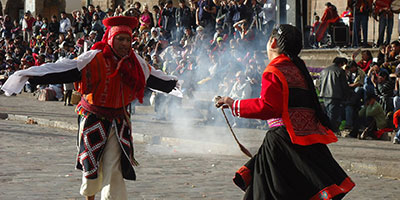
Festival: Carnaval
Games throwing water, flour as well as dance and music.
Location: Highlands and some coastal areas.
Festival: Fiesta de La Candelaria
Culture, music and dancing
Location: Puno
Festival: Fiesta de La Vendimia
Wine harvest festival
Location: Ica
Festival: Inti Raymi
Culture, music and dancing
Location: Cusco
Festival: Independencia
Independence day – celebration of Peruvian culture – various activities
Location: Country wide
220 volts (110v in some hotels), 60 Hz.
Most cameras, phones and computers are dual or multi voltage and probably won’t need a convertor – please check before leaving.
Some items you may bring, such as hairdryers, may need a convertor. They may short if you use them without the correct convertor.
A surge protector is recommended.
Peru has sockets that, in general, take the two pin, round-prong Type C plugs. Some will also take flat-pronged, Type A plugs.



The Lima suburb of Miraflores is a good base for easing yourself into Peruvian culture.
Although a fairly safe district, we strongly recommend taking these precautions in Lima and also throughout the country:
Tipping is entirely voluntary and how much you give depends on how you feel about the service you have received.
For background, Peru has a minimum salary of 550 Nuevo Soles (US$170) monthly for a 6 day 48 hour week. However in many of the lower paid jobs (eg waiters, porters etc) this is not always enforced.
This is a rough guideline, based on an approx. rate of USD 1 = Peruvian Soles 3.
If you are hiking the Inca Trail, you will be supported by a full crew of cooks, porters, waiters etc, and it is a little more complicated to organise in terms of tipping.
We recommend that each client contributes 100-300soles (30-90US) into a pot and following the advice of the guide divide it out between the crew of cooks, waiters and porters.
For tipping the actual Inca Trail guides and assistants we recommend following the advice for specialist guides above.
We strongly suggest that everyone planning to travel to Peru visits their local doctor/travel clinic prior to departure for the latest vaccination information.
For people travelling to the Amazon/coast below 1,500m north of Lima and regions below 1,500m:
You will need a valid passport with at least 6 months remaining validity.
British nationals do not need a visa for Peru. Fill in a 90-day tourist visa on arrival, and keep the tourist card with you to show at check-in at hotels and for when you leave the country.
Inca Trail trekkers will need to carry their passport, with which the Inca Trail permit was bought, throughout the Inca Trail trek.
Non-UK citizens are advised to contact their Embassy for up-to-date visa advice.
You can also read about the weather of Peru in our blog.
Peru is located in the southern tropics (latitudes 0º to 18º), but climate varies significantly according to season, altitude and region.
From May to October, Lima is often overcast, but with minimal precipitation. There are sunny spells, and it’s a fresh to pleasant 13-20ºC.
At the same time, inland areas and the north coast mid to high 20’s ºC.
November to April is generally warm and sunny and Lima enjoys warm temperature of 19-25ºC, with the coast averaging 22-30ºC.
Climate depends largely on altitude. As a rule of thumb, below 2,000m climate is mild and above 2,000m warm clothing is required for evenings, nights and early mornings.
The Andean sun is very strong.
Cusco (3,300m): Average max/min temps: 22ºC /2ºC. Average 3 or 4 wet days per month.
Arequipa (2,380m): Average max/min temps: 26ºC /9ºC. Sunny more than 340 days/year with minimal precipitation.
On highland treks: Conditions are generally dry. However, at this time of year, expect a range of conditions within a single day: cold/freezing nights at camps above 4,000m, where pre-dawn temperatures can be -5ºC; warm, spring-like mornings and afternoons; and cold evenings.
Note that mountain weather can be fickle and localised, and that precipitation is not unknown in the dry season. Expect temperatures to swing between sun and shade, sheltered and exposed ground and with altitude gain and loss. A quick-setting sun means temperatures drop fast.
In the cloud forest, e.g. around Machu Picchu, daytime conditions are generally warm or hot, and evenings cool.
Cusco: Average max/min temps: 23ºC /6ºC. Average 13 wet days per month.
Arequipa: Average max/min temps: 25ºC /14ºC.
On highland treks: Wetter conditions, with cooler days and milder nights than dry season. Jan-Mar usually the wettest months.
Year-round, weather conditions are hot and humid and there is always the risk of rain.
There is a ‘dry season’ in Tambopata and Manu between May and October. The average daytime high temperature is between 25°C and 34°C and the average nighttime low is between 16°C and 22°C. Heavy downpours typically occur every few days.
Around 80% of annual average rainfall – approx 2,000 mm in Manu and Tambopata and 1,400 mm in Iquitos – occurs in the wet season Nov-April.
On rare occasions, between May and September, cold fronts from Argentina – ‘friajes’ – can sweep into southwest Amazonia and push temperatures down to 9°C. (Friajes usually last between 1 and 3 days).