Since 1998, we've crafted journeys using knowledge gained on our own explorations of South America's spectacular wilderness, fascinating cultures and diverse wildlife.

Bring a sense of adventure and an open mind. We'll take care of the logistics and support you round the clock.

We only work with small, locally owned operators and guides. Your money stays where you travel, and a share of every trip supports local communities and the wild places they protect.
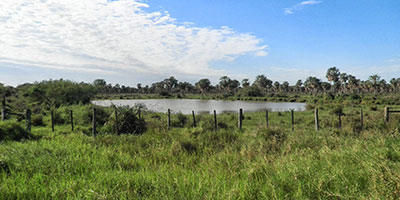
The Paraguayan Chaco is a semi-arid, sparsely populated area in Northern Paraguay, and is a rich ecosystem. It covers around 60% of Paraguay, with vast areas of dry forest, thorn scrub, savannah and seasonal wetlands.
The local fauna includes jaguars, pumas, giant anteaters, armadillos, Chacoan peccaries (tagua) and an extraordinary variety of birds. The larger mammals are elusive, and sightings cannot be guaranteed.
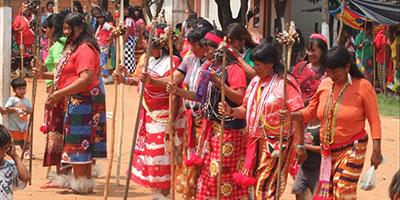
Much of it is sparsely populated, although there are also some cattle ranches, Mennonite settlements and Indigenous communities.
Among them is Filadelfia, founded in the early 20th Century and whose inhabitants still live their lives according to their beliefs, and are run by large cooperatives.
Chaco makes for a fascinating visit.
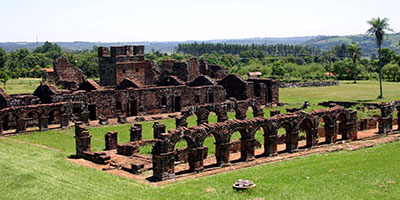
Southern Paraguay is dotted with the ruins of Jesuit reductions from the 17th Century, offering a fascinating glimpse to that period of history.
The ruins at Santisima Trinidad del Parana are some of the best preserved of the region, built around a Plaza Mayor.
The ruins at San Cosme and Damian are also of interest as in the early 1770 they started astronomical studies.
The observatory can be visited to this day, making this trip well worth the travel.
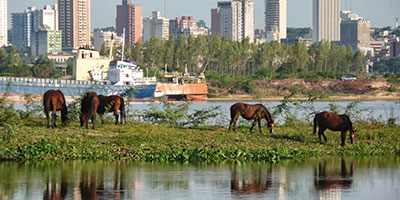
Asuncion is the capital of landlocked Paraguay and sits on the shore of the Paraguay River.
Asuncion is one of the oldest cities in South America and its character reflects the harsh and varied history of the region.
It also represents the diverse nature of Paraguay where Spanish and Guiarani – the indigenous language – are the official languages.
Places to visit include the National Pantheon of Heroes and the Independence House Museum.
A guided tour is recommended, to help you get the most out of your visit.
The Alto Parana region is to the east of Paraguay and its main city is Ciudad del Este on the shore of the Parana River.
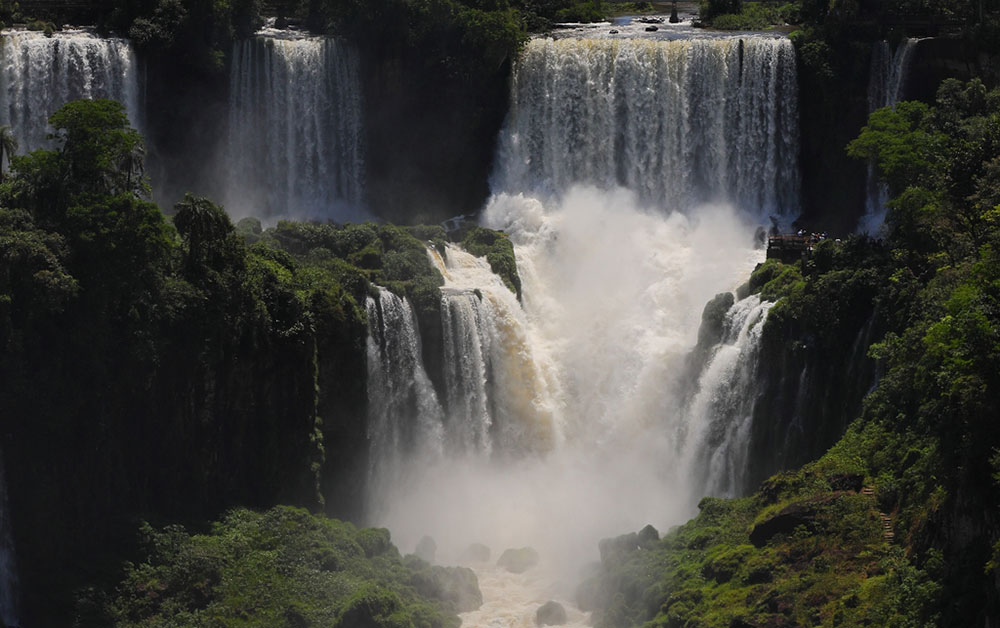
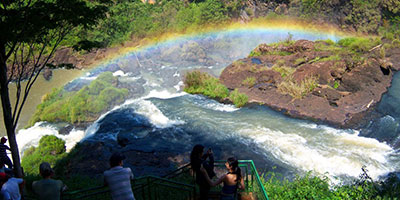
Across the Parana River is where you will find Foz do Iguaçu in Brazil and the Iguaçu Falls.
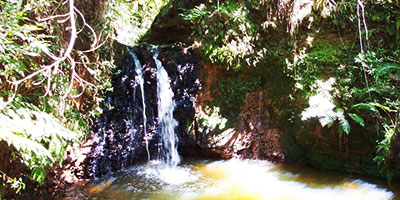
The Itaipu dam – one of the largest of the world – can be visited and just South of Ciudad del Este the Monday falls are worth a visit.
The Tati Yupi Biological reserve offers the outdoors enthusiast interpretative trails of the wildlife and fauna as well as bike trails for the more energetic.
From: $4880 per person
Duration

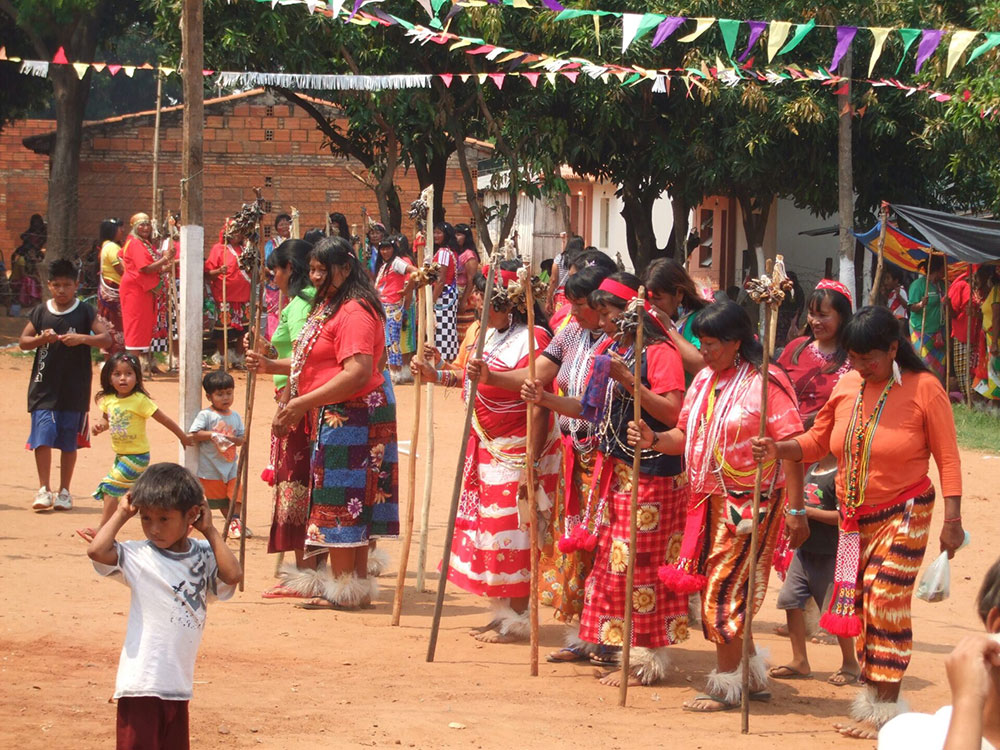
For the culture seeker, the country has a history full of upheaval and suffering due to the historic wars with its neighbours and its population decimated. The Jesuits left their mark in incredible mission towns, and immigration from Europe, in particular, influenced the country too. In the early 20th century, Mennonite immigrants settled in the north of the country creating their own closed communities. Many immigrant communities mixed with the native Guarani peoples creating a cultural melting pot that can be enjoyed nowadays in our Paraguay trips. Guarani and Spanish are the official languages of the country.
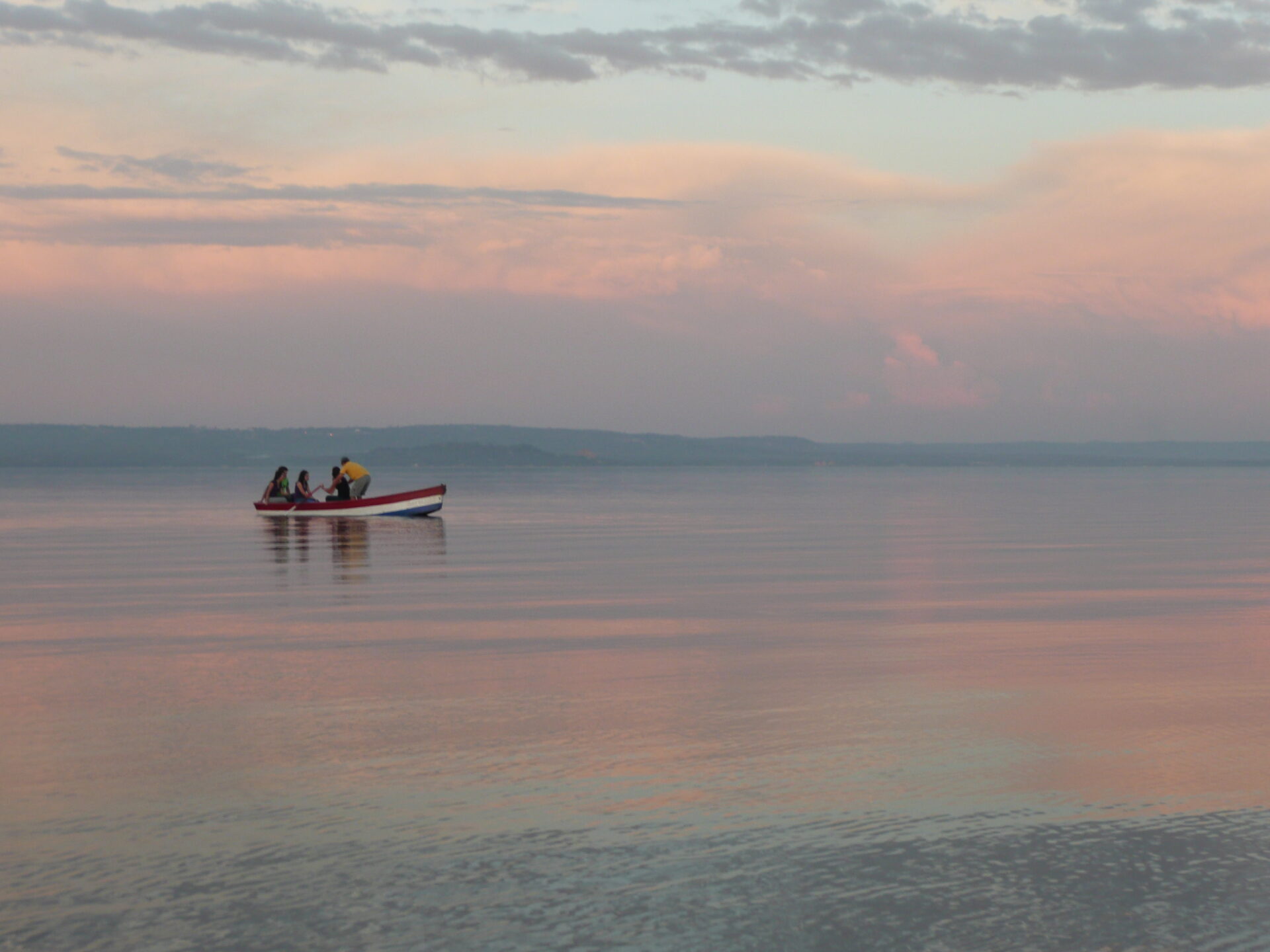
Paraguay holidays can also offer much to the nature enthusiast. The Chaco is a semi-arid wilderness and one of the least densely populated places in South America. Covering the north of the country, there is an abundance of fauna including puma, tapir, giant armadillo and anteater. The north-eastern part is a wetland which forms part of the Pantanal ecosystem in Brazil. The south-east corner is in the Alto Parana, an area of national parks and amazing waterfalls. This area is close to the Iguazu Falls so a Paraguay holiday can be combined with Argentina and Brazil.
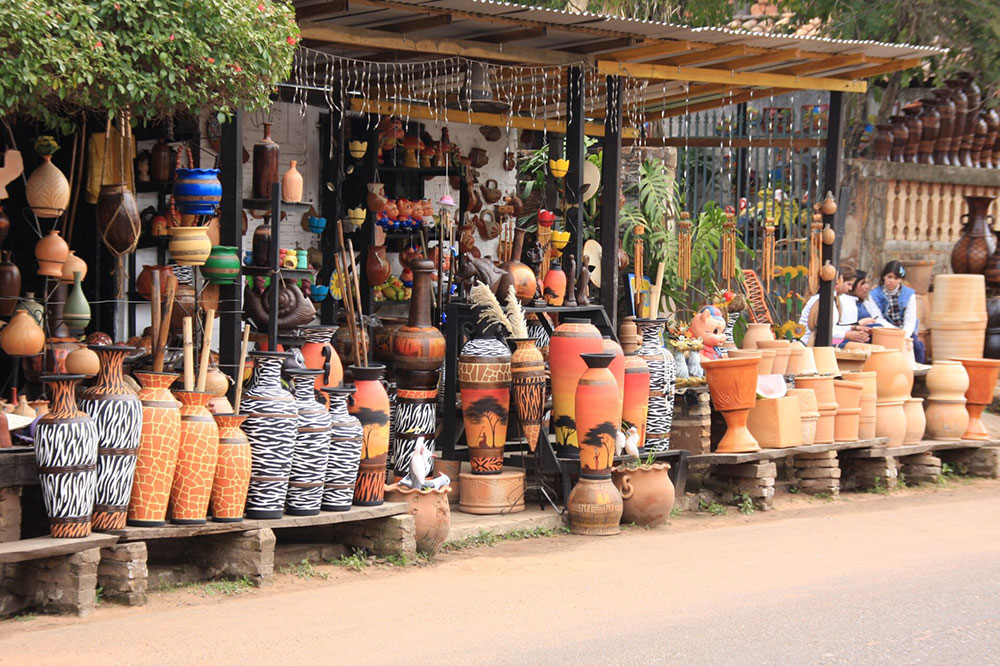
The Golden Circuit is a series of colonial towns around the capital Asuncion. This includes towns such as Aregua and its artisan market, as well as the baroque church of Yaguarón.
The Jesuit reductions in the south of the country, established in the 17th and 18th centuries, are historical museums. The Jesuit Missions of La Santísima Trinidad de Paraná and Jesús de Tavarangue should be part of any Paraguay trip.
The Mennonite town of Fiiladelfia offers and incredible insight into the lives and culture of their communities. It is also a great base from which to explore the Chaco. The Pantanal, in the eastern Chaco, is a remote wilderness bustling with flora and fauna waiting to be explored. The Saltos de Monday waterfalls reach a height of 45 metres and a width of over 120 metres. They are located near Ciudad del Este on the border close to the Iguazu falls. The Itaipu dam is also a man-made wonder to be visited in this area.
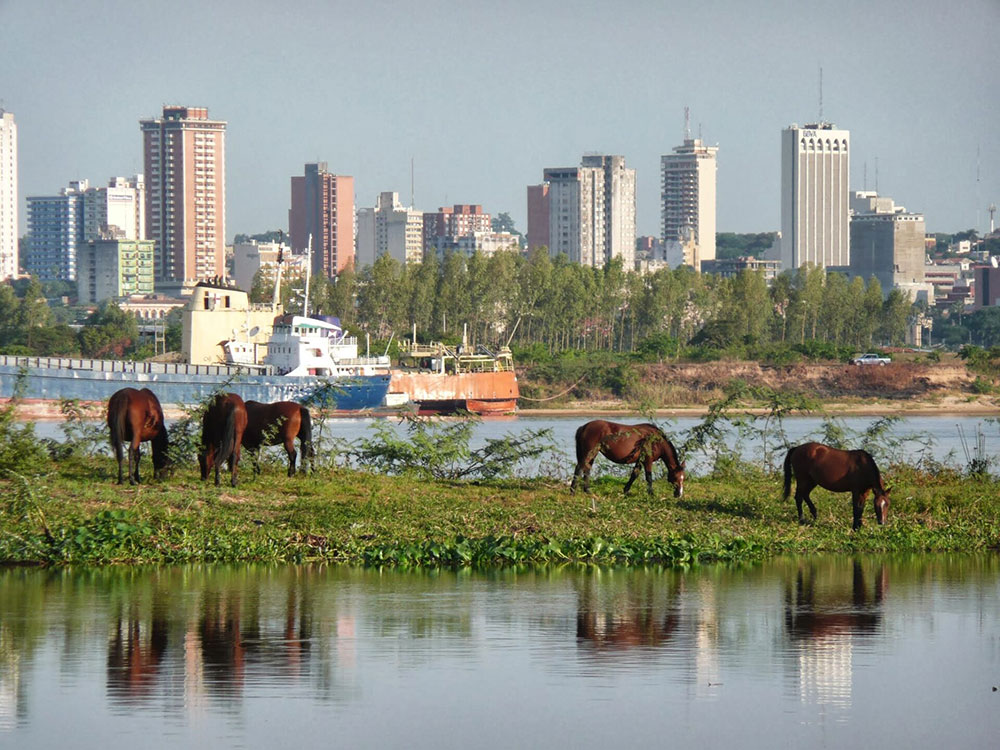
Paraguay, being at the “heart” of South America, can also be combined neatly with the neighbouring countries. It is a fascinating destination with a tragic history, an incredible assimilation of the original peoples. An opportunity to visit untouched places by the influences of mass tourism.
Discover our Paraguay trips on this page.
Outstanding communication and expert planning made Andean Trails the clear choice for a perfectly organised South American adventure.
A superbly organized journey showcasing Andean Trails’ consistent excellence, reliability, and seamless travel experiences.
Be prepared for your dream holiday to Paraguay with our helpful information.
From money advice to visas, from inoculations to which plugs to take, below you’ll find a wide range of travel tips, advice and information that will help you get ready to explore Paraguay.
Can’t find what you’re looking for?
Get in touch and we’ll be happy to help.
Andean Trails can book all your international and domestic flights for this trip and for UK passengers; we have full ATOL bonding and can book flights with most airlines.
International flight prices are variable and usually can only be guaranteed at the time of booking. If you would like to upgrade to business or first class, or even arrive at an earlier date/depart at a later date we can also arrange this for you.
Typically, you fly to a country’s capital city and then overnight there or make a connecting flight (if available) to your next destination.
Please contact us for flight advice especially if you do make a connection on the same day. It is important to purchase a through ticket and not separate tickets for connections, so that you are covered for any delays. Passengers with separate tickets that are delayed run the risk of having to buy an entirely new ticket to continue their journeys.
Please note all airline schedules are subject to change and are out of our control.
Almost all flight tickets are now e-tickets. Any that are not will be handed to you on arrival in South America – this is most common for flights on smaller planes in Amazon areas such as Guyana/Bolivia.
The final travel instructions we send you some 2-3 weeks before departure will list the latest flight times, flight numbers etc as well as list your e-ticket numbers and booking reference code (6 characters i.e. GB75RK). This is what you will need to check in with.
Depending on the airline, we can reserve some seats for you at the time of booking your international flights with us.
If we cannot reserve seats at the time of booking, you have to wait for online check in to open (usually 24-72 hours before departure).
To check in online you will need to go to the website of the airline you are travelling with, and have your e-ticket number/booking reference to hand. Click check in online, enter your details, and choose your seat.
Some flights will allocate seats at the check in desk at the airport and some may not allocate seats at all.
The United States (USA) has an Electronic System for Travel Authorization (ESTA) which all travellers to and via the USA must complete BEFORE travel to/via its airports and shores.
More information can be found on their ESTA website.
Passengers who have not completed the form will be denied boarding.
Before you begin this application, make sure that you have a valid passport and credit card available.
This application will only accept the following credit cards: MasterCard, VISA, American Express, and Discover (JCB, Diners Club).
| Starters | |
|---|---|
| Bori bori | Thick soup with dumplings of cornmeal and cheese, plus chicken. |
| Empanadas | Fried pasties filled with egg, meat, chicken, corn, cheese or ham. |
| Mandioca | Yuca or cassava. Eaten with almost every meal. |
| Quesú Paraguái | Traditional cheese made by rural artisans. |
| Pastel mandi’o | Similar to empanadas but made with cassava pastry. |
| Mains | |
| Sopa Paraguaya | More like an open pie than a soup. Made with ground corn, cheese, eggs and milk. |
| Asado | Barbecue with various meats, often served with sopa Paraguaya. |
| Guiso popó | Traditional stew with chicken and rice, flavoured with sweet pepper and garlic. |
| Pira caldo | Fish soup with milk, Paraguayan cheese, onions, tomato and sunflower oil. |
| Puchero | Traditional stew made with meat and vegetables such as carrot, pumpkin and onion. |
| Desserts | |
| Dulce de guayaba | Guava jam, served alone or with bread. |
| Dulce de mamón | Papaya sweet served with caramel. |
| Kaguyjy | Traditional corn and sugar dessert, sometimes with honey or milk. |
| Kamby arró | Rice pudding, often served with cinnamon. |
| Kivevé | Semi-sweet dish made with corn flour and pumpkin. |
| Drinks | |
| Tereré | Traditional cold mate tea. |
| Caña | Local rum. |
| Pulp | Popular Paraguayan soft drink. |
| Mosto | Sugar cane juice. |
| Maté | Hot version of tereré. |
Due to its central location in South America, Paraguay is sometimes referred to as the “Corazón de América,” or the Heart of America.
Paraguay is divided into two areas separated by the Paraguay River.
1) The Western Region, officially called Western Paraguay (Paraguay Occidental) and also known as the Chaco, which is
sparsely populated and occupies about 60 percent of the land area.
The savanna of the Dry Chaco is part of the second largest ecosystem of South America. This vast plain is a region of semi
desert climate and, in spite of that, has a great cattle, milk and agriculture production as well as other industries.
Just three of the percent of the country’s total population lives in the Chaco yet it presents a great diversity. Some 12 different native populations, 3 large Mennonite colonies and small villages of Paraguayans coexist there.
2) The Eastern Region occupies about 40% of the national territory. The remaining 97% of the Paraguayans live in it, with a demographic density of 31 inhabitants / km2.
It is fertile and well irrigated, making it ideal agricultural territory. Most of the industries and businesses are concentrated in this region.
Paraguay is a landlocked hidden gem of a destination unspoilt by mass tourism.
The country is bordered by Bolivia, Brazil and Argentina and split into East and West by the mighty Paraguay River.
The capital Asuncion, lying on the banks of the Paraguay River, is the gateway to the country and the two main tourism regions.
In the arid West one will find the great Chaco. This is the largest and most sparsely populated territory of the country with extensive and valuable ecological and biological reserves.
Here you will find Amerindian communities and colonies of Mennonites who settled here to escape religious persecution and where they still maintain their unique way of life. You will also bear witness to the tragic history of the Chaco wars and its catastrophic consequences.
In the fertile East you will find rolling hills, green countryside bordered by mountain foothills, shady valleys dotted by streams and lakes, dense forests, along with the majority of the country’s cities and towns.
One of the main attractions of this region are the ruins of the Jesuit Missions the story of which Hollywood dramatised in Roland Joffe’s film “The Mission”.
The mighty Iguazu Falls are also just across the border from Ciudad del Este at the “tri-border” where Brazil, Argentina and Paraguay meet.
Learning a few words of Spanish can really ingratiate you with the locals you’ll encounter, adding to the enjoyment of your holiday. Below are some basics to get you started.
| Greetings | |
|---|---|
| Good morning | Buenos días |
| How are you? | ¿Cómo estás? |
| Good afternoon | Buenas tardes |
| Good bye | Adiós |
| Most frequently asked questions (theirs) | |
| Where are you (plural) from? | ¿De dónde eres (son)? |
| What time is it? | ¿Qué hora es? |
| Where have you come from? | ¿De dónde vienes? |
| Give me (frequent, unwelcome question) | Dáme / regálame |
| Most frequent questions (yours) | |
| How much is it? | ¿Cuánto vale? |
| What is this place called? | ¿Cómo se llama este lugar? |
| What’s your name? | ¿Cómo te llamas? |
| Do you have a map? | ¿Tienes un mapa? |
| In the street / places | |
| Where can I find a currency exchange? | ¿Dónde encuentro una casa de cambio? |
| Where is there a cash machine? | ¿Dónde hay un cajero automático? |
| Where is the underground/subway station? | ¿Dónde está la estación de metro/subte (Buenos Aires)? |
| Where can I find a taxi? | ¿Dónde puedo encontrar un taxi? |
| Where can I find a supermarket? | ¿Dónde puedo encontrar un supermercado? |
| Where is the hospital? | ¿Dónde está el hospital? |
| Where can I find a restaurant? | ¿Dónde puedo encontrar un restaurante? |
| In the hotel | |
| What floor am I on? | ¿En qué piso estoy? |
| Where are the elevators/lifts? | ¿Dónde están los ascensores? |
| How do I access the Internet? | ¿Cómo puedo acceder a Internet? |
| How do I call for room service? | ¿Cómo llamo para el servicio de habitación? |
| How do I call down to the front desk? | ¿Cómo llamo a la recepción? |
| In the restaurant | |
| A table for two/four please | Una mesa para dos/cuatro, por favor |
| I would like to drink… | Me gustaría tomar… |
| May I see a menu? | ¿Puedo ver la carta / menú? |
| I would like to order… | Me gustaría pedir… |
| Can you bring me the check/bill please? | ¿Me trae la cuenta, por favor? |
| Emergency | |
| I need help. | Necesito ayuda. |
| I have lost my passport. | He perdido mi pasaporte. |
| Someone stole my money. | Alguien robó mi dinero. |
| I have been robbed. | Me han robado. |
| I need to call the police. | Necesito llamar a la policía. |
| I need to call the (country) Embassy. | Necesito llamar a la embajada de (country). |
| Help! | ¡Socorro! |
Festival: Fiesta de San Blas
Date: 3 February
Description: Week long open air events.
Location: Ciudad del Este
Festival: Carnival
Description: Processions, dance and music.
Location: Countrywide.
Festival: Verbana de San Juan
Date: 28 / 29 May
Description: Different event including walking on hot coals.
Location: Country wide
Festival: Nanduti Festival
Description: Festival celebrating lace as well as regional arts, crafts, food and music.
Location: Itagua
Festival: Oktober Fest
Description: Beer festival a German heritage celebrations.
Location: Asuncion
Most visits to Paraguay are trouble-free, but violent crime is increasing.
Street crime like bag snatching and pick-pocketing, on public transport may occur.
Muggings and robberies (occasionally armed) also take place. Please take the following precautions:
We strongly suggest that everyone planning to travel to Paraguay visits their local doctor/travel clinic prior to departure for the latest vaccination information.
Currently, no visa is required by European passport holders visiting Paraguay.
Your passport must be valid for at least six months after the date of travel.
US citizens require visas for Paraguay.
Other passport holders should check visa requirements with the Paraguayan Embassy
All requirements are subject to change and should be confirmed before departure.
Paraguay has tropical and subtropical areas, and the country is divided into two areas separated by the River Paraguay.
The western region is made up of the hot, dry Chaco and the eastern region has a tropical to subtropical climate with forests and marshy grounds.
The subtropical climate can be extreme in the different seasons: The months of summer (January to March) are very warm and humid, especially in Asunción, with the weather ranging from 25-45 ºC.
In autumn (March to June) and spring, the days are moderately warm; at night the temperatures are from 15-25ºC.
The winter (July to September) is short and gentle, with temperatures of between 0-14°C.
The average annual rainfall in the Eastern Region is of 1,552 millimetres, per annum while in the Chaco it barely reaches 815 millimetres.
The heaviest rains fall generally from December to March.