Uruguay Holidays and Trips

Planned by people who’ve been

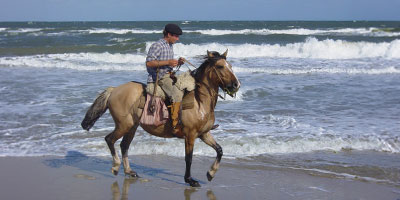
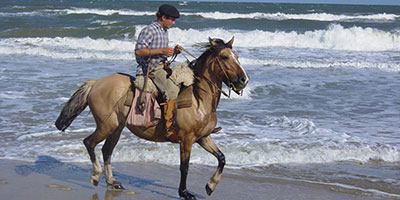
We’ve ridden criollo horses with gauchos along the Rocha coast, walked the Rambla with locals and their mate flasks at sunset in Montevideo, and spent our nights at estancias like El Charabón. We’ll help you pick the best weeks of the October to April riding season
ATOL 6275 protected
Speak directly to the experts
28 years experience
icon horse riding

South America Specialist

Since 1998, we've crafted journeys using knowledge gained on our own explorations of South America's spectacular wilderness, fascinating cultures and diverse wildlife.

trekking icon

Explore with confidence

Bring a sense of adventure and an open mind. We'll take care of the logistics and support you round the clock.

icon wildlife

Local connections

We only work with small, locally owned operators and guides. Your money stays where you travel, and a share of every trip supports local communities and the wild places they protect.

Places of interest in Uruguay

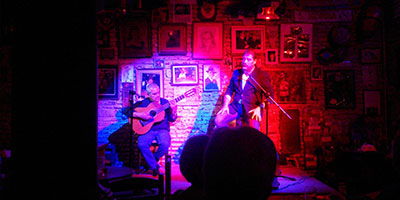
Tango at Fun Fun bar Montevideo
The hippest capital no one know about

Montevideo is South America showing Europe a slice of its own laid-back, crumbling elegance, mixed with a modern feel.

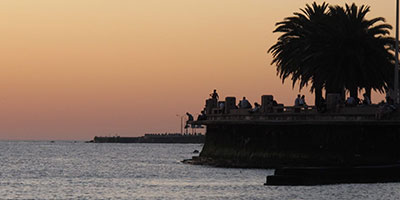
Bordered by part of the world’s widest river, the Río de la Plata, the city has many lovely plazas and city beaches, perfect for watching blazing red sunsets.

Stroll Calle Sarandí and enjoy its art galleries, craft shops, and street performers. Visit Mercado del Puerto for a traditional Uruguayan BBQ (asado) and Tannat red wine that rivals those of neighbouring Buenos Aires.

Montevideanos are open and chatty people. By day, conversation flows around the country’s famous writers and literature; by night, Milongas (dance nights) and Tango bring the city alive. The city is also home to South America’s oldest theatre, the Solís Theatre.

Insider Tip
Every visitor to Montevideo should spend at least one late afternoon and sunset walking or cycling down La Rambla. This 20+ km waterfront promenade is popular with locals drinking traditional yerba mate.
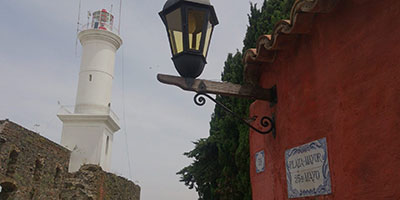
Lighthouse and street sign Colonia Uruguay
Visit Uruguay's picturesque oldest city

A famous former Portuguese colonial outpost, Colonia feels like a step back in time.

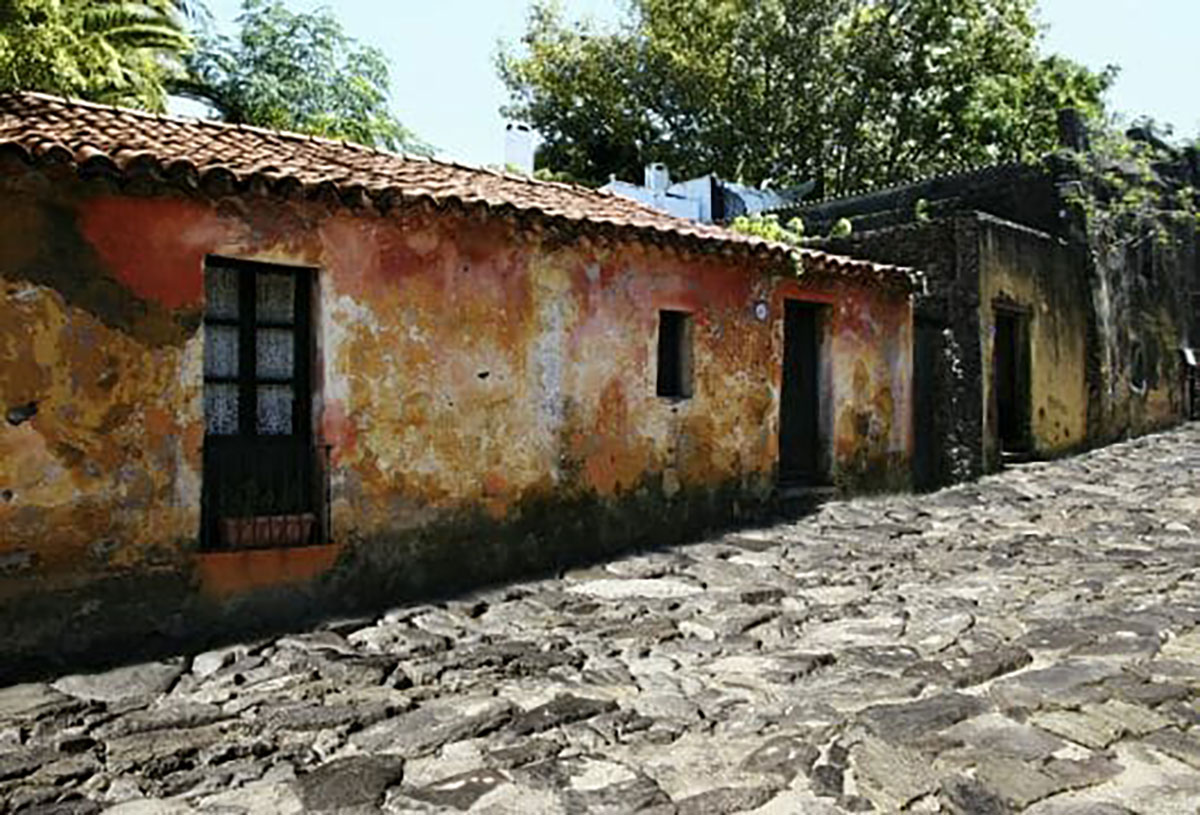
Wander slowly past old, pretty colonial buildings set along picturesque, quiet streets which now for part of a UNESCO World Heritage site.

There are two or three good restaurants to try, visit some small museums, and swim in the refreshing Rio de la Plata.

El Buen Suspiro (the good whisper) is Colonia’s most famous street. Some say its name derives from the enticing whispers of the prostitutes that worked here; others say it was the last breath of animals that were slaughtered here.

Remember to check out the wooden drawbridge and the 19th-century lighthouse, too.

Insider Tip
Stay overnight to fully appreciate Colonia's colonial charms. Stroll the streets or hire a bike to explore, and don't forget to try the local mild and buttery cheese, handily called Colonia.
Beachfront sunset Montevideo
Uruguay's answer to Monaco

Uruguay’s most famous resort, Punta del Este, is a playground for the rich and famous, as well as tourists from around the world.

People flock here from December to February to enjoy the calm waters and a wide variety of top-end hotels, restaurants, boutique bars, and shops.

The city is often referred to as “The Monaco of the South”, “The Pearl of the Atlantic” and “The St. Tropez of South America”, thanks to its glitzy reputation.

Less than an hour from Montevideo, it’s a sun-and-beach destination for those who like to add a little glam to their stay.

Insider Tip
Head to Playa Mansa for calmer waters. And remember: anyone paying with an international credit card can get the VAT taken off their restaurant bills.
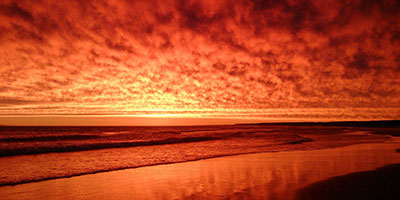
Cabo Polonio sunset Uruguay
Deserted, pristine Atlantic coastline

Uruguay’s 660km of white-sand coastline, capes and dunes are almost completely deserted and unspoiled.

Drive north past Punta del Este and into more remote areas for a wild and beautiful coast.

The fishing village of José Ignacio is an up-and-coming place to stay, while La Pedrera calls to surfers, kite-surfers, and eco-travellers.

Cabo Polonio is another old fishing village now turned eco/hippy resort. It’s basic, with limited electricity, but has a huge sea lion colony, peaceful waters for swimming, and beautiful sunsets and clear skies for stargazing.

Further up, Punta del Diablo has more of a nighttime scene and good swimming beaches.

Insider Tip
Travel in February and combine quieter beaches with the carnival in Montevideo.
Wines-Casa-Coupage-Buenos-Aires-Argentina
Toasting a tasty Tannat

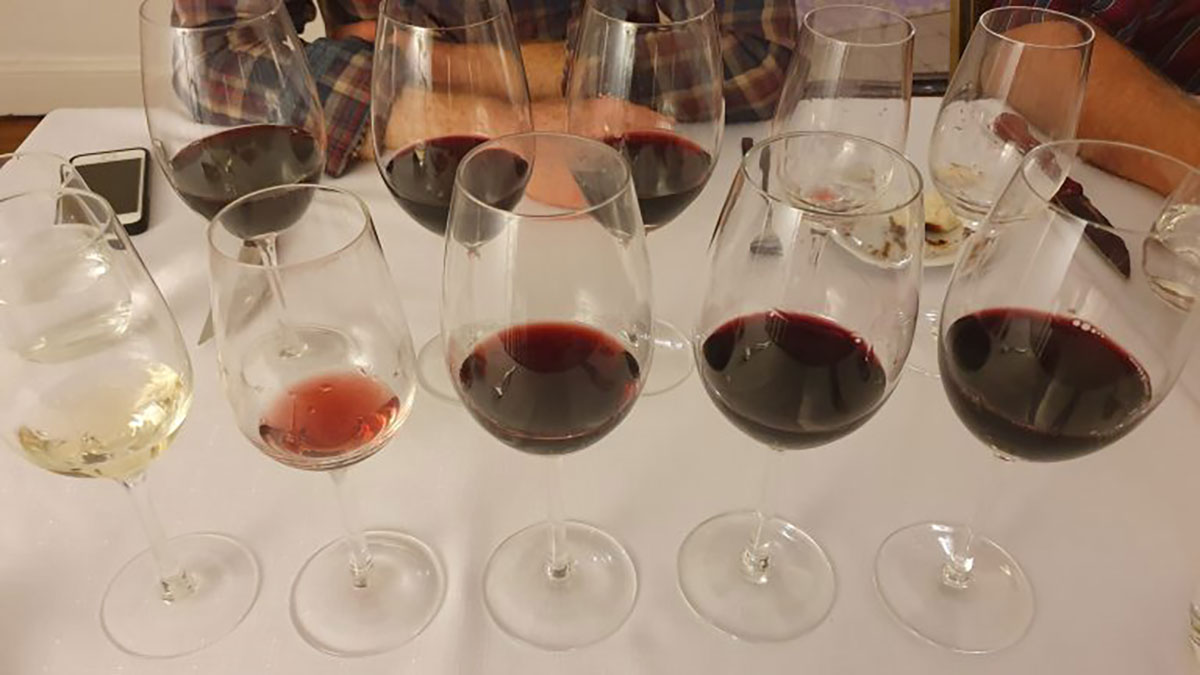
Uruguay holds a secret—a red wine called Tannat that more than matches its boisterous neighbour’s Malbec variety.

Uruguay has been making Tannat for more than 250 years. While it has stayed under the world’s radar so far, it must soon rise to prominence.

Brought to the shores by the French and Spanish, then lovingly kept on by Jesuit settlers, Tannat is now more important in Uruguay than in its native France.

Wine enthusiasts will love the chance to stay at historic haciendas and sample fine reds alongside great BBQs (asados).

Insider Tip
Uruguay is a warm place, so keep the bottle between 60°F and 65°F (15°C–18°C) as overly warm Tannat sees the alcohol overpower the fruit flavours. With young bottles, you need to soften the tannins to open the aromas. Pour 100% Tannat into a decanter for 45-90 minutes before sampling.
Lake and views Route 109 Uruguay
Discover Uruguay's beautiful, hilly interior

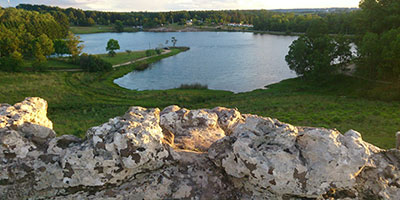
Route 109 between Aigua and La Roncha in eastern Uruguay is one of the country’s most scenic roads.

It curves through the countryside, occasionally switching to a dirt road, but mostly on a good-quality surface, with little traffic.

The 45-mile route connects the town of Aiguá in the northern Maldonado department with the city of Rocha.

You’ll drive past the green hills with boulders and streams of Sierra de Carapé and the Sierras de Rocha, accompanied by panoramic views most of the way as you wind through forests and farms.

En route, you’ll also pass Uruguay’s highest peak, the famous Cerro Catedral, which stands at a not-so-mighty 513m/1,685ft.

Insider Tip
The dirt road demands slow speeds, giving you more time to take in the wonderful views. Most standard cars can make the trip—no 4x4 is necessary in good conditions.

Explore Uruguay Holidays and Trips

Emerald Coast Horse Riding Tour

From: $4700 per person

Duration

8 days
icon horse riding
When to go?
Uruguay’s summer runs from November to March, with warm, sunny days and evenings, making it perfect for beach life and visiting the coast. The arrival of mild autumn temperatures in March brings the grape harvest. Winter from June to August can feel a little chilly at night. Springtime, September and October, are also mild, and ideal for exploring cities before the hotter summer temperatures.
Peak Season Shoulder Season Off Season
Montevideo
J
F
M
A
M
J
J
A
S
O
N
D
Colonia
J
F
M
A
M
J
J
A
S
O
N
D
Punta del Este
J
F
M
A
M
J
J
A
S
O
N
D
East coast beaches
J
F
M
A
M
J
J
A
S
O
N
D
Vineyards
J
F
M
A
M
J
J
A
S
O
N
D
Route 109 self-drive
J
F
M
A
M
J
J
A
S
O
N
D
Stay longer than you think: Uruguay is a country that makes up for its lack of big-name attractions with an old-world welcoming feel. Hire a car and self-drive at a leisurely pace along the coast, stay at historic haciendas and vineyards, and spend time in the rarely visited interior. Uruguay retains a real sense of travel as it used to be.
Tom Shearman

Uruguay at a glance

Hammock and Beach in Uruguay

The capital, Montevideo, should definitely be included in your trip to Uruguay. It is vibrant and features some beautiful French and Italian colonial buildings. Lively markets, excellent museums, a vibrant street life and good beaches add to the attractions. Take time to visit the nearby vineyards and wineries. Most are small and friendly, the owners often showing you around themselves.

Locals also have a fervent passion for tango. The most famous singer of all time, Carlos Gardel, is claimed as a Uruguayan and has a very interesting museum dedicated to him. And for wine and barbecues – say it quietly, but this country can more than rival the more well-known Argentinian varieties for top quality delicious steak and excellent wines.

A superbly organized journey showcasing Andean Trails’ consistent excellence, reliability, and seamless travel experiences.

J Bangara, India

Outstanding communication and expert planning made Andean Trails the clear choice for a perfectly organised South American adventure.

J Fairweather, UK

Activities in Uruguay

Horse Riding Uruguay Tours
Horse Riding In Uruguay
icon horse riding

Read our blog

Frequently Asked Questions about Uruguay

Introduction to Uruguay

Be prepared for your dream holiday to Uruguay with our helpful information.

From money advice to visas, from inoculations to which plugs to take, below you’ll find a wide range of travel tips, advice and information that will help you get ready to explore Uruguay.

Can’t find what you’re looking for?

Get in touch and we’ll be happy to help.

Communication

Dialling codes

The international code for Uruguay is +598.

Montevideo landline numbers begin with a 2, everywhere else a 4, and most mobiles with 099.

Landlines

Uruguay landlines are 8 digits long. To call landline to landline, simply dial the 8 digits.

If using your own mobile phone to call a landline, dial the country code and then the number. For example, for Montevideo (numbers start with a 2), dial +598 2 1234567.

Mobiles

Mobile phones start with 099, followed by 6 more digits.

If dialling from a Uruguayan landline or mobile to a mobile, simply dial 099 and then the remaining 6 digits.

If using your own mobile phone to call a Uruguayan mobile, dial the country code, omit the 0 of 099, then the remaining digits. For example: +598 99 123456.

Almost all unlocked phones will work in Uruguay with a local SIM. Check with your provider before arrival to confirm compatibility.

Roaming charges may be high. It is advisable to check before arrival.

Internet

Most hotels, cafés, restaurants and airports offer free and generally good Wi-Fi.

There are plenty of locutorios (internet cafés) offering affordable and reliable internet access in most towns and cities.

Post

Head to the state postal service, Correo Uruguayo.

Flight advice

Andean Trails can book all your international and domestic flights for this trip and for UK passengers; we have full ATOL bonding and can book flights with most airlines.

International flight prices are variable and usually can only be guaranteed at the time of booking. If you would like to upgrade to business or first class, or even arrive at an earlier date/depart at a later date we can also arrange this for you.

Typically, you fly to a country’s capital city and then overnight there or make a connecting flight (if available) to your next destination.

Flight connections

Please contact us for flight advice especially if you do make a connection on the same day. It is important to purchase a through ticket and not separate tickets for connections, so that you are covered for any delays. Passengers with separate tickets that are delayed run the risk of having to buy an entirely new ticket to continue their journeys.

Please note all airline schedules are subject to change and are out of our control.

Tickets

Almost all flight tickets are now e-tickets. Any that are not will be handed to you on arrival in South America – this is most common for flights on smaller planes in Amazon areas such as Guyana/Bolivia.

The final travel instructions we send you some 2-3 weeks before departure will list the latest flight times, flight numbers etc as well as list your e-ticket numbers and booking reference code (6 characters i.e. GB75RK). This is what you will need to check in with.

How do I check in?

Depending on the airline, we can reserve some seats for you at the time of booking your international flights with us.

If we cannot reserve seats at the time of booking, you have to wait for online check in to open (usually 24-72 hours before departure).

To check in online you will need to go to the website of the airline you are travelling with, and have your e-ticket number/booking reference to hand. Click check in online, enter your details, and choose your seat.

Some flights will allocate seats at the check in desk at the airport and some may not allocate seats at all.

Help flying via the USA (ESTA form).

The United States (USA) has an Electronic System for Travel Authorization (ESTA) which all travellers to and via the USA must complete BEFORE travel to/via its airports and shores.

More information can be found on their ESTA website.

Passengers who have not completed the form will be denied boarding.

Before you begin this application, make sure that you have a valid passport and credit card available.

This application will only accept the following credit cards: MasterCard, VISA, American Express, and Discover (JCB, Diners Club).


Food and drink in Uruguay
Starters
Choripán Grilled spicy sausage served in a small baguette-style roll.
Empanada Pastry commonly filled with minced beef or cheese.
Chivito Sandwich with sliced steak, ham, cheese, egg and mayonnaise.
Morcilla dulce Blood sausage with raisins or walnuts.
Pancho Frankfurter in a bun with ketchup, mayonnaise or sometimes mustard.
Mains
Asado Barbecue with an assortment of meats and often offal.
Asado con cuero Barbecue with the whole animal (sheep or cow) spread out on a cross near glowing charcoal.
Empanadas gallegas Fish pie filled with tuna, onions and bell peppers.
Milanesa Beef or chicken that is crumbed and fried.
Pastel de carne Similar to cottage pie – minced beef, green peppers and egg topped with mashed potatoes.
Pascualina Pie filled with spinach and egg.
Desserts
Alfajores Two shortbread biscuits filled with dulce de leche and covered with chocolate.
Bizcochos Pastries. Many are sweet, some are savoury.
Dulce de leche A caramel widely used in desserts.
Dulce de membrillo Quince jelly.
Flan Milk, egg and sugar pudding, usually topped with caramel.
Drinks
Vino tinto Red wine.
Vino blanco White wine.
Clericó Wine mixed with fruit juice.
Grappamiel Grappa with honey.
Mate Yerba mate tea.
Geography of Uruguay

Uruguay is a green and verdant land of rolling hills and pastures, and has distinct areas to enjoy including 10 national parks.

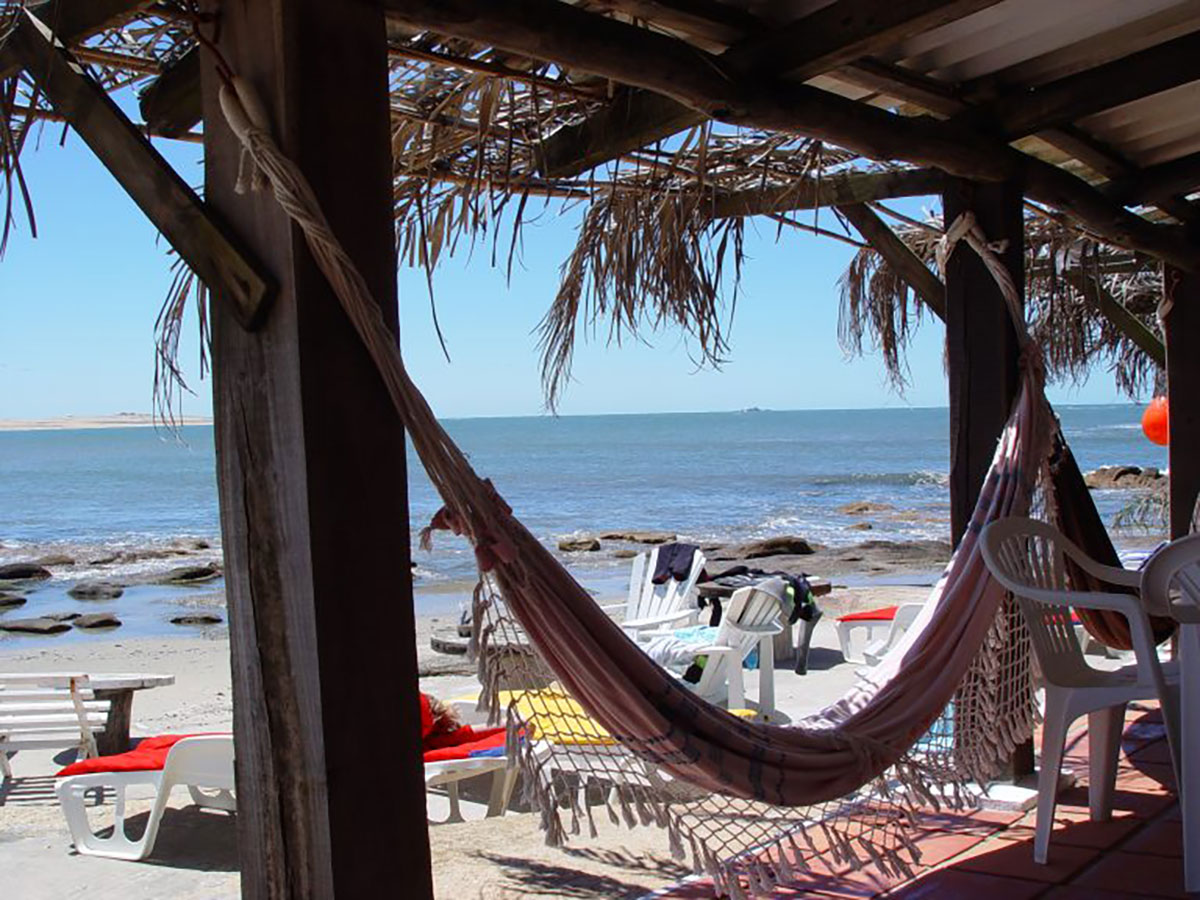
The 660km of coast offers beautiful and dramatic atlantic beaches the further north you go, some many miles in length, others more intimate and with cosy places to stay and place to swim. Those nearer Montevideo and the famous Punta del Este cater more for sun and sea lovers.

There are several estancias and vineyards to visit along the coast, as well as inland.

The interior gets very warm and humid in summer, but with a hire car it’s a lovely and fresher get away up into the hills, with Cerro Catedral at 514 metres (1,686 ft) the highest point in the country.

In the east are several wetlands and lagoons from which many birds and animals can be seen.

To the west of the country lies Rio de la Plata, which forms an enormous river border with Argentina. As you move upstream, you encounter wetlands replete with wildlife and forests.

In the north you will hardly see a soul, and have to yourself the unexplored gorges, gold mines and vineyards of this incredible ‘little’ country.

Introduction to Uruguay

Uruguay is one of South America’s undiscovered gems, a welcoming and charming country with dramatic coast lines and hidden treasures.

Nestled between Brasil, Argentina and its rugged Atlantic Ocean coast, Uruguay features a large number of sandy beaches, rolling hills and vast, wide open spaces in the countryside.

Its warm, friendly population of only 3 million –  who you’ll see supping yerba maté tea as the sun goes down – live peacefully in an area the size of England and Wales.

Uruguay’s capital, Montevideo, is vibrant and home to some scorching tango nights as well as many art-deco buildings.

The coast has lovely beaches and warms seas, which the locals flock to, to relax, swim and sunbathe.

Journey inland and into the countryside you can stay at estancias to taste the rural life, and perhaps some horse riding.


Useful Spanish phrases

Learning a few words of Spanish can really ingratiate you with the locals you’ll encounter, adding to the enjoyment of your holiday. Below are some basics to get you started.

Greetings
Good morning Buenos días
How are you? ¿Cómo estás?
Good afternoon Buenas tardes
Good bye Adiós
Most frequently asked questions (theirs)
Where are you (plural) from? ¿De dónde eres (son)?
What time is it? ¿Qué hora es?
Where have you come from? ¿De dónde vienes?
Give me (frequent, unwelcome question) Dáme / regálame
Most frequent questions (yours)
How much is it? ¿Cuánto vale?
What is this place called? ¿Cómo se llama este lugar?
What’s your name? ¿Cómo te llamas?
Do you have a map? ¿Tienes un mapa?
In the street / places
Where can I find a currency exchange? ¿Dónde encuentro una casa de cambio?
Where is there a cash machine? ¿Dónde hay un cajero automático?
Where is the underground/subway station? ¿Dónde está la estación de metro/subte (Buenos Aires)?
Where can I find a taxi? ¿Dónde puedo encontrar un taxi?
Where can I find a supermarket? ¿Dónde puedo encontrar un supermercado?
Where is the hospital? ¿Dónde está el hospital?
Where can I find a restaurant? ¿Dónde puedo encontrar un restaurante?
In the hotel
What floor am I on? ¿En qué piso estoy?
Where are the elevators/lifts? ¿Dónde están los ascensores?
How do I access the Internet? ¿Cómo puedo acceder a Internet?
How do I call for room service? ¿Cómo llamo para el servicio de habitación?
How do I call down to the front desk? ¿Cómo llamo a la recepción?
In the restaurant
A table for two/four please Una mesa para dos/cuatro, por favor
I would like to drink… Me gustaría tomar…
May I see a menu? ¿Puedo ver la carta / menú?
I would like to order… Me gustaría pedir…
Can you bring me the check/bill please? ¿Me trae la cuenta, por favor?
Emergency
I need help. Necesito ayuda.
I have lost my passport. He perdido mi pasaporte.
Someone stole my money. Alguien robó mi dinero.
I have been robbed. Me han robado.
I need to call the police. Necesito llamar a la policía.
I need to call the (country) Embassy. Necesito llamar a la embajada de (country).
Help! ¡Socorro!
Money matters

Currency & Money Exchange

Uruguay’s monetary unit is the “Uruguyan Peso”.

Most of your transactions will be in pesos, but US dollars are often accepted, too, if they are small denomination, unmarked and undamaged bills. Try to take USD 10s and 20s.

ATM debit/credit cards are now widely used in major restaurants, hotels and shops (with fees), and there are ATM (‘hole-in-the-wall’) machines widely available in towns and cities. In smaller coastal/interior towns, cash is harder to come by, so do stock up in Montevideo.

When changing money, use a bank or casa de cambio (bureau de change). Ask for ‘billetes chicos’ (small notes, i.e. 20, 50, and 100) as obtaining change outside towns and cities can be difficult. Count your pesos carefully before handing over your US dollars, and look out for forged notes.

Click here for the current exchange rate.

Eating and drinking

Uruguay has a big wine and meat culture, but with relatively low wages and a very expensive cost of living, eating out is not always cheap. Wine is often cheaper than beer.

You can easily spend more than USD 100pp on food and wine in top end restaurants/vineyards/haciendas. Be warned that a drink in even the most modest looking of cafés may cost more than you pay at home.

Prices vary greatly, below is a rough guide to what you can expect to pay in Uruguay.

Local café/restaurant

Beer/soft drink: USD 3

Menu del dia: USD 10-20

Coffee: USD 2

Tourist style restaurant

Beer/soft drink: USD 3-5

Main dish: USD 15-20 upwards

Coffee: USD 3

Plugs and voltages

Electricity

Uruguay uses a current of 230 volts, and a frequency of 50Hz.

Most cameras, phones and computers are dual or multi voltage and probably won’t need a convertor – please check before leaving.

Some items you may bring, such as hairdryers, may need a convertor. They may short if you use them without the correct convertor.

Plugs

Uruguay mainly uses two-pin, round-pronged C plugs, as well as compatible F and L plugs, and sometimes you can find I (i) Type plugs.

Type C Plug
Type C Plug
Type F Plug
Type F Plug
Type L Plug
Type L Plug

plugs in argentina

Quick facts about Uruguay
  • Official name: Oriental Republic of Uruguay
  • Country population: 3,500,000
  • Capital city: Montevideo (1.4 million)
  • Largest cities: Montevideo, Salto (100,000)
  • Languages: Spanish, Portuguese (official)
  • Latitude/Longitude: 34º S, 56º W
  • Official currency: Uruguayan Peso
  • Major industries: Agriculture (soya/beef), tourism, wine, wool
  • Time zone: GMT-4
Security in Uruguay

Uruguay is one of the safest places to visit in South America, and indeed the world.

Having said that, there is petty crime and you are advised to be on guard as you would on any tour, especially in Montevideo and at night time.

  • Leave paper valuables in the hotel safe (caja fuerte), taking only what you need for the day.
  • Carry a copy of your passport, leaving original in safe along with your air tickets. N.B. When travelling, carry paper valuables in a money belt under clothing, not in a ‘bum-bag’.
  • Special care is needed in the old town in Montevideo, where you should consider not taking a daypack unless accompanied. We suggest you secure this, and have your camera in the bag.
  • Be very careful around the old town of Montevideo at night, as well as the Pocitos neighbourhood. Avoid quiet streets or streets with poor lighting. Always take a taxi to the door of your hotel at night.
  • In fact, especially if alone; it’s best to use taxis at night, wherever you are.
  • If you hire a car, keeps doors locked and windows up while driving around Montevideo. ‘Snatch’ robberies can happen while the car is stationary. Keep purses, bags briefcases or other valuables out of sight, on the floor or in the boot.
  • Break-ins of parked cars do happen, particularly in the Carrasco neighbourhood of Montevideo.
  • There is petty crime on beaches during peak seasons – be careful when leaving your possessions while you are in the sea.
  • Beware of the distraction techniques of con men/women, especially in crowded areas.
  • NEVER leave your bag(s) unattended, especially in airports, bus terminals and hotel lobbies.
  • Where possible, try to avoid inter-city travel at night (there are few night buses anyway).
Uruguay Festivals

6 January

Festival: Epiphany

Exchange of gifts and family meals. Start of carnival season.

Location: Countrywide.

February

Festival: Fiesta de La Candelaria

Processions, dance and music.

Location: Countrywide.

February / March

Festival: Carnaval and Las Llamadas

Fancy dress, music, parades, fireworks.

Location: Montevideo and countrywide.

March / April

Festival: Semana Santa / Easter week

Street parades.

Location: Central Montevideo.

25 August

Festival: Independencia

Independence day – celebration of Uruguayan culture – various activities.

Location: Country wide.

Vaccinations for Uruguay

We strongly suggest that everyone planning to travel to Uruguay visits their local doctor/travel clinic prior to departure for the latest vaccination information.

Recommended vaccinations

  • Up-to-date diphtheria and polio.
  • Tetanus or tetanus booster. (These three are effective for ten years.)
  • ‘Havrix’ for Hepatitis A. The course of two injections protects you for ten years. Gamma globulin is cheaper butless effective.
  • Typhoid vaccine is recommended by some doctors although it will not provide total protection and being careful about what you eat and drink is your best defence. It is given in two shots, four weeks apart and lasts for three years. Unless at exceptional risk, people over the age of 35 who have received four or more courses of typhoid immunisation need no more.
  • A pre-exposure rabies vaccination is worth considering if you are going to be in contact with animals or morethan 24 hours away from a reliable source of vaccine. Hikers are at some risk from rural dogs, certain of which carry rabies, and those visiting coastal or rainforest areas could be exposed to rabid bats.
  • Anti-malarial protection is not required.
Visas for Uruguay

British nationals do not need a visa for Uruguay.

Your passport need only be valid for at least the proposed duration of your stay. No additional period of validity beyond this is required.

Non UK residents please check with the Uruguayan embassy or consulate in your country of residence.

Weather in Uruguay

The climate is mild, with temperatures that range between 23-35ºC in the summer months (Dec-Feb) and between 5 and 15ºC during winter (Jun-Sept).

During the summer, it’s pleasant and warm at the coast, with plenty of sunshine to enjoy for sun seekers on beaches.

As you move into the interior of the country, conditions become much hotter and more humid.

In Montevideo, you can expect mainly warm spring and autumn temperatures, although there are some cool days (especially early in the morning or at night) and perhaps some rainy days, too.