Since 1998, we've crafted journeys using knowledge gained on our own explorations of South America's spectacular wilderness, fascinating cultures and diverse wildlife.

Bring a sense of adventure and an open mind. We'll take care of the logistics and support you round the clock.

We only work with small, locally owned operators and guides. Your money stays where you travel, and a share of every trip supports local communities and the wild places they protect.

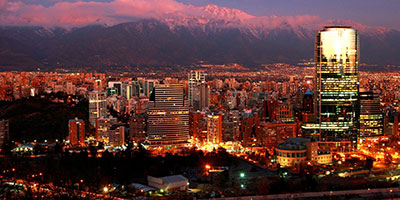
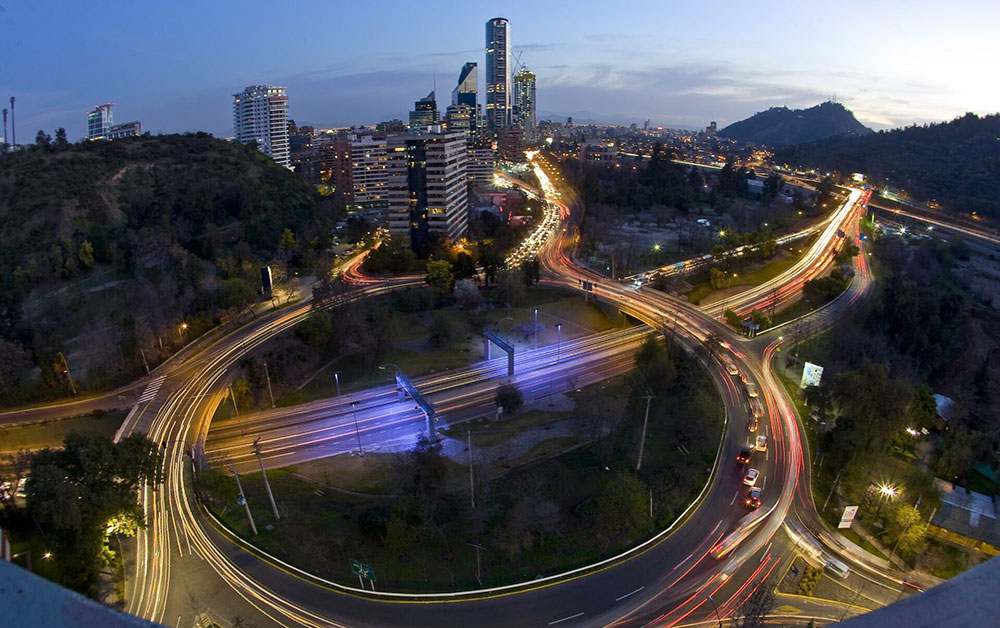
Santiago, Chile’s vibrant capital sits in the middle of this thin long country flanked by some of the highest peaks of the Andes.
The city reflects the prosperity of the Chilean economy with a modern architecture particularly in the east of the city.
However there is still plenty for traditionalist to explore in the centre of the city including the Moneda Palace, Cathedral, Central Market with its array of fish restaurants and the pre-Columbian Museum.
There are lots of day trips nearby, from vineyard visits to Valparaiso, making Santiago a great base from which to explore.

Chilean Patagonia is a pristine wilderness of fjords, glaciers, plains, mountains and forests.
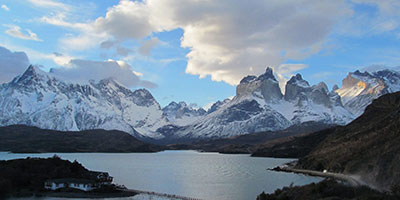
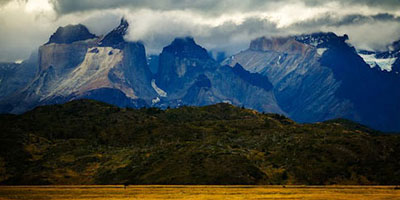
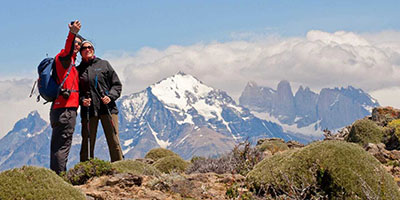
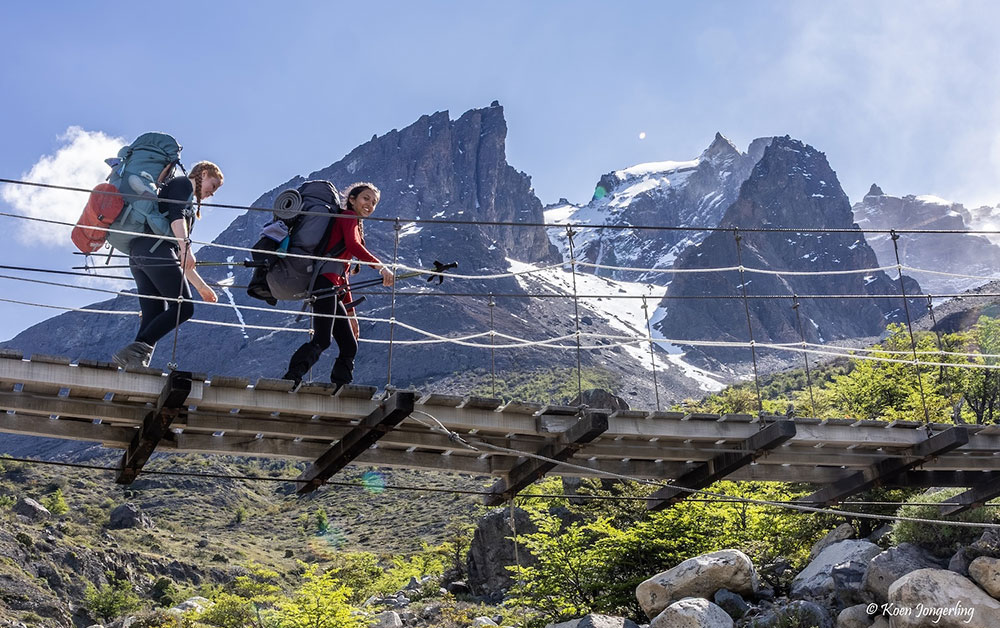
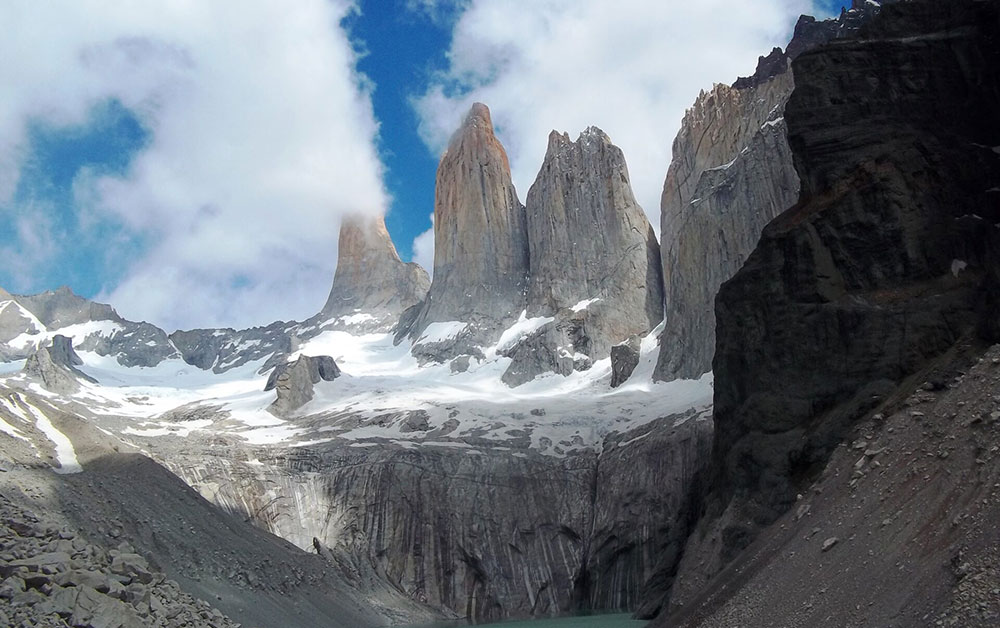
Southern Patagonia’s main attraction is the Torres del Paine National park. The granite spires attract many visitors to what some have called the 8th Wonder of the World. The park is a trekkers paradise with two classic treks, the Paine W and the Paine Circuit.
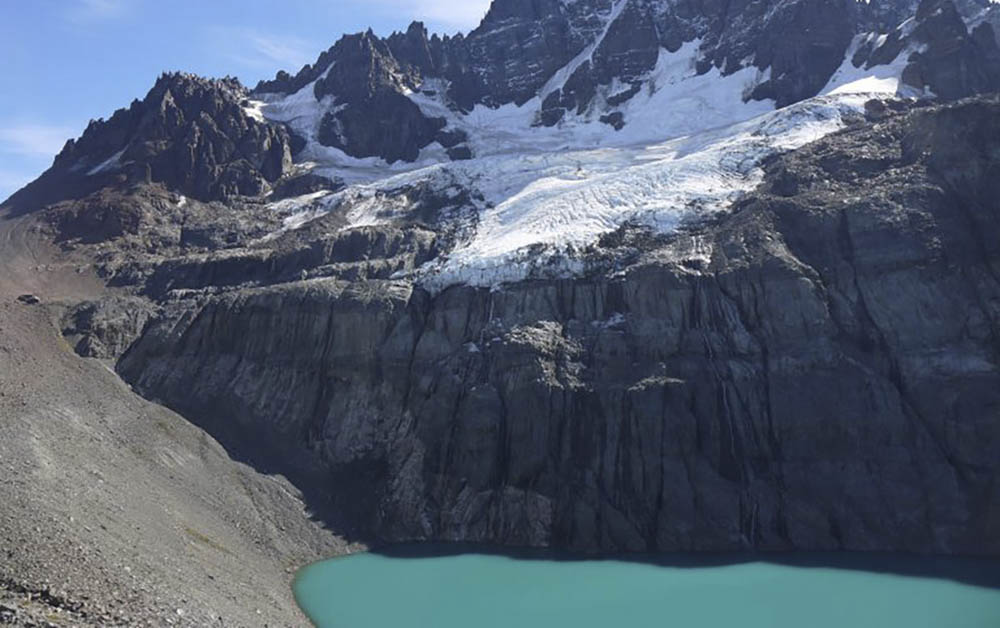
Northern Patagonia, the Aysen region, is one of the least populated parts of the country and is blessed with spectacular countryside.
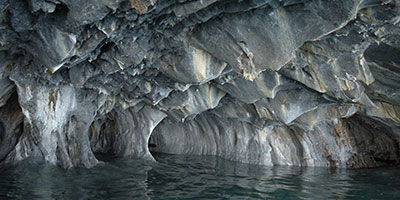
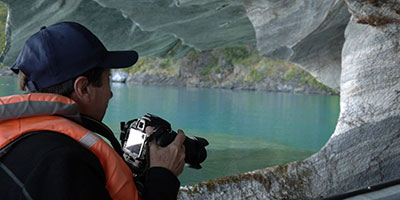
The main airport is Balmaceda near the city of Coyhaique and must see places include Lake General Carrera and the Marble Caves, The San Rafael Glacier, the Quelat Hanging Glacier as well as driving the Austral Road.
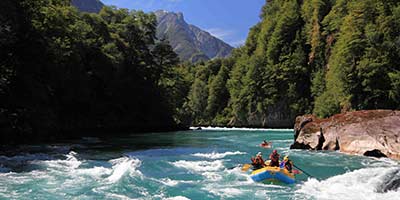
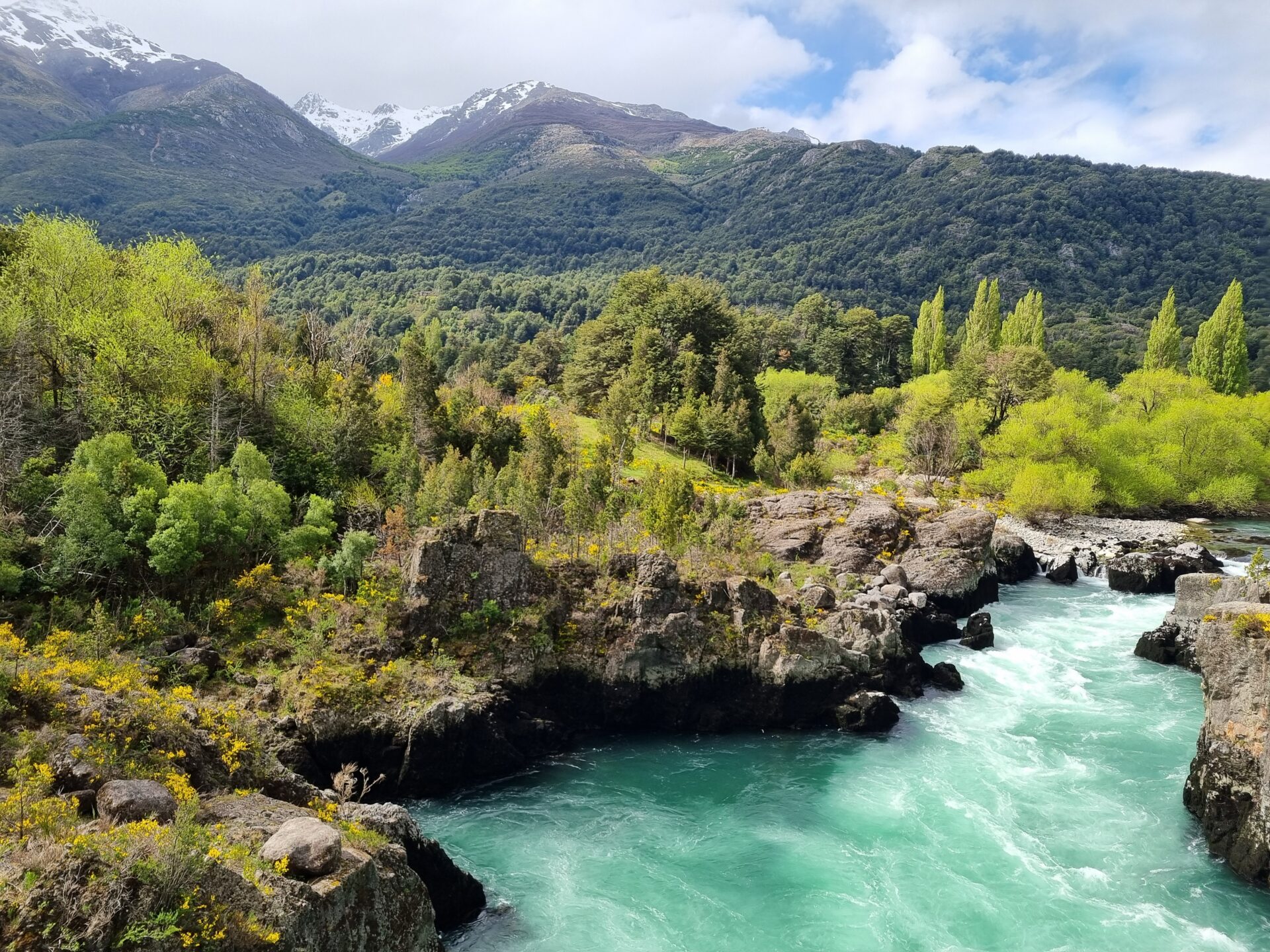
The Futaleufu River is a must for white water enthusiasts.
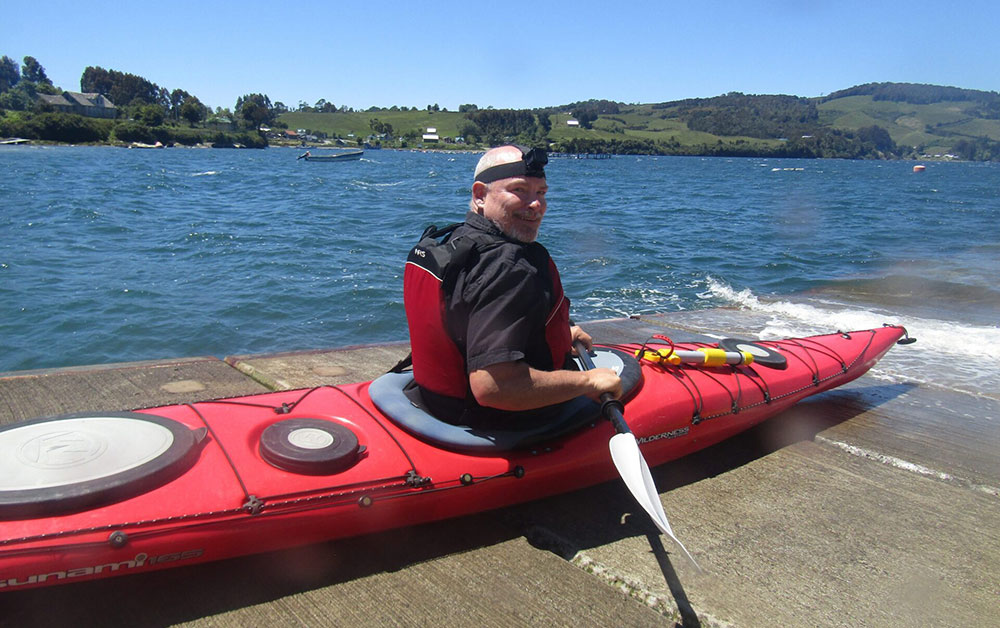
The region also offers great horseback opportunities as well as kayaking ones. Nature enthusiasts can admire the impressive scenery, imposing glaciers and fascinating wildlife and flora.

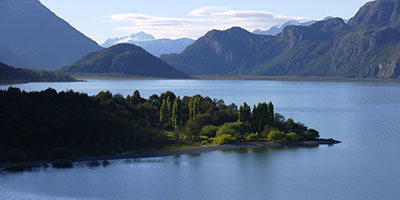
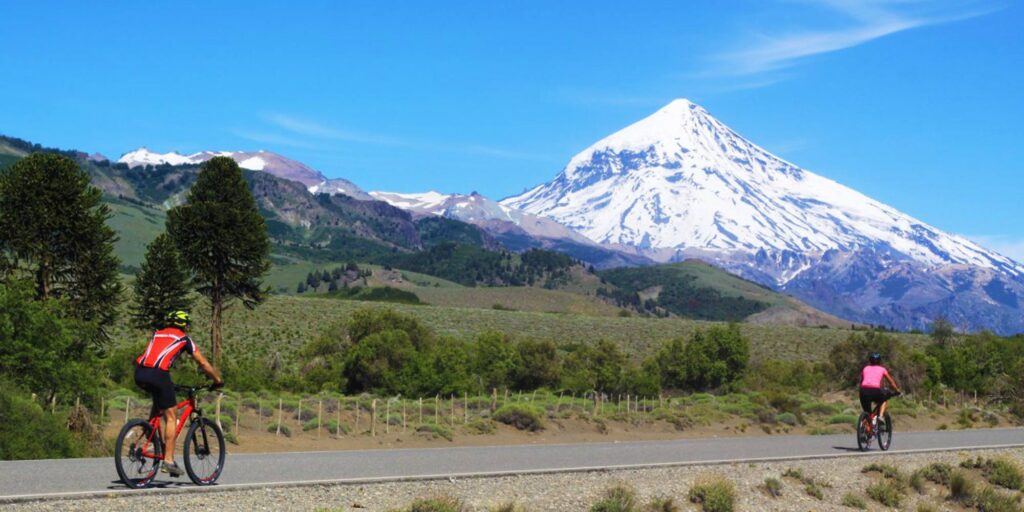
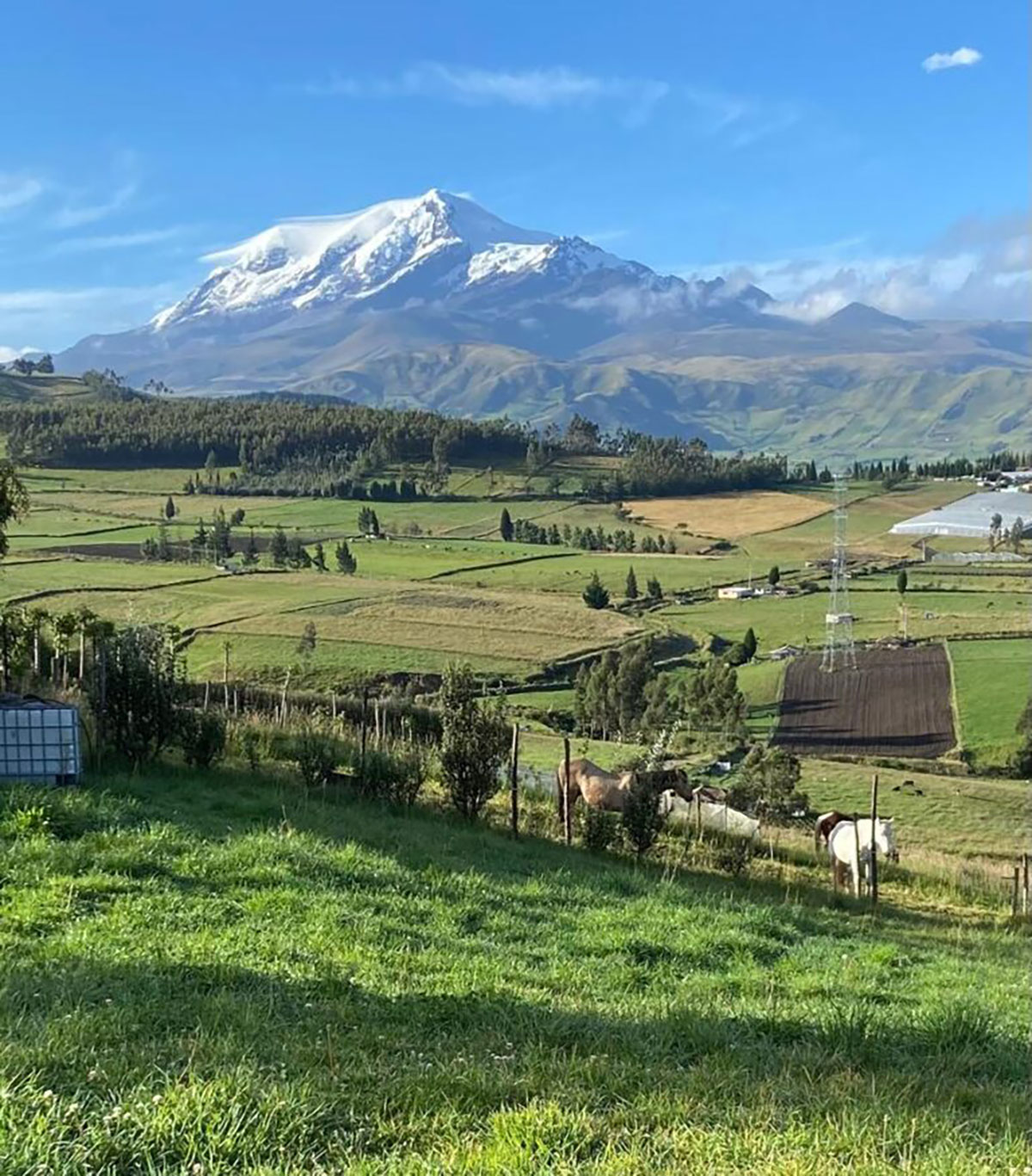
The Chilean Lake district is an area of snow capped volcanoes that overlooks pristine lakes surrounded by forests and rolling countryside.
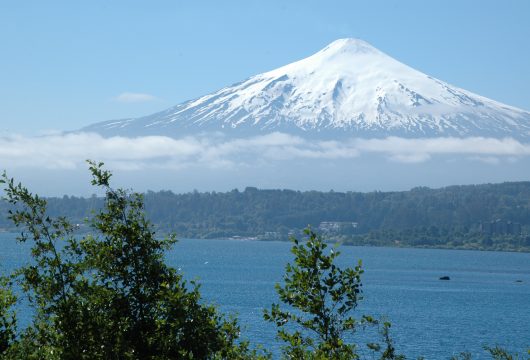
The Northern gateway is Temuco Airport. A short drive is Villarrica Lake overlooked by the volcano of the same name. The monkey puzzle tree is autochthonous to the region and can be found all over particularly in Conguillio National park.
The town of Pucon is a great base from which to explore the nearby National parks, hot springs, Mapuche indigenous settlements and for the more adventurous rafting, canopy, trekking and climbing.
In the middle of the region you will find the private Huilo Huilo Biological Reserve, a protected area of Patagonian cold rain forest.
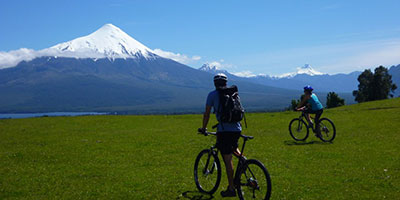
The Southern sector, whose gateway is Puerto Montt, is dominated by Lake Llanquihue and the conical Osorno Volcano.
A popular base is the town of Puerto Varas on the lake shore from where one can visit the local beauty spots or set off on adventures that include biking, kayak, trekking, rafting and much more.
This area combines very well with the Argentine Lake district and the towns of Bariloche and San Martin de Los Andes.

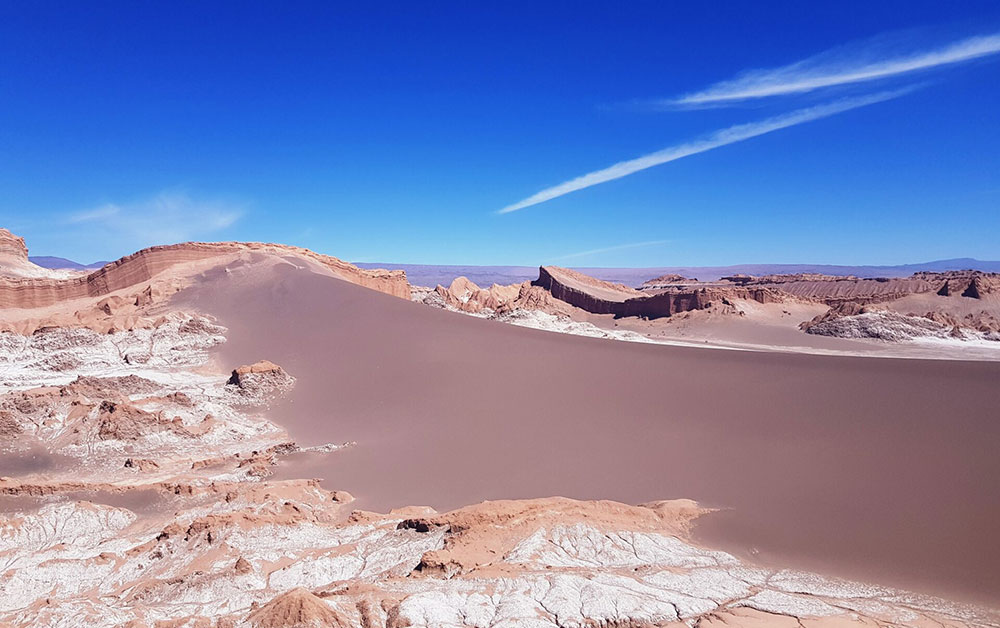
The Atacama desert covers the northern quarter of Chile.
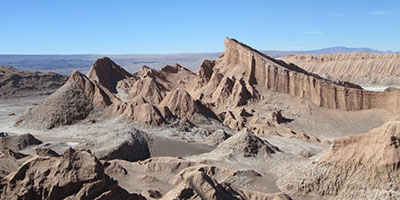
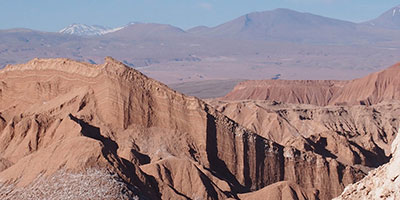
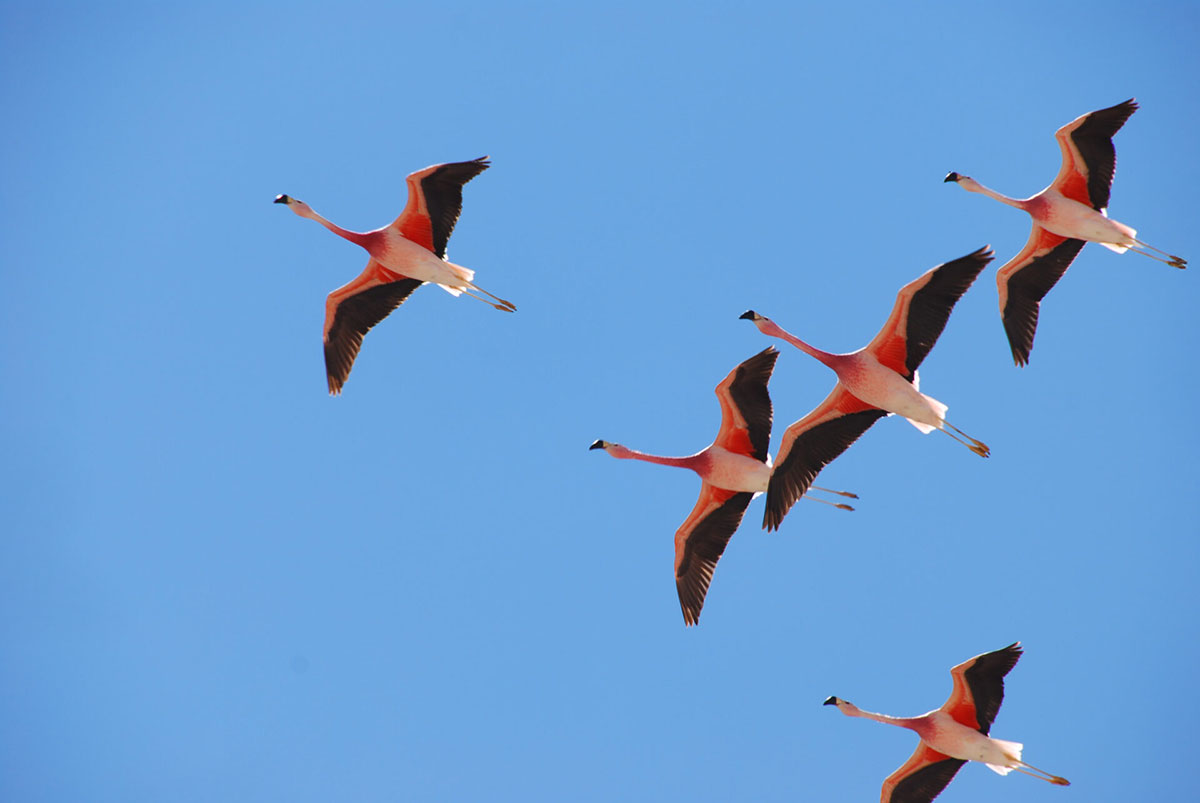
Said to be the driest non polar desert in the world it is a melting pot of earthy tones (red, yellow, purples, browns etc.), amazing rock formations, stunning mountains and volcanoes, flamingo speckled salt flats and some of the clearest skies on the planet.
San Pedro de Atacama is the ideal base to explore the nearby geysers, hot springs, salt flats, lakes, and at night be amazed by the star studded skies.
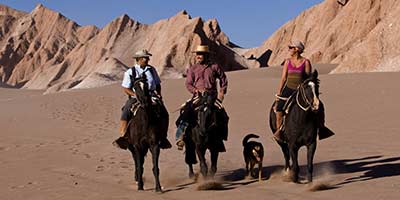
Those after adventure can pass the time trekking, biking, horse riding and exploring.
For a bit of culture the pre Columbian museum, colonial churches and pre Columbian archaeological sites will keep one fascinated and for the nature enthusiast the scenery, wildlife and environment won’t disappoint.

The central coast is a rugged coastline very reminiscent of California – here you will find a string of small fishing coves, holiday towns and cities.
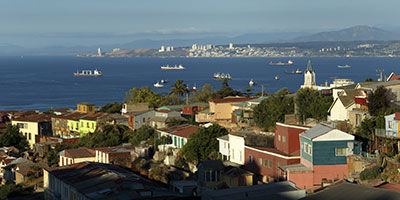
The ramshackle port city of Valparaiso, with its colourful houses perched on the hills overlooking the bay, is a cultural icon, with its Museum home of Pablo Neruda, the Chilean Nobel prize-winning poet.
The coastal town of Zapallar is a great place to get away from it all and recharge the batteries.
The Humboldt current means cold water temperatures and currents that are not conducive to sea swimming, but does provide some of the best seafood in the world.
There are plenty of seabirds, including pelicans, and seals as well as sea lions.

Chile is home to world famous wines and vineyards.
Its wine country surrounds the Metropolitan region of the capital, Santiago, making visits easy.
Many wineries can be visited as day trips from Santiago or there is the option to stay in a winery or hotel in the wine country.
The Colchagua Valley, a 3-hour drive from the city, has become a popular destination with a good offer of hotels in and around the town of Santa Cruz.
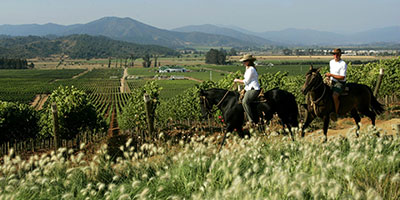
There are opportunities for visits to the wineries with tours of the production facilities and tastings. Mountain bike and horse back rides are also an option.
This part of Chile’s is also the heartland of Chiles rural traditions and the Chilean Huaso – cowboy and its traditional dances and music.

The Aysen region is one of the great undiscovered destinations of Chilean Patagonia.
Here you will find the world renowned white-water of the Futaleufu river, the marble caves on Lake General Carrera, the San Rafael Glacier, the Quelat Hanging Glacier and stunning scenery.
This part of the country is the least densely populated, so if you want to get away from the crowds this is the place to come.
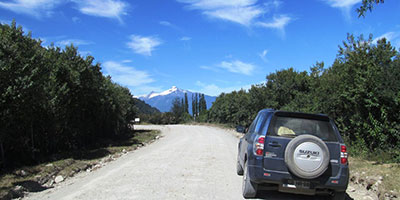
The Carretera Austral is a relatively new road and biking or driving down its length takes you on a journey past temperate rainforest, to the Northern icefield and

Puerto Natales has the feel of a small frontier town.
Located on the banks of the Last Hope Sound this town had its origins in the shipping out of lamb from the local estancias.
Now it is the gateway to the Torres del Paine National Park and boasts an impressive selection of accommodation and restaurants.
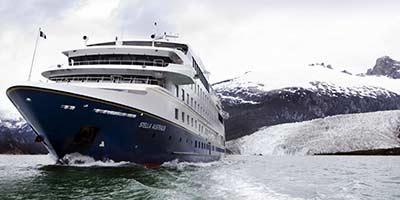
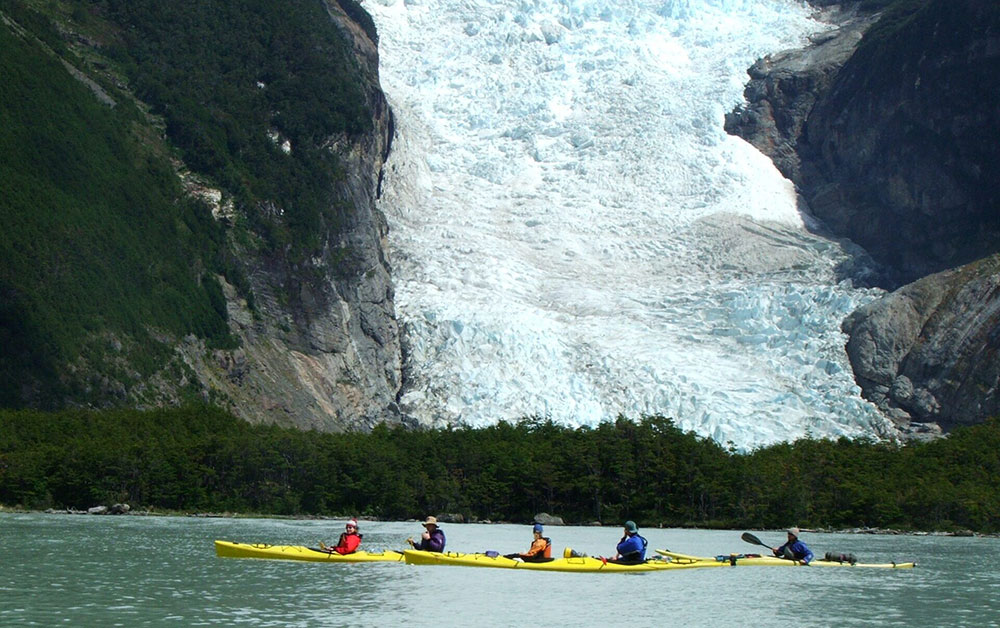
Nearby attractions include the Milodon Cave and a full day sailing tour to the Balmaceda and Serrano Glaciers.
If you have time it’s worth trekking to the top of the nearby Dorotea hill for a spectacular view of the surrounding country side.

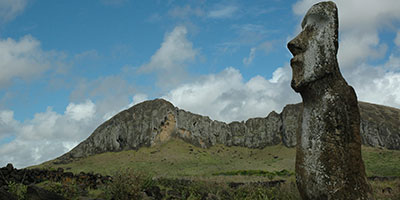
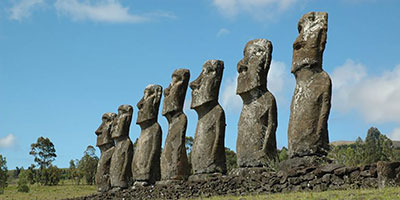
Rano Raraku volcano is of particular note as the birth place for the majority of the Moai statues.
For almost 500 years this was a quarry supplying the stone for the statues. Rano Raraku is a visual record of Moai design and technological innovation.
The edges of the volcano are littered with nearly 400 statues, some still in-situ with others erect on the slopes.
The incomplete statues in the quarry are remarkable for their number, for the inaccessibility of some that were high on the outside crater wall and for the size of the largest;
At 21 metres in height almost twice that of any Moai ever completed, and weighing an estimated 270 tonnes, many times the weight of any transported.
Some of the incomplete Moai seem to have been abandoned after the carvers encountered inclusions of very hard rock in the material.

The granite spires of Chile’s Torres del Paine National Park are one of the great draws to Patagonia.
The Horns of Paine and the Towers of Paine look down on a network of valleys and lakes punctured by the odd glacier, which are a trekker’s paradise.
There are two classic treks, the Paine W and the more challenging Paine Circuit. There are also an array of day hikes for those who would prefer to hike from comfort.
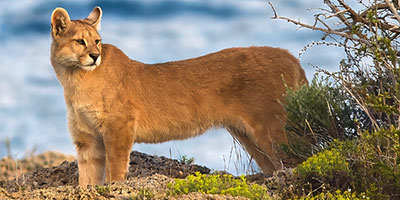
As well as the spectacular scenery the flora and fauna are great attractions and you will find many herds of guanacos as well as rheas, the odd Pudu – a rare miniature deer.
And if you are lucky, even a puma.
From: $4719 per person
Duration
From: $1890 per person
Duration
From: $5300 per person
Duration

Chile is a spectacular country to travel to. It is almost 4,400 km long yet only 160 km at its widest. In the north is the Atacama Desert, the most arid in the world. The centre of the country is Mediterranean type topography and the heart of the wine country. Further South is Patagonia where you will find pristine lakes and snow-capped volcanoes. It’s the land of fjords, glaciers and granite spires.
There are many internal flights linking this long country together, along with some fantastic cruises and bus journeys connecting attractions. Chile’s unusual geography and sophisticated cities ensure it offers a lot to the adventure traveller and the luxury holiday seeker.

Active travellers can choose and put together many types of Chile travel packages.
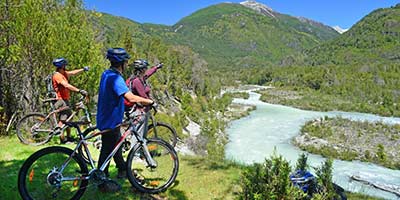
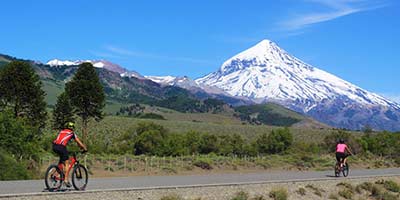
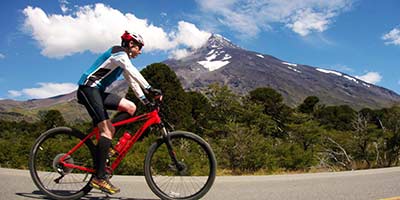
Trekking options include multi-day treks in the Atacama or the world-renowned Torres del Paine National Park. White water rafters have the world-class Futaleufu River and cyclists can experience a Chile cycling holiday through the Lake District.
Wildlife lovers are well catered for with Chile offering condors, flamingos, llamas, rheas and even pumas for the lucky few. Opportunities can be found from the very north to the very south.

Nature lovers in the north are amazed by the brilliant star-filled desert skies and by the incredible rock formations. The colourful town of San Pedro de Atacama is within easy reach of all the major attractions.
In the centre of the country, visitors are in awe of the highest peaks of the Andes. This area is blessed by great agricultural land especially for vines leading to some superb Chile wine tours. The craggy and scenic coastline is a short drive away.
Santiago, the capital, is in the heart of the centre of the country. It is a dynamic city which nestles into the mountains and offers the visitor the best in accommodation and restaurants.
The Lake District, besides lakes and volcanoes, is blessed with forests of Monkey Puzzle trees and millenary Larch trees. There are options of great Chile travel packages in this part of the country for all types of traveller.
The region of Aysen boasts the country’s lowest population density. If you are looking for the path least trodden, then this is the destination to head for. The Marble Caves, Patagonia Park, San Rafael Glacier and Lake General Carrera are just some of the many attractions.
The tip of the country boasts one of the most popular Chile holiday destinations, The Torres del Paine National Park. The granite peaks, lush valleys, shimmering lakes are the perfect background for an adventure-filled Chile tour.
Travel to Chile as there is something for everyone. Look through our Chile tours, don’t forget to read our Chile Travel Highlights Guide or contact us for more.
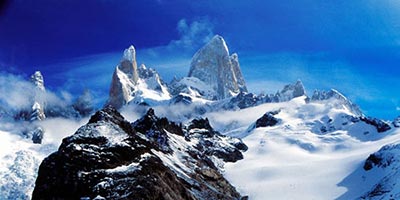
A beautifully organised Patagonian adventure combining the breathtaking scenery of Torres del Paine and Mt Fitz Roy with a once-in-a-lifetime cruise to Cape Horn, made seamless by excellent planning and attention to detail.
A flawlessly organized self-guided Patagonia adventure combining freedom, efficiency, and unforgettable trekking experiences.
From money advice to visas, from inoculations to which plugs to take, below you’ll find a wide range of travel tips, advice and information that will help you get ready to explore Chile.
Can’t find what you’re looking for?
Get in touch and we’ll be happy to help.
Chile is the land of contrasts, from verdant vineyards to driest desert, deep fjords and towering glaciated volcanoes.
A narrow but incredibly long, snake-like country, Chile’s unusual geography features more than 5,000km of South Pacific Ocean coast. The country is almost 4,400km long but barely more than 160km at its widest.
It is best divided into general regions, all of which offer spectacular landscapes and identities of their own.
This variety means Chile is the land where almost every activity is possible. Hiking, biking, rafting and kayaking.
Or climbing, cruising, fishing, horse riding, wine tasting.
Or simply eating great food, relaxing and exploring.
Festival: Festival de la Canción Viña del Mar
International song festival
Location: Viña del Mar
Festival: Tapati
Culture, dance, music, song, sport
Location: Easter Island
Festival: Carnaval de Invierno
Street parade with floats celebrating mid winter
Location: Punta Arenas
Festival: Fiesta de La Tirana
Religious festival – culture, mass dance parades
Location: La Tirana, Atacama
Festival: Independencia
Independence day – celebration of Chilean culture – various activities
Location: Country wide
The international code for Chile is +56.
Regions have dialling codes.
Not all smartphones will work in Chile. It is best to check with your operator before you arrive. Roaming charges may be high, so check in advance.
Chile’s landlines have 7 digits, apart from Santiago where they have 8 digits.
To call landline to landline in the same city, add the regional code and then the 7 or 8 digit number. For example, Arica’s code is 58. To dial Arica to Arica, dial 58 1234567.
If calling a landline in another region or city, dial the area code (for example 61 for Puerto Natales) without the 0, then the number. For example: 61 1234567.
If using your own mobile phone to call a landline, dial the country code, the regional or city code without the 0, and then the number. For example: +56 61 1234567.
Mobiles have 8 digits.
If dialling a Chilean mobile from a Chilean landline, add 9 to the number. For example: 9 1234-5678.
If using your own mobile phone to call a Chilean mobile, dial the country code, then a 9, then the 8 digit number. For example: +56 9 1234-5678.
If you wish to call an Argentine mobile while you are in Chile, dial 9, then the area code without the 0, then the number, leaving out the 15 which most Argentine mobiles start with.
For example, for a Buenos Aires mobile 15 1234-5678, dial: +54 9 11 1234-5678 (Buenos Aires code = 11).
Most hotels, cafés, restaurants and airports offer free and generally good Wi-Fi. In some towns and cities, main plazas have free public Wi-Fi.
Internet cafés are slowly disappearing, but most towns and cities will still have some in the main centres.
Head to the state-owned Correos de Chile for postal services.
Andean Trails can book all your international and domestic flights for this trip and for UK passengers; we have full ATOL bonding and can book flights with most airlines.
International flight prices are variable and usually can only be guaranteed at the time of booking. If you would like to upgrade to business or first class, or even arrive at an earlier date/depart at a later date we can also arrange this for you.
Typically, you fly to a country’s capital city and then overnight there or make a connecting flight (if available) to your next destination.
Please contact us for flight advice especially if you do make a connection on the same day. It is important to purchase a through ticket and not separate tickets for connections, so that you are covered for any delays. Passengers with separate tickets that are delayed run the risk of having to buy an entirely new ticket to continue their journeys.
Please note all airline schedules are subject to change and are out of our control.
Almost all flight tickets are now e-tickets. Any that are not will be handed to you on arrival in South America – this is most common for flights on smaller planes in Amazon areas such as Guyana/Bolivia.
The final travel instructions we send you some 2-3 weeks before departure will list the latest flight times, flight numbers etc as well as list your e-ticket numbers and booking reference code (6 characters i.e. GB75RK). This is what you will need to check in with.
Depending on the airline, we can reserve some seats for you at the time of booking your international flights with us.
If we cannot reserve seats at the time of booking, you have to wait for online check in to open (usually 24-72 hours before departure).
To check in online you will need to go to the website of the airline you are travelling with, and have your e-ticket number/booking reference to hand. Click check in online, enter your details, and choose your seat.
Some flights will allocate seats at the check in desk at the airport and some may not allocate seats at all.
The United States (USA) has an Electronic System for Travel Authorization (ESTA) which all travellers to and via the USA must complete BEFORE travel to/via its airports and shores.
More information can be found on their ESTA website.
Passengers who have not completed the form will be denied boarding.
Before you begin this application, make sure that you have a valid passport and credit card available.
This application will only accept the following credit cards: MasterCard, VISA, American Express, and Discover (JCB, Diners Club).
Read our blogs about food to try in Chile and restaurants in Santiago.
| Main dishes (meat) | |
|---|---|
| Cazuela de ave | Stew of chicken, potato, rice, onion and green pepper. |
| Valdiviano | Stew with beef, onion, potato and egg. |
| Empanadas de pino | Pasties filled with chopped meat, onion and peppers, raisins, black olives and hard-boiled egg. |
| Pastel de choclo | Meat casserole topped with maize mash. |
| Humitas | Mashed corn baked in corn leaves. |
| Prieta | Blood sausage. |
| Parrillada / asado | Mixed grill served from a charcoal brazier. |
| Bistek a lo pobre | Steak topped with fried egg and accompanied by chips (French fries) and onion. |
| Seafood | |
| Curanto | Meat, shellfish and potato stew, typical in Chiloé. |
| Paila chonchi | Like a bouillabaisse, but with more body and flavour. |
| Ceviche de pescado / mariscos | Marinated fish or shellfish. |
| Congrio / caldillo de congrio | Conger eel / soup served with a large piece of conger, onion and potato balls. |
| Corvina | Sea bass. |
| Albacora | Swordfish. |
| Choritos / cholgas | Mussels. |
| Locos | Abalone. |
| Almejas | Clams. |
| Machas | Razor clams. |
| Picoroco | Sea barnacles. |
| Erizo | Sea urchin. |
| Cochayuyo | Dried seaweed sold in bundles. |
| Luche | Dried seaweed sold in flaky blocks. |
| Snacks | |
| Completo | Hot dog with a wide variety of fillings, including avocado (palta). |
| Barros Jarpa | Grilled cheese and ham sandwich. |
| Barros Luco | Grilled cheese and beef sandwich. |
| Drinks | |
| Vino (tinto / blanco) | Wine (red / white). Chilean wines are excellent. |
| Cerveza | Mainly lager-style beer, often served with a snack such as peanuts. |
| Pisco | Grape brandy. |
| Pisco sour | Pisco cocktail with lemon juice, egg white and sugar. |
| Manzanilla | Local liqueur. |
| Vaina | Mixture of brandy, egg and sugar. |
| Chicha | Alcoholic drink made from fruit. Cider is chicha de manzana. |
| Mote con huesillo | Drink made from wheat and dried peaches. Very popular in Santiago in summer. |
Learning a few words of Spanish can really ingratiate you with the locals you’ll encounter, adding to the enjoyment of your holiday. Below are some basics to get you started.
| Greetings | |
|---|---|
| Good morning | Buenos días |
| How are you? | ¿Cómo estás? |
| Good afternoon | Buenas tardes |
| Good bye | Adiós |
| Most frequently asked questions (theirs) | |
| Where are you (plural) from? | ¿De dónde eres (son)? |
| What time is it? | ¿Qué hora es? |
| Where have you come from? | ¿De dónde vienes? |
| Give me (frequent, unwelcome question) | Dáme / regálame |
| Most frequent questions (yours) | |
| How much is it? | ¿Cuánto vale? |
| What is this place called? | ¿Cómo se llama este lugar? |
| What’s your name? | ¿Cómo te llamas? |
| Do you have a map? | ¿Tienes un mapa? |
| In the street / places | |
| Where can I find a currency exchange? | ¿Dónde encuentro una casa de cambio? |
| Where is there a cash machine? | ¿Dónde hay un cajero automático? |
| Where is the underground/subway station? | ¿Dónde está la estación de metro/subte (Buenos Aires)? |
| Where can I find a taxi? | ¿Dónde puedo encontrar un taxi? |
| Where can I find a supermarket? | ¿Dónde puedo encontrar un supermercado? |
| Where is the hospital? | ¿Dónde está el hospital? |
| Where can I find a restaurant? | ¿Dónde puedo encontrar un restaurante? |
| In the hotel | |
| What floor am I on? | ¿En qué piso estoy? |
| Where are the elevators/lifts? | ¿Dónde están los ascensores? |
| How do I access the Internet? | ¿Cómo puedo acceder a Internet? |
| How do I call for room service? | ¿Cómo llamo para el servicio de habitación? |
| How do I call down to the front desk? | ¿Cómo llamo a la recepción? |
| In the restaurant | |
| A table for two/four please | Una mesa para dos/cuatro, por favor |
| I would like to drink… | Me gustaría tomar… |
| May I see a menu? | ¿Puedo ver la carta / menú? |
| I would like to order… | Me gustaría pedir… |
| Can you bring me the check/bill please? | ¿Me trae la cuenta, por favor? |
| Emergency | |
| I need help. | Necesito ayuda. |
| I have lost my passport. | He perdido mi pasaporte. |
| Someone stole my money. | Alguien robó mi dinero. |
| I have been robbed. | Me han robado. |
| I need to call the police. | Necesito llamar a la policía. |
| I need to call the (country) Embassy. | Necesito llamar a la embajada de (country). |
| Help! | ¡Socorro! |
Chile’s monetary unit is the “Chilean Peso”.
Most businesses (unless a tourist shop/restaurant) will only accept Chilean pesos. Note that the Peso comes in very high denominations (see below), so you’ll need to get used to very big numbers on bills that are not worth very much.
ATM debit/credit cards are widely used in major restaurants, hotels and shops (with fees). There are plenty of ATMS (hole-in-the-wall) cash machines throughout the country, however check with your bank to see if there is a daily maximum you may withdraw.
If you do take foreign currency to change take US dollars. These should be new notes, or at least unmarked and undamaged notes, in smaller denominations of 10s, 20s and maybe some 50s. Do not take USD 100 bills as they are unlikely to be accepted.
Click here for the current exchange rate.
Peso banknotes: 1,000, 2,000, 5,000, 10,000, 20,000 pesos
Peso coins: 1, 5, 10, 50, 100, 500 pesos
Don’t forget to read out tipping guide for Chile.
Chile has a wide range of high quality international and national cuisine and wine.
There are more and more top-end restaurants almost everywhere, and you can easily spend USD 100pp and more on meals.
Prices vary greatly, below is a rough guide to what you can expect to pay in Chile.
Beer/soft drink: USD 3
Menu del dia: USD 10-15
Coffee: USD 2
Bottle of wine: From USD 10 upwards
Beer/soft drink: USD 2-4
Main dish: USD 15 upwards
Coffee: USD 2
Bottle of wine: From USD 20 upwards
220 volts (110v in some hotels), 50 Hz.
Most cameras, phones and computers are dual or multi voltage and probably won’t need a convertor – please check before leaving.
Some items you may bring, such as hairdryers, may need a convertor. They may short if you use them without the correct convertor.
Most sockets in Chile take the two pin, round-pronged Type C plug show below, and also the three-pronged Type L plug.


Chile is a relatively safe country, but we still recommend that in large towns and cities you take certain precautions (see below).
Chile is, overall, among the safest countries in South America.
However, in Santiago, muggings and opportunistic crime – although not common – do occur. We suggest that you take the following precautions:
Tipping is entirely voluntary and how much you give depends on how you feel about the service you have received.
This is a rough guideline:
We strongly suggest that everyone planning to travel to Chile visits their local doctor/travel clinic prior to departure for the latest vaccination information.
UK and USA citizens do not require a visa to enter Chile as a tourist.
Please ensure your passport has at least six months remaining validity.
On presentation of a valid UK or USA passport you will be granted a 90-day stay in the country. Please keep the tourist card you are given safe – you need this to leave the country.
Australians have to pay a reciprocity fee if they enter Chile at Santiago International airport. You can pay for this in cash on arrival.
All non-UK nationals should check with their nearest Chilean consulates for the latest visa and fee information.
All requirements are subject to change and should be confirmed before departure.
Chile’s climate varies greatly, owing to its sheer length, variation of terrain and varying altitudes and latitudes.
In the south of Chile, here temperatures drop a little compared to the rest of Chile.
It can be better to go in the Austral summer (Oct-March). Daylight hours are much longer at this time, with Nov-Feb being popular times to visit. October and March can be very colourful and vivid with less visitors, but weather can be more blustery.
In Patagonia, the weather is, putting it mildly, variable, and variable on a daily basis. It is usually cool and windy all year round but seldom does the temperature fall below freezing point. Some days start with snow and end in balmy sunshine. It is always interesting, and can range from 10°C-20°C in the summer, although the wind can make it feel chilly.
The vast unbroken stretch of ocean to the west and south of the South American continent leaves the Patagonian Andes very exposed to the saturated winds that circle the Antarctic landmass. Also the South Patagonia Ice field influence makes the weather hard to predict. In spring or early summer fine weather may deteriorate almost without warning, bringing rains and eventually snow. Even in summer (Dec-Mar) you should come prepared to find cold, strong winds (up to 130 km/hr) and rainfalls. The summer’s average temperature is 11ºC/52ºF (24ºC max, 2ºC min).
Winter visits to these southern areas are possible, but many hotels close and not all trips are possible. Daylight hours can be very short, but the lack of visitors can greatly improve chances of seeing wildlife in parks such as Paine.
The Lake District’s temperate climate can be said to resemble that of the UK, with rain possible but also enjoying long spells of fine, fresh weather in the summer (Oct-March).
Although sub-tropical and essentially a year-round destination, Dec-Feb are the most popular times to visit Easter Island as it is summer there and temperatures average 24°C. There can be colder days and it can be humid too.
The winter months (Jun-Oct) on Easter Island are not overly cold, but they can be cool. The average low temperature is 16°C but there is usually a wind at this time of year that makes the temperature feel cooler than it really is.
The wind rarely stops blowing at this time of year.
The north of the country lies in the tropical zone, but in the main is desert. It is dry and sunny all year round, but does get cold at night time in the high altitude areas.
In winter (June-Aug) the average daytime temperature is 22°C (72°F) and by night 4°C (39°F), descending to -2°C (28°F) in extreme cases.
During summer (Jan-Mar) the temperature fluctuates between 27°C (81°F) and a minimum of 16°C (61°F) at night, reaching maximums of 32°C (90°F), with occasional showers.
The wine growers love the central valley, which has a suitable Mediterranean climate of hot dry summers (Nov-March).
Then, temperatures range from 17°C in the evening and can go up to 30°C inland. It is cooler during the day on the coast.
During winter (May-Sept), which is essentially mild and wet, temperatures inland can vary from 5°C to 18°C during the day, and a bit warmer on the coast.
Autumn (Mar-April) and Spring (Oct-Nov) are lovely times to visit, although hotels in Santiago can book out in March, October and November, as it is conference season.