Brazil Holidays and Tours

Planned by people who’ve been

We’ve taken the cable car up Sugarloaf at sunset, eaten Saturday feijoada in Santa Teresa and walked the catwalk into the spray on the Brazilian side of Iguaçu. We’ll help you see both sides of the falls: Brazil for the panorama, Argentina to get up close
ATOL 6275 protected
Speak directly to the experts
28 years experience
icon horse riding

South America Specialist

Since 1998, we've crafted journeys using knowledge gained on our own explorations of South America's spectacular wilderness, fascinating cultures and diverse wildlife.

trekking icon

Explore with confidence

Bring a sense of adventure and an open mind. We'll take care of the logistics and support you round the clock.

icon wildlife

Local connections

We only work with small, locally owned operators and guides. Your money stays where you travel, and a share of every trip supports local communities and the wild places they protect.

Places of interest in Brazil

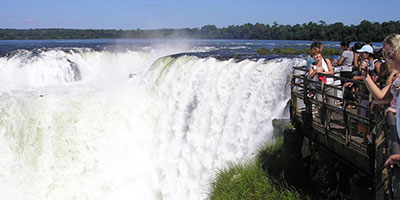
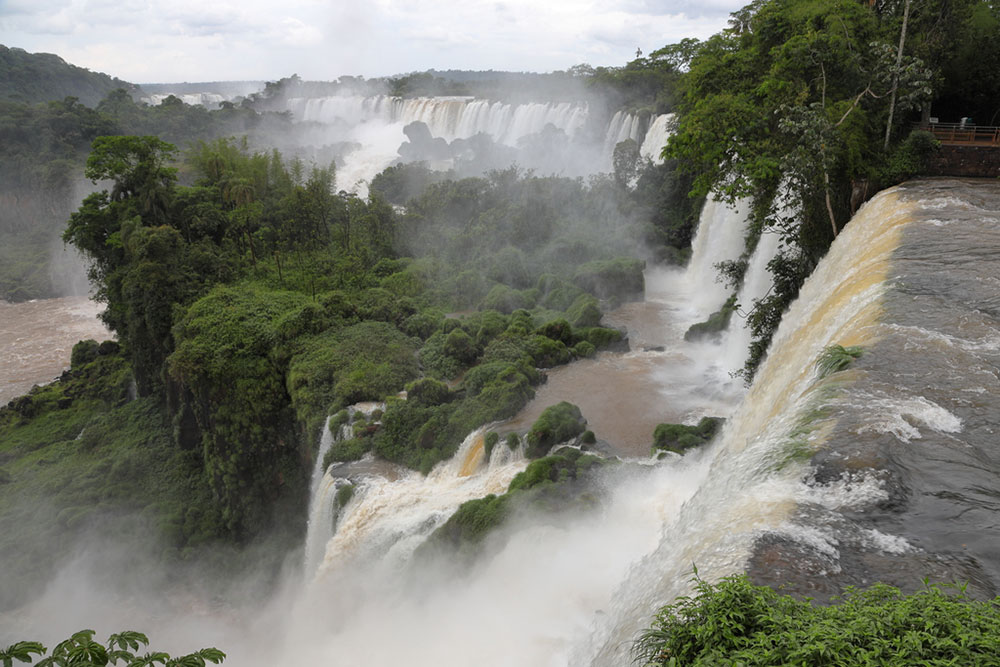
Garganta Del Diablo View Iguazu Falls Argentina
Get the best photos of Iguaçu from Brasil

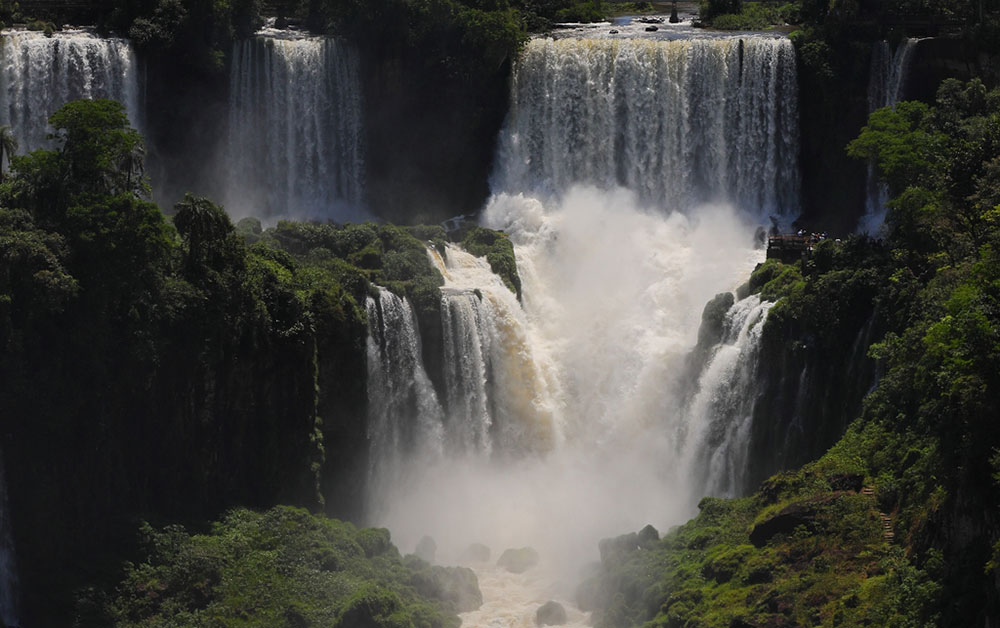
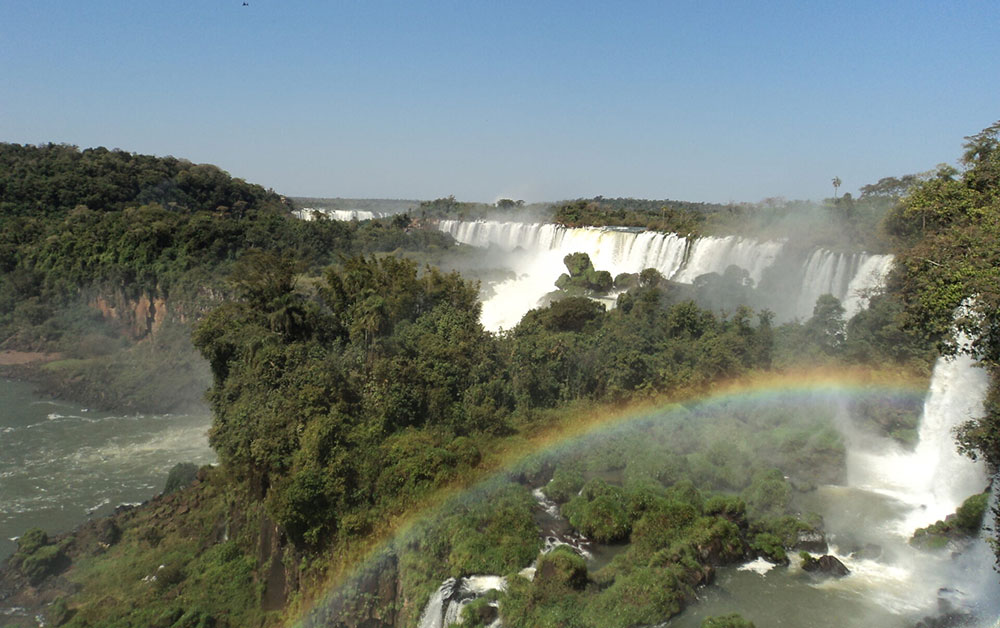
The Iguaçu/Iguazu Falls consist of about 275 individual cascades lining the rim of a 2.5-mile-long, crescent-shaped cliff that spans the Brazil-Argentina border.

The Brasil side of the Cataratas do Iguaçu is home to just a quarter of those individual cascades. However, the views from Brazil to Argentina’s side of the Falls are unmissable.

From here, visitors get vast panoramic views and the photo opportunities that make Iguaçu so impressive.

A winding walkway takes you to the lower base of the Devil’s Throat Falls—not for those who want to stay dry. The Macuco Safari will take you up and under some of the powerful cascades. Or ride the panoramic glass elevator for a bird’s-eye view of Iguaçu from Brazil.

Insider Tip
A real treat is staying at the nearby Hotel das Cataratas, the only hotel with exclusive access to the waterfalls at dawn or dusk, without the day trippers. A very special experience.
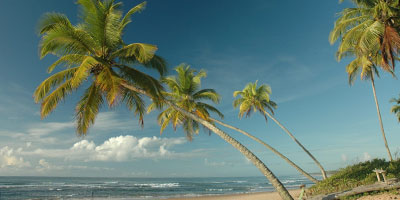
Cassange Beach North east Brazil
Famous for thousands of reasons

Brazil’s North East coast is over a 1,000 miles in length, blending UNESCO colonial architecture, stunning sand dunes, and vibrant African-Brazilian cultures.

Coastal towns such as Porto Seguro, the Marau Peninsula, or the hidden beaches of Caraiva invite the traveller to relax and enjoy golden beaches and tropical seas.

The city of Salvador, with its colonial buildings and rich history as well as colourful folklore is a great introduction to the region, as is Recife.

Lençóis Maranhenses National Park features vast white sand dunes filled with crystal-clear seasonal rainwater pools. Kite and windsurfers love Jericoacoara, and surfers Praia da Pipa.

Much is made of Brazil’s beaches, and this zone showcases some of the best.

Insider Tip
Bring a compact, lightweight raincoat or travel umbrella for sudden showers that can strike at any time—especially in the afternoon.
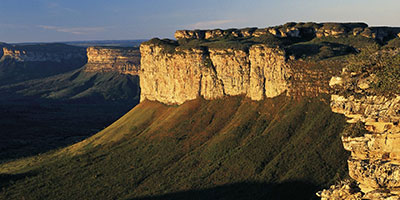
North East Chapada Diamantina Brazil
Brazil's top outdoor and eco-adventure destination

The Chapada Diamantina is a national park and ecological paradise in Bahia, northeastern Brazil, widely considered Brazil’s ultimate outdoor and eco-adventure destination.

Chapada Diamantina, Diamond Plateau in English, is a series of flat-topped mountains linked by forested valleys, rivers, swimming holes, and waterfalls.

This former diamond mining hub features dramatic tabletop mountains, cavernous canyons, and flooded underground caves. More than 300 waterfalls come to life during the rainy season (December to April).

Cachoeira da Fumaça is one of the most famous, with water often dissipating into mist as it falls over 300 metres to the forest floor. Ribeirão do Meio is popular as a natural waterslide, and Cachoeira do Buracão is only accessible by swimming through a towering canyon.

Day trips also include the colourful Gruta da Lapa Doce cave system walk. Extended trekking itineraries like Vale do Pati (3-5 days) into this vast wilderness are also popular.

Insider Tip
Stay at Vale do Capão for a bohemian mountain village feel before starting the nearby Fumaça trail to see the Cachoeira da Fumaça waterfall.
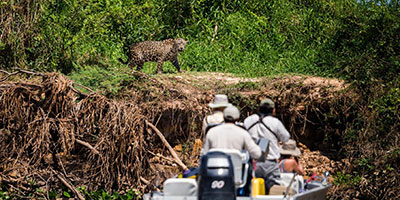
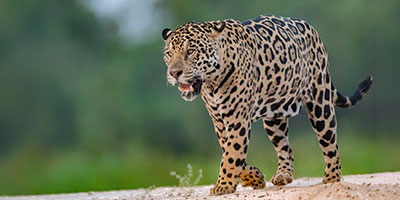
Jaguar In Pantanal Brazil
Jaguars, anacondas, caiman, and much more

The Pantanal is a vast tropical wetland and offers perhaps the best wildlife-watching destinations on Earth.

It is home to over 1,000 bird species, 400 fish species, 300 mammal species, and 480 reptile species. And the Pantanal, which covers 42 million acres, is where the jaguar is king, with the highest concentration of this big cat in the world.

The savannah-type landscapes make spotting wildlife easier than in the denser Amazon. Capybaras, giant otters, giant anteaters, and caimans are just a few of the large animals to spot.

Many lodges offer a great wildlife experience in an area over 20 times larger than the Florida Everglades.

The main gateway airports to this world-class nature destination are Campo Grande and Cuiaba.

Insider Tip
Choose the right region for your interests. The Northern Pantanal is the best spot for jaguar photography and river safaris. The Southern Pantanal offers cattle-ranch life, horseback riding, and clear-water river trips.
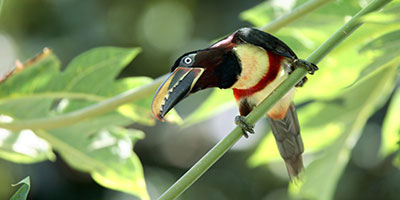
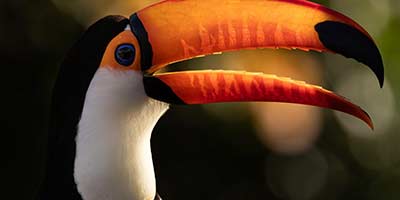
Chestnut-eared Aracari Brazil
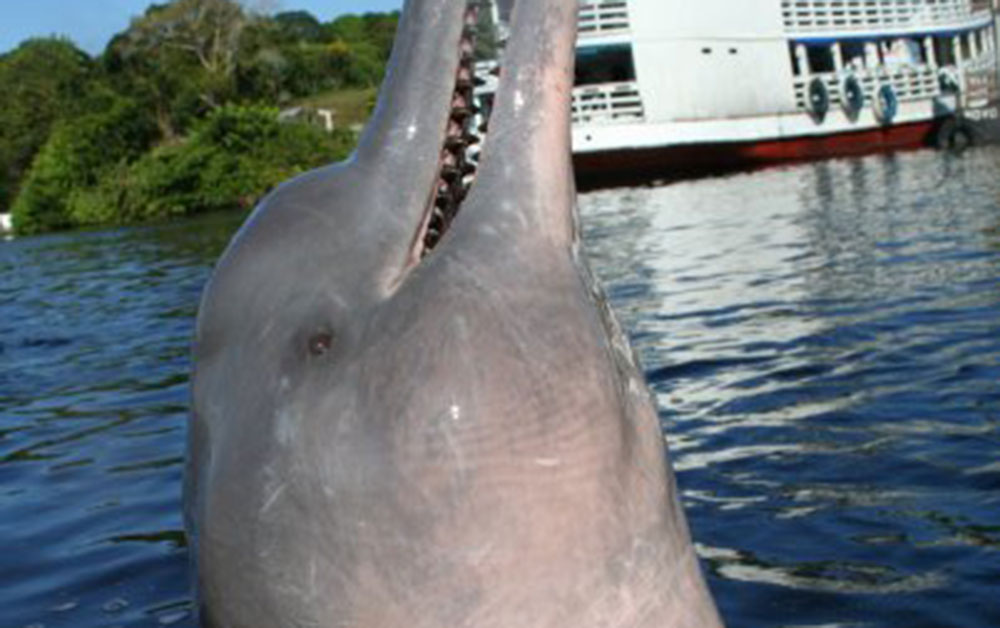
The world's most famous rainforest system

The best way to get a feel for the famous Amazon rainforest region is to take a river cruise or stay at a remote lodge.

From comfortable boats, you can explore the mighty Amazon and Negro rivers.

Jungle lodge options also let you immerse yourself in nature on nature trails.

Manaus, in the heart of the Brazilian Amazon, is the gateway to the rainforest.

Boasting its famous opera house, built at the end of the 19th Century on the back of the rubber boom, the city itself is well worth a day of exploration, too.

Insider Tip
Choose the low-water Season (June to Nov) for forest hiking and wildlife spotting for species like jaguars. The high-water season (Dec to May) allows for deep-water navigation into flooded forests, perfect for birdwatching, cruises, and canoe excursions.
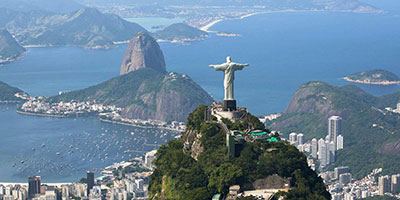
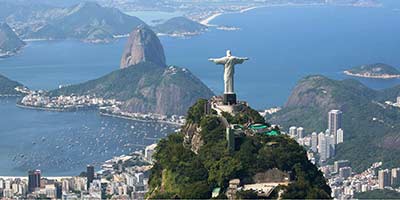
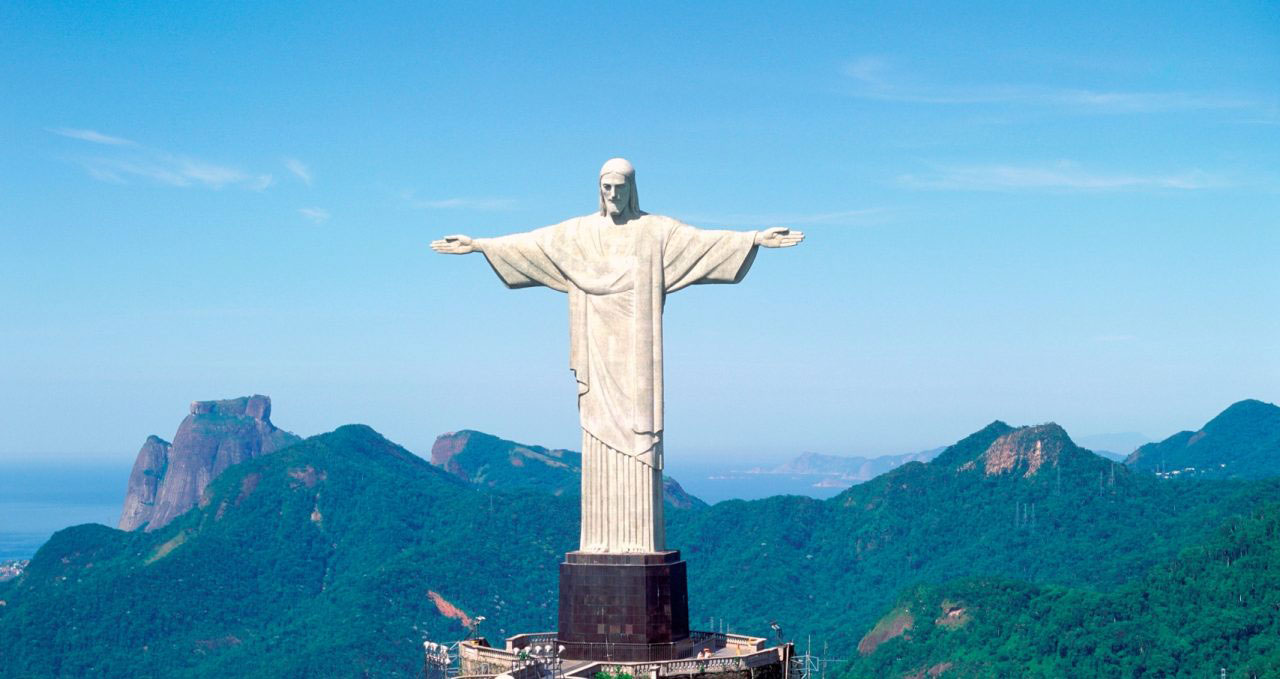
Christ Redeemer On Peak Rio Brazil
No trip to Brazil is complete without Rio

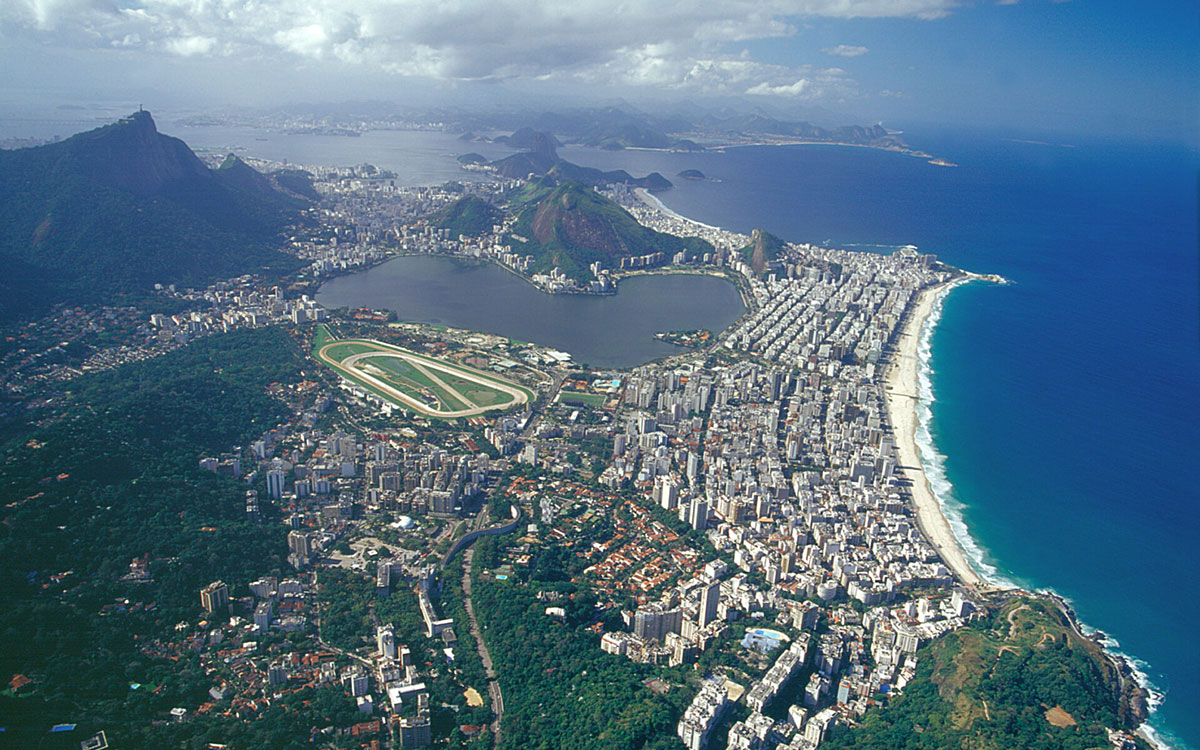
Rio de Janeiro is a vibrant, beautiful, lush and fascinating city.

Enjoy picture-postcard beaches, take the cable car up the iconic Sugar Loaf Mountain, or take the train up Corcovado Mountain to the Christ the Redeemer statue.

The city also has the Tijuca Forest rainforest and an incredible botanical garde to enjoy, a contrast to the high-rise buildings.

Food comes in every form and guise, from street stalls selling coconuts and fresh pineapple juice to Brazilian meat rodizio restaurants to fine dining.

If not, why not have a snack and a beer in one of the many beachside terraces and watch the folks from Ipanema or Copacabana go by.

Insider Tip
Check out The Royal Portuguese Cabinet of Reading. This gorgeous Gothic Revival library is stacked with manuscripts, paintings, and statues, and the building features wooden spires and stained-glass windows.

Explore Brazil Holidays and Tours

Best Brazil Pantanal Jaguar, Birding & Wildlife Tour

From: $7200 per person

Duration

11 days
icon wildlife

Rio de Janeiro Highlights Tour

From: $625 per person

Duration

3 days
icon culture

Buenos Aires, Iguazu Falls & Rio Tour

From: $3300 per person

Duration

10 days
icon culture
When to go?
Brazil’s hot and humid summer runs from December to March, perfect for the beach and coast. Afternoon rains fill waterfalls and rivers and make the landscape lush and verdant. Winter (June to September) brings cooler and drier conditions, the ideal time to spot jaguars in the Pantanal and wildlife in the Amazon.
Peak Season Shoulder Season Off Season
Iguaçu Falls
J
F
M
A
M
J
J
A
S
O
N
D
Northeastern coast
J
F
M
A
M
J
J
A
S
O
N
D
Chapada Diamantina
J
F
M
A
M
J
J
A
S
O
N
D
Pantanal
J
F
M
A
M
J
J
A
S
O
N
D
Amazon rainforest
J
F
M
A
M
J
J
A
S
O
N
D
Rio de Janeiro
J
F
M
A
M
J
J
A
S
O
N
D
Brazil's vast size often means lots of flights to get around, usually going through Sao Paolo, which is well worth visiting for a few days. For that reason, I prefer to choose fewer destinations and spend more time in each to explore and really get to know the area.
Tom Shearman

Brazil at a glance

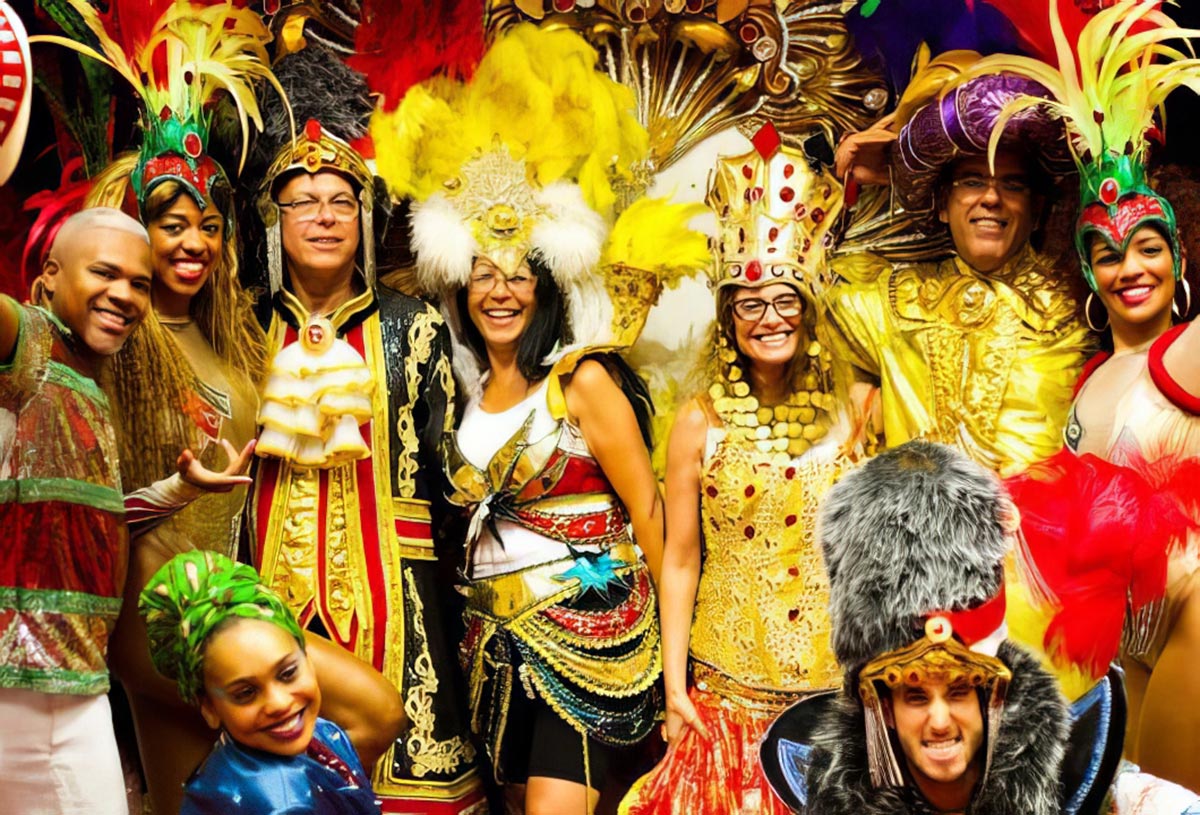
carnival dancers rio brazil

Brazil is the fifth largest country in the world, covering almost half South America’s land mass. It spans four time zones and is home to more than 200 million people. It’s fantastic infrastructure and connections explain why it is the continent’s most popular tourist destination. It shares a border with all but two of its South American neighbours.

Outstanding communication and expert planning made Andean Trails the clear choice for a perfectly organised South American adventure.

J Fairweather, UK

A breathtaking Amazon trek filled with wildlife encounters, serene lodges, and unforgettable rainforest experiences.

V. Tinson, UK

Activities in Brazil

Brazil Wildlife Tours
Wildlife Tours in Brazil
icon wildlife
Brazil Cultural Group Tours
Cultural Tours in Brazil
icon culture

Read our blog

Frequently Asked Questions about Brazil

Be prepared for your dream holiday to Brazil with our helpful information.

From money advice to visas, from inoculations to which plugs to take, below you’ll find a wide range of travel tips, advice and information that will help you get ready to explore Brazil.

Can’t find what you’re looking for?

Get in touch and we’ll be happy to help.

40 days before Easter

Festival: Rio Carnaval

Brazil’s biggest festival – dance, music, street parties and fancy dress

Location: Rio de Janeiro

Festival: Sao Paulo Carnaval

Second biggest festival in Brazil – dance, music, street parties and fancy dress

Location: Sao Paulo

June

Festival: Festa de São João

Brazilian country celebration with dance and music

Location: North Eastern States

End of June

Festival: Festa de Parintins

Local carnival in the Amazon

Location: Manaus and Parintins, Amazonas

October

Festival: Festival Yawa

Celebrations of the Yawanawa peoples

Location: Acre

Communication

Dialling codes

The international code for Brazil is +55.

Regions have dialling codes, as do the different phone network operators.

Not all smartphones will work in Brazil. It is best to check with your operator before you arrive. Roaming charges may be high, so check in advance.

Landlines

Brazil’s landlines have 8 digits. To call landline to landline in the same city, simply dial the 8 digit number, for example 1234-5678.

If calling a landline in another region or city, dial 0, then the code of your selected carrier, then the city area code (for example 21 for Rio), followed by the number. For example: 0 23 21 1234-5678.

If using your own mobile phone to call a landline, dial the country code, the regional or city code without the 0, and then the number. For example: +55 21 1234-5678.

Mobiles

Mobiles have 8 or 9 digits. Each mobile network operator also has a dialling code.

If dialling a Brazilian mobile from another mobile in the same city, simply dial the 8 or 9 digit number, for example 1234-56789.

If dialling a mobile in another region, dial 0, then the network operator code, then the regional or city code, followed by the number. For example: 0 23 21 1234-56789.

If using your own mobile phone to call a Brazilian mobile, dial the country code, then the network operator code, then the 8 or 9 digit number. For example: +55 23 1234-56789.

Internet

Most hotels, cafés, restaurants and airports offer free and generally good Wi-Fi.

Internet cafés are slowly disappearing, but most towns and cities will still have some in the main centres.

Post

The state-owned Brazilian Mail and Telegraph Company, known as Correios, is responsible for Brazil’s postal services.

Food and drink in Brazil
Starters
Pão de queijo Cheesy bread rolls.
Acarajé Small fried balls made with shrimp, onion and black beans.
Coxinha de frango Chicken croquette.
Rissoles Fried empanadas filled with chicken.
Bolinhas de queijo Little balls made with flour, chicken broth, egg, butter and cheese.
Bolinhas de mandioca Croquettes made with yucca.
Mains
Feijoada Hearty stew of black beans, sausages and cuts of pork served with rice.
Moqueca Traditional fish stew from the north east of the country.
Bacalhau à Gomes de Sá Salt cod with potatoes and olives.
Cuscuz Paulista Mix of meats and vegetables with cornmeal and manioc.
Churrasco / Rodízio Wide variety of meats served from a spit, usually all-you-can-eat.
Desserts
Brigadeiros Sweet chocolate balls.
Açaí na tigela Thick cream made from açaí fruit.
Arroz doce Rice pudding spiced with cinnamon.
Romeu & Julieta Goiabada (guava jelly or marmalade) with cheese.
Quindim Coconut baked custard.
Drinks
Cachaça National spirit made from sugar cane.
Caipirinha Cachaça, lime and sugar.
Vitamina de abacate Avocado smoothie.
Guaraná Antarctica Brazil’s most popular fizzy soft drink.
Água de coco Coconut water, usually straight from the coconut.
Cafezinho Small strong, sweet black coffee.
Geography of Brazil

Brazil is the fifth largest country in the world. It is framed by two of the world’s largest river systems: the Amazon in the North, and the Paraná river in the South.

The Amazon basin covers some 60% of Brazil’s surface, and holds 20% of the world’s fresh water supply, being the largest hydrographical network in the world with 55.000Km2 of rivers.

It has the world’s largest rain forest but also includes savannah and wetlands.

Like the Amazon, the Paraná flows through several neighbouring countries. It drains the world’s largest swampland, the Pantanal in West-Central Brazil.

The Brazilian Highlands form the rest of the country, except for a coastal strip some 9,000km long.

Brazil contains a number of climatic zones from the Amazon region where the temperature averages 27ºC, to the dry Northeast where temperatures can exceed 40ºC, to the south near Uruguay where average temperatures are 17-19ºC. 

Brazil’s twenty-six states and the Federal District (Distrito Federal) are divided conventionally by eco-systems into five regions.

• North: the tropical rainforest with Pico da Neblina 2,994m (9.823ft) the country highest point (major cities: Manaus, Belém, Santarém,)

• Northeast: Atlantic Forest Zone called Mata Atlántica. (Major cities: Salvador, Recife, Fortaleza)

• Southeast: it has less than 10% of the original forest cover remained as a result of clearing for farming, ranching, and charcoal making. It has mountains, valleys and caverns. (Major cities: Sao Paulo, Rio de Janeiro)

• South: Rainforests along the coast (Mata Atlântica), tropical in the north and west (Araucárias) and prairie-like vegetation in the south (Pampas). Little native vegetation still remains due to deforestation. (Major cities: Curitiba and Porto Alegre)

• Centre-West: Pantanal wetlands in the west with one of the biggest swamplands in the world, and equatorial rainforests in the north. (Major cities: Brasilia, Goiânia, Campo Grande, and Cuiabá)

Introduction to Brazil

Brazil is the largest country in South America with a huge offer for the adventurous traveller: Rainforest and wildlife, culture and gastronomy, beach and sport, mountains and rivers.

Rio de Janeiro, to many, is the gateway to Brazil. It is a vibrant city, located in a spectacular geographical setting. This is the ultimate place to finish off a holiday, chilling on its world famous beaches, taking in the sights, sounds and sunshine.

Choose to extend your stay in the area combining Rio with Paraty, a quaint, well preserved colonial coastal village; or Buzios a charming, buzzing and fun coastal town; or Ilha Grande, an island with no roads where you can really enjoy the wonders of nature.

Further afield, the state of Bahia in the north east of the country is another strong draw. The colonial  capital, Salvador, with its colourful architecture, history and fiery culture is a great place to explore. Inland, Chapada Diamantina is ideal for trekkers, who head to with its plains, table-topped mountains, rivers, waterfalls and natural pools. Remote, with palm lined beaches lapped by turquoise waters, Praia do Forte is an idyllic place in which to to put up your feet and relax. 

The mighty Iguazu Falls on the shared border with Argentina are another massive draw.

The Pantanal – wetlands in the West of the country are an animal lover’s paradise. The World’s largest wetlands is teeming with wildlife including giant anacondas, capybaras, caimans and jaguars. 

The mighty Amazon River is another attraction and can be explored by boat or from a comfortable eco friendly lodge. 

Not only does Brazil offer stunning sights but it also has a cultural vibrancy unmatched anywhere else. Music and dance are part of the Brazilian DNA. A varied gastronomy and a warm welcome will make any visitor immediately at ease.

Brazil shares a border with every country in South America except for Ecuador and Chile – ten in total and has great transportation links so can easily be combined with one or more other countries.

Useful Portuguese phrases

Learning a few words of Portuguese can really ingratiate you with the locals you’ll encounter and add to the enjoyment of your holiday.

Below are some useful basics to get you started.

English Portuguese
Greetings
Good morning Bom dia
How are you? Como está?
Good afternoon Boa tarde
Goodbye Adeus
Most Frequently Asked Questions (Theirs)
Where are you from? De onde você é?
What time is it? Que horas são?
Where have you come from? De onde você veio?
Give me Me dê
Most Frequent Questions (Yours)
How much is it? Quanto isso custa?
What is this place called? Como se chama esse lugar?
What’s your name? Qual é o seu nome?
Do you have a map? Você tem um mapa?
In the Street / Public Places
Where can I find a currency exchange? Onde posso encontrar um câmbio?
Where is there a cash machine? Onde há um caixa eletrônico?
Where is the underground / subway station? Onde fica a estação de metrô?
Where can I find a taxi? Onde posso encontrar um táxi?
Where can I find a supermarket? Onde posso encontrar um supermercado?
Where is the hospital? Onde fica o hospital?
Where can I find a restaurant? Onde posso encontrar um restaurante?
In the Hotel
What floor am I on? Em que andar estou?
Where are the elevators / lifts? Onde estão os elevadores?
How do I access the internet? Como faço para acessar a internet?
How do I call for room service? Como faço para chamar o serviço de quarto?
How do I call the front desk? Como faço para ligar para a recepção?
In the Restaurant
A table for two / four, please Uma mesa para dois / quatro, por favor
I would like to drink… Eu gostaria de beber…
May I see the menu? Posso ver o menu?
I would like to order… Eu gostaria de pedir…
Can you bring me the bill, please? Você pode me trazer a conta, por favor?
Emergency
I need help Eu preciso de ajuda
I have lost my passport Perdi meu passaporte
Someone stole my money Alguém roubou meu dinheiro
I have been robbed Fui roubado
I need to call the police Preciso ligar para a polícia
I need to call the embassy Preciso ligar para a embaixada
Help! Socorro!
Money matters

Currency & Money Exchange

Brazil’s monetary unit is the “Brasilian Real”, pronounced hay-al (singular) or hal-eyes (plural).

Nearly all of your transactions will be in Reals, and it’s best to arrive in Brazil with a few Reals bought in your home country, and then get some more at the airport from an exchange booth.

ATM debit/credit cards are now widely used in major restaurants, hotels and shops (with fees), and there are ATM (‘hole-in-the-wall’) machines widely available in towns and cities. Look for ATMs inside lobbies of banks (open 10am-4pm) rather than on the streets, especially in Rio.

When changing money, don’t change with street changers (cambistas). Use a bank or cambio (bureau de change). Count your Reals carefully before handing over your US dollars, and look out for forged notes.

A very few tourist places might accept US dollars if they are small denomination, unmarked and undamaged bills. Try to take 5s, 10s and 20s.

Click here for the current exchange rate.

Eating and drinking

Brazil has a wide range of restaurants and bars.

Top-end restaurants opening in Rio and Sao Paolo can easily set you back USD 100pp on food and wine.

Prices vary greatly, below is a rough guide to what you can expect to pay in Brazil.

Local café/restaurant

Beer/soft drink: USD 2-3

Lunch: USD 5-13pp

Coffee: USD 1.5

Tourist style restaurant

Beer/soft drink: USD 3-4

Main dish: USD 15 upwards

Coffee: USD 2

Plugs and voltages

Electricity

Brazil’s electrical current is not standardised and can be anywhere between 110-220 volts (110v in some hotels), 50 Hz.

Even though most cameras, phones and computers are dual or multi voltage, it’s best to use a convertor and surge protector throughout Brazil.

If not, electrical items may short.

Plugs

Most of Brazil’s sockets will take plugs with both flat, Type A and the two pin, round-pronged Type C plug.

Sometimes, Type N plugs are found.

Type C Plug
Type C Plug
Type A Plug
Type A Plug
Quick facts about Brazil
  • Official name: Federative Republic of Brazil
  • Country population: 207.8m (2015)
  • Capital city: Brasilia
  • Largest cities: Sao Paulo, Rio de Janeiro, Belo Horizonte, Porto Alegre
  • Languages: Brazilian Portuguese
  • Latitude/Longitude: 15.8º S, 47.9º W
  • Official currency: Brazilian Real (BRL)
  • Major industries: Agriculture (sugarcane, coffee, tropical fruits, soybeans, corn, cotton, cocoa, tobacco). It has the world’s largest cattle herd. Automobiles and parts, machinery and equipment, textiles, cement, computers, aircraft, steel and petrochemicals, and consumer durables; iron ore and steel
    production, hydroelectric power.
  • Time zone: There are 3 time zones in Brazil.
  • Most visitors will be at BRT – Brasília (Standard) Time – GMT -3 (Oct-Feb), GMT -2 (Feb-Oct).
  • AMT – Amazon (Standard) Time GMT -4
  • FNT – Fernando de Noronha, Archipelago Time, GMT -2.
Security in Brazil

Crime levels are high. Violence and crime can occur anywhere and often involve firearms or other weapons. You should be vigilant, particularly before and during the festive and carnival periods.

Most visits to Rio de Janeiro are trouble free. The most common incidents are thefts or pick pocketing around Copacabana Beach, Ipanema Beach and the Lapa area.

Avoid wearing expensive jewellery, watches and clothes. Don’t carry large sums of money. Keep mobile phones and cameras out of sight and leave your passport and valuables in a safe place, though you should carry another form of photo ID like a driving licence with you at all times.

Thefts are particularly common on public beaches, especially in Rio de Janeiro. These include ‘arrastões’ where large groups of running thieves target an area of beach. Take extra care and avoid taking valuables to the beach.. Take extra care and avoid taking valuables to any public beach.

In any situation, be ready to hand over valuables if you’re threatened. Don’t attempt to resist attackers. They may be armed and under the influence of drugs.

Thefts from cars are common, and cases of carjacking occur.

Rape and other sexual offences against tourists are rare, but there have been attacks against both men and women. Some have involved ‘date rape’ drugs.

Buy your own drinks and keep them within sight at all times.

There has been an increase in robberies at ATMs. Some ATMs have been fitted with an anti theft device that applies pink coloured ink to the notes of an ATM that has been damaged or tampered with. Any pink coloured note will not be accepted and automatically loses its value. If you withdraw cash at an ATM and it has any sort of pink marks, speak to the bank straight away to get it changed. If outside bank hours or not in a bank branch you should get a bank statement from the ATM showing the withdrawal and take it with the marked note to a police station to get a police report.

Bank and credit card fraud is common, including card cloning from ATMs. Keep sight of your card at all times and do not use an ATM if you notice anything suspicious. Notify your bank in advance of your trip to avoid your card being blocked.

Mobile phone cloning occurs. Take care of your handset at all times.

Favelas

There are high levels of poverty and very high levels of violent crime in shanty-towns (favelas), which exist in all major Brazilian cities.

You’re still at risk even if you visit favelas with organised tours. Violence, particularly aimed at police and officials, can occur at anytime and overspill to areas close to the favelas. You should take extra care and be aware of local conditions at all times. 

Take extra care when using GPS navigation in Brazilian cities, particularly Rio de Janeiro, that the suggested route doesn’t take you into a favela. Check with your hotel or the local authorities if unsure.


Vaccinations for Brazil

We strongly suggest that everyone planning to travel to Brazil visits their local doctor/travel clinic prior to departure for the latest vaccination information.

Recommended vaccinations

  • Up-to-date diphtheria and polio.
  • Tetanus or tetanus booster. (These three are effective for ten years.)
  • ‘Havrix’ for Hepatitis A. The course of two injections protects you for ten years. Gamma globulin is cheaper butless effective.
  • Typhoid vaccine is recommended by some doctors although it will not provide total protection and being careful about what you eat and drink is your best defence. It is given in two shots, four weeks apart and lasts for three years. Unless at exceptional risk, people over the age of 35 who have received four or more courses of typhoid immunisation need no more.
  • A pre-exposure rabies vaccination is worth considering if you are going to be in contact with animals or morethan 24 hours away from a reliable source of vaccine. Hikers are at some risk from rural dogs, certain of which carry rabies, and those visiting coastal or rainforest areas could be exposed to rabid bats.
  • Yellow fever. Not effective until ten days after inoculation; not recommended for pregnant women. This is also effective for ten years. Recommended for almost the whole country – Rio excluded.
  • Anti-malarial protection is important. Malaria risk is high throughout the year in forested areas below 900m within the nine states of Amazonia. Transmission is highest in jungle, mining, and agricultural areas and in some peripheral urban areas of Cruzeiro do sol, Manaus and Porto Velho. Malaria also occurs in the periphery of large cities such as Boa Vista, Macapa, Maraba, Rio Branco and Santarem. Risk is high for those going on cruises up the Amazon and Manaus. Risk is low in all states outside Amazonia including the populated eastern coast from Fortazela south to Rio de Janeiro and Sao Paulo and Iguazu Falls. In the UK, contact the Malaria Reference Laborator. North Americans should contact the Centers for Disease Control.
  • Zika. Spread by mosquito bikes and also a risk of sexual transmission. People planning pregnancies / pregnant women are advised against all travel to areas reporting Zika. If you develop any feverish illness whilst travelling or on return medical attention must be sought quickly.
  • Dengue Fever. There is no vaccine and prevention is through avoidance of mosquito bites. The mosquito that spreads dengue bites during the day and is more common in urban areas. Symptoms include fever, headache, severe joint, bone and muscular pain – hence its other name ‘breakbone fever’.
  • Schistosomiasis. A parasitic infection, also known as bilharzia, that is transmitted to humans through contact with fresh water. The parasite enters humans through the skin. Prevention is dependant on avoidance of swimming, bathing or paddling in fresh water lakes and streams.
Visas for Brazil

Currently, no visa is required by British citizens visiting Brazil, but your passport must be valid for at least six months after the date of travel.

Citizens of the United States, Canada and Australia require a visa to enter Brazil; other passport holders should check visa requirements with the Brazilian Embassy.

When travelling to Brazil via the USA you will need a USA visa waiver which can be requested and completed in 15 minutes at.

All requirements are subject to change and should be confirmed before departure.Other passport holders should check visa requirements with the Brazilian Embassy.

Weather in Brazil

Most of Brazil lies in the tropics hence a tropical climate.

However, the southern upland plains enjoy a temperate climate – it can be better to go during the hot season (Dec-March).

The rainy season in the south and south east runs from Nov-March

In the northeast of the country, the rainy season runs April-July.

Wherever you are, most showers usually last no more than one hour or two, with subsequent sun reappearing.