When Is the Best Time to Visit the Galapagos Islands?
The best time to visit the Galapagos Islands depends on what you want from your tour:
- Dec to May: warm, calm seas, best for snorkelling
- Jun to Nov: cooler, richer marine life, best for diving
- Wildlife: year-round on the Galapagos Islands.
There’s no single ‘perfect’ month. However, some are significantly better depending on what you want to see.
Best Time to Visit Galapagos by Activity
Many visitors to the Galapagos Islands have must-see highlights and activities to include.
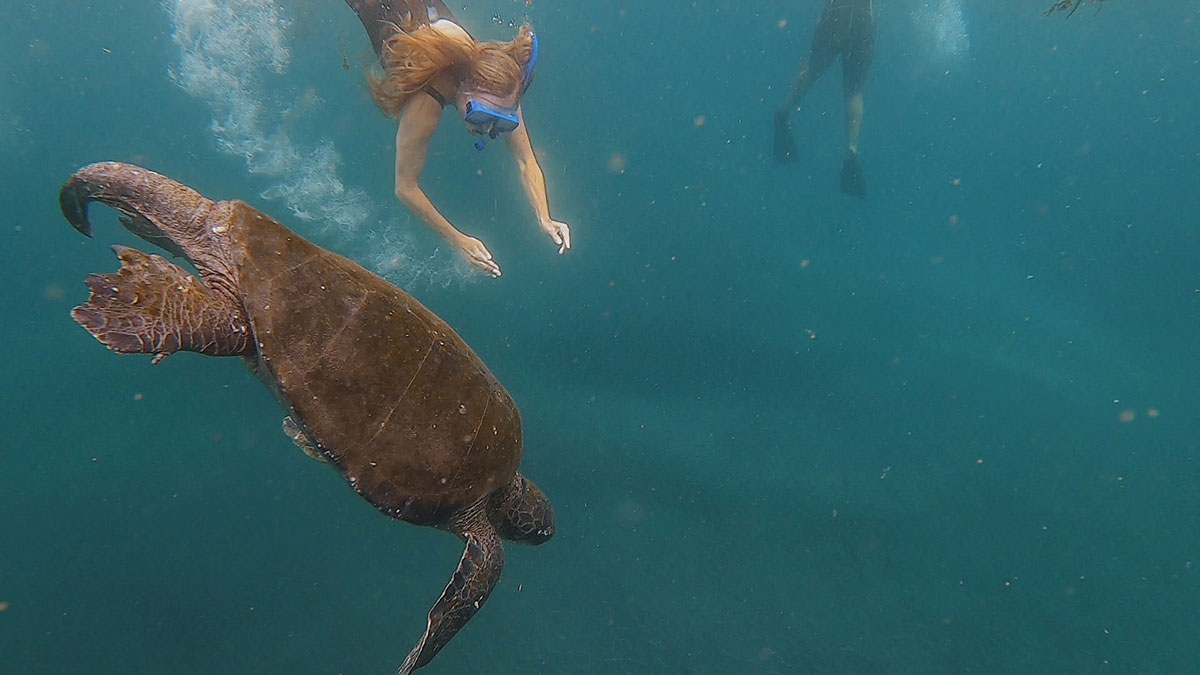
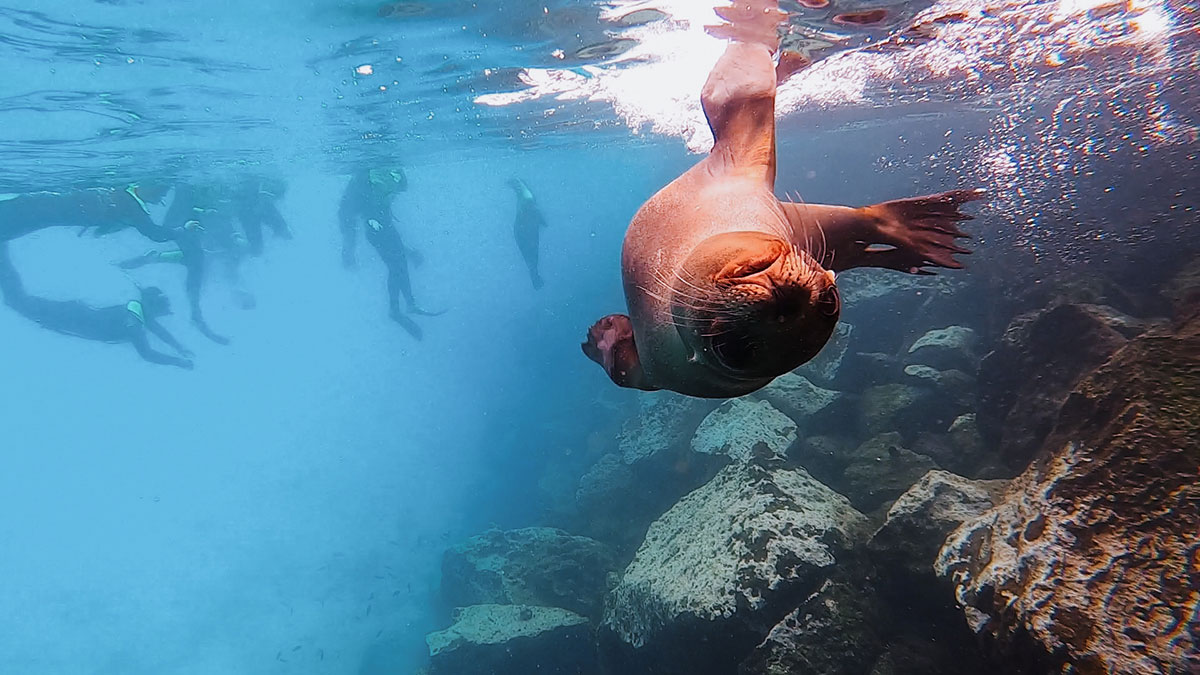
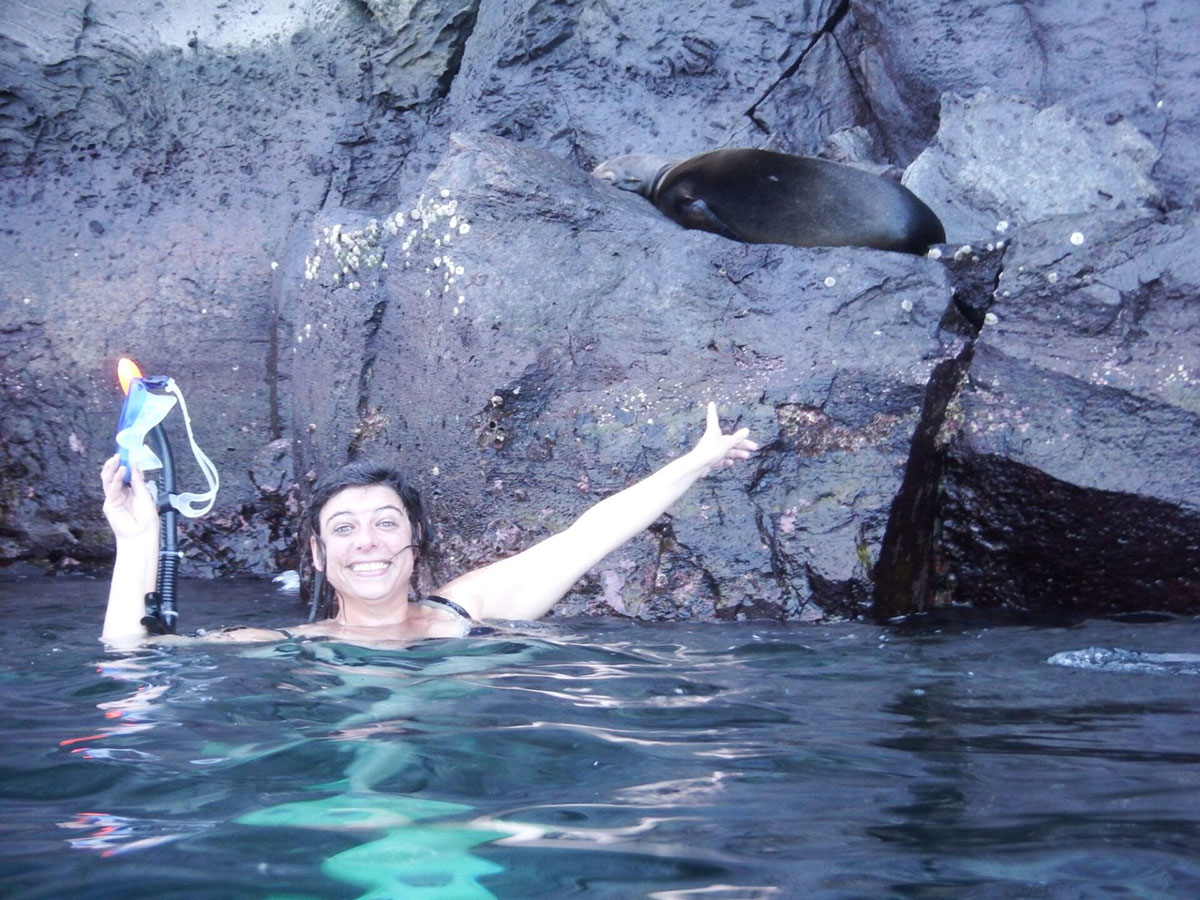
The best time to visit the archipelago for snorkelling is December to May for warm and calm seas, great visibility, and active sea lions swimming alongside you. Some snorkellers prefer the cooler waters of June to November for marine life because there are more sharks, penguins, and rays.
The best time for calm seas in the islands is between December and May, with January to April renowned for the smoothest waters.
The best overall months to travel to the Galapagos are April or May, with their combination of lush landscapes, good weather, calm seas, and abundant wildlife.
Some Galapagos wildlife highlights include:
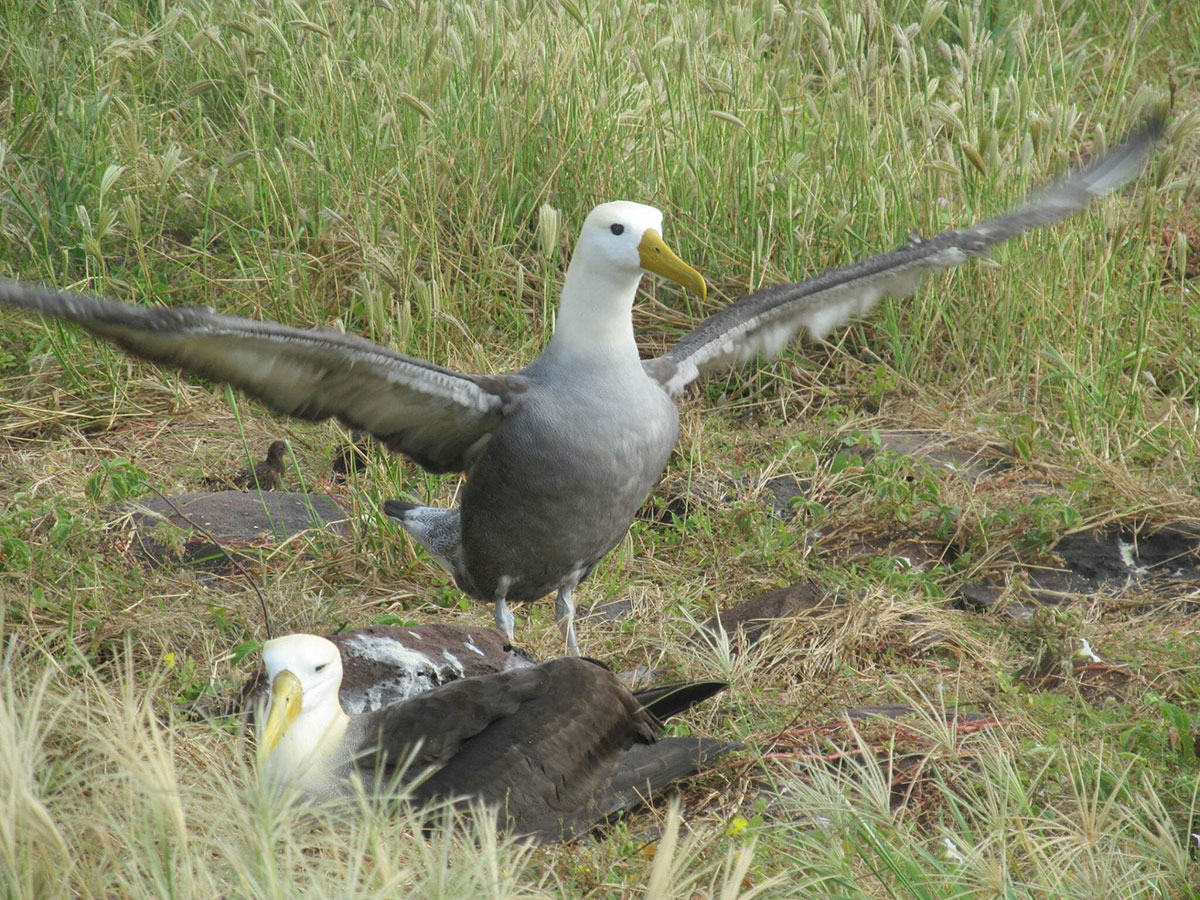
- Waved Albatross courtship dance between April and December on Española Island.
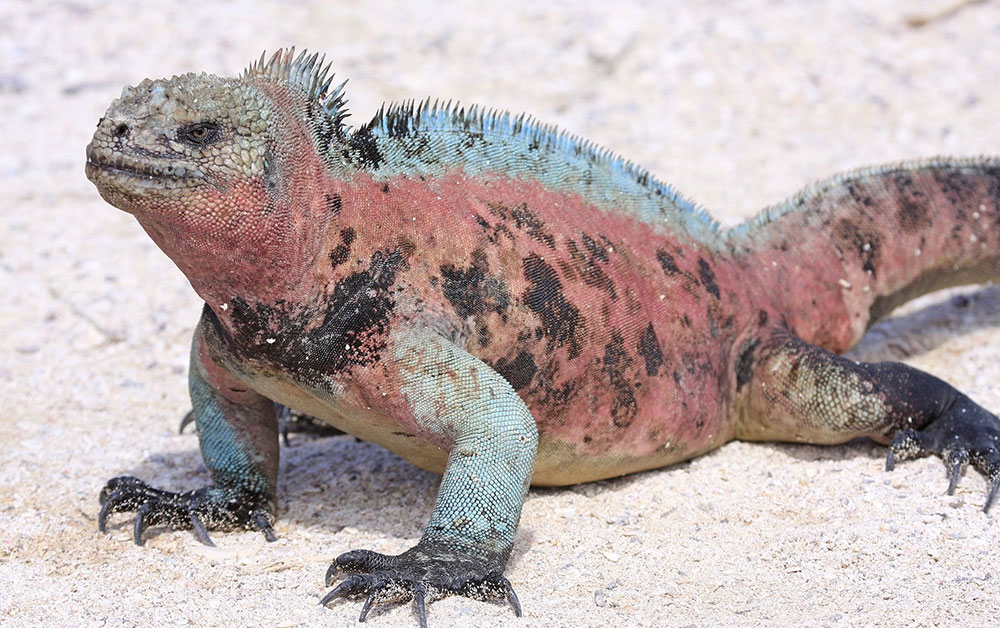
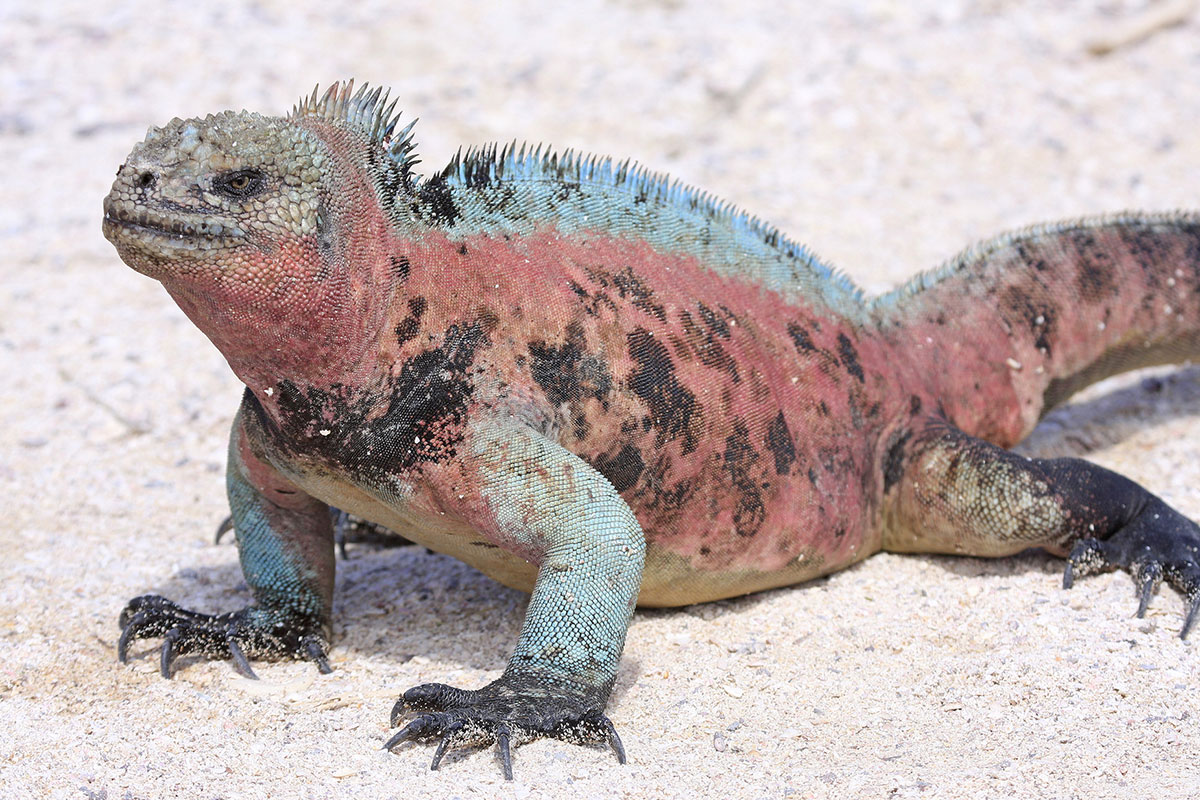
- The usually black or grey male marine iguanas change colour between December and March.
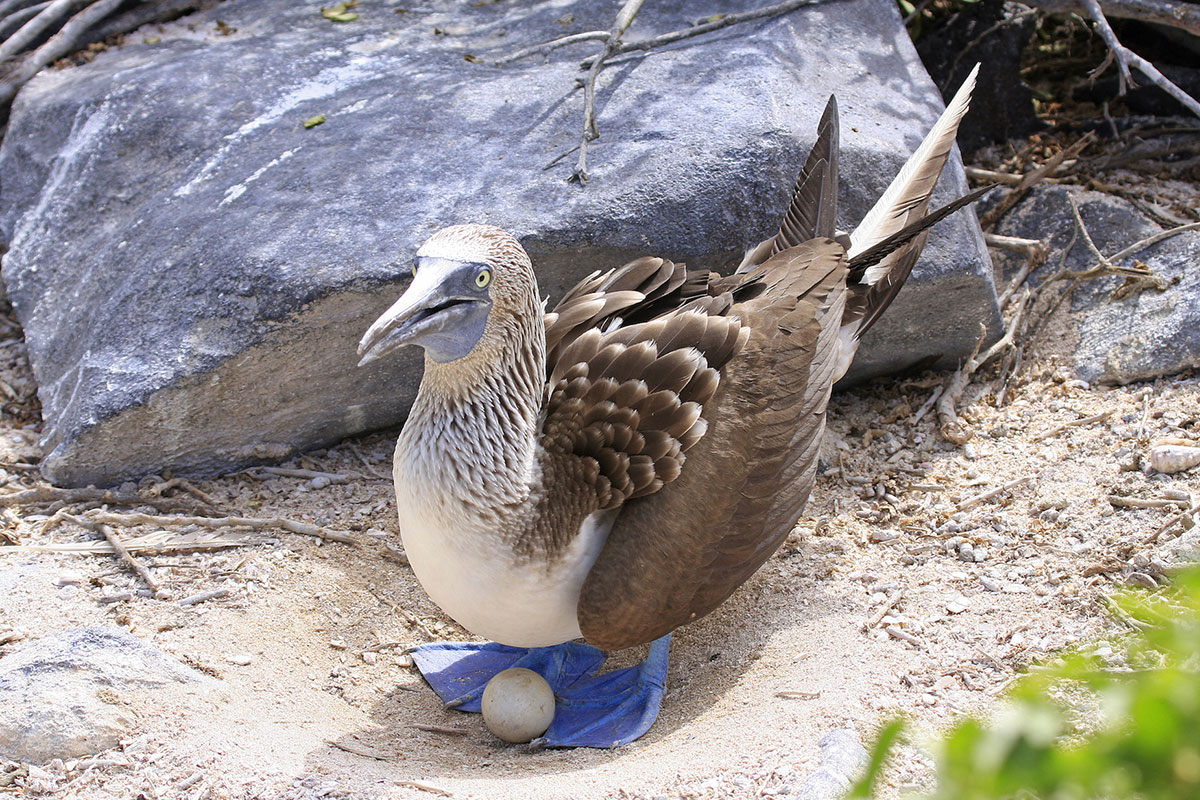
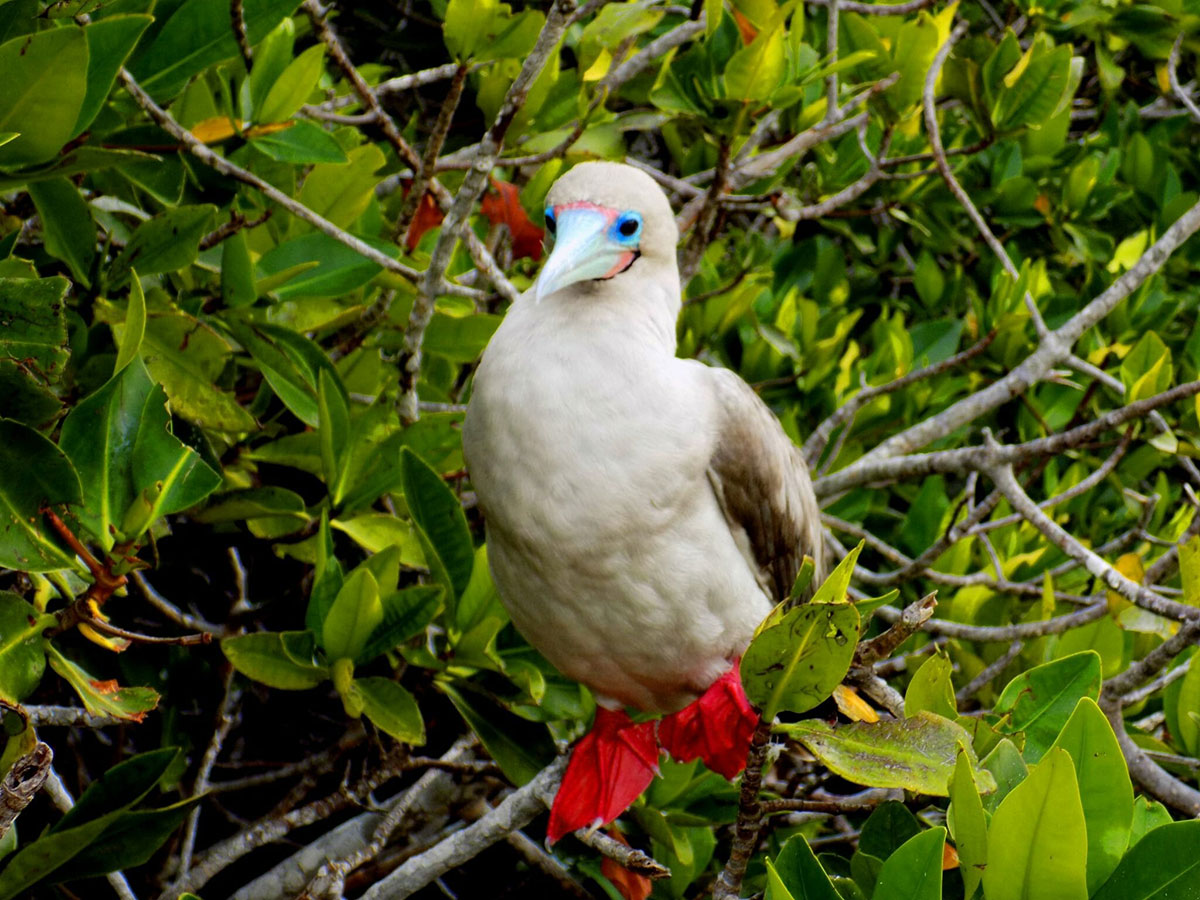
- Blue Footed Boobies start their mating dances around May.
Top Tip: Divers love October, when fish like whale sharks and hammerhead sharks visit the Darwin and Wolf Islands.
Galapagos Weather by Month
There’s always great wildlife, weather, and seas to enjoy in the Galapagos Islands. For a quick overview, see the table below. For more detail, scroll down for month-by-month highlights.
| Month | Air temp | Sea temp | Clear sky (hrs) | Wildlife highlights | Best for |
|---|---|---|---|---|---|
| Jan | 22-29°C (72-84°F) | 23°C (74°F) | Mainly sunny | Green sea turtles nesting Marine iguanas active and feeding |
Snorkelling, turtles, warm seas |
| Feb | 23-30°C (74-86°F) | 24°C (76°F) | Sunny | Sea lion pups everywhere Flamingos nesting on lagoons |
Wildlife activity, sea lions, snorkelling |
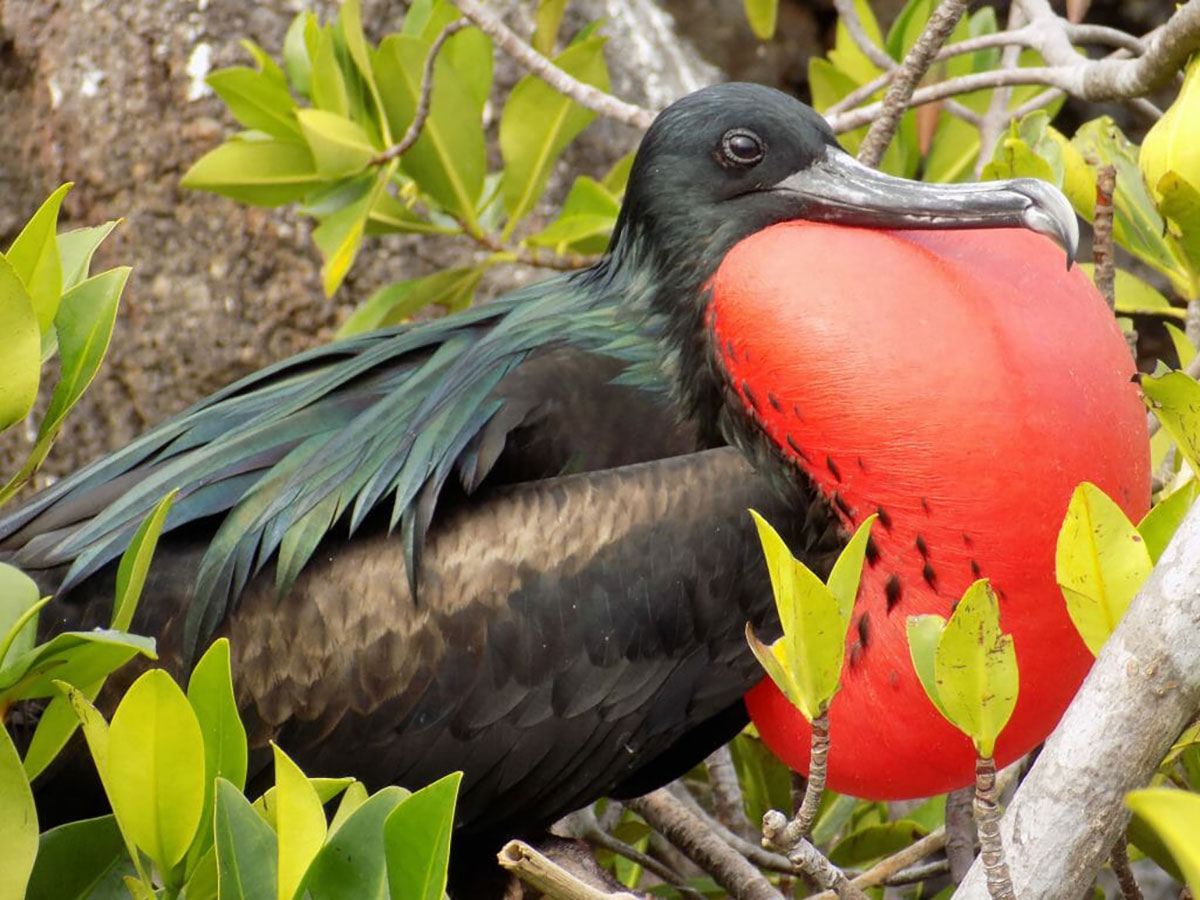
| Mar | 23-31°C (74-88°F) | 24°C (76°F) | Mainly sunny | Frigatebirds display red throats Giant tortoises mating season peaks |
Birdlife, calm seas, all-round travel |
| Apr | 22-30°C (72-86°F) | 24°C (76°F) | Sunny | Blue-footed boobies nesting Land birds highly active (breeding |
Calm seas, wildlife, great visibility |
| May | 22-28°C (72-82°F) | 24°C (76°F) | Sunny | Sea turtles hatching Albatross return to Española |
Quiet travel, wildlife, good conditions |
| Jun | 21-25°C (71-78°F) | 23°C (74°F) | Sunny/cloud mix | Start of whale shark season Sea lion pups learning to swim |
Marine life, cooler weather, diving |
| Jul | 20-24°C (68-76°F) | 23°C (74°F) | Mainly cloudy | Blue-footed booby courtship dances Giant tortoises migrating to highlands |
Active wildlife, cooler seas, hiking |
| Aug | 19-23°C (67-74°F) | 20°C (68°F) | Mainly cloudy | Galapagos penguins most active Sea lions very playful in cooler water |
Diving, marine life, fewer crowds |
| Sep | 19-24°C (67-76°F) | 20°C (68°F) | Mainly cloudy | Peak marine life (great snorkel/diving) Fur seals breeding season |
Best marine life, diving, cooler conditions |
| Oct | 20-25°C (68-78°F) | 21°C (71°F) | Mainly cloudy | Lava lizards and birds very active Good time for reef fish visibility |
Diving, good visibility, quieter travel |
| Nov | 20-25°C (68-78°F) | 22°C (72°F) | Mainly cloudy | Sea lion breeding season begins Turtles starting to return |
Shoulder season, good value, mixed wildlife |
| Dec | 21-27°C (70-80°F) | 23°C (74°F) | Sunny/cloudy mix | Green sea turtles arrive to nest Land iguanas nesting season |
Warm weather, turtles, festive travel |
Galapagos Seasons Explained: Warm vs Cool Season
There are two recognised seasons in Galapagos: the warm and the cool seasons.
Galapagos Islands Warm Season
The Galapagos warm season runs from December to May, with February and March typically the warmest months.
Average land temperatures range from 21 to 29°C (70 to 84°F), with clear skies, high humidity, and occasional showers, turning the islands lush and verdant.
Average sea temperatures range between 22 and 25°C (72.5 and 76°F), making it excellent for snorkelling with excellent visibility, too.
December heralds warmer weather and calmer seas. May sees temperatures start to drop and a little more wind as the islands transition to the cool or rainy season.
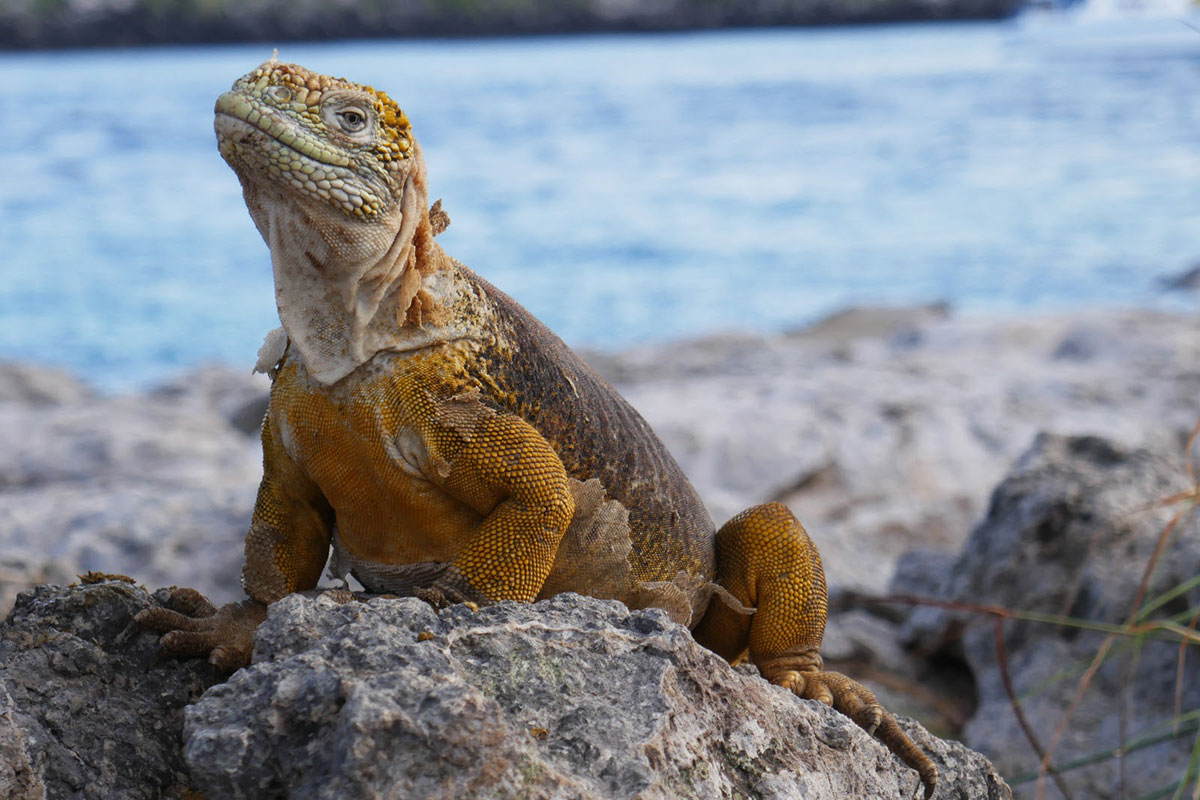
Wildlife highlights: Nesting sea turtles, hatching marine iguanas and Isabela land iguanas, and active sea lions.
Top travel tip: Pack high-factor sun cream and a lightweight jacket in case of a downpour.
Galapagos Islands Cool Season
The Galapagos Islands’ cool season runs from June to November, meaning comfortable land temperatures, with August and September the coolest months. Garúa mist usually burns off early morning, while cloudy days make for pleasant walking conditions.
Average land temperatures range from 19 to 26°C (66 to 79°F), with cloudy days ideal for on-land exploration and light, misty rain in the highlands.
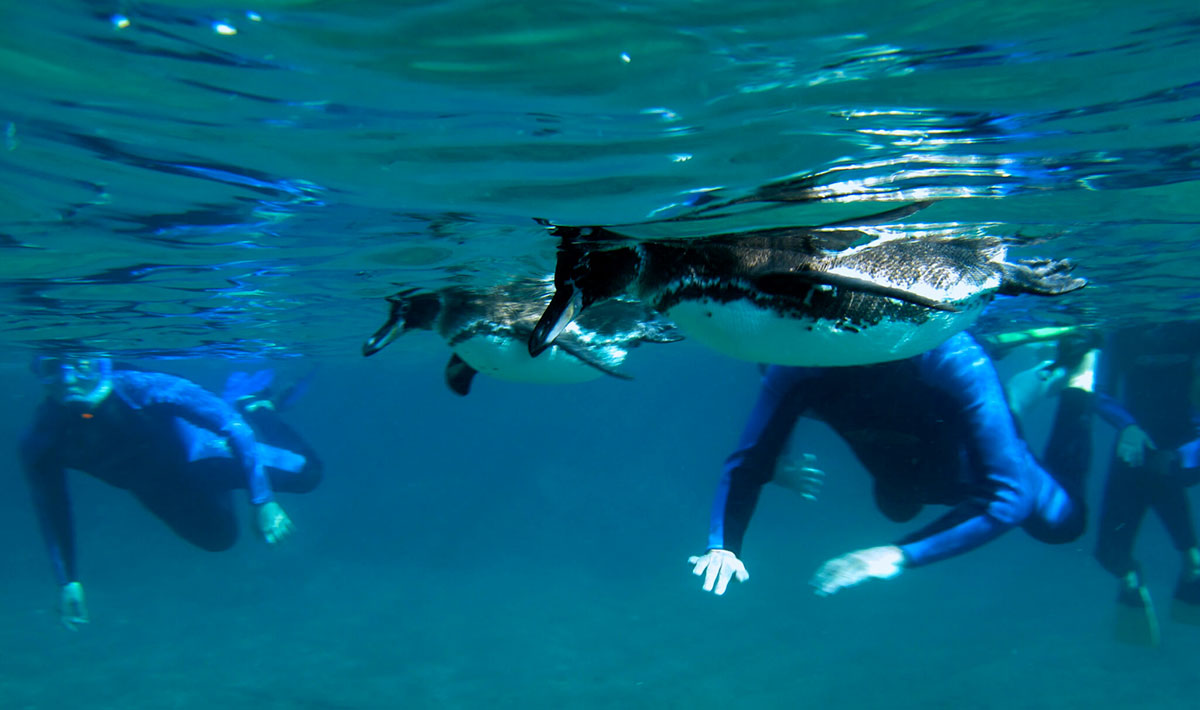
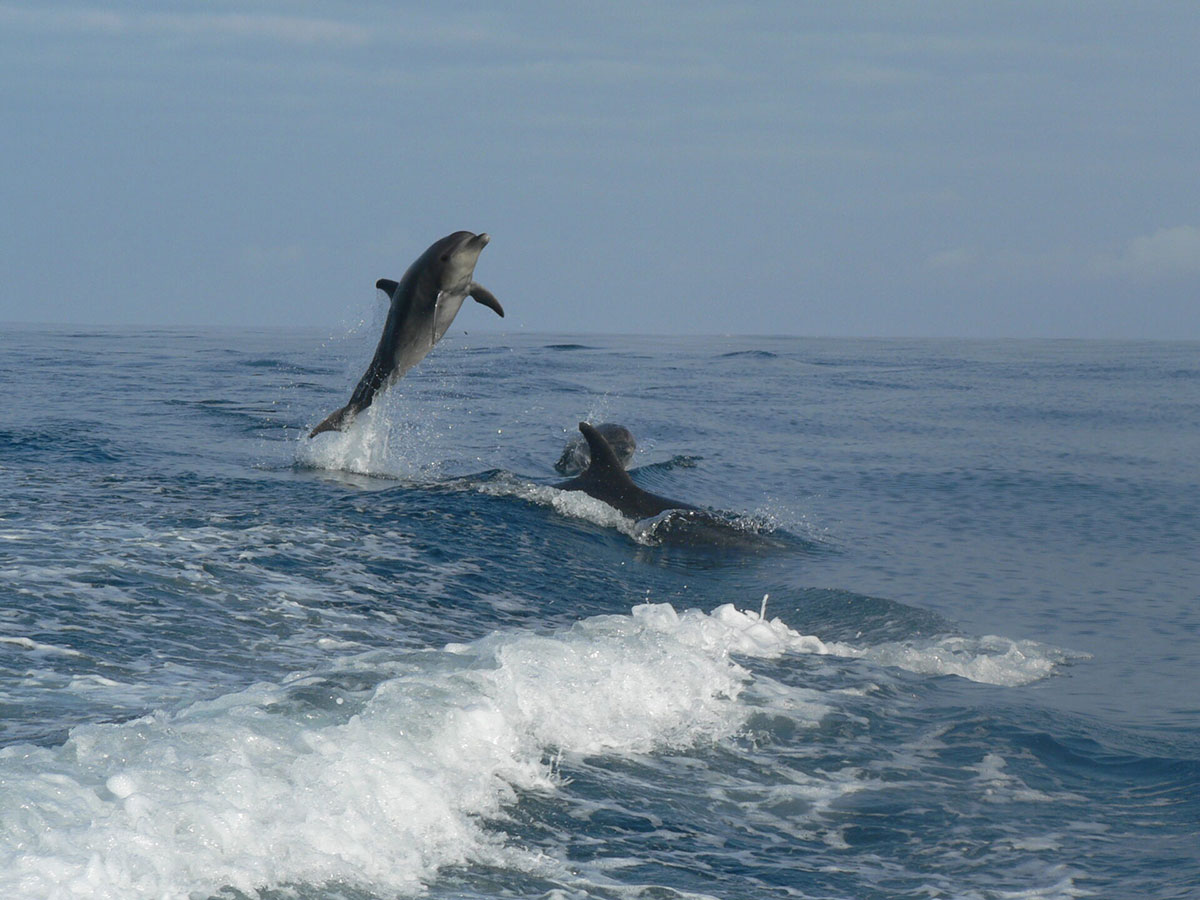
Average sea temperatures range from 19 to 23°C (66 to 77°F), attracting marine wildlife such as sharks, manta rays, whales, dolphins, and more, making for exhilarating snorkelling.
The Humboldt Current brings nutrient-rich cooler waters to the archipelago during the cool season. Snorkellers might want to wear a shorty wetsuit.
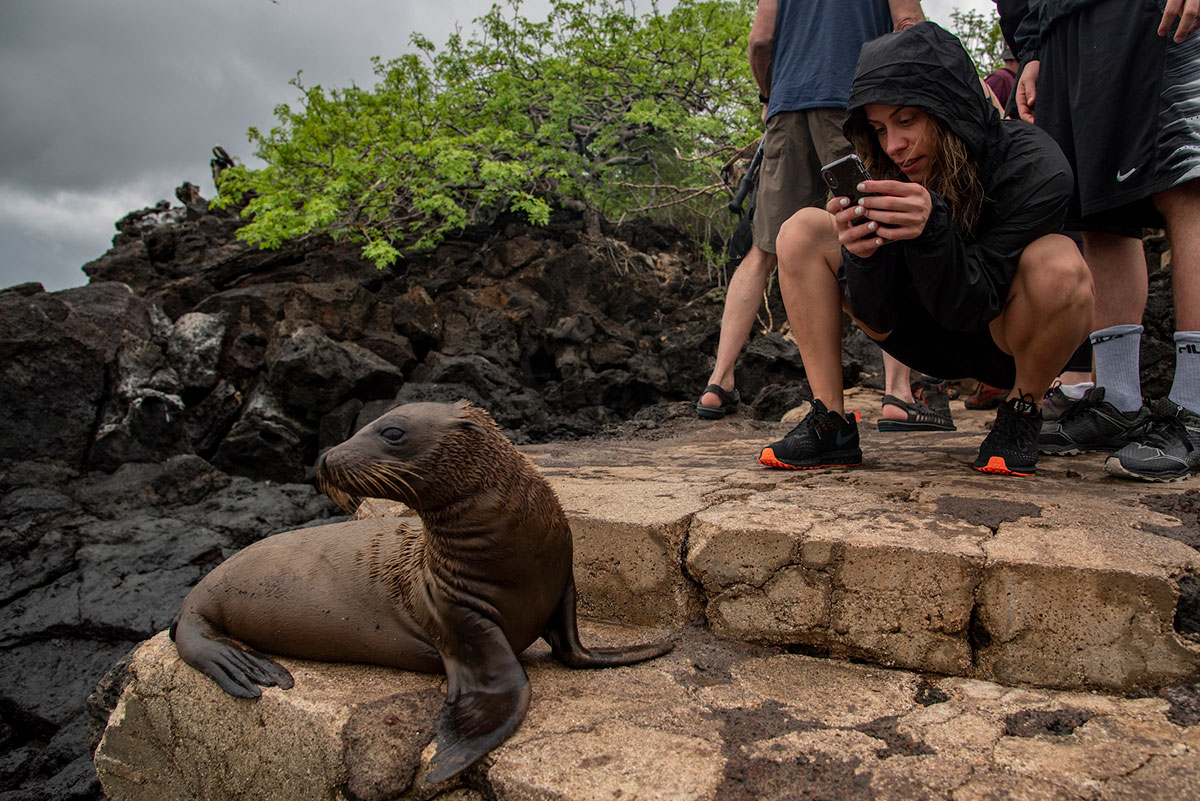
Wildlife highlights: Sea lion pups are born (Aug-Sept) and start swimming (Oct to Nov), many nesting birds, and Giant tortoises search for food at lower elevations.
Top travel tip: Bring a sweater or jacket for cool evenings and sun cream for intense sun.
Which Species Live in Galapagos Year-Round?
Many popular and key species live year-round in the Galapagos archipelago. These include:
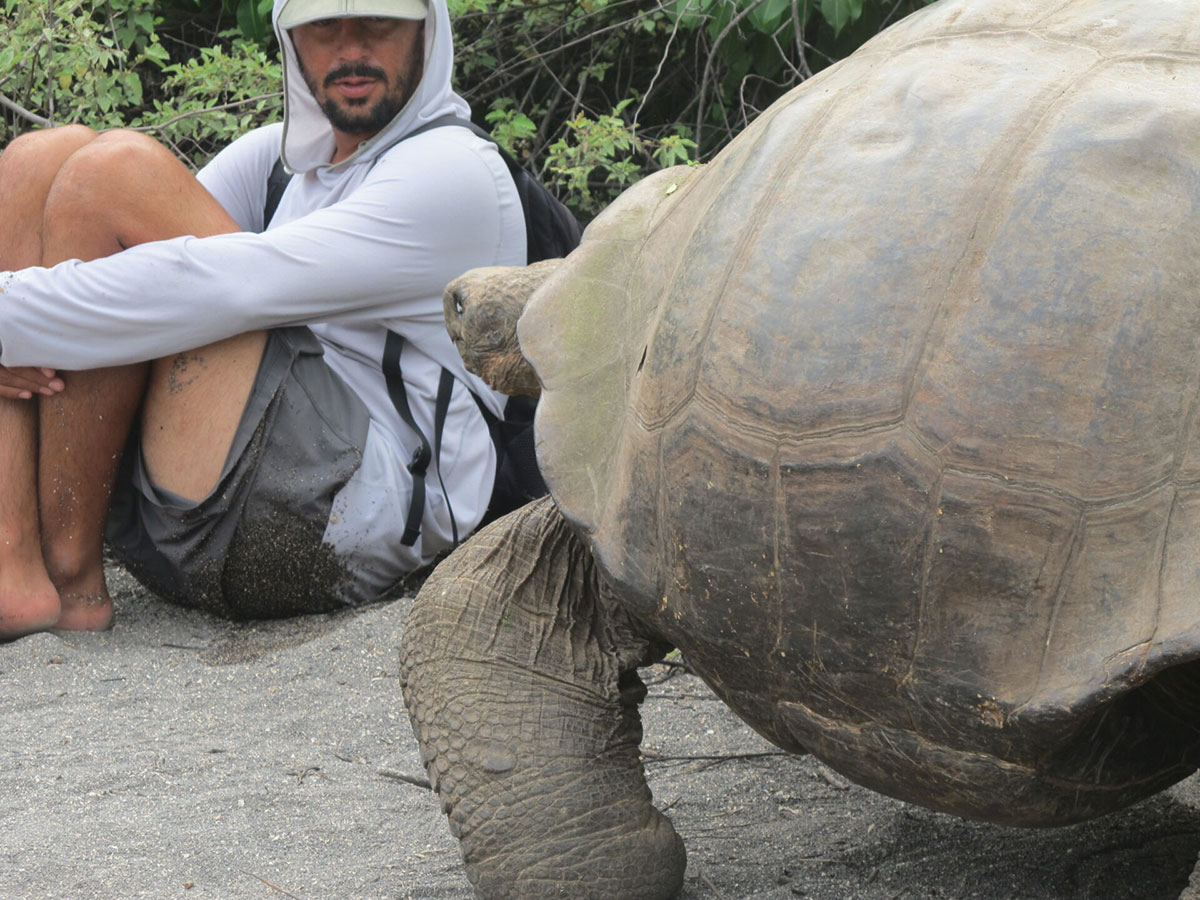
- Giant tortoises
- Sea lions
- Turtles
- Flightless Cormorants
- Marine and land iguanas
- Red-Footed, Blue-Footed, and Nazca Boobies
- Galapagos penguins
- Lava lizards
- Frigatebirds
- Galapagos Hawks
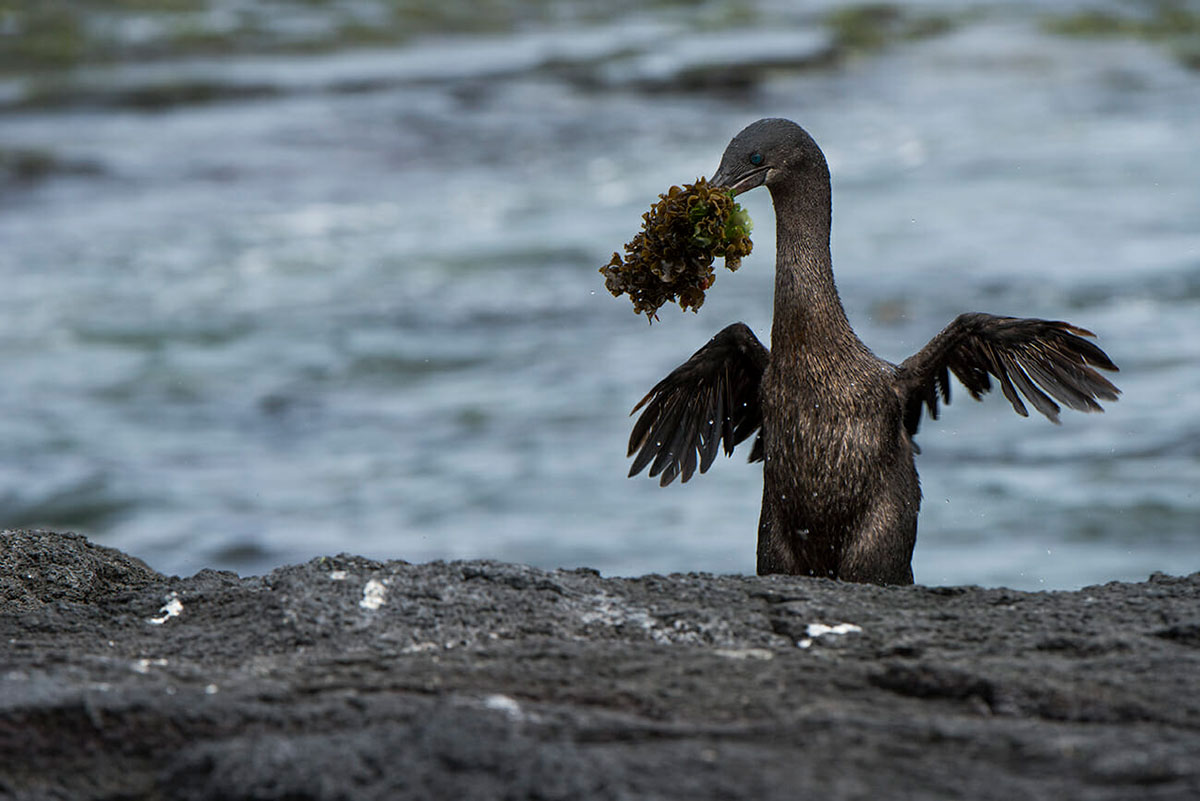
Galapagos Wildlife and Weather by Month
Here are the month-by-month weather and wildlife highlights for the Galapagos Islands.
January
Calm seas and active wildlife make January one of the best months for snorkelling and warm-weather travel.
- Green sea turtles nesting on beaches
- Marine iguanas on Española turn bright colours (green, red, and black)
- Land birds begin nesting
For more on what you might see, read our Galapagos snorkelling guide.
- Temperature: 22–29°C (72–84°F)
- Sea temperature: 23°C (74°F)
- Rainfall: ~2.5cm (1in) | Sunshine: ~5 hours/day
- Best for: Snorkelling, turtles, warm weather
February
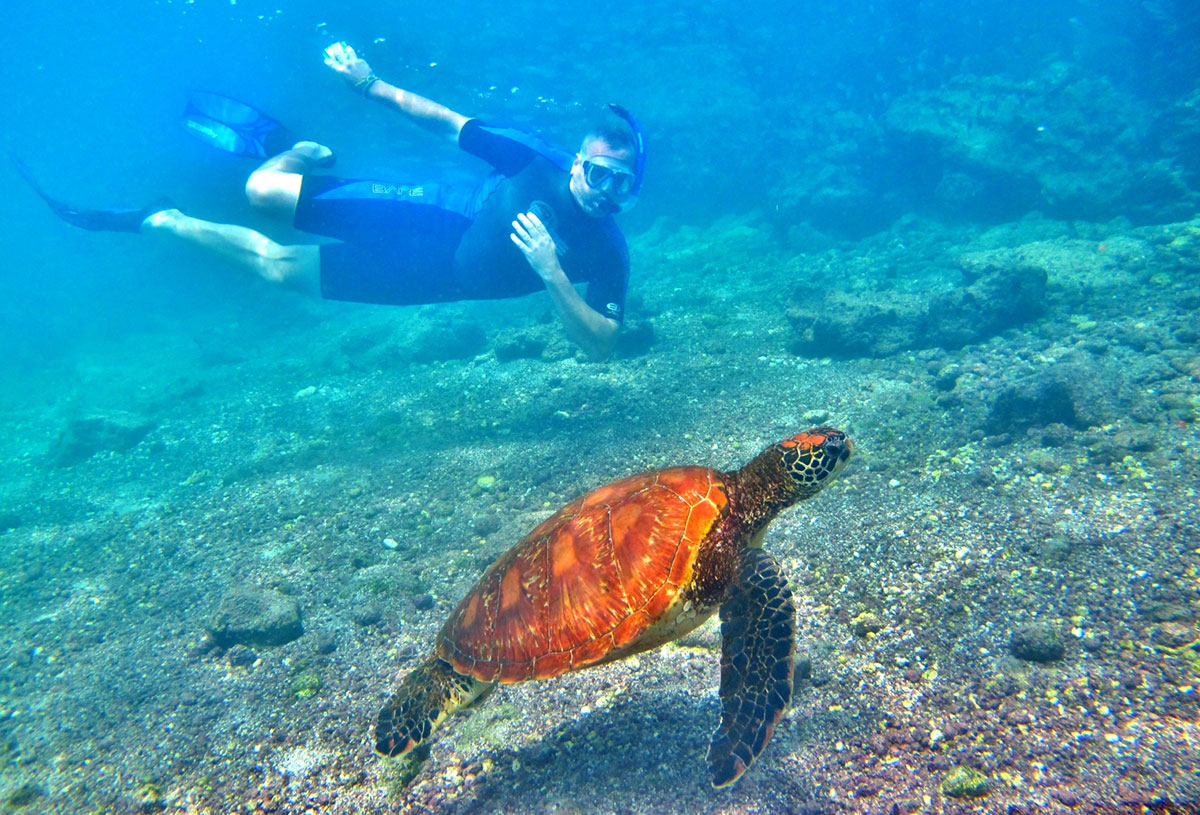
February is usually hot and sunny with some of Galapagos’ calmest seas of the year, ideal for swimming and snorkelling.
- Sea lion pups playing along the shores
- Flamingos nesting in lagoons
- Excellent underwater visibility
Read about more Galapagos animals in our guide.
- Temperature: 23–30°C (74–86°F)
- Sea temperature: 24°C (76°F)
- Rainfall: ~2.5cm (1in) | Sunshine: ~7.5 hours/day
- Best for: Wildlife activity, snorkelling, calm seas
March
Peak warmth and excellent sea conditions make this a great all-round month to visit.
- Frigatebirds displaying red throat pouches
- Giant tortoises mating peaks
- Excellent underwater visibility
Explore more in our Galapagos bird guide.
- Temperature: 23–31°C (74–88°F)
- Sea temperature: 24°C (76°F)
- Rainfall: ~5cm (2in) | Sunshine: ~6 hours/day
- Best for: Birdlife, calm seas, all-round travel
April
April is a transition month with great wildlife and still-calm seas, often overlooked, but an excellent time to travel.
- Blue-footed boobies nesting
- Land birds are highly active; Waved Albatrosses arrive at Española for courtship dance
- Great snorkelling conditions
- Green turtle, marine iguana, and Galapagos tortoise eggs are hatching.
A great time for first-time visitors—see our Galapagos trips.
- Temperature: 22–30°C (72–86°F)
- Sea temperature: 24°C (76°F)
- Rainfall: ~3.8cm (1.5in) | Sunshine: ~7.5 hours/day
- Best for: Calm seas, wildlife, fewer crowds
May
Quieter and slightly cooler, but still a fantastic time for wildlife and relaxed travel.
- Sea turtles begin hatching
- Albatross return to Española
- Lush green landscapes
If you prefer fewer people, May’s the time. Discover how to pick the right cruise for you.
- Temperature: 22–28°C (72–82°F)
- Sea temperature: 24°C (76°F)
- Rainfall: ~1.9cm (0.75in) | Sunshine: ~5 hours/day
- Best for: Wildlife, quieter travel, scenery
June
The start of the cool season (it’s still warm) brings richer marine life to the Galapagos Islands and excellent diving conditions.
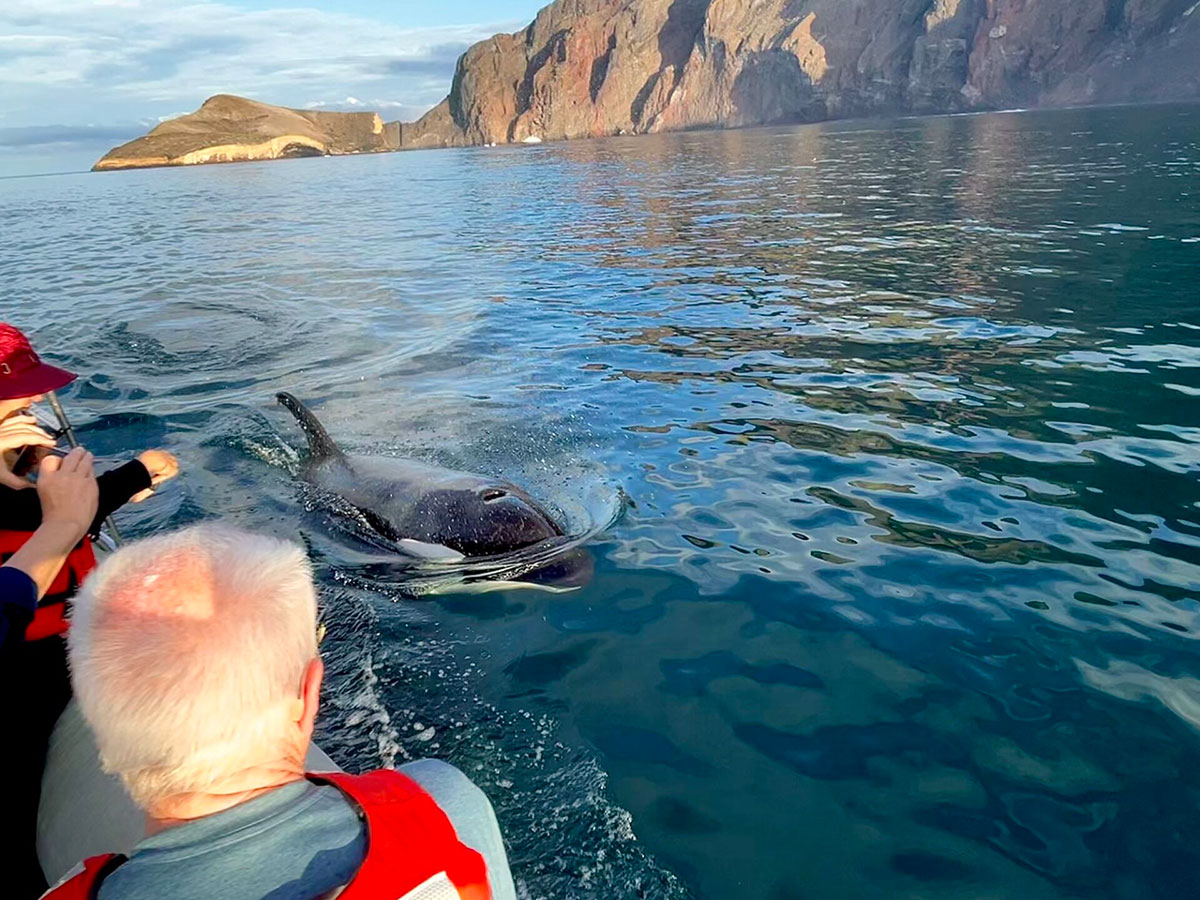
- Whale shark season begins
- Sea lion pups learning to swim
- Nutrient-rich waters attract abundant marine life
Learn more about top tips for cruise travel.
- Temperature: 21–25°C (71–78°F)
- Sea temperature: 23°C (74°F)
- Rainfall: ~0.6cm (0.2in) | Sunshine: ~4.5 hours/day
- Best for: Marine life, diving, cooler weather
July
Cooler and often misty, but with very active wildlife and dramatic landscapes.
- Blue-footed booby, Greater Flamingo, and lava lizards all perform their courtships
- Giant tortoises migrating to lower altitudes
- Excellent hiking conditions
See what to expect in our Galapagos hiking and walking guide.
- Temperature: 20–24°C (68–76°F)
- Sea temperature: 23°C (74°F)
- Rainfall: ~1.3cm (0.5in) | Sunshine: ~3 hours/day
- Best for: Wildlife activity, hiking, cooler climate
August
One of the best months for marine life encounters and diving, despite cooler seas.
- Galapagos penguins are most active
- Playful, newborn sea lion pups take to the water for the first time.
- Strong currents attract big marine species
Read a cruise review from one of our travellers.
- Temperature: 19–23°C (67–74°F)
- Sea temperature: 20°C (68°F)
- Rainfall: ~0.6cm (0.25in) | Sunshine: ~3.5 hours/day
- Best for: Diving, marine life, cooler temperatures
September
Peak cool season with some of the best underwater experiences of the year. Some boats head for annual maintenance as visitor levels drop.
- Excellent for large marine species
- Fur seals breeding
- High biodiversity
Ideal for divers—diving is available on dive-only shops or by staying on an island like Santa Cruz.
- Temperature: 19–24°C (67–76°F)
- Sea temperature: 20°C (68°F)
- Rainfall: ~1.3cm (0.6in) | Sunshine: ~3 hours/day
- Best for: Marine life, diving, cooler conditions
October
A quieter month with good visibility and fewer visitors, ideal for a relaxed trip.
- Marine life remains strong, with humpback whales spotted and whale sharks to the north (Wolf and Darwin).
- Birds and reptiles are active
- Hammerhead sharks may be seen
Great value time—find out the best Galapagos beaches for relaxing.
- Temperature: 20–25°C (68–78°F)
- Sea temperature: 21°C (71°F)
- Rainfall: ~0.6cm (0.25in) | Sunshine: ~4 hours/day
- Best for: Diving, quieter travel, good visibility
November
One of Galapagos’ shoulder-season months, with good value and improving weather conditions.
- Sea lion breeding begins
- Mating Galapagos green turtles can be seen in the waters (Nov-Jan).
- Warmer seas starting
Discover how the Galapagos influenced Charles Darwin’s thinking.
- Temperature: 20–25°C (68–78°F)
- Sea temperature: 22°C (72°F)
- Rainfall: ~1.3cm (0.5in) | Sunshine: ~3.5 hours/day
- Best for: Value, mixed wildlife, fewer crowds
December
The return of warmer weather and calmer seas makes this a great festive travel month. Boats get busy over Christmas and New Year, and may add supplements.
- Green sea turtles arrive to nest
- Land iguanas nesting
- Wildlife activity increases
Land-based trips are a great Christmas option: stay on San Cristobal or Isabela.
- Temperature: 21–27°C (70–80°F)
- Sea temperature: 23°C (74°F)
- Rainfall: ~1.3cm (0.5in) | Sunshine: ~4 hours/day
- Best for: Warm weather, turtles, festive travel
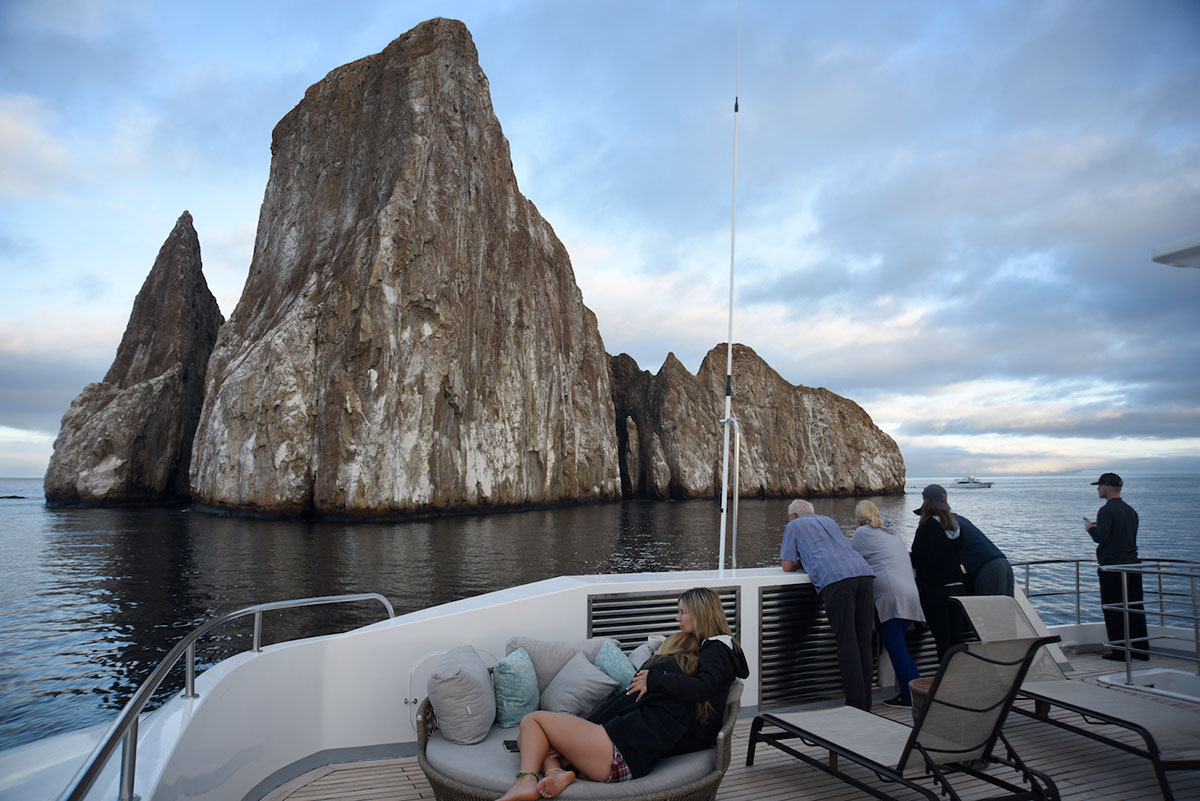
Best Time to Visit Galapagos for Snorkelling and Diving
The best time to visit the Galapagos for snorkelling and diving depends on whether you want warm, clear waters (December–May) or seas filled with large marine life like sharks and rays (June–November).
- December to May offers calm, warm water (23-24°C / 74-76°F) and excellent visibility (up to 30m).
- June to November is best for divers seeking whale sharks and large schools of sharks near Darwin and Wolf in cooler seas (20-23°C / 68-74°F).
The best time for snorkelling in Galapagos is December to April, with the warm, clear waters teeming with sea turtles, sea lions, and marine iguanas. You might not need a wetsuit.
The best time for diving is June to November, as nutrient-rich, Humboldt Current-cooled waters attract hammerhead sharks, whale sharks, and dolphins. Snorkellers will probably want a shorty 5mm wetsuit (available aboard cruises and tours) for extended periods in the sea.
Divers and snorkellers in your group? May and November are a fantastic mix of active marine life and calm seas.
The Galapagos Islands offer world-class marine life year-round. Certain months are better for specific species—get in touch with your wish list.
Best Time to Visit the Galapagos Islands for Wildlife
The best time to visit the Galapagos Islands for wildlife is year-round, with incredible wildlife seen whichever season you travel.
Broadly speaking, December to May (the warm season) is perfect for land-based birds, and it’s when reptiles like tortoises and iguanas breed. Next, from June to November (cool season) is best for sea bird activity and marine life.
Here are some of the islands’ wildlife highlights:
- Sea lion pups swimming in the sea (Aug–Nov).
- Marine life (Aug—Nov) such as whales, sharks, and dolphins, are in the cooler, nutrient-rich waters.
- Waved Albatrosses breed (Apr–Dec) on Española.
- Giant tortoises & sea turtles (Dec–Mar) lay eggs which later hatch in this warm and wet season.
- Blue-footed Boobies perform their mating and nesting dances (June–Aug).
- Marine Iguanas (Jan–Mar) turn bright red/green during their mating season, especially on Española.
So, When Should You Visit the Galapagos?
Best overall time: April–May
Best for snorkelling: Jan–Mar
Best for diving: Aug–Oct
Best for wildlife variety: year-round
The best time to visit Galapagos for weather and wildlife is year-round. However, the warm season (Dec—May) and cool season (June—November) do offer different experiences.
Snorkellers might prefer the great visibility and warmer seas of the warm season, which coincides with active sea lions, reptiles laying eggs, and impressive bird life.
The cool season means large marine life in the seas, cooler hiking temperatures, and more seabirds to view.
Not sure which month is right for you? Tell us what you want to see, and we’ll recommend the best time and itinerary for your trip.