From: £900
From: $1,198
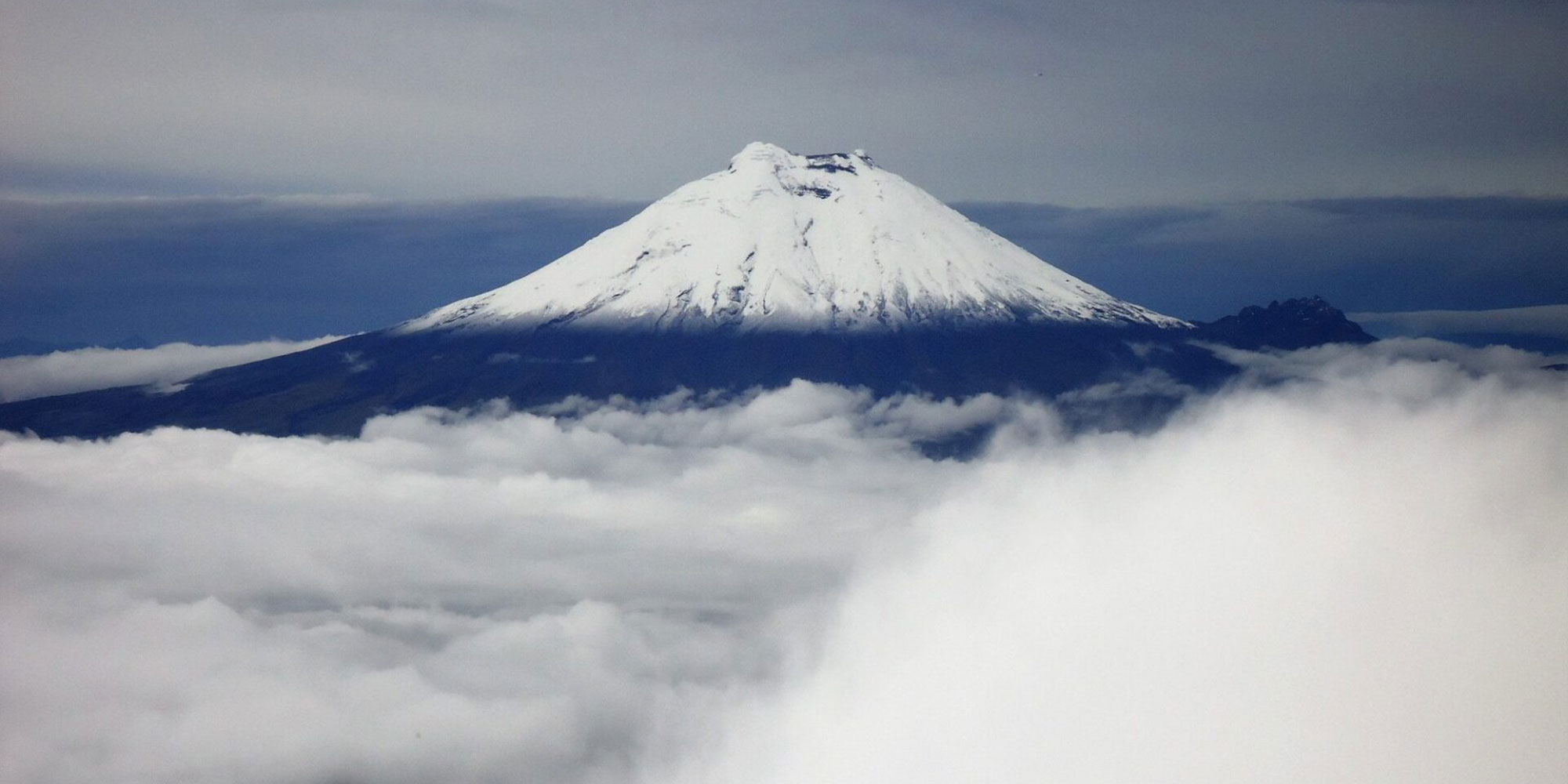
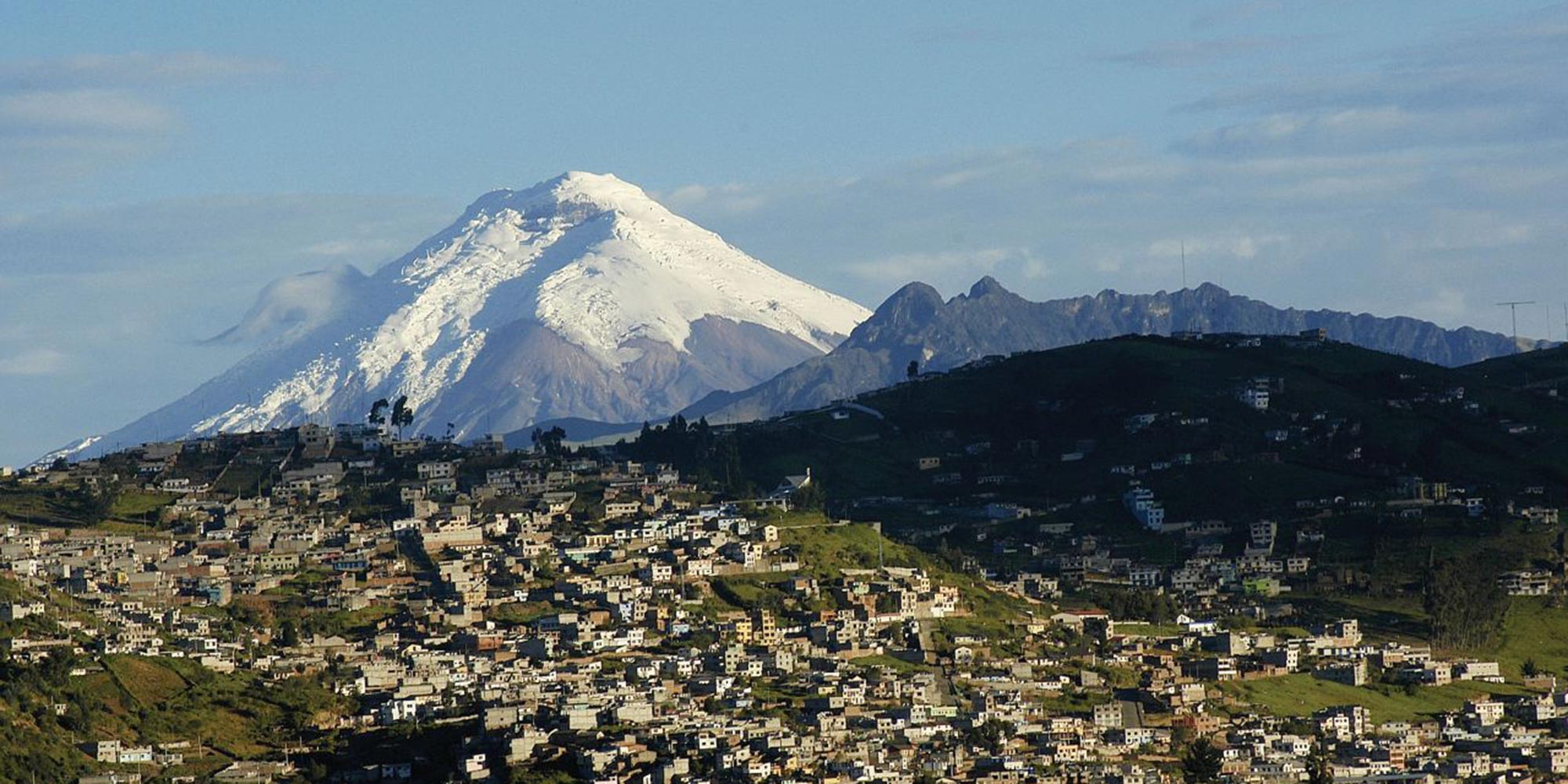
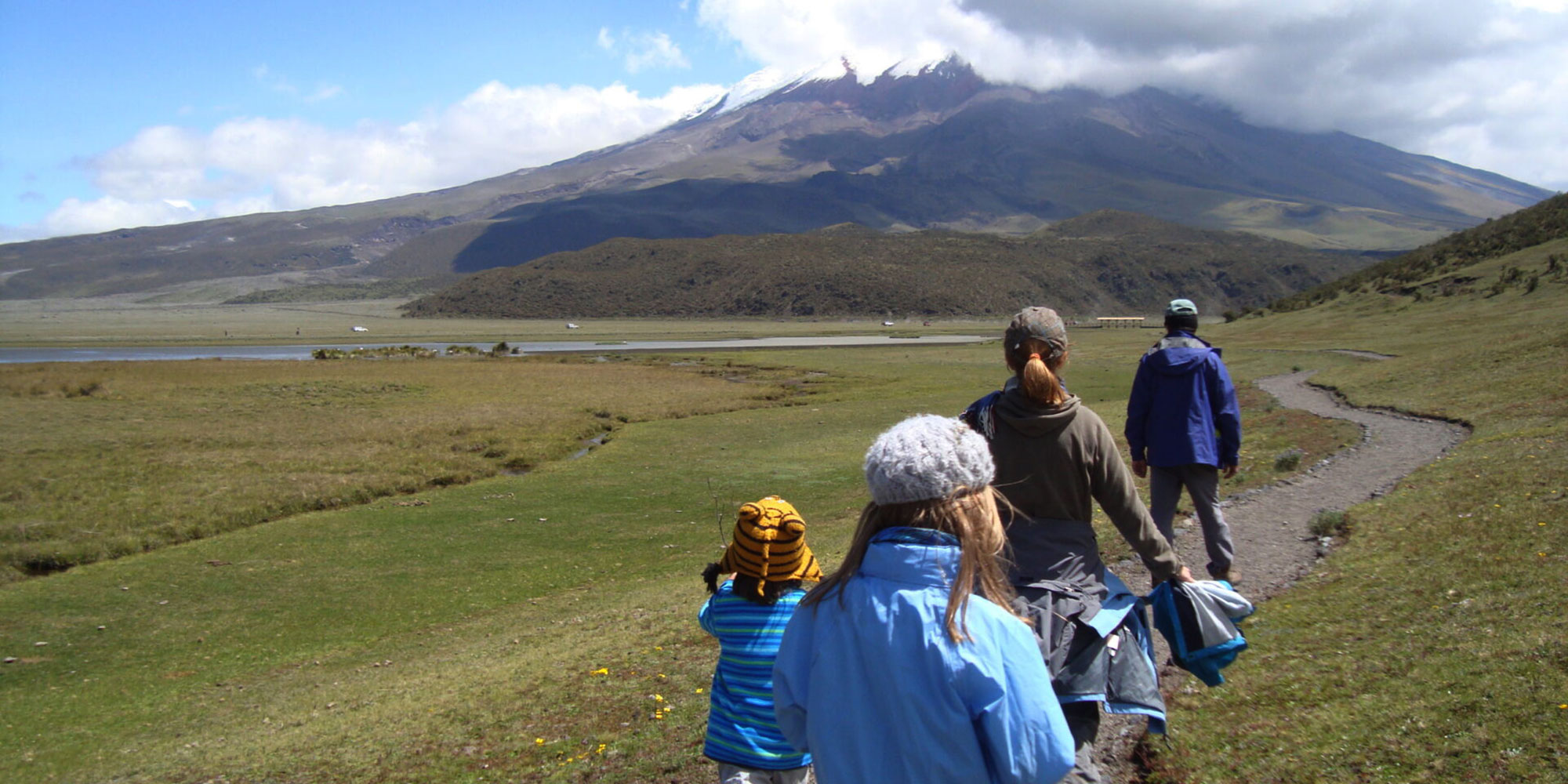
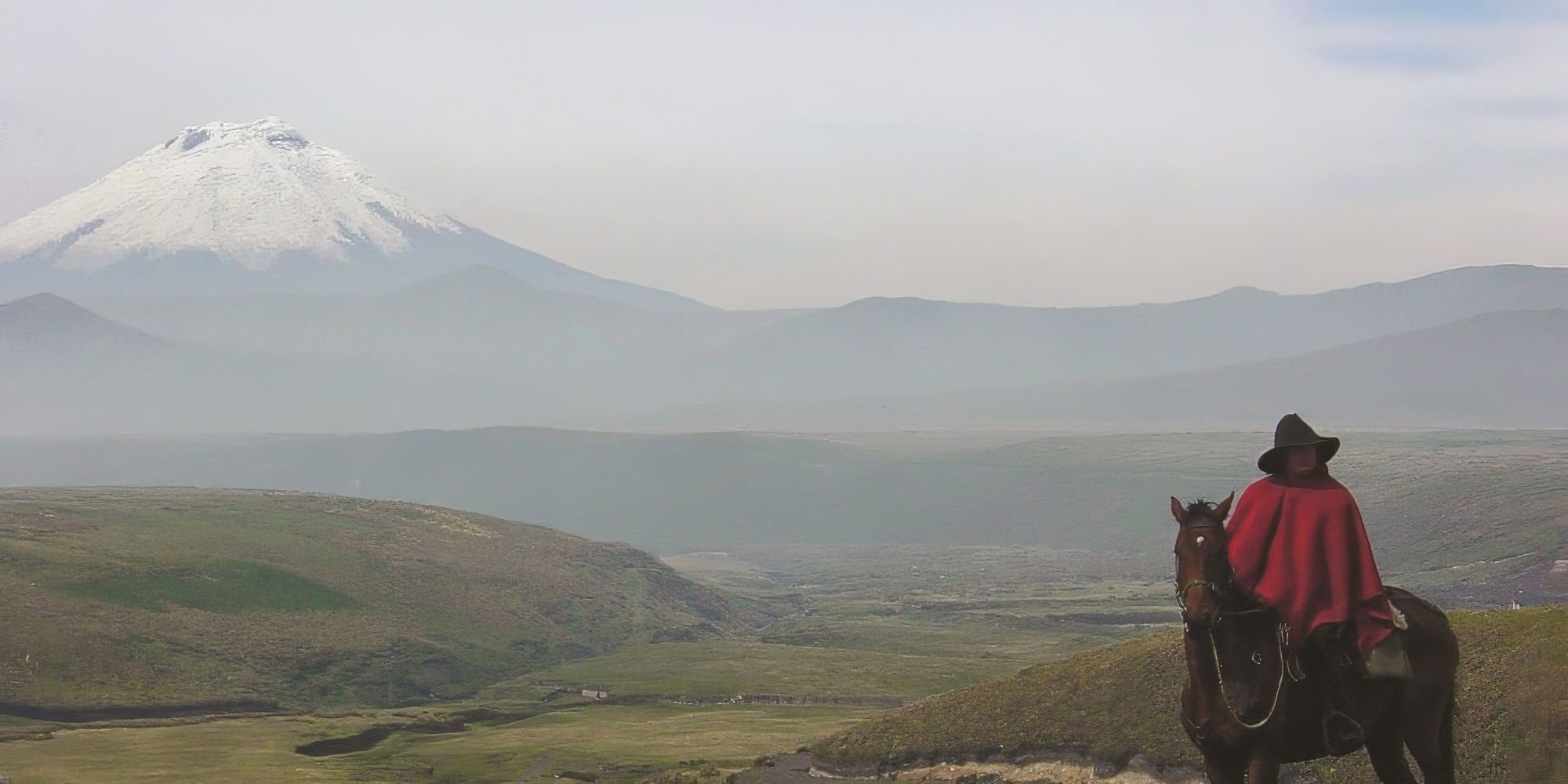
Two activities in one day: First we climb the Pasochoa peak.
At 4,200m/13,780ft Pasochoa is a challenge that will get our engines revving in anticipation of the second part of our adventure. Access is not difficult and our hike to the peak takes about three hours over grassland trails.
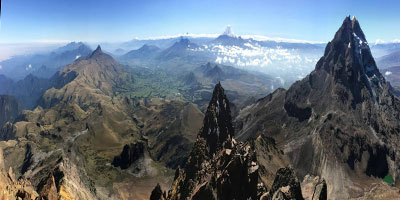
From the summit, you get a spectacular view of the mountains surrounding Quito, the inspiring scenery of the Pasochoa crater, as well as the impressive surrounding mountain crests: Antisana, Sincholagua, Quilindana, Cotopaxi, Ruminahui, Corazon and the twin Iliniza peaks.
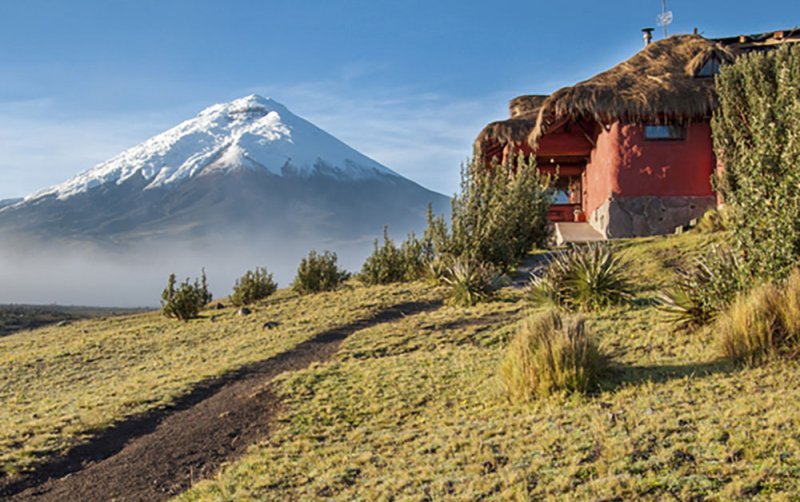
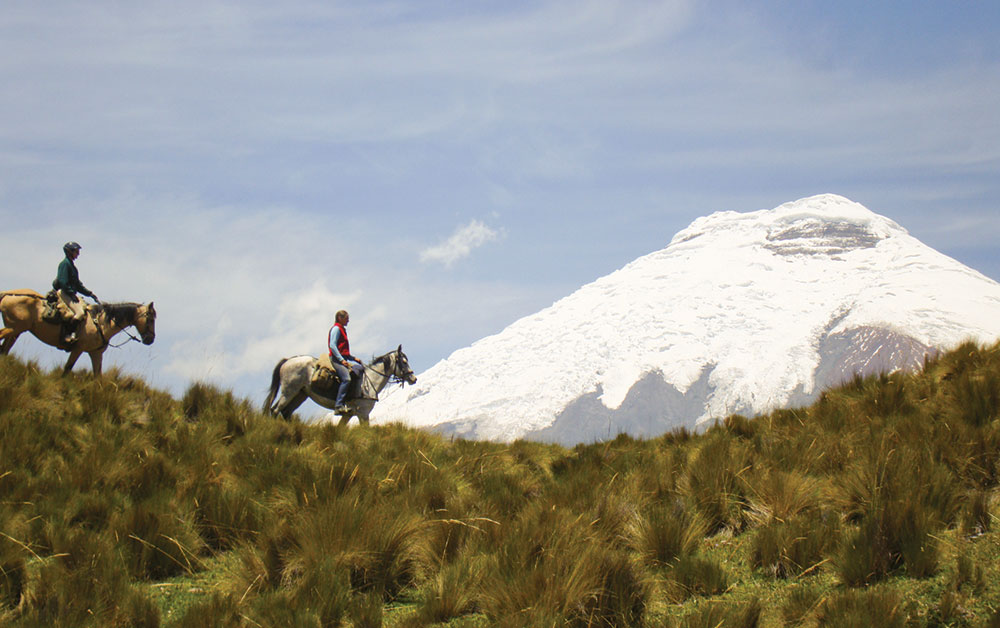
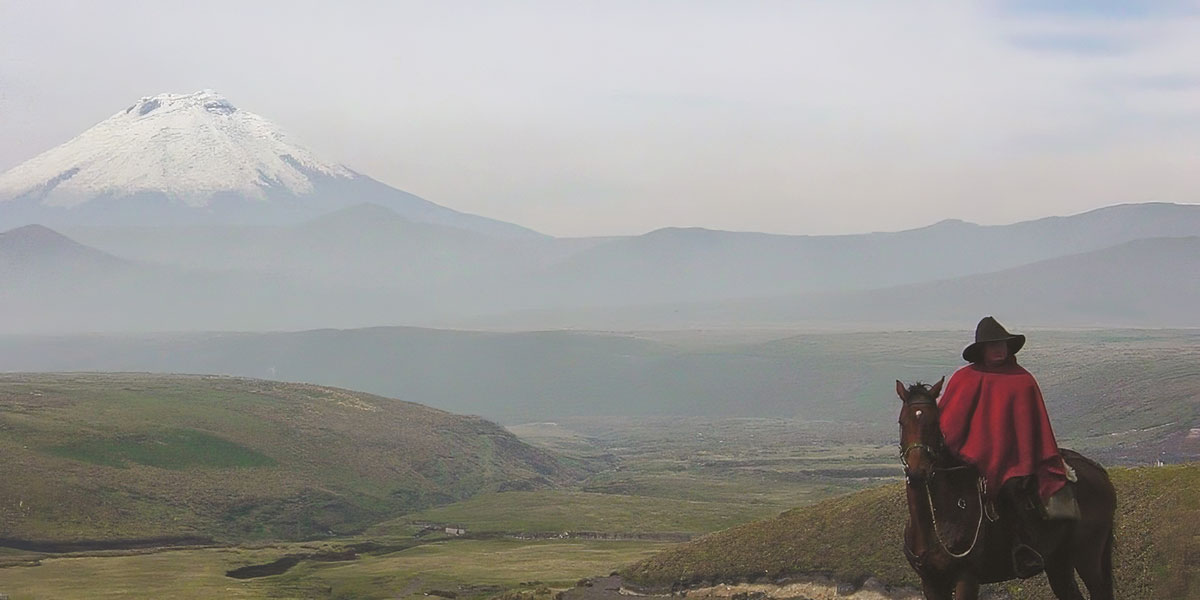
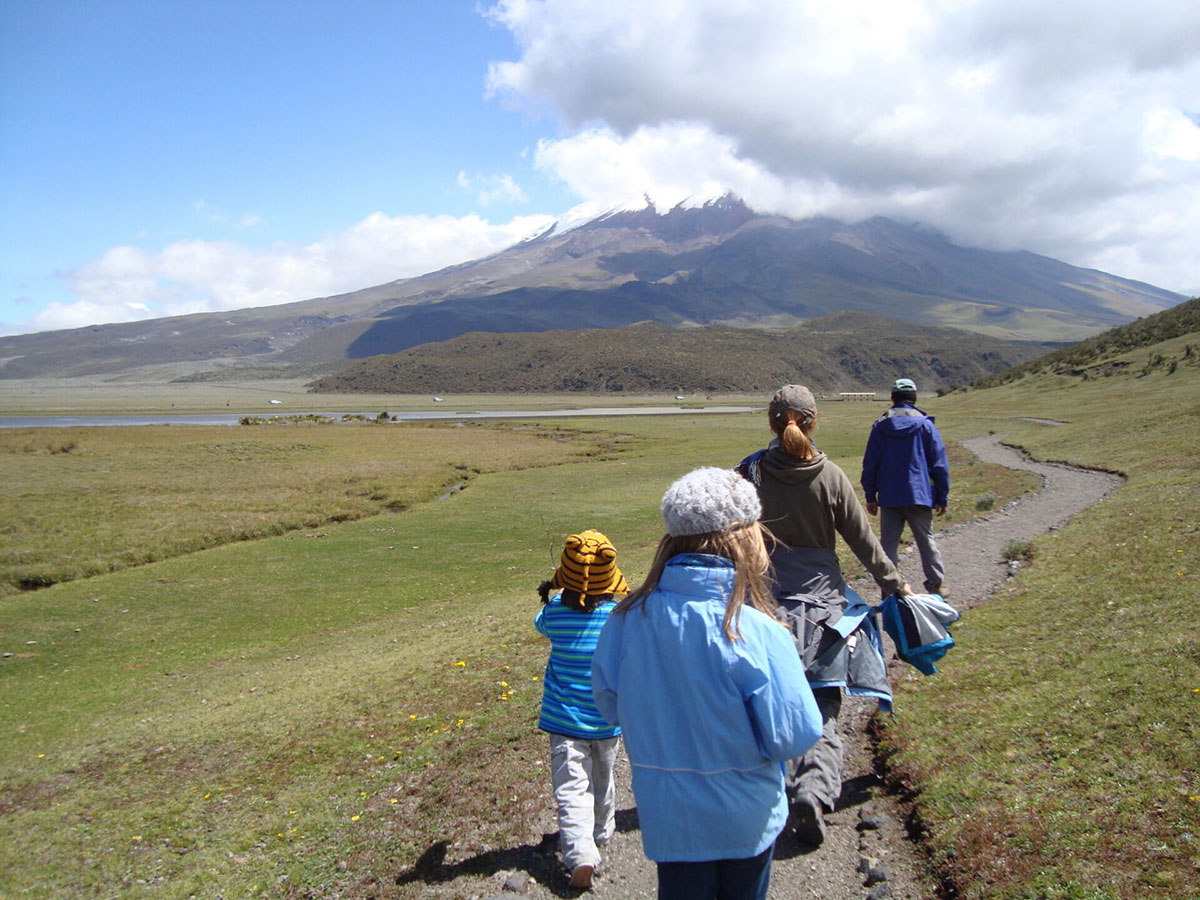
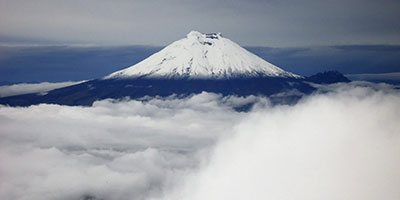
The second part of our day consists of the descent to the Pita river canyon, a downhill walk of about three hours through grasslands and low ‘Chaparro’ forests, ending at the Cotopaxi Pungo Lodge, situated at about 3,200m/10,499ft above sea level and with great views to Cotopaxi itself.
Hours walking:7hrs
Max. elevation: 4,200m/13,780ft
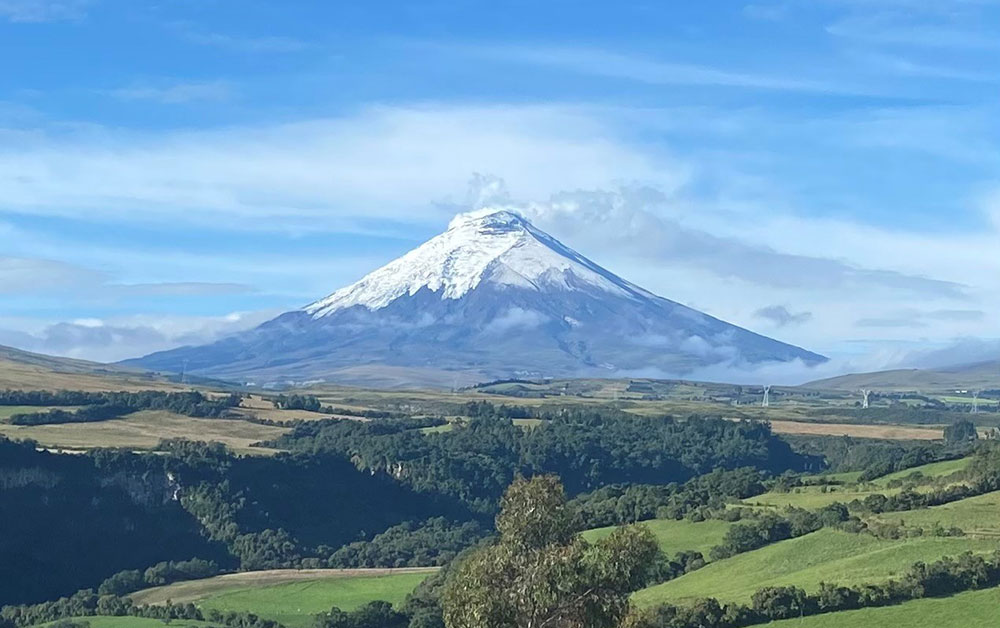
Today we embark on a particularly scenic hike across high mountain forests and along the course of the Pita river, whose source is the glacial melt water of the giant of the Park, Cotopaxi.
The hike will take around six or seven hours, and the descent is gradual from the humid Andean forests through the grasslands of Cotopaxi down to the area known as the Pedregal.
The day ends at the Los Mortinios hacienda, a cosy retreat designed for mountaineers, whose walls are covered with stories of famous Ecuadorian mountain climbers.
The lodge is located at the entrance to Cotopaxi National Park, at approximately 3,600m/11,811ft above sea level, with stunning views over to Cotopaxi.
Hours walking: 7hrs
Max. elevation: 3,600m/11,811ft
We continue our journey along the Pita river canyon.
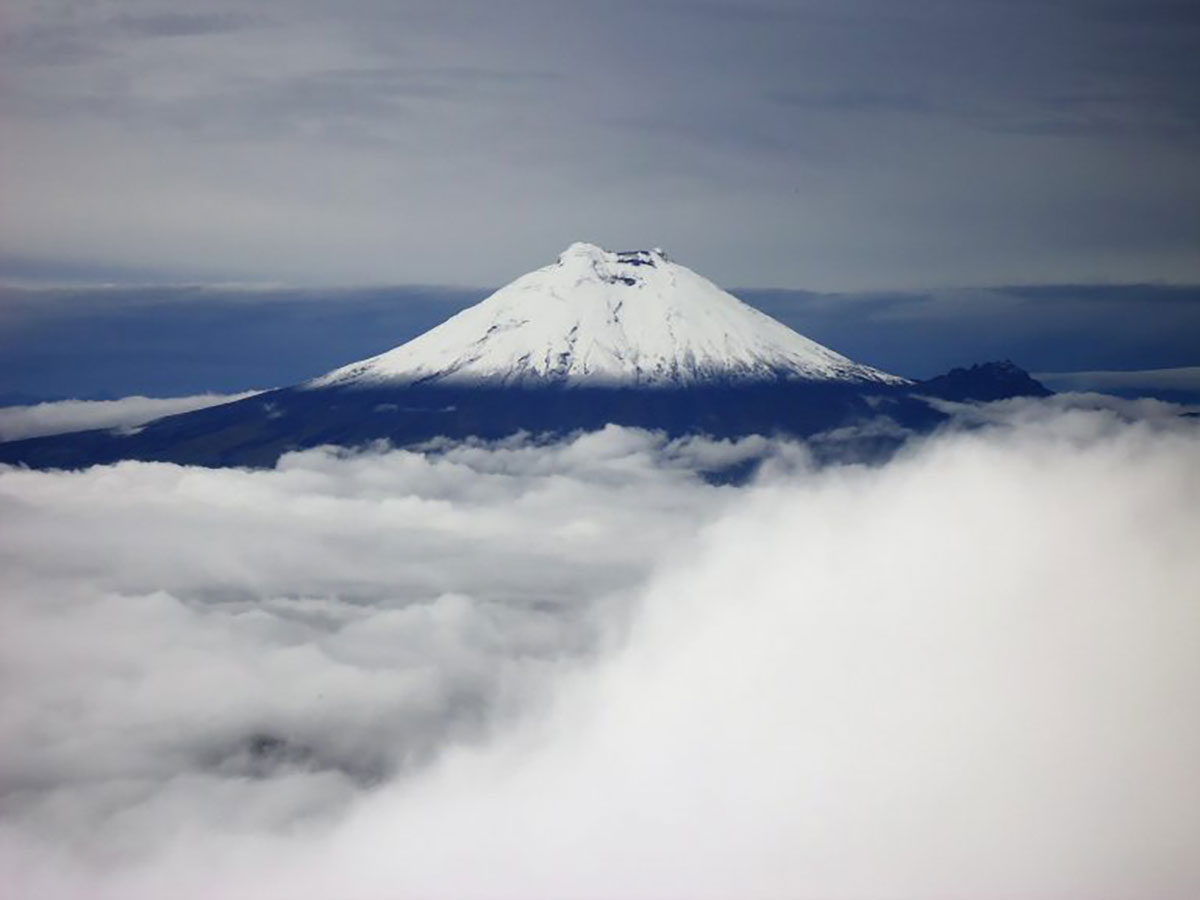
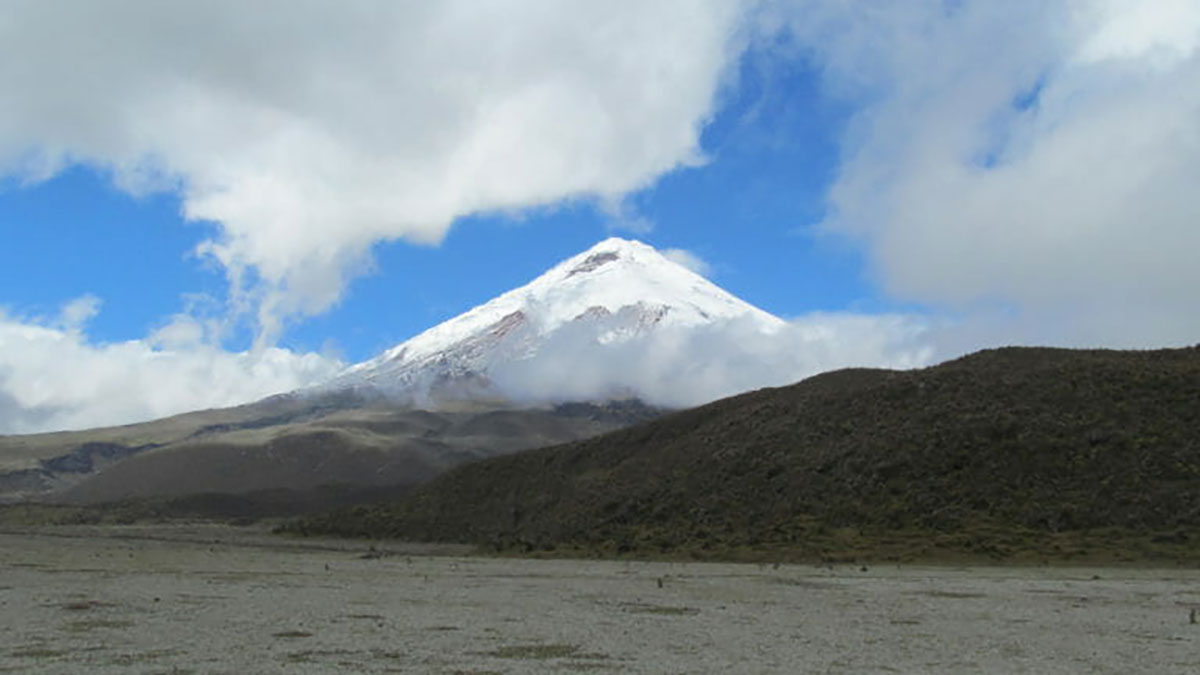
But now the scenery changes: we enter the flatlands on the Eastern side of Cotopaxi where we see the foothills of Mt. Sincholagua and the majestic Eastern side of Cotopaxi.
We cross an arid plain before arriving at the Hosteria Tambopaxi, a beautifully built and situated mountain lodge.
The journey takes us about five hours, through a landscape that varies between grassland and stony plain.
Along the way we may see the wild horses that run in the area, as well as some of the better known birds such as the Curiquingue and, with a bit of luck, the Andean Condor.
Hours walking: 5hrs
Max. elevation: 3,700m/12,139ft
Glacier day!
From the lodge we drive in our private vehicle to the parking area of the Cotopaxi mountain refuge.
We walk for approximately an hour before reaching the mountaineers’ lodge, and hike from there to the edge of the glacier, a walk of approximately two hours.
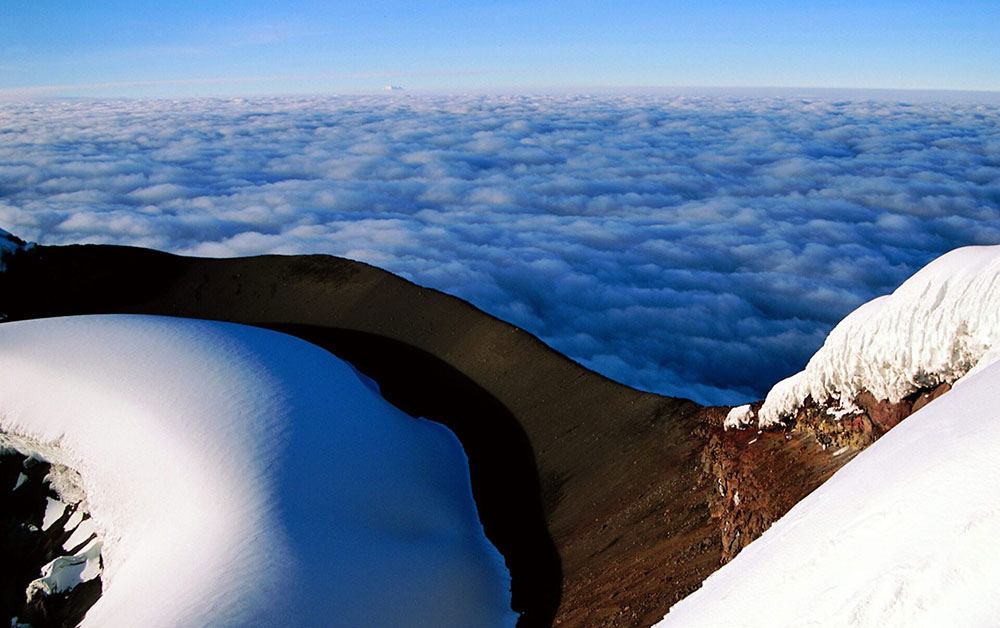
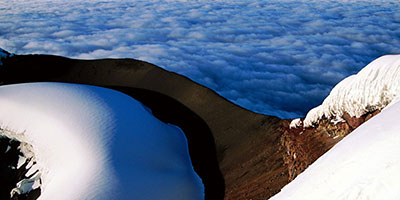
From here, the northern side of the mountain offers a spectacular panorama.
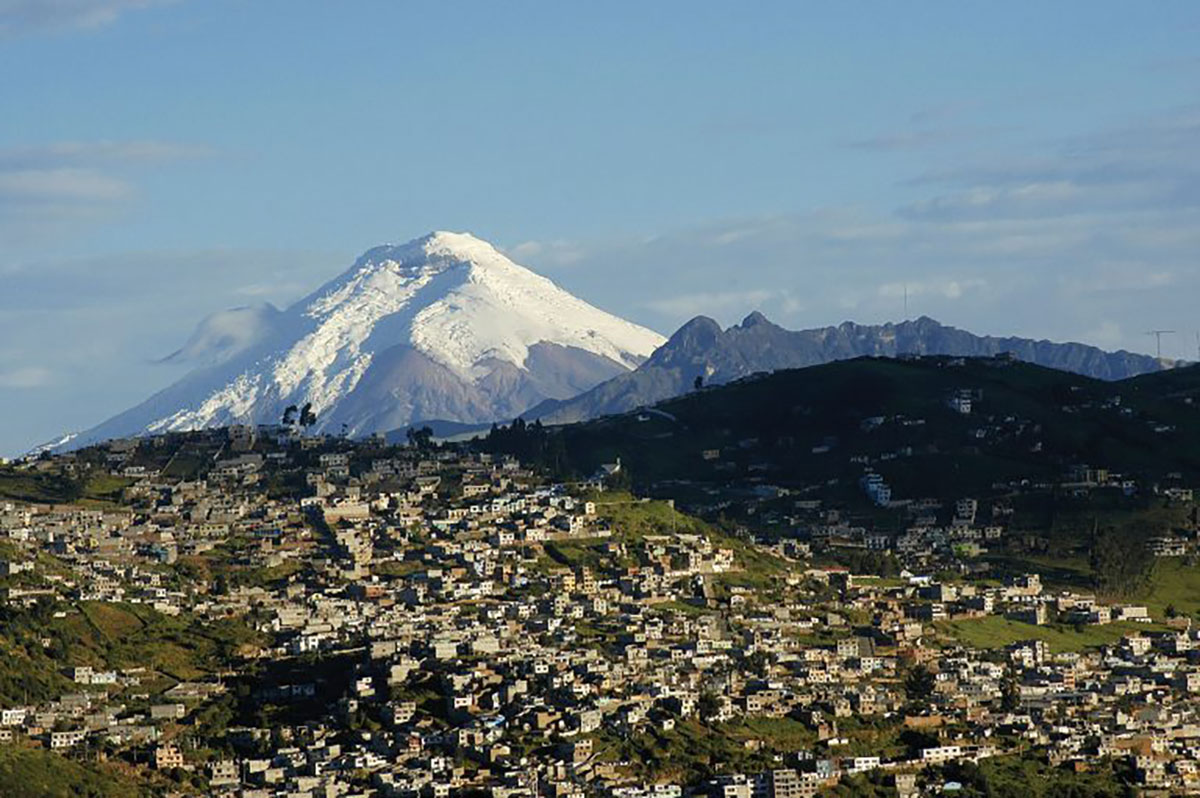
You can identify (with the help of our guide) all the ground we have covered from the first day of our adventure: Quito, its valleys, the distant mountains in the north, and the road from Pasochoa, through the Pita canyon, to el Pedregal, Sincholagua, Ruminahui and the magnificent Limpiopungo valley.
The descent, which takes approximately 2 hours, takes the same route back to the parking lot and we head back to Quito and drop you off at your hotel (hotel not included) and say farewell at the end of this stunning trek.
Hours walking: 4hrs
Max. elevation: 5,100m/16,732ft
Locally owned mountain lodges and haciendas.
Most offer private rooms with private bathrooms with flush toilets and warm water showers.
In more remote areas facilities are more basic and you may need to share a room / shared toilets.
The tour is open to people of good mobility and health with some experience of trekking.
We build in acclimatisation and our walks aim to be 5-7 hours in length.
We grade this as an ‘medium’ trek because of the high altitude and consecutive hiking days.
Trekkers ideally need to be used to walking while carrying a daypack and ideally accustomed to walking for 4-7 hours on consecutive days.
However, we can also accommodate first time trekkers and people who are in good physical shape.
Almost all dietary requirements can be catered for – please ask us for more information.
Breakfasts at hotels will feature teas, coffees and juices to drink, plus cereals, fruit, eggs, toast and jams etc.
While out on tours, we either supply a packed lunch of sandwiches, snacks, soup, fruit etc, or we eat at a local restaurant/hacienda. These are often buffet style with soups, rice, pasta, potatoes and then puddings/fruit.
Our accommodation will provide evening meals. In general, it’s a soup for starters followed by an Ecuador inspired main dish – some international meals may be available at certain lodges.
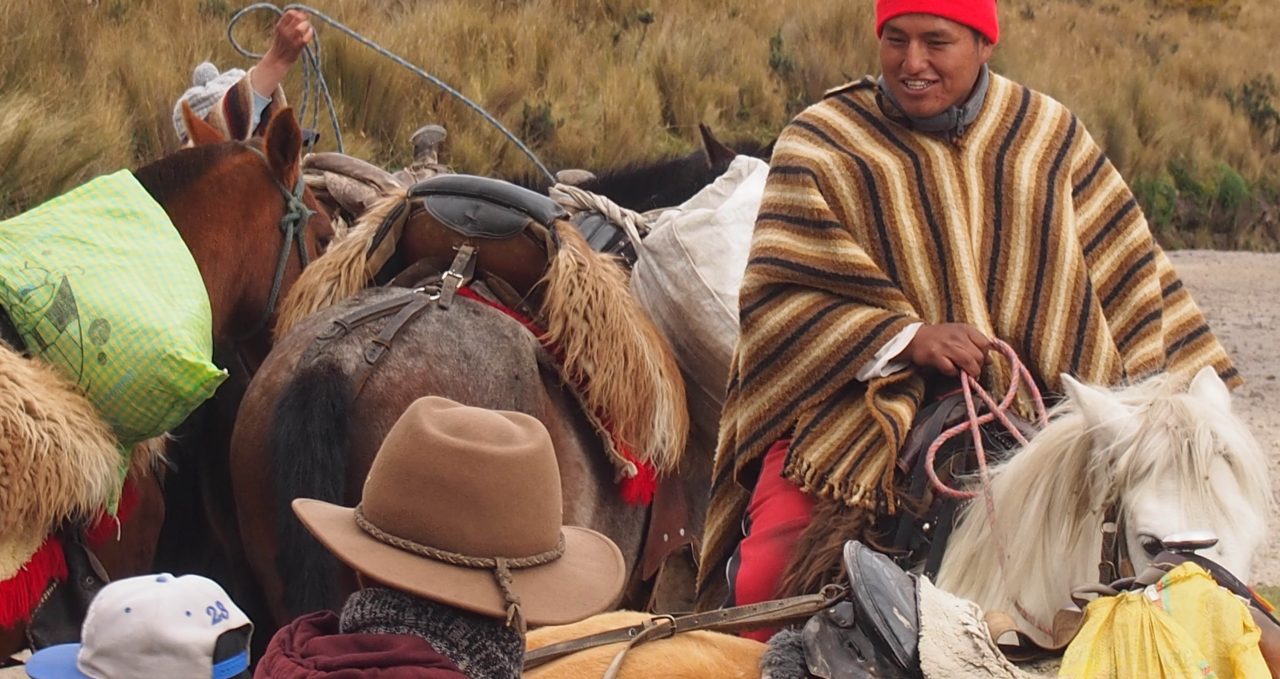
Throughout the tour, a local, English speaking Ecuadorian guide with many years’ experience will accompany you.
Our local drivers and support staff have worked with us for many years.
Staff employed at the lodges are generally from the local communities.
An extraordinary Galapagos cruise filled with wildlife encounters, luxury comfort, and unforgettable ocean moments.
A breathtaking, tailor-made odyssey through Ecuador, Chile, and Argentina, uniting mountains, wildlife, and unforgettable landscapes.
From: $2199 per person
Duration
6 days
From: $1932 per person
Duration
7 days
Ecuador lies between latitudes 4º south and 2º north. Overall, climate varies according to time of year, altitude and region.
In the Ecuadorian highlands, there is little temperature variation by season; this depends largely on altitude.
In Quito, shade temperatures range from 6 to 10ºC in the morning and from 19 to 23ºC in the afternoon, with cool nights. In the lower intermontane basins, it gets significantly warmer.
Rainfall depends on whether an area lies closer to the eastern or western Andes. To the west, June to Sept is the dry period and Oct to May the wet (with often a short, dry spell in Dec or Jan).
The best period to visit Quito and trek and climb volcanoes such as Cotopaxi is the west Andean dry season of June to Sept and Dec/Jan. This is also Ecuador’s high season. During the Oct to May wet season, most rainfall is in the afternoons.
To the east, Oct to Feb are dry and March to Sept are wet. Overall, the southern highlands are drier than the northern highlands.
Landscapes vary from the drier south to the more humid north.
The Highlands, or sierra, encompass two Andean Cordilleras (the Central and Western), which run north to south through the country. Ecuador’s largest volcano is Chimborazo (6,310m) whose summit, because of its proximity to the equator, is the closest point on earth to the sun. Several of Ecuador’s volcanoes are still active, and it’s a great area for trekking.
Descending the steep, east-facing slopes of the eastern Cordillera, one passes through a transition zone comprising dense cloud forest and humid high jungle, before entering the Amazon lowlands.
This mainly primary rainforest covers a third of the country, accounts for 5% of the population and stretches across Ecuador, from its Colombian to its Peruvian borders.
The Galapagos Islands are simply unique. Lying 600 miles off the mainland, the archipelago comprises the summits of gigantic equatorial volcanoes.
The flora and fauna of the Galapagos, long separated from their continental cousins, have evolved differently. Charles Darwin used his observations there to develop his theory of Evolution.
Ecuador is the second smallest South American country, and one of the most varied.
It comprises three main geographical areas: the coast, highlands and Amazon plus is home to the Galapagos Islands.
Because of its relatively compact size, it makes a great holiday destination as you can move from highlight to highlight fairly easily and rapidly.
Good kit is vital for every trip.
Book with Andean Trails and get 15% off Páramo’s fantastic ethical and high performance outdoor gear.
When planning for the climatic conditions encountered in the High Andes, layering is the most practical and versatile clothing system. It’s worth remembering that our clothing keeps us warm by retaining and isolating the heat we ourselves create.
To best maintain body heat, several layers of lightweight, warm and quick-drying clothing are far more efficient than one or two thick layers. Layers should have the following qualities:
First (base) layer: This layer wicks the sweat away from our skin, thus helping keep the body dry and warm. To this end, synthetic fabrics such as polypropylene should be used.
Mid layers: These isloating layers should also be synthetic (e.g. the known polar linings such as polartec or windblock, which are light and insulate twice as well as wool). Very important layers for retaining body heat.
Outer layer / shell: Finally, the vital layer which protects us from climatic adversities. A breathable, wind-proof and waterproof anorak, such as Goretex.
Give plenty of thought to kit selection, and try to keep weight down. Below is a more detailed guide.
An extraordinary Galapagos cruise filled with wildlife encounters, luxury comfort, and unforgettable ocean moments.
A breathtaking, tailor-made odyssey through Ecuador, Chile, and Argentina, uniting mountains, wildlife, and unforgettable landscapes.