From: £2,005
From: $2,670
Arrive in Quito and transfer to your hotel in or near Quito.
We set off from Quito southwards and drive for about an hour (traffic dependent). We start hiking at the base of one of Ecuador’s many volcanoes, Pasachoa, at the small village of Rumipamba.
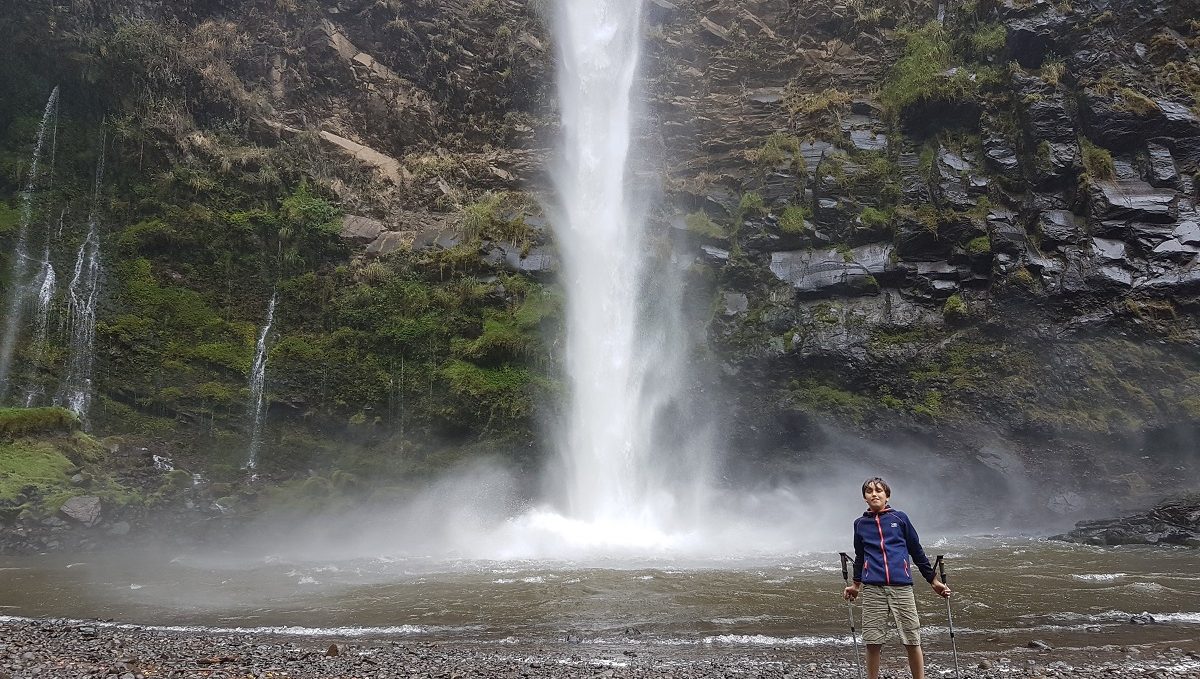
Our walk today takes us through humid forest, alongside the Pita river. This is an astonishing area for wildlife with over 80 bird and 25 tree species. We cross the river and back 11 times as we follow its course, arriving at the lovely Condor Machai water fall.
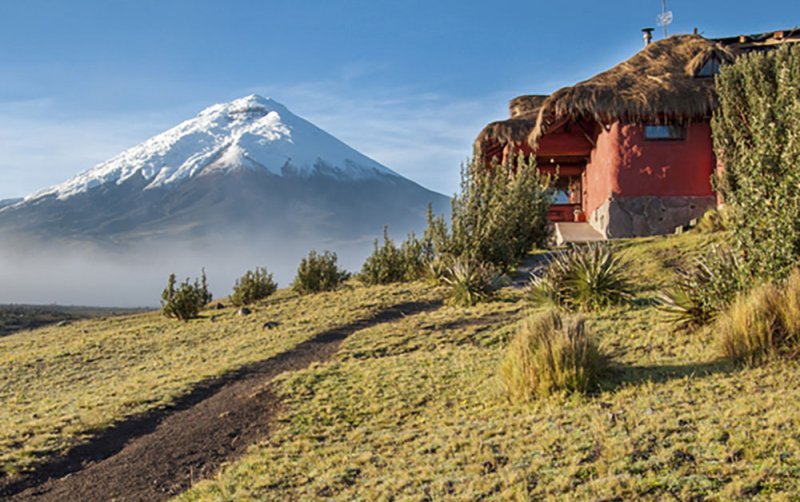
After the walk we head to our first night’s accommodation at the beautiful colonial style Cotopaxipungo Lodge (3,340m/10,960ft). This is a spa hotel, so take time to relax, book yourself a massage, enjoy the hot pools, walk through the gardens, see the guinea pig farm and so on. The cooking is exceptional and views from the dining room, in good weather, reveal many of Ecuador’s volcanoes.
Today’s hike will take around 4-5 hours, approx 10km.
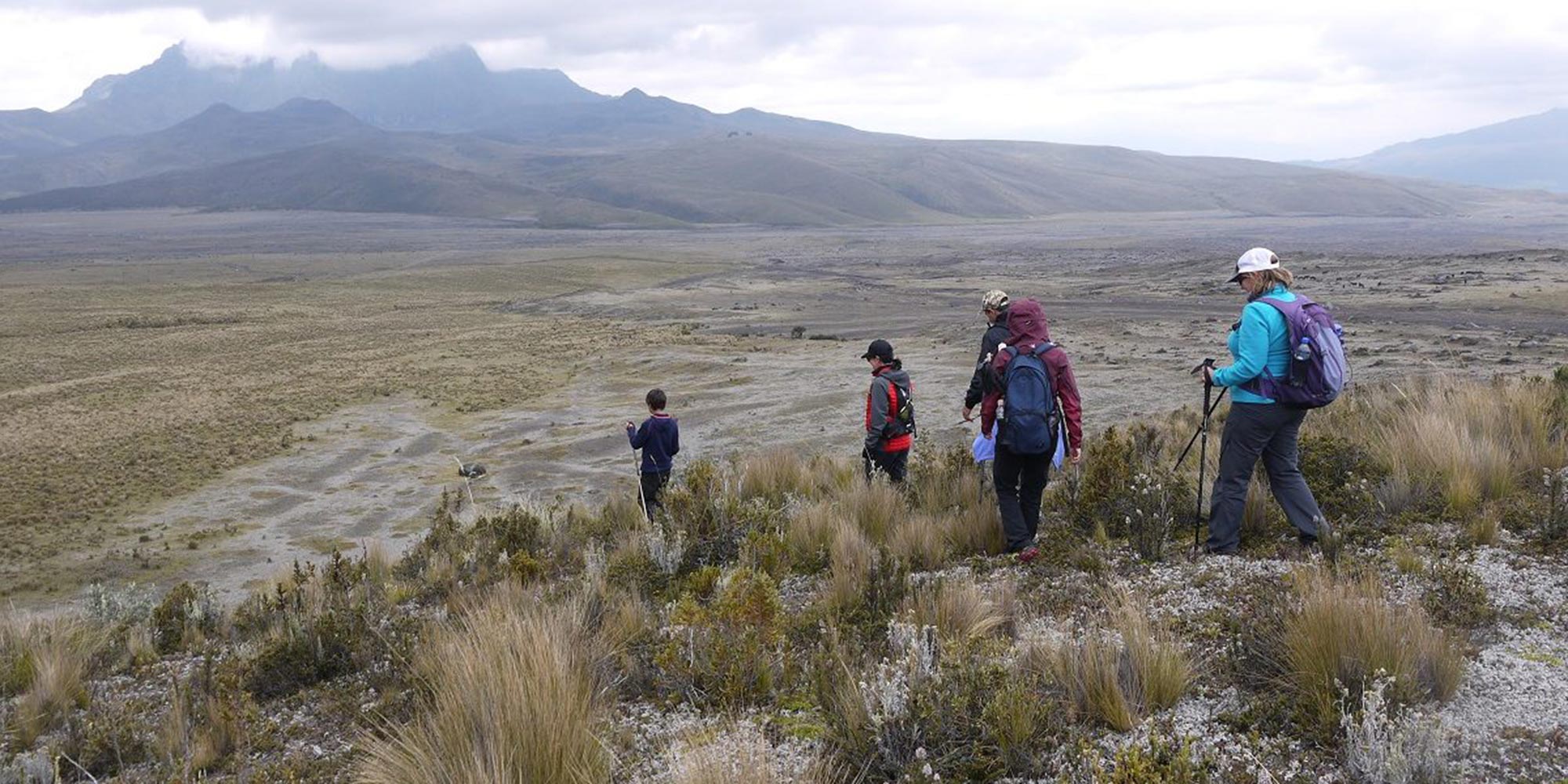
Today we set off from the lodge and hike into Cotopaxi National park. The first part of the walk is in humid Andean forest, full of humming birds and other brightly coloured tropical birds such as tanagers.
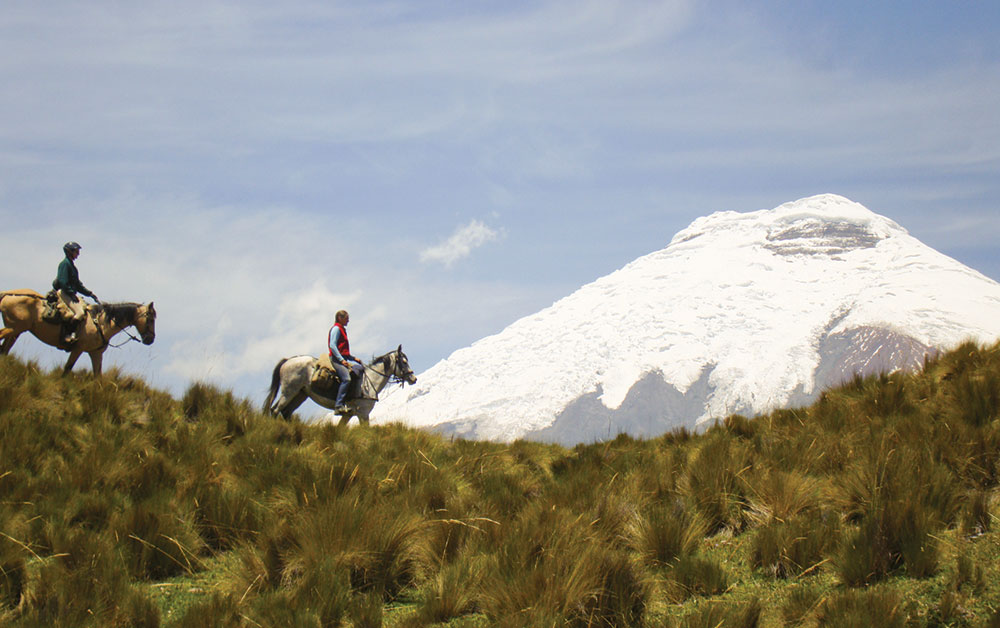
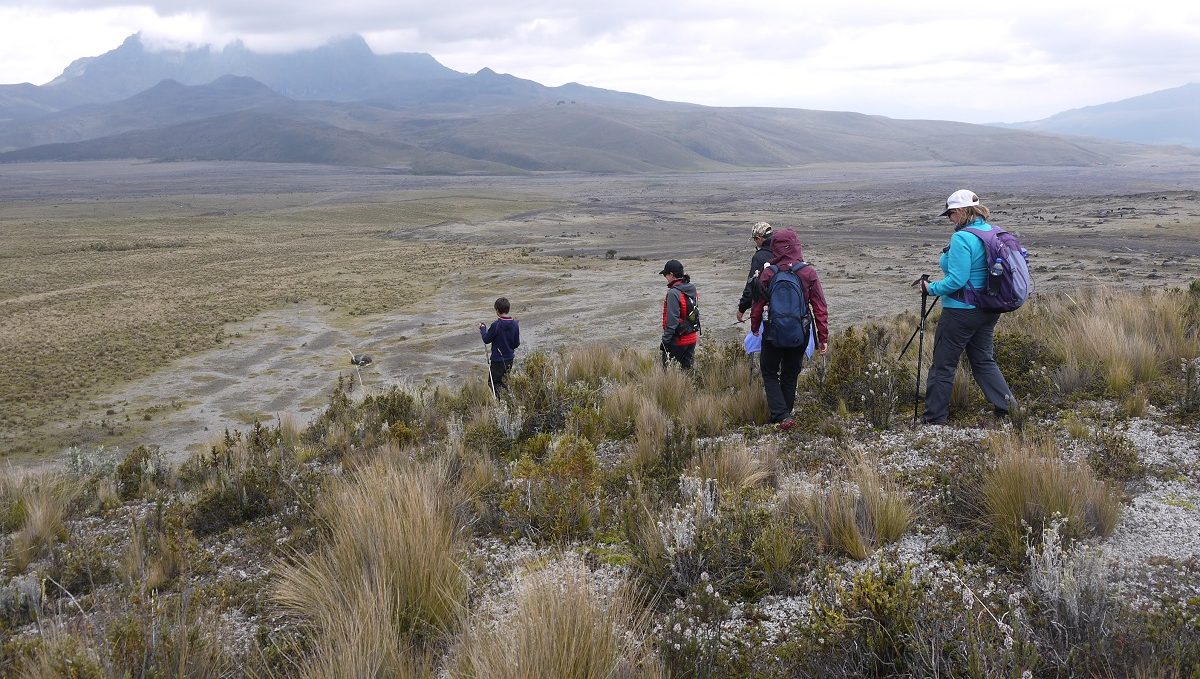
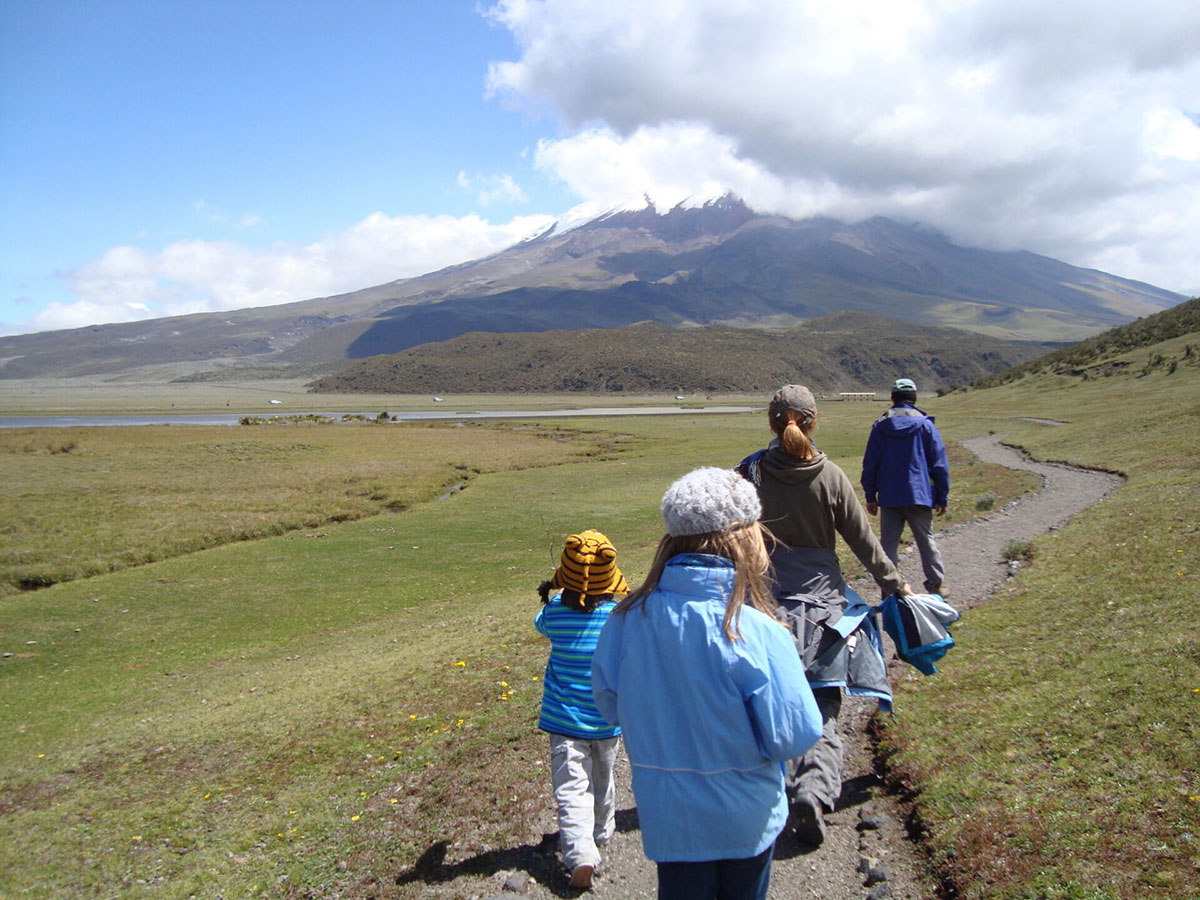
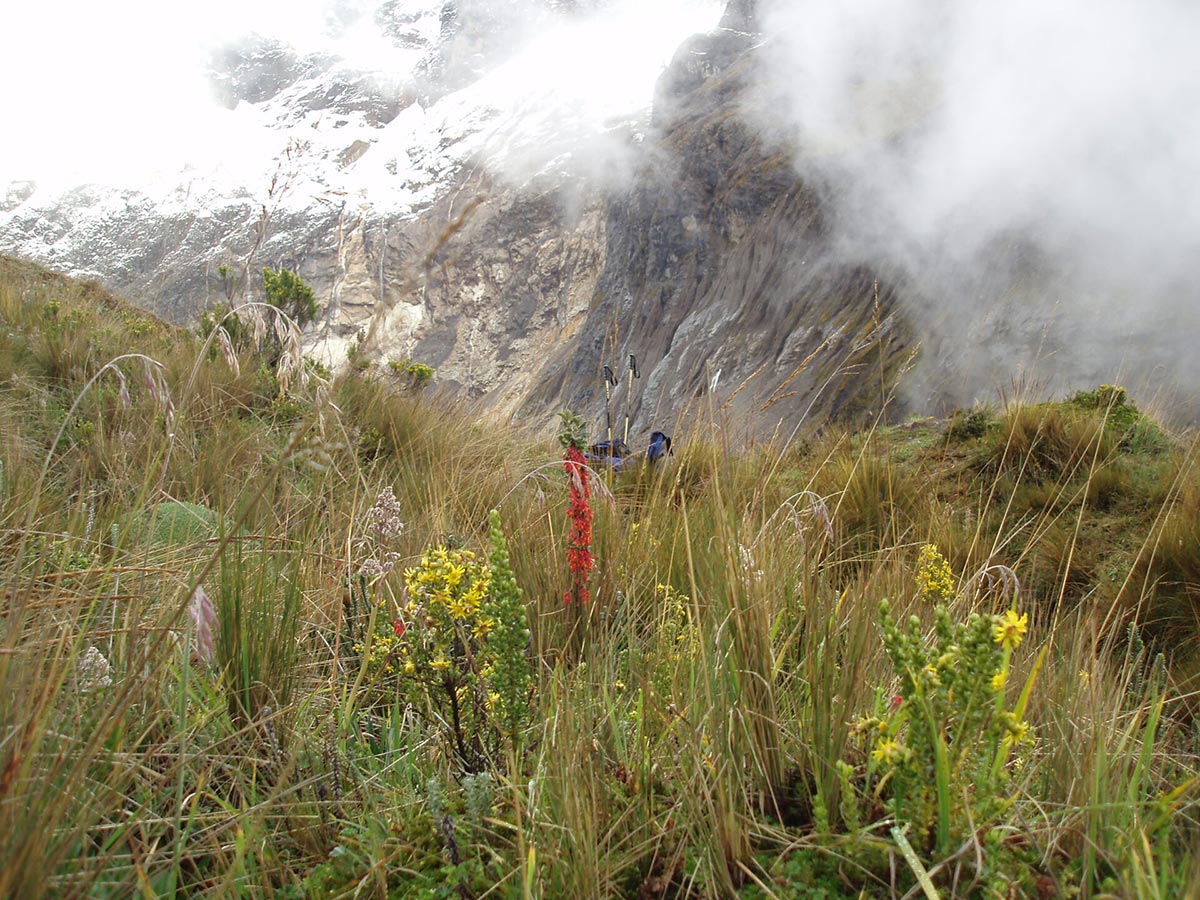
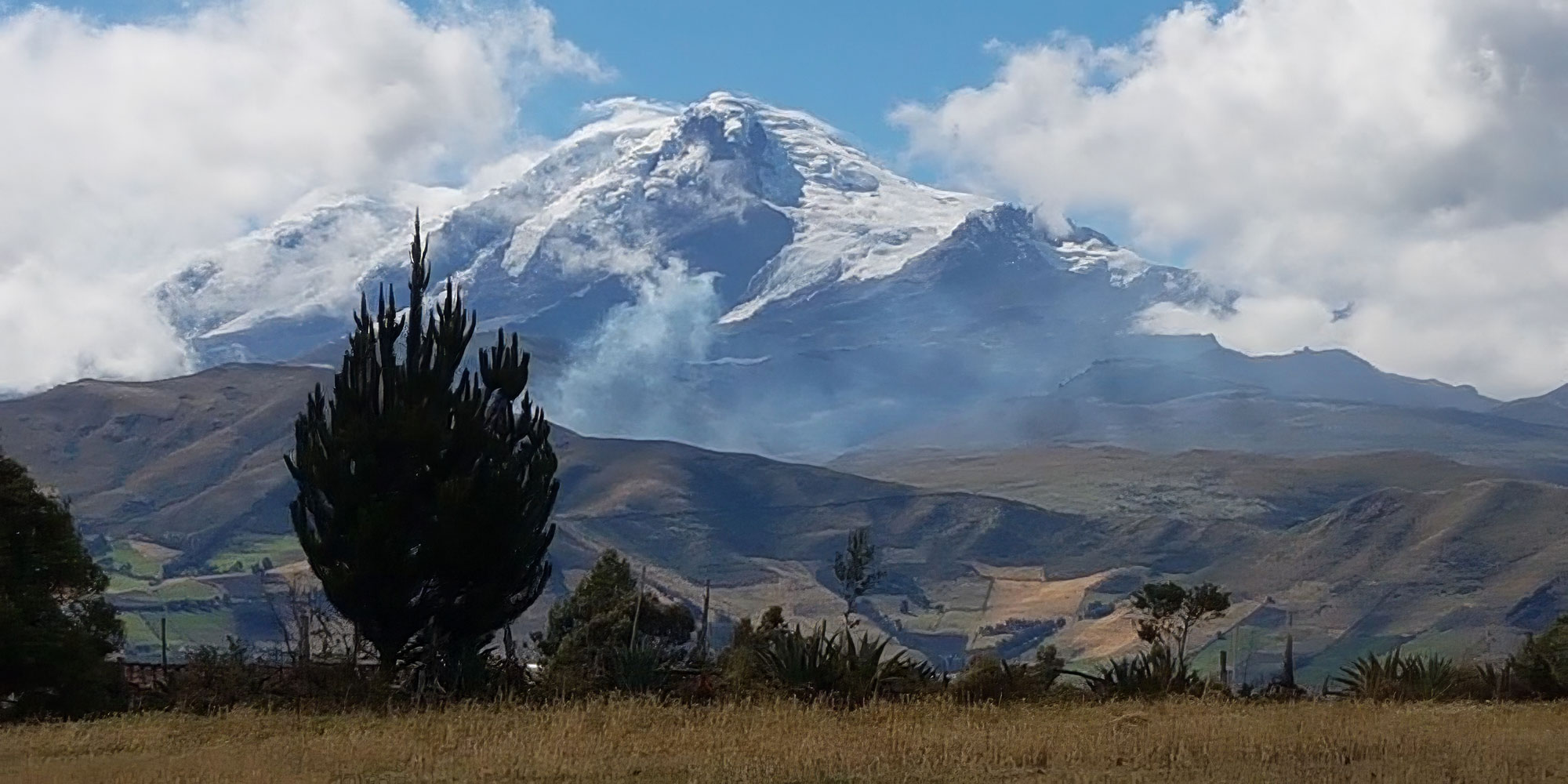
As we walk to higher elevations, into the park, the habitat changes, and we enter an area of wide open paramo grasslands. We walk across the plains with expansive views now towards Cotopaxi volcano.
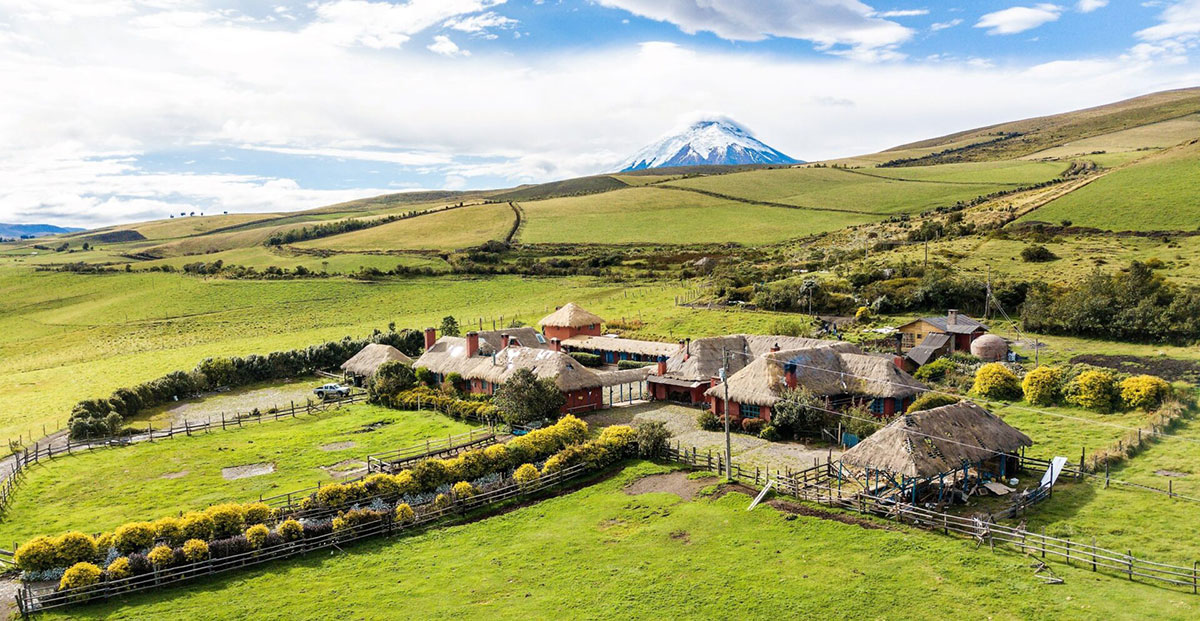
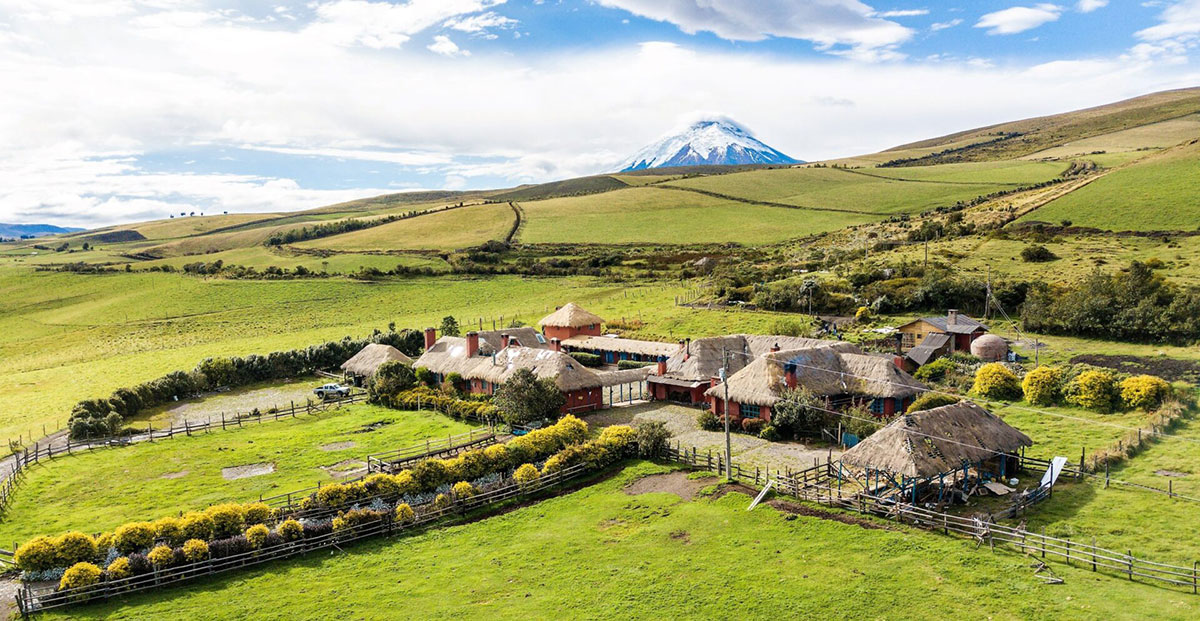
Our destination today is Hacienda el Porvenir, one of the largest working farms in Ecuador. It is a traditional group of buildings made from local materials such as brick, straw, wood and adobe that have been used for centuries. The hacienda has a hot pool and offers massage treatments, should you wish to book yourself in.
Surrounded by four volcanoes, Cotopaxi, Sincholagua, Pasachoa and Rumiñahui, enjoy the superb hospitality of this remote highland Hacienda (3,600m/11,800ft).
Today’s hike takes approximately 5- 7 hours, 18km.
Today we walk across the plains of Cotopaxi National Park. We visit one of the few Inca sites in Ecuador, a hill fort named Pucará Salitre. This would have been a fort and lookout for the Incas from where they would control the transport of goods, the movements of armies and so on across their northern territories.
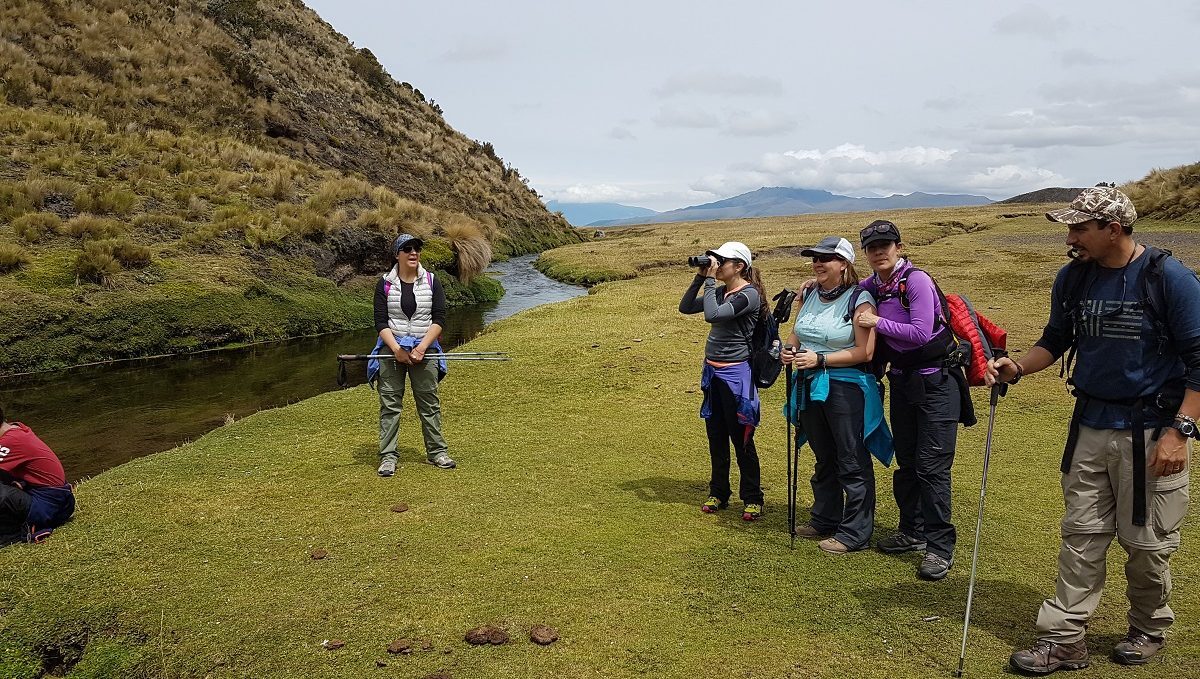
Look out today for wild horses, condors, eagles and other highland birds.
Tonight we stay at Tambopaxi Lodge (3,720m/12,200ft) in the park, which has superb views in all directions.
Today’s hike will take approximately 4-5 hours, 12km
Today is one of the tougher walks as we aim to climb the central summit of Rumiñahui. This is a long extinct volcano, 13 km/8 miles west of Cotopaxi. Rumiñahui is the name of one of the last of the Inca army leaders. He fought the Spanish invaders in 1530.
The hike is not technical, and takes four hours to get up and two hours or so to get back down. The path is rocky and there is a little easy scrambling towards the summit. On a good day the views from the summit over the vast paramo grasslands towards Cotopaxi are unforgettable.
We return to the same accommodation and relax by the fire after a great day out.
Around 6- 7 hrs/8km
Today we drive to a new mountain area – Quilotoa.
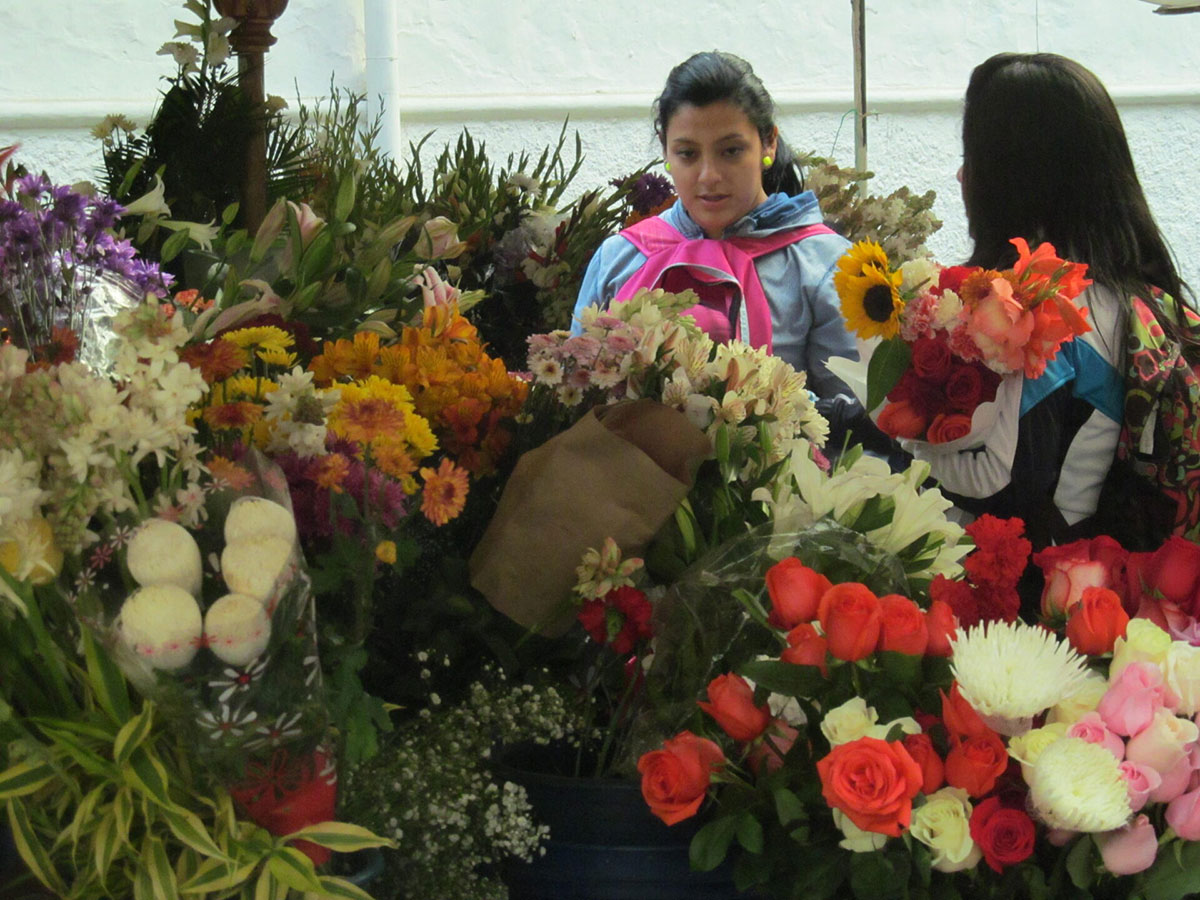
We stop on the way at the traditional village of Saquisili, where they hold the largest indigenous market in Ecuador. Most of the streets in this small town are taken up with produce stalls, each street specialising in a different product. Local people flock from all around to buy and sell their wares here.
We will drive to the start of our walk. As we are taking it easy today, we have planned a gentle downhill walk from Cerro Guingopana (4,150m/13,615ft)) for 3 hours or so to the small village of Isinlivi.
We stay overnight in a guest house, Llullu Llama (2,870m/9,430ft), or similar.
2-3 hours hiking.
Today we set off walking from the small village of Isinlivi, following a good path that leads down to the Cumbijin river. We follow the trails through small villages as it winds through this remote agricultural area. we pass farmers at work in their fields and herding their animals.
Our stop for the night is at the family-run guesthouse of Mama Hilda. Doña Hilda and her son run this welcoming guesthouse.
The hike today takes 5-6 hours. Overnight at Mama Hilda guesthouse or similar (3,200m/10,496ft)
Today we start with a 30-minute drive from Chugchilan to the crater of Quilotoa.
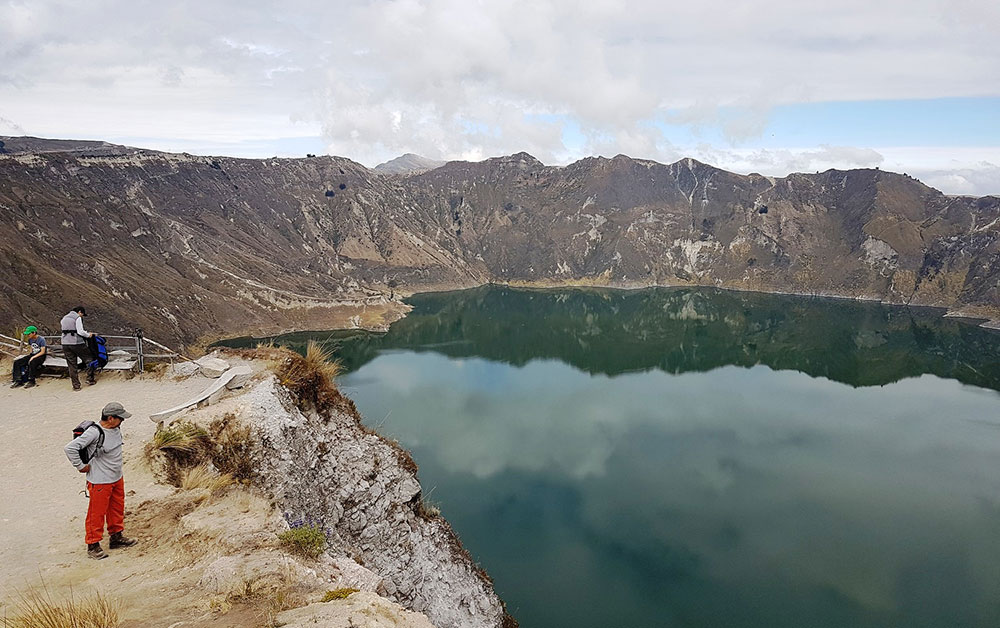
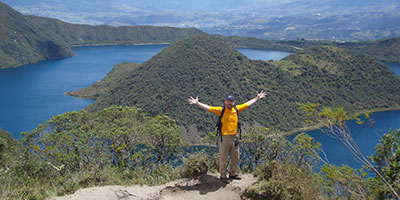
At the heart of the area is Ecuador’s most western volcano, Quilotoa, with its water-filled crater 3km across and 11 km round. It is thought that Quilotoa has erupted at least 8 times in the last 200,000 years with the last known eruption in 1280. There are signs that the volcano isn’t extinct yet with hot springs on the crater’s eastern flank and fumaroles on the lake floor.
We start our hike around the upper rim of the Quilotoa Caldera, which will allow us to have more opportunities to enjoy the different perspectives of the lake, plus reaching its highest point at 3,930m/12,890 ft.
An optional hike for the group will be to walk down 280m/918 ft into the caldera to the lake’s edge. The hike down normally takes 40 minutes and one hour to climb up.
This beautiful remote farming area is home to the indigenous Kichwa community of Tigua. The Tigua are well known throughout Ecuador for their colourful folk art: wooden carved masks and paintings of rural life. They are llama and sheep herders and paint onto sheep skins. The bright paintings are small in size with an amazing amount of detail; they generally depict farming life, beliefs, festivals, legends, and traditions.
The Tigua people set up stalls around the rim of the crater where you will have an opportunity to admire and buy their leather Tigua paintings and carved wooden masks.
The night will be spent at Posada de Tigua (3,650m/11,975ft) or similar. Today´s hike will take 5-6 hours.
We start off today by vehicle for the drive of around 1.5 hours to Ambato, known as the city of flowers and fruit, and onwards from there towards Chimborazo.
We will lace up our boots and do a short afternoon walk today, around 2 hours.
We spend tonight at Chimborazo Lodge (4,000m/13,100ft) at the base of Chimborazo. It is owned by Marco Cruz, one of the first first mountain guides in Ecuador. The hotel has a selection of old photographs that depict the history of Ecuadorian mountaineering.
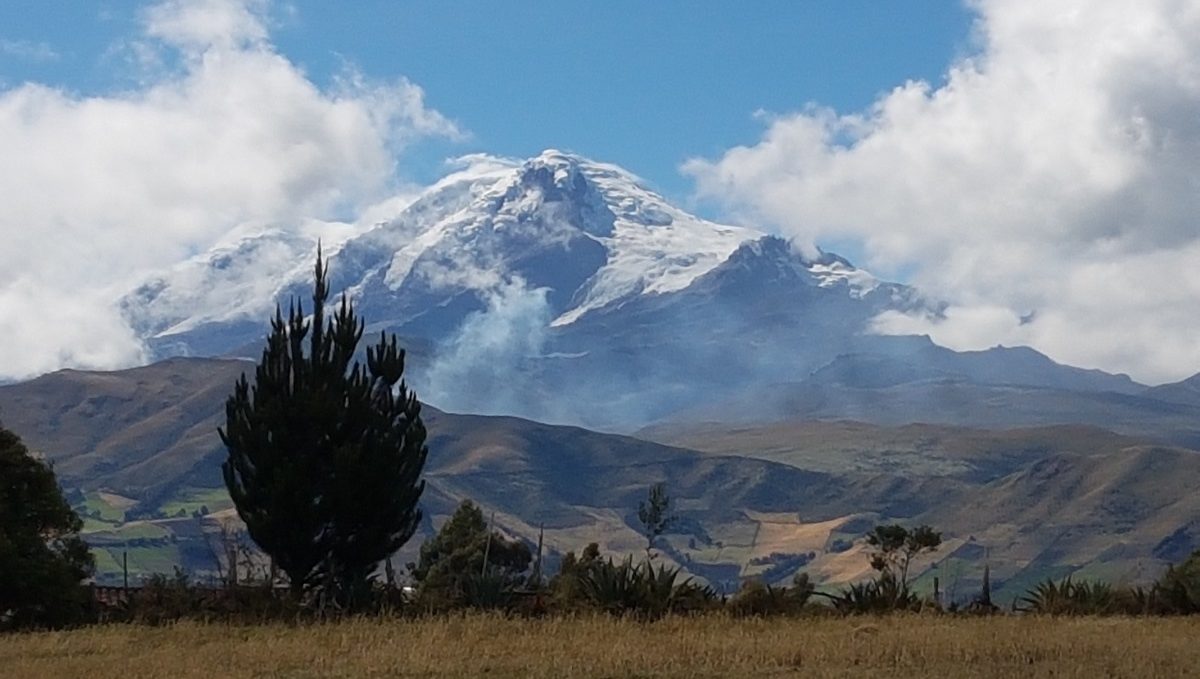
Today we start with a short drive to Carrel hut on Chimborazo at 4,800m. We hike to Whymper hut (5,000m/17,748ft), named after Edward Whymper, the British mountaineer who made the first ascent of Chimborazo. We continue to some rock sculptures known as the Whymper needles (5,250 m/17,220 ft). This is the highest point on our trekking trip.
We trek for about 4 hours today.
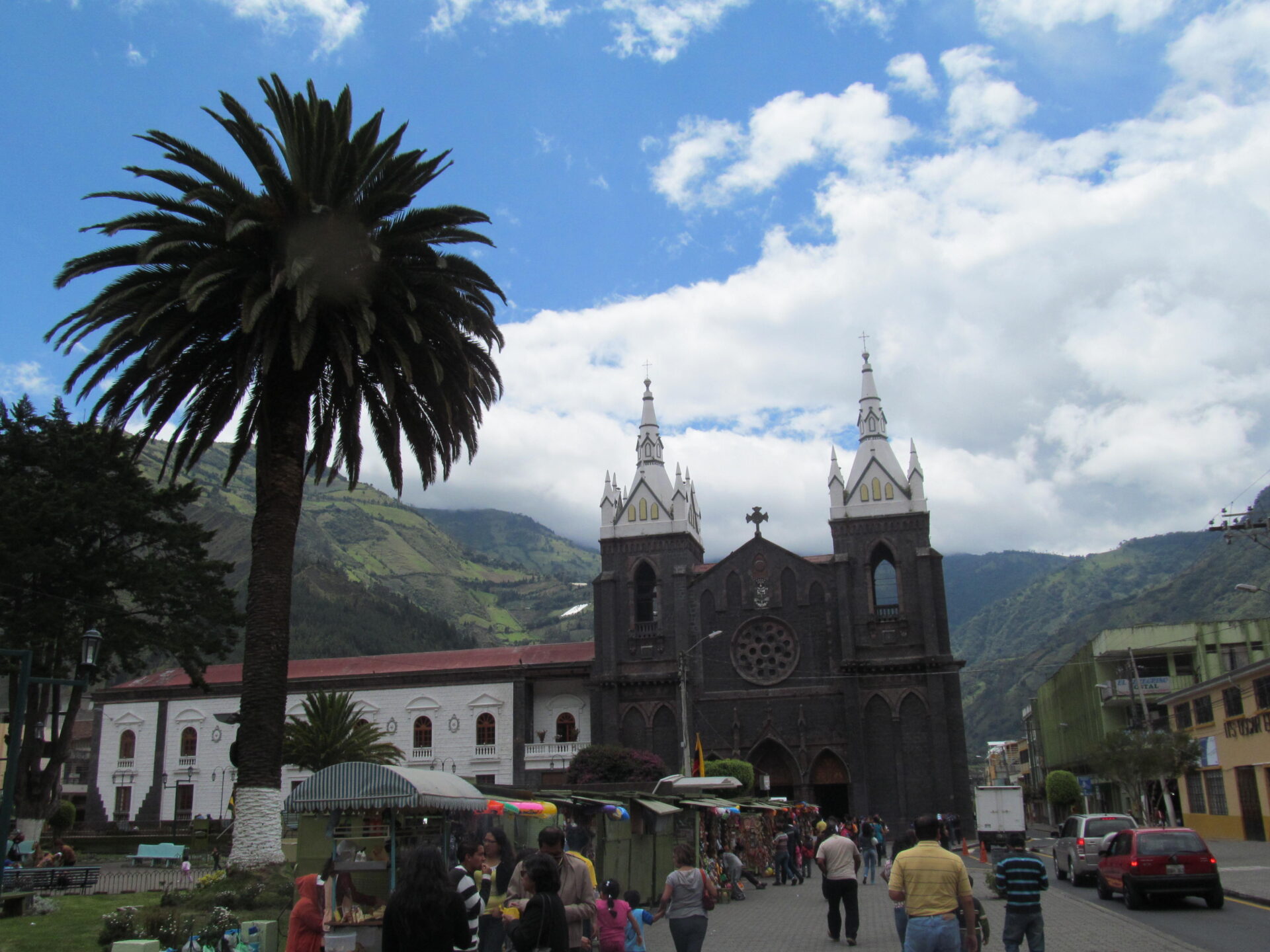
We drive to our accommodation in the small town of Baños in the cloud forest. (1,990m/6,232ft)
We spend the day exploring the small town of Baños, and the forested area around it.
We will drive a short distance to where we can hike the route of the waterfalls. This is lush cloud forest with plenty of opportunity to see hummingbirds and enjoy the deep canyons carved by fast flowing rivers.
Overnight in the town of Baños (1,900 m / 6,232 ft.)
Baños is a warm tropical town, home to many adventure activities, such as rafting and biking.
The town is nestled at the foot of Tungurahua volcano which has been active over the past few years..
Spend the morning visiting the hot springs and water falls or wander in town.
In the afternoon we drive back to Quito, arriving around 18.00.
Your tour ends after breakfast today.
| Departure | Return | Duration (days) | Price from ($) | |
|---|---|---|---|---|
| 7 Nov 2026 | 19 Nov 2026 | 13 | $2670 | Check availability |
| Departure | Return | Duration (days) | Price from ($) | |
|---|---|---|---|---|
| 5 Dec 2026 | 17 Dec 2026 | 13 | $2670 | Check availability |
| Departure | Return | Duration (days) | Price from ($) | |
|---|---|---|---|---|
| 2 Jan 2027 | 14 Jan 2027 | 13 | $2670 | Check availability |
| Departure | Return | Duration (days) | Price from ($) | |
|---|---|---|---|---|
| 6 Feb 2027 | 18 Feb 2027 | 13 | $2670 | Check availability |
| Departure | Return | Duration (days) | Price from ($) | |
|---|---|---|---|---|
| 6 Mar 2027 | 18 Mar 2027 | 13 | $2670 | Check availability |
| Departure | Return | Duration (days) | Price from ($) | |
|---|---|---|---|---|
| 3 Apr 2027 | 15 Apr 2027 | 13 | $2670 | Check availability |
| Departure | Return | Duration (days) | Price from ($) | |
|---|---|---|---|---|
| 1 May 2027 | 13 May 2027 | 13 | $2670 | Check availability |
| Departure | Return | Duration (days) | Price from ($) | |
|---|---|---|---|---|
| 5 Jun 2027 | 17 Jun 2027 | 13 | $2670 | Check availability |
| Departure | Return | Duration (days) | Price from ($) | |
|---|---|---|---|---|
| 3 Jul 2027 | 15 Jul 2027 | 13 | $2670 | Check availability |
| Departure | Return | Duration (days) | Price from ($) | |
|---|---|---|---|---|
| 7 Aug 2027 | 19 Aug 2027 | 13 | $2670 | Check availability |
| Departure | Return | Duration (days) | Price from ($) | |
|---|---|---|---|---|
| 4 Sep 2027 | 16 Sep 2027 | 13 | $2670 | Check availability |
We use a variety of fabulous lodges, haciendas (working farms) and friendly locally owned guesthouses and hotels for this trip, with en-suite bathrooms when available.
Read more about the fabulous lodge accommodation you’ll enjoy en route.
This itinerary is medium level walking and suitable for good walkers.
However, that said, it does take place at altitude and this can affect people in different ways so it is best to take a day or two in Quito on arrival, take it easy on arrival and make sure that you are aware of the symptoms of altitude sickness.
All hotels/lodges included breakfast, these will feature juices, hot drinks, toasts, fruits, cereals and eggs.
Many lunches are included, usually a healthy box lunch.
Please let us know if you have any special dietary requests or food allergies, we can cater for almost all requirements with advance notice.
Our specially selected guides are great with kids and adults alike, and will help to bring the area alive for everyone.
All of our guides are qualified in first aid and speak English and will answer your questions and interact with the locals you meet.
Training is a vital investment in our guides to ensure the security and safety of all our trips and is ongoing.
An unforgettable Ecuador and Galapagos journey filled with wildlife, culture, and breathtaking landscapes from volcanoes to sea.
An outstandingly organised Ecuador climbing trip with excellent guides, successful ascents, and superb service from start to finish. Truly the perfect adventure.
Over 13 days, explore fabulous mountain areas of Ecuador in a small group of like-minded trekkers.
This is one of the only multi-day treks in Ecuador where you do not sleep in tents, instead you have the luxury of a range of characterful accommodation in ideal locations.
The tour will take you through 3 of the most beautiful mountain regions of Ecuador: Cotopaxi, Quilotoa and Chimborazo.
On your walks you pass by spectacular waterfalls and follow beautiful valleys, staying at a variety of lodges, wonderful hotels and working haciendas along the way.
Read more about the fabulous lodge accommodation you’ll enjoy en route.
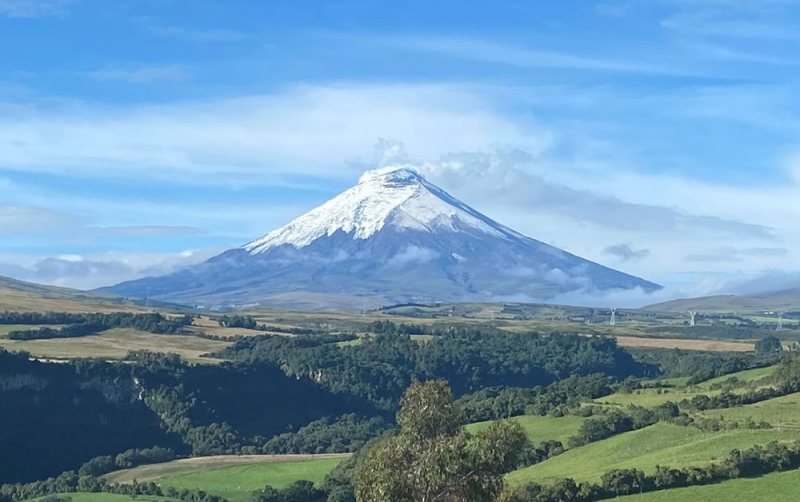
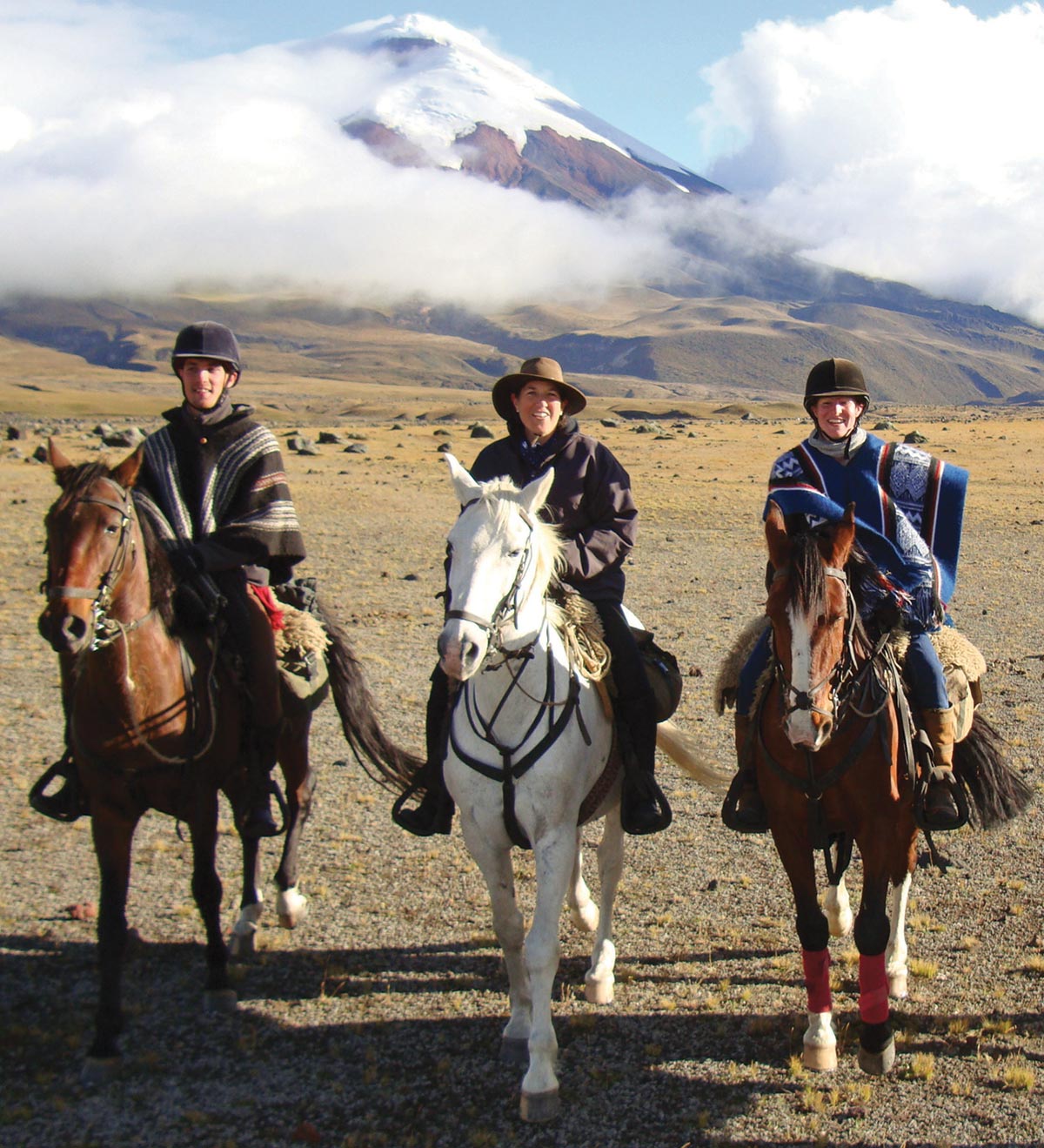
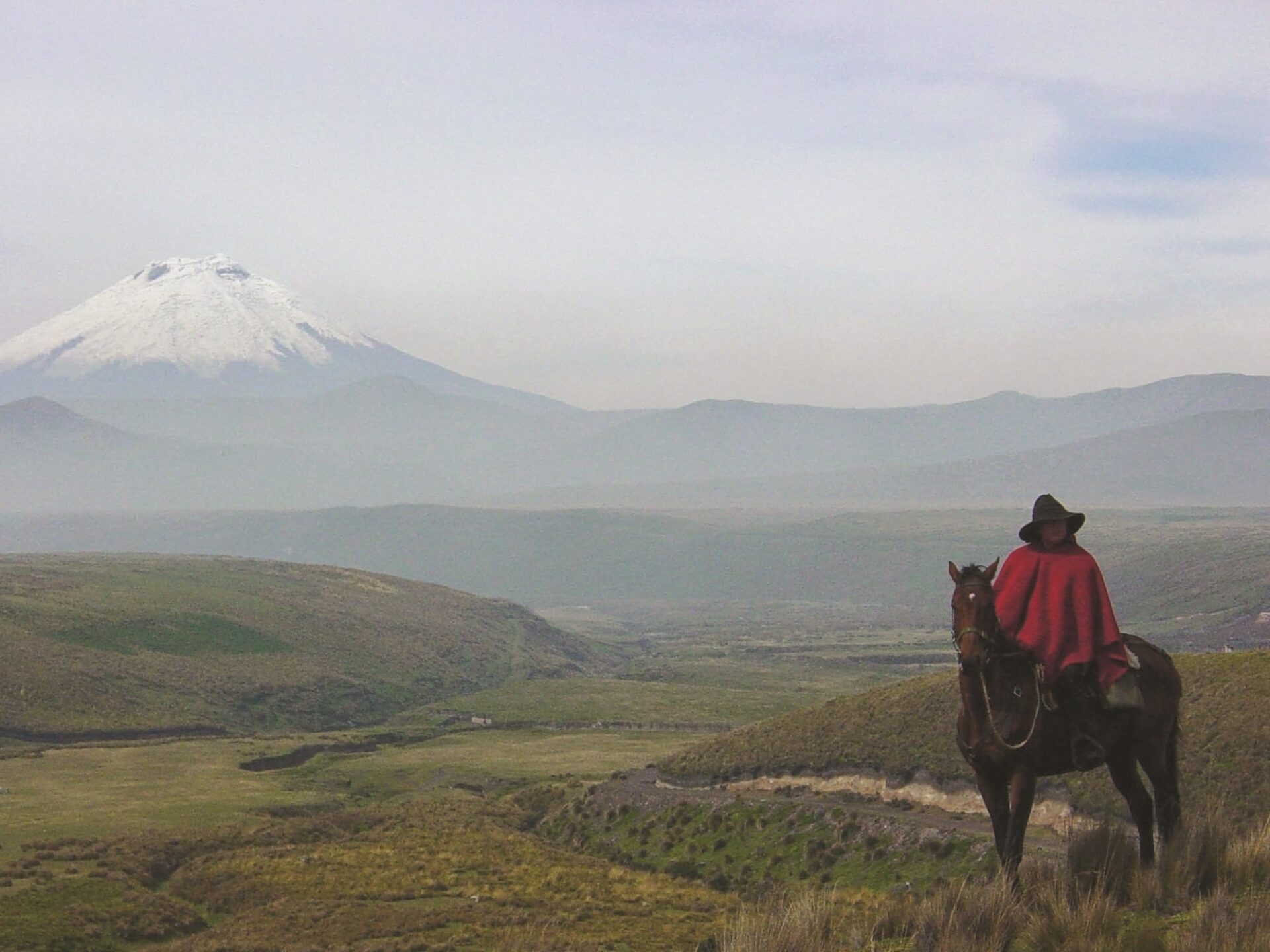
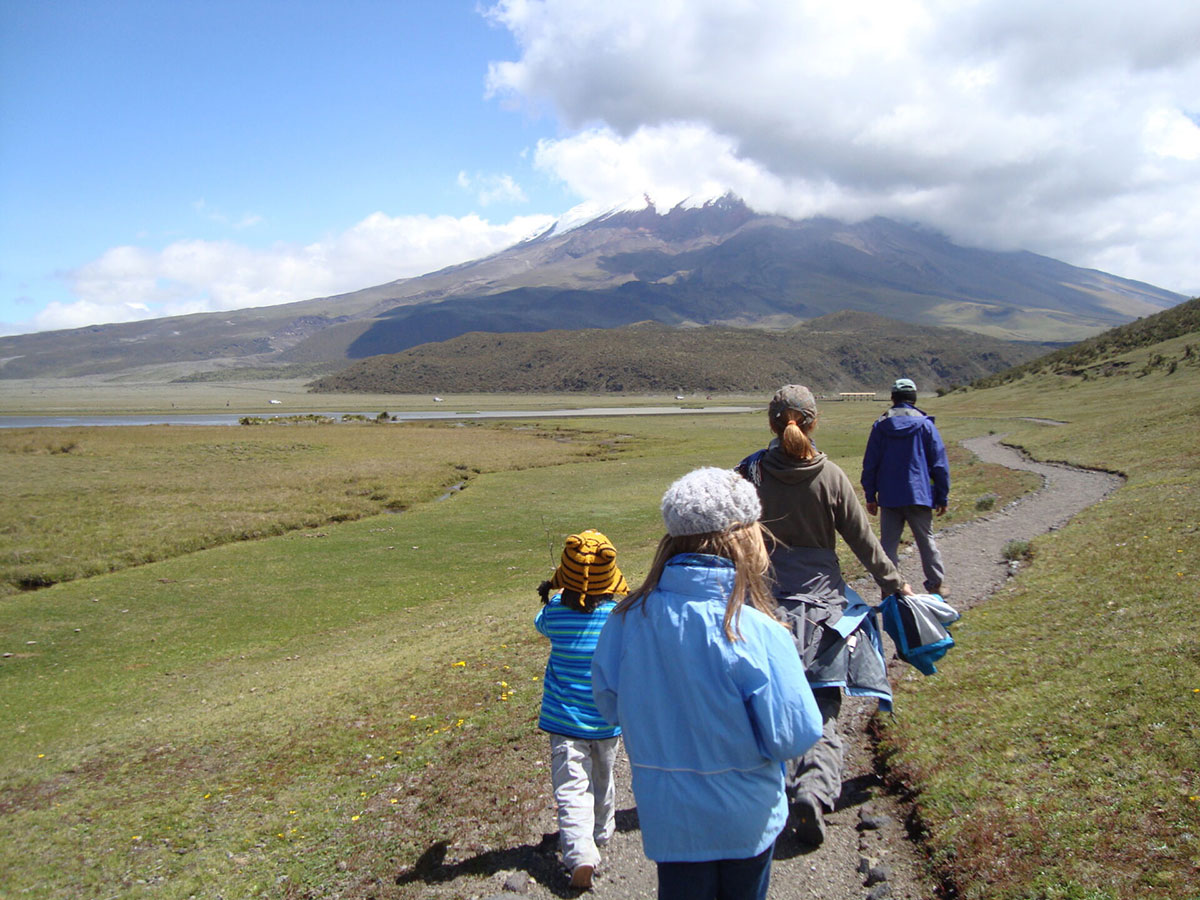
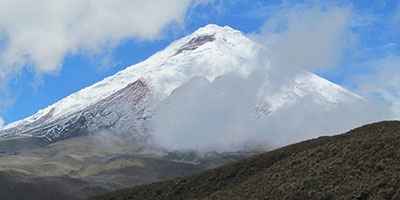
You will trek into Cotopaxi National Park, with up close views of the glacier covered peak of Cotopaxi right at the heart of the park.
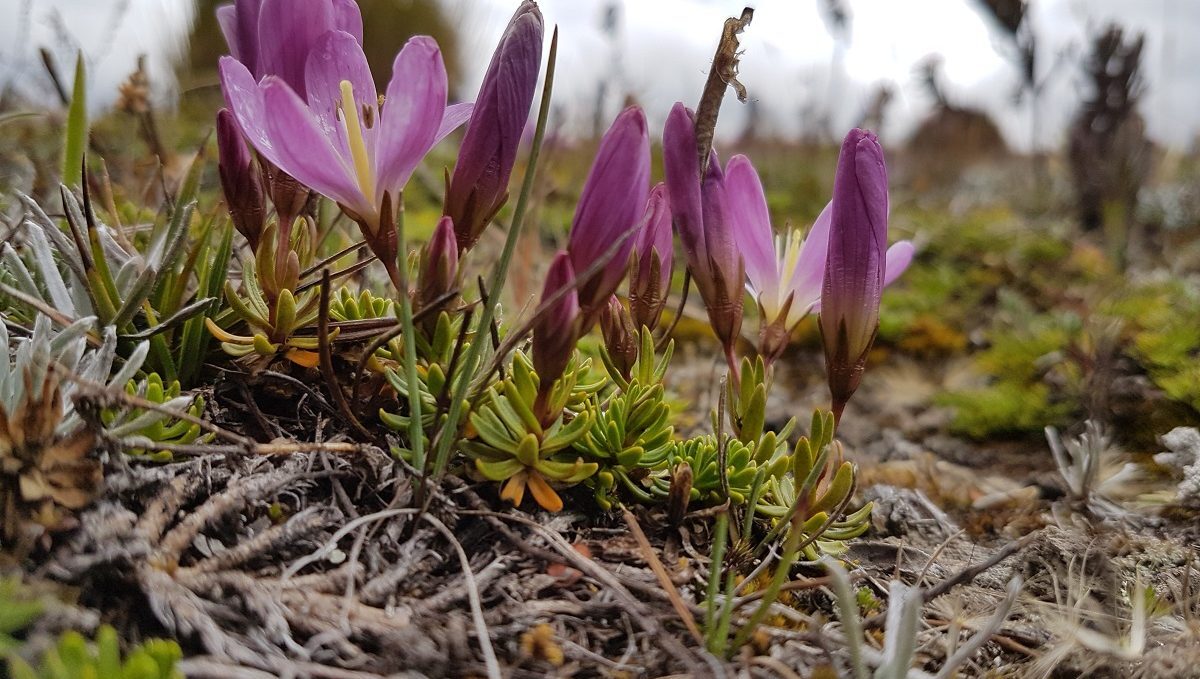
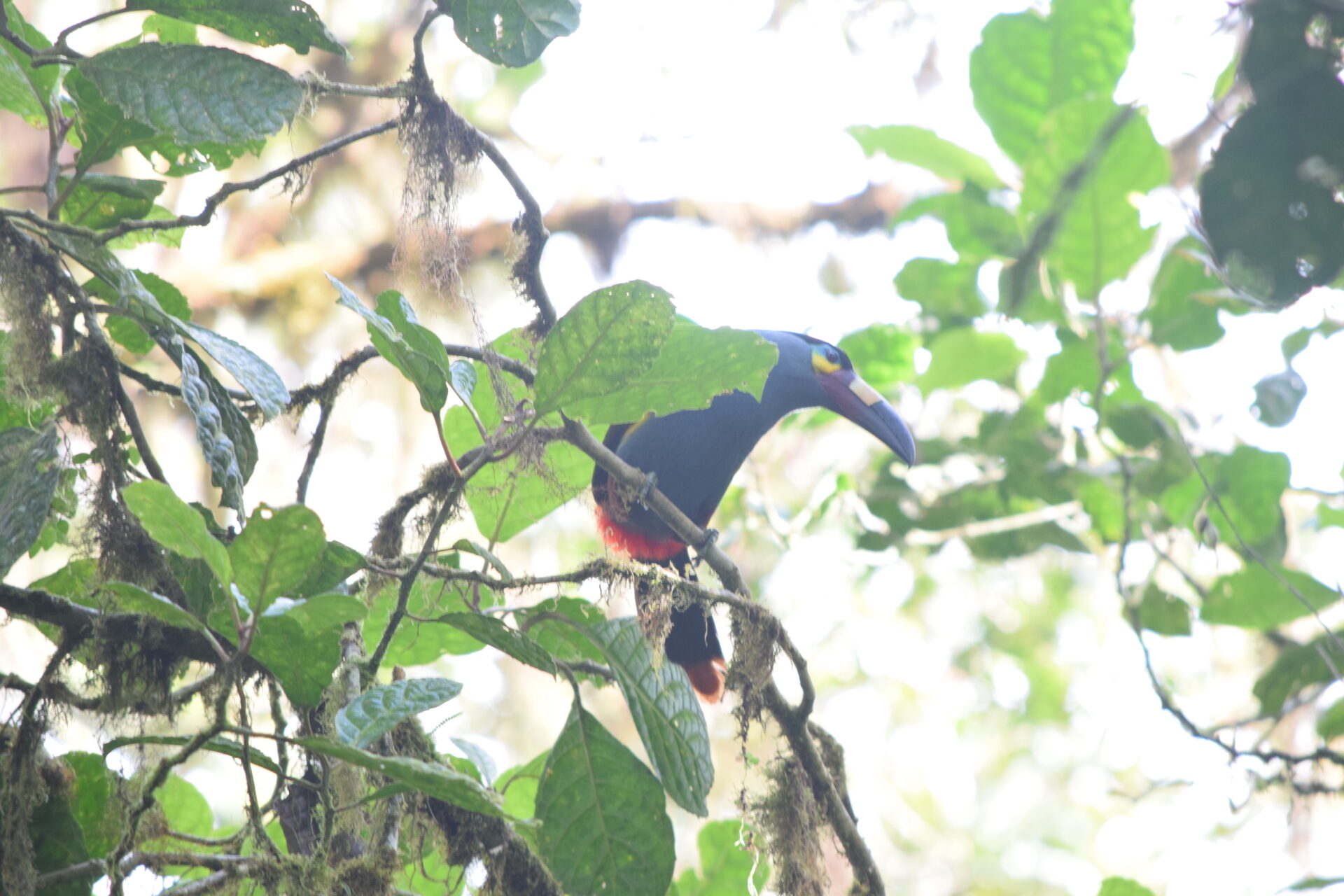
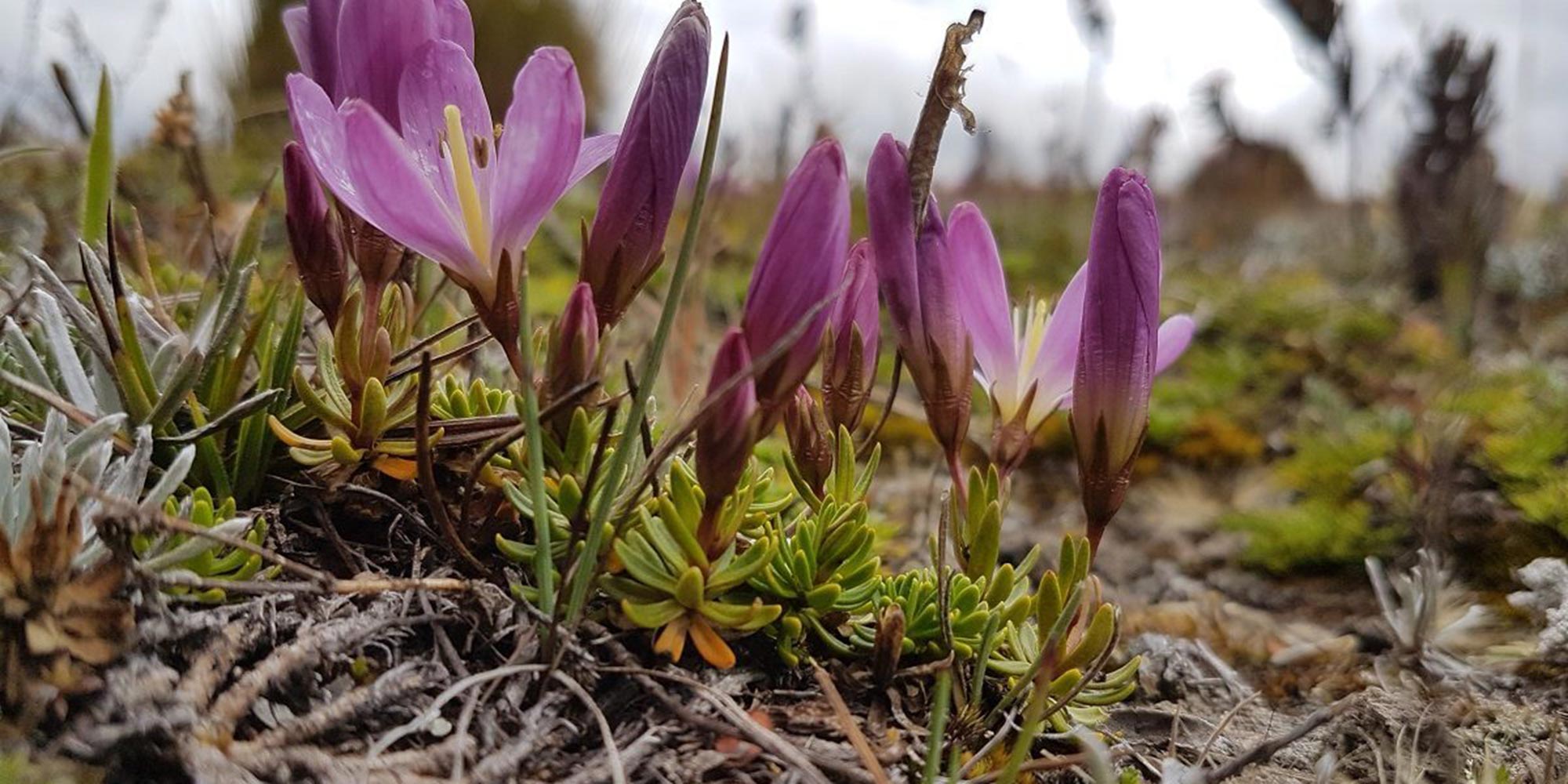
The vegetation changes from the humid Andean forests to the high altitude grasslands known as “paramo”. Humming birds and other brightly coloured tropical birds accompany you at lower elevations. As you go higher and walk through the grassland look out for wild horses, the Andean Condor, Black Chested Buzzard Eagles, Puna Ibis, and more.
Next is the hilly farming region of Quilotoa, where you visit the colourful market of Saquisili and walk round the deep blue crater lake of Quilotoa volcano.
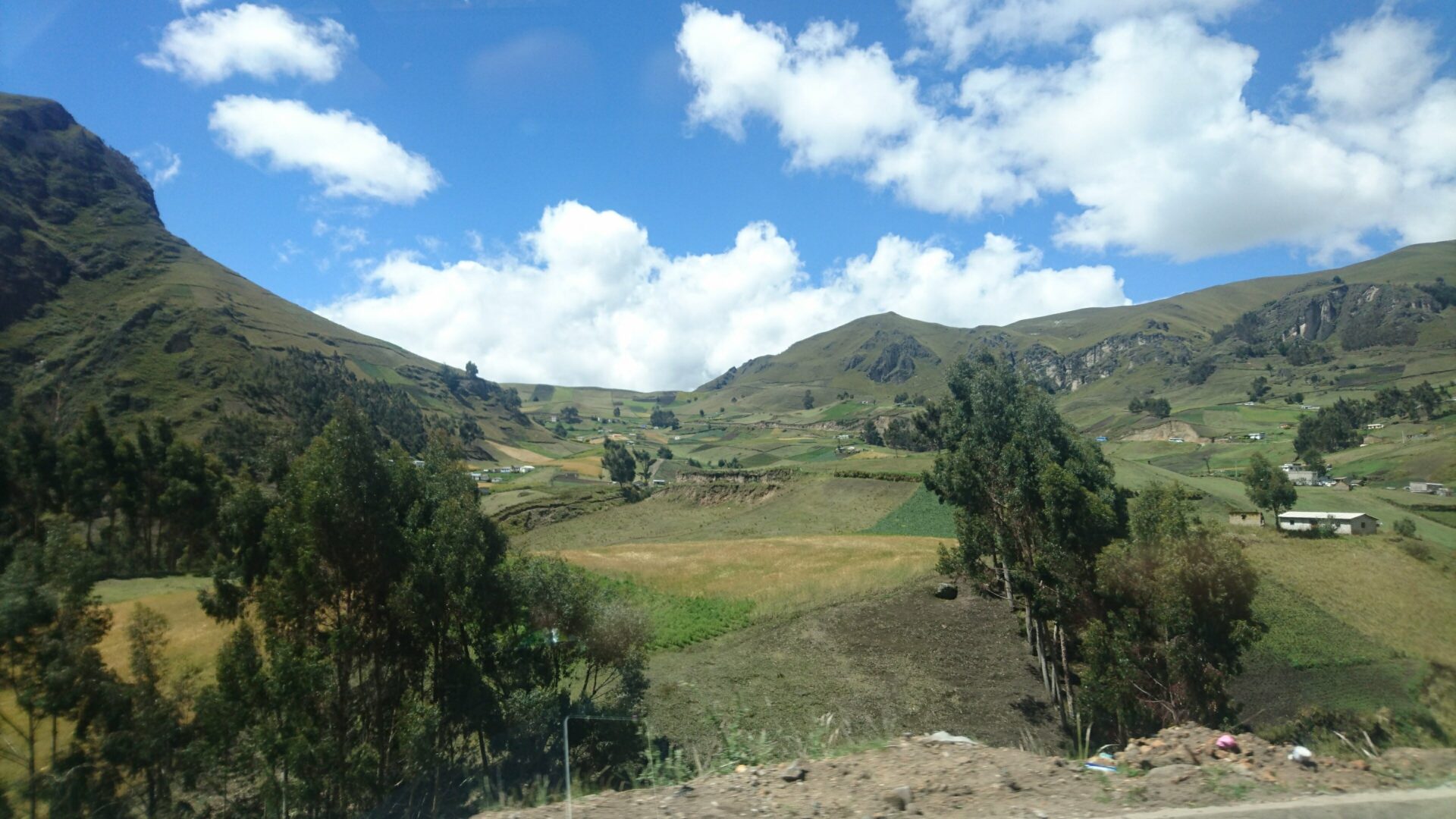
The landscape here is stunning, a patchwork of fields across steep mountain sides, with deep gorged out valleys. The many mountain paths that criss-cross the area link together and are ideal for this multi-day trek. We see several remote villages and have the opportunity to chat to and learn about the traditions and working life of Ecuador’s rural people.
The last few trekking days are spent walking in Chimborazo Reserve, home to Ecuador´s highest volcano, Chimborazo. The tour ends with a visit to Baños, then return to Quito.
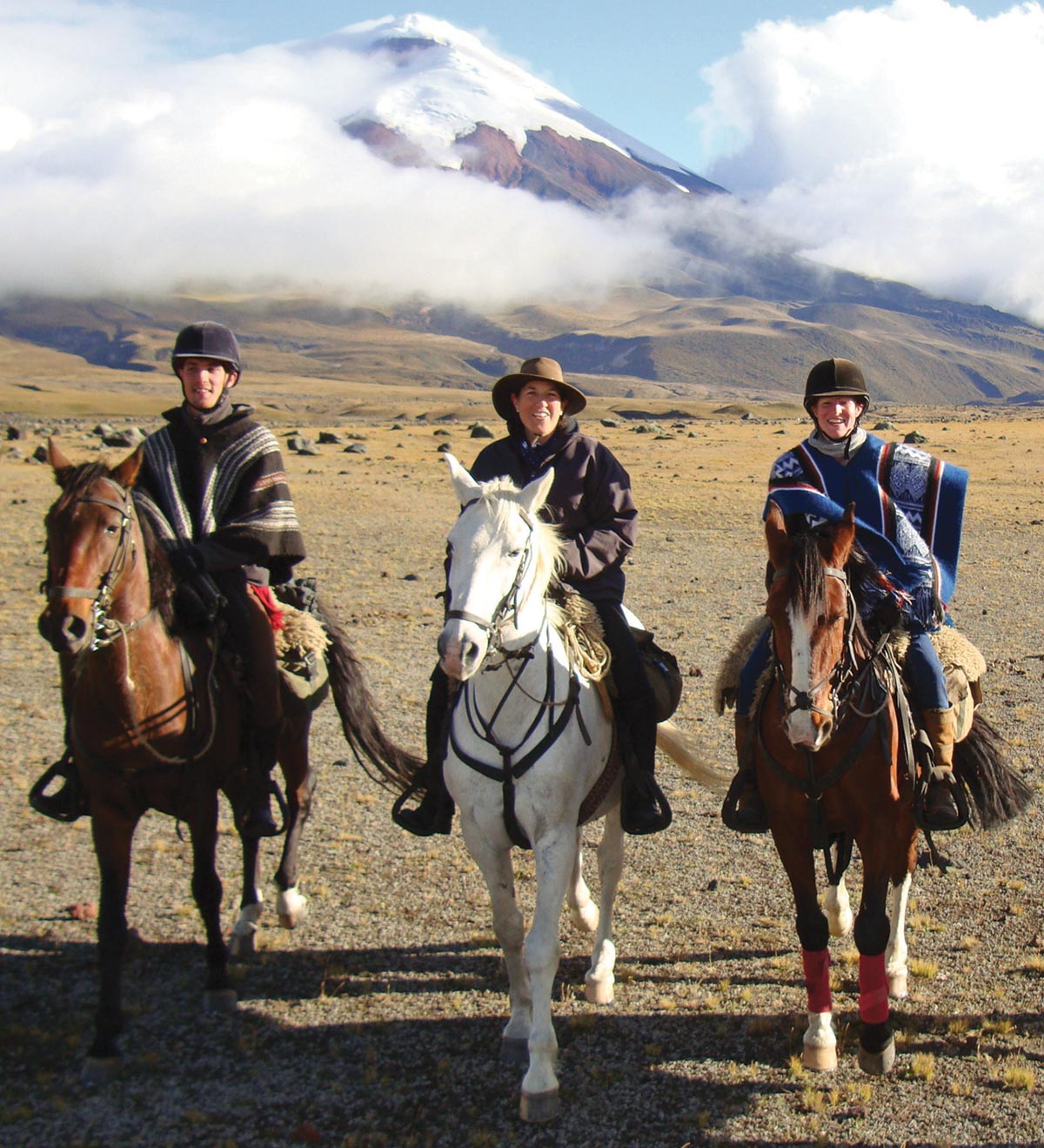
Ecuador is one of the best of all the Andean countries for multi-day trekking holidays as well as day walks. We have planned this route to include the best and most interesting places to stay, some historical, colonial haciendas, some local high mountain lodges, some beautiful hotels with views.
These haciendas are old colonial Spanish style farms. They have been adapted to accommodate tourists and visitors in some degree of comfort. Staying at the haciendas gives a good insight into farming life as most are still working farms, and also allow you to experience some excellent Ecuadorian hospitality.
From: $3372 per person
Duration
13 days

From: $2970 per person
Duration
15 days

From: $2092 per person
Duration
7 days
Good kit is vital for every trip.
Book with Andean Trails and get 15% off Páramo’s fantastic ethical and high performance outdoor gear.
We provide all technical equipment on activities.
During the day hopefully it will be generally sunny enough for shorts and T-shirts though having a fleece and rain gear handy is advisable. It can and will get cold in the highland areas, especially in the evenings so bring a warm fleece jacket, a good waterproof and some warm clothes including thermal underwear, gloves, scarf and woolly hat as well as one set of smarter clothes for Quito.
In the cloud and rainforest we recommend you wear long-sleeved shirts and trousers to avoid the strong tropical sun and persistent sand flies.
We carry a first aid kit on all trips, but this is generally for emergencies only.
Festival: Carnaval
Colourful parades and throwing water.
Location: Guaranda and countrywide.
Festival: Semana Santa / Holy Week
Gran Poder parade.
Location: Quito.
Festival: Mama Negra
Religious street parade featuring “Mama Negra” – a man dressed garishly as a woman.
Location: Latacunga.
Festival: Día de los Difuntos / Day of the Dead
Visits to cemeteries and “feasts” at the graves of loved ones.
Location: Otavalo area, Calderón and countrywide.
Festival: Paseo del Niño / Baby Jesus parade
Children parade the streets on horseback accompanied by their families.
Location: Cuenca.
These peaks are non-technical and are suitable for acclimatising prior to tackling one of Ecuador’s big volcanoes. We recommend several days in Quito and at least two peaks before doing our mountaineering course or attempting peaks over 5,000m / 16,404ft.
Guagua Pichincha: 4,794m / 15,728ft. An active volcano on the outskirts of Quito that last erupted in October 1999. This is a readily accessible and scenic acclimatisation climb that offers fabulous views from the crater’s rim.
Rumiñahui: 4,634m / 15,203ft. Named after Atahualpa’s general who led the fight against the Spanish conquistadors after Atahualpa was murdered. Legend has it that Rumiñahui hid a large cache of the Inca ruler’s gold in an undisclosed and still unknown location. This climb is a good acclimatisation warm-up in Cotopaxi National Park and offers magnificent views of Cotopaxi.
Imbabura: 4,630m / 15,190ft. The peak overlooking Otavalo. It is a long walk up, with a short scramble near the summit. The summit ridge offers great views of Imbabura’s impressive open crater and Lago San Pablo.
Ilinizas Norte: 5,126m / 16,818ft. An excellent acclimatisation peak with a bit of a scramble to reach the summit and magnificent views. Although it looks like a large pile of rock rubble, the rock is pretty good by Ecuadorian standards.
Pasachoa: 4,199m / 13,776ft. An ancient, severely eroded volcano inactive since the last ice age. It is 30km south of Quito. There is a short scramble from the top of the grassy ridge to the summit.
Carihuayrazo: 5,100m / 16,732ft. An ideal acclimatisation peak in conjunction with the Abraspungo trek. It is also a good place to practise basic glacier skills, use of crampons and ice-axe self-arrest. Loose rock and scree to cross above the glacier and then a scramble to reach the summit.
Cubilche: 3,800m / 12,467ft. Around 14km from Otavalo, a dormant volcano with five small craters on the top. An ideal acclimatisation peak.
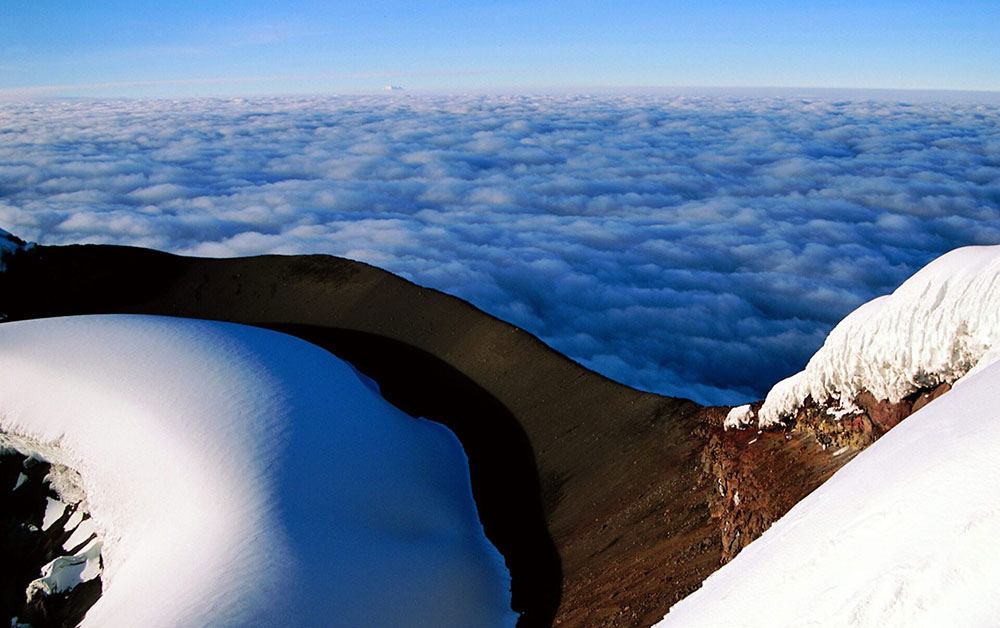
Cotopaxi: 5,897m / 19,347ft. Ecuador’s second-highest peak and one of the highest active volcanoes in the world. It is a nearly perfect snow-capped volcanic cone situated 55 kilometres south of Quito in Cotopaxi National Park. We drive to just below the refuge (4,800m / 15,748ft) and from there it is a 6–8 hour climb to the summit, mostly on steep snow and ice slopes. First climbed in November 1872 by Angel Maria Escobar (Colombia) and Wilhelm Reiss (Germany). Currently active.
Cayambe: 5,790m / 18,996ft. The highest and coldest point on the equator. It is the only place on earth where the latitude is zero degrees and so is the temperature. Long thought extinct, Cayambe is now deemed to be active and is closely monitored.
Chimborazo: 6,310m / 20,702ft. Ecuador’s highest peak and one of the most impressive in all the Andes. Measured from the centre of the earth, it is the highest mountain in the world. Chimborazo is the southern-most peak in the Cordillera Occidental chain. First climbed in 1880 by Jean Antoine and Louis Carrel (Italy) and Edward Whymper (UK). Best time for climbing is during late January and early February.
Antisana: 5,758m / 18,891ft. Big, high and covered in crevasses. Wild and remote, offering some of the most interesting climbing in Ecuador. Climbing Antisana is serious and as technically difficult as Cayambe. This peak has seen relatively few ascents.
Ilinizas Sur: 5,263m / 17,267ft. A technical climb requiring crampons, ice axe, knowledge of self-arrest, glacier travel and crevasse rescue skills. The route is suffering from glacial retreat.
Ecuador lies between latitudes 4º south and 2º north. Overall, climate varies according to time of year, altitude and region.
In the Ecuadorian highlands, there is little temperature variation by season as temperature depends largely on altitude.
In Quito, shade temperatures range from 6 to 10ºC in the morning and from 19 to 23ºC in the afternoon, with cool nights. In the lower basins between mountains, it gets significantly warmer.
Rainfall depends on whether an area lies closer to the eastern or western Andes. To the west, June-Sept is the dry period and Oct-May the wet (with often a short, dry spell in Dec or Jan).
The best period to visit Quito and trek and climb volcanoes such as Cotopaxi is the west Andean dry season of June-Sept and Dec/Jan. This is also Ecuador’s high season. During the Oct-May wet season, most rainfall is in the afternoons.
To the east, Oct to Feb are dry and Mar-Sept are wet. Overall, the southern highlands are drier than the northern highlands.
On the Pacific coast, rainfall becomes less from north to south. The coast can be enjoyed year-round, although from June-Sept mornings are often grey with the garua mists.
Jan-May is the hottest and rainiest time of year.
In Ecuador’s Amazonian region, rain can fall at any time, but Dec-March is usually the driest season and Mar-Sept is usually the wettest period.
Galapagos can be visited at any time of year.
The warm season is Jan-Jun, bringing calm, warm waters (around 70°F) and sunny days (72-9°F or 22-32°C), February and March being the hottest and sunniest months with blue skies and sunshine.
The islands receive slightly more rainfall during these months, occasional heavy bursts in the afternoon. Great for snorkelling and you can spend a lot of time in the water without wetsuits, with great, clear waters.
The dry ‘garua’ season is Jun-Dec an it’s a great time for marine life. August and September are the coolest when you may need a jacket in the evenings and the sea can be choppy and temperature drops around 15-24ºC on average.
There can be mist on the islands in the mornings (garua) which usually burns off by midday leaving overcast skies or a sunny afternoon.
Sea temperatures may drop to 60°F- 72°F (15-22°C) during this time and snorkellers will want a wet suit for prolonged periods in the sea.
An unforgettable Ecuador and Galapagos journey filled with wildlife, culture, and breathtaking landscapes from volcanoes to sea.
An outstandingly organised Ecuador climbing trip with excellent guides, successful ascents, and superb service from start to finish. Truly the perfect adventure.