From: £1,696
From: $2,258
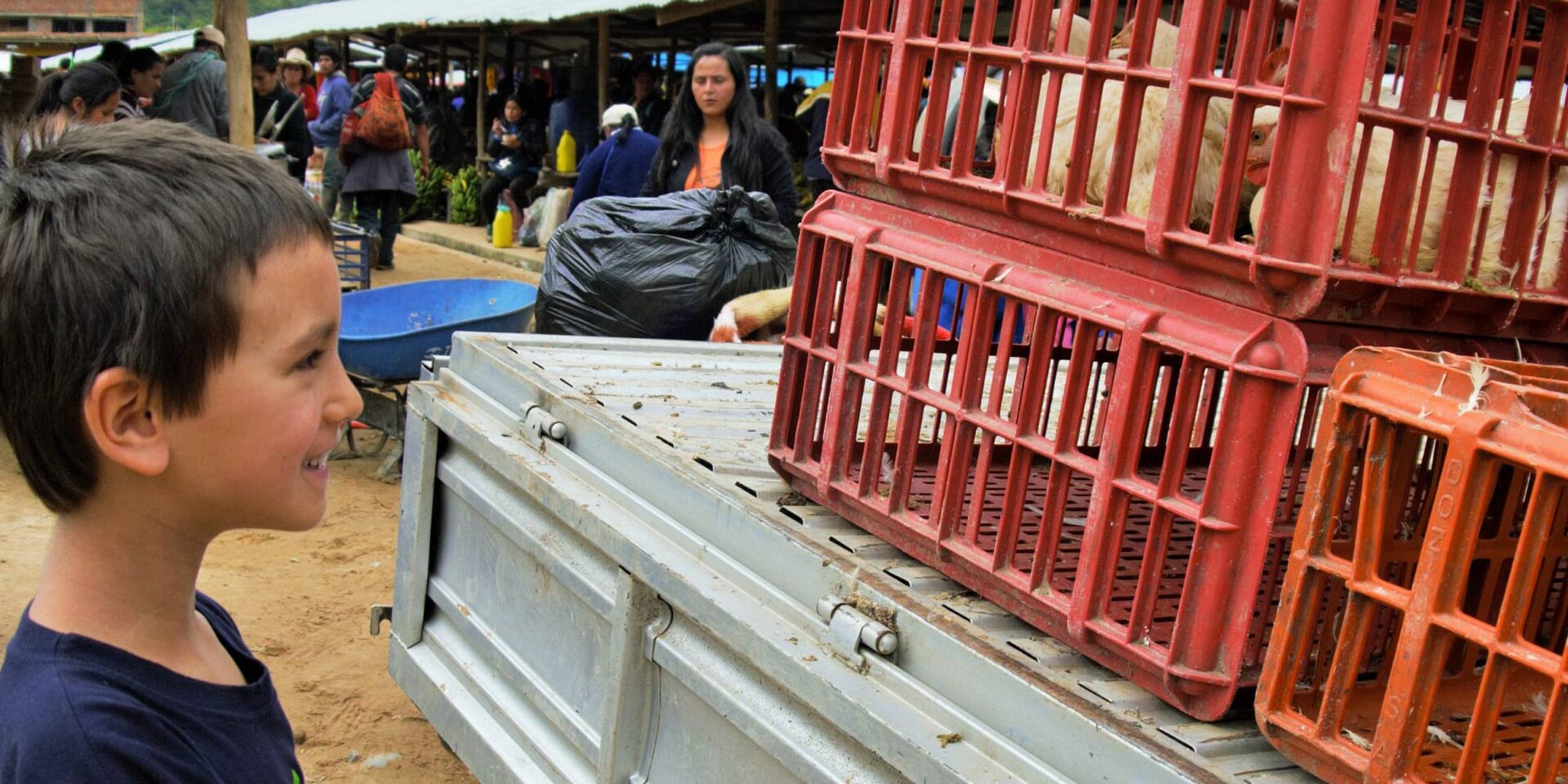
On your arrival at Lima airport you’ll be met and taken into the heart of Miraflores to your hotel.
Lima is Peru’s capital city, situated on the Pacific coast and home to more than 10 million people. It is an enormous sprawling city located in the centre of Peru’s desert coastline and almost impossible to avoid when visiting Peru.
Lima is a city well worth visiting – its food, restaurants and live music scene are excellent, the people are friendly and hospitable and it houses some of the best museums in Peru.
Private transfer in the morning to the bus station.
Take a comfortable first class ride to Huaraz (approximately 8 hour journey).
Move into your hotel and relax…the adventure is all around you.
Meet at the office to review your itinerary, answer questions, finalize trip.
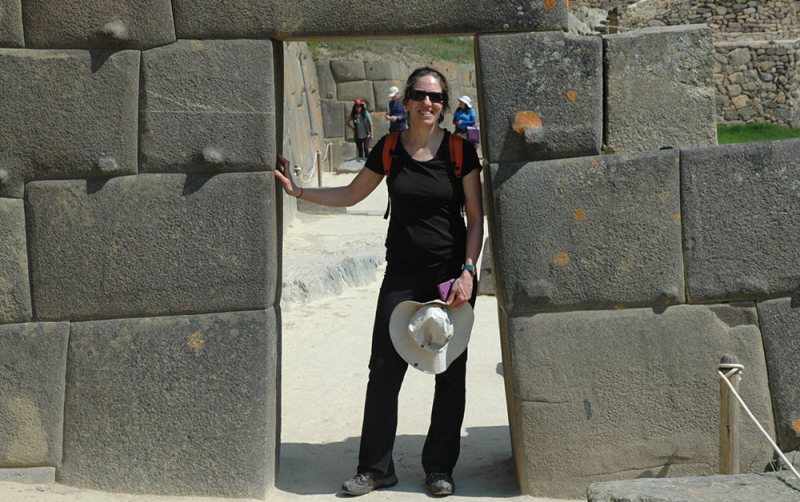
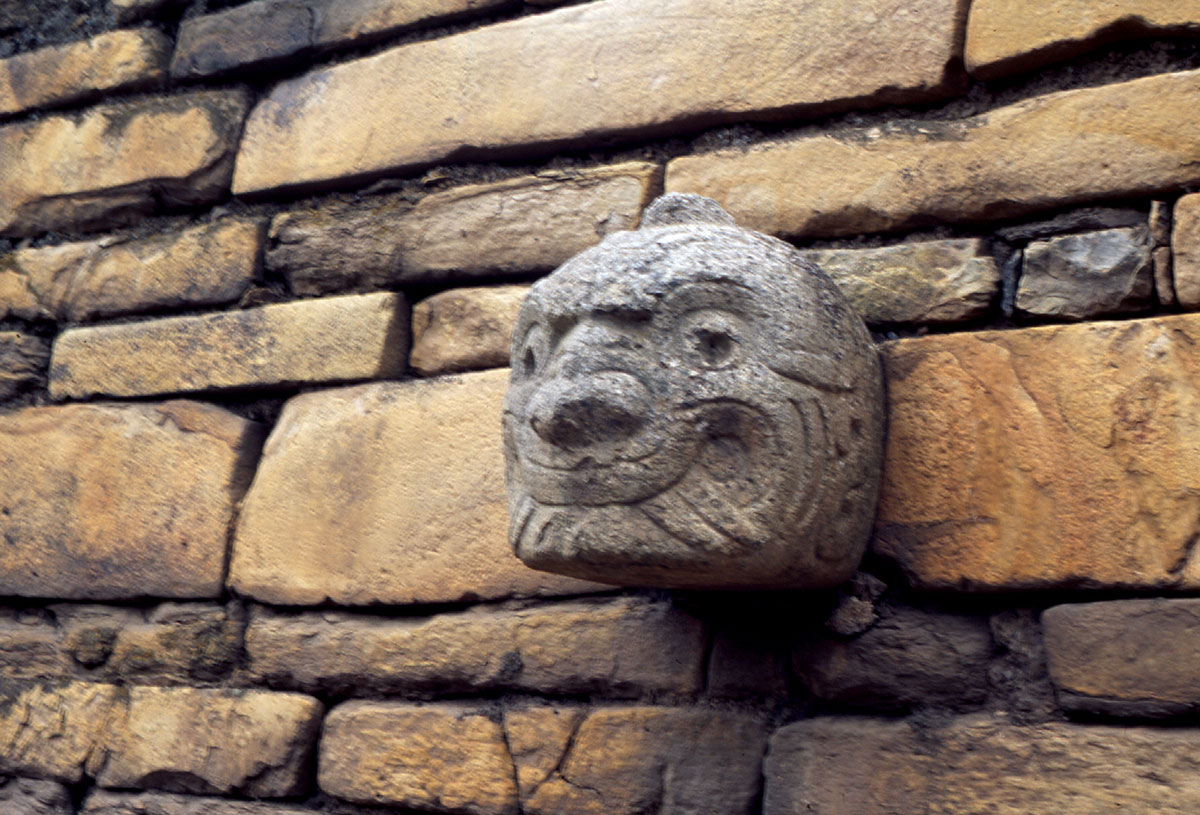
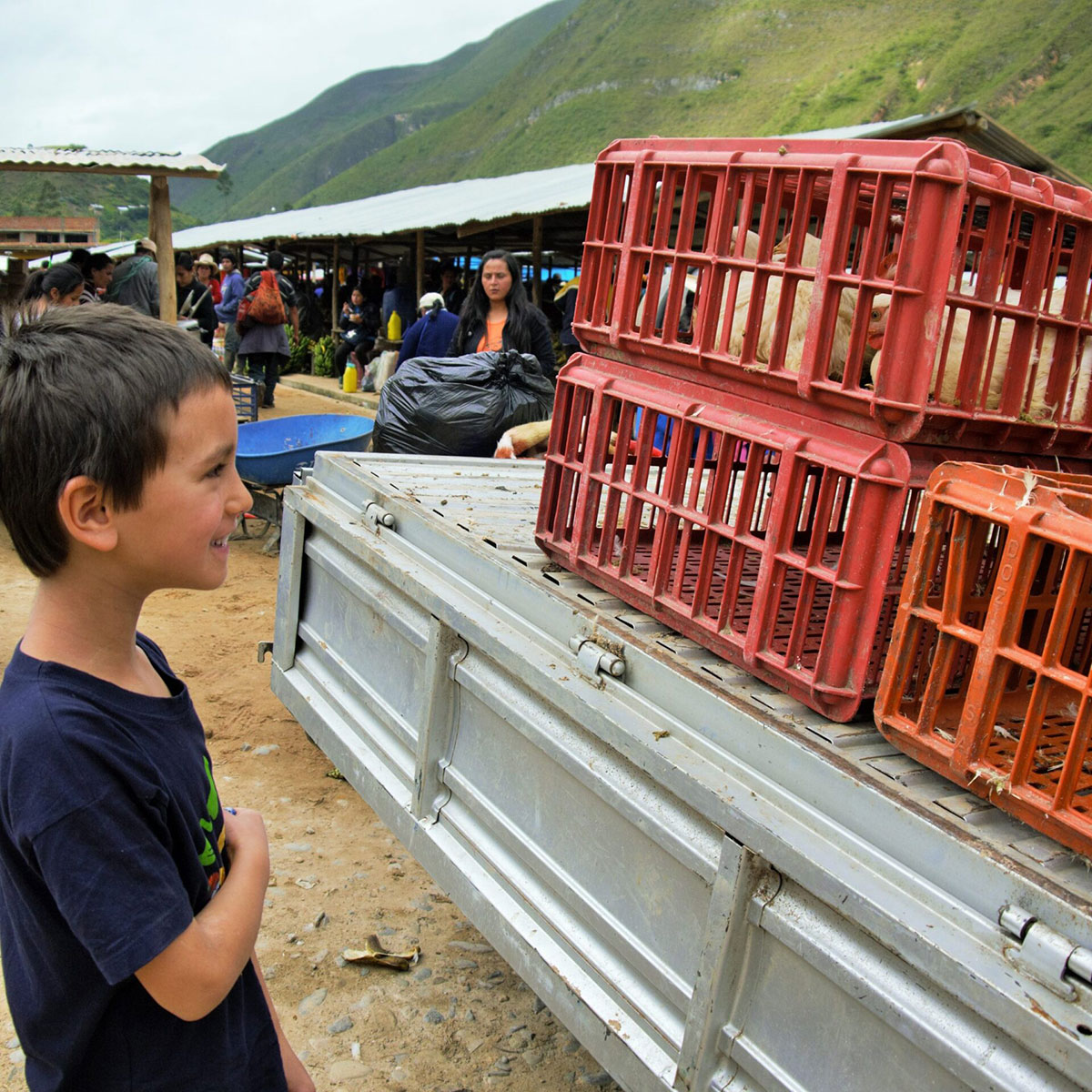
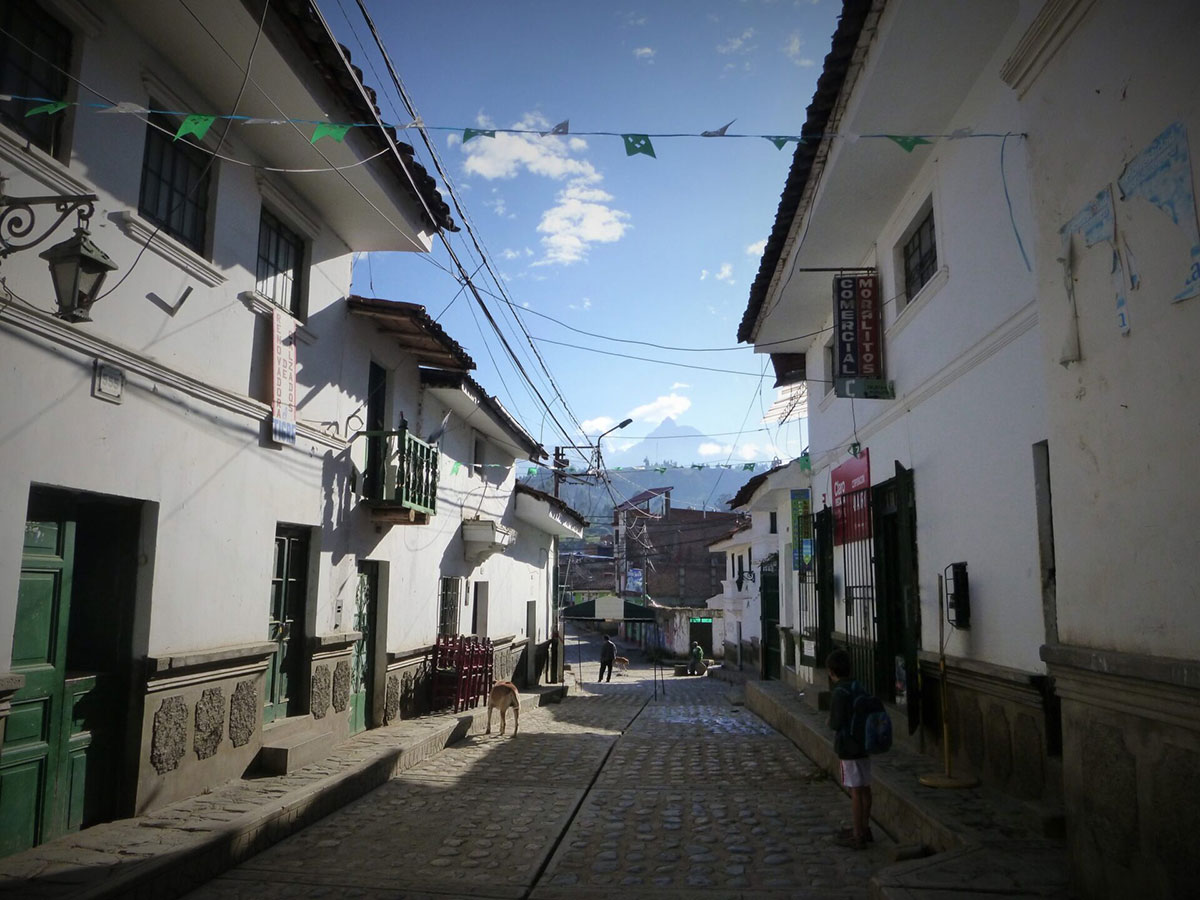
Spend the rest of the day exploring the outskirts of Huaraz, looking at some rural homes, exploring some pre-Inca ruins, touring the city (acclimatising, too).
Day hike, rock climb, horse rides, play frisbee!
Depending upon age of participants, energy level, and acclimatisation, we’ll offer a range of possible activities for today.
Next, prepare your things for the following day’s departure to the mountains.
Leave this morning for the trailhead to the Quilquihuanca valley.
Hike 1/2 way up and set up camp.
Run around and explore the area before the evening’s BBQ dinner and a good nights sleep.
Continue your walk up the valley.
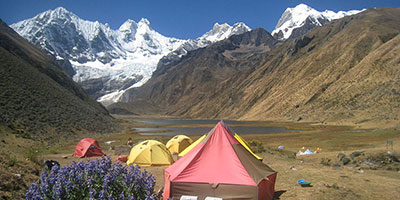
Take the northern fork up to beautiful Tullparaju lake and set up a camp.
Go fishing or take a rest at the campsite.
Day hike to Quebrada Cayesh or other activities including bouldering, hide & seek, capture the flag, fishing, etc…
Return to your camp in Tullparaju for the evening.
Say goodbye to your campsite and head back down the Quilquihuanca valley, arriving eventually at the trailhead and your ride down to a comfortable mountain lodge for the night.
Last day in the Cordillera Blanca!
Hiking, rock climbing, biking, horse riding, or going shopping for locally made crafts are options. You decide – we can make any or all of it happen for you and your crew.
That evening, have a nice goodbye dinner and take an overnight bus back to Lima.
On a first class bus, you’ll get a good night’s sleep and avoid having to make the journey during the whole following day.
Drop off at the Lima airport for your flight back home, or try any number of possible extensions we can arrange.
Hotels – we use 2-3* central, clean hotels with private bathroom when in towns. Upgrades available at extra cost.
Camping – we use two-man mountain tents for sleeping, and bring along a dining tent with stools/chairs and a toilet tent.
We can adapt the itinerary to suit all levels of activity and fitness, as well as taking into account the ages and interests of your family.
We’ll aim to have an AM and a PM activity, with rest in between.
As much of the itinerary is at high altitude, we need to build in plenty of acclimatisation so that everyone feels good for the tours.
Vegetarians and many other dietary requirements are catered for without problems. Please let us know in advance of any requirements you have.
All the timings below are approximate and can be changed to suit your family’s requirements.
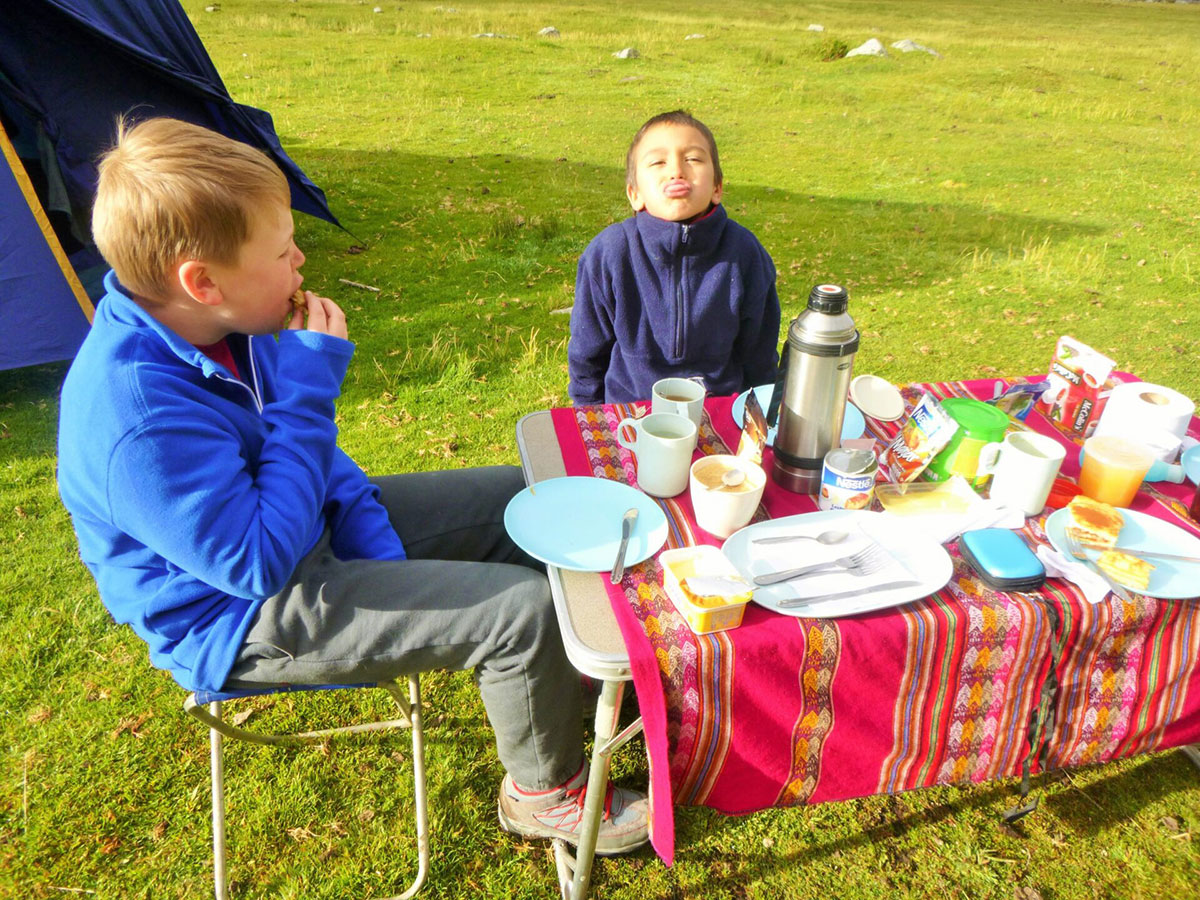
You wake early, usually around 07.00. Breakfast is served in a dining tent, and consists of hot drinks, porridge, toast, jams and bread, and your guide will explain the day’s plans.
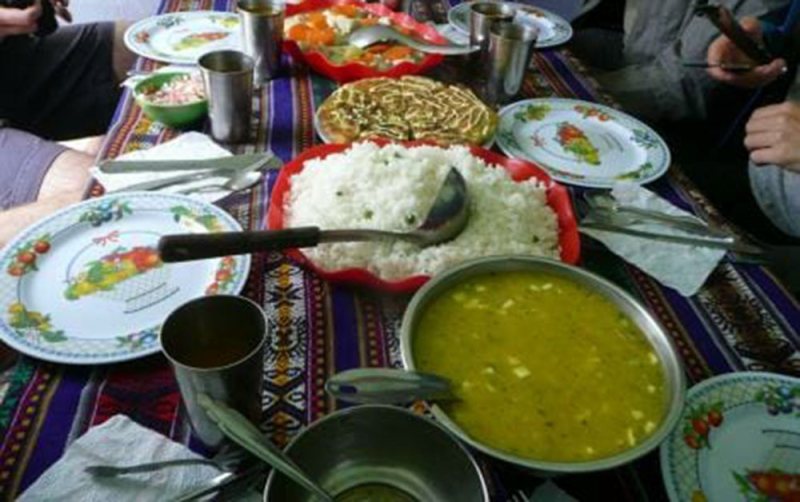
Lunch is usually around 12.00-13.00 and can feature soups, meats, salads and fish, with vegetarian options and hot drinks too.
The campsites are comfortable and around 16.00 hot drinks, popcorn and other snacks are served.
Dinner is served around 18.30-19.30, and will feature pasta, mashed potatoes, meat, fish or vegetarian options, followed by hot drinks and a pudding.
All guides are certified, bilingual, English-speaking guides who have worked with us for many years.
We pick those who have a lot of experience of working with children and families, and many of them are parents themselves.
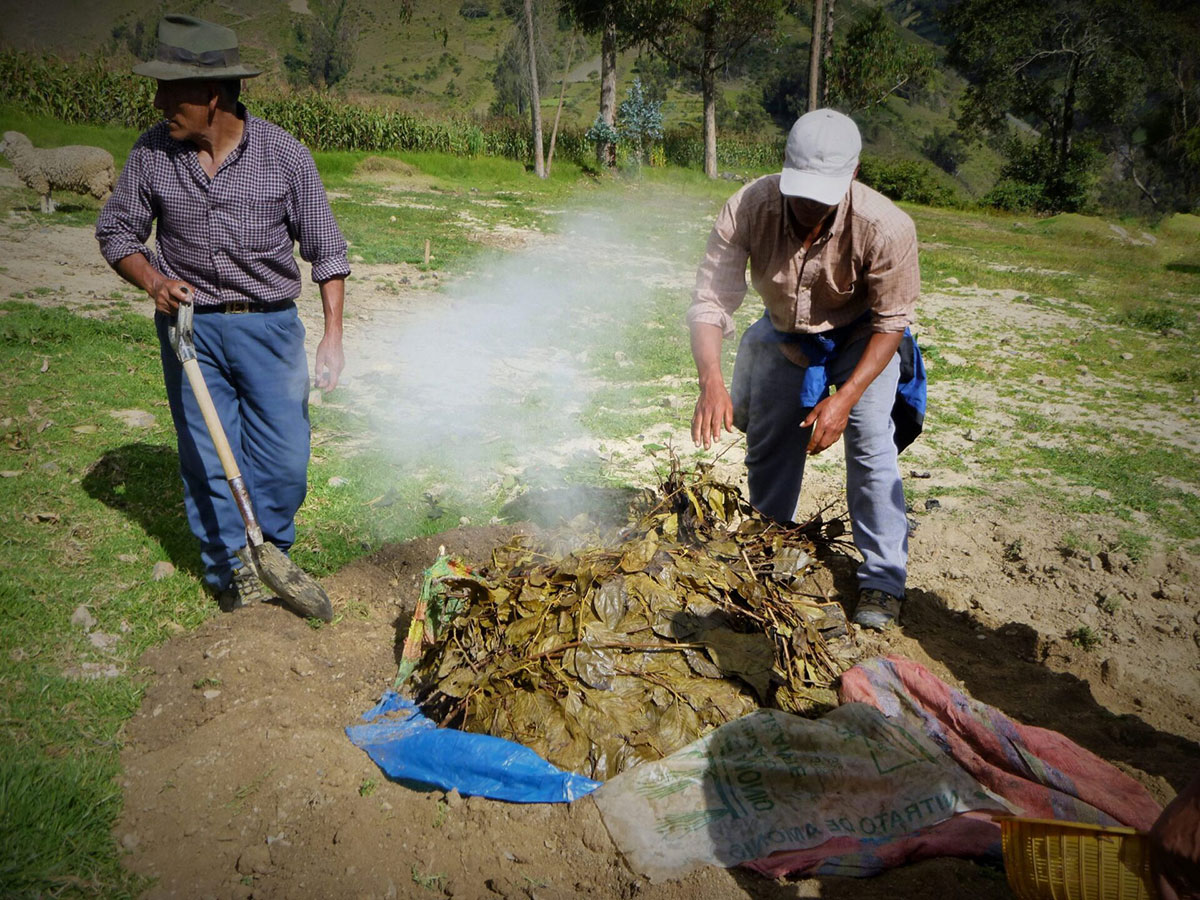
Cooks, mule drivers and additional staff are all from the local, nearby communities and we have worked with them for a long time, too.
An expertly guided Peruvian adventure combining cultural discovery, trekking, and outstanding organization for a seamless experience.
A challenging yet awe-inspiring Cordillera Huayhuash trek through Peru’s magnificent Andean landscapes.
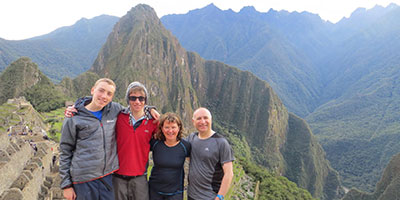
Adventurous families love our north Cordillera Blanca tour in Peru.
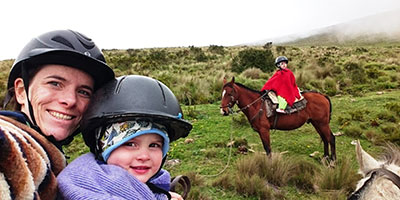
We select guides with extensive experience working with kids and young children, and most guides are parents themselves.
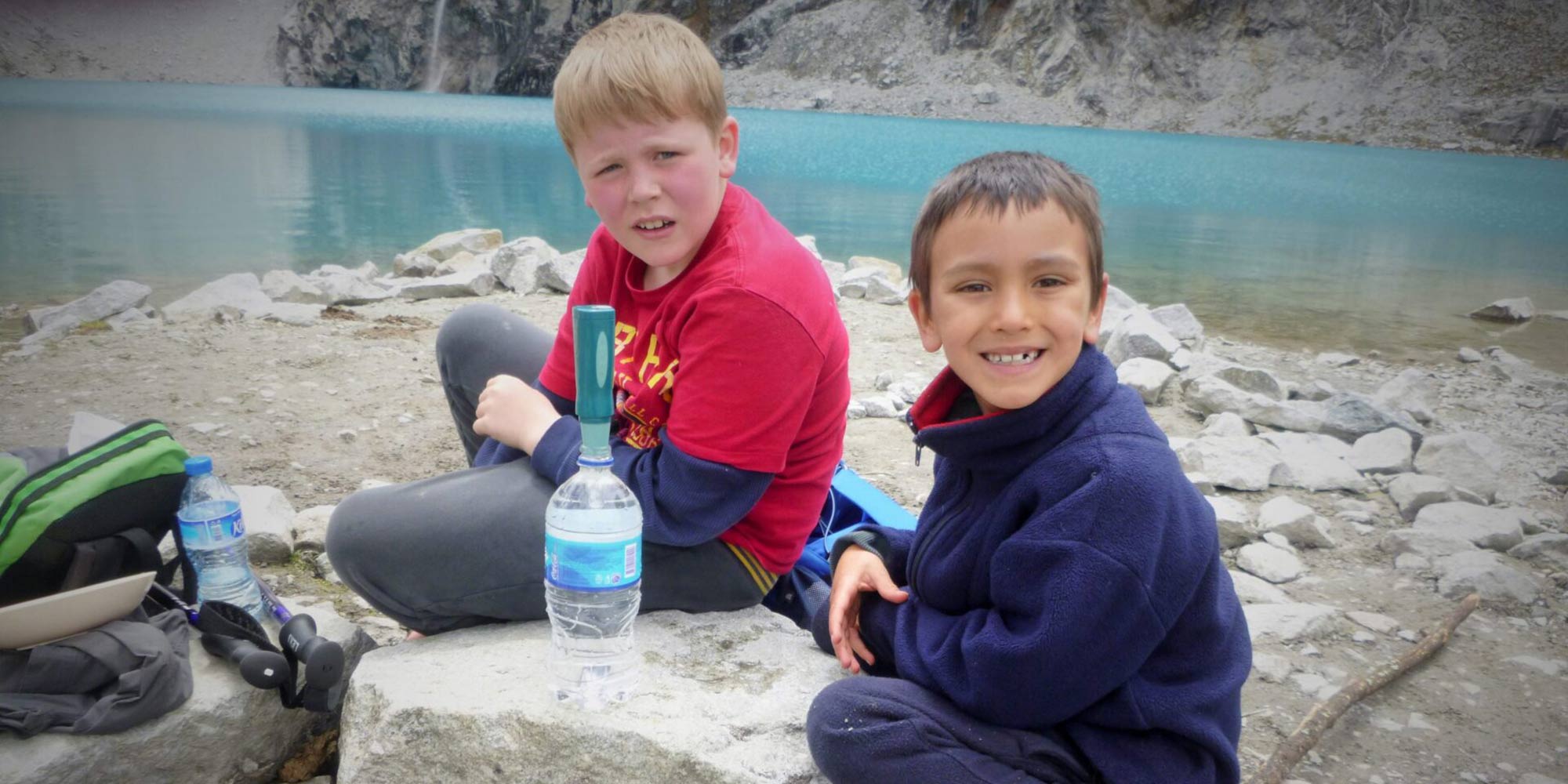
Family trips are designed to the specific needs of your brood, and we can offer holidays for three-year-olds upwards.
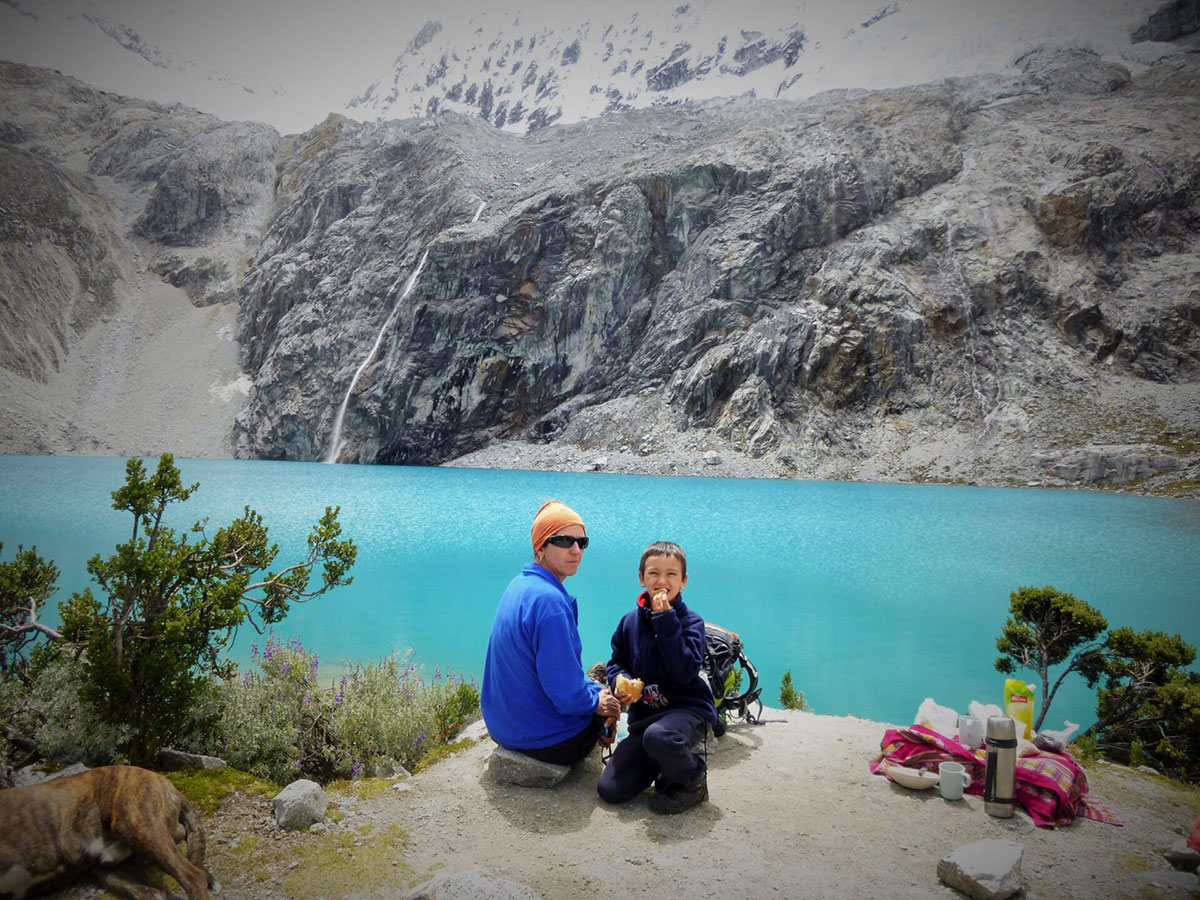
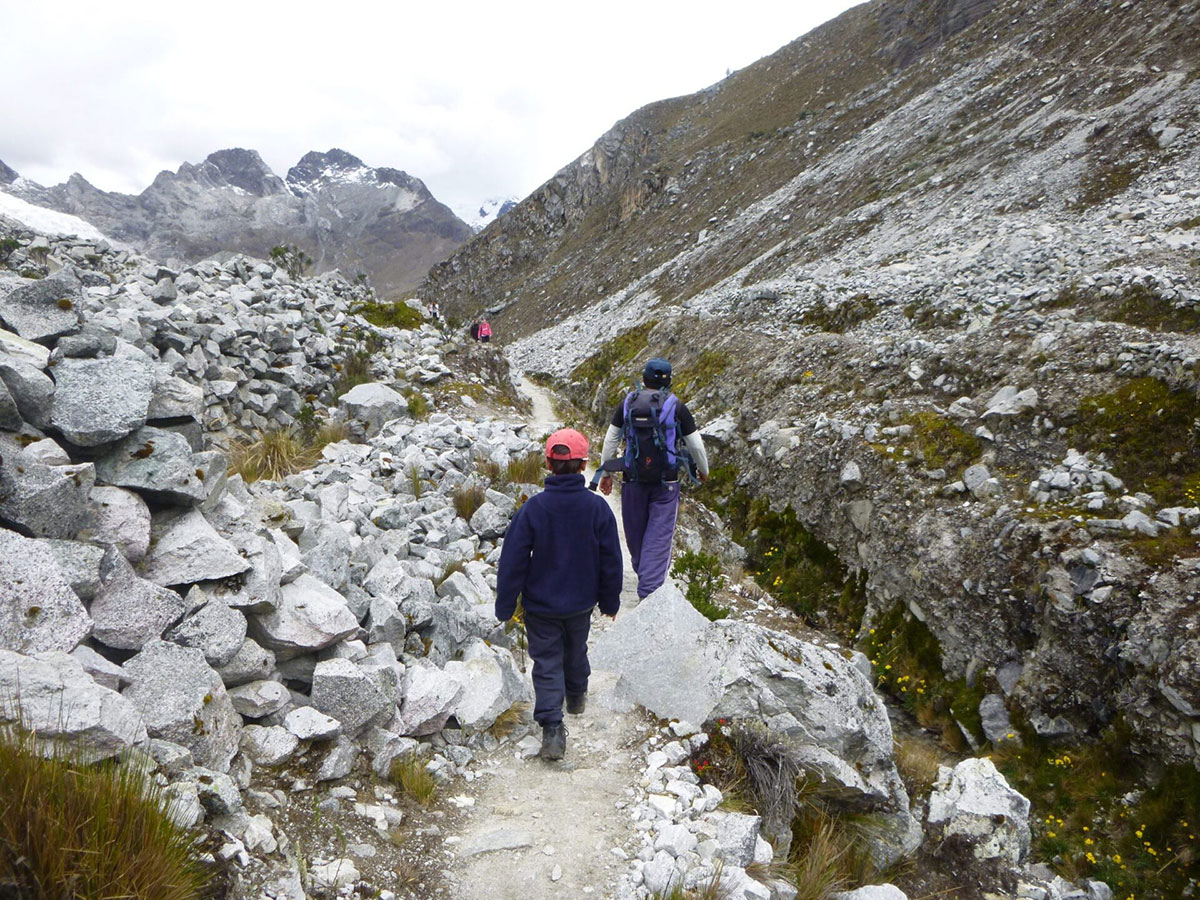
The Cordillera Blanca has a glorious assortment of trails and camp options, a wonderland for adults and an ideal place to inspire kids to appreciate nature.
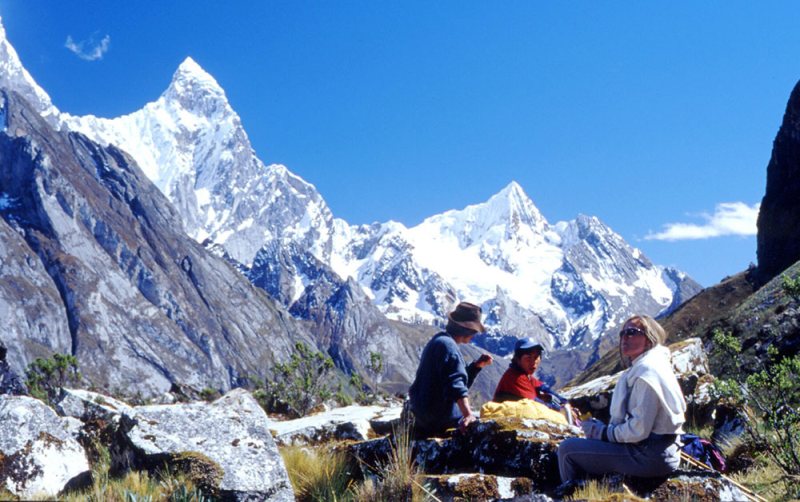
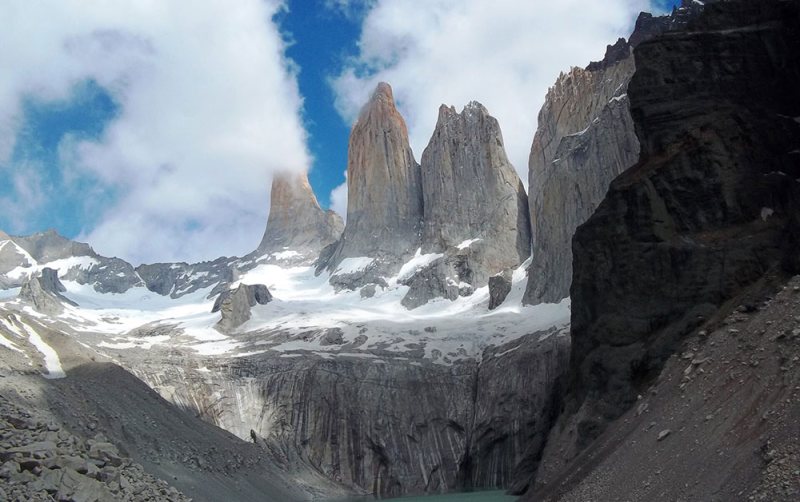
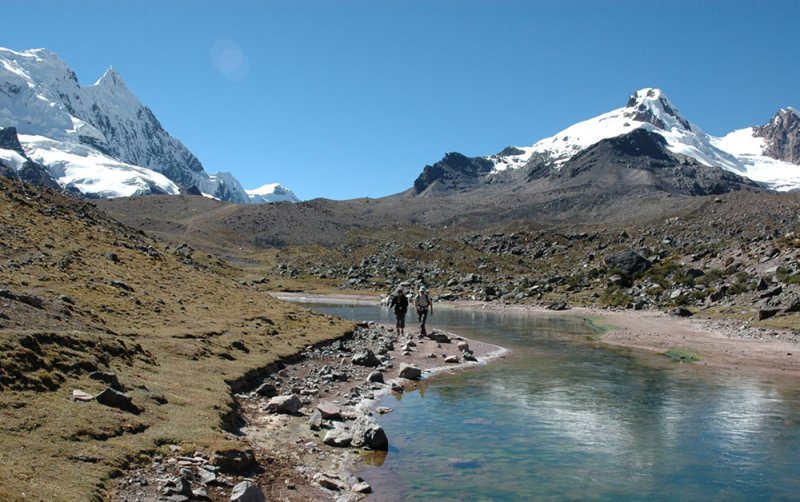
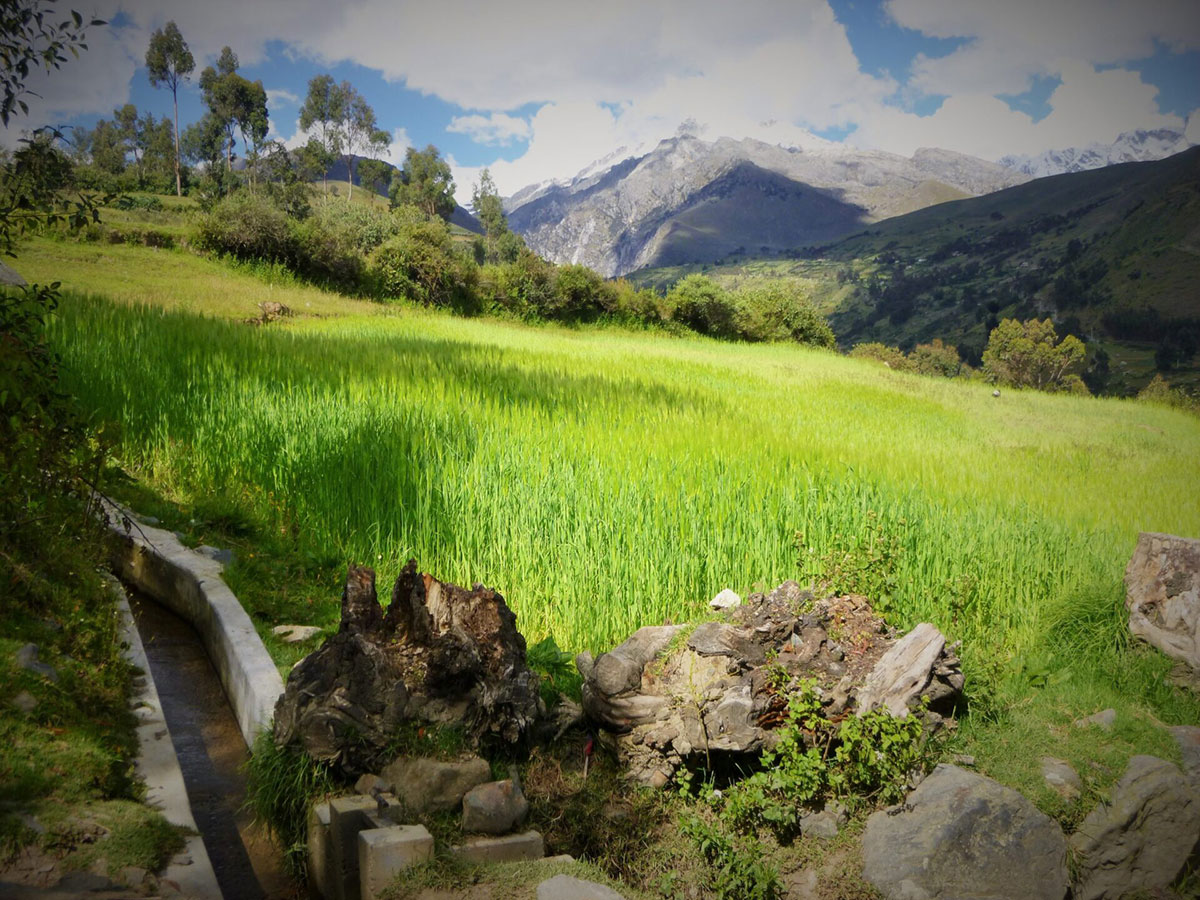
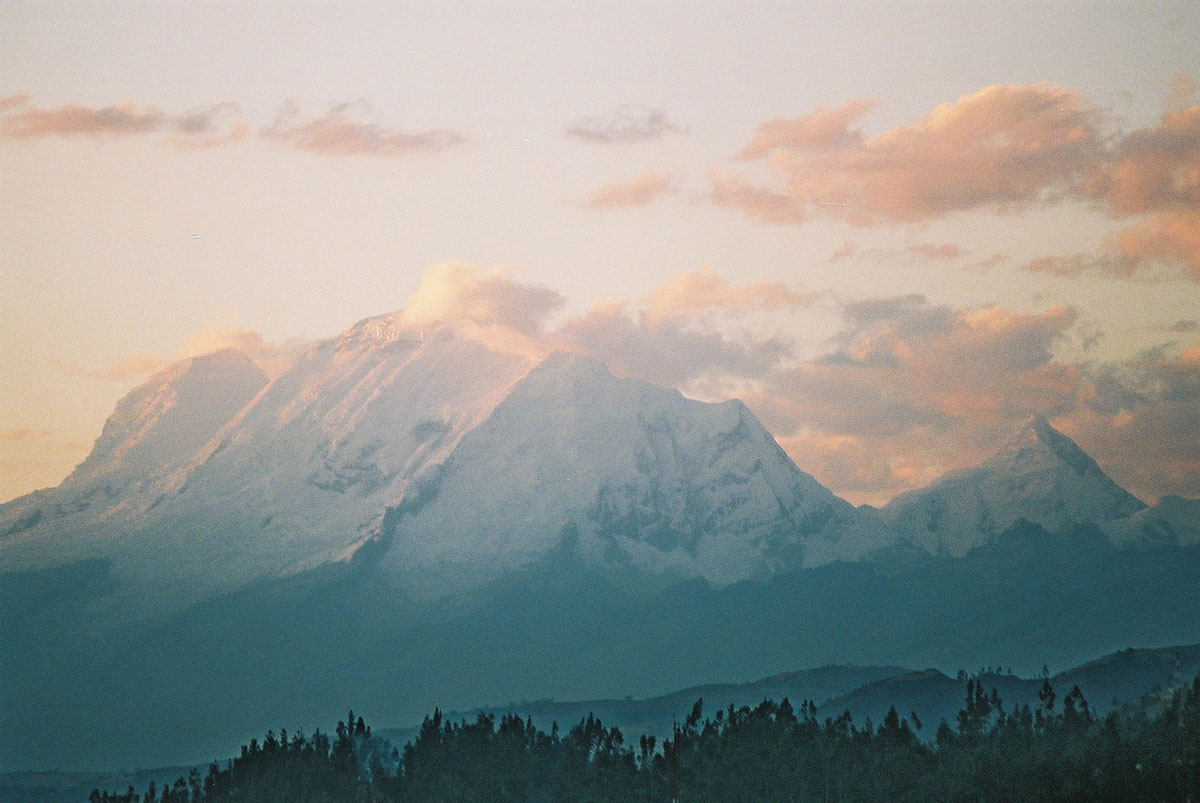
Lose yourself in this majestic world of silvery granite walls, towering white mountain peaks and dazzling glacier-blue rivers.
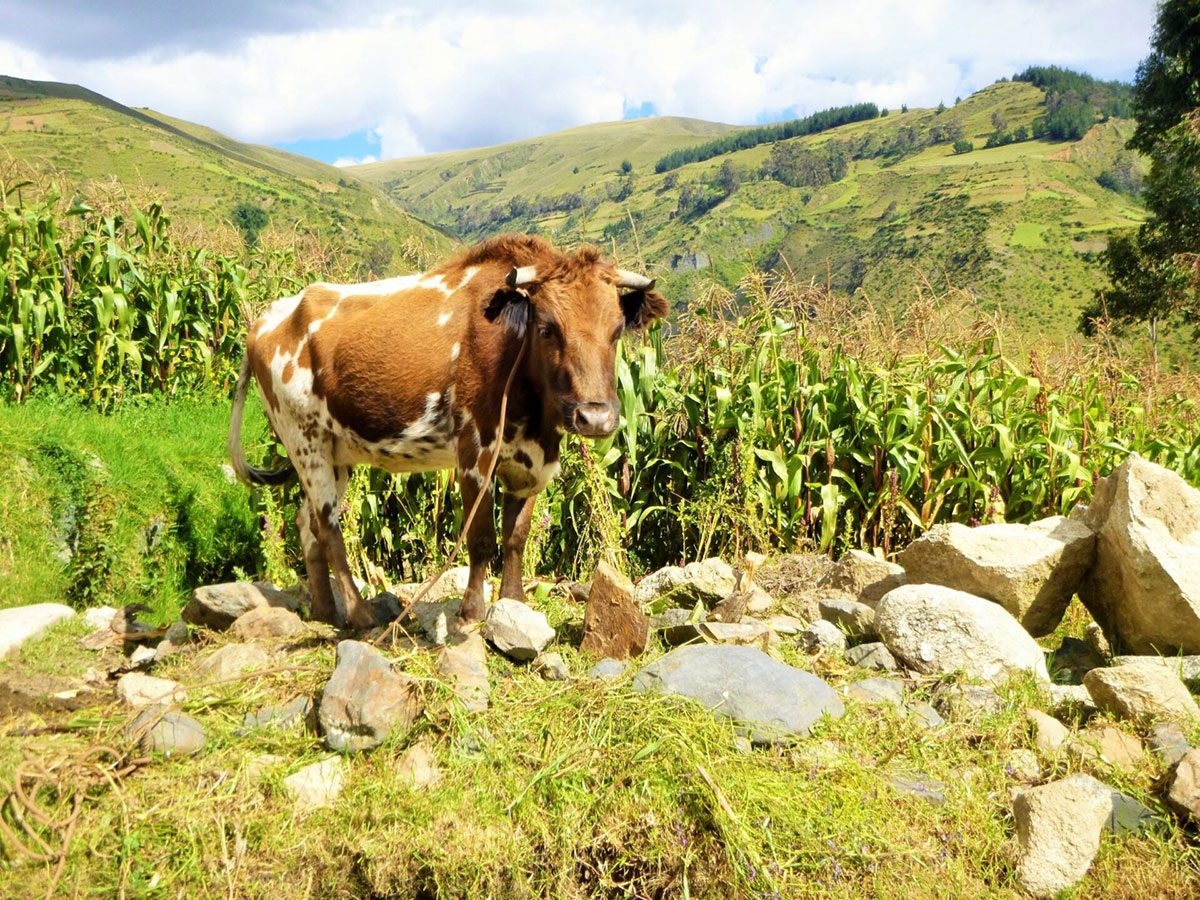
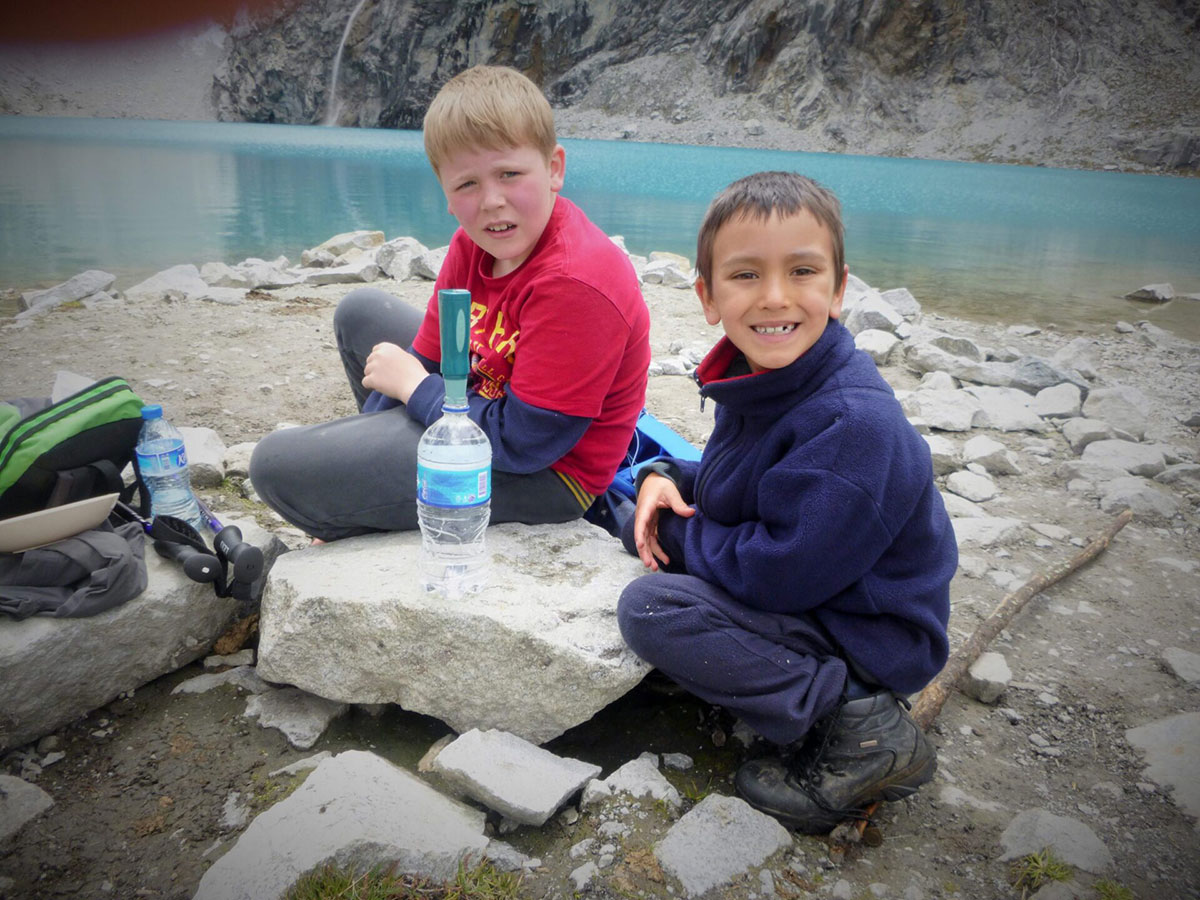
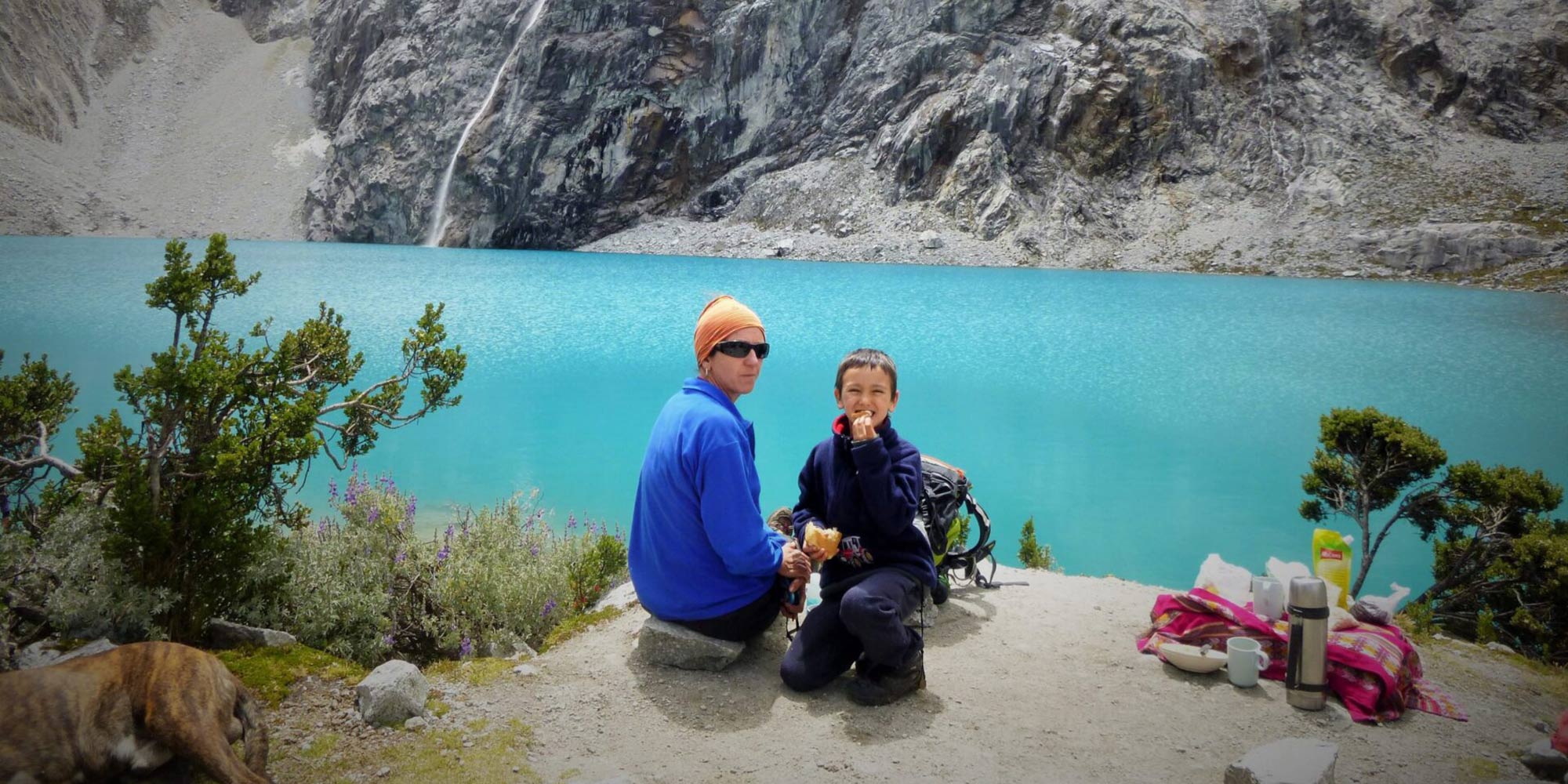
You’ll see pre-Inca rock structures, grazing alpacas, huge granite boulders, clear sparkling turquoise lakes, and majestic ice-covered mountains watching over it all.
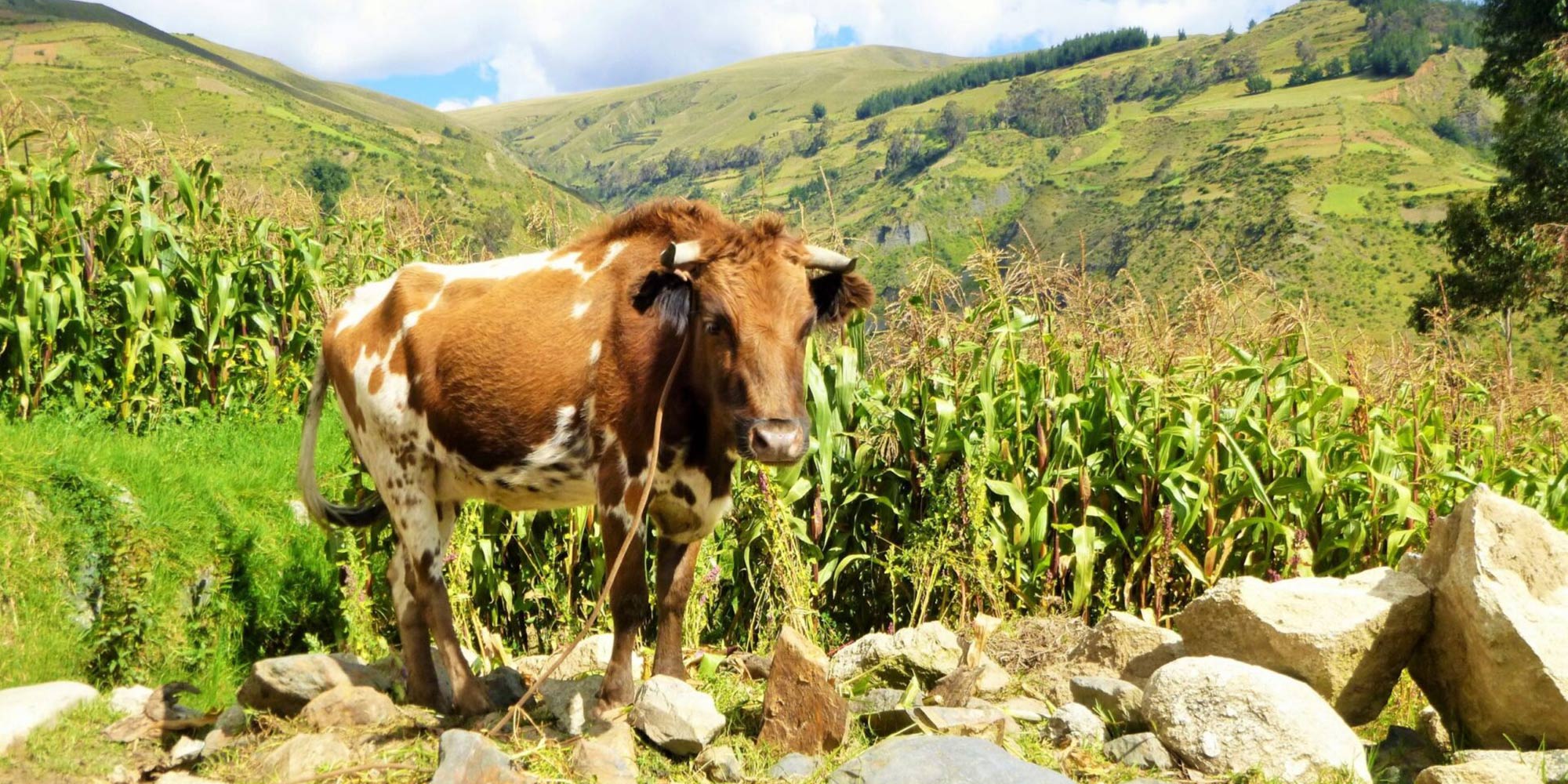
Pack animals are used to keep the weight everyone carries to a minimum, and spare donkeys come along in case anybody needs a ride during the day – great fun!
From: $3372 per person
Duration
13 days

Peru is made up of 3 distinct geographical areas: the coast, the mountains and the jungle.
The costa or coastal region is a narrow ribbon of desert 2,250 km long, crossed by fertile river valleys flowing from the Andes. It takes up 11% of the country and holds more than 40% of the population.
The cold Humboldt current gives rise to a blanket of mist – the garua – which hangs above coastal cities like the capital Lima from May to November.
Heading east, you’re soon climbing above the garua and into the Andes. The sierra, or mountainous region, covers some 25% of Peru’s territory and contains 50% of the population. The sierra inhabitants are mainly Indigenous or Mestizo, and many still speak Quechua or Aymara.
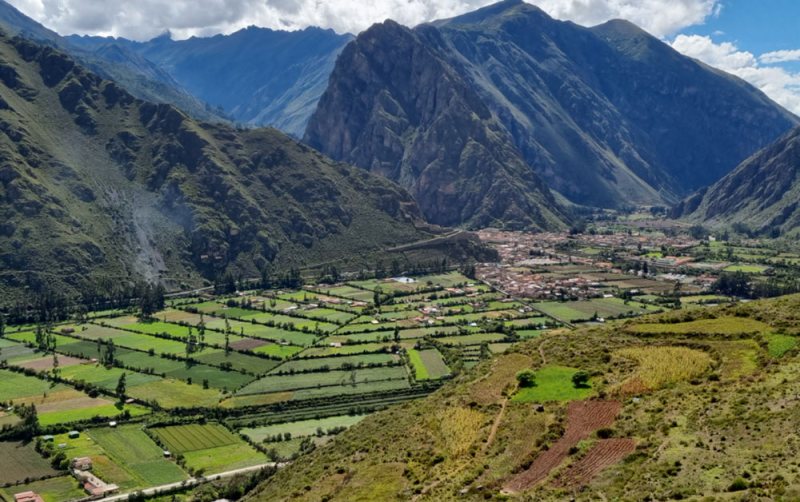
The sierra contains dozens of 6,000-metre snow peaks and volcanoes, including Huascaran (6,768m) the highest mountain in the tropics. The deep valley basins contain most of the towns and arable land; the terracing and canal systems of the Incas and pre-Incas are often still used today.
The eastern Andes are heavily forested up to 3,350m and sweep down into the Amazon Basin.
Peru’s selva or jungle makes up almost two thirds of the country’s area, but holds only about 6% of the population: the only towns with significant populations are Iquitos and Pucallpa.
Peru is the perfect holiday destination for adventure travellers that want an amazing variety of activity, geography and cultural travel experiences.
The breadth of travel experiences in Peru is breathtaking – from trekking in the Andes to Machu Picchu to the tropical jungle of the Amazon, and plenty in between.
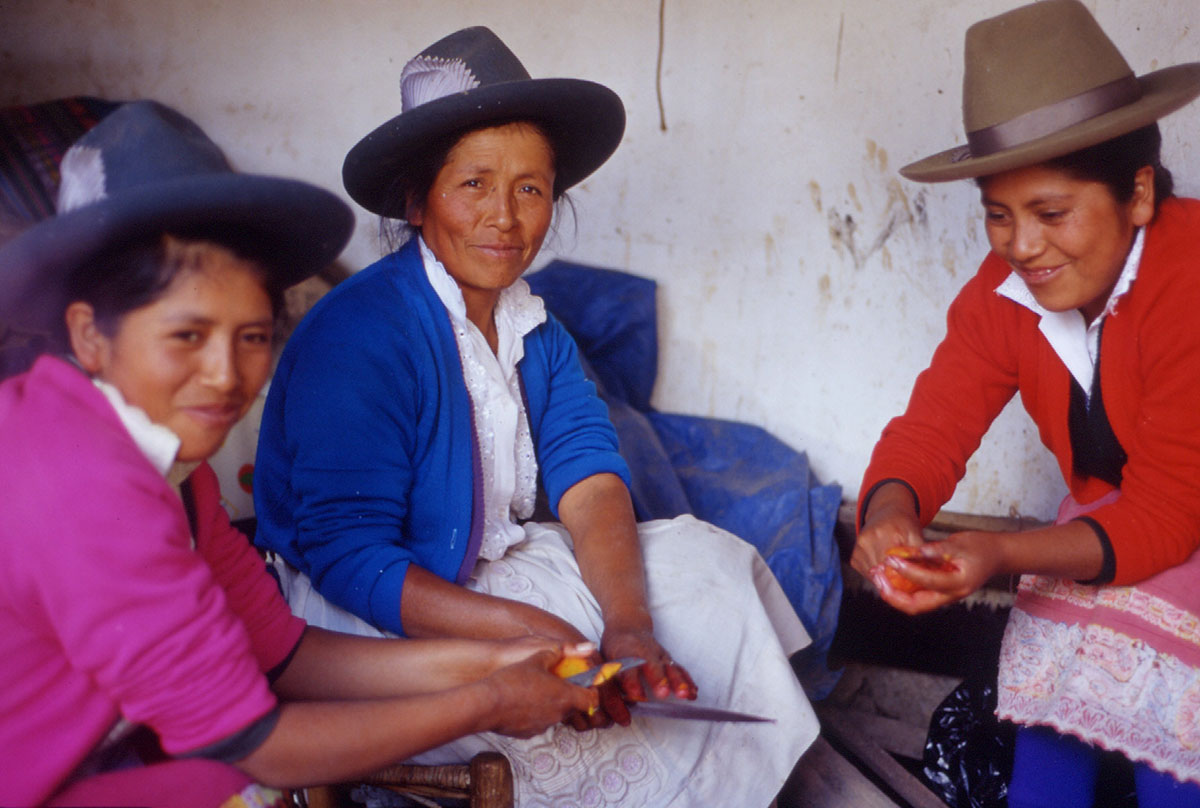
The people of Peru make it a special destination too, with its colourful and traditional street life and friendly locals.
Good kit is vital for every trip.
Book with Andean Trails and get 15% off Páramo’s fantastic ethical and high performance outdoor gear.
Good kit is vital for every trip.
Book with Andean Trails and get 15% off Páramo’s fantastic ethical and high performance outdoor gear.
When planning for the varied climatic conditions encountered, layering is the most practical and versatile clothing system. It’s worth remembering that our clothing keeps us warm by retaining and isolating the heat we ourselves create.
To best maintain body heat, several layers of lightweight, warm and quick-drying clothing are far more efficient than one or two thick layers. Layers should have the following qualities:
First (base) layer: This layer wicks the sweat away from our skin, thus helping keep the body dry and warm. To this end, synthetic fabrics such as polypropylene should be used.
Mid layers: These isolating layers should also be synthetic (e.g. the known polar linings such as polartec or windblock, which are light and insulate twice as well as wool). Very important layers for retaining body heat.
Outer layer / shell: Finally, the vital layer which protects us from climatic adversities. A breathable, wind-proof and waterproof anorak, such as Goretex.
Give plenty of thought to kit selection, and try to keep weight down.
We also carry an extensive first aid kit & oxygen on all trips, but these are generally for emergencies only.
Below is a more detailed kit list.
You can also read about the weather of Peru in our blog.
Climate depends largely on altitude. As a rule of thumb, below 2,000m climate is mild and above 2,000m warm clothing is required for evenings, nights and early mornings.
The Andean sun is very strong.
Cusco (3,300m): Average max/min temps: 22ºC /2ºC. Average 3 or 4 wet days per month.
Arequipa (2,380m): Average max/min temps: 26ºC /9ºC. Sunny more than 340 days/year with minimal precipitation.
On highland treks: Conditions are generally dry. However, at this time of year, expect a range of conditions within a single day: cold/freezing nights at camps above 4,000m, where pre-dawn temperatures can be -5ºC; warm, spring-like mornings and afternoons; and cold evenings.
Note that mountain weather can be fickle and localised, and that precipitation is not unknown in the dry season. Expect temperatures to swing between sun and shade, sheltered and exposed ground and with altitude gain and loss. A quick-setting sun means temperatures drop fast.
In the cloud forest, e.g. around Machu Picchu, daytime conditions are generally warm or hot, and evenings cool.
Cusco: Average max/min temps: 23ºC /6ºC. Average 13 wet days per month.
Arequipa: Average max/min temps: 25ºC /14ºC.
On highland treks: Wetter conditions, with cooler days and milder nights than dry season. Jan-Mar usually the wettest months.
An expertly guided Peruvian adventure combining cultural discovery, trekking, and outstanding organization for a seamless experience.
A challenging yet awe-inspiring Cordillera Huayhuash trek through Peru’s magnificent Andean landscapes.