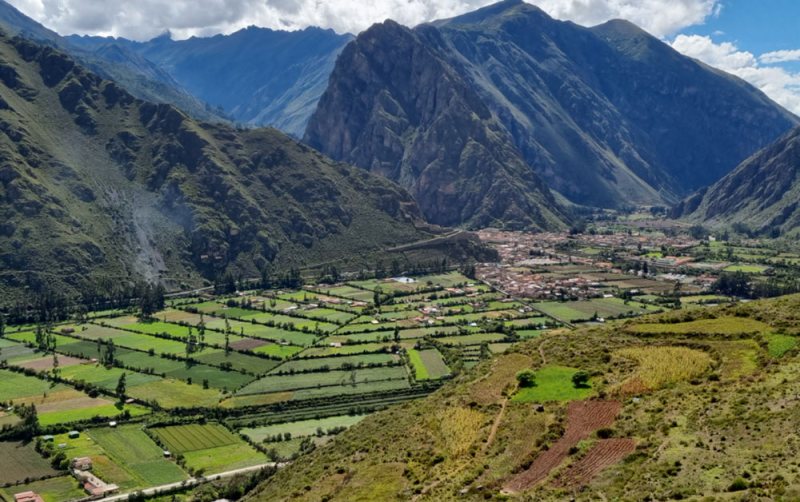
Early in the morning we depart Cusco in our private vehice and travel about three hours to the small Andean village of Tinqui, passing through several traditional villages such as Urcos, Cattca, and Ocangate along the way. Here you can buy some last-minute items before we continue onto the community of Upis.
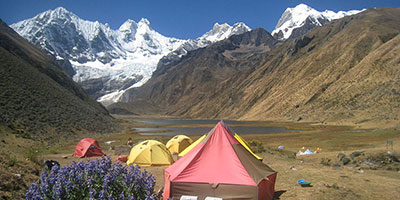
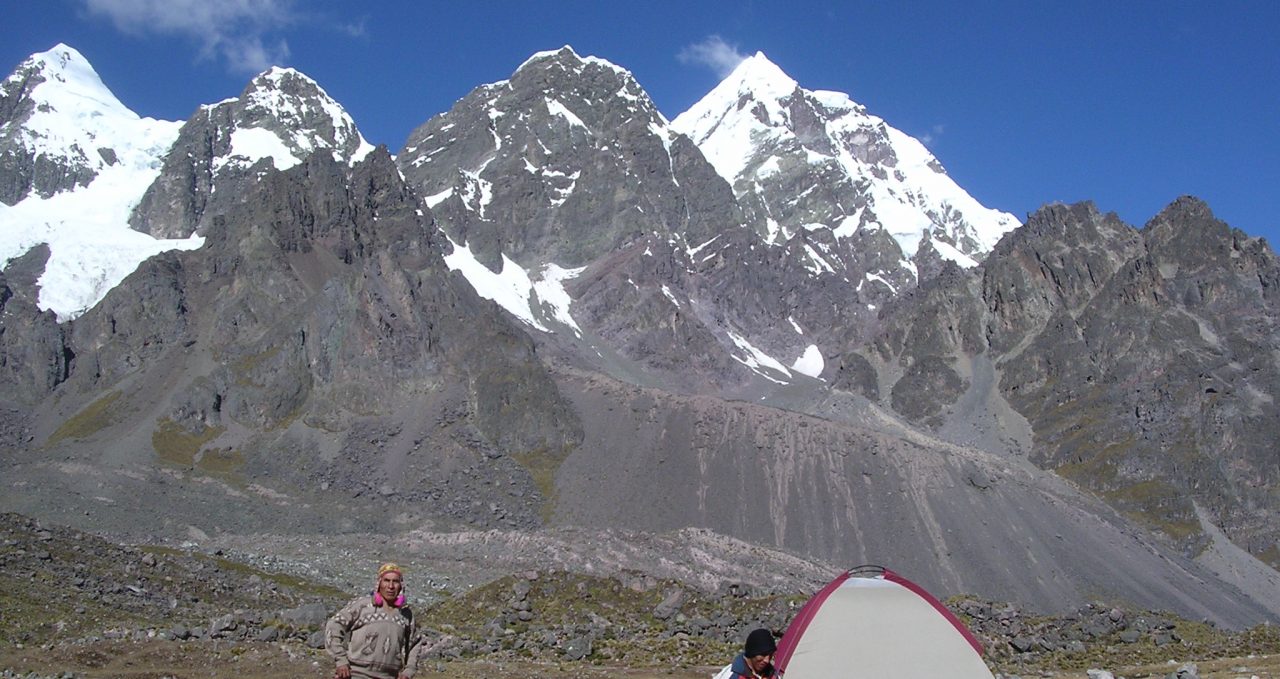
In Upis we will have breakfast and meet our “arrieros”, mule-drivers, and their pack animals who will carry our equipment and backpacks. We will then set off on foot for the thermal pools of Upis where we will stop to enjoy a delicious lunch. We will also camp here tonight, with marvellous views of Mount Ausangate (6,350m/20,505ft) at the end of the valley, the highest snow peak in Southern Peru.
In the afternoon, we’ll hike to to Huayna Ausangate Laketo enjoy the sunset as it radiates on the snows of the glaciers. We then return to the campsite for a hearty dinner.
Difficulty: Moderate
Walking Distance: 10 km / 6,21 mi
Walking Time: 5 hours
Highest Altitude: 4,480 m / 14,698
Campsite Altitude: 4,400 m / 14,436
After an early and hearty breakfast, we trek for approximately 2.5 hours to get to our first pass, Arapa pass (4,800m/15,748ft).
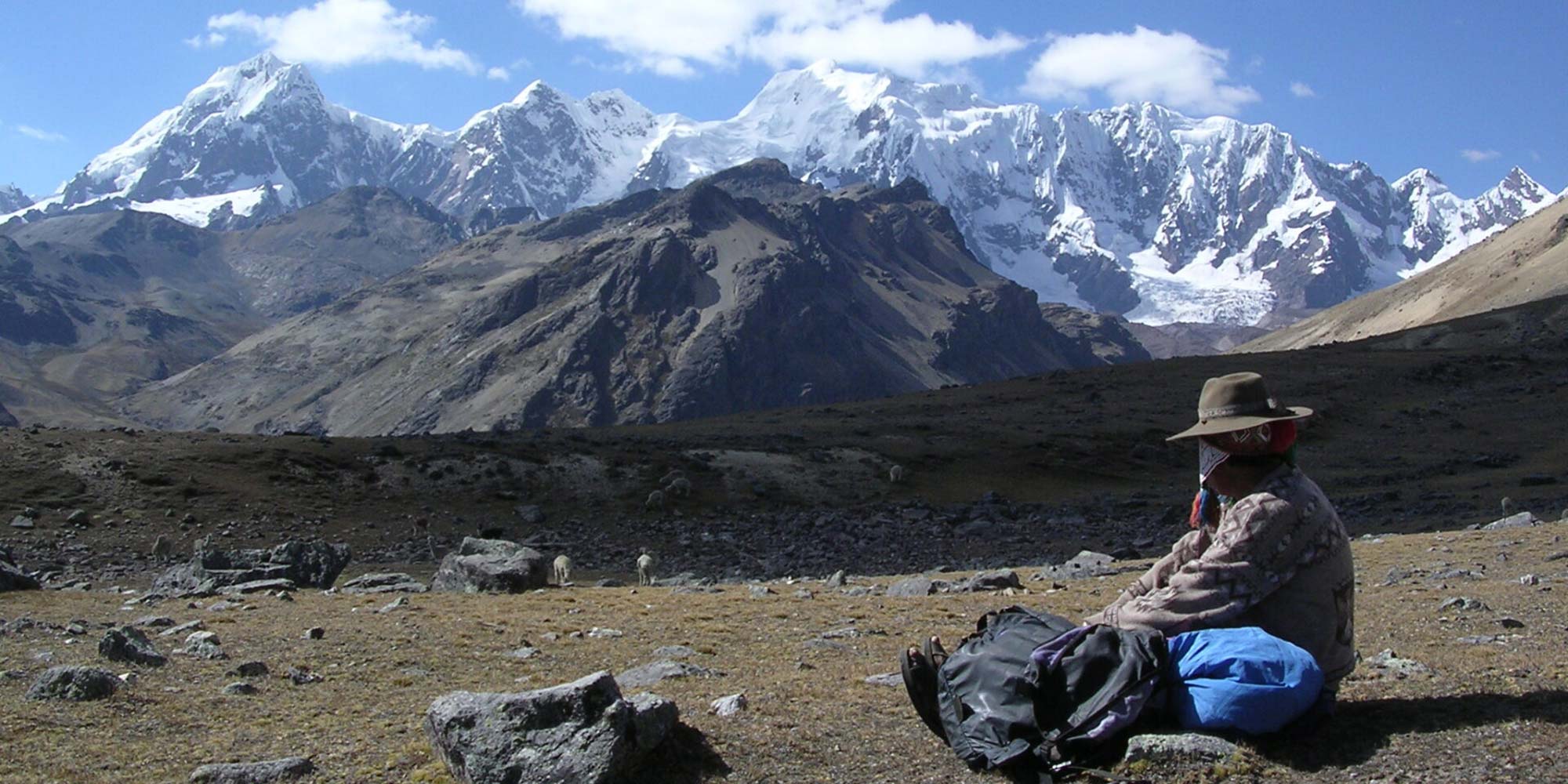
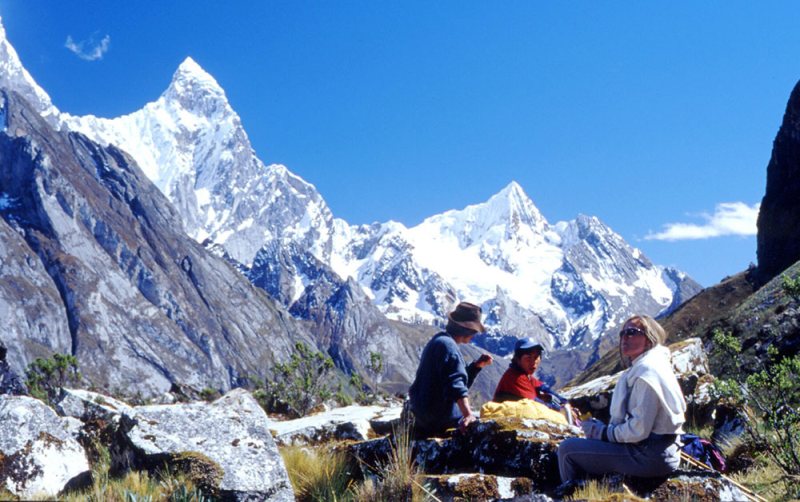
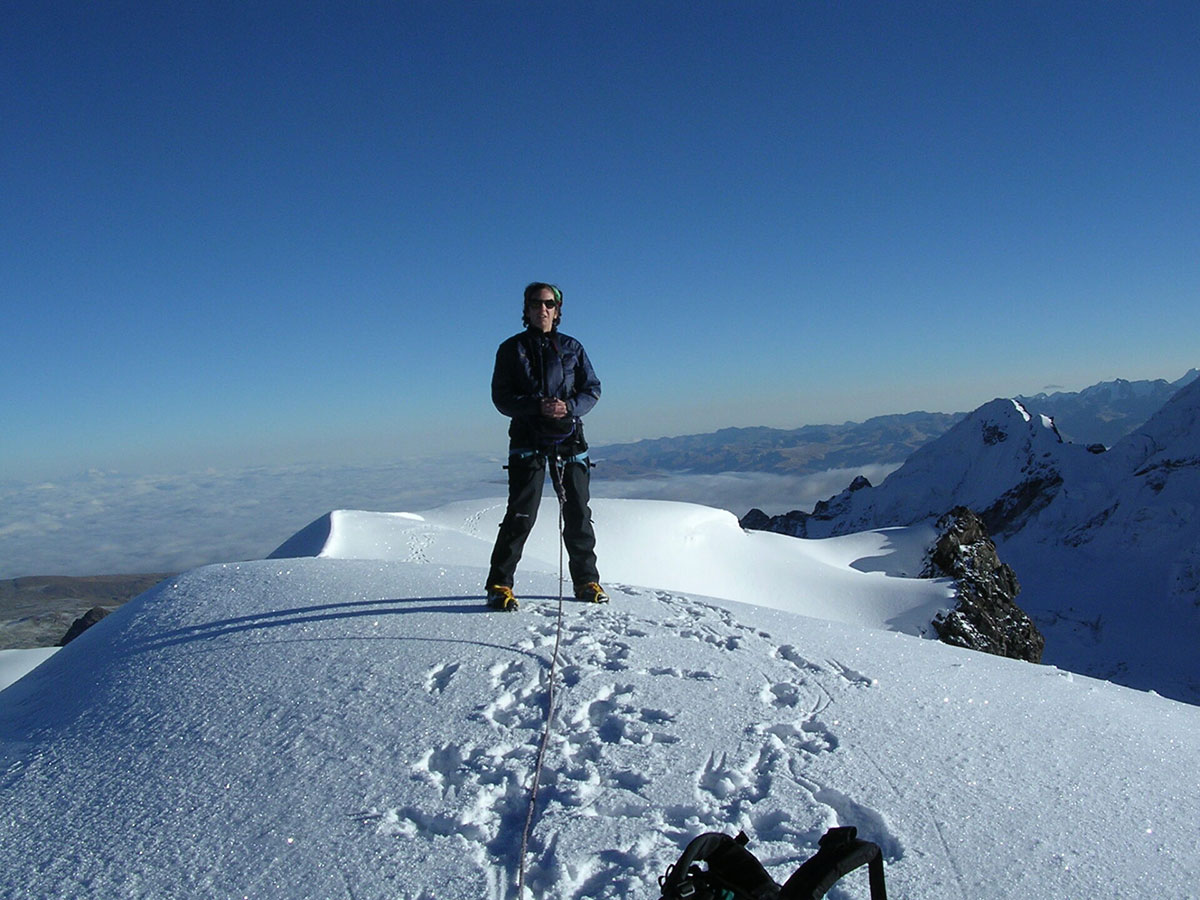
From the pass, we enjoy wonderful views, not only of Mount Ausangate, but also of many other nearby snow-capped peaks.If you’re lucky, you might spot the swooping flight of the condor – the largest flying bird in the world.
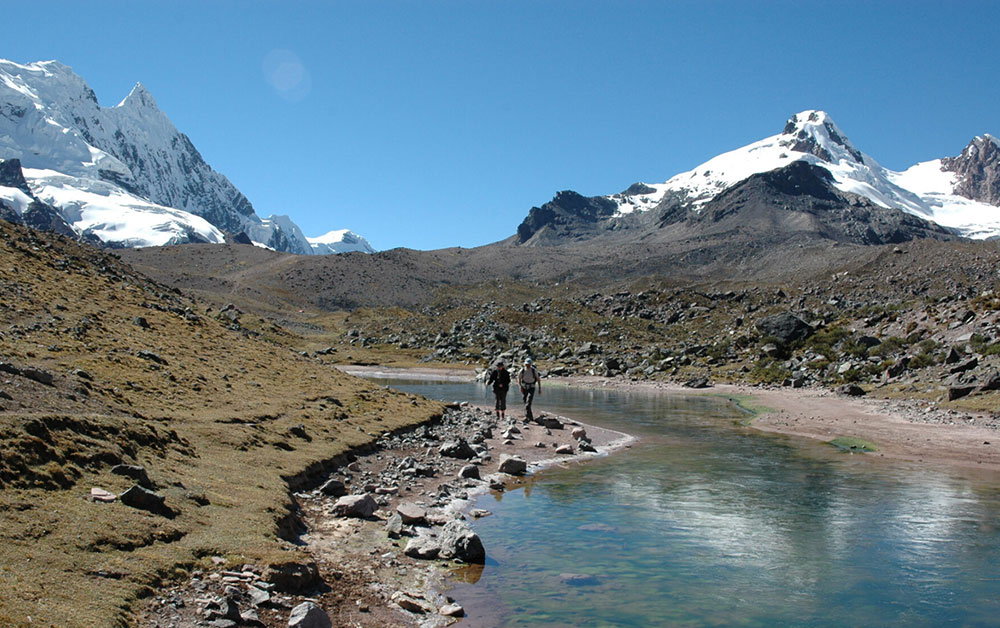
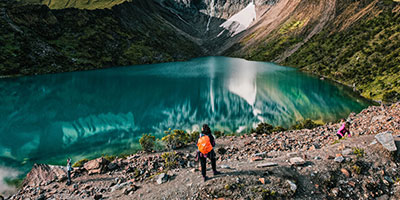
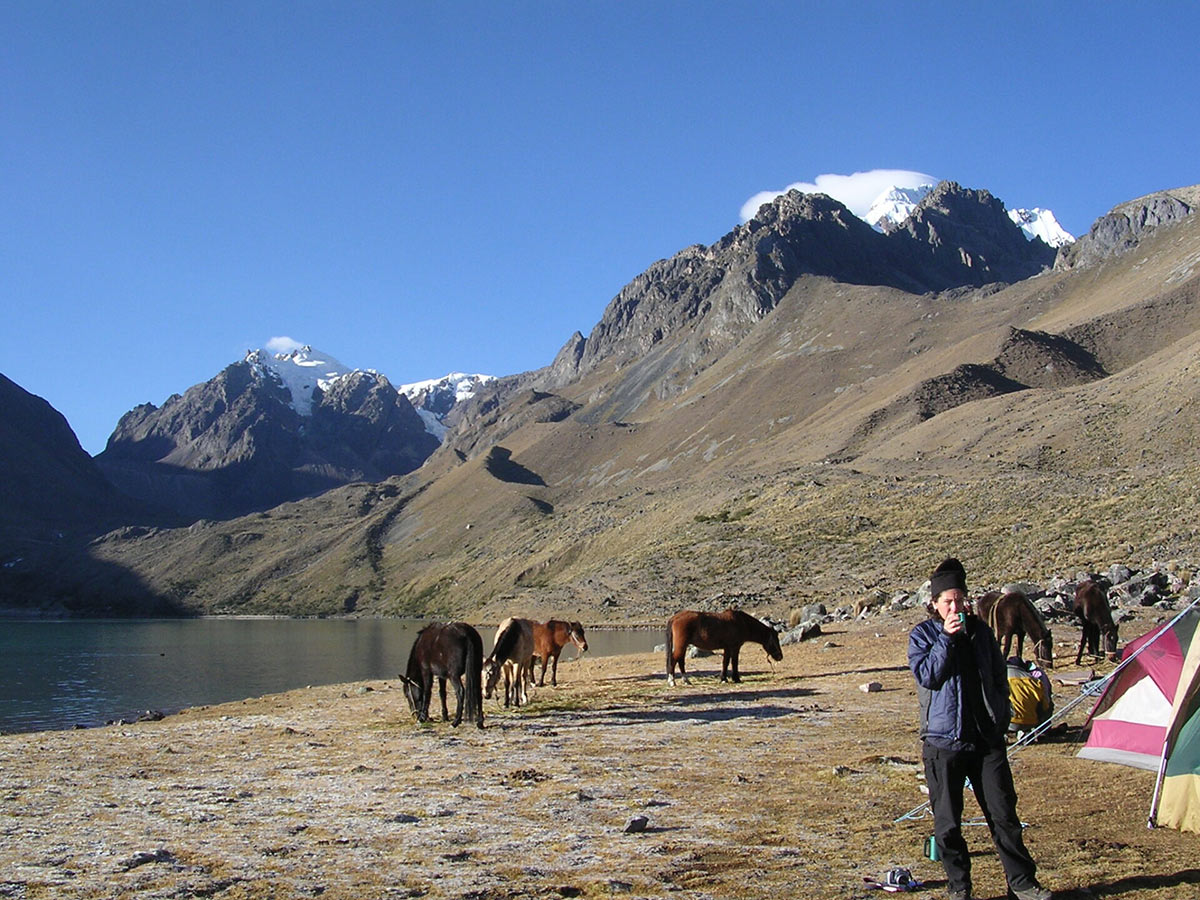
We continue down the corridor to crystal-clear Yanacocha Lagoon and on to red-coloured Hatun Pucacocha, where we will set up camp. We can appreciate the glorious scenery and glistening waters against the mountains.
Later, we will explore the surrounding lagoons and relax with a delicious mate.
In the evening, a nutritious dinner will be served before you head to your tent to rest and restore your energy.
Difficulty: Moderate
Walking Distance: 11 km / 6.84 mi
Walking Time: 6 hours
Highest Altitude: 4,800 m / 15,748
Campsite Altitude: 4,500 m / 14,764
In the morning, after a re-energizing breakfast, we start our 2.5 hour ascent to Ausangate Pass (4,750 m / 15,584 ) before heading down to the beautiful Ausangate Lagoon, where we will have lunch.
From here, we climb to the immense Palomani Pass (5,200m/17,060ft), which is the highest pass of our journey. After a short rest and time to enjoy more stunning views, we set out on the walk to the small community of Huchuy Phinaya (4,650 m / 15,25ft ). This is followed by a gentle ascent of some two hours to Sorapata where you will find the camp already set up.
After a delicious dinner, a well-earned night’s rest awaits.
Difficulty: Challenging
Walking Distance: 16.5 km / 10.25 mi
Walking Time: 9 hours
Highest Altitude: 5,200 m /17,060ft
Campsite Altitude: 4,700 m / 15,420ft
Leaving our campsite, we begin our ascent of around two and a half hours to Jampa Pass (5,070 m / 16,634ft ) with vistas of snow-capped peaks.
We’ll then begin our three hours descent to our lunch spot at our campsite in Pacchanta. On the way, we’ll link up with the seven lakes trail. After lunch, we’ll have a free afternoon and you can take to time to gather your energy and soak in medicinal hot springs
We’ll end the day with another delicious dinner.
Difficulty: Moderate
Walking Distance: 11 km / 6.84 miles
Walking Time: 5-6 hours
Highest Altitude: 5,070 m / 16,634ft
Camp altitude: 4,100 m / 13,451ft
The last day is here, and your adventure comes to a close today. But there is time for one more visit to the hot springs before a great day’s hiking.
After breakfast, we’ll set off on our three-hour walk to the community of Tinqui (3,800 m / 12,467). En route, we’ll visit an Andean family’s home to find out about some of the traditions that have been handed down from generation to generation here in the mountains.
We’ll have lunch in Tinqui and say goodbye to everyone who is part of our trekking support team.
Our private transport will take us back to the Cusco, where we’ll drop you off at the door of your accommodation around 6:00 pm
Difficulty: Easy
Walking Distance: 7 km / 4.35 miles
Walking Time: 3 hours
Highest Altitude: 4,100 m / 13,451ft
Camping with dining tent and toilet tent.
We have classified this as a challenging trek, and you need to be in very good physical shape for it.
You walk 5-9 hours a day for 4 consecutive days, over rugged mountain trails at high elevations
There are several high altitude passes to cross at 5,000m/16,404ft in Ausangate.
Pre-trip preparation should include challenging cardiovascular exercise (including regular hikes on varied terrain) and a healthy, balanced diet.
Well-worn hiking boots and additional acclimatisation nights in Cusco (3-4) before the trek are both highly recommended.
All trekkers are encouraged to hike at their own pace, taking breaks whenever needed, to ensure a successful and enjoyable trek for all.
Most people go to bed fairly early after a long day trekking, to recover energy for the morning.
Vegetarians and many other dietary requirements are catered for without problems. Please let us know in advance of any requirements you have.
You wake early, usually around 07.00. Breakfast is served in a dining tent, and consists of hot drinks, porridge, toast, jams and bread, and your guide will explain the day’s trekking plans.
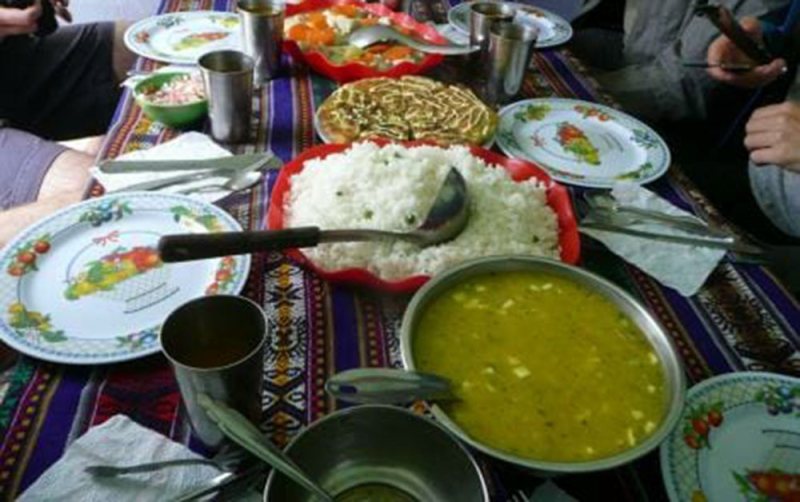
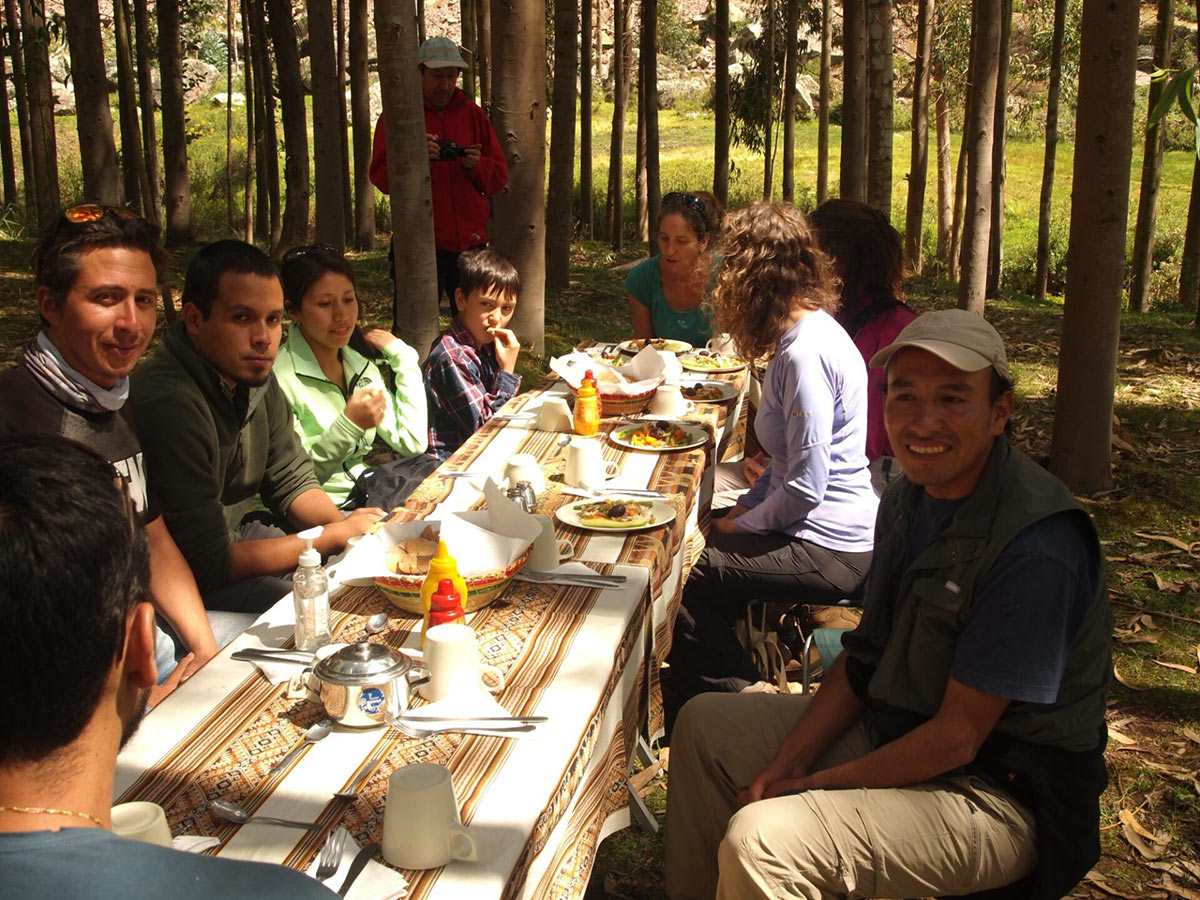
Lunch is usually around 13.00 and can feature soups, meats, salads and fish, with vegetarian options and hot drinks too.
The campsites are comfortable and around 17.00 hot drinks, popcorn and other snacks are served to help you recover energy.
Dinner is served around 19.30, and will feature pasta, mashed potatoes, meat, fish or vegetarian options, followed by hot drinks and a pudding.
All guides are certified, bilingual, English-speaking guides who have worked with us for many years.
Cooks, mule drivers and additional staff are all from the local, nearby communities and we have worked with them for a long time.
A captivating Amazon adventure filled with playful wildlife, rich culture, and meaningful conservation experiences in Peru.
A joy-filled Peruvian adventure blending island culture with the iconic Inca Trail.
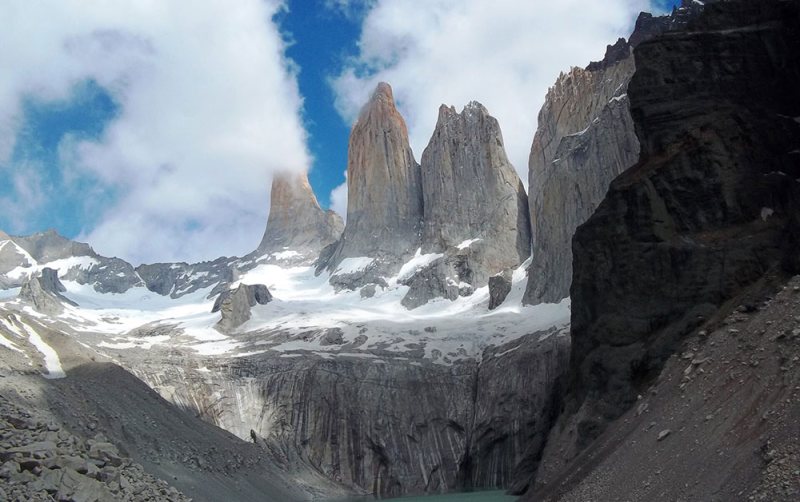
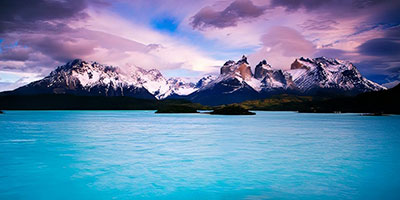
This remote trail features hot-springs, stunning mountain scenery and turquoise lakes on one of the best high altitude walking trails near Cusco.
Ausangate is truly one of Peru’s finest hiking circuits, and we’ll be camping in some high and remote areas.
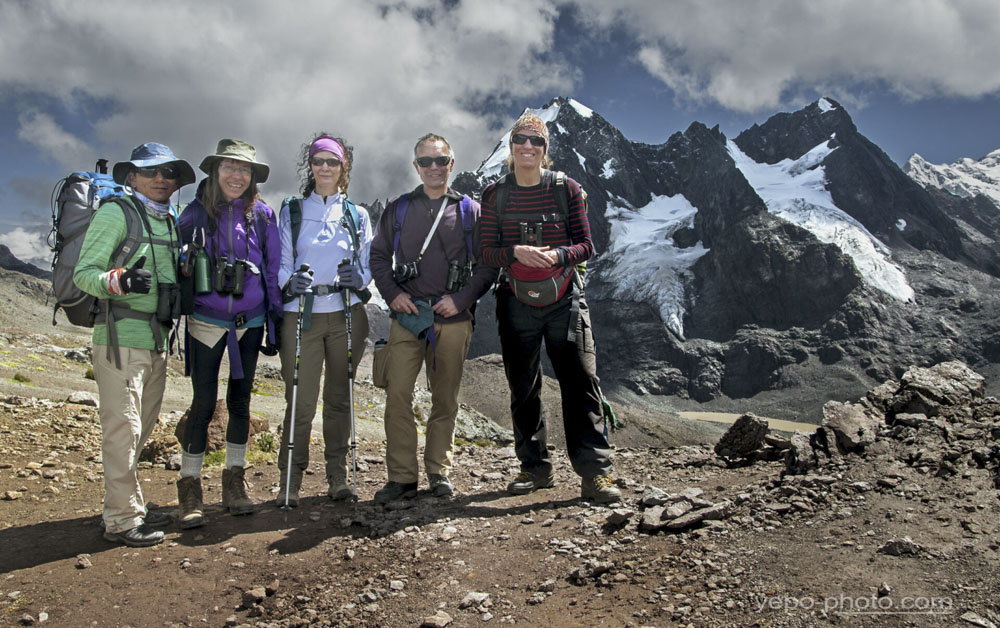
Expert guides will accompany us as well as pack animals, a cook and full support team.
You should be fully acclimatised before starting to walk as we will be camping in Altiplano well over 4,000m/13,123ft and crossing several passes at around 5,000m/16,404ft.
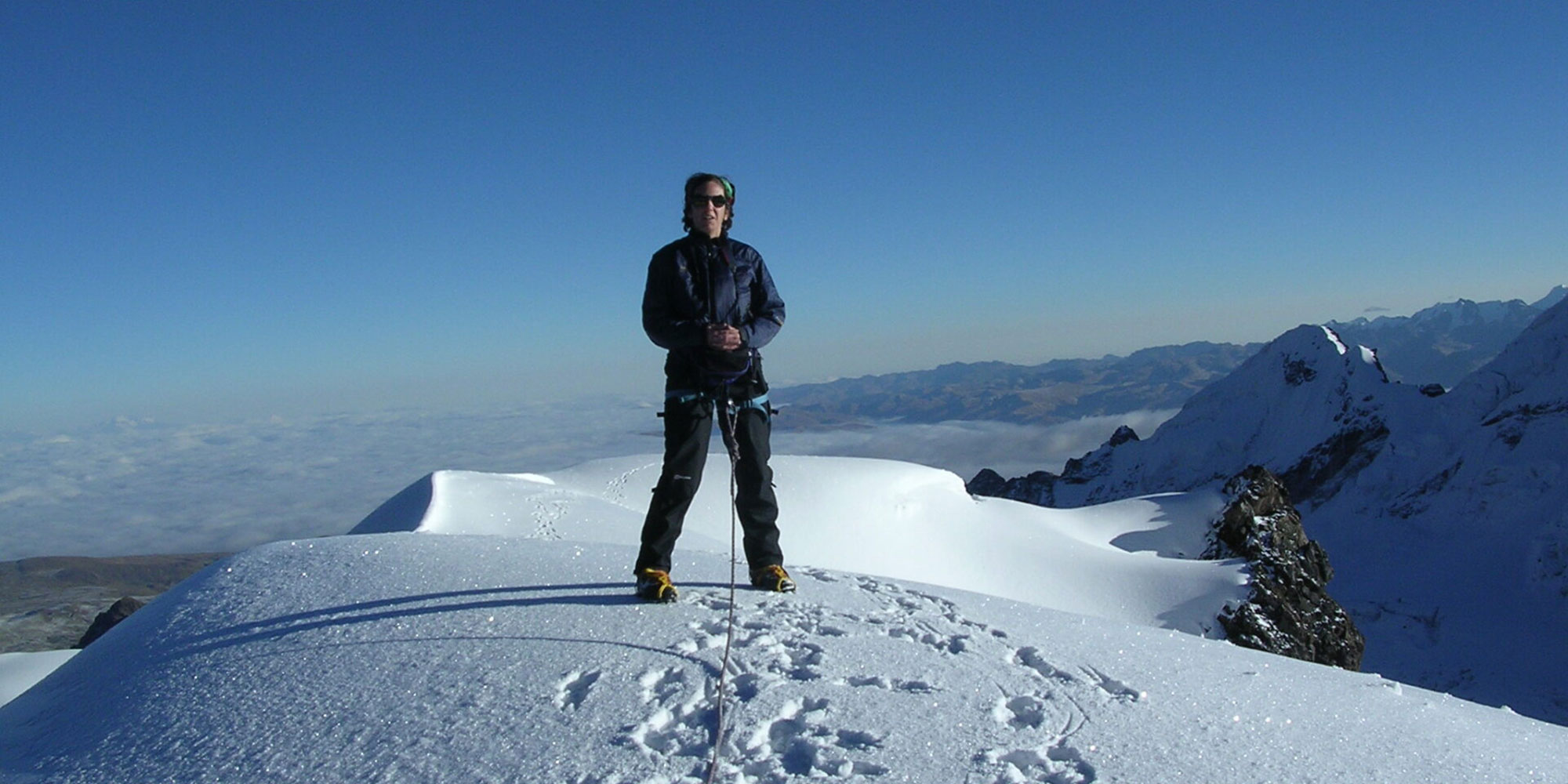
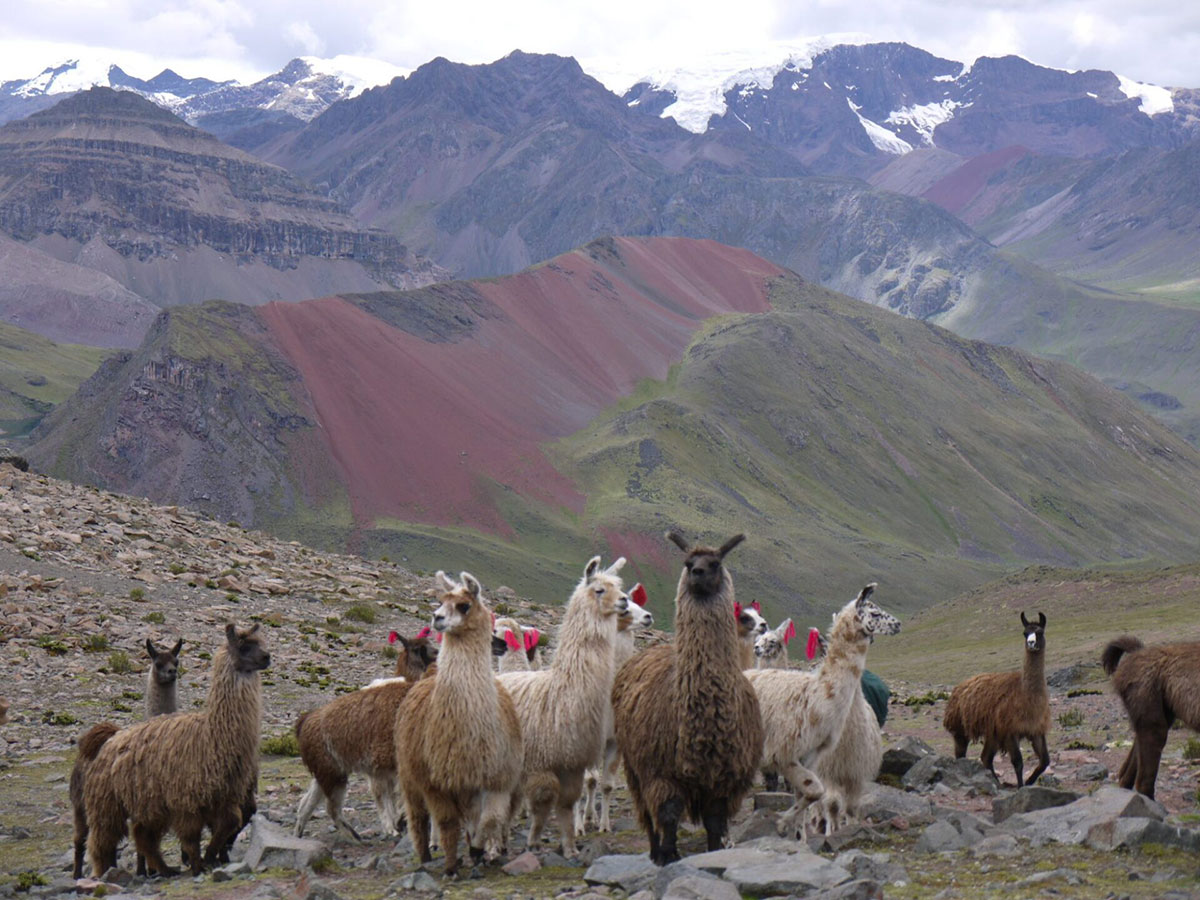
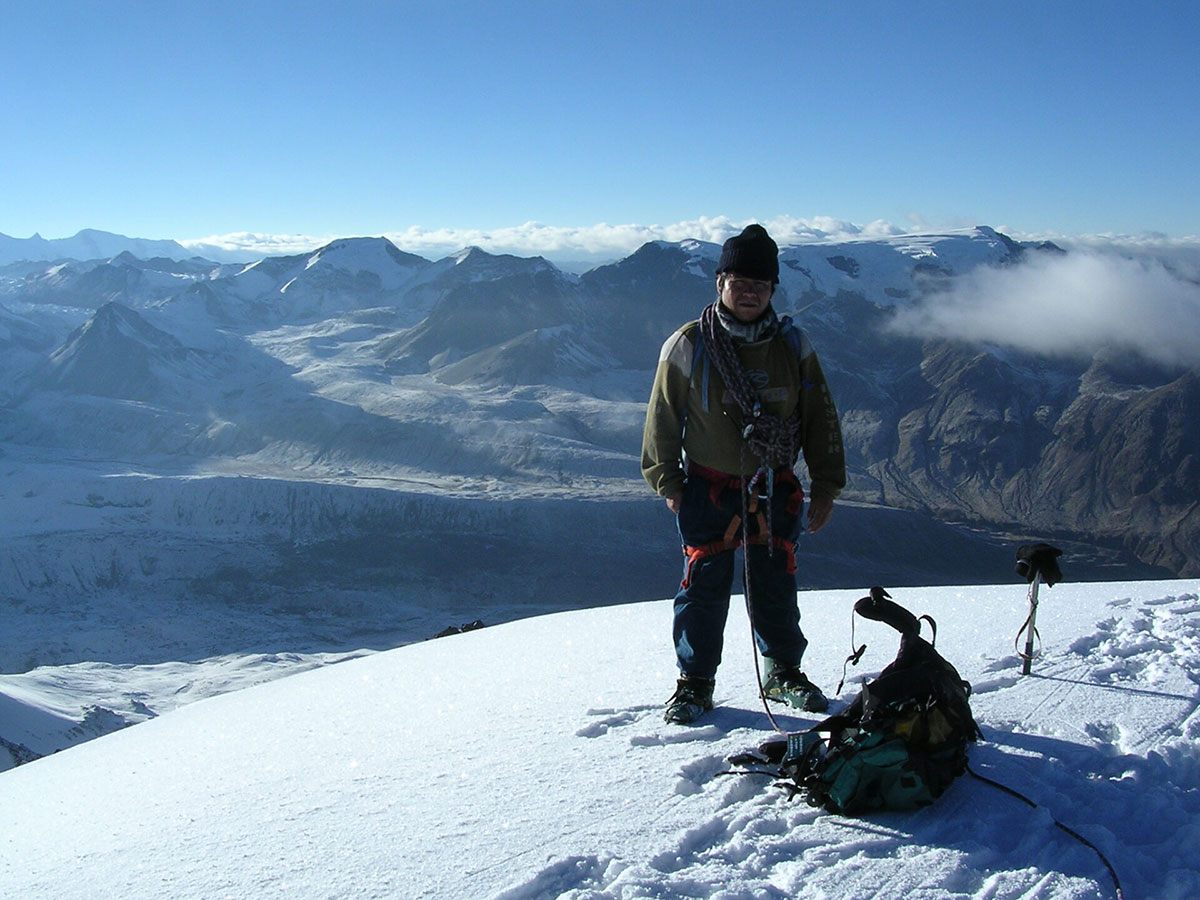
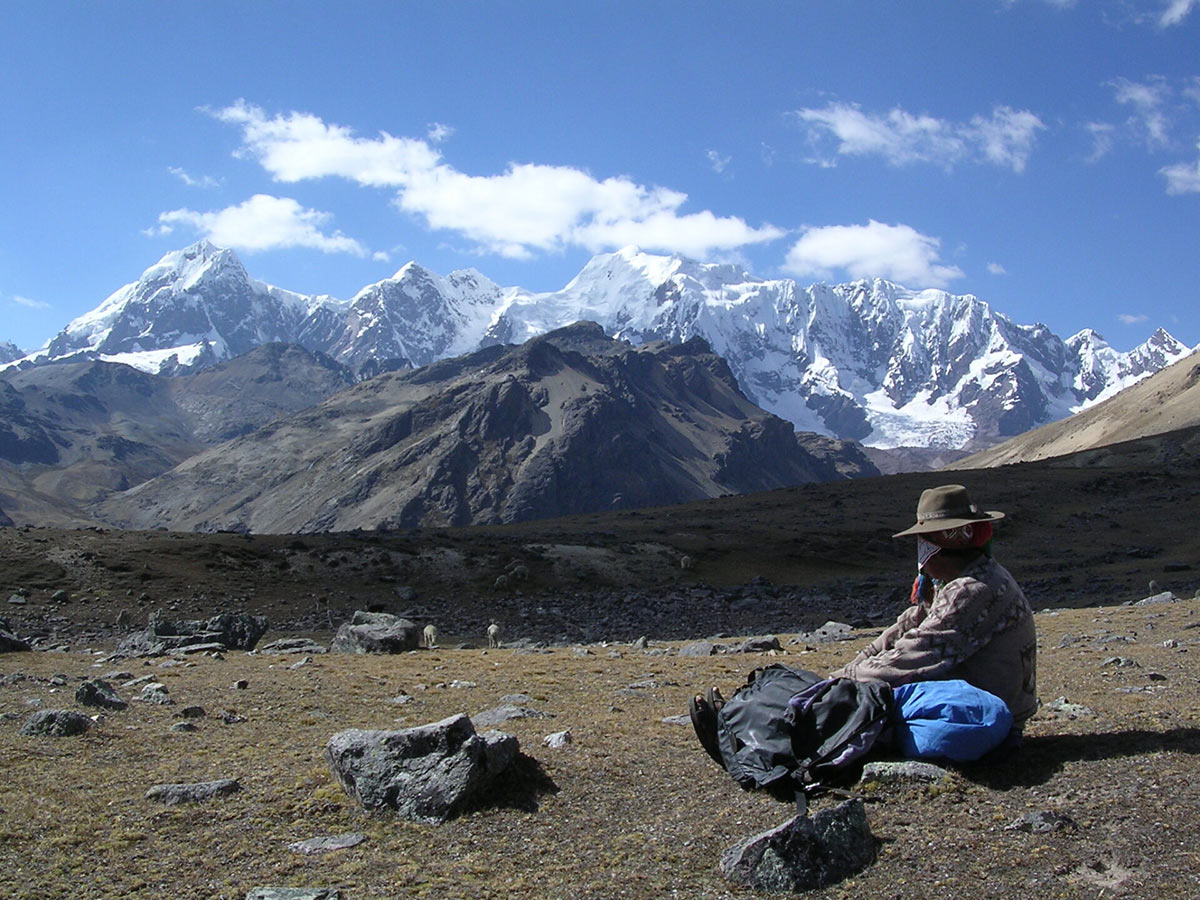
Our backdrop of snow-capped peaks and spectacular scenery accompanies us around the mystical Mount Ausangate (6,350m/20,505ft).
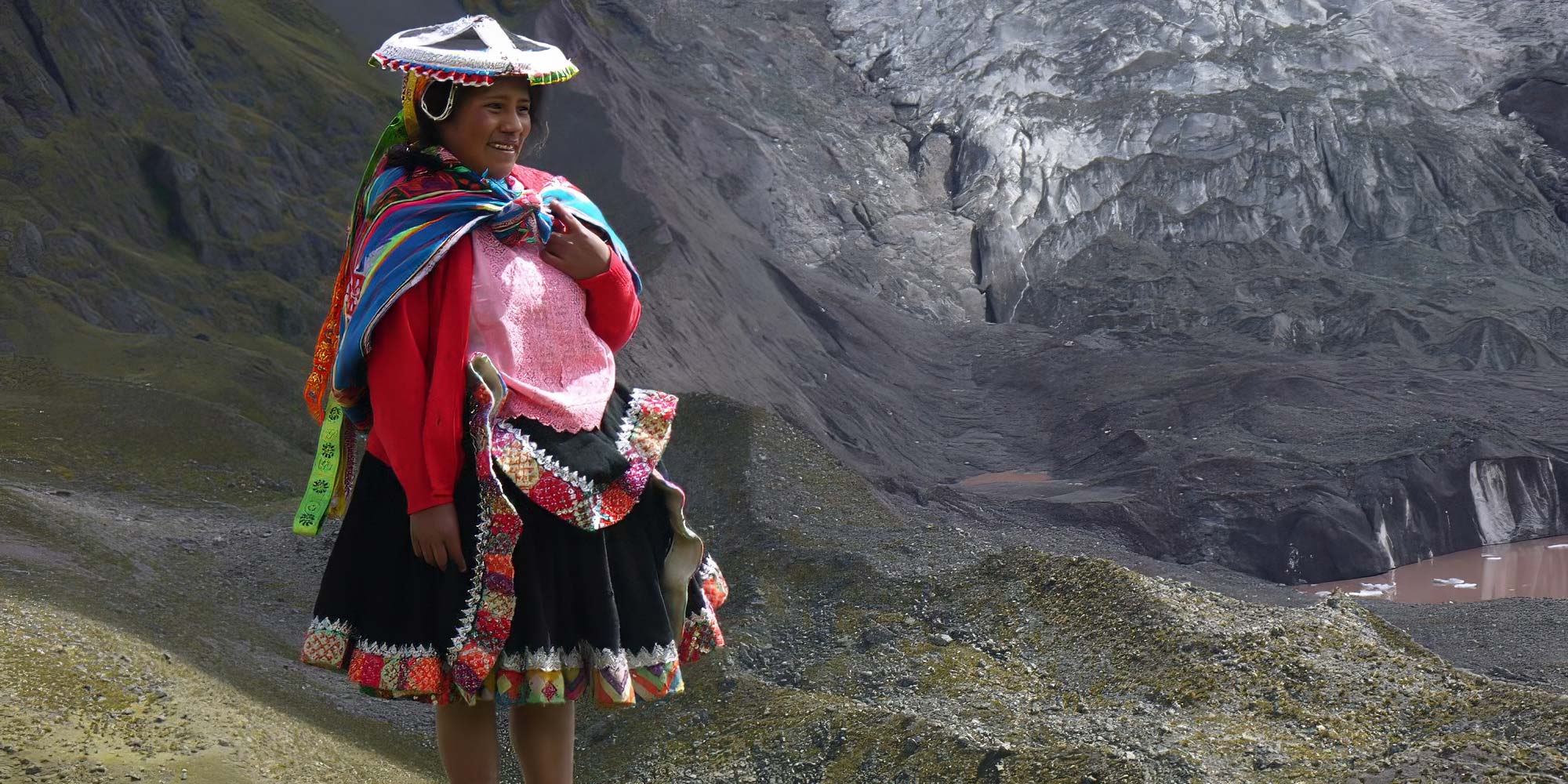
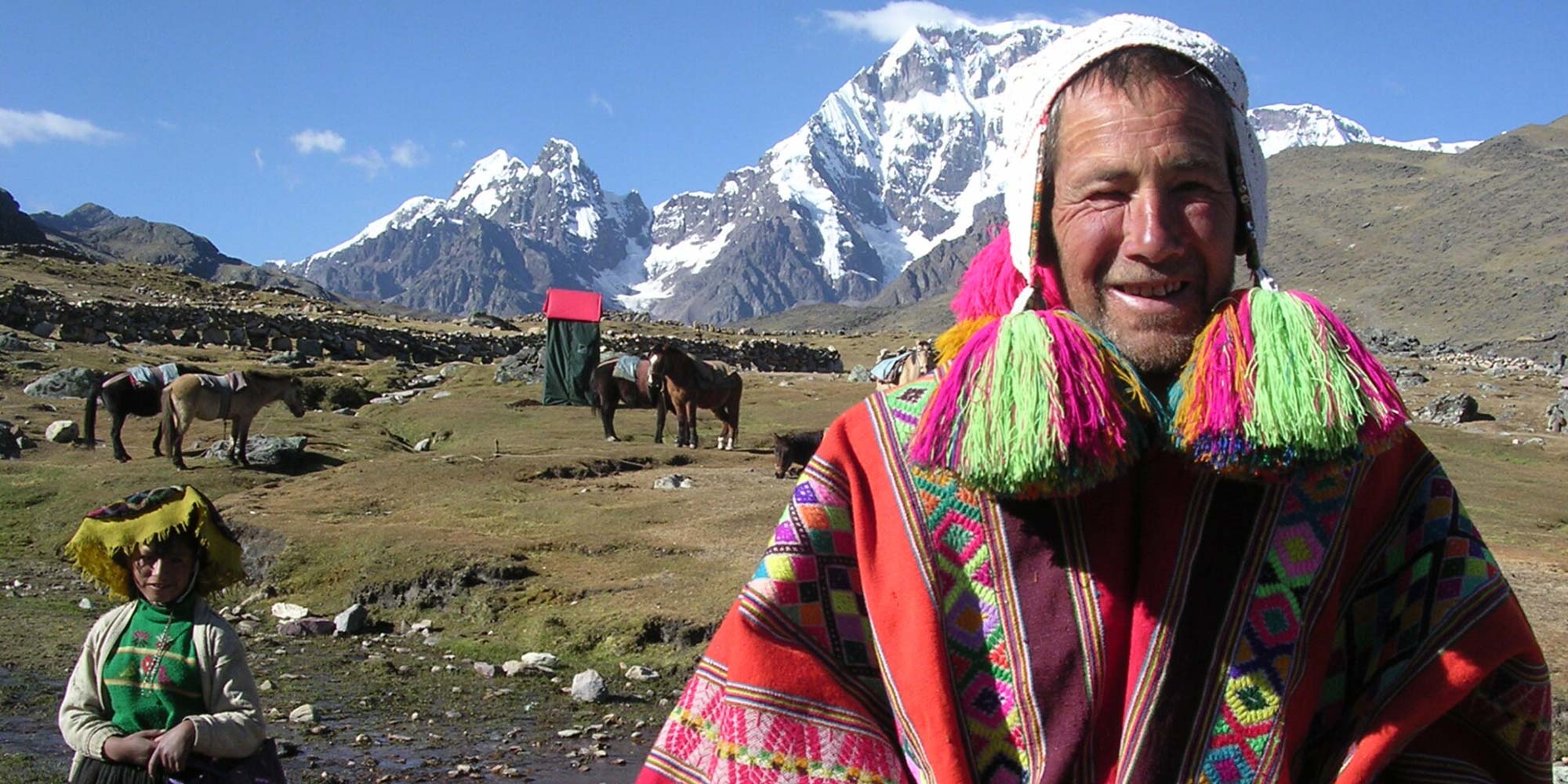
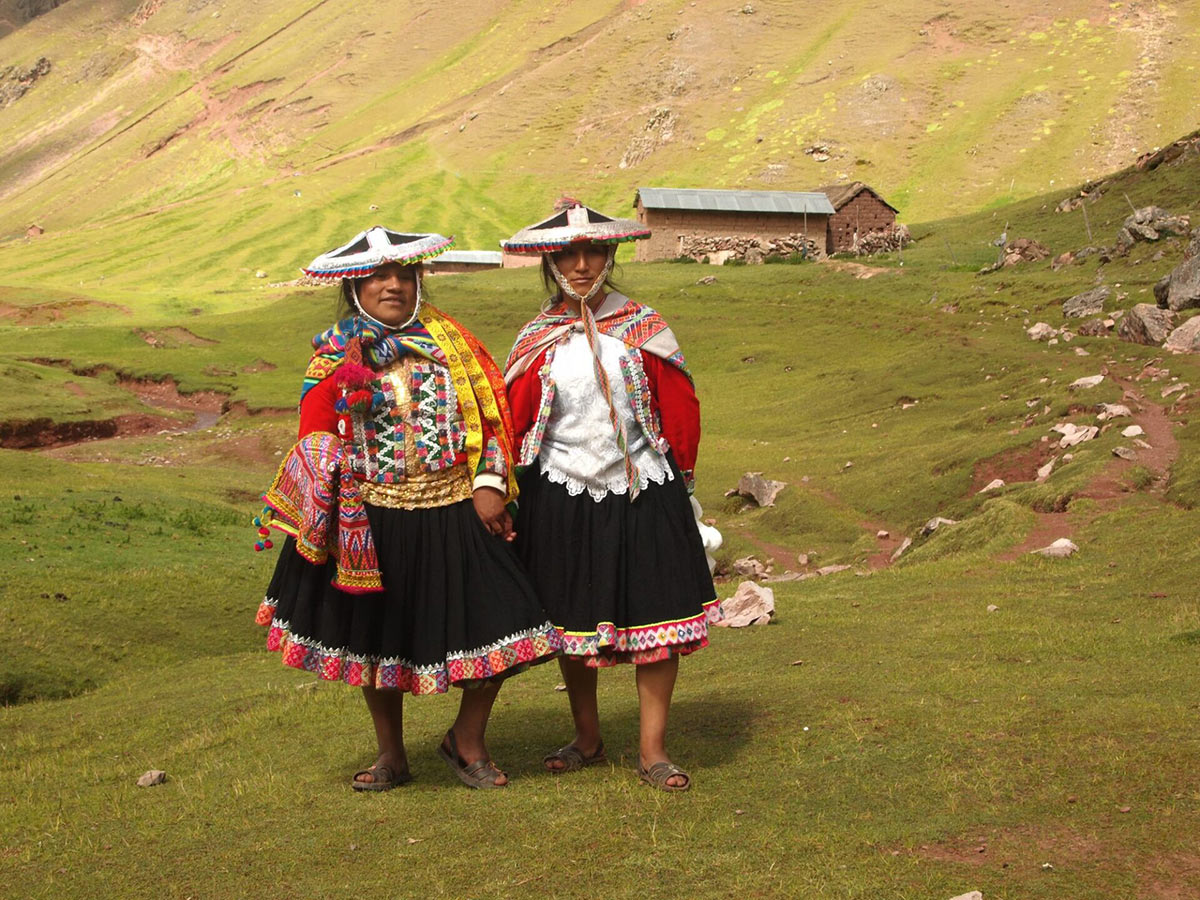
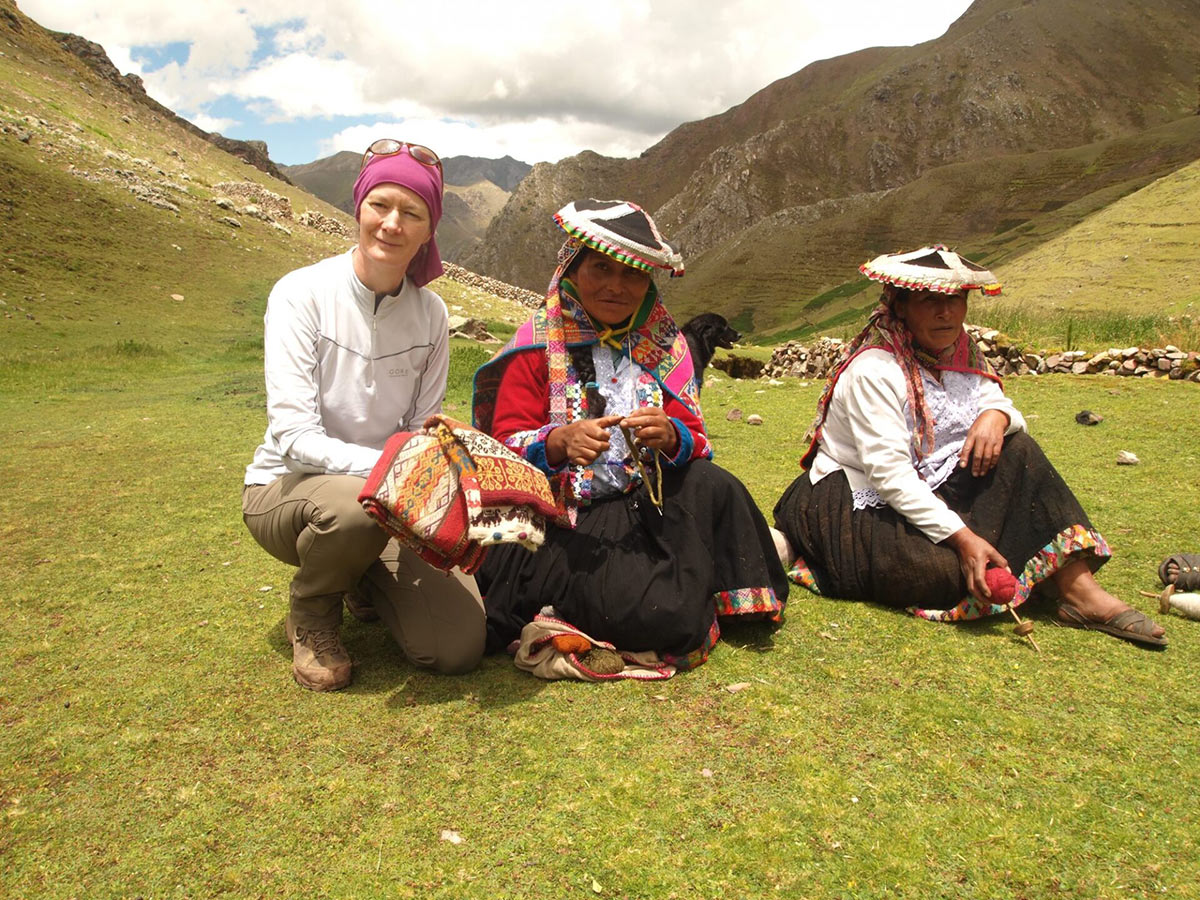
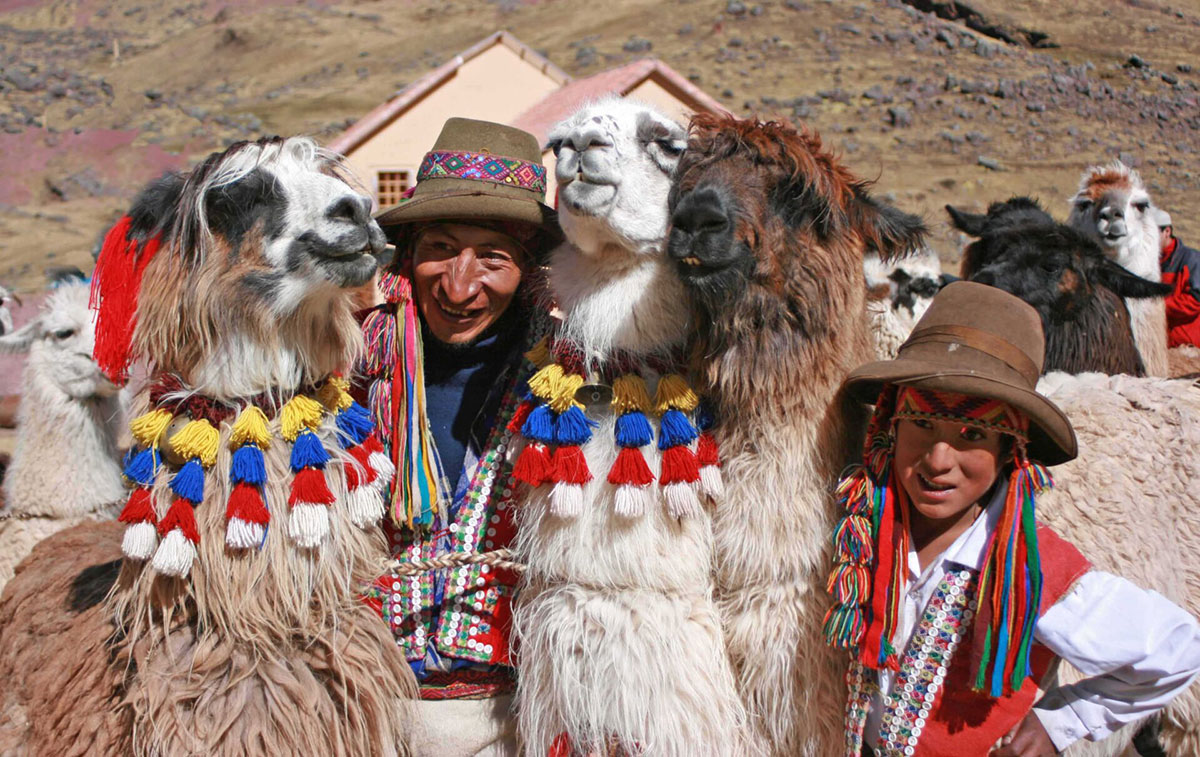
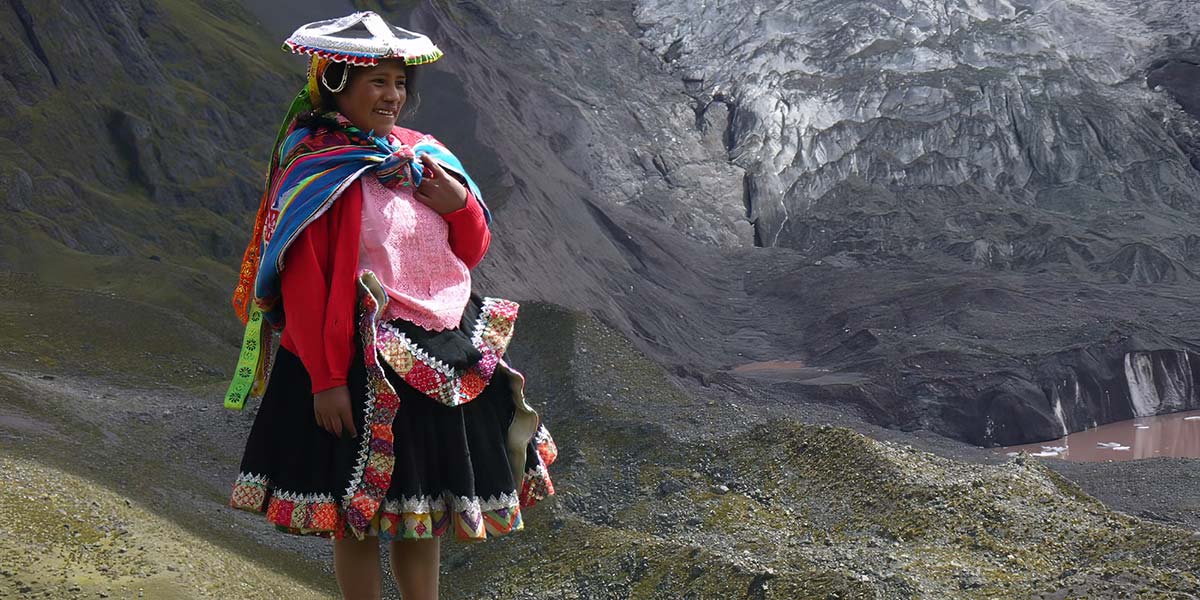
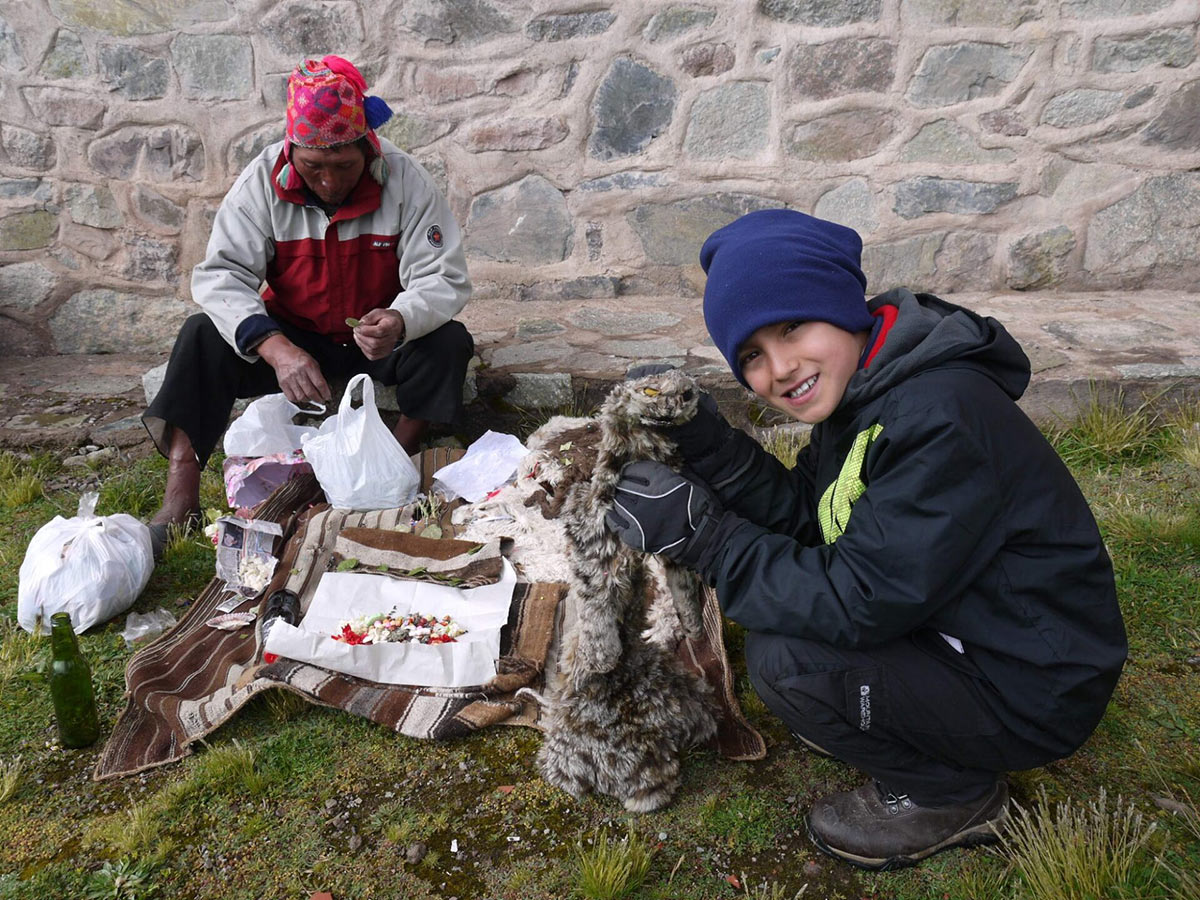
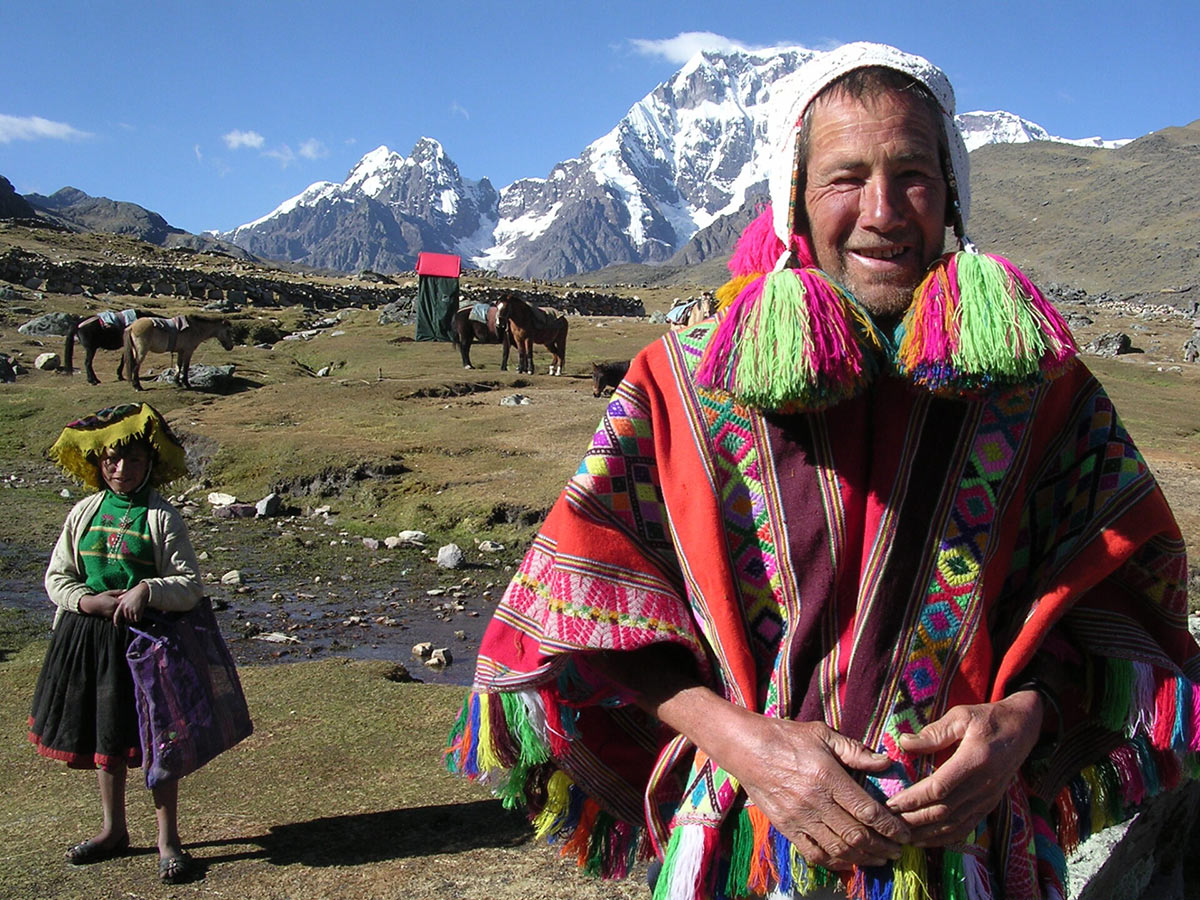
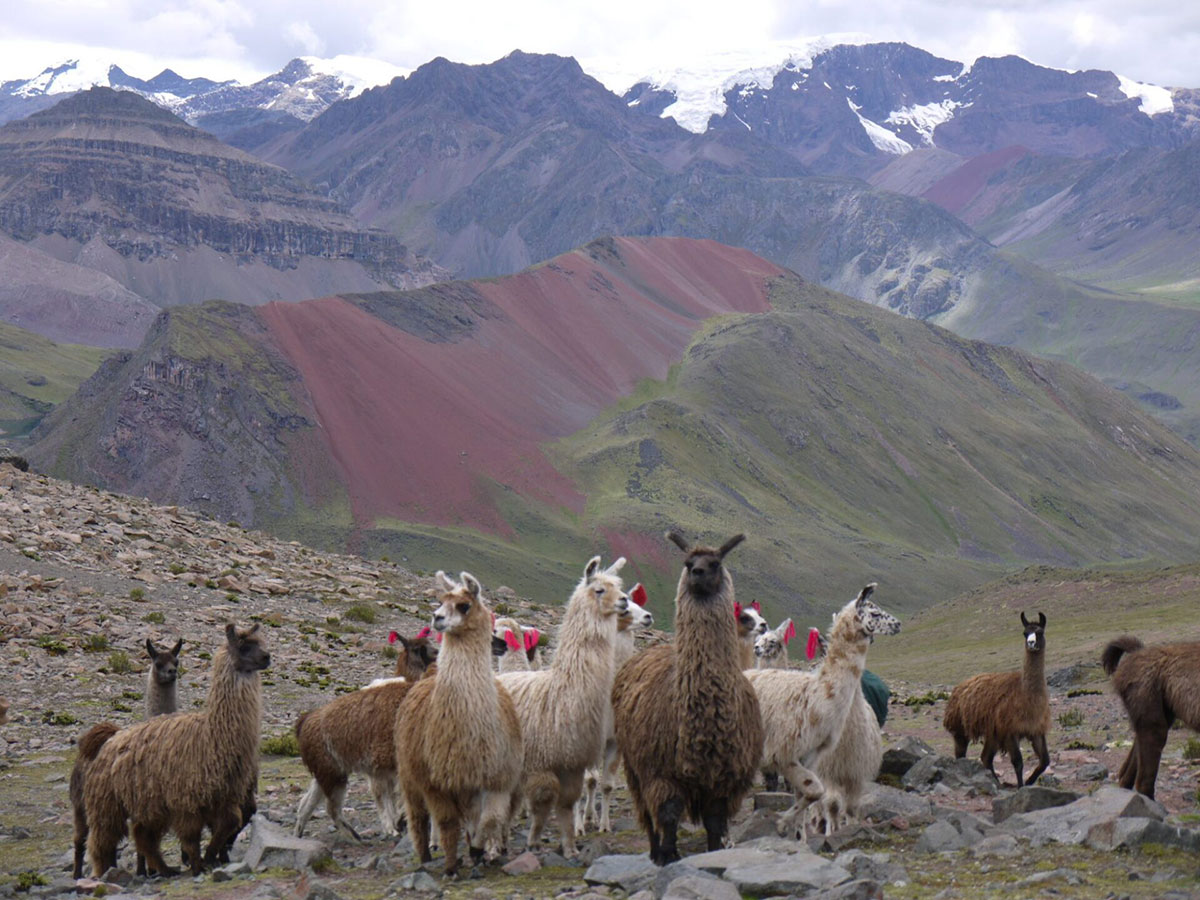
We walk among herds of llamas and alpacas in remote native Quechua villages and appreciate the colorful clothing and daily rhythm of the local inhabitants.
With three high passes over 5,000m, spectacular glacial views, and unmolested beauty and solitude, Ausangate is a superb trip for trekkers who love a true adventure.
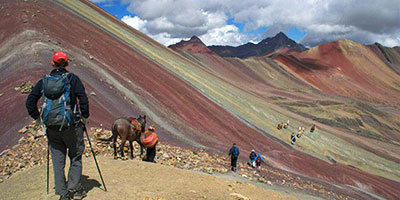
With luck, we can spot numerous bird species, including Andean geese and the magnificent Andean Condor. We can vary the route if you wish to include the Rainbow Mountain trek.
From: $1935 per person
Duration
5 days
Being at altitude, especially in the tropics, is usually a pleasure as it isn’t so hot, there are few insects and the air is clear.
However, when gaining altitude, air pressure drops and the amount of oxygen reaching the lungs is reduced. Although we build plenty of acclimatisation time into our itineraries, certain ill-effects are possible. Nevertheless, all of these can be minimised or prevented if care is taken.
On reaching heights above 2,500m (approx. 8,200 ft), especially when ascent has been straight from sea level, heart pounding, mild headache and shortness of breath are normal, especially on exertion.
Acute mountain sickness (AMS) is a syndrome known locally as soroche, whose symptoms can include of bad headache, dizziness and nausea).
To avoid AMS, you should:
In order to get the most out of a trek we classify as ‘moderate‘, you should be in good physical condition.
It is not easy to grade the fitness level required for any trek, since it is a subjective matter.
However, for treks classified as moderate, expect to trek 5-7 hours per day carrying only your day-pack, with several long ascents and descents.
Peru is made up of 3 distinct geographical areas: the coast, the mountains and the jungle.
The costa or coastal region is a narrow ribbon of desert 2,250 km long, crossed by fertile river valleys flowing from the Andes. It takes up 11% of the country and holds more than 40% of the population.
The cold Humboldt current gives rise to a blanket of mist – the garua – which hangs above coastal cities like the capital Lima from May to November.
Heading east, you’re soon climbing above the garua and into the Andes. The sierra, or mountainous region, covers some 25% of Peru’s territory and contains 50% of the population. The sierra inhabitants are mainly Indigenous or Mestizo, and many still speak Quechua or Aymara.
The sierra contains dozens of 6,000-metre snow peaks and volcanoes, including Huascaran (6,768m) the highest mountain in the tropics. The deep valley basins contain most of the towns and arable land; the terracing and canal systems of the Incas and pre-Incas are often still used today.
The eastern Andes are heavily forested up to 3,350m and sweep down into the Amazon Basin.
Peru’s selva or jungle makes up almost two thirds of the country’s area, but holds only about 6% of the population: the only towns with significant populations are Iquitos and Pucallpa.
Peru is the perfect holiday destination for adventure travellers that want an amazing variety of activity, geography and cultural travel experiences.
The breadth of travel experiences in Peru is breathtaking – from trekking in the Andes to Machu Picchu to the tropical jungle of the Amazon, and plenty in between.
The people of Peru make it a special destination too, with its colourful and traditional street life and friendly locals.
Good kit is vital for every trip.
Book with Andean Trails and get 15% off Páramo’s fantastic ethical and high performance outdoor gear.
Good kit is vital for every trip.
Book with Andean Trails and get 15% off Páramo’s fantastic ethical and high performance outdoor gear.
When planning for the varied climatic conditions encountered, layering is the most practical and versatile clothing system. It’s worth remembering that our clothing keeps us warm by retaining and isolating the heat we ourselves create.
To best maintain body heat, several layers of lightweight, warm and quick-drying clothing are far more efficient than one or two thick layers. Layers should have the following qualities:
First (base) layer: This layer wicks the sweat away from our skin, thus helping keep the body dry and warm. To this end, synthetic fabrics such as polypropylene should be used.
Mid layers: These isolating layers should also be synthetic (e.g. the known polar linings such as polartec or windblock, which are light and insulate twice as well as wool). Very important layers for retaining body heat.
Outer layer / shell: Finally, the vital layer which protects us from climatic adversities. A breathable, wind-proof and waterproof anorak, such as Goretex.
Give plenty of thought to kit selection, and try to keep weight down.
We also carry an extensive first aid kit & oxygen on all trips, but these are generally for emergencies only.
Below is a more detailed kit list.
A captivating Amazon adventure filled with playful wildlife, rich culture, and meaningful conservation experiences in Peru.
A joy-filled Peruvian adventure blending island culture with the iconic Inca Trail.