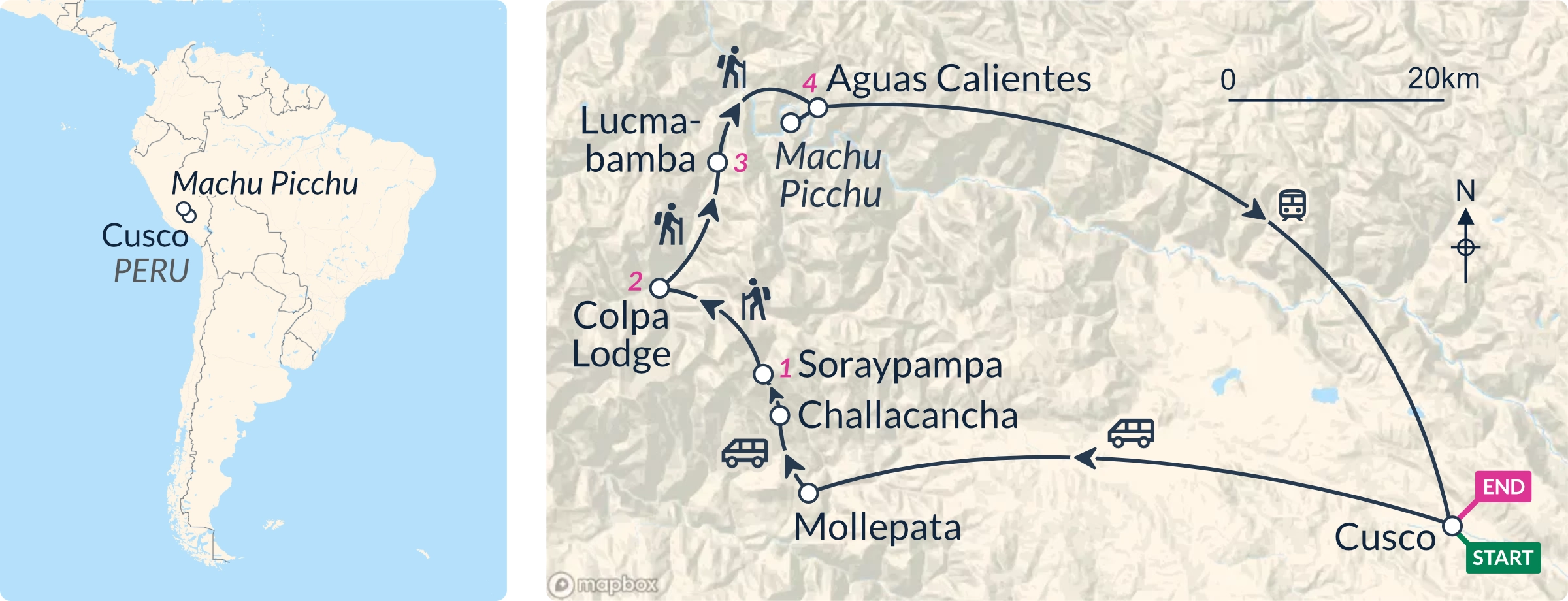
On the first day we leave Cusco early. We stop in sub-tropical Mollepata for an optional breakfast before driving onwards to our starting point at Challacancha.
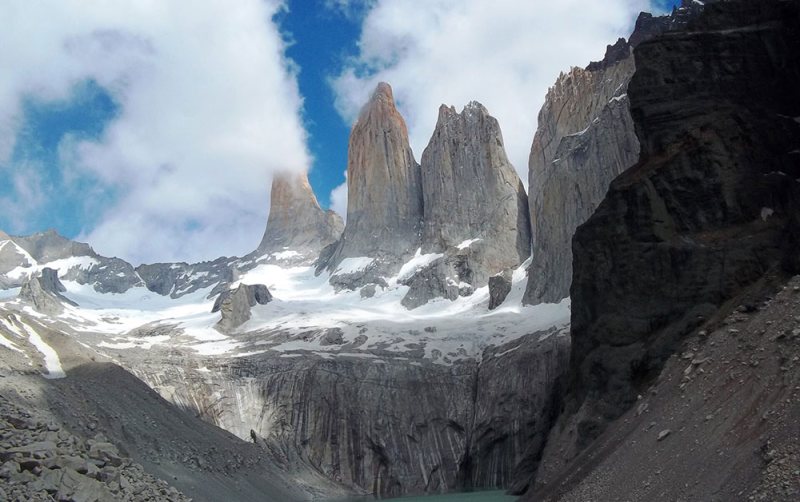
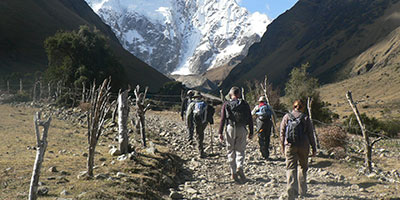
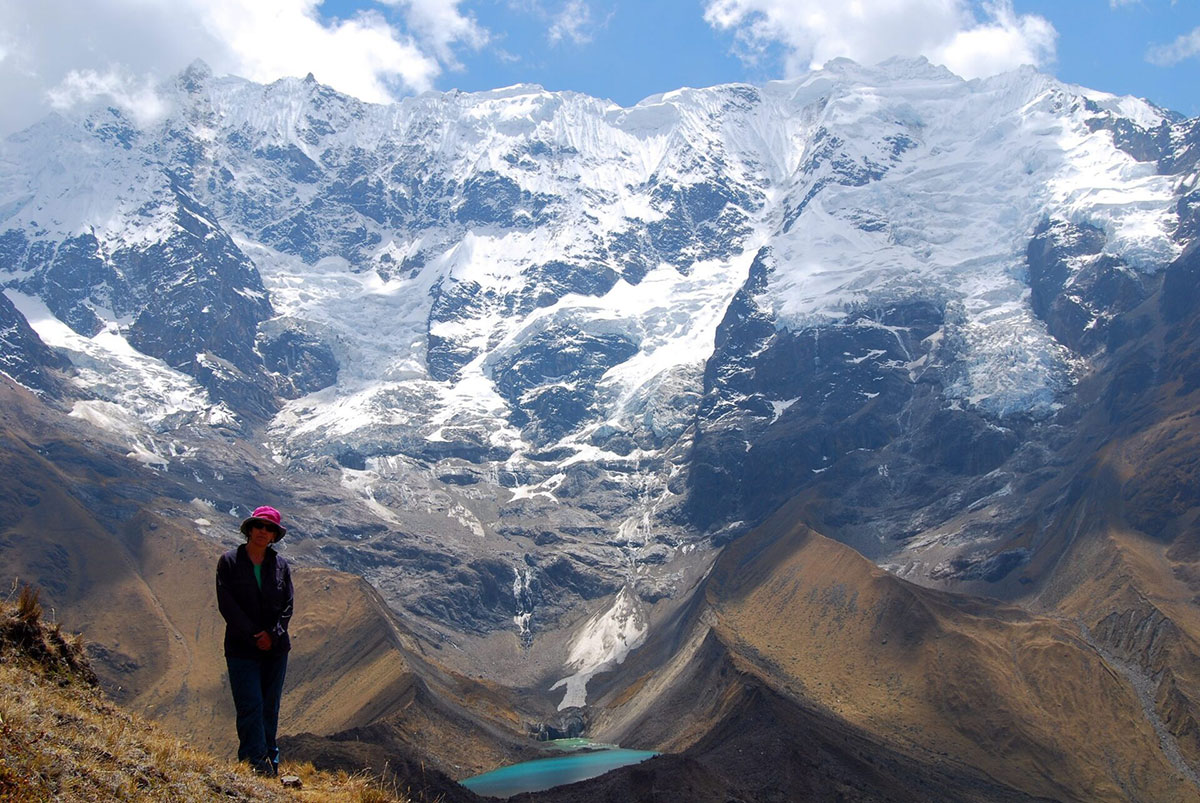
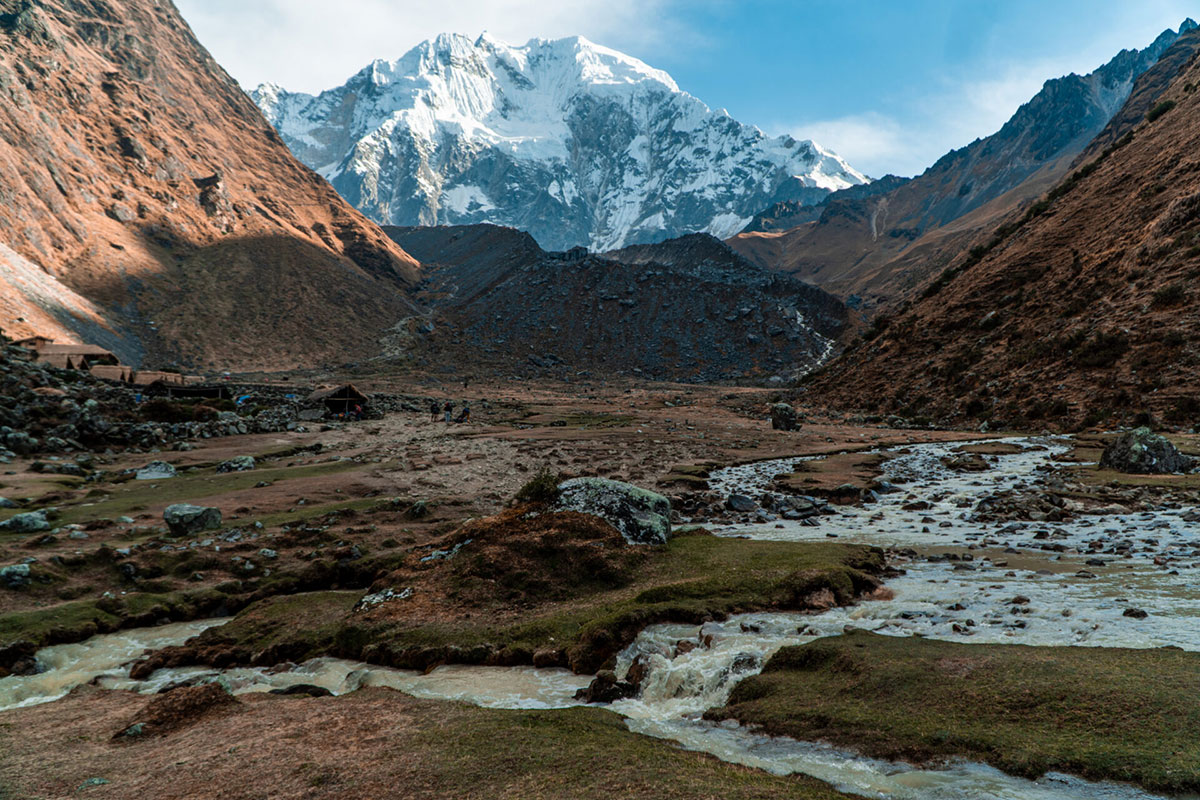
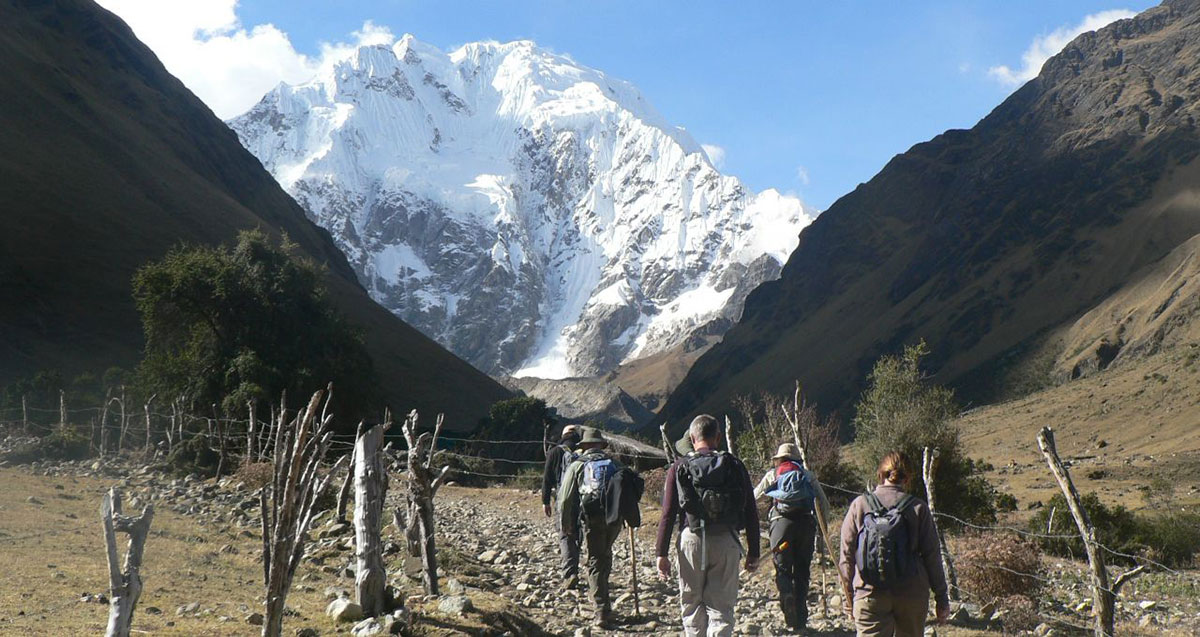
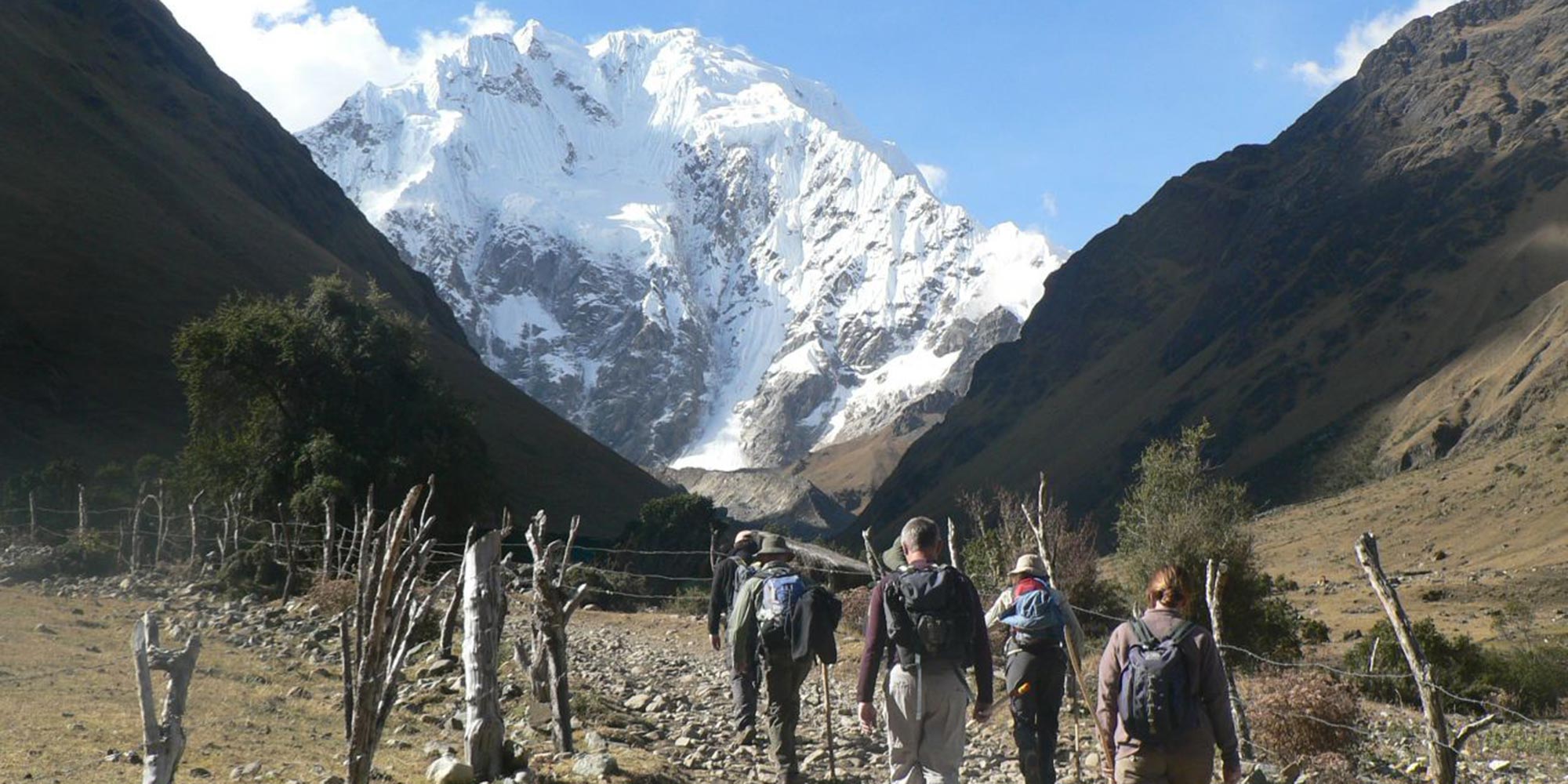
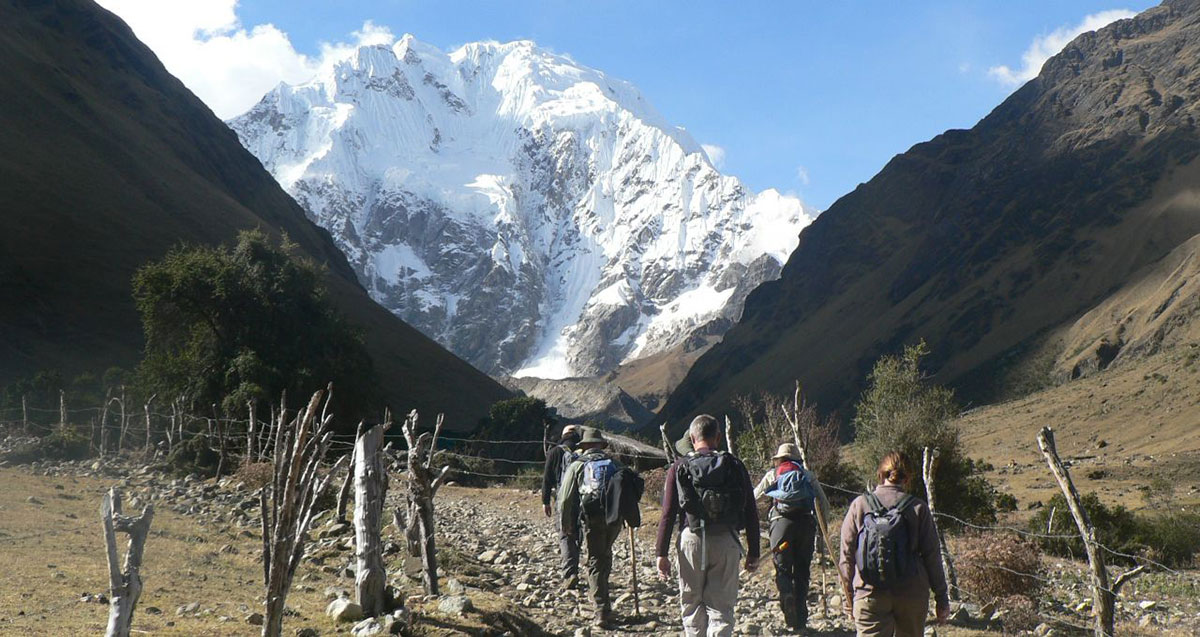
We start with a 3-hour walk to Sorayapampa (3,900m/12,795ft) where we will spend our first night. You’ll see the large, white, ice-clad head and shoulders of Salkantay up ahead.
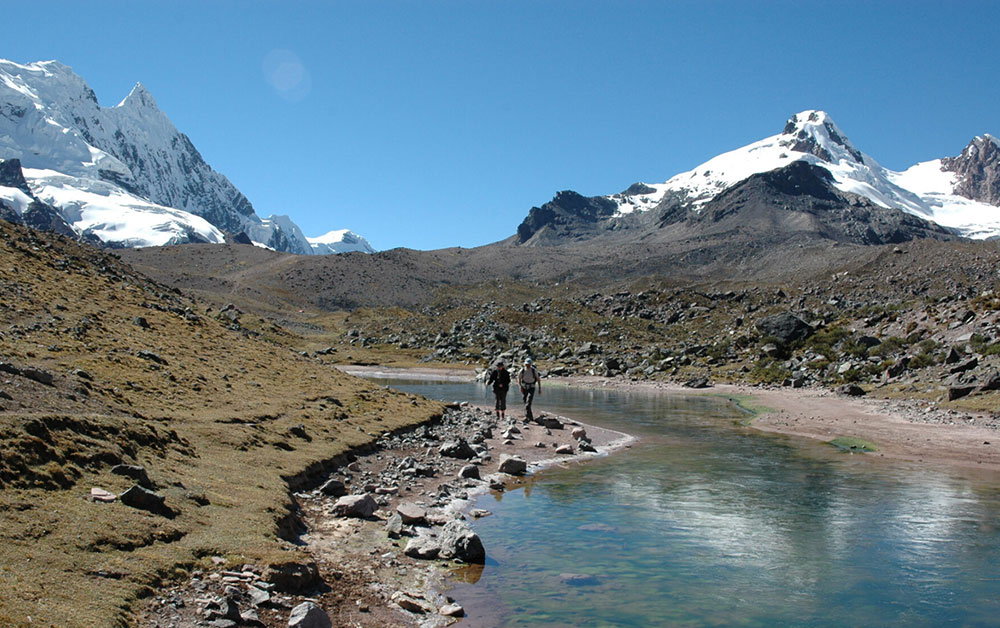
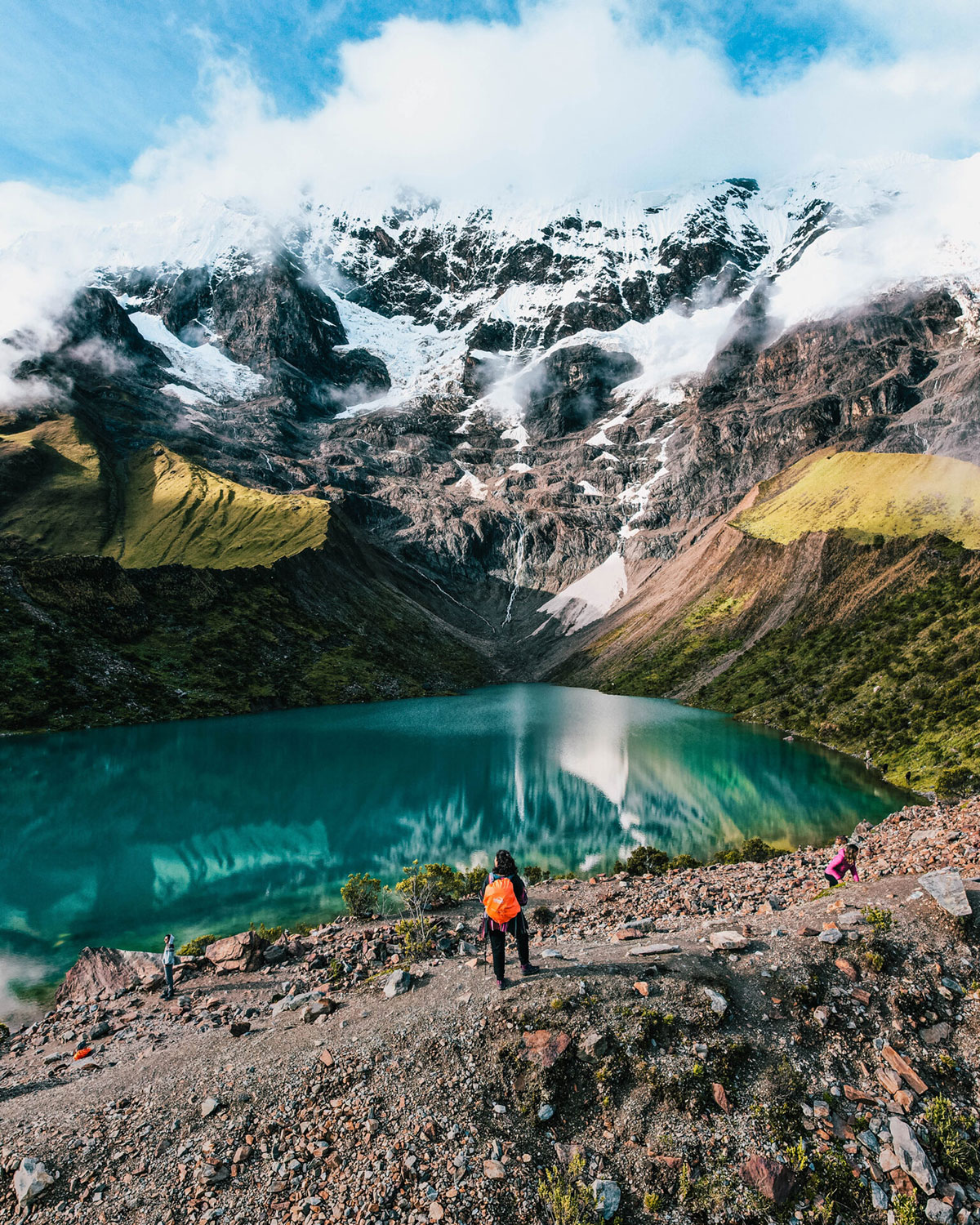
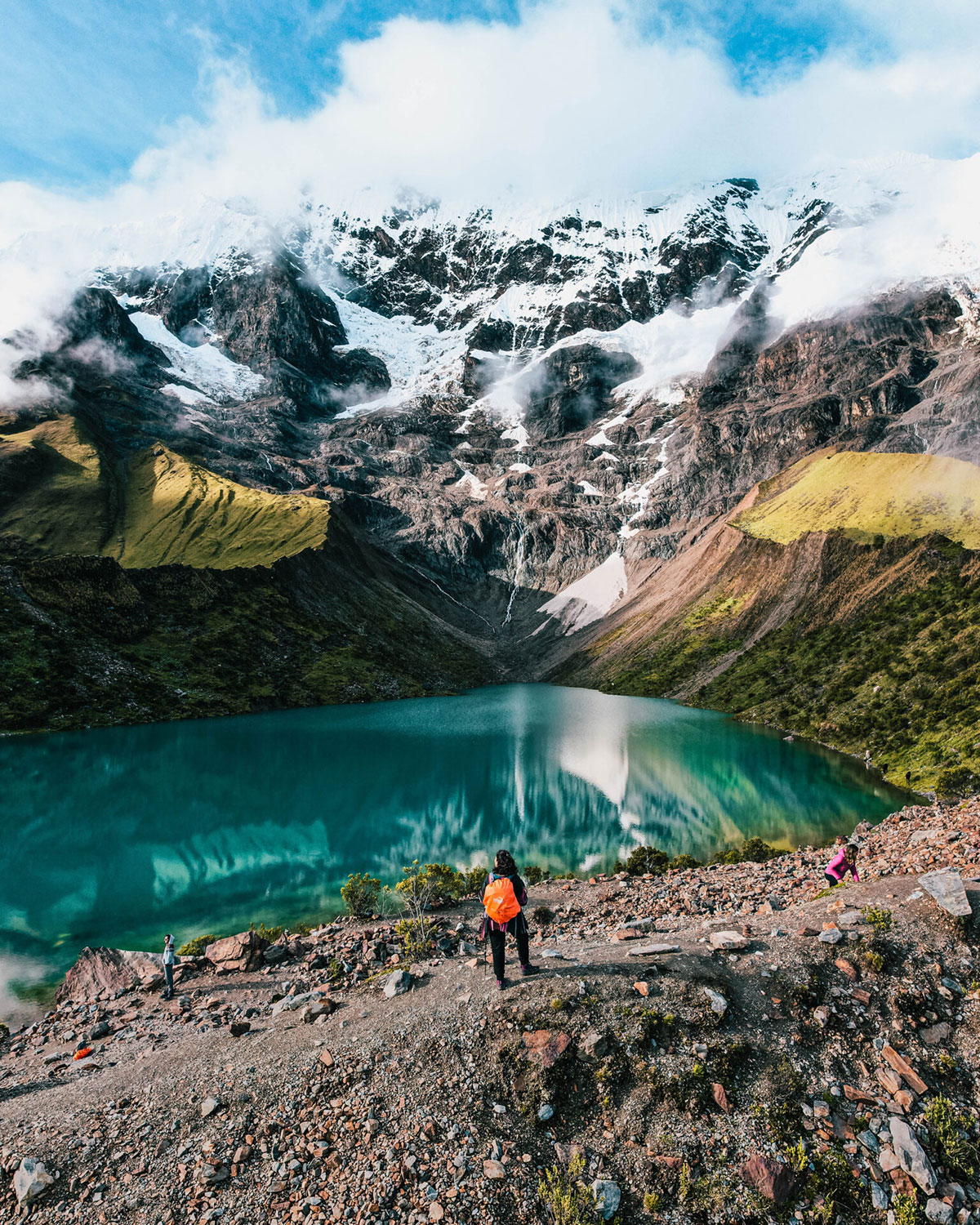
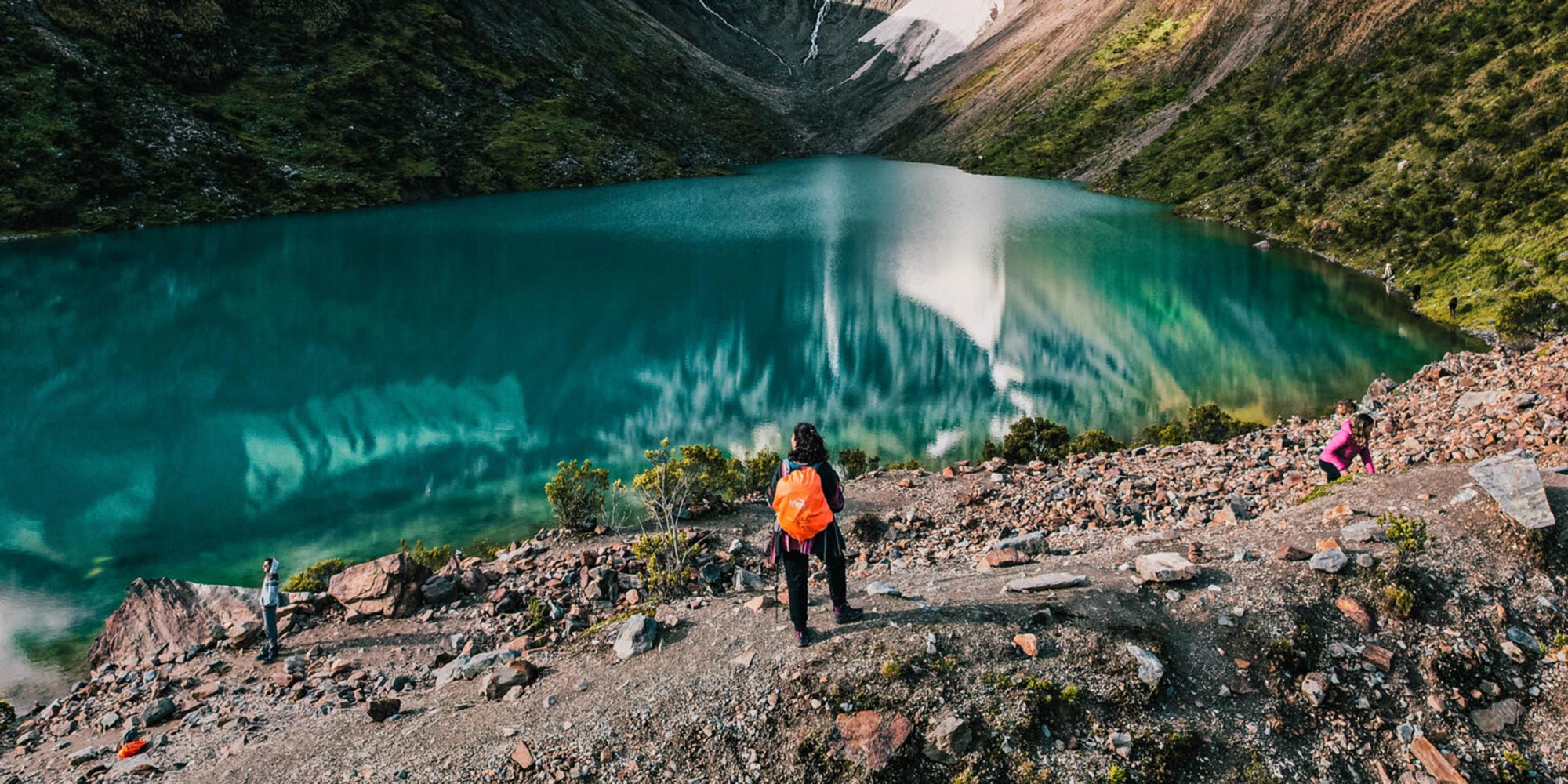
After lunch and a short rest, we will hike up to dazzling turquoise Humantay Lake 4,200m/13,780ft. The 3km trip takes about three hours as we take things slowly at this altitude.
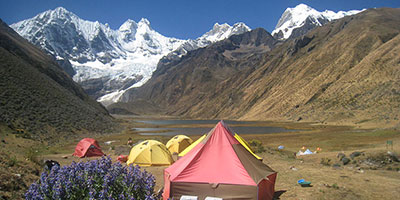
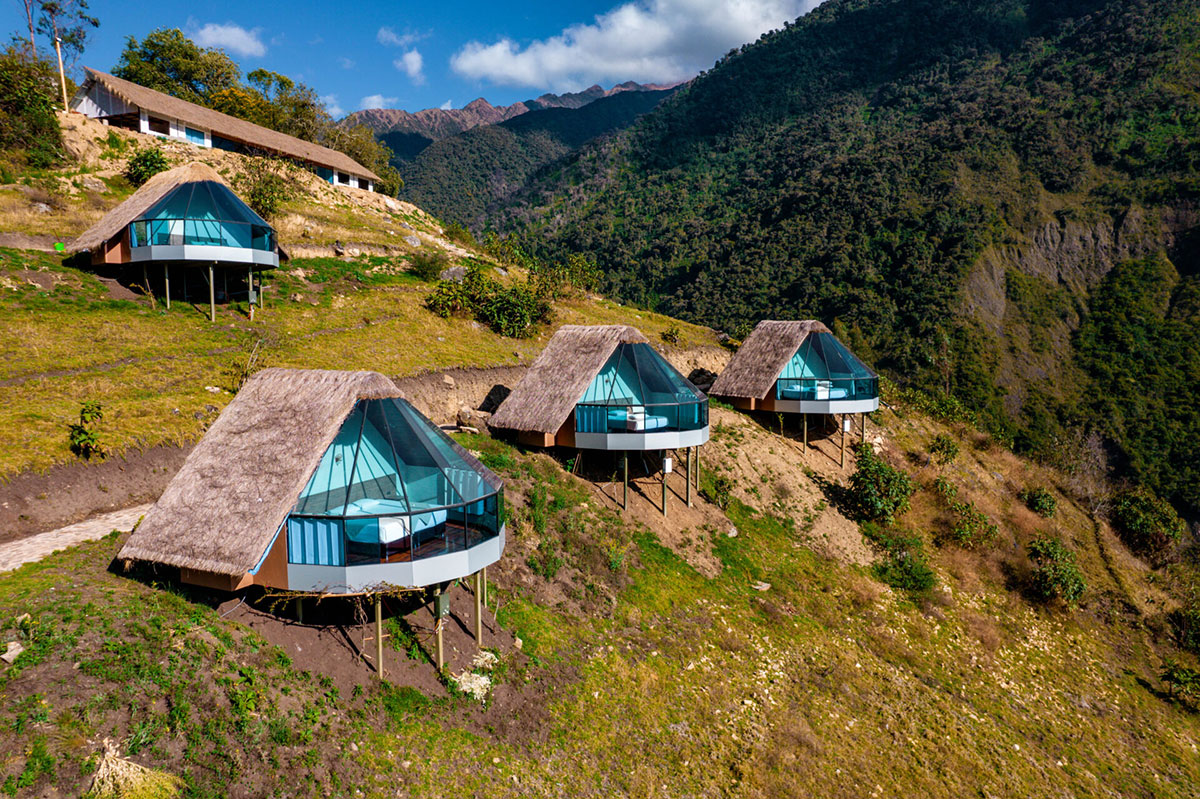
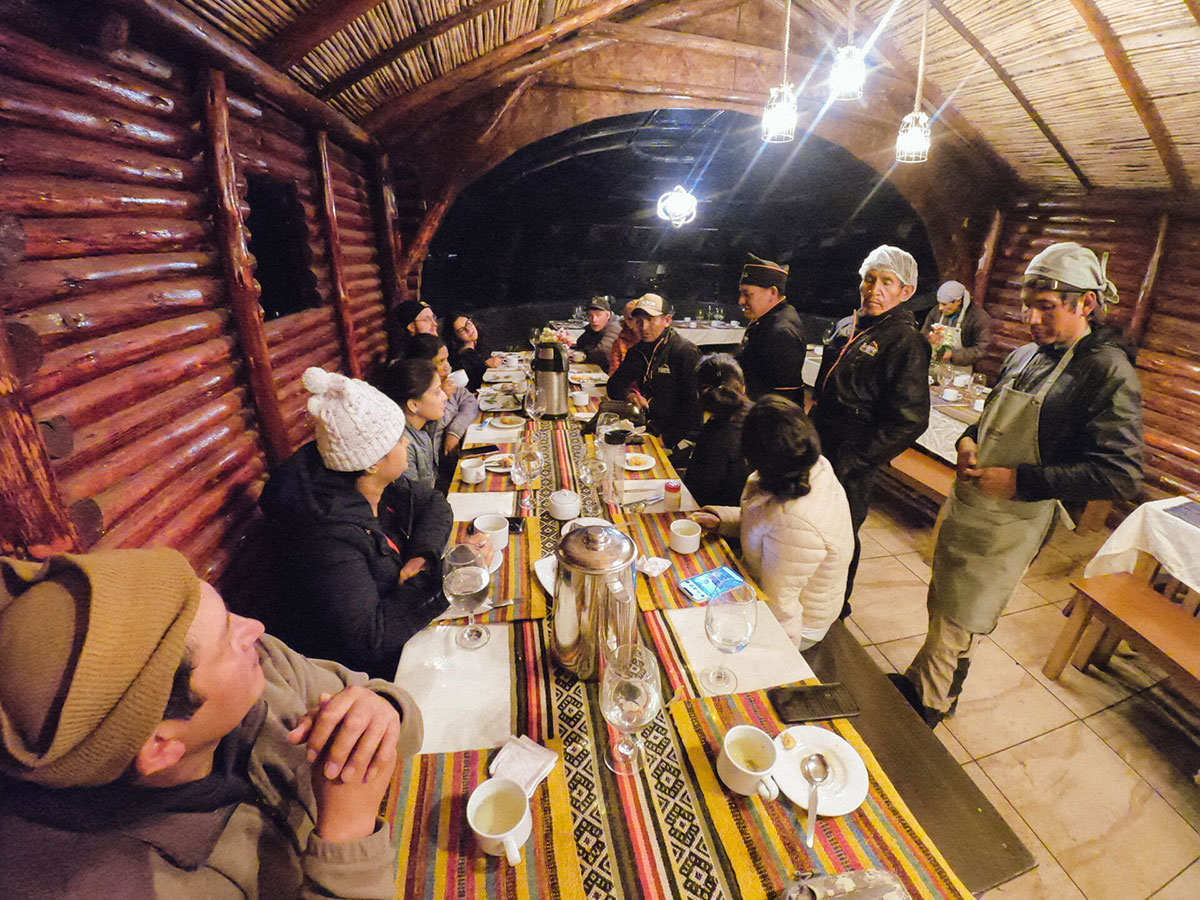
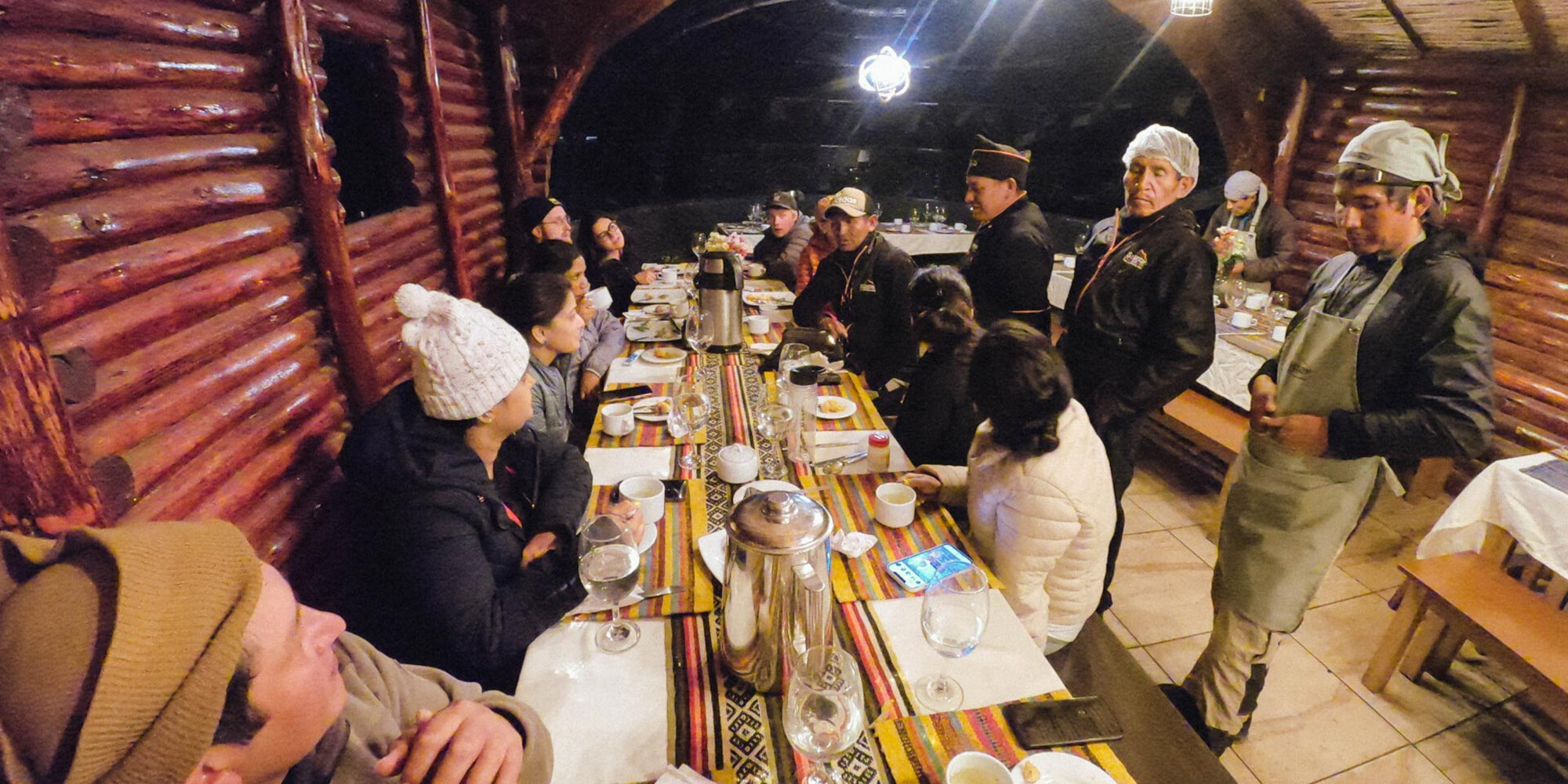
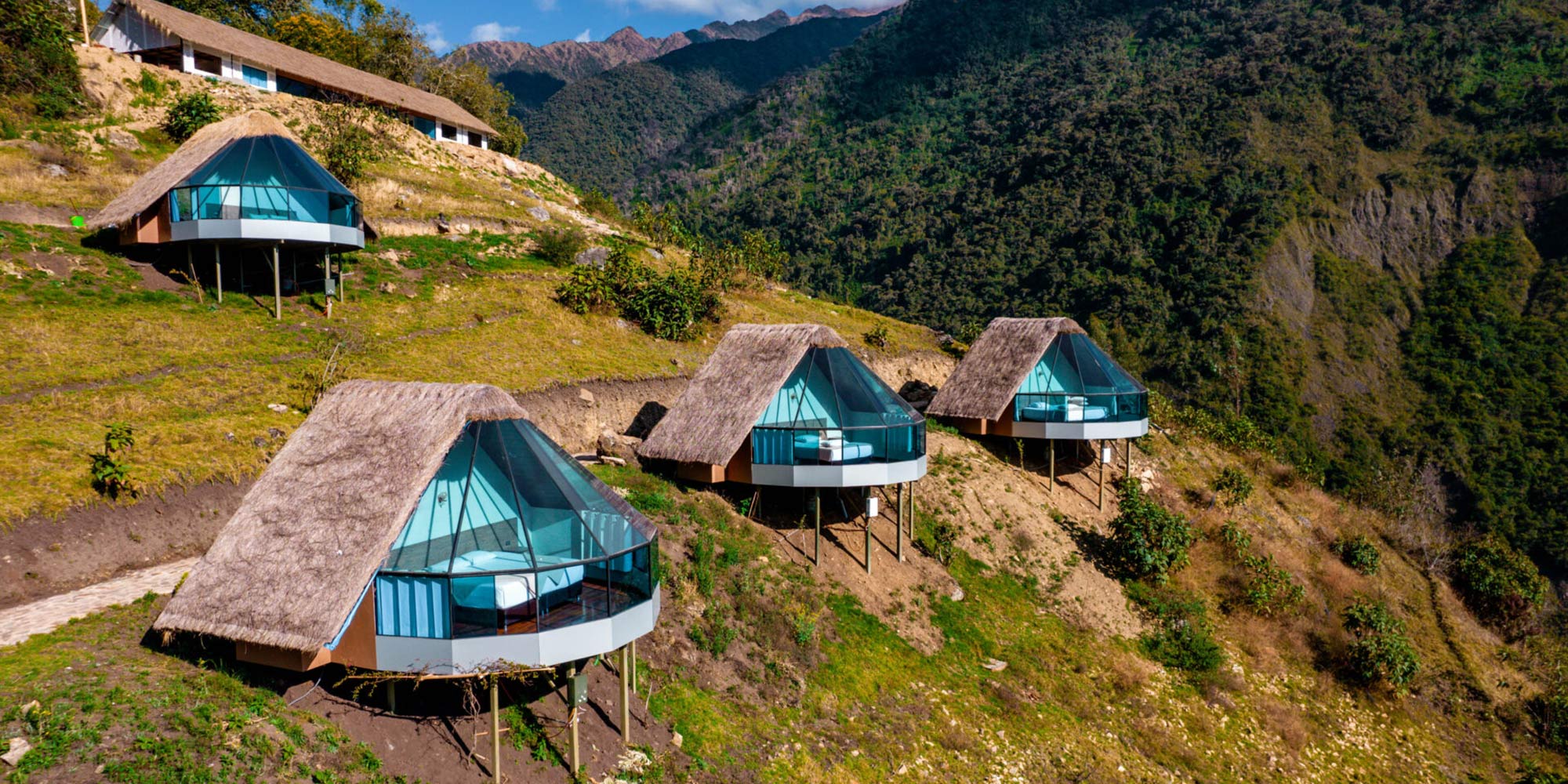
The Sky camp has a dining hut, toilets and cold shower, and spacious 2-person domes, set in the valley at the foot of towering Salkantay (6,271m/20,574ft). Warming soups and meals will be served, and washed down with steaming hot drinks.
Distance to walk: 10 km/6.21 miles
Walking time: 5-6 hours
Starting altitude: 3,800m/12,467ft
Highest point: 4,200m/13,780ft
Campsite altitude: 3,900m/12,795ft
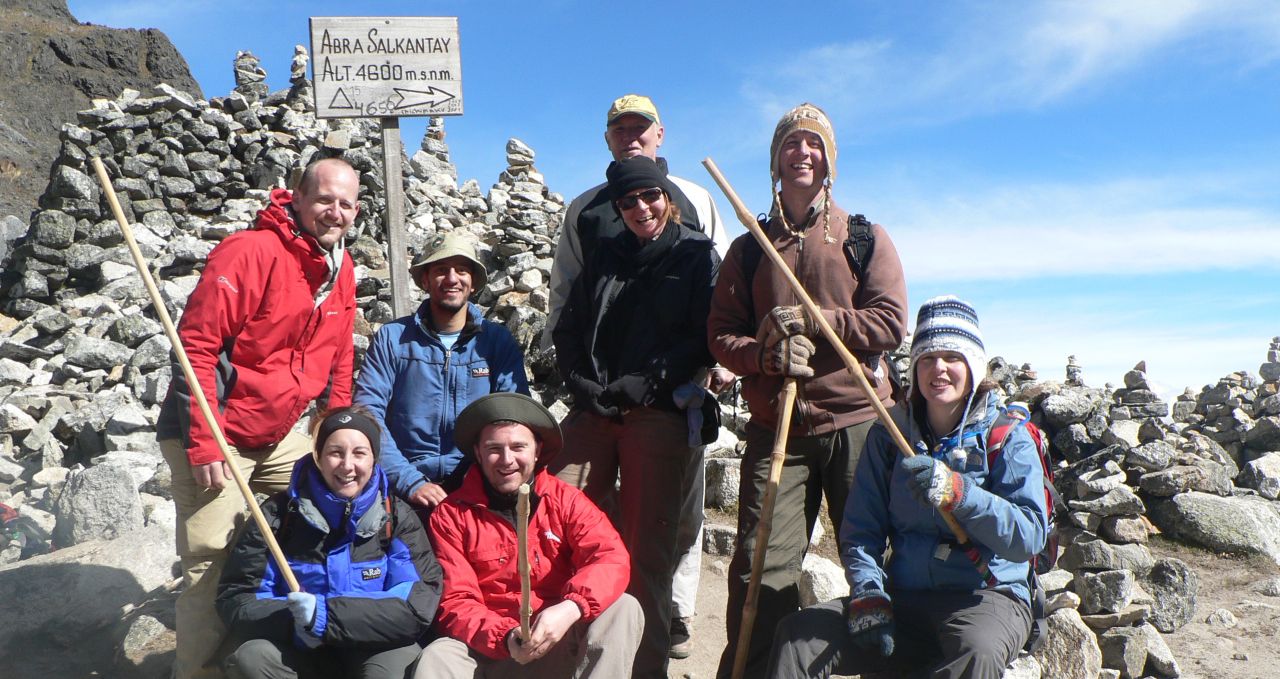
In the morning, you will wake up with the early morning sun and enjoy an energizing coca tea. This is followed by a hearty breakfast, before embarking on the 7 km / approximately three-hour trek to the highest point on the route, the Salkantay Pass (4,630 m / 15,190 ft). It is a difficult, winding ascent along the “path of the 7 snakes”.
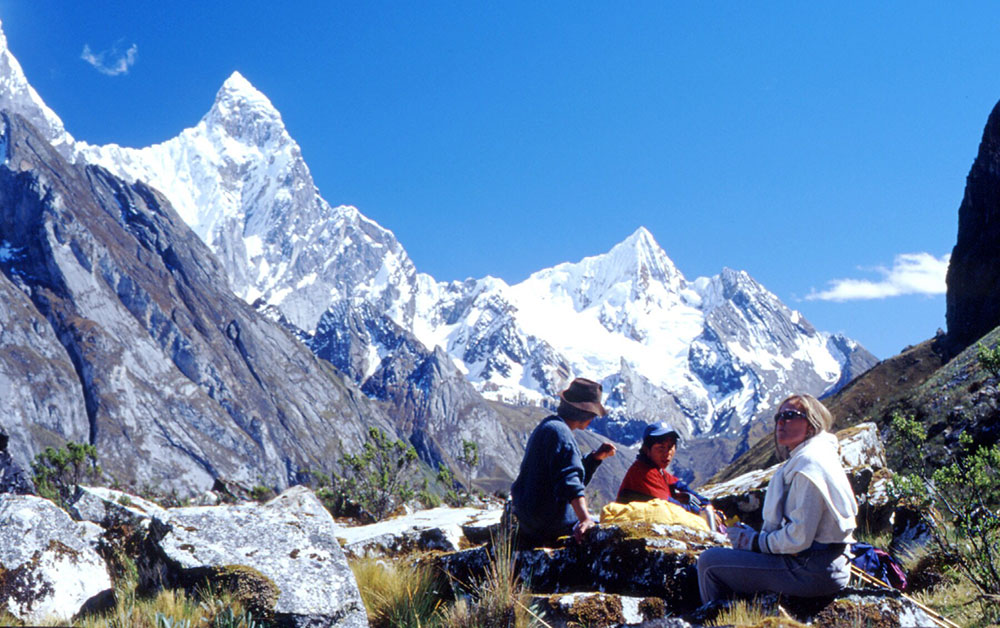
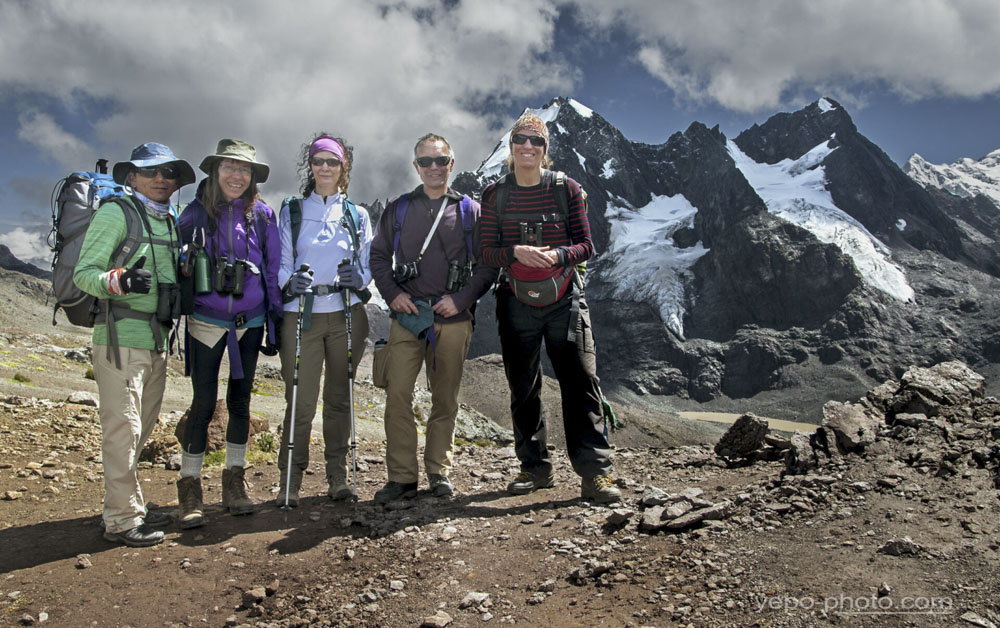
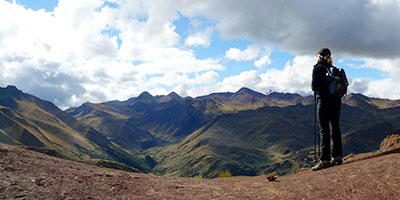
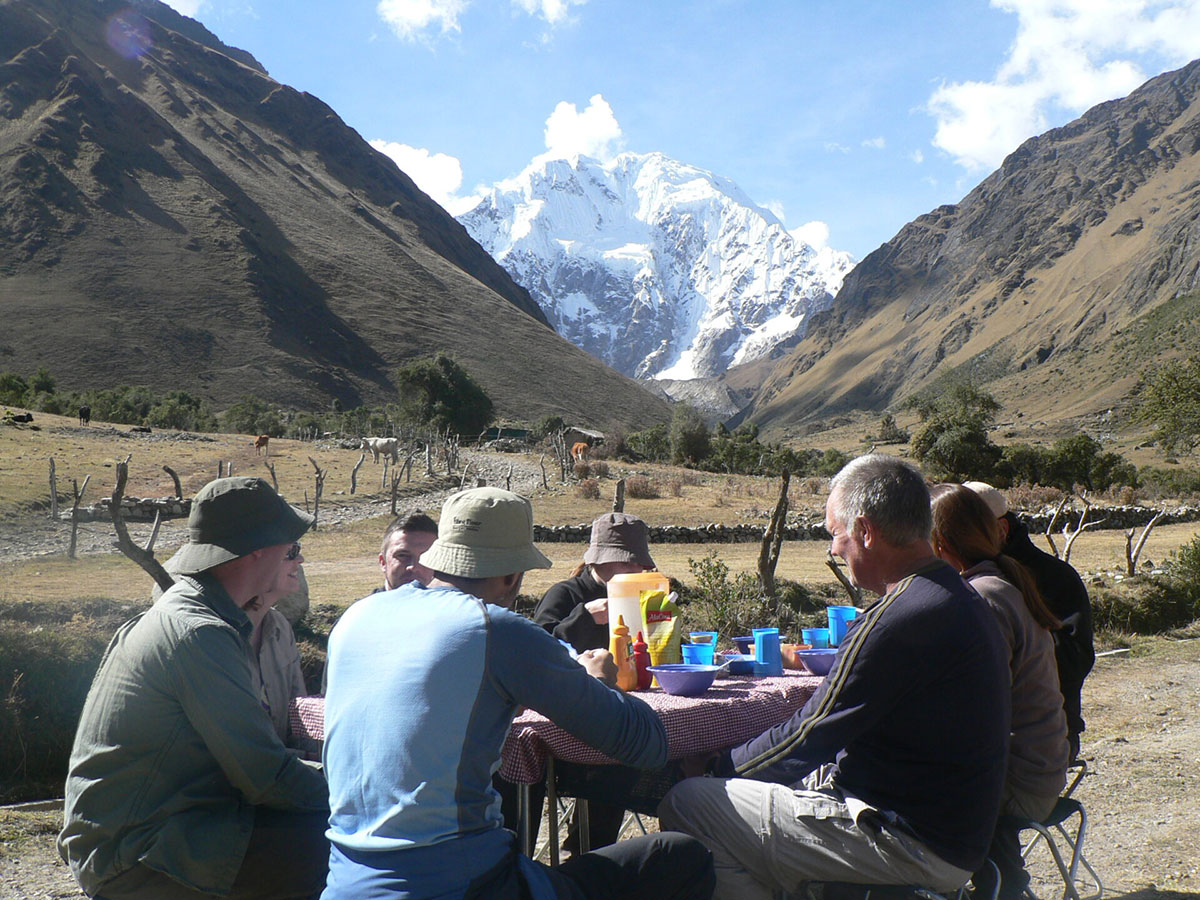
From the top, you will have a magnificent view over the surrounding valleys and the Salkantay mountain right in front of you (6,271 m / 20,574 ft). You will also be able to take in Humantay, Tucarhuay, and Pumasillo mountains. After a rest we will start our descent (7 km / 4.35 mi) to Huayracmachay (3,850 m / 12,631 ft) where we stop for lunch. This is a steep, rocky section but has amazing views of the surrounding valley.
After a filling lunch, you will walk into the fringes of the cloud forest. This part of the walk takes about 3 hours and covers a distance of 9.5 km / 5.9 m. Along the way, you can appreciate the verdant rainforest and notice the striking changes in scenery from the Andes to the Amazon. You will observe colourful landscapes, fauna, and native plants and feel the air warm up.
After a long day’s hike, we arrive at Collpapampa for the night. Finally, you will be served a very well-earned dinner before resting in your 2-person hut at the Sky View campsite.
Distance to walk: 23.5 km/14.6 miles
Walking time: 10-11 hours
Minimum altitude: 2,900m/9,514ft
Highest point: 4,630m/15,190ft
Campsite altitude: 2,950m/9,678ft
Today you’ll be up at 6:00 a.m. for your tea and breakfast before leaving the campsite and heading for La Playa. We walk through Santa Teresa Valley – a more leisurely walk today with more downs than ups as you enjoy in the lush landscape of rivers, waterfalls, orchids, and plantations.
We’ll pass through a small village called Collpapampa, and after, descend through a valley where you’ll see waterfalls, birds, hot springs, fruit trees, and plenty of flora and fauna.
We’ll have lunch in La Playa, before heading to Lucmabamba (2,000 m / 6,562 ft), an hour away.
In the afternoon, you will have free time to explore the tropical surroundings and visit an organic coffee farm, idea coffee lovers. You can also visit avocado and orange plantations.
Accommodation tonight will be in a 2-person Jungle Dome.
Distance to walk: 18km/11.18 miles
Walking time: 5-6 hours
Lowest altitude: 2,000m/6,562ft
Highest point: 2,883m/9,459ft
Campsite altitude: 2,000m/6,562ft
After re-fuelling at breakfast, put on your hiking boots for your last day of trekking!
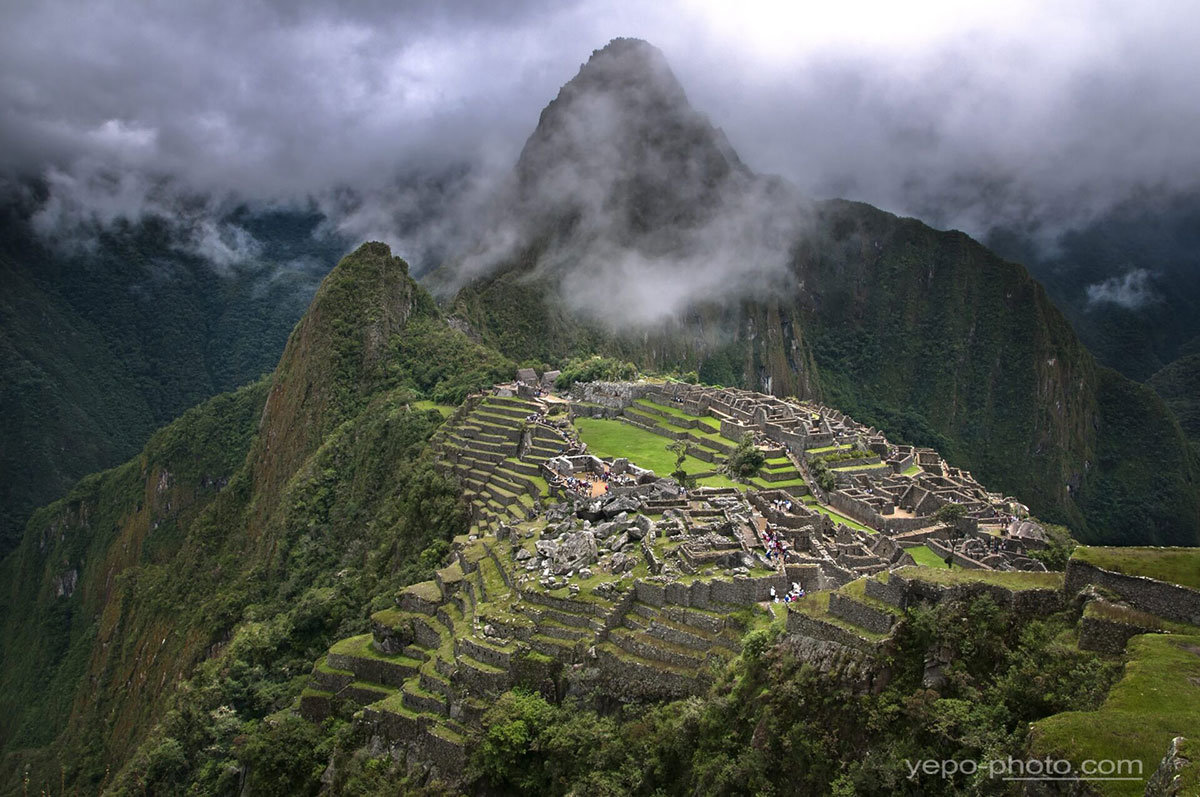
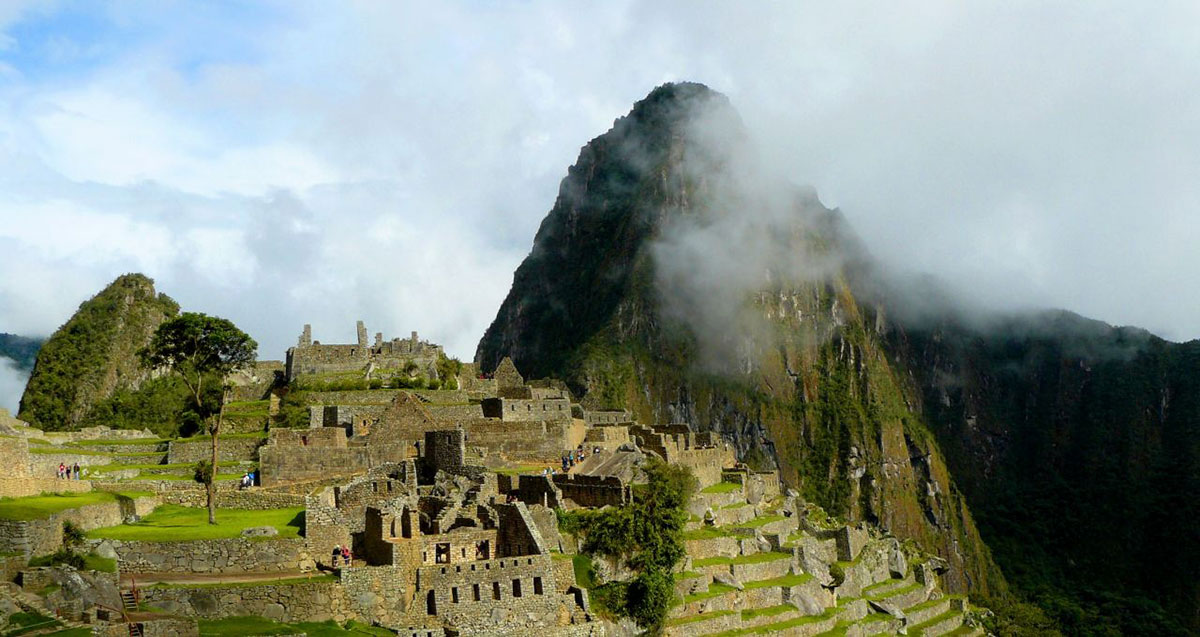
This morning, we’ll walk along a stretch of the original Inca Trail. After a 2-hour uphill climb and amazing views over the Santa Teresa Valley, we’ll reach Llactapata (2,700 m / 8,858 ft), an Inca archaeological site right in front of Machu Picchu. You even get a view of Machu Picchu and Huayna Picchu from here.
Afterward, we’ll walk downhill for 1:30 hours. Along the way, we stop for lunch in Aobamba before we continue, for half an hour to Hidroeléctrica (1,800 m / 5,906 ft). One of the most impressive sites in this section is the 250-meter-tall artificial waterfall, which generates electricity for the entire city of Cusco.
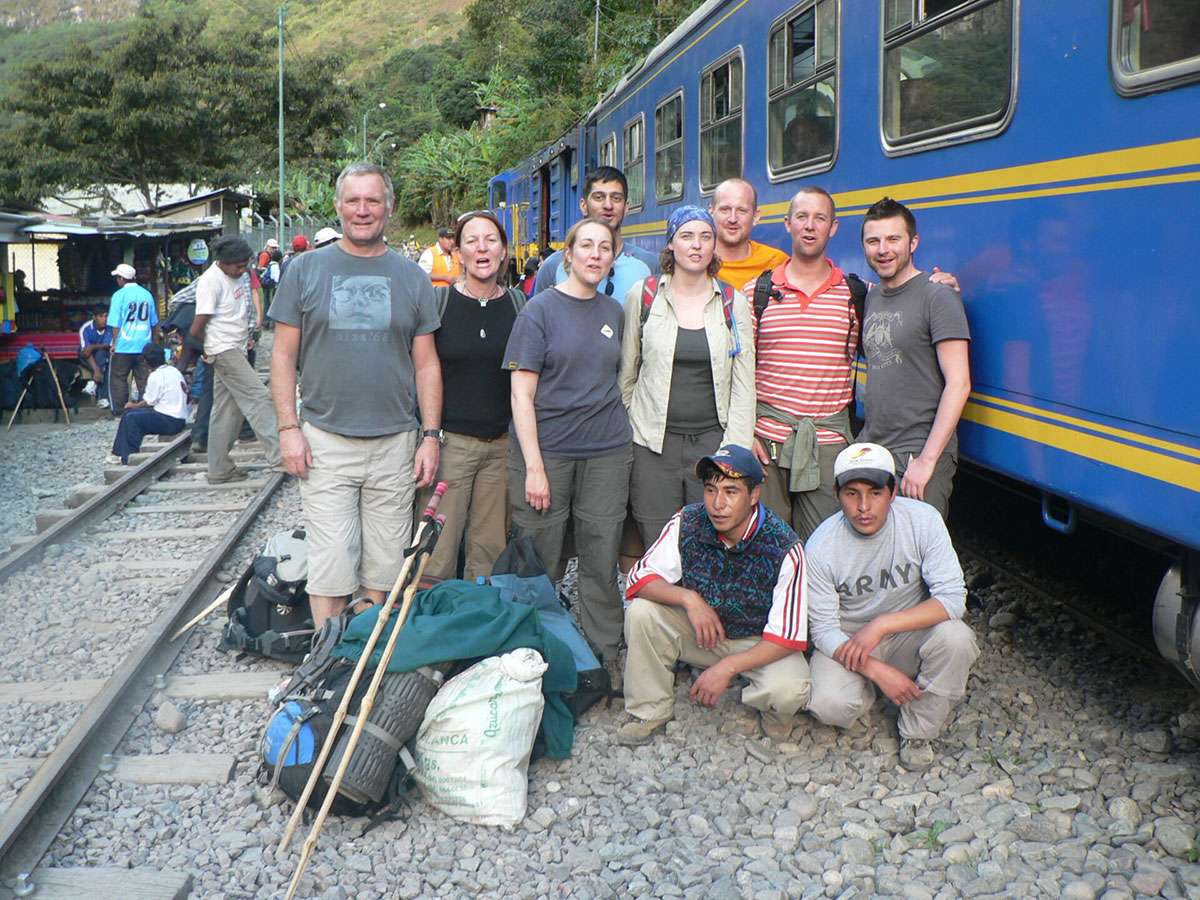
At the hydroelectric plant, we catch the train (45 minutes), or if the group wishes, we can walk to Aguas Calientes along the train tracks (2-3 hours), a rewarding and interesting walk.
Once in the small town, we’ll have dinner at a restaurant and spend the night in a hotel.
Distance to walk: 25km/15.53 miles
Walking time: 8-9 hours
Lowest altitude: 1,800m/5,906ft
Highest point: 2,800m/9,186ft
Accommodation altitude: 2,040m/6,693ft
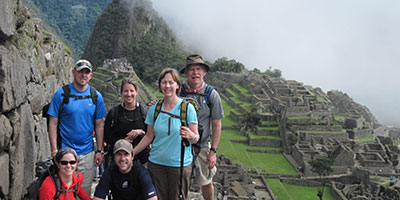
On the final day of our expedition, we visit Machu Picchu. We take an early bus to the site where we will have a guided tour of approximately 2 hours.
You will then have time to explore the mysterious remains on your own before returning to Aguas Calientes for lunch and the late afternoon or evening train to Ollantaytambo and bus to Cusco. Our private bus will collect you from the station and drive you back to your hotel in Cusco at around 8 pm. You can now put your feet up and enjoy a well-deserved rest at your hotel.
Optional: you can choose to go to Huayna Picchu Mountain (2,720 m / 8,924 ft) or Machu Picchu Mountain (3,000 m / 9,843 ft); these tours will take you 2 and 3 hours up and down, respectively (tickets must be booked in advance).
Machu Picchu altitude: 3,000m/9,843
2-person huts or domes with dining room and toilet hut, plus one night hotel in Aguas Calientes.
We have classified this as a moderate-challenging trek, and you need to be in good physical shape for it.
You hike 5-11 hours a day on 4 consecutive days, over rugged mountain trails at elevation.
There is a high altitude pass to cross at 4,572m/15,000ft before dropping into lower elevations en route to Machu Picchu.
Pre-trip preparation should include challenging cardiovascular exercise (including regular hikes on varied terrain) and a healthy, balanced diet.
Well-worn hiking boots and additional acclimatisation nights in Cusco (3-4) before the trek are both highly recommended.
All guests are encouraged to hike at their own pace, taking breaks whenever needed, to ensure a successful and enjoyable trek for all.
Most people go to bed fairly early after a long day trekking, to recover energy for the morning.
Vegetarians, vegans and other dietary requirements are catered for without a problem. Please let us know in advance of any requirements you have.
You wake early to a cup of hot coca tea. Breakfast is served in a dining hut, and consists of hot drinks, porridge, toast, jams and bread, and your guide will explain the day’s trekking plans.
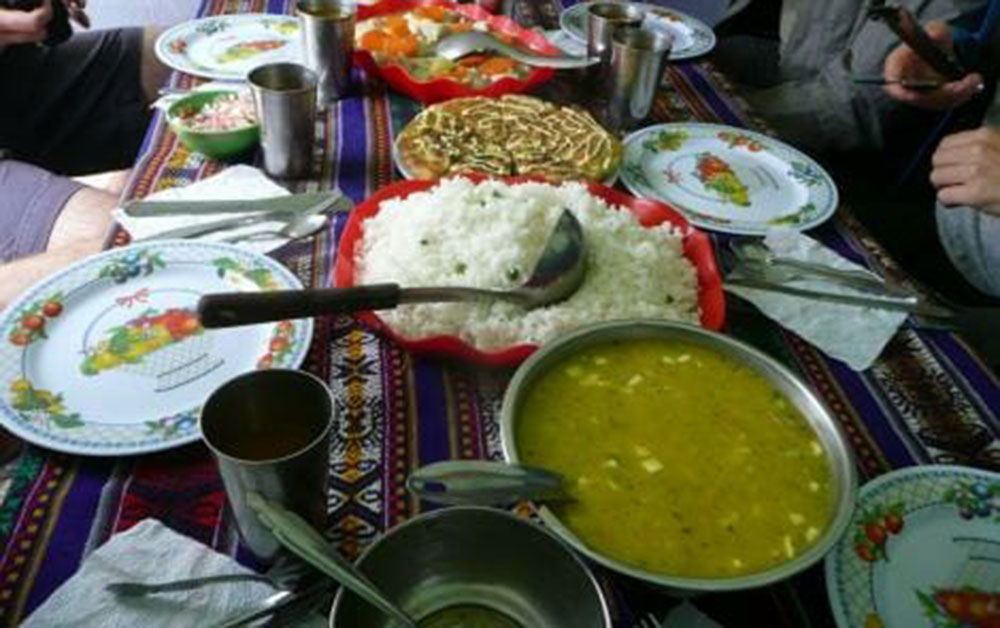
Lunch can feature soups, meats, salads and fish, with vegetarian options and hot drinks too.
Every day your tour guide will provide you with snacks for the trails ranging from local fruits, cookies, chocolate, caramels, etc.
Before dinner hot drinks, popcorn and other snacks are served to help you recover energy.
Dinner will feature pasta, mashed potatoes, meat, fish or vegetarian options, followed by hot drinks and a pudding.
All our official tour guides speak English and Spanish and are professionally trained and certified.
Cooks, mule drivers and additional staff are all from the local, nearby communities and we have worked with them for a long time.
A wonderfully diverse and expertly organised family adventure through Peru and Bolivia, from deserts to rainforests, with Tom’s personal insight, flexibility, and local knowledge turning an ambitious plan into a truly unforgettable journey.
Outstanding guides and a flawlessly organised Moon Temple Trek made this journey truly memorable.
The 5-day Salkantay trail takes you up close to the glistening, ice-clad flanks of Salkantay before descending through orchid-rich cloud forest.
The Salkantay trek is a beautiful though at times tough walk, and a truly rewarding way to reach the Inca capital of Machu Picchu.

We experience an impressive sweep of altitudes from the 4,600m/15,092ft pass down to 2,000m/6,562ft of sub-tropical jungle buzzing with humming birds.
We visit the stunning ruins of Llactapacta, trekking an old Inca Trail, and from here get our first view over to Machu Picchu.
After a night in Aguas Calientes, we enjoy a tour of the famous Machu Picchu ruins before heading back to Cusco.
A true Andean odyssey, this trek through the dramatic Cordillera Vilcabamba offers a wonderful alternative for those who want to take a less-travelled and beautiful route to Machu Picchu.
Please note: You must be well acclimatised before starting this trek – ie a minimum of 3 nights in Cusco (or higher).

From: $3990 per person
Duration
7 days
From: $1800 per person
Duration
5 days
From: $1237 per person
Duration
4 days
Peru is made up of 3 distinct geographical areas: the coast, the mountains and the jungle.
The costa or coastal region is a narrow ribbon of desert 2,250 km long, crossed by fertile river valleys flowing from the Andes. It takes up 11% of the country and holds more than 40% of the population.
The cold Humboldt current gives rise to a blanket of mist – the garua – which hangs above coastal cities like the capital Lima from May to November.
Heading east, you’re soon climbing above the garua and into the Andes. The sierra, or mountainous region, covers some 25% of Peru’s territory and contains 50% of the population. The sierra inhabitants are mainly Indigenous or Mestizo, and many still speak Quechua or Aymara.
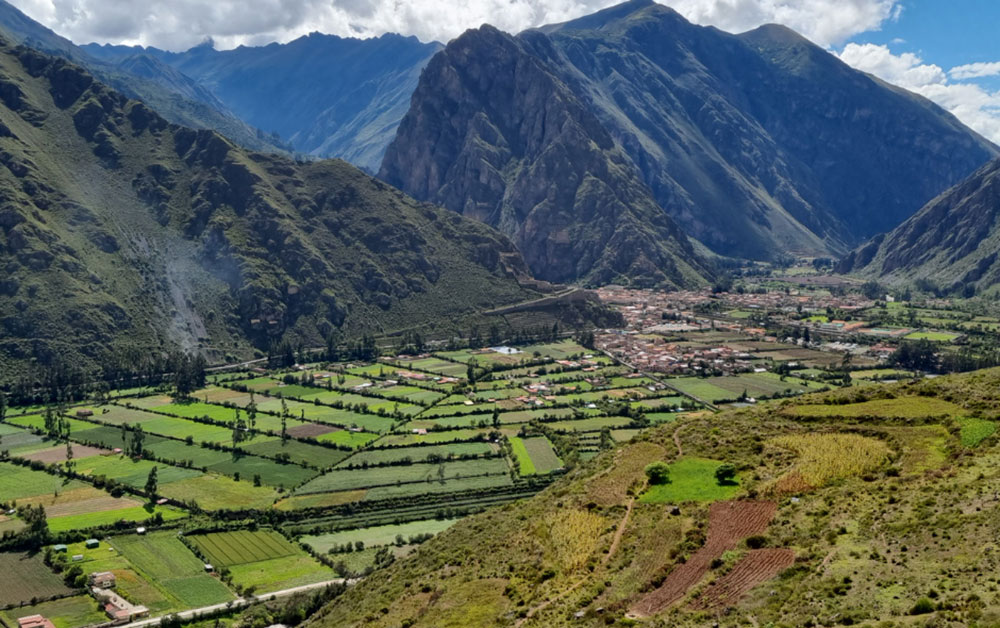
The sierra contains dozens of 6,000-metre snow peaks and volcanoes, including Huascaran (6,768m) the highest mountain in the tropics. The deep valley basins contain most of the towns and arable land; the terracing and canal systems of the Incas and pre-Incas are often still used today.
The eastern Andes are heavily forested up to 3,350m and sweep down into the Amazon Basin.
Peru’s selva or jungle makes up almost two thirds of the country’s area, but holds only about 6% of the population: the only towns with significant populations are Iquitos and Pucallpa.
Peru is the perfect holiday destination for adventure travellers that want an amazing variety of activity, geography and cultural travel experiences.
The breadth of travel experiences in Peru is breathtaking – from trekking in the Andes to Machu Picchu to the tropical jungle of the Amazon, and plenty in between.
The people of Peru make it a special destination too, with its colourful and traditional street life and friendly locals.
Good kit is vital for every trip.
Book with Andean Trails and get 15% off Páramo’s fantastic ethical and high performance outdoor gear.
When planning for the climatic conditions encountered in the High Andes, layering is the most practical and versatile clothing system. It’s worth remembering that our clothing keeps us warm by retaining and isolating the heat we ourselves create.
To best maintain body heat, several layers of lightweight, warm and quick-drying clothing are far more efficient than one or two thick layers. Layers should have the following qualities:
First (base) layer: This layer wicks the sweat away from our skin, thus helping keep the body dry and warm. To this end, synthetic fabrics such as polypropylene should be used.
Mid layers: These isloating layers should also be synthetic (e.g. the known polar linings such as polartec or windblock, which are light and insulate twice as well as wool). Very important layers for retaining body heat.
Outer layer / shell: Finally, the vital layer which protects us from climatic adversities. A breathable, wind-proof and waterproof anorak, such as Goretex.
Give plenty of thought to kit selection, and try to keep weight down.
We provide thermarests on the trek but you have to bring (or RENT, please ask) a sleeping bag (-5ºC).
We also carry an extensive first aid kit & oxygen on all trips, but these are generally for emergencies only.
You can also read about the weather of Peru in our blog.
Peru is located in the southern tropics (latitudes 0º to 18º), but climate varies significantly according to season, altitude and region.
From May to October, Lima is often overcast, but with minimal precipitation. There are sunny spells, and it’s a fresh to pleasant 13-20ºC.
At the same time, inland areas and the north coast mid to high 20’s ºC.
November to April is generally warm and sunny and Lima enjoys warm temperature of 19-25ºC, with the coast averaging 22-30ºC.
Climate depends largely on altitude. As a rule of thumb, below 2,000m climate is mild and above 2,000m warm clothing is required for evenings, nights and early mornings.
The Andean sun is very strong.
Cusco (3,300m): Average max/min temps: 22ºC /2ºC. Average 3 or 4 wet days per month.
Arequipa (2,380m): Average max/min temps: 26ºC /9ºC. Sunny more than 340 days/year with minimal precipitation.
On highland treks: Conditions are generally dry. However, at this time of year, expect a range of conditions within a single day: cold/freezing nights at camps above 4,000m, where pre-dawn temperatures can be -5ºC; warm, spring-like mornings and afternoons; and cold evenings.
Note that mountain weather can be fickle and localised, and that precipitation is not unknown in the dry season. Expect temperatures to swing between sun and shade, sheltered and exposed ground and with altitude gain and loss. A quick-setting sun means temperatures drop fast.
In the cloud forest, e.g. around Machu Picchu, daytime conditions are generally warm or hot, and evenings cool.
Cusco: Average max/min temps: 23ºC /6ºC. Average 13 wet days per month.
Arequipa: Average max/min temps: 25ºC /14ºC.
On highland treks: Wetter conditions, with cooler days and milder nights than dry season. Jan-Mar usually the wettest months.
Year-round, weather conditions are hot and humid and there is always the risk of rain.
There is a ‘dry season’ in Tambopata and Manu between May and October. The average daytime high temperature is between 25°C and 34°C and the average nighttime low is between 16°C and 22°C. Heavy downpours typically occur every few days.
Around 80% of annual average rainfall – approx 2,000 mm in Manu and Tambopata and 1,400 mm in Iquitos – occurs in the wet season Nov-April.
On rare occasions, between May and September, cold fronts from Argentina – ‘friajes’ – can sweep into southwest Amazonia and push temperatures down to 9°C. (Friajes usually last between 1 and 3 days).
A wonderfully diverse and expertly organised family adventure through Peru and Bolivia, from deserts to rainforests, with Tom’s personal insight, flexibility, and local knowledge turning an ambitious plan into a truly unforgettable journey.
Outstanding guides and a flawlessly organised Moon Temple Trek made this journey truly memorable.