From: £1,444
From: $1,922
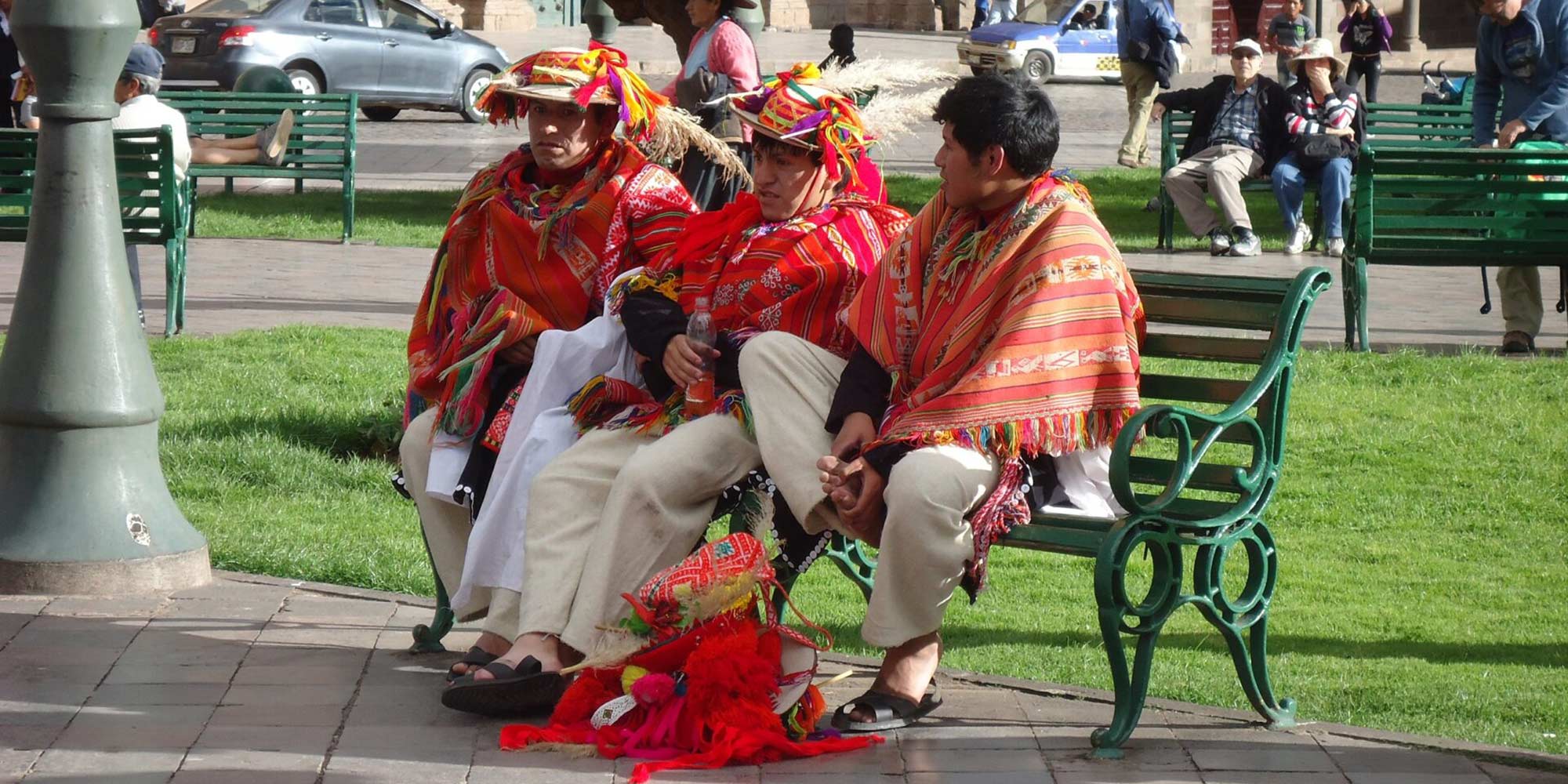
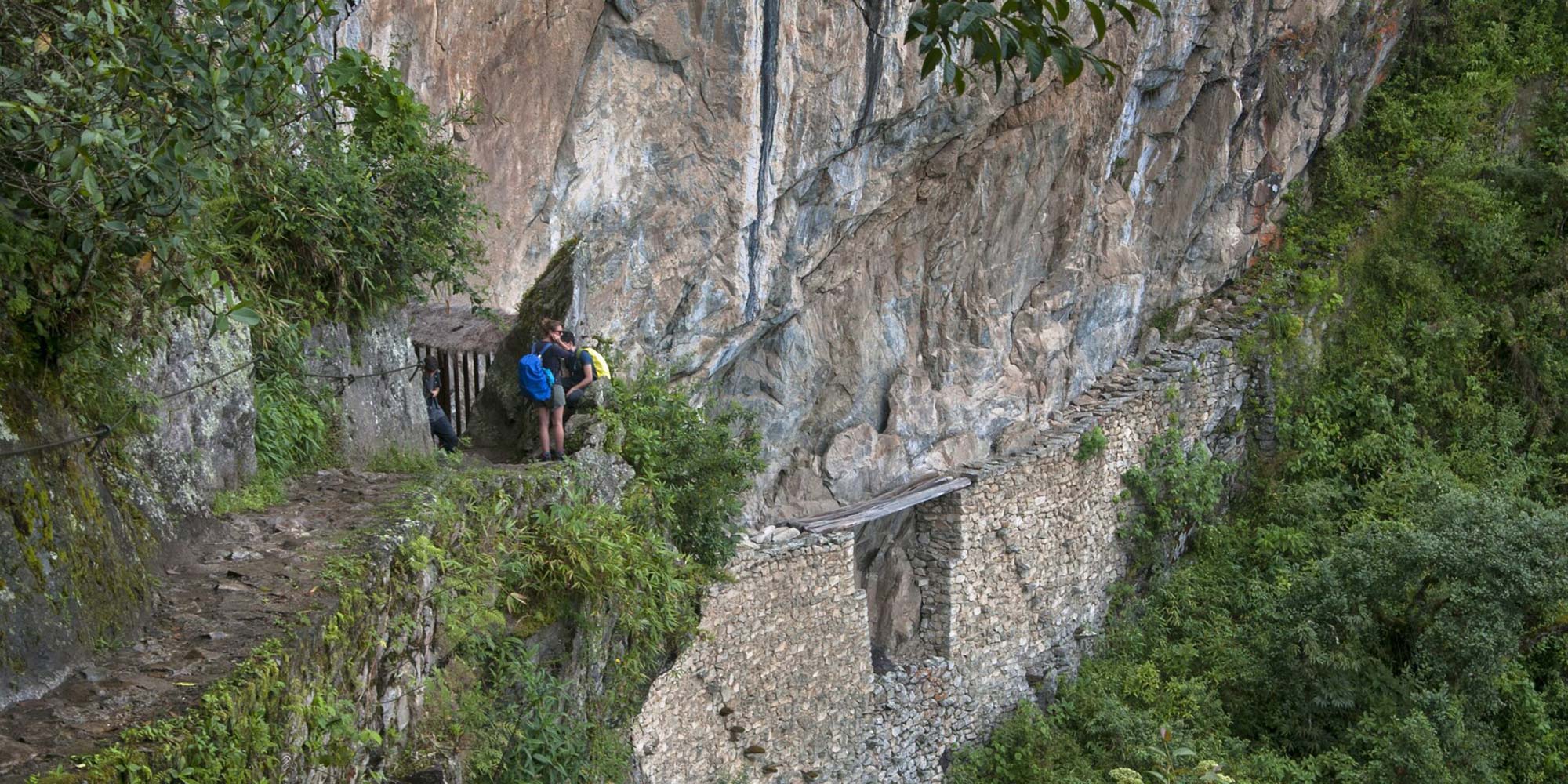
Arrive Cusco, in the Inca heartland. It is impossible to resist the charms of this picturesque colonial city, with its many squares and cobbles streets and its relaxed atmosphere.
You will be met at the airport and will be accompanied to the school to co-ordinate your classes before meeting your host family.
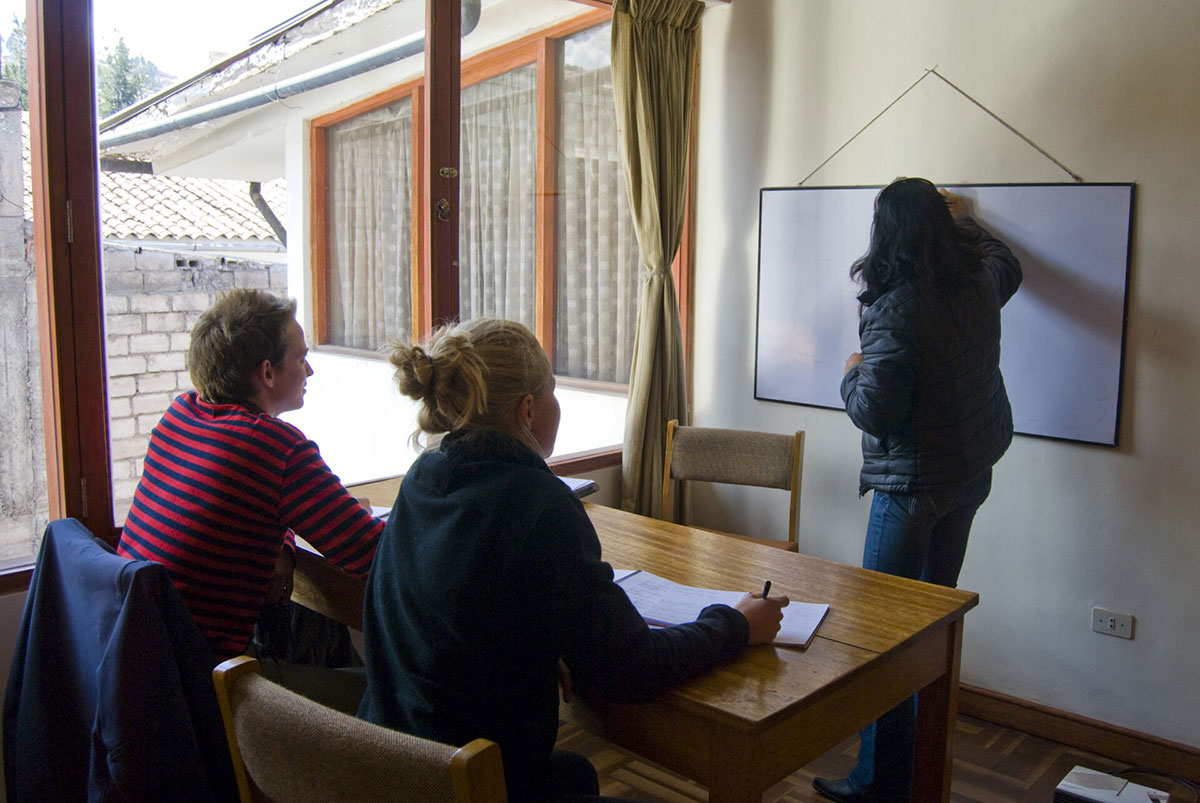
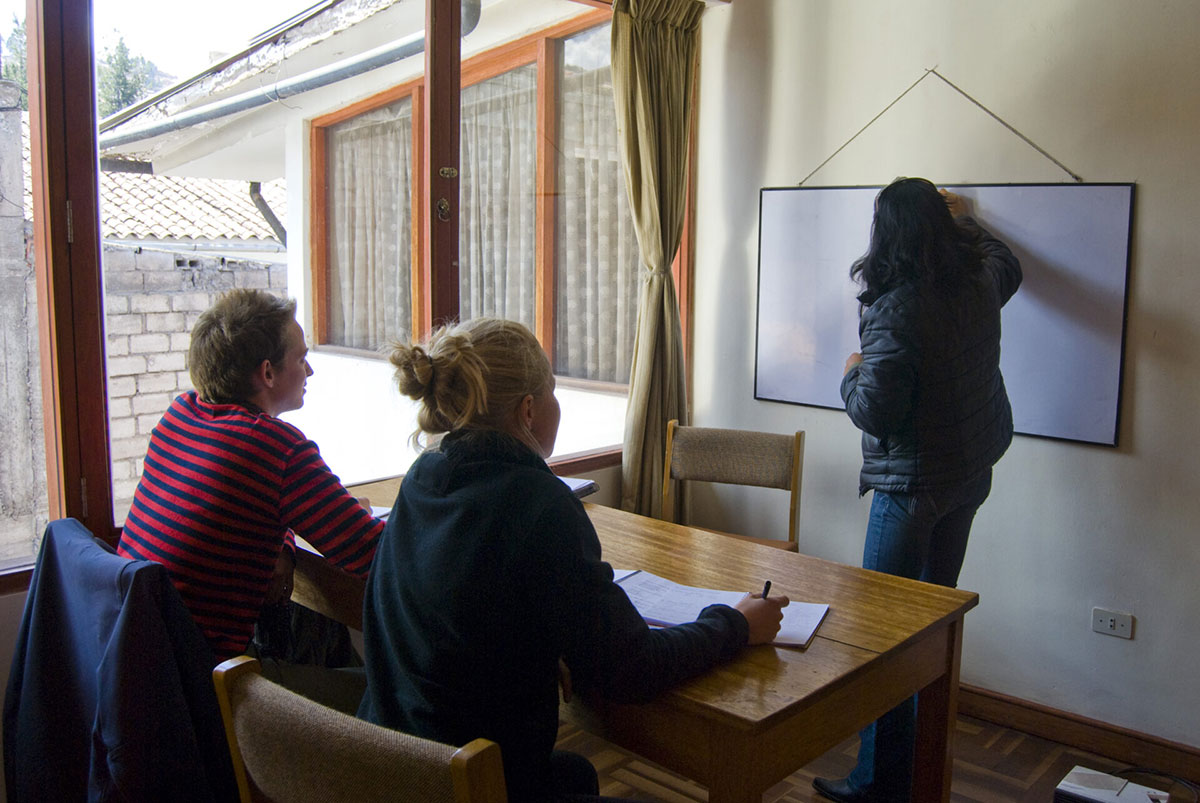
For the next 5 days you will have 4 hours of Spanish per day. However, it is not all about studying, which is why we ensure there are plenty of activities available to you in your free time. Included in our price are various social activities, a fun way to meet other students.
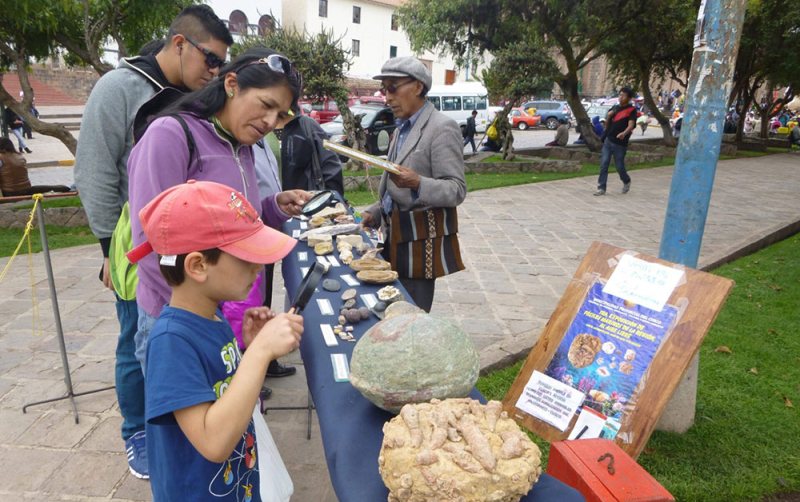
Also available (for a small extra charge payable locally) are Peruvian cooking classes, craft workshops, local guided walks and Quechua lessons, the language of the Inca. It will be difficult to get bored with so much on offer.
After a week of studying the weekend has arrived and it is time to explore Cusco.
Tonight is your last night with your host family, it will be time to say ‘adios’ early tomorrow morning.
We pick you up early from your hotel in Cusco. After picking up all other trekkers you travel by bus, via the highland villages of Chinchero, Urubamba and Ollantaytambo, for the three hour journey to the start of the Inca Trail
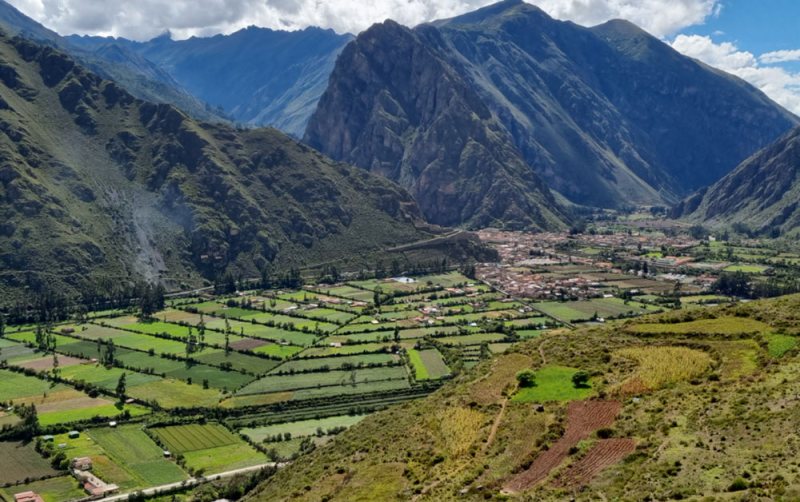
From the road there are great views of the Cordillera Urubamba mountain range and the snow capped peak of Veronica 5,860m/19,225ft.
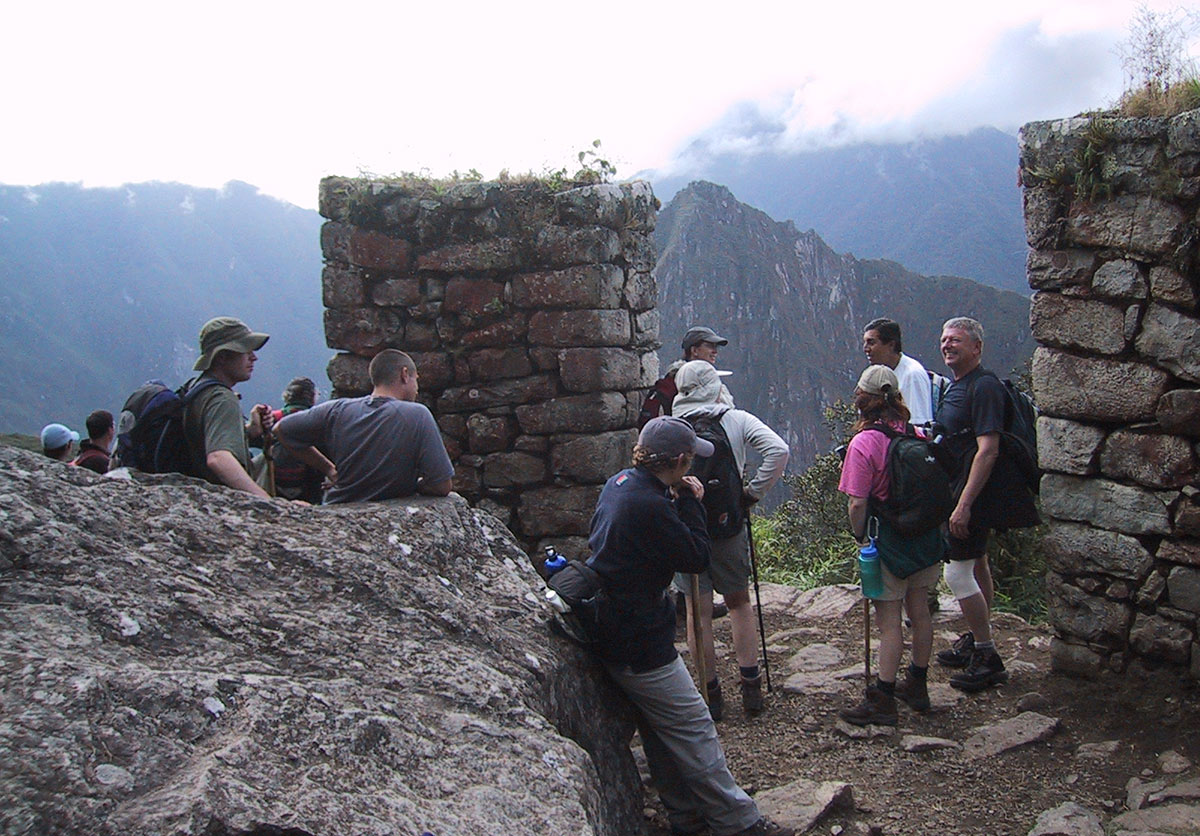
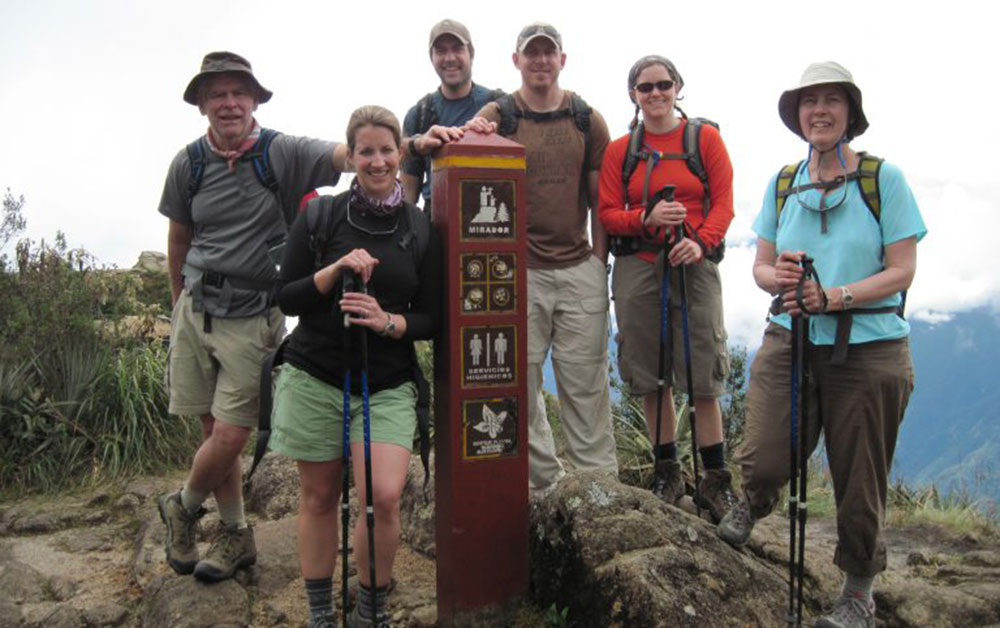
Most of our groups have up to 16 trekkers with one main English-speaking guide and an assistant guide. Trekkers come from all over the world, and are of all ages.
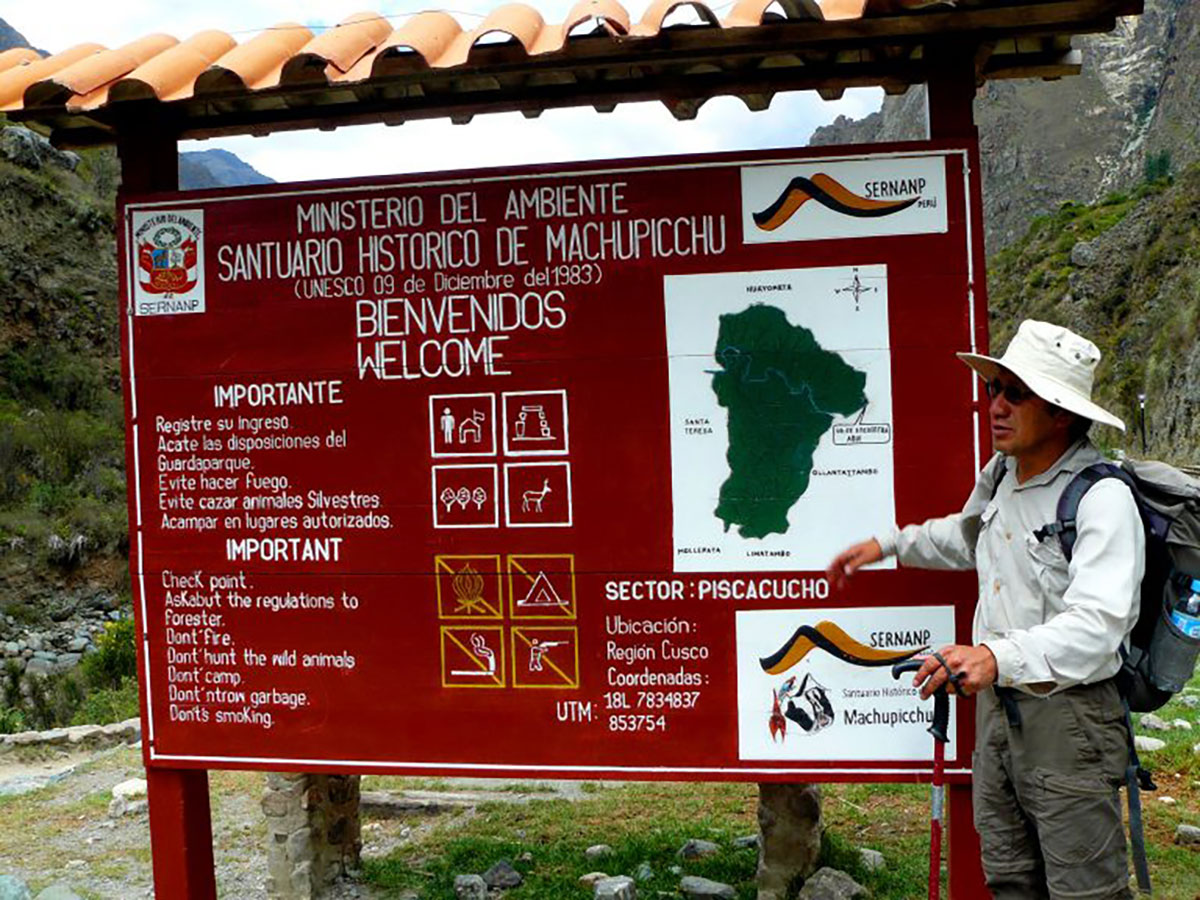
At Chilca, where we start the trek, you walk down to the entrance, where your tickets are checked. Sign in, cross the bridge and make a left turn following the trail gently along the river bank until uphill we reach a eucalyptus grove and Llactapata – the first major ruins on the route. Vast retaining walls have converted the steeply sloping hillside into agricultural terraces: an amazing sight.
Just below Llactapata the Río Cusichaca, a tributary of the Urubamba, takes a spectacular plunge into the ground and runs through a subterranean channel for some way. The trail climbs steeply out of the ruins over a low pass, and the hike up the valley begins.
After about an hour you’ll reach a bridge, putting you on the other side of the valley, and will continue on to the village of Huayllabamba (3,000m/9,843ft). You will reach it in a further half hour. By this time it is likely to be very hot and you will welcome the cold drinks at the village which makes its living out of Inca Trail hikers.
First night camp with basic facilities.
Distance: 11.1km/6.9 miles
Highest point: 2,912m/9,554ft
Starting altitude: 2,753m/9,032ft
Finishing altitude: 2,885m/9,466ft
Height gained: 398m/1,306ft
Height lost: 302m/991ft
We break camp and set off with our big target in mind – Dead Woman’s Pass!
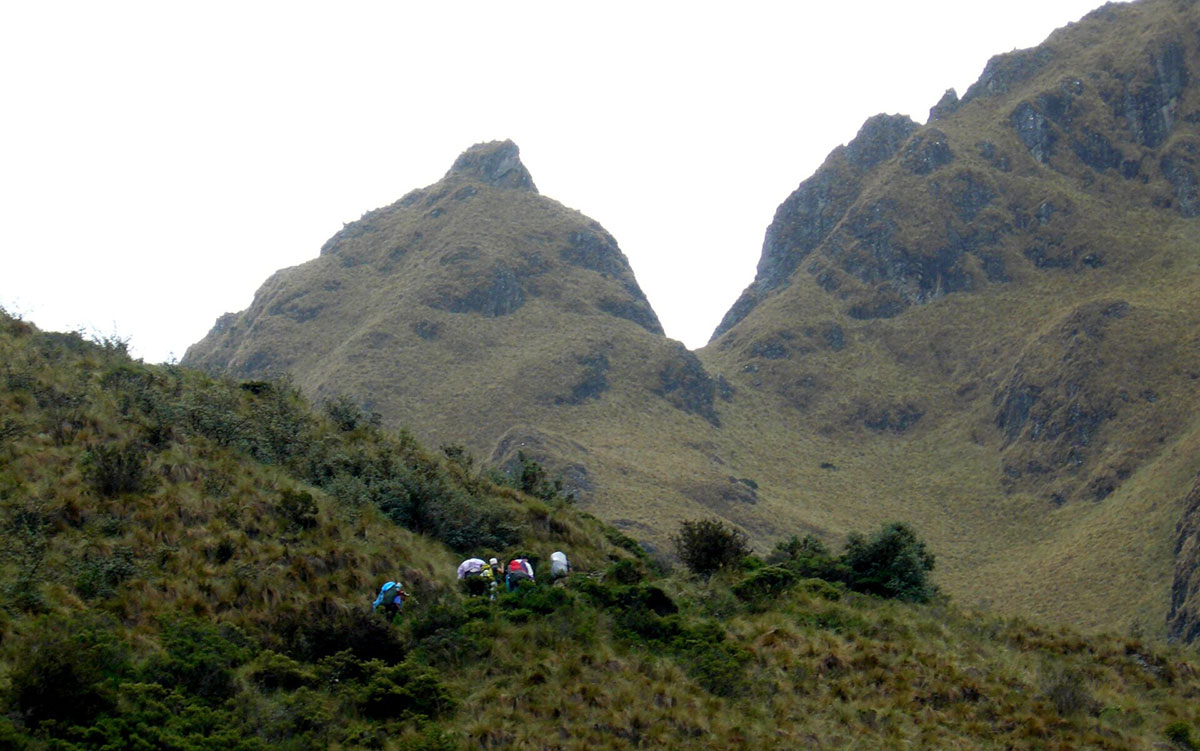
Our path enters woods – first scrub, then very beautiful cloud forest where the trees are hung with moss. These fairy-tale woods will help keep your mind off the fact that you are still going steeply uphill with no sign of respite.
Eventually, however, the trees become more stunted and you emerge into a meadow, Llulluchapampa. From The Forks to the meadow is about two hours. This is the last campsite before the pass, aptly named (if you are a female hiker) Abra de Huarmihuañusqa, ‘Dead Woman’s Pass’ (4,198m/13,773ft), which you can see ahead of you.
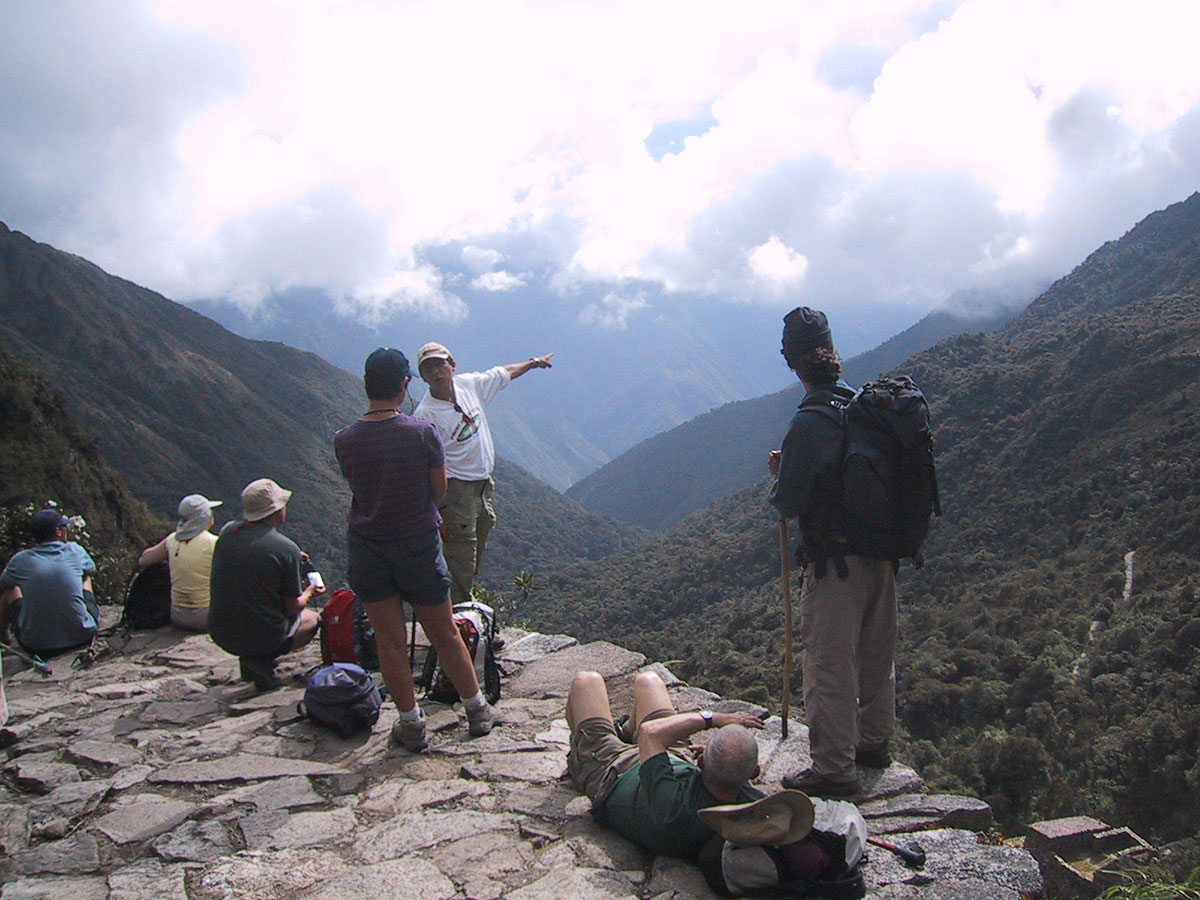
It will take you about another 90 minutes hours to climb to the top of the pass. This is the highest point on the trail, so take heart – if you survive this, you’ll survive the other passes. Take time to look around you. You should be able to pick out the circular ruins of Runkuracay ahead, just below the next pass.
The descent is steep but not difficult. Just follow the trail on the left side of the valley to the valley floor and the next designated campsite at Pacamayo (3,600m/11,811ft).
Nearby are some huts with basic toilets and sinks built by the INC.
Camp for the evening.
Distance: 12.3km/7.7 miles
Highest point: 4,222m/13,852ft
Starting altitude: 2,885m/9,466ft
Finishing altitude: 3,603m/11,821ft
Height gained: 1,361m/4,465ft
Height lost: 613m/2,011ft
From Runkuracay the path is clear over the second pass (Abra de Runkuracay, 4,000m/13,123ft) and, excitingly, much of the time you are on Inca steps. The descent down the steps is steep, so take care.
Just before the trail turns right, you’ll see the sign for Sayacmarca. These ruins lie about an hour from the top of the pass and the name, which means ‘the Inaccessible or Secret City’, is apt. You approach Sayacmarca up a superbly designed stone staircase. This is a diversion (the main trail continues its gradual descent to the right) but don’t let fatigue persuade you to miss it.
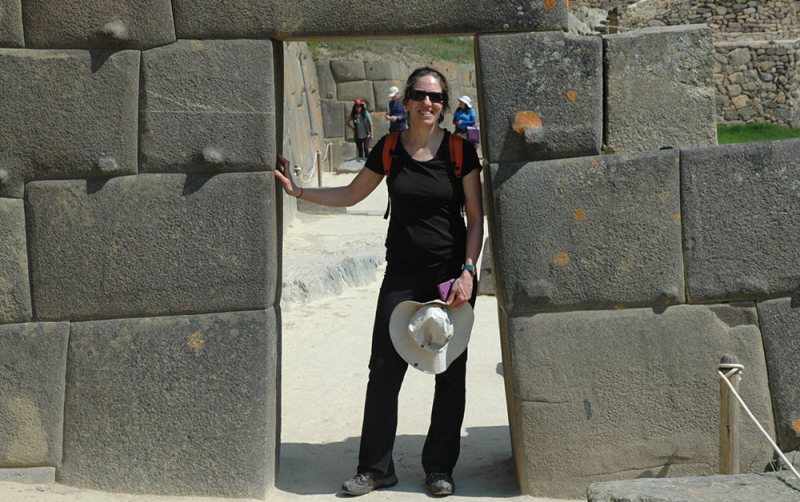
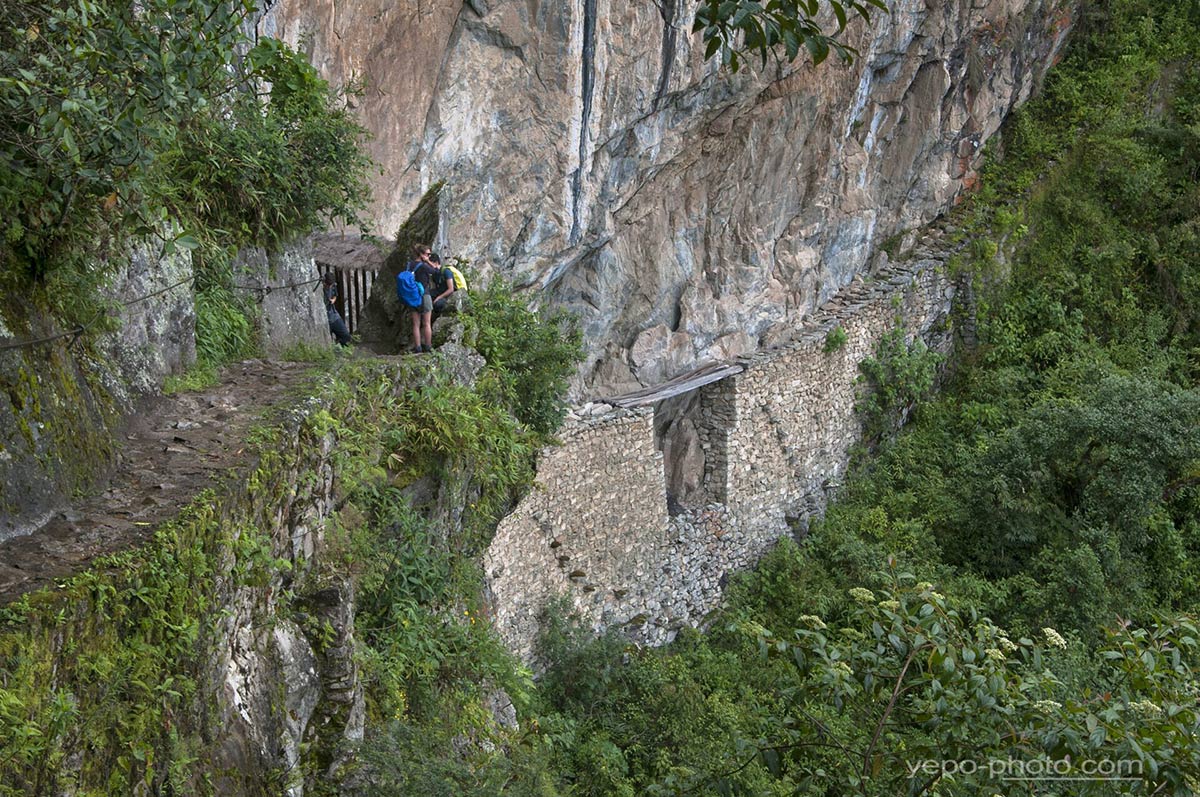
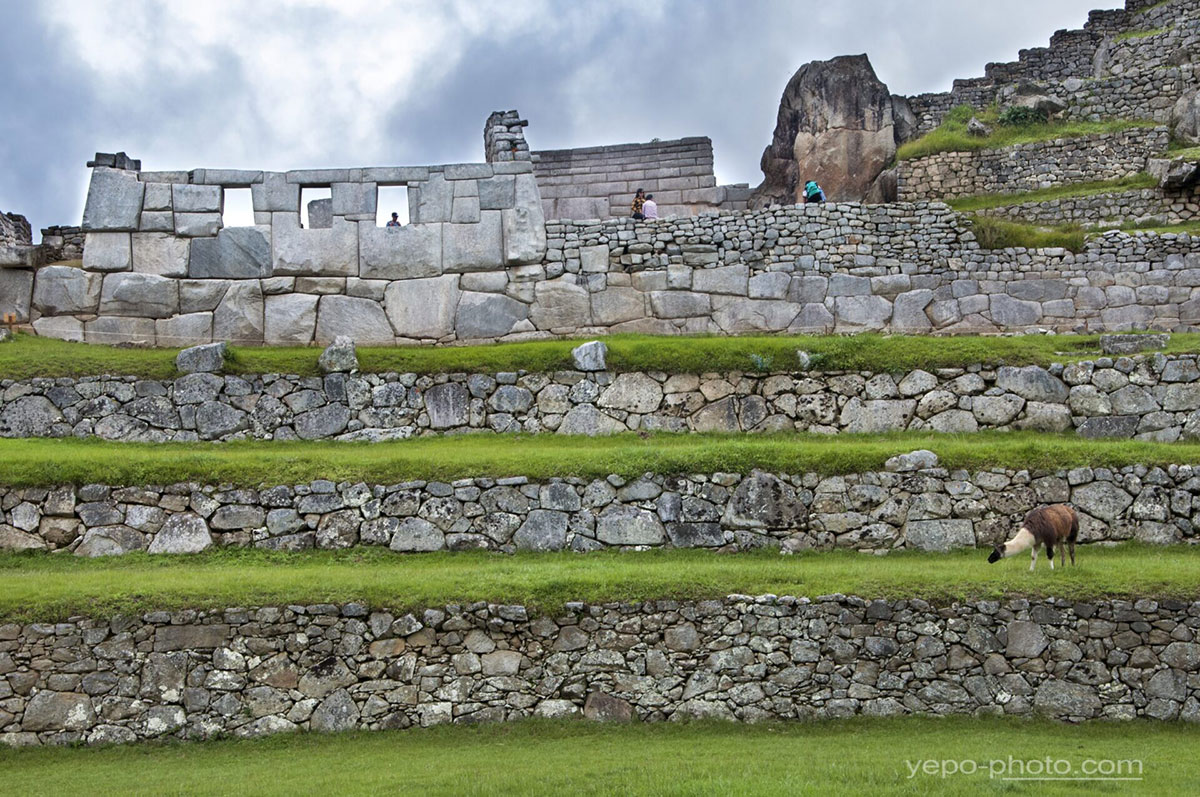
Like so many Inca ruins, no one really knows the purpose of Sayacmarca, but these are the visible facts: it was built on a precipice commanding a spacious view; there are no agricultural terraces so the complex could not have supported many inhabitants; ritual baths and an aqueduct run round the outside of the main wall; there are curious stone rings set in the wall by trapezoid openings. For us the mystery adds to the beauty, and it is beauty all the way from here – if you are fortunate with the weather.
The trail continues down to the valley floor. From here it becomes a glorious Inca Road, being on a raised causeway over marshy ground that then rises up through cloudforest. Stone paving on raised stone foundations, steps and a gentle gradient make for easy walking, and even if it is raining (and it does at times) you will marvel at the Inca workmanship.
Before the climb to the third pass there is a campsite with basic toilets. During the ascent you climb through two Inca tunnels, and if it is a clear day you will have the added bonus of a view of Salkantay over to your left. The pass (3,700m/12,139ft) is used as a campsite, but it gets crowded and water is some way below. Just below the pass, about 2 hours from Sayacmarca, are the impressive ruins of Phuyupatamarca. Access is down a steep flight of stairs. Clear water runs through the channels cut into the rock that feed five baths, leading one from the other down the hill (you may camp here).
An Inca staircase leads from the west side of the ruins (the far end from the baths) and disappears into the jungle, leading you down a thousand steps. Literally. You’ll think that your knees will never feel the same again.
The trek arrives at the campsite near the ruins of Huiñay Huayna (Wiñay Wayna). This is the last camping spot before Machu Picchu and it is often very full. Basic camping facilities, toilets, running water.
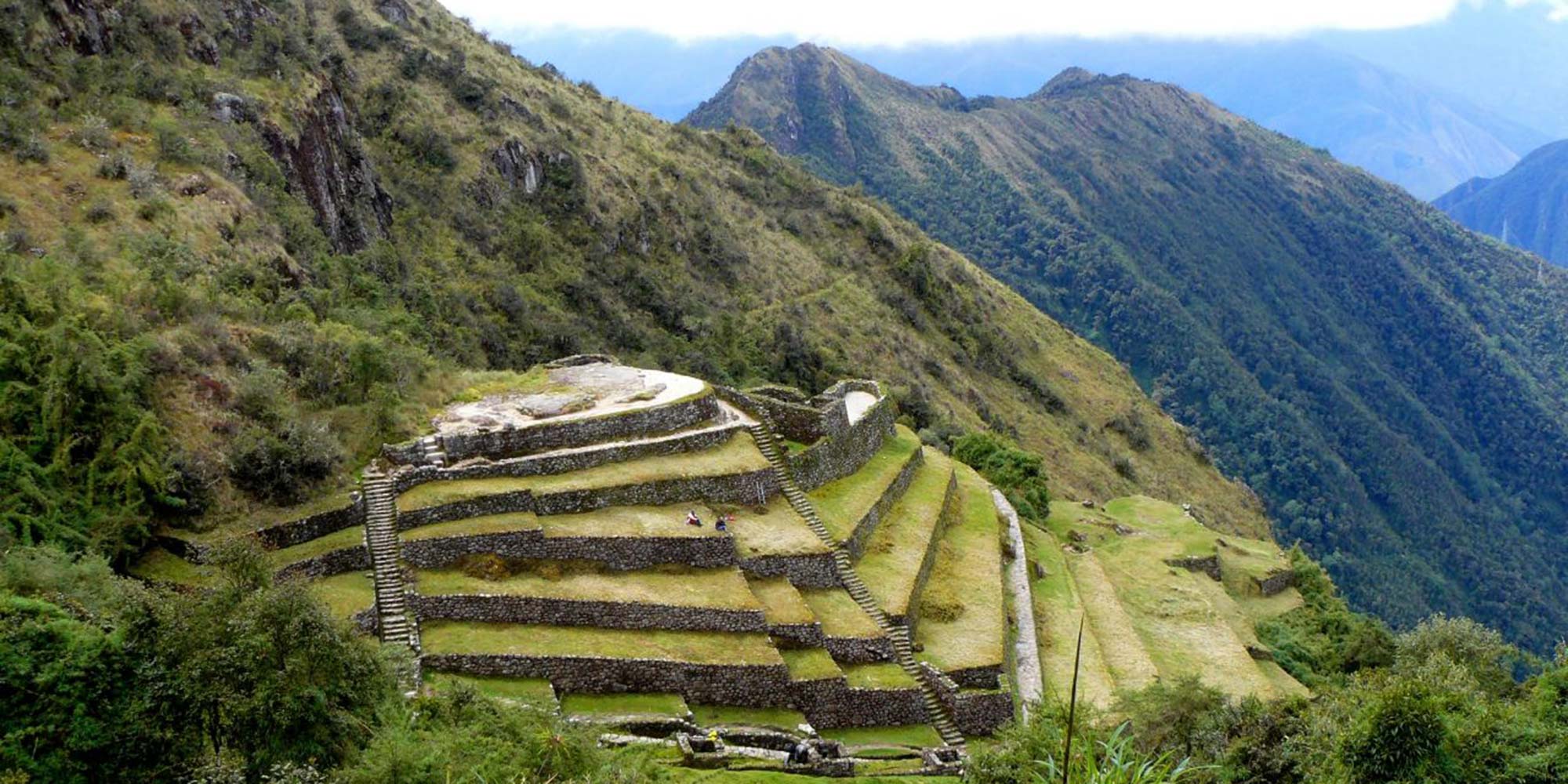
Huiñay Huayna lies just below the campsite, round to the right as you are descending, and is the most extensive of the ruins so far.
It has some beautiful stonework, a fantastic location, and an air of mystery often lacking in the crowded Machu Picchu ruins.
Distance: 12.9km/8 miles
Highest point: 3,893m/12,772ft
Starting altitude: 3,603m/11,821ft
Finishing altitude: 2,732m/8,962ft
Height gained: 1,185m/3,888ft
Height lost: 1,345m/4,413ft
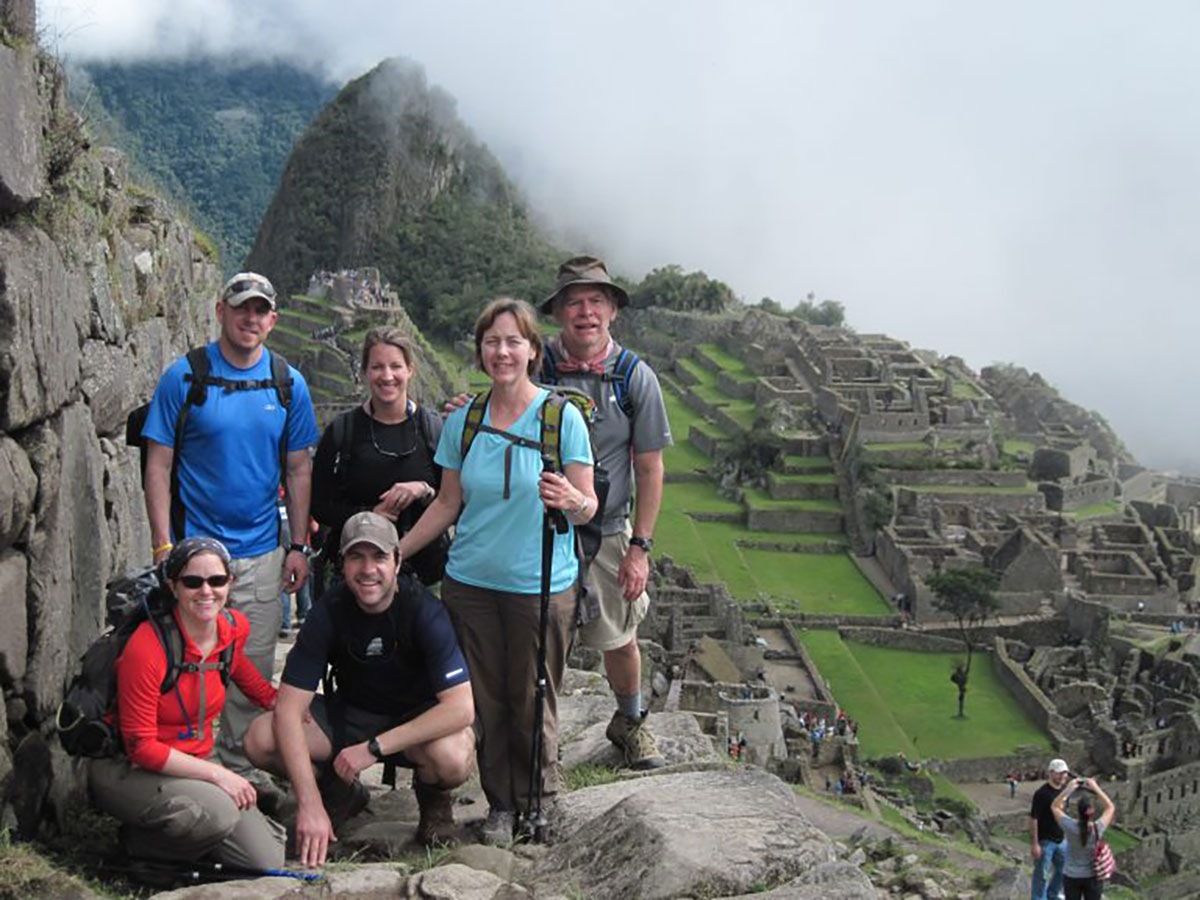
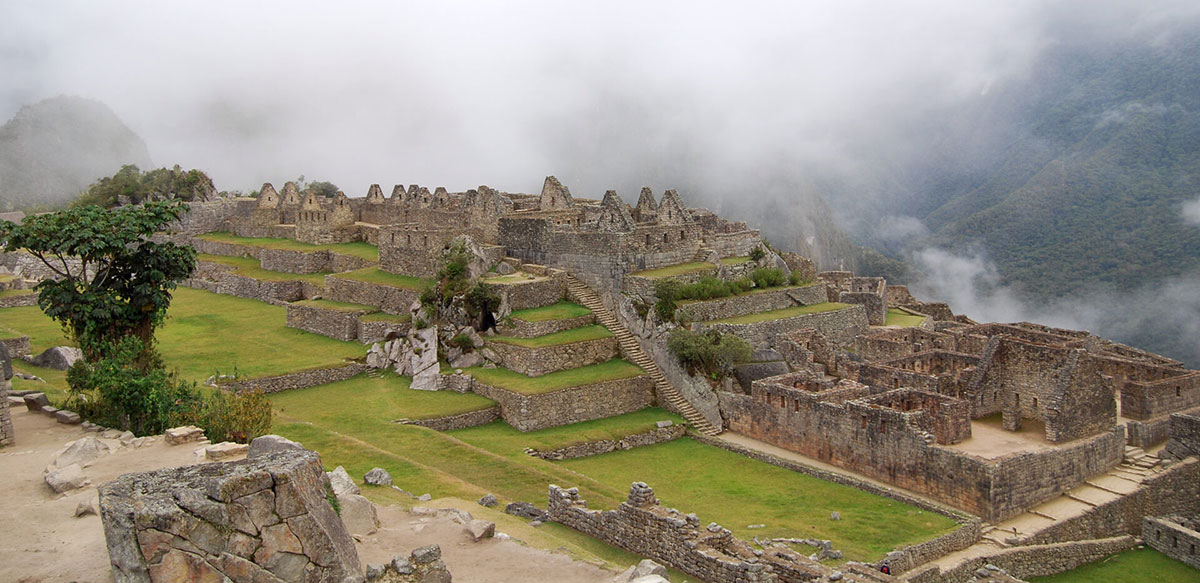
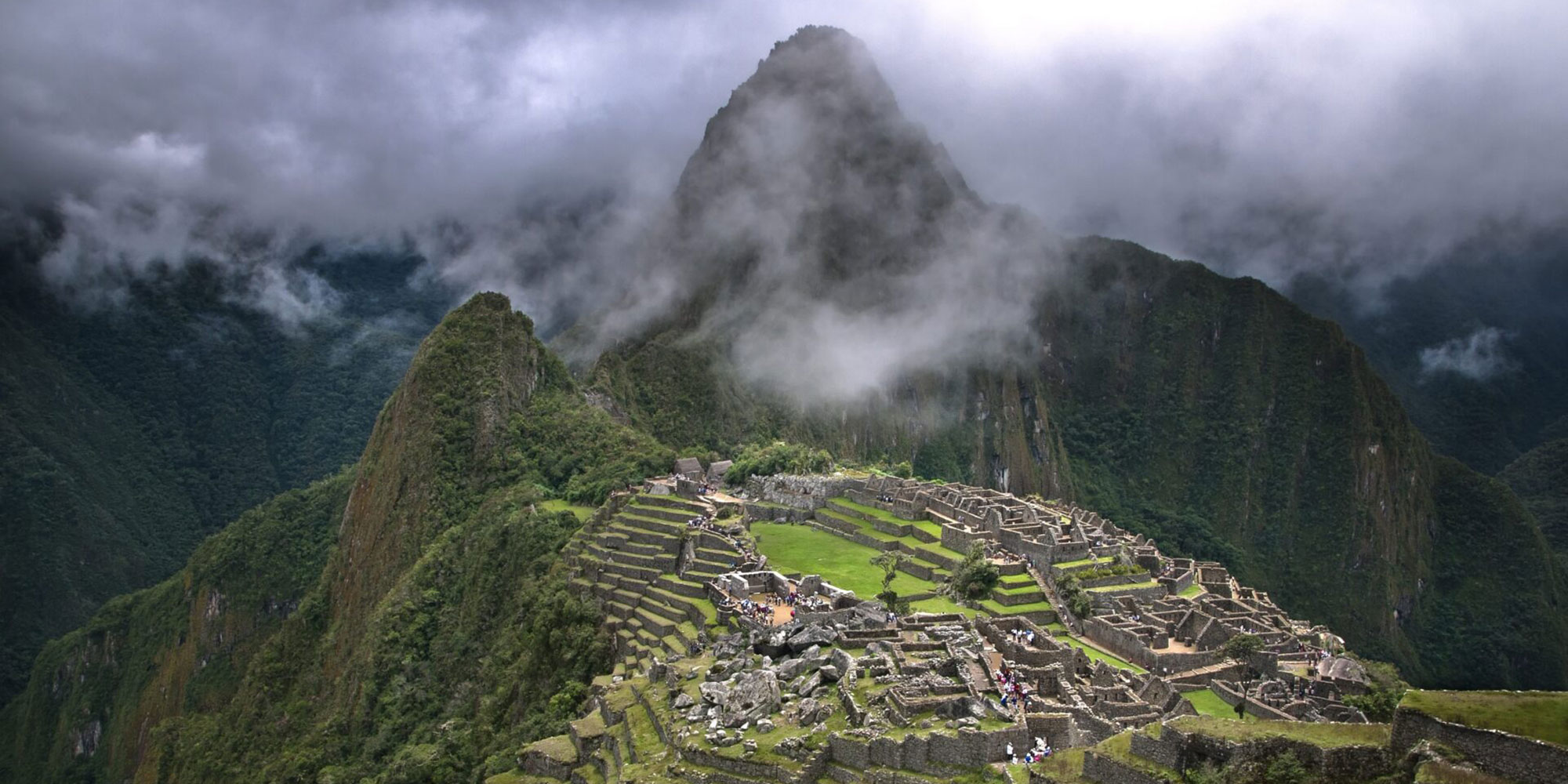
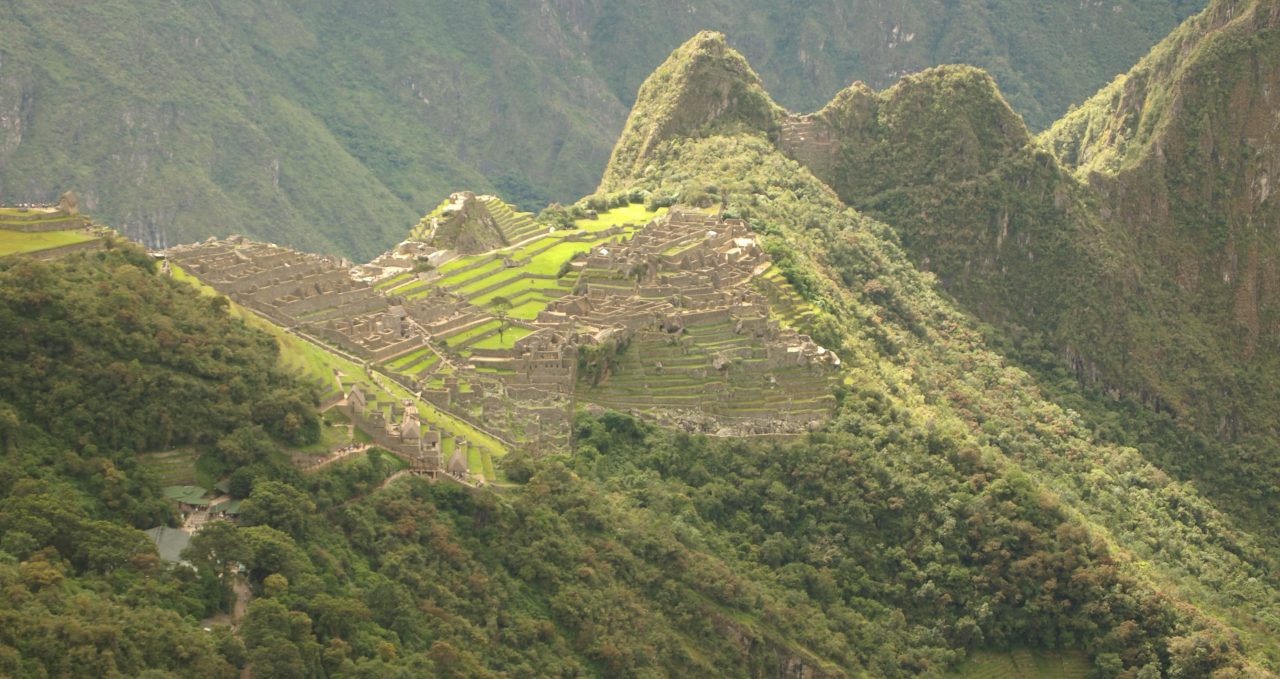
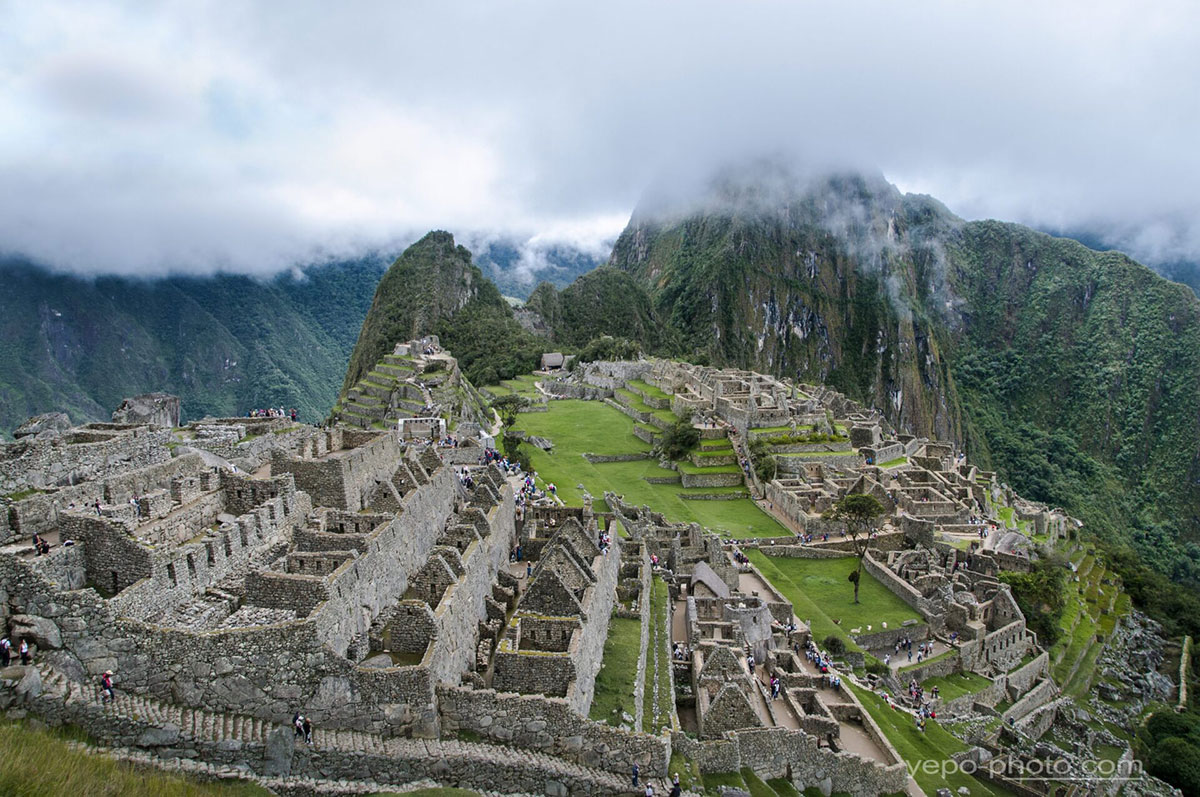
When we arrive there is plenty of time to take photos of Machu Picchu. We walk down through the site to the main entrance where you can safely leave your backpacks. You can also use the toilet and have a drink in the restaurant just outside the entrance. We head back into the site for a complete tour of the major sectors of Machu Picchu. The tour takes about two hours so by about mid-morning you’ll be free to continue to explore the ruins alone.
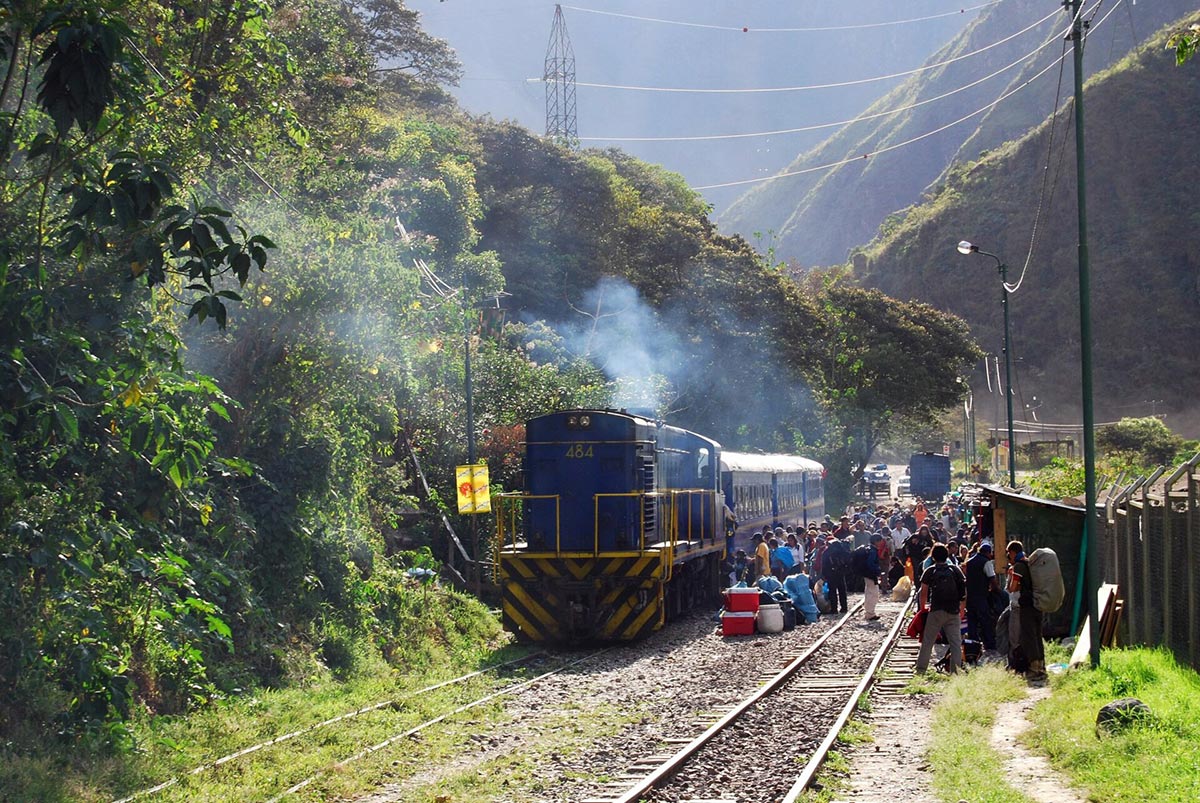
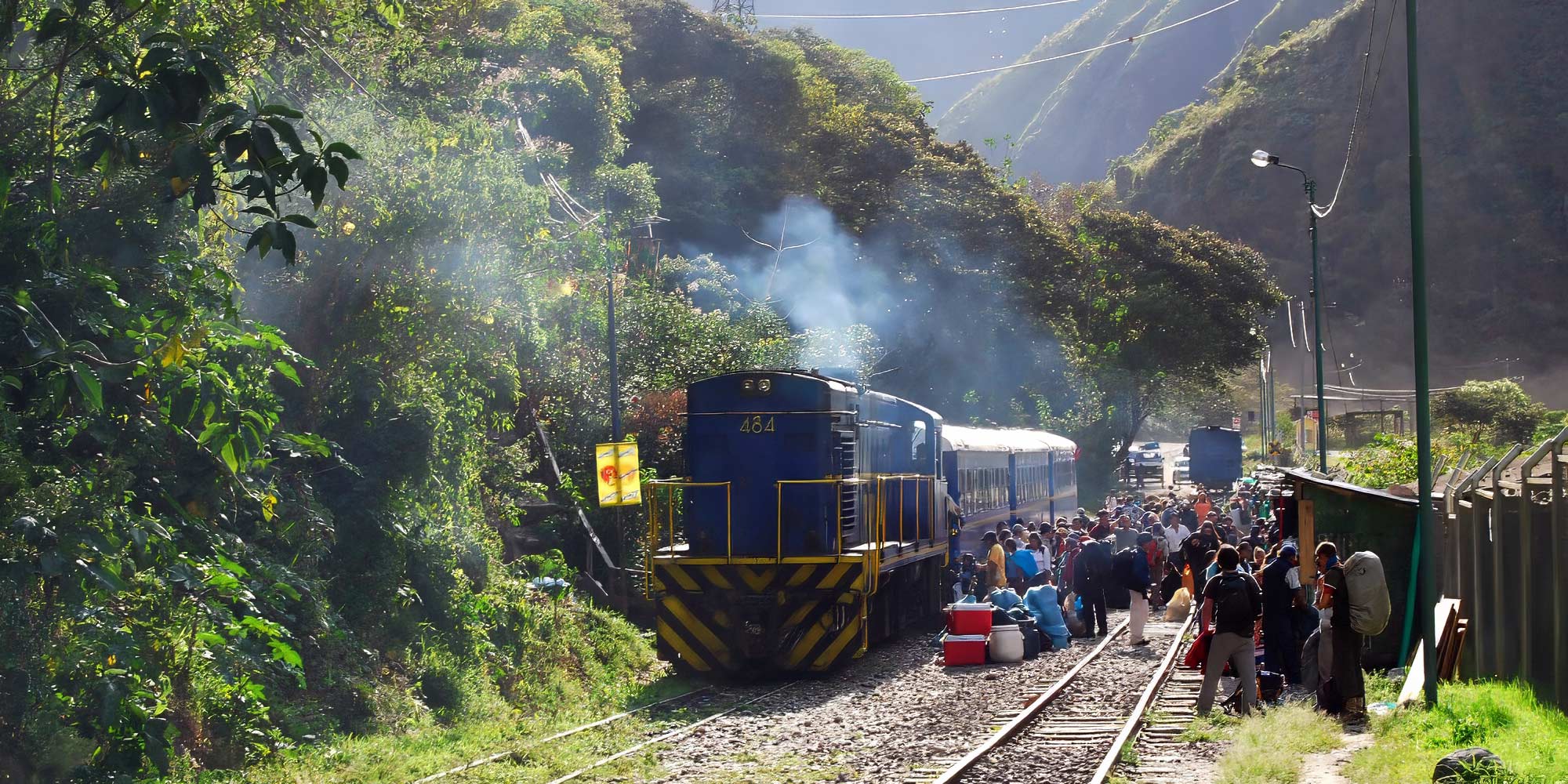
The train back to Cusco leaves from Aguas Calientes, the nearest village to the ruins of Machu Picchu, at approximately 16:30 and you get back into Cusco for about 21:00.
We suggest that after visiting Machu Picchu you take the bus down to Aguas Calientes at 15:30 at the latest (depending on your train departure time). Buses depart every 15 minutes. Check with the guide for actual times. This leaves you plenty of time at the site or to do one of the other walks nearby.
There are many restaurants in Aguas Calientes to satisfy all tastes and budgets. Of course you could also visit the hot springs that Agues Calientes is named for, which will help ease those aching muscles. Entrance to the springs costs US$5, and you should allow a couple of hours to fully enjoy them.
Distance: 7.9km/4.9 miles
Highest point: 2,739m/8,988ft
Starting altitude: 2,732m/8,962ft
Finishing altitude: 2,452m/8,046ft
Height gained: 311m/1,020ft
Height lost: 377m/1,237ft
Regulations (August 2011) mean that the number of visitors to Machu Picchu is limited to 2,500 people per day. This means that you must pre-book your entrance to the site. The entry ticket cannot be purchased in Aguas Calientes/Machu Picchu pueblo but must be bought in advance (by us) in Cusco.
On the 5 day Inca Trail if you wish to visit the site on your last day (day 5) you will need to reserve and pay for your entrance ticket at the time of booking. The cost is USD 80 per person.
If you wish to climb Huayna Picchu or Machu Picchu mountain, places now also have to be pre/booked and come at an additional cost.
Machu Picchu mountain has to be climbed before 11am, and there are two departure times for Huayna Picchu:
Group 1 (G1): 0700 – 0800
Group 2 (G2): 1000 – 1100
The price is USD 80 including the entrance fee to Machu Picchu.
A free day in Cusco is just what you need after 4 days of trekking.
Time to relax and spoil yourself a little – maybe a nice meal in one of the many restaurants, a cup of coffee overlooking the main square, a stroll over the market and some souvenir shopping.
Or if Machu Picchu has whet your appetite for Incan Culture, why not visit the Museo Inka, which will give you all the background and information you need to know.
Time to say farewell, travelling with your brand new language skills.
Language school:
Inca Trail:
Language school:
Inca Trail:
Your homestay is with a local family and has a private room with a shared bathroom – some families have a private bathroom for your exclusive use (extra cost).
Some homestays are in the centre of Cusco, some are further away and may involve a short bus ride/walk. This is a great chance to see local life and practice your Spanish.
You can upgrade to a hotel, if you prefer hotel accommodation.
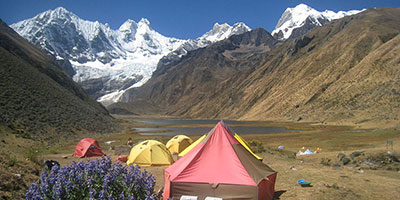
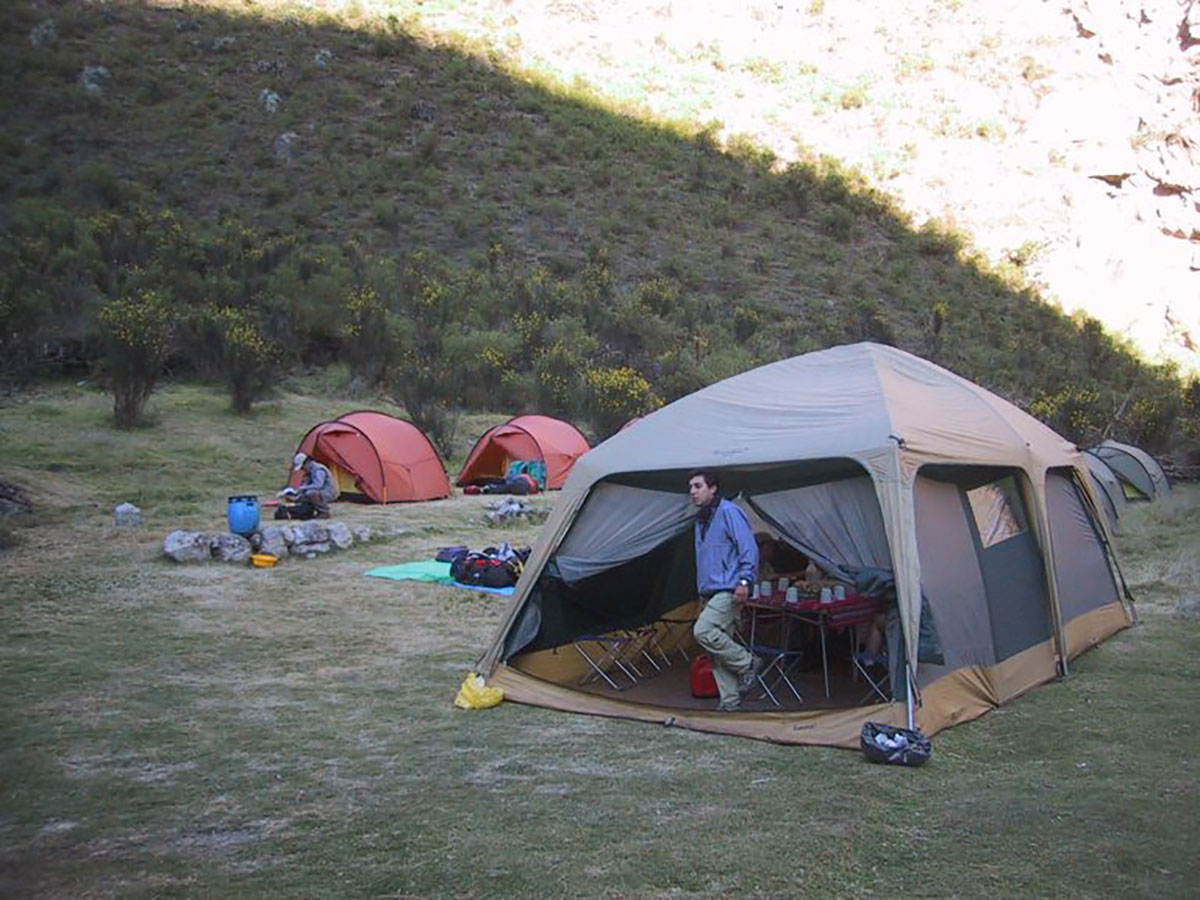
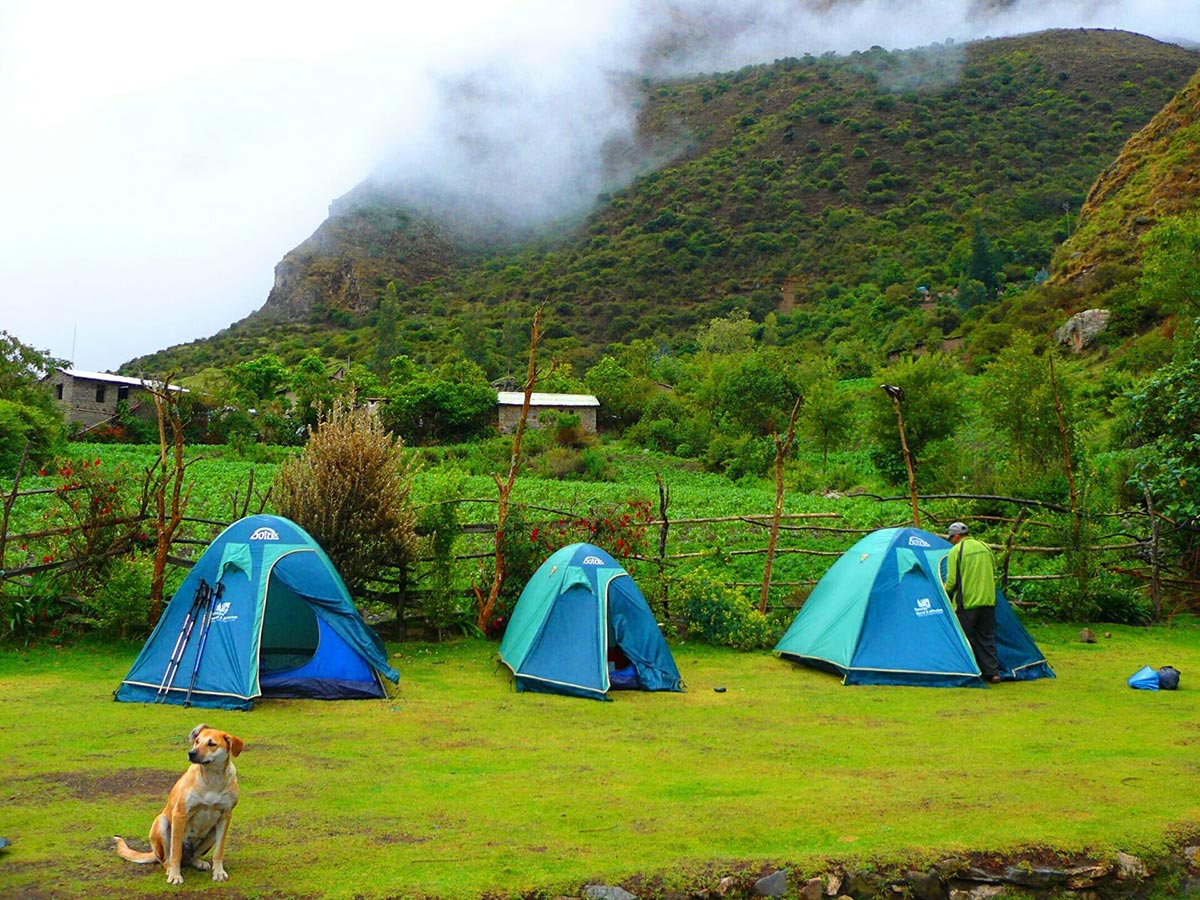
We use four season tents, designed for all weather conditions, and with lots of space for you and your belongings.
If you travel solo and have a tent to yourself, it will be 2m long x 1.4m wide – a two person tent.
Those sharing a tent will be in a tent 2.2m long x 2m wide – a four person tent.
If you stay an extra night in Aguas Calientes, we add a 2* hotel but can book 3, 4 and 5* options on request (extra cost).
All of the campsites that we use have a toilet block with running water. Facilities have improved a lot on the Inca Trail in the last few years. If you do need to go the toilet when there aren’t any toilets then do so well away from the trail and water supplies; dig a hole, and take the paper with you in a bag to deposit in one of the several bins along the way, do not leave it to blow about in the wind. There are shower facilities at Wiñay Wayna on day 3 although these basic and most people wait until Aguas Calientes showers or their hotel in Cusco.
There are no fitness restrictions for people studying Spanish in Cusco.
The Inca Trail requires every participant to be well acclimatised to high altitude and to be in good physical condition.
We grade this as a ‘medium’ trek because of the high altitude and consecutive trekking days.
Trekkers ideally need to be used to walking while carrying a rucksack and ideally accustomed to walking several days in a row.
However, it is also open to first time trekkers who are in good physical shape.
Approximate walking times:
Day 1: 4-5 hours
Days 2 + 3: 5-7 hours
Day 4: 1 hour + tour (2 hours)
Almost all dietary requirements can be catered for – please ask for more information.
If you stay in the home of a Peruvian family, they will be keen to talk to you and help you to practice your Spanish over the evening meal, which they provide.
See below examples of standard and vegan Inca Trail menus.
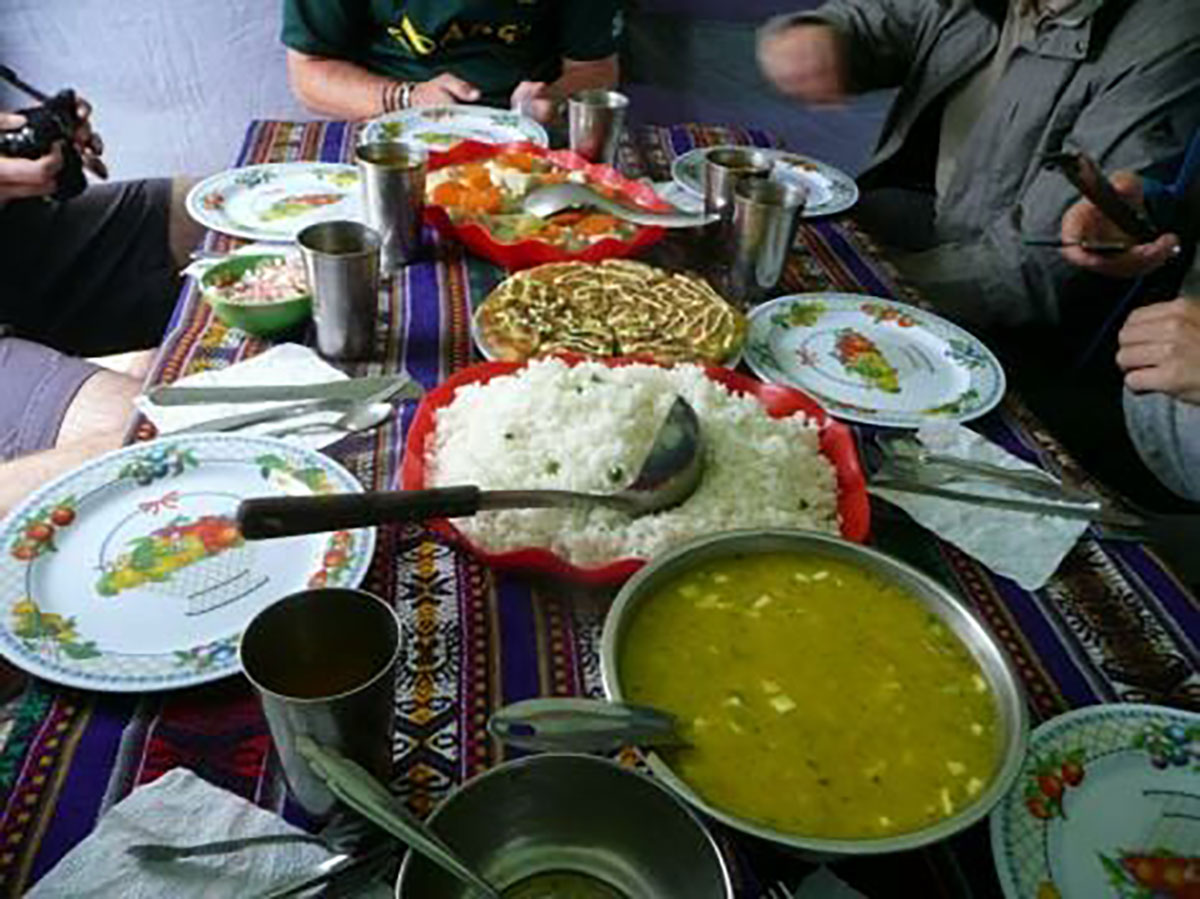
A typical day’s menu would be something along the following lines:
Snack: Mandarins and granola bar
Breakfast: Porridge , bread, butter, jam, milk, coffee, tea, fruit juice and fruit salad.
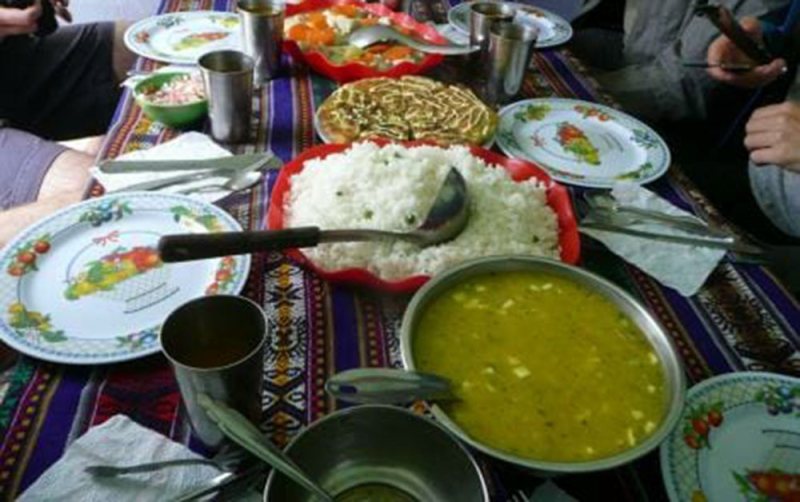
Lunch: Wantan (deep-fried pastry filled with cheese and ham), quinoa soup, chicken with stir fried rice, corn salad
Afternoon tea: Biscuits, pop corn, coffee, tea, infusions.
Dinner: Vegetable soup, meatballs with gratin potatoes and rice, salad selection and swiss chard pie, fried bananas.
People with special dietary requirements are well catered for. A typical day of vegan fare on the standard Inca Trail could be:
Breakfast: Corn bread, fruit salad, soya yoghurt, quinoa flakes, hot drinks.
Lunch: Vegetable soup; broad bean, carrot, mushroom and seaweed salad with “sancochadas” potatoes. Hot drinks.
Dinner: Vegetarian minestrone soup, sautéed green beans with soya meat, vegetables and rice, poached apples. Hot drinks.
Celiacs/gluten free diets are catered for by replacing rice and pasta with quinoa, canihua and quiwicha as well as special produce such as camote (sweet potato) bread.
You will be provided with boiled water every morning, and evening – fit for drinking. There are always generous amounts available.
The sterilising tablets ‘MicroPur’ can be bought in most pharmacies in Cusco. With these you put the tablets in the water and then wait 40 minutes before drinking. Try to ensure that the mouth of the bottle is also fully sterilised, by tipping your bottle up and down and allowing sterilised water to flow out before you drink.
Teachers at the language school are fully qualified and have many years’ experience teaching people Spanish, whatever your level.
Homestays are with local families who have been picked for their hospitality, willingness to help people practice Spanish and ability to communicate.
In Cusco you will be met by Jesus Sucari, our local man on the ground, and he’ll answer any questions with a pre-trek briefing.
We operate the Inca Trail together with our Cusco partner, owned and managed locally, in accordance with Inca Trail regulations.
On the Inca Trail we employ local staff, who are paid fair wages. We provide free life insurance to all of our porters. Tented accommodation and meals are provided for all trekking staff as well as foam mats, sleeping bags and rain ponchos.
We have also provided the staff with trekking shoes. We try to ensure our porters carry a maximum of only 20kg. We offer them backpacks and they generally use back supports.
Additionally, each year we donate to the communities our Inca Trail porters come from. We ask the community what is most needed and usually we are asked to provide materials (books, pencils, paper etc.) for the children and the local school.
Most of the porters are farmers and cannot afford to pay for all of the materials their kids require for school. By trekking on the Inca Trail you are directly helping the families and communities of your porters.
A beautifully organised family adventure in Peru — so enjoyable the first time that we trusted Andean Trails completely for another unforgettable trip.
A tough but rewarding Andean trek with superb local support and seamless organisation. An unforgettable adventure despite the long journey from Lima!
Our professional teachers will help you improve your Spanish, whatever level you start with.
Peruvian Spanish is easy to understand and Peru is the top South American destination for our students; it also offers excellent value for money.
Armed with new language skills, you trek the Inca Trail to Machu Picchu.
Cusco a beautiful colonial and very lively city with a large range of cafés, bars and restaurants and is well connected by road and air to other parts of Peru.
We offer the option of a one week, “Survival Spanish” Course, with the possibility to do a longer language course, from two weeks upwards.
Accommodation is either with families (homestay – recommended as you will get the chance to practice your Spanish outside school and will also get an insight into everyday life in Peru) or in guesthouses and hotels.
The Inca Trail trek is one of the greatest hikes in Peru, and indeed the world and is deservedly the most famous footpath in South America.
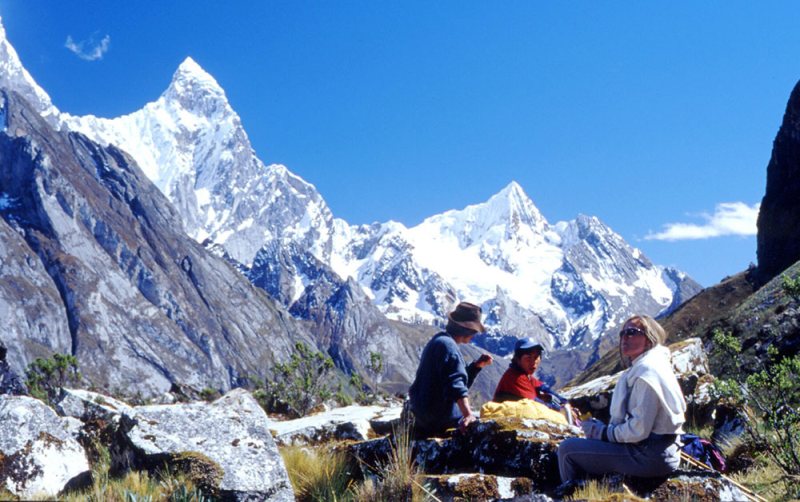
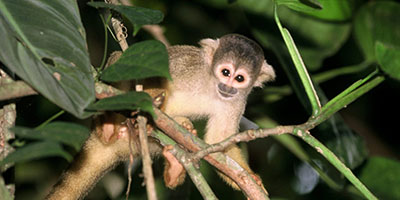
It has everything: gorgeous mountain scenery, cloudforest and lush sub-tropical vegetation with numerous species of flowers, a stunning final destination in Machu Picchu and, above all, the Inca remains that give the trail its name.
Choose our standard trek or our luxury trek, both ending at Machu Picchu ruins.
We make a donation to a Porter’s Community Project near Cusco for every person that books the Inca Trail through us.
From: $1237 per person
Duration
4 days
Peru is made up of 3 distinct geographical areas: the coast, the mountains and the jungle.
The costa or coastal region is a narrow ribbon of desert 2,250 km long, crossed by fertile river valleys flowing from the Andes. It takes up 11% of the country and holds more than 40% of the population.
The cold Humboldt current gives rise to a blanket of mist – the garua – which hangs above coastal cities like the capital Lima from May to November.
Heading east, you’re soon climbing above the garua and into the Andes. The sierra, or mountainous region, covers some 25% of Peru’s territory and contains 50% of the population. The sierra inhabitants are mainly Indigenous or Mestizo, and many still speak Quechua or Aymara.
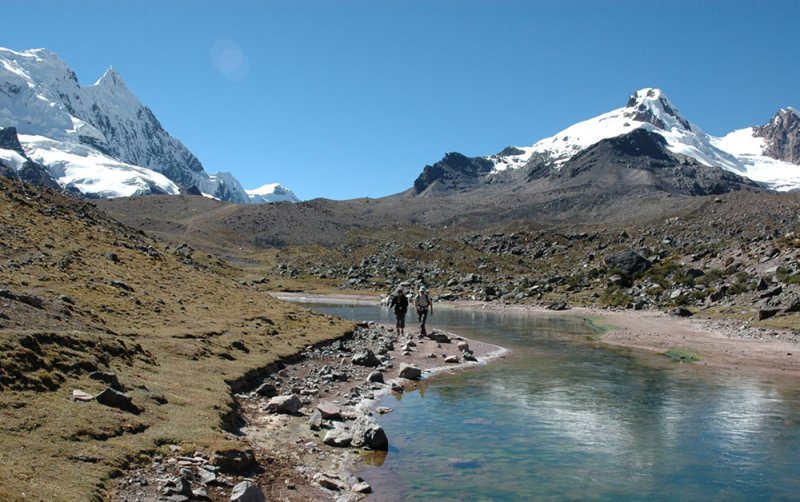
The sierra contains dozens of 6,000-metre snow peaks and volcanoes, including Huascaran (6,768m) the highest mountain in the tropics. The deep valley basins contain most of the towns and arable land; the terracing and canal systems of the Incas and pre-Incas are often still used today.
The eastern Andes are heavily forested up to 3,350m and sweep down into the Amazon Basin.
Peru’s selva or jungle makes up almost two thirds of the country’s area, but holds only about 6% of the population: the only towns with significant populations are Iquitos and Pucallpa.
Peru is the perfect holiday destination for adventure travellers that want an amazing variety of activity, geography and cultural travel experiences.
The breadth of travel experiences in Peru is breathtaking – from trekking in the Andes to Machu Picchu to the tropical jungle of the Amazon, and plenty in between.
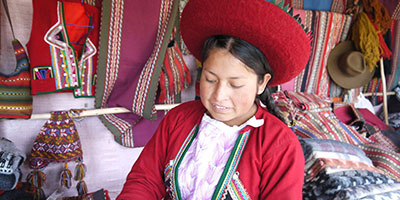
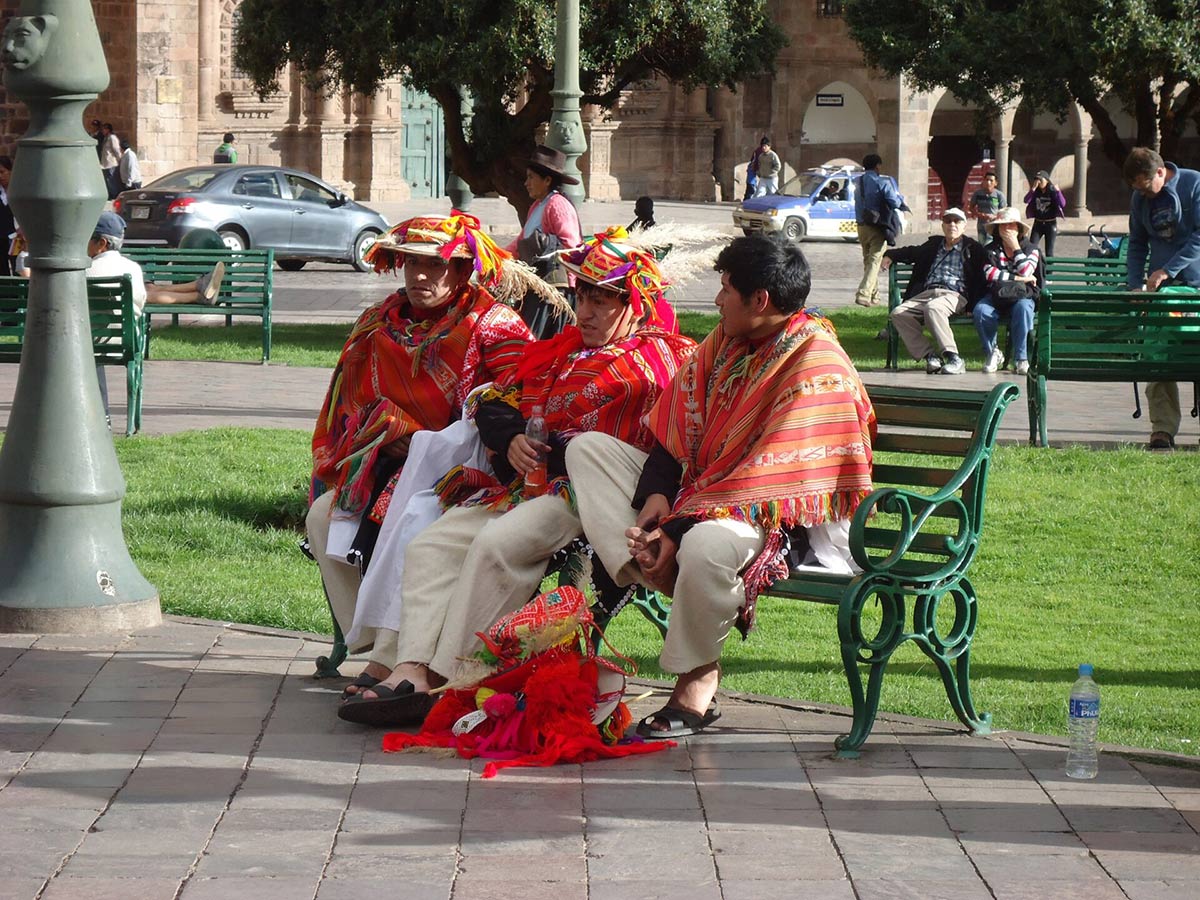
The people of Peru make it a special destination too, with its colourful and traditional street life and friendly locals.
Good kit is vital for every trip.
Book with Andean Trails and get 15% off Páramo’s fantastic ethical and high performance outdoor gear.
When planning for the climatic conditions encountered in the High Andes, layering is the most practical and versatile clothing system. It’s worth remembering that our clothing keeps us warm by retaining and isolating the heat we ourselves create.
To best maintain body heat, several layers of lightweight, warm and quick-drying clothing are far more efficient than one or two thick layers. Layers should have the following qualities:
First (base) layer: This layer wicks the sweat away from our skin, thus helping keep the body dry and warm. To this end, synthetic fabrics such as polypropylene should be used.
Mid layers: These isloating layers should also be synthetic (e.g. the known polar linings such as polartec or windblock, which are light and insulate twice as well as wool). Very important layers for retaining body heat.
Outer layer / shell: Finally, the vital layer which protects us from climatic adversities. A breathable, wind-proof and waterproof anorak, such as Goretex.
Give plenty of thought to kit selection, and try to keep weight down.
We provide thermarests on the trek but you have to bring (or RENT, please ask) a sleeping bag (-5ºC).
We also carry an extensive first aid kit & oxygen on all trips, but these are generally for emergencies only.
You can also read about the weather of Peru in our blog.
You can also read about the weather of Peru in our blog.
Peru is located in the southern tropics (latitudes 0º to 18º), but climate varies significantly according to season, altitude and region.
From May to October, Lima is often overcast, but with minimal precipitation. There are sunny spells, and it’s a fresh to pleasant 13-20ºC.
At the same time, inland areas and the north coast mid to high 20’s ºC.
November to April is generally warm and sunny and Lima enjoys warm temperature of 19-25ºC, with the coast averaging 22-30ºC.
Climate depends largely on altitude. As a rule of thumb, below 2,000m climate is mild and above 2,000m warm clothing is required for evenings, nights and early mornings.
The Andean sun is very strong.
Cusco (3,300m): Average max/min temps: 22ºC /2ºC. Average 3 or 4 wet days per month.
Arequipa (2,380m): Average max/min temps: 26ºC /9ºC. Sunny more than 340 days/year with minimal precipitation.
On highland treks: Conditions are generally dry. However, at this time of year, expect a range of conditions within a single day: cold/freezing nights at camps above 4,000m, where pre-dawn temperatures can be -5ºC; warm, spring-like mornings and afternoons; and cold evenings.
Note that mountain weather can be fickle and localised, and that precipitation is not unknown in the dry season. Expect temperatures to swing between sun and shade, sheltered and exposed ground and with altitude gain and loss. A quick-setting sun means temperatures drop fast.
In the cloud forest, e.g. around Machu Picchu, daytime conditions are generally warm or hot, and evenings cool.
Cusco: Average max/min temps: 23ºC /6ºC. Average 13 wet days per month.
Arequipa: Average max/min temps: 25ºC /14ºC.
On highland treks: Wetter conditions, with cooler days and milder nights than dry season. Jan-Mar usually the wettest months.
Year-round, weather conditions are hot and humid and there is always the risk of rain.
There is a ‘dry season’ in Tambopata and Manu between May and October. The average daytime high temperature is between 25°C and 34°C and the average nighttime low is between 16°C and 22°C. Heavy downpours typically occur every few days.
Around 80% of annual average rainfall – approx 2,000 mm in Manu and Tambopata and 1,400 mm in Iquitos – occurs in the wet season Nov-April.
On rare occasions, between May and September, cold fronts from Argentina – ‘friajes’ – can sweep into southwest Amazonia and push temperatures down to 9°C. (Friajes usually last between 1 and 3 days).
A beautifully organised family adventure in Peru — so enjoyable the first time that we trusted Andean Trails completely for another unforgettable trip.
A tough but rewarding Andean trek with superb local support and seamless organisation. An unforgettable adventure despite the long journey from Lima!