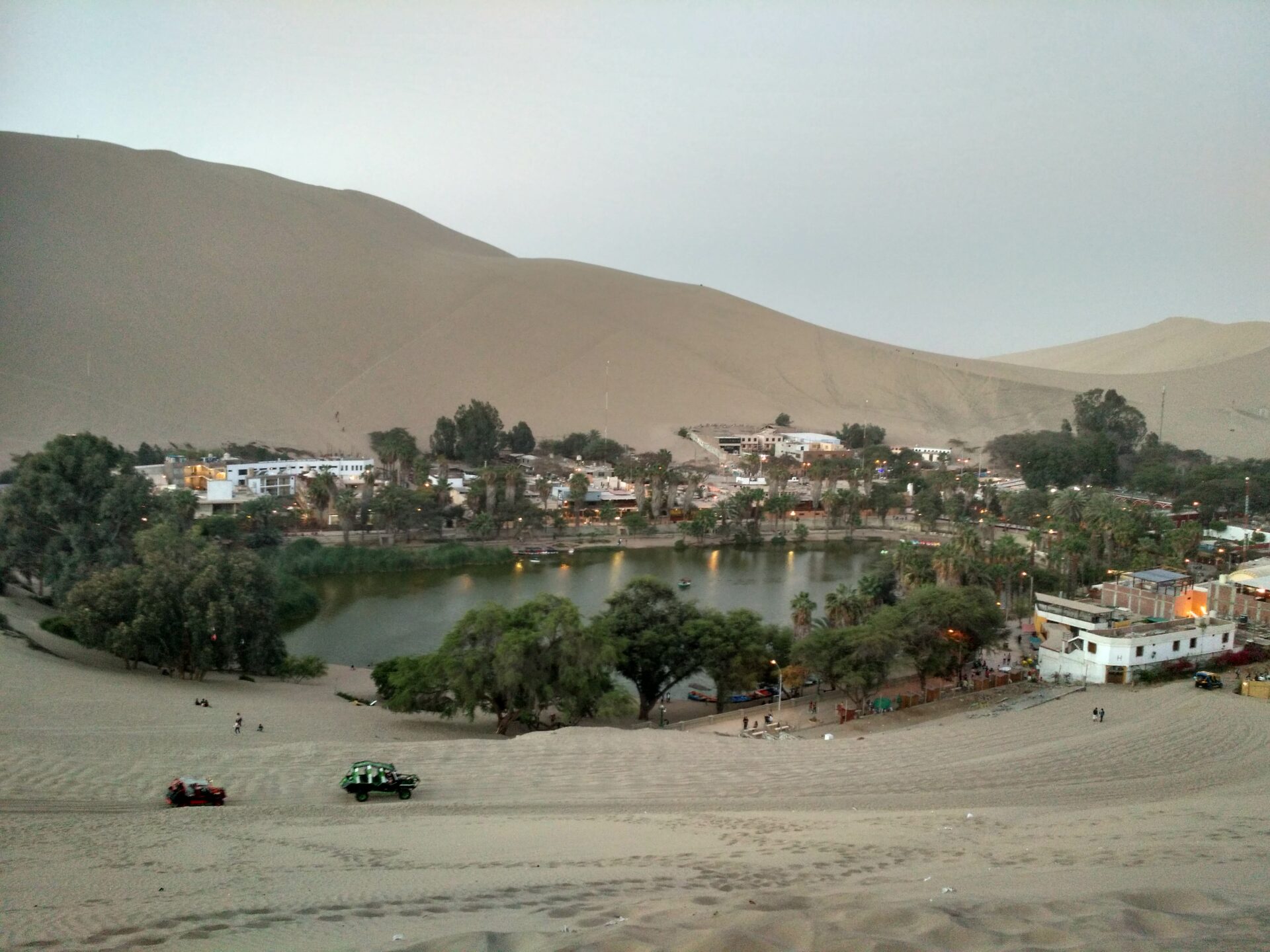
We pick you up in Lima and take you to the bus station for the bus ride to Paracas (4-5 hours). Keep an eye out of the window as the landscape changes.
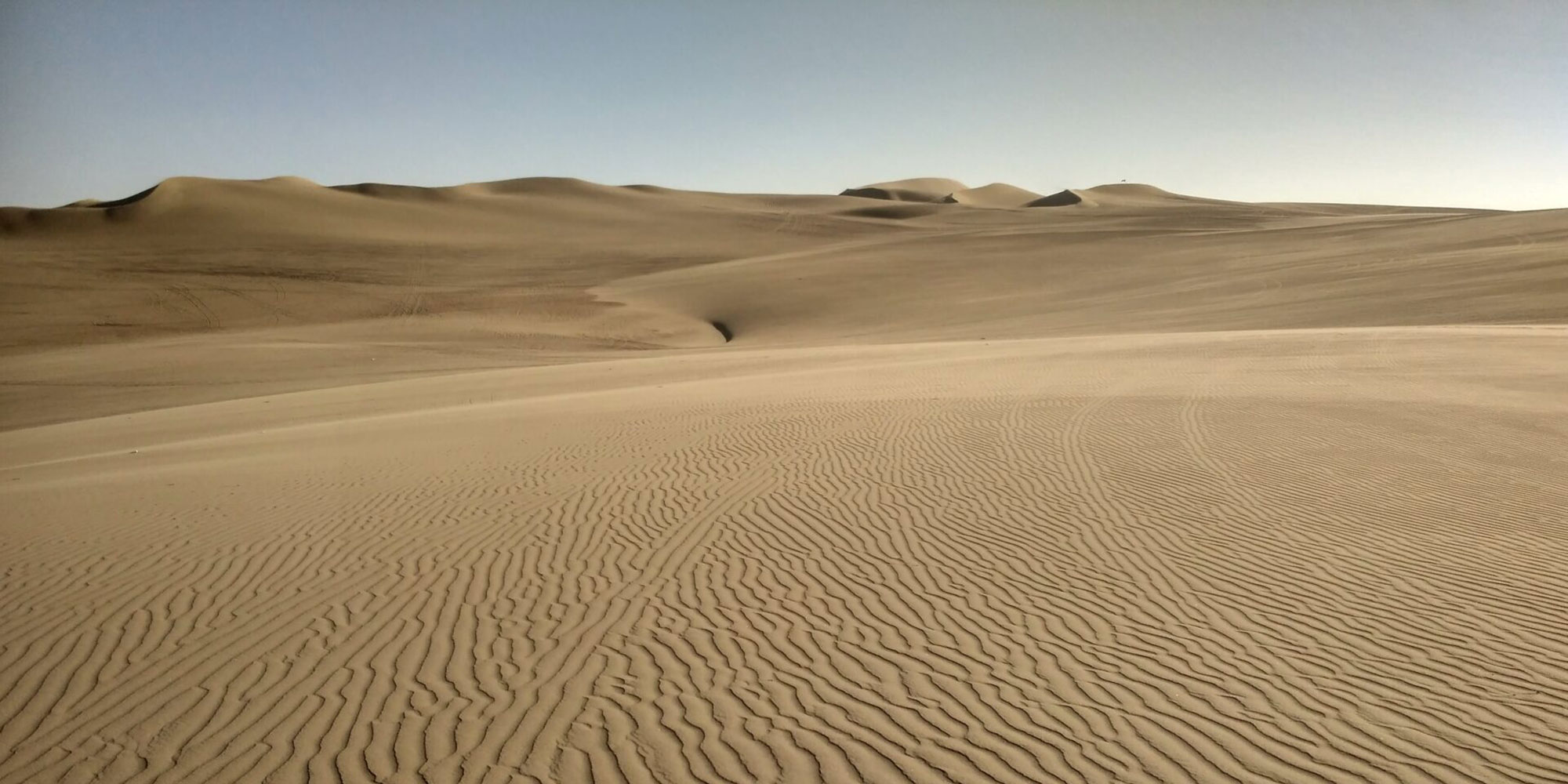
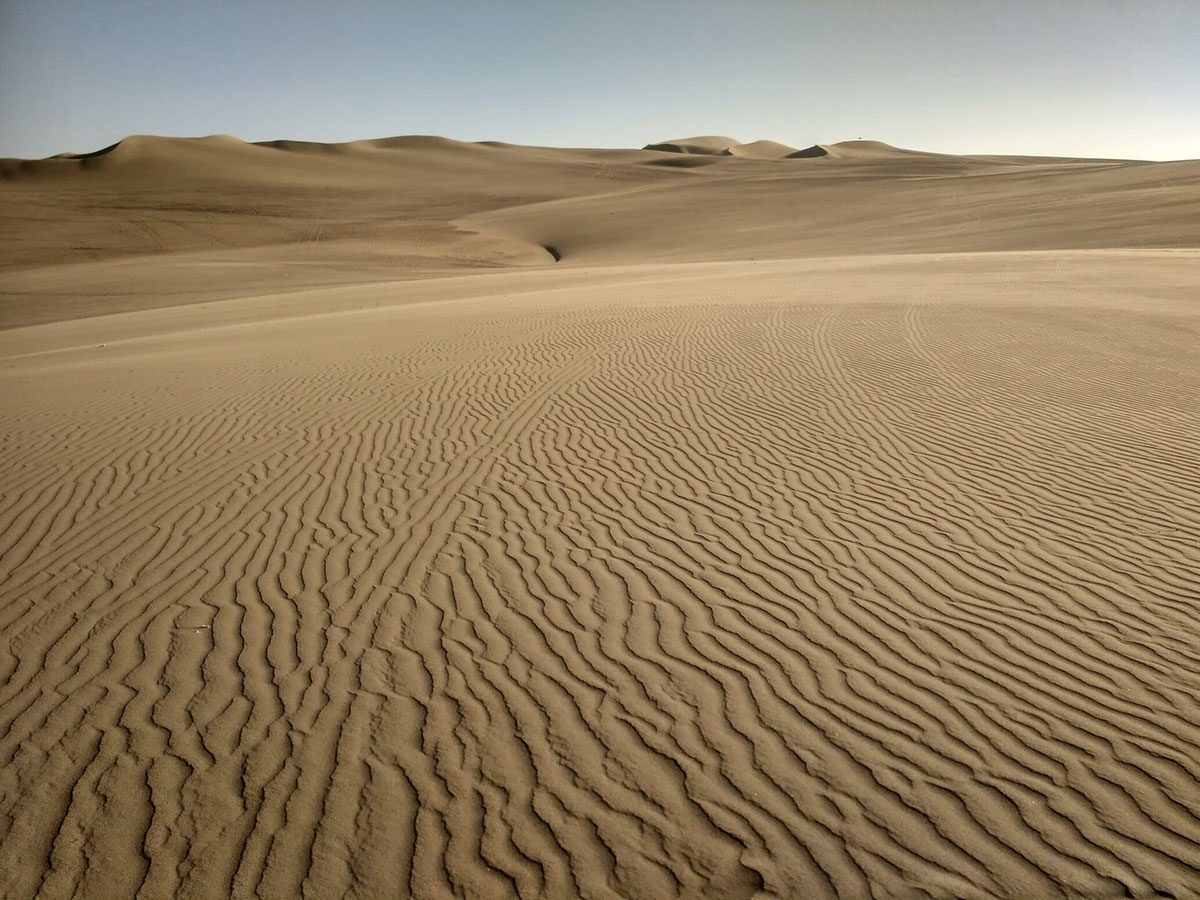
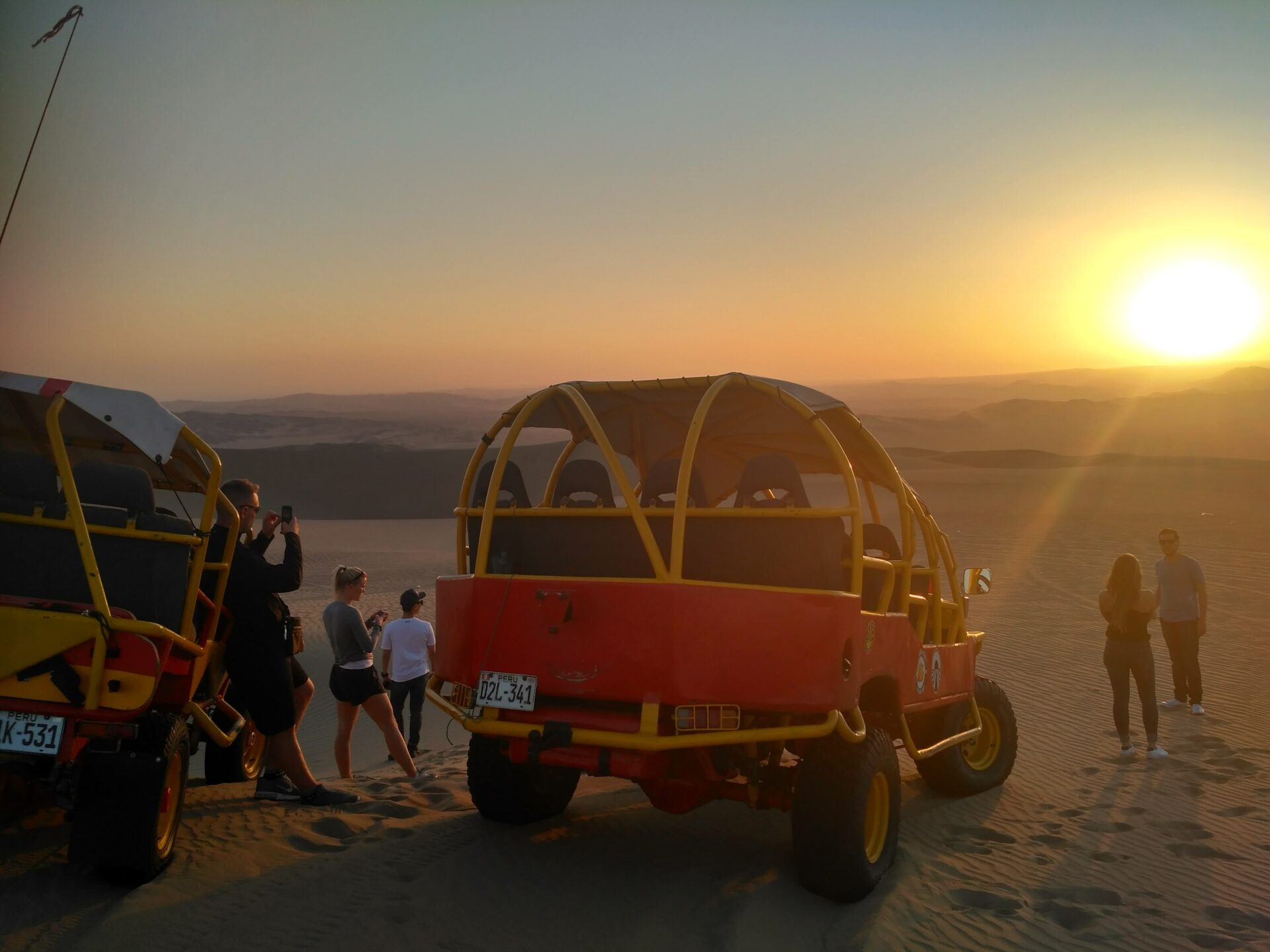
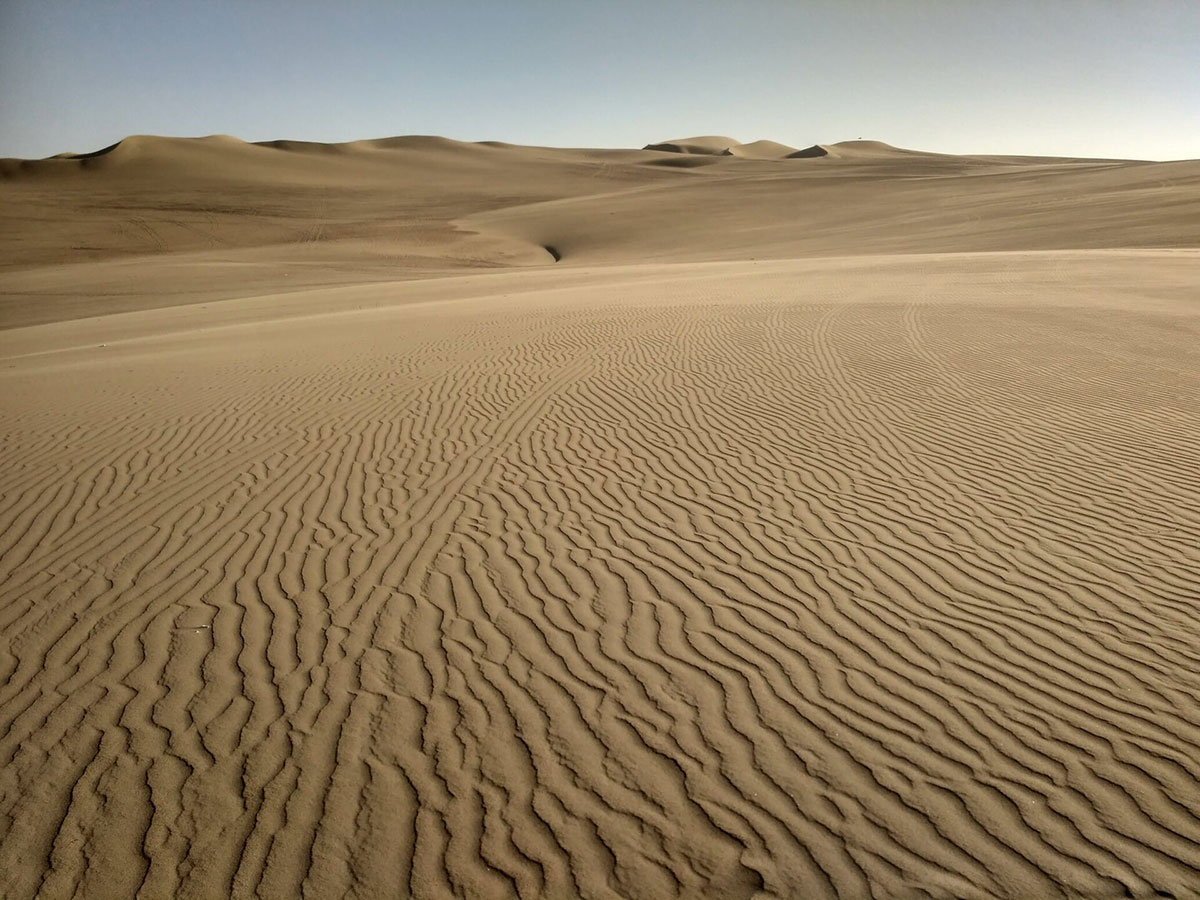
We then take you to the hotel in Paracas before our afternoon tour of what is the driest desert in the world. The dunes are stunning in this beautiful part of Peru.
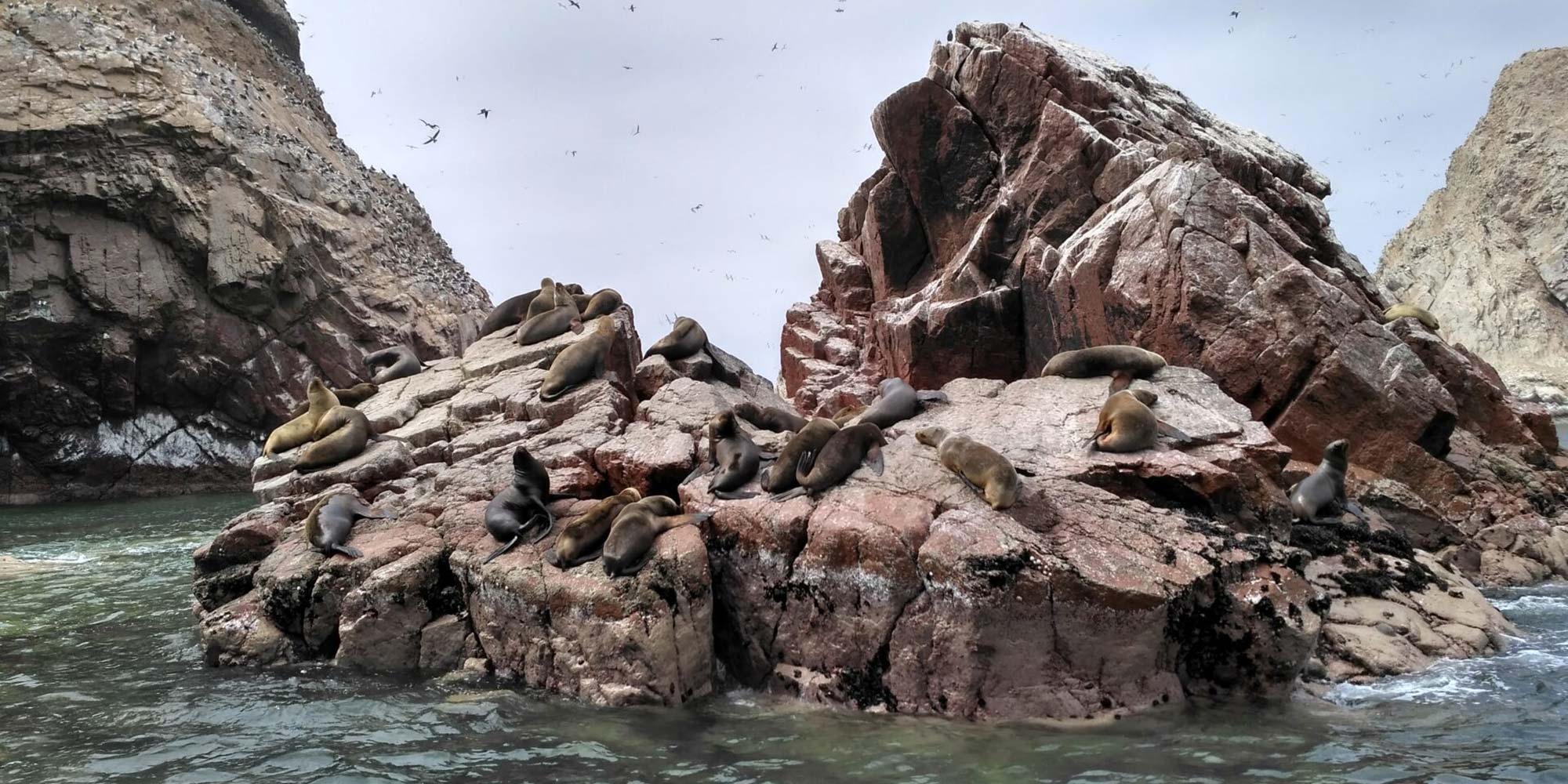
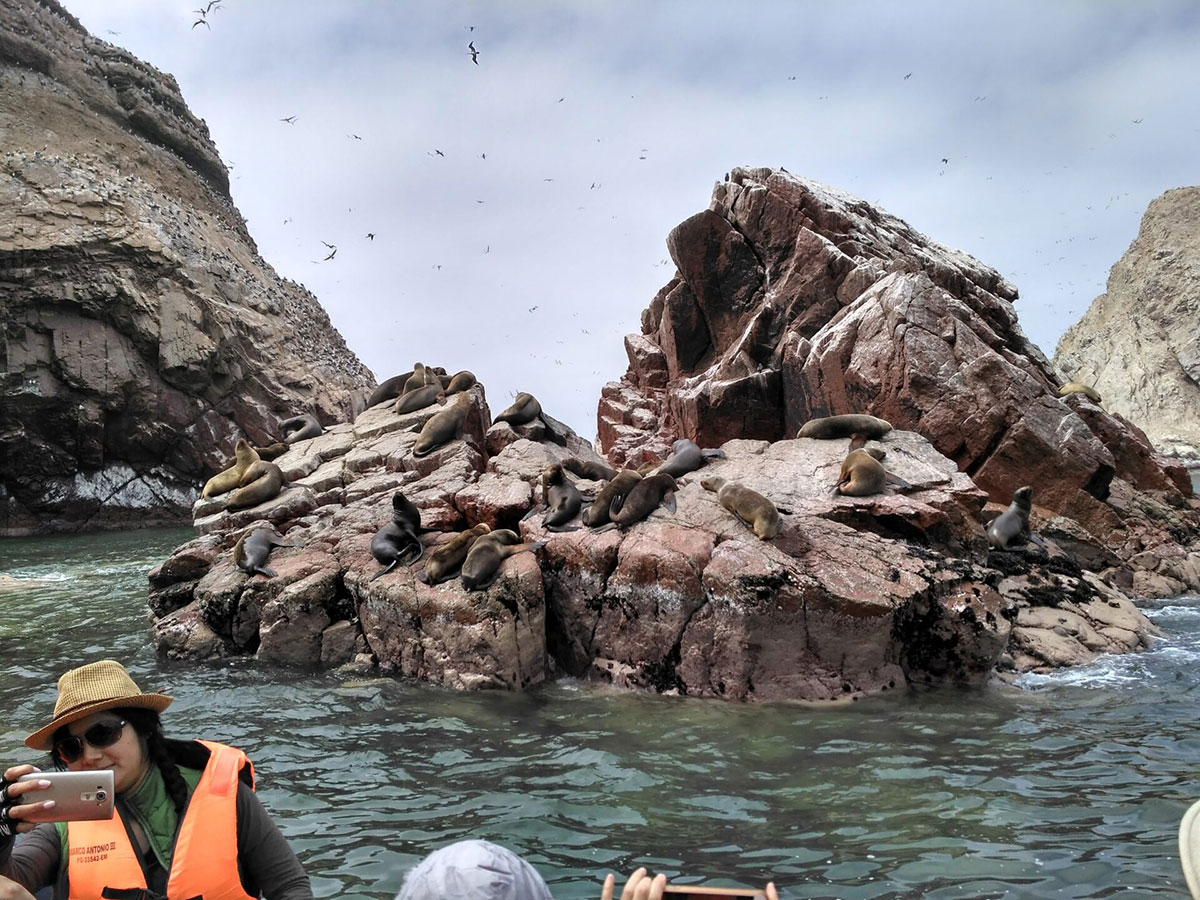
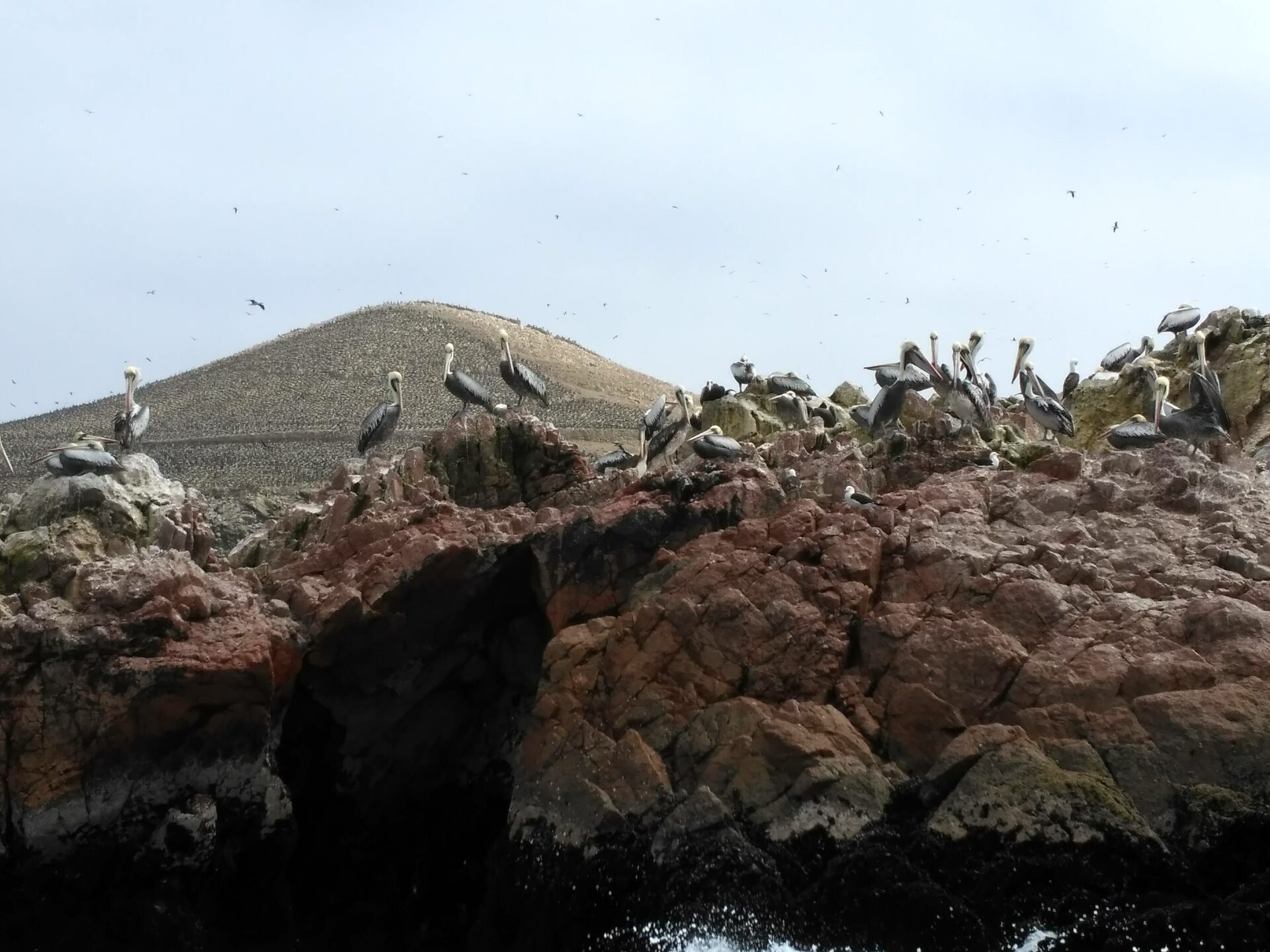
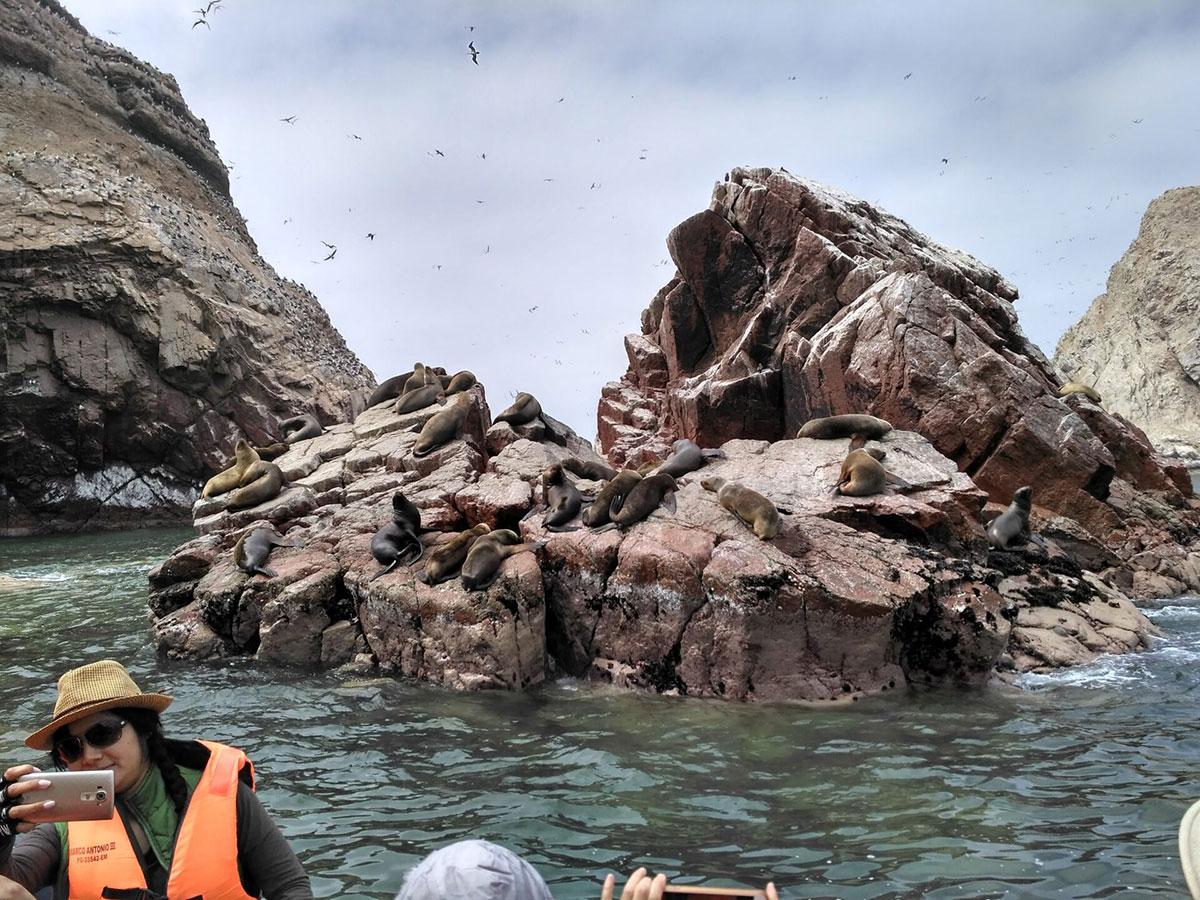
This morning, we take a two-hour boat tour to the Ballestas Islands. On the way we can spot wildlife such as sea lions, dolphins, penguins, wild birds, and also see the famous figure of the El Candelabro – 600 feet long geoglyphs that can be seen from as far as 12 miles out to sea. To date no one knows their purpose.
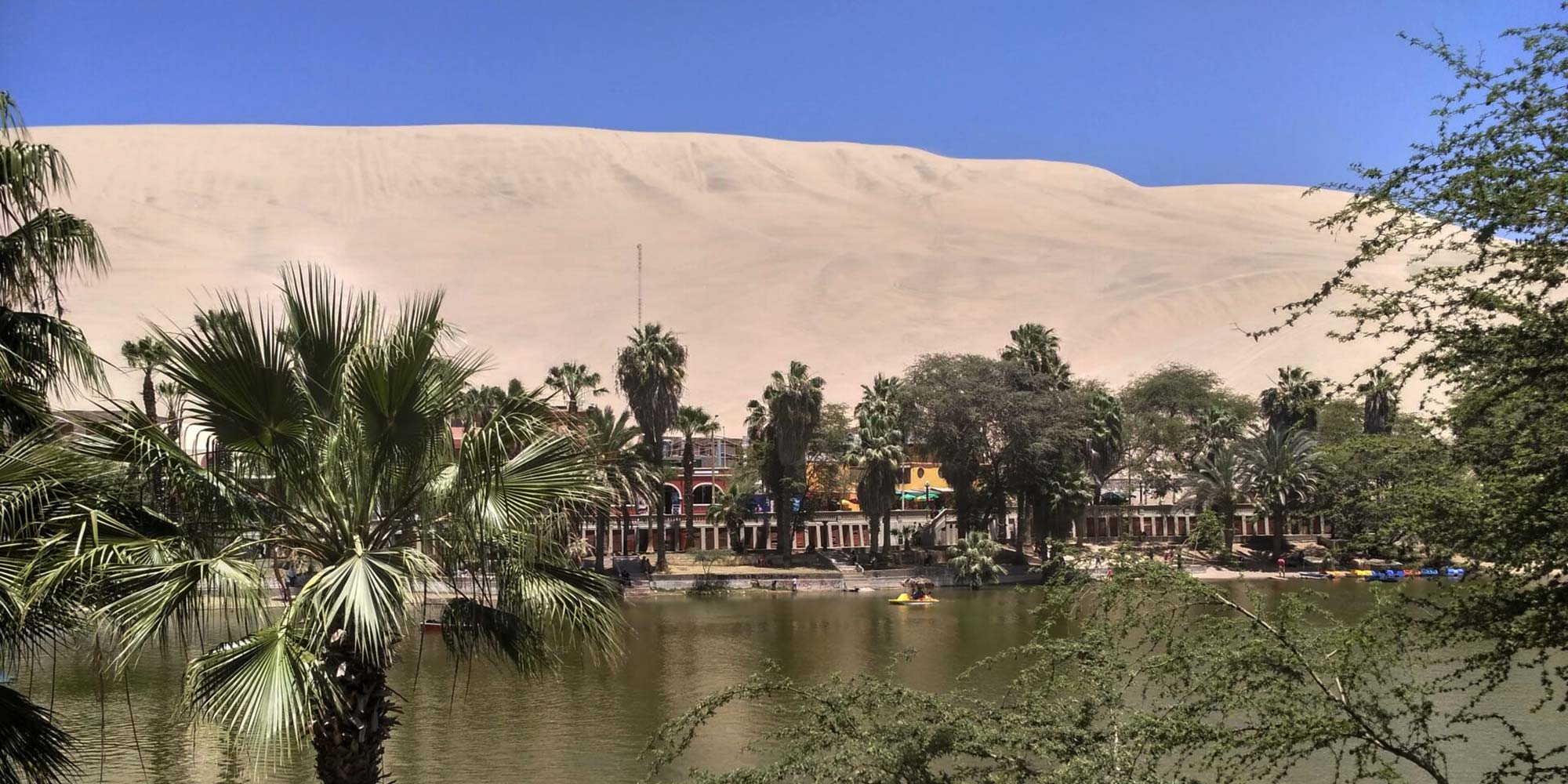
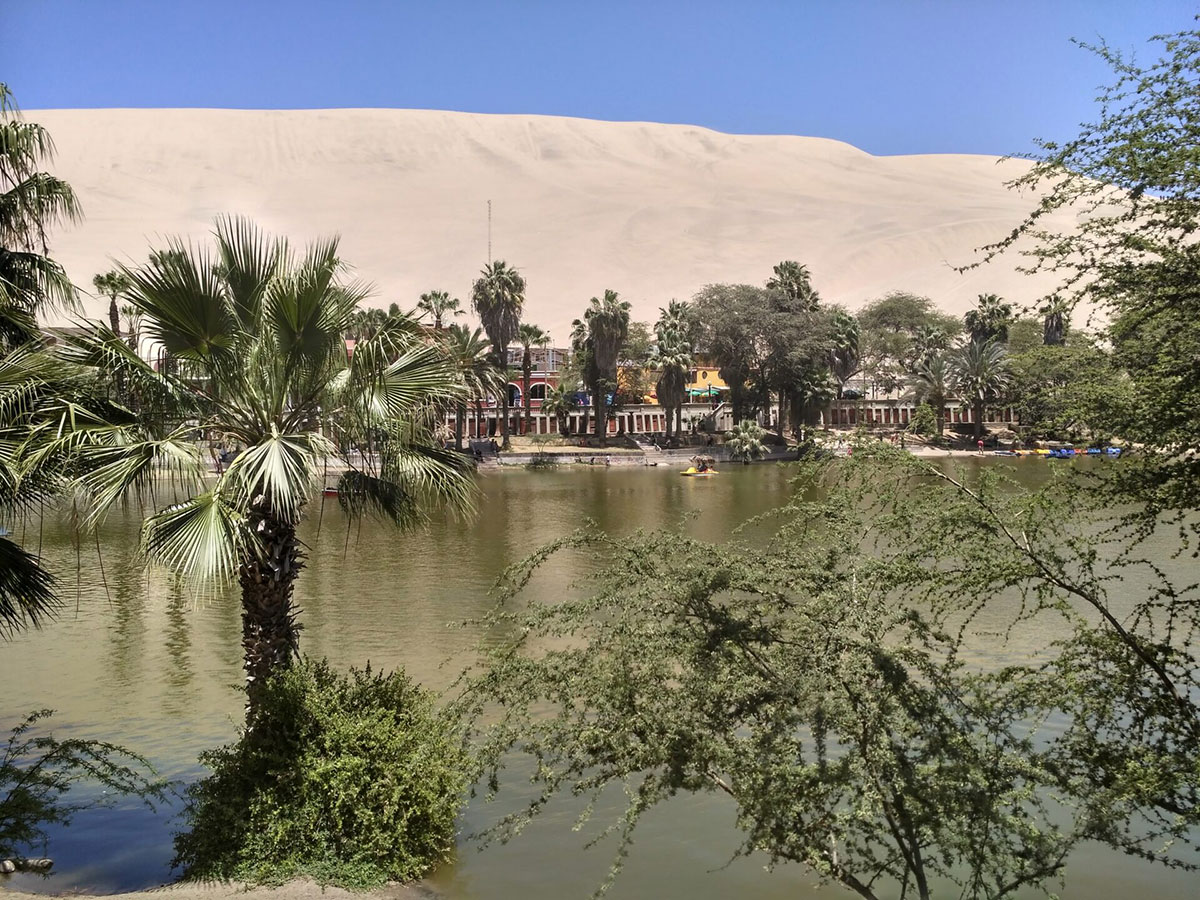
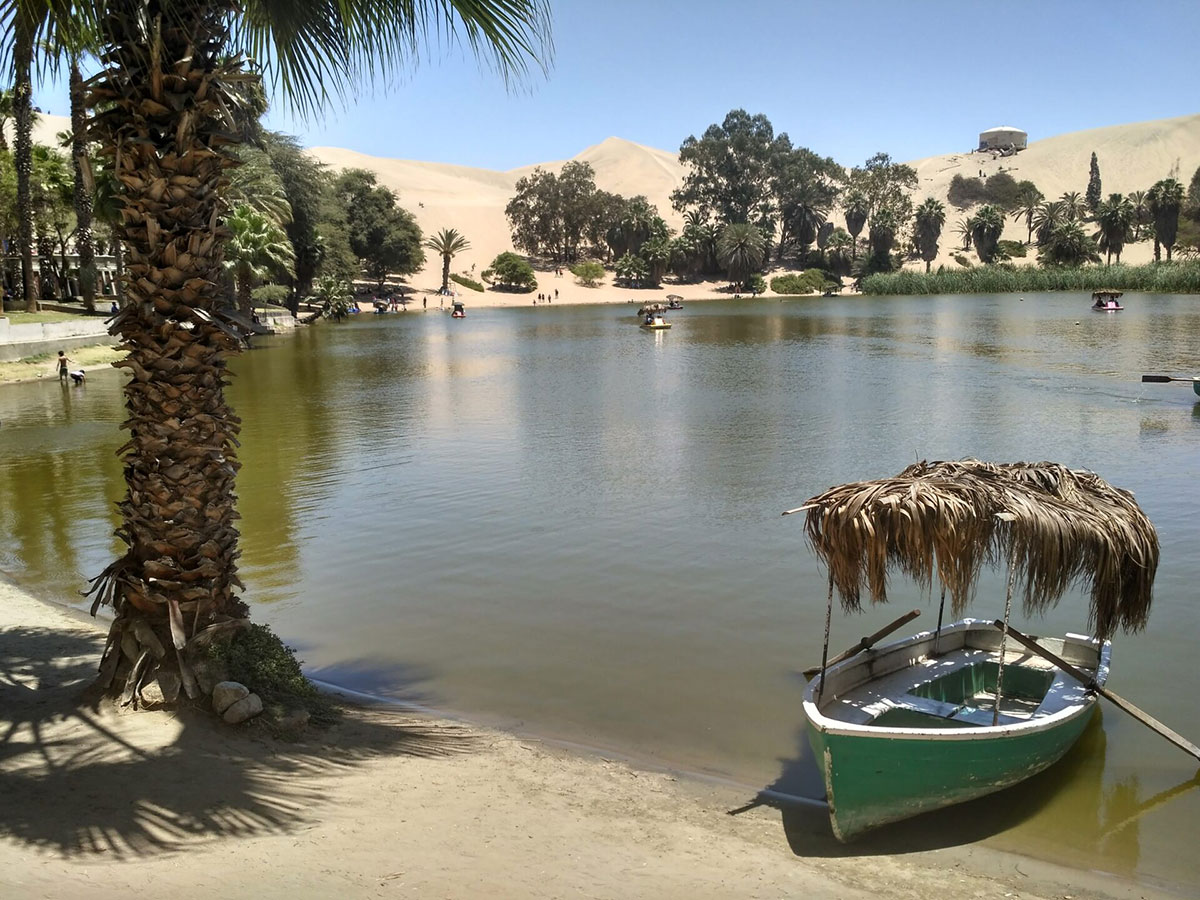
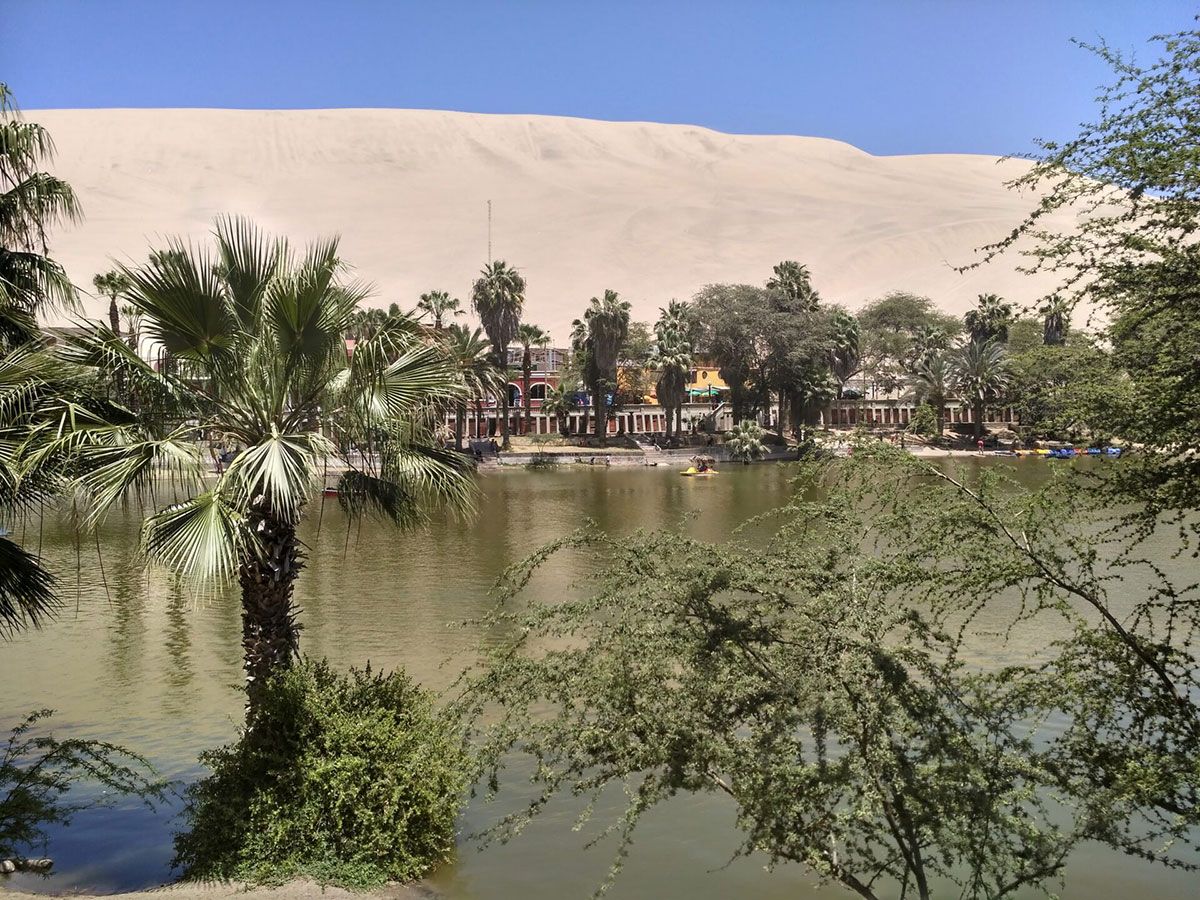
Either bring a boxed lunch or enjoy lunch at a local restaurant (not included) when we return from Ballestas. Next, it’s a one-hour bus to Ica and a transfer to the oasis of Huacachina, with its fishing boats, cafes and laid bad feel.
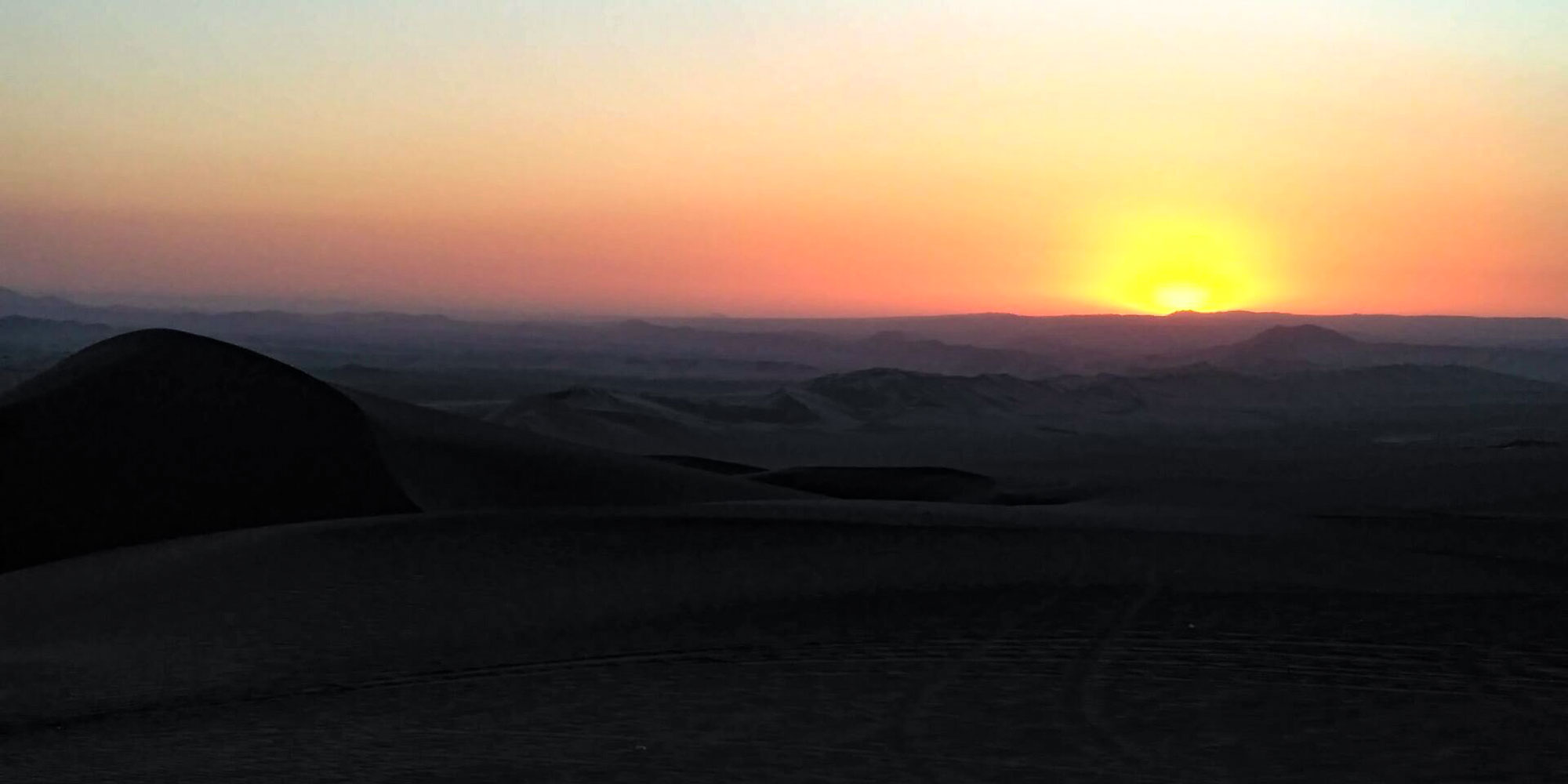
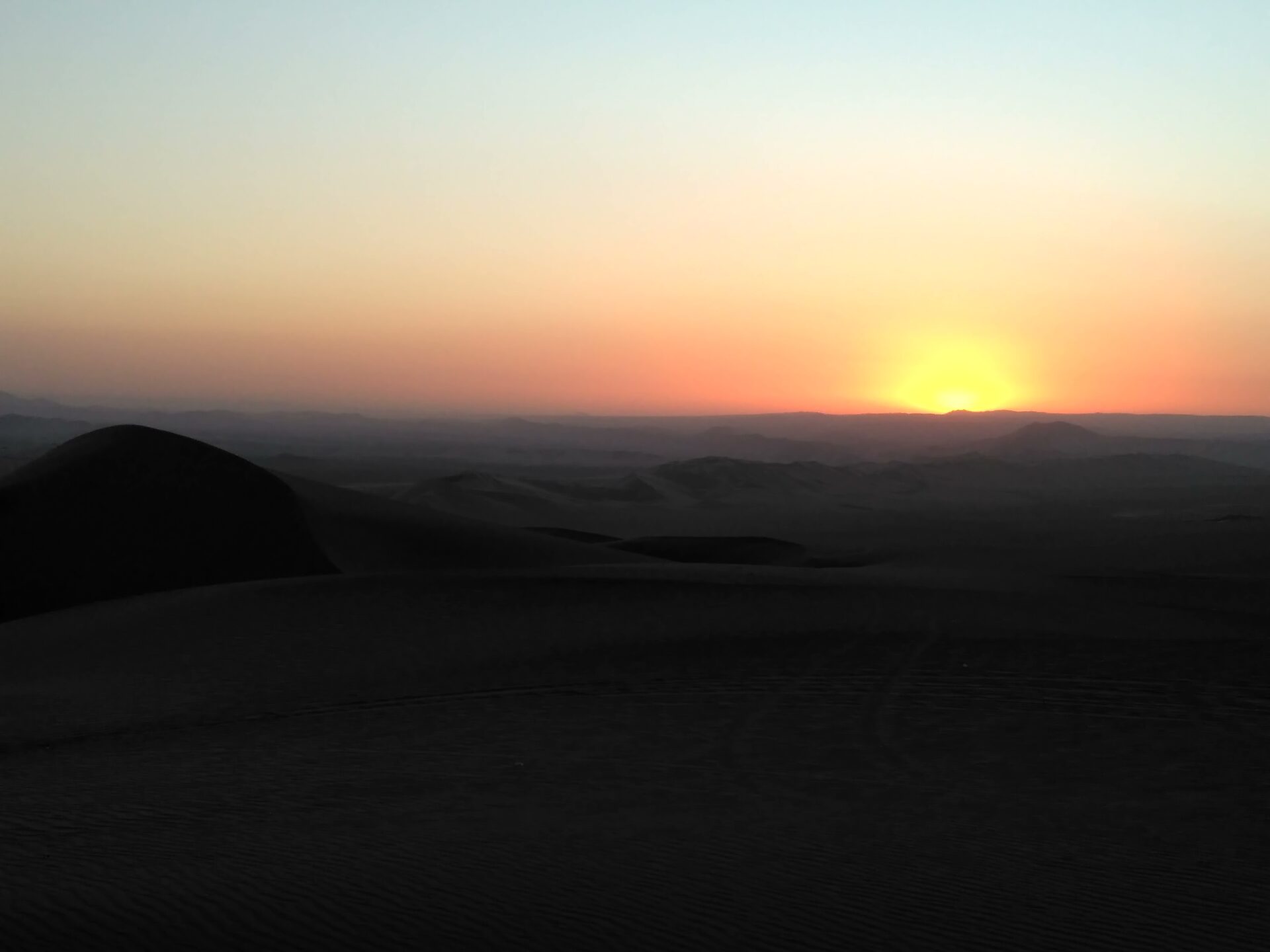
We’ll head off into the desert in the afternoon, camping amid the dunes, enjoying the beautiful desert landscapes.
At night we have a barbecue dinner made over our fire. This includes skewers of beef, vegetables, chicken, sausage, salad, corn and potatoes and of course, the famous Pisco sour cocktail.
The desert is one of the best places to camp as we will have clear skies and the night sky, brimming with stars, is stunning.
After a good breakfast we set off in our jeeps to Ocucaje. Along the way, we have amazing coastal views and intriguing rock formations.
Ocucaje is a pristine site of marine fossils. It is, for the most part, an unexplored reservoir of marine fossils. Here, you can find bones of whales and marine life dating from 8 to 40 million years ago. Fossilised sharks teeth litter the desert.
Led by a local paleontologist, you have the chance to observe these ancient fossils while the guide explains the curious and extraordinary historical events of this area.
We return to Ica by a chain of dunes, and from there take a bus back to Lima.
There is the option to continue southwards to Nazca and Arrequipa if you prefer.
Hotel will be in Huacachina, 2-3* with private bathroom.
Camping with dining and toilet tent, and two-man tents for sleeping.
A good, general level of fitness and mobility is all that is required – contact us if unsure.
There is no altitude to worry about in this tour, and people of any age can enjoy the trip.
You need to be able to walk for 2-3 hours in total to full appreciate the fossil hunting, and that will involve walking on sand that can move about.
Vegetarians and many other dietary requirements are catered for without problems. Please let us know in advance of any requirements you have.
Breakfasts in hotels will generally include coffee, teas, toast, jams, cereals, juices, fruit and cheese/ham.
Lunches will be taken at a restaurant of your choice – there is a lot of fish, rice and potato dishes in the area, as well as international cuisine.
Dinner while camping will be either a BBQ type affair or pasta dinner.
Your Ballestas tour will be with a group with a local, bilingual guide who will speak in both English and Spanish.
Once we head into the dunes, a private, English-speaking guide will be with us. A palaeontologist will help us to look for fossils.
An exhilarating Peruvian mountain adventure filled with rewarding summits, expert guidance, and unforgettable Andean scenery.
A captivating Amazon adventure filled with playful wildlife, rich culture, and meaningful conservation experiences in Peru.
Having seen the amazing wildlife of the Ballestas Islands, you spend a night camping under the stars among Peru’s beautiful sand dunes.
Then head out with an expert palaeontologist to look for 20 million-year-old whale skeletons!
If you want to explore Peru with your family, then this adventure trip along its spectacular coast is a winner.
Leaving Lima we arrive at Huacachina oasis, lined by palm-trees and surrounded by golden sand dunes.
Next day, we hop into jeeps and visit the coast.
This is followed by a wildlife-watching boat trip to the Ballestas Islands, spotting sea lions, dolphins and a fabulous array of sea birds.
Then we head through the Paracas Reserve to camp among the dunes, with the sound of lapping waves in the background and a night sky replete with stars.
Waking refreshed, the next day, we head out on a fossil dig.
The Ocucaje Desert is home to one of the largest marine fossil deposits in the world and rarely explored.
Here, your palaeontologist guide will help you find entire whale skeletons and sea life dating back 8 to 20 million years.
Note: This is a wild environment, and itineraries may vary – becoming stuck in a dune or a puncture may cause a delay, but is all part of the adventure!
Peru is made up of 3 distinct geographical areas: the coast, the mountains and the jungle.
The costa or coastal region is a narrow ribbon of desert 2,250 km long, crossed by fertile river valleys flowing from the Andes. It takes up 11% of the country and holds more than 40% of the population.
The cold Humboldt current gives rise to a blanket of mist – the garua – which hangs above coastal cities like the capital Lima from May to November.
Heading east, you’re soon climbing above the garua and into the Andes. The sierra, or mountainous region, covers some 25% of Peru’s territory and contains 50% of the population. The sierra inhabitants are mainly Indigenous or Mestizo, and many still speak Quechua or Aymara.
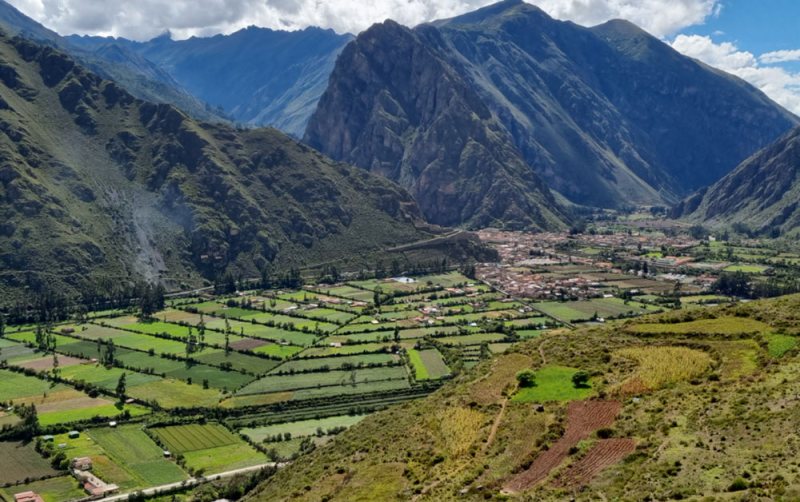
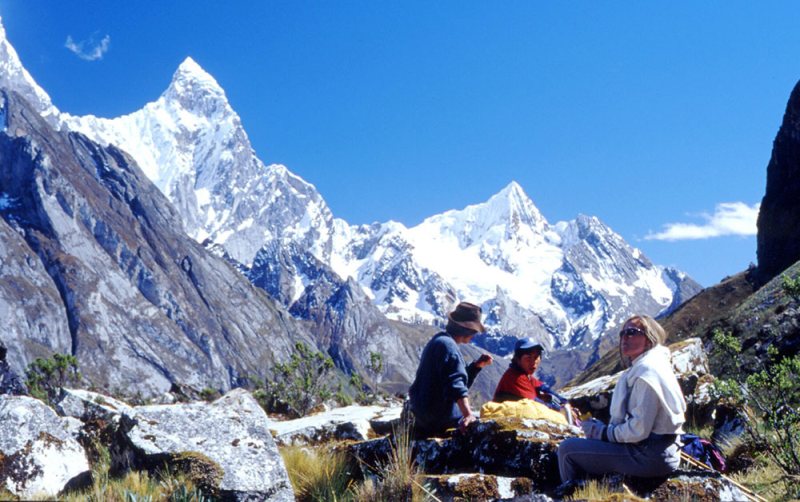
The sierra contains dozens of 6,000-metre snow peaks and volcanoes, including Huascaran (6,768m) the highest mountain in the tropics. The deep valley basins contain most of the towns and arable land; the terracing and canal systems of the Incas and pre-Incas are often still used today.
The eastern Andes are heavily forested up to 3,350m and sweep down into the Amazon Basin.
Peru’s selva or jungle makes up almost two thirds of the country’s area, but holds only about 6% of the population: the only towns with significant populations are Iquitos and Pucallpa.
Peru is the perfect holiday destination for adventure travellers that want an amazing variety of activity, geography and cultural travel experiences.
The breadth of travel experiences in Peru is breathtaking – from trekking in the Andes to Machu Picchu to the tropical jungle of the Amazon, and plenty in between.
The people of Peru make it a special destination too, with its colourful and traditional street life and friendly locals.
Good kit is vital for every trip.
Book with Andean Trails and get 15% off Páramo’s fantastic ethical and high performance outdoor gear.
When planning for the varied climatic conditions you will encounter across Peru, layering is the most practical and versatile clothing system.
The sun is very strong throughout the country, so good sun cream, a hat and sunglasses are vital.
It can also get very cold at night time especially in the mountains. Jumpers, fleeces and warms hats – which you can buy there – are also essential.
Give plenty of thought to kit selection, and try to keep weight down.
Below is a more detailed guide.
You can also read about the weather of Peru in our blog.
You can also read about the weather of Peru in our blog.
Peru is located in the southern tropics (latitudes 0º to 18º), but climate varies significantly according to season, altitude and region.
From May to October, Lima is often overcast, but with minimal precipitation. There are sunny spells, and it’s a fresh to pleasant 13-20ºC.
At the same time, inland areas and the north coast mid to high 20’s ºC.
November to April is generally warm and sunny and Lima enjoys warm temperature of 19-25ºC, with the coast averaging 22-30ºC.
Climate depends largely on altitude. As a rule of thumb, below 2,000m climate is mild and above 2,000m warm clothing is required for evenings, nights and early mornings.
The Andean sun is very strong.
Cusco (3,300m): Average max/min temps: 22ºC /2ºC. Average 3 or 4 wet days per month.
Arequipa (2,380m): Average max/min temps: 26ºC /9ºC. Sunny more than 340 days/year with minimal precipitation.
On highland treks: Conditions are generally dry. However, at this time of year, expect a range of conditions within a single day: cold/freezing nights at camps above 4,000m, where pre-dawn temperatures can be -5ºC; warm, spring-like mornings and afternoons; and cold evenings.
Note that mountain weather can be fickle and localised, and that precipitation is not unknown in the dry season. Expect temperatures to swing between sun and shade, sheltered and exposed ground and with altitude gain and loss. A quick-setting sun means temperatures drop fast.
In the cloud forest, e.g. around Machu Picchu, daytime conditions are generally warm or hot, and evenings cool.
Cusco: Average max/min temps: 23ºC /6ºC. Average 13 wet days per month.
Arequipa: Average max/min temps: 25ºC /14ºC.
On highland treks: Wetter conditions, with cooler days and milder nights than dry season. Jan-Mar usually the wettest months.
Year-round, weather conditions are hot and humid and there is always the risk of rain.
There is a ‘dry season’ in Tambopata and Manu between May and October. The average daytime high temperature is between 25°C and 34°C and the average nighttime low is between 16°C and 22°C. Heavy downpours typically occur every few days.
Around 80% of annual average rainfall – approx 2,000 mm in Manu and Tambopata and 1,400 mm in Iquitos – occurs in the wet season Nov-April.
On rare occasions, between May and September, cold fronts from Argentina – ‘friajes’ – can sweep into southwest Amazonia and push temperatures down to 9°C. (Friajes usually last between 1 and 3 days).
An exhilarating Peruvian mountain adventure filled with rewarding summits, expert guidance, and unforgettable Andean scenery.
A captivating Amazon adventure filled with playful wildlife, rich culture, and meaningful conservation experiences in Peru.