Transfer Posadas or Mercedes to Colonia Carlos Pellegrini Irupé Lodge by 4-wheel drive.
You can fly to Posadas and then transfer in (2-4 hours), or bus to Mercedes (9 hours from Buenos Aires) and transfer in (1.5 hours) to the lodge.
We recommend that you buy lunch or bring it with you as it is not included on the first day.
Whichever route you choose, there is plenty of wildlife to see.
You may see more wildlife on the transfer in from Posadas, as well as gauchos and their cattle.
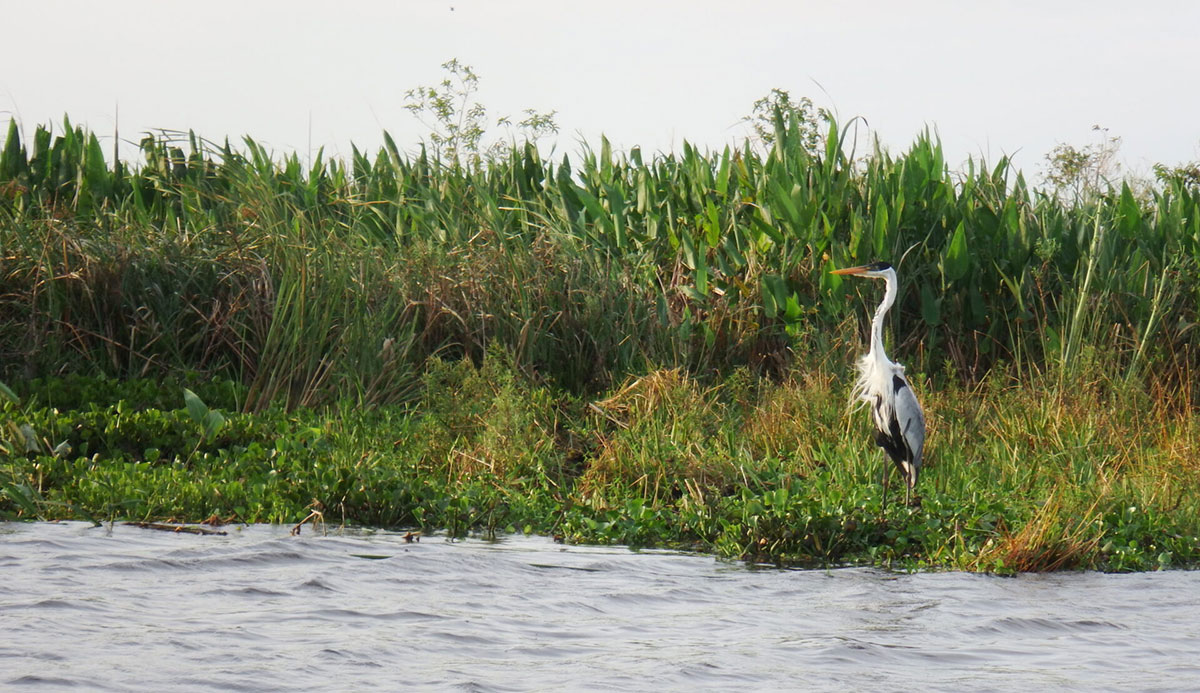
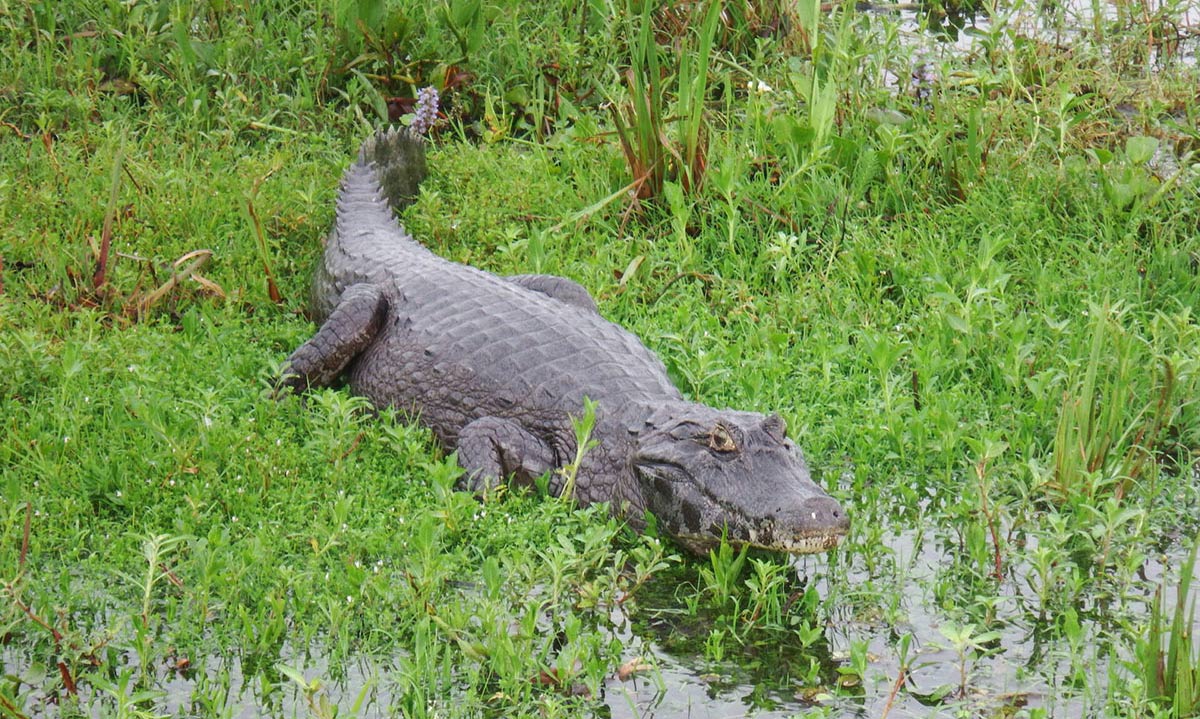
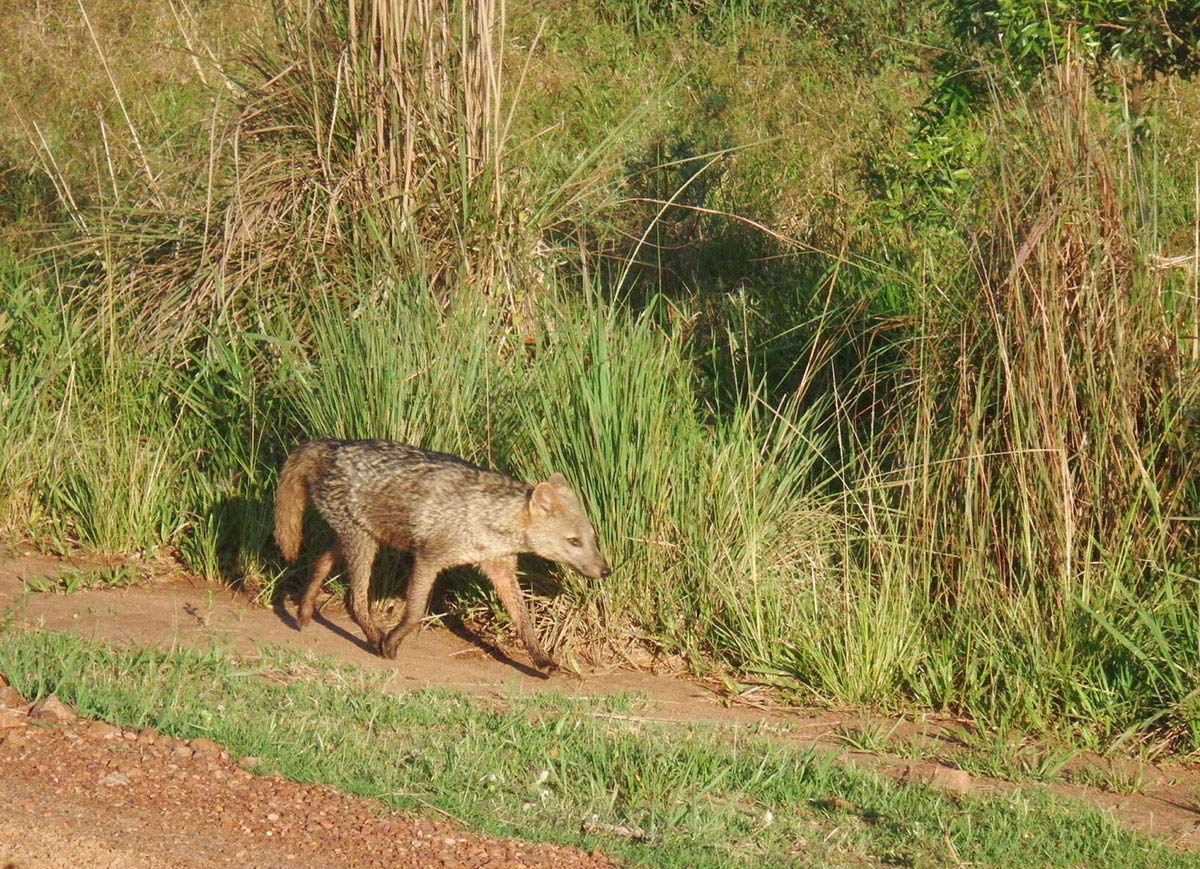
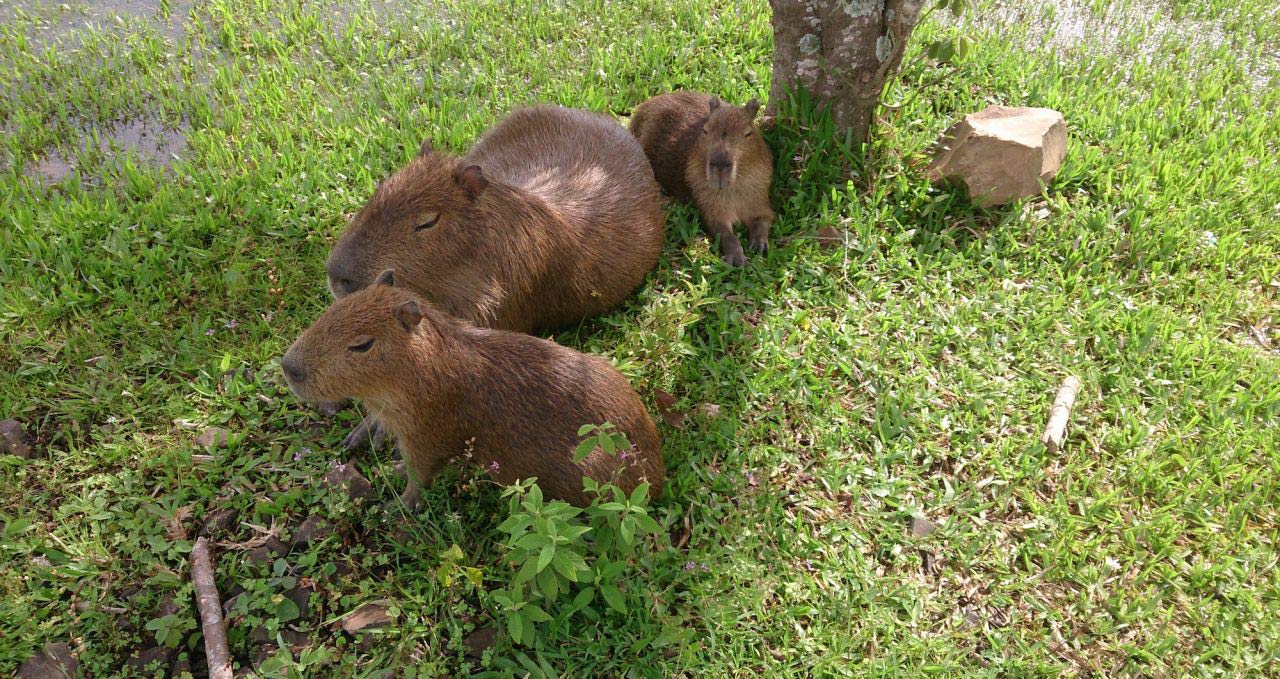
Cayman, capybaras, spoonbills and snakes are all very easy to spot on these deserted dirt roads. If it’s been raining, you may see even more wildlife, as animals such as foxes come to the road to dry off.
After an exciting drive in, we arrive at Irupe Lodge.
Relax into your new surroundings, listening to the noises of the insects, frogs and other animals that make Irupe their home. There are bats to see, and with luck, the resident – and enormous – toad will be on display at the entrance to the dining area.
Dinner and night Irupe Lodge.
Today we start to explore the lake and its surroundings.
We head over to the other side of the lake, connected by a road and bridge, to explore an area of forest that howler monkeys like to frequent.
First, it’s a visit to the park museum and introductory info DVD about the biodiversity of the wetlands.
Then, with our guide, we head to a monkey jungle and our hike (easy hike) along the pampas trail.
Keep your eyes and ears out for animals, from toucans to howlers and more. Your guide will point out some of the trees and their uses.
We return to the lodge for lunch and to relax, as the heat increases.
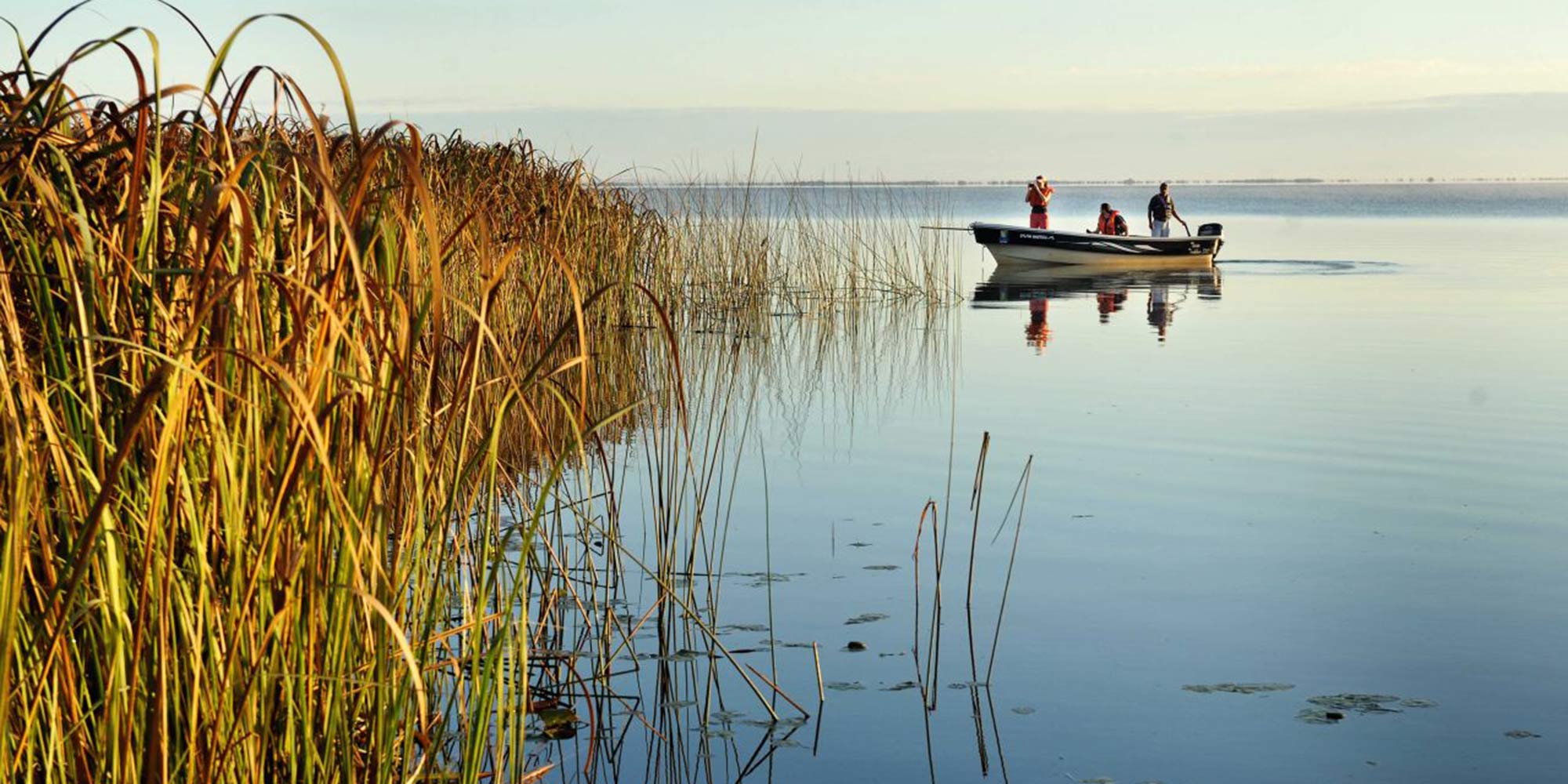
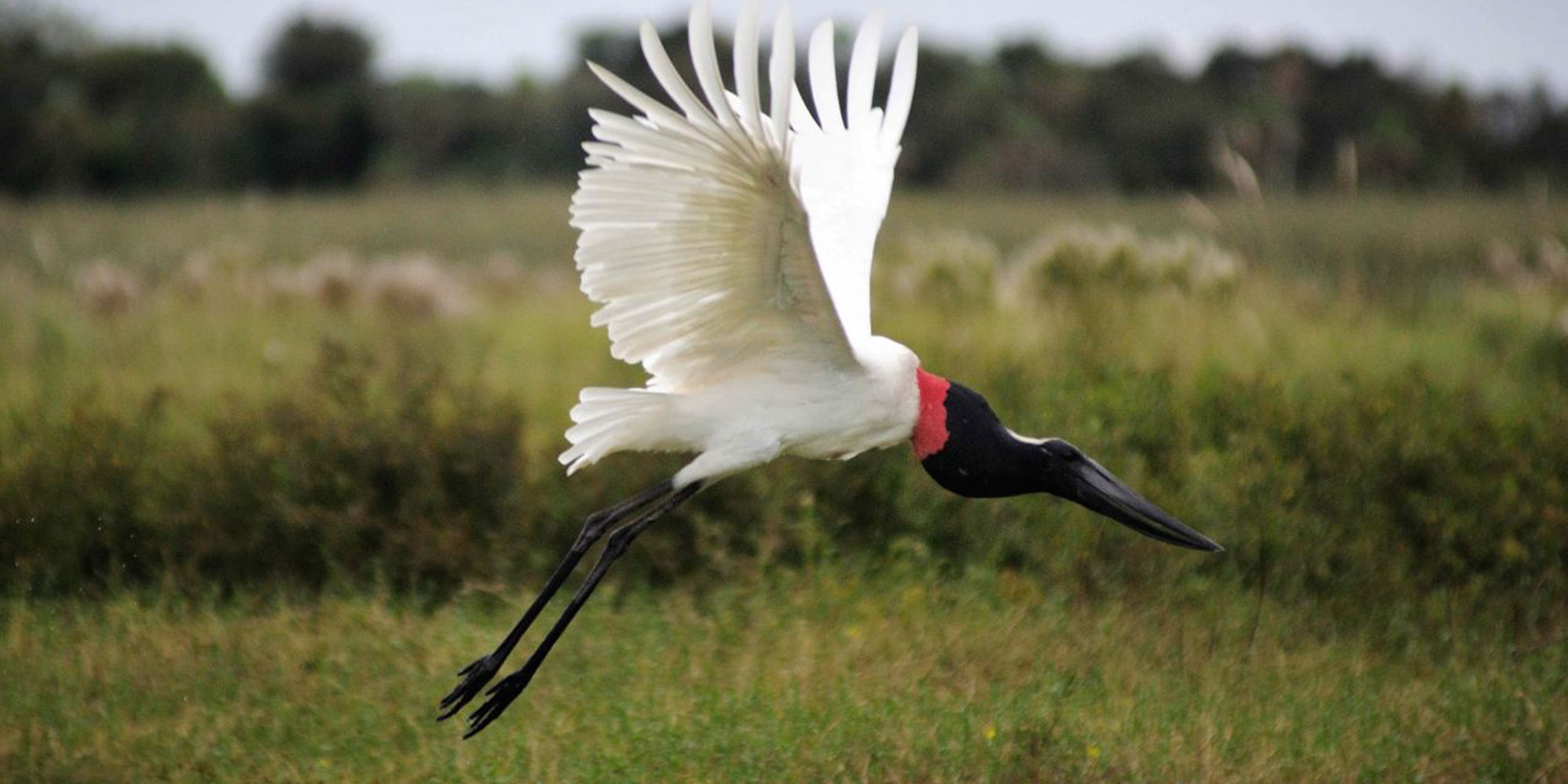
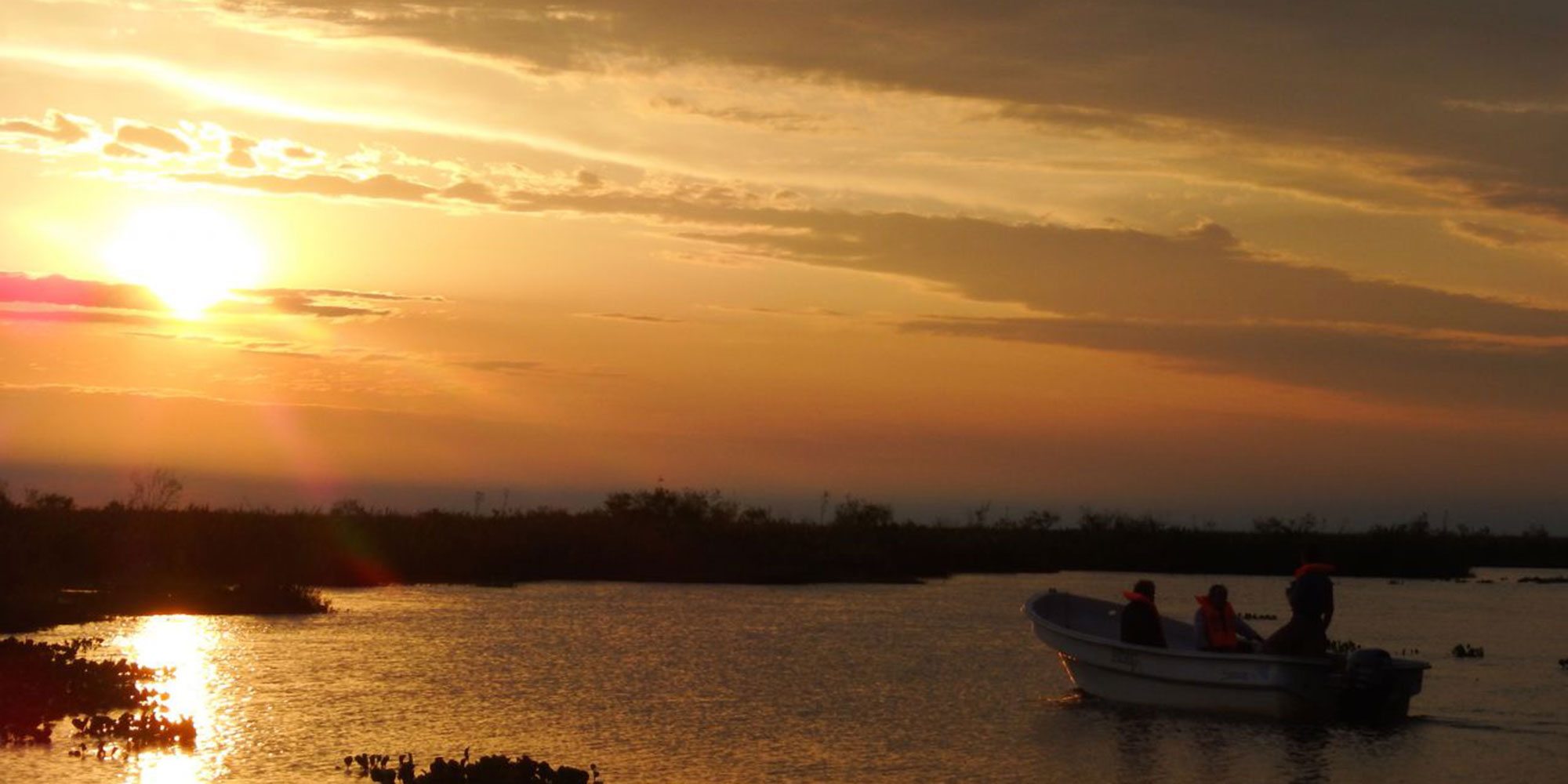
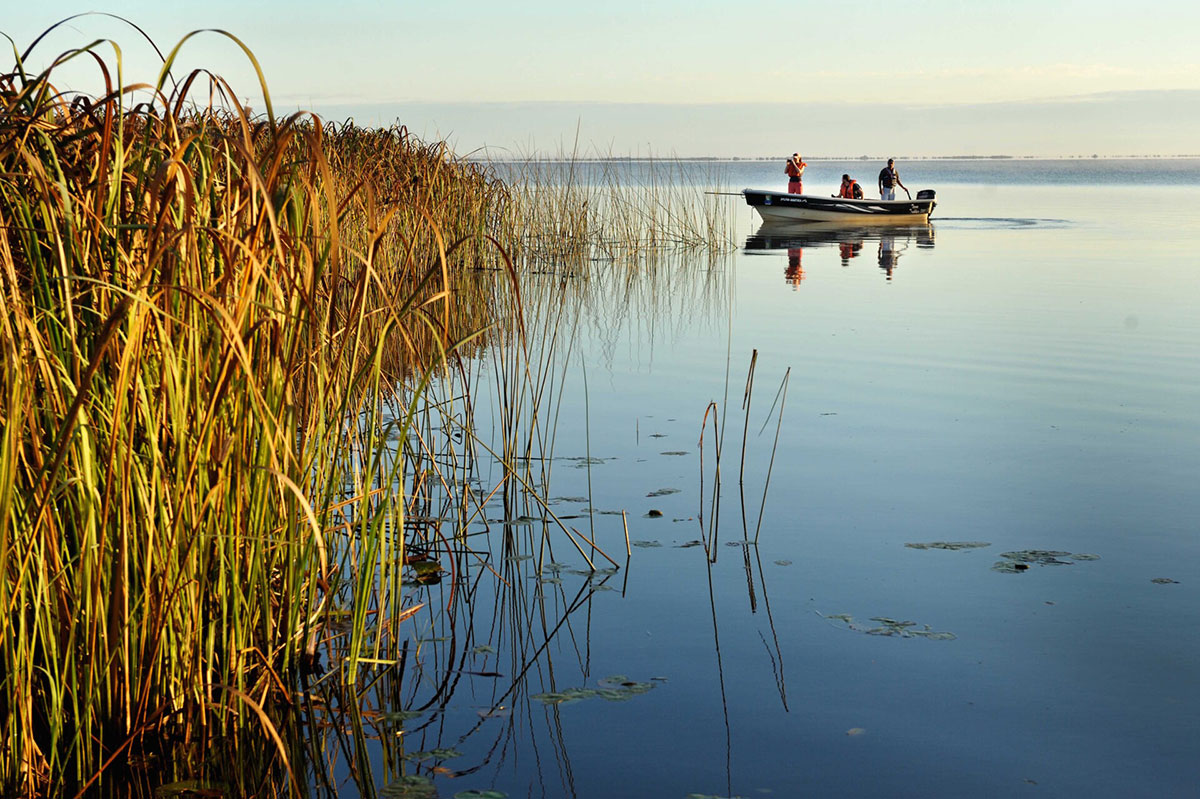
As the sun starts to lose its midday strength, we take our first boat safari into different wetland areas to observe wildlife and the Ibera’s birds face-to-face.
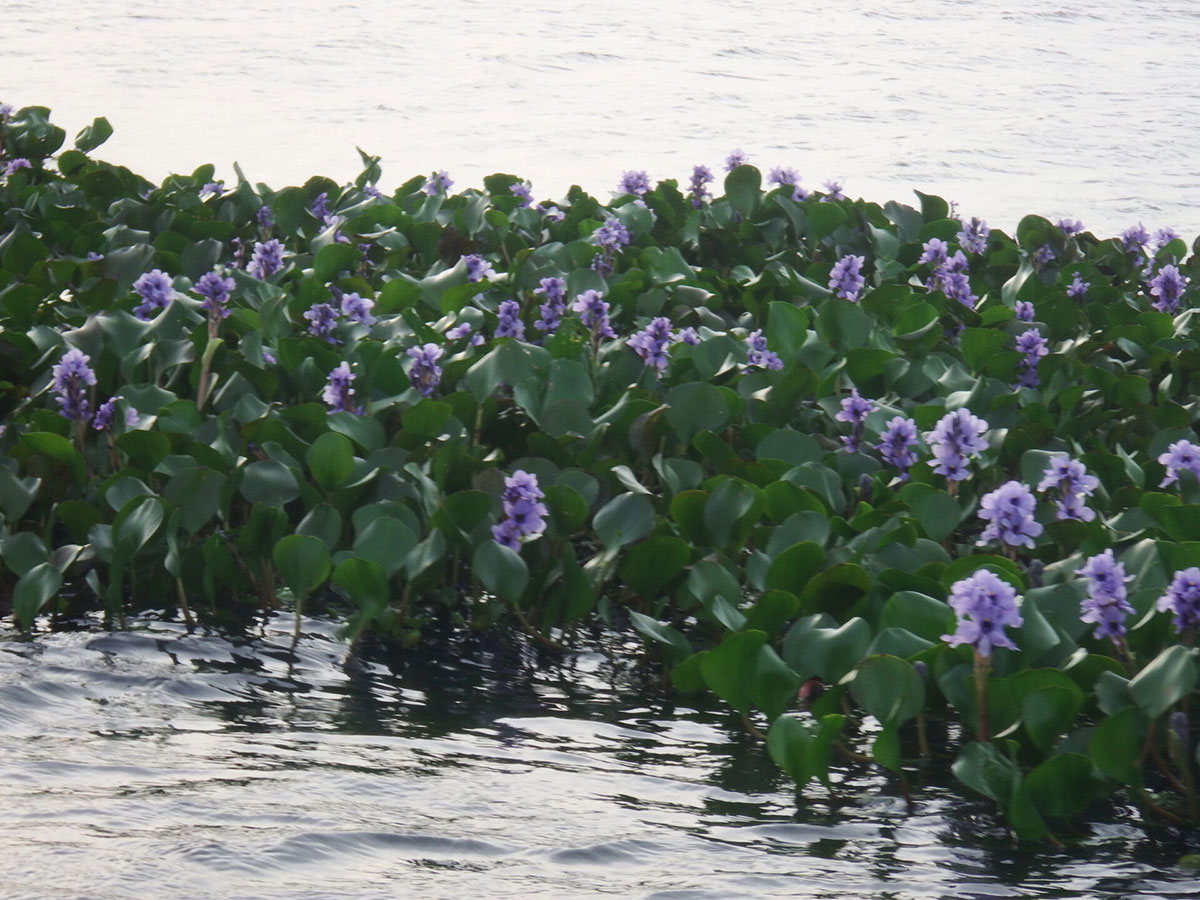
This is a special experience as we explore the ever-changing wetland landscape. The islands that dot the lake are always moving, always changing, always showing new faces to its visitors.
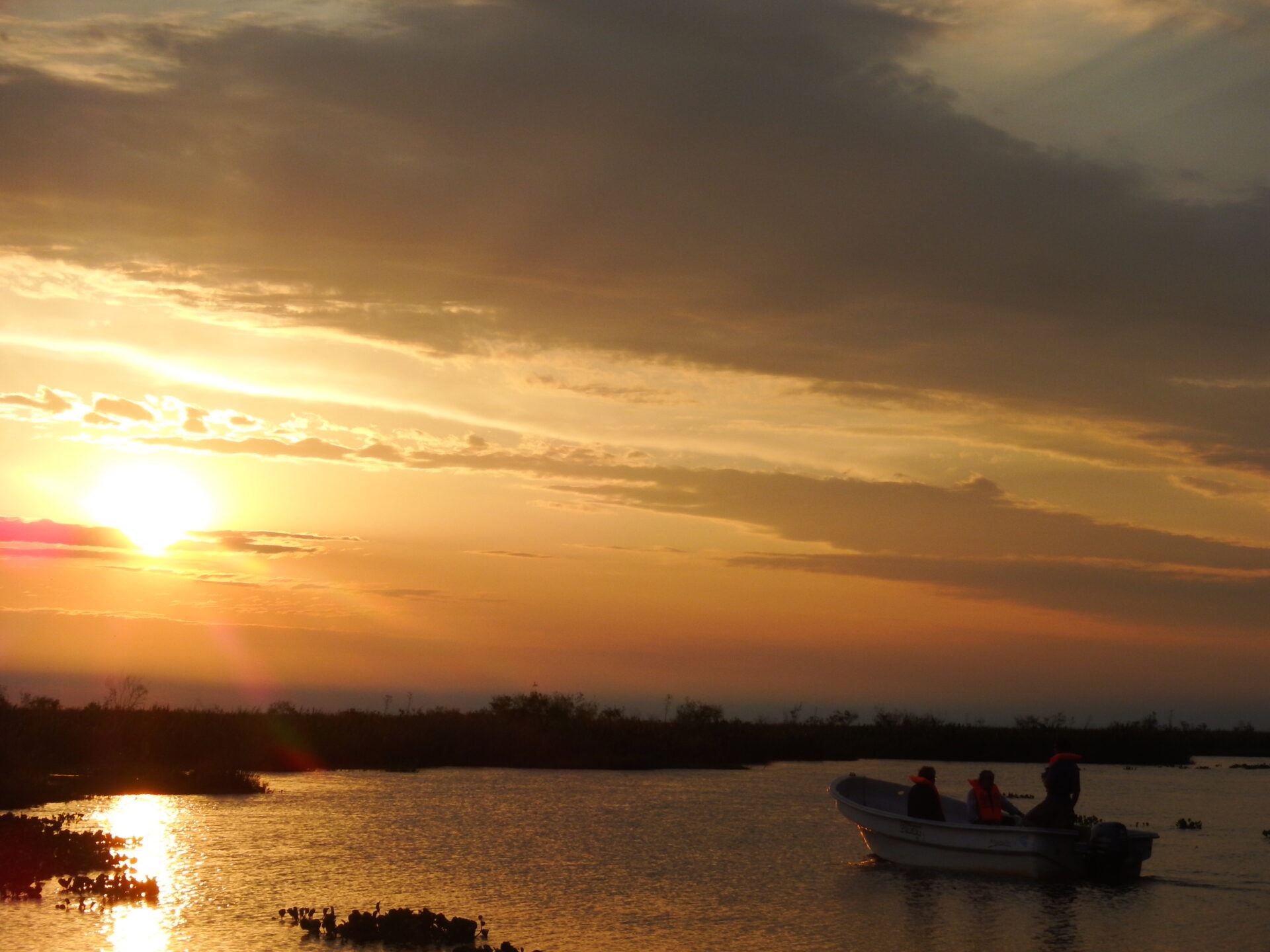
We’ll see capybara, caiman, deer and a green and verdant landscape in complete harmony with the water. The sky will seem an open heaven above you, and the colours will slowly burn to oranges and reds as we enjoy the sunset over Lake Iberá, with perhaps a flapping heron’s wings the only noises we hear.
Dinner and night Irupe Lodge.
Today we set off on another boat safari, this time investigating the channels south of the wetlands where the largest caimans breed
There are some very big animals in these waters, including anacondas and families of capybaras.
On the way back to the lodge, we’ll visit the heron colonies that are in the area then enjoy lunch at the lodge.
In the afternoon, there is time to relax, enjoy the pool, or if you’re feeling active, canoeing or hiking (canoeing and hike not included, payable at lodge directly)
Dinner and night Irupe Lodge.
Today we transfer by 4×4 to Posadas/Mercedes, keeping an eye out for animals en route.
You can extend your stay, head to Iguazu, Jesuit ruins – contact us for more options and pricing.
Note: Order of the activities and the excursions may change due to weather conditions/interests etc. On arrival, the exact itinerary will be set with the guests.
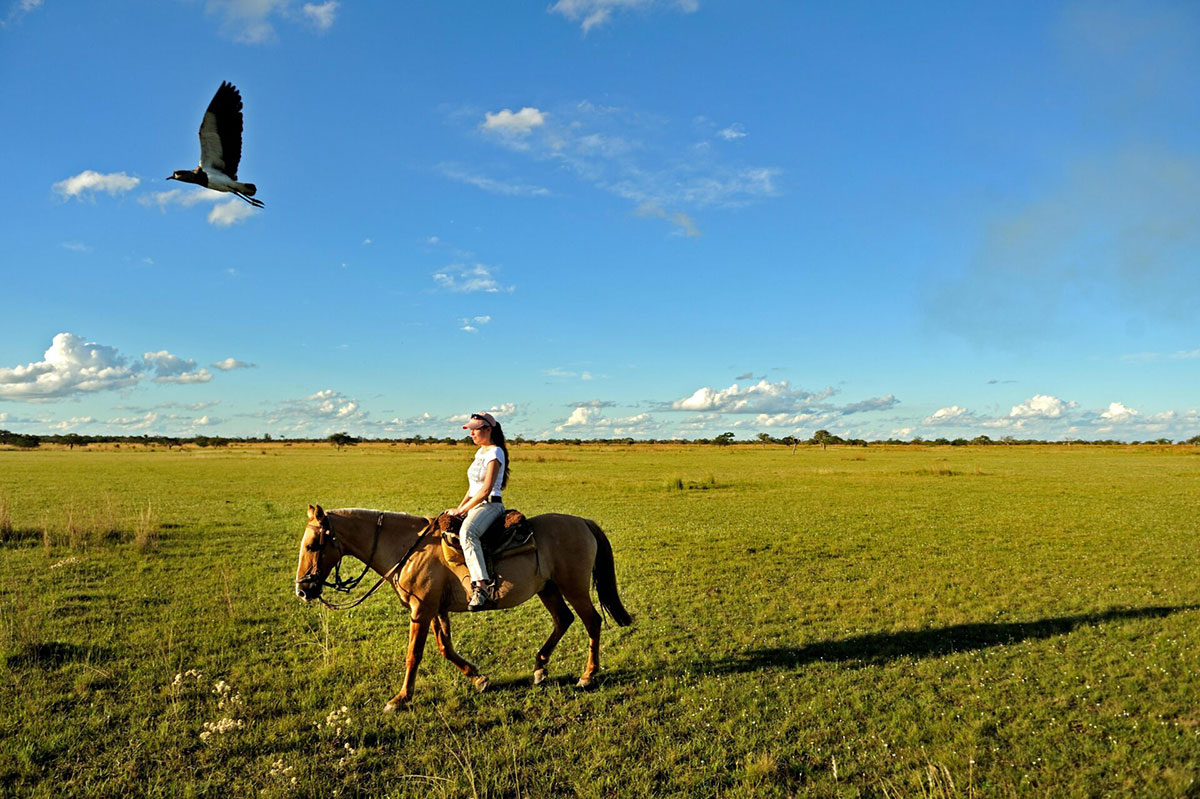
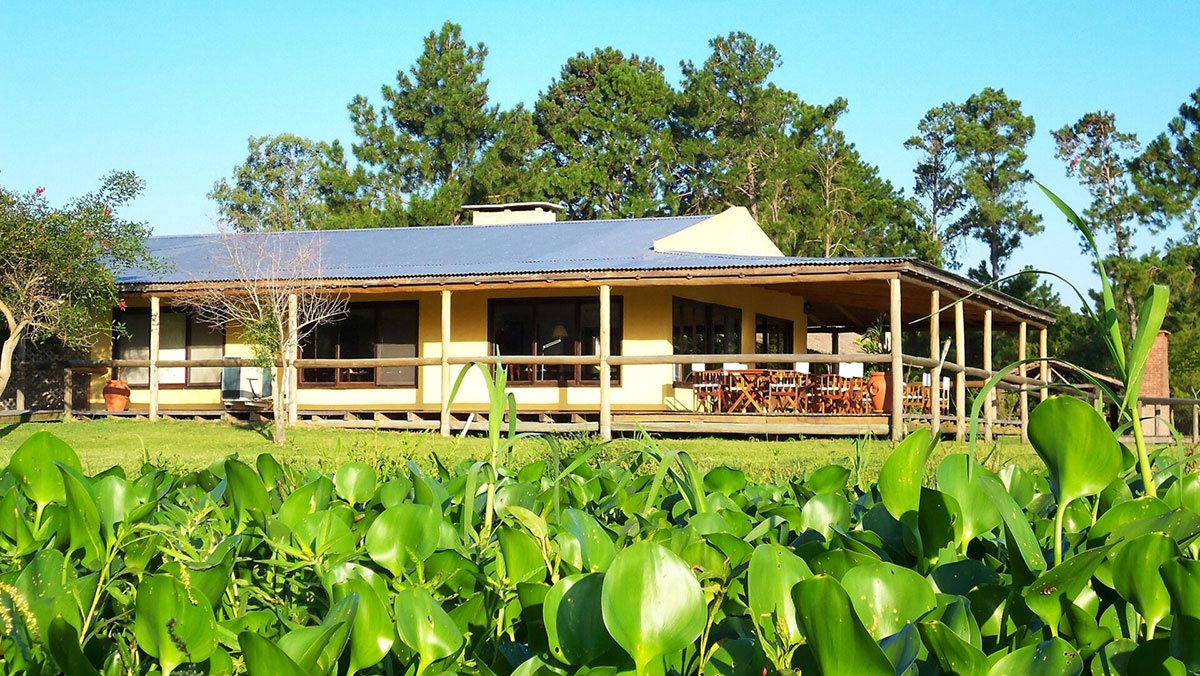
Irupé Lodge perfectly fits into the natural bank of Lake Iberá. As we drive in, we pass estancias and so see gauchos on horse back, a lifestyle a million miles from modern cities.
The rooms offer wide spaces, privacy and peace and lovely views out to the lake. Animals will literally be on your doorstep.
Irupe Lodge offers 8 rooms and a family suite. All the rooms provide a unique view to the Iberá Lake.
4 x Superior rooms: Panoramic windows, integrated living-room, private bathroom with bathtub, individual balcony with view to the Lake Ibera. The superior rooms are located in separate cabins and hidden in the natural dense vegetation of our park. Comfort and especially privacy are the basis to make guests feel like at home.
4 x Standard rooms: Panoramic windows facing towards Lake Ibera, with private bathroom. The standard rooms are located in the main building and have direct access to a large living area, library and open-air veranda – all of it with an impressive view to the lake.
The family suite in the main building is the perfect solution for families with up to three children. One bedroom with balcony and an enormous bedroom-living room combination, plus private bathroom. The ideal place to make you and your children feel at home.
The swimming pool is 15m from the lakeshore. You will be able to watch numerous birds also enjoying water, fruits and flowers from the pool.
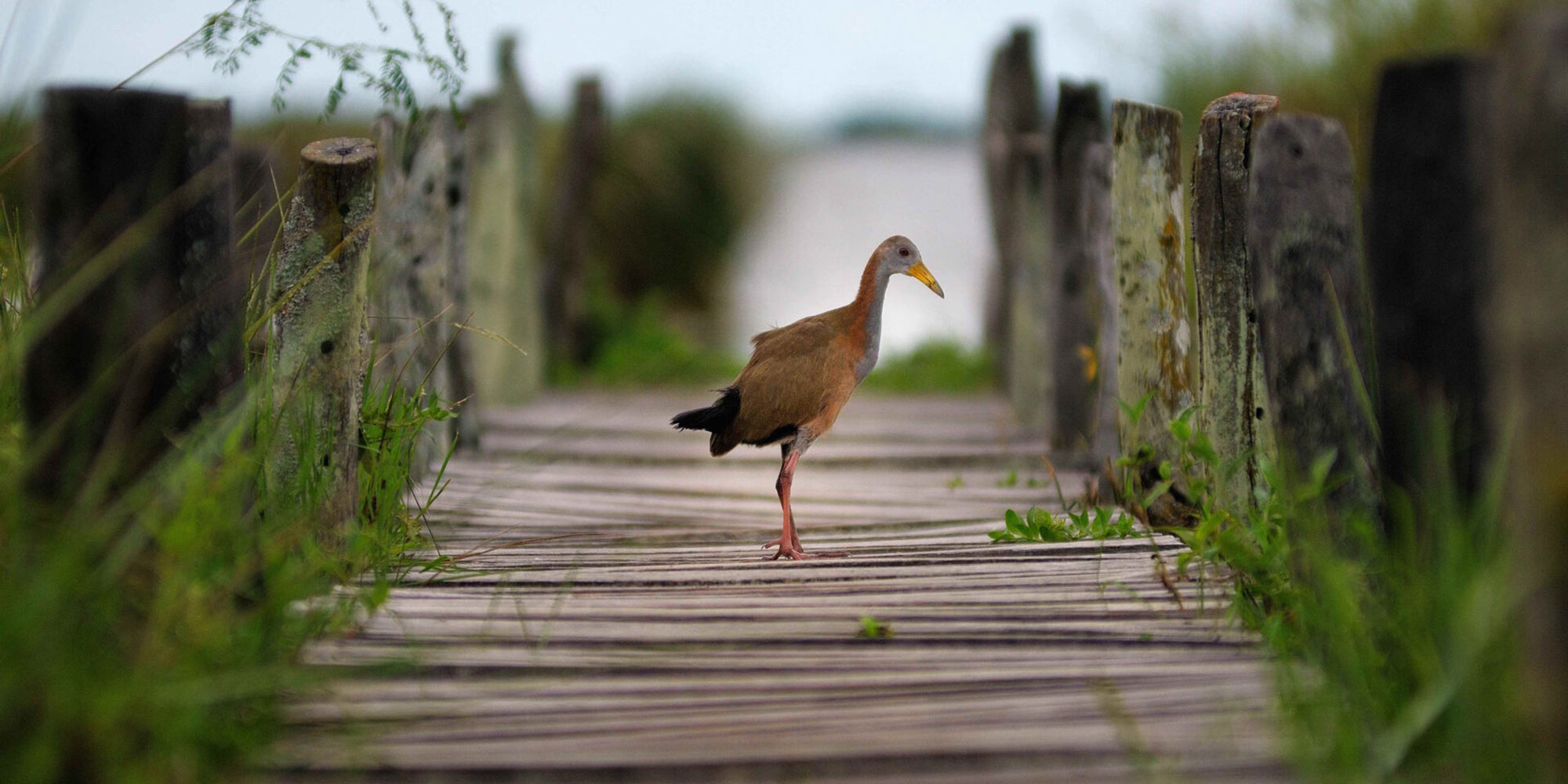
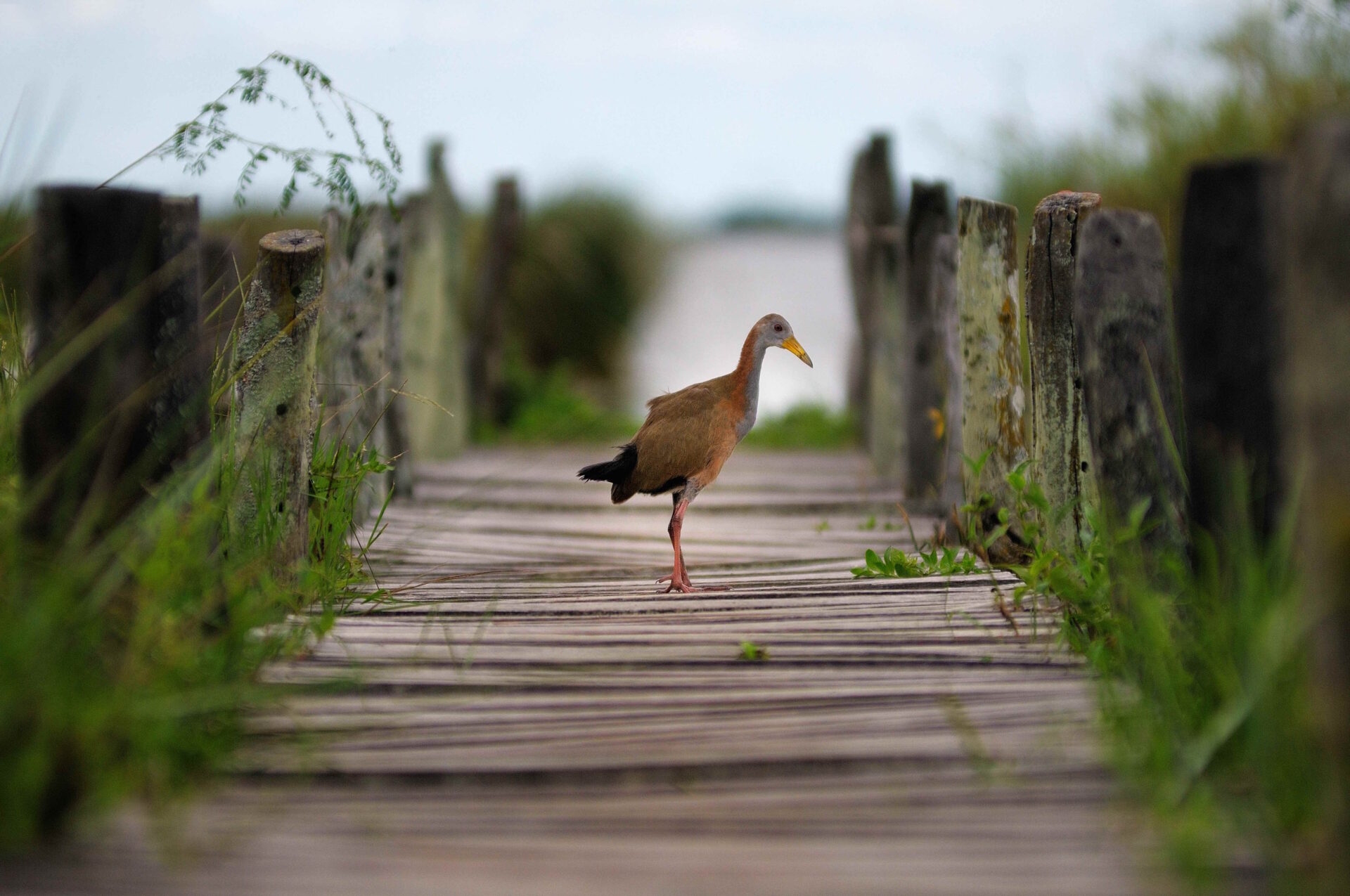
A 20m wooden bridge connects the main house with the lake, where the capybara families play around and the alligators sunbathe. This is the place where – by day or night – the boat safaris start.
The lodge offers free wifi (signal is very come-and-go, and depends on weather) and at extra cost, laundry and telephone.
There are no ATMs near the lodge at all, so clients must bring cash to pay for drinks/extra trips etc.
The trip is very gentle and open to all ages and fitnesses.
There are boat rides onto the lake that require minimal movement as we glide close to caiman and birds.
Short walks are also possible and the terrain is flat. It can get muddy after rains. Trails last 1-2 hours maximum with pauses to see wildlife.
Almost all dietary requirements can be catered for – please enquire for more.
Breakfast is usually a buffet style affair with eggs cooked to order, too – expect juices, cereals, fruits etc.
Lunch and dinner will be 2-3 course affairs, with the local chef using local ingredients to create excellent dishes.
Tour guides and drivers are locals from Argentina, who live and work in this fantastic country. The lodge tries to provide as much employment to local people as possible.
They help to show you the hidden corners and their favourite parts of the lake.
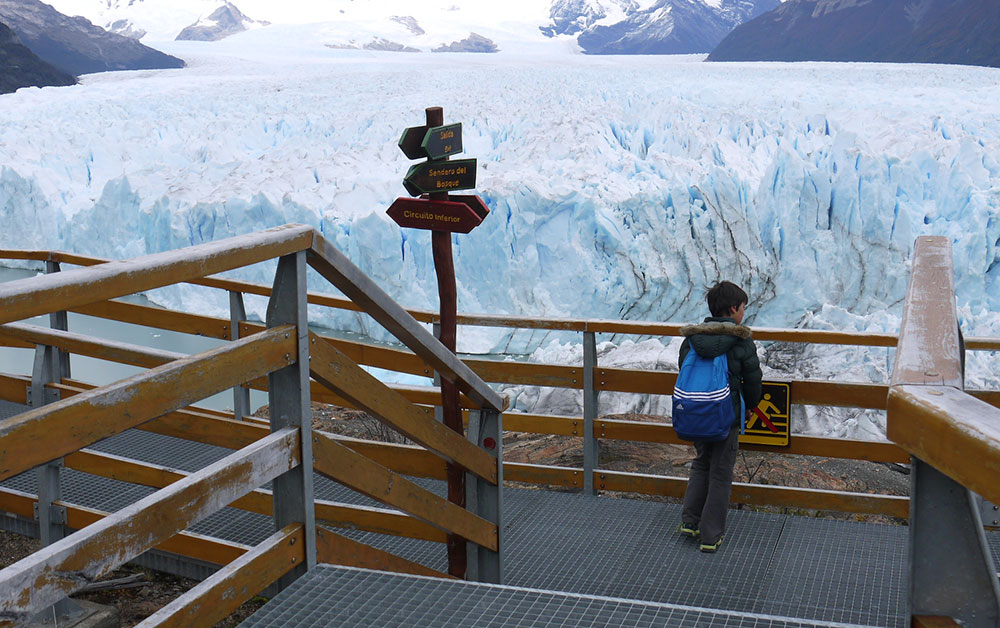
A flawlessly organised Patagonia adventure through Argentina and Chile, highlighted by stunning scenery, friendly guides, and the unforgettable sight of Perito Moreno Glacier calving into the lake.
An expertly organized Patagonia trekking experience with outstanding service and seamless travel from El Calafate to El Chaltén.
Holidays to this remote part of northeast Argentina feature abundant animals, plus 13,000 km² of marsh with over 60 lakes of incredible wetland to enjoy.
The Ibera Lake and wetlands are among the last natural paradises on earth.
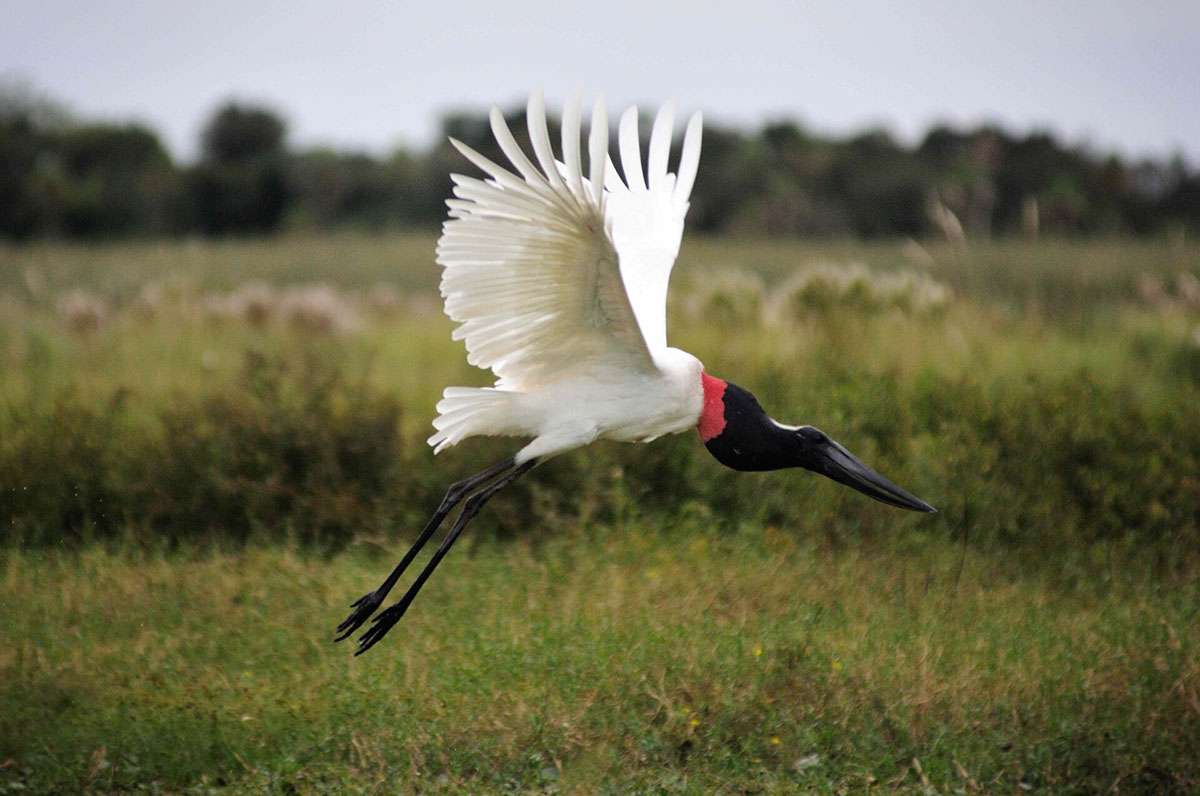
See giant otters, anacondas and hundreds of birds, including the strange-tailed tyrant, a draw for many birdwatchers.
Get face to face with caimans, capybaras and howler monkeys – read our blog about a trip here.
Irupé Lodge perfectly fits into the natural bank of Lake Iberá. As we drive in, we pass estancias and so see gauchos on horse back.
The rooms offer wide spaces, privacy and peace and lovely views out to the lake. Animals will literally be on your doorstep.
These vast expanses of waters feed the river Corrientes to the south, then the Parana, finally arriving at Buenos Aires.
We can add in tours to the nearby and mighty Iguazu Falls, visit nearby Jesuit ruins and horse riding, too.
From: $3300 per person
Duration
10 days

From: $4880 per person
Duration
16 days
Argentina’s neighbours are Bolivia, Brazil, and Paraguay to the north, Uruguay to the north east and Chile to the west. In the east Argentina has a long South Atlantic Ocean coastline.
The central region of Argentina is the rich plain known as La Pampa.
There is jungle in the extreme northeast while the southern half of Argentina is dominated by the flat to rolling plateau of Patagonia.
The western border with Chile is along the rugged Andes mountains, including Aconcagua, the highest mountain outside the Himalayas. Close to Aconcagua lies Mendoza, an area famed for its fine wine production.
The western Cuyo regions at the base of the Andes are mostly rocky desert.
Most Antarctic cruises embark and disembark in Ushuaia, at the tip of South America, allowing access to the South Pole, South Georgia and also the Falkland Islands.
Argentina is a land of contrast.
Nothing states this better than the fact it features the highest point in the South America, Aconcagua, and the lowest, Salinas Chicas, 40m below sea level.
Its vastness – it is the eighth largest country in the world – and diversity are just part of the appeal. A fantastic culture of fine wine and dining sits alongside its adventurous and beautiful landscapes.
The local’s cheery disposition and fantastic word plays add to the enjoyment of being in this fascinating country.
The name Argentina derives from argentinos, the Ancient Greek diminutive (tinos) form for silver (argentos), which is what early Spanish explorers sought when they first reached the region in the sixteenth century.
There are distinct regions of Argentina, from the Andean culture of the North West to the rancho lifestyle of the plains of Patagonia to the eternally seductive Buenos Aires.
Good kit is vital for every trip.
Book with Andean Trails and get 15% off Páramo’s fantastic ethical and high performance outdoor gear.
Argentina is the eighth largest country in the world, and has a myriad of climates from humid tropics to bracingly cold Patagonia.
When planning for these changeable climatic conditions you will encounter across Argentina, layering is the most practical and versatile clothing system.
The sun is very strong throughout the country, so good sun cream, a hat and sunglasses are vital. Summer in the north of the country means t-shirts and shorts.
It can also get very cold at night time especially in the mountains. Jumpers, fleeces and warms hats – which you can buy there – are also essential.
Give plenty of thought to kit selection, and try to keep weight down.
Below is a more detailed guide.
Argentina’s seasons are the reverse to the northern hemisphere, with summer running from October to March, and winter from May to September.
Buenos Aires and the Pampas in the north are temperate; cold in the winter, 5-15°C, and hot and humid in the summer, 17-27°C, the warmest and most humid being December to February. Spring and Autumn are lovely times to visit Buenos Aires.
The best time to visit Iguazu Falls is from January to March – the rainy season, this is when water flow of the waterfall is greatest, but the waterfall is amazing at any time of year. The hottest months in Iguazu Falls are October through April with lows of 20°C and highs of 32°C. Winter sees this fall to highs of 22°C and occasional lows of 12°C, with cooler nights. Being tropical and humid, there is always the chance of rain in Iguazu.
Bariloche is nestled in Argentina’s Lake District and is built next to the cold water Lake Nahuel Huapi. During the summer, daylight extends from 6am to 10pm and temperatures fluctuate from 5-20°C, the warm days making for ideal conditions for exploration. In the winter, snow abounds for skiers and daylight is from 9am to 7pm, city temps varying from just above to just below freezing, with much cooler temperatures in the mountains.
The rain-shadow effect in Bariloche means weather conditions are relatively dry and stable. Summer rainfall in the town of Bariloche is low (average 5 days precipitation a month).
A flawlessly organised Patagonia adventure through Argentina and Chile, highlighted by stunning scenery, friendly guides, and the unforgettable sight of Perito Moreno Glacier calving into the lake.
An expertly organized Patagonia trekking experience with outstanding service and seamless travel from El Calafate to El Chaltén.