From: £2,479
From: $3,300
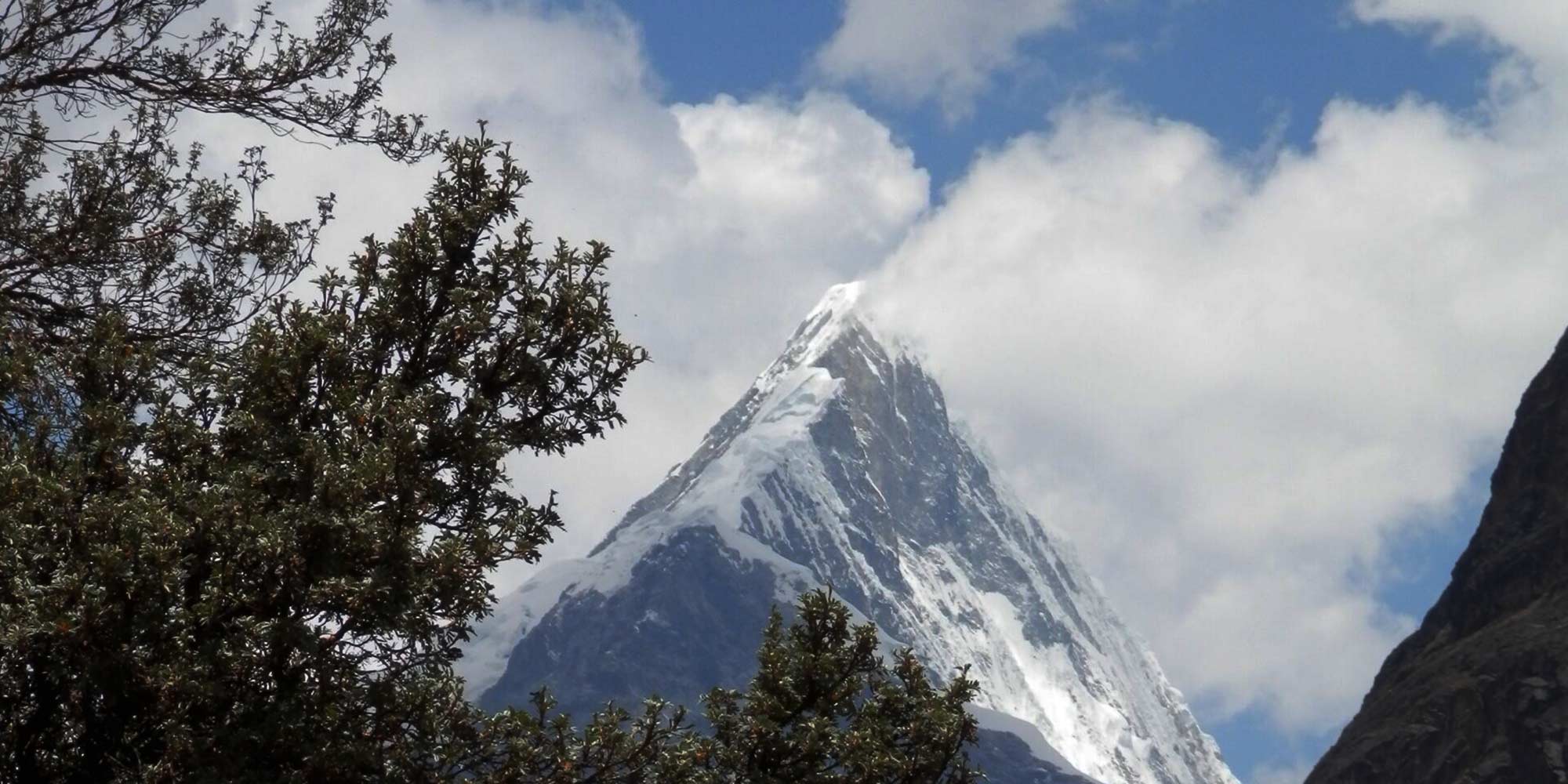
We take a short flight from Lima to Chiclayo airport and then travel for 9 to 10 hours through some of Peru’s most varied and scenic landscapes.
There is plenty of opportunity to photograph the desert, mountains and rivers we pass.
Chachapoyas hotel.
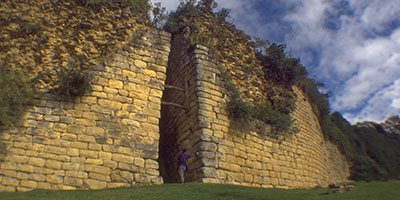
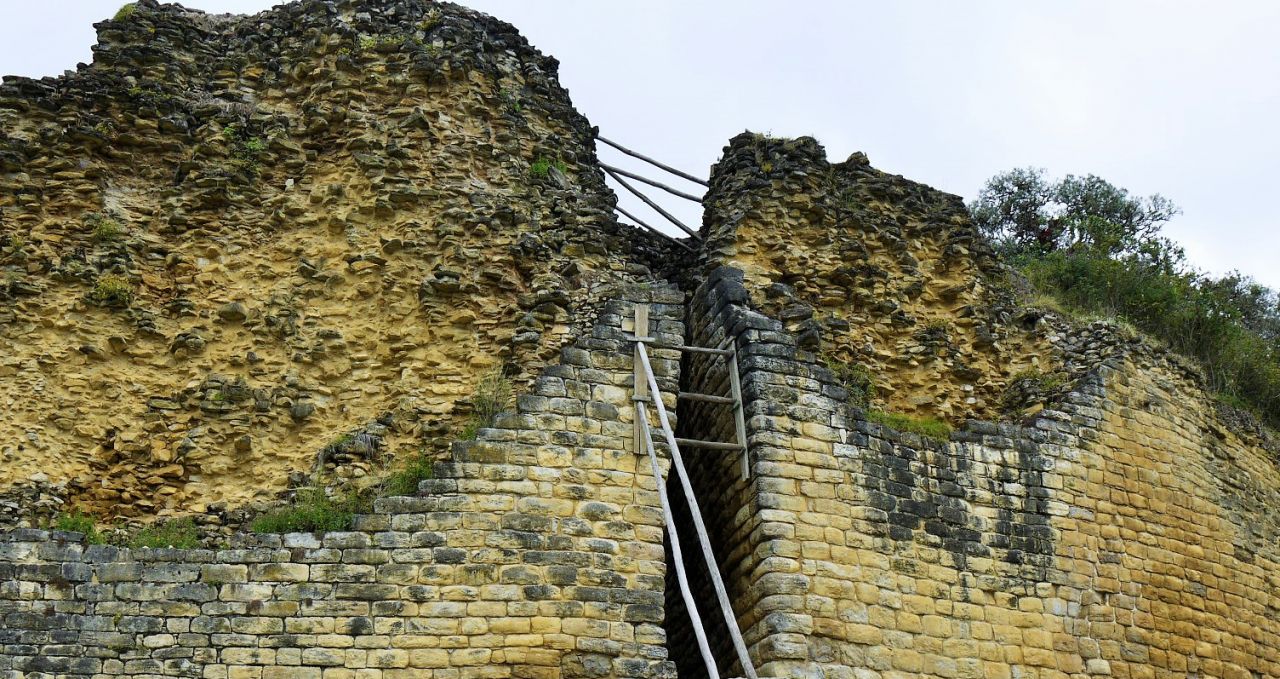
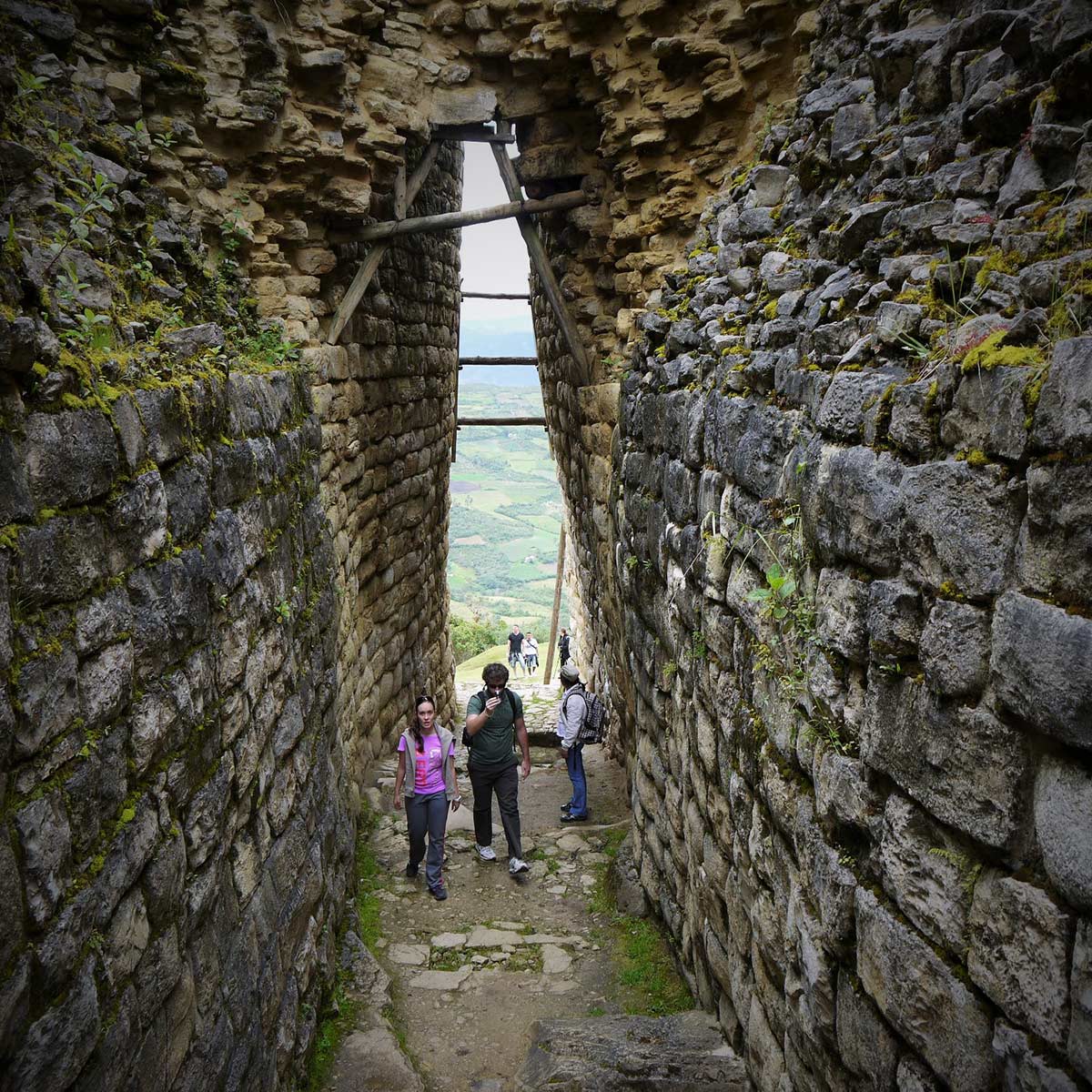
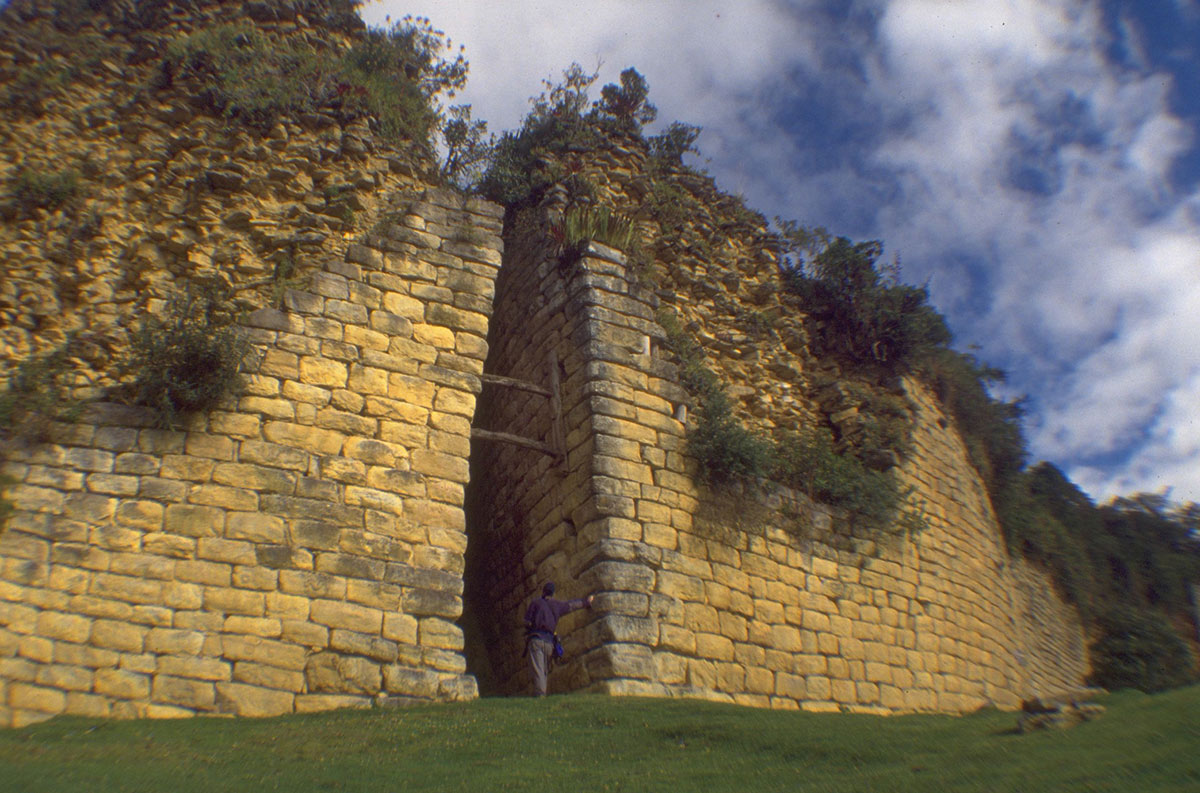
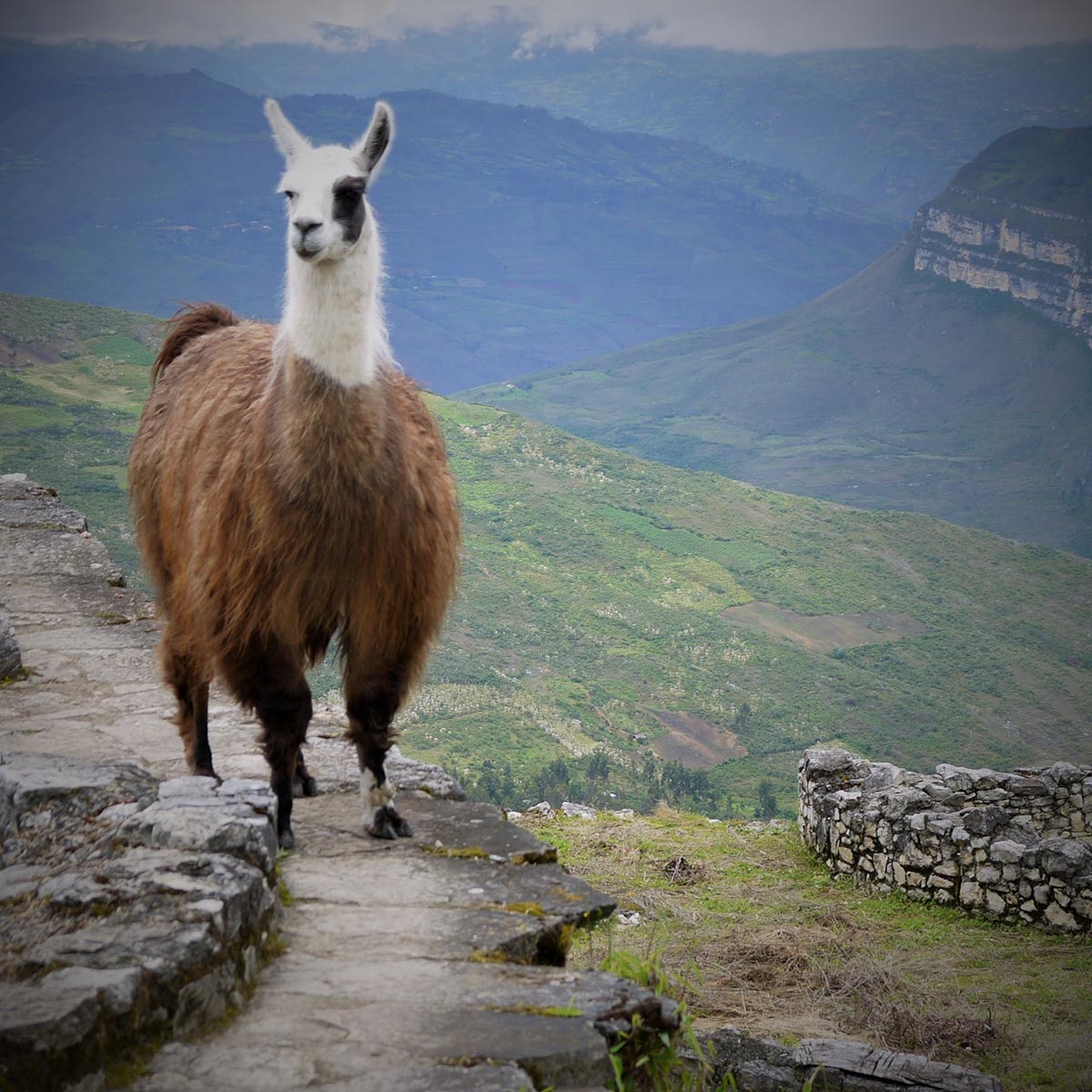
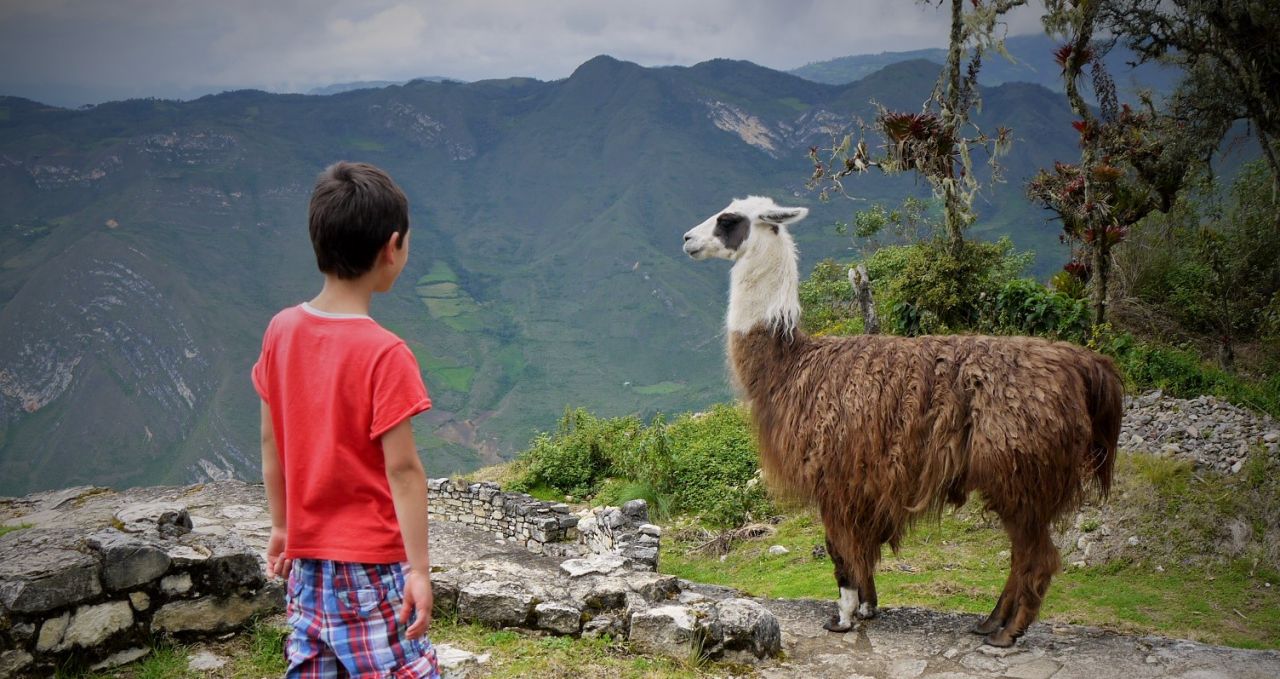
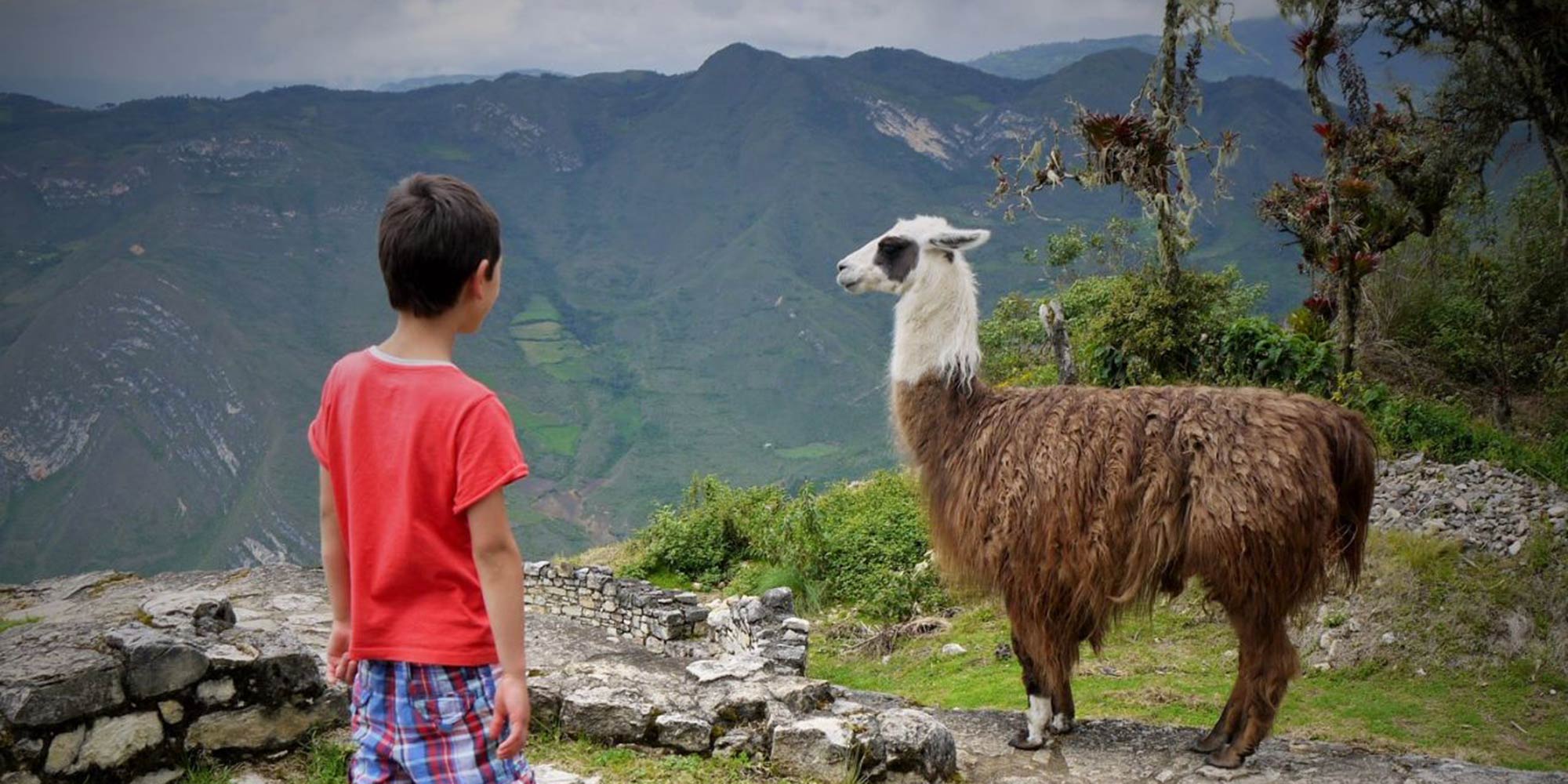
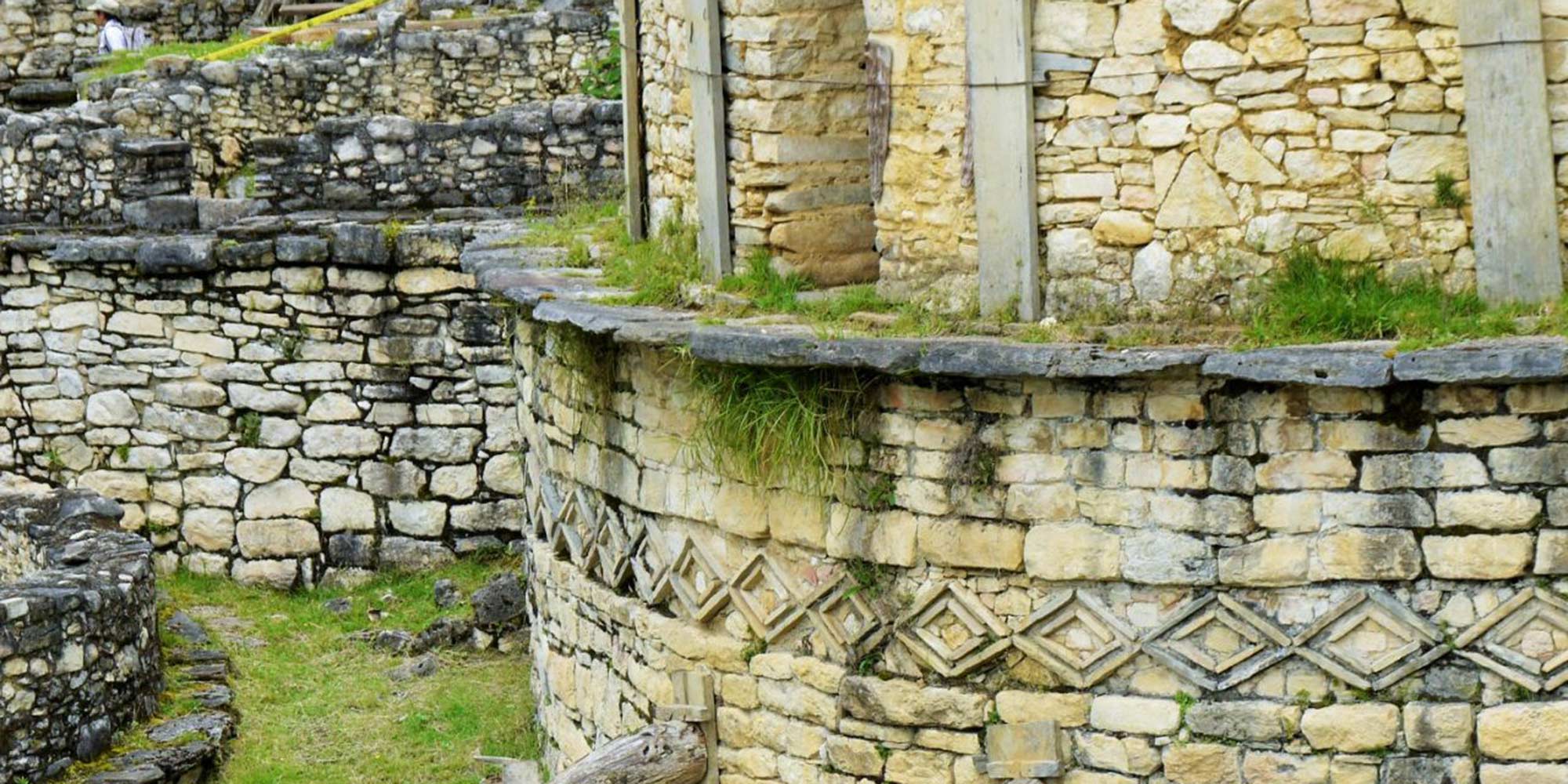
We leave Chachapoyas early and drive for three hours to the magnificent fortress of Kuelap – South America’s largest ancient stone construction.
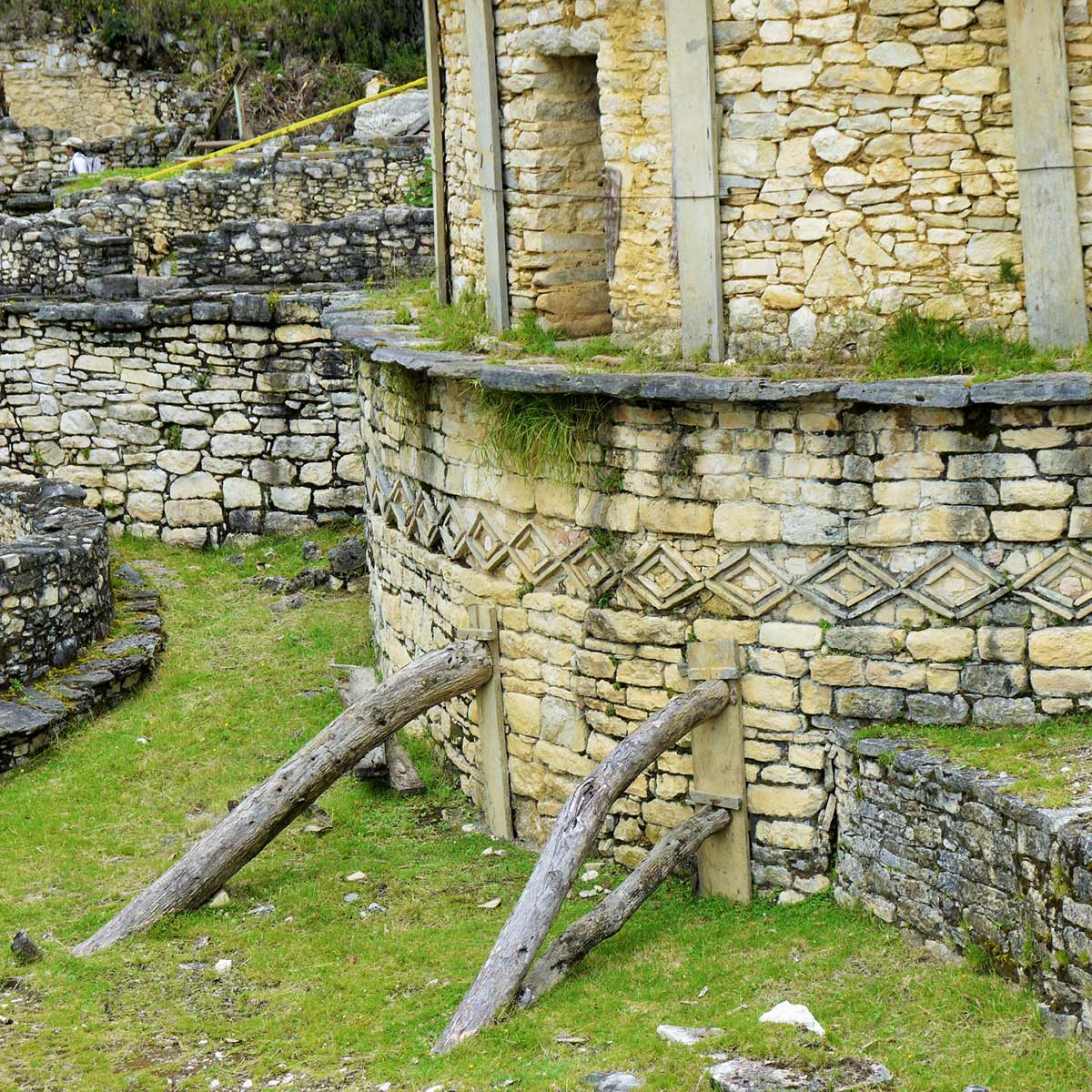
We explore the many ceremonial constructions, aqueducts and brilliant layout as a group and on your own.
We then continue our journey to Leymebamba (four hours). Hotel.
After breakfast we visit Peru’s brand new Centro Mallqui Museum. The Austrians donated the museum to house the mummies found in a unique discovery in 1997, in the nearby Laguna de los Cóndores.
We trek to Tajopampa, up a beautiful forested gorge carved out by the Atuen River, a secret of the area.
There is a cluster of ruins within 3 km, which we will visit today and tomorrow.
Close to Tajopampa are the mind-boggling cliff tombs of La Petaca and Diablo Huasi.
The myriad constructions are situated high up on inaccessible cliffs. Sit and marvel at this tapestry of buildings and pictographs – it’s not unusual to identify a new construction every trip.
We can only speculate how the ancient people placed their dead in such a place.
Return to Tajopampa for the night.
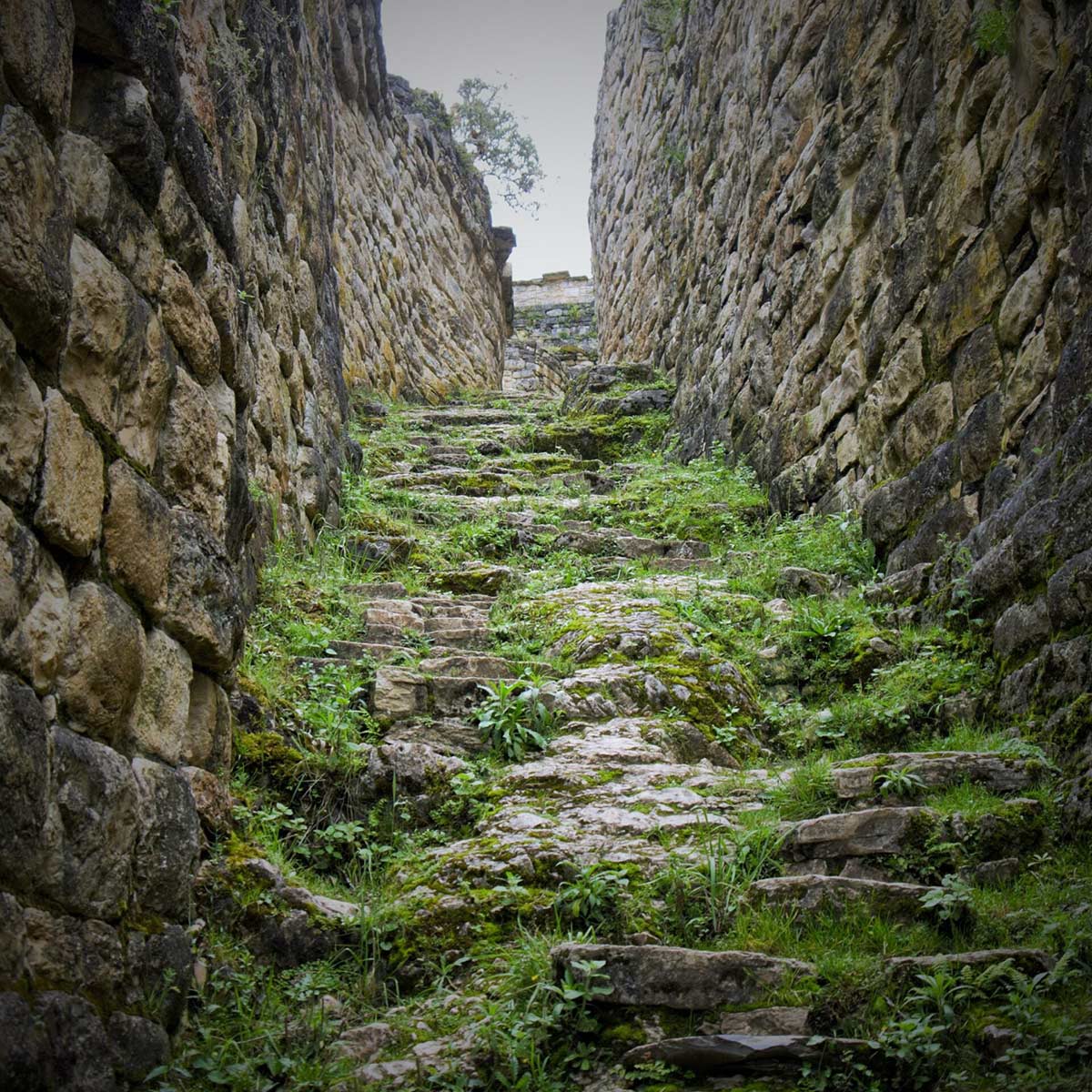
We leave Tajopampa in the morning, rejoin the Inca road and trek towards the village of Atuen.
Atuen lies at the source of a river, rendering it instantly sacred by the Chachapoyas and Inca who resided here.
The ancients even created a snake-shaped lake here by paving the bottom with rocks in the desired formation.
At 3,550m/11,600ft this is another cold night and those brave enough can wash in the two Inca baths close by. Camp.
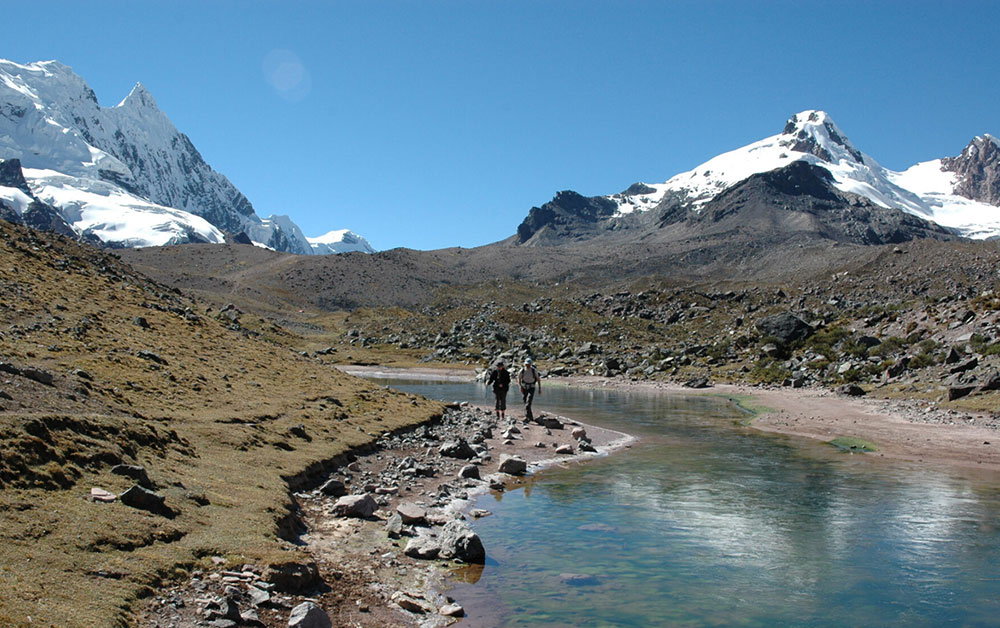
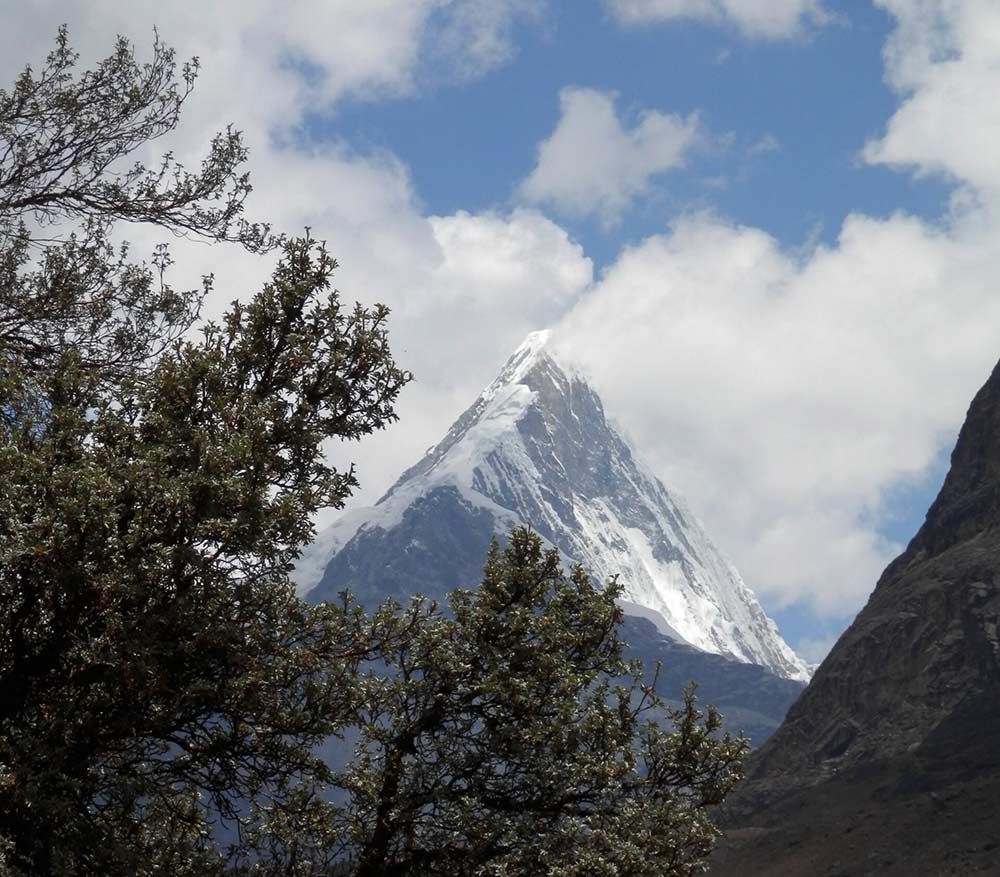
After an early breakfast we leave Atuen and follow Qapaq Ñan. We go up and over a high 4,000m/13,300ft pass before dropping into a broad flat valley, ringed by jagged peaks.
Leaving the flat valley we climb up to another pass before dropping down to the Laguna Huayabamba.
This is a round-as-an-orange lake watched over by the ruined peak city of Vira Vira. Camp.
Today we will explore the ruins of Vira Vira and with luck may spot Andean condors in the magic of this forgotten settlement.
The area was lifted from obscurity and introduced to explorers by Keith Muscutt, author of Chachapoyas: Warriors of the Clouds.
We spend a second night overlooking Laguna Huayabamba. Camp.
We climb over the pass by which we arrived and descend into the broad flat valley of Las Quinuas to rejoin the Inca road.
We take a diversion from the road and traverse around a hillside and onto the village of Uchucmarca (6 hours).
Here our private transport will meet us to take us to Bolivar (1.5 hours). Hotel
Today is a rest day with a short walk to the ruins above the village of Bolivar.
This spectacular archaeological site is situated on a narrow ridge between to hollows that would once have been lakes.
Return to the hotel in Bolivar.
We will make a two-day journey into the mountains surrounding Bolivar. Few outsiders have explored these parts, yet many sites exist, forgotten among the majestic mountains.
First day we visit the tombs of Shomenat and then carry on to Laguna Shopol for a night in tents.
The next day we head on to Pakarischa a huge tower overlooking the flat high valet below.
Night 10, camp. Return to Bolivar for our last night.
Today we travel by private transport to Cajamarca (10-12 hours). This beautiful colonial city witnessed a major turning point in world history when the Spanish captured the Inca Atahualpa and held him to ransom.
Dip in the natural Inca thermal baths and immerse yourself in some of the finest colonial architecture on the continent.
We spend the night at a beautiful colonial hotel.
Transfer out, end of tour.
Hotels, based on 2-3* clean, central and with private bathroom, upgrades possible at extra cost (where available).
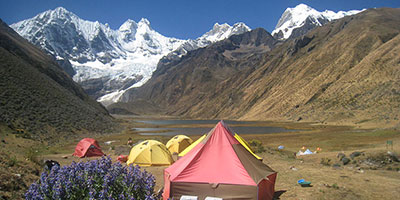
While camping we use two man mountain tents and dining tent. Ablutions in either either a toilet tent or pit latrine.
Sometimes we use basic lodges with shared rooms with basic bunks and shared bathrooms with no electricity. Toilets will be basic.
We have classified this as a moderate trek, and you need to be in good physical shape for it.
You hike 4-6 hours a day on consecutive days, over rugged and isolated mountain trails at elevation.
There is a high altitude pass to cross at 4,100m/13,451ft before dropping into lower elevations.
Pre-trip preparation should include challenging cardiovascular exercise (including regular hikes on varied terrain) and a healthy, balanced diet.
Well-worn hiking boots are essential.
All guests are encouraged to hike at their own pace, taking breaks whenever needed, to ensure a successful and enjoyable trek.
We can cater for almost all dietary requirements – please ask for more information.
While trekking, you usually wake early, around 07.00. Your meals are prepared and served to you and will be a mix of hot drinks, cereals, fruits and toast with jams.
Lunch, while out walking, will be either sandwiches or meat and cheese, with snacks etc.
After an hour or so for lunch – depending on weather conditions – you will continue your walk, usually 3-4 hours more, although some days are shorter or longer than others, and then relax before dinner at camp. You may be asked to help out with the construction of tents, depending on group size.
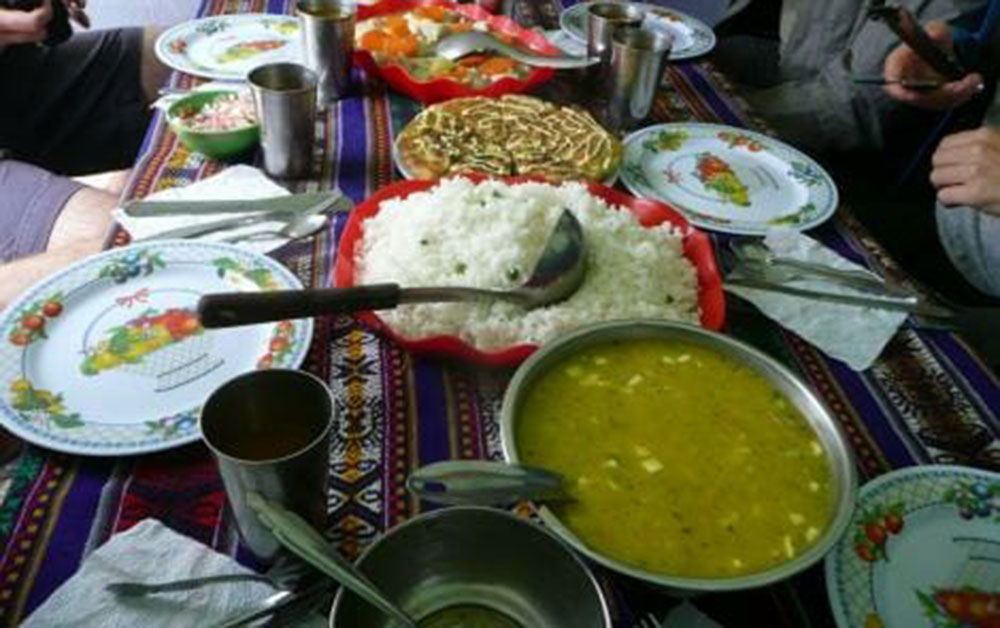
Evening meals are usually pasta or rice dishes served in the dining tent or basic lodge.
In towns when you have free time, there will be local restaurants to choose from.
All our guides are qualified, local and English-speaking and will help you get the most out of your trip.
You meet different guides for different tours, each with specialist knowledge of the areas you are visiting.
Transfer staff, mule drivers, porters etc. are all from the local communities.
A challenging yet unforgettable Inca Trail trek with breathtaking scenery, fantastic guides and porters. Truly a once-in-a-lifetime experience.
A memorable Peruvian journey blending iconic trekking views with heartfelt cultural experiences on Amantani Island.
The Qapaq Ñan (Inca Trail) connected Quito in Ecuador to Cuzco in southern Peru.
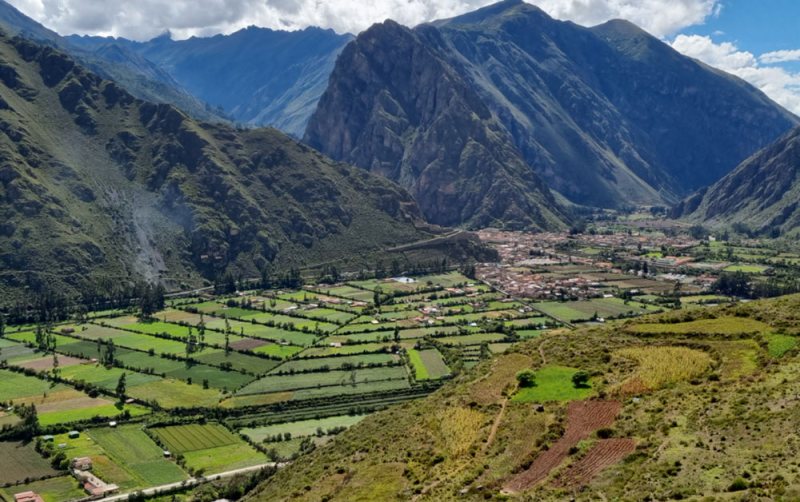
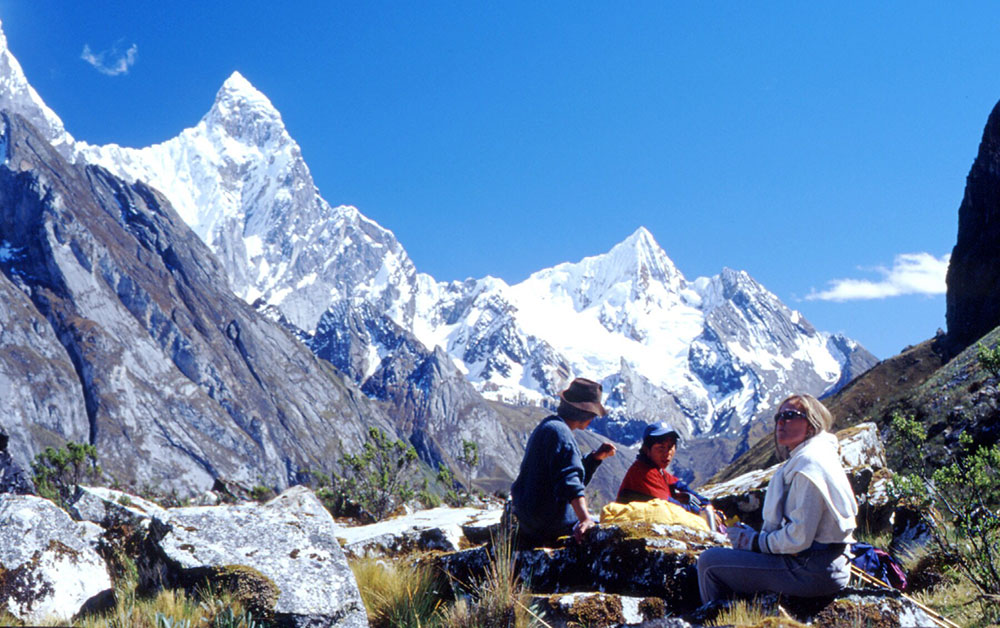
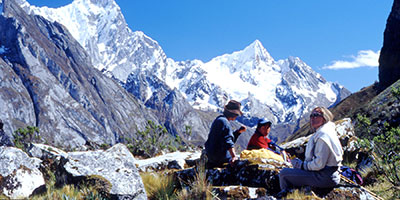
We trek through the heart of the Chachapoyas realm, exploring untouched mountain fortresses set amid superb Andean scenery. These are sites rarely visited by the area’s locals, never mind foreign tourists.
There are cliff top tombs, mountain top citadels, many ruins overgrown by thickets that you may need a machete to uncover for yourselves, and ancient agricultural terraces.
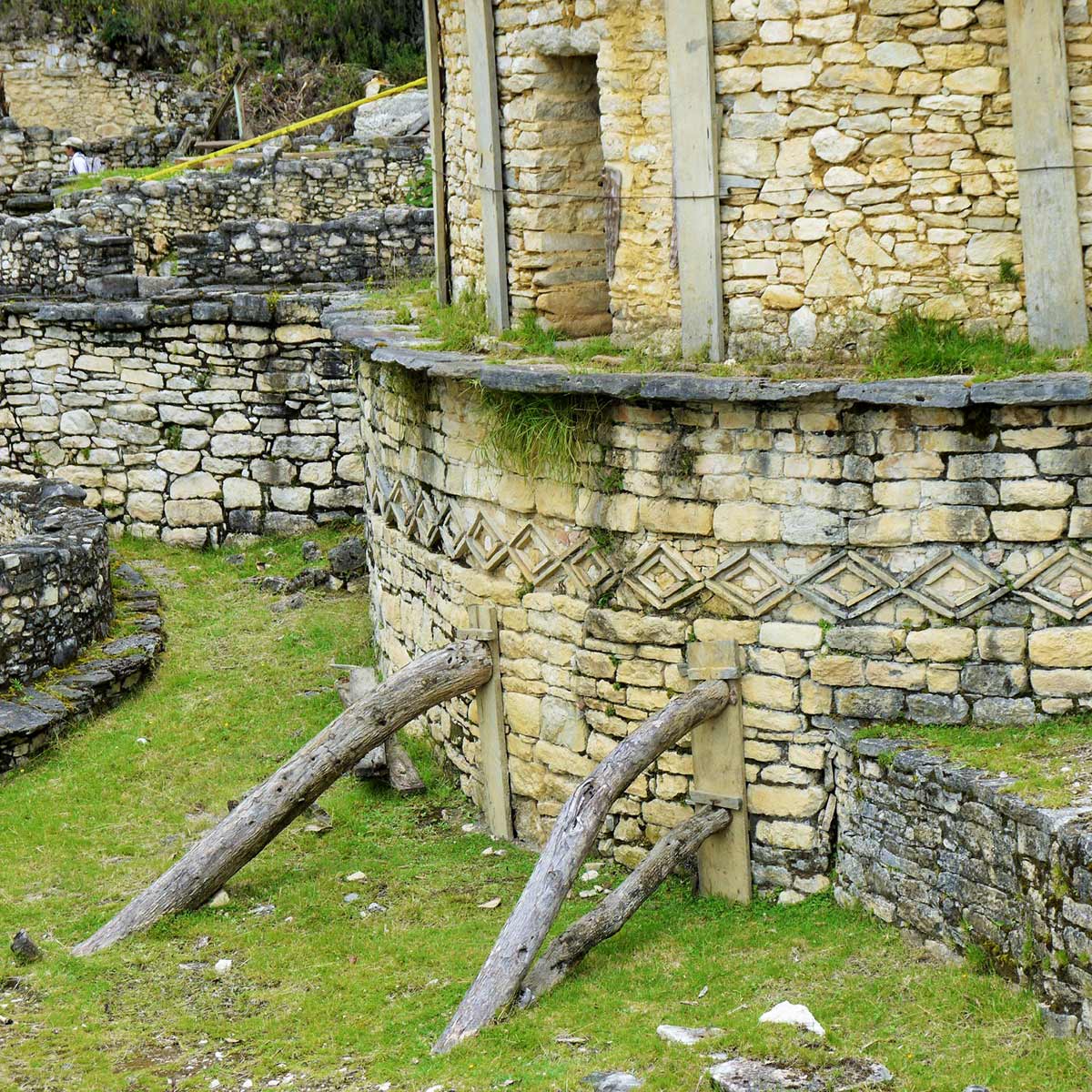
The exciting, varied archaeology of the Chachapoya people and breathtaking verdant Andean countryside await those prepared for long journeys and basic conditions.
Chachapoyas is a remote area of sub-tropical valleys, half way down the eastern slopes of the Andes with vegetation typical of ceja de selva (eyebrow of the jungle).
Archaeologists have found tombs on inaccessible cliff tops, and ancient agricultural terraces.
They built their cities on ridge tops in the cloud forest, and put their dead in cliff face mausoleums together with ceramics, textiles and other objects from their culture. Read more about Chachapoya culture in our blog.
From: $3292 per person
Duration
17 days
Peru is the perfect holiday destination for adventure travellers that want an amazing variety of activity, geography and cultural travel experiences.
The breadth of travel experiences in Peru is breathtaking – from trekking in the Andes to Machu Picchu to the tropical jungle of the Amazon, and plenty in between.
The people of Peru make it a special destination too, with its colourful and traditional street life and friendly locals.
Good kit is vital for every trip.
Book with Andean Trails and get 15% off Páramo’s fantastic ethical and high performance outdoor gear.
Good kit is vital for every trip.
Book with Andean Trails and get 15% off Páramo’s fantastic ethical and high performance outdoor gear.
When planning for the varied climatic conditions encountered, layering is the most practical and versatile clothing system. It’s worth remembering that our clothing keeps us warm by retaining and isolating the heat we ourselves create.
To best maintain body heat, several layers of lightweight, warm and quick-drying clothing are far more efficient than one or two thick layers. Layers should have the following qualities:
First (base) layer: This layer wicks the sweat away from our skin, thus helping keep the body dry and warm. To this end, synthetic fabrics such as polypropylene should be used.
Mid layers: These isolating layers should also be synthetic (e.g. the known polar linings such as polartec or windblock, which are light and insulate twice as well as wool). Very important layers for retaining body heat.
Outer layer / shell: Finally, the vital layer which protects us from climatic adversities. A breathable, wind-proof and waterproof anorak, such as Goretex.
Give plenty of thought to kit selection, and try to keep weight down.
We also carry an extensive first aid kit & oxygen on all trips, but these are generally for emergencies only.
Below is a more detailed kit list.
The Lima suburb of Miraflores is a good base for easing yourself into Peruvian culture.
Although a fairly safe district, we strongly recommend taking these precautions in Lima and also throughout the country:
A challenging yet unforgettable Inca Trail trek with breathtaking scenery, fantastic guides and porters. Truly a once-in-a-lifetime experience.
A memorable Peruvian journey blending iconic trekking views with heartfelt cultural experiences on Amantani Island.