From: £1,953
From: $2,600
You will be picked up at your hotel in the morning for the 45 minute shared transfer to the pier at Punta Bandera on the shore of Lake Argentino.
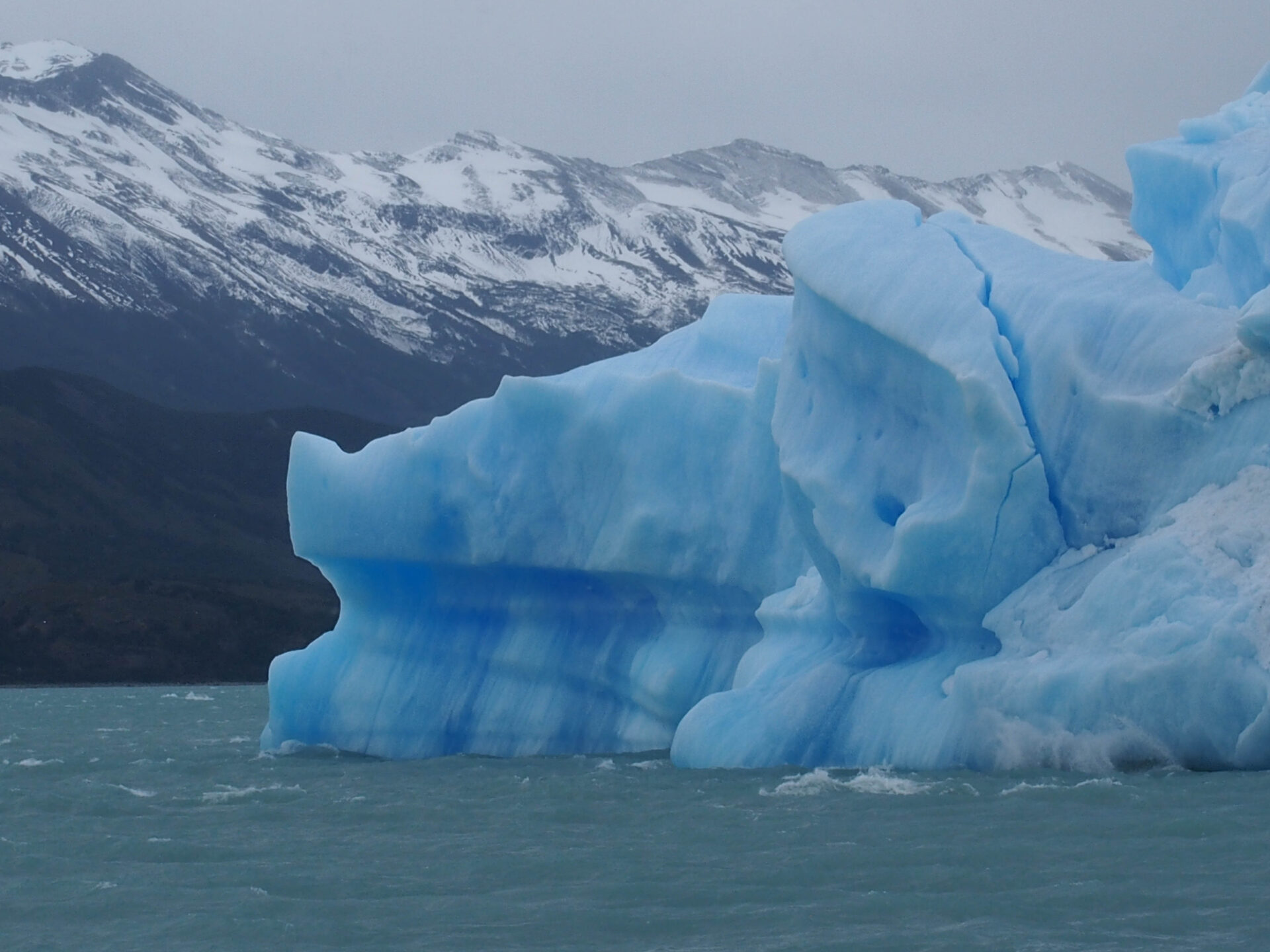
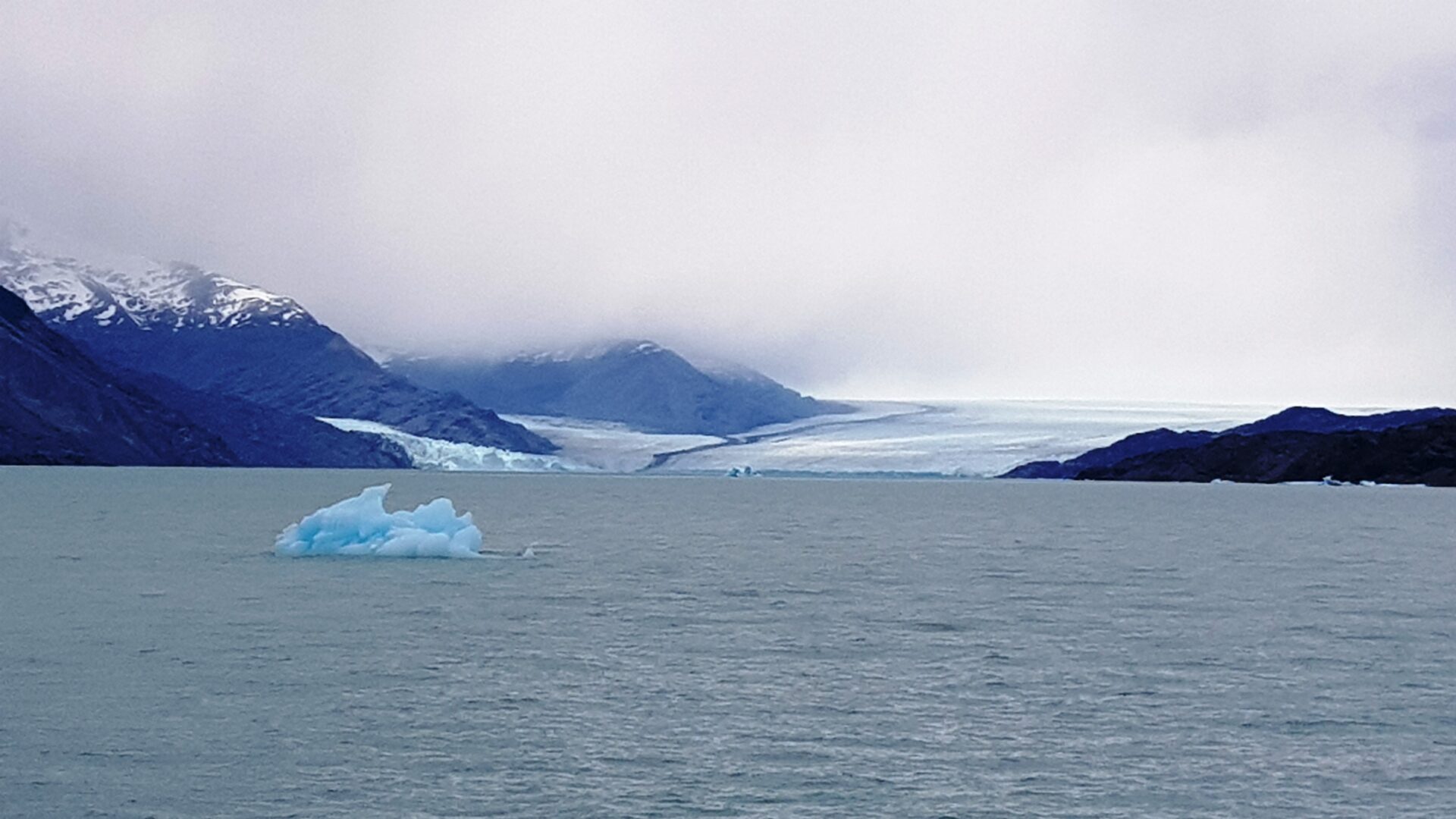
Board your boat and set off on a 3 hour sailing adventure on the lake. This journey takes you into the northern arm of Lake Argentino sailing amongst the enormous and stunning ice floes which have broken off the Upsala Glacier. Views of the Upsala Glacier in the distance cap the experience.
Finally dock at the pier at Estancia Cristina. Walk around 100m to the Octagon, check in and settle in to your comfortable room admiring the view.
Depending on the sailing time you may have had a packed lunch on the boat, otherwise lunch is on arrival.
Dinner at night in the Octagon.
After breakfast head off for your chosen activities.
Options are
Details can be found in the information snippet titled”Excursions from Estancia Crsitina”.
The estancia also has some self-guided trails that are available as well as a museum which relates the fascinating history of Estancia Cristina. A summary of the history can be found in the information snippet “History of the Estancia Cristina”.
Lunch may be a packed lunch on your excursion.
Dinner is served in the Octagon.
There is time for an activity before leaving. This can be tailored depending on your departure sailing time which may be 1500 or 1700. Lunch is included.
The sailing time to Punta Bandera will be around two hours.
There is a shared transfer for the 45 minute drive to your hotel in El Calafate.
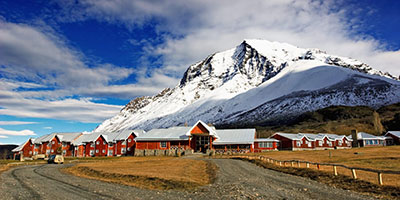
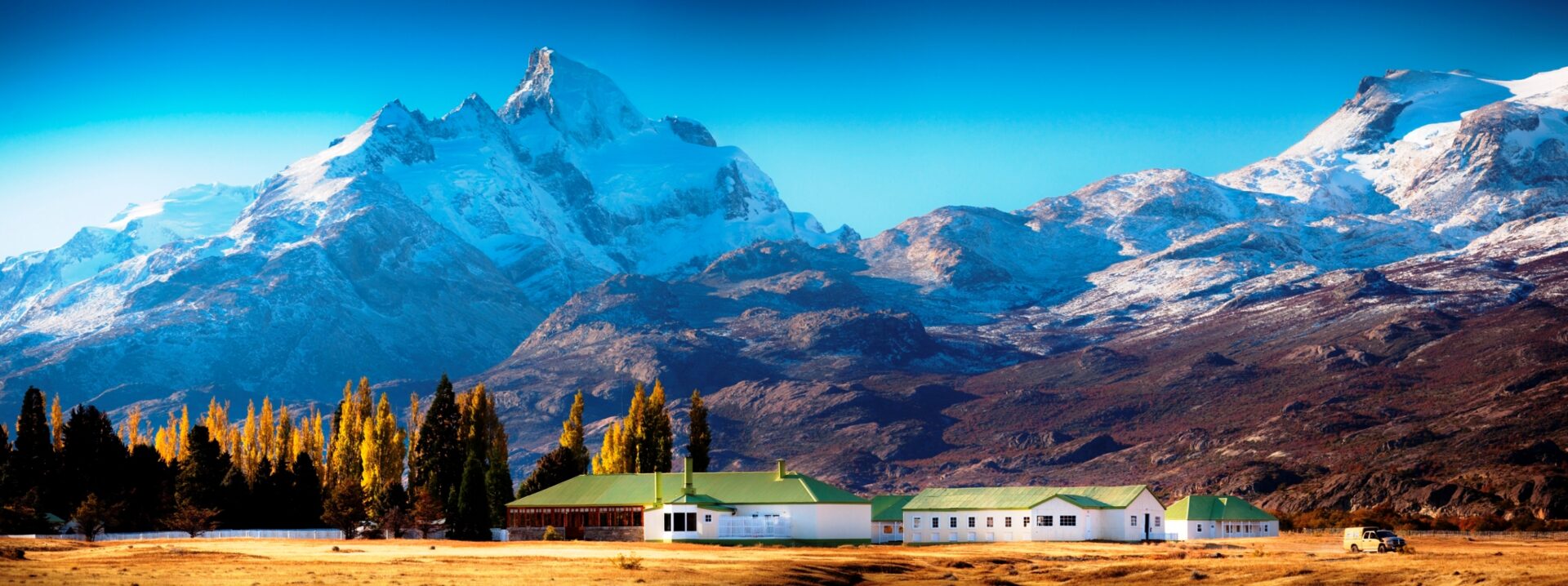
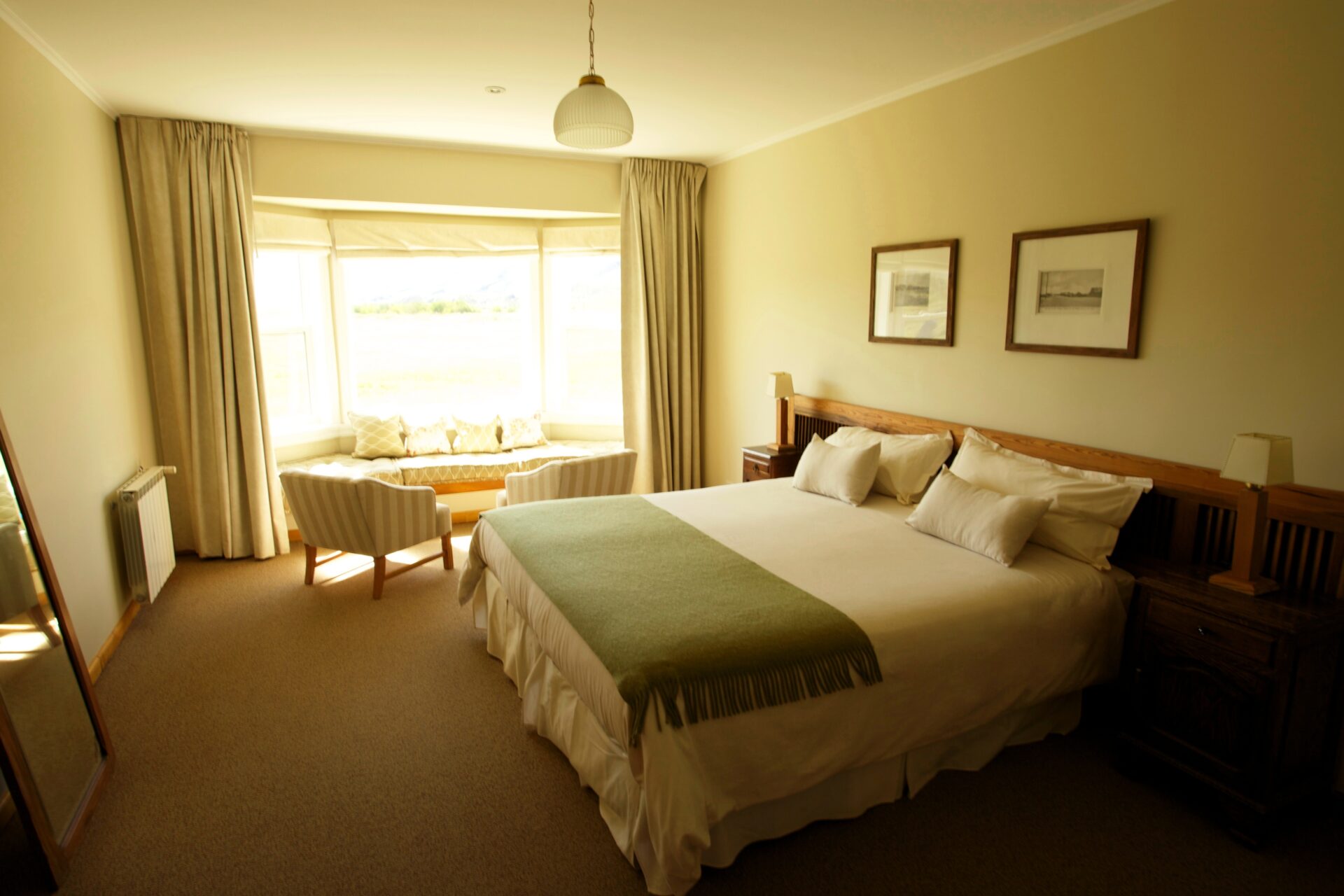
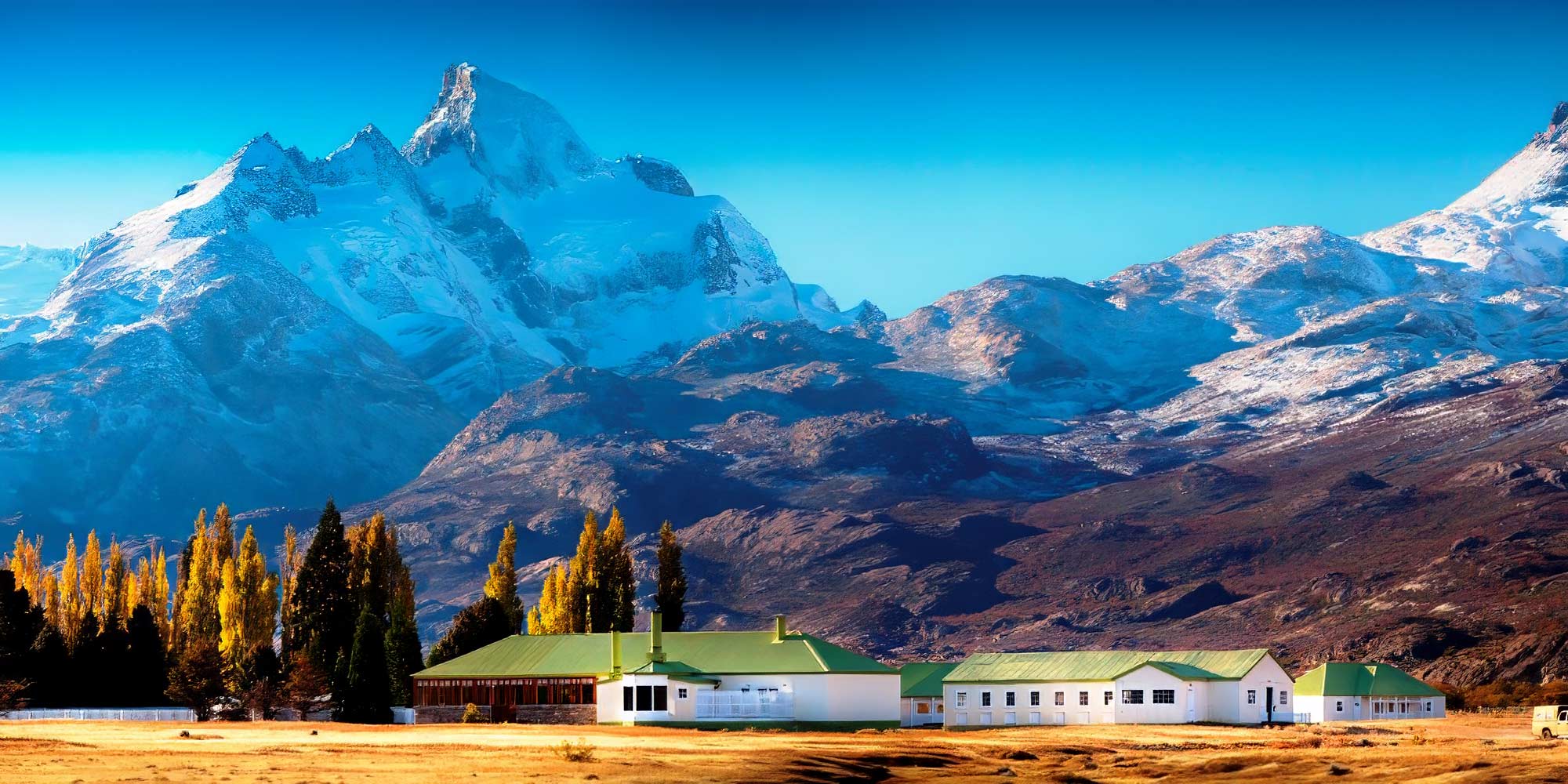
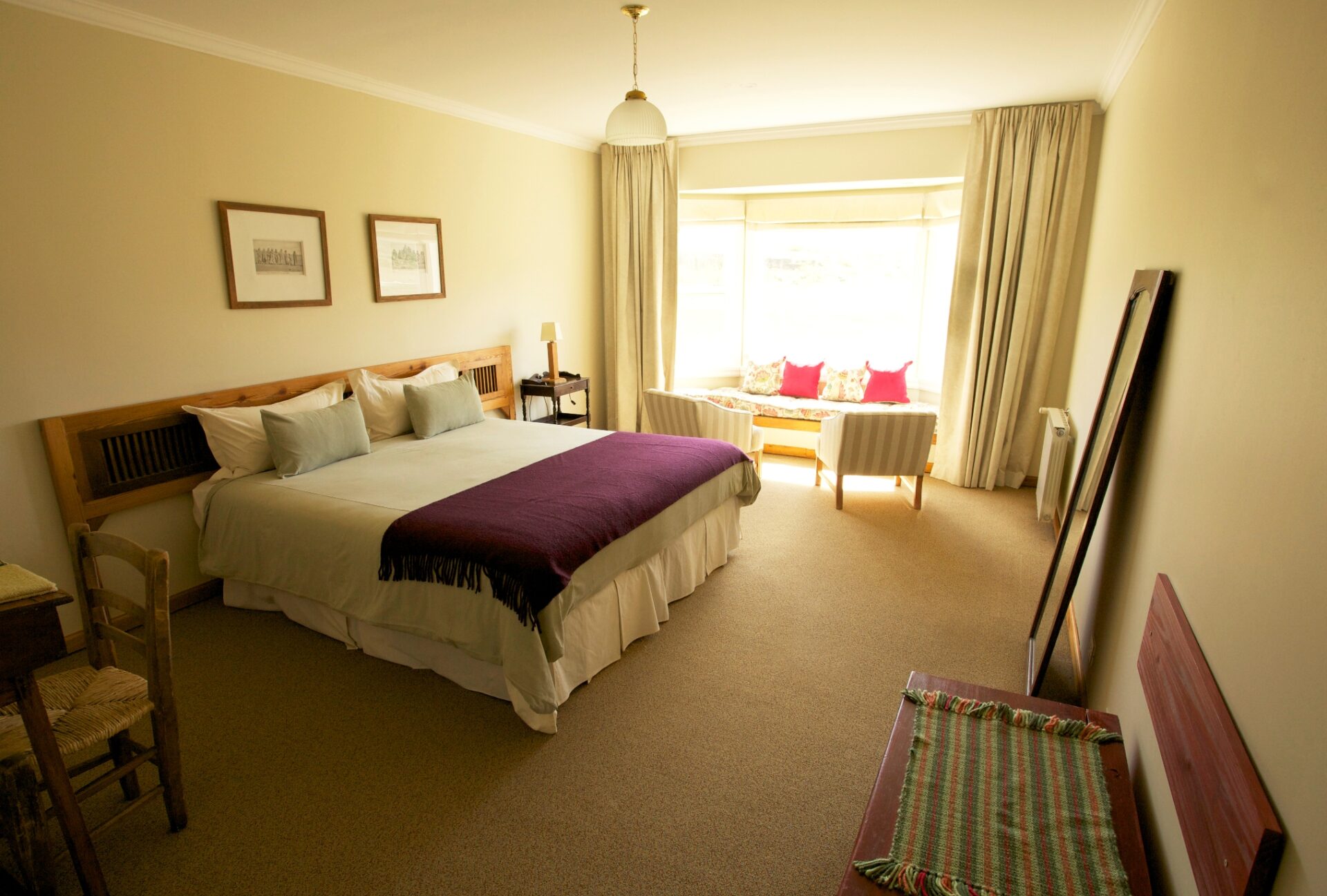
The estancia has 20 rooms distributed in 5 cabins – each one with 4 rooms, same category- with stunning views of Mt Norte, Pfifter and Moyano and its hanging glaciers.
Cabins are located 50 metres (maximum) from the main building (‘Octógono’), where breakfast, lunch and dinner services are exclusively offered to guests.
Wi-Fi service is available in the Octogono area.
Electricity is provided by a power generator that is turned off at night.
As you choose which activities you would like to do the level is tailored to your needs.
All meals are included as well as non alcoholic drinks.
Breakfast is an abundant buffet with choices of cold cuts, cheeses, cereals, breads as well as cooked breakfast options.
If on a full day excursion, in the morning before setting out, you prepare your own tailor made packed lunch. There is a wide variety of salad items, plus cold cuts, breads, fruit and biscuits. You won’t go hungry and you will be impressed by the variety and quality on offer.
Those lunching at the estancia have a set menu with a choice of starter, main and dessert served in the Octagon.
Dinner is a fixed menu with choices of starter, main and dessert served in the Octagon.
Special meal requirements can also be catered for.
The estancia staff are all enthusiastic and experienced personnel.
The horse riding guides are expert riders and the hiking guides know the terrain like the back of their hands.
All have an in-depth knowledge of the area and a love for the great Patagonian outdoors.
An unforgettable Patagonian adventure filled with glacier trekking, epic mountain hikes, and breathtaking southern landscapes.
A seamless, tailor-made Patagonia cycling adventure through Argentina and Chile’s breathtaking southern landscapes.
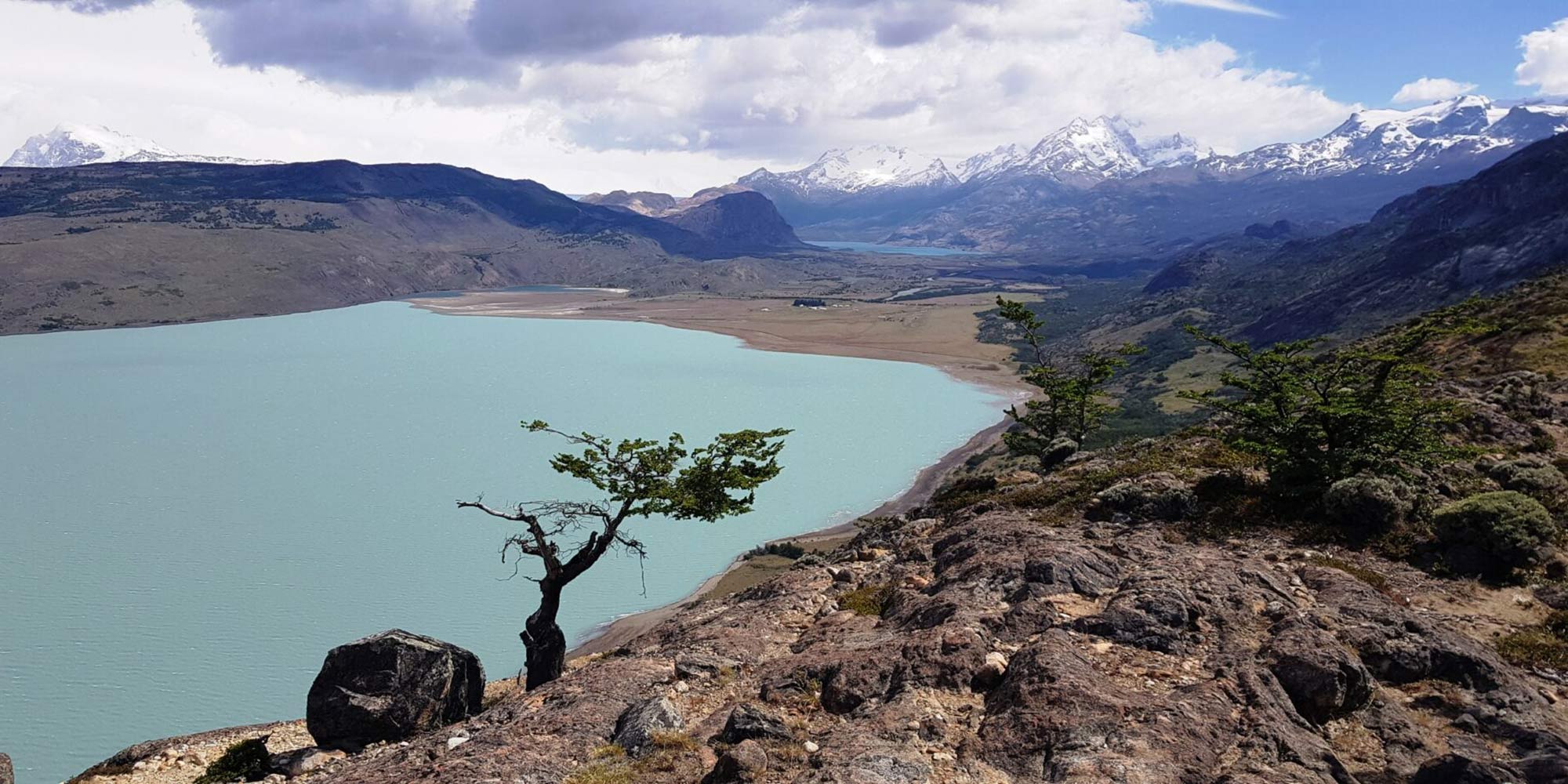
The Estancia Cristina Lodge is a historical farm situated on the northern shore of Lake Argentino in Argentine Patagonia and can only be reached by boat from El Calafate.
This is one of the many El Calafate lodging options available but the advantage is that you are well off-the-beaten-track in pristine nature.
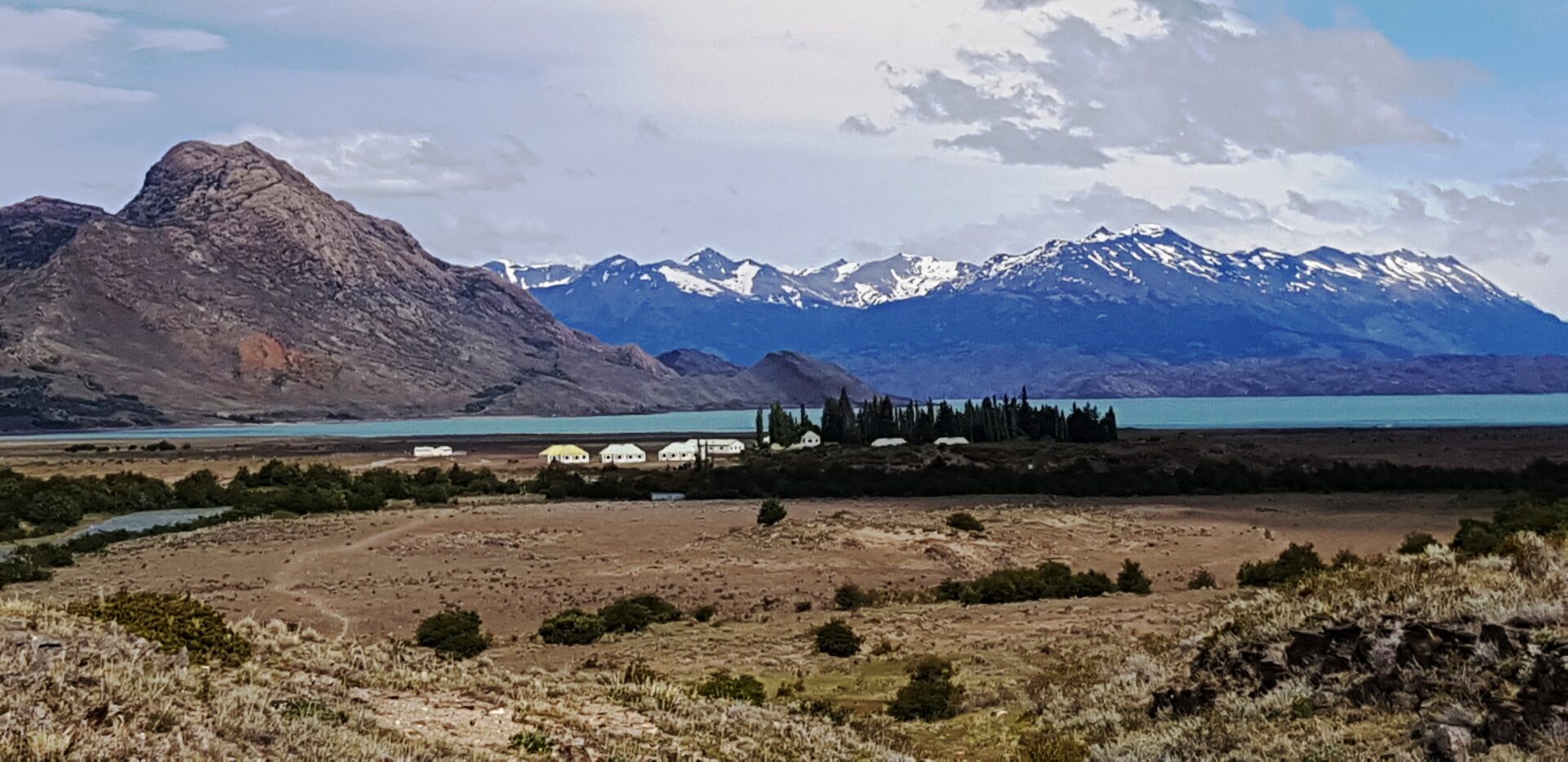
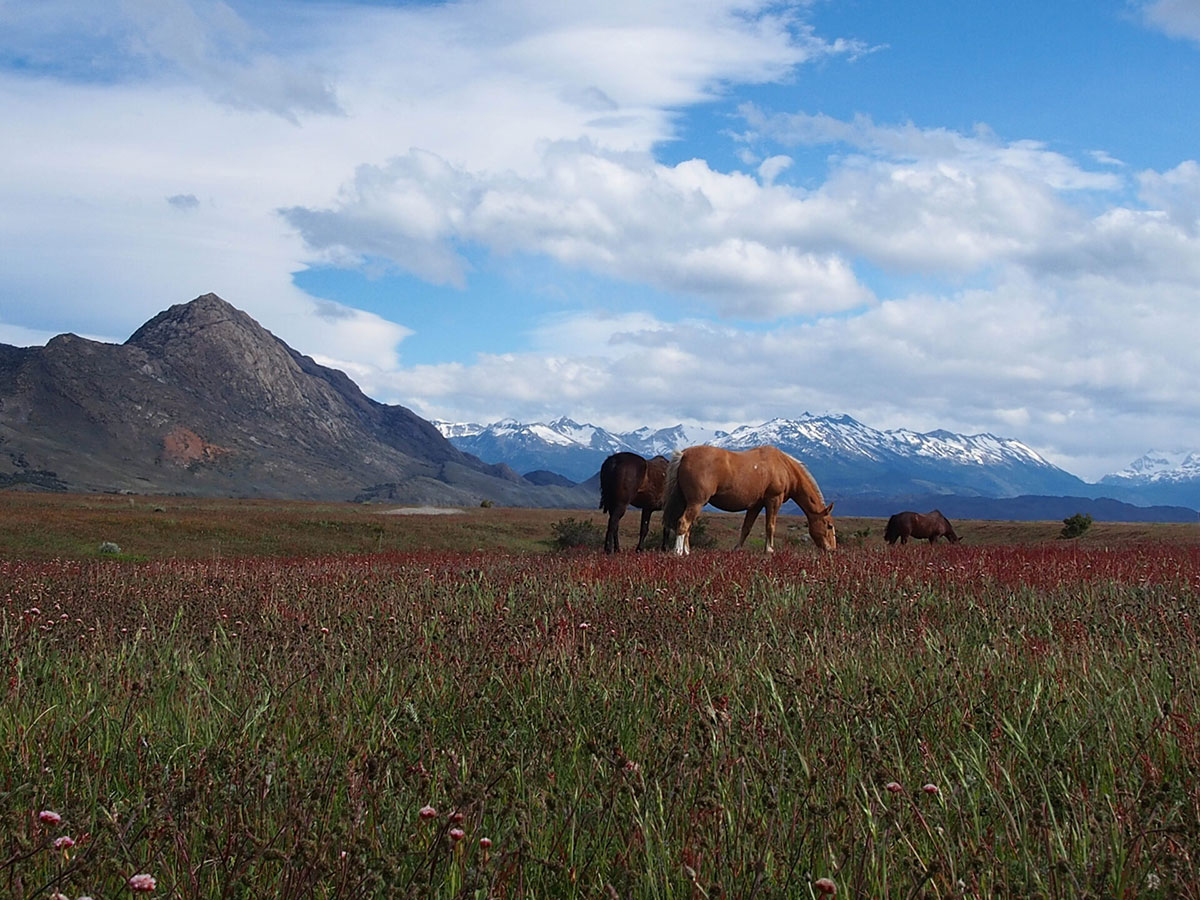
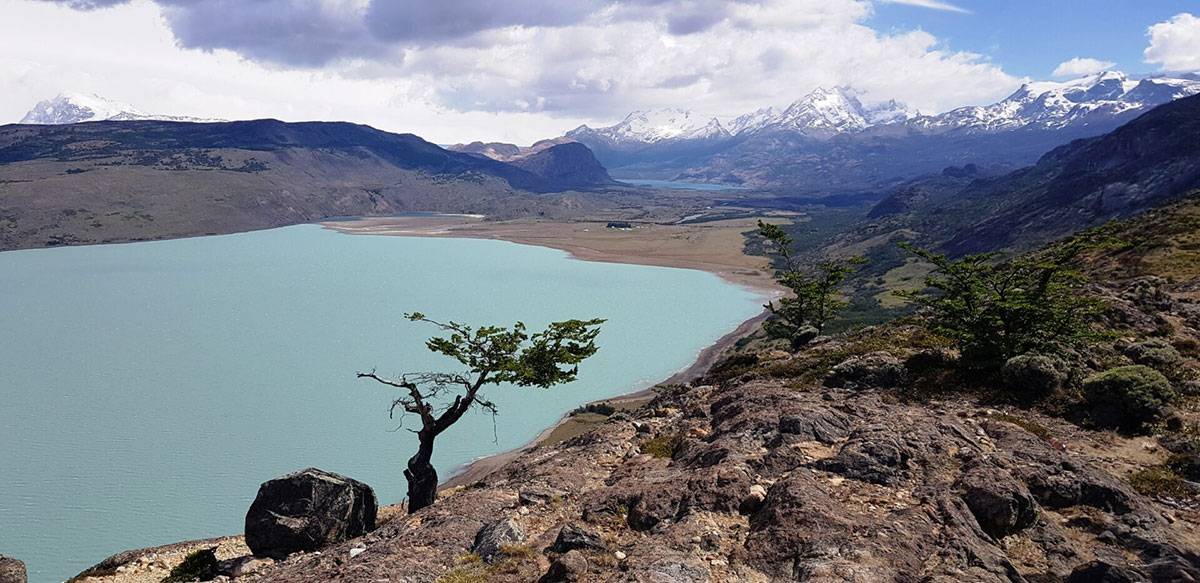
The setting is stunning on the lake shore surrounded by glacial peaks. Here you are away from it all surrounded by the majestic Patagonian scenery and immersed in the history of this remote location.
The estancia has 5 cottages which comprise of a lounge and 4 en-suite bedrooms with stunning panoramic views. The “Octagon” is an exclusive facility for overnight guests which comprises a bar, restaurant and lounge.
Overnight stays include full board, a choice of activities chosen from an extensive menu of horseback rides, 4×4 vehicle excursions and guided hikes.
From: $3930 per person
Duration
4 days
Duration: 4 hours
Level of difficulty: Low
Set off from the Octagon by 4×4 vehicle for a 9.5 km drive to the Upsala Glacier viewpoint. En route you will appreciate a variety of Patagonian flora including bush vegetation, ñires and lenga nothofagus, as well as landmarks such as the base of the Continental Ice Institute and the “lenga cemetery”. A stop is made at a viewpoint overlooking Laguna Anita, Mount Norte and the valley surrounding the estancia.
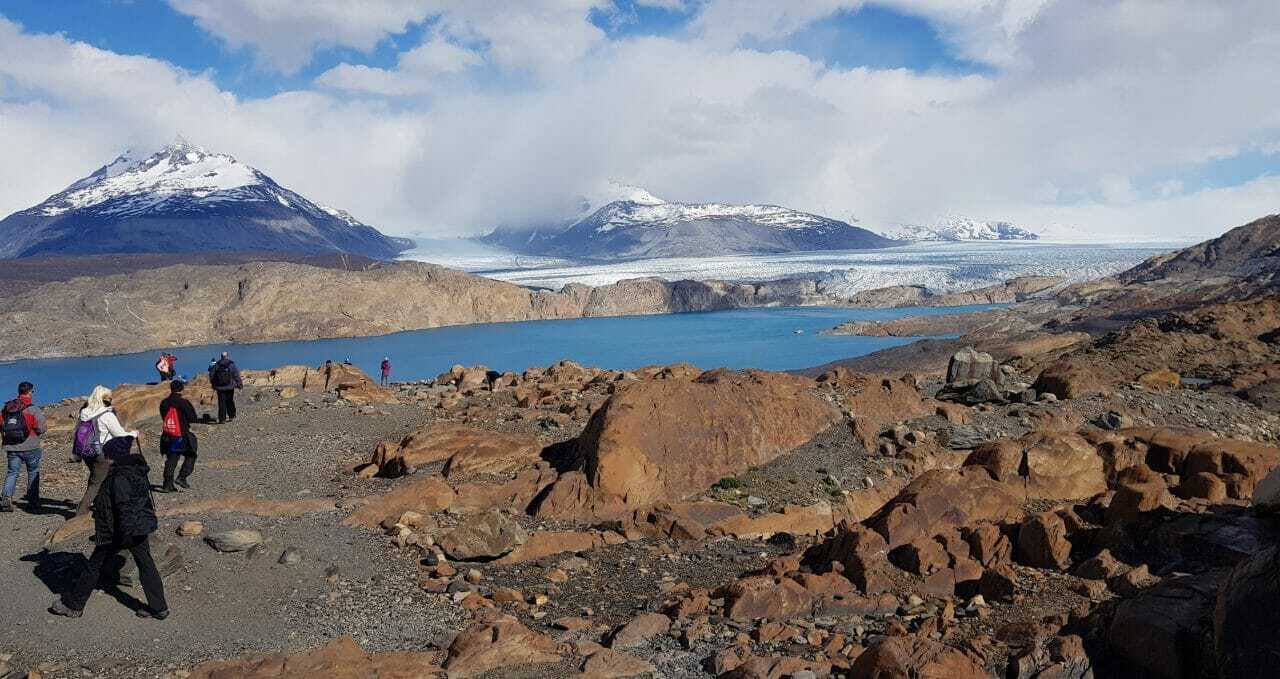
Continue on foot for a short 20 minute hike to the viewpoint, passing the Upsala Refuge, base camp for expeditions heading onto the ice zone.
From the viewpoint you can appreciate the immensity of the glacier and its eastern wall, tributary glaciers, Lake Guillermo, Mounts Cono and Murallón, and the Southern Patagonian Continental Ice Field. Keep an eye out for condors.
Return along the same route.
Duration: 2.5 hours
Level of difficulty: Low
This excursion can be guided or self-guided.
Leave the estancia, crossing the Caterina River with its waterwheel, heading north-east. The trail climbs gently through forests of ñires and lenga nothofagus.
From the first viewpoint you will see the valley from Lake Argentino to Lake Pearson. Continue uphill until reaching the Río de los Perros waterfall. Take time to enjoy the location before returning the same way.
Duration: 3 hours
Level of difficulty: Low
Set off from the lodge heading north into the Caterina River valley. This hike offers opportunities to observe local flora and fauna. With luck you may spot upland and ashy-headed geese, black-necked swans, coscoroba swans and spectacled ducks.
The destination is Laguna de la Pesca, where the founding family once bred rainbow trout. It was also a recreational site for the family and estancia workers. Enjoy the site before returning.
Duration: 4.5 hours
Level of difficulty: Medium
Head south-east along an old cattle trail. The route ascends gradually with increasing views over the lake, Cristina Channel, the estancia buildings and the valley.
After passing through forest and seasonal waterfalls, you reach Mount Carnero. From here enjoy views of the valley, the Southern Andean mountain range, glaciers, the Southern Patagonian Ice Field and the Mariano Moreno range.
Duration: 3.5 hours (one way)
Level of difficulty: Medium to high. The final 40 minutes are steep.
Travel by 4WD ascending northwest along the Feruglio range to Mount de los Loros, where the hike begins. The trail leads to a panoramic viewpoint overlooking Upsala Glacier and Lake Guillermo.
Here you can experience the strong Patagonian winds and enjoy views of Mounts Bertrand, Cono and Murallón, and part of the Southern Patagonian Ice Field.
After lunch, descend along a different trail across the Pampa de los Potros to the estancia.
Duration: 5 hours (includes 4×4 transfer)
Level of difficulty: Medium to high
Minimum age: 12 years
Travel by vehicle for 9.5 km and walk 20 minutes to the Upsala Glacier viewpoint.
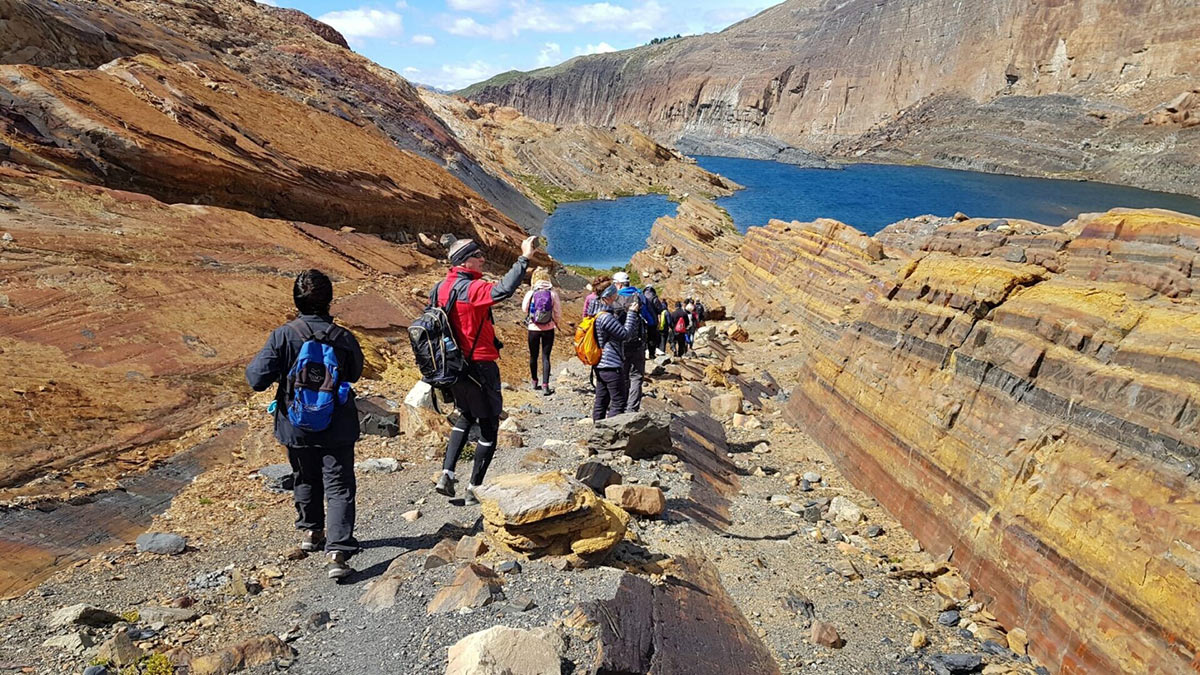
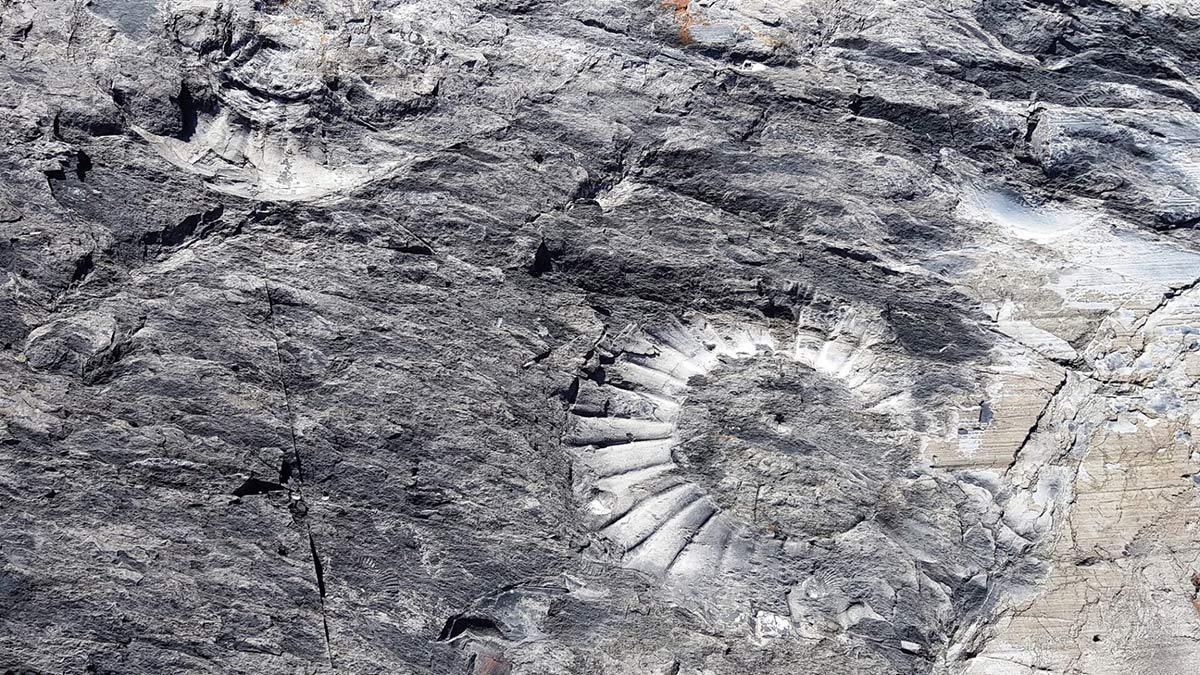
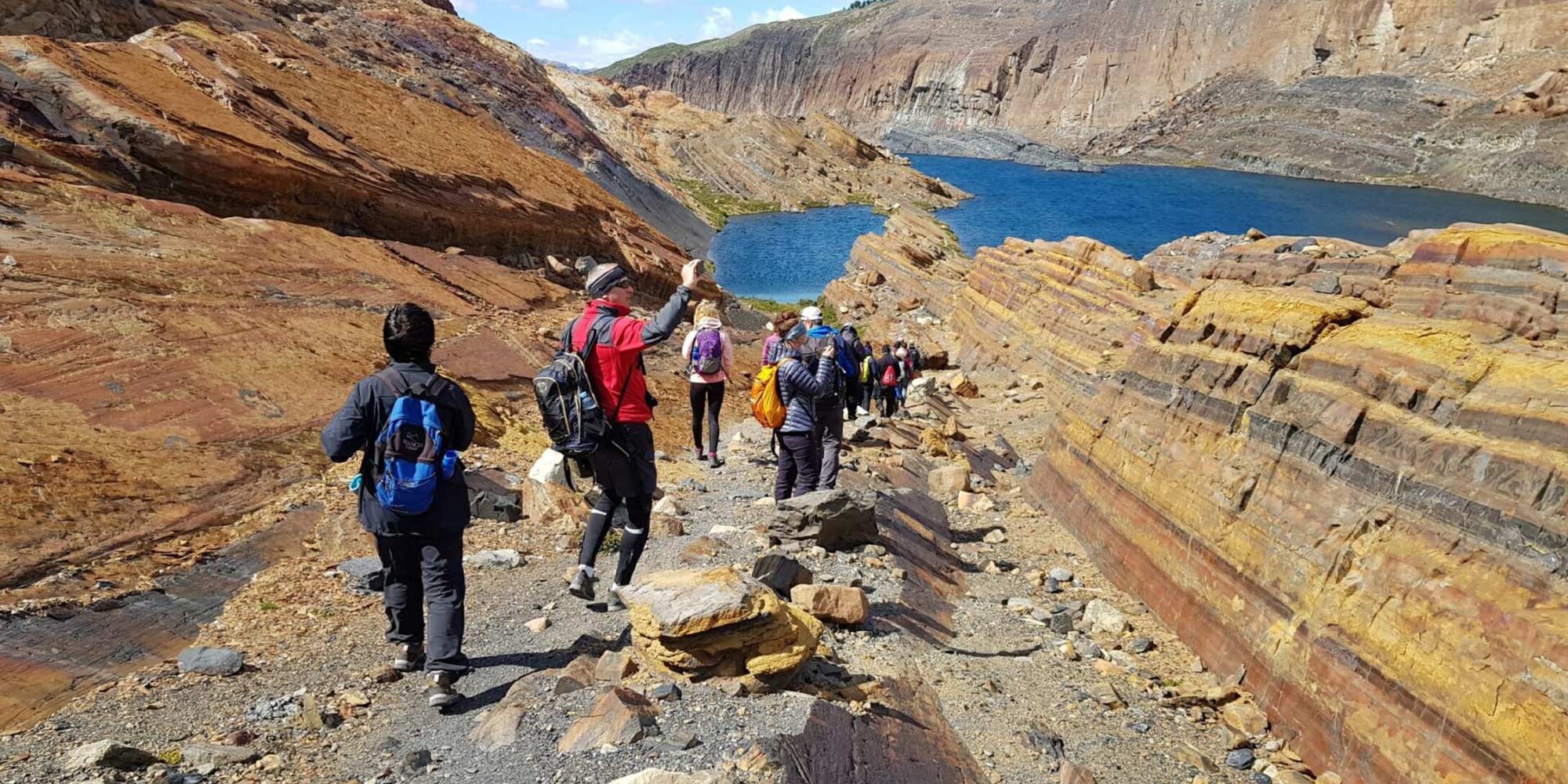
From here begin a 14 km trek into the Cañadón de los Fósiles, an area rich in unique marine fossils. The terrain, once covered by the Upsala Glacier, is marked by yellow, black, orange and red moraines.
The trail descends steadily before opening into the valley. Continue walking back to the estancia.
Duration: 2 hours
Level of difficulty: Low
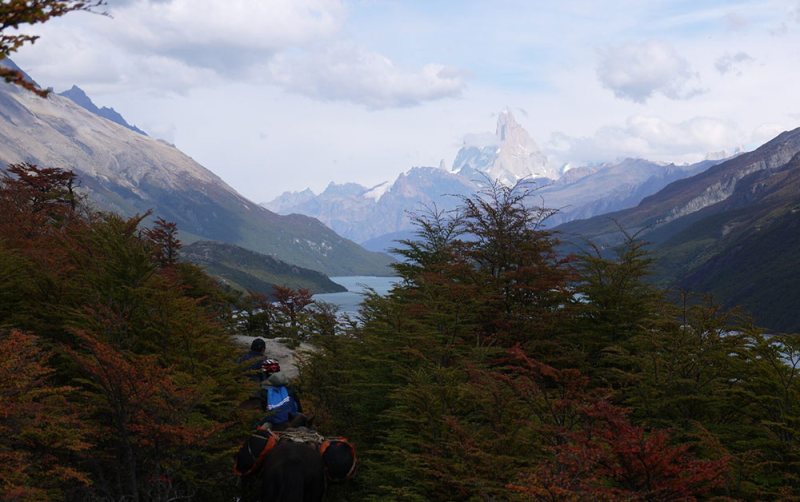
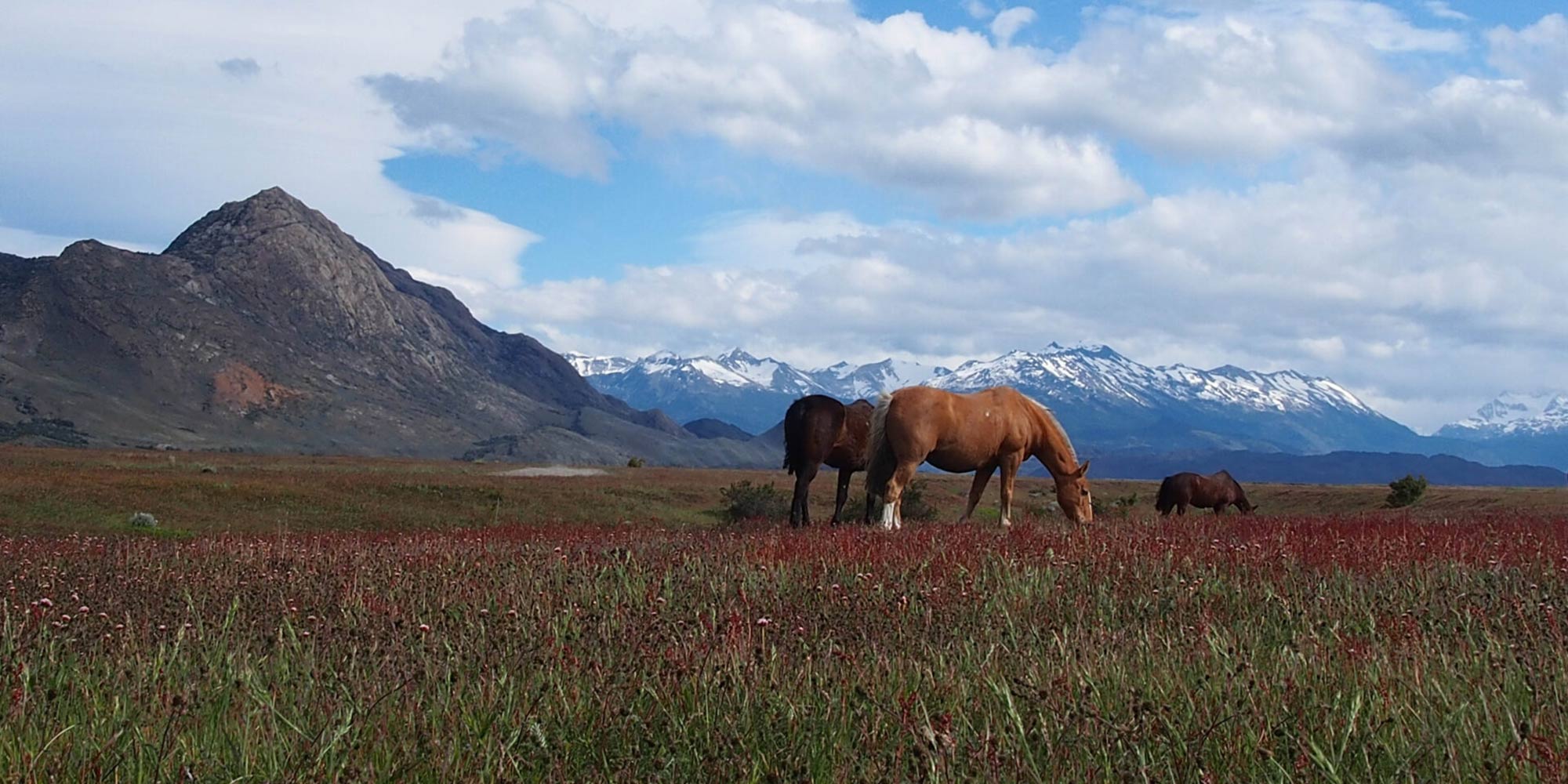
A short ride heading east into the valley. The trail ascends gradually through forests of ñires and lenga nothofagus, crossing loose rock terrain.
At Río de los Perros waterfall enjoy views of Lake Anita, hanging glaciers, the valley and the estancia buildings.
Duration: 5–7 hours
Level of difficulty: Medium. Experience required.
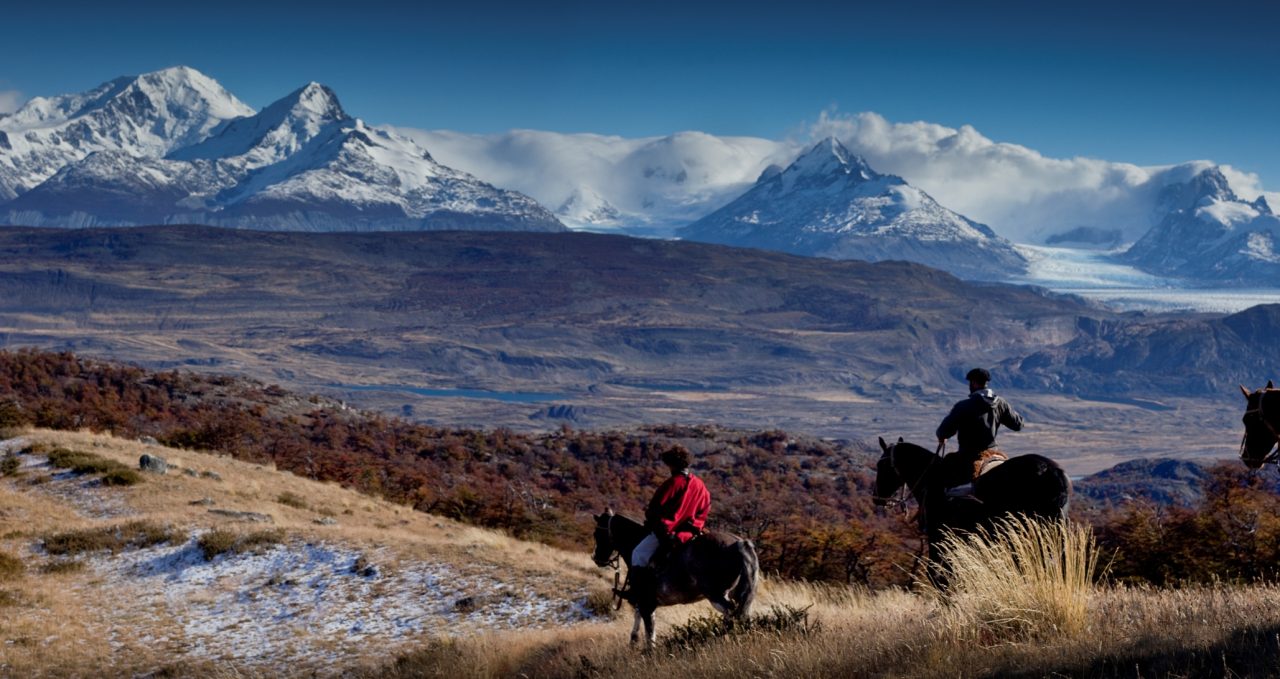
This ride requires previous experience to maintain control and balance. The gaucho guide will assess each guest’s suitability.
Ride north-east across the Caterina River valley, negotiating natural obstacles and rocky terrain. Stop at Río de los Perros waterfall for panoramic views of the estancia and Lake Pearson.
Continue ascending Mount Mesón to Cristina Viewpoint, with sweeping views of surrounding mountains, the Southern Patagonian Ice Field and Upsala Glacier.
Duration: 2.5 hours
Level of difficulty: Low
Ride north into the Caterina River valley, enjoying the flora and fauna of the region. This is ideal for bird lovers and beginners wishing to gain confidence on horseback.
The ride ends at Laguna de la Pesca before returning to the estancia.
More demanding hikes or horse rides can be arranged on request at an additional cost.
Southern Patagonia (latitudes 49° to 55°), encompassing the southern Andes of Chile and Argentina plus Tierra del Fuego, has an altogether more vertical aspect than the rest of Patagonia.
As the continent tapers towards its southern point, the Andes take on new characteristics and offer some truly impressive panoramas.
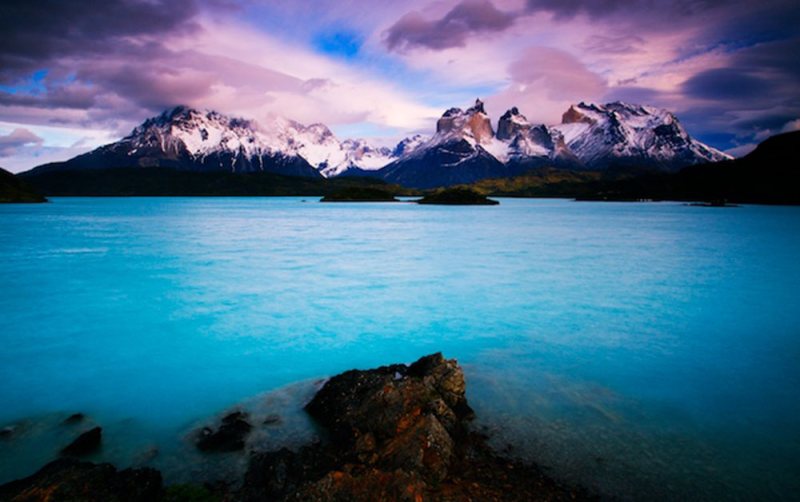
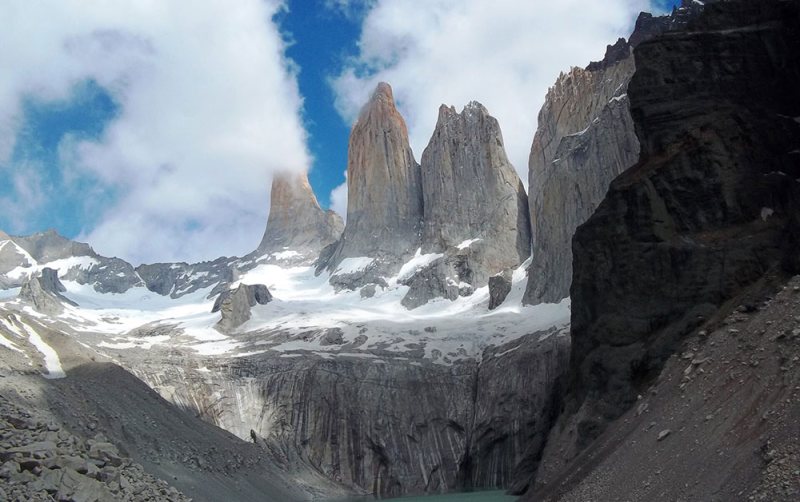
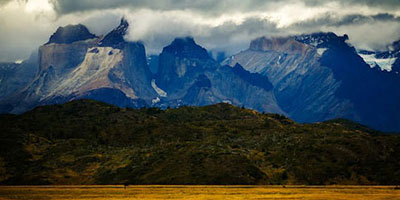
Much of southern Patagonia is characterized by virgin landscapes where man’s hand has either not been present or, because of the scale of the landscapes, goes almost unnoticed. To the west of the semi-arid Patagonian plateau, mile-high granite spires – e.g. Cerro Torre and Fitzroy in Argentina and the Torres and Cuernos del Paine in Chile – rise abruptly from the Andean foothills, while vast blue glaciers, fringed by southern beech forest, gouge out thevalleys below.
At the heart of these magnificent landscapes lies the South Patagonian Ice Field, an utterly remote icy wilderness spanning hundreds of kilometers, whose glaciers – including the Perito Moreno and Upsala – are tens of kilometres long by severalkilometers wide.
Also characteristic of the southern Patagonian Andes are its turquoise, iceberg-filled lakes. To the west lies the southern portion of the Chilean Archipelago, comprising snow-capped islands and fjords.
Across the Magellan Straits from mainland Patagonia lies Tierra del Fuego which, like the rest of Patagonia, is divided between Argentina and Chile.
The north and east of Tierra del Fuego is flat, but flanking the Beagle Channel in the south, the tail end of the Andes provide very dramatic mountain scenery.
The Lake District (latitudes 40° to 45°) or the Araucania, is a region of dramatic conical volcanoes, evergreen, high-canopy forests and, of course, lakes.
It straddles the Chile-Argentine border, and also takes in Chiloe island, in the extreme north of the Chilean Archipelago. This region stretches from Temuco in the north to Chiloe in the south.
Central Patagonia (latitudes 45 to 49) is one of South America’s best-kept secrets. The vast wilderness area can be divided in two:
This huge region, embracing the sparsely-inhabited southern Araucaria and Aisén Region, features temperate rainforests, snow-peaks (often extinct volcanoes), lakes and, to the west, the Chilean Archipelago: a labyrinth of fjords and mountain-islands. This, the Chilean portion of central Patagonia, boasts the northernmost of Patagonia’s many giant, sea-level glaciers.
The San Raphael Glacier, probably this region’s most famous landmark, is an immense hanging glacier whose seracs calve into an iceberg-filled lagoon.
Find out more about Patagonia with our blog about its wildlife.
Estancia Cristina was founded in 1914 by Joseph Percival Masters, an Englishman who came to Patagonia with his wife in 1900. Having heard marvels about the Patagonian lands of Southern Argentina and searching for a promising future, he decided to embark with his wife towards Buenos Aires. They later travelled to Río Gallegos, where he worked in a farm to save some money and begin his dream.
In 1905 Percival Masters, left his work at Estancia El Cóndor and, along with his family, headed for the Lake Argentino area to obtain the assignment of land rights in order to have his own estancia.
They reached Lake Argentino after a long and difficult journey through the deserted plateaus across the Province of Santa Cruz. Also at that time, the main wool dealers of the region started to expand from the coast to the mountain range due the demand for wool from all over the world.
Percival decided to go to that fertile valley described by Pritchard in from a Daily Express expedition, which was located in the north-western area of Lake Argentino. Percival reached the valley of the Caterina River on board a lifeboat that he had found abandoned at the Atlantic coastline and which he carried on a cart pulled by oxen.
The family was fascinated by such beautiful place, but most of all because this valley offered good pastures for the sheep.
Due to the distant location, no authority or wool dealer would prevent the Masters from settling down there.
Once they made the decision to live in the valley of the Caterina River, Percival began to gather and keep all kinds of provisions inside a small shed in Punta Bandera. Later on, they went to Boca del Diablo with a few sheep and horses, to get ready for the final part of the journey. Jessie, Herbert and Cristina, along with some pieces of furniture, travelled to their future estancia by boat. Percival, on the other hand, travelled by land with one hundred sheep and dozens of cows and horses, enduring a difficult herding across the mountains of the pre-Andean region.
In 1914 the Masters family acquired the valley by means of a land occupancy permit. And so the Masters’ estancia became a reality.
The first year they lived in shelter tents. They wired the pasture land, planted poplar trees and designed gardens and orchards. Finally, they built a precarious house made of mud and stone which they gradually improved and enlarged. Little by little, the hard work paid off. And after some time, the family acquired the Herminita peninsula, expanding the estancia to 22,000 hectares where they raised 12,000 sheep and dozens of cows and horses.
Later on, Fred Masters, Percival’s brother settled down in the estancia with his wife Sidney. The Masters brothers built the waterwheel and a system of irrigation channels to water the garden and the orchard. Also they made some remarkable carpentry works. Sidney became the school teacher for Herbert and Cristina. However when at the end of the 1950s Fred died, Sidney returned to England.
In 1924, Cristina, who was only twenty years old, died of pneumonia. From that moment, the estancia was named “Cristina”.
Los Glaciares National Park was created in 1937 and the valley where the Masters lived was included within its limits. Until then, the Masters had a precarious occupancy permit granted by the government of Santa Cruz. According to the law in force at that time, the ownership of this land could be obtained after twenty years had elapsed from the granting of the permit.
However, before this term had been completed, the national park was created, and this fact meant they had to give up their ownership title. Then, the park granted them another precarious occupancy permit which could only be passed from parents to children and it expired upon the death of the last inheritor.
Herbert , known by the gauchos as “Don Alberto”, was a good administrator, a crafted carpenter and also an excellent photographer and explorer of that region.
He was sent to Buenos Aires to complete his high-school education at Saint George’s College. Upon graduation, he went back to the estancia to help his parents.
In the 1940s, he became a radio operator. From Estancia Cristina he communicated with hundreds of other radio operators around the world: the Prince of Jordan, the Prince of the United Arab Emirates, American military officers stationed in Alaska, etc.
Due to the distant location of the estancia, the family had been always in need of a boat to transport the wool they sheared every year to Punta Bandera.
At the beginning, the family moved around on board an old boat found on the Atlantic coastline, which they repaired and took to Lake Argentino. Later on, they bought a steamboat named “Cesar”. In the 1950s a sudden storm jeopardized the lives of the crew, who were forced to get rid of the wool to save their lives. In view of this fact, Herbert and his foreman Mansilla, based on the drawings of a boat they found in the famous American magazine “Popular Mechanics”, built a boat which they named “Cristina” in honour of his sister. This boat was entirely handmade at the estancia, and all the wood they used had been cut by axe and saw. They brought the big logs from Herminita, where they chopped down the trees and prepared the rafts. They brought the rafts across the lake up to the estancia and on the shore they worked on them. The engine was imported from the United States and it took several years to arrive.
The Cristina used to take 4 hours from the estancia to Punta Bandera. Once there, the wool had to be transported by land to the Atlantic ports in order to be sold. At the beginning of the Twentieth Century this transportation was made on carts pulled by horses. More recently, the trucks have replaced the carts.
At the end of the 1980s, the engine broke down. The boat was left stranded at Cristina Bay, where it still remains.
In 1961 the main house burnt down and a new house was built on the site. This new house was built with cement and bricks and had a more modern style. During the interior restoration, the workers found the remains of the first house as they encountered walls made of stone instead of brick. At the estancia there were two more houses, a little one for the foreman and his family and another with bedrooms and a kitchen for the estancia’s personnel. Both houses had been built with wood. The posts were built with sheet metal and timber.
Janet Herminston was born in Scotland. She arrived at the estancia in 1966 as a lady-in-waiting for Jessie.
Janet had come to Patagonia with her parents in the 1910s, when she was a little girl. After spending a short time in Punta Arenas, the family moved to an estancia near Rio Grande, in Tierra del Fuego. There they lived until 1950, when her father died. That same year, Janet got married to Mr. Mc Donald, the foreman of the estancia. After the estancia went bankrupt, Janet, her husband and her mother moved to an estancia in Santa Cruz. In 1960 her husband died in an accident while inspecting a mill. Janet and her mother moved to another estancia, where Janet got a job as lady-in-waiting.
Janet learnt about Estancia Cristina in the mid-sixties through a friend who told her that Jessie was looking for a lady-in-waiting.
When her mother died, Janet decided to try her luck at Estancia Cristina. When Janet saw the estancia for the first time she was charmed by the great beauty and instantly adjusted to the family’s pace and she became the “housekeeper” of the Masters.
In 1976, Jessie died at the age of 96. A year later Percival died at the age of 99.
In 1982 Herbert and Janet got married. They were not in love but simply to keep each other company. A year later, Herbert got sick and his health deteriorated very quickly.
Finally, in 1984 Herbert died at the age of 82. And so, Janet became the last heiress of the Masters family.
Estancia Cristina had been the necessary crossing point for many expeditions going from the Upsala Glacier to the Southern Patagonian Ice Field. Also, Father De Agostini stopped by, first in 1928, then in 1930-31 when he climbed mounts Mayo and Tormo and traversed the ice field towards the west in an attempt to see the Falcón fiord, and during the summer of 1937-38 when he explored the Upsala Glacier. Several scientists such as have conducted valuable glaciological studies in this area.
For most people, Patagonia evokes a vast, windblown plateau, jagged mountains and the life of the gauchos.
The steppe that occupies much of southern South America is only one aspect of a magical region, jam-packed with amazing and contrasting landscapes.
Patagonia (latitudes 40°-55°, approximately) embraces a vast portion of southern Chile and Argentina, from the Rio Colorado in the north, to Tierra del Fuego in the south.
For convenience, we have divided the region into three zones: the Lakes District of northern Patagonian, central Patagonia and southern Patagonia.
An unforgettable Patagonian adventure filled with glacier trekking, epic mountain hikes, and breathtaking southern landscapes.
A seamless, tailor-made Patagonia cycling adventure through Argentina and Chile’s breathtaking southern landscapes.