From: £1,242
From: $1,653
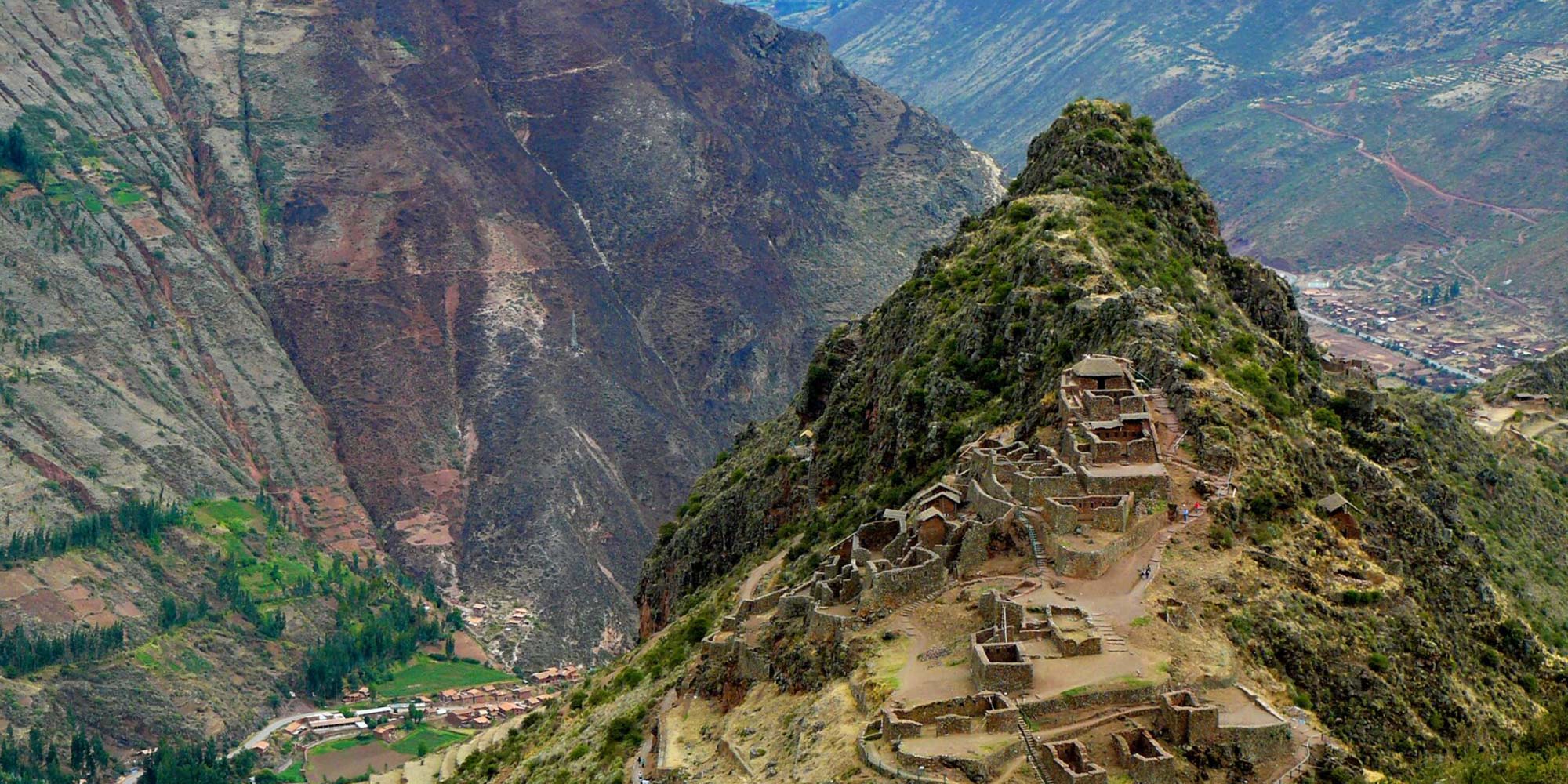
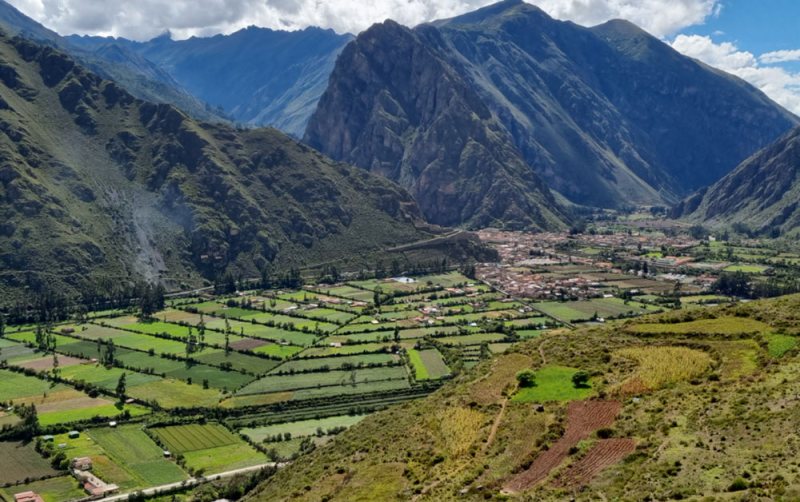
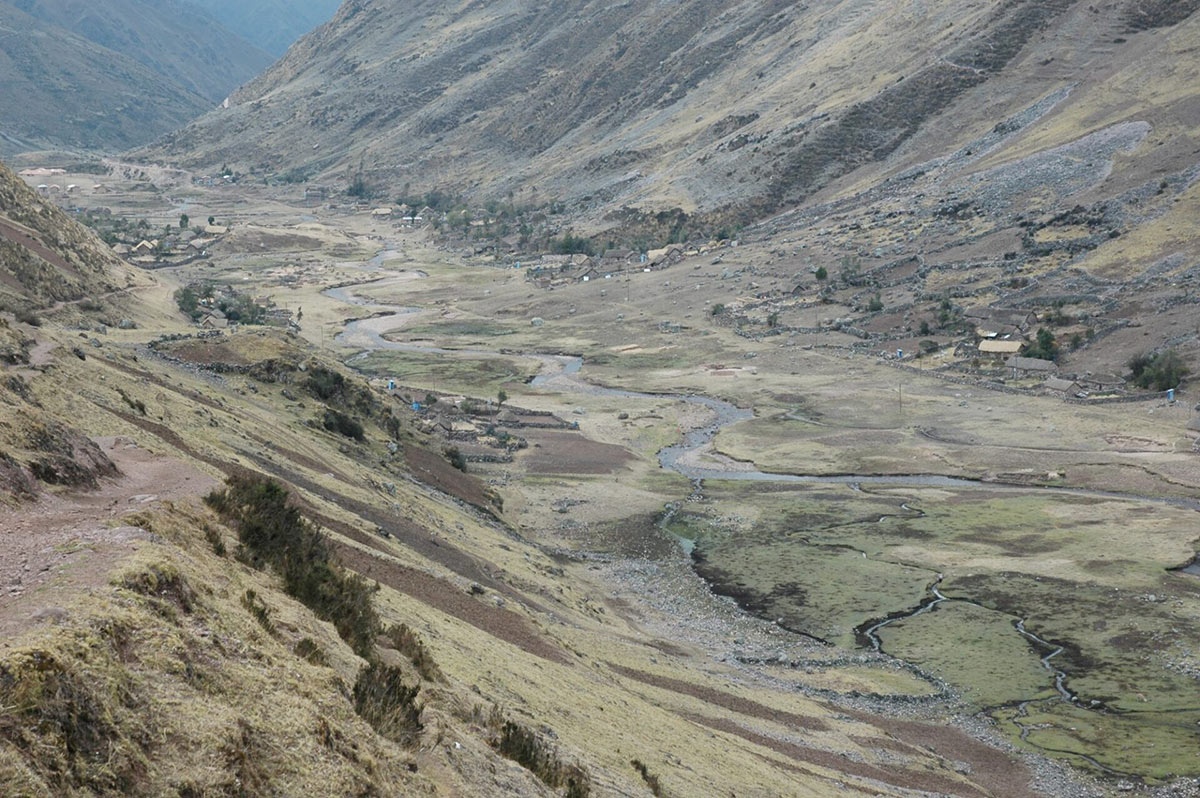
We’ll collect you at 7:00 am from your hotel and set off for the Sacred Valley. Our first stop is at Pisac ruins.
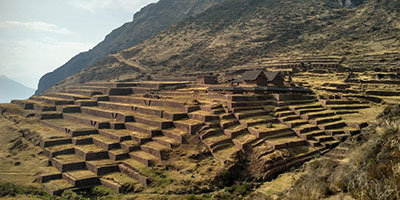
Pisac has impressive terraced Inca ruins, where you’ll be able to climb to the top for amazing views of the Sacred Valley. Your guide will explain the religious, astronomical, and military significance of the site.
Pisac is also home to one of the largest Inca cemeteries, which we’ll explore before continuing to Calca.
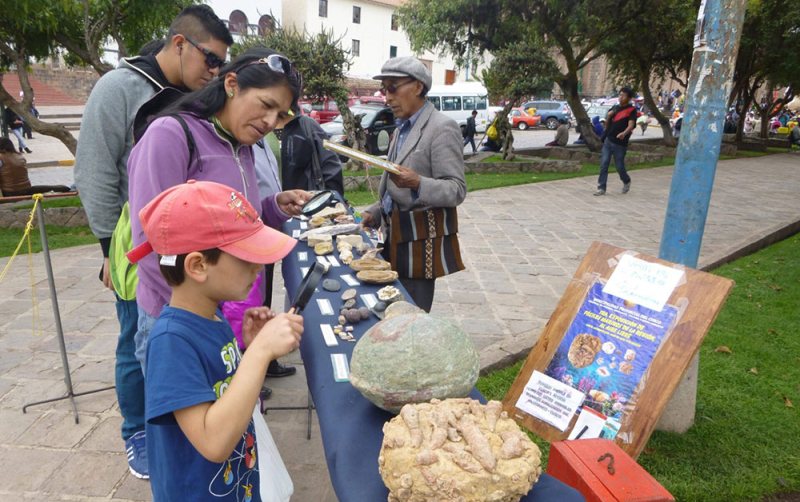
In Calca, we visit the authentic market, where locals from across the Sacred Valley come to trade. The market offers an array of fascinating goods. Feel free to ask your guide about anything that catches your eye. Stalls fill the market hall and its surroundings, creating a lively atmosphere.
We then drive to the trailhead in the community of Lares. The little town is famous for its natural hot springs, a popular spot among locals. While our chef get lunch ready, you’ll have the chance to relax in these soothing waters.
The Lares hot springs are simple but the waters are rich in minerals and renowned for their healing properties. There are four hot pools surrounded by lush mountain scenery and two cold pools for a refreshing dip.
What to Bring: A bathrobe, towel, swimsuit, sandals, biodegradable soap, toilet paper, and a lock for the lockers.
Refreshed, we begin our trek towards Machu Picchu. The first leg is a three-hour climb to Huacawasi, where we’ll spend the night. As you settle in, our chef will prepare dinner.
Depending on the season, we will have the change to take part in traditional activities with local families, such as:
Altitude: 2,850-4,400m (9,350ft-14,436ft)
Hiking Time: 3 hours
Driving Time: 3 hours
Overnight: Guesthouse
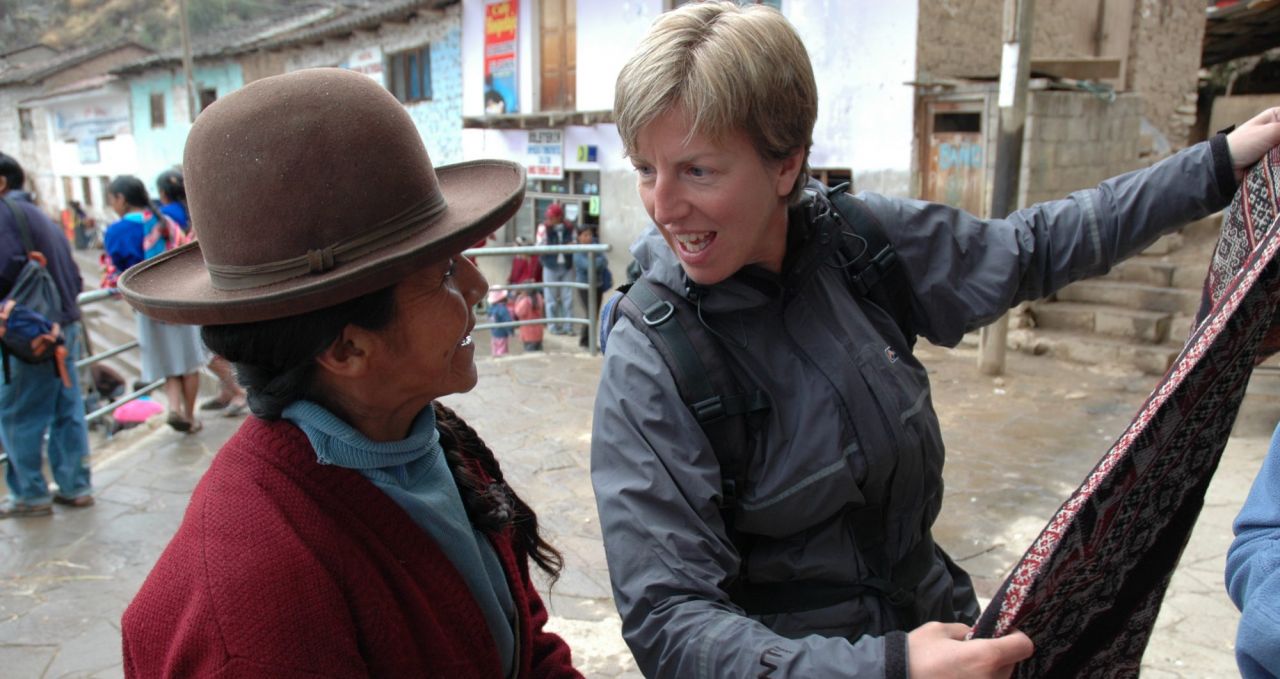
The day begins early with a 6:00 am breakfast, followed by a visit to a local family. These communities seem untouched by time, preserving their traditional way of life.
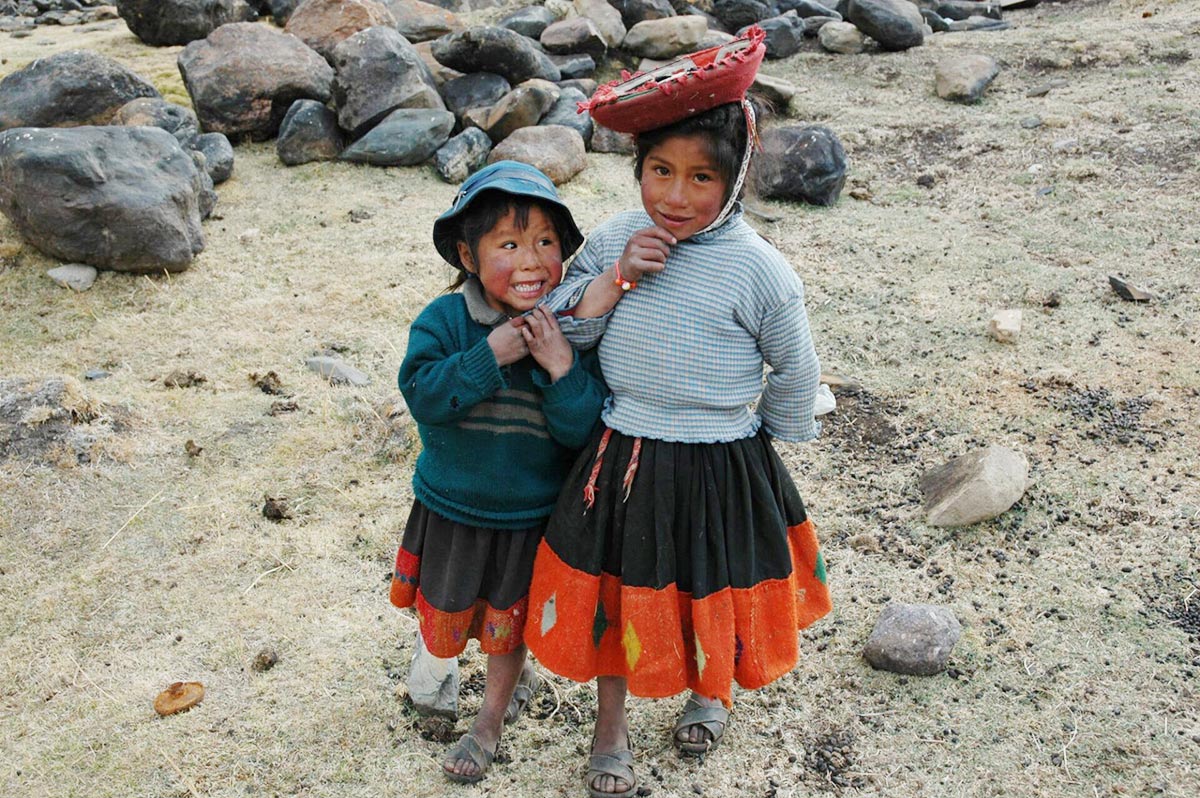
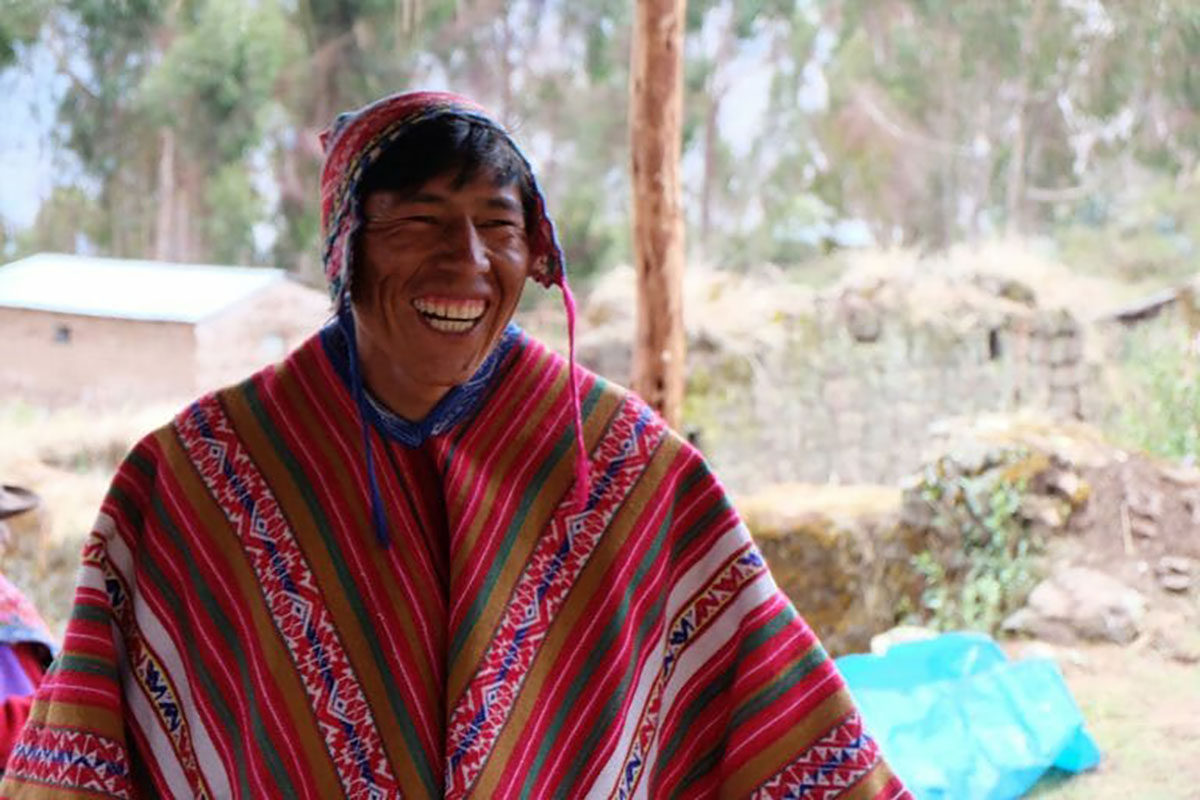
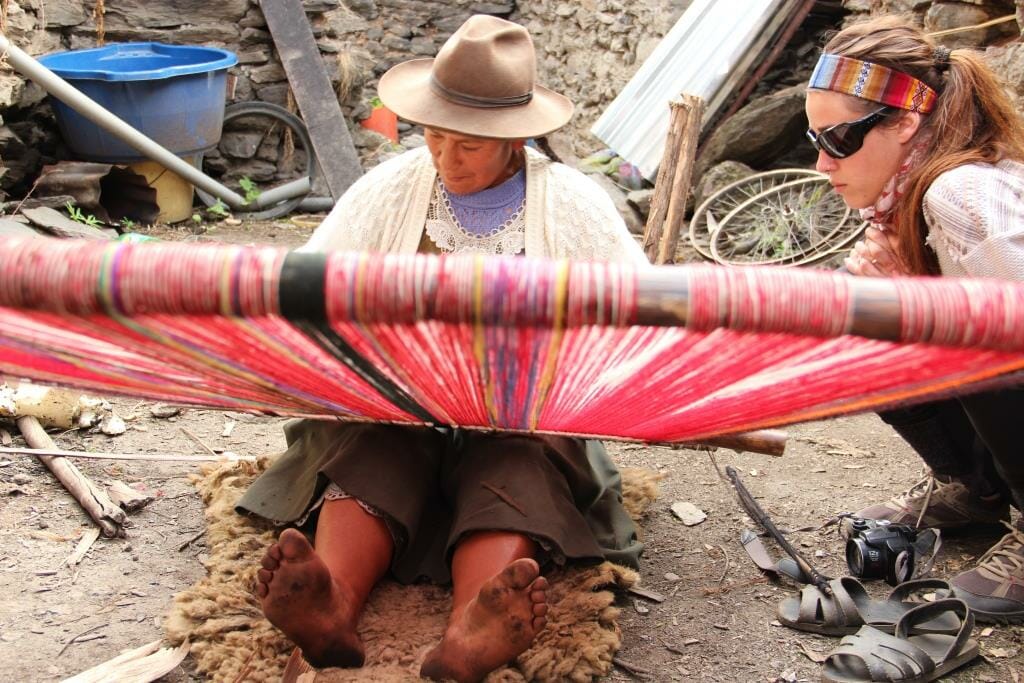
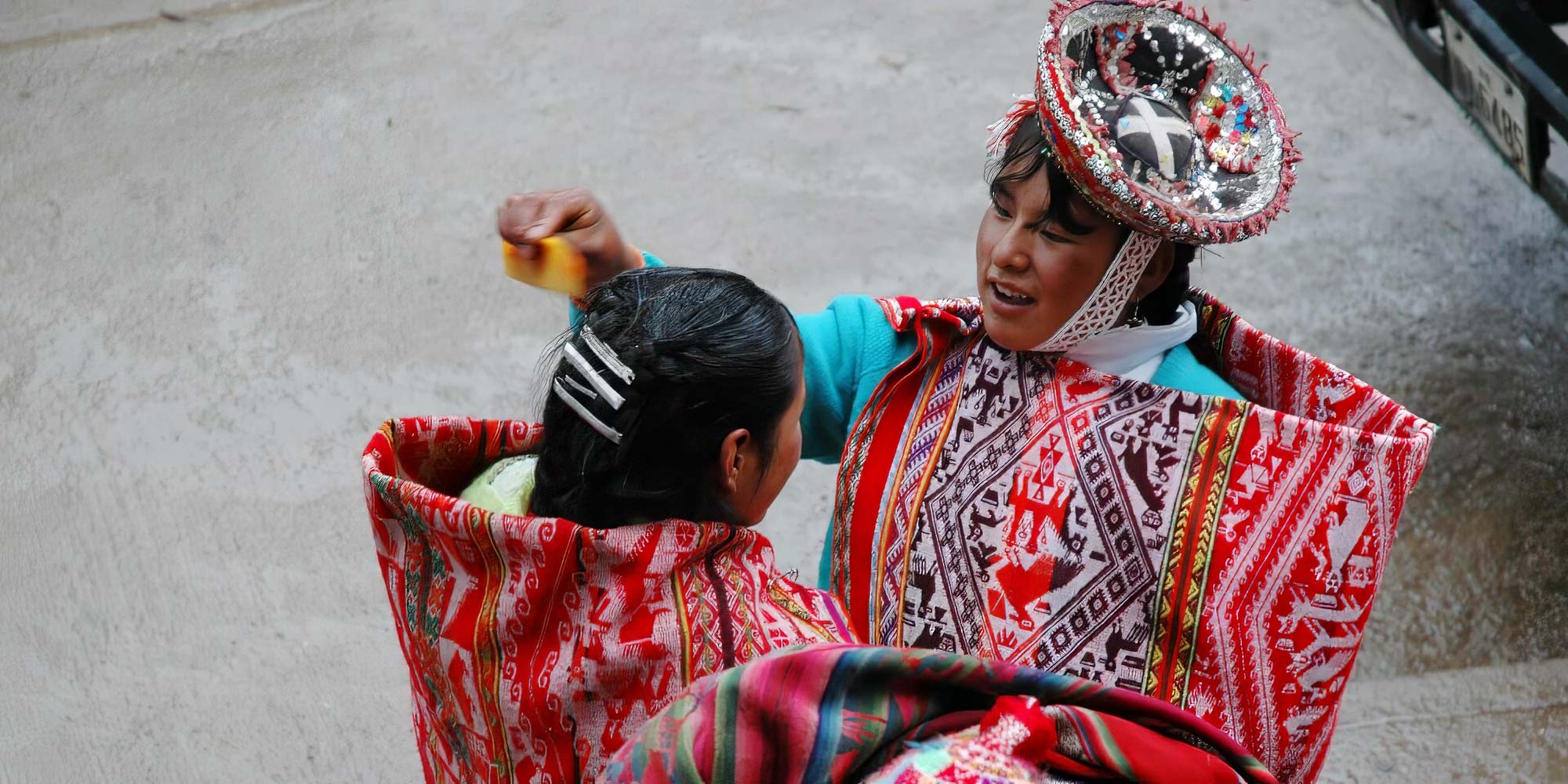
Their exceptional weaving skills showcase intricate designs influenced by Inca astronomy, medicine, and culture. After a weaving demonstration, we begin our trek.
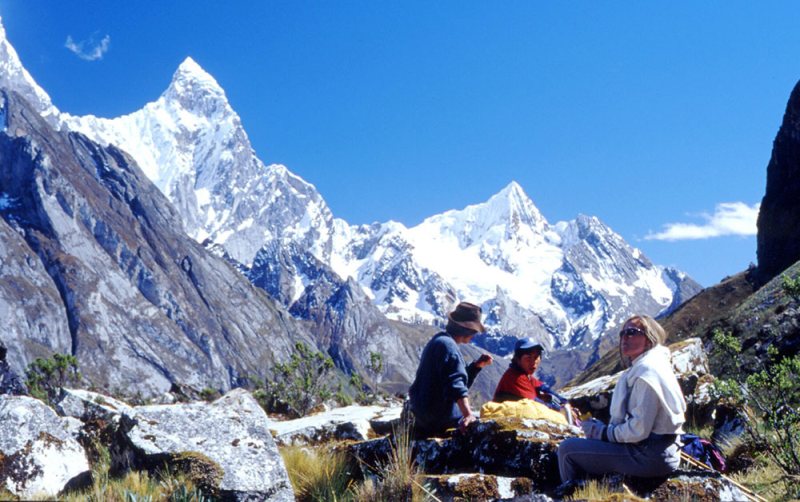
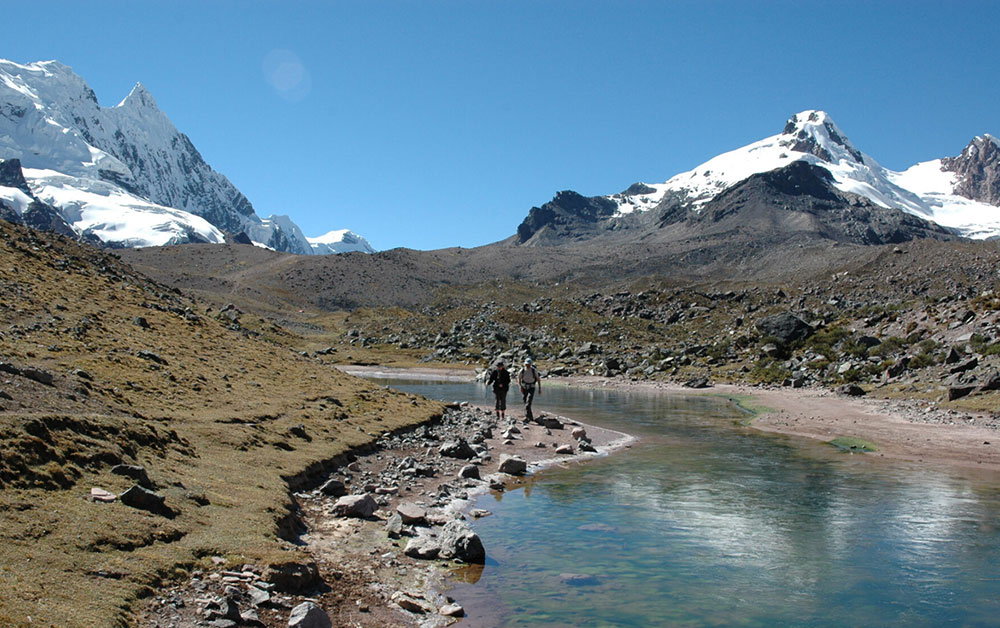
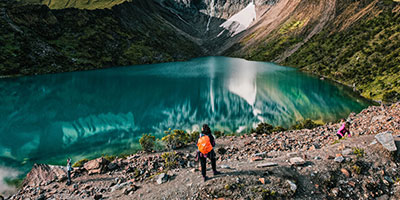
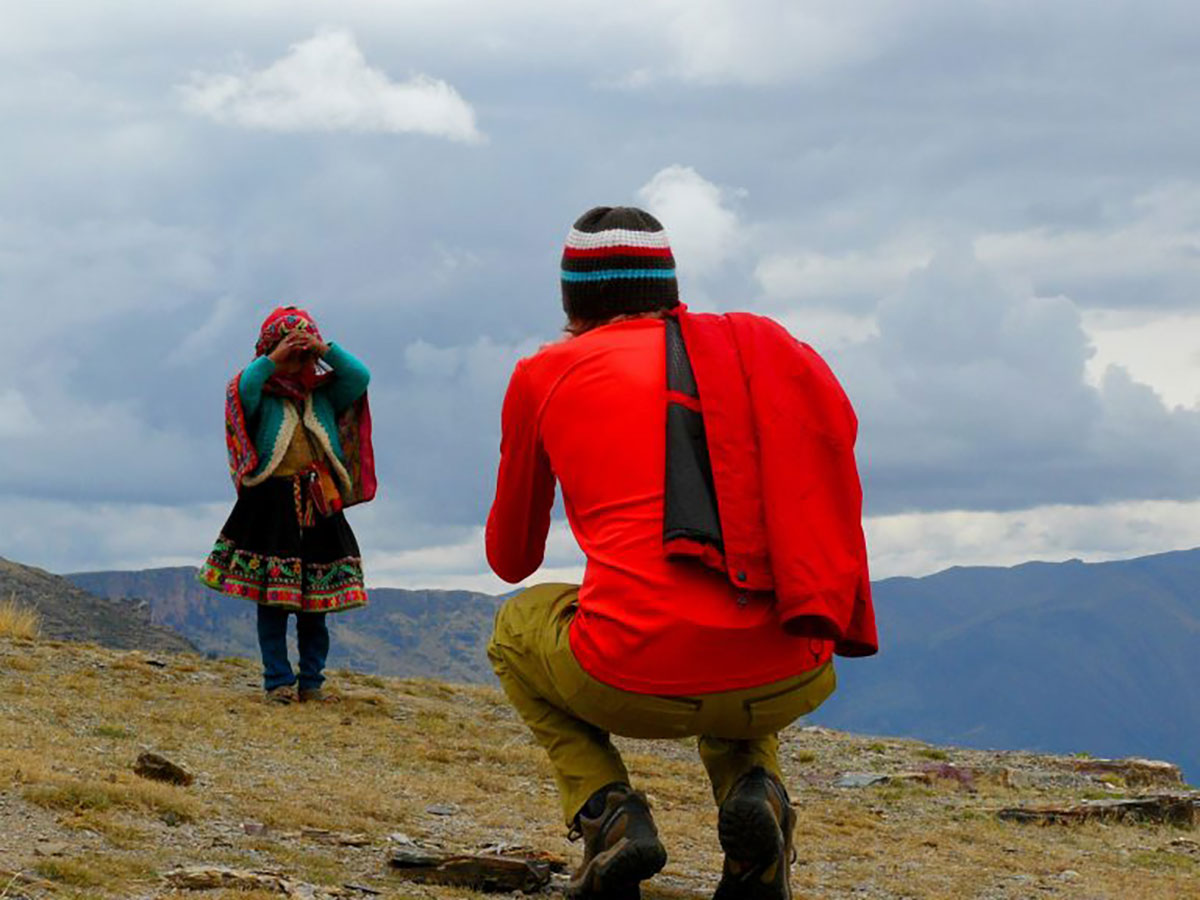
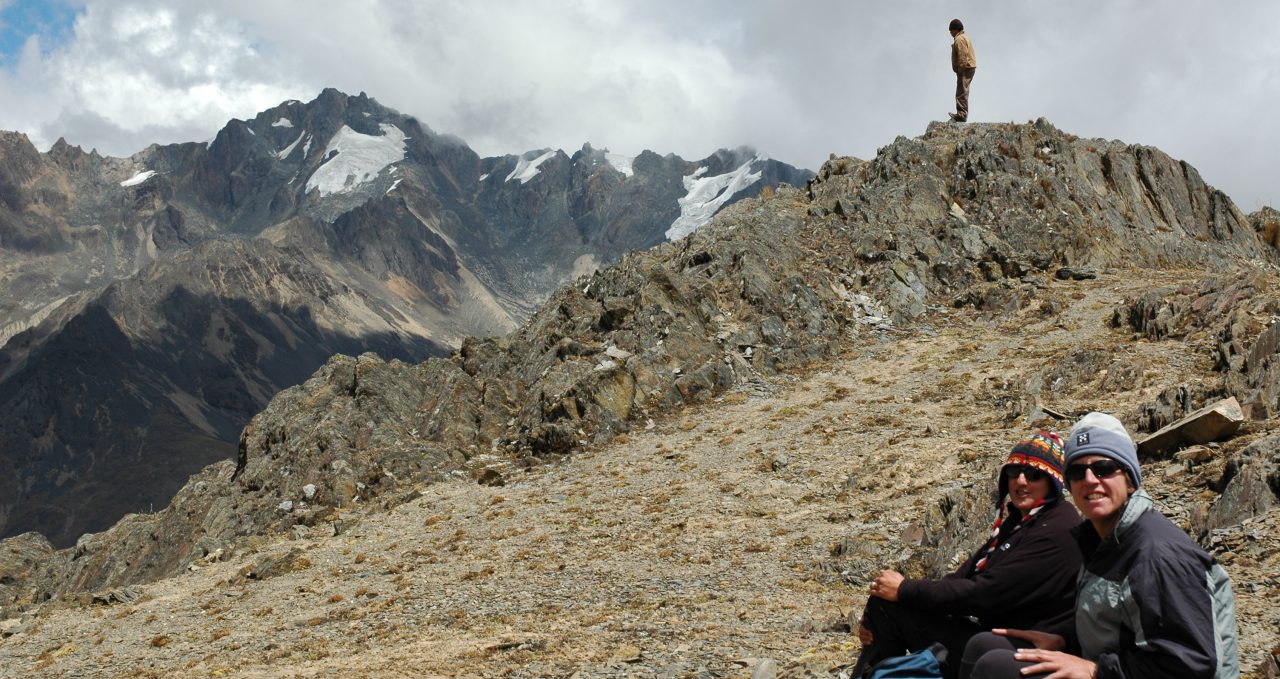
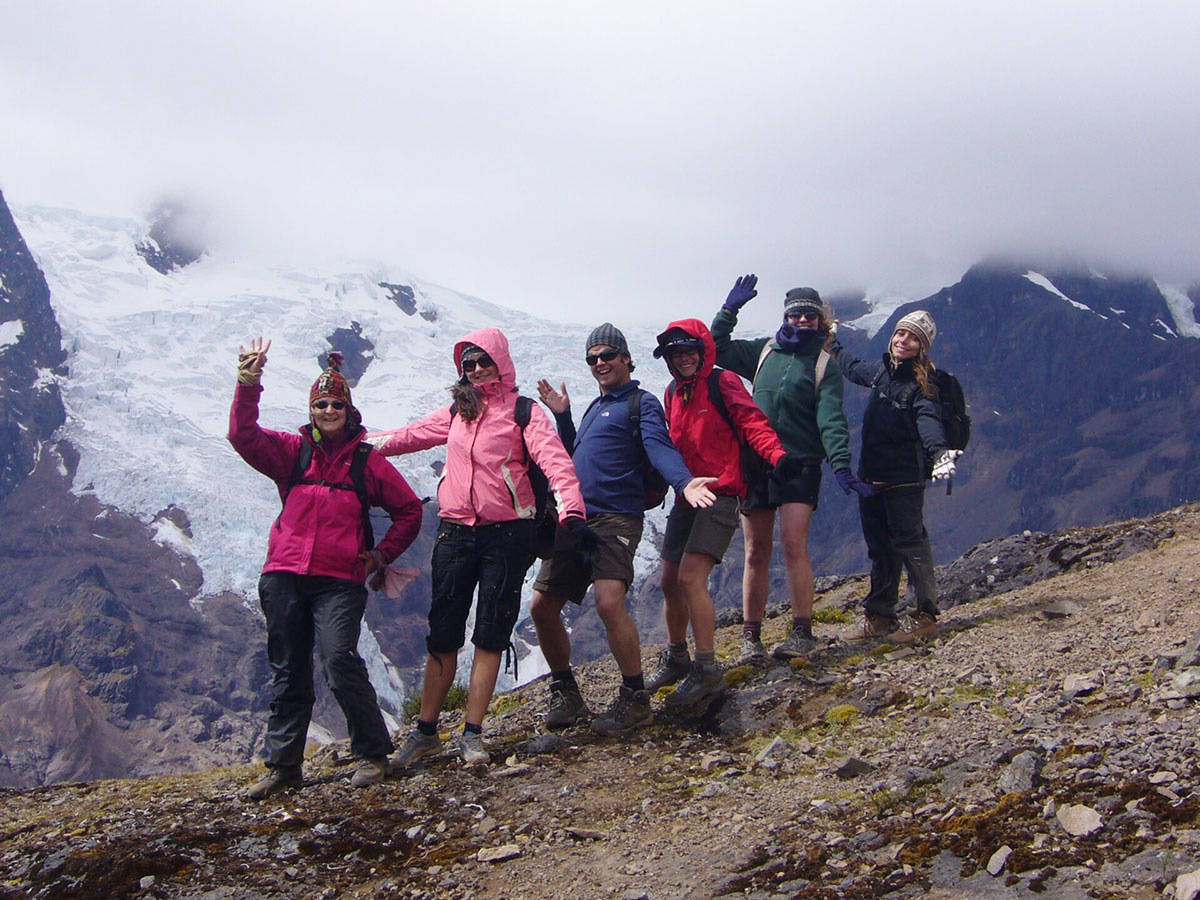
The highlight of today’s hike is reaching the highest point of the Lares Valley trek—Condor Pass (4,600m/15,091ft)—after a three-hour ascent. Here, we are rewarded with spectacular views of snow-covered Andean peaks and Aurora Lake. Keep an eye out for grazing llamas and alpacas.
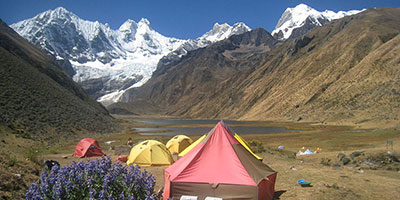
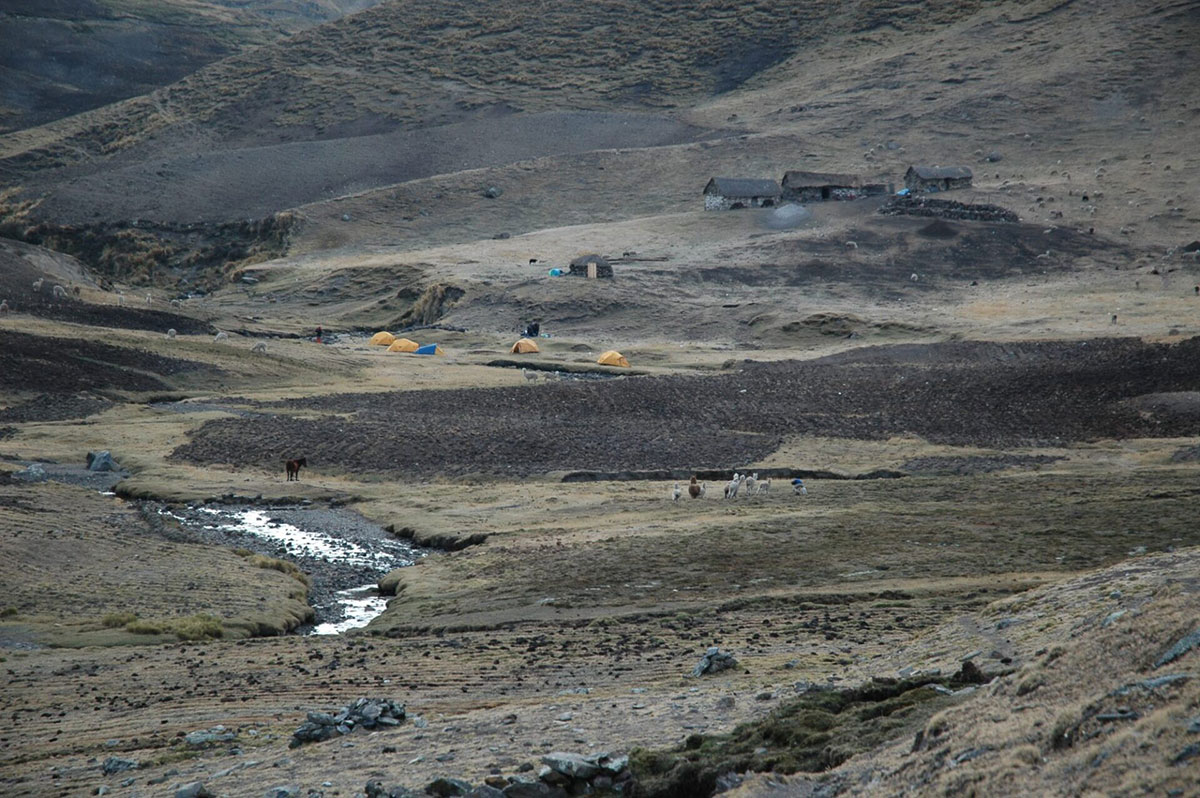
We head downhill for an hour to a scenic lakeside spot for lunch before continuing for two more hours to our next campsite at Mantanay. After dinner, we’ll gather around a bonfire for marshmallows and stories.
Hiking Time: 7 hours
Difficulty: Moderate
Overnight: Campsite at Mantanay
With most of the ascent behind us, we break camp and descend for three hours through high Andean jungle. Along the way, we see native trees once used by the Incas for tools, houses, and bridges.
At Yanahuara, a Sacred Valley farming community, we meet the Baca family, who have been cultivating crops for four generations. Señor Baca will show us around the farm, where we can help gather produce for lunch and cut alfalfa to feed guinea pigs—an Andean staple prepared for special occasions.
While our chef prepares a fresh meal, Señora Baca will share the secrets of chicha, the traditional Inca corn beer, and talk about its historical significance and brewing process.
Chicha is a fermented alcoholic drink made from maize, though variants use quinoa, yucca, or potato. Central to Inca rituals and ceremonies, chicha remains popular during special occasions. It’s often brewed at home and sold in chicherías, small taverns identifiable by a red flag outside.
After our farm-to-table lunch, we drive to Ollantaytambo, where we check into our hotel before dinner at a local restaurant.
Overnight: Pakaritampu Hotel, Ollantaytambo or similar
Note: You’ll be picked up at 5:20 am to catch the 6:00 am train.
Our team will collect you from your hotel and take you to the station. The train journey from Ollantaytambo to KM104 offers wonderful views of snow-dusted peaks and the winding Urubamba River. As we travel through the Sacred Valley, we pass fields worked by local farmers and small villages, and see the landscape transform from lush pastures to jungle full of orchids and ferns.
After a scenic two-hour ride, we disembark and notice the warmer, humid air—a hint of Peru’s Amazon rainforest. This fertile region is home to a variety of crops, including yucca and sweet potatoes. Our team greet you here for a delicious breakfast before beginning your hike. At the Inca Trail checkpoint, we have passports and permits checked—something we’ve arranged in advance—before starting the trek.
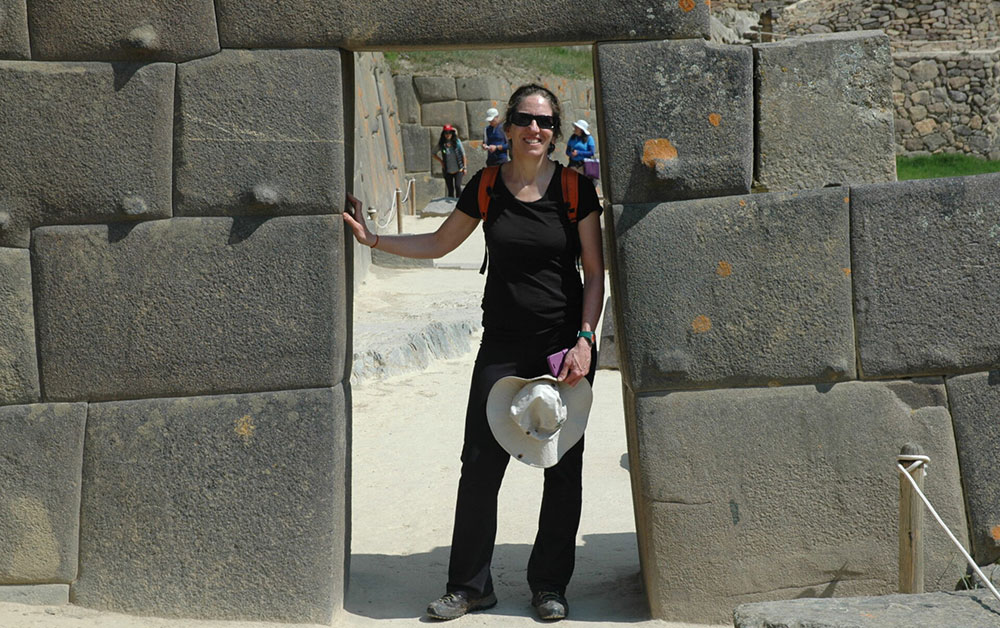
Shortly after crossing the Urubamba River, we arrive at the interesting Chachabamba ruins. Discovered in 1940, this archaeological site served both religious purposes and as a gateway protecting Machu Picchu.
Situated at 2,150m (7,054ft), the site features ceremonial baths, a natural rock altar, and a small plaza that offer glimpses into the spiritual and cultural practices of the Inca civilisation.
From Chachabamba, we set off on our trek to Wiñay Wayna, which means “Forever Young” in Quechua. Located at 2,650m (8,695ft), the hike to this site takes approximately 3-4 hours, with a combination of uphill sections and flatter stretches.
Along the way, we’re treated to lovely scenery—waterfalls, orchids, and sweeping views of the Sacred Valley. We’ll also catch a glimpse of Machu Picchu mountain, though the main ruins remain hidden for now.
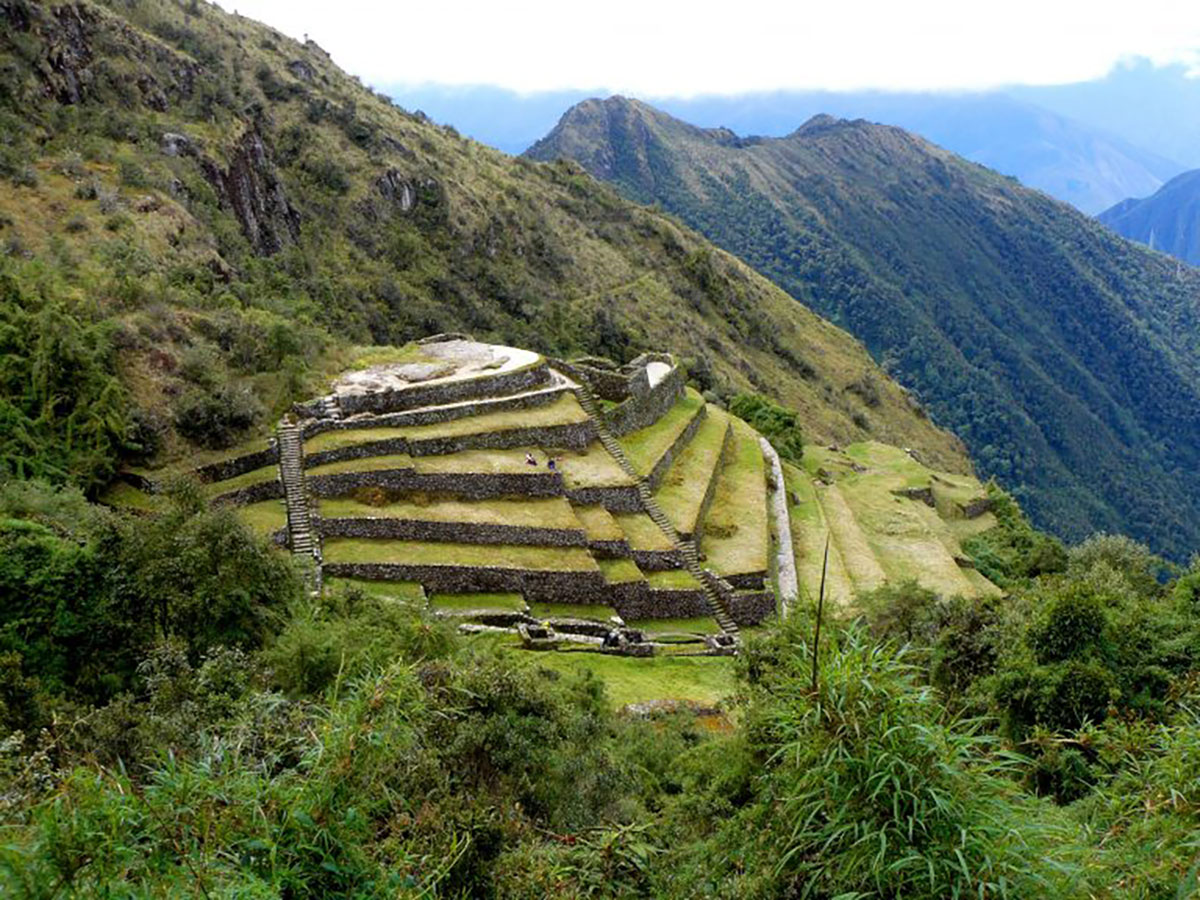
Wiñay Wayna is one of Peru’s most visually striking Inca sites, perched on a steep mountainside overlooking the Urubamba River. The site is renowned for its agricultural terraces, the Temple of the Rainbow, intricate fountains, and stone architecture.
Often shrouded in mist from the cloud forest, these ruins exude a mystical charm. After exploring the site, we take a break for lunch in this serene spot.
We continue along a relatively gentle 3-mile (4.7km) trail towards Machu Picchu. Our destination is the iconic Sun Gate, or Inti Punku, situated at 2,745m (9,005ft). As we approach the gate, the view remains hidden until the last moment.
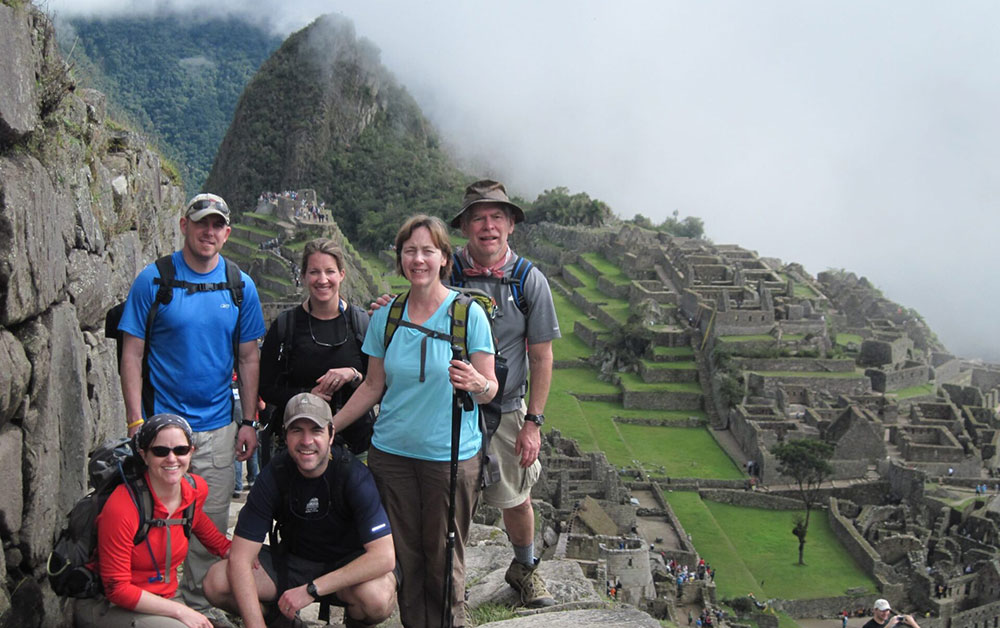
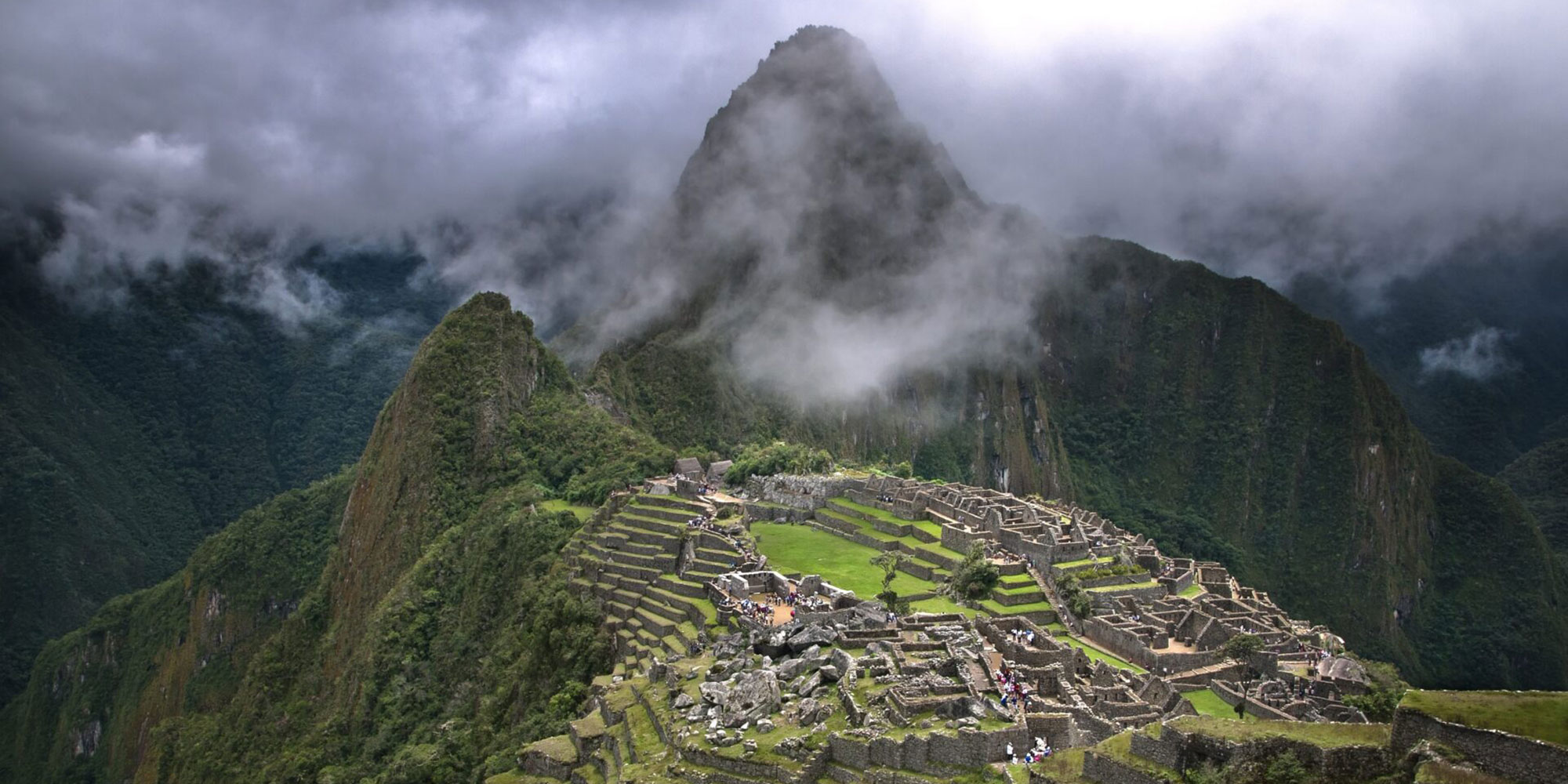
Passing through Inti Punku, the awe-inspiring sight of Machu Picchu reveals itself. Once a strategic fortress controlling access to the ancient citadel, the Sun Gate now offers visitors an unforgettable first glimpse of Machu Picchu, 300m (985ft) below.
In addition to its role as a look out point, the Sun Gate holds astronomical significance: during the summer solstice, sunlight aligns perfectly as it passes through the gate.
By arriving in the afternoon, we avoid the early morning crowds, allowing you to take in the views and capture that perfect photo. From here, we descend towards the ruins but take a detour to the right, leading us to the entrance where we catch a bus to Aguas Calientes.
After checking in at our hotel, we have dinner at a delightful local organic restaurant. The day concludes with a good night’s sleep in preparation for tomorrow’s in-depth exploration of Machu Picchu.
Distance: 10km / 6.3 miles
Elevation: 2,150m-2,750m-2,040m
Hiking Time: 4-5 hours
Difficulty: Easy to Moderate
Rising early, we aim to be at the site in time to see the sun rise over Machu Picchu. A 25-minute bus ride takes us to the entrance, where your guide leads a two-and-a-half-hour tour of the site’s highlights, including:
For the adventurous, additional hikes to Huayna Picchu or Machu Picchu Mountain offer fabulous views (permits required)
After exploring, we head back down to Aguas Calientes for lunch and return to Cusco via train and bus, bringing our journey to a close.
If you wish to climb Huayna Picchu or Machu Picchu mountain, places now also have to be pre-booked and come at an additional cost.
A steep one-hour climb (360m above the main Machu Picchu ruins), much of which is up Inca stairs. The climb involves scrambling and requires a good head for heights as there are some drops and a set of steep stairs – with no railing.
The views from above are wonderful and certainly reward those who tackle it. It’s worth visiting the Temple of the Moon on the west side of Huayna Picchu mountain, 400m below the summit. There is some high quality Inca stone work inside a cave, once a sacred place. Climbing Huayna Picchu is popular and permits usually sell out, which means there will be 200 climbers for each time slot given.
Do not attempt this climb if you are concerned about suffering from vertigo.
Just south of the site, and overlooking it, is a 650m climb up a well made Inca pathway (approx 1.5 hrs to top, 1 hr down) to the top of Machu Picchu Mountain.
There are some Inca constructions on the top that were probably for religious ceremonies, given the prominent position of the mountain. The hike takes you through lush forest, keeping a look out for birds, flowers and snakes sunbathing on the path.
The views over the site a great and you can view the iconic Huayna Picchu as the backdrop to Machu Picchu, as well as the mountains beyond. It is attracting more and more people as an alternative to Huayna Picchu but is still a lot quieter.
One night camping with dining tent and toilet tent, simple guest house in Huacawasi and hotels in Ollantaytambo and Aguas Calientes.
We have classified this as a moderate trek, and you need to be in good physical shape for it.
You hike 3-5 hours a day, on four consecutive days, over rugged mountain trails at elevation.
There is a high altitude pass to cross at 4,700m/15,420ft before dropping into lower elevations en route to Machu Picchu.
Pre-trip preparation should include challenging cardiovascular exercise (including regular hikes on varied terrain) and a healthy, balanced diet.
Well-worn hiking boots and additional acclimatisation nights in Cusco (3-4) before the trek are both highly recommended.
All guests are encouraged to hike at their own pace, taking breaks whenever needed, to ensure a successful and enjoyable trek for all.
Most people go to bed fairly early after a long day trekking, to recover energy for the morning.
Vegetarians and many other dietary requirements are catered for without problems. Please let us know in advance of any requirements you have.
On Lares, you generally wake early, usually around 07.00. Breakfast is served in a dining tent, and consists of hot drinks, porridge, toast, jams and bread, and your guide will explain the day’s trekking plans.
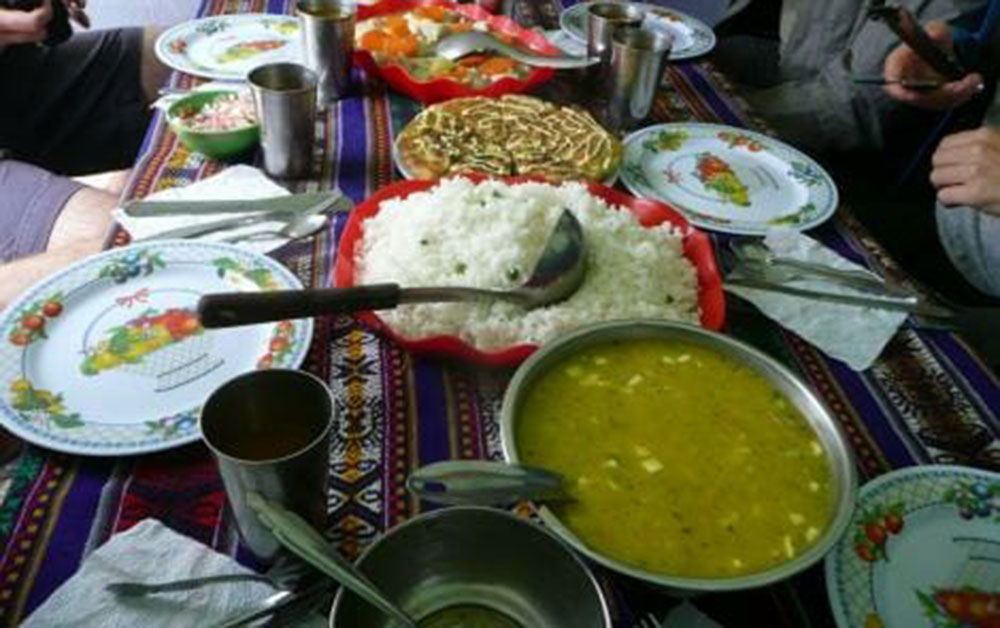
Lunch is usually around 13.00 and can feature soups, meats, salads and fish, with vegetarian options and hot drinks too.
The campsites are comfortable and around 17.00 hot drinks, popcorn and other snacks are served to help you recover energy.
Dinner is served around 19.30, and will feature pasta, mashed potatoes, meat, fish or vegetarian options, followed by hot drinks and a pudding.
On the Inca Trail, you have breakfast at your hotel on the day we start, followed by a packed lunch of sandwiches, snacks and fruit etc. Dinner is your own choice from the restaurants in Aguas Calientes.
All guides are certified, bilingual, English-speaking guides who have worked with us for many years.
Cooks, mule drivers and additional staff are all from the local, Lares communities and we have worked with them for a long time.
A challenging and rewarding Lares Valley trek offered breathtaking altitude views and exceptional support throughout.
A beautifully organised family adventure in Peru — so enjoyable the first time that we trusted Andean Trails completely for another unforgettable trip.
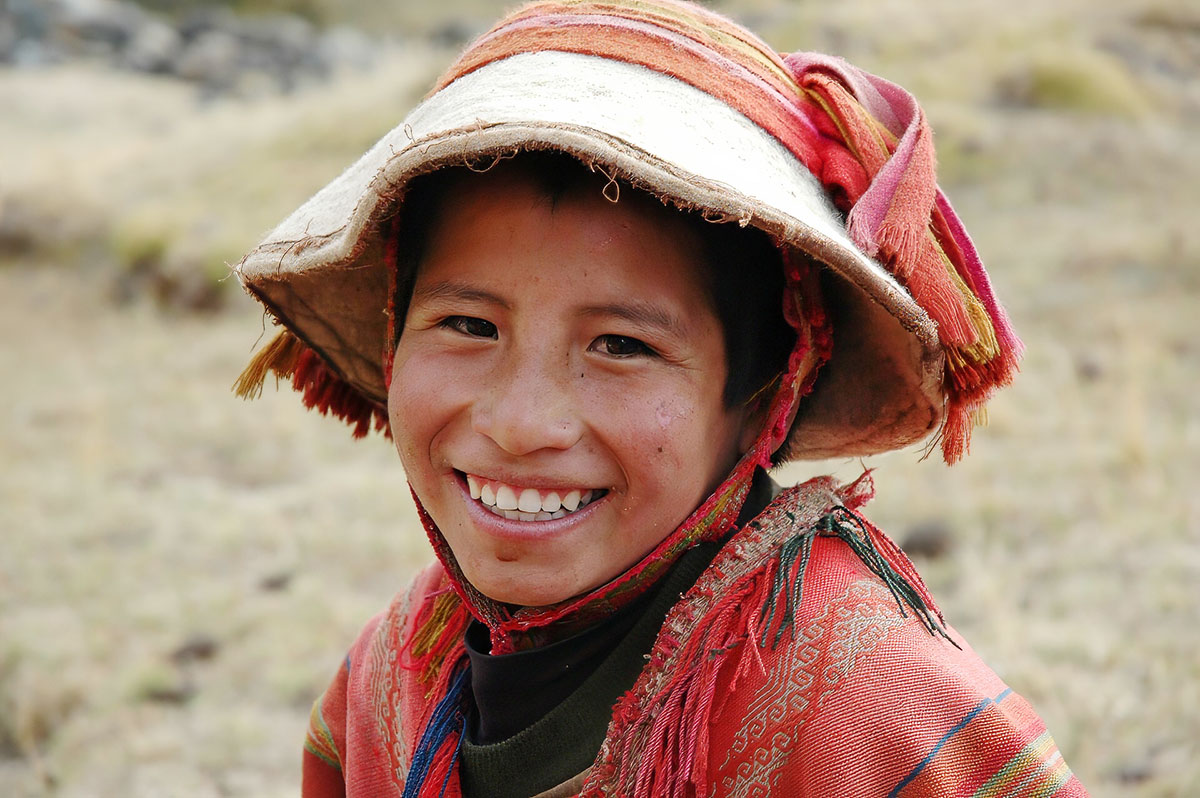
Our unique combination of two hikes gives you an authentic view of highland life in Peru.
This is followed by arrival at the famous Sun Gate that overlooks Machu Picchu.
First is Lares, a trek that brings you close to traditional weaving and farming cultures, enormous Andean mountains and lovely hot springs in which to rest those aching legs.
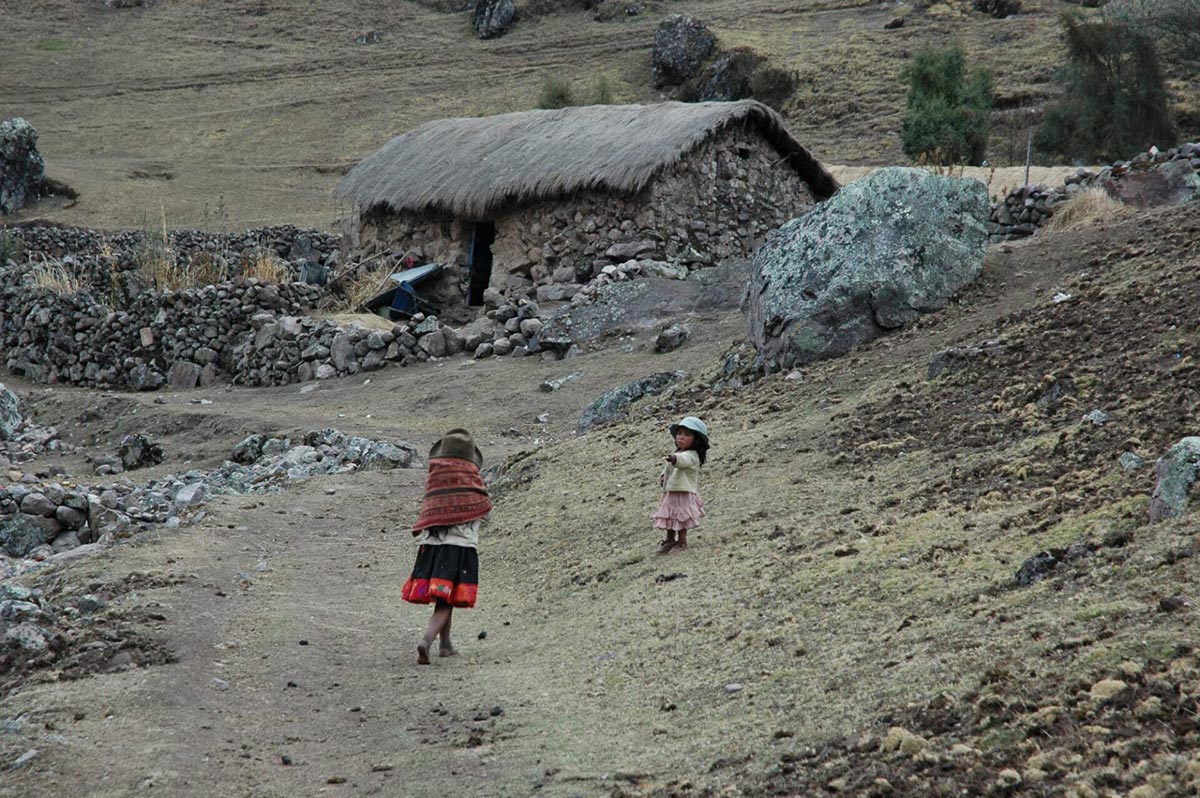
Passing through the rich farming land of the Sacred Valley we start walking deep into the Cordillera Urubamba.
We traverse high mountain peaks and fertile valleys, stopping along the way to enjoy panoramic views, lakes and natural hot springs.
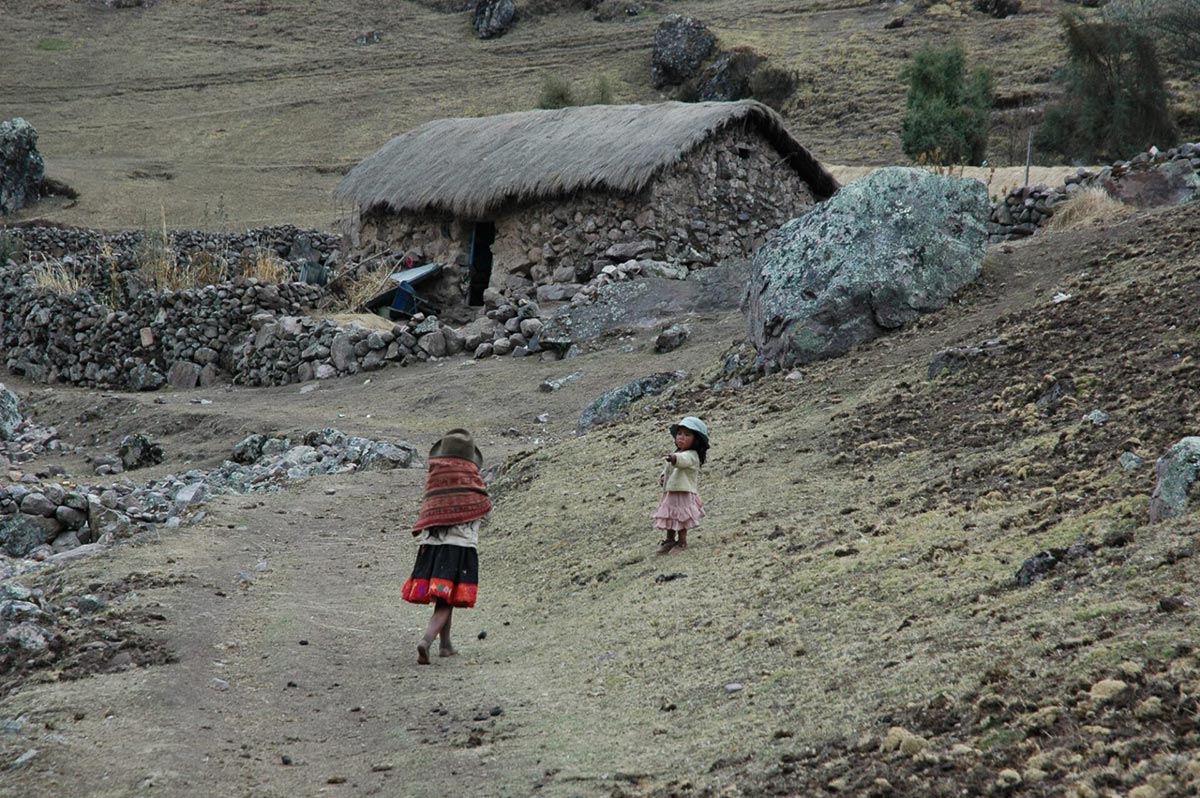
The remoteness of the area has allowed its people to preserve traditions of llama and alpaca herding and potato cultivation.
This area is most famous for its traditional colourful weaving, much of which dates back to pre-Inca times.
You spend a night in historic Ollantaytambo before waking early and travelling to the start of the two-day Inca Trail.
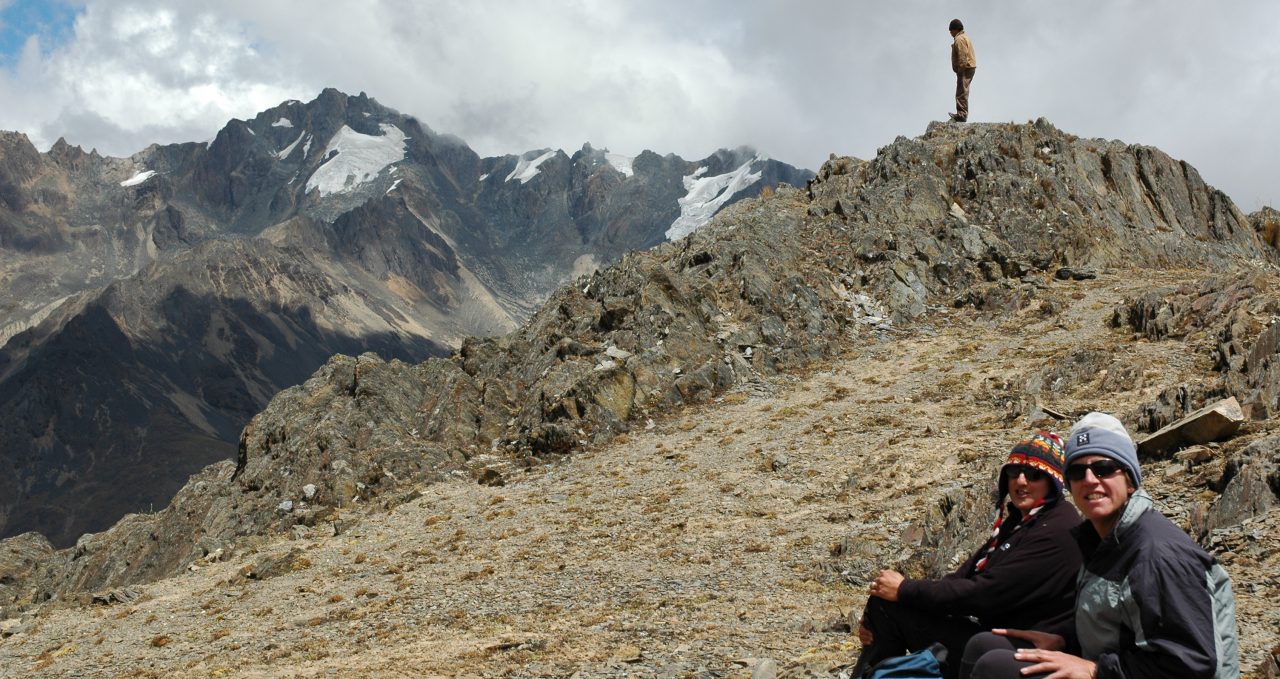
This short, 2-day version of the classic 4-day Inca Trail is perfect for those looking to get to Machu Picchu on the path less known.
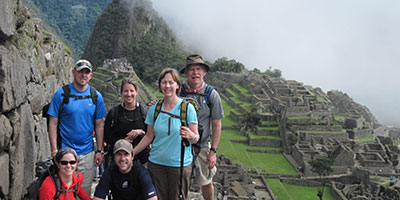
Hiking up out the valley you visit the impressive Winay Wayna Inca site en route to the Sun Gate for that first and famous look at Machu Picchu, the magic Lost City of the Incas.
There is a day dedicated to exploring the complex before the return to Cusco.
Inca Trail trek permits are sold on a first come, first served basis and sell out months in advance, especially in the peak period of May-Sept.
From: $1237 per person
Duration
4 days

Peru is made up of 3 distinct geographical areas: the coast, the mountains and the jungle.
The costa or coastal region is a narrow ribbon of desert 2,250 km long, crossed by fertile river valleys flowing from the Andes. It takes up 11% of the country and holds more than 40% of the population.
The cold Humboldt current gives rise to a blanket of mist – the garua – which hangs above coastal cities like the capital Lima from May to November.
Heading east, you’re soon climbing above the garua and into the Andes. The sierra, or mountainous region, covers some 25% of Peru’s territory and contains 50% of the population. The sierra inhabitants are mainly Indigenous or Mestizo, and many still speak Quechua or Aymara.
The sierra contains dozens of 6,000-metre snow peaks and volcanoes, including Huascaran (6,768m) the highest mountain in the tropics. The deep valley basins contain most of the towns and arable land; the terracing and canal systems of the Incas and pre-Incas are often still used today.
The eastern Andes are heavily forested up to 3,350m and sweep down into the Amazon Basin.
Peru’s selva or jungle makes up almost two thirds of the country’s area, but holds only about 6% of the population: the only towns with significant populations are Iquitos and Pucallpa.
Peru is the perfect holiday destination for adventure travellers that want an amazing variety of activity, geography and cultural travel experiences.
The breadth of travel experiences in Peru is breathtaking – from trekking in the Andes to Machu Picchu to the tropical jungle of the Amazon, and plenty in between.
The people of Peru make it a special destination too, with its colourful and traditional street life and friendly locals.
Good kit is vital for every trip.
Book with Andean Trails and get 15% off Páramo’s fantastic ethical and high performance outdoor gear.
Good kit is vital for every trip.
Book with Andean Trails and get 15% off Páramo’s fantastic ethical and high performance outdoor gear.
When planning for the varied climatic conditions encountered, layering is the most practical and versatile clothing system. It’s worth remembering that our clothing keeps us warm by retaining and isolating the heat we ourselves create.
To best maintain body heat, several layers of lightweight, warm and quick-drying clothing are far more efficient than one or two thick layers. Layers should have the following qualities:
First (base) layer: This layer wicks the sweat away from our skin, thus helping keep the body dry and warm. To this end, synthetic fabrics such as polypropylene should be used.
Mid layers: These isolating layers should also be synthetic (e.g. the known polar linings such as polartec or windblock, which are light and insulate twice as well as wool). Very important layers for retaining body heat.
Outer layer / shell: Finally, the vital layer which protects us from climatic adversities. A breathable, wind-proof and waterproof anorak, such as Goretex.
Give plenty of thought to kit selection, and try to keep weight down.
We also carry an extensive first aid kit & oxygen on all trips, but these are generally for emergencies only.
Below is a more detailed kit list.
You can also read about the weather of Peru in our blog.
You can also read about the weather of Peru in our blog.
Peru is located in the southern tropics (latitudes 0º to 18º), but climate varies significantly according to season, altitude and region.
From May to October, Lima is often overcast, but with minimal precipitation. There are sunny spells, and it’s a fresh to pleasant 13-20ºC.
At the same time, inland areas and the north coast mid to high 20’s ºC.
November to April is generally warm and sunny and Lima enjoys warm temperature of 19-25ºC, with the coast averaging 22-30ºC.
Climate depends largely on altitude. As a rule of thumb, below 2,000m climate is mild and above 2,000m warm clothing is required for evenings, nights and early mornings.
The Andean sun is very strong.
Cusco (3,300m): Average max/min temps: 22ºC /2ºC. Average 3 or 4 wet days per month.
Arequipa (2,380m): Average max/min temps: 26ºC /9ºC. Sunny more than 340 days/year with minimal precipitation.
On highland treks: Conditions are generally dry. However, at this time of year, expect a range of conditions within a single day: cold/freezing nights at camps above 4,000m, where pre-dawn temperatures can be -5ºC; warm, spring-like mornings and afternoons; and cold evenings.
Note that mountain weather can be fickle and localised, and that precipitation is not unknown in the dry season. Expect temperatures to swing between sun and shade, sheltered and exposed ground and with altitude gain and loss. A quick-setting sun means temperatures drop fast.
In the cloud forest, e.g. around Machu Picchu, daytime conditions are generally warm or hot, and evenings cool.
Cusco: Average max/min temps: 23ºC /6ºC. Average 13 wet days per month.
Arequipa: Average max/min temps: 25ºC /14ºC.
On highland treks: Wetter conditions, with cooler days and milder nights than dry season. Jan-Mar usually the wettest months.
Year-round, weather conditions are hot and humid and there is always the risk of rain.
There is a ‘dry season’ in Tambopata and Manu between May and October. The average daytime high temperature is between 25°C and 34°C and the average nighttime low is between 16°C and 22°C. Heavy downpours typically occur every few days.
Around 80% of annual average rainfall – approx 2,000 mm in Manu and Tambopata and 1,400 mm in Iquitos – occurs in the wet season Nov-April.
On rare occasions, between May and September, cold fronts from Argentina – ‘friajes’ – can sweep into southwest Amazonia and push temperatures down to 9°C. (Friajes usually last between 1 and 3 days).
A challenging and rewarding Lares Valley trek offered breathtaking altitude views and exceptional support throughout.
A beautifully organised family adventure in Peru — so enjoyable the first time that we trusted Andean Trails completely for another unforgettable trip.