From: £1,076
From: $1,432
Arrive Bogota.
Met on arrival and transfer in (30mins) to your hotel in the Candelaria district of Bogota.
Take it slowly on arrival, as Bogota sits at 2,640m/8,661ft above sea level.
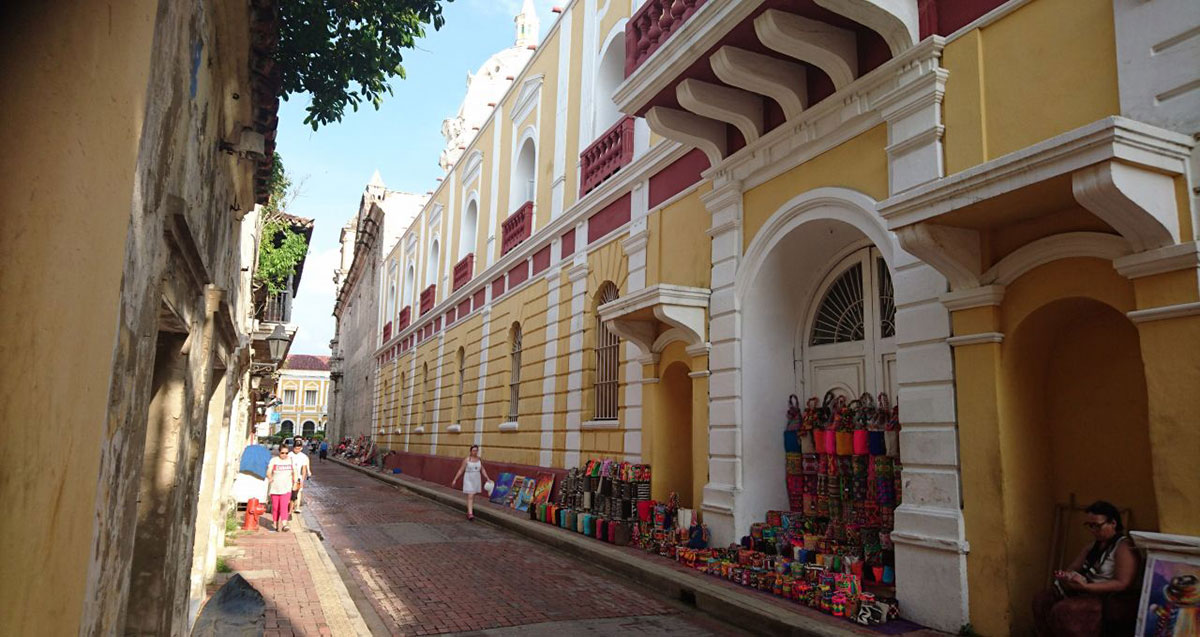
La Candelaria is the main attraction for most, with its colourful winding streets, coffee shops and artisanal stores.
The Gold Museum (Muséo de Oro) houses one of the world’s most important and impressive collections of pre-Colombia work – a must-see among the many excellent museums here.
Bogotá’s culinary reputation is growing, too, as international cuisine and local chefs combine the spectacular varieties of fruits and vegetables Colombia offers.
Culturally you will find good live music, excellent exhibitions and very hospitable people.
Today, enjoy a tour of this amazing city.
We go up at the start – the mountain sanctuary of Cerro Monserrate (3,152m/10,341ft).
Monserrate peers over the sprawling metropolis that is Bogota from its Cordillera Oriental (East) perch. We use a cable car to journey up to the panoramic views.
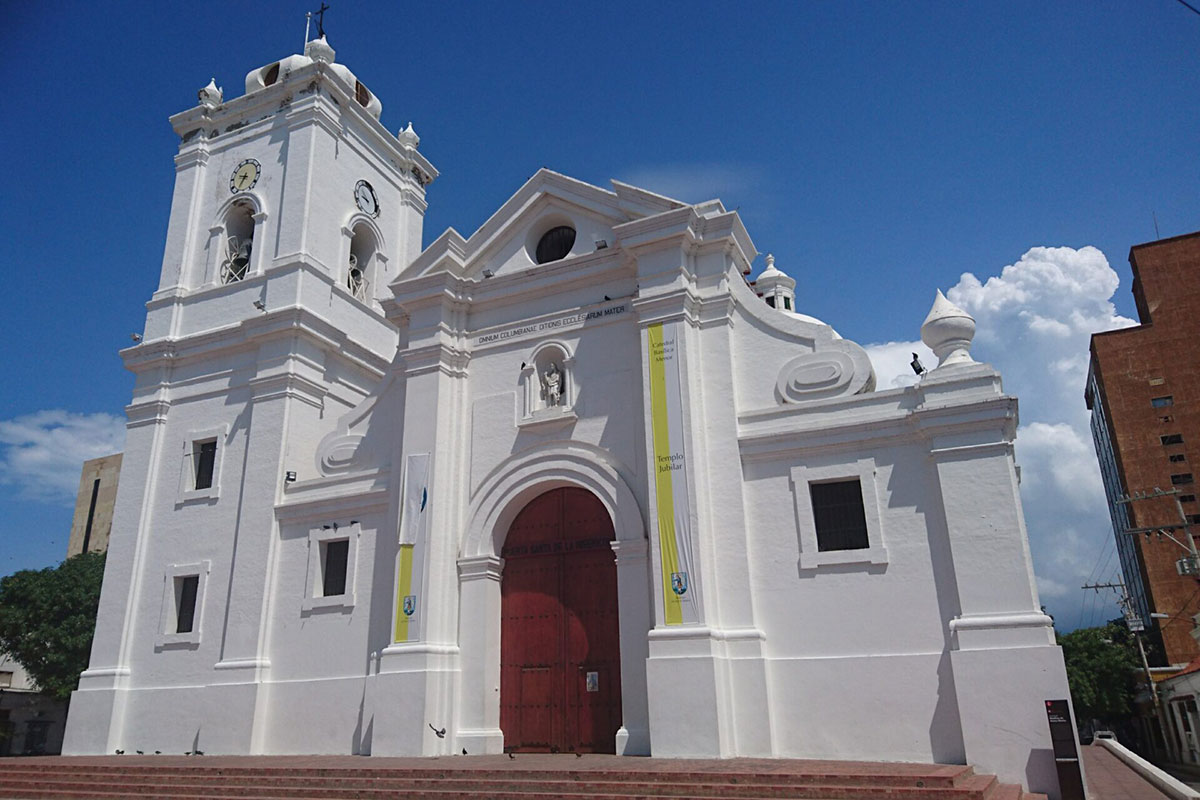
We visit the Basilica of Our Fallen Lord Monserrate, then use the railways again to descend to La Candelaria. This is Bogota’s famous colonial centre, very well-preserved and full of life, sounds and smells.
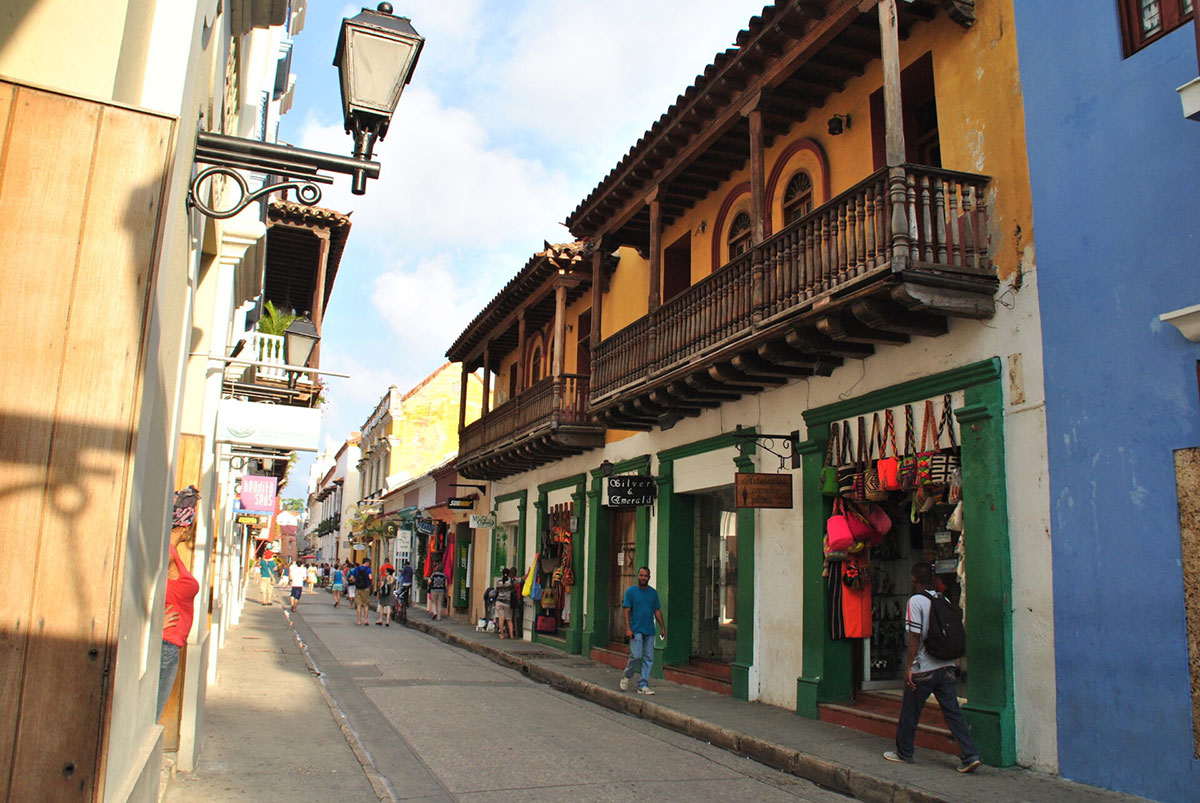
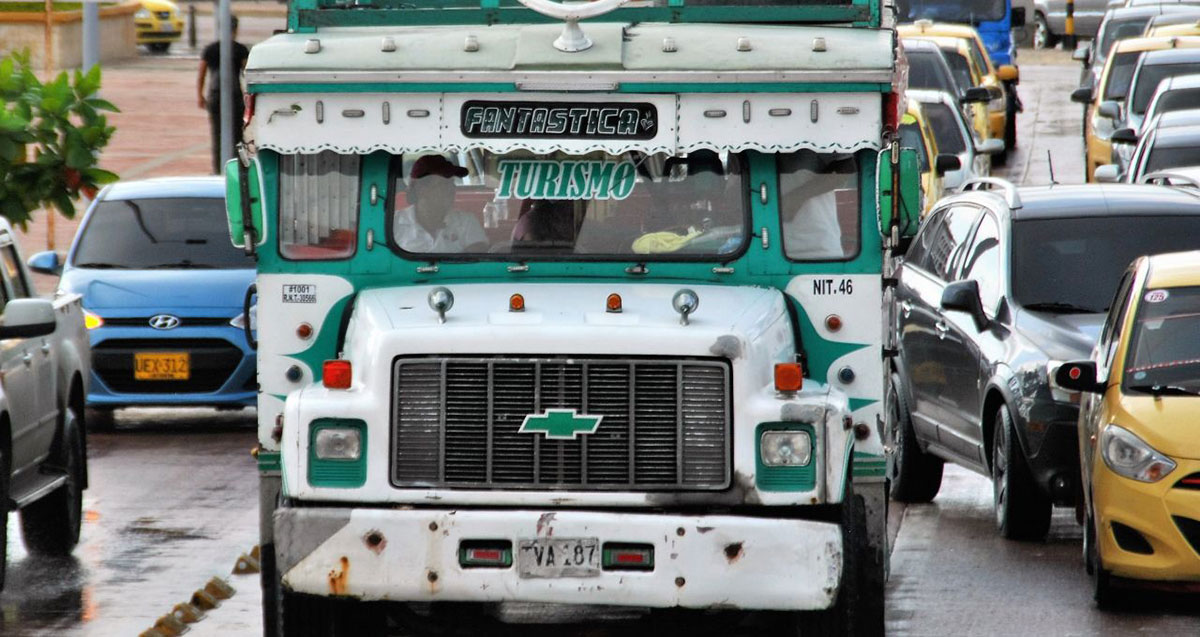
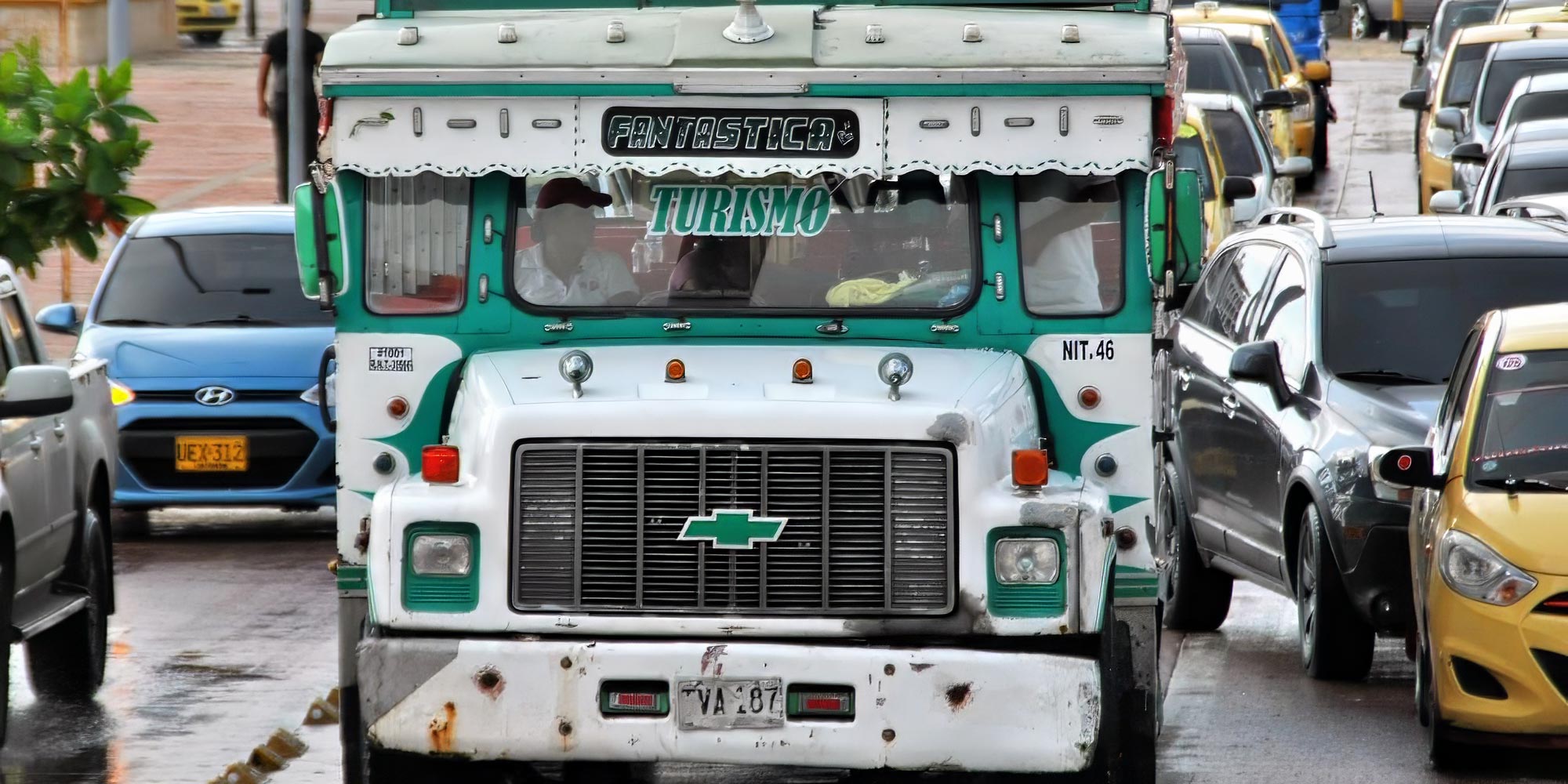
The streets are narrow but cars, buses and occasional donkeys shimmy alongside pedestrians beneath beautifully ornate wooden balconies and some brightly painted houses.
We take in the Botero Museum which houses pieces by Picasso, Renoir, Dali, Monet, Matisse and Degas as well as Colombia’s incredible Botero.
Then, Bogota’s renowned Gold Museum. Those with a specific interest may wish to allocate a whole day to see this enormous collection of more than 35,000 pieces, the largest collection of pre-Columbian gold in the world.
There are themed rooms and much to read and see, plus some interactive rooms to bring the history to life.
We end the tour in Plaza de Bolivar, Bogota’s main square, named after Simón Boilvar, central to the revolution and liberation of the Southern Americas.
You can visit the house museum of the ‘Flower Seller’ and see a broken vase that sparked the revolution and the independence of Colombia from the Spanish crown.
The rest of the day you’re free to explore at leisure and pick from a wide variety of local restaurants for dinner.
Our rep will meet you at your hotel and take you to Bogota airport for your flight (we can help to book flights) to Santa Marta.
We enjoy the sights en route as we drive past big cities, small towns, fishermen and through forests.
We’ll arrive at Palomino and head to our home for the next few days, and have lunch (not included).
Palomino is fast becoming the place to stay on the stunning coast.
Weary travellers are known to rest up here for days that turn into weeks, as good weather and chilled-out vibe are hard to break away from.
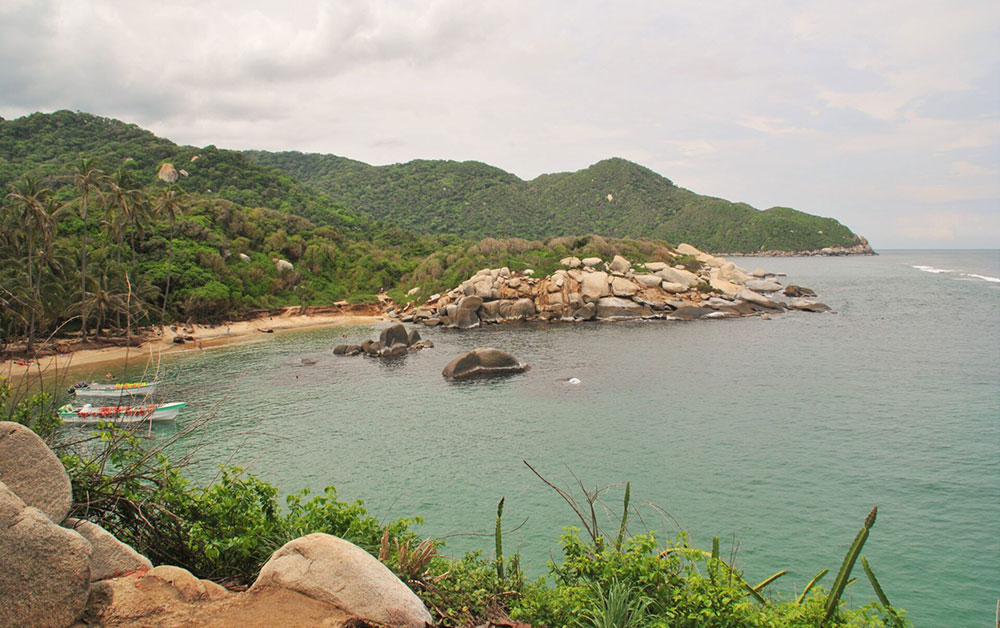
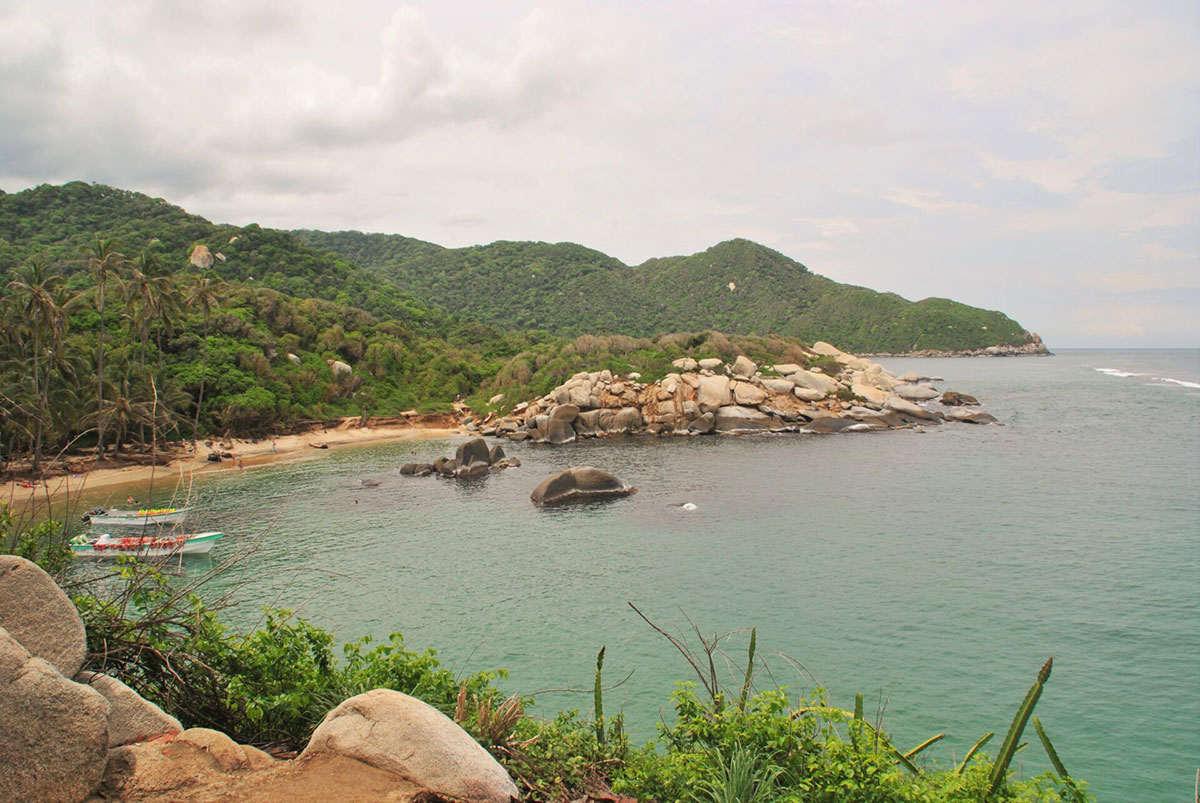
Palomino is 30km to the east of the famous Tayrona National Park.
Some areas of the sea are used for surfing (always ask locals, exercise caution, and be sure you are a strong swimmer, comfortable in the sea before entering the sea – currents are very strong).
The vibe is very laid-back and with some day tours, too.
You can go tubing, get massages, horse ride, take a day walk in the nearby mountains to visit an indigenous village or do some beach yoga.
Great place to unwind, listen to the pounding sea, relax, snooze and read a book, perfect!
You can extend your trip with a visit to Tayrona National Park and a day hike up to El Pueblito, a Kogui indigenous village in the hills.
OR
Undertake the 4-5-day walk to the Lost City, near Santa Marta.
The mountain range here, the Sierra Nevada de Santa Marta, is the world’s highest mountain range and contains Colombia’s two highest peaks. Cristobal Colon at 5,700m/18,700 ft, and the highest is Simon Bolivar at 5,775m/18,947ft.
Snow-capped, the peaks provide water for many people as well as for the banana, palm, rice and cotton plantations, as well as livestock farms.
More than 50,000 people of the Kogui, Arhuaco, Wiwa and Kankuamo indigenous groups live in the Sierra, known collectively as the Tayronas.
Within the park live jaguar, tapir, white-tailed deer and condor, to name a few. You can also find cashew trees, Andean wax palms and ecosystems ranging from rainforest to sub-Andean forest, to Andean forest, the paramo and then the snow level.
Relax, hire a scooter, read, yoga, sun bathe. Whatever you like.
We set off in a private car on our 5 hour drive to iconic city of Cartagena.
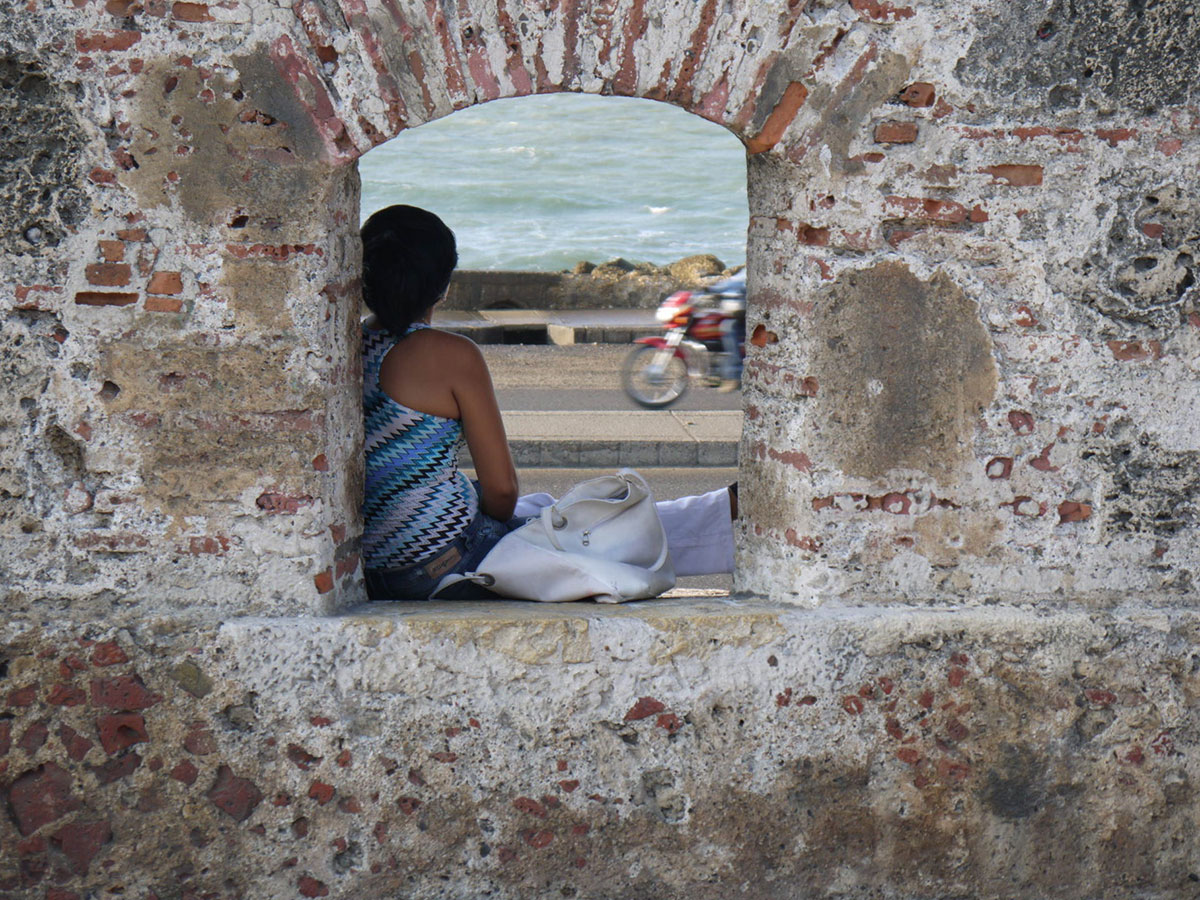
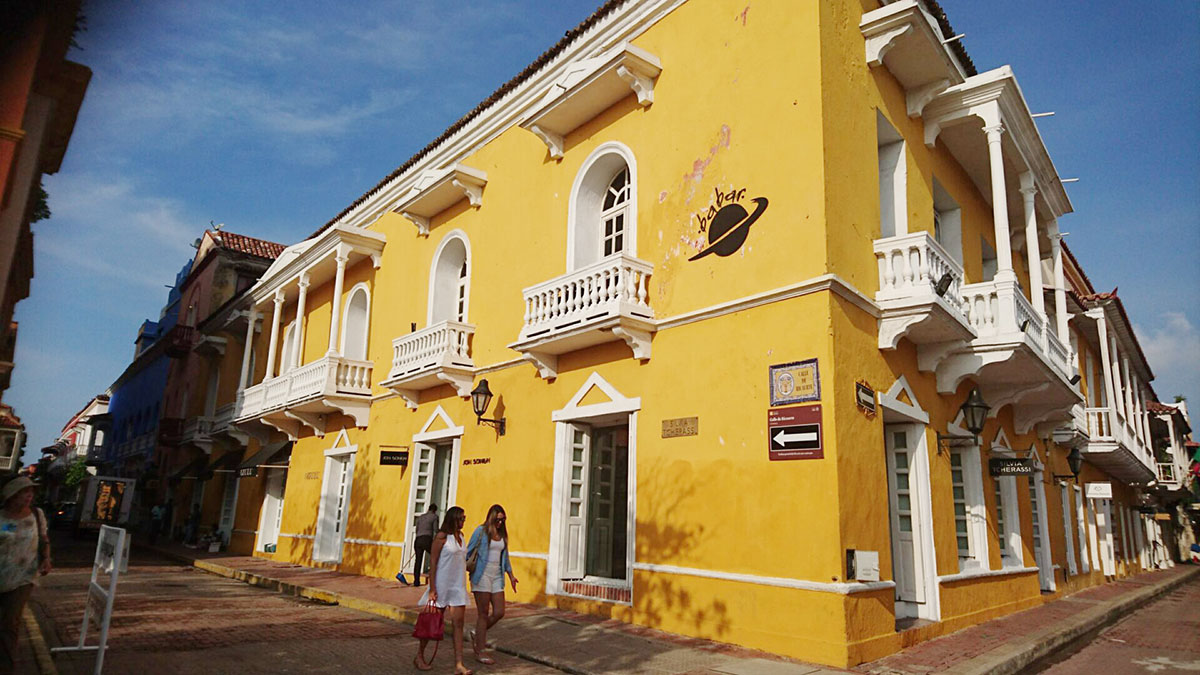
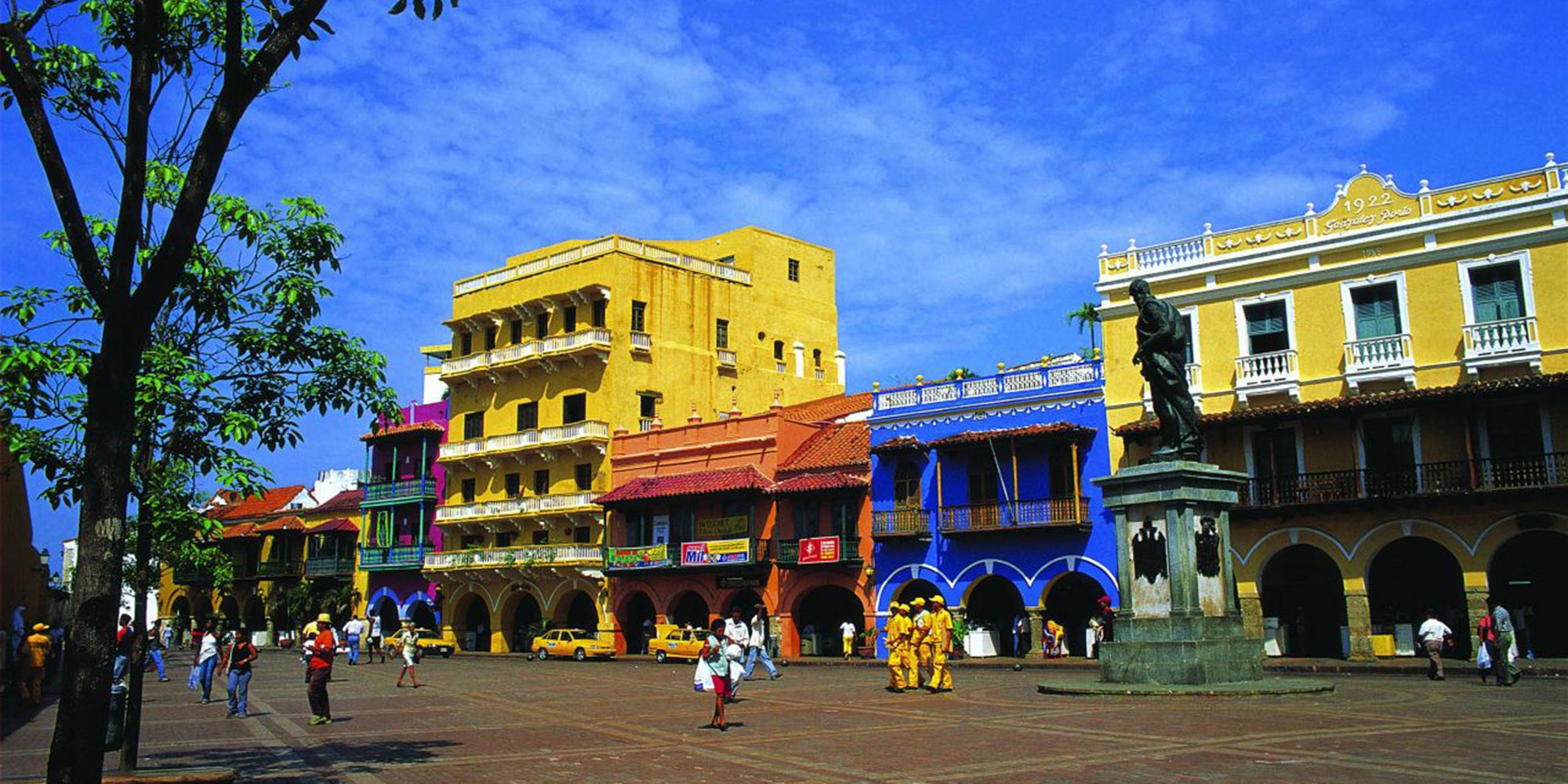
Iconic Cartagena de la Indias, the famous and beautiful colonial town with a Spanish-built castle, whose walls were never breached.
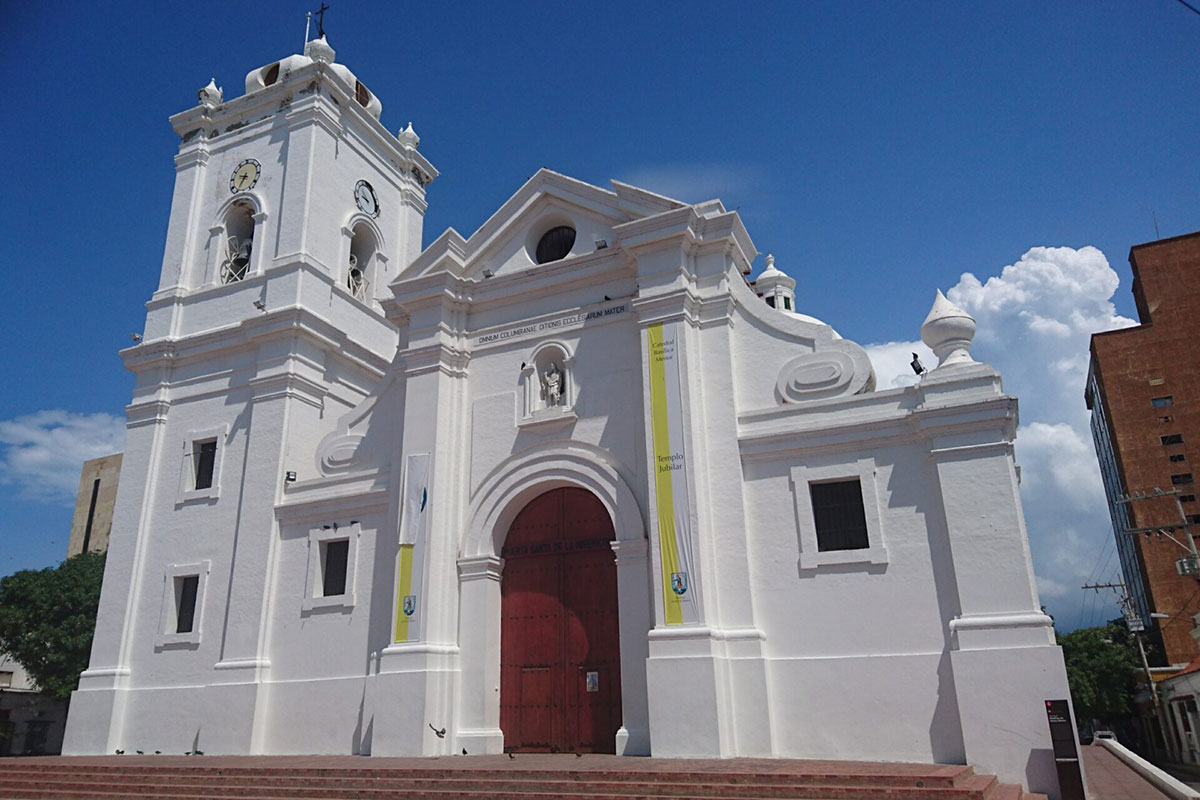
Writers, painters and now travellers flock to Cartagena, a wonderful colonial port and symbolic of Colombia’s upturn in fortunes.
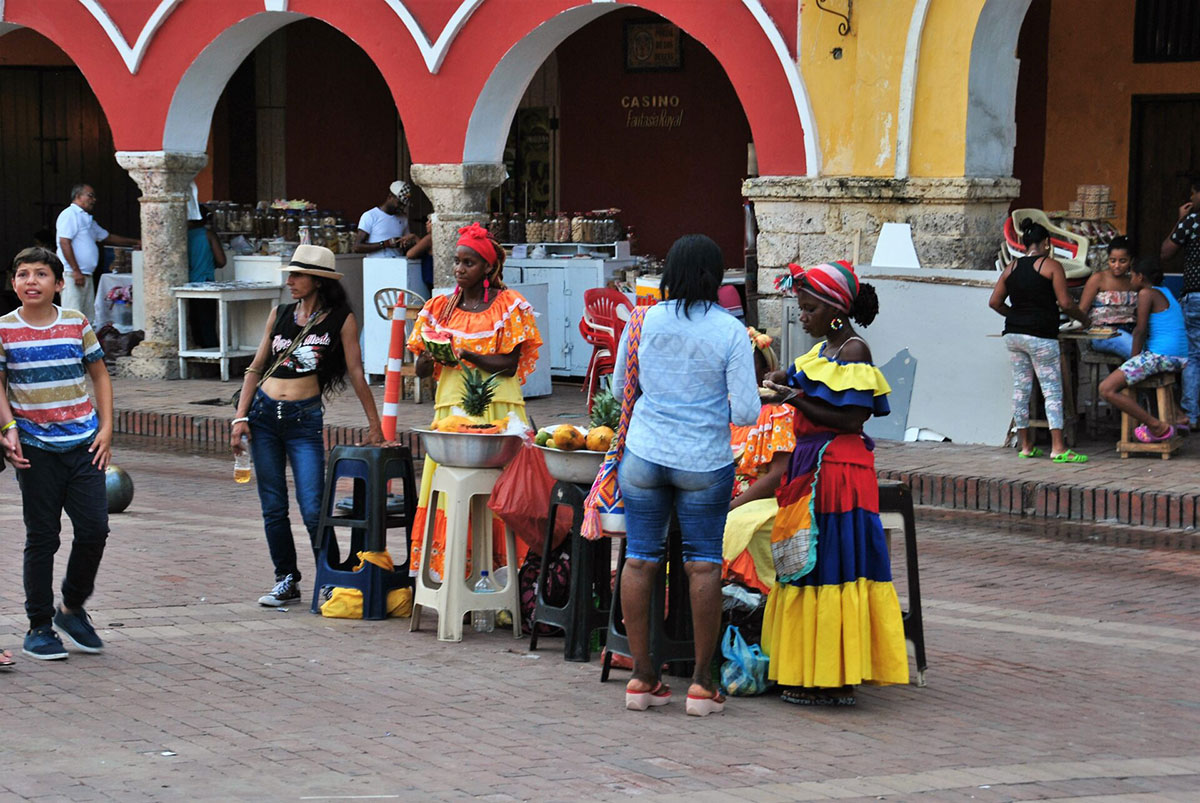
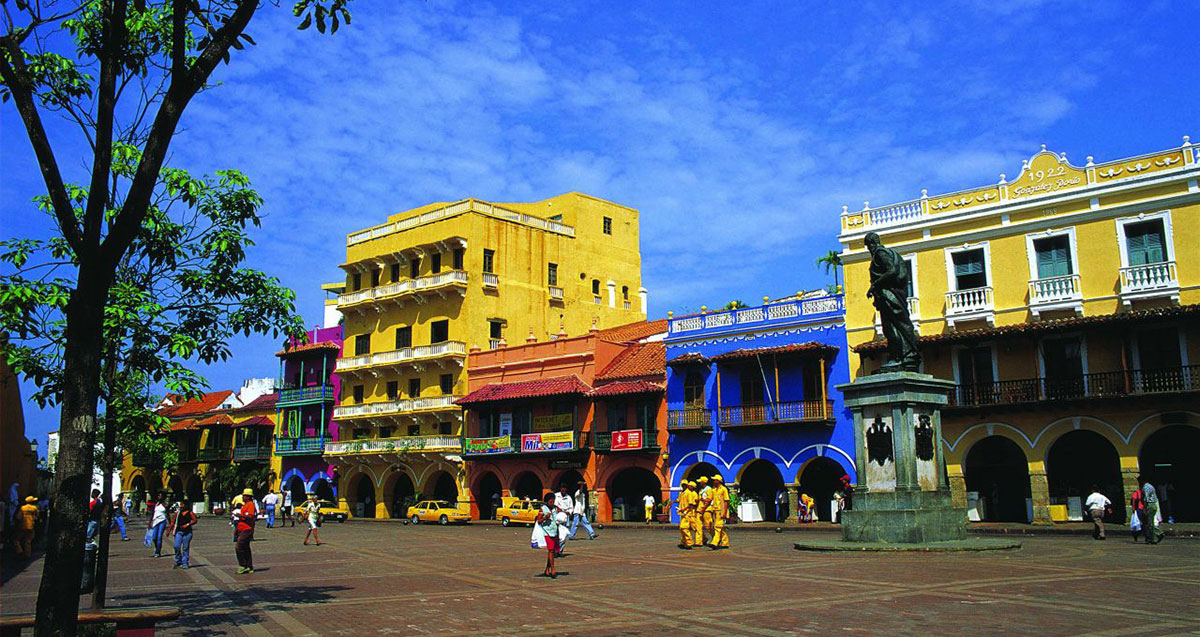
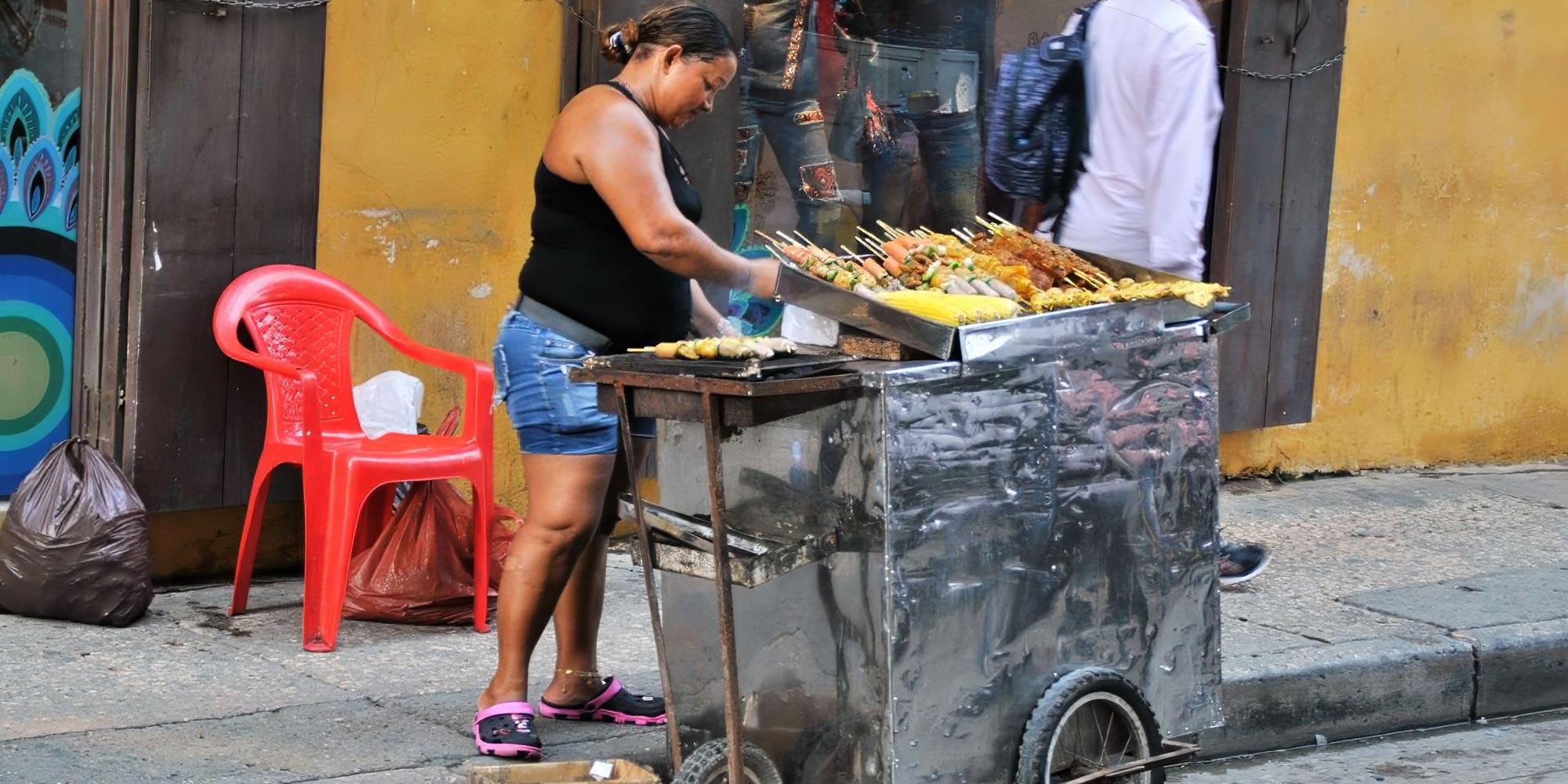
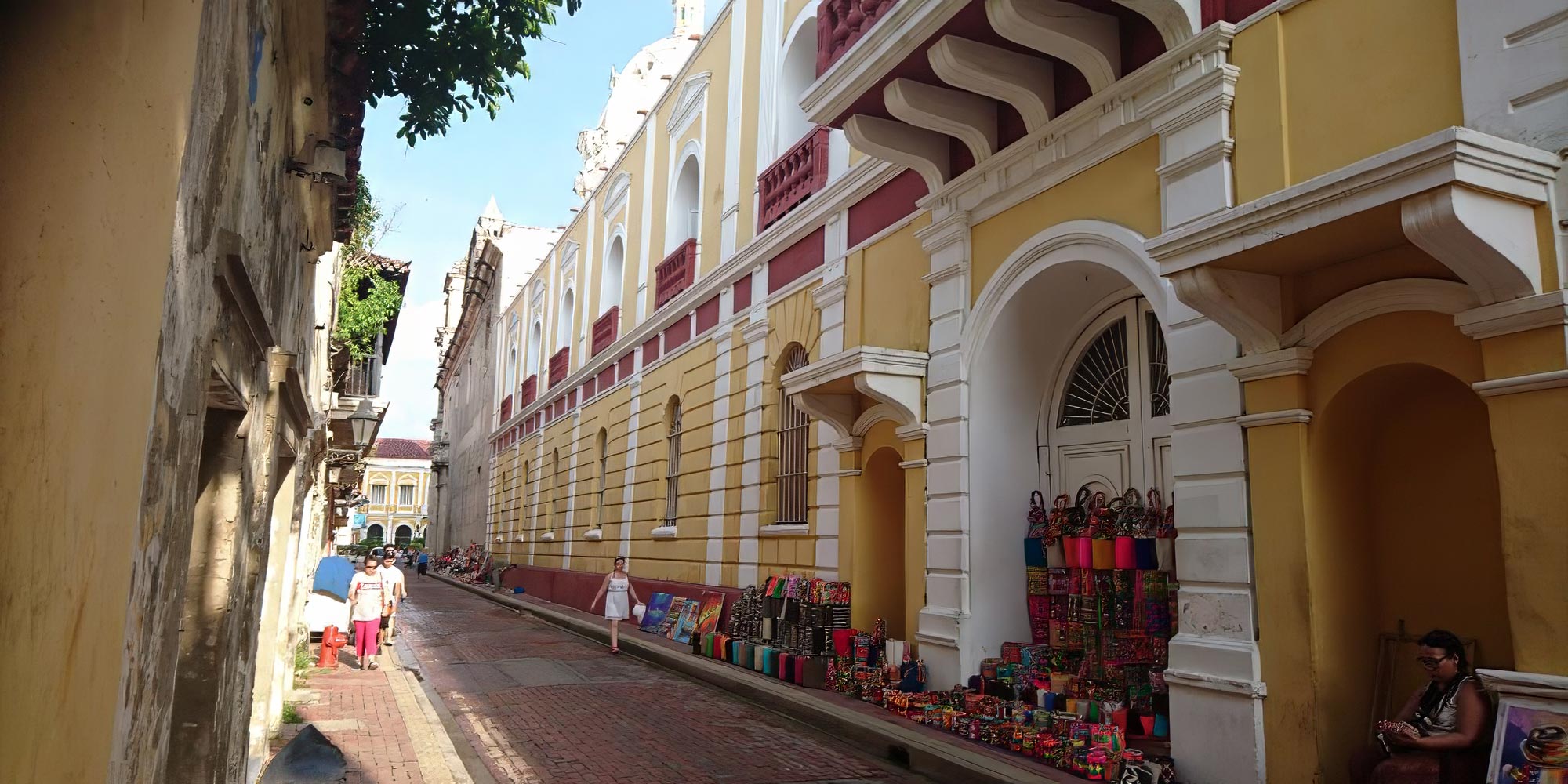
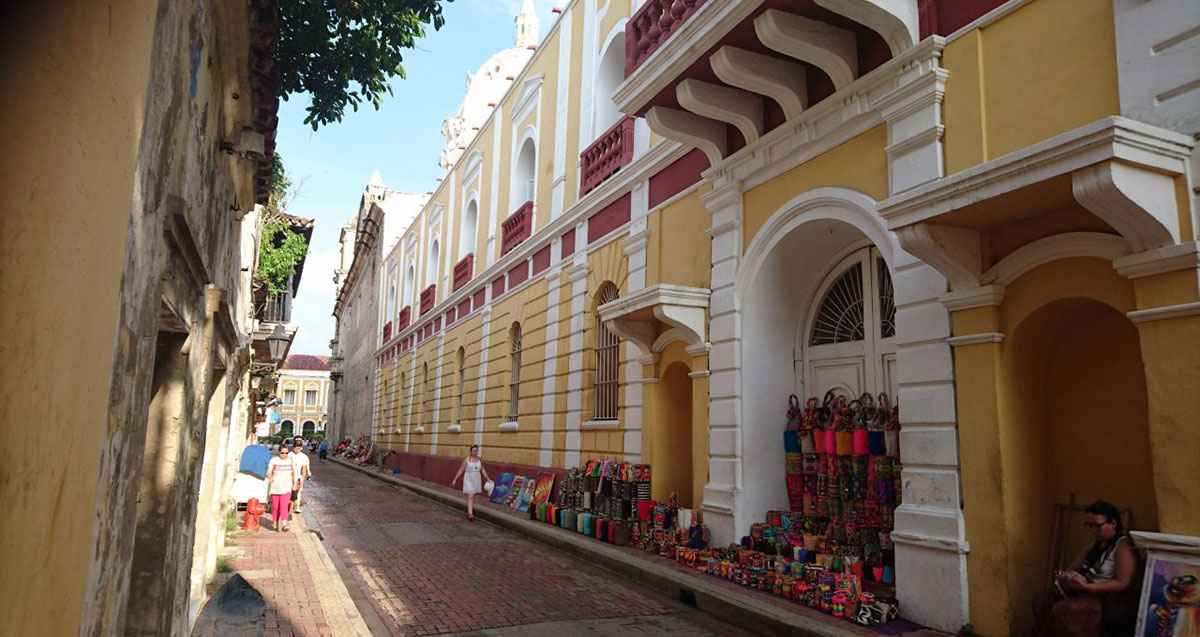
Cartagena’s city wall wraps itself around historic churches, plazas and narrow streets. Fruit sellers, dancers, musicians and more all give the city a vibrancy that is reflected in the colourful and famous literature of the area.
The old ways runs alongside the modern as the very best in 5* hotels and top-end restaurants sit on streets whose taxis are horse-drawn carriages. A trip to the dominating castle San Felipe de Barajas is well worthwhile, if you have time on the tour.
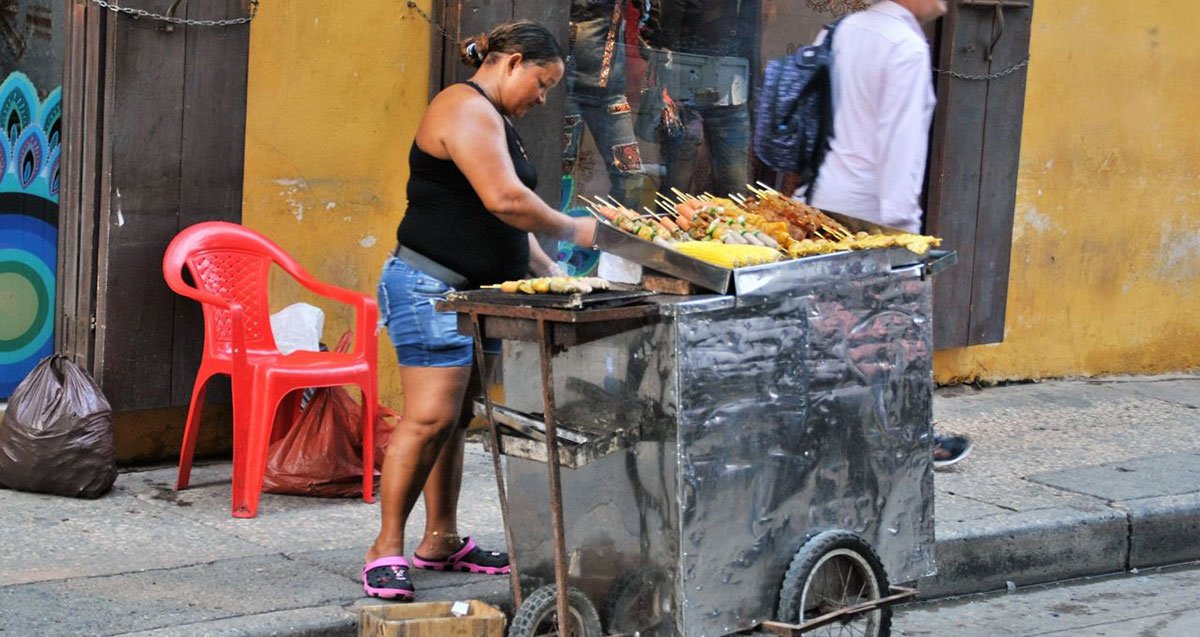
Getsemani, a former no-go area outside the city walls, has a more ‘barrio’ (neighbourhood) feel and is a great place to wander at night time, looking for a lovely bar in which to have a drink and look at its street art.
For those wanting a sense explosion, visit Bazurto market (take a taxi). Chaotic, enormous, frenetic and often smelly – this is the place for real travellers to see the underbelly of Cartagena, away from its glistening lights.
In the morning, our local, bilingual guide will take you on a tour of Cartagena.
We cover the following sites both inside and outside of the walled city: Barrio Manga, Popa Monastery, Saint Philip Castle, The Vaults and various battalions.
Afternoon at leisure.
Transfer out, ends
Hotels and guesthouse in towns with private, ensuite bathrooms. Based on 2-3* star hotels, with upgrades available at extra cost.
You don’t need to have a high level of fitness for the trip, but the more mobile you are, the more you will enjoy it.
You need to take it easy in Bogota because of the altitude.
The Caribbean can be very hot and so you need to drink a lot of water and move slowly.
Take care when entering the sea – currents are very very strong. Always ask locals which areas are safe for swimming, and if in any doubt, do no enter the water. Even strong swimmers are at risk.
We can cater for almost all dietary requirements – please enquire for more.
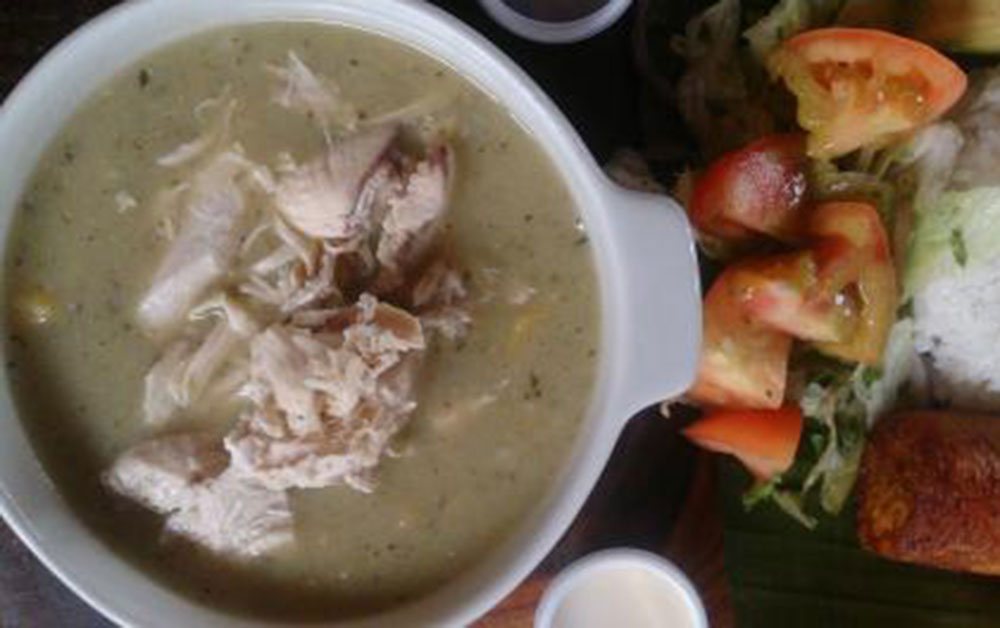
The food in Colombia is excellent and you will have the opportunity to sample a number of local dishes.
Breakfasts at hotels generally feature hot drinks, teas, coffees, juices, fruits, yoghurts, cereals, eggs etc.
Local guides will accompany you on the various tours, with specialised local knowledge.
An unforgettable, perfectly organised South American adventure. A fabulous trip that exceeded all expectations.
A fun and diverse Colombian adventure, from cycling and snorkelling to the epic Lost City trek, with excellent guides, friendly locals, and seamless organisation making every moment unforgettable.
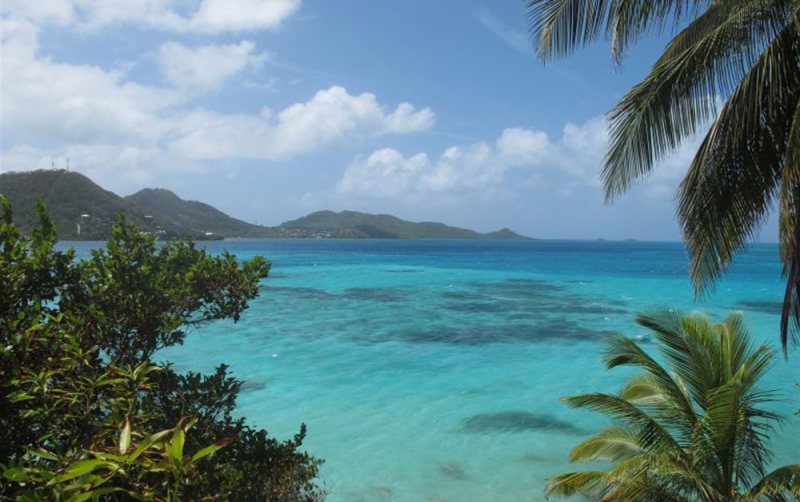
The Caribbean coast of Colombia is home to undeveloped and laid back beach resorts as well as vibrant seaside towns.
You cannot help but relax as the sound of the crashing waves and the soft sift of sand between your toes drains away your stress.
The pace of life is slow, the drinks are cold and the sun is warm. You may wish to book a few more nights than you first thought.
Enjoy both the chilled vibe of Palomino to the more animated city of Cartagena with our beach tour.
We can adapt this completely to your needs, with more beach and less city time as required.
Nearby, we can add on the nearby Lost City hike, as well as a day walk to El Pueblito, a Koqui community settlement in the hills of Tayrona National Park.
We can also include historic Santa Marta, all of these cities being well connected with flights.
Before you hit the beach, we include a few days to explore the highlights of two of Colombia’s iconic and world renown cities.
Enjoy Bogota and its famous museums, food and culture, before setting off for Cartagena de las Indias.
From: $3190 per person
Duration
12 days

From: $2188 per person
Duration
8 days

Colombia is divided into five main geographical regions: Pacific, Llanos, Amazon, Caribbean and Andes.
The Andes dominate and have three main branches, all running roughly from south to north.
The Cordillera Occidental lies furthest to the west, running parallel to the Pacific coast; Furthest east lies The Cordillera Oriental running almost to the whole length of the country and incorporating Bogota; and in between these two, is the Cordillera Central.
Less than 3% of the population live in two lowland areas that comprise more than half of Colombia’s overall size.
The first lies to the east of the Andes called Llanos and is a savannah, and forms a part of the Orinoco river basin.
The second is Colombia’s steamy Amazon rainforest, which lies to the far south east of the country and covers almost one third of the entire country.
In the north is the hot and humid Caribbean coast, characterised by beautiful beaches and turquoise seas as well as fertile and low-lying plains and La Guarija Desert.
Colombia lays claim to two small islands, close to Nicaragua, called San Andres and Providencia, and islands in the Pacific and these are known as the insular area.
The narrow Pacific coastal lowlands are densely covered with vegetation, with very few people living here.
Colombia is the country that has everything you could need from a South America holiday.
Diverse people and landscapes make this a country rich in wildlife, landscapes and culture.
Hikers can choose to trek to glaciers on snow-capped peaks, or through steamy forest to hidden ruins, or to unique Paramó plains.
Cyclists can pedal over and around the Andean peaks that dominate, and adventure seekers can try anything from paragliding to canyoning.
Beach lovers can enjoy surfing and relaxing with a Colombian twist, or head to islands for a more Caribbean vibe.
Prefer wildlife? Try the pacific coast and its whales and turtles, or perhaps the Amazon and its diverse flora and fauna.
The cities are cosmopolitan and cultured, replete with incredible museums with enormous collections.
Good kit is vital for every trip.
Book with Andean Trails and get 15% off Páramo’s fantastic ethical and high performance outdoor gear.
Bogotá is a city high in the Andes Mountains (2,625 metres) and has a spring-like climate, when the weather is generally cool and variable. It can rain, the sun can shine and it can be foggy and chilly.
In the Caribbean, it’s hot and humid, so it’s shorts, swimwear, sun cream, head protection, t-shirts, sandals and cotton products are cooler.
Give plenty of thought to kit selection, and try to keep weight down.
Below is a more detailed guide.
Colombia has warm to hot average temperatures all year round.
Cartagena on the Caribbean coast, for example, averages around 325 days of sunshine a year, even during its ‘winter’.
There are, however, two rainy and dry seasons that Colombians call summer and winter.
The severity and length of these seasons also depends on where you are in the country – the coast has slightly more severe and longer dry seasons than the Andean region, for example.
Dec-March and July-early Sept.
On the coast the rainfall stays low during the whole of September.
April to June and October to early December.
Much depends on where you are in the country. Up in the mountains one of the great attractions of Colombia is the fact that within half and hour of travel, either losing or gaining altitude, you can emerge in a totally different climate, substantially hotter and drier, or colder and more humid, depending on where you are.
On mountain treks the temperature will decrease around 6°C for every 1,000 metre (3,300 feet) increase in altitude.
In the Paramo, temperatures average around 5ºC and drop below freezing at nighttime.
Again, variations depend on geography.
An unforgettable, perfectly organised South American adventure. A fabulous trip that exceeded all expectations.
A fun and diverse Colombian adventure, from cycling and snorkelling to the epic Lost City trek, with excellent guides, friendly locals, and seamless organisation making every moment unforgettable.