From: £3,647
From: $4,855
Arrive in Bogota (2,600m/8,530ft) and transfer in (1 hour) to hotel, free time to explore today. Take it easy when walking around, as you will notice the altitude here.
Bogotá’s culinary reputation is growing, too, as international cuisine and local chefs combine the spectacular varieties of fruits and vegetables Colombia offers.
Culturally you will find good live music, excellent exhibitions and very hospitable people.
Try the street fruits and juices as well (use your own mineral/treated water, and ask for no ice).
The cultural tours of Bogota, coffee process and Cartagena will give a great insight into Colombia’s colonial past, rural present and exciting future.
Paloquemao is a fascinating market and helps to introduce you to the sights and smells of this incredible country.
The market is the focal point where the produce of the Caribbean, Pacific, Andes and Amazon come together. It’s enormous, and the market is divided into sections: flowers; fruit, vegetables and herbs; and meat and fish.
Next, The Gold Museum (Muséo de Oro) houses one of the world’s most important and impressive collections of pre-Colombia work – a must-see among the many excellent museums here.
The Botero Museum houses a lot of great works from Colombia and around the world, before we move on to the enormous Plaza de Bolivar, fantastically conserved centerpiece of Bogota.
We keep walking and explore La Candelaria, the main attraction for most, with its colourful winding streets, coffee shops and artisanal stores.
Lunch during city tour (not included), restaurants will be recommended, then return to hotel to freshen up.
There is an optional visit to Usaquen Flea Market (if on a Sunday) and additional cultural tour of the colonial township.
Evening at leisure.
Transfer (1 hour) to El Dorado airport for the one-our flight to Pereira.
Met on arrival and transfer for 45 minutes to Santa Rosa.
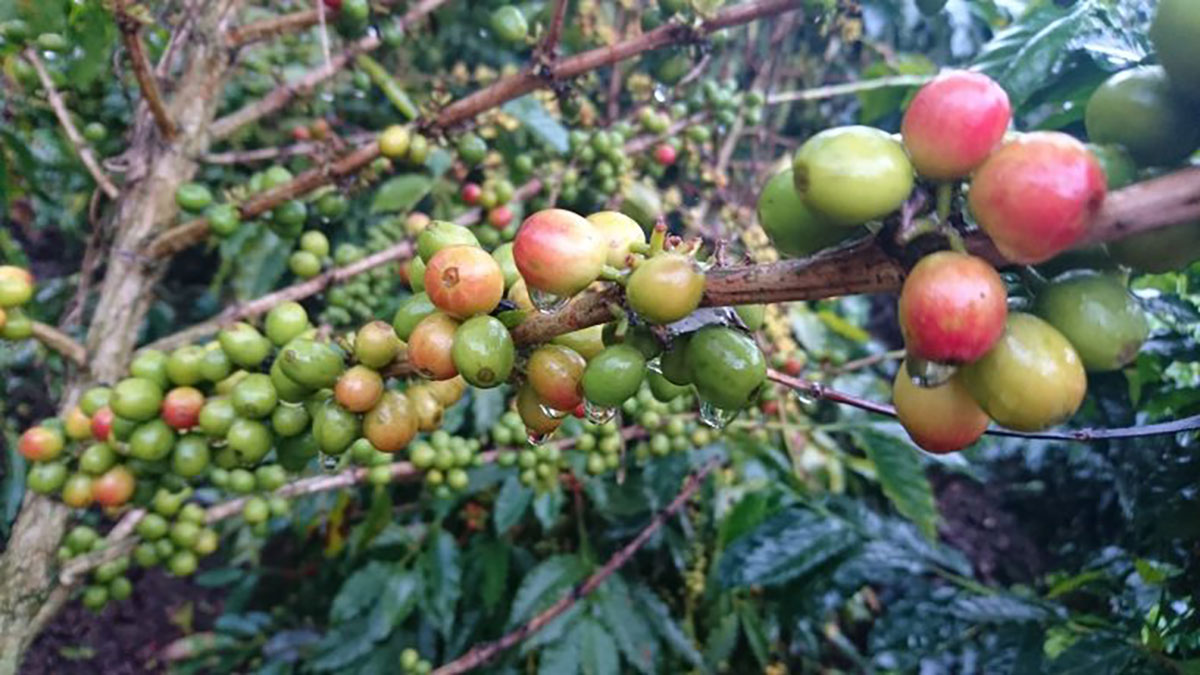
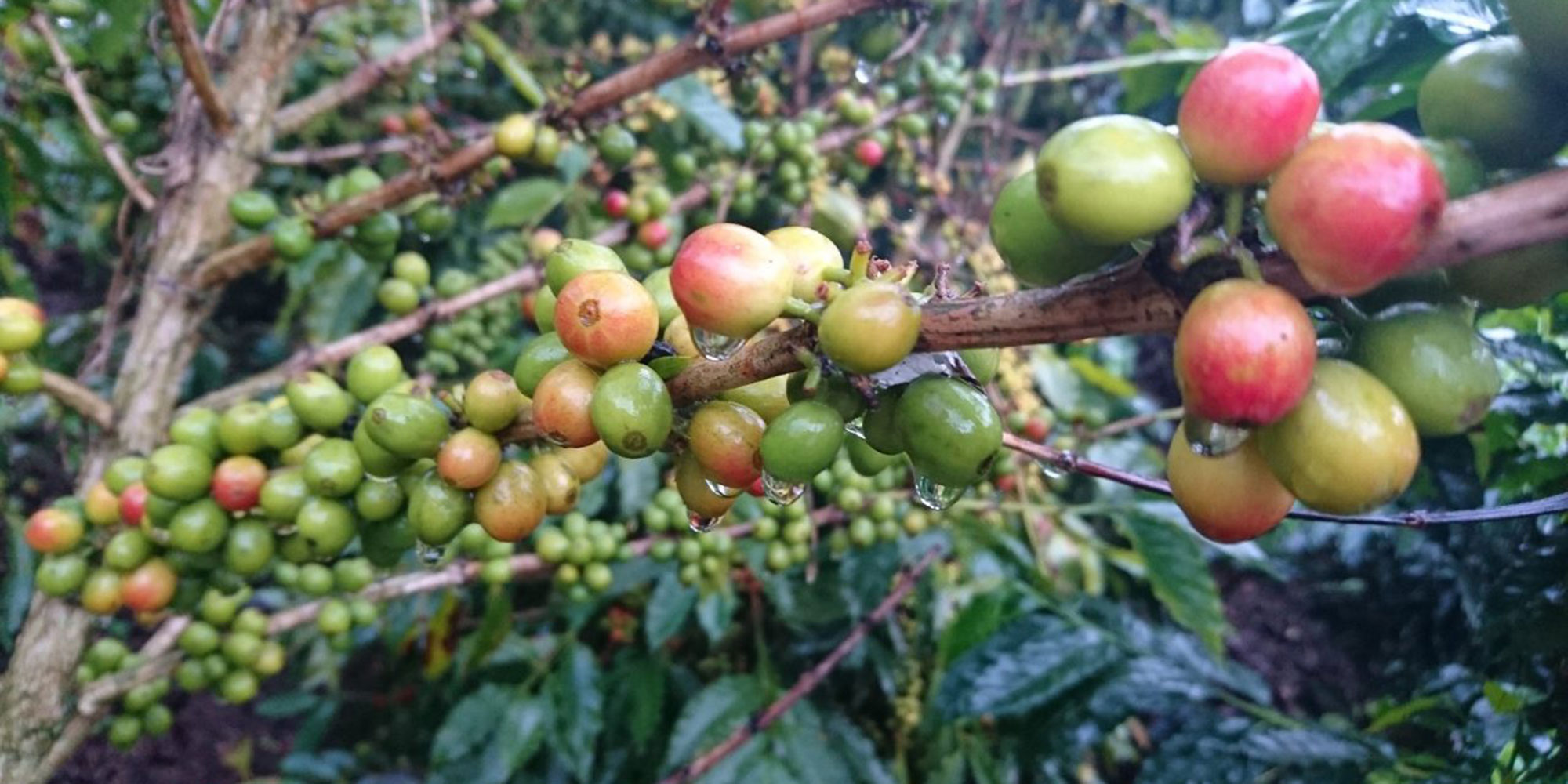
Coffee tour experience in Finca del Café.
Lunch in Santa Rosa and short tour around town and transfer to Otún Quimbaya Flora & Fauna Sanctuary (1.5 hours).
Walk along the trails looking for the sanctuary’s emblematic red-howler monkeys and excellent birdlife, including the rare and endemic Cauca Guan and local Red-ruffed Fruitcrow.
Stay at a lodge in the area.
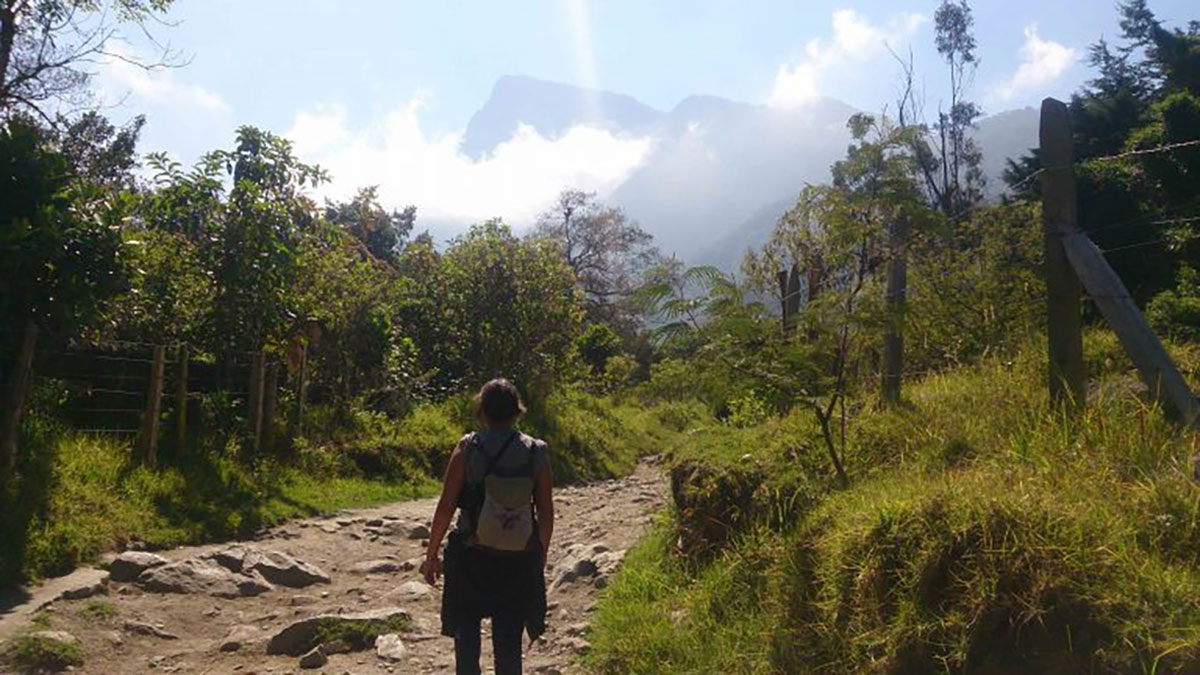
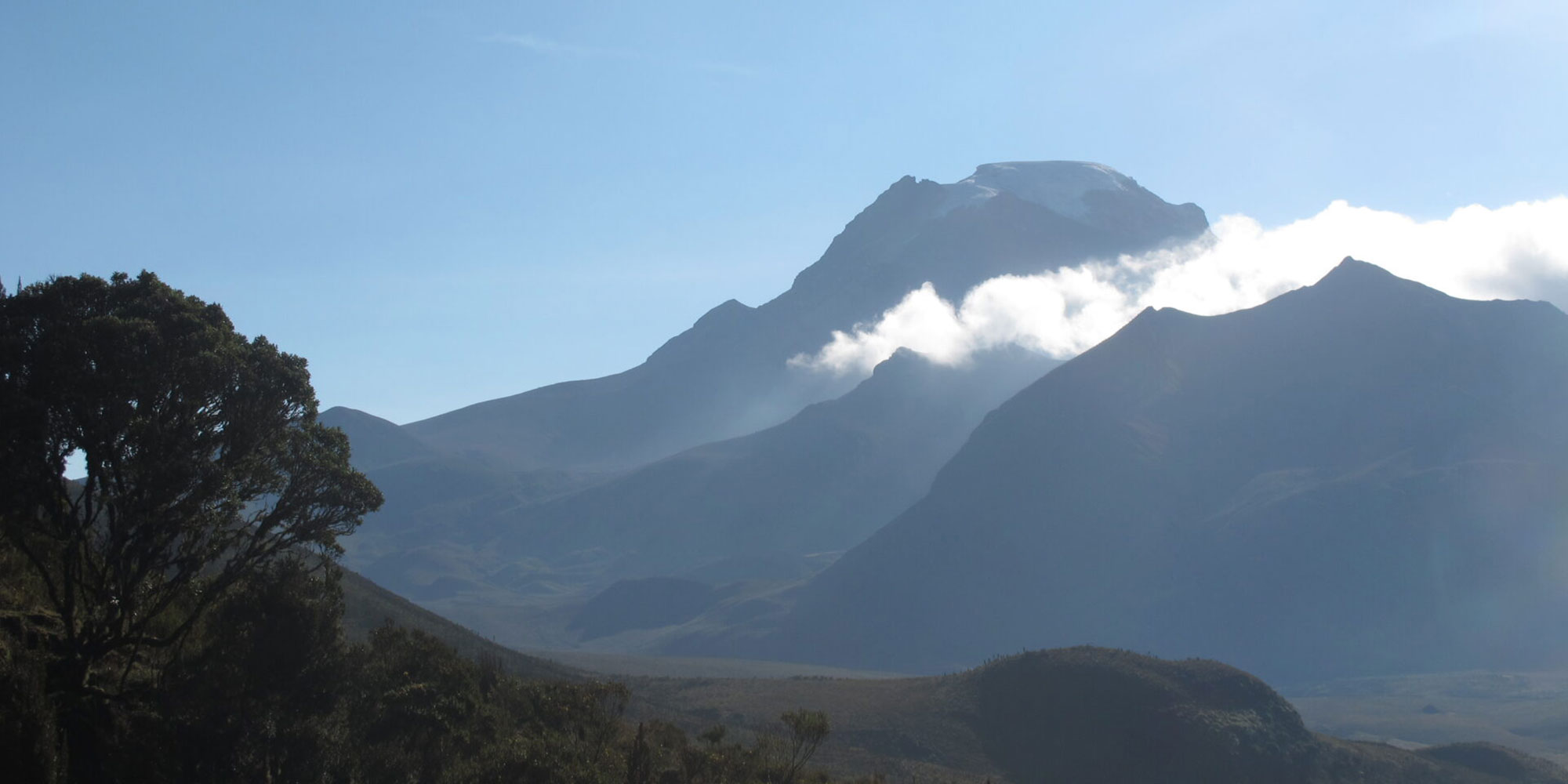
The trek to Los Nevados National Park is a medium difficulty trek across the amazing landscapes and paramos of Colombia.
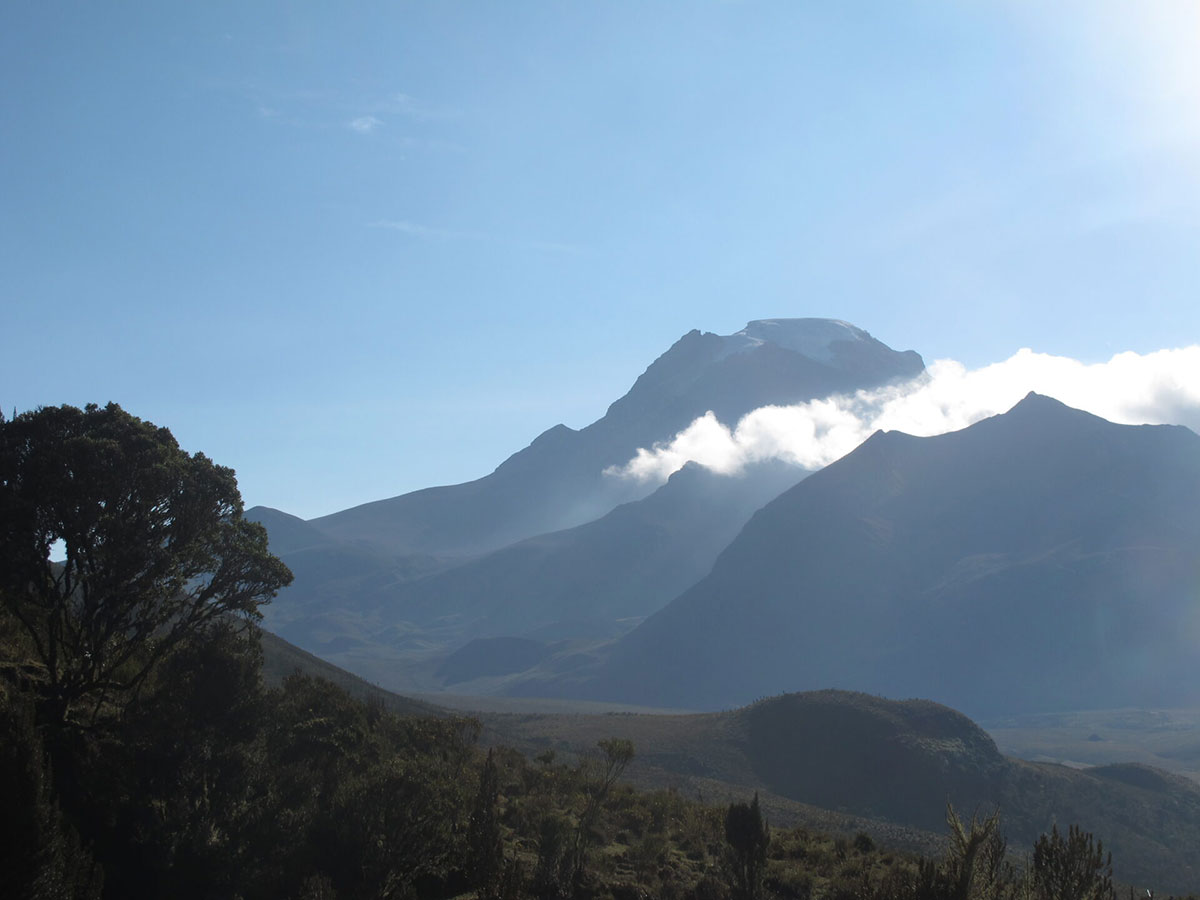
Hike amidst volcanoes and ecosystems that are unique to the tropical Andes, themselves a real biodiversity hotspot.
We trek over passes of 4,150m/13,615ft and trekking will be mainly done along horse trails, on the main ascents through cloud forest and high-Andean forest and muddy pathways in the paramo.
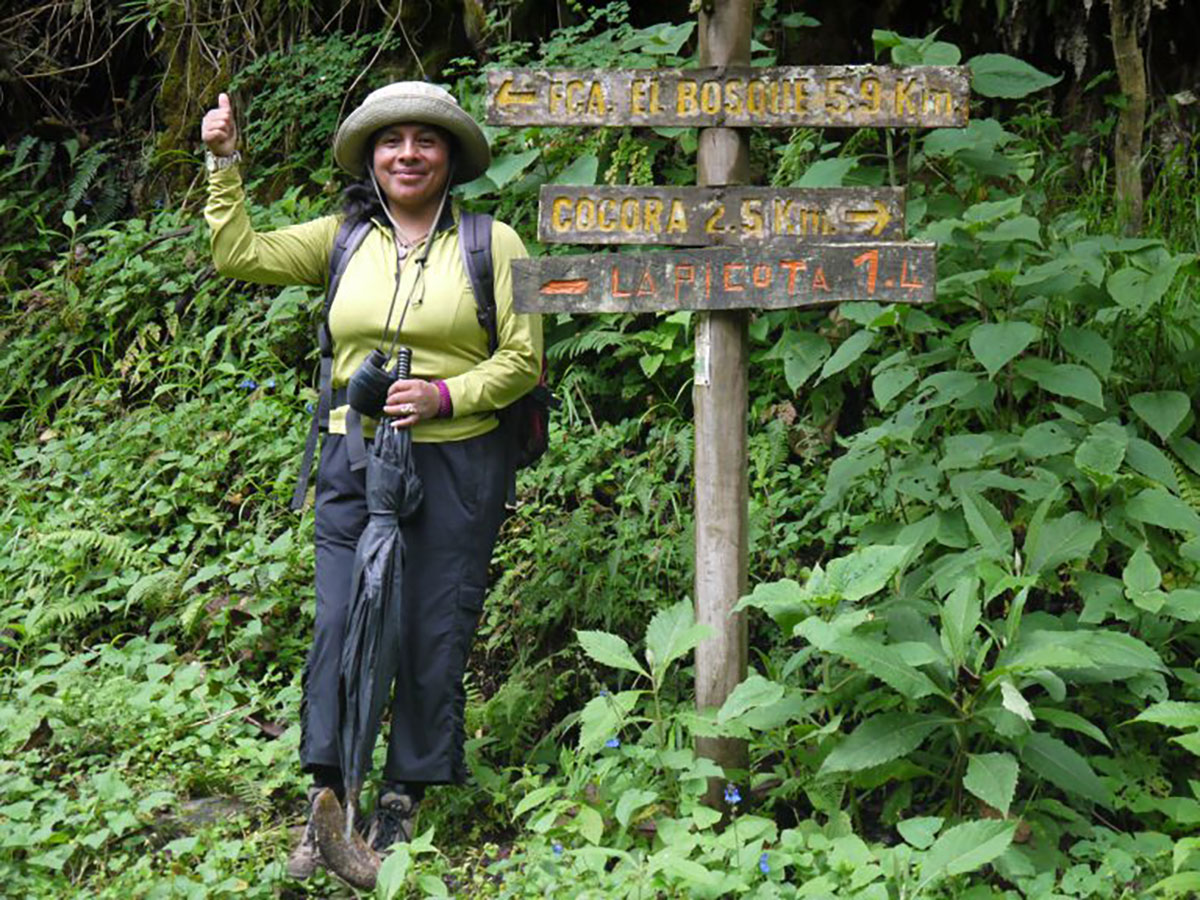
Los Nevados rise from the fertile Cocora coffee region.
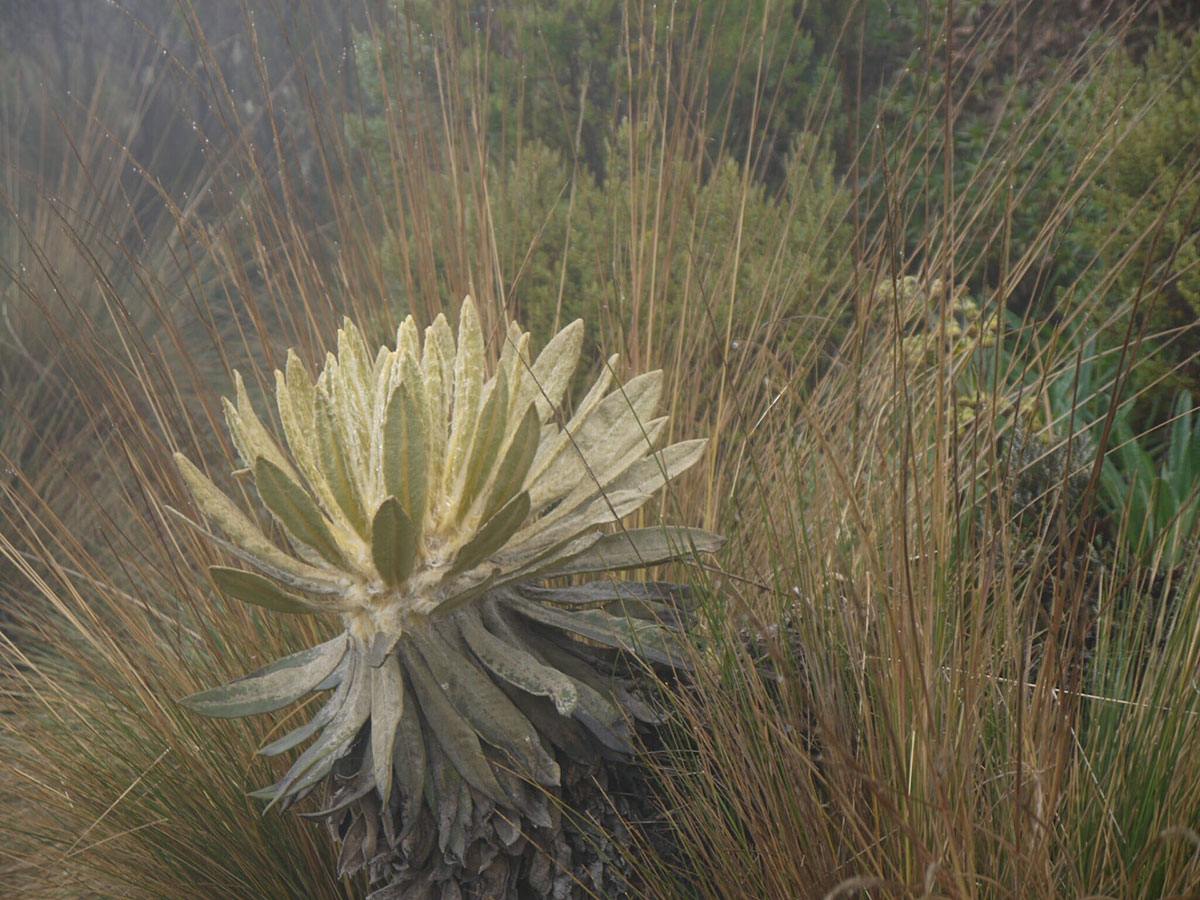
The unique Paramó grounds await those that climb through cloud forests that are replete with humming birds. The Paramó and its frailejónes are as delicate as they are special and only the privileged few get to see them.
Push further on and you may glimpse the snow-capped, active and dramatic Nevado del Ruiz volcano.
We have a variety of routes that pass by ancient tombs of the indigenous folk who lived here before the farmers arrived. You combine camping with stays at remote ‘fincas’ where the people who work the land still cling onto their way of life.
Today will be an early start. Our Willys Jeep transfers us to our trek starting point in La Patasola Regional Natural Park – a great sight for birds (to add to all the other great birdlife sites that are dotted around this region).
We begin our walk through excellently conserved cloud forest and make our way along this jungle trail. We cross from the Boquia river basin into the legendary Otun basin, one of the best-preserved river basins in Latin America and setting for our next day and a half of walking.
A steep ascent is followed by a descent as we make our way across valleys to eventually drop down to around 2,300m/7,546ft into the Regional Natural Park Ucumari.
Our destination is La Pastora, located at the end of a largely deforested valley surrounded on all sides by forest-clad cliffs. Views are stunning.
Cabins await, along with some good wine and a log fire. A hearty dinner makes for a good night’s sleep before the next day’s big climb.
This day will be a journey through ecosystems and the experience never fails to amaze.
A steady climb will take us to 3,000m/9,843ft where walls of high-Andean forest and waterfalls surround us before the real upward hiking begins. We walk up and along a 600m high ‘white-stair’ of rocks that never seems to end.
The air starts to become thin and elfin forest begins to appear, as do Jersey cows and thick mist.
On a clear day entering the village of El Bosque, where our camp will be waiting for us, is an emotional sight.
It’s not only because of the view of the camp and the signal that the climb is over, but also because this perfect horseshoe caldera is one of PNN Los Nevado’s most beautiful locations.
Condors and Paramo eagles can be seen hovering on the thermals.
Later this afternoon fishing and general relaxation are in order.
This is our longest day, and therefore our earliest start.
Stretch well, because it’s a stiff climb to the edge of the caldera to being with.
It’s worth the effort, though, as once up, we are rewarded with stunning views over El Bosque and, with luck, sights of the glacier capped El Nevado de Santa Isabel in the distance to the north.
We continue and descend to El Berlin farm where we stop for a short rest before continuing on a long and steady march upwards to our highest point on the trek.
Some 400m higher up, we reach Alto de La Amargura or ‘High point of BItterness’ – a fitting name for this mountain pass which is pounded by biting winds.
We begin our descent into the Cardenas River Valley, crowned by the extinct volcanic structure of the Paramillo del Quindio.
After a couple of hours we arrive at La Argentina farm, a cosy respite from the day’s long walk through one of the world’s most unique ecosystems – the páramo – a world of frailejones, mist, volcanoes and long grasses
We bid a fond farewell to Dona Gloria an La Argentina finca, and start a lovely descent down to Cocora Valley.
First we skirt the mountains and farmlands before plunging down into the cloud forest. You’ll feel how quickly we go from the crisp air into the warmer valley, seeing different trees, foliage and animals as we descend.
Hummingbirds and flowers become more prevalent as the moisture and heat of the sun start to warm our bones.
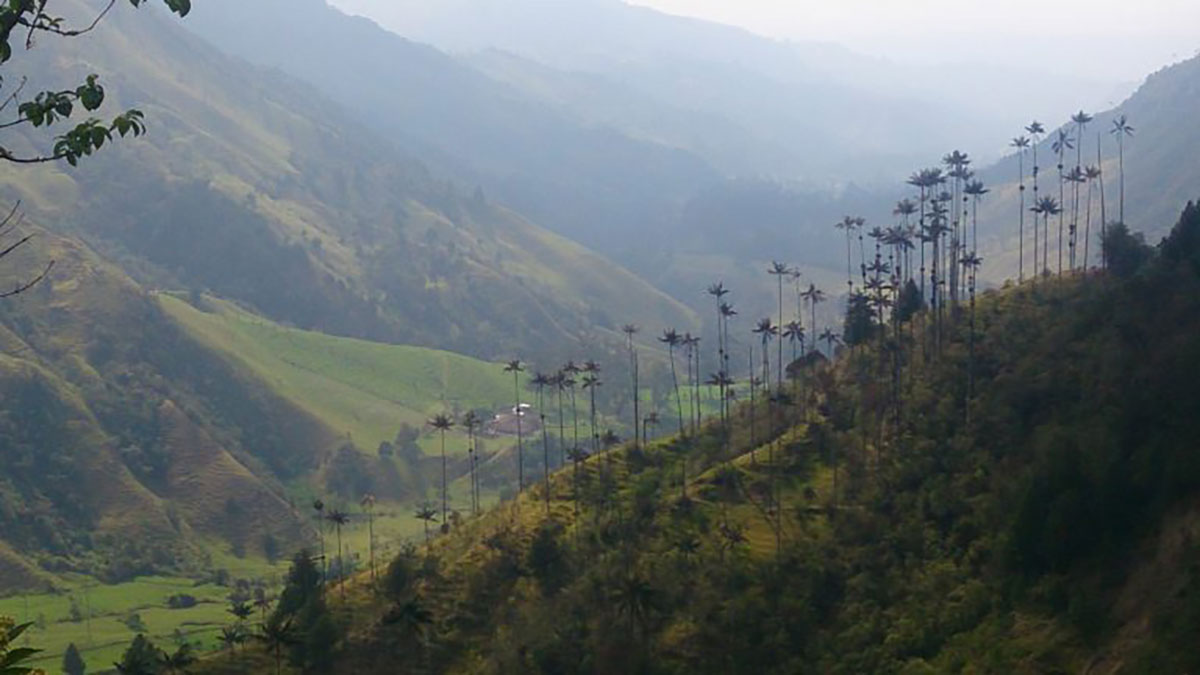
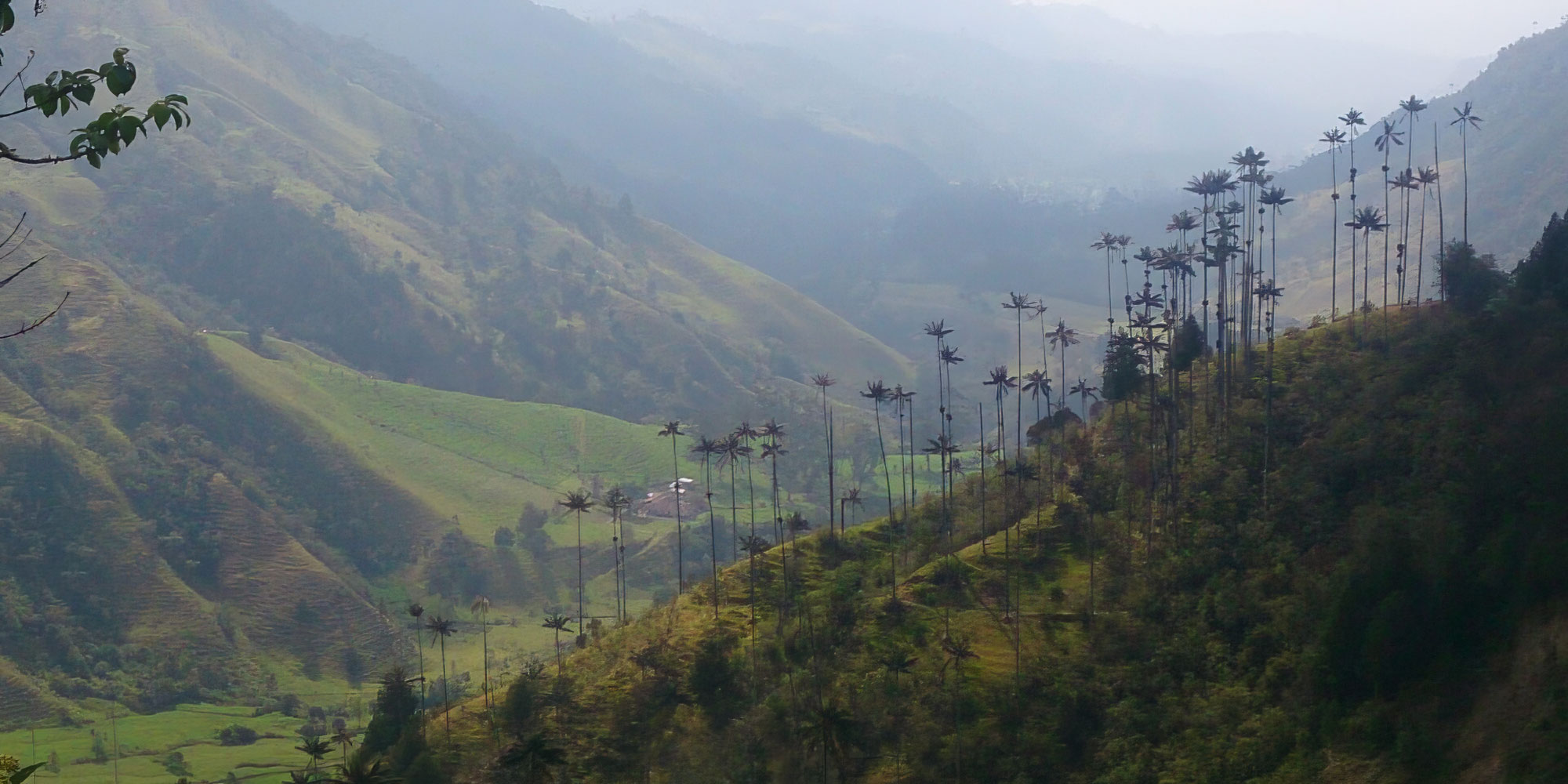
There are some energetic down hills to bound down, until we reach the valley of Cocora, and its incredible, gigantic wax palm trees.
These giant thrust up to 60 metres from earth to skyline with some reaching up to 70 metres, making it the tallest palm tree in the world.
They pock the hills and make them incredibly photogenic.
We take lunch in Cocora, jump aboard a Willys Jeep and head back to Salento for a deserved shower and celebratory dinner.
Free day to explore the colonial coffee town of Salento (2,600m/8,530ft).
Plenty of time to browse and purchase items from the various handicrafts shops in the town.
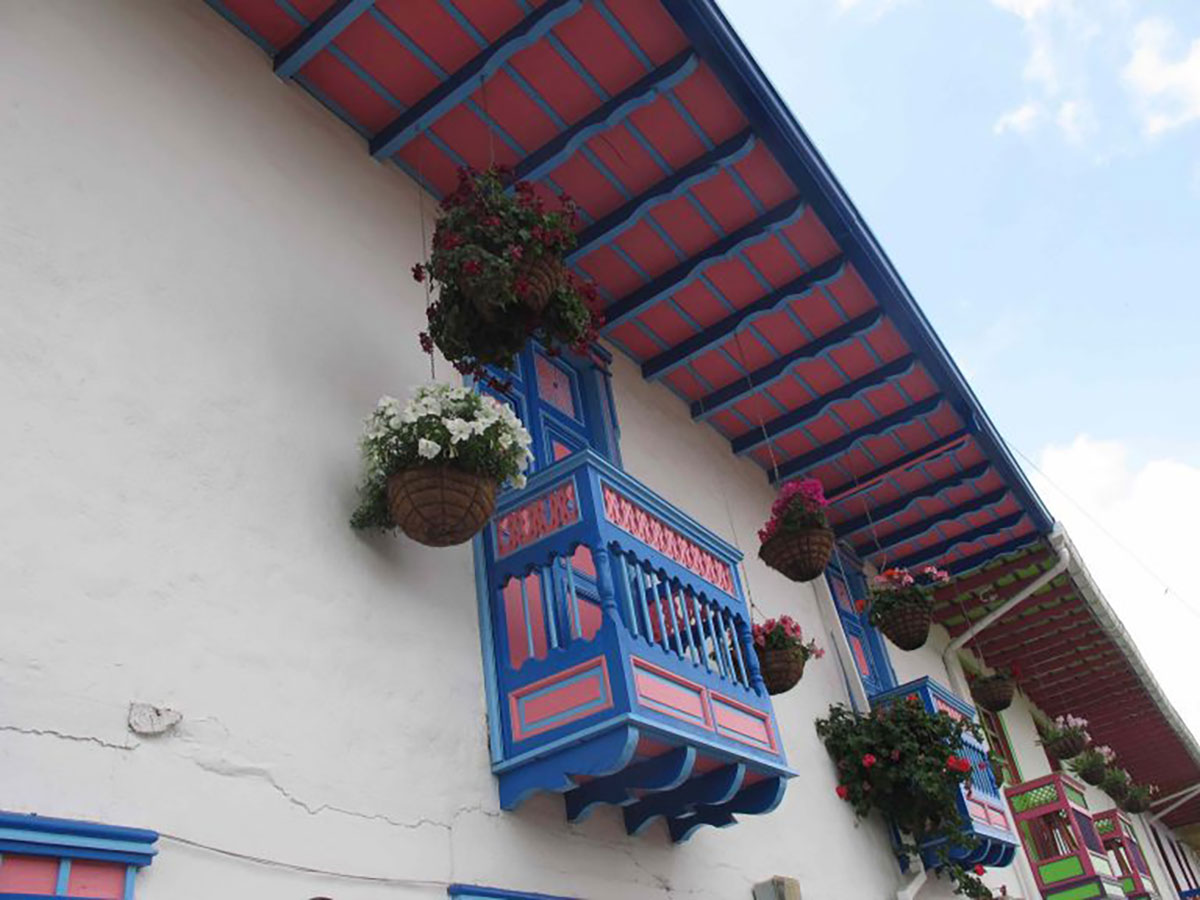
Salento, one of the oldest coffee towns in the region, is a brightly painted and fun town which acts as the gateway to Las Nevadas mountain range (central Cordillera).
Tourism, coffee and artisanal products are the staples of this small town, founded in 1842 on the old trading paths used by Pijao and Quindio Indians.
‘Calle Real’ (also known as Carrera 6) features many brightly coloured buildings and balconies in a colonial style, where locals mix with the visitors.
Trekking-clad tourists brush shoulders with local farmers who stroll around in their ‘Aguandeñan’ hats (predecessor to the Panama hat), wellington boots, machetes, moustaches and customary poncho folded over their shoulders.
There are many restaurants to choose from, trout the local speciality, as well as coffee farms to visit.
Many coffee farms are small and organic and approved by Rainforest Alliance, as they use natural ways to grow their coffee plants, rather than chemicals to enhance crops.
The coffee is fantastic and you can buy beans or ground coffee to take home.
Read more about what to do in Salento.
We retrace our route back to Pereira (1.5 hours) and take a two-hour flight to the Caribbean coast.
On arrival, you are met and transferred another hour or sot to Palomino – and it’s worth the drive.
Palomino is fast becoming the place to stay on the stunning coast.
Weary travellers are known to rest up here for days that turn into weeks, as good weather and chilled-out vibe are hard to break away from.
Palomino is 30km to the east of the famous Tayrona National Park.
Some areas of the sea are used for surfing (always ask locals, exercise caution, and be sure you are a strong swimmer, comfortable in the sea before entering the sea).
The vibe is very laid-back and with some day tours, too.
You can go tubing, get massages, horse ride, take a day walk in the nearby mountains to visit an indigenous village or do some beach yoga.
Great place to unwind, listen to the pounding sea, relax, snooze and read a book, perfect after the trek.
Relax, hire a scooter, read, yoga, sun bathe. Whatever you like.
Free day.
We’re up early (0600) to avoid hiking for too long in the strong sun.
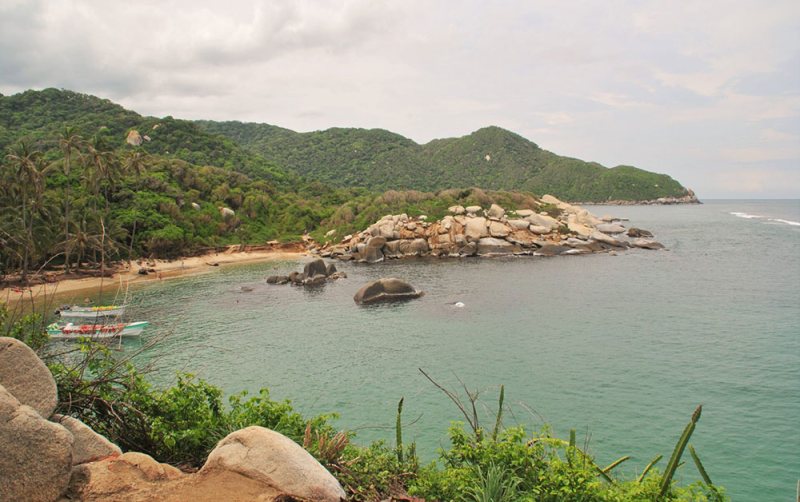
We head to the famous Parque Nacional de Tayrona, to start what will be a 5-7 hour trek from start to finish.
We may see some indigenous folk on horse back and dressed in white clothing during our walk, which starts at the eastern entrance to the park.
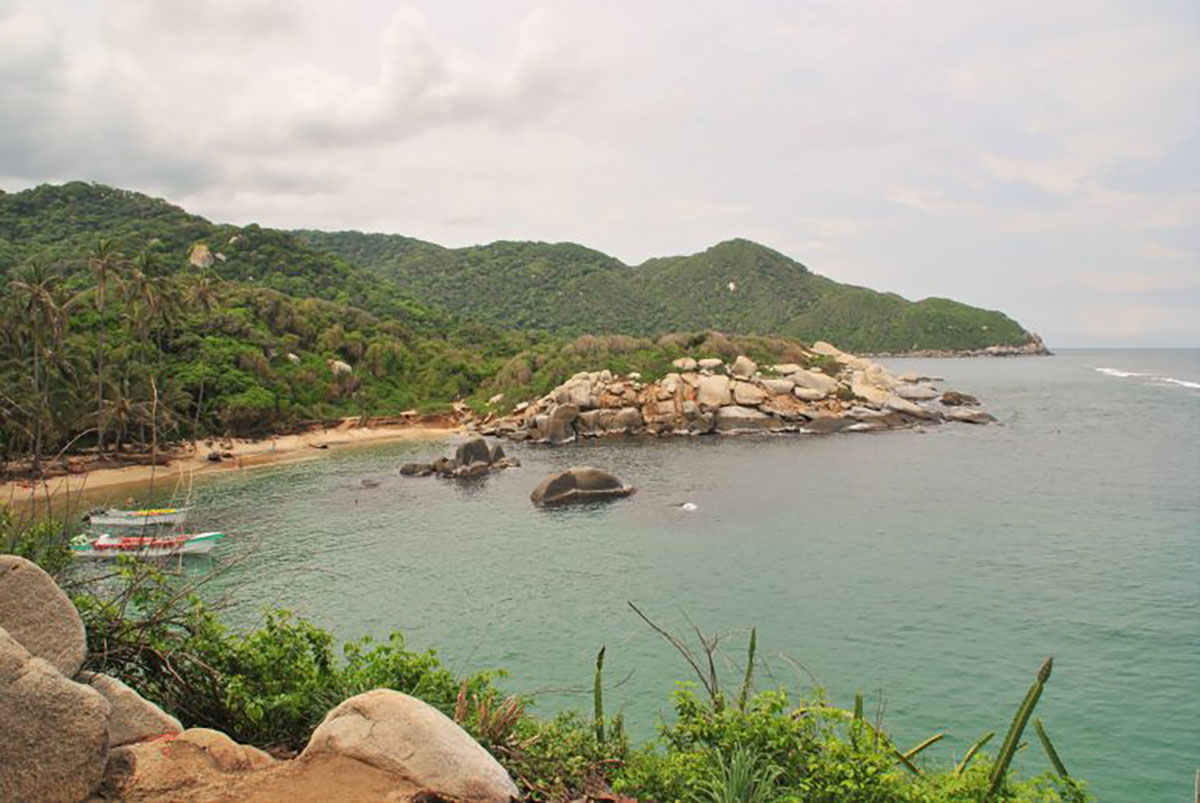
It’s a mainly sheltered start as we hug the coast and head west. There are some lovely beaches for a quick dip, the best being La Piscinita and Cabo de San Juan.
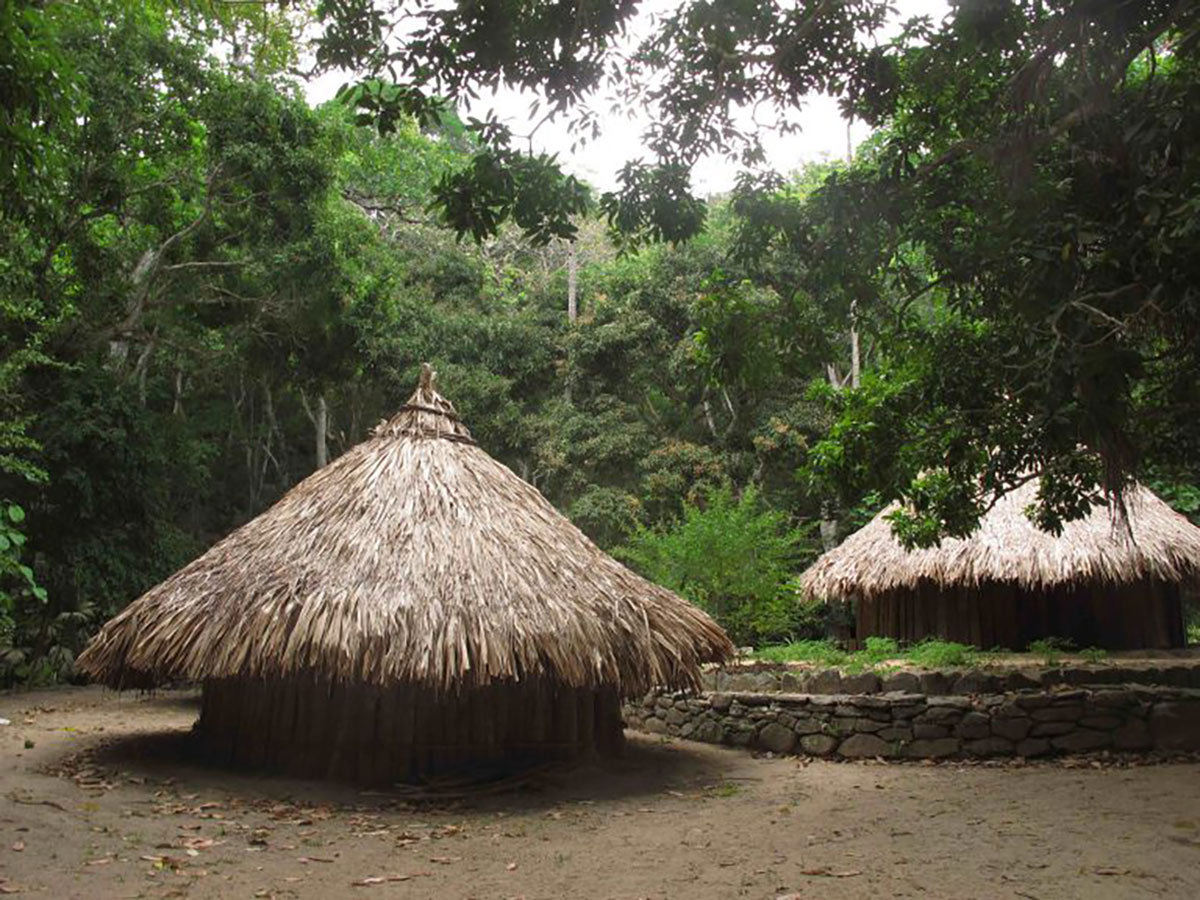
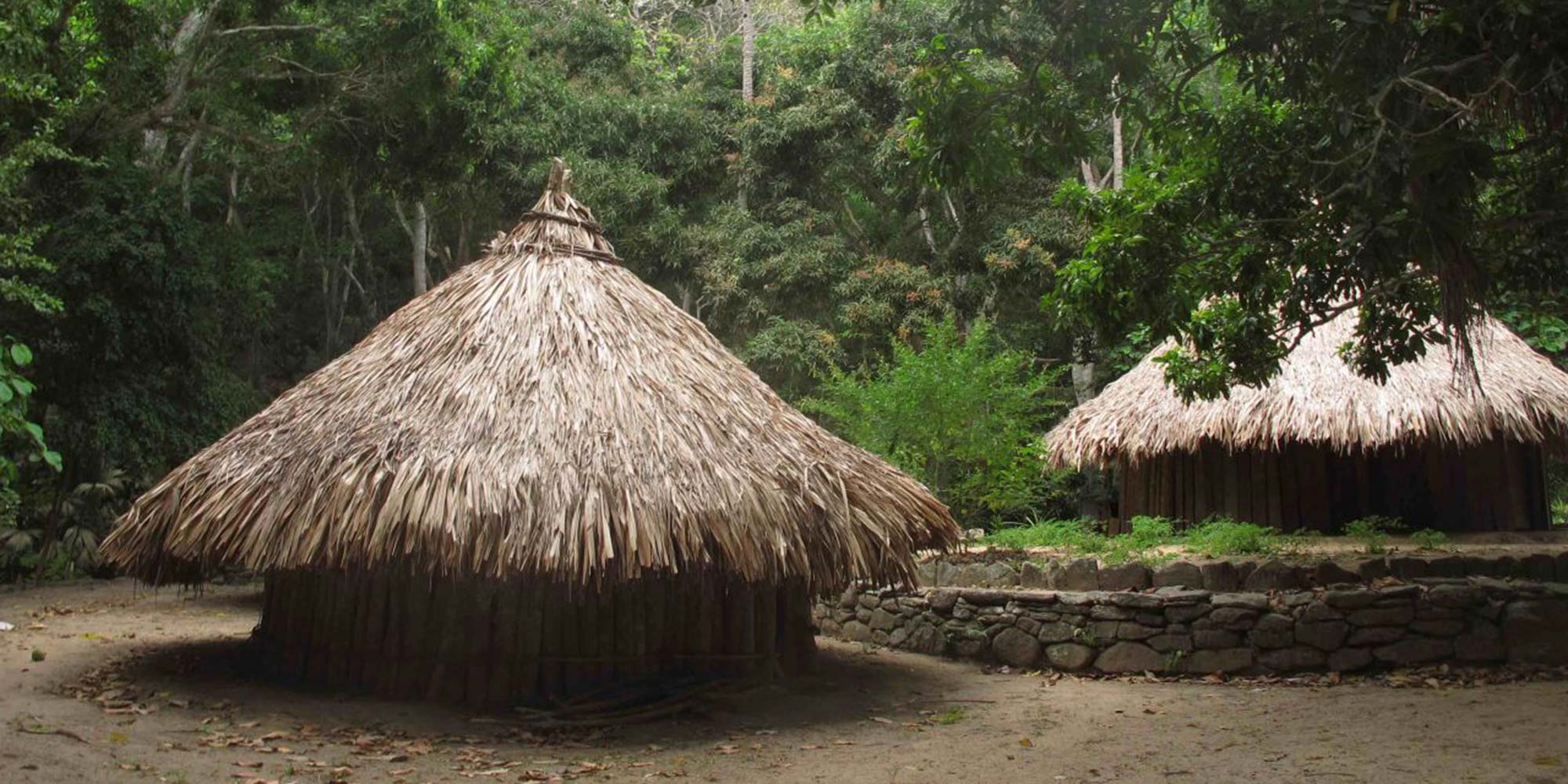
From Cabo de San Juan, we want to get up quickly before it gets too hot. Our destination is El Pueblito. The trek to the ruins of Pueblito gives an insight into the ancient Tayrona’s who once inhabited the coastal region and mountains of Colombia.
Whatever time we start, it’s sweaty hike up to El Pueblito, an indigenous village still inhabited on occasion, and is the highlight for many.
The hike involves some easy scrambling (hand to rock) and there is one section where a small, 1m length of rope is needed to get you over a big boulder. No climbing or scrambling experience is required.
We have a tour and then move through the village and keep walking towards Santa Marta.
Exiting from the western side of the park, our vehicle picks us up and we drive 45 minutes or so to Santa Marta.
Santa Marta, which lilts to the sound of musicians and singers entertaining people drinking on café terraces, as the languid evenings lull you to enjoy Santa Marta’s plazas and streets.
A busy day today, with a guided transfer and visit to Isla Parque Salamanca en route to Cartagena and a tour here.
It’s an early start with our guide to visit this confluence of the Caribbean sea and the river Magdalena, which has made for an incredible abundance of flora and fauna.
Mangroves, cacti, foxes, otters, eagles, kingfishers and much more inhabit this precious zone. Bring your binoculars.
We hop back into our private car and drive a couple of hours to Cartagena de la Indias, the famous and beautiful colonial town with a castle the Spanish built that was never breached.
Writers, painters and now travellers flock to Cartagena, a wonderful colonial port and symbolic of Colombia’s upturn in fortunes.
Cartagena’s city wall wraps itself around historic churches, plazas and narrow streets. Fruit sellers, dancers, musicians and more all give the city a vibrancy that is reflected in the colourful and famous literature of the area.
The old ways runs alongside the modern as the very best in 5* hotels and top-end restaurants sit on streets whose taxis are horse-drawn carriages. A trip to the dominating castle San Felipe de Barajas is well worthwhile, if you have time on the tour.
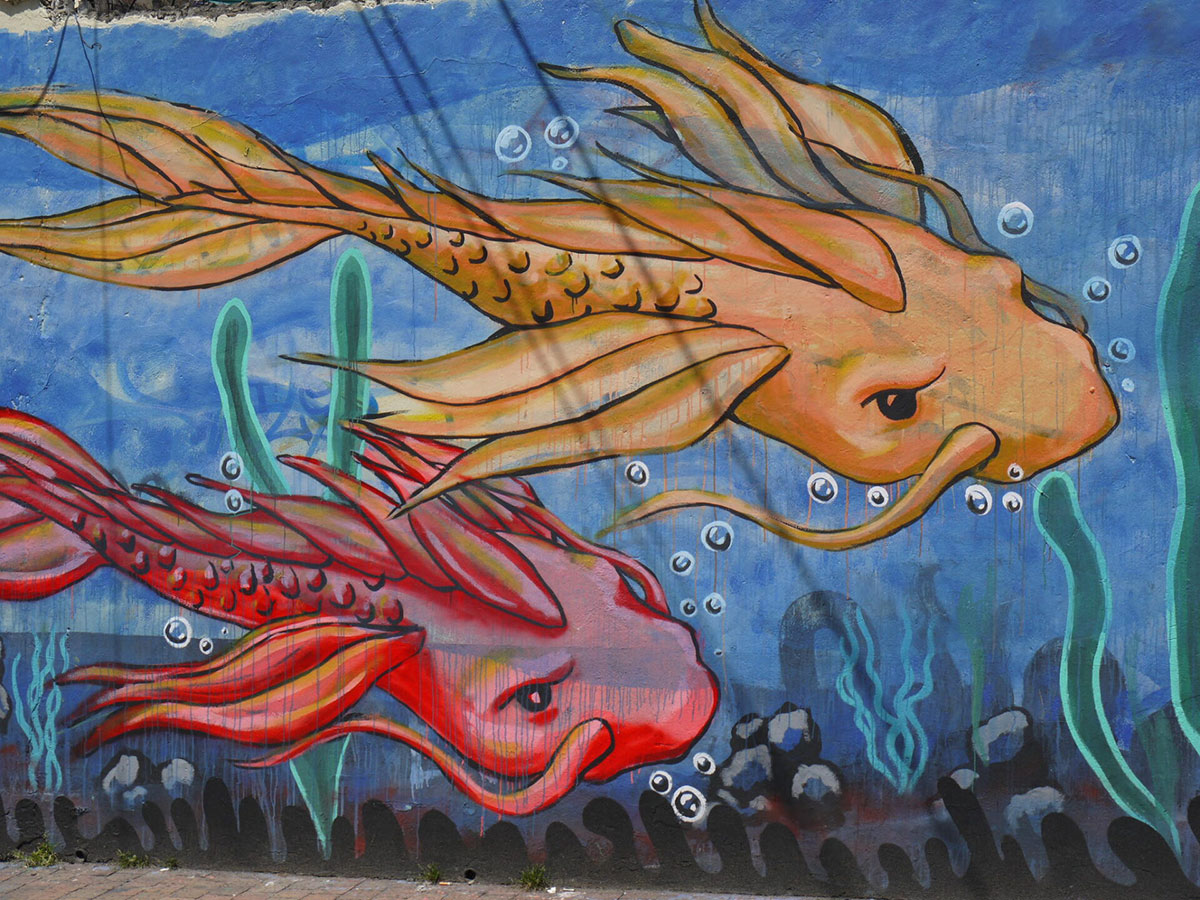
Getsemani, a former no-go area outside the city walls, has a more ‘barrio’ (neighbourhood) feel and is a great place to wander at night time, looking for a lovely bar in which to have a drink and look at its street art.
For those wanting a sense explosion, visit Bazurto market (take a taxi). Chaotic, enormous, frenetic and often smelly – this is the place for real travellers to see the underbelly of Cartagena, away from its glistening lights.
AM we take a city tour which covers the following sites both inside and outside of the walled city: Barrio Manga, Popa Monastery, Saint Philip Castle, The Vaults and various battalions.
Afternoon and evening at leisure.
Farewell dinner at local restaurant.
You can transfer out and fly to Bogota, and home, or book more nights in Cartagena, or perhaps fly to San Andres or Providencia for some Caribbean island relaxation.
Hotels and guesthouse in towns with private, ensuite bathrooms. Based on 2-3* star hotels, with upgrades available at extra cost.
On the trek we stay in camps or at local fincas (farmhouses).
Camps: These feature good quality, two-man tents for sleeping in, a dining tent and either a toilet tent or use of a basic latrine at the site.
Fincas: These are local, working farmhouses in the mountains. Conditions are basic – flush toilets, cold showers and shared dorm rooms with basic mattresses and blankets. We recommend taking a sleeping bag liner for hygiene purposes. There is often a communal room, usually the kitchen, with a fire to keep warm in. Other rooms cab feel cold.
At the beach you can choose between a hotel room or cabin type accommodation, with private bathrooms.
We have classified this as a moderate trek, and you need to be in good physical shape for it.
You hike 4-7 hours a day on 4 consecutive days, over mountain trails at elevation.
There is a high altitude pass to cross at 4,150m/13,615ft before dropping into lower elevations.
Pre-trip preparation should include challenging cardiovascular exercise (including regular hikes on varied terrain) and a healthy, balanced diet.
Well-worn hiking boots and additional acclimatisation nights in Cusco (3-4) before the trek are both highly recommended.
All guests are encouraged to hike at their own pace, taking breaks whenever needed, to ensure a successful and enjoyable trek for all.
Most people go to bed fairly early after a long day trekking, to recover energy for the morning.
Almost all dietary requirements can be catered for – please enquire for more.
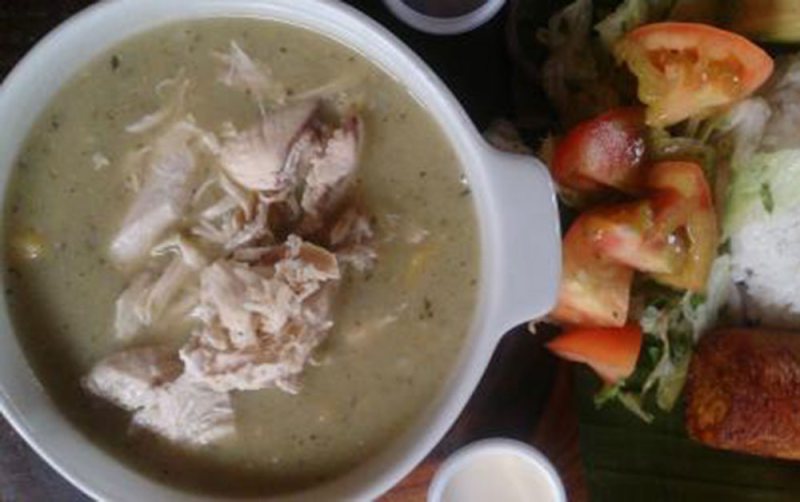
The food in Colombia is excellent and you will have the opportunity to sample a number of local dishes.
Breakfasts at hotels generally feature hot drinks, teas, coffees, juices, fruits, yoghurts, cereals, eggs etc.
On trek all meals are provided and are cooked at the camps by a resident chef OR of you stay Fincas, by the local hosts.
These will include soups, rice/pasta dishes, meats and other local dishes.
Lunches while trekking will generally be sandwiches, crackers, cheese, ham etc.
Local guides will accompany you on the various tours, on trek you will have a specialised local trekking guide.
Outstanding communication and expert planning made Andean Trails the clear choice for a perfectly organised South American adventure.
A superbly organized journey showcasing Andean Trails’ consistent excellence, reliability, and seamless travel experiences.
Miss out none of Colombia’s highlights as you take in Bogota, the coffee region and Cartagena as well as visit indigenous villages and working farms, called fincas.
The itinerary is fully flexible if you wish to add in more time in one or more areas.
Start with a tour around the incredible Bogota, enjoying its famous museums, food and culture, before setting off for Salento and the coffee region.

Enjoy thermal springs and sleepy Salento before you head into Los Nevados National park for a hike into another world.
Los Nevados is a trekking paradise next to the famous coffee region.
Cloud forests, humming birds and volcanoes – plus the incredible frailejones plants – are your visual tapestry.
Walk to real mountain fincas, welcoming farmhouse type accommodations run by people clinging on to their traditional lifestyles, high in the Los Nevados mountains.
Having seen some incredible people, animals and plants, you fly to the famous Colombian Caribbean coast. Here, enjoy yoga, cold drinks and the pounding waves to relax after the hike.
One final day walk to the indigenous El Pueblito village awaits, then we take in the colourful towns of Santa Marta and Cartagena.
You can transfer out and fly to Bogota, and home, or book more nights in Cartagena, or perhaps fly to San Andres or Providencia for some Caribbean island relaxation.
From: $3190 per person
Duration
12 days

From: $2298 per person
Duration
8 days

From: $2188 per person
Duration
8 days
Colombia is divided into five main geographical regions: Pacific, Llanos, Amazon, Caribbean and Andes.
The Andes dominate and have three main branches, all running roughly from south to north.
The Cordillera Occidental lies furthest to the west, running parallel to the Pacific coast; Furthest east lies The Cordillera Oriental running almost to the whole length of the country and incorporating Bogota; and in between these two, is the Cordillera Central.
Less than 3% of the population live in two lowland areas that comprise more than half of Colombia’s overall size.
The first lies to the east of the Andes called Llanos and is a savannah, and forms a part of the Orinoco river basin.
The second is Colombia’s steamy Amazon rainforest, which lies to the far south east of the country and covers almost one third of the entire country.
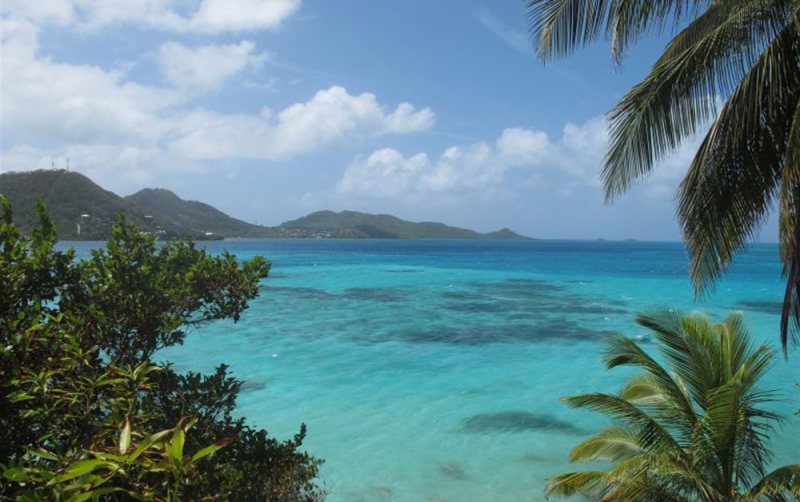
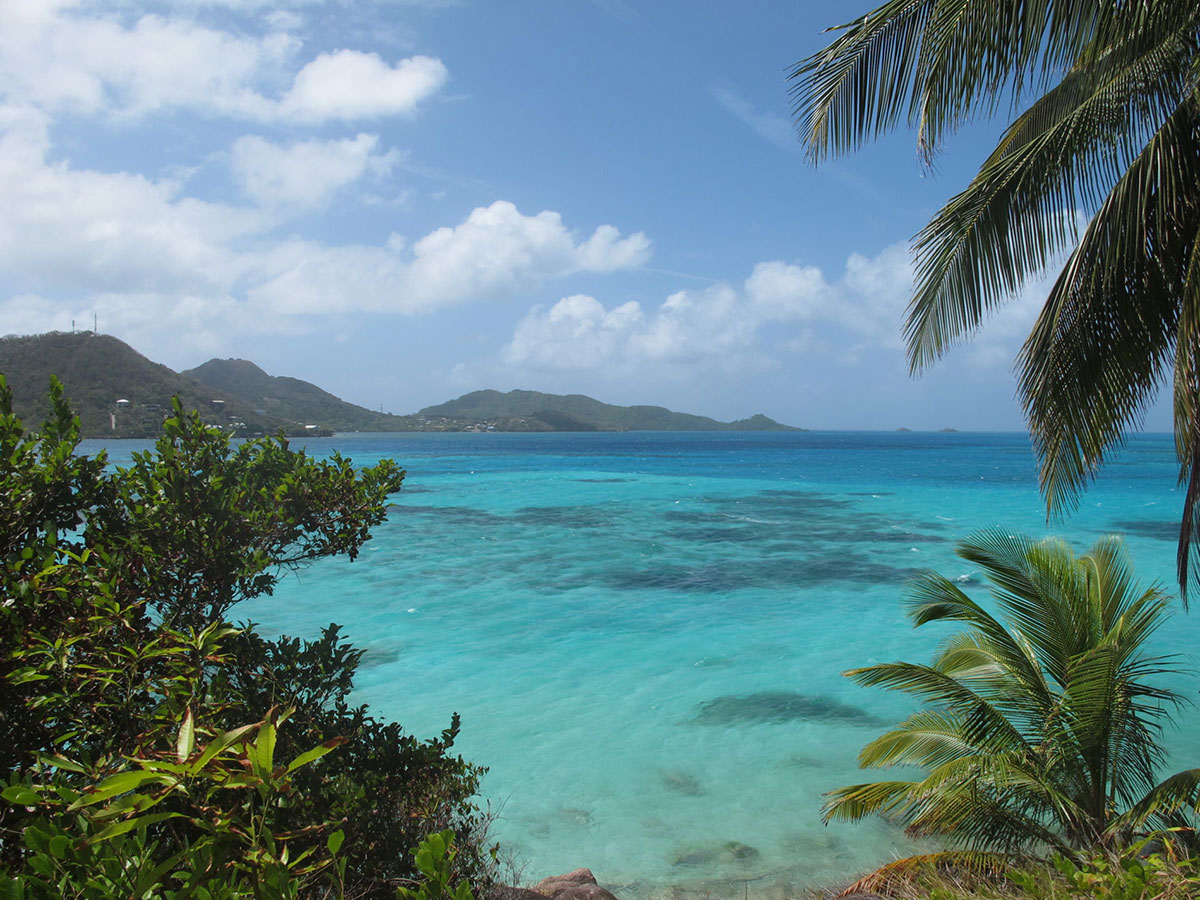
In the north is the hot and humid Caribbean coast, characterised by beautiful beaches and turquoise seas as well as fertile and low-lying plains and La Guarija Desert.
Colombia lays claim to two small islands, close to Nicaragua, called San Andres and Providencia, and islands in the Pacific and these are known as the insular area.
The narrow Pacific coastal lowlands are densely covered with vegetation, with very few people living here.
Colombia is the country that has everything you could need from a South America holiday.
Diverse people and landscapes make this a country rich in wildlife, landscapes and culture.
Hikers can choose to trek to glaciers on snow-capped peaks, or through steamy forest to hidden ruins, or to unique Paramó plains.
Cyclists can pedal over and around the Andean peaks that dominate, and adventure seekers can try anything from paragliding to canyoning.
Beach lovers can enjoy surfing and relaxing with a Colombian twist, or head to islands for a more Caribbean vibe.
Prefer wildlife? Try the pacific coast and its whales and turtles, or perhaps the Amazon and its diverse flora and fauna.
The cities are cosmopolitan and cultured, replete with incredible museums with enormous collections.
Good kit is vital for every trip.
Book with Andean Trails and get 15% off Páramo’s fantastic ethical and high performance outdoor gear.
Bogotá is a city high in the Andes Mountains (2,625 metres) and has a spring-like climate, when the weather is generally cool and variable. It can rain, the sun can shine and it can be foggy and chilly.
Bogotános like to say that in Bogotá you can experience the four seasons all in one day.
In general you’ll need cool clothes for the Caribbean coast of Colombia, and then warm clothes for the trek.
Give plenty of thought to kit selection, and try to keep weight down.
Below is a more detailed guide.
Colombia has warm to hot average temperatures all year round.
Cartagena on the Caribbean coast, for example, averages around 325 days of sunshine a year, even during its ‘winter’.
There are, however, two rainy and dry seasons that Colombians call summer and winter.
The severity and length of these seasons also depends on where you are in the country – the coast has slightly more severe and longer dry seasons than the Andean region, for example.
Dec-March and July-early Sept.
On the coast the rainfall stays low during the whole of September.
April to June and October to early December.
Much depends on where you are in the country. Up in the mountains one of the great attractions of Colombia is the fact that within half and hour of travel, either losing or gaining altitude, you can emerge in a totally different climate, substantially hotter and drier, or colder and more humid, depending on where you are.
On mountain treks the temperature will decrease around 6°C for every 1,000 metre (3,300 feet) increase in altitude.
In the Paramo, temperatures average around 5ºC and drop below freezing at nighttime.
Again, variations depend on geography.
Outstanding communication and expert planning made Andean Trails the clear choice for a perfectly organised South American adventure.
A superbly organized journey showcasing Andean Trails’ consistent excellence, reliability, and seamless travel experiences.