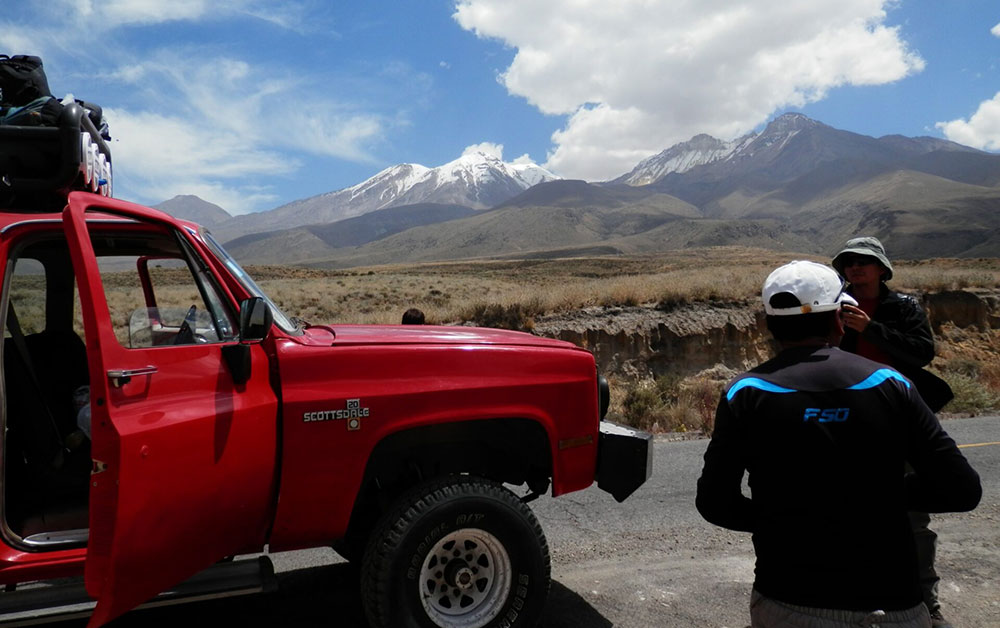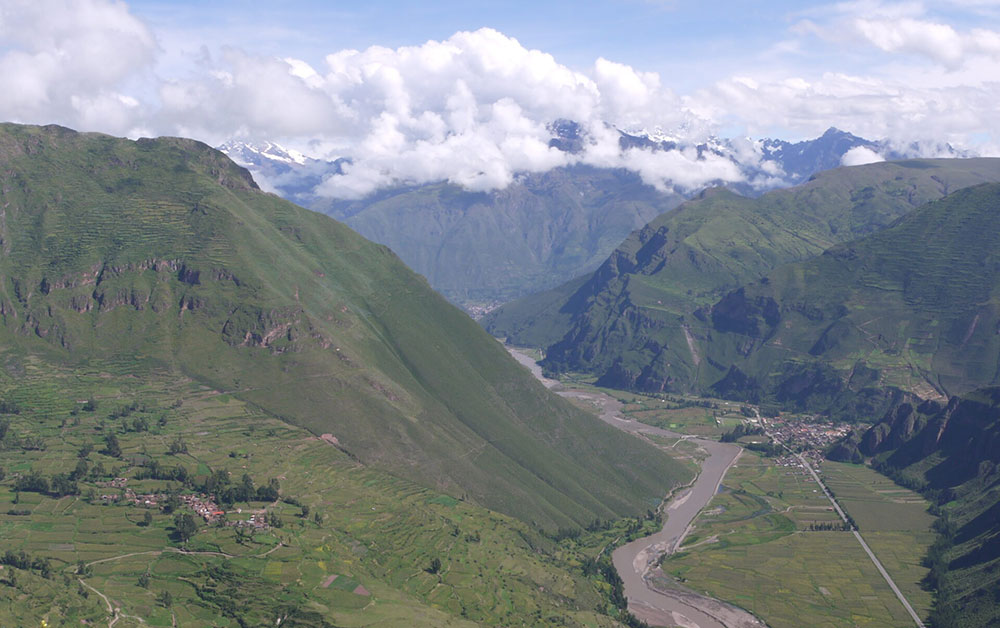
We travel by private vehicle from Huaraz to the start of the trek.
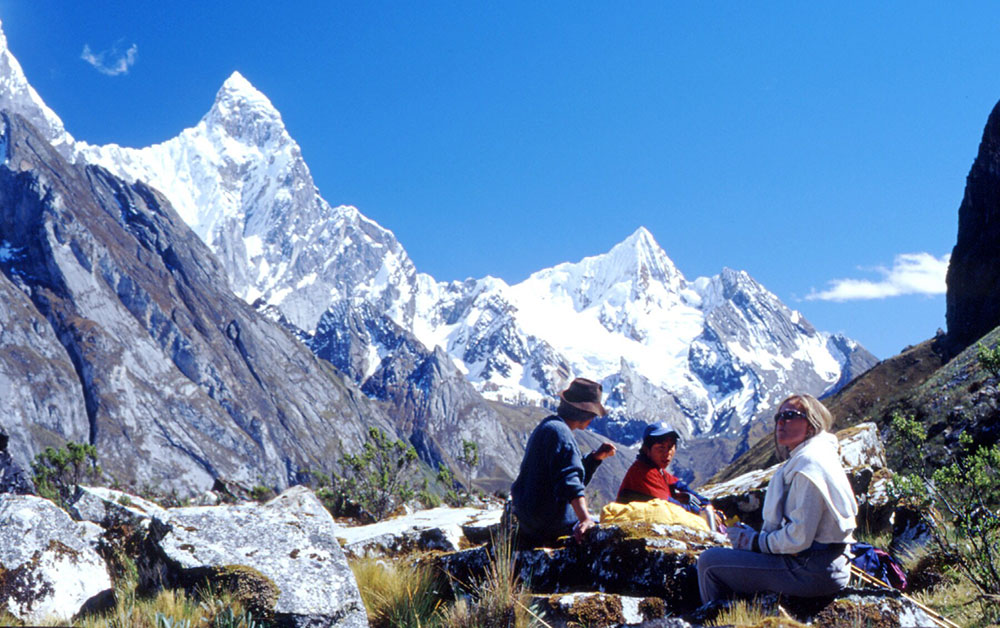
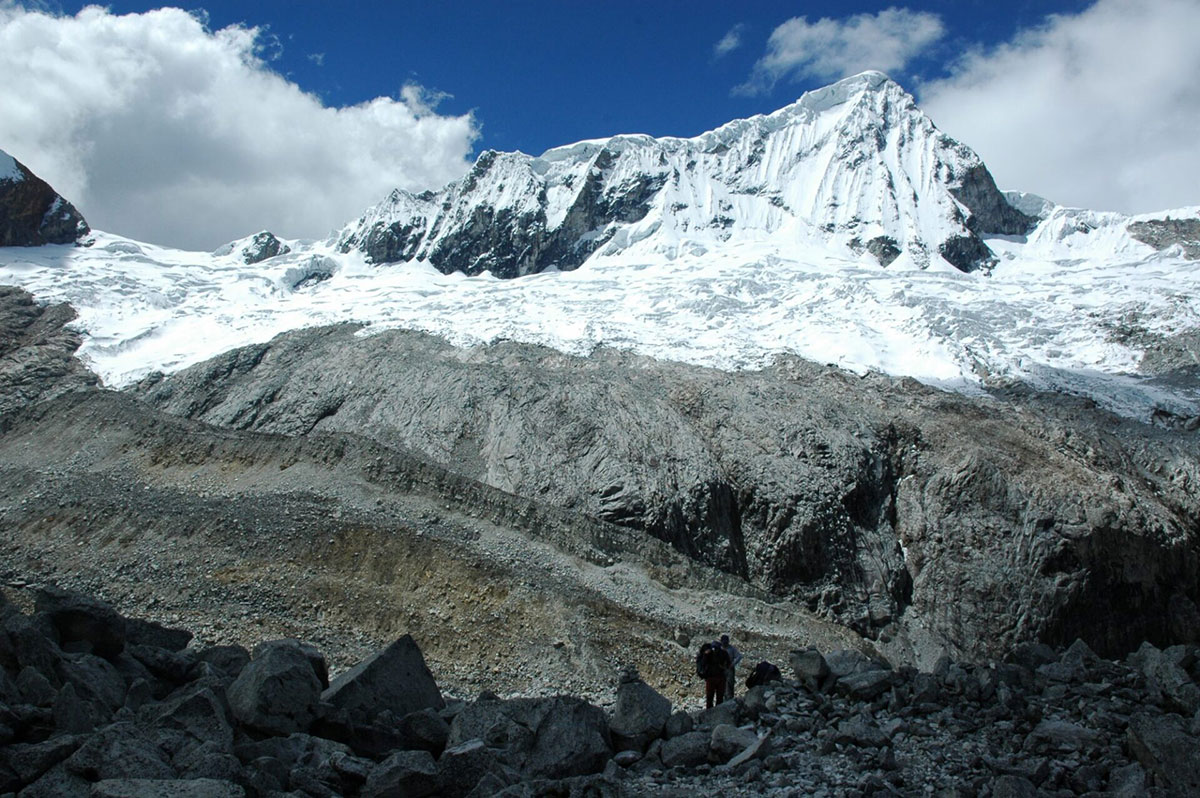
Start walking at Quebrada Demanda to Pisco base camp (camp or mountain hut).
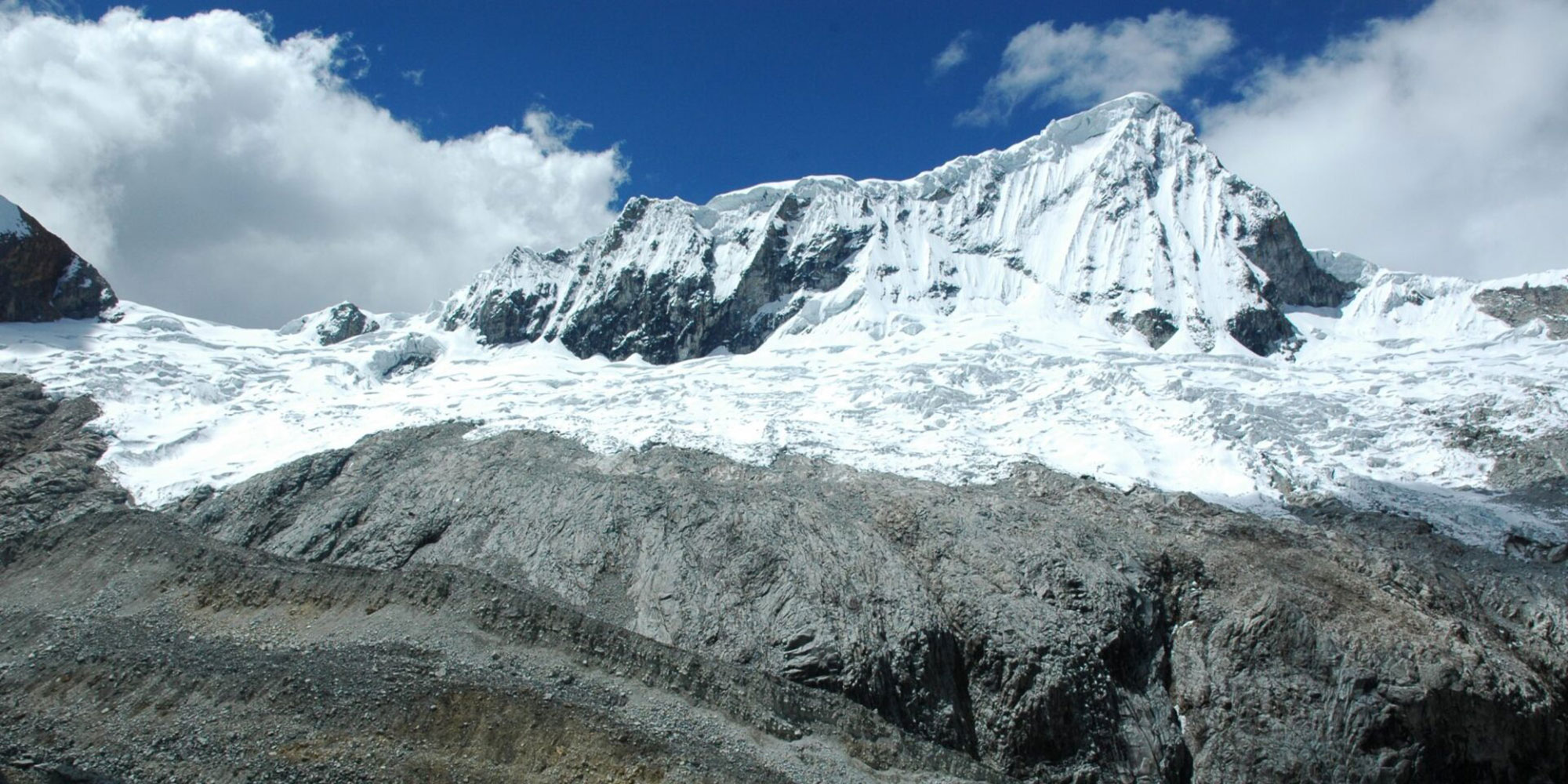
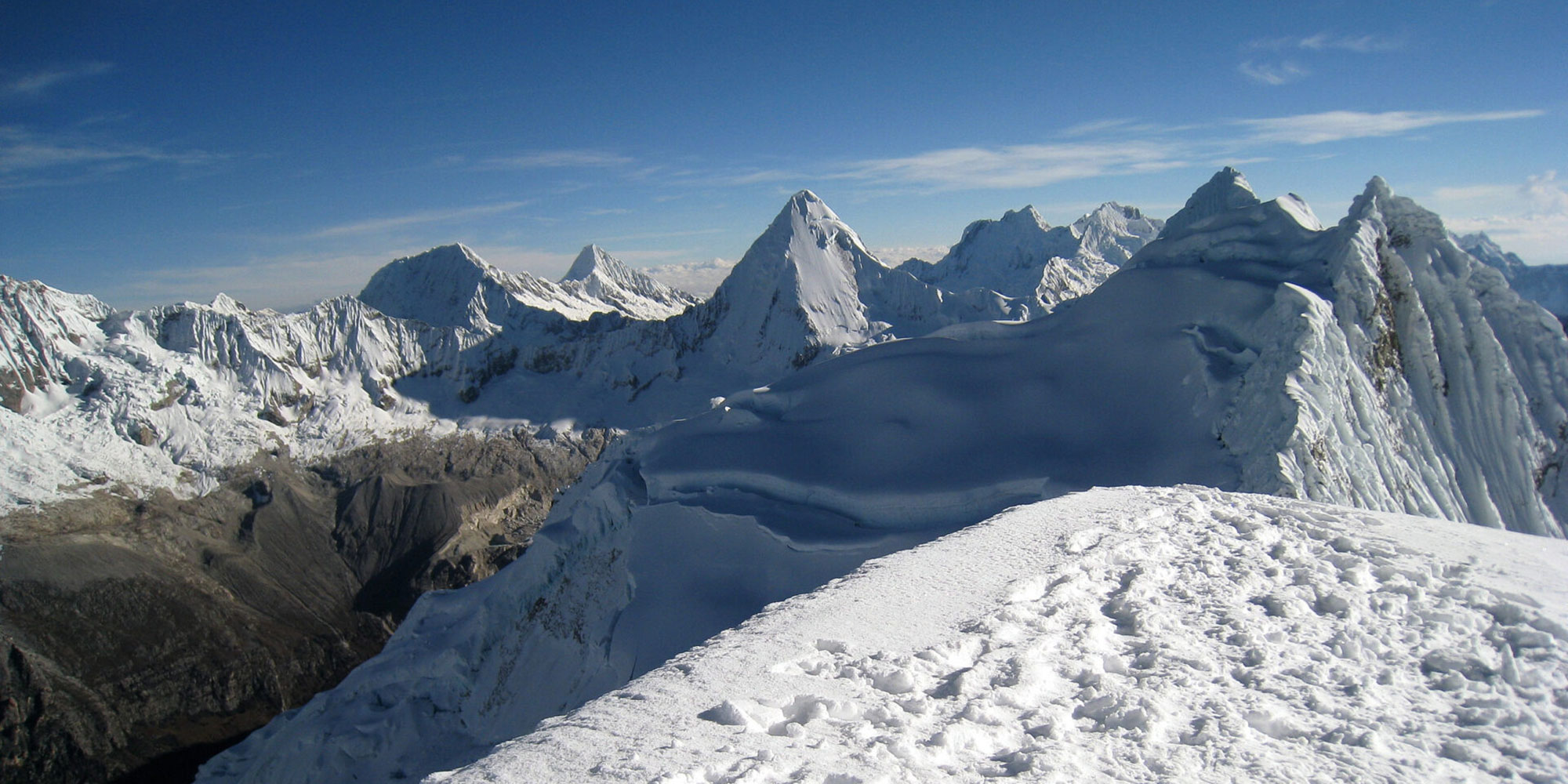
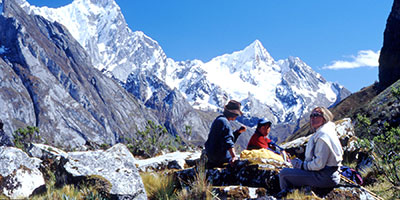
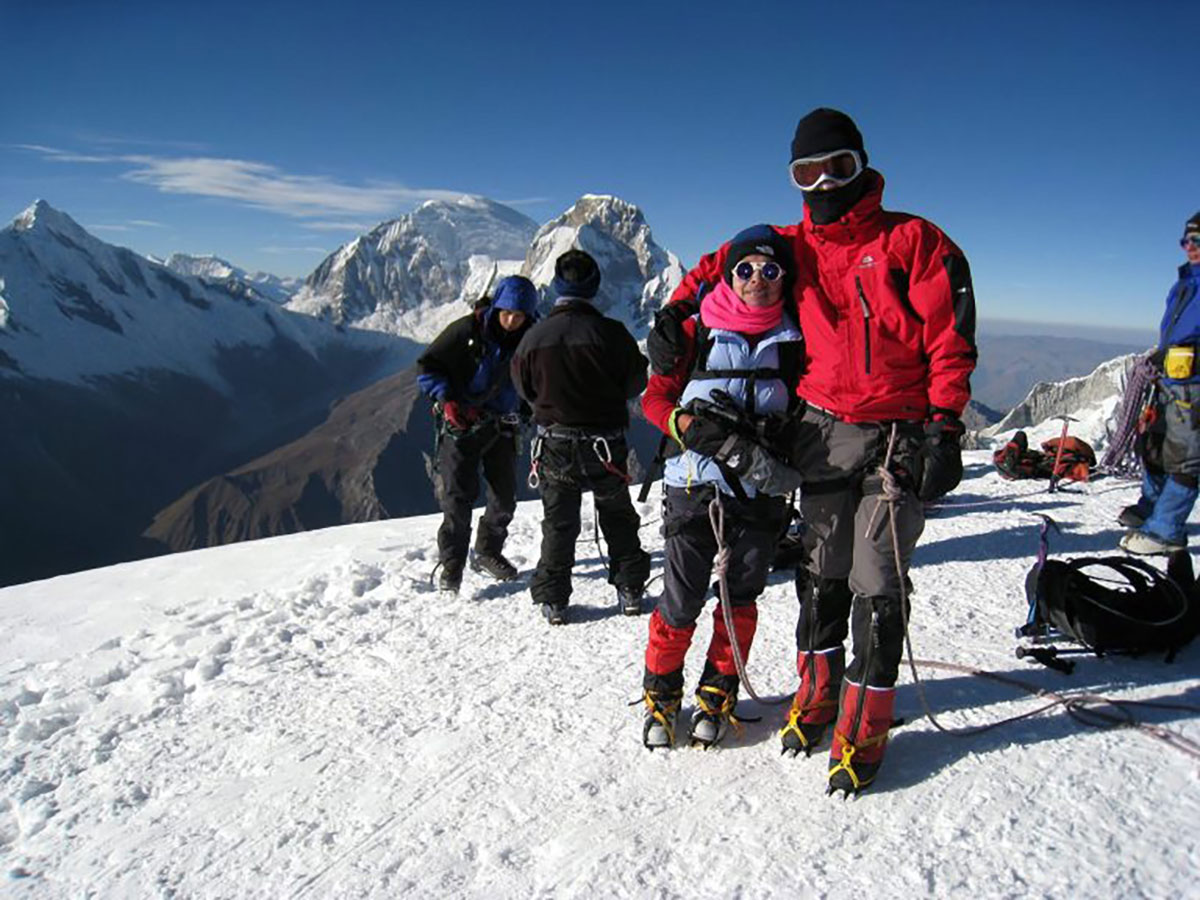
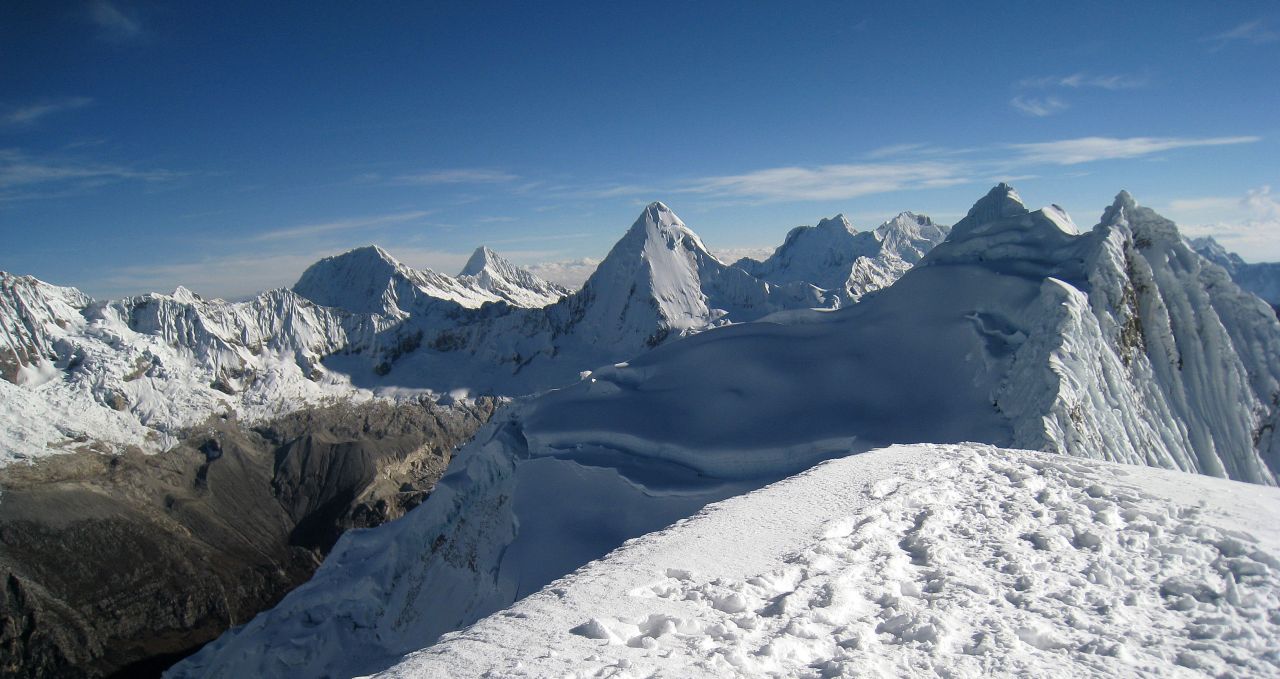
From the camp there are magnificent views of Pisco and all around to the high peaks of the Cordillera including Huascaran which at 6,768m/22,205ft is Peru’s highest peak.
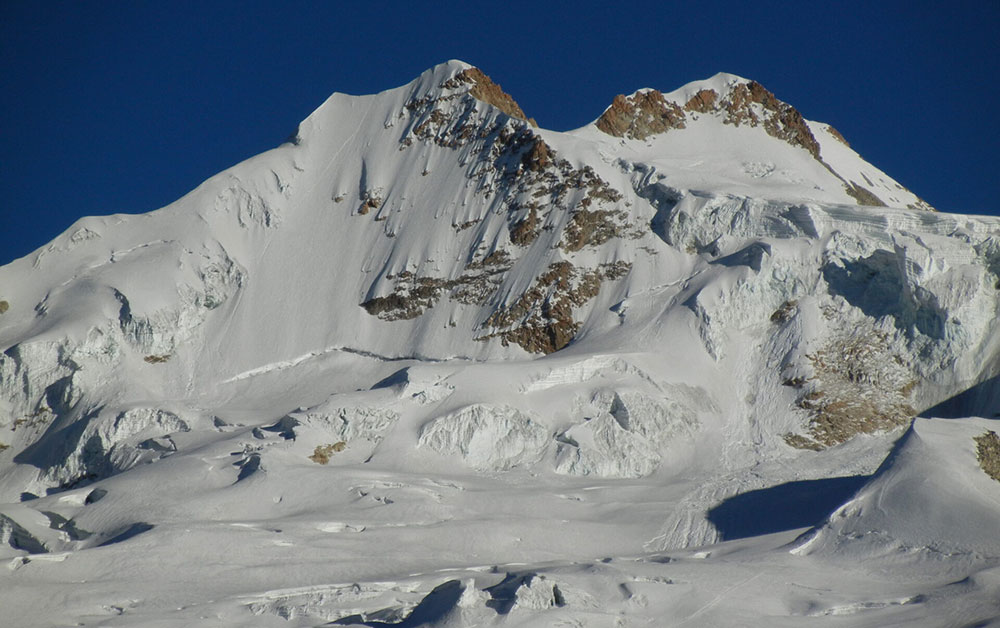
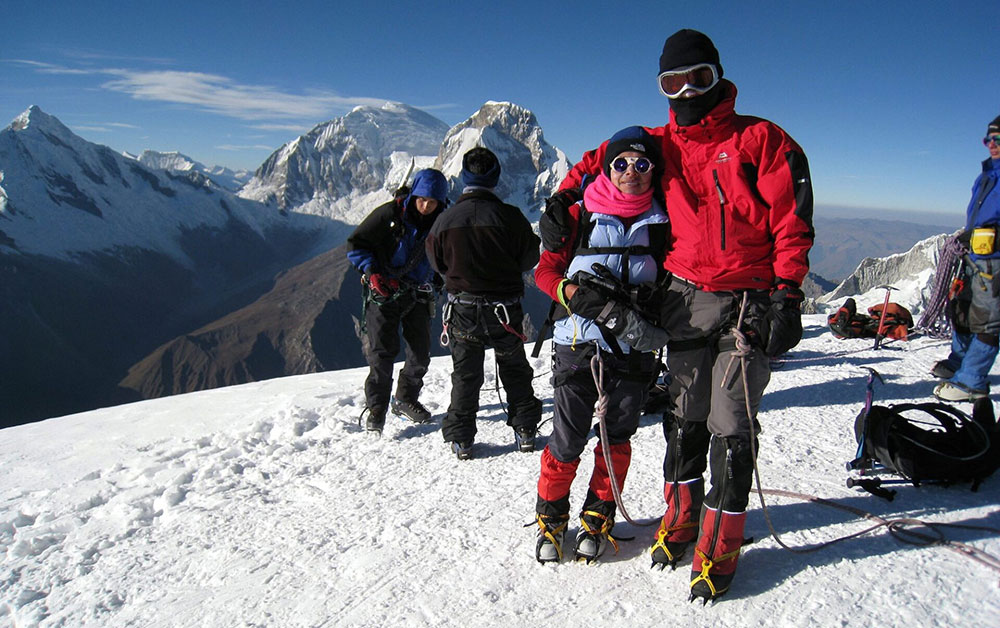
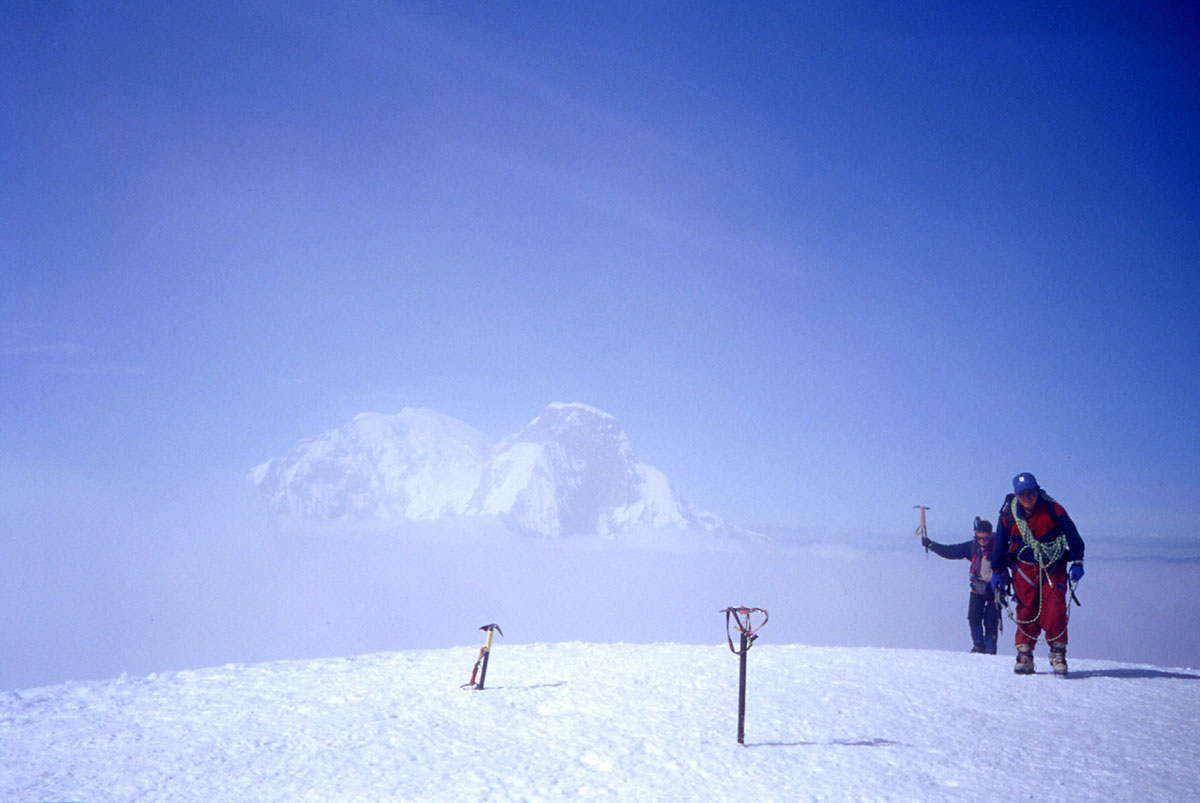
Today you continue to the summit of Pisco (5,752m/18,871ft).
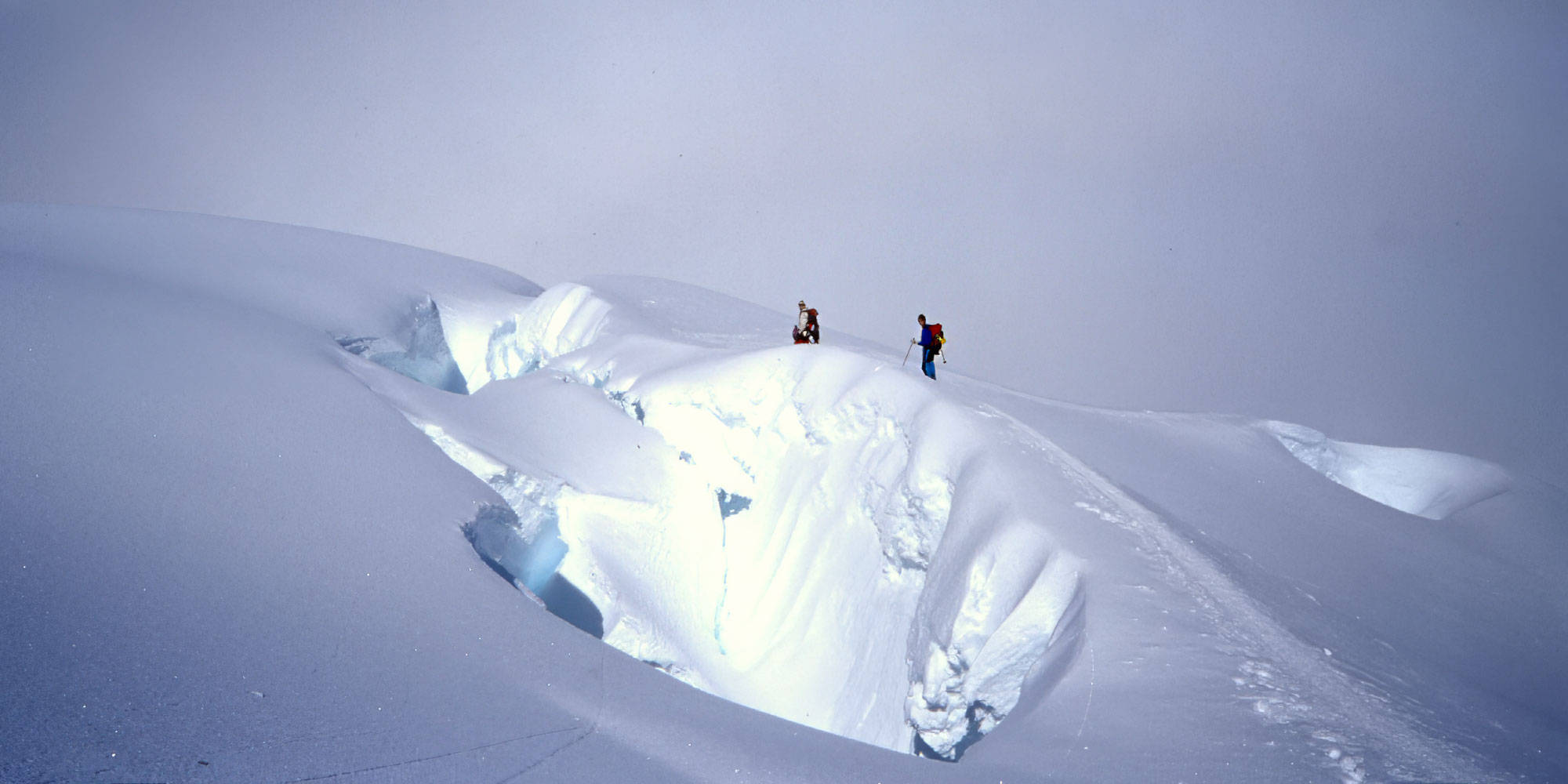
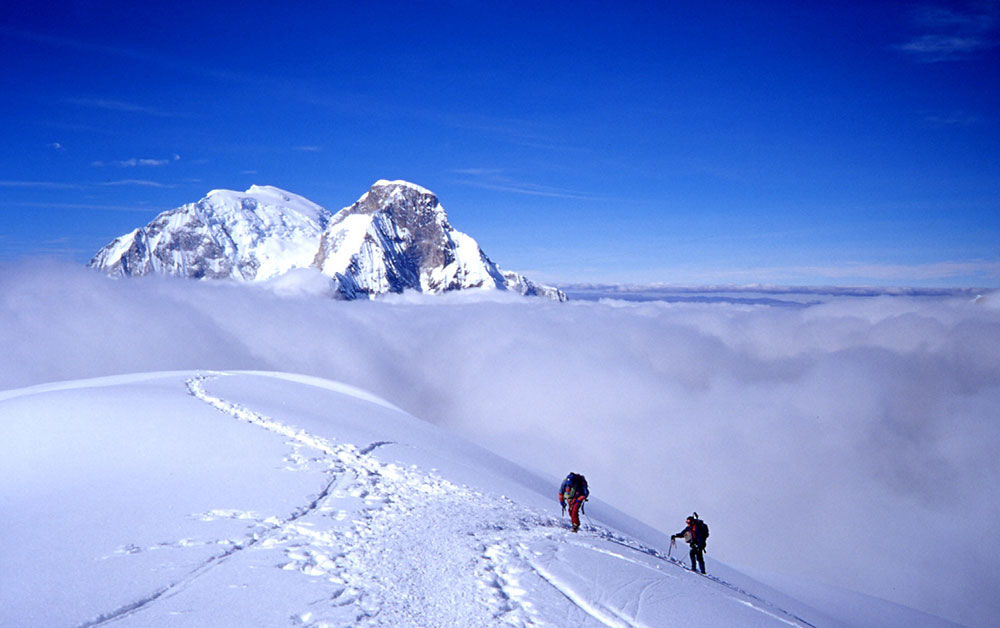
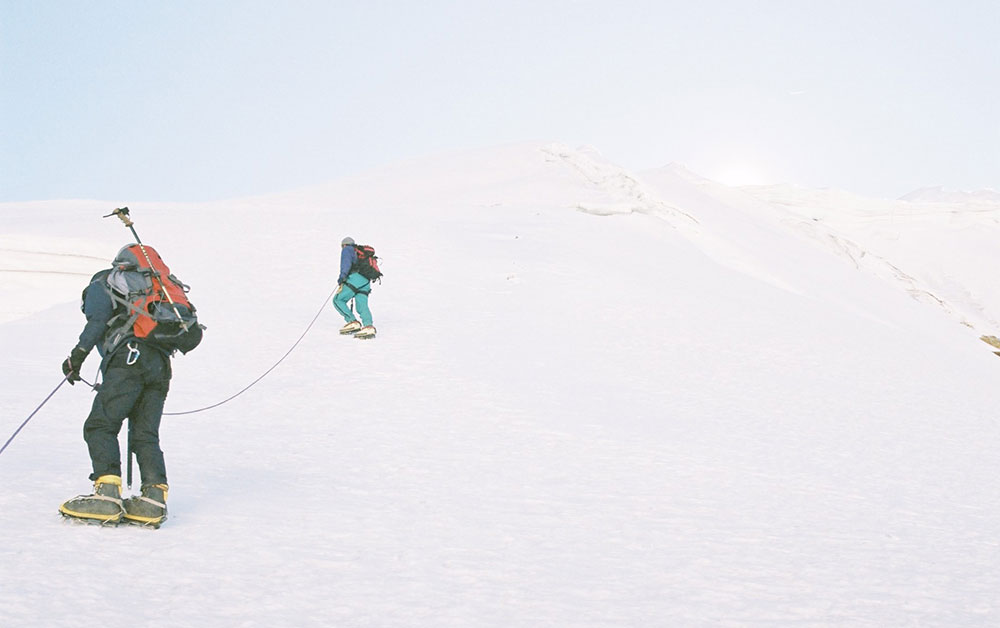
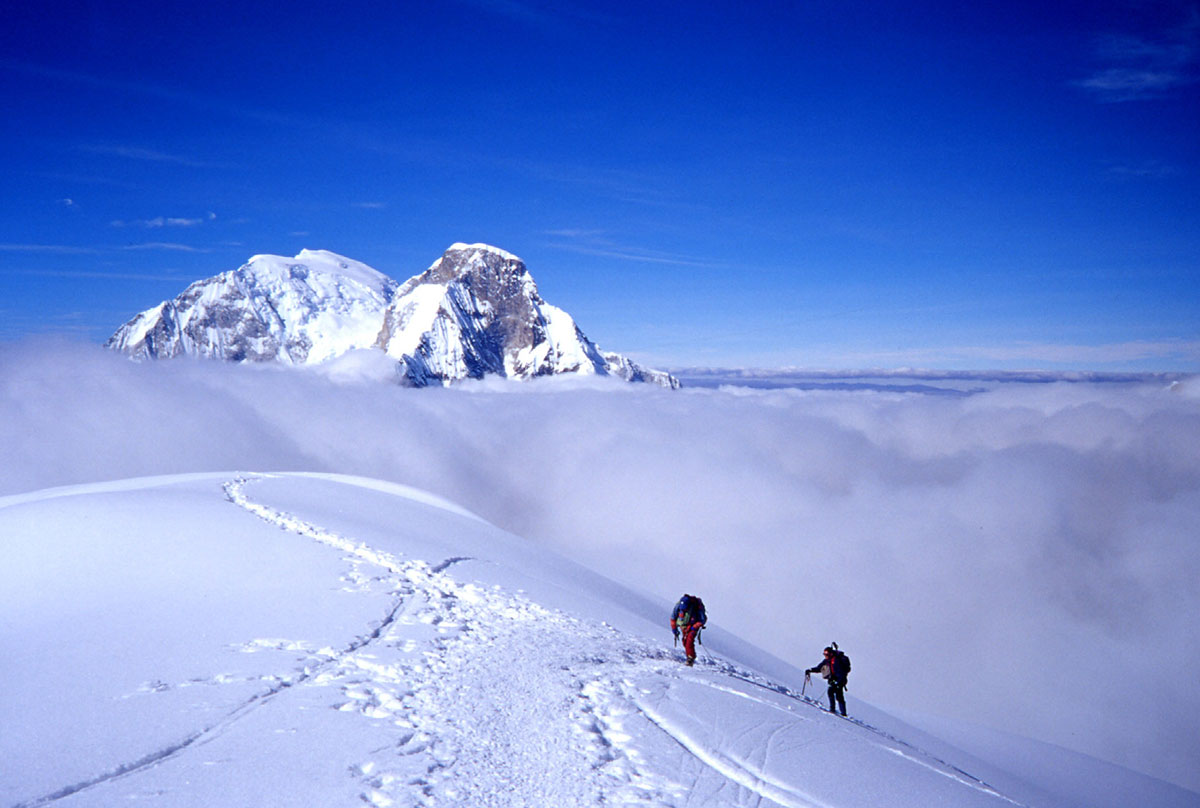
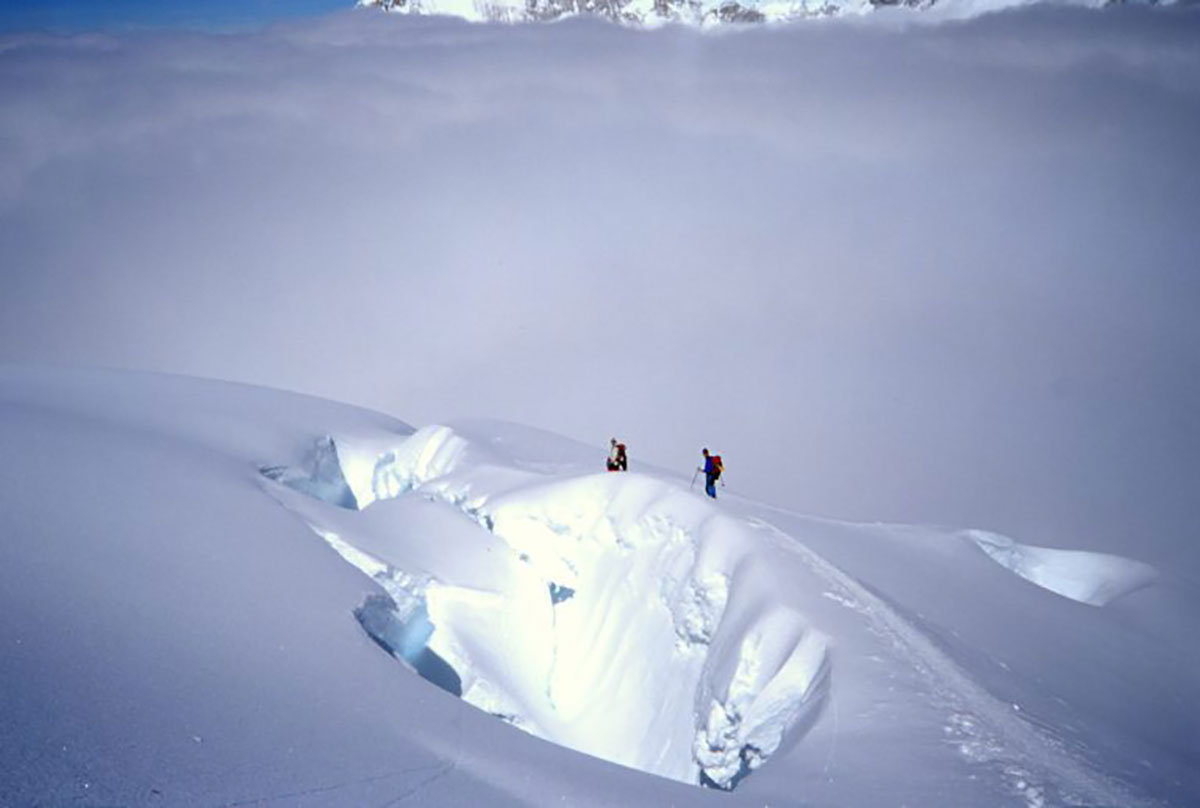
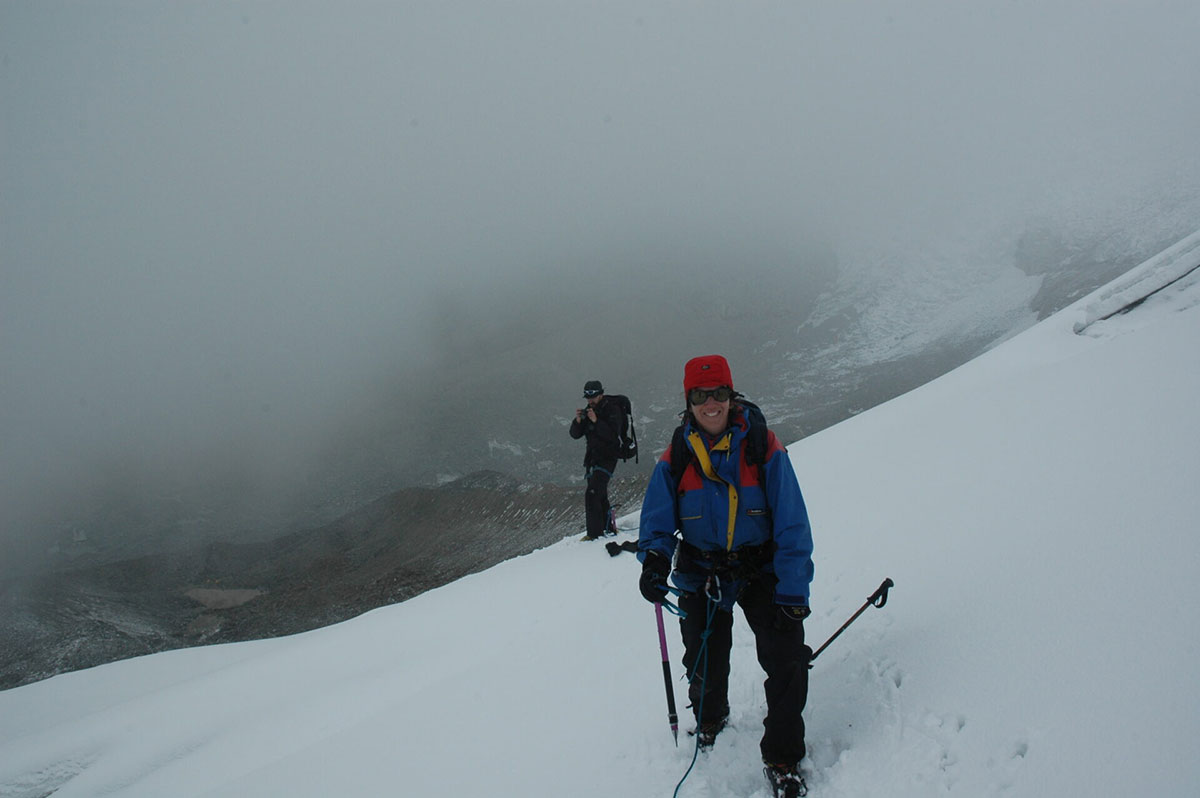
Setting off early, you cross a broad moranic ‘moonscape’, reach the snow line at 4,800m and don crampons for the ascent of the glacier.
At the col separating Pisco from Huandoy to the north, you start to negotiate the northern slopes of Pisco.
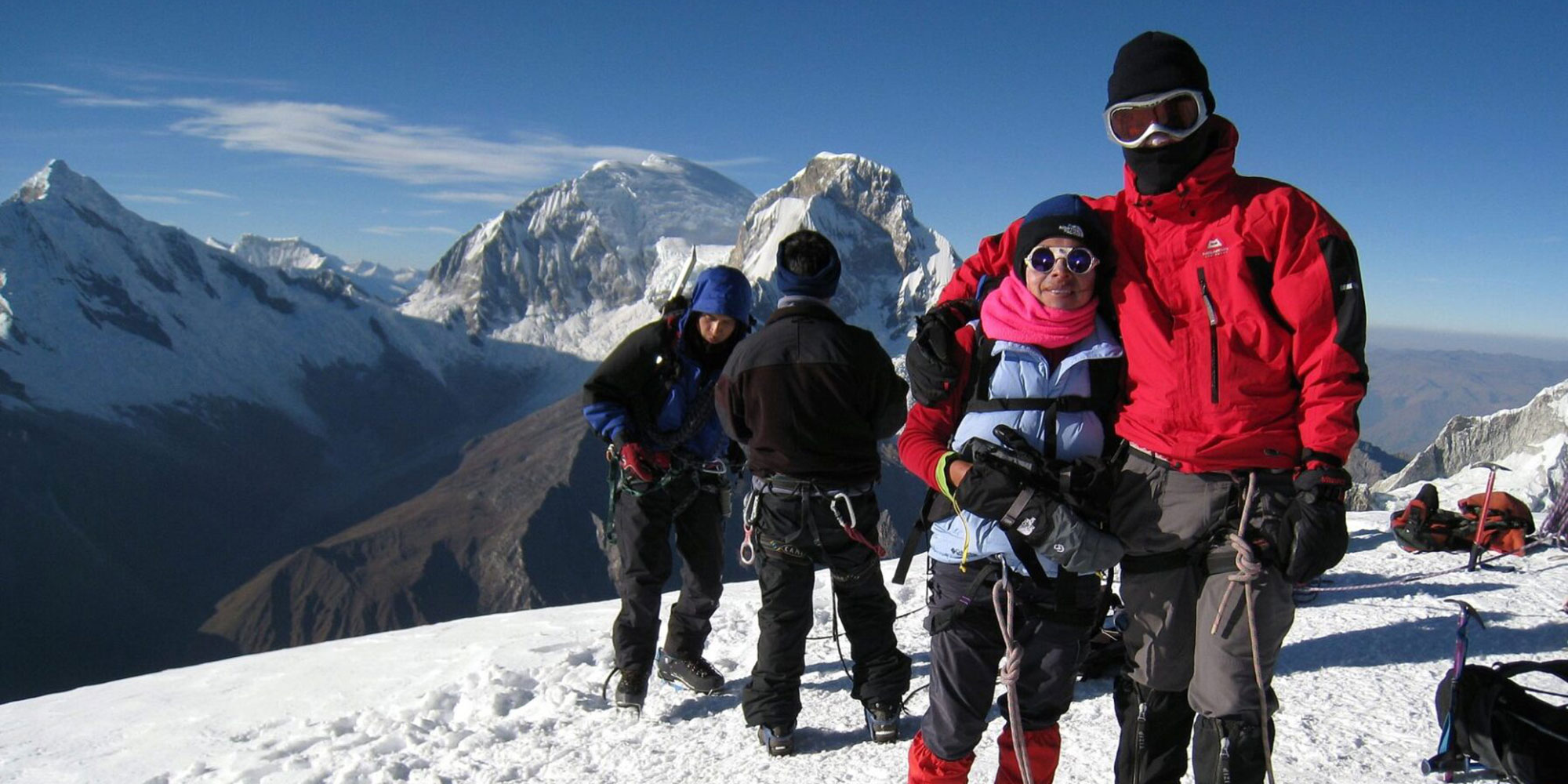
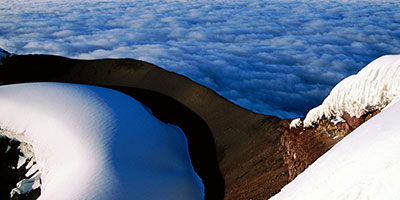
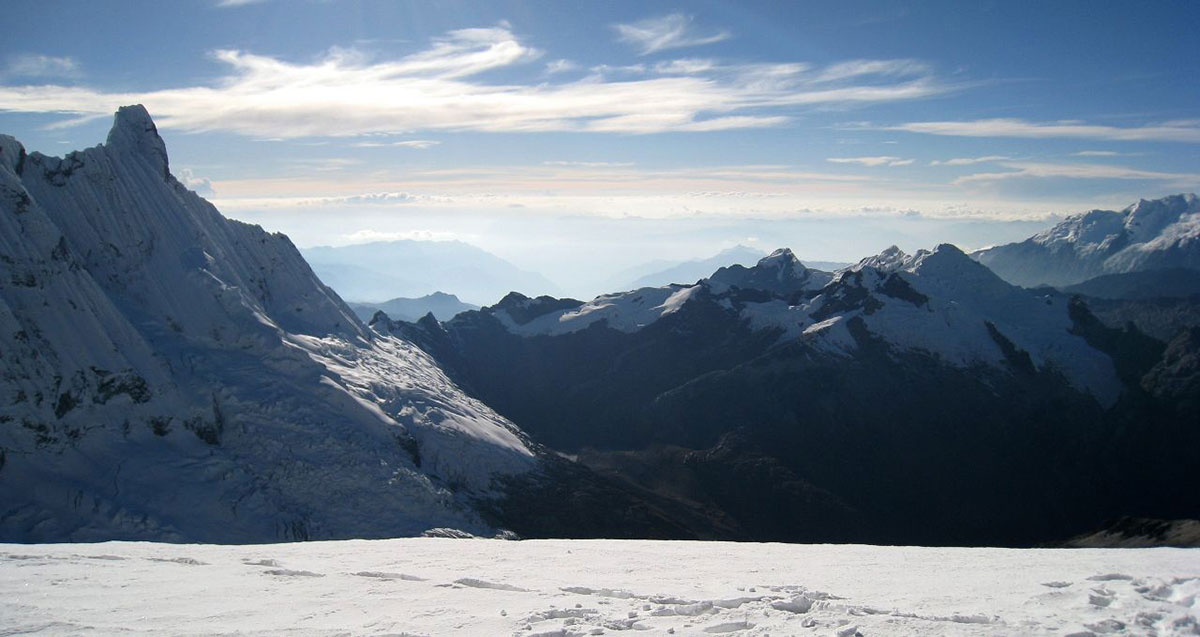
Late morning should see you on the summit for some of the most spectacular panoramas in the range.
The descent takes you back to the base camp and a deserved rest (camp or mountain hut).
Trek from Base Camp to the road, bus to Huaraz.
Camping – we use top quality, high mountain, two-man tents.
To get the most out of this expedition you should be in very good physical condition. We suggest you talk to your doctor if you are in any doubt as to your physical capability.
Any previous wild camping and winter experience are a plus, but experience in crampon and ice axe use is not essential as your guide will be teaching you the skills you need.
You will carry your own kit as well as some group kit, so expect a backpack to weigh between 15 and 25kg, depending on how much you take in. Your return backpack should be lighter as there will be less food to carry. Expect to get involved in all aspects of camping as every part of the course is part of the mountaineering lesson.
Summit day you wake very early, around 0300, to maximise summit chances.
Vegetarians and many other dietary requirements are catered for without problems. Please let us know in advance of any requirements you have.
You wake early, usually around 0700. Breakfast is served in a dining tent, and consists of hot drinks, porridge, toast, jams and bread, and your guide will explain the day’s trekking plans.
Lunch is usually around 1300 and can feature soups, meats, salads and fish, with vegetarian options and hot drinks too.
The campsites are comfortable and around 1700 hot drinks, popcorn and other snacks are served to help you recover energy.
Dinner is served around 1930, and will feature pasta, mashed potatoes, meat, fish or vegetarian options, followed by hot drinks and a pudding.
Our guides are experienced mountaineers and we typically employ one mountain guide to every three clients.
They will not just show you the way but will teach and empower you to succeed in the mountain environment.
All are UAIGM-qualified and selected for the attention to detail and, above all, safety and assessment of mountains, conditions and your capabilities.
Guide’s decisions are always final as they do so based on many years of experience of climbing among Peru’s peaks.
Cooks, mule drivers and additional staff are all from the local, nearby communities and we have worked with them for a long time.
A breathtaking Amazon trek filled with wildlife encounters, serene lodges, and unforgettable rainforest experiences.
An unforgettable 4-day Inca Trail trek to Machu Picchu, perfectly organised, stress-free, and full of breathtaking moments.
Pisco is a straightforward climb and ideal for those learning mountaineering and ice climbing skills, especially if combined with our extended climbing course in Peru.
Pisco’s summit offers great views over Peru’s Cordillera Blanca, and is easily accessible from Huaraz.
The ascent of the non-technical peak of Pisco (5,752m/18,871ft) is also an excellent choice for experienced climbers going on to the higher Andean mountains.
For keen trekkers and people acclimatised and with no, or limited, experience on snow and ice, this is a must.
The views are fantastic and you’ll feel a real sense of achievement once you hit the summit of Pisco.
Peru is made up of 3 distinct geographical areas: the coast, the mountains and the jungle.
The costa or coastal region is a narrow ribbon of desert 2,250 km long, crossed by fertile river valleys flowing from the Andes. It takes up 11% of the country and holds more than 40% of the population.
The cold Humboldt current gives rise to a blanket of mist – the garua – which hangs above coastal cities like the capital Lima from May to November.
Heading east, you’re soon climbing above the garua and into the Andes. The sierra, or mountainous region, covers some 25% of Peru’s territory and contains 50% of the population. The sierra inhabitants are mainly Indigenous or Mestizo, and many still speak Quechua or Aymara.
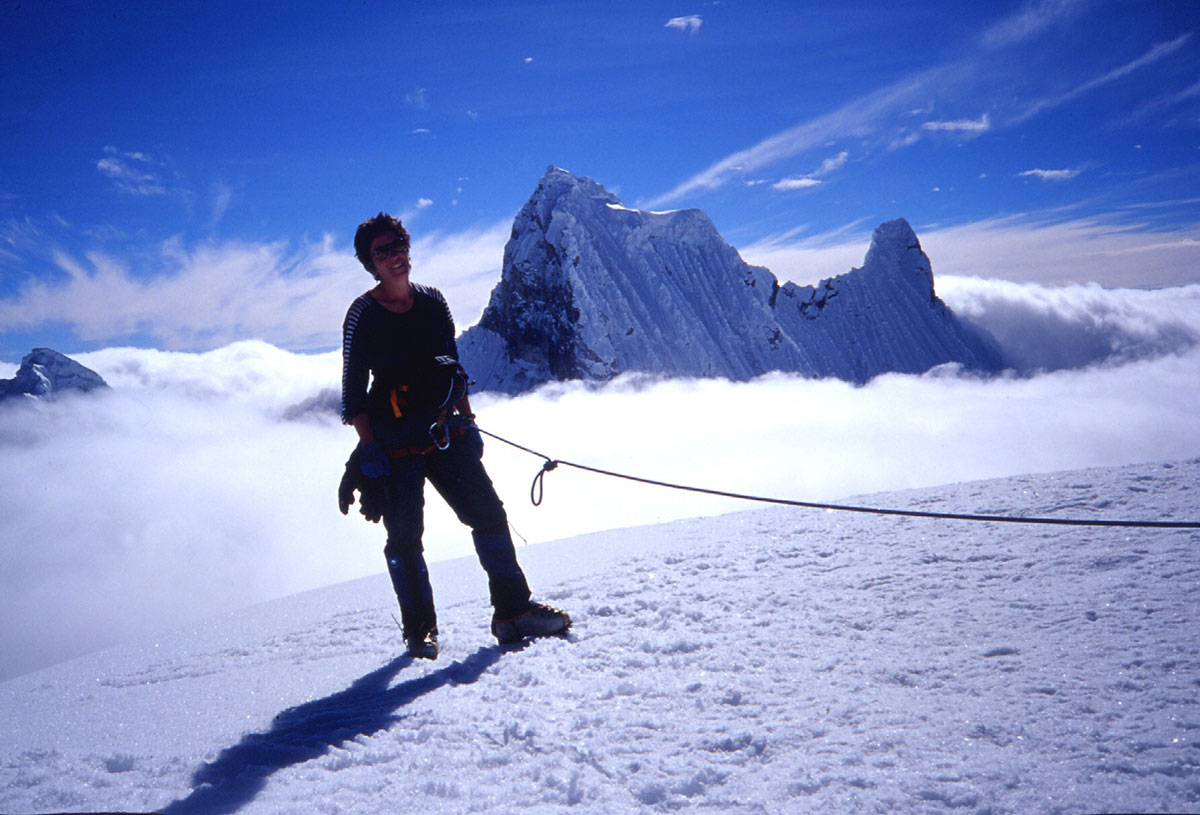
The sierra contains dozens of 6,000-metre snow peaks and volcanoes, including Huascaran (6,768m) the highest mountain in the tropics. The deep valley basins contain most of the towns and arable land; the terracing and canal systems of the Incas and pre-Incas are often still used today.
The eastern Andes are heavily forested up to 3,350m and sweep down into the Amazon Basin.
Peru’s selva or jungle makes up almost two thirds of the country’s area, but holds only about 6% of the population: the only towns with significant populations are Iquitos and Pucallpa.
Peru is the perfect holiday destination for adventure travellers that want an amazing variety of activity, geography and cultural travel experiences.
The breadth of travel experiences in Peru is breathtaking – from trekking in the Andes to Machu Picchu to the tropical jungle of the Amazon, and plenty in between.
The people of Peru make it a special destination too, with its colourful and traditional street life and friendly locals.
Good kit is vital for every trip.
Book with Andean Trails and get 15% off Páramo’s fantastic ethical and high performance outdoor gear.
When planning for the extreme climatic conditions encountered on high peaks in the Andes, layering is the most practical and versatile clothing system. It’s worth remembering that our clothing keeps us warm by retaining and isolating the heat we ourselves create.
To best maintain body heat, several layers of lightweight, warm and quick-drying clothing are far more efficient than one or two thick layers.
Layers should have the following qualities:
First (base) layer: This layer wicks the sweat away from our skin, thus helping keep the body dry and warm. To this end, synthetic fabrics such as polypropylene should be used.
Mid layers: These isolating layers should also be synthetic (e.g. the known polar linings such as polartec or windblock, which are light and insulate twice as well as wool). Very important layers for retaining body heat.
Outer layer / shell: Finally, the vital layer which protects us from climatic adversities. A breathable, wind-proof and waterproof anorak, such as Goretex.
Note that it’s our extremities that stand to suffer the most, and on high Andean peaks the poorly-equipped mountaineer is at risk of becoming frostbitten. Hence, much thought should be given to deciding how best to protect hands, feet and head.
Give plenty of thought to kit selection, and try to keep weight down.
Below is a more detailed guide.
For the extreme cold, we recommend a 3-layer scheme:
All other non-personal trekking and camping equipment is provided, e.g. tents, cutlery etc.
You can also read about the weather of Peru in our blog.
You can also read about the weather of Peru in our blog.
Peru is located in the southern tropics (latitudes 0º to 18º), but climate varies significantly according to season, altitude and region.
From May to October, Lima is often overcast, but with minimal precipitation. There are sunny spells, and it’s a fresh to pleasant 13-20ºC.
At the same time, inland areas and the north coast mid to high 20’s ºC.
November to April is generally warm and sunny and Lima enjoys warm temperature of 19-25ºC, with the coast averaging 22-30ºC.
Climate depends largely on altitude. As a rule of thumb, below 2,000m climate is mild and above 2,000m warm clothing is required for evenings, nights and early mornings.
The Andean sun is very strong.
Cusco (3,300m): Average max/min temps: 22ºC /2ºC. Average 3 or 4 wet days per month.
Arequipa (2,380m): Average max/min temps: 26ºC /9ºC. Sunny more than 340 days/year with minimal precipitation.
On highland treks: Conditions are generally dry. However, at this time of year, expect a range of conditions within a single day: cold/freezing nights at camps above 4,000m, where pre-dawn temperatures can be -5ºC; warm, spring-like mornings and afternoons; and cold evenings.
Note that mountain weather can be fickle and localised, and that precipitation is not unknown in the dry season. Expect temperatures to swing between sun and shade, sheltered and exposed ground and with altitude gain and loss. A quick-setting sun means temperatures drop fast.
In the cloud forest, e.g. around Machu Picchu, daytime conditions are generally warm or hot, and evenings cool.
Cusco: Average max/min temps: 23ºC /6ºC. Average 13 wet days per month.
Arequipa: Average max/min temps: 25ºC /14ºC.
On highland treks: Wetter conditions, with cooler days and milder nights than dry season. Jan-Mar usually the wettest months.
Year-round, weather conditions are hot and humid and there is always the risk of rain.
There is a ‘dry season’ in Tambopata and Manu between May and October. The average daytime high temperature is between 25°C and 34°C and the average nighttime low is between 16°C and 22°C. Heavy downpours typically occur every few days.
Around 80% of annual average rainfall – approx 2,000 mm in Manu and Tambopata and 1,400 mm in Iquitos – occurs in the wet season Nov-April.
On rare occasions, between May and September, cold fronts from Argentina – ‘friajes’ – can sweep into southwest Amazonia and push temperatures down to 9°C. (Friajes usually last between 1 and 3 days).
A breathtaking Amazon trek filled with wildlife encounters, serene lodges, and unforgettable rainforest experiences.
An unforgettable 4-day Inca Trail trek to Machu Picchu, perfectly organised, stress-free, and full of breathtaking moments.