From: £2,404
From: $3,200
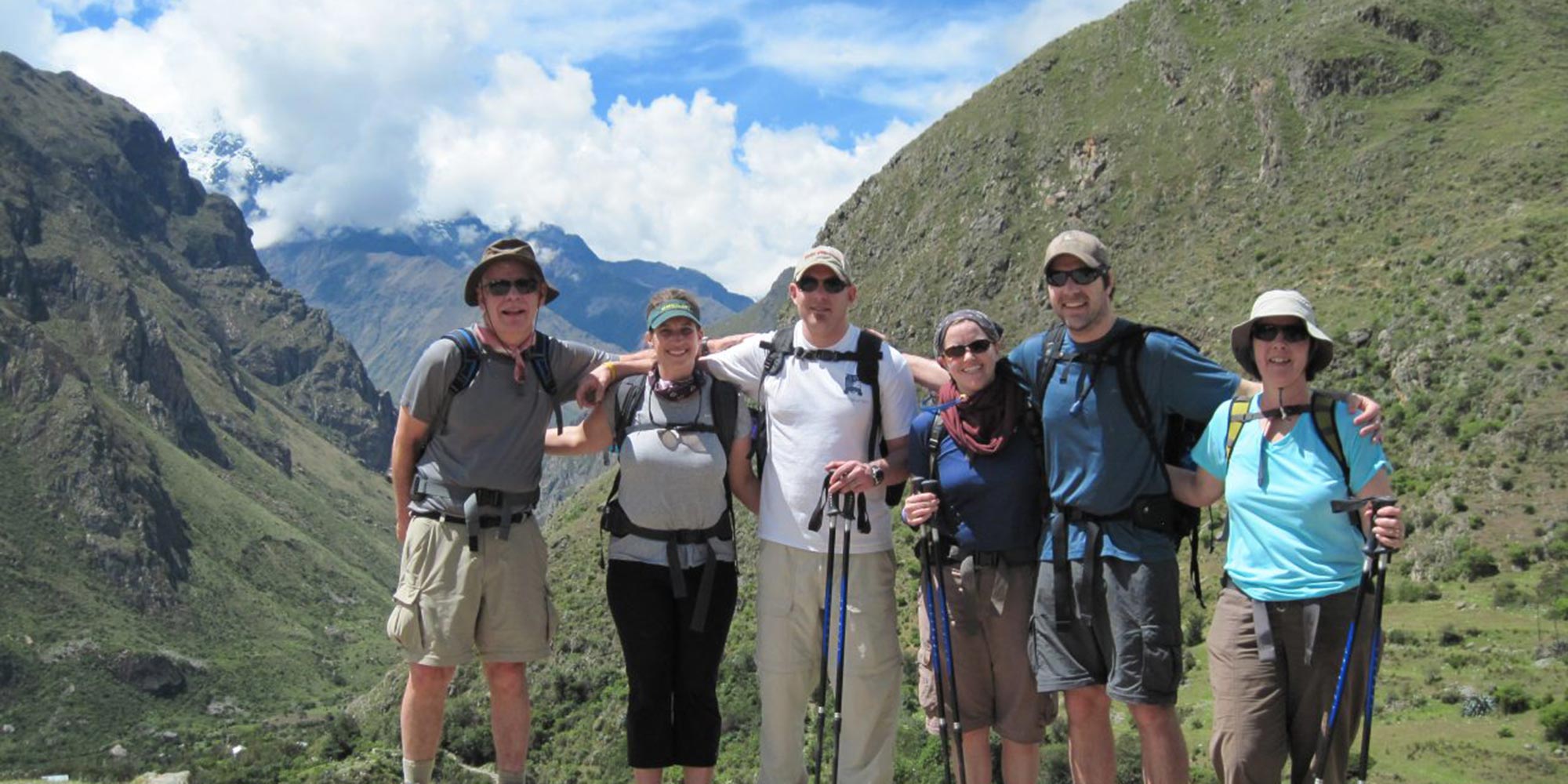
We leave Cusco for the drive to the village of Cachora, where our trekking team will be waiting near the trailhead.
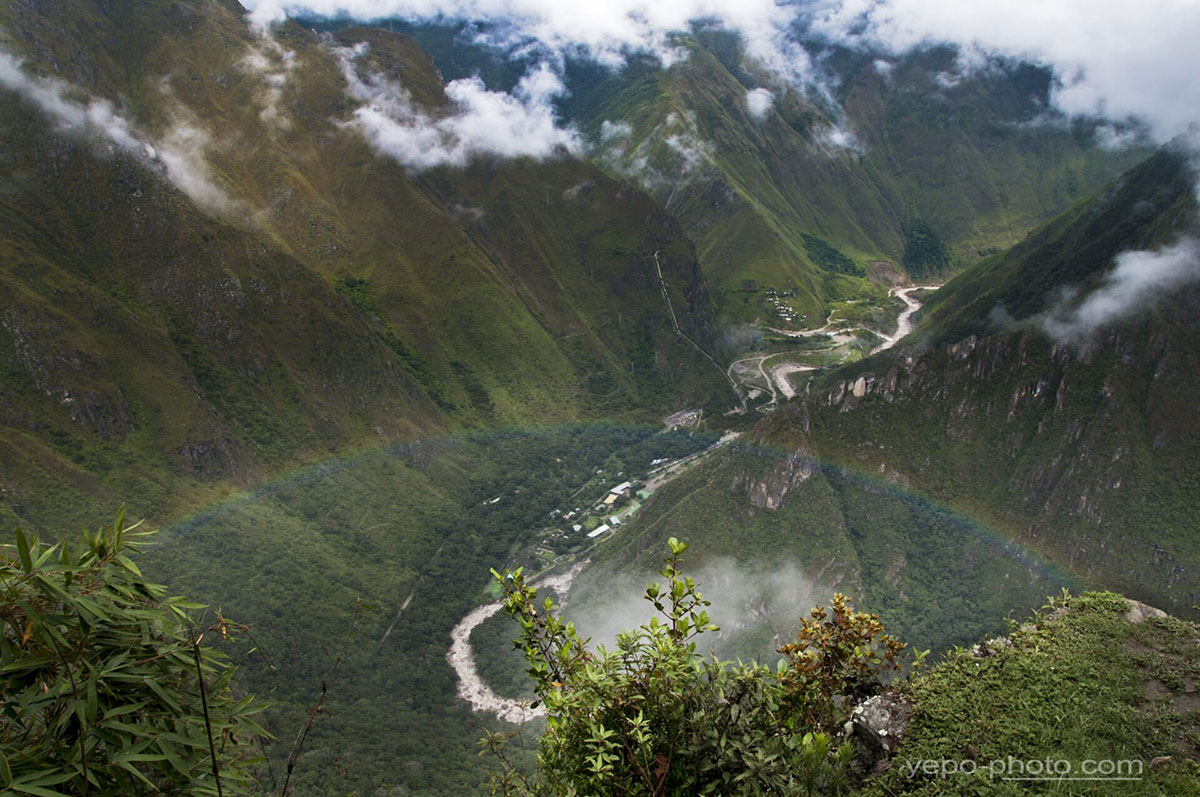
We have an early lunch then start the descent along a switchback trail, 1600m (5250ft) into the Apurimac canyon and the small settlement of Chikiska. We camp here for the night.
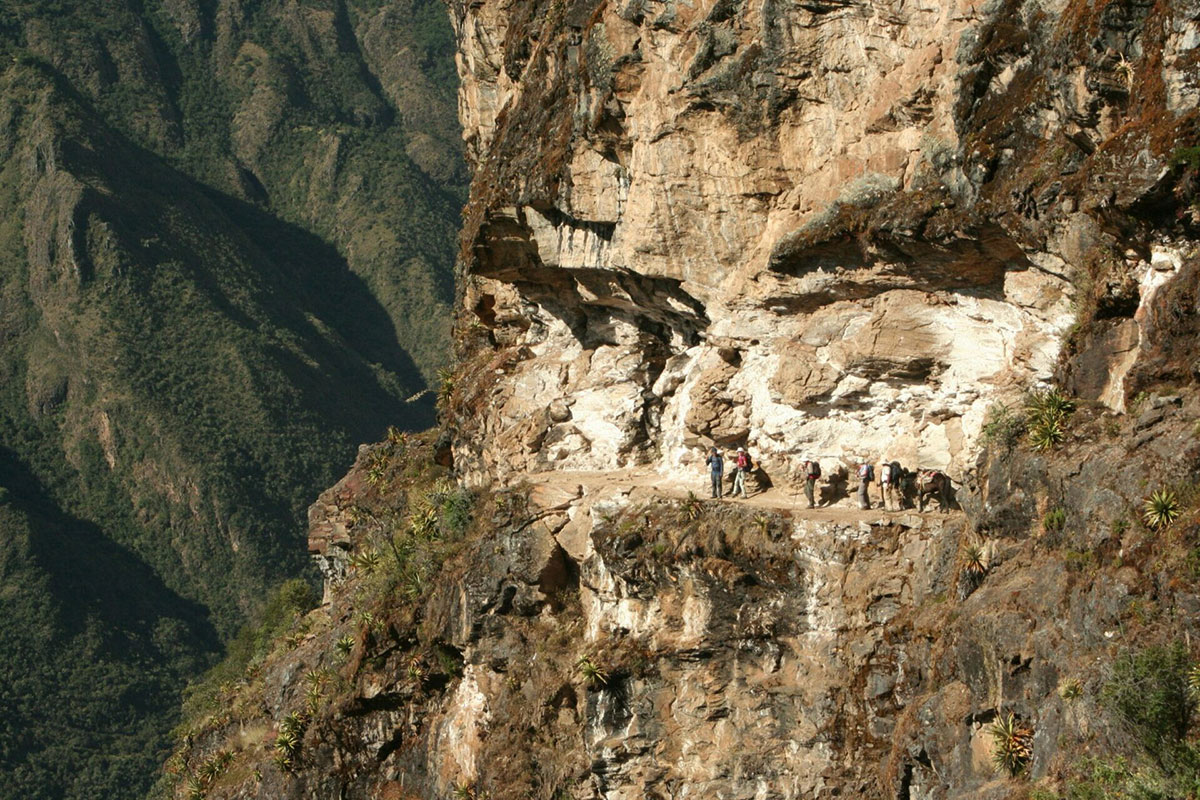
After breakfast, we continue downhill and across the roaring Apurimac River. We continue to climb up past the settlements of Santa Rosa and Maranpata to our camp next to the Choquequirao ruins.
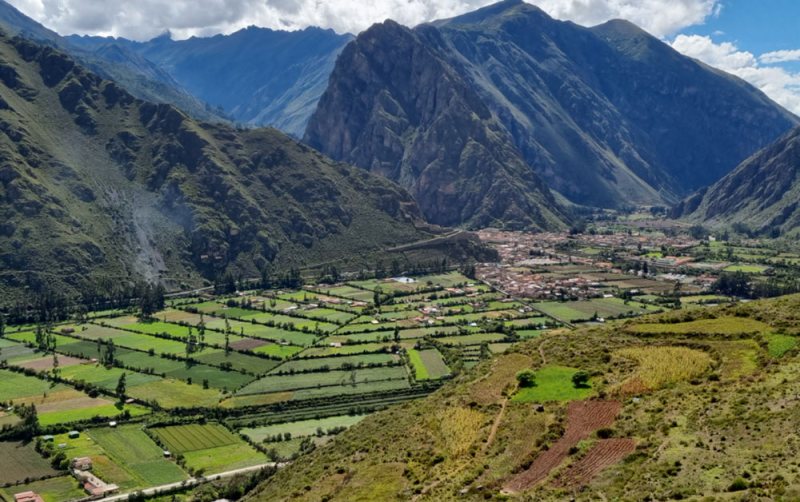
It’s a steep, but good, path and it can get hot! This is a tough day and we need to get on the road early but the scenery makes it all worthwhile!
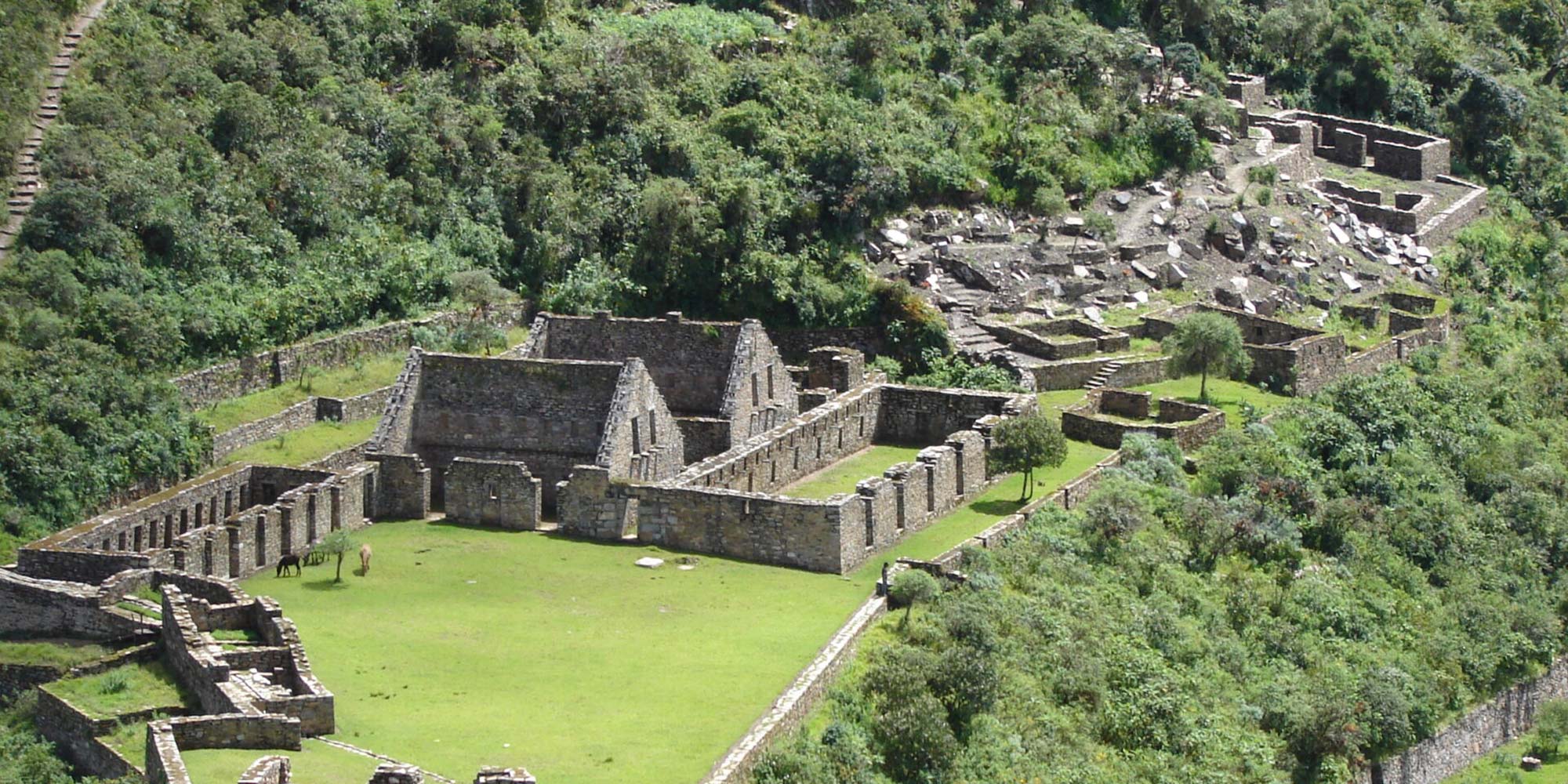
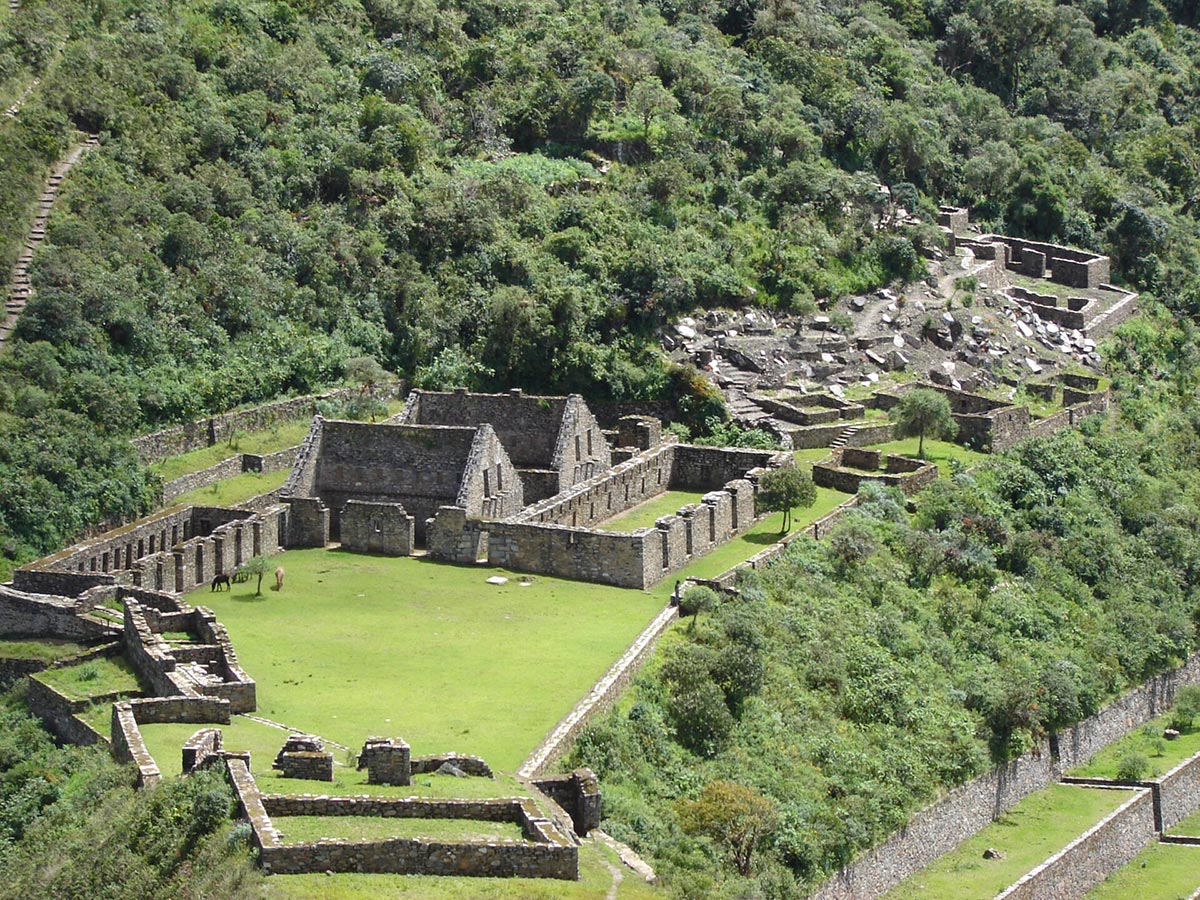
A fifteen minute walk takes us to the main square of the amazing Choquequirao ruins, which cover an area bigger than Machu Picchu.
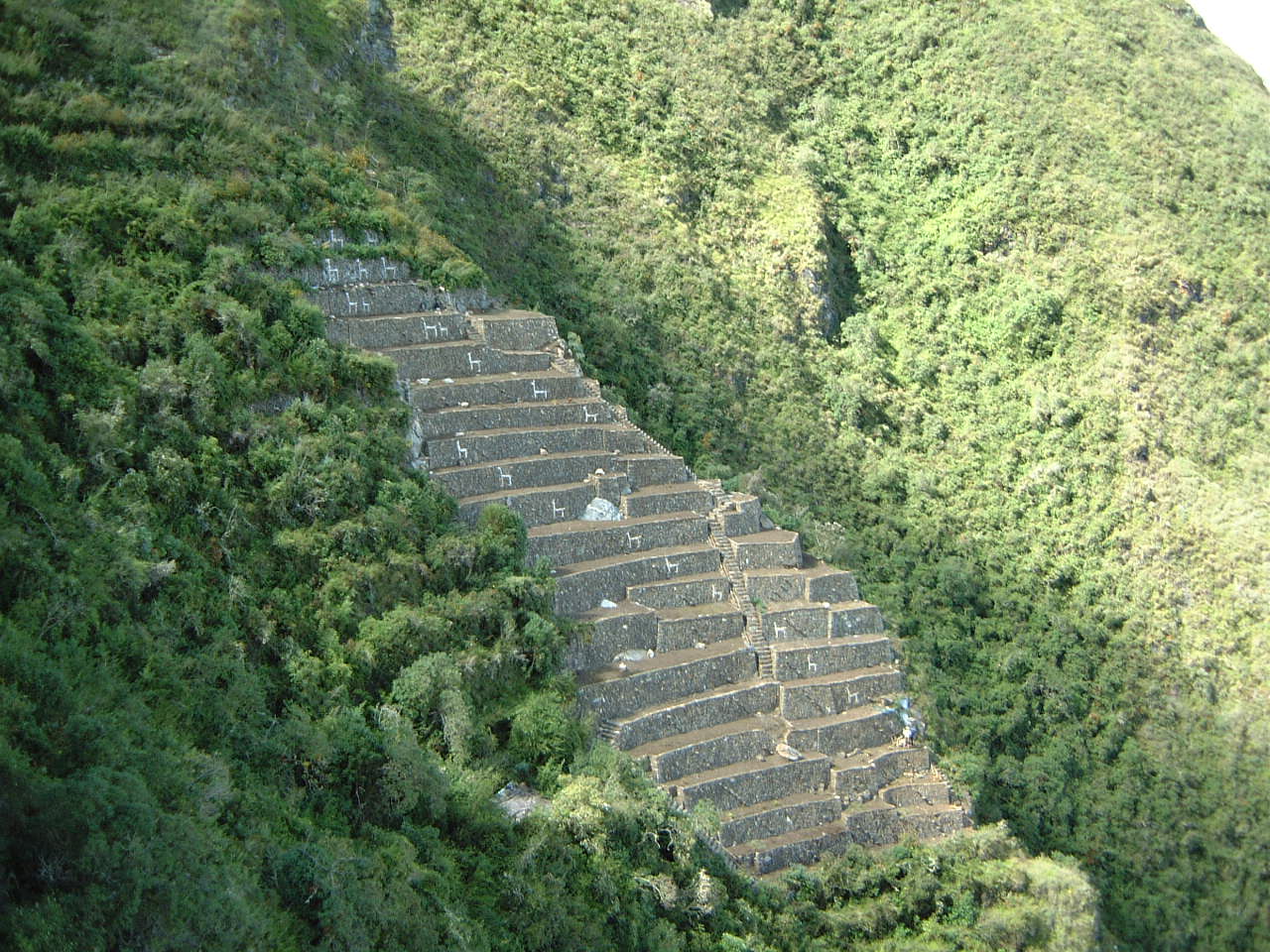
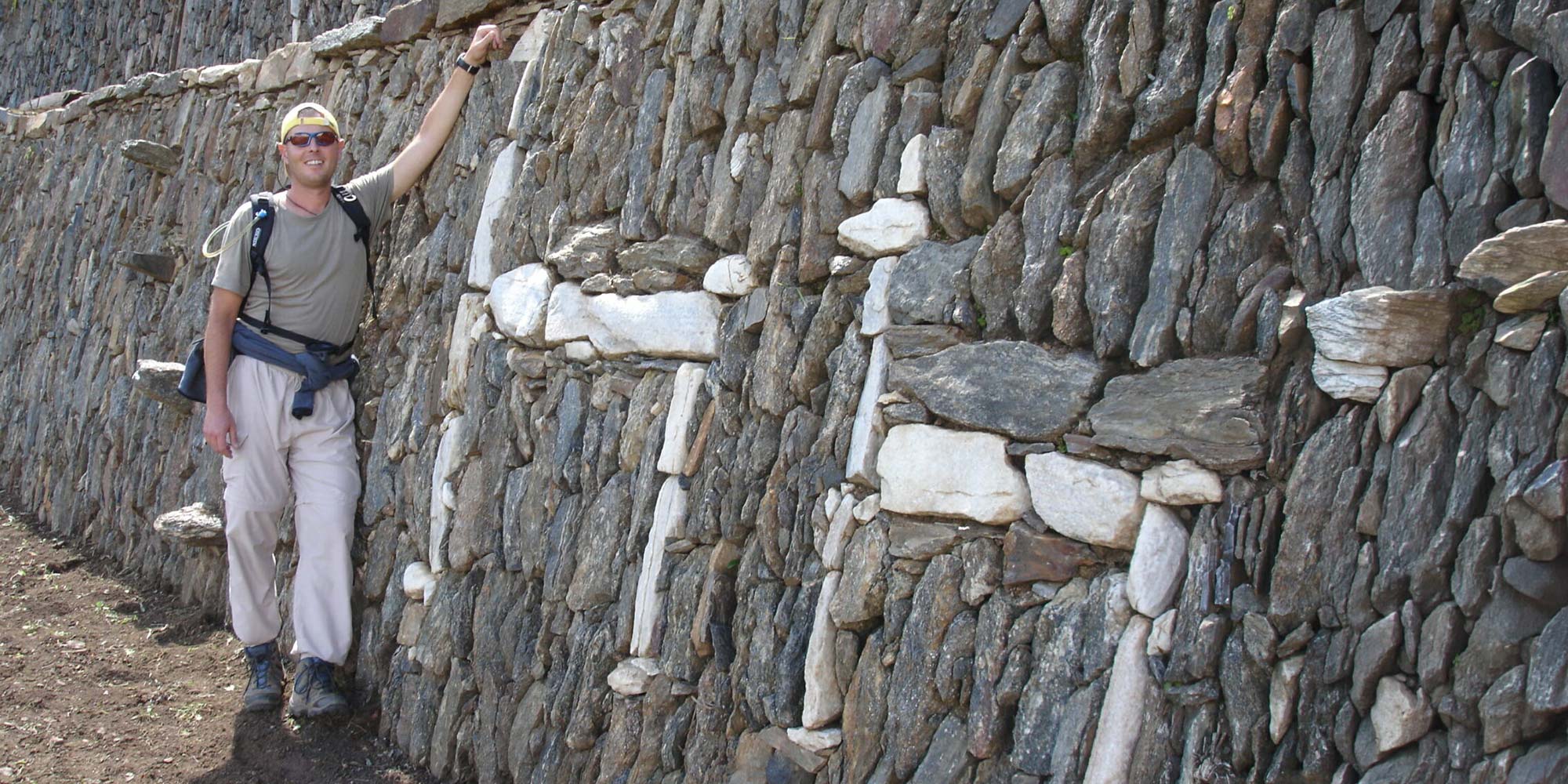
Perched on a hilltop 1,700m (5580ft) above the Apurimac, the location and views are awe-inspiring. If you have the energy, you can even go down to the famous white stone llamas laid into the rock.
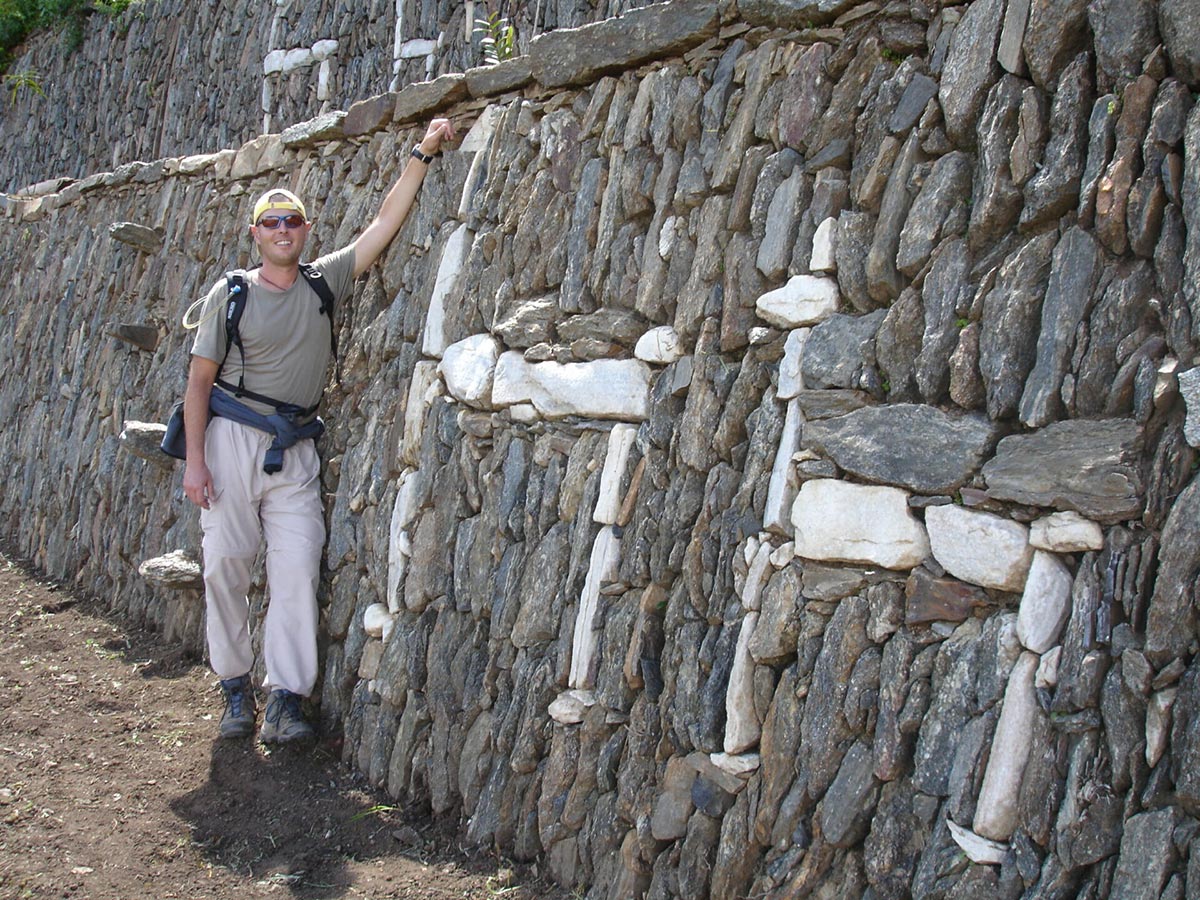
Choquequirao is still a bit of a mystery and large areas still remain covered in the thick cloud forest. This site was not mentioned in the Spanish chronicles and although Hiram Bingham visited it before Machu Picchu he didn’t realise how important it was.
It is protected by its remote location and still receives very few visitors.
After a great day exploring we return to camp to relax and reflect on the day.
We set off early for the short climb to the pass, before descending for around 1400m (4600ft), past the recently discovered ruins of Pincha Unuyoc, to the Rio Blanco where you can soak your feet in the cool water.
But beware of the biting sandflies. Known as “Pumahuacachi”, their name means “makes the puma cry”. Refreshed, we climb steeply again, 1,200m (3900ft) to the wonderfully located campsite of Maizal, which sits at 3,000m (9840ft).
This is arguably the toughest day of the trip but if you are fit and determined, you’ll succeed. And the cold beer on arrival will taste even better.
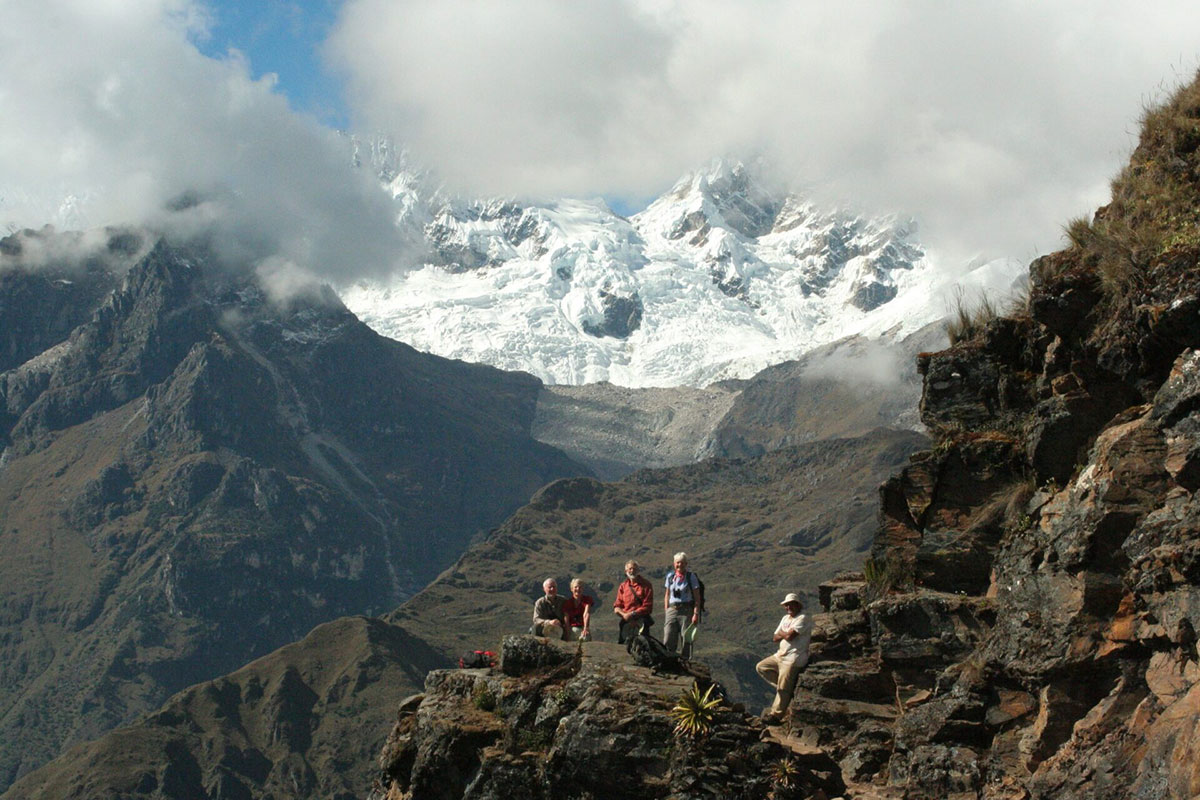
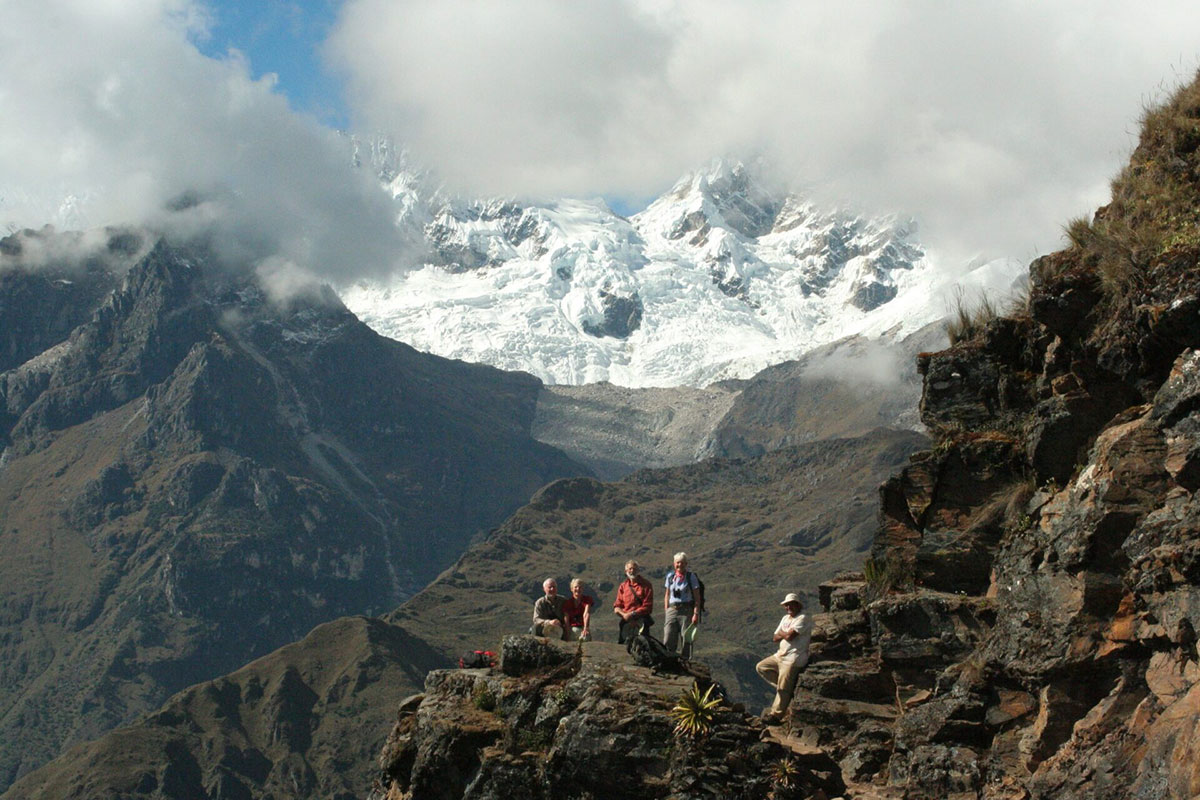
We leave camp behind and head up past old silver mines to the highest pass of the trip. Abra San Juan at 4,000m (13123ft) offers amazing views of the Cordillera Vilcabamba range. We then take a lovely, and at times steep, path down to the charming village of Yanama.
We are now at the road head and here we say goodbye to our muleteers. We begin our drive down through coffee plantations to the small village of Lucmabamba and our final camping spot.
Our final day of hiking!
We take a fabulous royal Inca trail up through lush plantations of coffee and tropical fruit, into untouched cloud forest. As the path approaches the ridge, old Inca walls appear out of the forest and we enter the ruins of Llactapata. Hiram Bingham also got here, but drew a map that was so bad, neither he nor anyone else could find the ruins again for 80 years! It wasn’t until the mid-1990’s that they were found once more, covered by thick jungle vines.
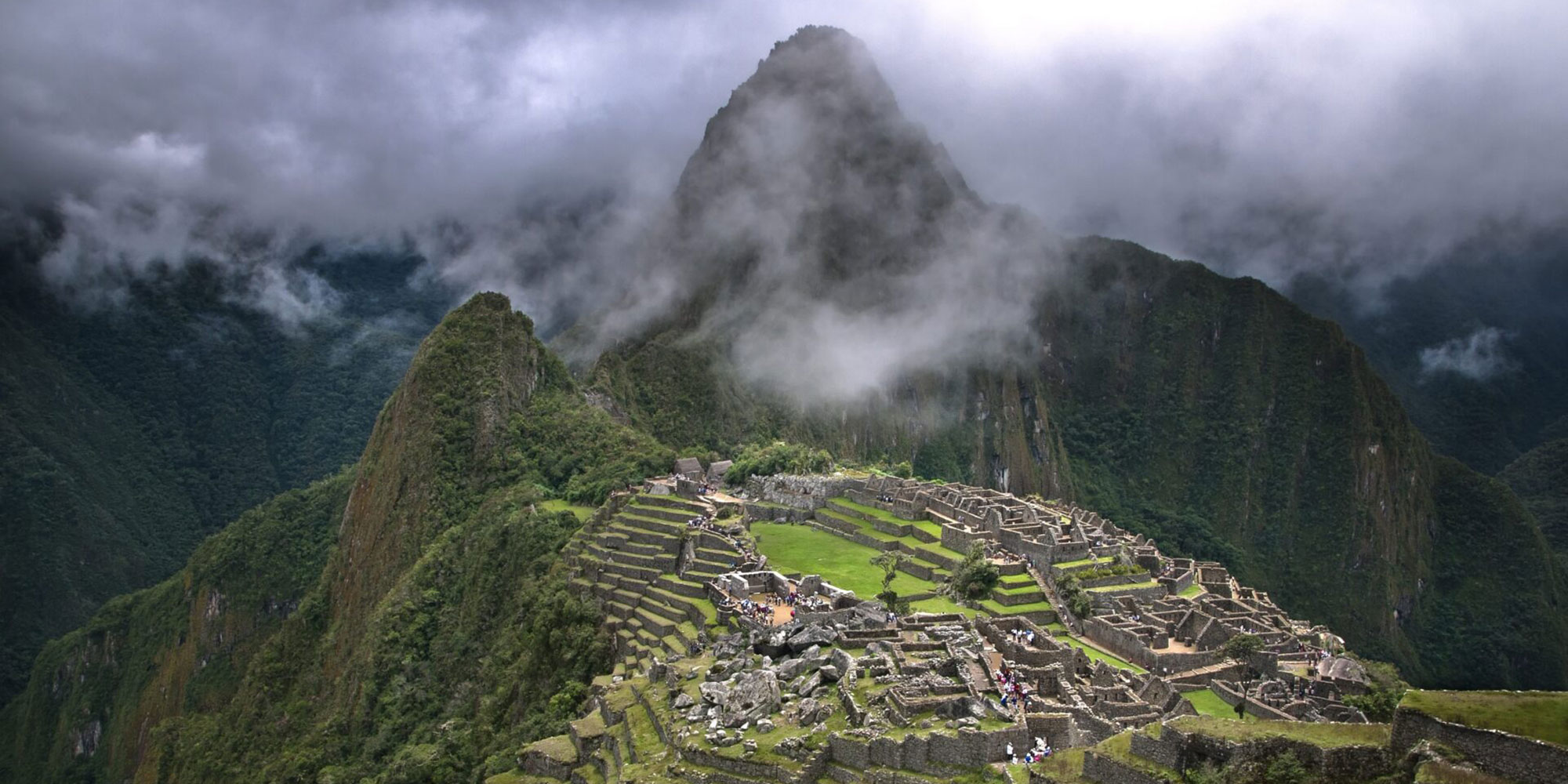
A few metres on we will have a magnificent, and rarely seen, view across to Machu Picchu. After some time to sit and contemplate the vista, we go steeply downhill to the Urubamba valley and the hydroelectric plant train station. From here we have the option to either take the short but scenic train ride, or hike two to three hours along the rail-track to the bustling town of Machu Picchu Pueblo and the hotel where we will spend the night.
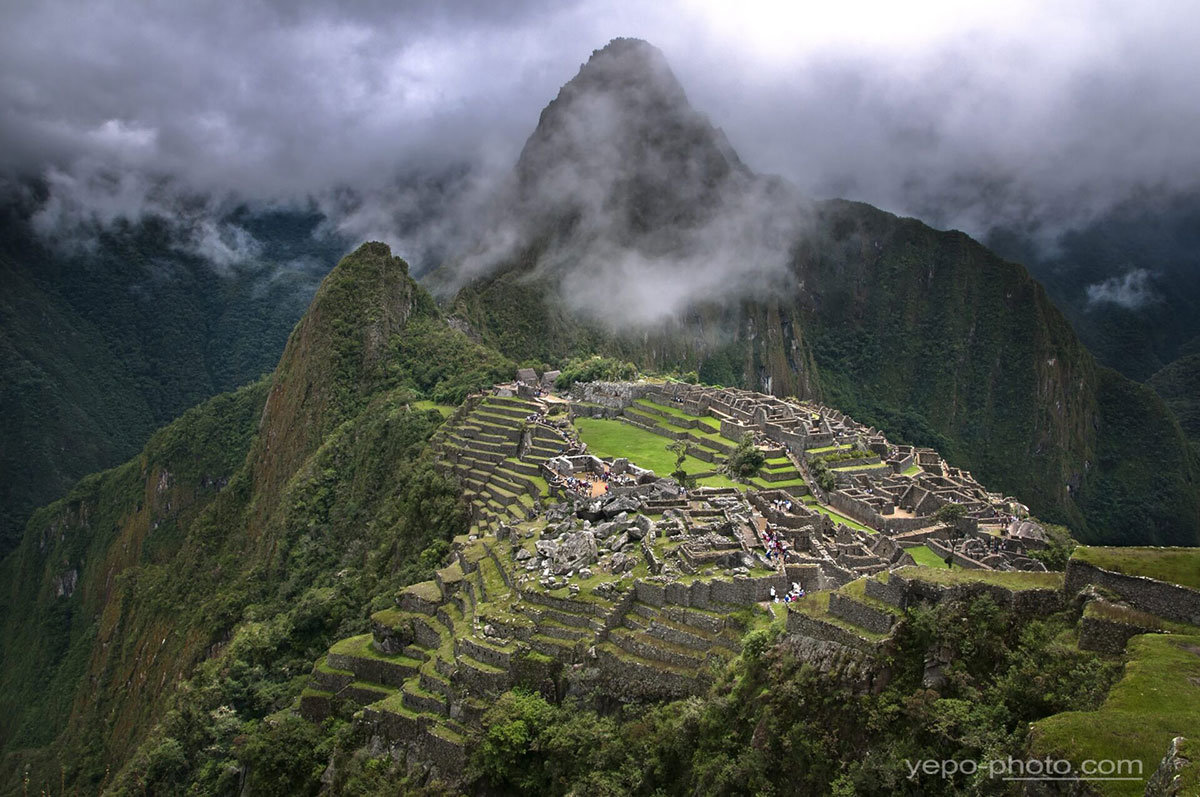
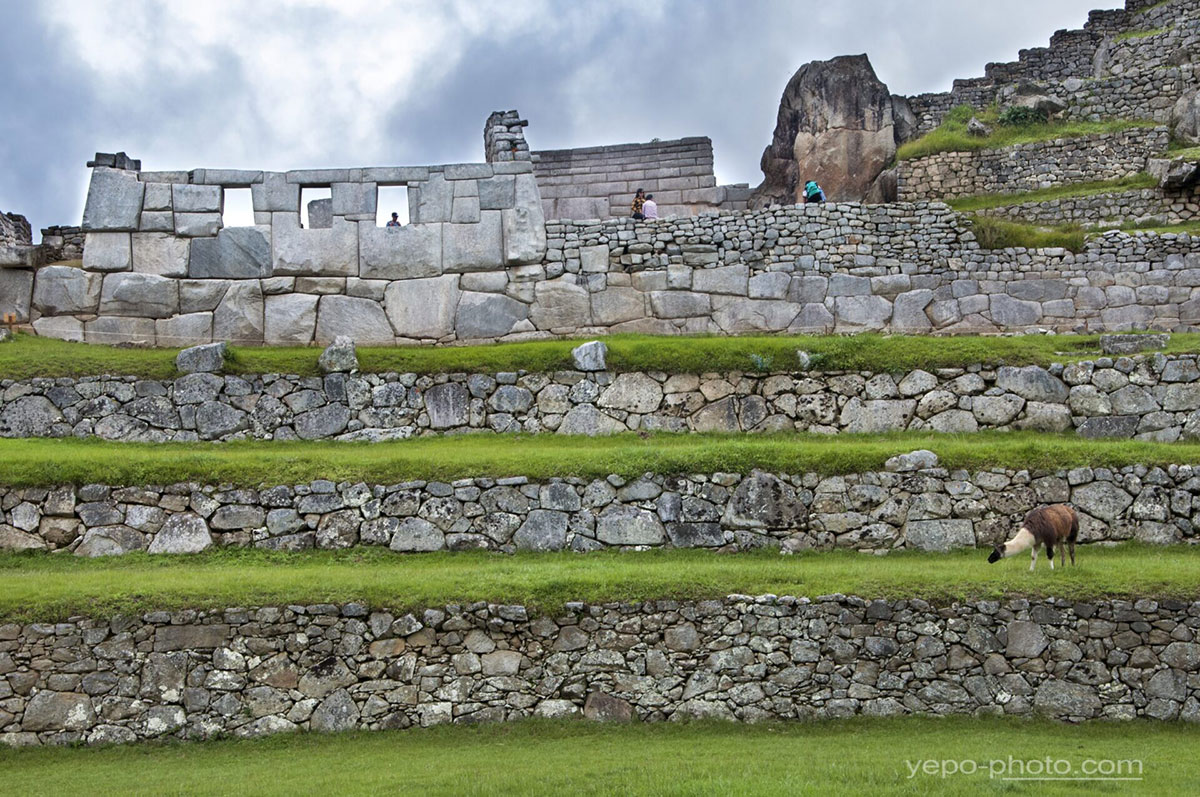
First thing in the morning we head up the hill to the fabled “Lost City of the Incas – Machu Picchu” for a fully guided tour of the residential, religious and agricultural sectors.
Machu Picchu entrance times are set hourly and only valid for four hours. We usually aim for mid-morning entrance. This avoids the sunrise rush and ensures you have a good breakfast before the long day ahead.
In the afternoon, we board the train for an interesting ride along the Sacred Valley of the Incas. Here our waiting transfer whisks us back to Cusco and our hotel. Then, if you have the energy, you can explore Cusco’s many excellent restaurants and bars.
If you wish to climb Huayna Picchu or Machu Picchu Mountain, permits have to be purchased.
For a short description of the walks, please see below.
A steep one-hour climb (360m above the main Machu Picchu ruins), much of which is up Inca stairs. The climb involves scrambling and requires a good head for heights as there are some drops and a set of steep stairs – with no railing.
The views from above are wonderful and certainly reward those who tackle it. It’s worth visiting the Temple of the Moon on the west side of Huayna Picchu mountain, 400m below the summit. There is some high quality Inca stone work inside a cave, once a sacred place. Climbing Huayna Picchu is popular and permits usually sell out, which means there will be 200 climbers for each time slot given.
Do not attempt this climb if you are concerned about suffering from vertigo.
Just south of the site, and overlooking it, is a 650m climb up a well made Inca pathway (approx 1.5 hrs to top, 1 hr down) to the top of Machu Picchu Mountain.
There are some Inca constructions on the top that were probably for religious ceremonies, given the prominent position of the mountain. The hike takes you through lush forest, keeping a look out for interesting birds, flowers and snakes sunbathing on the path.
The views over the site a great and you can see the iconic Huayna Picchu as the backdrop to Machu Picchu, as well as the mountains beyond. It is attracting more and more people as an alternative to Huayna Picchu but is still a lot quieter.
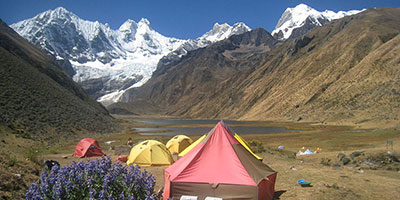
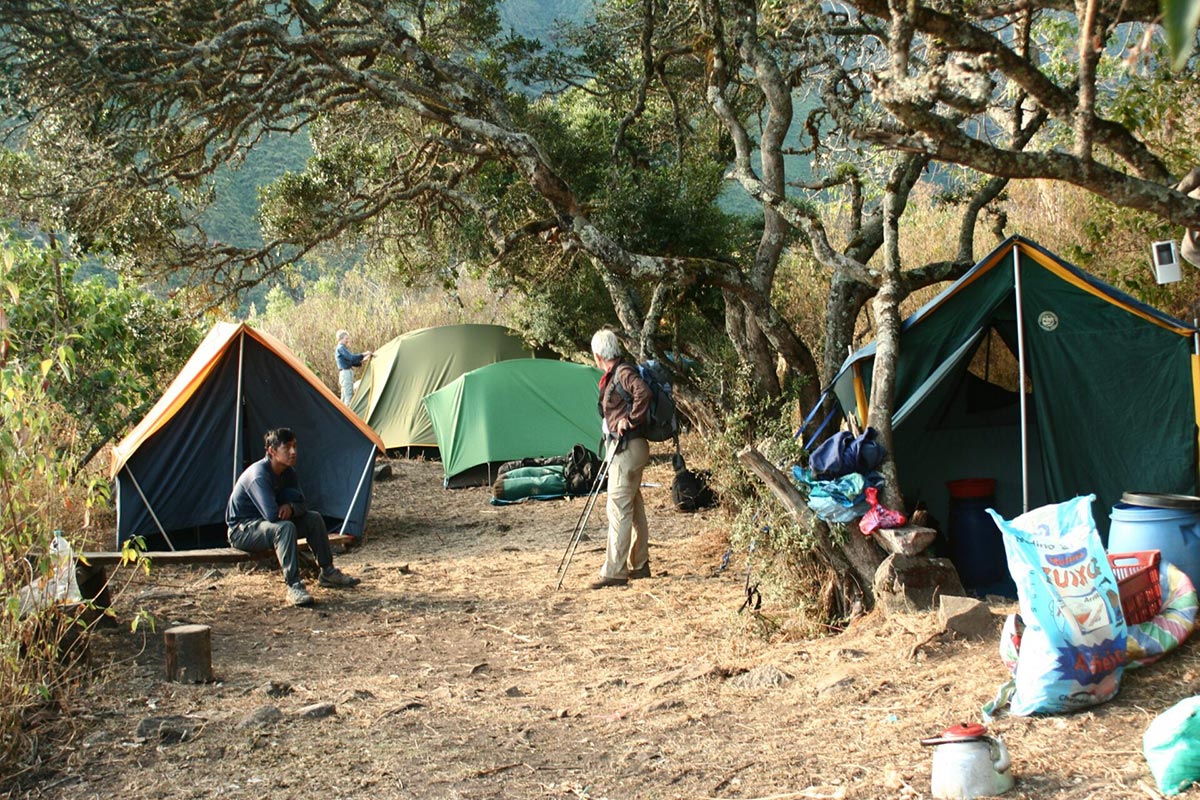
Camping with dining tent and toilet tent, plus one night in Hotel El MaPi by Inkaterra (Superior Deluxe) in Aguas Calientes
Although this trek starts at (relatively) lower altitude than others we offer, it is a strenuous trek. Climbs are long and steep.
Those with no previous trekking experience can trek this extended Choquequirao trek, but previous experience of hiking is beneficial.
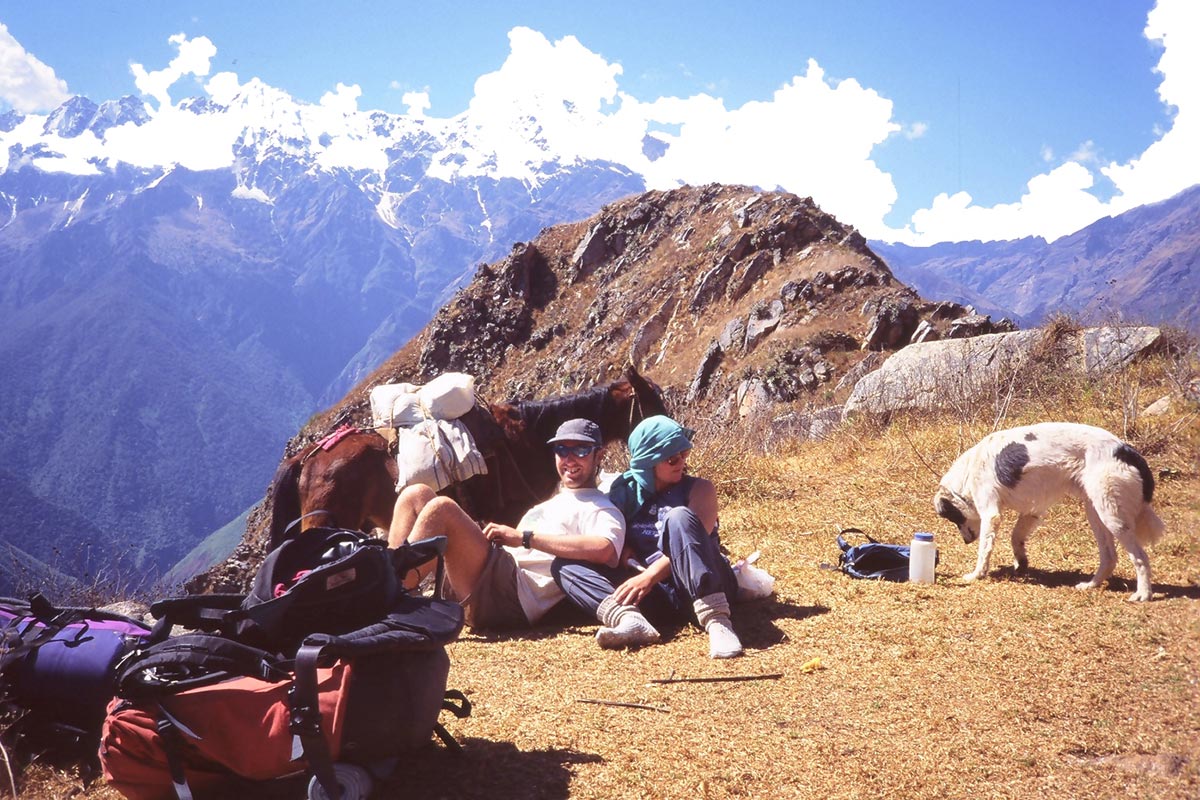
The trip is open to anyone with a positive attitude who wants to walk in a stunning and remote part of Peru’s Andes, but please remember that this is a tough trek. It can get very hot in the Apurimac canyon. There are support mules if needed.
You hike 5-7 hours a day for a week, over rugged mountain trails at elevation and with some long ascents and descents.
Pre-trip preparation should include challenging cardiovascular exercise (including regular hikes on varied terrain) and a healthy, balanced diet.
Well-worn hiking boots and additional acclimatisation nights in Cusco (3-4) before the trek are both highly recommended.
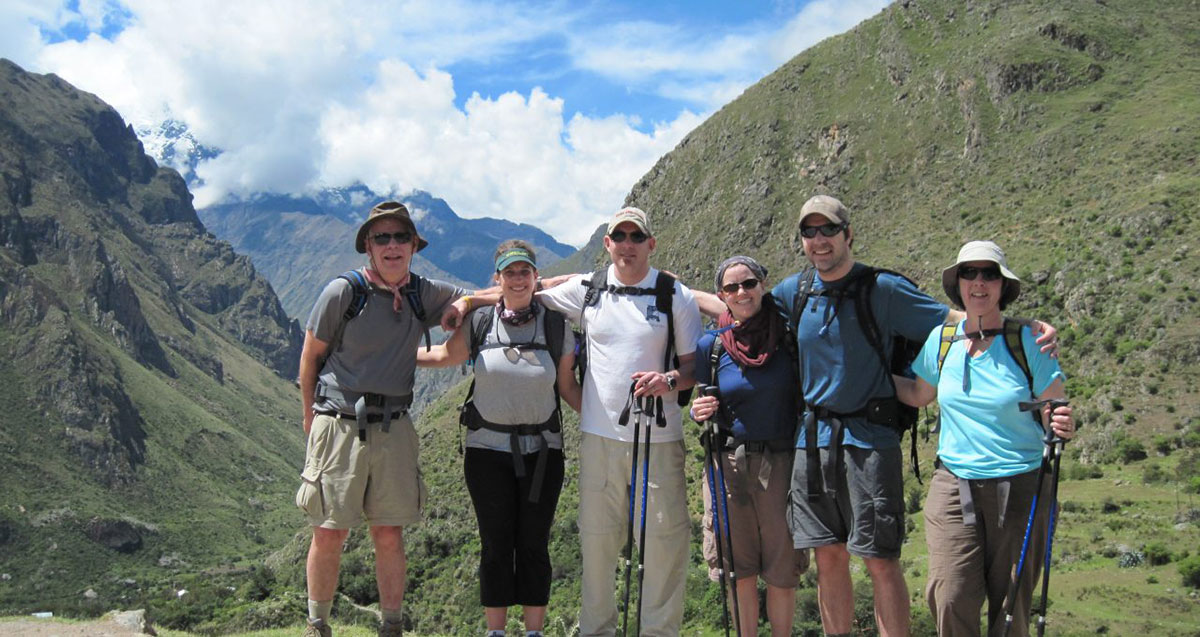
All guests are encouraged to hike at their own pace, taking breaks whenever needed, to ensure a successful and enjoyable trek for all.
Most people go to bed fairly early after a long day trekking, to recover energy for the morning.
Vegetarians and many other dietary requirements are catered for without problems. Please let us know in advance of any requirements you have.
You wake early, usually around 07.00. Breakfast is served in a dining tent, and consists of hot drinks, porridge, toast, jams and bread, and your guide will explain the day’s trekking plans.
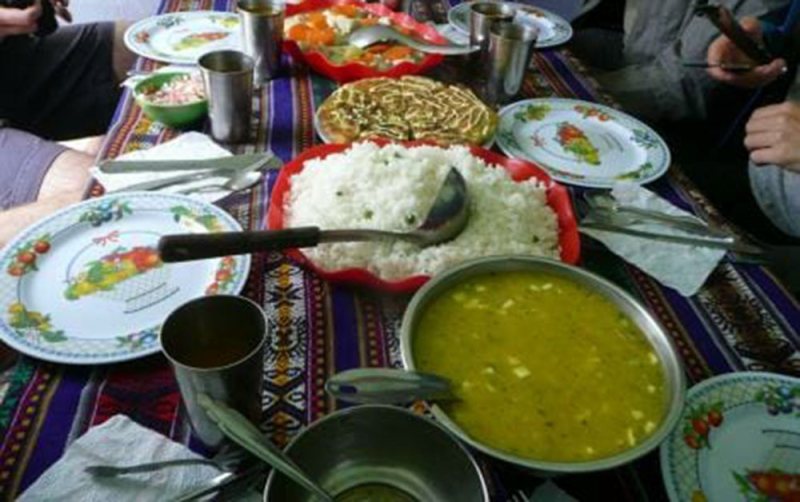
Lunch is usually around 13.00 and can feature soups, meats, salads and fish, with vegetarian options and hot drinks too.
The campsites are comfortable and around 17.00 hot drinks, popcorn and other snacks are served to help you recover energy.
Dinner is served around 19.30, and will feature pasta, mashed potatoes, meat, fish or vegetarian options, followed by hot drinks and a pudding.
All guides are certified, bilingual, English-speaking guides who have worked with us for many years.
Cooks, mule drivers and additional staff are all from the local communities and we have worked with them for a long time.
A thrilling family holiday through Peru’s rainforest, Andes, and Lake Titicaca, filled with wildlife, adventure sports, and unforgettable Inca history.
A thrilling mix of biking and trekking on Peru’s Salkantay route delivered challenge, adventure, and flawless organization.
Choquequirao, or Chokekirao, is comparable in size to Machu Picchu, dramatically located on a promontory nearly 1,700m above the Apurimac River.
It is only accessible by this tough trek, and our mule-supported hike takes in high passes, perfectly preserved Inca Trails and awesome Andean peaks.
Our hiking reward is a spectacular and rarely seen view of Machu Picchu
The trek is approximately 55 km / 34 miles long with almost 3,000 m/9,850 ft of both ascent and descent.
We traverse high passes of up to 4,600 m/15,092 ft and river crossings as low as 1,450 m/4,757 ft.
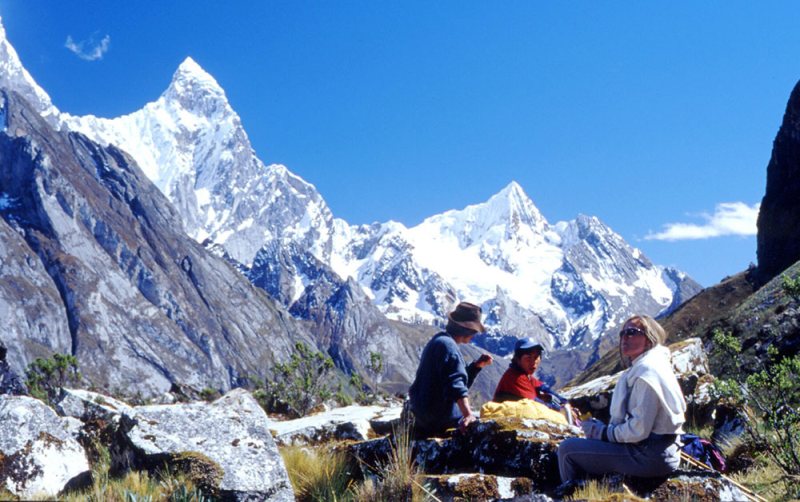
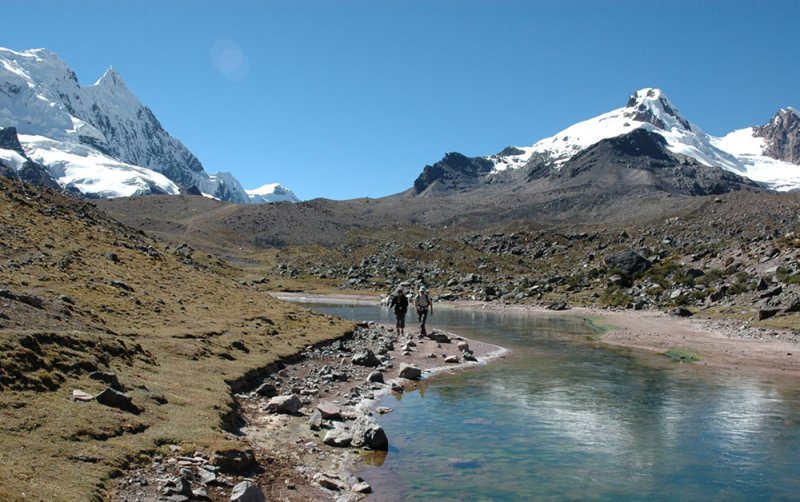
You pass from the ice-capped peaks of the high Andes – all sharp ridges, deep gorges and raging rivers – to the lush flora and prolific wildlife of the sub-tropical rainforest.
Choquequirao trek to Machu Picchu is one of the finest and most satisfying treks and routes near Cusco.
From: $1800 per person
Duration
5 days
From: $1237 per person
Duration
4 days
Being at altitude, especially in the tropics, is usually a pleasure as it isn’t so hot, there are few insects and the air is clear.
However, when gaining altitude, air pressure drops and the amount of oxygen reaching the lungs is reduced. Although we build plenty of acclimatisation time into our itineraries, certain ill-effects are possible. Nevertheless, all of these can be minimised or prevented if care is taken.
On reaching heights above 2,500m (approx. 8,200 ft), especially when ascent has been straight from sea level, heart pounding, mild headache and shortness of breath are normal, especially on exertion.
Acute mountain sickness (AMS) is a syndrome known locally as soroche, whose symptoms can include of bad headache, dizziness and nausea).
To avoid AMS, you should:
In order to get the most out of a trek we classify as ‘hard‘, you should be in great physical condition and used to trekking, camping and heavy carries.
It is not easy to grade the fitness level required for any trek, since it is a subjective matter.
However, for treks classified as hard, expect to trek 7+ hours per day carrying a heavy back-pack (15-20kg), with several long ascents and descents.
Peru is made up of 3 distinct geographical areas: the coast, the mountains and the jungle.
The costa or coastal region is a narrow ribbon of desert 2,250 km long, crossed by fertile river valleys flowing from the Andes. It takes up 11% of the country and holds more than 40% of the population.
The cold Humboldt current gives rise to a blanket of mist – the garua – which hangs above coastal cities like the capital Lima from May to November.
Heading east, you’re soon climbing above the garua and into the Andes. The sierra, or mountainous region, covers some 25% of Peru’s territory and contains 50% of the population. The sierra inhabitants are mainly Indigenous or Mestizo, and many still speak Quechua or Aymara.
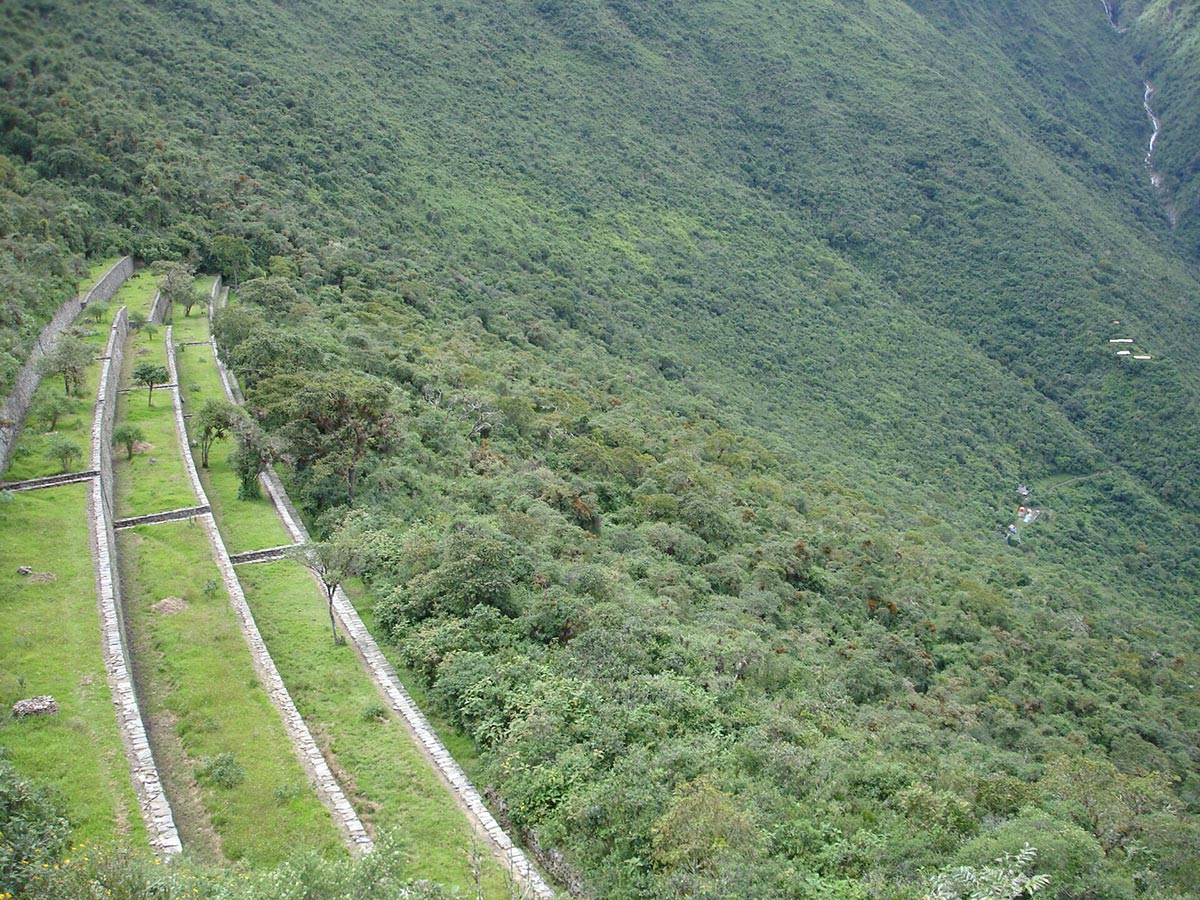
The sierra contains dozens of 6,000-metre snow peaks and volcanoes, including Huascaran (6,768m) the highest mountain in the tropics. The deep valley basins contain most of the towns and arable land; the terracing and canal systems of the Incas and pre-Incas are often still used today.
The eastern Andes are heavily forested up to 3,350m and sweep down into the Amazon Basin.
Peru’s selva or jungle makes up almost two thirds of the country’s area, but holds only about 6% of the population: the only towns with significant populations are Iquitos and Pucallpa.
Peru is the perfect holiday destination for adventure travellers that want an amazing variety of activity, geography and cultural travel experiences.
The breadth of travel experiences in Peru is breathtaking – from trekking in the Andes to Machu Picchu to the tropical jungle of the Amazon, and plenty in between.
The people of Peru make it a special destination too, with its colourful and traditional street life and friendly locals.
Good kit is vital for every trip.
Book with Andean Trails and get 15% off Páramo’s fantastic ethical and high performance outdoor gear.
Good kit is vital for every trip.
Book with Andean Trails and get 15% off Páramo’s fantastic ethical and high performance outdoor gear.
When planning for the varied climatic conditions encountered, layering is the most practical and versatile clothing system. It’s worth remembering that our clothing keeps us warm by retaining and isolating the heat we ourselves create.
To best maintain body heat, several layers of lightweight, warm and quick-drying clothing are far more efficient than one or two thick layers. Layers should have the following qualities:
First (base) layer: This layer wicks the sweat away from our skin, thus helping keep the body dry and warm. To this end, synthetic fabrics such as polypropylene should be used.
Mid layers: These isolating layers should also be synthetic (e.g. the known polar linings such as polartec or windblock, which are light and insulate twice as well as wool). Very important layers for retaining body heat.
Outer layer / shell: Finally, the vital layer which protects us from climatic adversities. A breathable, wind-proof and waterproof anorak, such as Goretex.
Give plenty of thought to kit selection, and try to keep weight down.
We also carry an extensive first aid kit & oxygen on all trips, but these are generally for emergencies only.
Below is a more detailed kit list.
Festival: Carnaval
Games throwing water, flour as well as dance and music.
Location: Highlands and some coastal areas.
Festival: Fiesta de La Candelaria
Culture, music and dancing
Location: Puno
Festival: Fiesta de La Vendimia
Wine harvest festival
Location: Ica
Festival: Inti Raymi
Culture, music and dancing
Location: Cusco
Festival: Independencia
Independence day – celebration of Peruvian culture – various activities
Location: Country wide
A thrilling family holiday through Peru’s rainforest, Andes, and Lake Titicaca, filled with wildlife, adventure sports, and unforgettable Inca history.
A thrilling mix of biking and trekking on Peru’s Salkantay route delivered challenge, adventure, and flawless organization.