Met on arrival and transfer to your hotel and the afternoon free to relax.
We can arrange trips on arrival if you wish.
Today we enjoy a full day tour of Iguazu, concentrating on the Argentine side.
We pick you up from your hotel and take you to the entrance to the Falls, and the entrance fee to the national park is included.
Our tour includes three different paths, the order of which your guide will choose depending on weather conditions etc.
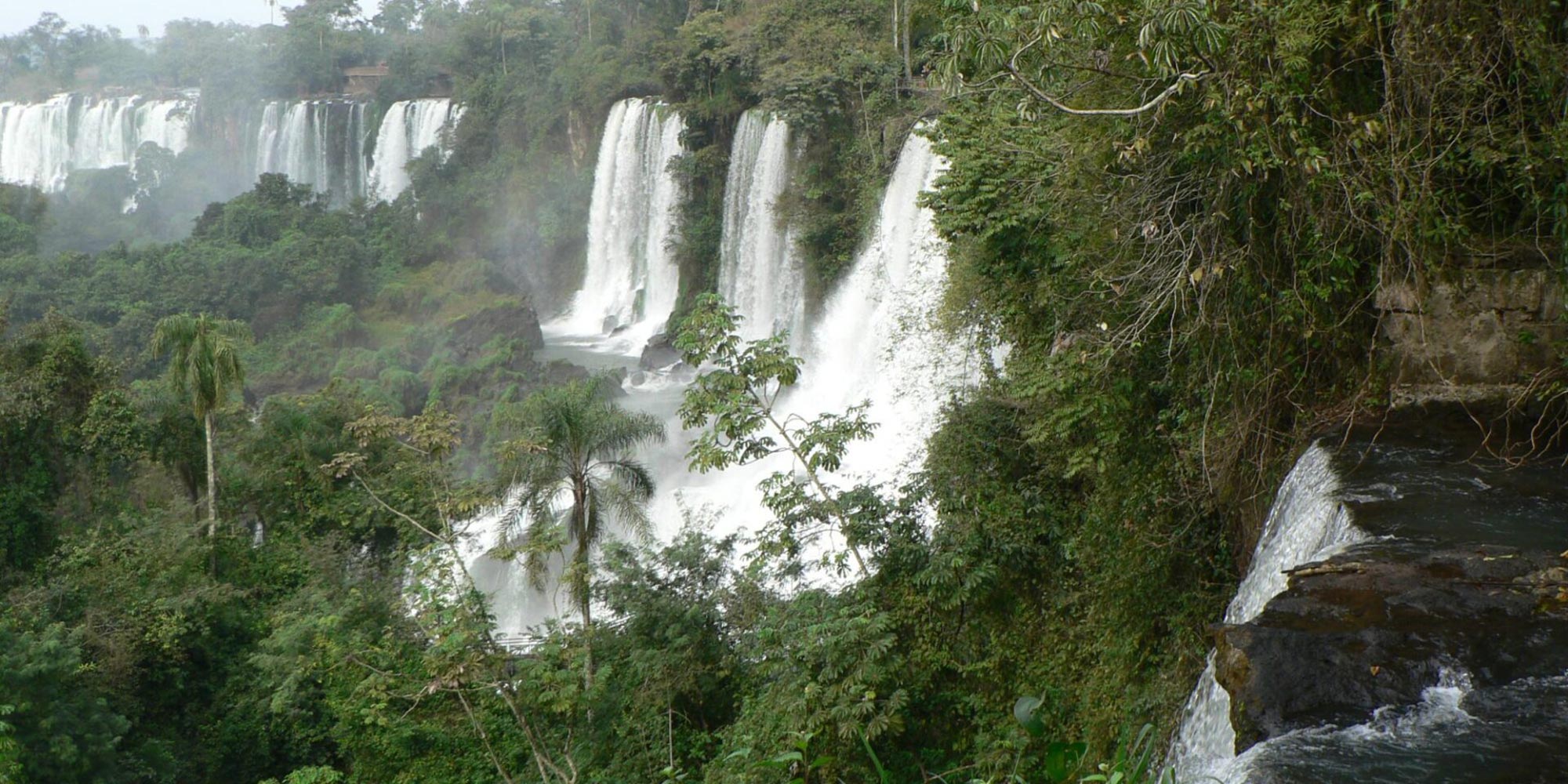
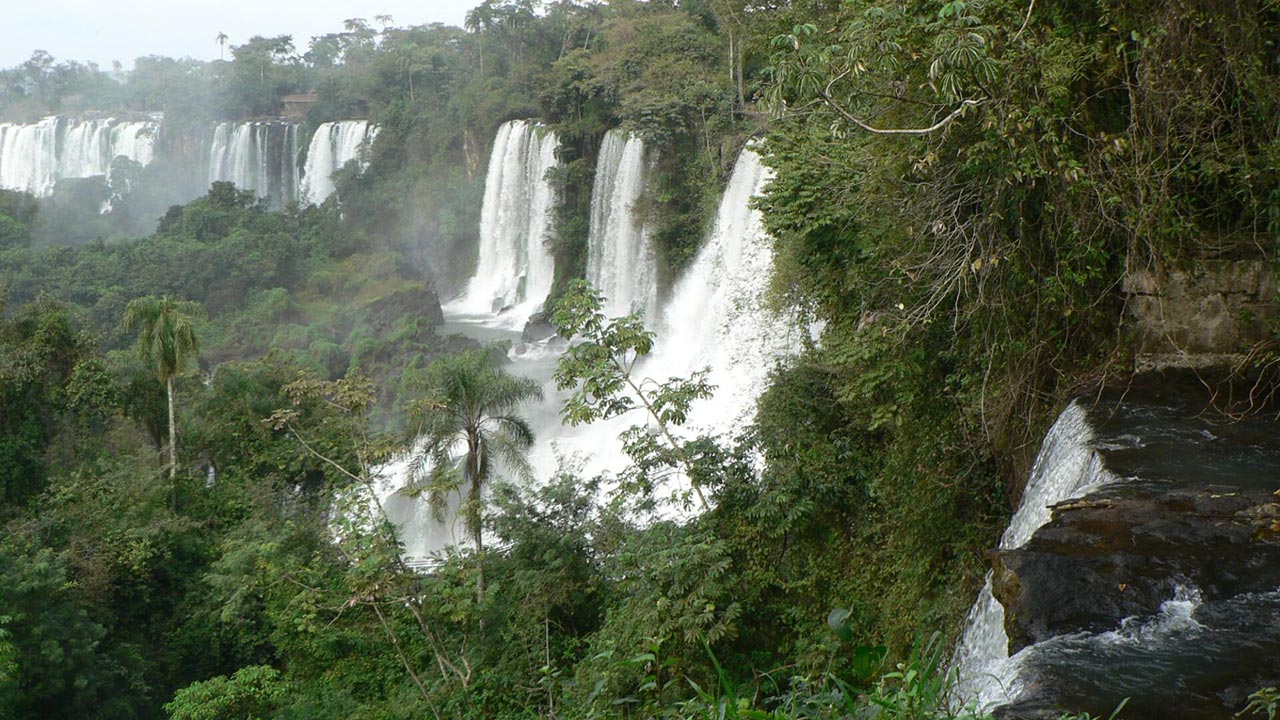
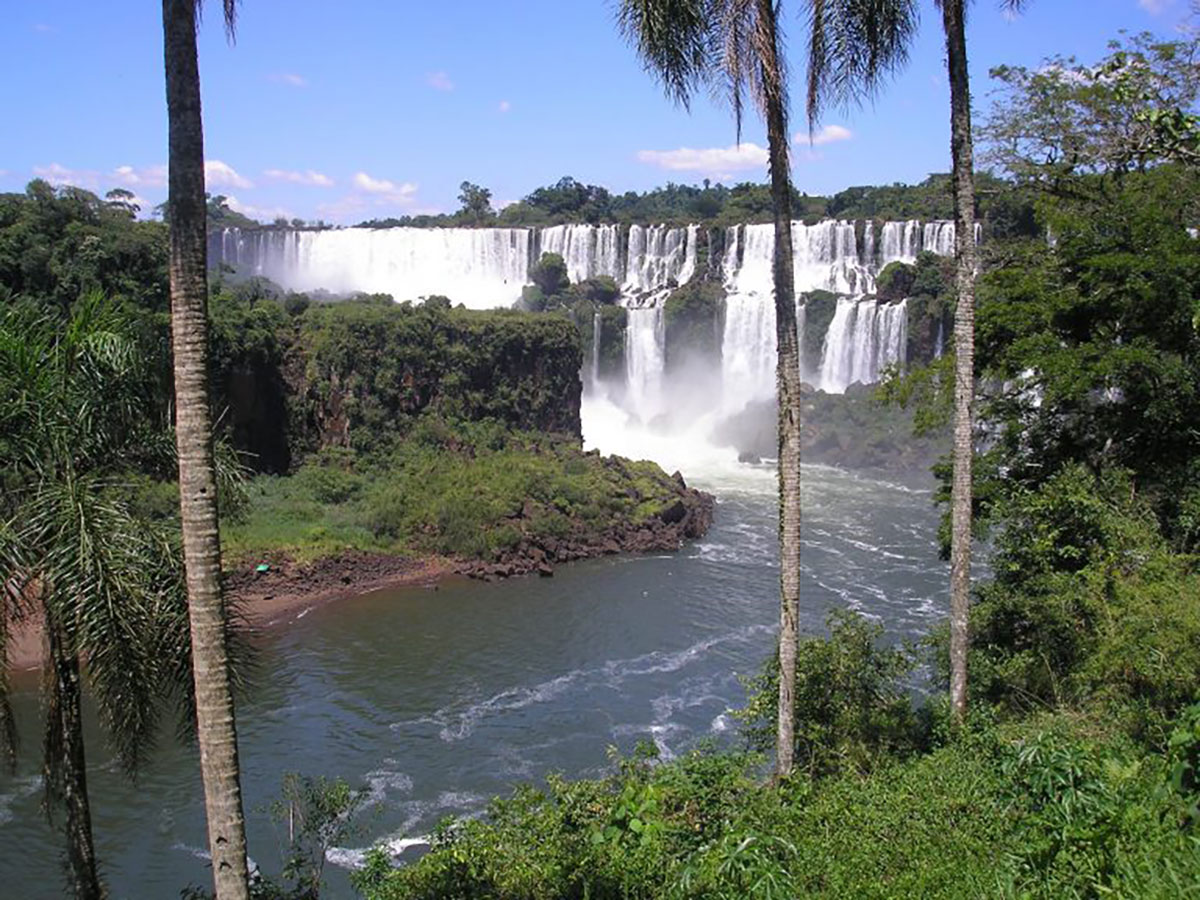
Upper walk: A walk of 500m, lasts about 45 minutes seeing the Two Sisters, Bosseti, Adam and Eve, Bernabe Mendez, Mbiguá and San Martín falls from the upper part. (1.8km, 2 hours).
Lower path: Walk around 1,300m of footpath which lasts 1.5 hours. You see the falls from the middle – you might get wet. (1.75km, 1.5 hours)
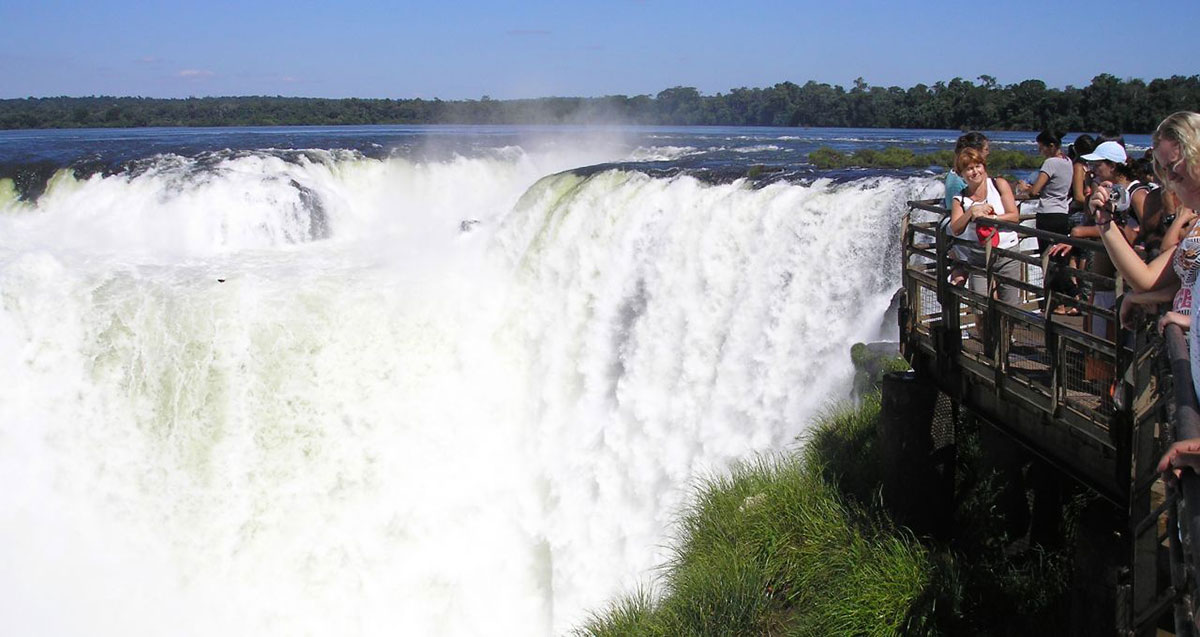
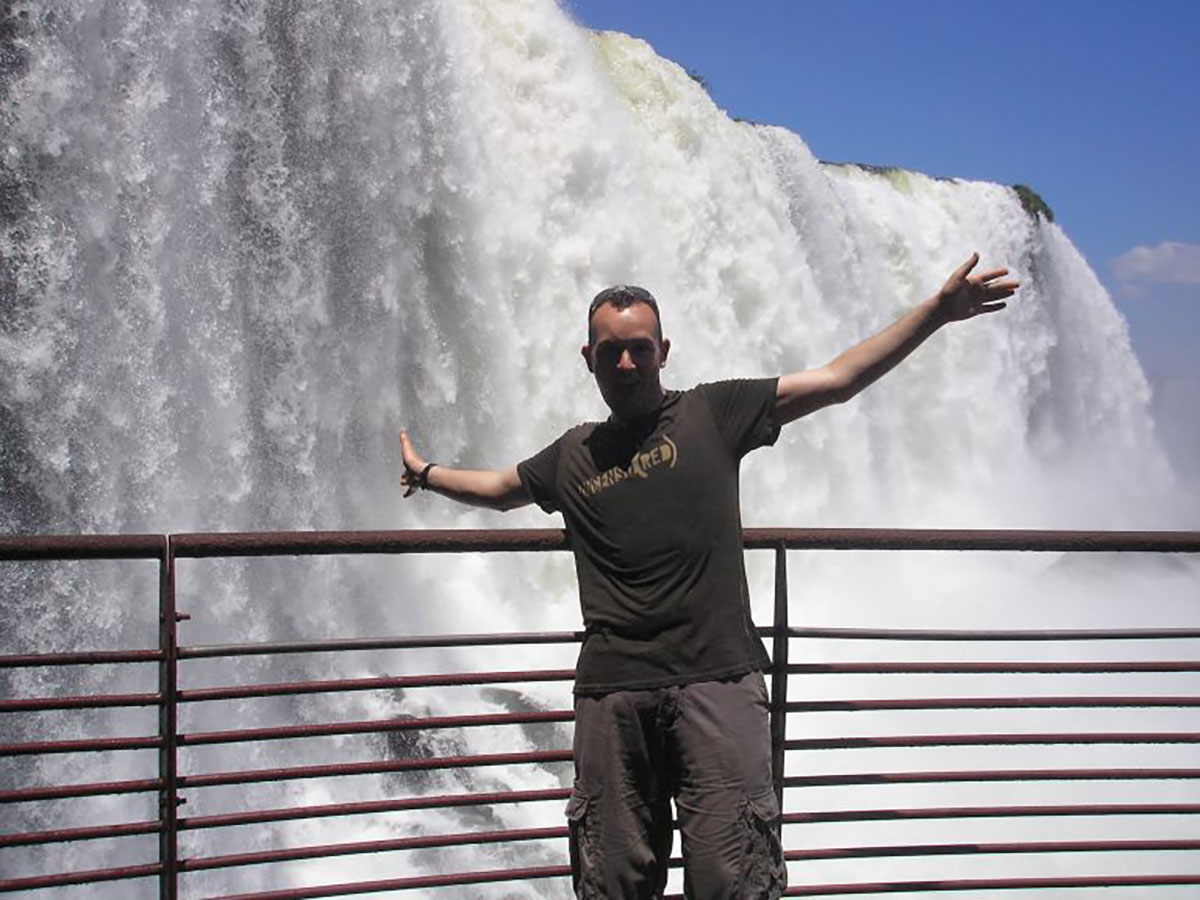
Devil’s Throat: Hop aboard a little train, and go 4km to Devils Throat Station, at the upper part of the Iguazu River. From here, you walk on a bridge (walkway) that leads to the balcony of Devil’s throat. The most spectacular view. (1.4km, 1.5 hours)
Other trails (not included):
Green Trail: 650m, 15 minutes
Macuco Trail: 3.5km, 180 minutes
Below is an extension you can add on this same day (not included in price):
GRAN ADVENTURE: (1 hour): Combines a jungle trip with a sailing to the Falls.
Start with a trip through the rainforest of the National Park in a 4 x 4 jeep. Then, take a zodiac boat upstream in the lower Iguazu River, reaching a panoramic view of the Falls – then finishing with a trip directly under the falls.
Whichever way you choose to explore the Falls, at the end of the day’s trip, we take you back to Iguazu and your hotel.
Get your camera ready for today’s tour because the Brazilian side of the Falls offers spectacular vistas of Iguazu (known as Fog do Iguaçu in Brazil).
We set off early with out guide and cross the border from Argentina into Brazil, then enter the Falls (entry fee included).
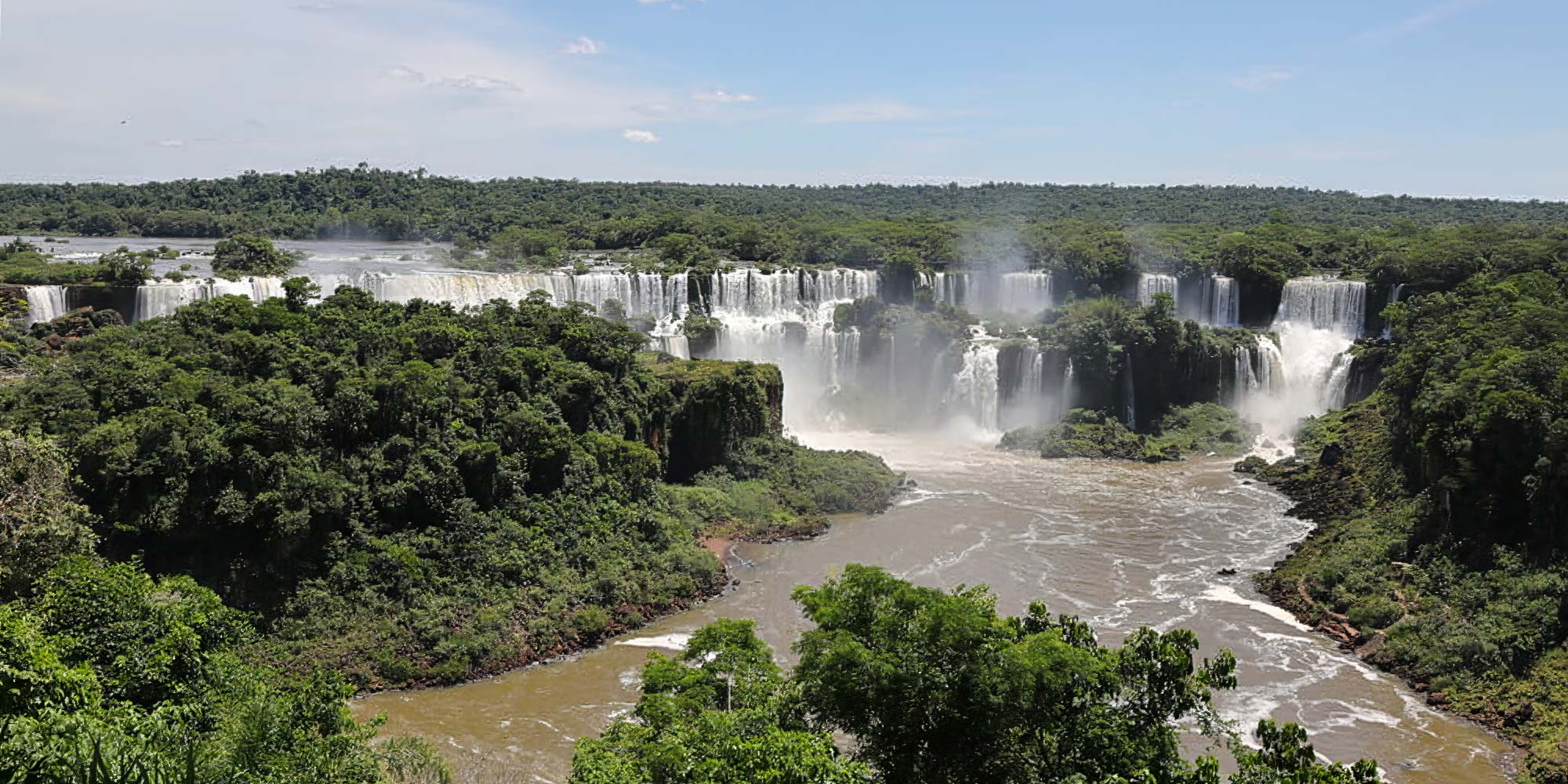
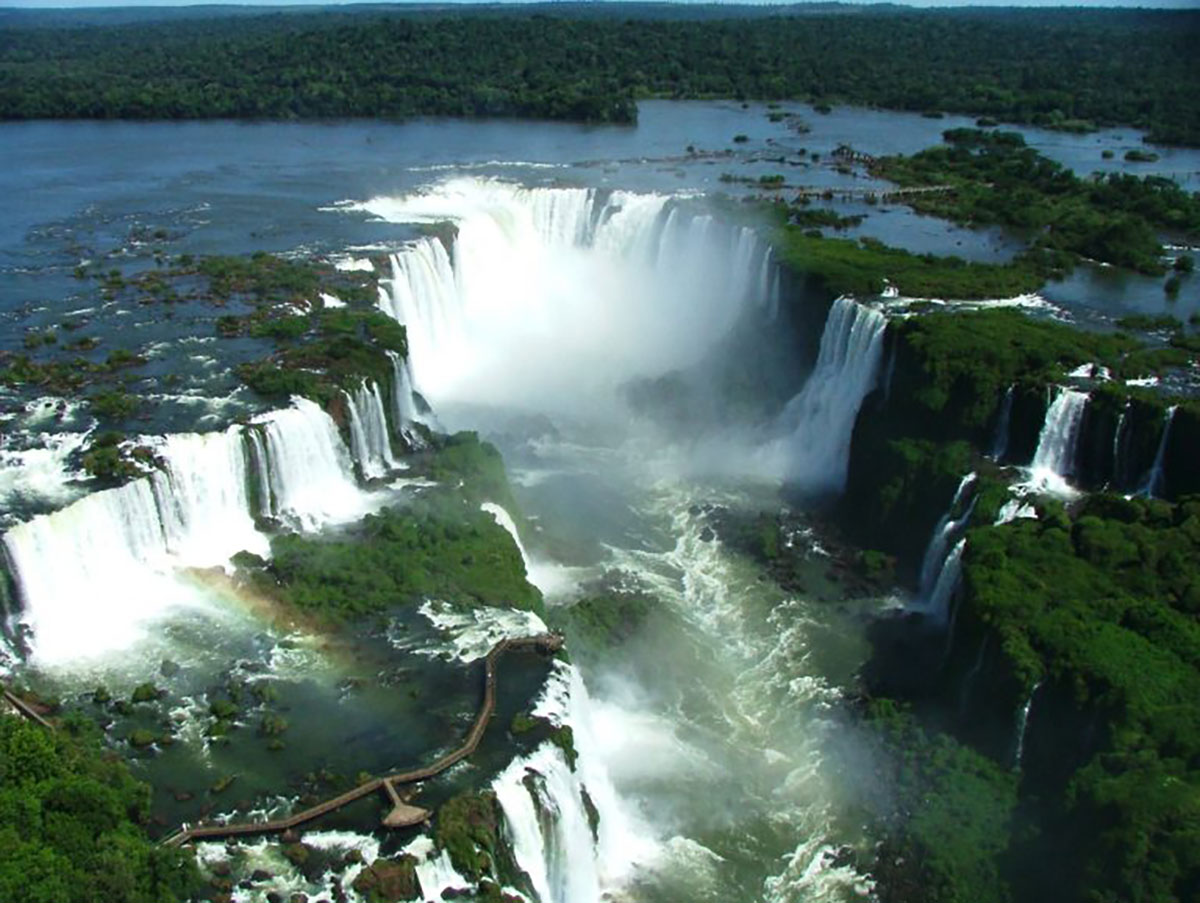
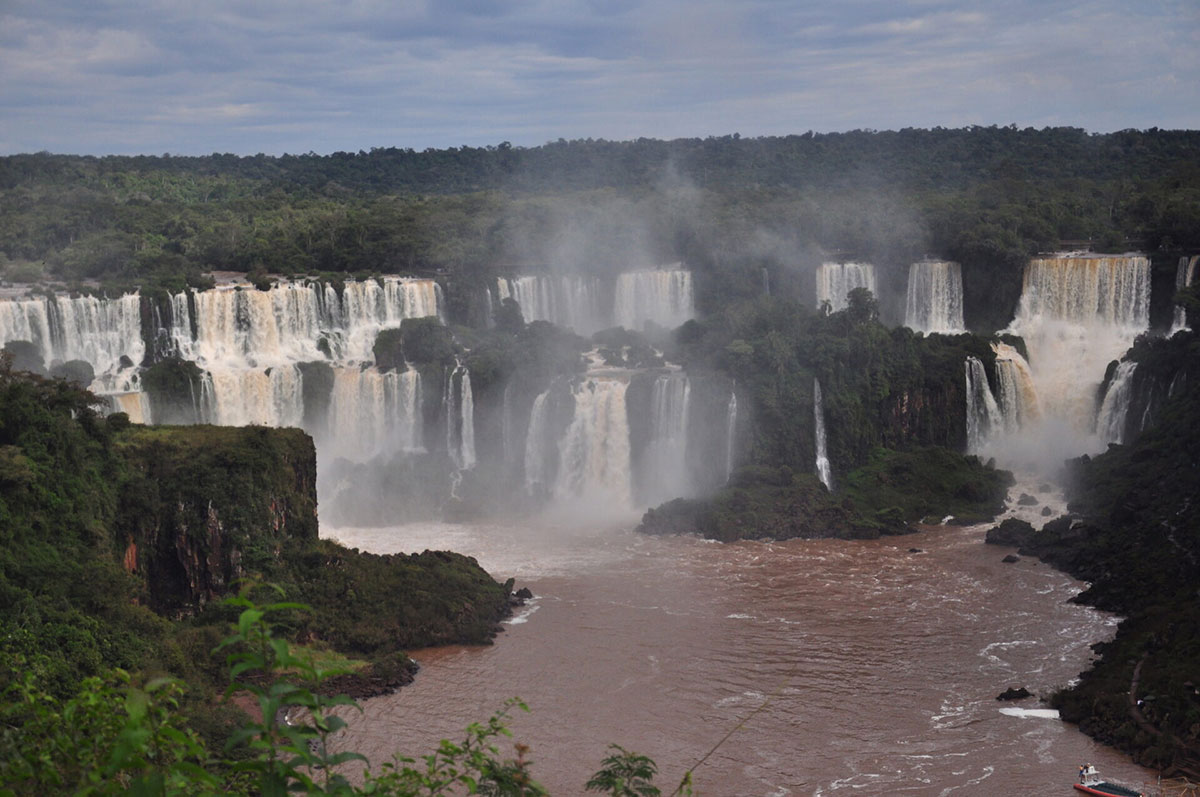
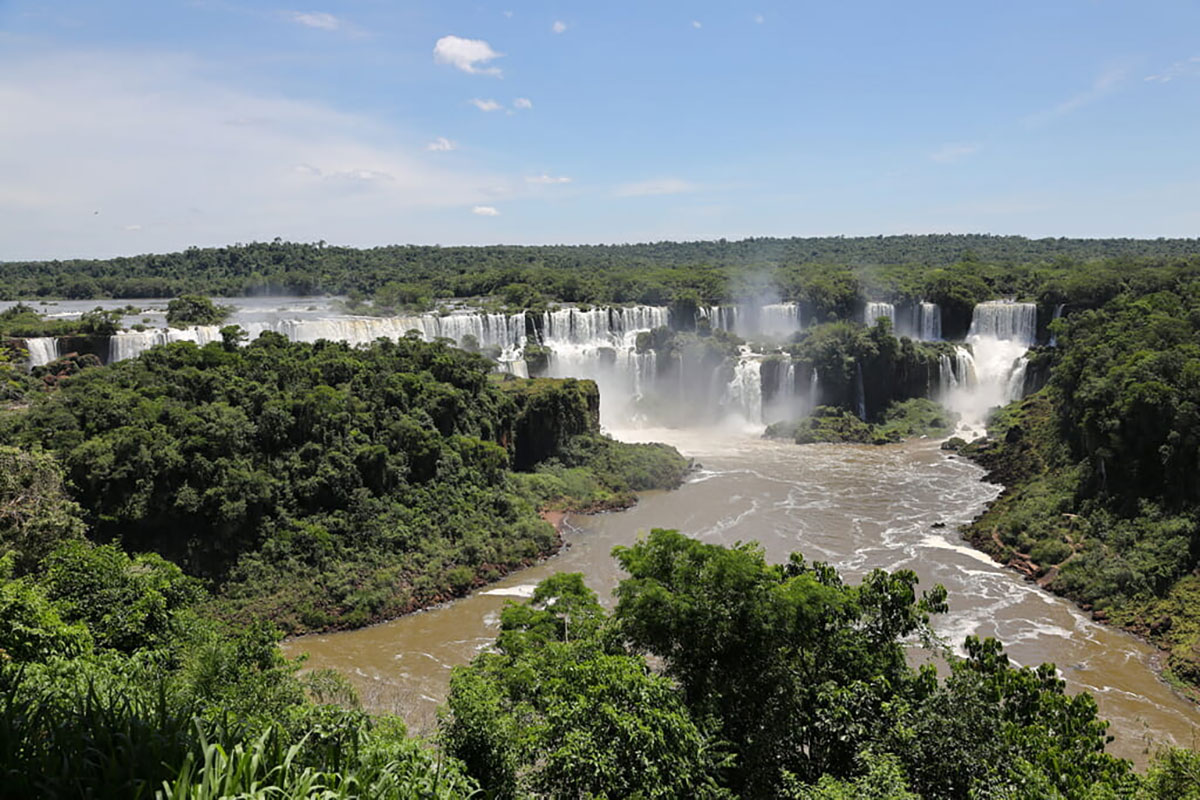
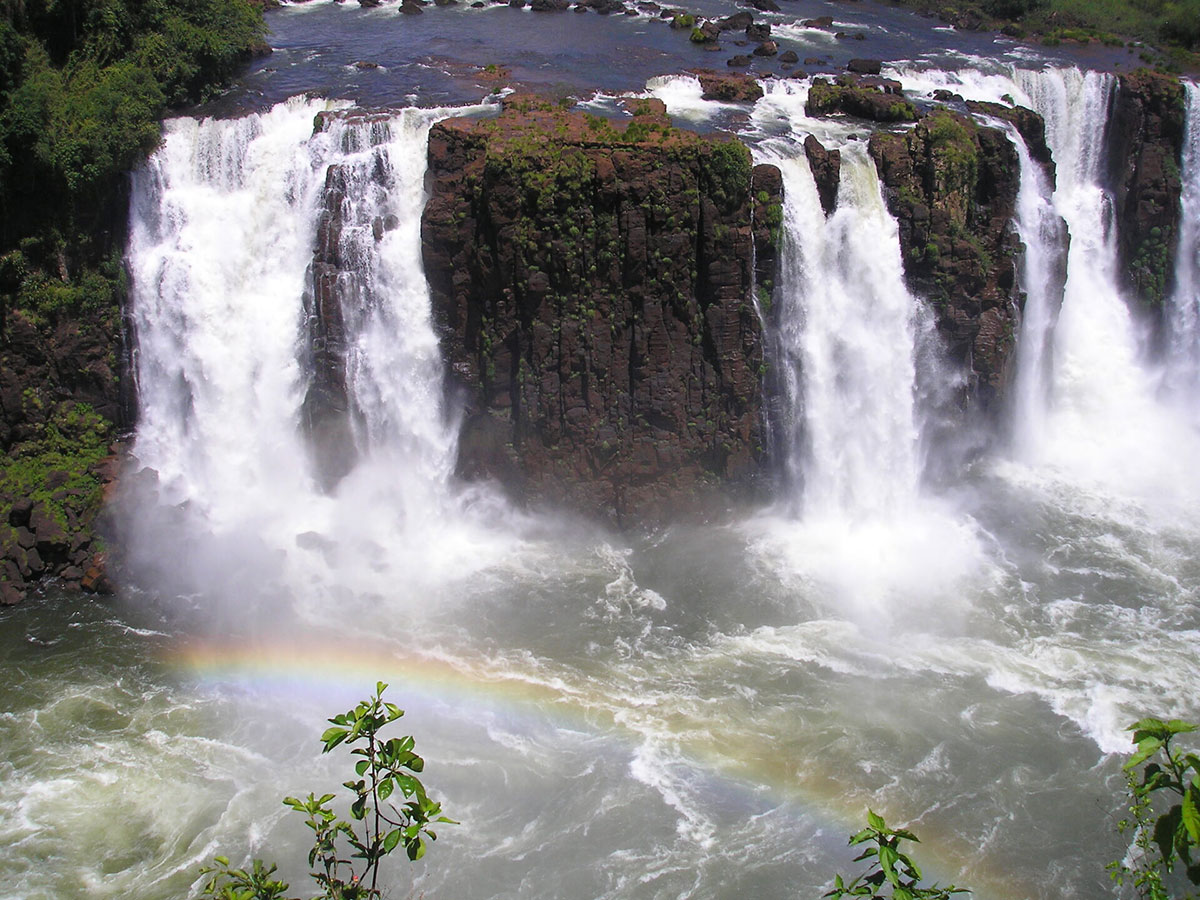
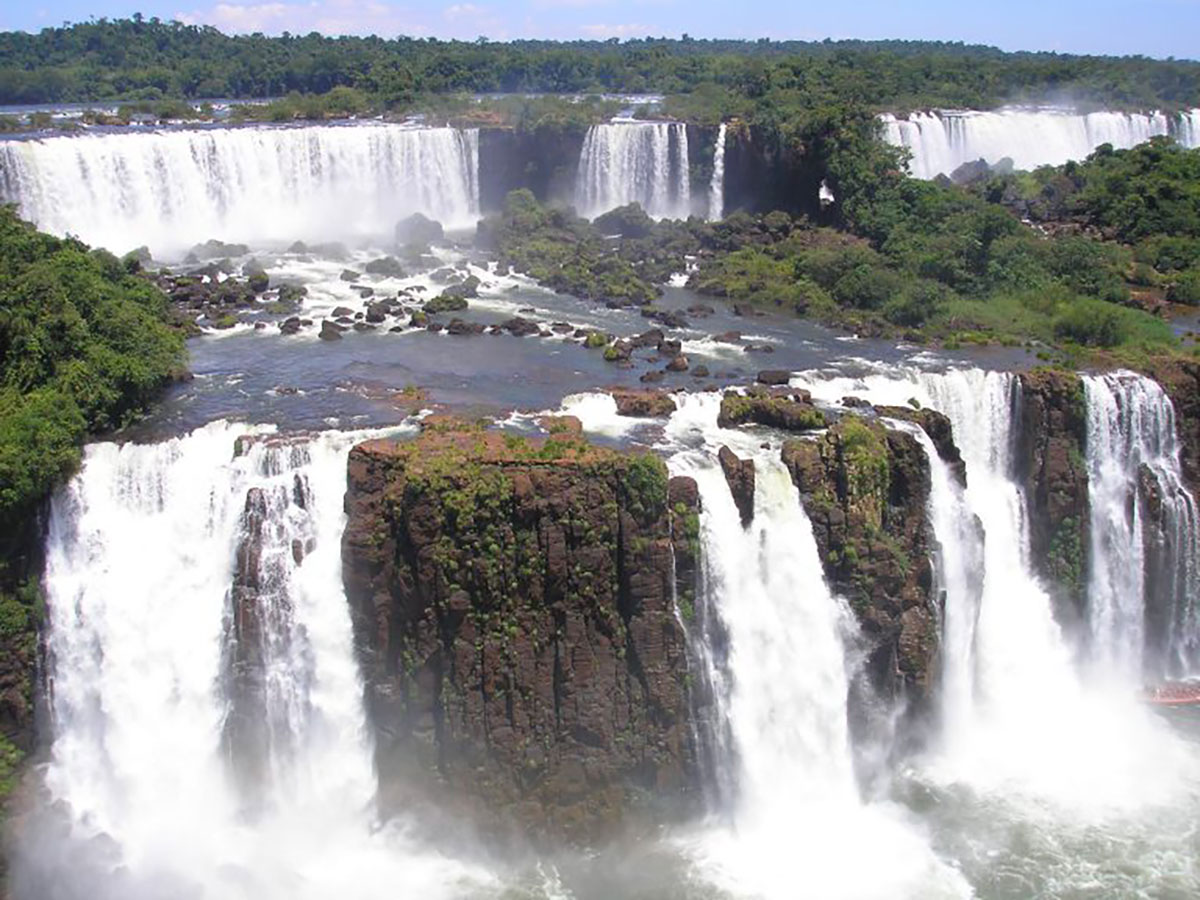
From the Brazilian National Park you have a panoramic view of the Falls – you can see the 3 kilometres of Falls, which features 270+ cascades.
You have 1,000 metres of easy walking – it takes about 1 hour, finishing in the canyon of the Devil’s throat.
Next we take you to airport to continue your travels.
Head back to Argentina if you wish to catch a flight to another Argentina destination.
Or fly from the Brazilian side of the Falls (must depart after 16.00) if you wish to fly on to Rio / Brazil.
Comfortable 3 star hotel either in Iguazu town, or in the rainforest just before town.
We can quote in other district and categories to suit your specific needs.
Different itineraries are possible with varying durations and hotels from 3* to 5*.
Walking tours in Argentina usually occupy a morning and afternoon and require you to be able to be on your feet for a few hours each time. The walks are easy, but can be slippery underfoot. Some of the walkways go over water.
There is a short jeep ride through the rainforest available, too, as well as a boat that will take you under a waterfall for a soaking!
Don’t forget to take a poncho / clothes you don’t mind getting wet in, as there is a lot of spray around Iguazu and the Falls.
We can cater for almost all dietary requirements – please ask.
Meals included are buffet breakfasts at hotel, where teas, coffees, cereals, yoghurts, toasts etc. are available.
For all other meals you be able to choose where to eat – there are some cafes in the Falls themselves.
Iguazu town has a range of places to eat, from fast food to cafés to BBQ and pizza places and some fine dining restaurants, too.
Tour guides and drivers are locals from Argentina, who live and work in this fantastic country.
They help to show you the hidden corners and their favourite parts of these magnificent waterfalls.
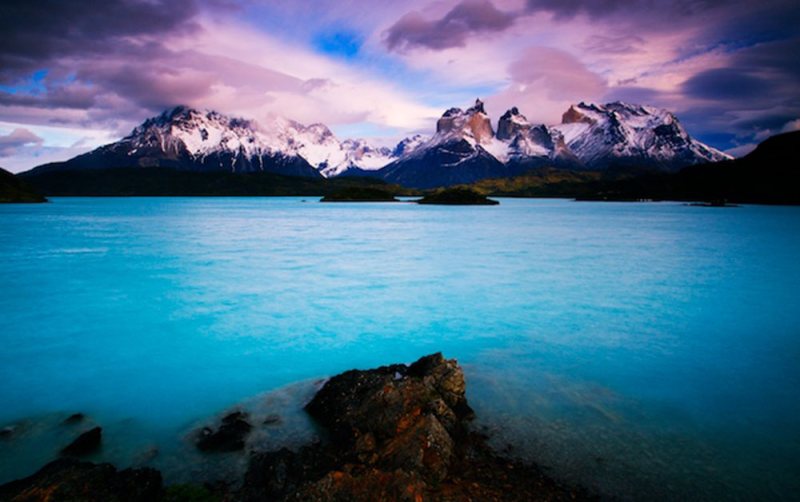
A thrilling South American journey combining Iguazu’s grandeur with self-guided trekking through Patagonia’s breathtaking wilderness.
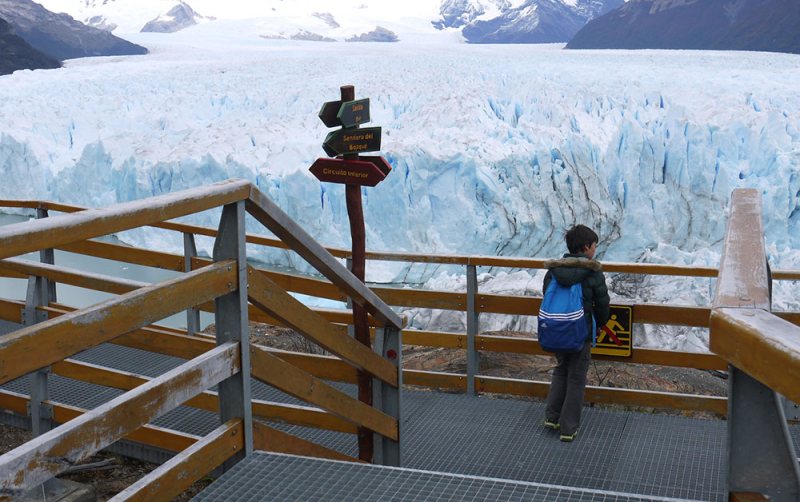
A thrilling Patagonia adventure combining Ice Cap trekking, luxury lodges, and breathtaking mountain landscapes.
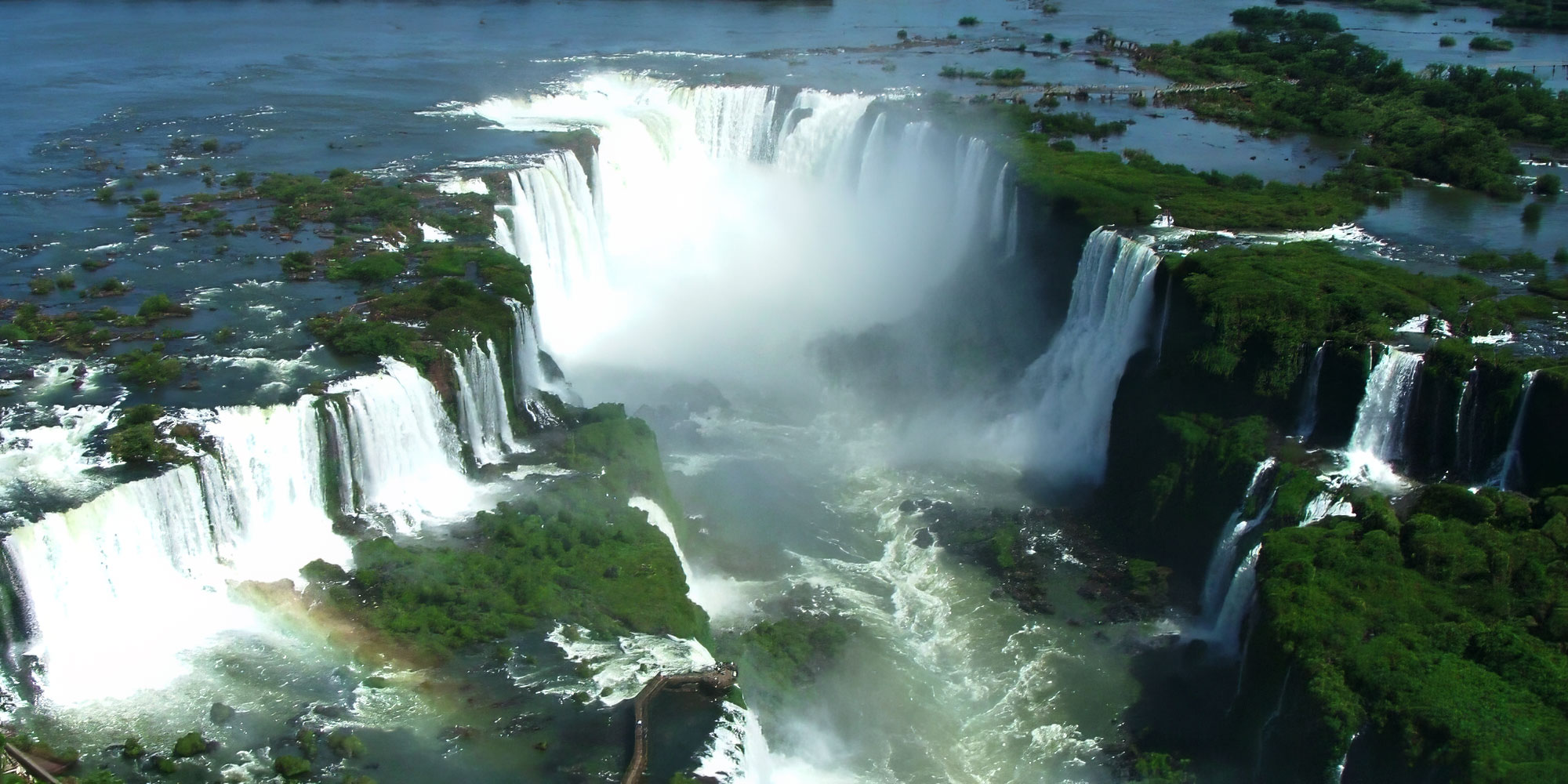
Iguazu Falls a must-see for any visit to Argentina and indeed Brasil, where they are known as the Foz de Iguaçu.
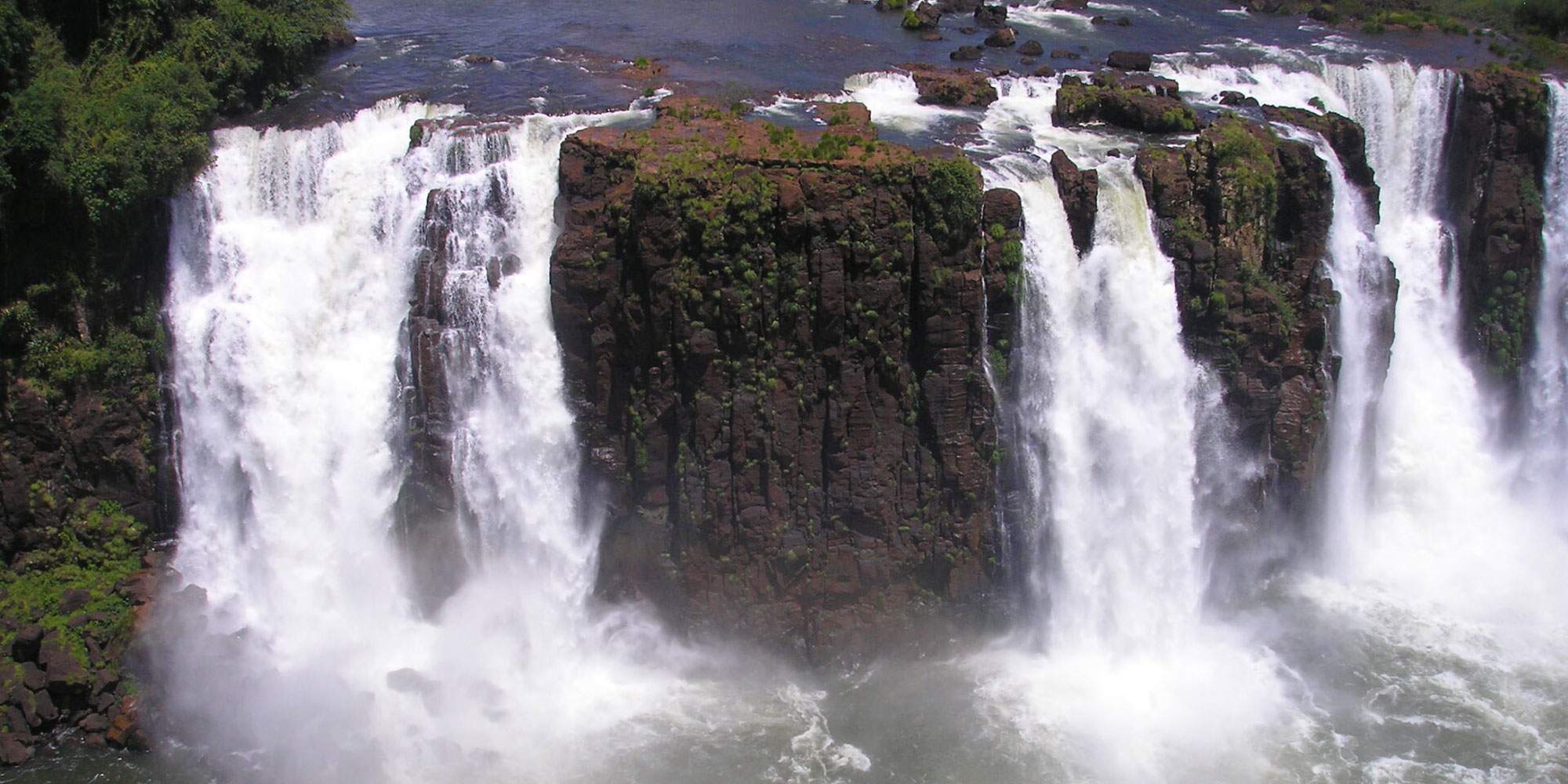
The waterfalls are made up of some 275 individual cascades which line the rim of a crescent-shaped cliff about 4km/2.5 miles long.
From here, the waters plummet up to 82m/269ft into the gorge below, in one of the most dramatic settings in Argentina.
This thunderous roaring of Iguazu’s waters can be heard from miles away. Read our blog for more as well as our guide on when to go to Iguazu Falls.
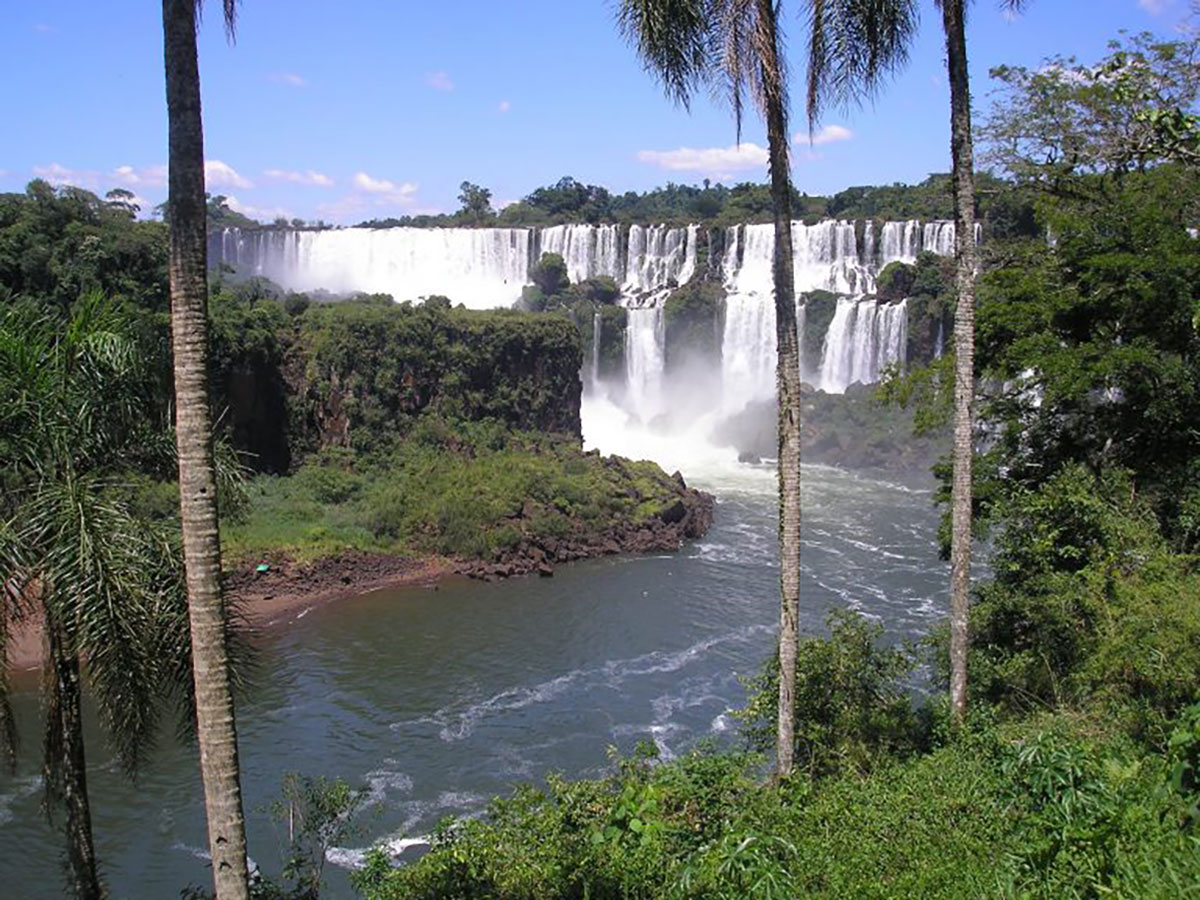
We give you a local, private, English-speaking guide to ensure that your visit to this unique site is special.
They will get you to the best spots at the best times and help you take the best photographs.
We include a full day to explore the Argentine side, where the Falls are very interactive and the water flows large.
Also included is a half day’s tour in Brasil, from where the photogenic face of these majestic Falls is revealed.
There are many attractions at Iguazu. Water sports enthusiasts can find good canoeing and kayaking above the Falls.
There is also considerable interesting sub-tropical rainforest and there are plenty of wildlife and interesting plants to see in the area.
From: $3300 per person
Duration
10 days

Argentina’s neighbours are Bolivia, Brazil, and Paraguay to the north, Uruguay to the north east and Chile to the west. In the east Argentina has a long South Atlantic Ocean coastline.
The central region of Argentina is the rich plain known as La Pampa.
There is jungle in the extreme northeast while the southern half of Argentina is dominated by the flat to rolling plateau of Patagonia.
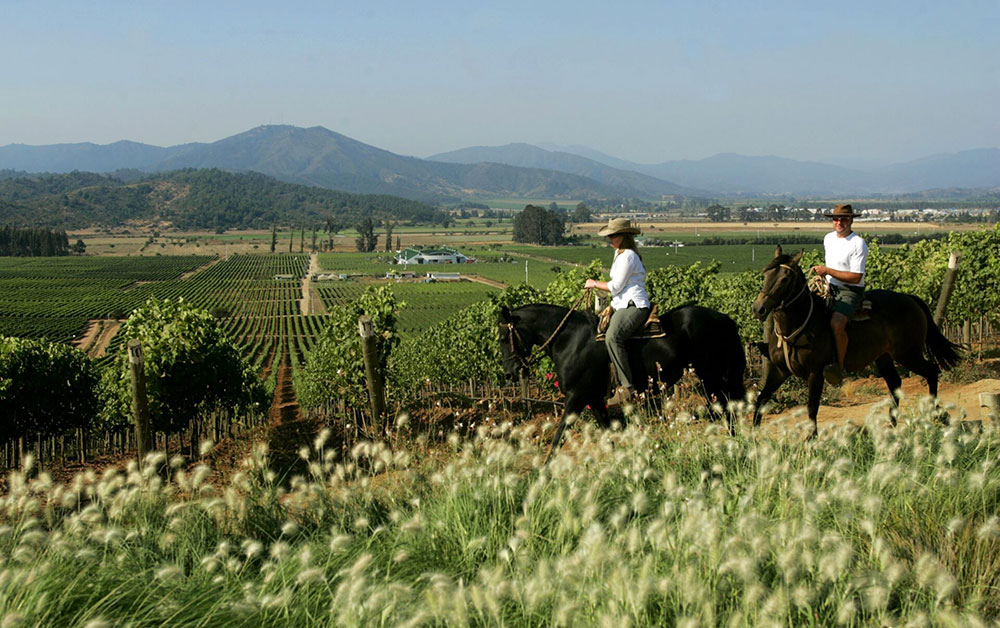
The western border with Chile is along the rugged Andes mountains, including Aconcagua, the highest mountain outside the Himalayas. Close to Aconcagua lies Mendoza, an area famed for its fine wine production.
The western Cuyo regions at the base of the Andes are mostly rocky desert.
Most Antarctic cruises embark and disembark in Ushuaia, at the tip of South America, allowing access to the South Pole, South Georgia and also the Falkland Islands.
Argentina is a land of contrast.
Nothing states this better than the fact it features the highest point in the South America, Aconcagua, and the lowest, Salinas Chicas, 40m below sea level.
Its vastness – it is the eighth largest country in the world – and diversity are just part of the appeal. A fantastic culture of fine wine and dining sits alongside its adventurous and beautiful landscapes.
The local’s cheery disposition and fantastic word plays add to the enjoyment of being in this fascinating country.
The name Argentina derives from argentinos, the Ancient Greek diminutive (tinos) form for silver (argentos), which is what early Spanish explorers sought when they first reached the region in the sixteenth century.
There are distinct regions of Argentina, from the Andean culture of the North West to the rancho lifestyle of the plains of Patagonia to the eternally seductive Buenos Aires.
Good kit is vital for every trip.
Book with Andean Trails and get 15% off Páramo’s fantastic ethical and high performance outdoor gear.
Argentina is the eighth largest country in the world, and has a myriad of climates from humid tropics to bracingly cold Patagonia.
When planning for these changeable climatic conditions you will encounter across Argentina, layering is the most practical and versatile clothing system.
The sun is very strong throughout the country, so good sun cream, a hat and sunglasses are vital. Summer in the north of the country means t-shirts and shorts.
It can also get very cold at night time especially in the mountains. Jumpers, fleeces and warms hats – which you can buy there – are also essential.
Give plenty of thought to kit selection, and try to keep weight down.
Below is a more detailed guide.
Argentina’s seasons are the reverse to the northern hemisphere, with summer running from October to March, and winter from May to September.
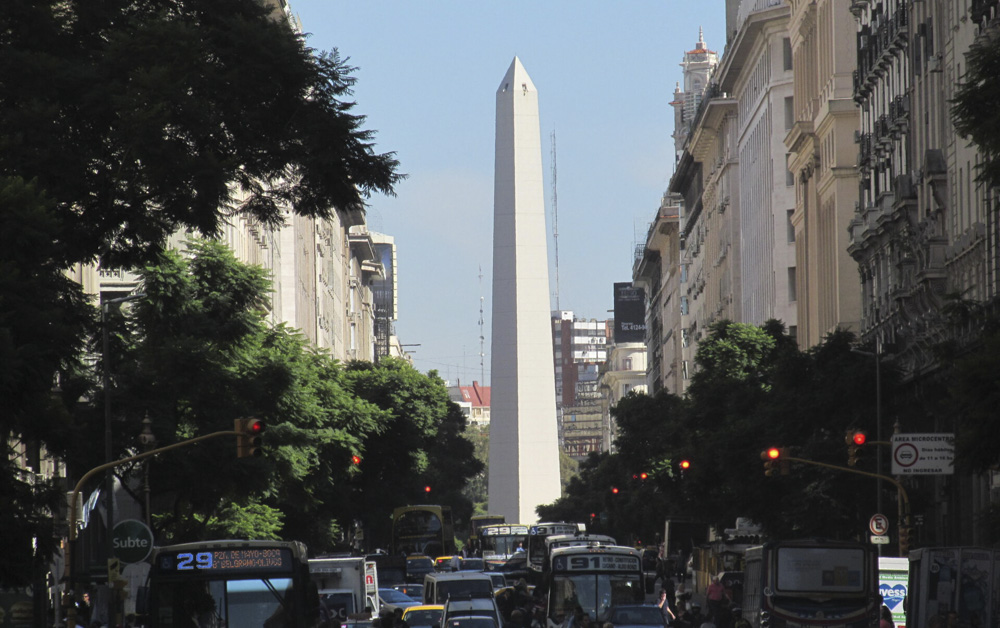
Buenos Aires and the Pampas in the north are temperate; cold in the winter, 5-15°C, and hot and humid in the summer, 17-27°C, the warmest and most humid being December to February. Spring and Autumn are lovely times to visit Buenos Aires.
The best time to visit Iguazu Falls is from January to March – the rainy season, this is when water flow of the waterfall is greatest, but the waterfall is amazing at any time of year. The hottest months in Iguazu Falls are October through April with lows of 20°C and highs of 32°C. Winter sees this fall to highs of 22°C and occasional lows of 12°C, with cooler nights. Being tropical and humid, there is always the chance of rain in Iguazu.
Bariloche is nestled in Argentina’s Lake District and is built next to the cold water Lake Nahuel Huapi. During the summer, daylight extends from 6am to 10pm and temperatures fluctuate from 5-20°C, the warm days making for ideal conditions for exploration. In the winter, snow abounds for skiers and daylight is from 9am to 7pm, city temps varying from just above to just below freezing, with much cooler temperatures in the mountains.
The rain-shadow effect in Bariloche means weather conditions are relatively dry and stable. Summer rainfall in the town of Bariloche is low (average 5 days precipitation a month).
A thrilling South American journey combining Iguazu’s grandeur with self-guided trekking through Patagonia’s breathtaking wilderness.
A thrilling Patagonia adventure combining Ice Cap trekking, luxury lodges, and breathtaking mountain landscapes.