Colca Canyon Condors Tour

Duration:5 days

From: £317

From: $422

Capacity: 16

ATOL 6275 protected
Speak directly to the experts
28 years experience

Tour Colca Canyon from Arequipa and see condors flying high in the Andes.

Tour highlights

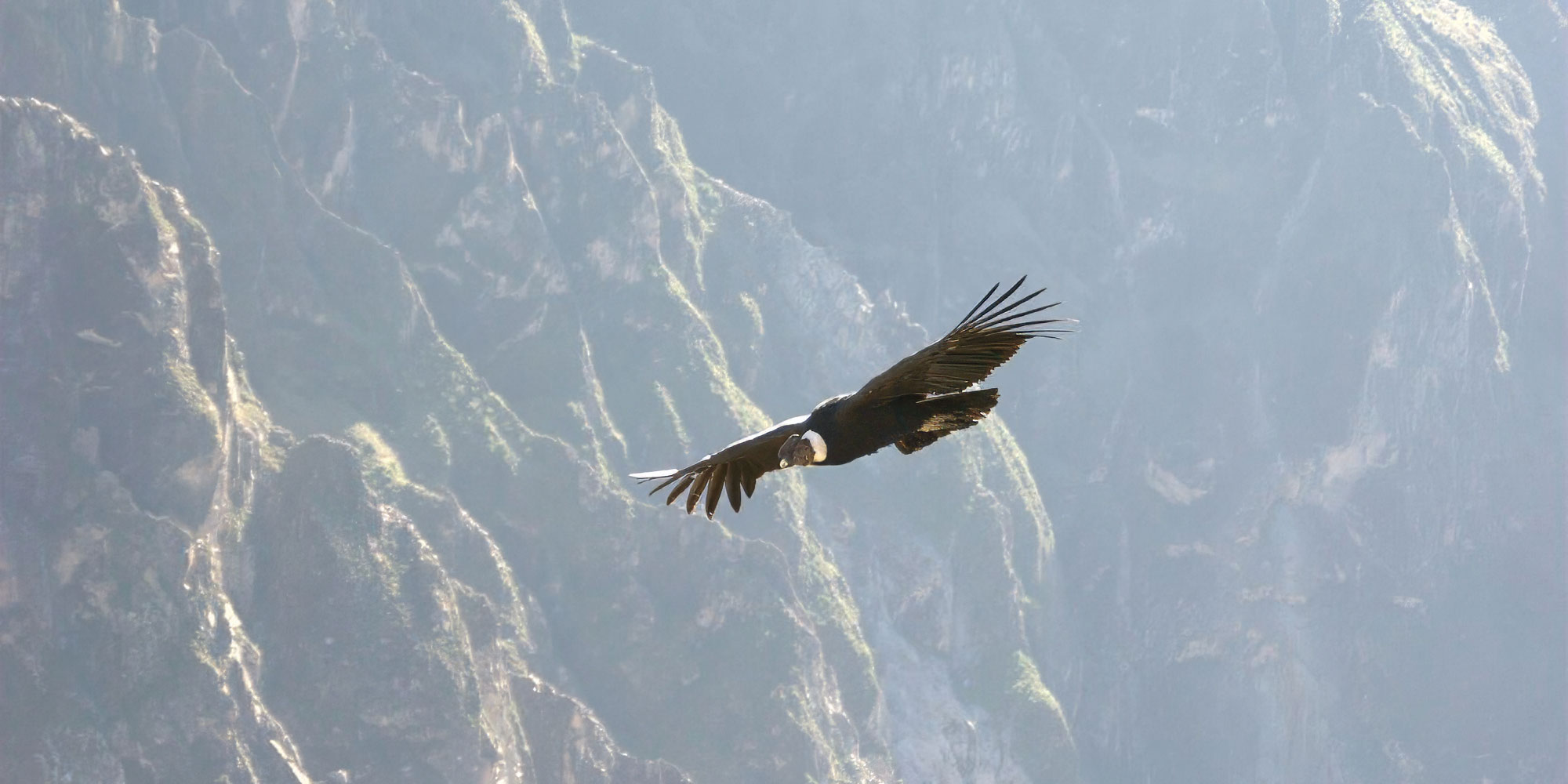
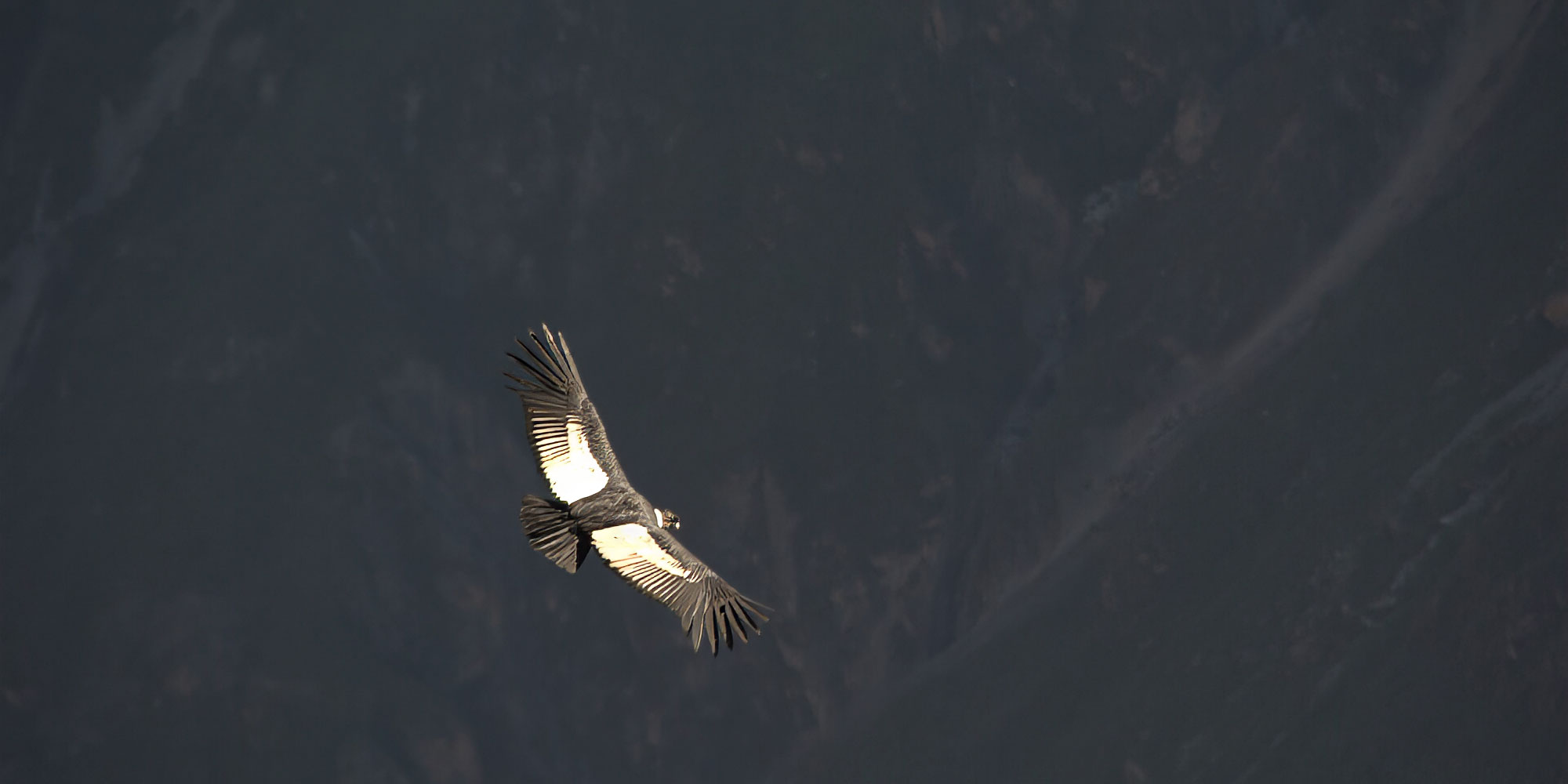
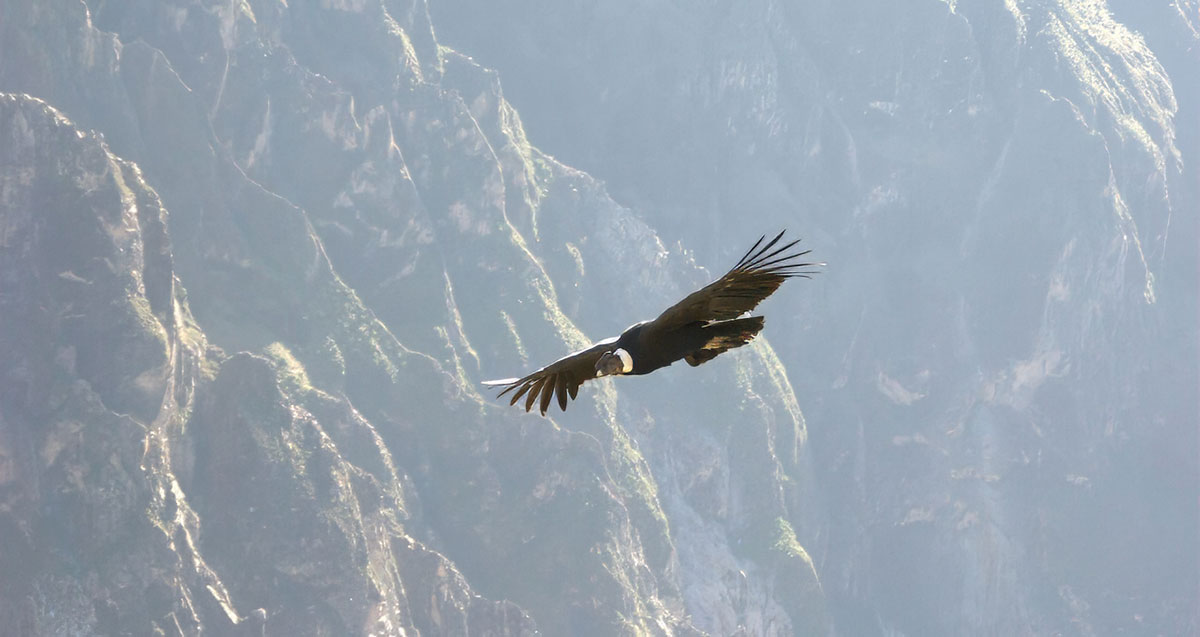
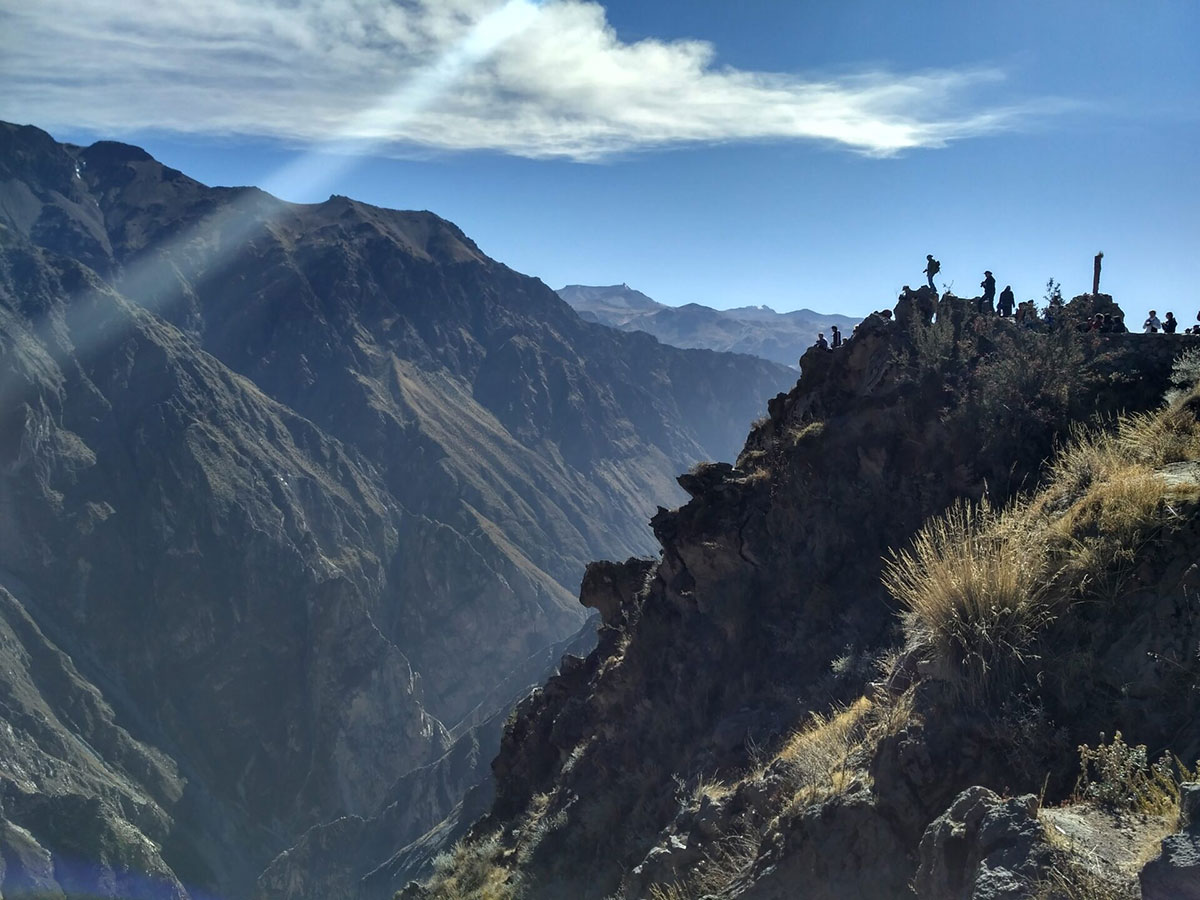
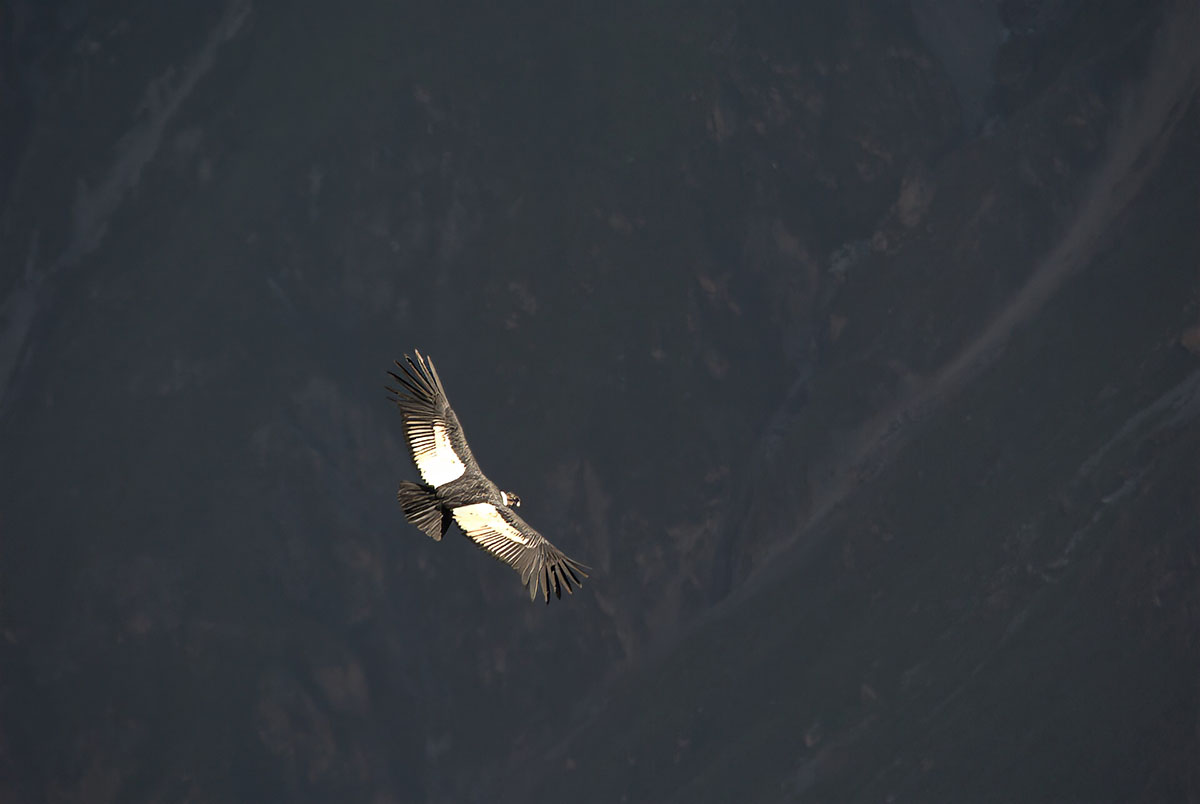
  • See condors close-up, soaring and flying on thermals in the Colca Canyon – the world’s deepest.
  • Arequipa’s historical centre, including Santa Catalina convent.
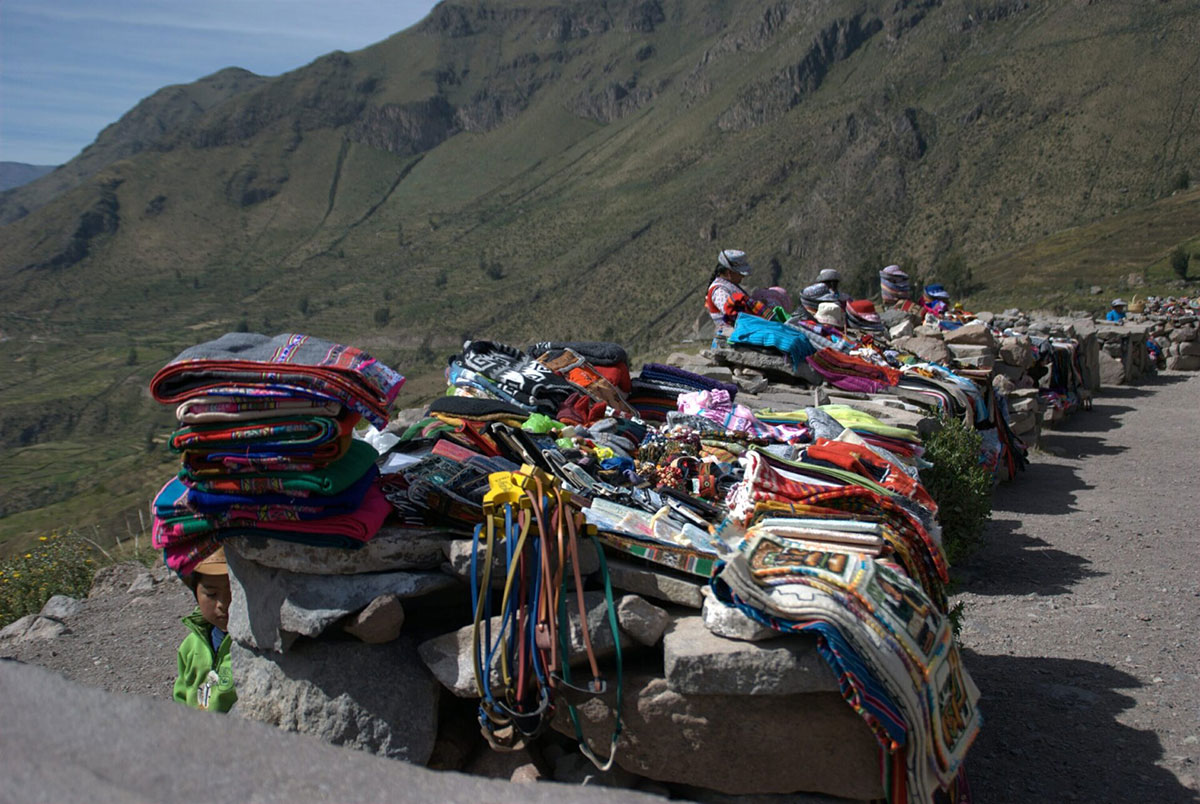
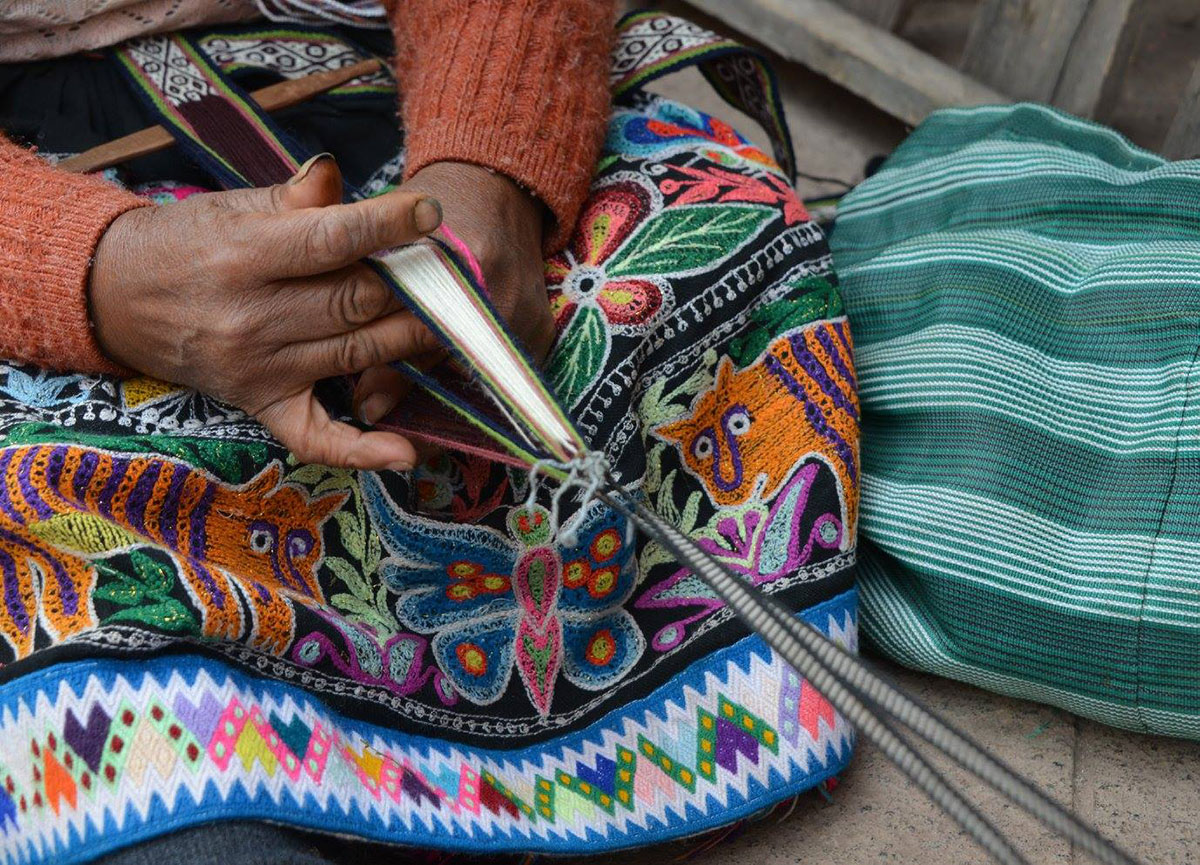
  • Look for hand-woven souvenirs made by the highly-skilled weavers in the area.
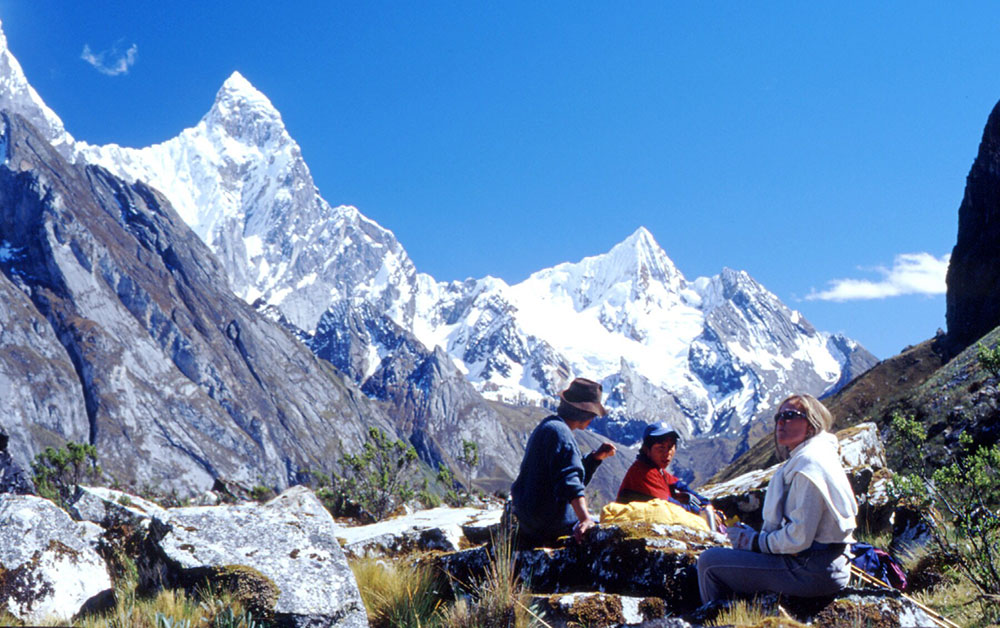
  • Gentle walks through stunning mountain scenery

Itinerary for Colca Canyon Condors Tour

Overview

  • Day 1 Day 1: Arrive Arequipa, transfer to hotel (B)
  • Day 2 Day 2: City tour, hotel (B)
  • Day 3 Day 3: Arequipa - Chivay (B)
  • Day 4 Day 4: Chivay - Cruz de Condor - Chivay - Arequipa (B)
  • Day 5 Day 5: Tour ends. Transfer out of Arequipa to airport / bus station (B)

Day 1: Arrive Arequipa, transfer to hotel (B)

We welcome you at Arequipa airport or bus station, and take you to your hotel in Arequipa.

Free time to explore the city.

Day 2: City tour, hotel (B)

Today we explore Arequipa on a guided tour.

Evidence suggests that there have been people living in the Arequipa area for six to eight thousand years. The early inhabitants were hunter-gatherers. In the 7th century the Huari culture made an impact as did the later Tiahuanaco culture (10th century) and then the Incas.

Today Arequipa (officially founded by the Spanish in 1540) is an important commercial city of 650,000 inhabitants.

The 17th and 18th centuries saw the city’s importance grow thanks to the silver mined at Potosi in Bolivia and, in the 19th century, from the export of alpaca wool to Britain. There are several impressive sillar colonial buildings, the most well known being the incredible ‘mini city’ of the Santa Catalina Convent.

Not to be missed is the excellent museum (Museo Santuarios Andino) housing the Inca mummy Juanita (it was found at over 6,000m/19,6895ft on Ampato in 1995).

Another must is Santa Catalina convent. Founded in 1579 and closed to all visitors until 1970, this fascinating labyrinth of alleyways is a city in itself. At one time 300 nuns lived here shut away from the world. A tour gives an impression of what life must have been like – don’t forget your camera.

Day 3: Arequipa - Chivay (B)

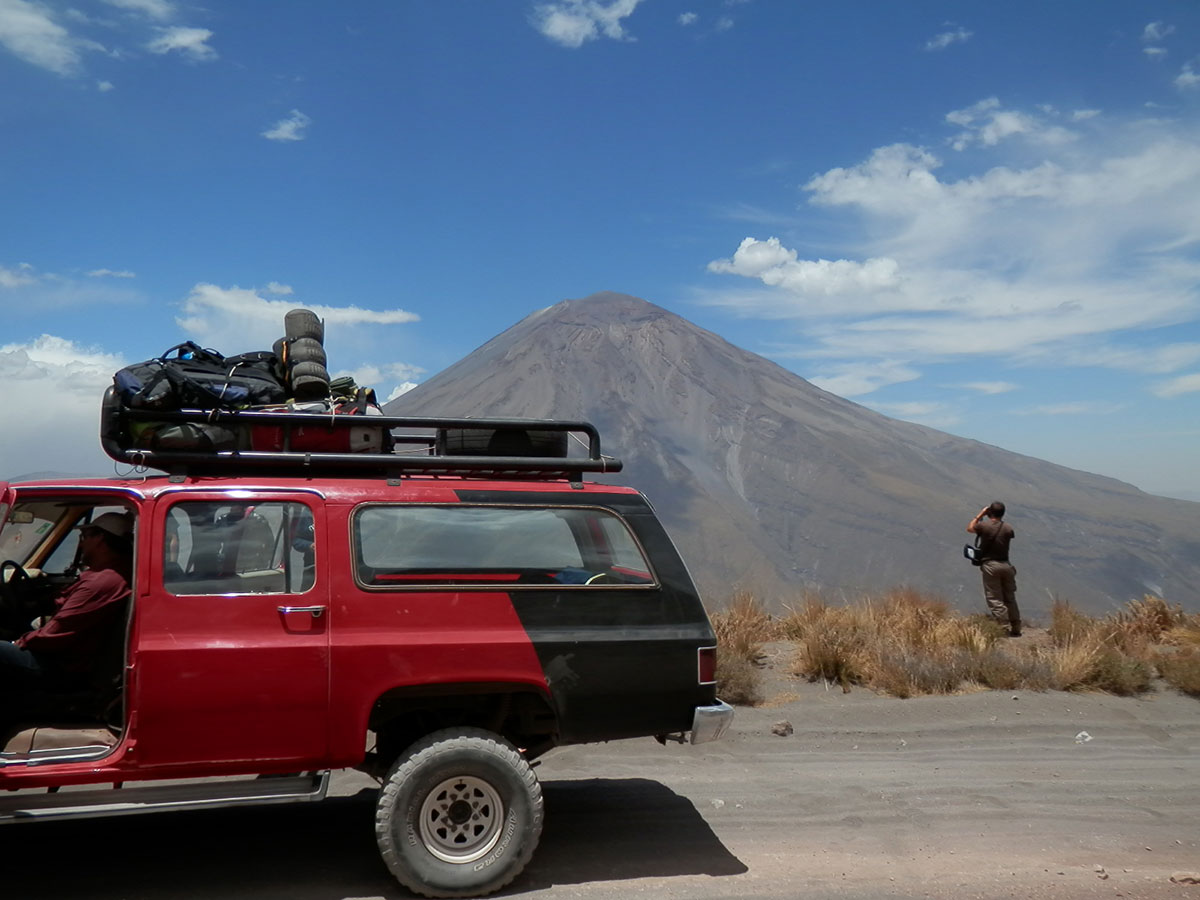
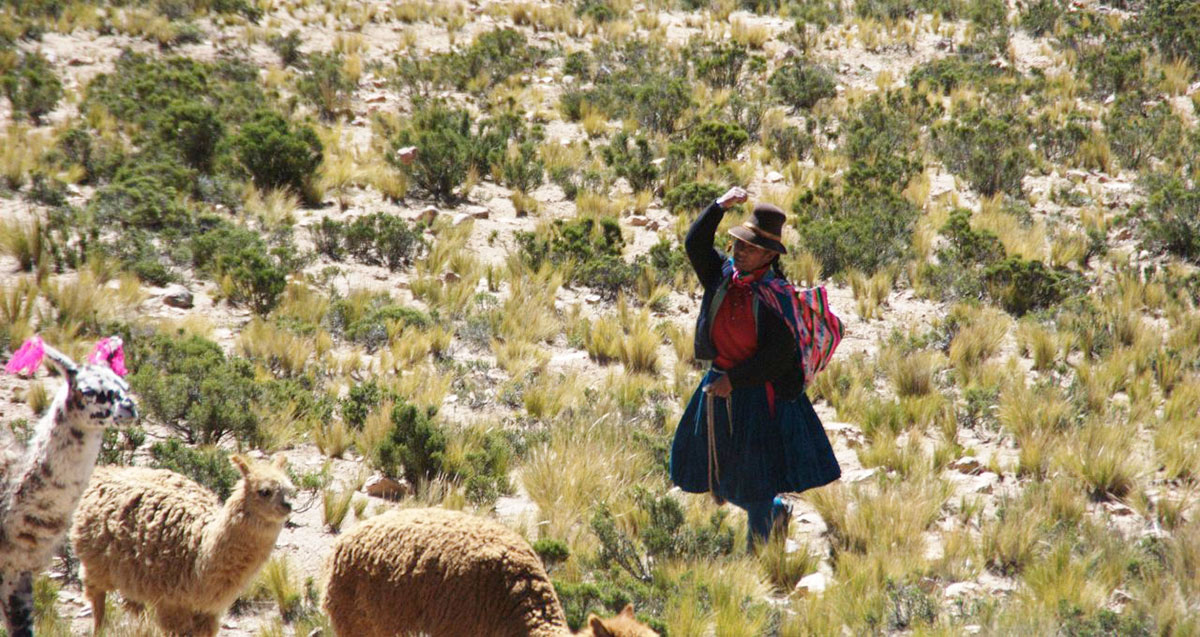
You are collected from your hotel and travel through Colca Valley, passing the Pampas Cañahuas where vicunas, the South American camel, can be found.

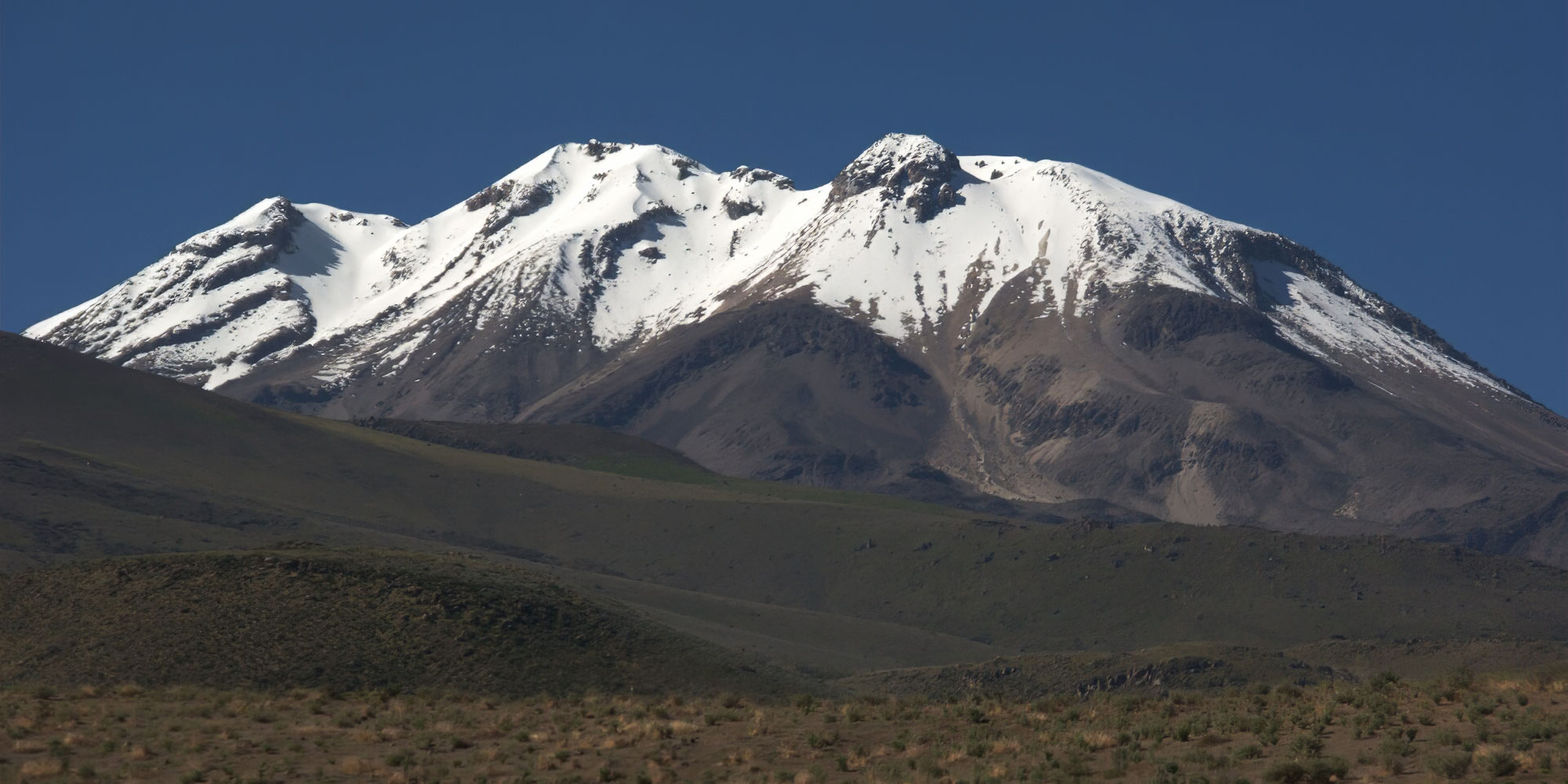
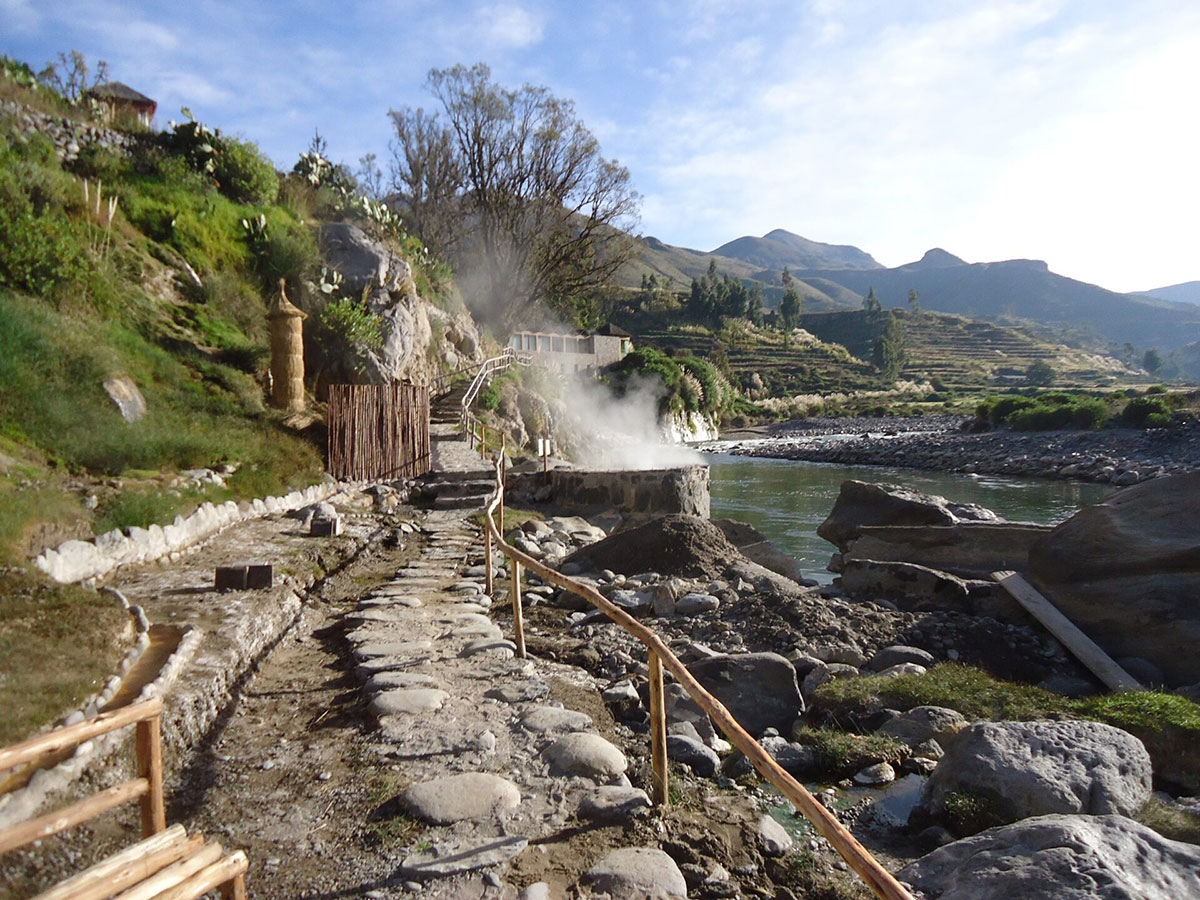
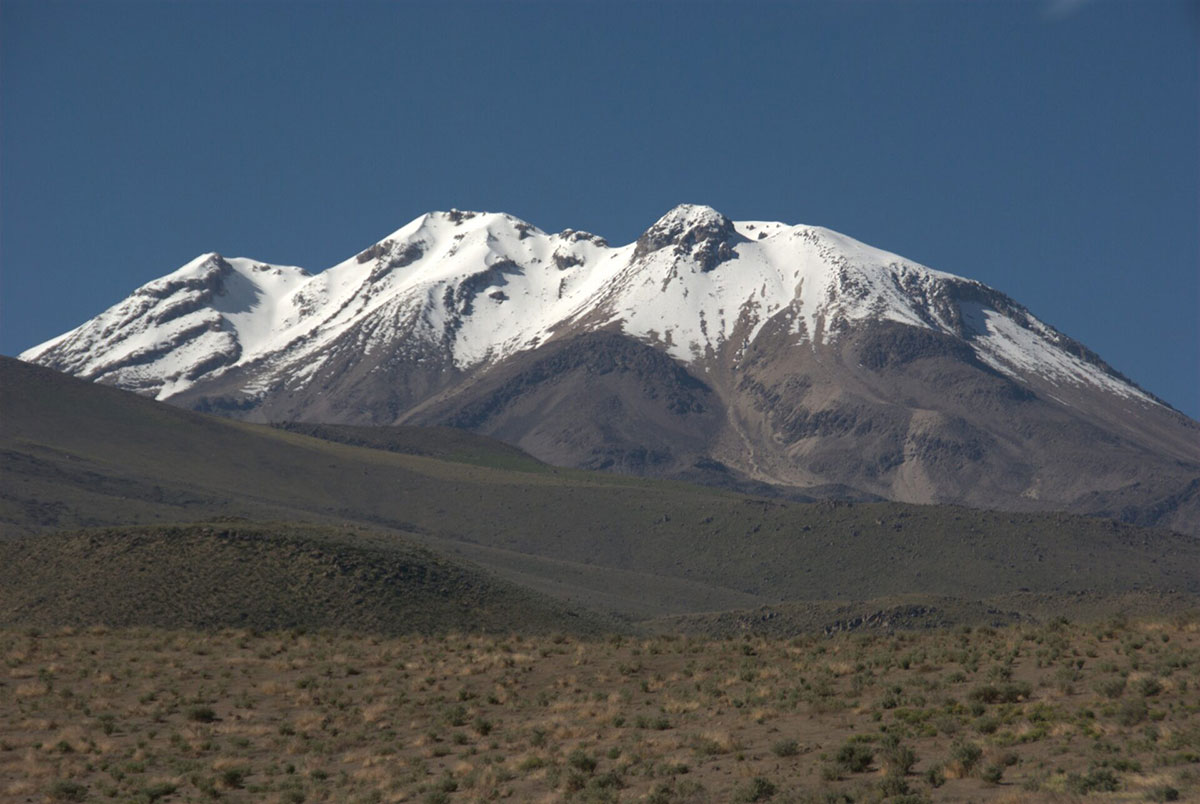
We head to Patapampa (4,800m/15,748ft) where we are rewarded with fantastic views of the surrounding volcanoes. We travel on to Chivay, and in the afternoon we visit the thermal baths at Clera.

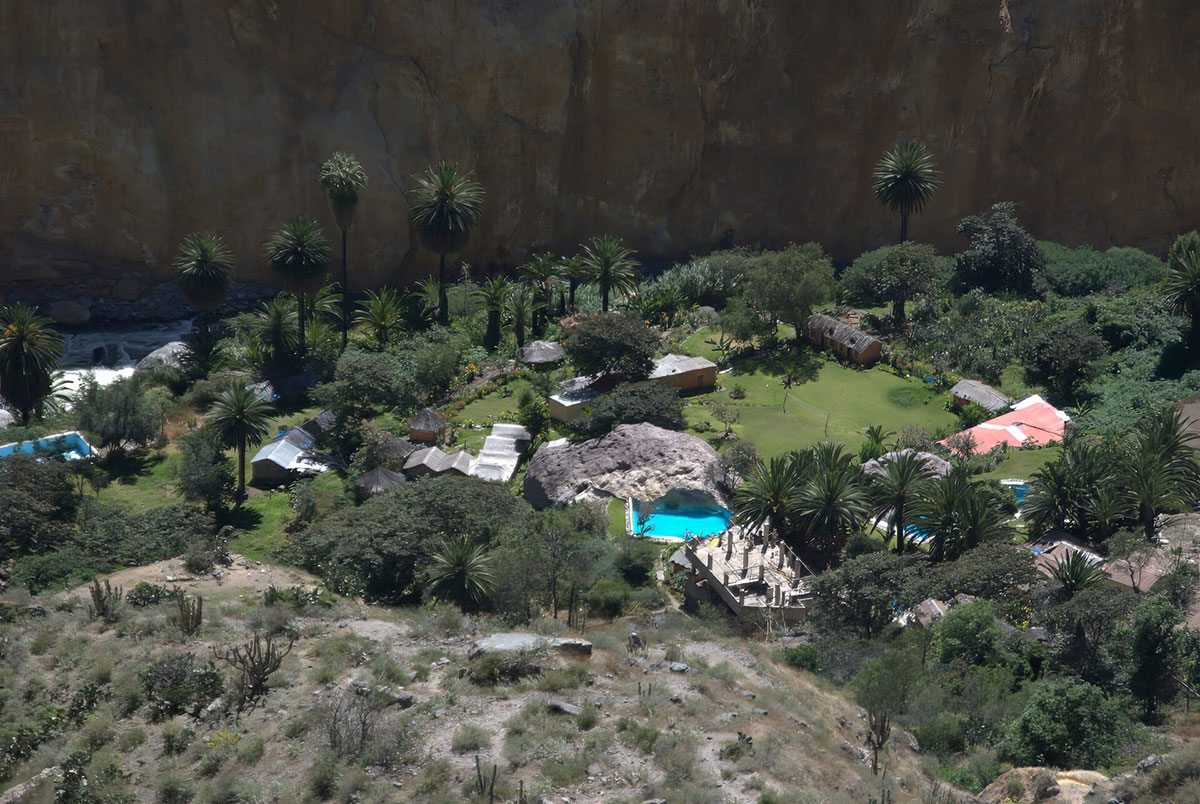
Night in hotel in Chivay, where you can choose accommodation from a cosy lodge to luxury spa, depending on your tastes and budget.

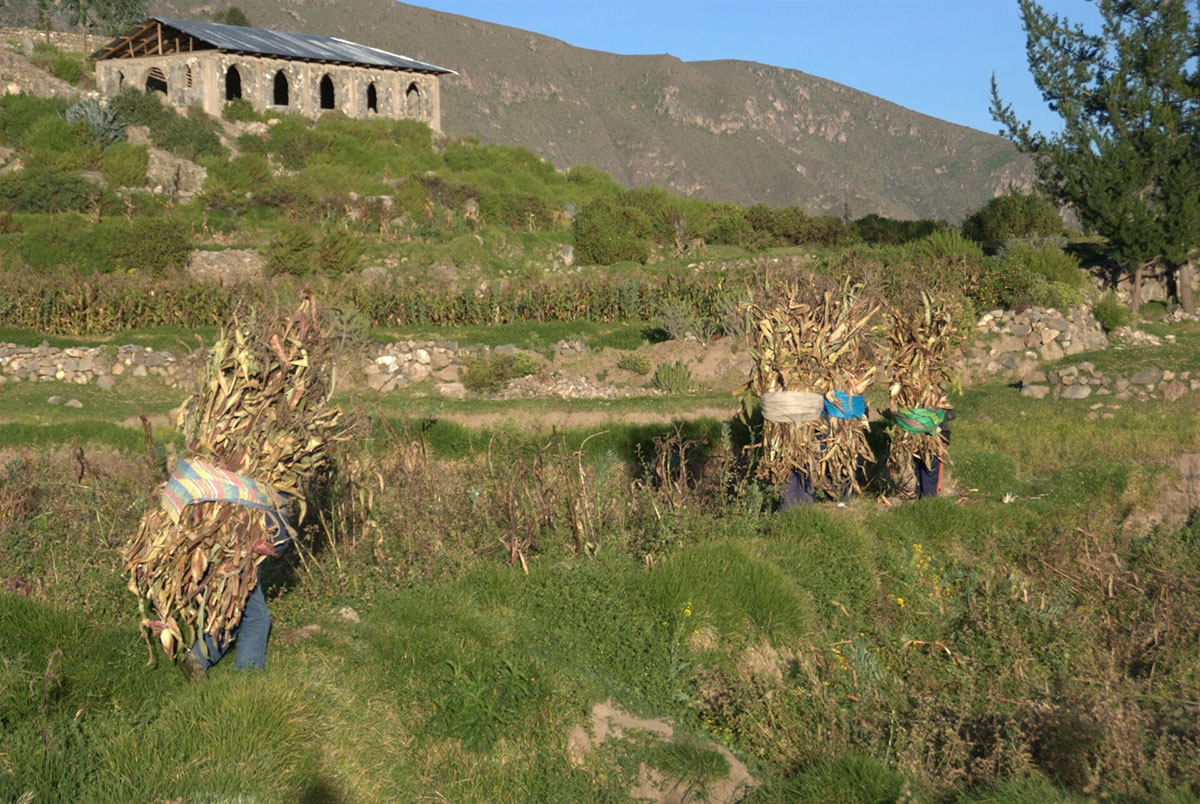
The head of the Colca valley is at about 4,000m above sea level. At this altitude very little grows and the land is only used for grazing. Lower down the valley, around Chivay (3,633m/11,919ft), the land is suitable for agriculture; here the typical agricultural terraces are seen.

A few kilometres from Chivay the valleys begins to narrow and the sides steepen to form the Cañon de Colca, which has an average depth of 3,400m/11,155ft for over 100km.

Although there is evidence of occupation here several thousand years ago, the landscape owes its appearance to the more recent pre-Inca Collaguas and Cabanas people. They were great agriculturalists and the designers and builders of the characteristic irrigation canals and terraces of the Colca Canyon.

Their gods were the region’s mountain spirits; Hualqa-Hualqa mountain (6,075m/19,931ft) was worshipped for its power to control the water flowing into the valley.

Now, as then, the Colca agricultural produce is some of the best in Peru. Volcanoes bordering the canyon include Coropuna (6,425m/21,079ft) and Ampato (6,320m/20,735ft). North of the canyon is the Cordillera Chila, one of whose peaks (Mismi, 5,596m/18,360ft) is considered the source of the Amazon River.

A hundred kilometres long, the incredible gorge of the Colca canyon is said to reach a maximum depth of 3,400m/11,155ft) – twice that of the Grand Canyon. It was formed through a fault in the earth’s crust being eroded over thousands of years by the largest river of the Peruvian coast, the river Colca.

Although a mere 160km north of Arequipa, its full extent was recognised only as recently as 1954; the first major explorations took place in 1978 and the first descent by raft and canoe in 1981.

On both sides of the canyon you’ll find picturesque villages whose inhabitants will help you with directions. Cave paintings suggest that people have lived here since the fist humans arrived in the Andes.

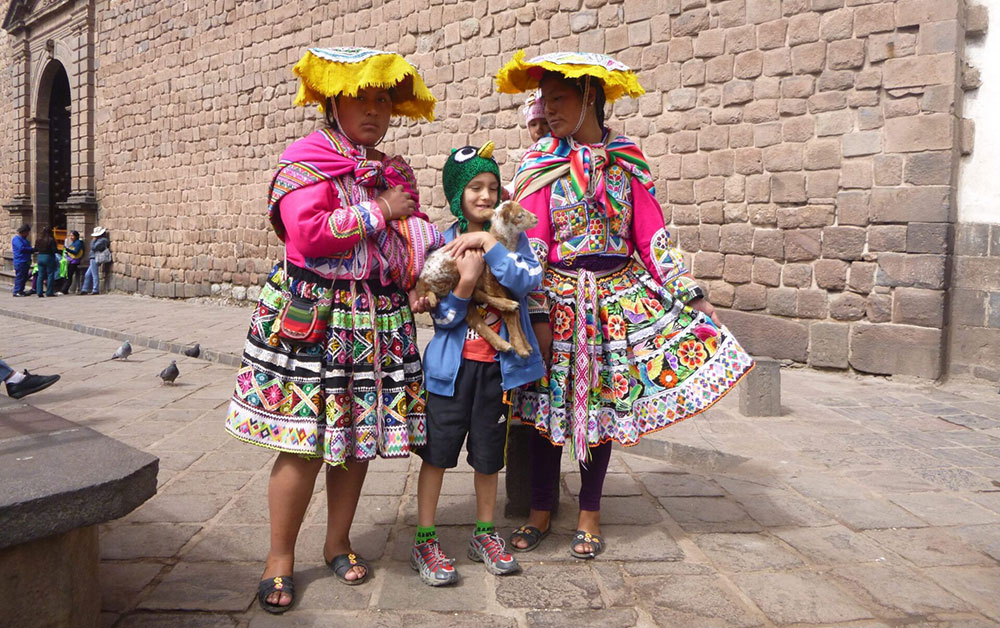
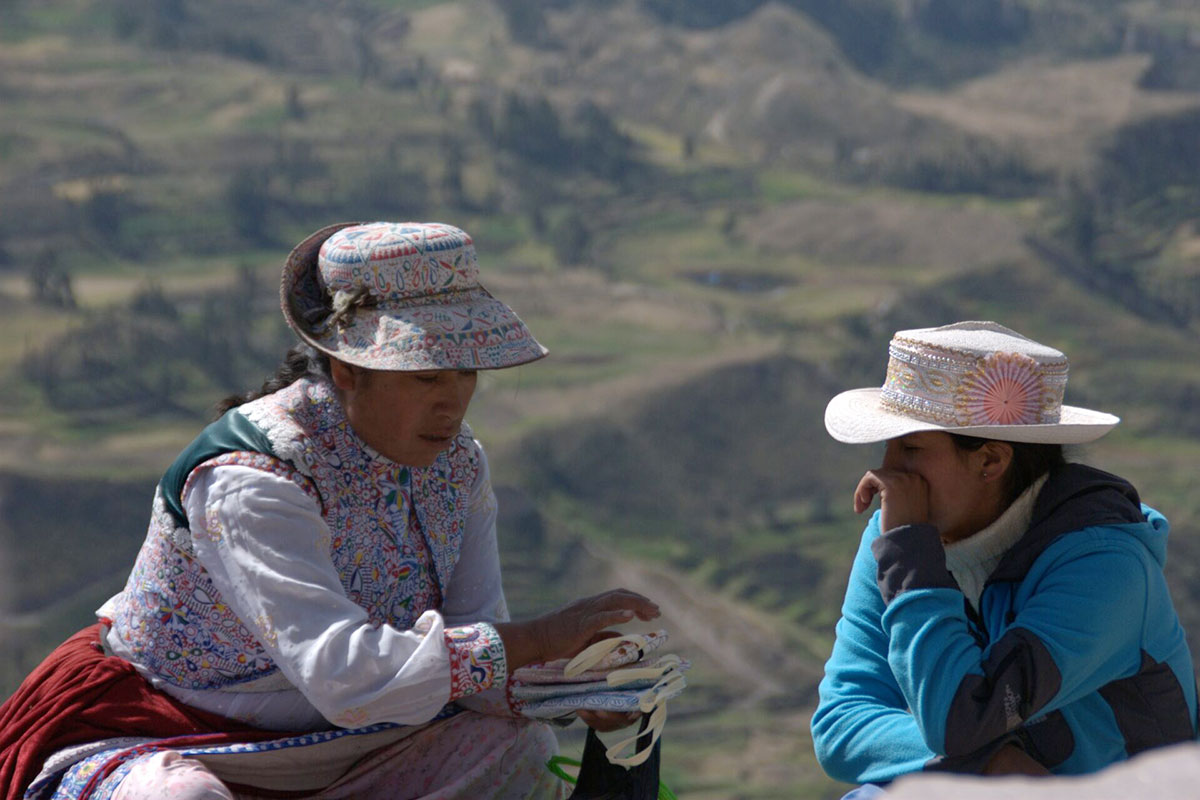
The characteristic terraces of the Colca valley rival those of the Incas. They were carved out of the land 1,400 years ago by the Collaguas, who were Aymaras from Tiahuanaco, and the Cabanas, who were of Quechua origin, both pre-Incan people with an advanced level of agricultural development. The terraces are still widely used. Many local people still wear distinctive and colourful traditional costumes, and the valley boasts an extraordinary genetic variety of potatoes, corn, quinua, maca, oca, and isaño.

Day 4: Chivay - Cruz de Condor - Chivay - Arequipa (B)

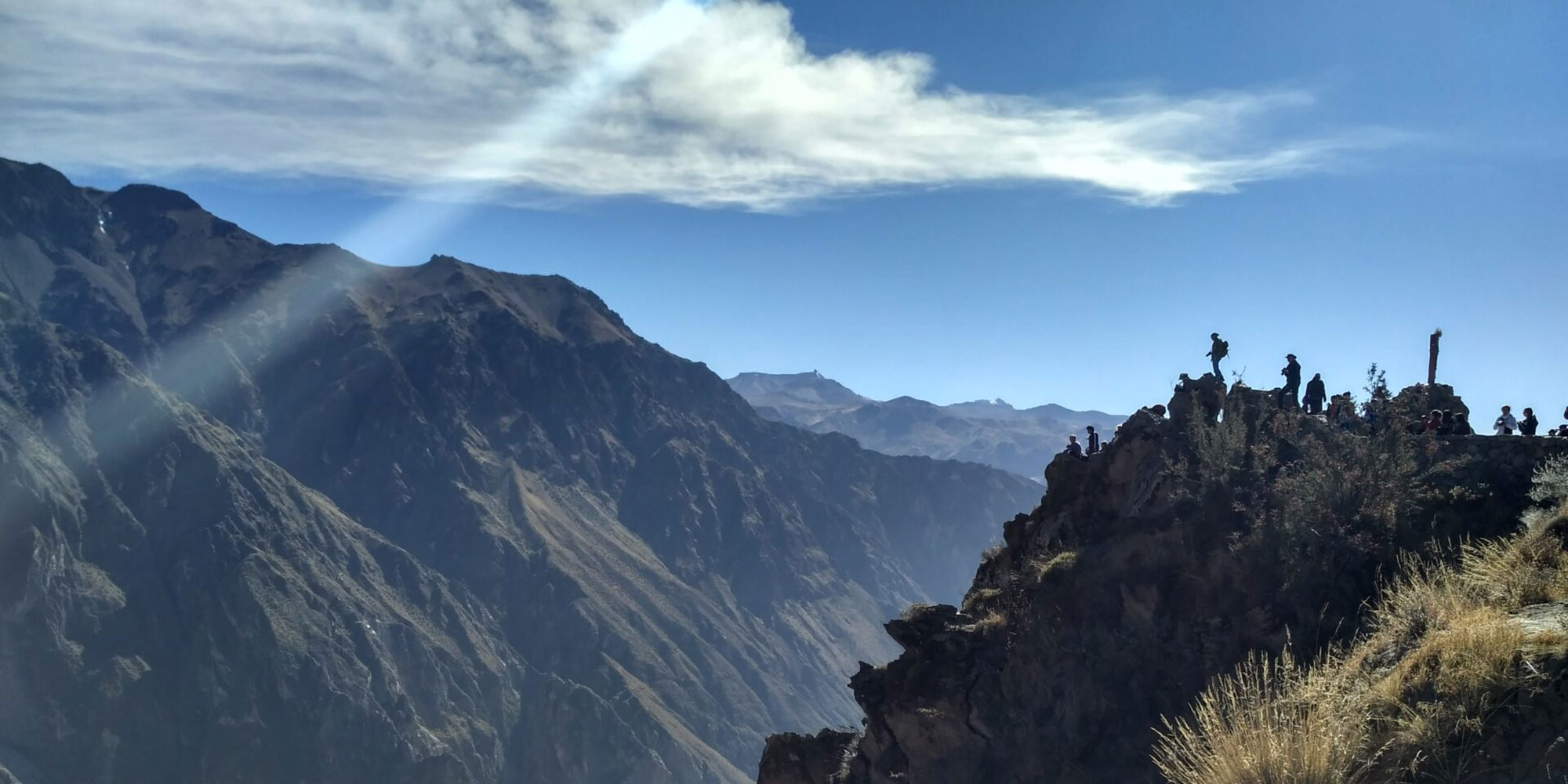
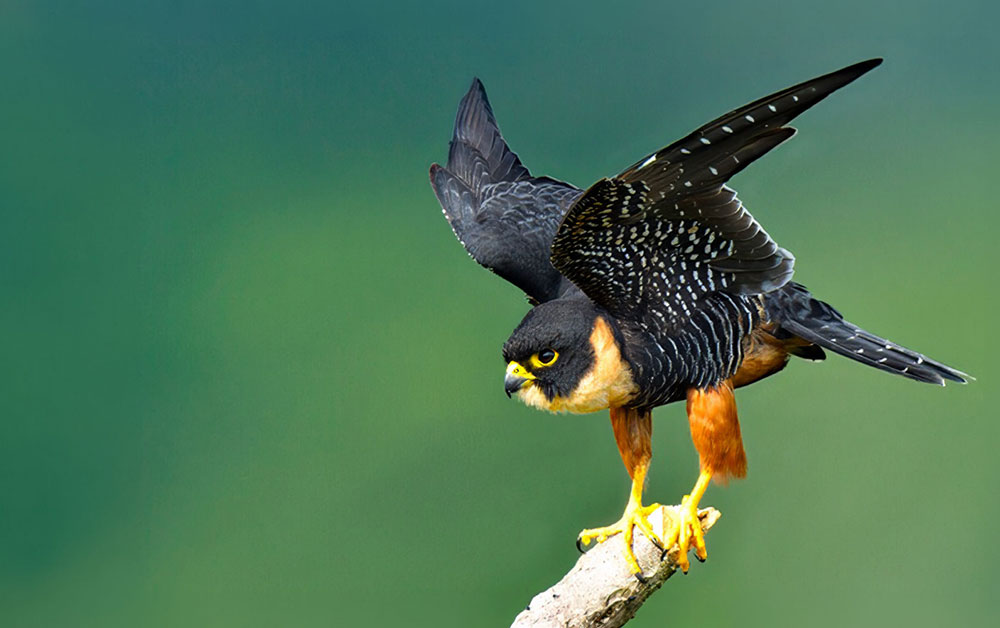
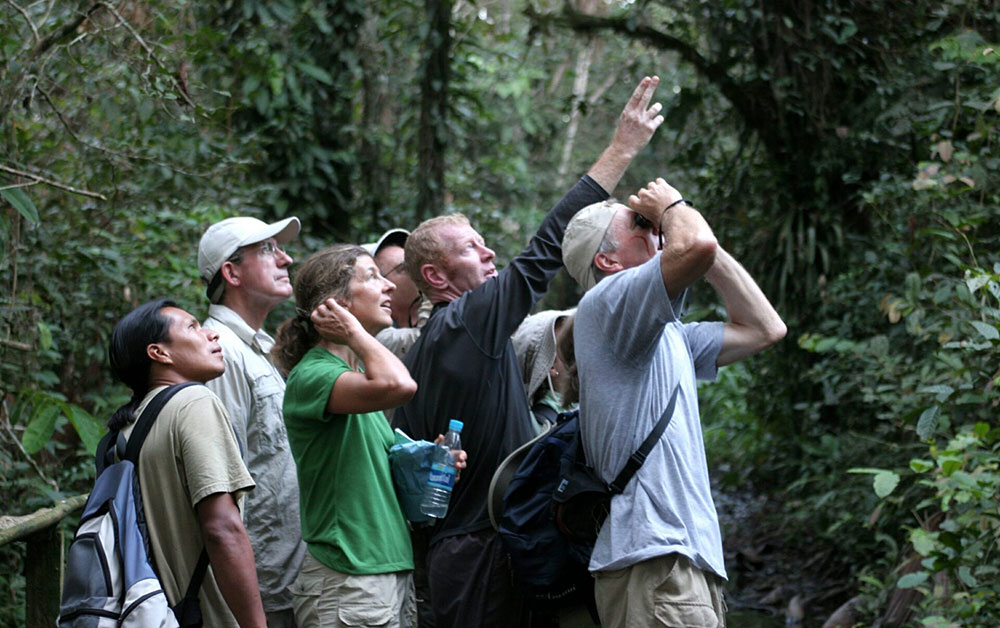
We leave early to reach Cruz de Condor (3,800m/12,467ft) and watch the majestic birds riding the thermals.

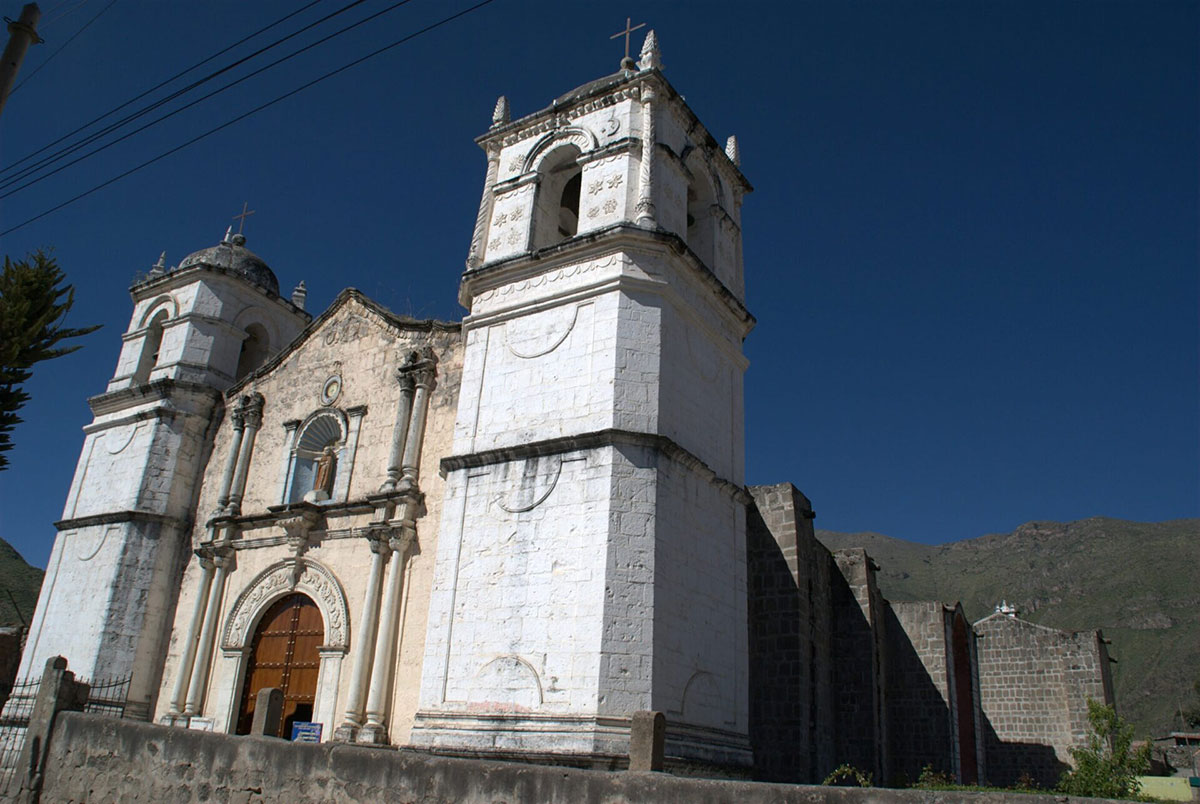
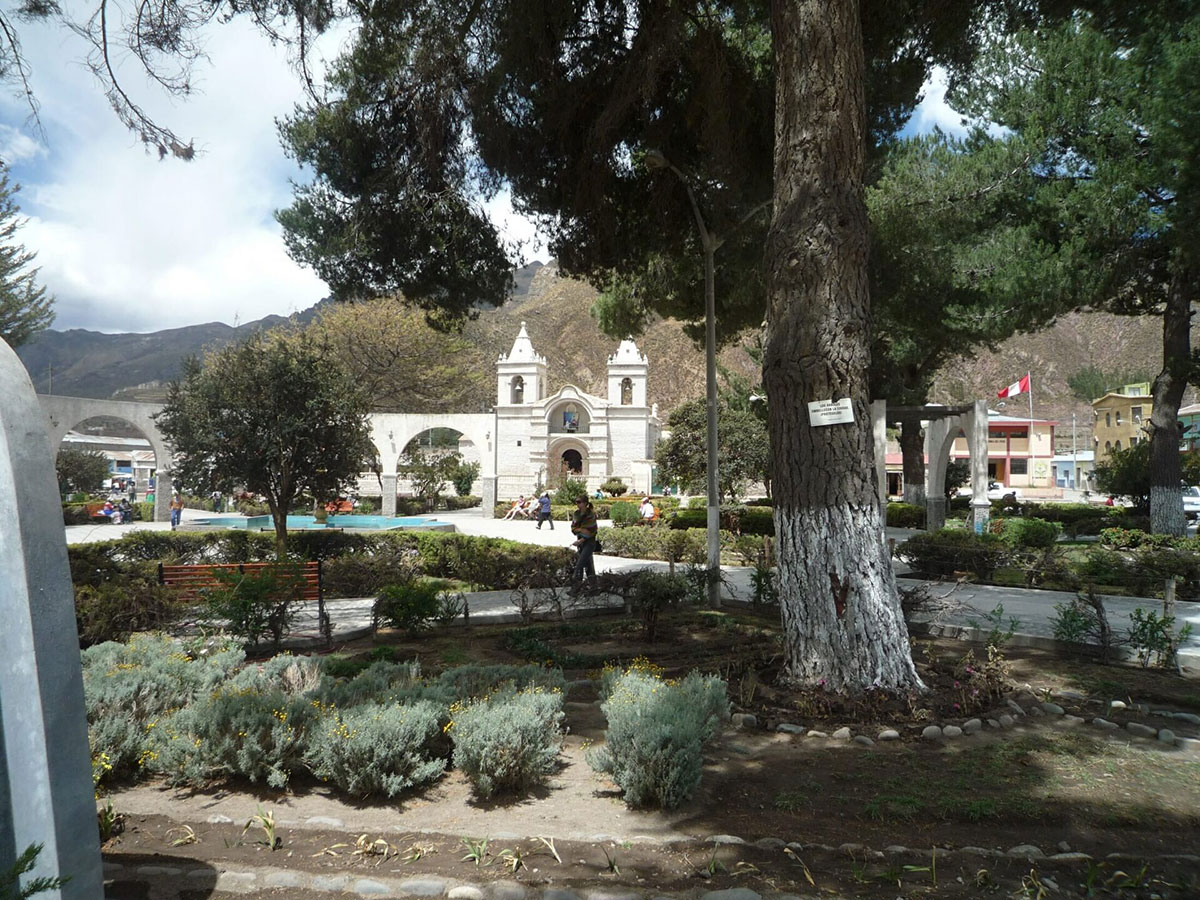
On our return we stop at various points of interest including the towns of Yanque, Maca and Chivay, returning in the afternoon to Arequipa. There is also a tourist bus which leaves from Chivay and drives across the Altiplano, making stops en route to Puno, for those who wish to head to Lake Titicaca without returning to Arequipa.

Day 5: Tour ends. Transfer out of Arequipa to airport / bus station (B)

We transfer you from your hotel for your onwards journey.

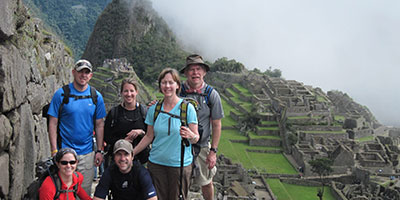
Chivay turned out small, with real local life still visible around the markets, and felt a world away from Arequipa. We soaked in the hot springs the afternoon before, then stood at Cruz del Condor at dawn watching condors ride the thermals close enough that everyone around us gasped. Ten to fifteen birds isn't the best count locals quote, but it felt plenty
Tom Shearman

Dates & Prices

Available dates & prices

From: $422

(£317)

  • Guide price, per person, shared room basis
  • Price based on two people
  • Upgrades available
  • Shorter/longer stays possible
  • Single supplement applies

What's included?

  • Transport
  • Hotel with private bathroom
  • Breakfasts
  • English speaking guides on tours

What's not included?

  • Flights (we can look into these for you)
  • Meals (other than breakfasts)
  • Tourist ticket (US $15 – payable in Chivay)
  • Final transfer out
  • Insurance
  • Personal items
  • Tips

Accommodation

Hotels, based on 2-3* clean, central and with private bathroom.

Upgrades possible at extra cost (where available).

This trip is open to people with a penchant for exploring, with a positive attitude and outlook. The days are not strenuous, in walking terms, but we are out and about seeing things on a daily basis.

Being at altitude will most likely provide the biggest challenge – see Practical Information for more.

You don’t need a specific fitness level as such, but to be adaptable, enjoy being outdoors and viewing sites etc.

Almost all dietary requirements can be catered for if we are notified in advance, please ask for more information.

Breakfasts at the hotels will generally consist of hot drinks, toast, jams, cereals, fruits and eggs.

If at a local restaurant, it will often include soup to start, a main of rice with meat and/or veg. and a small pudding. Dinners are similar, and often served buffet style.

When eating out under your own steam, there are a host of restaurants to choose from in Arequipa, and a few in Chivay.

Note: In remote hotels, meals may only be available from your hotel.

All our guides are qualified, local and English-speaking and will help you get the most out of your trip.

You meet different guides for different tours, each with specialist knowledge of the areas you are visiting.

A flawlessly organised luxury Inca Trail adventure, from gourmet camp meals and expert guides to the unforgettable moment of walking through the Sun Gate to Machu Picchu, with Andean Trails delivering excellence every step of the way.

S Schmidt, USA

A seamless South American adventure combined the Inca Trail’s history with the Galapagos’ wildlife for an unforgettable journey.

R. Brackenbury, UK

Tour information: Colca Canyon Condors Tour

The trip starts in the beautiful colonial city of Arequipa, replete with history and culture and the gateway to the Colca Canyon.

Nestled at 2,325m/7,628ft metres, Arequipa is called the ‘white city’ sits at the foot of three tremendous volcanoes: El Misti, Chachani and Pichu Pichu.

From here we travel to the Colca Canyon via Chivay to see the famous Andean condors flying.

Colca Lodge Peru
Marble Caves, Patagonia, Chile
Lake Villarrica as seen from Hotel Antumalal, Pucon, Chile
Villarrica Volcano, Pucon, Patagonia, Chile

Get in touch and let's create your adventure

Colca Canyon Condors Tour

  • See condors close-up, soaring and flying on thermals in the Colca Canyon – the world’s deepest.
  • Arequipa’s historical centre, including Santa Catalina convent.
  • Look for hand-woven souvenirs made by the highly-skilled weavers in the area.
  • Gentle walks through stunning mountain scenery
Colca Canyon Condors Tour

From the blog

Similar Tours

Peru Highlights Holiday

From: $2405 per person

Duration

15 days

trekking icon

Peru and Bolivia Tour

From: $3500 per person

Duration

17 days

icon culture

4-Day Inca Trail Hike To Machu Picchu, Peru

From: $1237 per person

Duration

4 days

trekking icon

Practical Information

Geography of Peru

Peru is made up of 3 distinct geographical areas: the coast, the mountains and the jungle.

The costa or coastal region is a narrow ribbon of desert 2,250 km long, crossed by fertile river valleys flowing from the Andes. It takes up 11% of the country and holds more than 40% of the population.

The cold Humboldt current gives rise to a blanket of mist – the garua – which hangs above coastal cities like the capital Lima from May to November.

Heading east, you’re soon climbing above the garua and into the Andes. The sierra, or mountainous region, covers some 25% of Peru’s territory and contains 50% of the population. The sierra inhabitants are mainly Indigenous or Mestizo, and many still speak Quechua or Aymara.

The sierra contains dozens of 6,000-metre snow peaks and volcanoes, including Huascaran (6,768m) the highest mountain in the tropics. The deep valley basins contain most of the towns and arable land; the terracing and canal systems of the Incas and pre-Incas are often still used today.

The eastern Andes are heavily forested up to 3,350m and sweep down into the Amazon Basin.

Peru’s selva or jungle makes up almost two thirds of the country’s area, but holds only about 6% of the population: the only towns with significant populations are Iquitos and Pucallpa.

Introduction to Peru

Peru is the perfect holiday destination for adventure travellers that want an amazing variety of activity, geography and cultural travel experiences.

The breadth of travel experiences in Peru is breathtaking – from trekking in the Andes to Machu Picchu to the tropical jungle of the Amazon, and plenty in between.

The people of Peru make it a special destination too, with its colourful and traditional street life and friendly locals.

Kit list

Good kit is vital for every trip.

Book with Andean Trails and get 15% off Páramo’s fantastic ethical and high performance outdoor gear.

Overview

When planning for the varied climatic conditions you will encounter across Peru, layering is the most practical and versatile clothing system.

The sun is very strong throughout the country, so good sun cream, a hat and sunglasses are vital.

It can also get very cold at night time especially in the mountains. Jumpers, fleeces and warms hats – which you can buy there – are also essential.

Give plenty of thought to kit selection, and try to keep weight down.

Below is a more detailed guide.

Detailed kit list

  • Medium weight parka or a down jacket.
  • Waterproof jacket and trousers. The jacket needs to be water proof and roomy. Side-zip pants are recommended.
  • 2-3 long-sleeve shirts – no cotton
  • 2-3 short-sleeve T-shirts – no cotton
  • 2 pair of hiking trousers- cotton or synthetic material (no jeans)
  • 1 fleece or sweat trousers (for cold evenings)
  • 2 pair hiking shorts
  • Long thermals – synthetic or wool – light to medium weight top & bottoms.
  • 2-3 mid-weight (wool or synthetic) socks.
  • 2-3 liner socks if needed
  • Athletic-type socks, several pairs, city use
  • Hiking boots that are waterproof and well broken-in.
  • Running/tennis shoes or sandals are very comfortable when you are in cities
  • 1 lightweight wool sweater or windproof fleece
  • 1 wool or synthetic warm hat.
  • 1 light sun hat with a wide brim.
  • 1 pair of medium-weight wool or synthetic gloves
  • Broad-brimmed sunhat, essential.
  • Sunglasses with UV filter.
  • Scarf for cold.
  • Bandanna – to protect neck from strong sun.
  • Daypack (at least 30 litres). Comfortable and with waterproof lining or cover.
  • Water bottle (2 litres approx.) & purification tablets.
  • Personal first-aid kit to include: painkillers, plasters (band-aids), moleskin, anti-biotic cream, general antibiotics (ask your GP), after-bite (tiger balm), anti-diarrhoea tablets, throat lozenges, re-hydration salts & personal medication.
  • Insect repellent (just in case)
  • Towel & wash-kit.
  • Wet Wipes/antiseptic hand-wash cream.
  • Sunscreen (factor 30+) and lip salve.
  • Head-lamp (plus spare bulb and batteries).
  • Penknife.
  • Travel alarm clock.
  • Plastic bags – ‘Zip-loc’ & tough bin liners.
  • Camera and film / memory cards (take at least twice the amount you think you will need!).
  • Book, e-book, mp3 player/ipod or other to help pass the time.
  • Binoculars.
  • Spanish/English phrasebook.
  • Extra snacks i.e. cereal bars or favourite chocolate bars.

Miscellaneous others

  • Money belt.
  • Passport.
  • U.S. dollars cash, mixed-denomination notes, undamaged and unmarked.
  • ATM cash/credit card.
  • Any inoculation certificates.
  • Personal & medical insurance certificates.
  • Presents e.g. Postcards from home.
  • Comfortable clothes for travel, smart clothes for night life.
Weather in Peru

You can also read about the weather of Peru in our blog.

You can also read about the weather of Peru in our blog.

Peru is located in the southern tropics (latitudes 0º to 18º), but climate varies significantly according to season, altitude and region.

Lima & the coast

From May to October, Lima is often overcast, but with minimal precipitation. There are sunny spells, and it’s a fresh to pleasant 13-20ºC.

At the same time, inland areas and the north coast mid to high 20’s ºC.

November to April is generally warm and sunny and Lima enjoys warm temperature of 19-25ºC, with the coast averaging 22-30ºC.

The Andes

Climate depends largely on altitude. As a rule of thumb, below 2,000m climate is mild and above 2,000m warm clothing is required for evenings, nights and early mornings.

The Andean sun is very strong.

May to Oct (dry season in The Andes)

Cusco (3,300m): Average max/min temps: 22ºC /2ºC. Average 3 or 4 wet days per month.

Arequipa (2,380m): Average max/min temps: 26ºC /9ºC. Sunny more than 340 days/year with minimal precipitation.

On highland treks: Conditions are generally dry. However, at this time of year, expect a range of conditions within a single day: cold/freezing nights at camps above 4,000m, where pre-dawn temperatures can be -5ºC; warm, spring-like mornings and afternoons; and cold evenings.

Note that mountain weather can be fickle and localised, and that precipitation is not unknown in the dry season. Expect temperatures to swing between sun and shade, sheltered and exposed ground and with altitude gain and loss. A quick-setting sun means temperatures drop fast.

In the cloud forest, e.g. around Machu Picchu, daytime conditions are generally warm or hot, and evenings cool.

Nov to March/April (wet season in The Andes)

Cusco: Average max/min temps: 23ºC /6ºC. Average 13 wet days per month.

Arequipa: Average max/min temps: 25ºC /14ºC.

On highland treks: Wetter conditions, with cooler days and milder nights than dry season. Jan-Mar usually the wettest months.

The Amazon rainforest

Year-round, weather conditions are hot and humid and there is always the risk of rain.

There is a ‘dry season’ in Tambopata and Manu between May and October. The average daytime high temperature is between 25°C and 34°C and the average nighttime low is between 16°C and 22°C. Heavy downpours typically occur every few days.

Around 80% of annual average rainfall – approx 2,000 mm in Manu and Tambopata and 1,400 mm in Iquitos – occurs in the wet season Nov-April.

On rare occasions, between May and September, cold fronts from Argentina – ‘friajes’ – can sweep into southwest Amazonia and push temperatures down to 9°C. (Friajes usually last between 1 and 3 days).


A flawlessly organised luxury Inca Trail adventure, from gourmet camp meals and expert guides to the unforgettable moment of walking through the Sun Gate to Machu Picchu, with Andean Trails delivering excellence every step of the way.

S Schmidt, USA

A seamless South American adventure combined the Inca Trail’s history with the Galapagos’ wildlife for an unforgettable journey.

R. Brackenbury, UK