Antarctica Luxury Cruise

Duration:12 days

From: £6,756

From: $8,995

Capacity: 112

ATOL 6275 protected
Speak directly to the experts
28 years experience

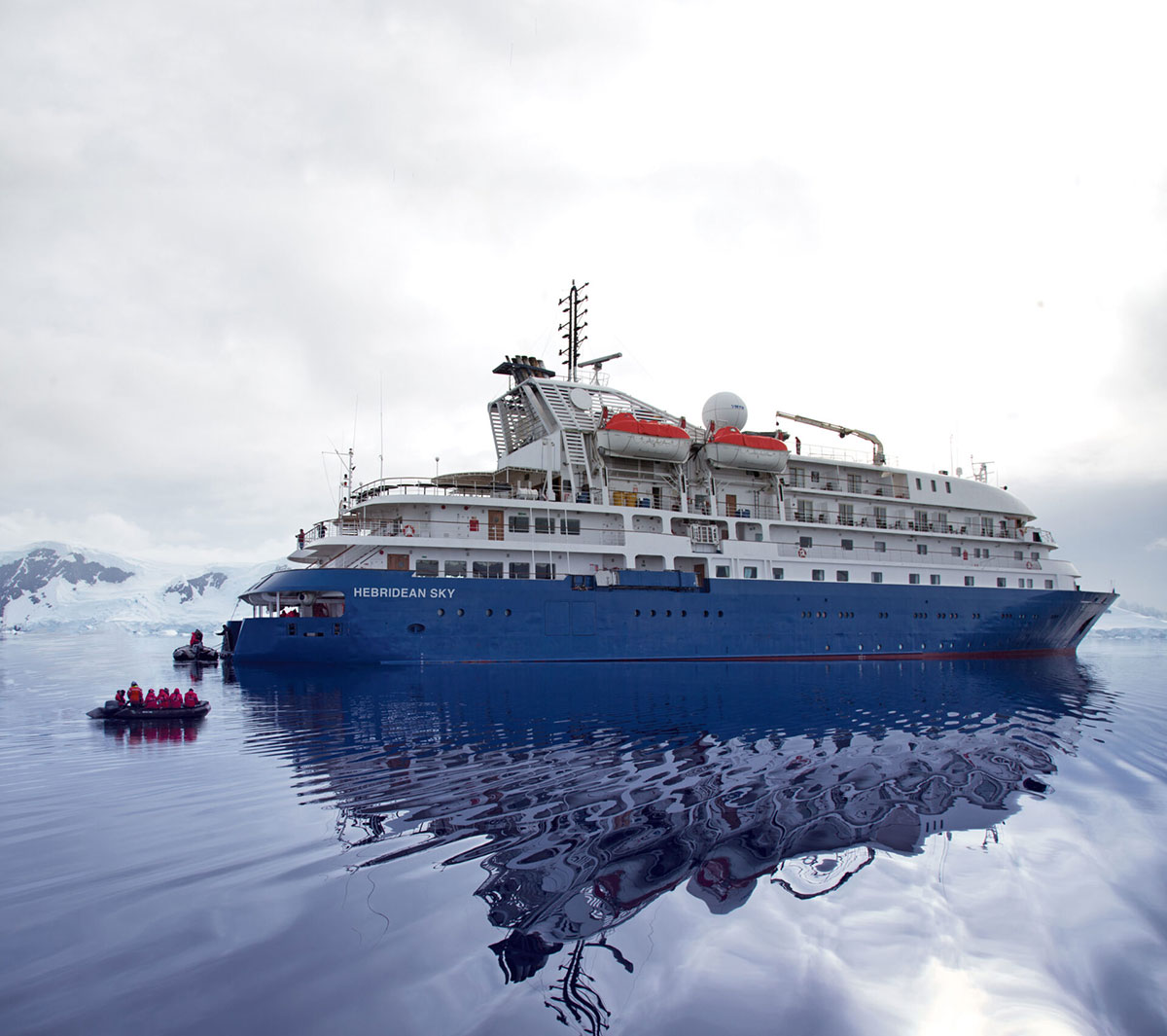
Travel to Antarctica in style and cruise aboard the luxury boat Hebridean Sky.

Tour highlights

  • Style, comfort and elegance of a boutique hotel – all rooms are suites with exterior windows – while cruising remote Antarctica.
  • Seven staff to every 10 guests, ensuring the very highest standards of service and attention to detail.
  • Industry best guides ensure visits are of the highest quality, and lectures informative and entertaining.
  • Enjoy the very best wildlife and scenery highlights of the Antarctic Peninsula.
  • Recently refurbished with lifts, WiFi, world class cuisine with wine at complimentary meals.
  • Panoramic observation point, voyage photographer and complimentary expedition jacket.

Itinerary for Antarctica Luxury Cruise

12-day Itinerary

Overview

  • Day 1 Day 1: Arrive Ushuaia, transfer into hotel
  • Day 2 Day 2: Free morning, afternoon transfer hotel to boat, welcome dinner (D)
  • Day 3-4 Days 3-4: Crossing the Drake Passage (2 x B,L,D)
  • Day 5-6 Days 5-6: South Shetland Islands (2 x B,L,D)
  • Day 7-9 Days 7-9: Antarctica visits (3 x B,L,D)
  • Day 10-11 Days 10-11: Crossing the Drake Passage (2 x B,L,D)
  • Day 12 Day 12: Arrive Ushuaia, disembark, transfer out to airport or hotel, ends (B)

Day 1: Arrive Ushuaia, transfer into hotel

Arrive in Ushuaia anytime today, met on arrival and transfer into hotel.

You’ll be staying at the beautiful Arakur Hotel & Resort, a member of the Leading Hotels of the World.

Explore the trails, take a spa, relax and soak in the surroundings, or head into Ushuaia and browse the Argentinean leather markets.

Our optional evening briefing is a great opportunity for you to ask questions and to meet some of your fellow travellers.

Day 2: Free morning, afternoon transfer hotel to boat, welcome dinner (D)

This morning is free to explore Ushuaia or unwind at the resort until our mid-afternoon transfer to the ship.

On board, we’ll be greeted by our Expedition Team and the Ship’s Officers.

A concise safety and orientation briefing will be followed by the Captain’s welcome dinner.

After dinner, we’ll relax and take in the scenery on our early evening sail through the Beagle Channel, past Magellanic Penguin, Rock Cormorant, and Sea Lion colonies.

Days 3-4: Crossing the Drake Passage (2 x B,L,D)

As we make our way ever closer to the white continent, numerous Polar Experts will prepare us with presentations on everything Antarctic, from wildlife to history.

Eventually, we’ll cross the Antarctic Convergence where we’ll notice a distinct drop in temperature as we enter the waters of the Antarctic Ocean.

Those interested in Citizen Science can take part in Sea Bird sighting surveys, or help collect salinity samples and weather data along the way.

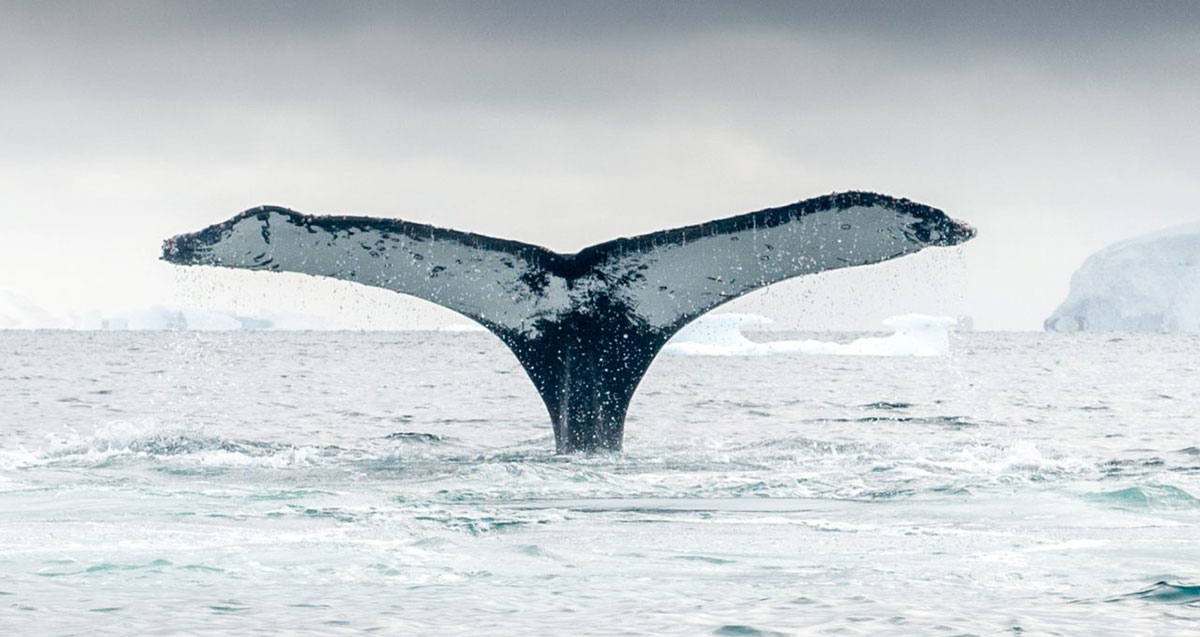
We’re likely to witness some spectacular sights, from icebergs to an array of seabirds and whale species. If we’re lucky, we may see some of them fully breach from the sea.

Days 5-6: South Shetland Islands (2 x B,L,D)

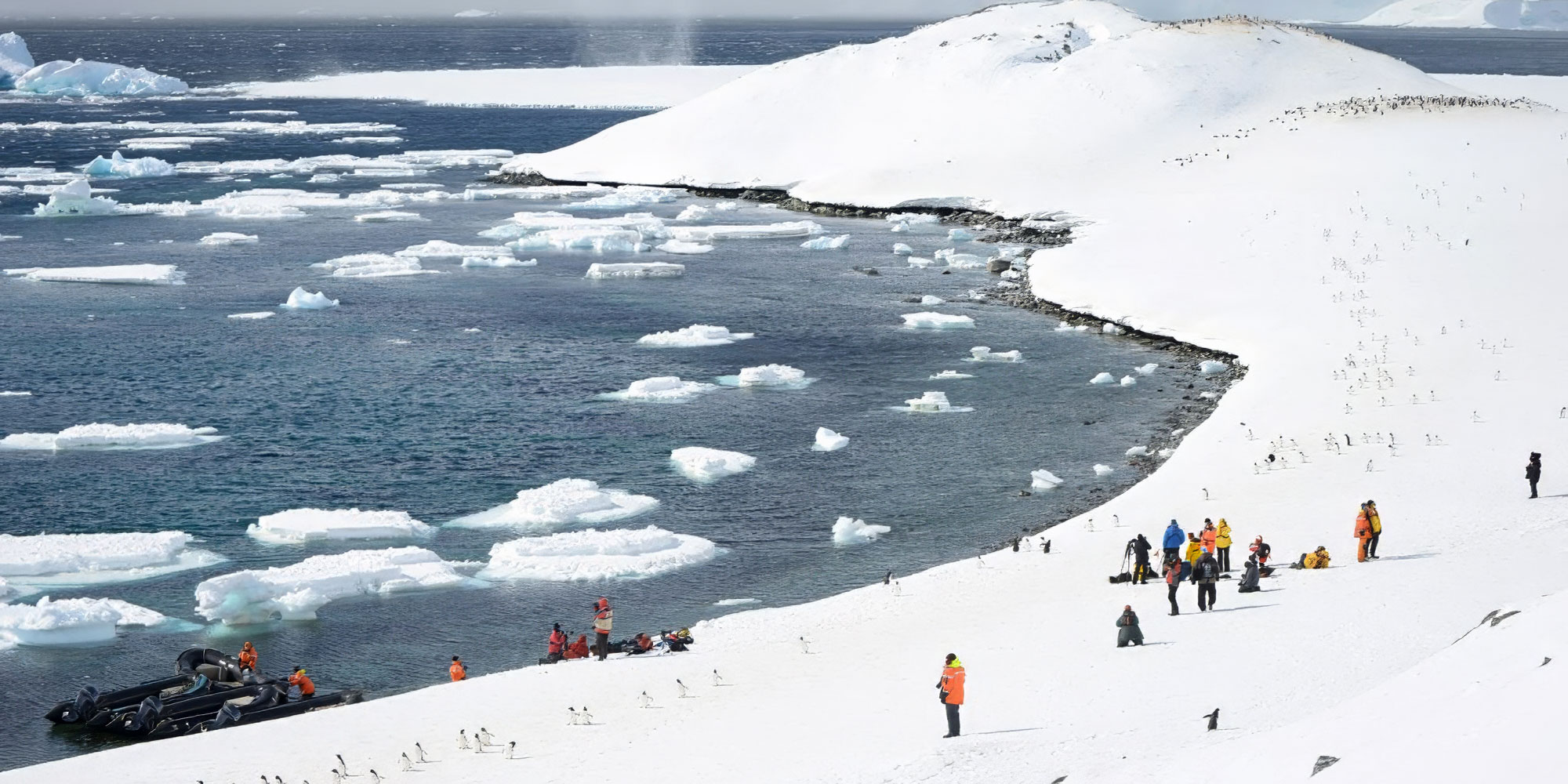
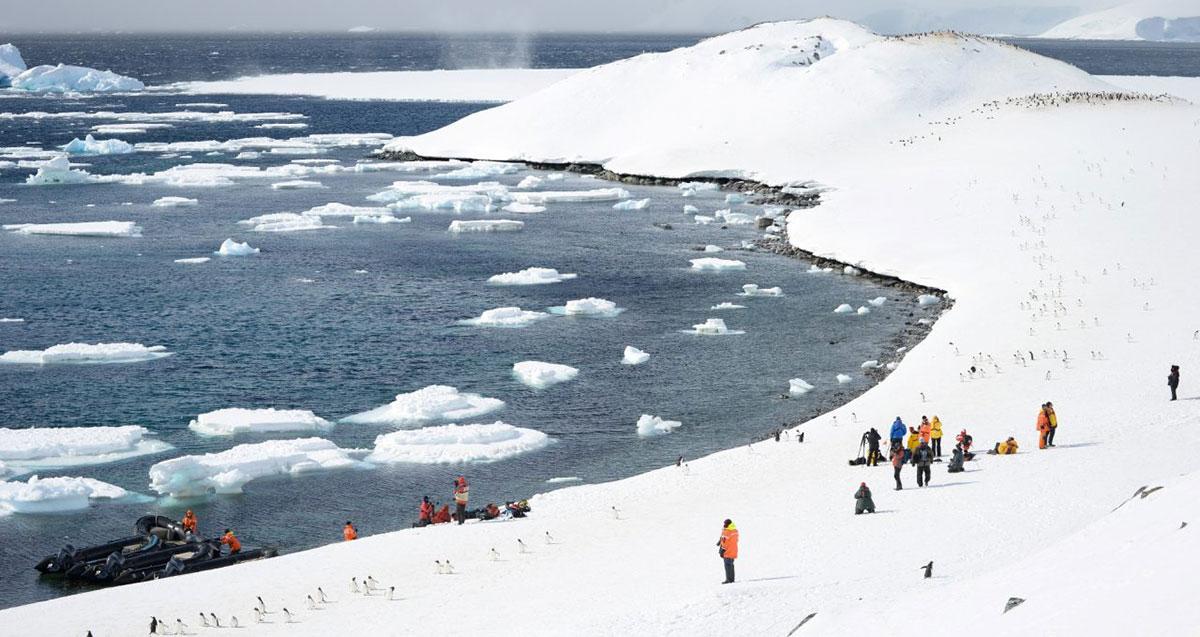
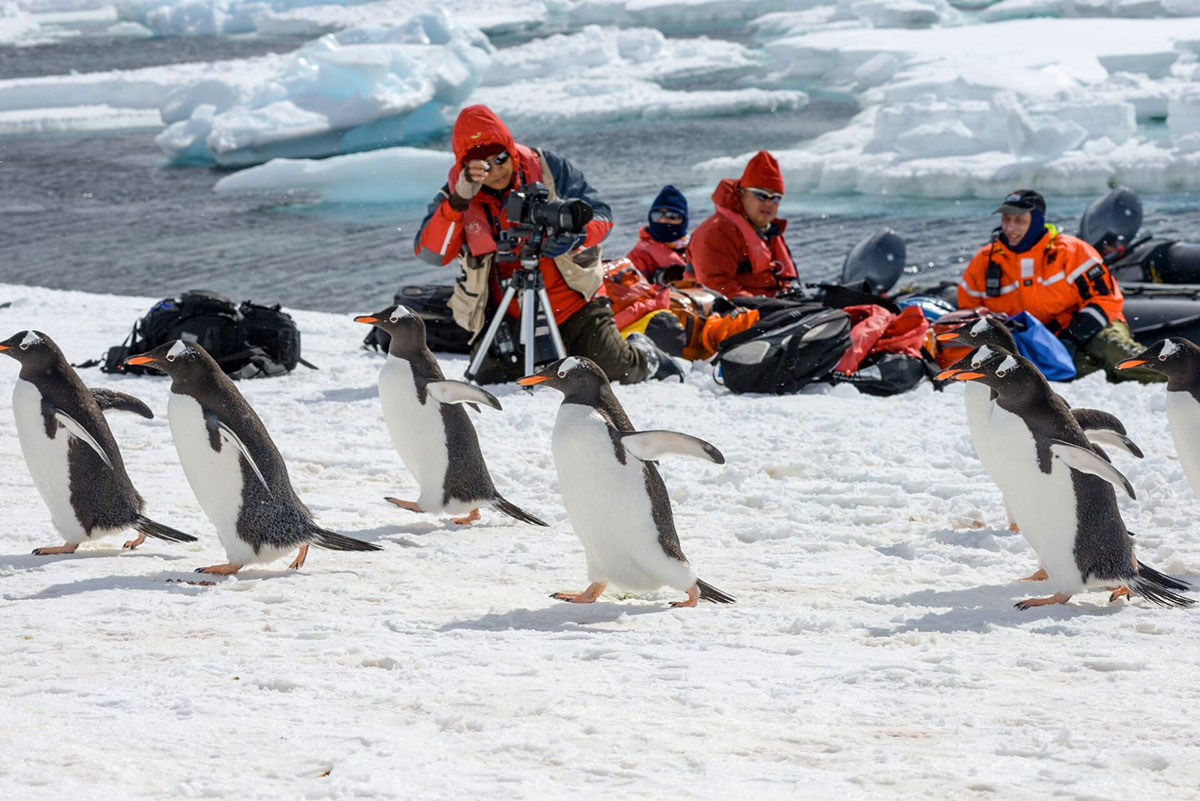
In the waterways of the Antarctic Peninsula, we hope to make as much time as possible to explore by inflatable Zodiac boats and marvel up close at nature’s glory.

Our Expedition Leader and Captain create a flexible itinerary based on weather, ice, and opportunity. We aim for the most scenic bays and channels of the Peninsula with stops at penguin rookeries, seal wallows, bird colonies and whale feeding areas, as well as sites of historic and scientific interest.

Our first sight of land will likely be that of the South Shetland Islands. These highly volcanic islands offer amazing abundance and beauty.

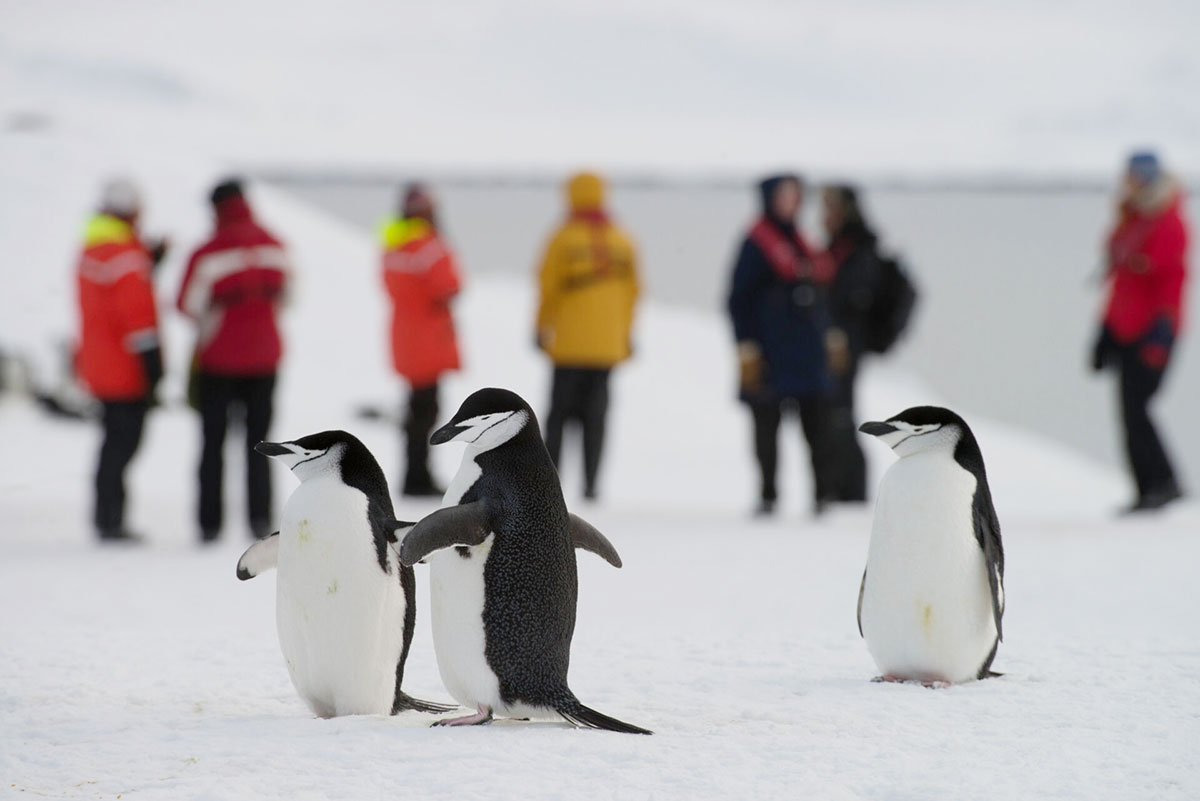
We may visit Half Moon Island, nestled inside Livingston’s eastern shore, or conditions permitting visit historic Deception Island. Being further north, sub-Antarctic species are more commonly found here, including Chinstrap penguins and Southern Elephant seals.

Days 7-9: Antarctica visits (3 x B,L,D)

As we head south across the Bransfield Strait, we enter the Trinity Coast and Gerlache Strait.

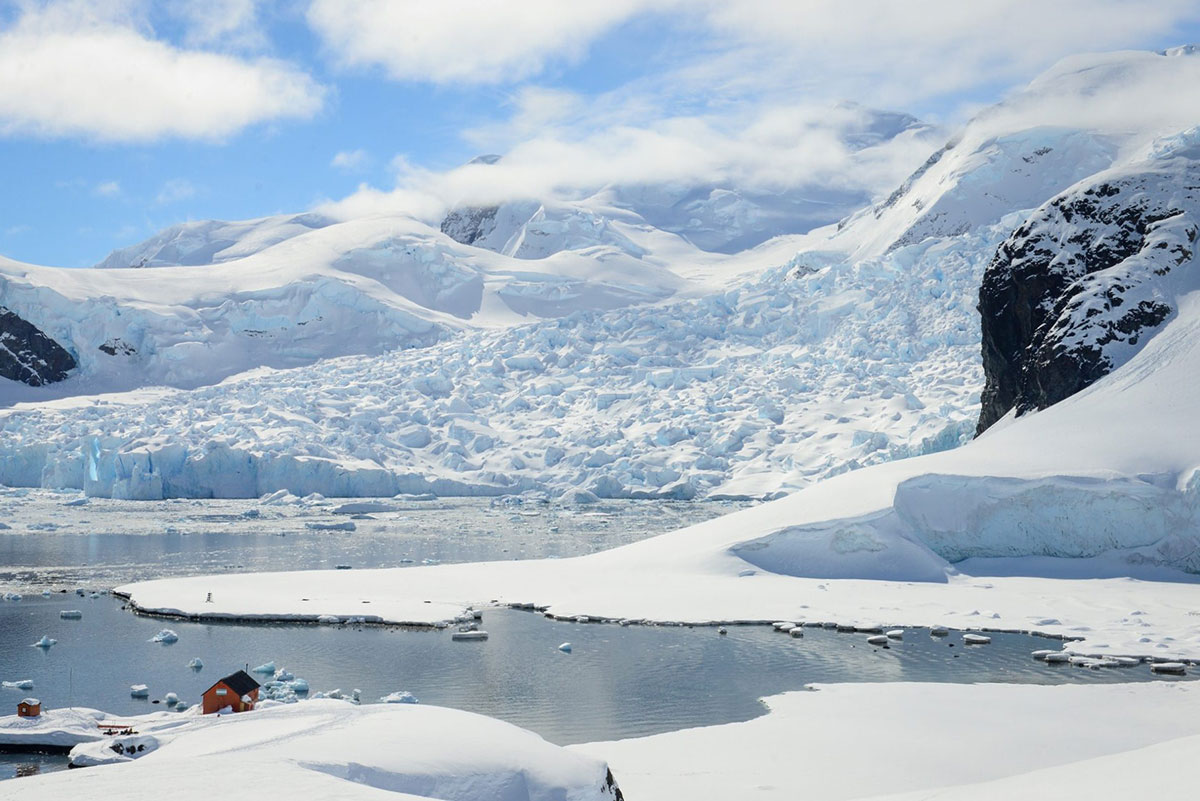
Here we may explore picturesque Neko Harbor, sheltered Paradise Harbour, the Humpback whale-favoured Wilhelmina Bay, the striking Lemaire Channel, the wildlife-filled Penola Channel, or the majestic Neumayer Channel.

We may stop at an active scientific base such as Poland’s Arctowksi or Ukraine’s Vernadskiy as well as a historic base such as U.K.’s Port Lockroy or Wordie House.

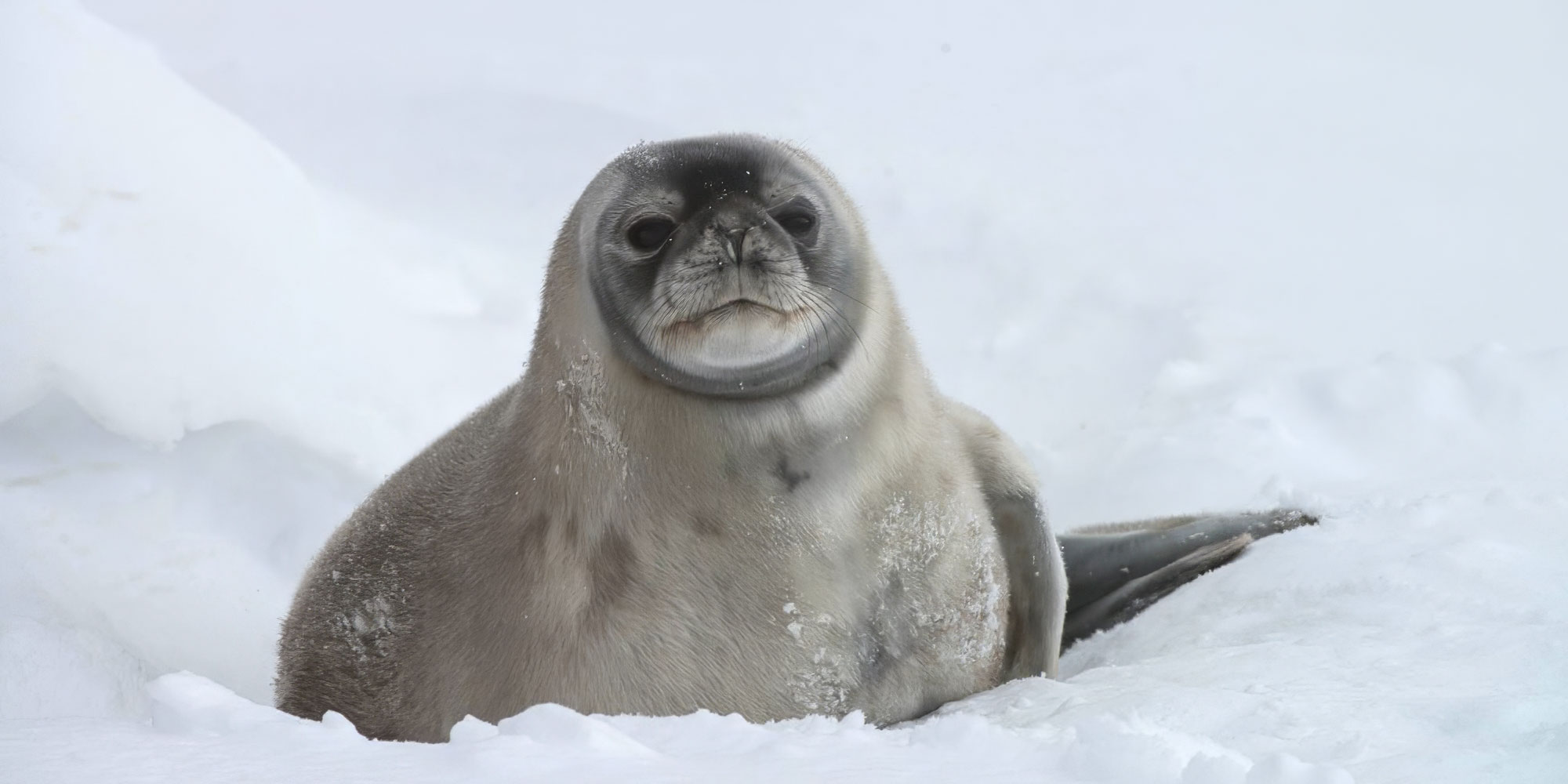
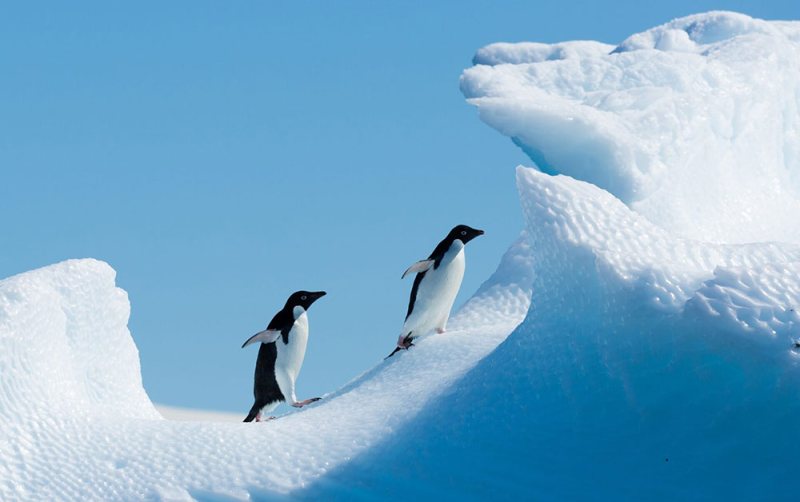
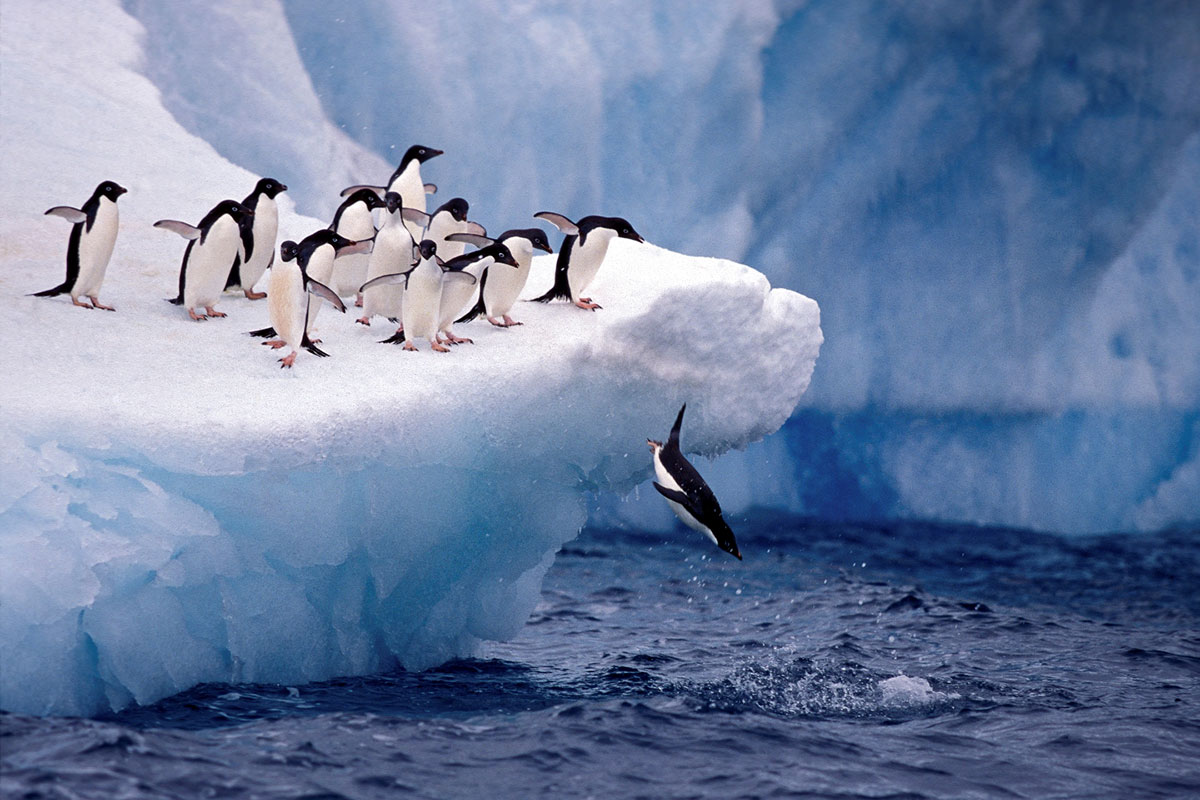
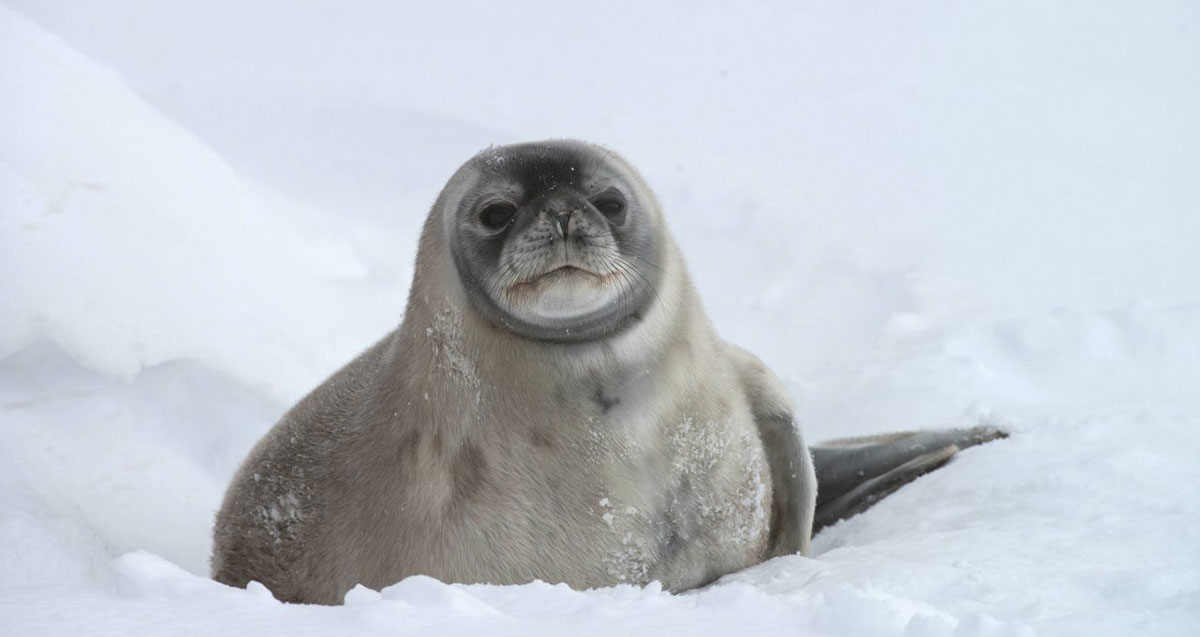
Adelie, Chinstrap and Gentoo Penguins abound, and Weddell and Crab-eater seals are often found hauled out to rest along with predatory Leopard seals and the assertive Antarctic Fur Seal.

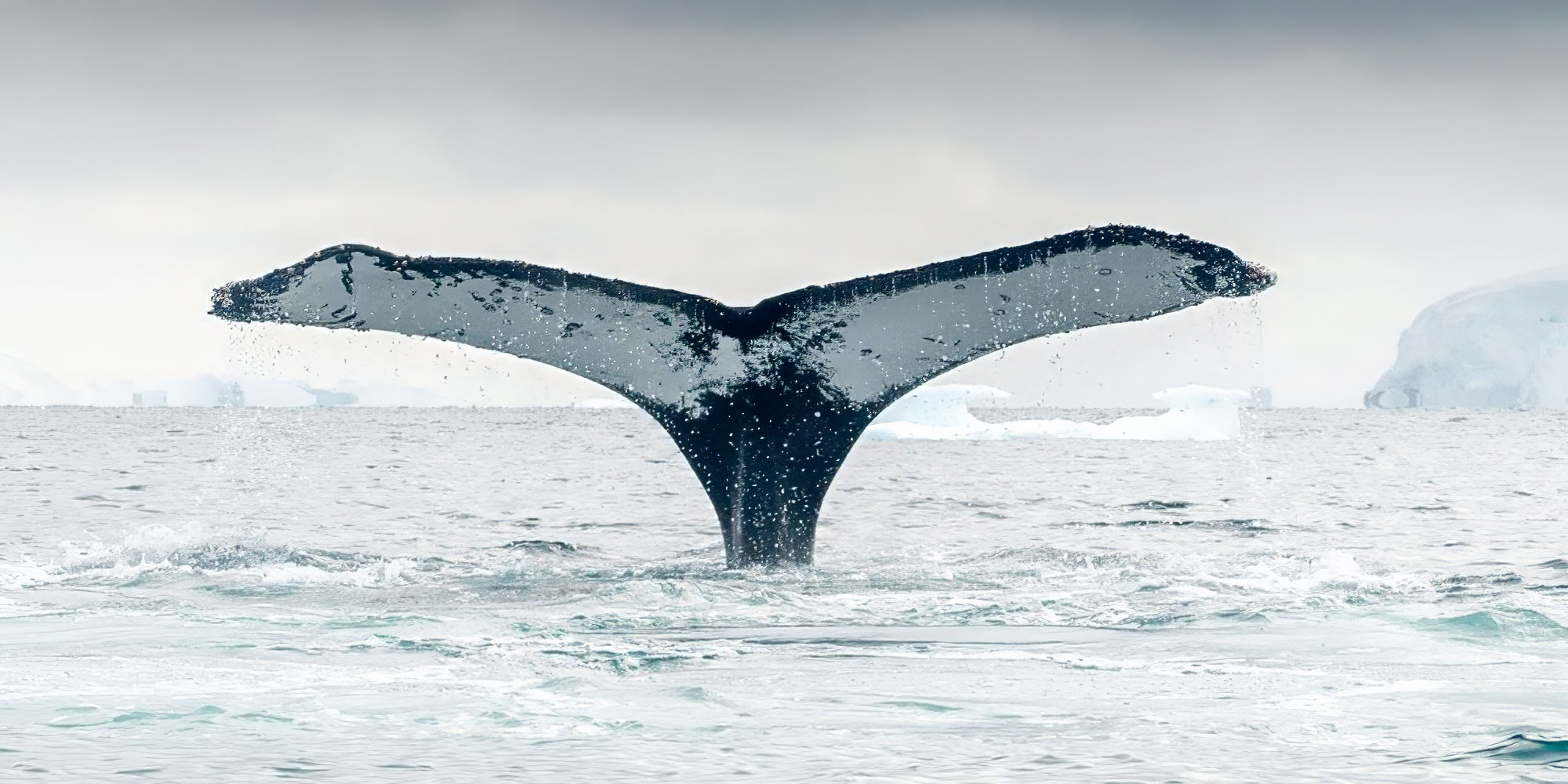
Minke and Humpback whales are frequent visitors in the late season and Orca sightings are also common.

Days 10-11: Crossing the Drake Passage (2 x B,L,D)

As we leave this magical place and make our way north, heading again across the Antarctic Convergence and the Drake Passage, we continue our presentation series and wildlife spotting.

Sailing back to Ushuaia through the Beagle Channel, we celebrate the conclusion of our expedition with a special slideshow.

Day 12: Arrive Ushuaia, disembark, transfer out to airport or hotel, ends (B)

Morning disembarkation with a transfer to either Ushuaia airport or the centre of town.

Antarctica Peninsula 11-day Itinerary

Overview

  • Day 1 Day 1: Arrive Ushuaia, transfer into hotel
  • Day 2 Day 2: Free morning, afternoon transfer hotel to boat, welcome dinner (D)
  • Day 3-4 Days 3-4: Crossing the Drake Passage (2 x B,L,D)
  • Day 5 Day 5: South Shetland Islands (B,L,D)
  • Day 6-8 Days 6-8: Antarctica visits (3 x B,L,D)
  • Day 9-10 Days 9-10: Crossing the Drake Passage (2 x B,L,D)
  • Day 11 Day 11: Arrive Ushuaia, disembark, transfer out to airport or hotel, ends (B)

Day 1: Arrive Ushuaia, transfer into hotel

Arrive in Ushuaia anytime today, met on arrival and transfer into hotel.You’ll be staying at the beautiful Arakur Hotel & Resort, a member of the Leading Hotels of the World.Explore the trails, take a spa, relax and soak in the surroundings, or head into Ushuaia and browse the Argentinean leather markets.Our optional evening briefing is a great opportunity for you to ask questions and to meet some of your fellow travellers.

Day 2: Free morning, afternoon transfer hotel to boat, welcome dinner (D)

This morning is free to explore Ushuaia or unwind at the resort until our mid-afternoon transfer to the ship.On board, we’ll be greeted by our Expedition Team and the Ship’s Officers.

A concise safety and orientation briefing will be followed by the Captain’s welcome dinner.

After dinner, we’ll relax and take in the scenery on our early evening sail through the Beagle Channel, past Magellanic Penguin, Rock Cormorant, and Sea Lion colonies.

Days 3-4: Crossing the Drake Passage (2 x B,L,D)

As we make our way ever closer to the white continent, numerous Polar Experts will prepare us with presentations on everything Antarctic, from wildlife to history.

Eventually, we’ll cross the Antarctic Convergence where we’ll notice a distinct drop in temperature as we enter the waters of the Antarctic Ocean.

Those interested in Citizen Science can take part in Sea Bird sighting surveys, or help collect salinity samples and weather data along the way.

We’re likely to witness some spectacular sights, from icebergs to an array of seabirds and whale species.  If we’re lucky, we may see some of them fully breach from the sea.

Day 5: South Shetland Islands (B,L,D)

In the waterways of the Antarctic Peninsula, we hope to make as much time as possible to explore by inflatable Zodiac boats and marvel up close at nature’s glory.

Our Expedition Leader and Captain create a flexible itinerary based on weather, ice, and opportunity. We aim for the most scenic bays and channels of the Peninsula with stops at penguin rookeries, seal wallows, bird colonies and whale feeding areas, as well as sites of historic and scientific interest.

Our first sight of land will likely be that of the South Shetland Islands. These highly volcanic islands offer amazing abundance and beauty.

We may visit Half Moon Island,nestled inside Livingston’s eastern shore, or conditions permitting visit historic Deception Island. Being further north, sub-Antarctic species are more commonly found here, including Chinstrap penguins and Southern Elephant seals.

Days 6-8: Antarctica visits (3 x B,L,D)

As we head south across the Bransfield Strait, we enter the Trinity Coast and Gerlache Strait.Here we may explore picturesque Neko Harbor, sheltered Paradise Harbour, the Humpback whale-favoured Wilhelmina Bay, the striking Lemaire Channel, the wildlife-filled Penola Channel, or the majestic Neumayer Channel.

We may stop at an active scientific base such as Poland’s Arctowksi or Ukraine’s Vernadskiy as well as a historic base such as U.K.’s Port Lockroy or Wordie House.

Adelie, Chinstrap and Gentoo Penguins abound, and Weddell and Crab-eater seals are often found hauled out to rest along with predatory Leopard seals and the assertive Antarctic Fur Seal.

Minke and Humpback whales are frequent visitors in the late season and Orca sightings are also common.

Days 9-10: Crossing the Drake Passage (2 x B,L,D)

As we leave this magical place and make our way north, heading again across the Antarctic Convergence and the Drake Passage, we continue our presentation series and wildlife spotting.

Sailing back to Ushuaia through the Beagle Channel, we celebrate the conclusion of our expedition with a special slideshow.

Day 11: Arrive Ushuaia, disembark, transfer out to airport or hotel, ends (B)

Morning disembarkation with a transfer to either Ushuaia airport or the centre of town.

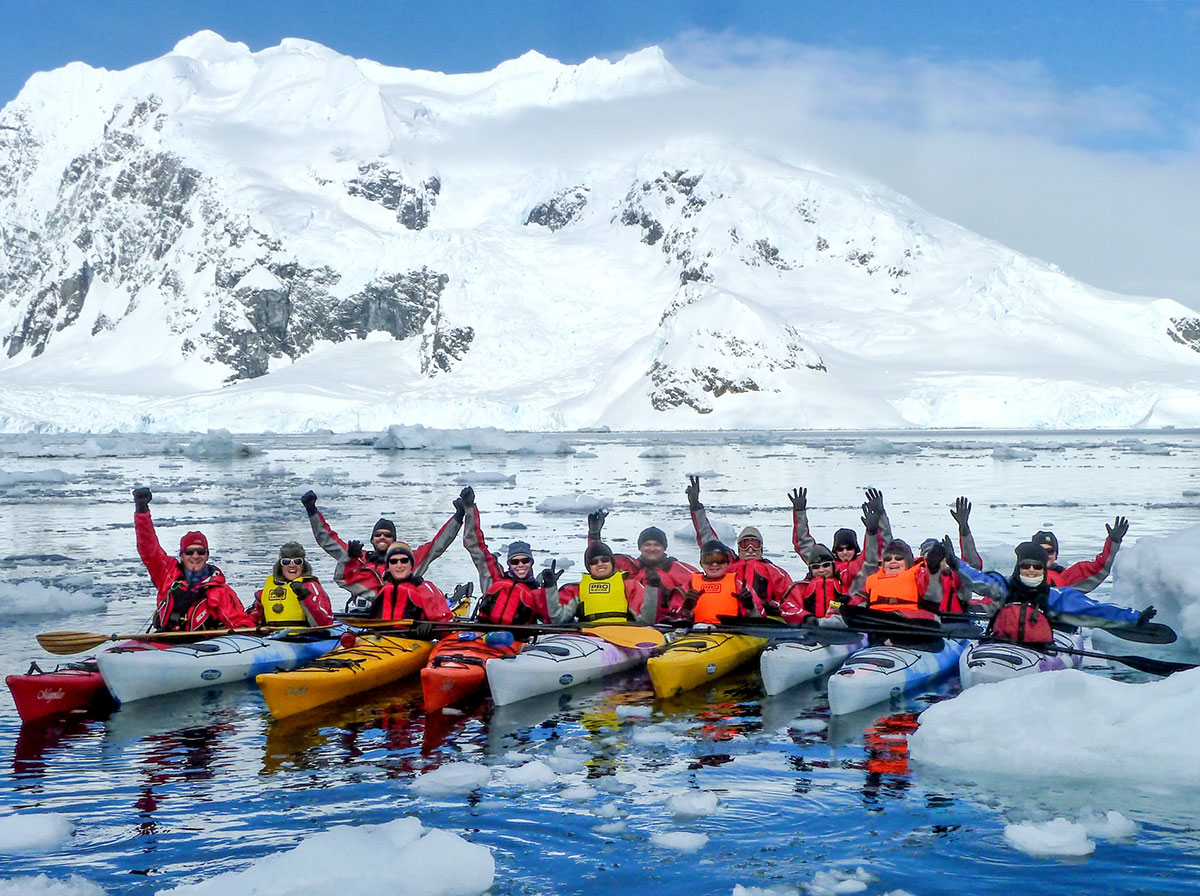
Kayaking past icebergs is simply magic.
Kathy Jarvis

Dates & Prices

Available dates & prices

From: $8,995

(£6,756)

  • Guide price per person, triple suite, 11 day cruise
  • Upgrades available
  • Longer sails available
  • Single supplements apply

What's included?

  • One night in Ushuaia hotel, transfers as listed,
  • accommodation aboard,
  • scheduled landings / excursions,
  • all meals onboard,
  • coffee/tea/cocoa available 24 hours daily,
  • welcome & farewell cocktail,
  • house wine/beer/soft drink with dinner,
  • expedition jacket (yours to keep),
  • a pair of boots for use during the voyage,
  • WiFi from public computers in the library,
  • 100pminute WiFi card (for use on your personal devices),
  • daily international news service,
  • all port fees,
  • all landing fees,
  • Digital Voyage Log,
  • and in Owner’s Suite / Penthouse / Veranda / Deluxe / Single and Promenade categories include champagne and chocolates on arrival,
  • complimentary mini-bar,
  • and USD 100 Gift Shop certificate

What's not included?

  • International or domestic flights,
  • laundry and personal expenses on board,
  • alcohol and soft drinks (except those mentioned in included),
  • outgoing phone calls,
  • WiFi from personal devices in excess of the 100 minutes provided,
  • tips,
  • personal items,
  • insurance

Accommodation

In the spring of 2016, Hebridean Sky underwent a USD 10m, transforming her into the safest and most comfortable ship in her class.

Formerly known as the Sea Explorer, she has always been known for her effortless elegance, impeccable service, and atmosphere of charm and camaraderie.

Hebridean Sky continues that tradition, while adding a host of new amenities as well as state of the art stabilisation, fuel efficiency, and upgraded communications systems. All suites and public spaces have been completely redecorated.

All cabins feature:

  • Exterior views
  • Queen-sized or two twin-sized beds
  • Sitting area with sofa and side chair
  • Flat Screen TV with DVD/CD player
  • Telephone
  • Independent temperature controls
  • Mini-Bar
  • Marble-appointed bathroom with toiletries
  • Hair dryer
  • At least 220 square feet
  • Sofa (which can be converted to bed for third person)

Owner / Penthouse / Veranda / Promenade & Deluxe Suites include:

  • En suite Champagne & chocolates on Arrival
  • Complimentary mini-bar (beer, wine & soft drinks)
  • En suite Nespresso machine

Services

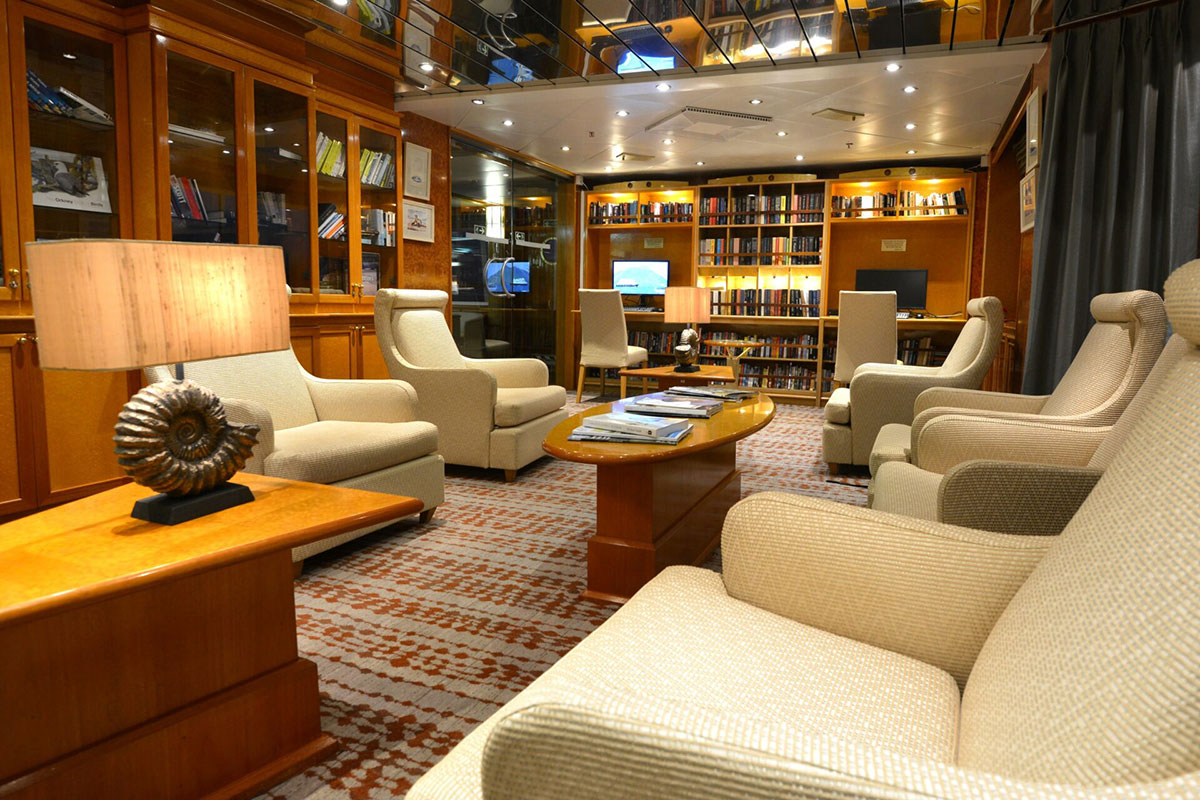
Aboard Hebridean Sky, you can also enjoy bar/lounge live entertainment, a 24-hour complimentary coffee/tea station, an on-board medical doctor and facilities, dedicated Passenger Service Manage, lift serving all passenger decks, library with computers, panoramic observation platform and DVD library.

Cruises are open to almost everyone.

You must be able to endure cold temperatures and living on a comfortable boat, as well as be able to embark/disembark from zodiacs.

None of the walks are strenuous but the unique terrain offers its own challenges. The fitter and more mobile you are before the trip, the more you will enjoy it.

A flexible and positive approach to changes in itinerary and weather are good to bring along.

Great expeditions require great food!

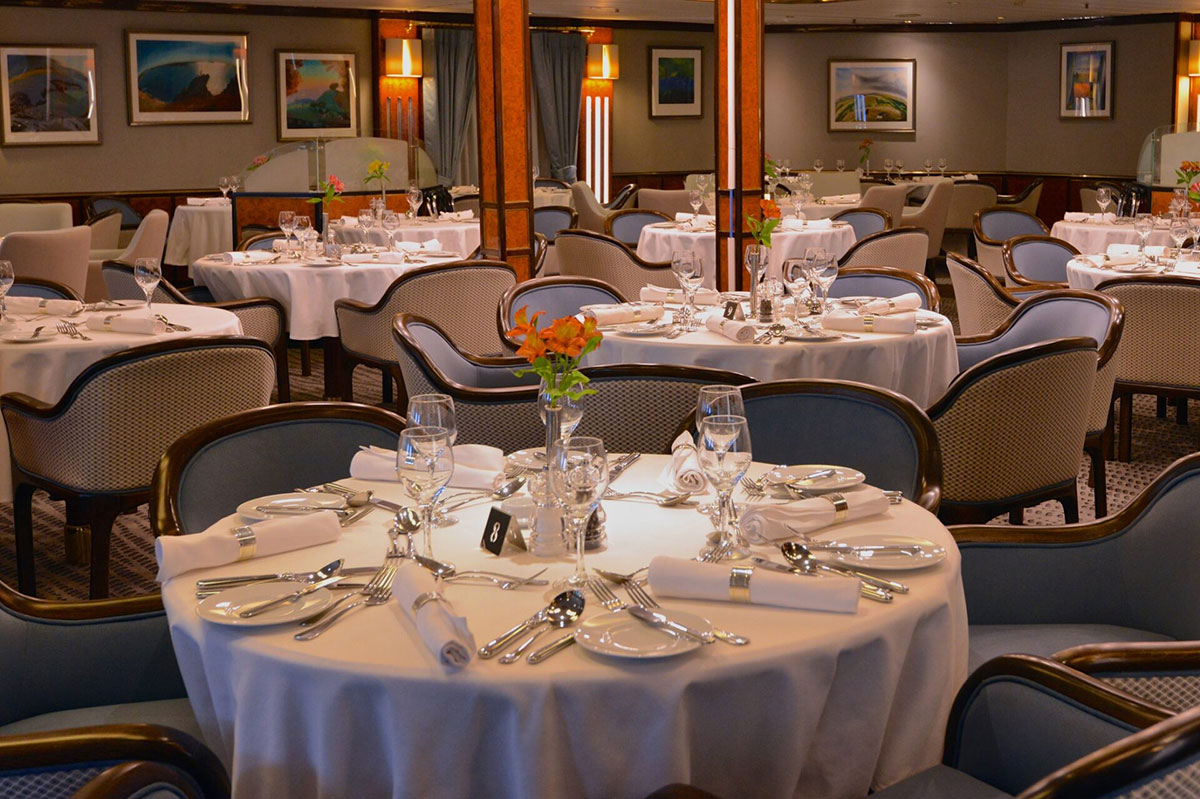
The team of world-class chefs offer breakfast, lunch and dinner menus that change daily.

They have boat-loads of creativity, so you are sure to experience a variety of remarkable cuisine throughout your voyage.

Breakfast

Buffet breakfast service in the main dining room includes a sumptuous assortment of cooked and continental items, including crispy bacon, eggs to your liking, oatmeal, fresh rolls, toast, cold cuts, condiments, fresh fruits and a selection of juices. Coffee and a variety of teas are served at your table. The hour and a half long service allows everyone to arrive and dine at his or her own pace. Soon after breakfast, most are eager and ready to participate in the day’s activities.

Lunch

Full lunch service commences in the main dining room and a light buffet is offered in the bar. In the dining room, the choices are extensive; a selection of salads and condiments along with hot appetiser dishes are available buffet style.

A daily changing set menu is also offered which includes a soup and selection of four entrees, including vegetarian and healthy dining options. The energy expended on our shore excursion offers a ready excuse to indulge in the tempting confections prepared by our onboard pastry chef, and many take full advantage.

Dinner

A complimentary selection of wines and beer are being offered.

Select an entrée to follow the appetiser and soup courses. Tonight’s offerings of seafood, meat, and vegetarian main course dishes all sound delicious, so the decision will not be an easy one.

On top of that, the Pastry Chef will soon be tempting us with something decadent.

Hand-made chocolates and a selection of cheeses accompanied by dessert wine will follow.

The expedition team of skilled and experienced polar veterans is dedicated to making sure that every passenger has a safe, memorable, and fun voyage.

People you may meet include:

  • Seb Coulthard, Antarctic Historian
  • Expedition leaders Brandon Harvey, Hayley Shephard & Hannah Lawson
  • Annette Bombosch, Marine Mammals
  • Marty Garwood and Adam Rhoborg, Ornithologists
  • Jim Gardner and Tracy Allen, Geologists

A breathtaking Antarctic cruise with stunning sunsets, whale encounters, and unforgettable moments in pristine landscapes.

R Clowes

A five-week odyssey from Argentina’s vibrant culture to Antarctica’s icy wilderness delivered the ultimate adventure experience.

J. Lavery, Australia

Tour information: Antarctica Luxury Cruise

A once-in-a-lifetime holiday to the Antarctic Peninsula combines the superb wildlife and views with industry best standards.

This 11 or 12-day Classic Antarctic Peninsula voyage offers an abundance of wildlife viewing opportunities as well as possible stops at active scientific or historic bases.

And there is plenty of scope for the adventurer’s beating heart, too.

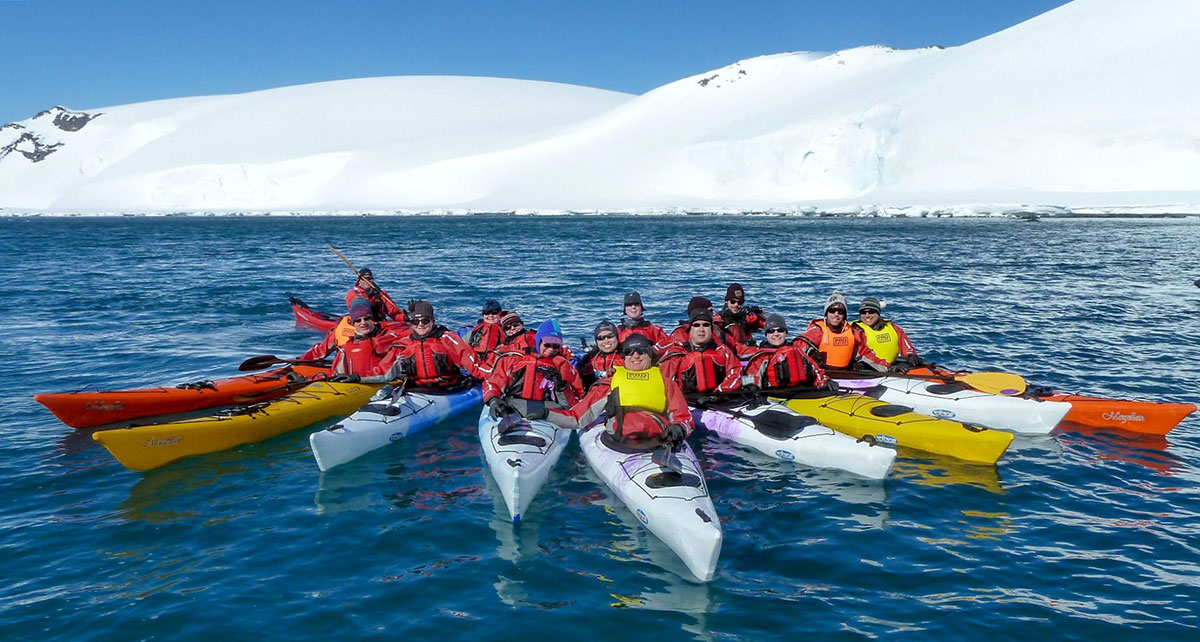
You can add on kayaking in the pristine oceans or choose to camp on the white continent (extra cost, selected departures only, please ask).

Read our blog about Antarctica costs, planning, and more.

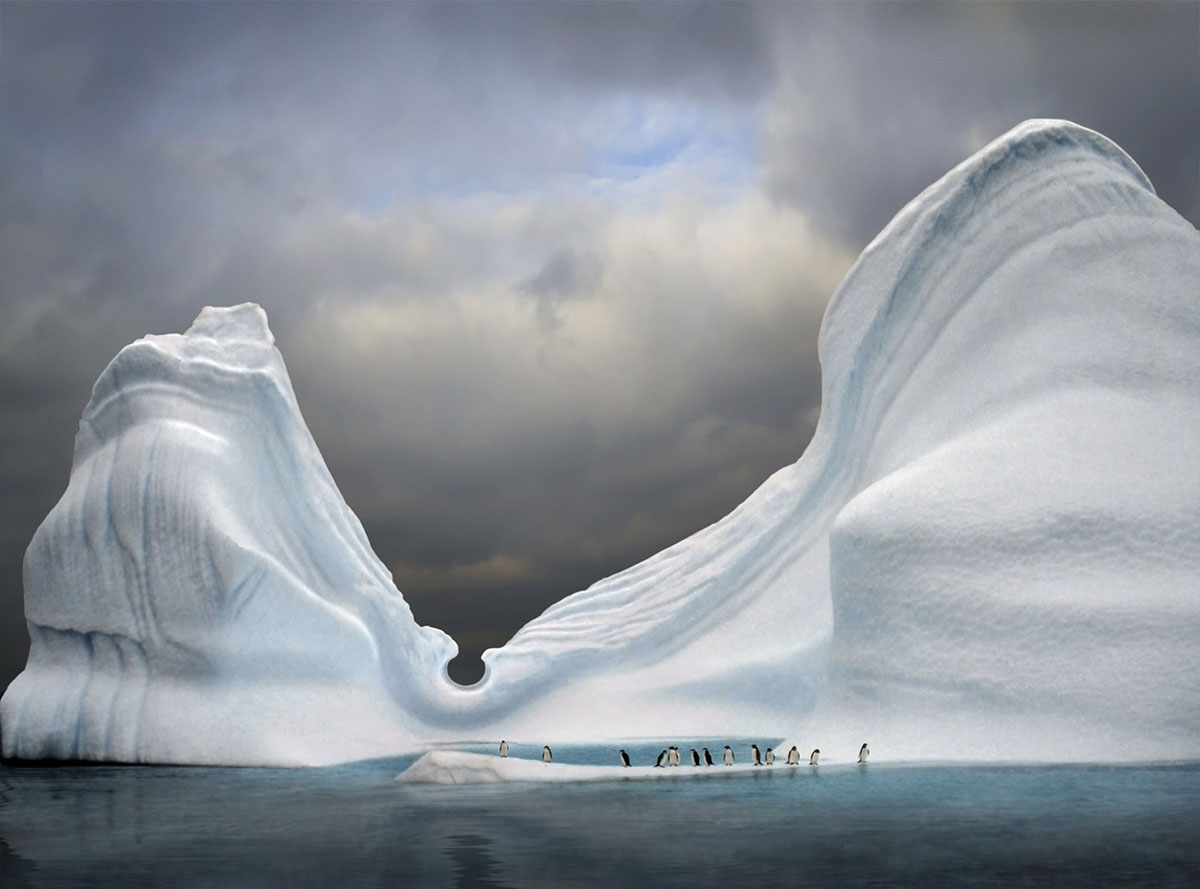
Iceberg Polar Latitudes Antarctica
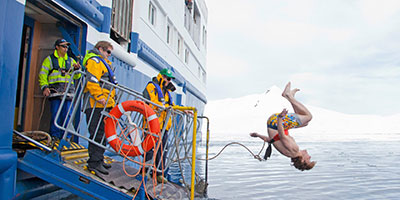
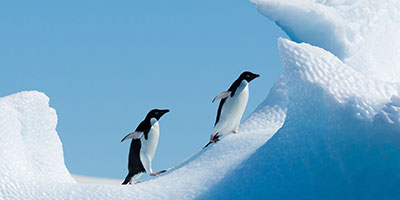
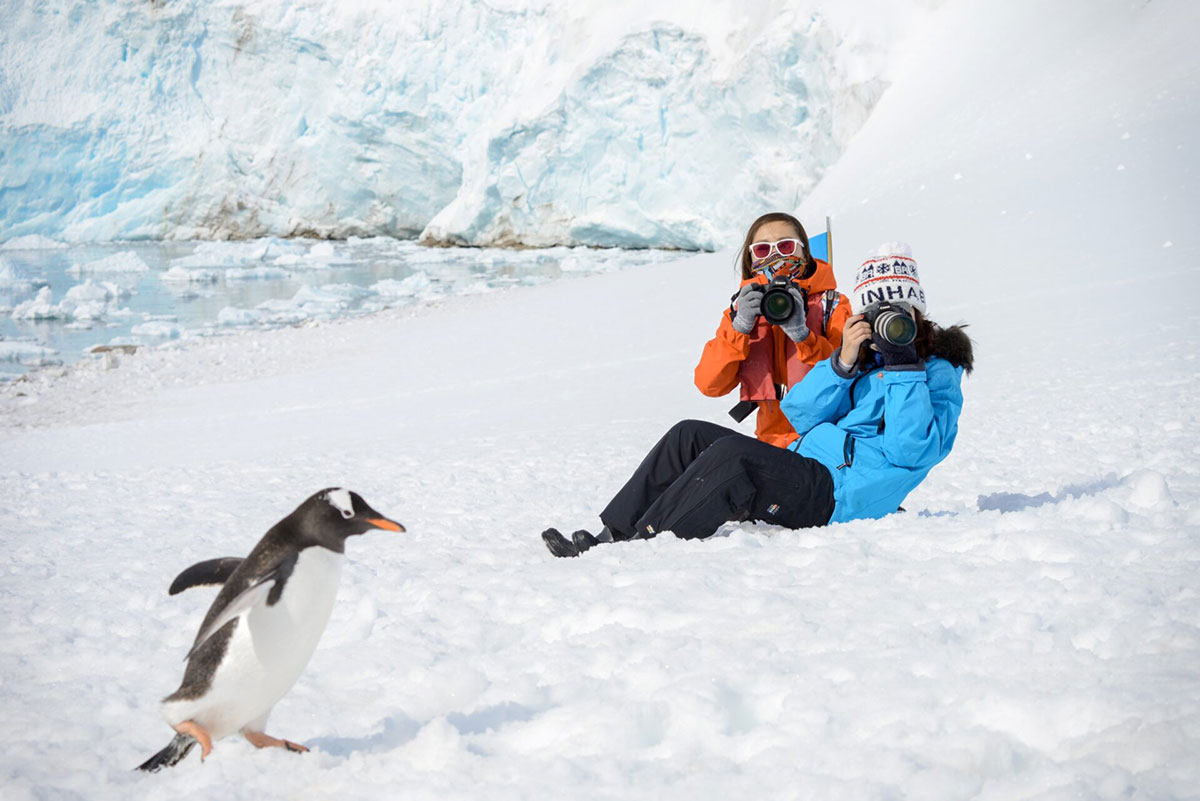
Swimming and leaping penguins in Antarctica

Get in touch and let's create your adventure

Antarctica Luxury Cruise

  • Style, comfort and elegance of a boutique hotel – all rooms are suites with exterior windows – while cruising remote Antarctica.
  • Seven staff to every 10 guests, ensuring the very highest standards of service and attention to detail.
  • Industry best guides ensure visits are of the highest quality, and lectures informative and entertaining.
  • Enjoy the very best wildlife and scenery highlights of the Antarctic Peninsula.
  • Recently refurbished with lifts, WiFi, world class cuisine with wine at complimentary meals.
  • Panoramic observation point, voyage photographer and complimentary expedition jacket.
Antarctica Luxury Cruise

From the blog

Similar Tours

South Shetland & Antarctica Cruise

From: $5210 per person

Duration

10 days

icon cruise

Antarctica 21 Fly-cruise Tour from Chile

From: $11495 per person

Duration

8 days

icon cruise

Practical Information

Kist list

Good kit is vital for every trip.

Book with Andean Trails and get 15% off Páramo’s fantastic ethical and high performance outdoor gear.

When planning for the extreme climatic conditions encountered in the Antarctica, layering is the most practical and versatile clothing system.

It’s worth remembering that our clothing keeps us warm by retaining and isolating the heat we ourselves create. To best maintain body heat, several layers of lightweight, warm and quick-drying clothing are far more efficient than one or two thick layers.

Layers should have the following qualities:

  1. Breathability (able to wick away the humidity produced by sweat);
  2. Isolation (able to keep in the warm air our body produces); and
  3. Impermeability (able to impede the passing of wind and water).

First (base) layer: This layer wicks the sweat away from our skin, thus helping keep the body dry and warm. To this end, synthetic fabrics such as polypropylene should be used.

Mid layers: These isolating layers should also be synthetic (e.g. the known polar linings such as polartec or windblock, which are light and insulate twice as well as wool). Very important layers for retaining body heat.

Outer layer / shell: Finally, the vital layer which protects us from climatic adversities. A breathable, wind-proof and waterproof anorak, such as Goretex.

Give plenty of thought to kit selection, and try to keep weight down.

Below is a more detailed guide.

Feet

  • 2 pairs synthetic inner socks (e.g. polypropylene, thermastat, coolmax)
  • 4 pairs thick loop-stitch/wool socks for cold.
  • Trekking boots – should be well broken-in, waterproof and provide good ankle support, as well as able to cope with snow and temperatures of -25 degrees.
  • Trainers/sandals, for city-wear, evenings etc

Legs

  • Base layer leggings (1-2 pairs).
  • Thick fleece leggings (or salopettes) (2 pairs).
  • Goretex-type over-trousers (or salopettes) (1 pair).
  • Trekking trousers (2 pairs).
  • Shorts – wear sparingly in early stages at altitude, as sun burns.

Body

  • Thermal base layer shirts (2).
  • Microfleece mid-layer shirt (1).
  • Shirt/T-shirt 1 or 2 for lower altitudes. Long-sleeved, collared shirt protects against sun.
  • Fleece jacket or similar (1).
  • Warm jacket (down or synthetic) with hood. For camp and upper slopes.
  • Waterproof Goretex-type jacket.

Head and neck

  • Broad-brimmed sunhat, essential.
  • Warm hat, fleece or wool. (N.B. Up to 30% of body heat can be lost through the head).
  • Balaclava (1)
  • Sunglasses with UV filter and nose and side-pieces. Ski goggles may be useful, too.
  • 1 pair of glacier compatible sunglasses (full coverage – ask salesperson if you are not sure)
  • Scarf for cold.
  • Bandanna  – to protect neck from strong sun.
  • 1 cap with visor

Hands

For the extreme cold, we recommend a 3-layer scheme:

  • 1 pair of Gore-Tex shell gloves
  • 2 pairs of removable fleece glove liners
  • Mittens allow you to keep the fingers together, and better conserve heat (though they also make it difficult to perform certain tasks).

Technical kit

  • Large backpack (80-90 litres) or suitcase for main belongings.
  • Daypack (at least 30 litres). Comfortable and with waterproof lining or cover.
  • Pair of telescopic trekking poles (optional).

Other kit

  • Water bottle (1-2 litres ).
  • Pee bottle.
  • Personal first-aid kit to include: painkillers, plasters (band-aids), moleskin, anti-biotic cream, general antibiotics (ask your GP), after-bite (tiger balm), anti-diarrhoea tablets, throat lozenges, re-hydration salts & personal medication.
  • Towel & wash-kit.
  • Wet Wipes/antiseptic hand-wash cream.
  • Sunscreen (factor 40+) and lip salve.
  • Head-lamp (Plus spare bulbs and batteries x 2 at least).
  • Penknife.
  • Alarm clock.
  • Plastic bags ‘Zip-loc’ & tough bin liners.
  • Camera and film / memory cards (take at least twice the amount you think you will need!).
  • Book, e-book, mp3 player/ipod or other for free time.
  • Binoculars.
  • Spanish/English phrasebook.
  • Extra snacks i.e. cereal bars or favourite chocolate bars.

Note: Campers and kayakers will need additional items, please ask for details.

Weather, seasons and highlights

Expedition Ships begin visiting Antarctica in late October (the Antarctic Spring) and continue through late February or early March (the Antarctic Fall).

While there is an abundance of wildlife and natural beauty throughout the seasons, changes in the weather and currents affect the landscape as well as the wildlife.

October and November

The pack ice begins to break up, and the landscape is at its most pristine, with plenty of fresh snow. It’s mating season for the penguins and other birds. Adélie, Chinstrap, and Gentoo penguins and other seabirds return to their breeding sites. You’re likely to witness courtship displays, nest building, and egg tending.

In South Georgia, Elephant Seals and Fur Seals are mating, and King Penguins are laying their eggs. Parents can be seen “carrying” eggs on their feet so that one parent can shuffle around the colony while the other adult goes out to sea to feed.

This is a fantastic time for photography, as the start of summer brings with it amazing sunsets and ever-changing cloud formations. This is also the time when albatross, marine fulmars, and petrels adorn the Southern Ocean, and the blue-eyed shags return to the region.

Antarctica is never crowded, but in the early season there are far fewer ships and the vastness and purity of the region is even more pronounced. For many of us who work in or travel to Antarctica frequently, it is our favourite time to be there.

December and January

It’s the height of the Austral Summer, and the Sun is up 18 to 20 hours a day, so photo opportunities and sightings of all sorts abound.

Penguin chicks are hatching, and you’ll likely see them chasing after any adult penguin that is carrying food. Whale sightings of baleen and toothed whales along the Antarctic Peninsula increase and seal pups can be sighted on the beaches in South Georgia.

Some 30 days after hatching, penguin chicks can be found in “crèches,” resembling a nursery of sorts, which leaves their tired and hungry parents free to rest and hunt for food.

February and March

Sightings of whales are at their peak in the Peninsula, and the receding ice makes it possible for us to explore further south. An increasing number of Fur seals can be found along the Peninsula and offshore islands; young fur seals are also quite playful in South Georgia.

Penguin colonies are very active. The penguin chicks begin their molt, losing their fuzzy down and developing their adult plumage.

By now, most parents have abandoned their chicks, and have gone out to sea to feed and fatten up for their own molting stage. Most colonies (Adélie, Chinstrap and Gentoo) are nearly vacated by early March.

Camping

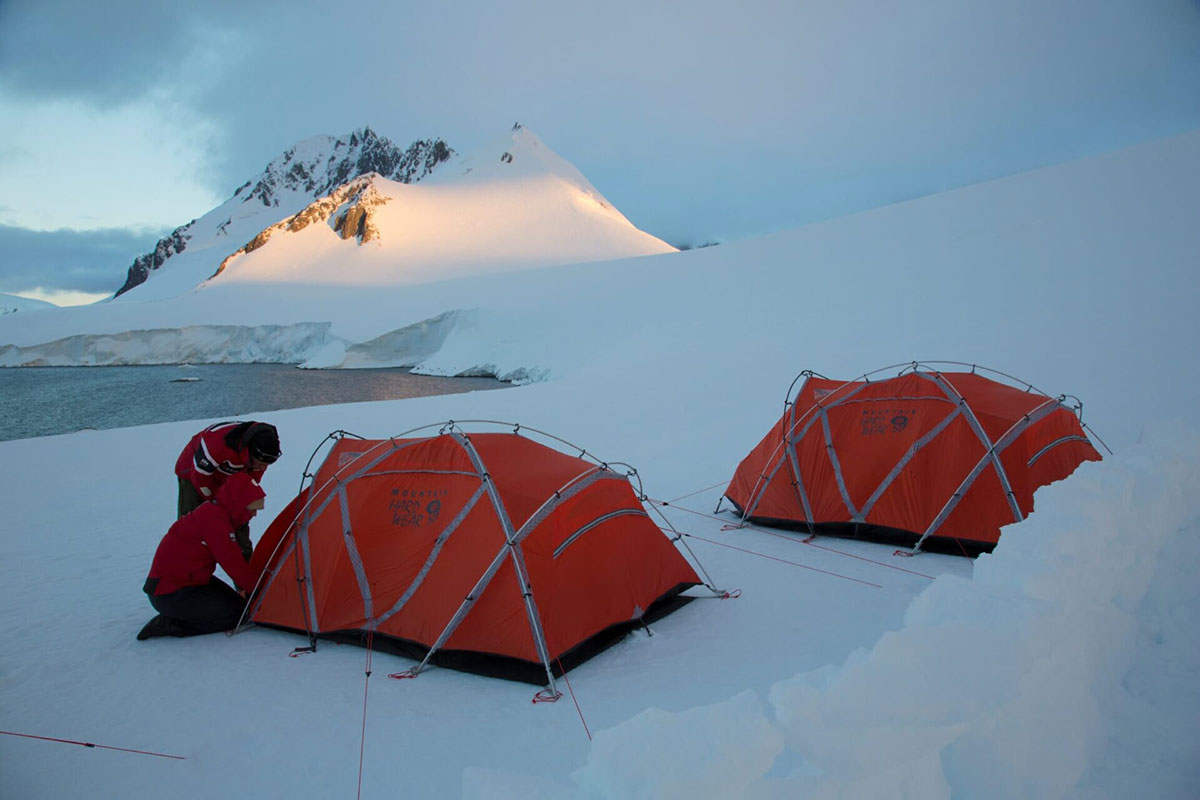
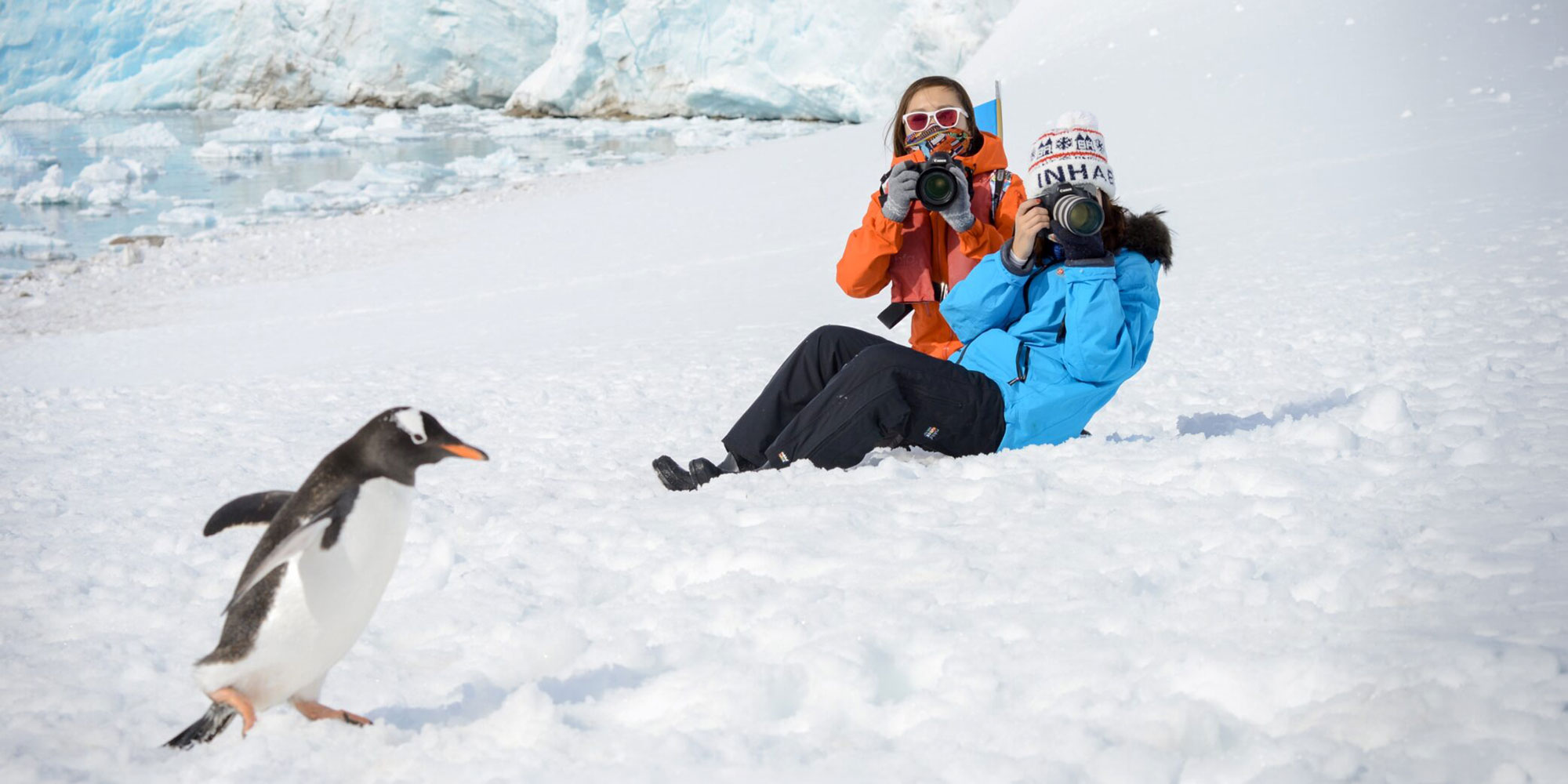
After a delicious dinner on board, jump back in the Zodiacs and head ashore for a night of camping in Antarctica!

Help to set up camp, and then enjoy the sounds of the waves, the creaking of the glaciers, perhaps even the blow of a passing whale.

Warm and cozy in your sleeping bag under the midnight sun, you are breathing the cleanest air in the most beautiful place on the planet.

Get a taste of Antarctica as it was experienced by the early explorers, while knowing that in the morning you’ll enjoy a hot shower and a hearty breakfast back on board your luxurious vessel.

Who can participate?

Anyone 12 and older with an adventurous spirit and a willingness to rough it for a night. Sleeping on the ice in Antarctica is the ultimate camping experience!.

Is there a numbers limit?

We can accommodate 30 participants per voyage. We recommend signing up for camping before you arrive on board.

How often will we camp?

Camping is limited to one night per voyage and is only available on Peninsula, Circle Crossing, and Marine Mammal voyages.

What is included?

We provide the following camping equipment:

  • Insulated sleeping bag, rated to -20° F (-29° C).
    (We do not expect temperatures below 10° F, but warmer bags ensure your comfort overnight.)
  • Sleeping bag liner
  • One dry-bag for pillow and change of dry clothes
  • 4-season mountaineering tents
  • A limited number of mountaineering bivy sacks
    (Optional, if a few individuals wish to sleep out)
  • Insulated sleeping pads

We also provide one portable toilet for the group. True darkness during the polar summer is limited or absent, so a headlamp or flashlight is not required equipment; though you may wish to bring a light on trips departing after February 1, when the night sun is less powerful.

What do you need to bring along?

To take part in the camping program, you must be appropriately dressed.

Kayaking

Paddling in and among the icebergs. Getting up close to nature. Silently gliding along at the water level.

We want as many passengers as possible to experience these very moving and personal moments.

The kayak adventure option offers an opportunity to participate in this most intimate Antarctic encounter on all voyages.

Who can participate?

Any passenger age 16 or over, in good health and with basic paddling experience is welcome to participate in the kayak option.

What experience level is required?

Basic paddling experience is highly recommended. Participants should be capable of getting in and out of a kayak, doing a wet exit (not that we ever expect to need this), and performing forward and back strokes.

Prior to each excursion the kayak guides will clearly explain the upcoming outing and expected conditions so paddlers can make informed decisions as to participation.

Is there a numbers limit?

We can accommodate 16 participants per voyage. Sign up early – the kayak option fills quickly!

How often do we paddle?

At each landing site that offers appropriate conditions, we offer the activity after a short briefing by the kayak team. We make every effort to paddle as often as possible, but weather, sea, ice, and other conditions may preclude this.

The Expedition Leader and kayak guides are the ultimate authorities on this.

What is included?

  • Kayaks – we offer a mix of tandems and singles
  • Dry suits
  • Paddles
  • Personal Flotation Devices (PFDs)
  • Pogies (neoprene gloves).

What do passengers need to bring along?

Very little beyond enthusiasm, basic skills, flexibility, and an honest appraisal of experience and health conditions. Participants will need to bring proper personal clothing as noted in our supplied preparation notes. We will require return of a signed liability waiver and dry suit loan form no later than 90 days prior to departure.

Pricing and extras

Friends and family triple cabins

Have three people in your party? Most suites have a sofa, which converts to a bed suitable for persons up to 5’10” in height. Rates vary by deck, please enquire.

Adventure options

Kayaking is available on all voyages at extra cost.

Camping is available on Peninsula, Circle Crossing, and Marine Mammals voyages at extra cost.

A breathtaking Antarctic cruise with stunning sunsets, whale encounters, and unforgettable moments in pristine landscapes.

R Clowes

A five-week odyssey from Argentina’s vibrant culture to Antarctica’s icy wilderness delivered the ultimate adventure experience.

J. Lavery, Australia