From: £3,544
From: $4,719
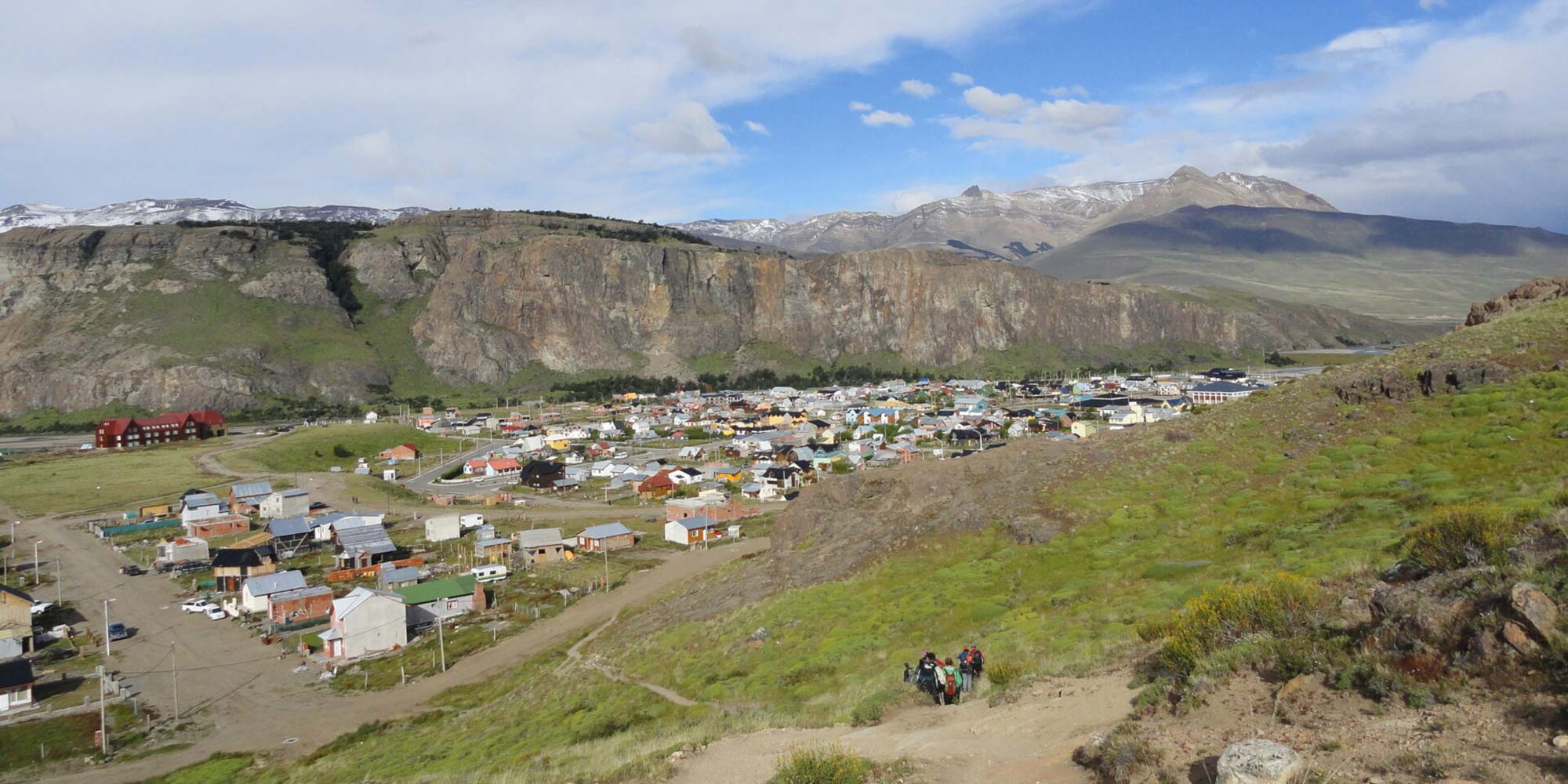
We meet you at El Calafate Airport and from there you are transferred to El Calafate.
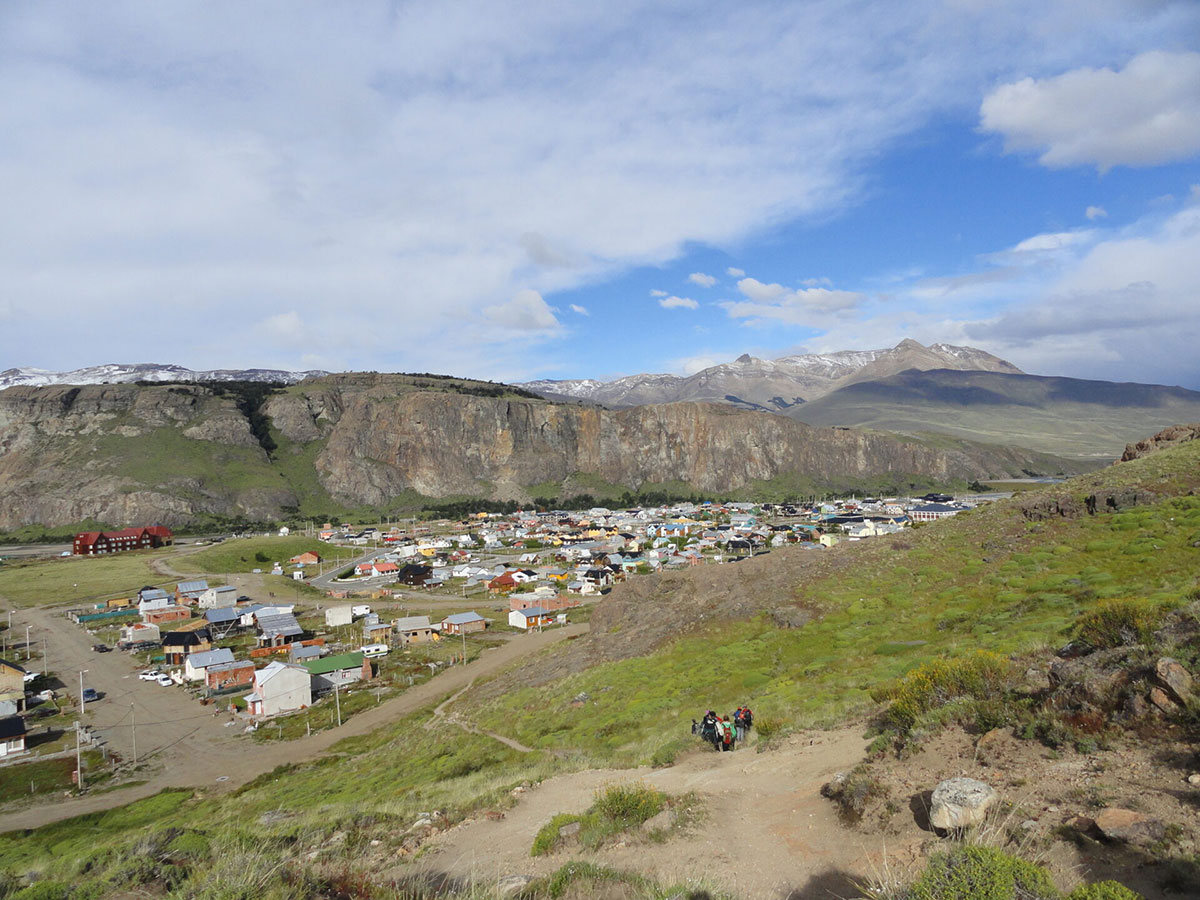
In the evening the group and guide will meet for dinner. El Calafate is a small town of some four thousand inhabitants. It was, for several decades, a tiny staging post for the wagons transporting wool between remote estancias (sheep stations) and the coast.
El Calafate lies on the shore of the vast, turquoise lake Argentino and is today a gateway to the natural wonders of the Los Glaciares national park.
After breakfast we take our bus for the 220km/137 miles long drive to El Chaltén, a small and picturesque village at the foot of Fitz Roy & Cerro Torre massif.
We make a stop half way to enjoy local pastries and hot coffee. Once in Chaltén, we’ll meet fellow travellers coming from up north (Route 40) and start our trek.
Note: We carry in our packs the necessary personal items for the next 2 nights and 3 days. The rest of our gear will be left in storage in El Chalten for collection on our return.
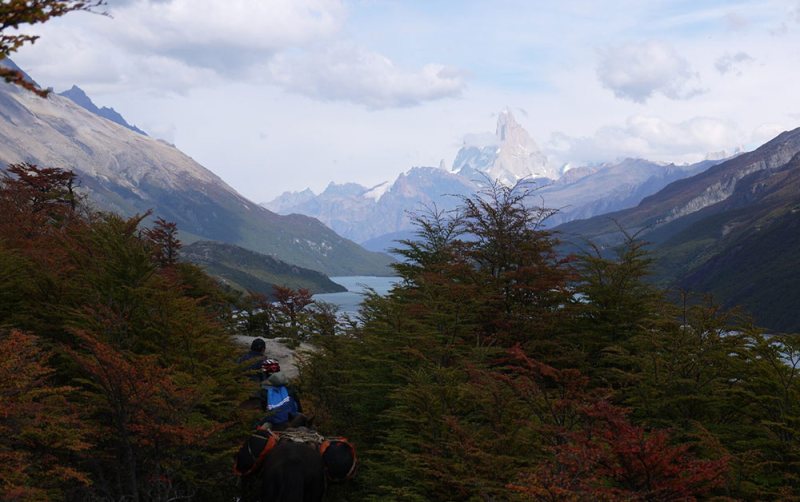
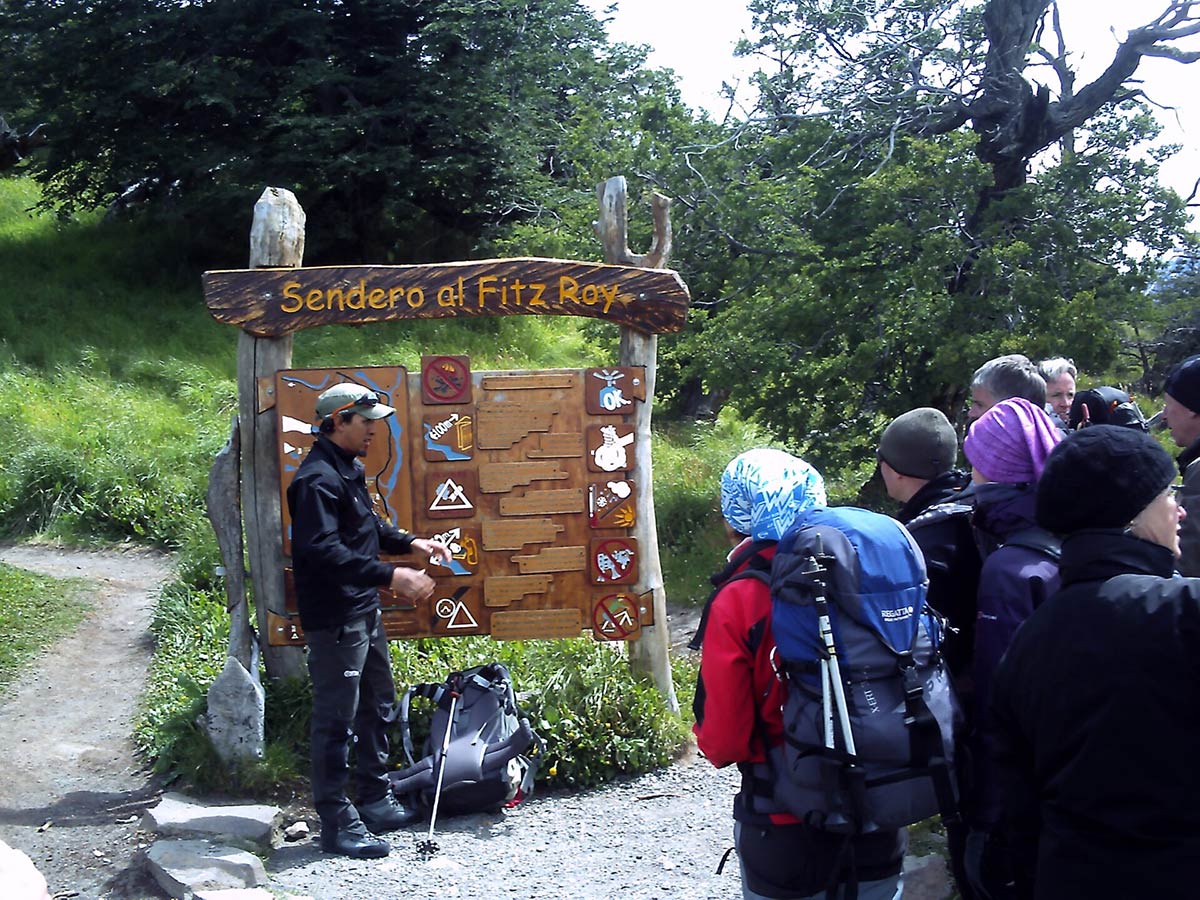
We hike up a gentle slope on the Fitz Roy trail to gain height over the River de las Vueltas valley up to the first viewpoints overlooking the Fitz Roy massif. Our hike to Poincenot takes us no more than 3 and a half hours, along a clear and easy trail. Once at Poincenot Full Camp, we leave our gear in our tent and free time to enjoy an afternoon walk to the sightseeing points around the area.
Full Camps are pitched up early in the season, so we find the camp ready upon arrival. It offers comfortable 3 people igloo type tents used for a maximum of 2 people, with mattresses and sleeping bags. A cotton liner sheet is also provided.
The camp also features a spacious dining tent, a kitchen tent, tables, benches or chairs and a full set of table service and kitchenware. The toilet services are latrine-type and there is no running water or electricity.
Walking distance: 6km / 3.5 miles
Walking time: 3 hours.
Approx. drive time: 3.5 hours.
After breakfast, carrying only day personal items such as our parka, gloves, our camera, water bottle and box lunch, we cross the River to Rio Blanco, climbers base camp on the east side of the mountain.
From here a steep 1 hour trail leads us to one of the most spectaculars viewpoints of the National Park: Laguna de los Tres.
With its blue waters, it lies at the foot of the massif, offering full close up views of Fitz Roy’s spires and glaciers. Each wall rises anything from 600-1,500m / 1,967-4,921ftabove the surrounding glaciers.
Fitz Roy, 3,405m/11,117ft is considered locally to be the “King of Patagonia”.
We hike back to Poincenot in the late afternoon.
Walking distance: 18/km 11 miles
Walking time: 5 to 6 hours.
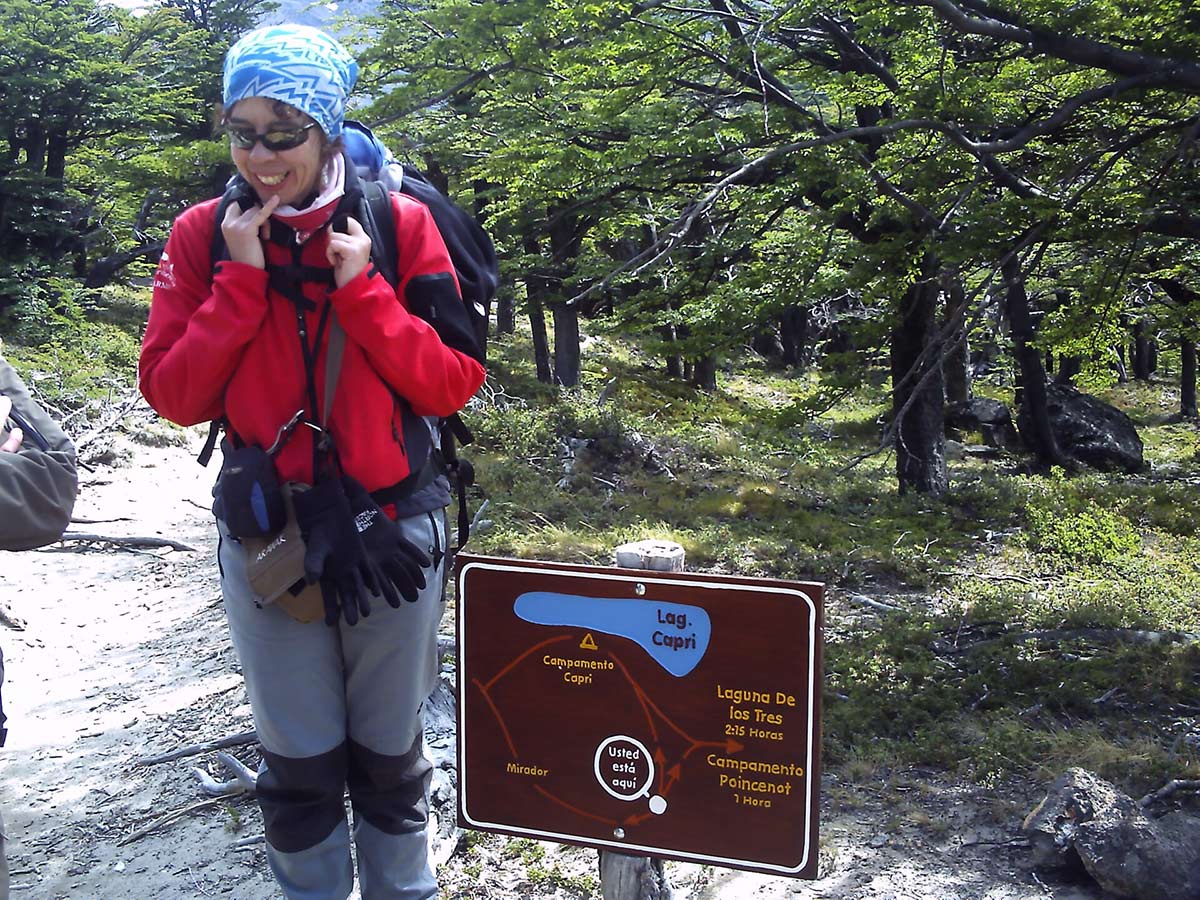
Today we trek around Laguna Capri along the Madre and Hija Valley trail to the Fitz Roy river valley, where we meet Cerro Torre trail.
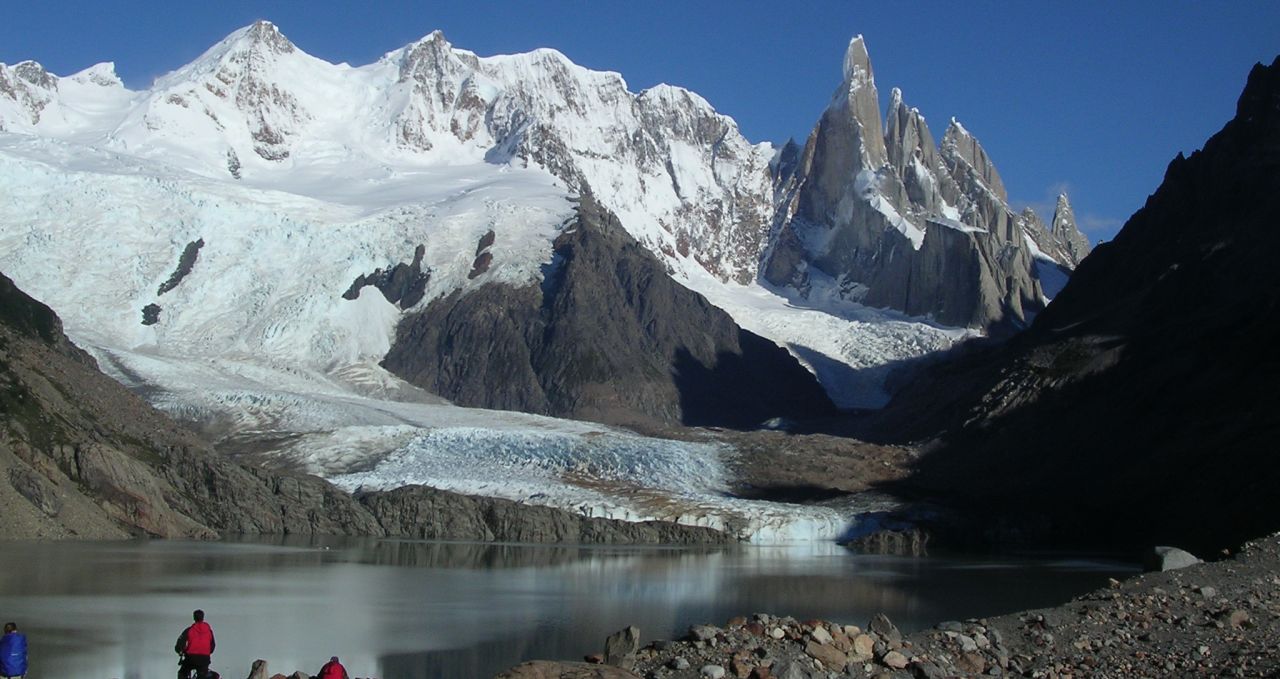
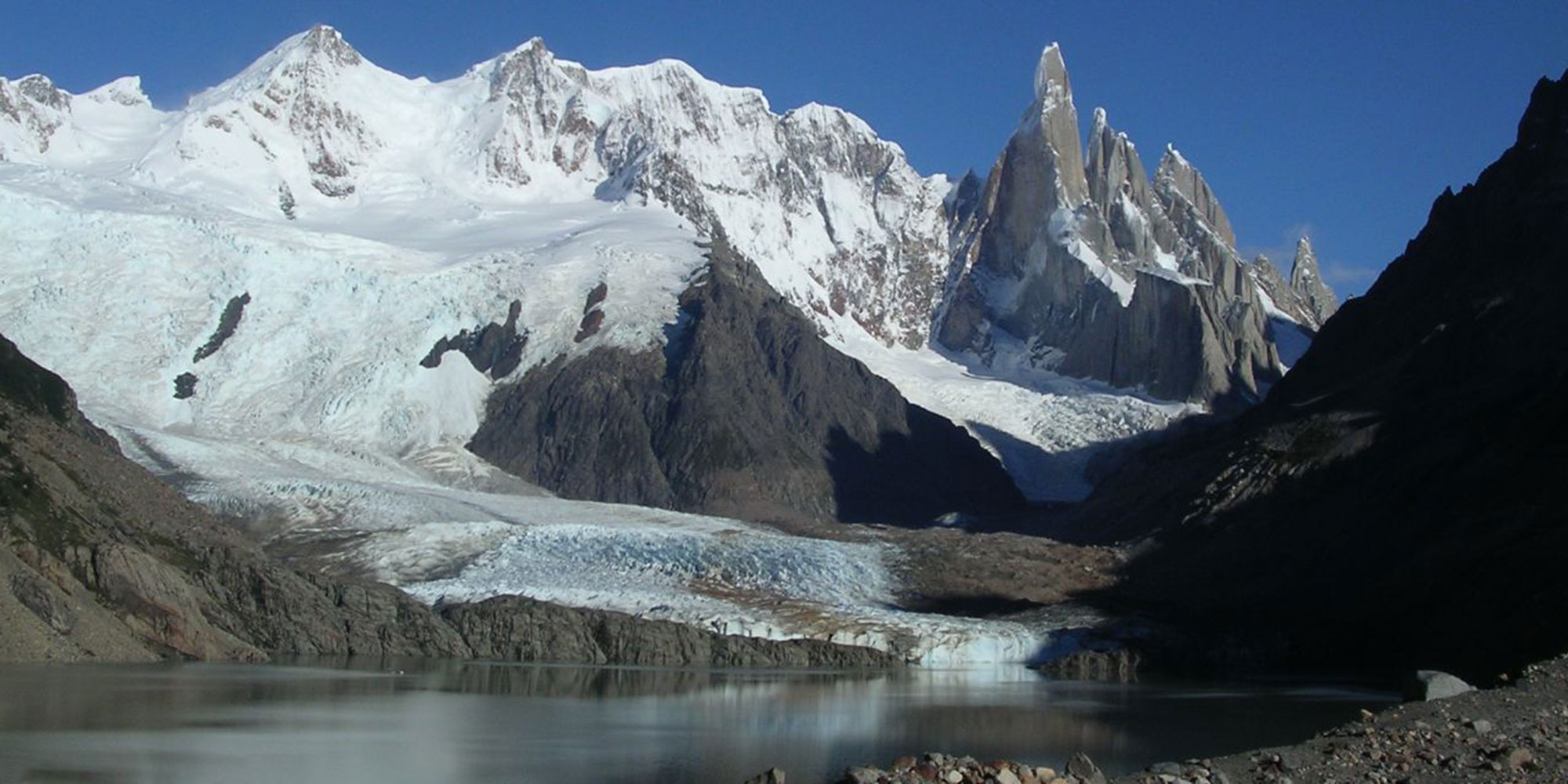
The trail runs through beech forest, bogs and shrubland. We head for Laguna Torre, enclosed by morraines and with the Glacier Grande calving on its west side.
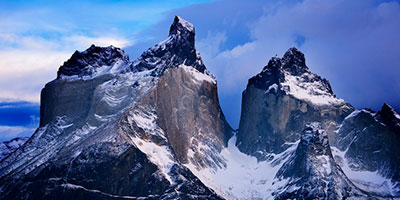
The thin and elegant 3,128m/10,262ft of Cerro Torre group and the Adela range in the background complete this spectacular view.
In the evening we hike back to El Chalten along Cerro Torre trail.
Walking distance: 21km/ 13 miles
Walking time: 7 to 8 hours.
Pliegue Tumbado, 1,500m/4,921ft tall, is located immediately south of the Cerro Torre valley and offers some of the best views over the different group of mountains, glaciers and lakes of the area.
From the lower terraces to the summit, you can get spectacular views of Fitz Roy, Torre and the glacial valley between the two. From the summit the bonus is the sight of Paso del Viento and some of the mountains that of the Patagonian Icefield.
Depending on the group abilities, we choose the lower terraces or try the summit, a long but gentle climb in scree.
The lower part of the mountain is covered by shrubland and forest.
We are back in Chalten by late afternoon.
Walking distance: 10km / 6 miles.
Walking time: 7 to 8 hours.
Day free. Optional excursions offered in the town o be established and subject to time and conditions.
In the late afternoon, we return to El Calafate.
Approx. drive time: 3.5 hours.
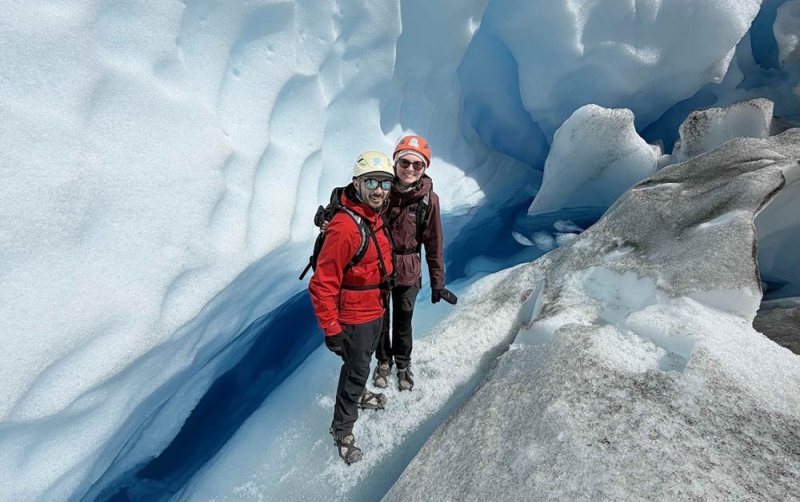
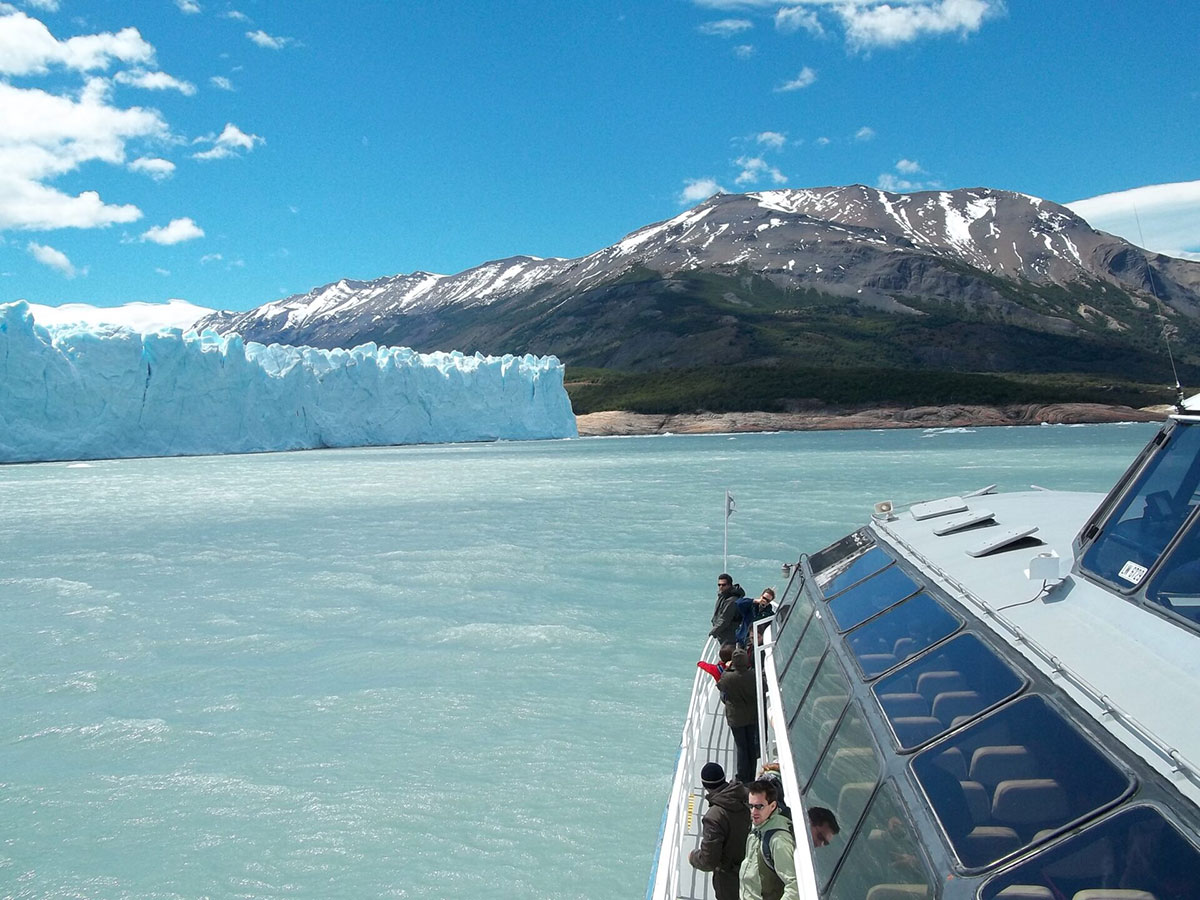
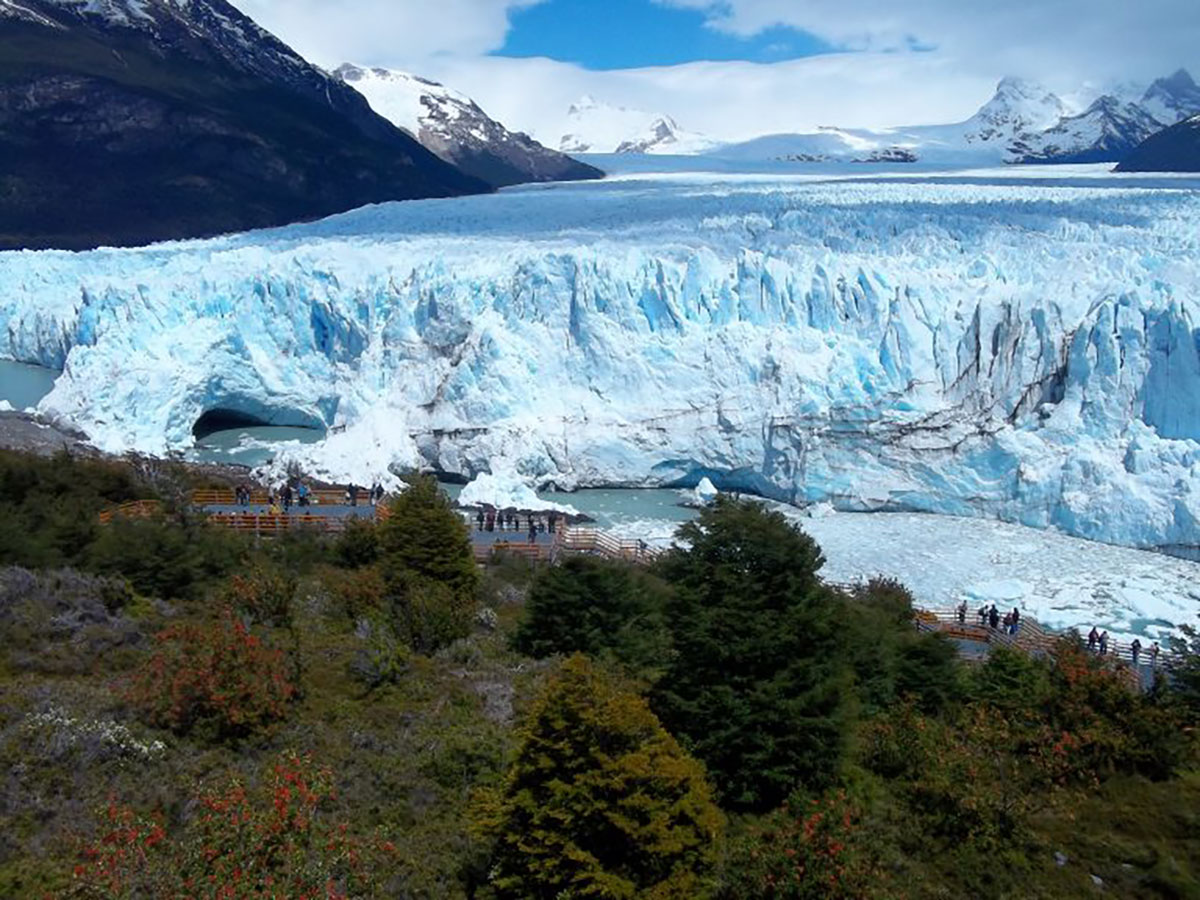
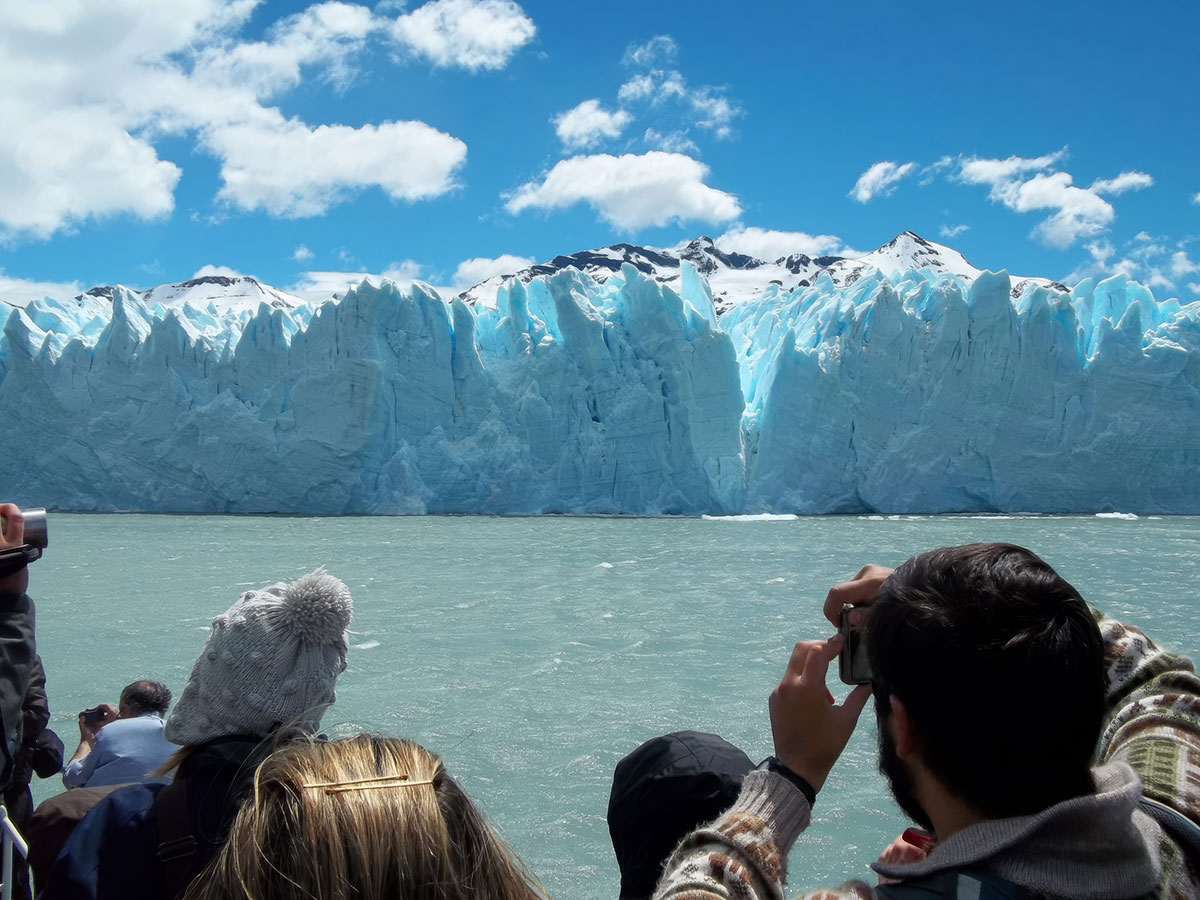
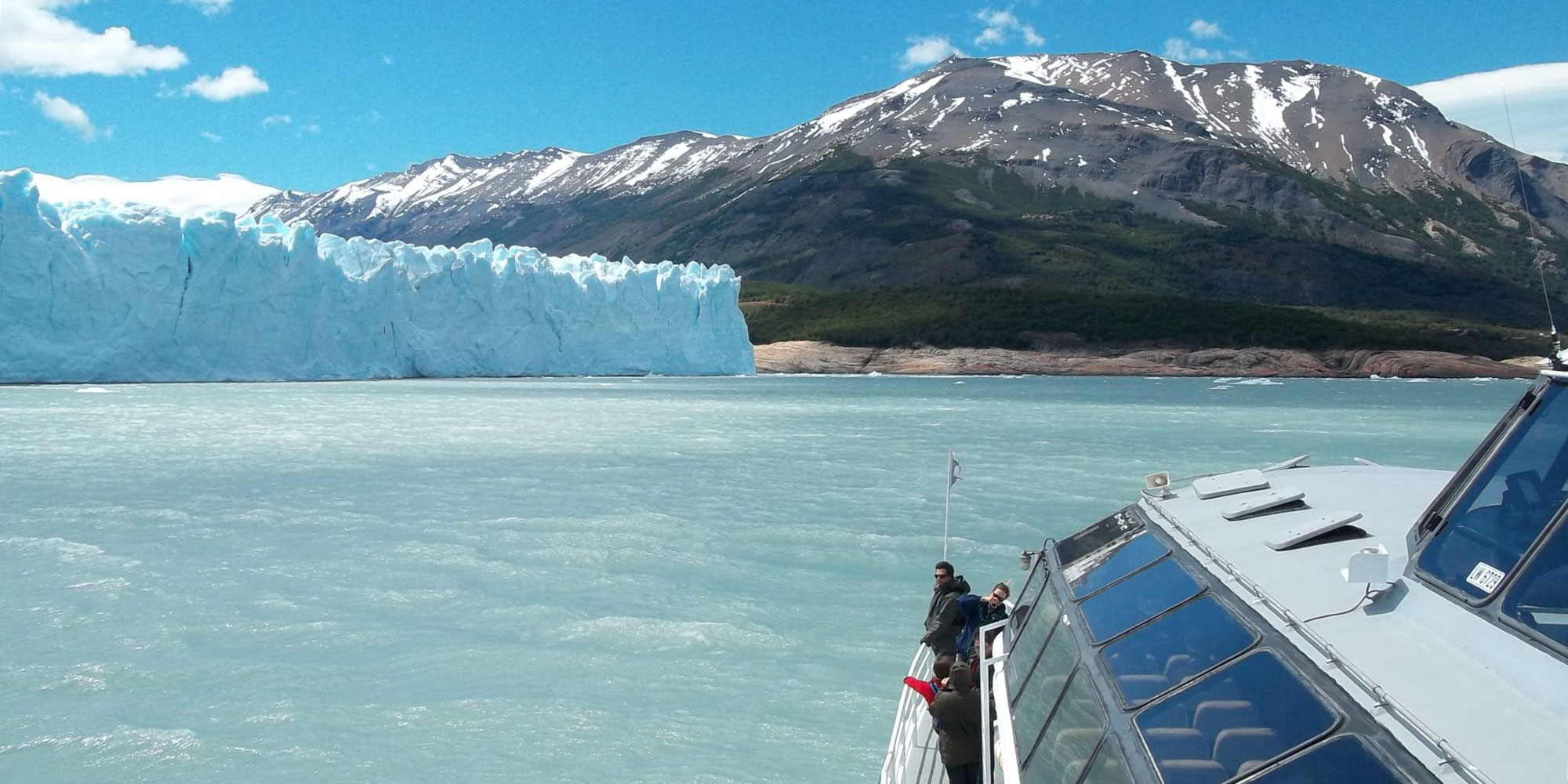
We dedicate this day to one of the World’s Natural Wonder: the Moreno glacier. This ice field-type glacier flows down from the Patagonian Icefield, a big sheet of ice that with its 22,000 square kilometres is the third largest glacier area in the world.
This glacier is the only one in the world that shows a closure and rupture process. There will be plenty of time to explore the walkways that come close to the glacial wall and after the option of a boat trip – not included.
Optional excursion recommended: Safari Nautico – Boat trip in The Tempanos channel. (This excursion is not included in the program, approx. USD 25 paid locally).
Early start for a 6-hour drive to our camp in Paine. We drive across the steppe around the Sierra de los Baguales, an impressive range in between Calafate and Paine.
We cross the Argentinean Chilean border at Cancha Carrera/ Cerro Castillo. Lunch will be at the border and an opportunity to change money into Chilean pesos.
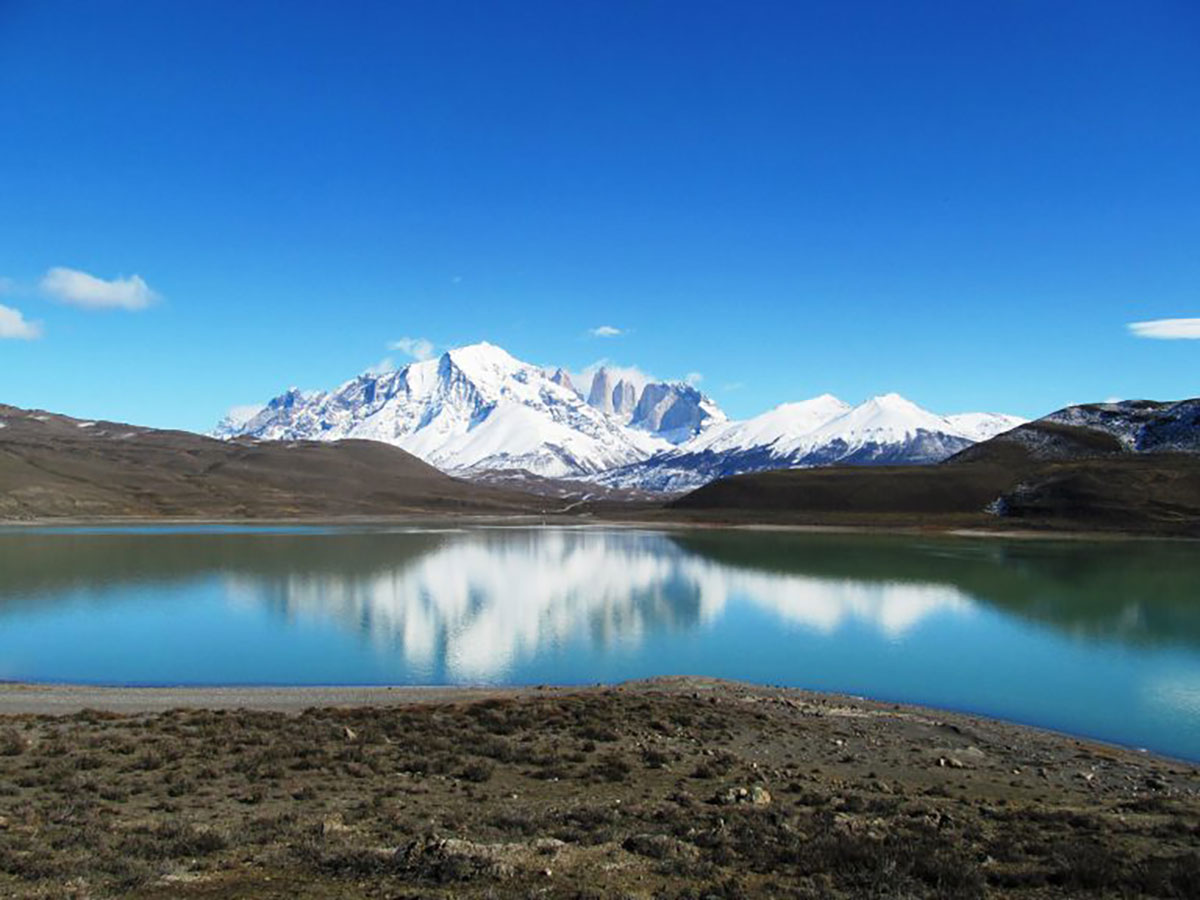
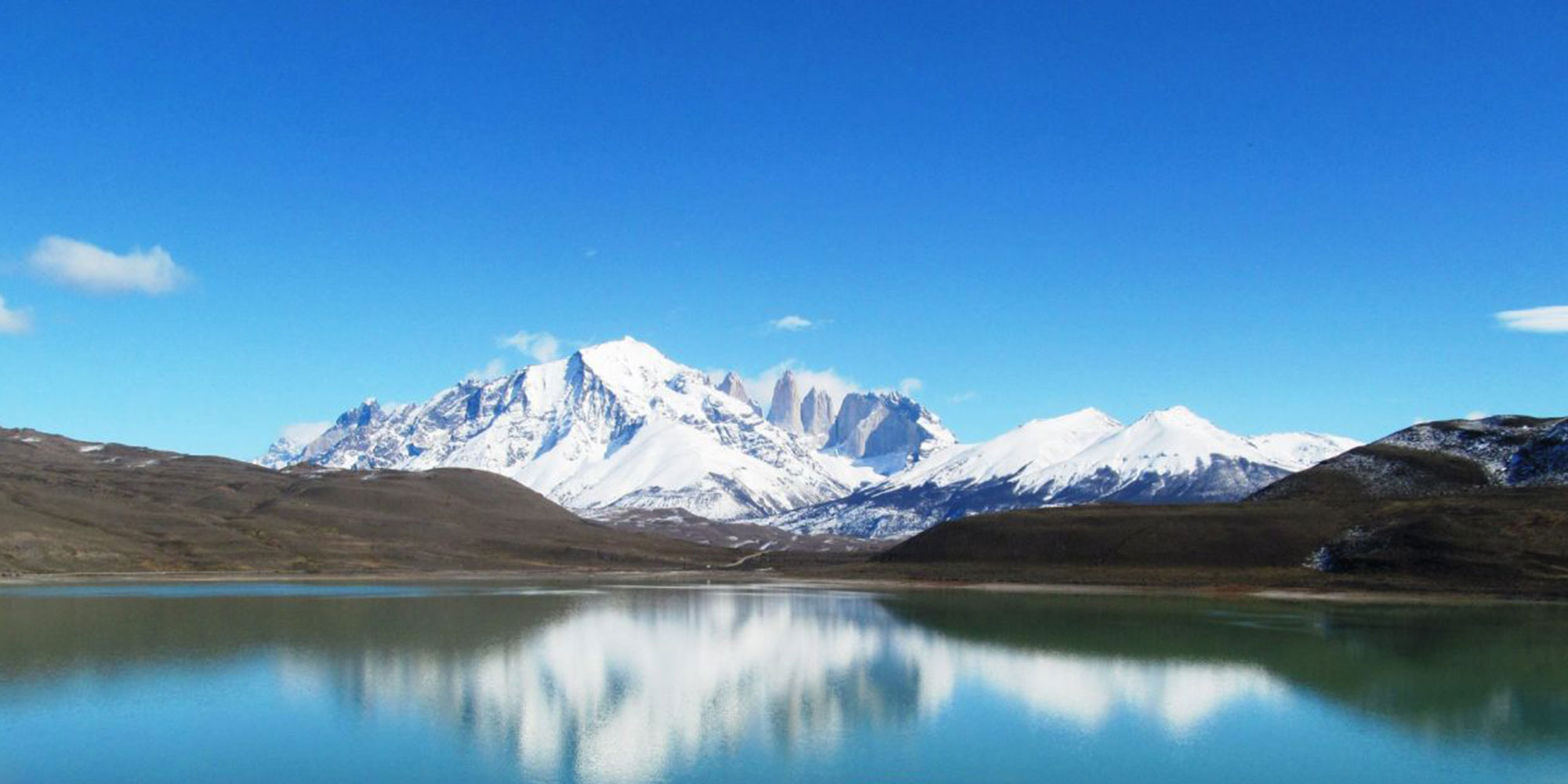
After the border crossing, we start our final leg to Paine National Park, UNESO World Heritage site. Approaching the Park, we begin to see the different mountains that feature in the area: Paine Grande, the Horns, Admiral Nieto and the Towers.
Once we enter the Park, we go for a short 1 to 2 hour walk to get familiar with the landscape, the wind and the rich wildlife: guanacos, lesser rheas, condors and all types of wetland and buzzards as well as many flowers.
Return to the minibus to drive to our camp at the foot of Paine massif.
Walking time: 1 to 2 hours.
Approx. drive time: 5-6 hours.
Early in the morning we start walking towards the bridge over the Ascensio river, the trail head for the base of the Paine towers trek.
We “warm up” hiking a steep one hour slope to get inside the valley itself, a narrow “V” shape alpine valley coming from the Paine massif. A gentle downhill leads us to Refugio Chileno, a cosy and comfortable mountain lodge, which can be a good turnaround point for those not willing to make a full day hike.
We then walk in a gentle slope along the river side and through a beech forest.
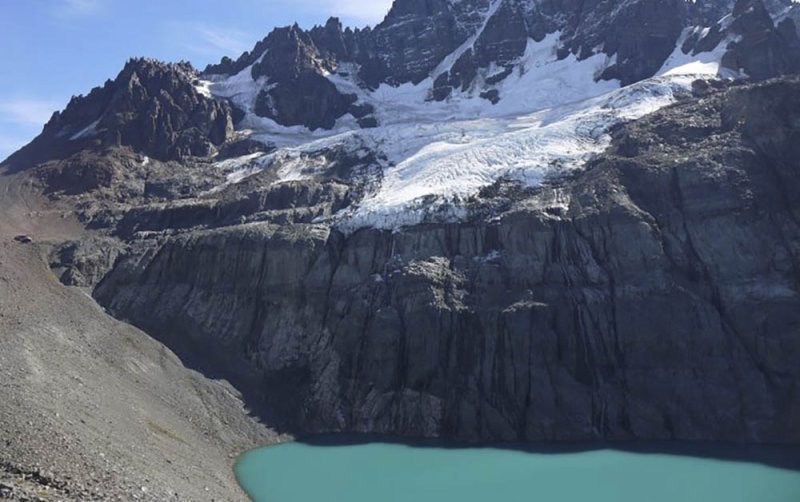
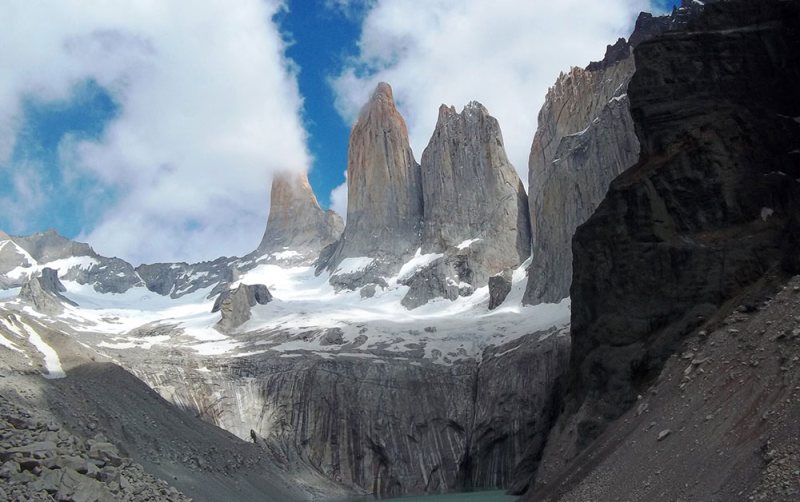
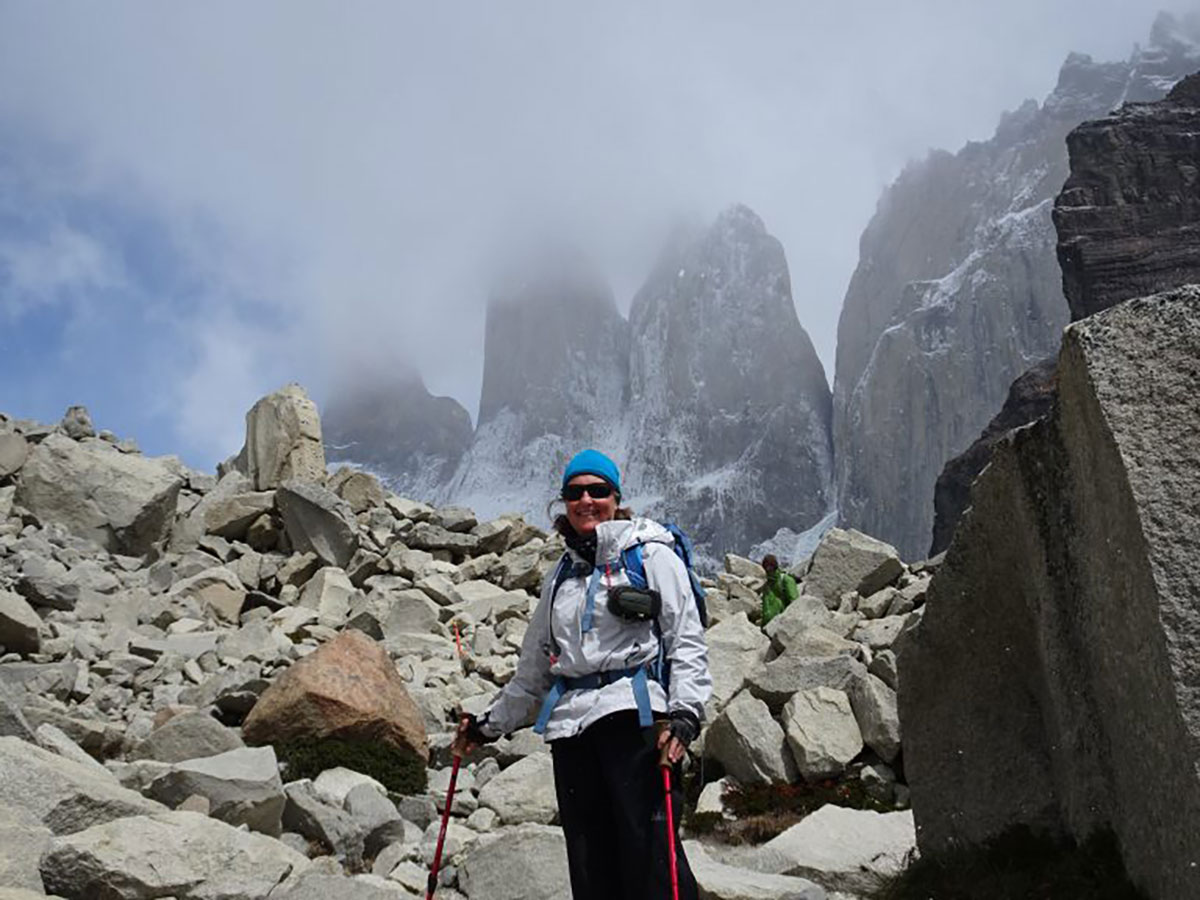
A final climb on moraine take us to the Towers viewpoint: a glacier origin lagoon and the three towers rising vertically 1,000m/3,281ft from the glacier. We return to our along the same route we came.
Hike to Refugio Chileno: 6.5km / 4 miles round trip (4 hours walking)
Hike to Las Torres: 18km / 11 miles round trip (8 hours walking)
Walking time: 7 to 8 hs.
Early in the morning a 1-hour drive takes us to Port Pudeto to board the catamaran that crosses lake Pehoe. Once at the far side of the lake, we set out to the French Valley trail.
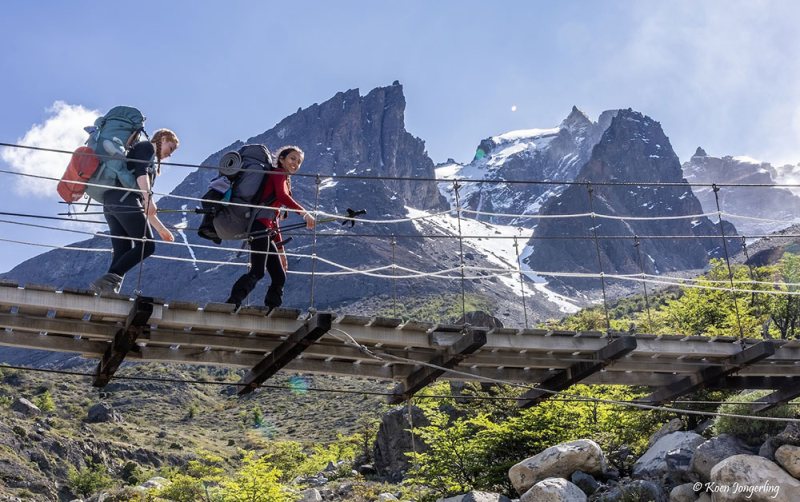
The trail skirts Paine Grande south slopes and Lake Skottberg, to take us after 2 1/2 hours of continuous ups and downs, to the hanging bridge upon the French River.
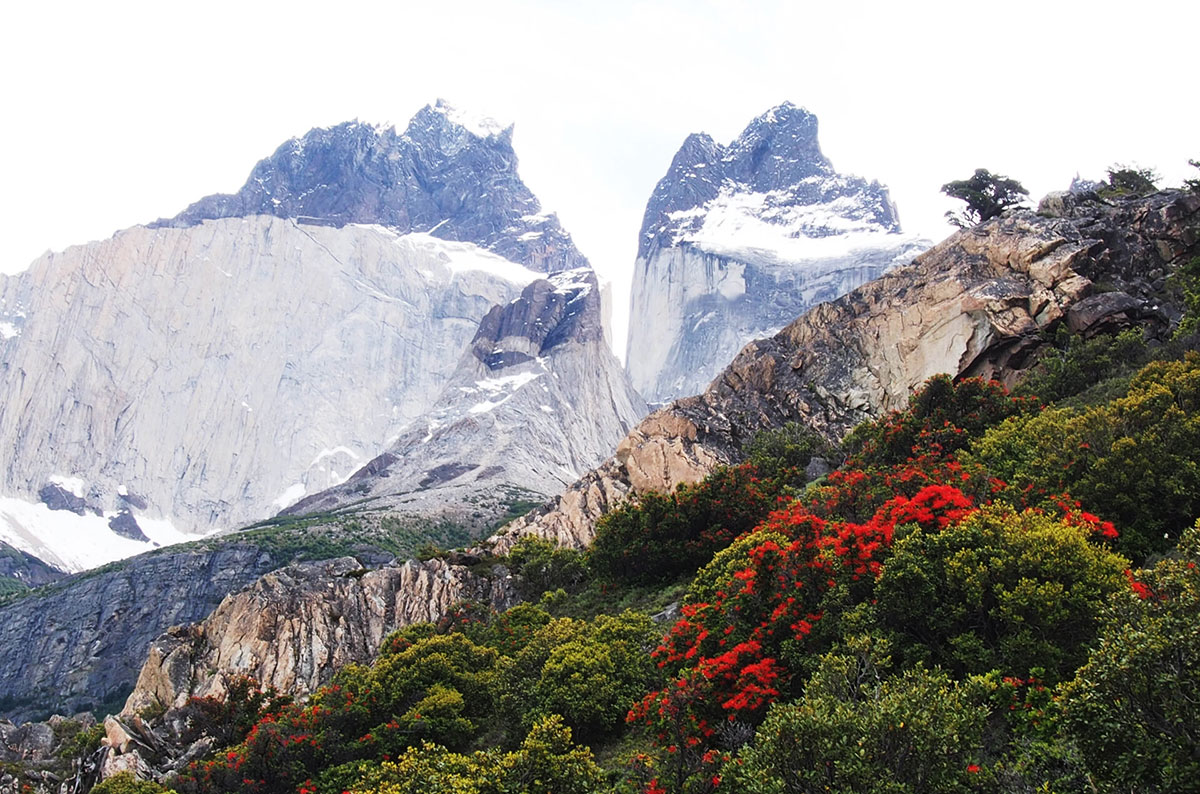
This breathtaking location is at the foot of both the 2,700m/8,858ft south east face of Paine Grande (to the west) and the Horns, with its characteristic black sedimentary topping, to the east.
We continue walking for another hour to the Italian camp to reach breathtaking viewpoints over the area.
After lunch and photos we retrace our steps back to Refugio Paine Grande where we will camp , have our dinner and breakfast and use of toilet/shower facilities.
Walking distance: 18km / 11 miles round trip
Walking time: 5 to 6 hours.
In the morning we will set off along the Lake Grey trail that leads from the Pehoe valley across ridges to reach Grey valley.
This magnificent valley flows down 60km from the Patagonian Icefield, featuring the huge glacier calving down in the grey colour lake. Our trail skirts the lake, going up and down the westerns slopes of Paine Grande, offering some of the most impressive sights of the Park.
From the high sections of the trail, many different viewpoints allow us to see the south end of the lake where the blue ice floes gather, the mountains rising far in the distance above glaciers Grey and Tyndall, and of course lake and glacier Grey.
We reach the main viewpoint, a rocky point somewhat 2 hours away from Pehoe, with views over the Lake and Glacier Grey and the surrounding glaciers and mountains.
We return along the same trail, crossing bogs, shrub lands and forest.
At noon we take the boat to cross lake Pehoe back and then we go to our accommodation in Puerto Natales, a picturesque fishing town located on the shores of the Ultima Esperanza (Last Hope) fiord.
It’s a long bus journey today, but worth it. We recommend taking snacks and a packed lunch from Puerto Natales, or buying food at one of the stops during the day. After breakfast, we drive south to the legendary Magellan Strait. We follow the strait to Primera Angostura, where we board a ferry to cross these iconic waters.
Hernando de Magallanes discovered this maritime route in 1520. It remained the logical passage for vessels looping around South America until the Panama Canal opened in the early twentieth century. It’s hard not to think about those brave mariners fighting the conditions in often precarious boats.
Our destination is Tierra del Fuego. This translates literally as Land of Fire after the first white sailors saw the cooking fires of the local people. We continue driving, entering Argentina once more at Paso San Sebastián, then on to Ushuaia. Journey time approximately 12-13 hours with border crossing into Argentina on Tierra del Fuego Island.
On arrival transfer to your accommodation. Hostel dorm or private room in Ushuaia.
Note: Groups of 10 or more people spend the night at Estancia Las Hijas in Rio Grande, where a classic Patagonian barbecue awaits us (dinner included if we make this stop).
Approx. drive time: 12-13 hours.
Meals included: Breakfast (or breakfast and dinner if staying at Estancia Las Hijas)
Hostel dorm or private room Ushuaia. Or Estancia Las Hijas, refugio (shared room), bathrooms & showers available.
Free day to enjoy Ushuaia, the southernmost city in the world. OR
For groups starting the day at Estancia Las Hijas, we spend the morning exploring the Estancia. We leave mid-morning and head south to visit Lake Fagnano, nestled in the Andean mountains, before driving to Ushuaia.
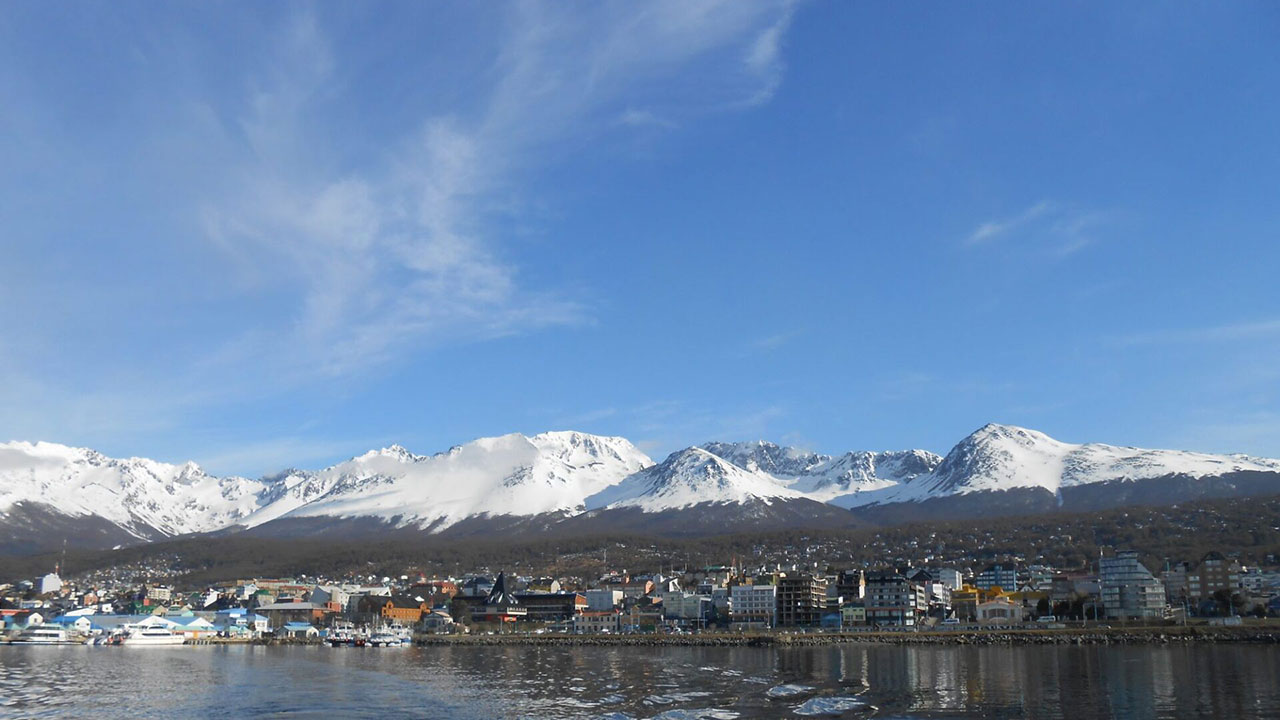
Ushuaia, in Tierra del Fuego, is Argentina’s southernmost city and is perched on the Beagle Channel. What was once a remote penal colony is now a bustling port and the gateway to Antarctica—cruises set off from here for Antarctica or Punta Arenas in Chile via Cape Horn.
Ushuaia is historically interesting, Charles Darwin wrote much about it, and it is home to some fascinating naval history museums.
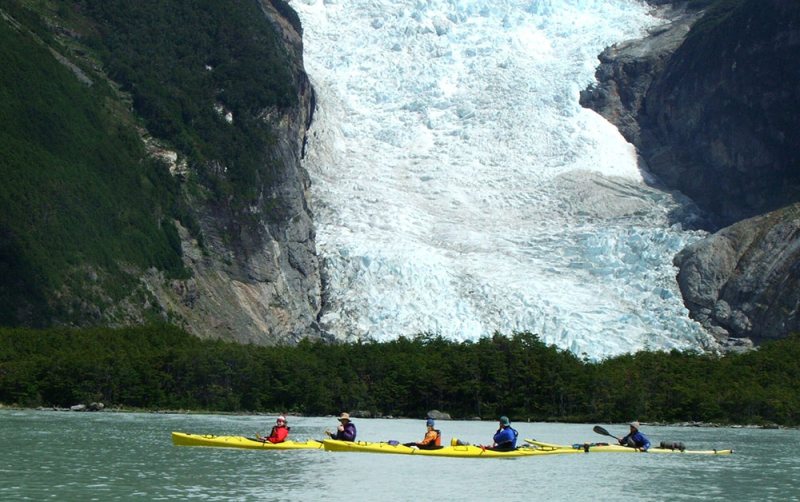
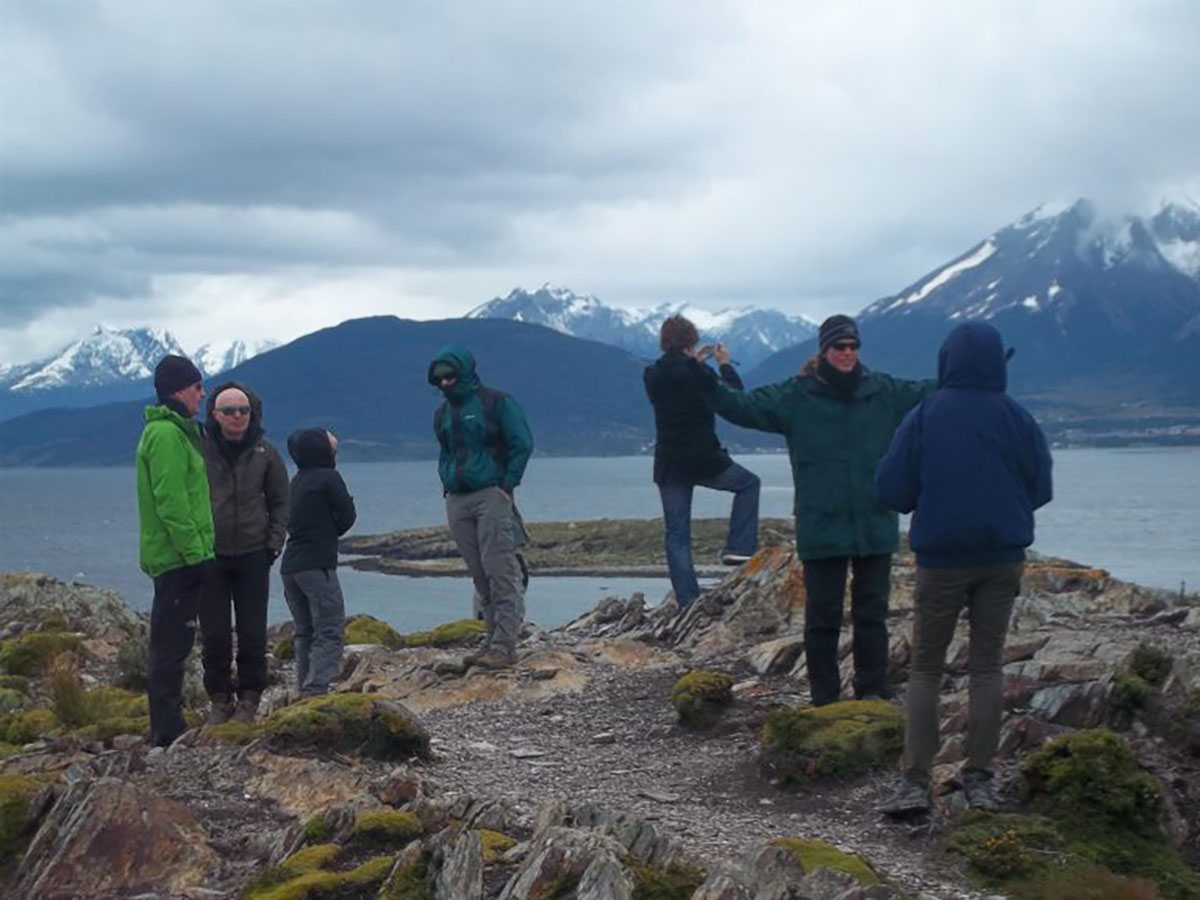
Visitors can take a sailing tour on the wildlife-rich Beagle Channel, visit a Penguin colony during the season, trek into the mountains behind the city and kayak in the Tierra del Fuego national park.
Hostel dorm or private room in Ushuaia.
After breakfast, we transfer to the port to board our boat for our full-day sailing trip on the legendary Beagle Channel. We recommend taking a packed lunch from Ushuaia and snacks for the day.
We will navigate the Beagle Channel to the iconic Les Eclaireurs Lighthouse as well as views of Los Lobos Island and Los Patos Island. This is followed by a visit to the Acatushun Museum in the pioneering Estancia Harberton, and we will finish with a walk among penguins on Isla Martillo.
Return to Ushuaia. Hostel.
At the agreed time, shared transfer to the airport for your departure flight.
| Departure | Return | Duration (days) | Price from ($) | |
|---|---|---|---|---|
| 7 Nov 2026 | 21 Nov 2026 | 15 | $4931 | Check availability |
| 21 Nov 2026 | 5 Dec 2026 | 15 | $4931 | Check availability |
| Departure | Return | Duration (days) | Price from ($) | |
|---|---|---|---|---|
| 19 Dec 2026 | 2 Jan 2027 | 15 | $4931 | Check availability |
| Departure | Return | Duration (days) | Price from ($) | |
|---|---|---|---|---|
| 16 Jan 2027 | 30 Jan 2027 | 15 | $4931 | Check availability |
| 30 Jan 2027 | 13 Feb 2027 | 15 | $4931 | Check availability |
| Departure | Return | Duration (days) | Price from ($) | |
|---|---|---|---|---|
| 13 Feb 2027 | 27 Feb 2027 | 15 | $4931 | Check availability |
| 27 Feb 2027 | 13 Mar 2027 | 15 | $4931 | Check availability |
| Departure | Return | Duration (days) | Price from ($) | |
|---|---|---|---|---|
| 13 Mar 2027 | 27 Mar 2027 | 15 | $4931 | Check availability |
Departures, Saturdays Oct-April
2026-27 season
2026 high season supplement +$285pp on Dec 13, 20, 27 departures.
In towns there are several options with varying prices:
Hostel: Mixed dorms with bunk beds (maximum 8 people), shared bathrooms in towns and same sex share tent at camp sites if travelling solo.
Twin/double: Twin or double bedded room with private bathroom in tourist class hotel in towns.
Single: Single room with private bathroom in tourist class hotel in town and single tent camping.
Full Camps are pitched up early in the season.
They have comfortable 3 people igloo type tents used for a maximum of 2 people, with mattresses and sleeping bags. An cotton liner sheet is also provided.
The camps also feature a spacious dinning tent, a kitchen tent, tables, benches or chairs and a full set of cutlery and kitchenware.
At Poincenot camp the toilet facilities are latrine-type and there is no electricity or running water, so no shower or washing facilities.
At Torres Camp there is a shower and toilet block with hot water. Renewably-generated electricity may be available in refugios if climatic conditions allow.
At Paine Grande you are camped next to Lake Pehoe and the Paine Grande refuge. There is the use of an external shower and toilet block with hot water. Meals are in the refugio and there is also a bar. Renewably-generated electricity may be available in refugios if climatic conditions allow.
You need to have a good level of fitness for the trip, as the fitter you are, the more you will enjoy it. There is no high altitude to contend with on this trip.
Those with no previous trekking experience can trek this trek, although experience of hiking is beneficial.
The trip is open to anyone with a positive attitude who wants to walk in a stunning and remote part of the Patagonian Andes.
Please note: You carry all your personal belongings (about 50 litre rucksack) with you as you move around Fitzroy only – sleeping bags and mats are provided at the full camps. You must, when you leave Chalten on day 2, carry enough clothing etc to last from day 2 to day 4, when we return to Chalten.
Day 2 is half a day with a full rucksack (as we walk into the park)
Day 3 is day pack only (as we do a day walk from the same basecamp)
Day 4 is a full day with a full rucksack (as we move around the park) and return to El Chalten.
You carry a day pack only in Paine as we are able to use a support vehicle to move excess kit around.
Almost all dietary requirements can be catered for – please enquire.
While trekking, you usually wake early, around 07.00, and have a filling breakfast in your hostal or in the dining tents at our full camps.
After breakfast, packs are prepared and your guide will explain the day’s walk, and you typically walk 3-4 hours in the morning before lunch, with a short or break or two en route.
Lunch, while out walking, will be sandwiches, fruit etc. Please bring some snacks of your own, as those available in the park are expensive and not always the best quality.
After an hour or so for lunch – depending on weather conditions – you will continue your walk, usually 1-3 hours more, although some days are shorter or longer than others, and then relax before dinner at camp.
After eating, you can choose to socialise with team members, relax in your tent or the refugio, or take in the views. It can get cold very soon after sunset, so most people will fall asleep early and then rise early the next day, helping to conserve energy.
Approximate evening meal costs:
El Calafate / El Chalten: between 30 – 40 USD
Puerto Natales: between 20 – 40 USD
Ushuaia: between 40 – 60 USD
On this tour you will have an English speaking tour leader throug to Puerto Natales and local expert trekking guides in each national park.
Camps are fully staffed with a local cook and camp support staff.
A joyous Patagonian cruise filled with laughter, charm, and unforgettable coastal adventures exceeded every expectation.
A flawlessly organised South American adventure with great food, welcoming people, perfect timing, and the reassuring support of Andean Trails every step of the way.
This adventure holiday takes you to a walker’s paradise; jagged Andean mountains, blue glaciers and gauchos.
On our Patagonia Highlights small group trekking tour, you visit three Patagonian National Parks in two weeks. Read Tyler and Khalid’s travel review about their experience.
You travel to the best sites in Argentina’s Los Glaciares (Fitzroy), Chile’s Torres del Paine, and Tierra del Fuego in Ushuaia.
This small group tour includes walks with amazing views of the towering peaks of these national parks.
We start in El Calafate, Argentina, and head to El Chalten.
From here, we trek into our fully-equipped camps in the park – sleeping bags and tents already set up for you, as well as a dining tent and toilet facilities.
You are rewarded, for your efforts, with superb views of Fitzroy, Cerro Torre and the Torre Glacier.
Leaving the park, we dedicate an entire day dedicated to seeing the enormous Perito Moreno Glacier.
Cross to Chile and Paine National Park and its mountain and ice gems: the base of the triple towers of Torres, the French Valley and trek to the Grey Glacier.
Those short on time can leave on day 12 and return to your Calafate hostal, leaving from Calafate on day 13.
Or, for the full trip, travel overland to Tierra del Fuego, Ushuaia.
En route we stay in mountain lodges and estancias, experiencing the life of the gauchos while visiting stunning lakes and crossing the Magellan Straits.
In Ushuaia, the wildlife comes thick and fast as we visit Tierra del Fuego National Park and the Beagle Channel, home to much marine life and a suitable end to this fantastic Patagonia Highlights trip.
Read our blog about what makes this one of our most popular tours.
For most people, Patagonia evokes a vast, windblown plateau, jagged mountains and the life of the gauchos.
The steppe that occupies much of southern South America is only one aspect of a magical region, jam-packed with amazing and contrasting landscapes.
Patagonia (latitudes 40°-55°, approximately) embraces a vast portion of southern Chile and Argentina, from the Rio Colorado in the north, to Tierra del Fuego in the south.
For convenience, we have divided the region into three zones: the Lakes District of northern Patagonian, central Patagonia and southern Patagonia.
Good kit is vital for every trip.
Book with Andean Trails and get 15% off Páramo’s fantastic ethical and high performance outdoor gear.
When planning for the varied climatic conditions encountered in Patagonia, layering is the most practical and versatile clothing system. It’s worth remembering that our clothing keeps us warm by retaining and isolating the heat we ourselves create.
To best maintain body heat, several layers of lightweight, warm and quick-drying clothing are far more efficient than one or two thick layers. Layers should have the following qualities:
First (base) layer: This layer wicks the sweat away from our skin, thus helping keep the body dry and warm. To this end, synthetic fabrics such as polypropylene should be used.
Mid layers: These isolating layers should also be synthetic (e.g. the known polar linings such as polartec or windblock, which are light and insulate twice as well as wool). Very important layers for retaining body heat.
Outer layer / shell: Finally, the vital layer which protects us from climatic adversities. A breathable, wind-proof and waterproof anorak, such as Goretex.
Give plenty of thought to kit selection, and try to keep weight down.
Patagonia, the very southern tip of South America, has a four-seasons-in-one day climate.
Summer (Nov-March) see temperatures reach up to 20°C, when glorious light pours over the region for up to 18 hours. This is the best time to visit, nevertheless, spring and summer is also when the central and southern Patagonian regions sometimes get buffeted by strong, westerly winds.
Summer days in national parks can also bring sunny, windless conditions, and you may well find yourself hiking in shorts and t-shirt. Afternoons can be warm with lots of sunshine. (Note: Patagonian UV rays are very strong).
It is usually cool and windy all year round but seldom does the temperature fall below freezing point. Some days start with snow and end in balmy sunshine. It is always interesting, and can range from 10°C-20°C in the summer, although the wind can make it feel chilly.
Even in summer (Dec-Mar) you should come prepared to find cold, strong winds (up to 130 km/hr) and rainfalls. The summer’s average temperature is 11ºC/52ºF (24ºC max, 2ºC min). It has been known to snow in camps in summer!
In general, the further south you go, the cooler it gets and the further west you go – towards the Andes and Pacific coast – the wetter and less predictable the weather is. The further east – towards and across the Patagonian plateau – the drier and more stable.
Winter (May-Sept) visits to these southern areas are possible, but many hotels close and not all trips are possible. Daylight hours can be very short and temperatures typically range from -2°C in the winter.
The lack of visitors can greatly improve chances of seeing wildlife in parks such as Paine. Winds tend to die down.
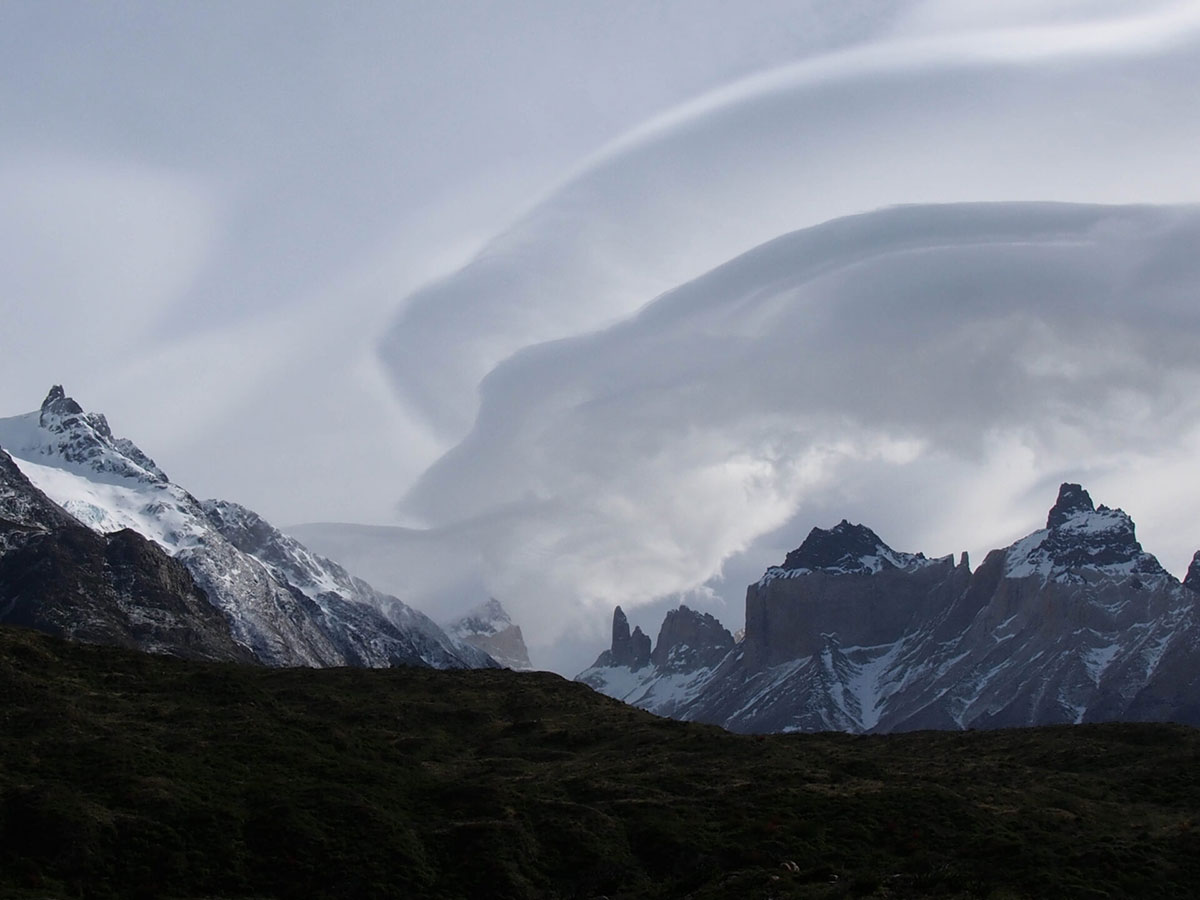
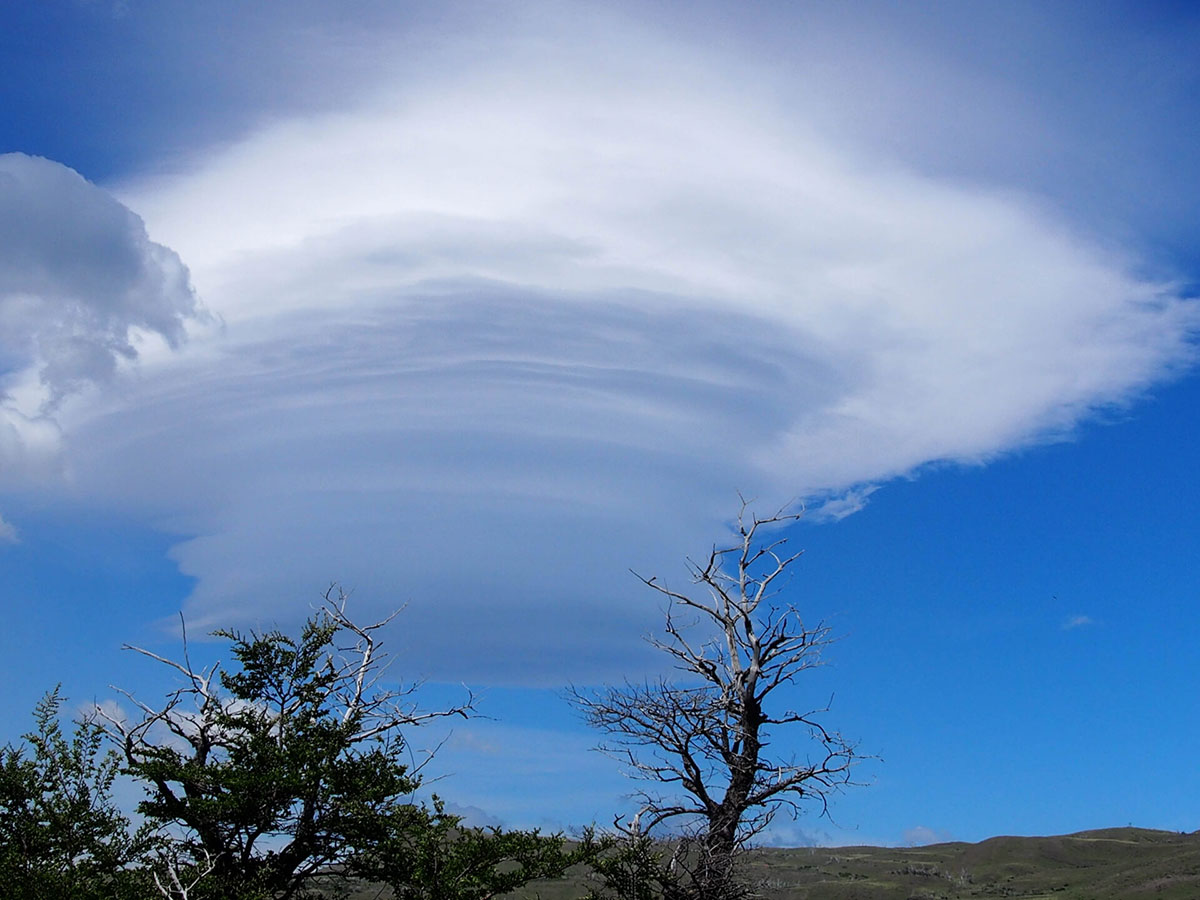
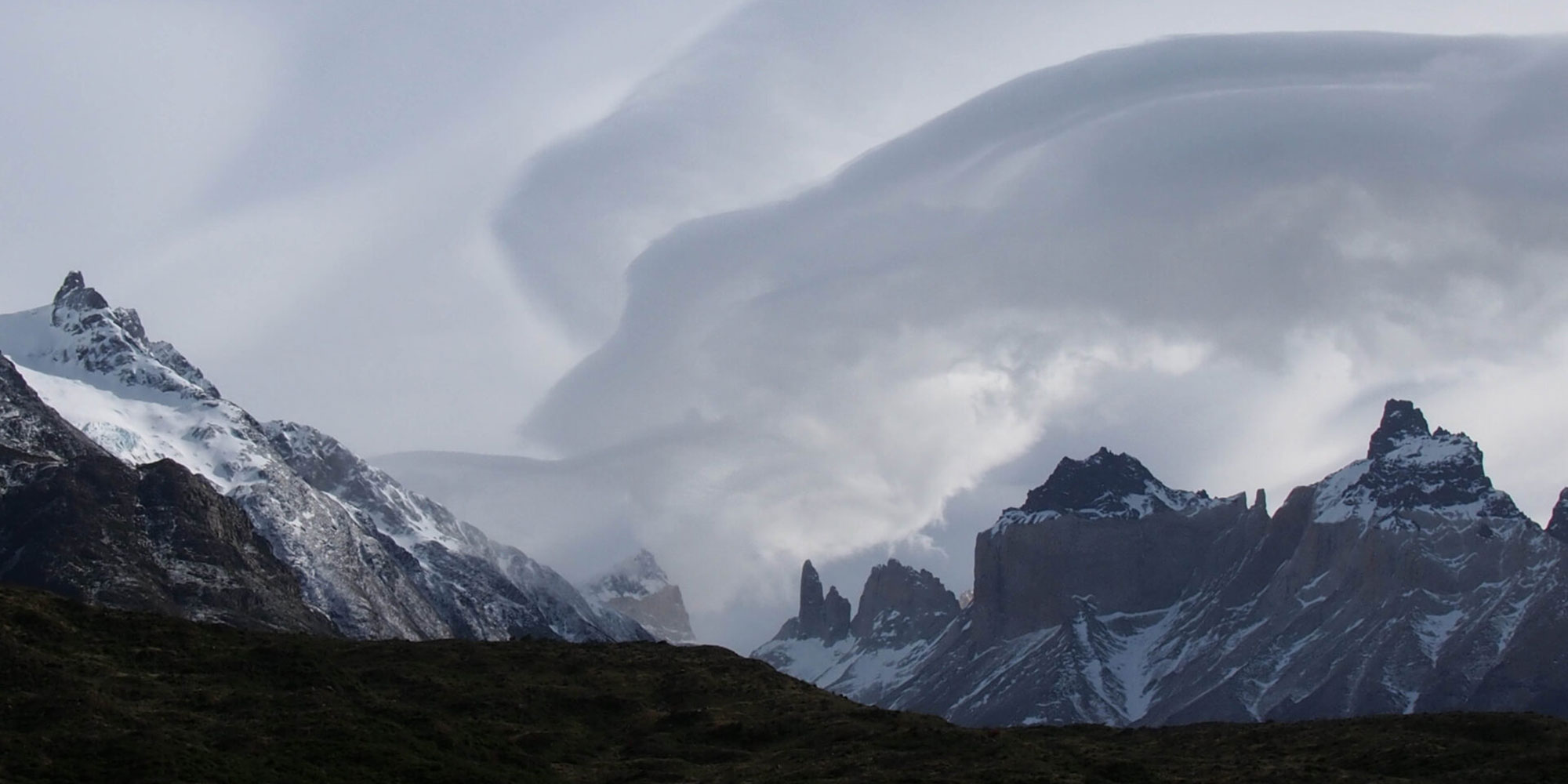
On the South Patagonian Ice Field (average height, 1,500 metres), the appearance of lenticular clouds – signifying changing conditions – can translate into extreme winds (up to 150 kmh) and heavy snowfall. Here, summer pre-dawn temperatures commonly reach -20°C, with wind chill lowering temperatures even more. However, on sunny, windless summer days, you might get away with wearing just a couple of thin layers.
In Peninsula Valdes, it does not rain much in the region on an annual basis, summers are usually mild, and the temperature sometimes gets very hot (touching 30ºC) and then eases off in the evening. The area does get very windy at times, especially on the peninsula, and warm and water/windproof clothing is recommended.
If you head to Ushuaia, due to its extreme southern location, temperatures may remain chilly during summer (Oct-March) the use of plenty of warm layers of clothing. Winter and Antarctic visits will require extreme clothing.
A joyous Patagonian cruise filled with laughter, charm, and unforgettable coastal adventures exceeded every expectation.
A flawlessly organised South American adventure with great food, welcoming people, perfect timing, and the reassuring support of Andean Trails every step of the way.