Argentina Holidays & Tours

Planned by people who’ve been

We've hiked in the Fitz Roy range, driven the wine roads of Salta and been soaked by spray at Iguazu. We’ll tell you what’s worth the journey, and what isn’t.
ATOL 6275 protected
Speak directly to the experts
28 years experience
icon horse riding

South America Specialist

Since 1998, we've crafted journeys using knowledge gained on our own explorations of South America's spectacular wilderness, fascinating cultures and diverse wildlife.

trekking icon

Explore with confidence

Bring a sense of adventure and an open mind. We'll take care of the logistics and support you round the clock.
icon wildlife

Local connections

We only work with small, locally owned operators and guides. Your money stays where you travel, and a share of every trip supports local communities and the wild places they protect.
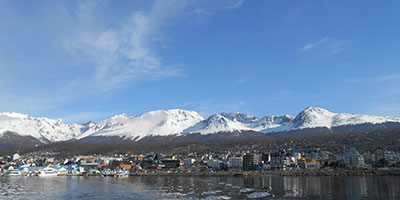
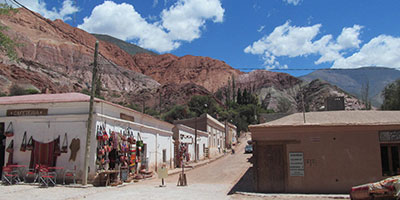
Places of interest in Argentina

Ushuaia Tierra de Fuego Argentina
History, The Beagle Channel, King Crab, Flightless steamer ducks

Ushuaia, in Tierra del Fuego, is Argentina’s southernmost city and is perched on the Beagle Channel.

What was once a remote penal colony is now a bustling port and the gateway to Antarctica.

Ushuaia is historically interesting, Charles Darwin wrote much about it, and it is home to some interesting museums of naval history.

Visitors can take a sailing tour on the wildlife rich Beagle channel, visit a Penguin colony during the season, trek into the mountains behind the city and kayak in the Tierra del Fuego national park.

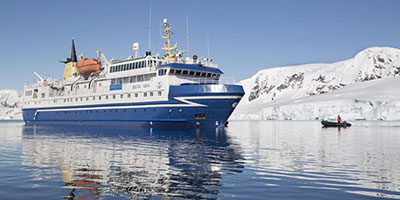
Cruises set off from here for Antarctica or Punta Arenas in Chile – via Cape Horn.

Insider Tip
Walk the 8km coastal trail to Lapataia bay, Tierra del Fuego national park. Take your binoculars to see Magellanic woodpeckers, various geese, sea lions, black browed albatross. There is plenty of fabulous birdlife and beautiful coastal scenery. Warm up with a hot chocolate at the Alakush visitors centre. Read Lucas Bridges Uttermost Parts of the Earth and Voyage of The Beagle for an insight into early exploration and the native Yanama people.
purmamarca mountain of seven colours argentina
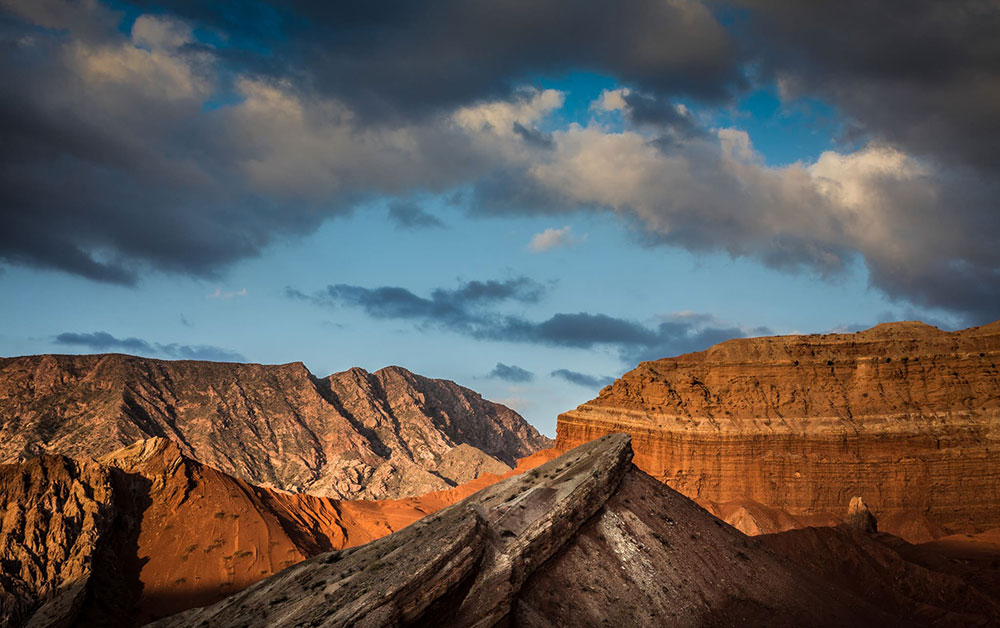
Red rock, seven-coloured hills & high desert

North west Argentina is one of those places that is still off the beaten track but when you get there you wonder why.

The main gateway is the city of Salta – famous for its pasties, known locally as empanadas.

Places to visit are Cafayate – famous for its wines and the “Quebrada de Las Cochas” with its incredible rock formations.

North of Salta don’t miss Humahuaca with its multicoloured hills,  Tilcara with its Pukara (pre-Columbian fortress) and the Salinas Grandes salt flat.
Insider Tip
Buy a bottle of crisp Torrontés straight from a Cafayate bodega — the white wine the rest of the world rarely sees.
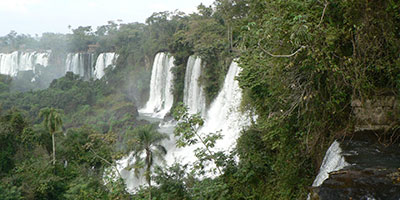
Iguazu falls Argentina waterfall
A gargantuan series of waterfalls on the border with Brazil

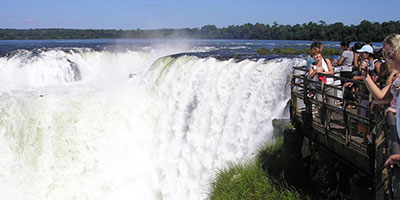
The mighty roar of the water poring over the cliff edges is the soundtrack to this incredible spectacle of nature.

Iguazu Falls is made up of some 275 individual cascades which line the rim of a crescent-shaped cliff about 2.5 miles long.

From here, the waters plummet up to 82m/269ft into the gorge below, in one of the most dramatic settings in Argentina, with the thunderous roaring of Iguazu heard from miles away.

Walk the paths among the different falls and for those with a head for heights take the walkway that leads you into the heart of the Devil’s throat, the biggest, deepest, most impressive fall.

There is the opportunity to take a boat ride at the foot of the falls or to just walk and admire the lush tropical vegetation and wildlife, as well as the scenery.

It is well worth visiting both the Argentine and Brazilian sides of the Falls to really experience and appreciate the true power of these waterfalls.

Insider Tip
It is worth visiting the falls from both the Brazilian side and the Argentine side.
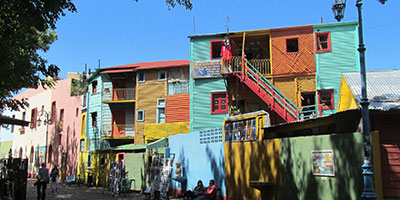
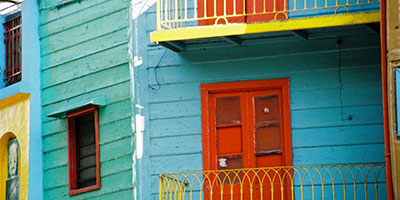
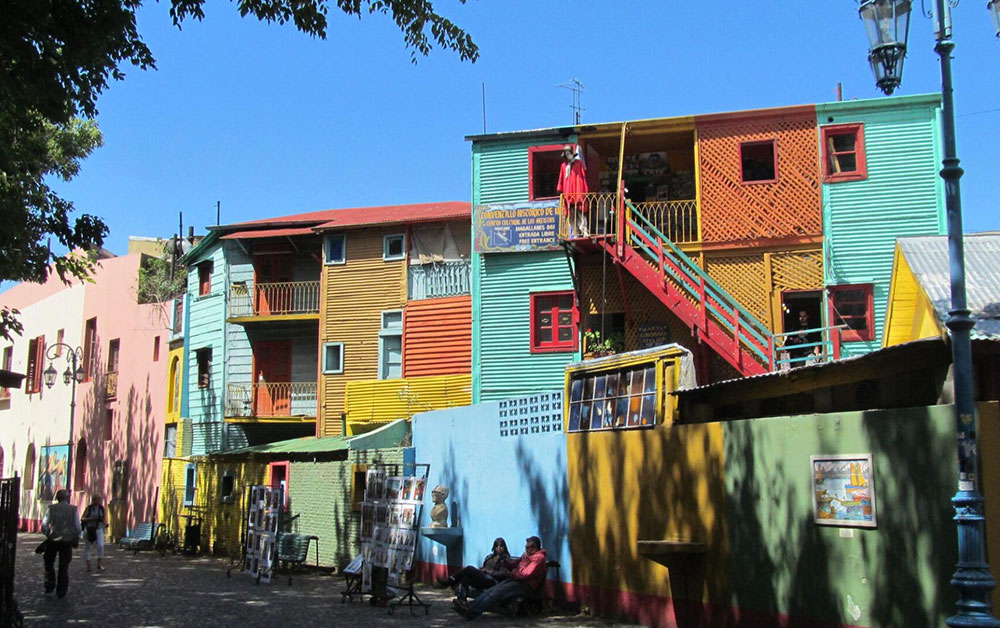
Colourful houses of the neighbourhood of La Boca Buenos Aires
The Paris of South America, culture, Tango, food, wine.

Buenos Aires is Argentina’s elegant capital city.

It is a city of culture, art and music and gateway to the rest of the country, well worth a few days of exploring.

Must sees are the Casa Rosada Government Palace, the Cathedral, La Boca district with its colourful houses and tradition of tango and football.

Also not to be missed are the flea market and streets of the bohemian neighbourhood of San Telmo and the Recoleta cemetery where Evita’s tomb is to be found.

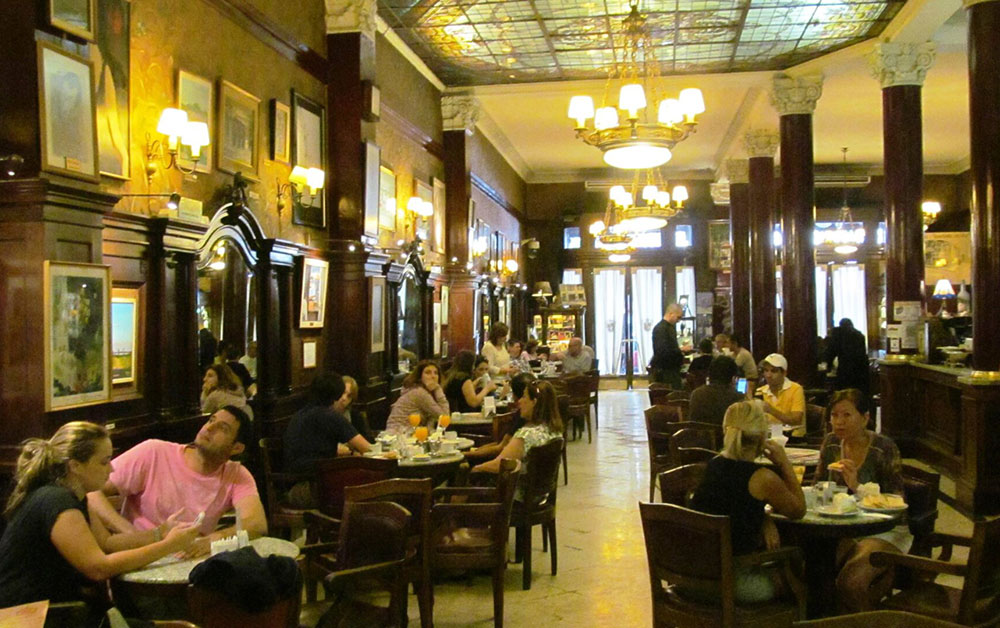
After a guided tour by bike or on foot, take the time to sit at one of the many excellent coffee shops and watch the sophisticated Porteños go about their business.

The city has a plethora of good restaurants and is a haven for meat eaters, with plenty of veggie options too.

The night life is buzzing and the district of Palermo will have a meal and bar to suit all pockets and tastes.

Insider Tip
Bring some smarter clothes for night life, Buenos Aires is sophisticated and the locals dress to go out.
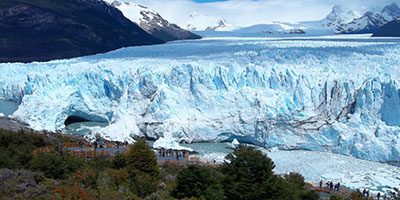
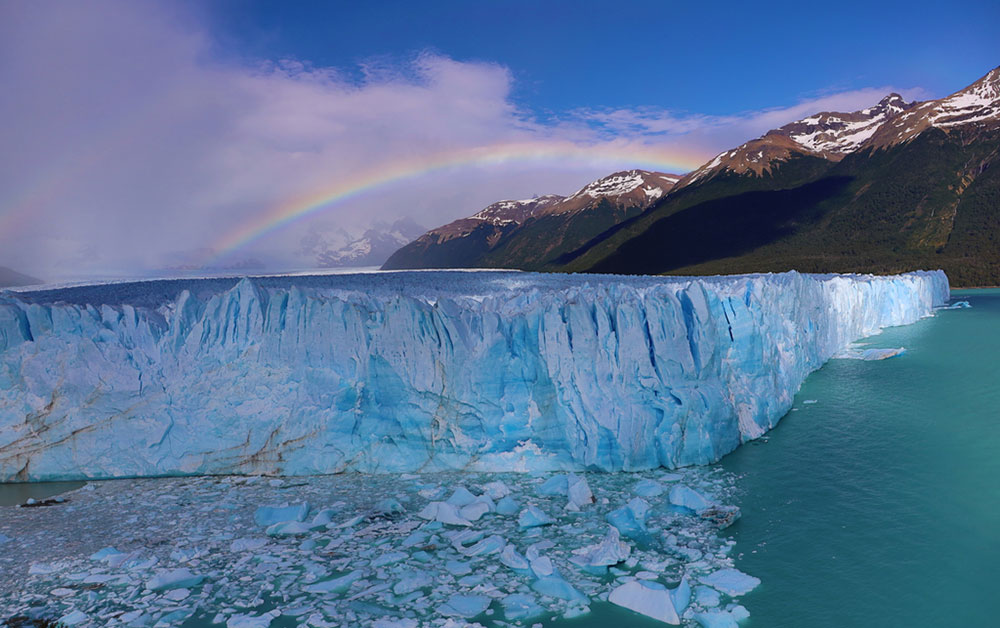
Perito Moreno Glacier Patagonia Argentina
The southern half of Argentina, is a remote, wind swept land of plains, mountains, lakes and glaciers

Highlights include:

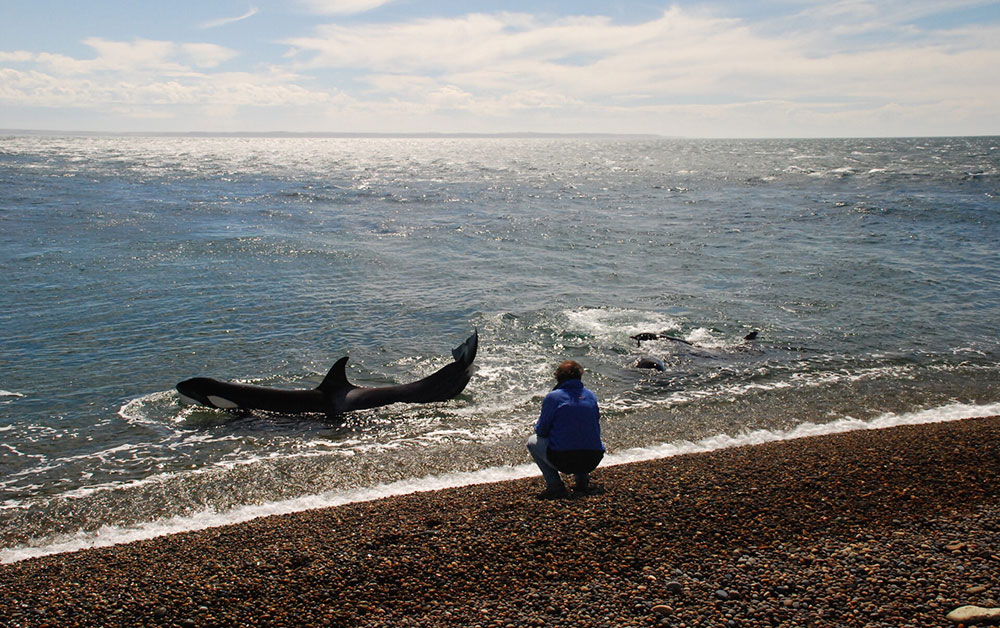
  • Peninsula Valdes: heaven for wildlife seekers with Orcas, Southern Right Whales, Penguins, Sealions and more….
  • The mighty Perito Moreno glacier where you have the opportunity to get up close to the ice on one of the many walkways or on a boat trip.
  • El Chalten, a  2 1/2 hour drive from Calafate, is the trail head for treks in to the base of Cerro Torre, Fitzroy or for the more intrepid a multi-day expedition.
  • Ushuaia, on the Beagle channel, is the southern most city of Argentina. Ushuaia is fascinating for historical interest, is rich in wildlife and is departure port for many Antarctic cruises. For Wilderness Trekking.
Insider Tip
Argentine Patagonia is huge so take your time and get to know one or two areas (or visit for 6 months) rather than trying to fit in too much.
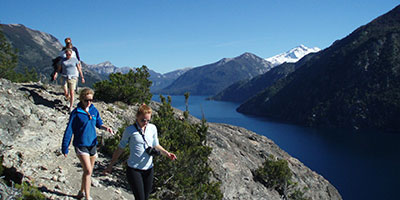
Hiking Bella Vista, Bariloche, Argentina
Beautiful lakes, mountain hikes, off road biking and chocolate

Bariloche is the jewel in Argentina’s Lake District Crown.

Beautiful mountains, forests and lakes make this area perfect for anyone who likes the outdoors.

You can kayak, bike and hike around the stunning scenery of Nahuel Huapi National park.

Or perhaps hike to amazing viewpoints with panoramas over a stunning area of great beauty. Enjoy the local chocolate and excellent Argentinean specialities like asado of lamb or steak, a Swiss inspired fondu and of course some of the best Malbec.

Bariloche also offers the Cruce Andino Lake Crossing into Chile. The best time to visit the area is October-April.

Insider Tip
Bring your walking boots or running shoes and take the short steep trail through the wood to the summit of Cerro Campanario above the town for big views. A short drive away is the start of the full day Refugio Frey walk taking you into high mountain terrain. Come back to town for afternoon tea at one of the many chocolate cafes, steak Malbes and fondue.
Calafate flowers Patagonia
A colossal wall of creaking, cracking and calving ice

El Calafate is situated on the southern shore of Lago Argentino, and is your starting point for discovering Los Glaciares National Park.

The Perito Moreno Glacier is accessed from El Calafate and is one of the most impressive and dynamic glaciers with a 75m high and 5km wide glacial wall. You can get up close on a series of wooden walkways, you can travel by boat to the face of the glacier or ice hike. 

Most trekkers will come through El Calafate en route to El Chalten and the Fitz Roy range.

Other glaciers which can be visited are the Upsala glacier and the town has its own Glaciarium – ice museum.

The town offers a wide range of accommodation options and restaurants as well as outdoor shops.

Insider Tip
Go to Perito Moreno at first light. The Tour buses arrive at 11 am, and the ice calves most on a warm afternoon.
El Chalten Patagonia Argentina
Glaciers, granite spires & the trekking capital

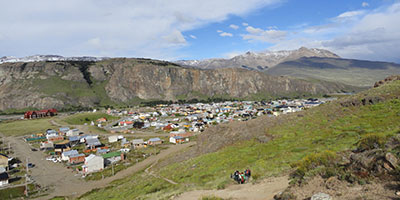
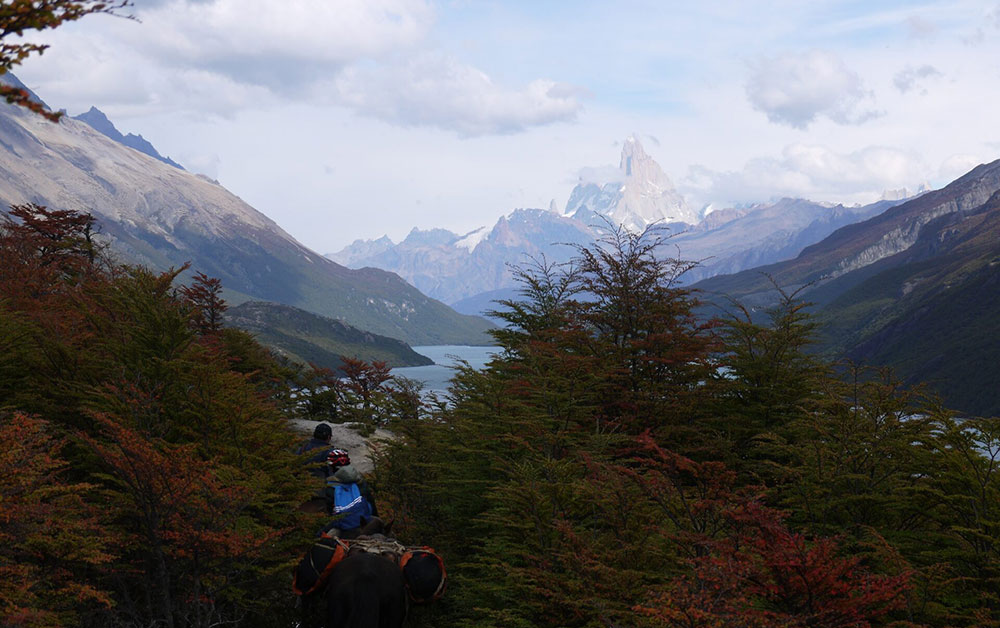
El Chalten is the trailhead for the hiking trails into the Glaciares National Park – Fitz Roy!

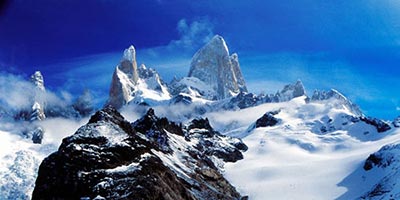
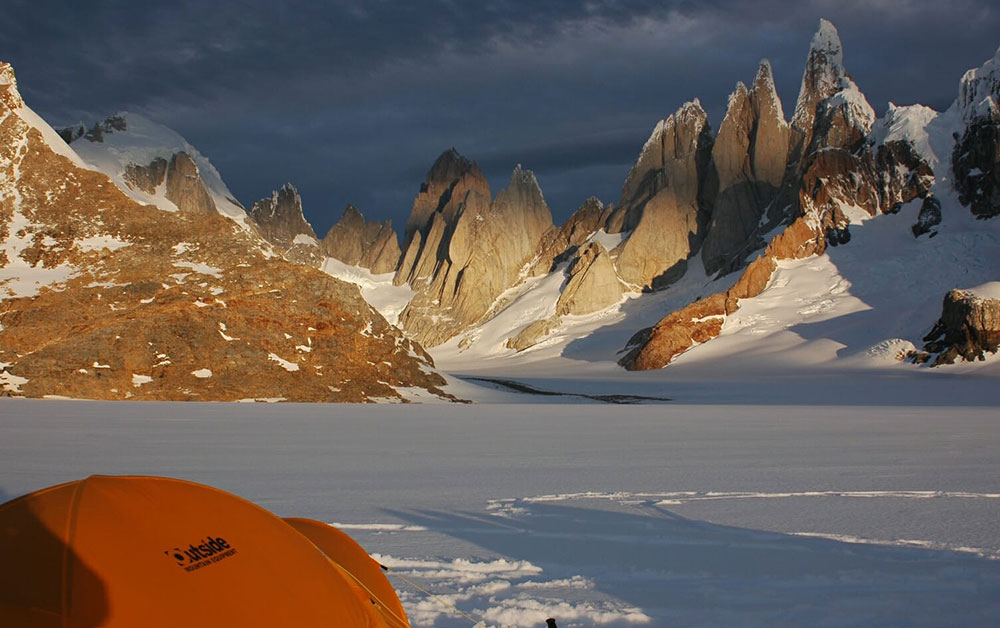
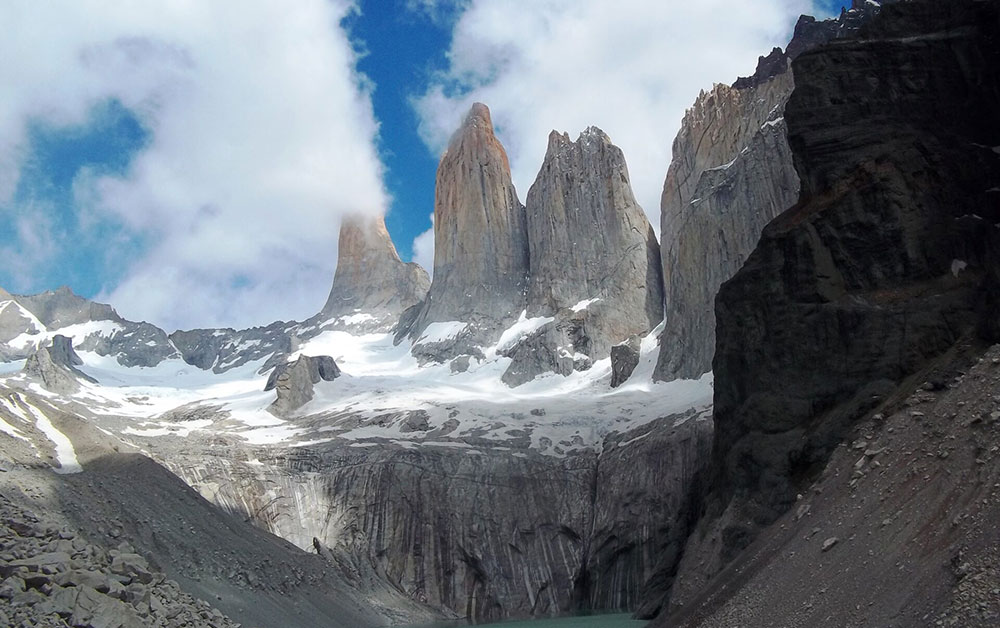
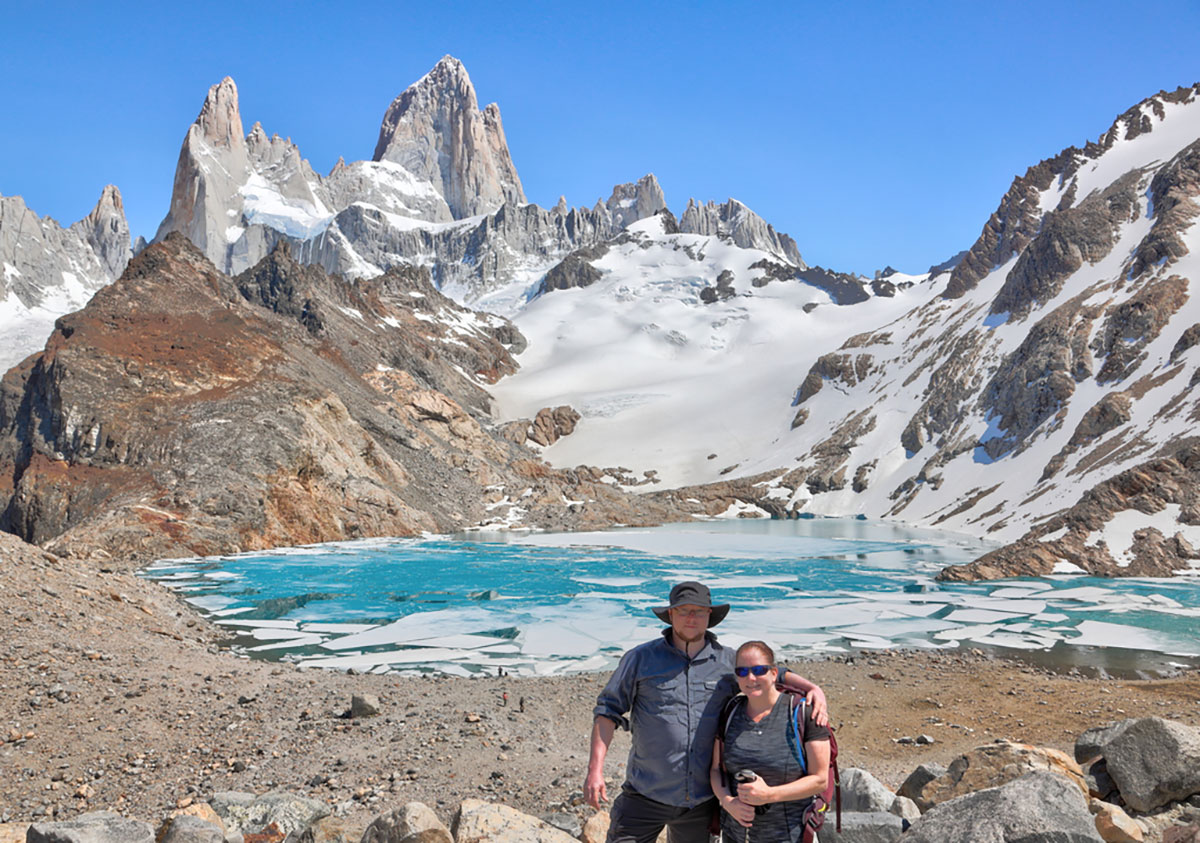
Day treks are some of the best in the world and include the Lake Torre Trail to Cerro Torre peak, trek to Laguna Los Tres at the base of Mount Fitzroy, and the Loma de Pliegue Tumbado Trek.

The town is also the departure point for expeditions to the Southern Ice Field and backcountry treks such as the Huemul circuit. There are options for all abilities.

El Chalten is a great place to learn some basic mountaineering on peaks such as Paso Cuadrado, Cerro Madsen or Mojon Rojo and you will regularly bump into mountaineering stars at the bars in town.

This trekking hub has a variety of accommodation options and many great places to eat.

Insider Tip
The Laguna de Los Tres hike receives one thousands visitors everyday in peak season. To enjoy the peaks without the crowds then consider camping at one of the private serviced camps so that you can enjoy Fitz Roy and Cerro Torre at sunrise and sunset. There are also many less known hikes in the area which we love to take people on. If you are experienced enough then consider climbing one of the many peaks so that you get an alternative perspective.
hiking piramides to punto pardelas peninsula valdes argentina
Orcas, Southern Right whales and penguins

The Valdes Peninsula on the northern coast of Argentine Patagonia is a paradise for nature and wildlife lovers.

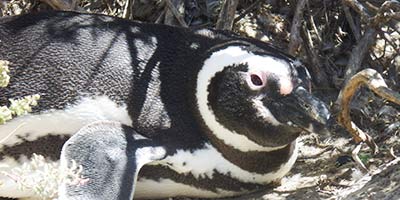
The Southern Right whale can be spotted from June to December, Orca, also known as killer whales can be seen from September to April and Magellanic penguins from September to March.

Sea lions, dolphins, seals as well as guanacos, maras, rheas and armadillos can be found all year round.

There are lots of shells, fossils and natural history on full display in the rocky cliffs.

The gateway airport is at Trelew and the ideal base for exploration is Puerto Madryn.

Insider Tip
Stay at Puerto Piramides to really soak up the atmosphere and get the best wildlife spotting opportunities - if you're lucky you'll see whales from your balcony.

Explore Argentina Holidays & Tours

Patagonia Highlights Trekking Trip

From: $4719 per person

Duration

15 days
trekking icon

Buenos Aires City Break Tour

From: $460 per person

Duration

4 days
icon culture

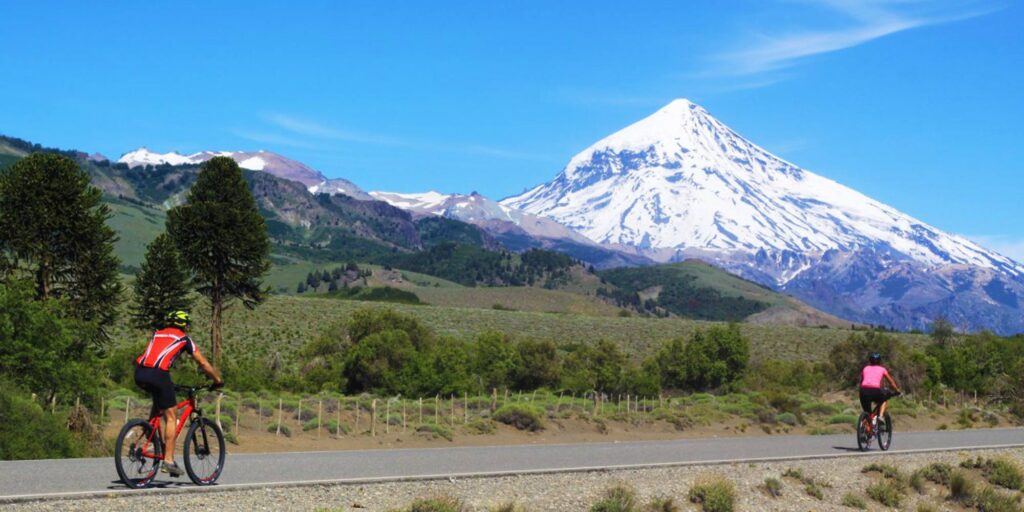
Patagonia Lake District Cycling Tour: Chile & Argentina

From: $5300 per person

Duration

12 days
icon biking

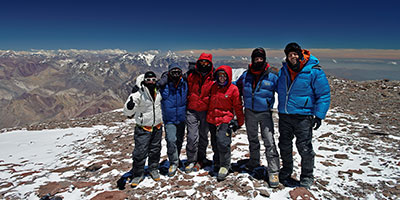
Aconcagua Normal Route

From: $6990 per person

Duration

20 days
icon extreme adventure

Peninsula Valdes Wildlife Tour

From: $990 per person

Duration

4 days
icon wildlife

Iguazu Falls Tour

From: $650 per person

Duration

3 days
icon culture
When should you go?
Argentina works year-round if you match each region to the month. Patagonia is at its best from September to March, and Salta from April to November. Iguazú is wettest from October to April, but the falls are at their most powerful then. Buenos Aires gets very hot in December and January, so pack for the city as well as the mountains.
Peak Season Shoulder Season Off Season
Ushuaia & Tierra del Fuego
J
F
M
A
M
J
J
A
S
O
N
D
Salta & the Andean North
J
F
M
A
M
J
J
A
S
O
N
D
Iguazu Falls
J
F
M
A
M
J
J
A
S
O
N
D
Buenos Aires
J
F
M
A
M
J
J
A
S
O
N
D
Argentine Patagonia
J
F
M
A
M
J
J
A
S
O
N
D
Bariloche & The Argentine Lake District
J
F
M
A
M
J
J
A
S
O
N
D
El Calafate & Perito Moreno Glacier
J
F
M
A
M
J
J
A
S
O
N
D
Fitz Roy & El Chalten
J
F
M
A
M
J
J
A
S
O
N
D
Peninsula Valdes
J
F
M
A
M
J
J
A
S
O
N
D
The Argentinean people are wonderfully passionate, outgoing and caring. You will find many different traditions and cultures from the Patagonian Gauchos with their incredible horsemanship in the South, to the Tango Milongas in Buenos Aires and Folklorica music and salteñas of the far north. Include time in each area you visit to understand the regional cuisine, traditions and artesanias because often this is one of the most rewarding parts of our guest's trip.
Kathy Jarvis

Argentina at a glance

circo de los altares cerro torre west face southern ice field argentina patagonia

Argentina is enormous – the eighth-largest country in the world – and offers a great variety of terrains, from beach to high mountains to rainforest and wetlands. It is home to Aconcagua, South America’s highest mountain, rolling pampas and enormous glaciers.

The constant is that wherever you travel in Argentina, fine dining will follow you. From the famous Malbec red wine to parillas (BBQs) with its famous steak, holidays here are famed for eating out. In Buenos Aires, this is often accompanied by the thrill of Tango shows and dances.

An unforgettable visit to Iguazu Falls, where breathtaking beauty and expert guidance created a truly awe-inspiring experience.

C. Burley, UK

A rewarding Patagonian adventure filled with scenic mountain walks, wildlife spotting and excellent guiding throughout.

A. Ferrier, UK

Activities in Argentina

Rafting Kayaking Argentina Tours
Sea Kayaking & Rafting in Argentina
Icon kayak
Climbing Mountaineering Argentina Tours
Argentina Mountaineering & Climbing
icon mountaineering
South America Trekking Tours
Trekking, Hiking & Walking Tours, Argentina
trekking icon
cycling in South America
Bike & Cycling Tours In Argentina
icon biking
Argentina Buenos Aires City Break
Argentina Cultural Holidays and Tours
icon culture
Cruise Holiday in South America
Argentina Cruises
Cruise Icon
south america wildlife holidays
Argentina Wildlife Holidays & Tours
icon wildlife
Hotel Las Torres Horns Of Paine Torres Del Paine NP Chile Patagonia
Argentina Self-Drive Tours & Holidays
icon self-drive

Read our blog

Frequently Asked Questions about Argentina

Be prepared for your dream holiday to Argentina with our helpful information.

From money advice to visas, from inoculations to which plugs to take, below you’ll find a wide range of travel tips, advice and information that will help you get ready to explore Argentina.

Can’t find what you’re looking for?

Get in touch and we’ll be happy to help.

Altitude

Being at altitude, especially in the tropics, is usually a pleasure as it isn’t so hot, there are few insects and the air is clear.

However, when gaining altitude, air pressure drops and the amount of oxygen reaching the lungs is reduced. Although we build plenty of acclimatisation time into our itineraries, certain ill-effects are possible. Nevertheless, all of these can be minimised or prevented if care is taken.

On reaching heights above 2,500m (approx. 8,200 ft), especially when ascent has been straight from sea level, heart pounding, mild headache and shortness of breath are normal, especially on exertion.

Acute mountain sickness (AMS) is a syndrome known locally as soroche, whose symptoms can include of bad headache, dizziness and nausea).

To avoid AMS, you should:

  • Rest for a few hours on arrival at altitude and take it easy for the first couple of days. Note: you may feel fine on arrival and tempted to exert yourself as normal. Don’t be fooled: you might be benefiting from oxygen brought in your blood from sea level.
  • Drink plenty of water to avoid dehydration (altitude is a diuretic). Coca tea (mate de coca) helps alleviate symptoms.
  • Eat light meals, with high carbohydrate and low fat and protein content. Dine early, allowing digestion time pre-sleep.
  • Avoid over-exposure to the strong highland sun (UV rays are very powerful) – especially in the early stages – making sure you wear a broad brimmed sunhat. Apply lip-salve to prevent chapped lips.
  • Avoid or minimise consumption of cigarettes and alcohol. Avoid sleeping pills.
  • If you do get AMS: Rest, take non-aspirin painkillers (for headache) and coca tea. Symptoms should subside after a day or two.
  • Pregnant women, people with a history of heart, lung, kidney or blood disease or blood pressure problems, should consult their doctor before traveling to high altitude.
Argentina Festivals

2 weeks before Lent

Festival: Carnaval

Fancy dress parades to music.

Location: Nation wide

March

Festival: Festival de la Venidimia  / Grape Harvest

Dancers, performers, Harvest Queen and fireworks

Location: Mendoza

August

Festival: Tango festival

A celebration of the Tango. Music and dance.

Location: Buenos Aires

Festival: Casabindo Festival

Location: Buenos Aires

November

Festival: El Dia de Tradicion / Tradition Day

Celebration of Gaucho history and culture

Location: San Antonio de Areco

Communication

Dialling codes

To call Argentina from abroad, or using your mobile phone in Argentina, follow these steps.

Example number: Buenos Aires (0)11 1234-5678, you would dial:

  • +54 is Argentina’s country code
  • 11 is Buenos Aires’ city code, minus the (0)
  • +54-11-1234-5678 is the final number you dial.

Argentina mobiles start with the number 15. If using your mobile phone to call an Argentine mobile, follow these steps.

Example number: Buenos Aires mobile 15-8765-4321, you would dial:

  • +54 for Argentina’s dialling code
  • Remove the 15 from the start of the mobile number
  • Add in a 9, and the area dialling code minus the (0) – in this example Buenos Aires, code = 11
  • +54-911-8765-4321 is the final number you dial.
  • From an Argentine landline or mobile, simply dial 15-8765-4321.

Mobile phones

If taking a mobile phone with you, check roaming rates with your operator before leaving – they can be very high.

A good way to avoid expensive charges is to bring own unlocked tri- or quad-band phone to Argentina and then buy an inexpensive SIM chip with a local number. These are available in many kiosks and locutorios and offer ability to make cheap calls as well as affordable data for the internet.

Internet

Most hotels, cafes, restaurants and airports offer free and generally good Wi-Fi.

There are also a lot of ‘locutorios’ (internet cafes) in towns and cities. You can often make cheap calls home from here, use faxes etc.

Skype and other internet-based phone systems are also good ways to contact home.

Post

Correo Argentino is the national, state-run postal service.


Food and drink in Argentina

Read our blogs about Buenos Aires’ restaurants and the best food experiences, plus where to eat in Patagonia.

Main dishes
Asado Roast cooked on open fire
Parrillada Mixed grill of roast meat, offal, chorizo (spicy sausage) & morcilla (black pudding)
Churrasco Thick grilled steak
Bife de chorizo Rump steak (not to be confused with the chorizo sausage)
Bife de lomo Fillet steak
Choripán Chorizo (spicy sausage) in a bread roll
Puchero Stew
Carbonada Onions, tomatoes and minced beef
Bife a caballo Steak topped with fried egg
Arroz con pollo Rice, chicken, egg, vegetables and sauce
Puchero de gallina Chicken, sausage, maize, potatoes and squash cooked together
Empanadas Pasties with fillings such as beef, chicken, cheese or tuna
Milanesa de pollo Chicken escalope (good value)
Milanesa Veal escalope (good value)
Ñoquis Gnocchi potato dumplings
Locro Thick stew of maize, white beans, beef, sausage, pumpkin and herbs
Desserts
Almendrado Ice cream rolled in crushed almonds
Dulce de zapallo Pumpkin in syrup (usually eaten with cheese)
Dulce de leche Very popular soft, pale fudge
Dulce de batata / membrillo Sweet potato or quince preserve, served with cheese
Postre Balcarce Cream and meringue cake
Alfajores Maize-flour biscuit sandwich filled with dulce de leche or jam
Media lunas Croissants served at breakfast, either dry (de grasa) or rich and fluffy (de mantequilla)
Drinks
Vino From cheap and cheerful upwards, Argentine wines are consistently good
Cerveza Mainly lager-style beer, often served with a small snack such as peanuts
Geography of Argentina

Argentina’s neighbours are Bolivia, Brazil, and Paraguay to the north, Uruguay to the north east and Chile to the west. In the east Argentina has a long South Atlantic Ocean coastline.

The central region of Argentina is the rich plain known as La Pampa.

There is jungle in the extreme northeast while the southern half of Argentina is dominated by the flat to rolling plateau of Patagonia.

The western border with Chile is along the rugged Andes mountains, including Aconcagua, the highest mountain outside the Himalayas. Close to Aconcagua lies Mendoza, an area famed for its fine wine production.

The western Cuyo regions at the base of the Andes are mostly rocky desert.

Most Antarctic cruises embark and disembark in Ushuaia, at the tip of South America, allowing access to the South Pole, South Georgia and also the Falkland Islands.

Introduction to Argentina

Argentina is a land of contrast.

Nothing states this better than the fact it features the highest point in the South America, Aconcagua, and the lowest, Salinas Chicas, 40m below sea level.

Its vastness – it is the eighth largest country in the world – and diversity are just part of the appeal. A fantastic culture of fine wine and dining sits alongside its adventurous and beautiful landscapes.

The local’s cheery disposition and fantastic word plays add to the enjoyment of being in this fascinating country.

The name Argentina derives from argentinos, the Ancient Greek diminutive (tinos) form for silver (argentos), which is what early Spanish explorers sought when they first reached the region in the sixteenth century.

There are distinct regions of Argentina, from the Andean culture of the North West to the rancho lifestyle of the plains of Patagonia to the eternally seductive Buenos Aires.

Kit list

Good kit is vital for every trip.

Book with Andean Trails and get 15% off Páramo’s fantastic ethical and high performance outdoor gear.

Overview

Argentina is the eighth largest country in the world, and has a myriad of climates from humid tropics to bracingly cold Patagonia.

When planning for these changeable climatic conditions you will encounter across Argentina, layering is the most practical and versatile clothing system.

The sun is very strong throughout the country, so good sun cream, a hat and sunglasses are vital. Summer in the north of the country means t-shirts and shorts.

It can also get very cold at night time especially in the mountains. Jumpers, fleeces and warms hats – which you can buy there – are also essential.

Give plenty of thought to kit selection, and try to keep weight down.

Below is a more detailed guide.

Detailed kit list

  • Medium weight parka or a down jacket.
  • Waterproof jacket and trousers. The jacket needs to be water proof and roomy. Side-zip pants are recommended.
  • 2-3 long-sleeve shirts – no cotton
  • 2-3 short-sleeve T-shirts – no cotton
  • 2 pair of hiking trousers- cotton or synthetic material (no jeans)
  • 1 fleece or sweat trousers (for cold evenings)
  • 2 pair hiking shorts
  • Long thermals – synthetic or wool – light to medium weight top & bottoms.
  • 2-3 mid-weight (wool or synthetic) socks.
  • 2-3 liner socks if needed
  • Athletic-type socks, several pairs, city use
  • Hiking boots that are waterproof and well broken-in.
  • Running/tennis shoes or sandals are very comfortable when you are in cities
  • 1 lightweight wool sweater or windproof fleece
  • 1 wool or synthetic warm hat.
  • 1 light sun hat with a wide brim.
  • 1 pair of medium-weight wool or synthetic gloves
  • Broad-brimmed sunhat, essential.
  • Sunglasses with UV filter.
  • Scarf for cold.
  • Bandanna – to protect neck from strong sun.
  • Daypack (at least 30 litres). Comfortable and with waterproof lining or cover.
  • Water bottle (2 litres approx.) & purification tablets.
  • Personal first-aid kit to include: painkillers, plasters (band-aids), moleskin, anti-biotic cream, general antibiotics (ask your GP), after-bite (tiger balm), anti-diarrhoea tablets, throat lozenges, re-hydration salts & personal medication.
  • Insect repellent (just in case)
  • Towel & wash-kit.
  • Wet Wipes/antiseptic hand-wash cream.
  • Sunscreen (factor 30+) and lip salve.
  • Head-lamp (plus spare bulb and batteries).
  • Penknife.
  • Travel alarm clock.
  • Plastic bags – ‘Zip-loc’ & tough bin liners.
  • Camera and film / memory cards (take at least twice the amount you think you will need!).
  • Book, e-book, mp3 player/ipod or other to help pass the time.
  • Binoculars.
  • Spanish/English phrasebook.
  • Extra snacks i.e. cereal bars or favourite chocolate bars.

Miscellaneous others

  • Money belt.
  • Passport.
  • U.S. dollars cash, mixed-denomination notes, undamaged and unmarked.
  • ATM cash/credit card.
  • Any inoculation certificates.
  • Personal & medical insurance certificates.
  • Presents e.g. Postcards from home.
  • Comfortable clothes for travel, smart clothes for night life, especially in big cities.
Money matters

Currency & Money Exchange

Argentina’s monetary unit is the “Argentina Peso”.

Argentina has had several years of economic instability and with a previous government there were tight exchange controls. It is currently experiencing high inflation and devaluation of the currency.

These have now been relaxed so payments with debit and credit cards are accepted. However, there is still a significant number of places that do not accept payment by card. Make sure you have enough cash or che3ck that cards are accepted before placing any orders.

For payment by card you will be asked for proof if identity so carry a photo or scan of your passport title page.

However, there may be controls on ATM withdrawals (possibly a max of AR 1000 / GB 50 per day and you may well be charged substantially for each withdrawal). ATMs can also be unreliable and we have had several reports of “empty” cash machines.  We suggest that you have enough cash to cover your needs, especially in more remote areas.

ATM debit/credit cards are now widely used in major restaurants, hotels and shops (with fees).

Take US dollars with you (preferably new notes or at least unmarked and undamaged notes) in smaller denominations of 10s, 20s and maybe some 50s. Do not take USD 100 bills as they are unlikely to be accepted.

On arrival to Argentina , at the airport/border, exchange US dollars so that you have some local peso. Some businesses, particularly in tourist spots may accept payment in US dollars – ask first.

Click here for the current exchange rate.

Peso banknotes: 2, 5, 10, 20, 50, 100, 200, 500 pesos

Peso coins: 5, 10, 25, 50 centavos, 1 peso, 2 pesos

Tipping

Don’t forget to read out tipping guide to Argentina.

Eating and drinking in Argentina

Argentina has a world famous culinary and wine reputation.

There are more and more top-end restaurants almost everywhere, and you can easily spend USD 100pp and more on meals.

Prices vary greatly, below is a rough guide to what you can expect to pay in Argentina.

Local café/restaurant

Beer/soft drink: USD 4

Menu del dia: USD 10-15

Coffee: USD 2

Bottle of wine: From USD 15 upwards

Tourist style restaurant

Beer/soft drink: USD 5-7

Main dish: USD 20 upwards

Coffee: USD 3

Bottle of wine: From USD 20 upwards

Plugs and voltages

Electricity

220 volts (110v in some hotels), 50 Hz.

Most cameras, phones and computers are dual or multi voltage and probably won’t need a convertor – please check before leaving.

Some items you may bring, such as hairdryers, may need a convertor. They may short if you use them without the correct convertor.

Plugs

Argentina uses Type i (I) plugs, although some two pin, round-pronged Type C plugs can be found in older buildings and bathrooms.

Type i Plug
Type i Plug
Type C Plug
Type C Plug
Quick facts about Argentina
  • Official name: Argentine Republic Country
  • Population: 40,000,000
  • Capital city: Buenos Aires (11 million)
  • Largest cities: Buenos Aires, Cordoba, Rosario
  • Languages: Spanish (official)
  • Official currency: Argentine Peso
  • Major industries: Agriculture (Soy), motor vehicles, chemicals
  • Argentina: GMT-3
Be safe in Argentina

Most of Argentina is a relatively safe country to travel around. However, we still recommend that in large towns and cities you take certain precautions (see below). Argentina is, overall, among the safest countries in South America.

However, in Buenos Aires, muggings and opportunistic crime – although not common – do occur.

In Buenos Aires and other big cities, ‘distraction muggings’ sometimes happen in quiet streets, in the daytime as well as at night. We suggest that you take the following precautions:

  • Leave paper valuables in the hotel safe (caja fuerte), taking out with you only what you need for the day.
  • Carry a copy of passport (leave original in safe). N.B. When travelling, carry paper valuables in a money belt under clothing, not in a ‘bum-bag’.
  • Beware of distraction techniques, e.g. where X sprays you with mustard or similar substance, and accomplice Y comes up to offer to clean you off, but takes your bag or wallet while you’re distracted. If you do get sprayed, just walk straight on.
  • Avoid marginal areas and be alert in lonely streets in the day and at night. Also, always take special care in busy streets, around markets and in and around bus terminals; either avoid carrying a bag in such areas, or secure it, as bag-slashers and pickpockets sometimes operate.
  • NEVER leave your bag(s) unattended, especially in airports, bus terminals and hotel lobbies.
  • It’s best to use taxis at night, wherever you are.
Tipping

Tipping is entirely voluntary and how much you give depends on how you feel about the service you have received.

This is a rough guideline:

  • Airport porters: Minimum USD 1-2 per bag – compulsory.
  • Hotel staff: USD 1-2 per night, in the staff tip box.
  • Transfer drivers/taxis: Generally not expected.
  • Drivers: USD 10-25 per day total from the group.
  • Specialist guides: USD 5-15 per person, per day.
  • Assistant guides: USD 5-7 per person, per day.
  • Tour leaders: USD 10-15 per day total from the group.
  • Restaurants: +10% for adequate to excellent food and service.
Vaccinations for Argentina

We strongly suggest that everyone planning to travel to Argentina visits their local doctor/travel clinic prior to departure for the latest vaccination information.

Recommended vaccinations

  • Up-to-date diphtheria and polio.
  • Tetanus or tetanus booster. (These three are effective for ten years.)
  • ‘Havrix’ for Hepatitis A. The course of two injections protects you for ten years. Gamma globulin is cheaper butless effective.
  • Typhoid vaccine is recommended by some doctors although it will not provide total protection and being careful about what you eat and drink is your best defence. It is given in two shots, four weeks apart and lasts for three years. Unless at exceptional risk, people over the age of 35 who have received four or more courses of typhoid immunisation need no more.
  • A pre-exposure rabies vaccination is worth considering if you are going to be in contact with animals or morethan 24 hours away from a reliable source of vaccine. Hikers are at some risk from rural dogs, certain of which carry rabies, and those visiting coastal or rainforest areas could be exposed to rabid bats.
  • Yellow fever. May occur in epidemics in forested areas in the subtropical northeast (Misiones etc), but is very rare.Not effective until ten days after inoculation; not recommended for pregnant women. This is also effective for ten years.

Anti-malarial protection (chloroquine) is recommended only in risk areas. Malaria risk in Argentina is low, and confined to northern rural areas along the borders with Bolivia (lowlands of Jujuy and Salta provinces) and Paraguay (lowlands of Corrientes and Misiones provinces). It is exclusively in the benign vivax form, and no risk exists in Buenos Aires or Patagonia In the UK, contact the Malaria Reference Laborator. North Americans should contact the Centers for Disease Control.

  • Zika. Spread by mosquito bikes and also a risk of sexual transmission. People planning pregnancies / pregnant women are advised against all travel to areas reporting Zika. If you develop any feverish illness whilst travelling or on return medical attention must be sought quickly.
  • Dengue Fever. There is no vaccine and prevention is through avoidance of mosquito bites. The mosquito that spreads dengue bites during the day and is more common in urban areas. Symptoms include fever, headache, severe joint, bone and muscular pain – hence its other name ‘breakbone fever’.
Visas for Argentina

UK and USA citizens do not require a visa to enter Argentina as a tourist.

Please ensure your passport has at least six months remaining validity.

On presentation of a valid UK or USA passport you will be granted a 90-day stay in the country.

All non-UK nationals should check with their nearest Argentine consulates for the latest visa and fee information.

All requirements are subject to change and should be confirmed before departure.

Weather in Argentina

Climate

Argentina’s seasons are the reverse to the northern hemisphere, with summer running from October to March, and winter from May to September.

Buenos Aires and the Pampas in the north are temperate; cold in the winter, 5-15°C, and hot and humid in the summer, 17-27°C, the warmest and most humid being December to February. Spring and Autumn are lovely times to visit Buenos Aires.

The best time to visit Iguazu Falls is from January to March – the rainy season, this is when water flow of the waterfall is greatest, but the waterfall is amazing at any time of year. The hottest months in Iguazu Falls are October through April with lows of 20°C and highs of 32°C. Winter sees this fall to highs of 22°C and occasional lows of 12°C, with cooler nights. Being tropical and humid, there is always the chance of rain in Iguazu.

Bariloche is nestled in Argentina’s Lake District and is built next to the cold water Lake Nahuel Huapi. During the summer, daylight extends from 6am to 10pm and temperatures fluctuate from 5-20°C, the warm days making for ideal conditions for exploration. In the winter, snow abounds for skiers and daylight is from 9am to 7pm, city temps varying from just above to just below freezing, with much cooler temperatures in the mountains.

The rain-shadow effect in Bariloche means weather conditions are relatively dry and stable. Summer rainfall in the town of Bariloche is low (average 5 days precipitation a month).