From: £908
From: $1,209
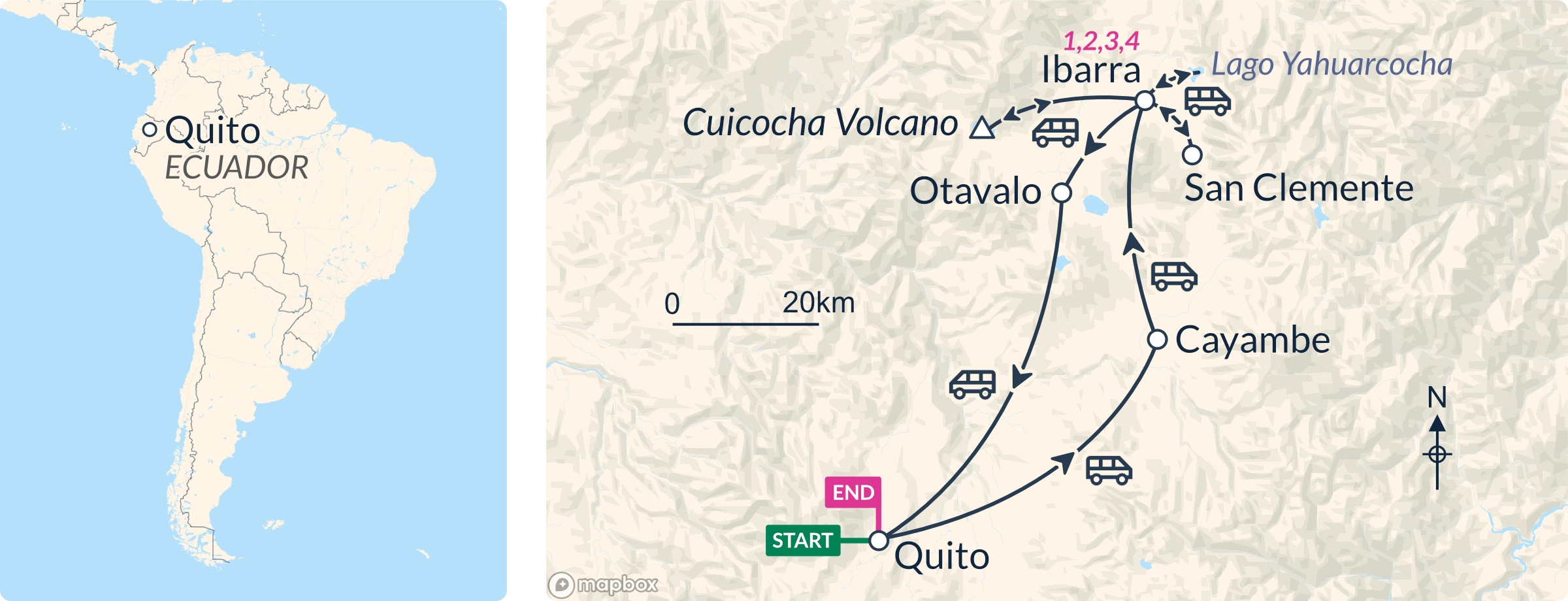
We set out from Quito, heading north into Ecuador’s scenic lake district. Our first stop is at the Quitsato Museum, where a unique sundial marks the Equator line. Here, you’ll have the chance to hop between the Northern and Southern Hemispheres and learn about this significant dividing line.
Continuing on, we visit the town of Cayambe, where local bakers create the famous bizcochos, a savoury, flaky biscuit typically enjoyed with coffee, hot chocolate, cheese, or dulce de leche.
Next, we take in the beautiful views of San Pablo Lake, nestled beneath the Imbabura Volcano, before reaching Parque Condor, a rehabilitation centre dedicated to birds of prey and condors. At this centre (open Wednesday to Sunday), we’ll get up close with the impressive condors of the Andes and learn more about these mighty birds.
Our journey then leads us into lush cloud forest, where we stop at the sacred Peguche waterfall. We conclude our day at Hacienda Chorlavi, our home for the next four nights, where you can enjoy the swimming pool, gardens, and common areas — perfect for families.
Overnight Hacienda Chorlavi.
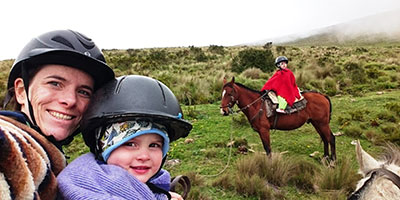
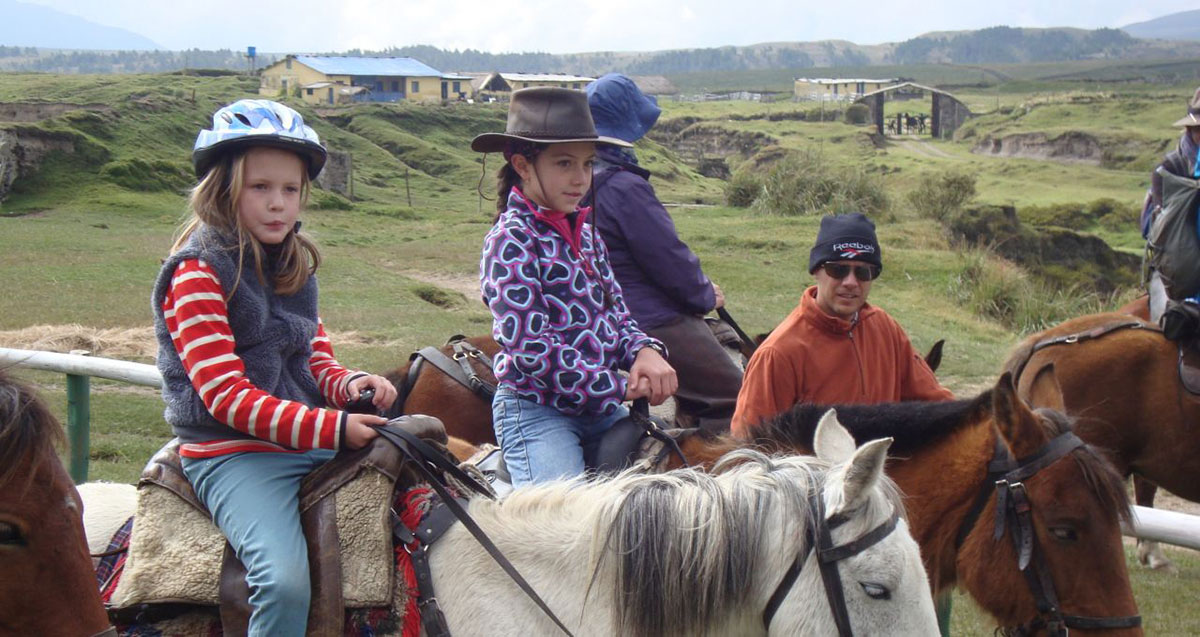
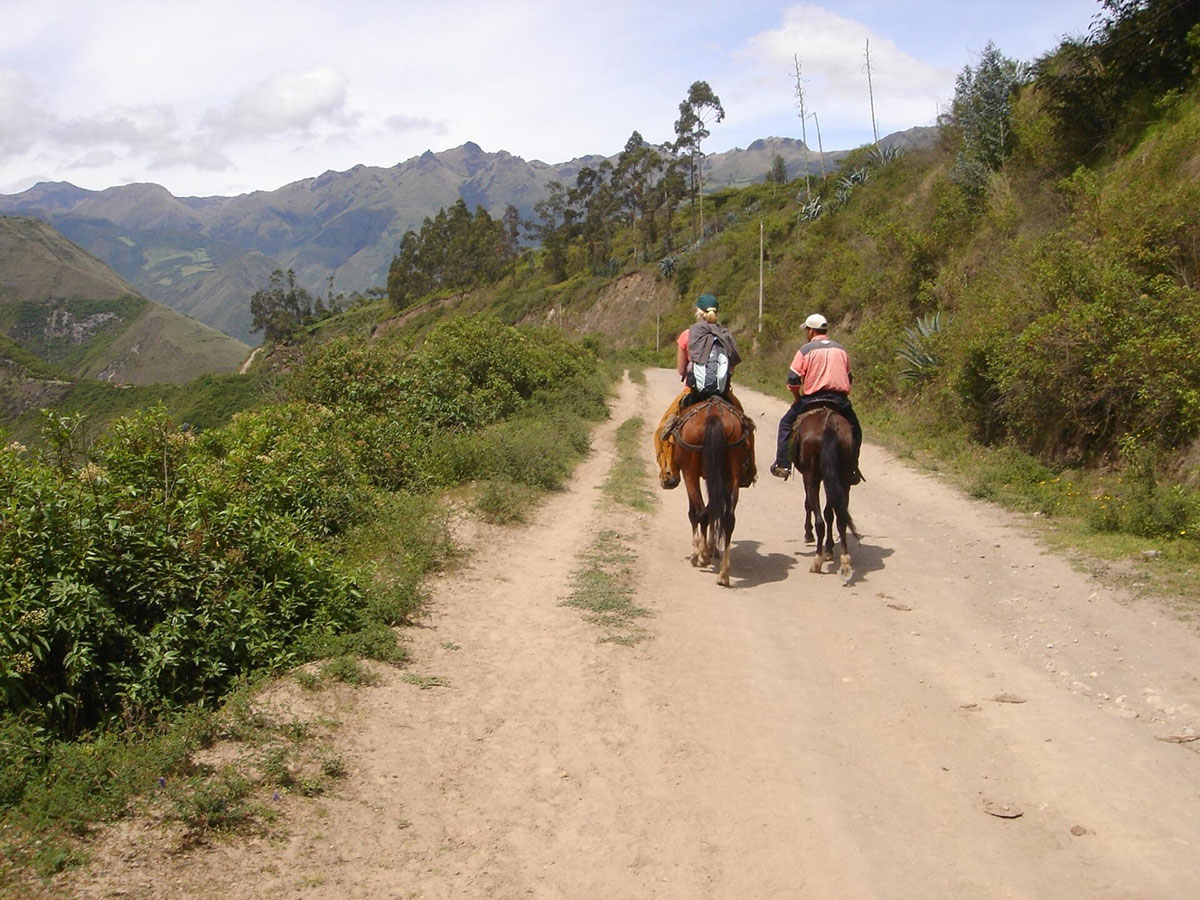
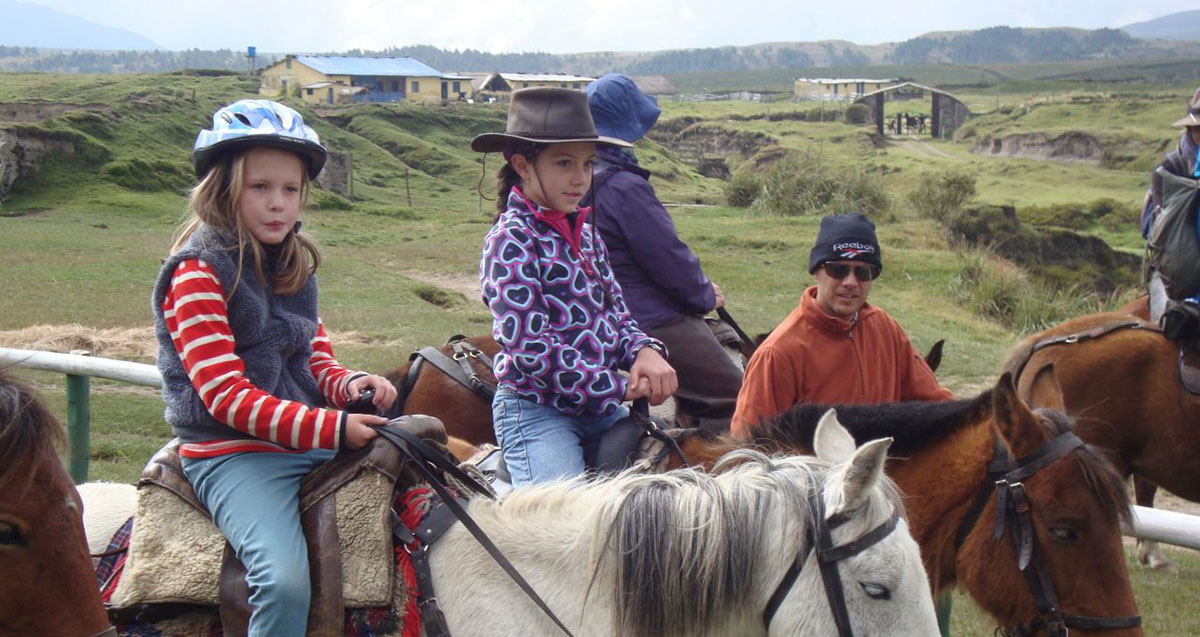
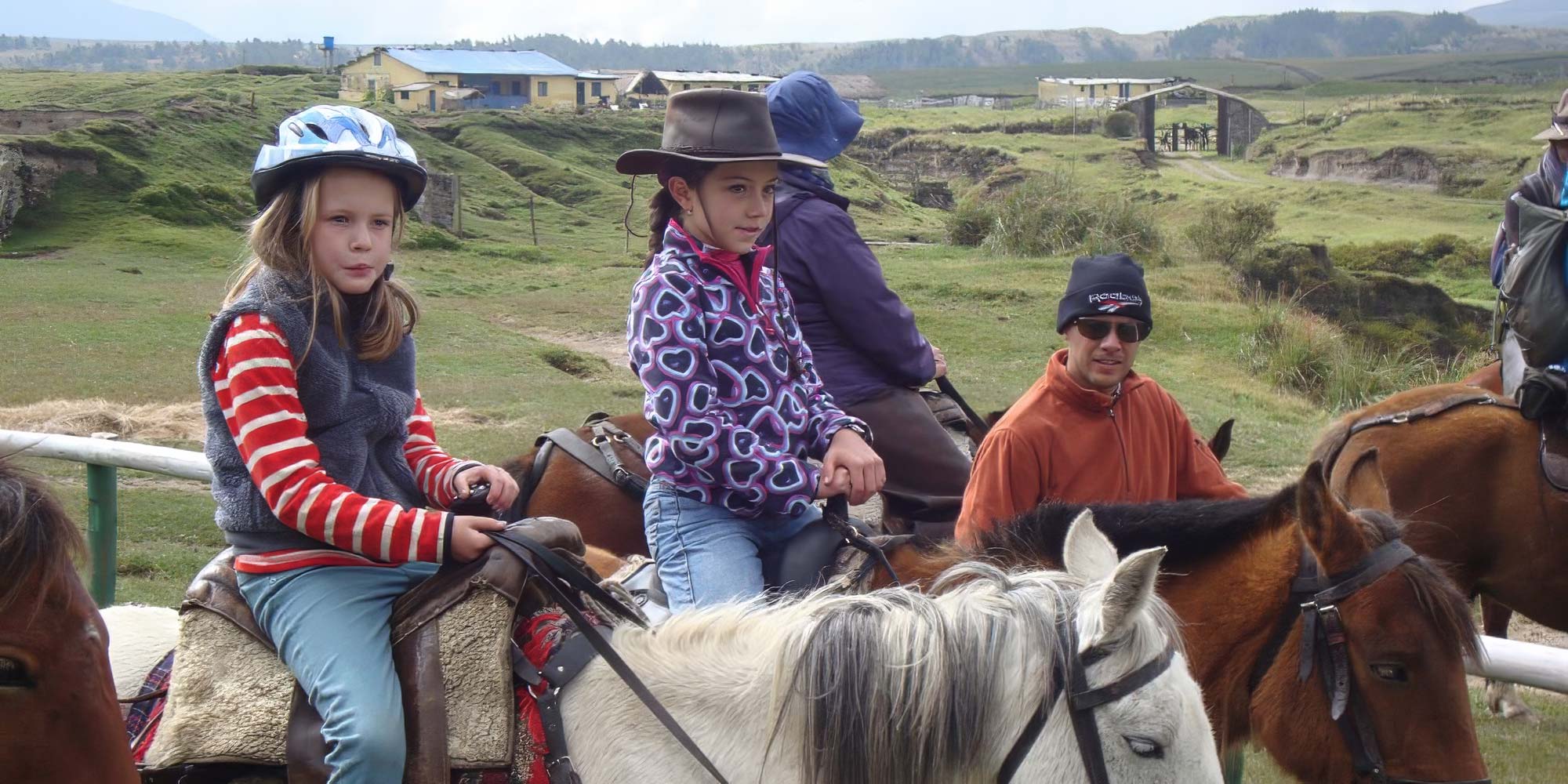
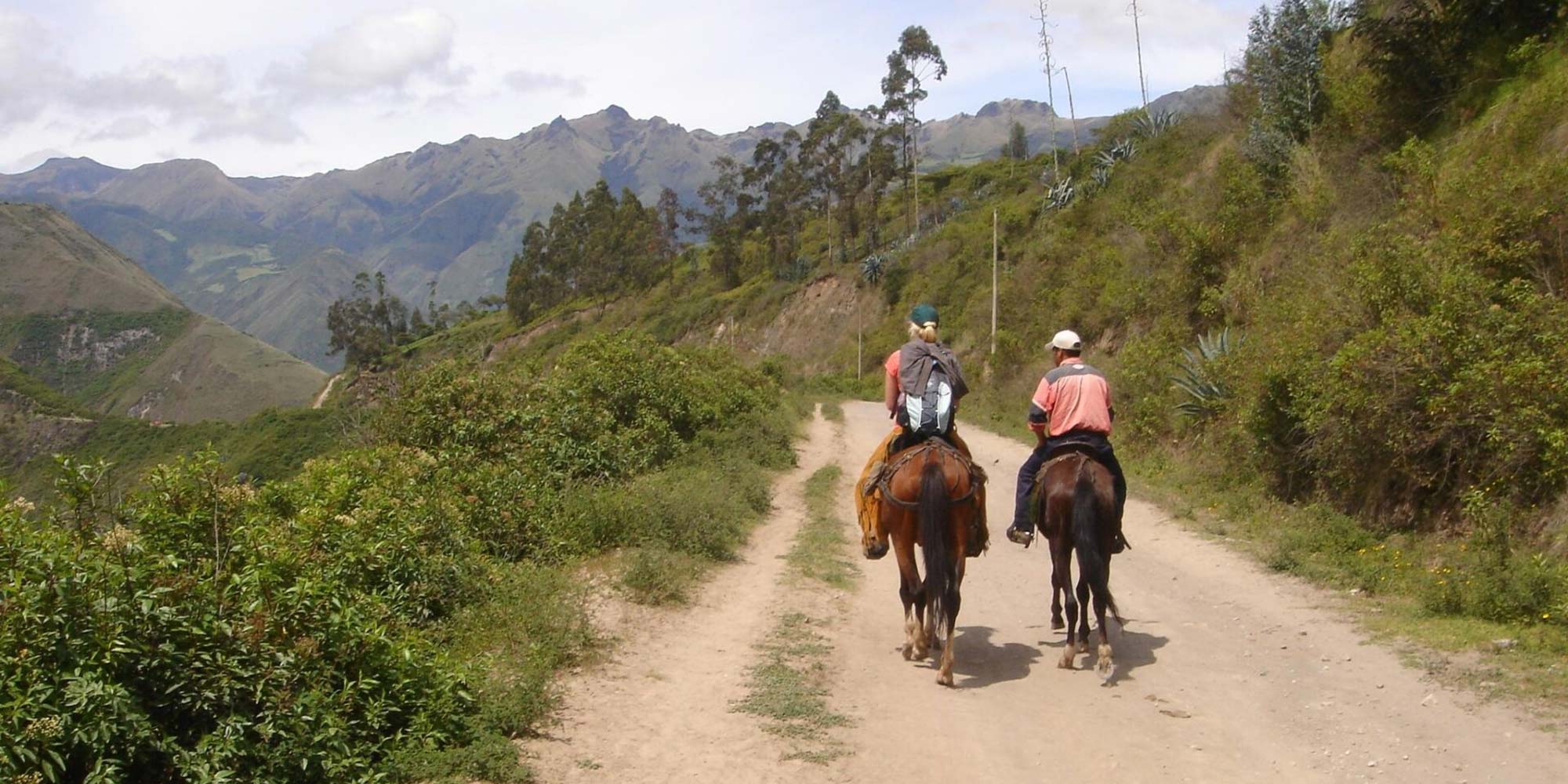
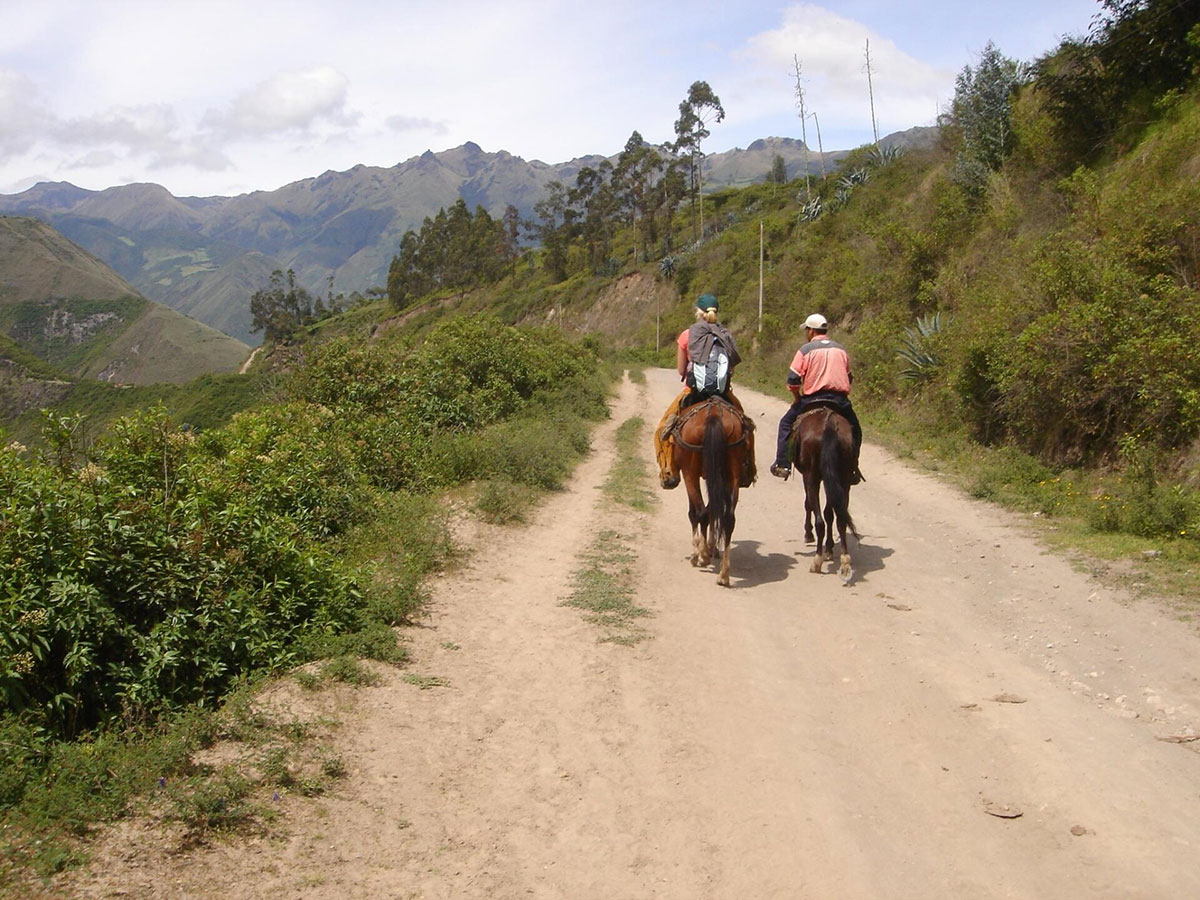
After breakfast, we’ll explore the countryside on horseback. We start our ride from a nearby hacienda (no experience required) and spend two hours traversing the picturesque farmland and communities of the Otavalo region. Here, you’ll see local agricultural practices and take in beautiful views framed by mountains and volcanoes.
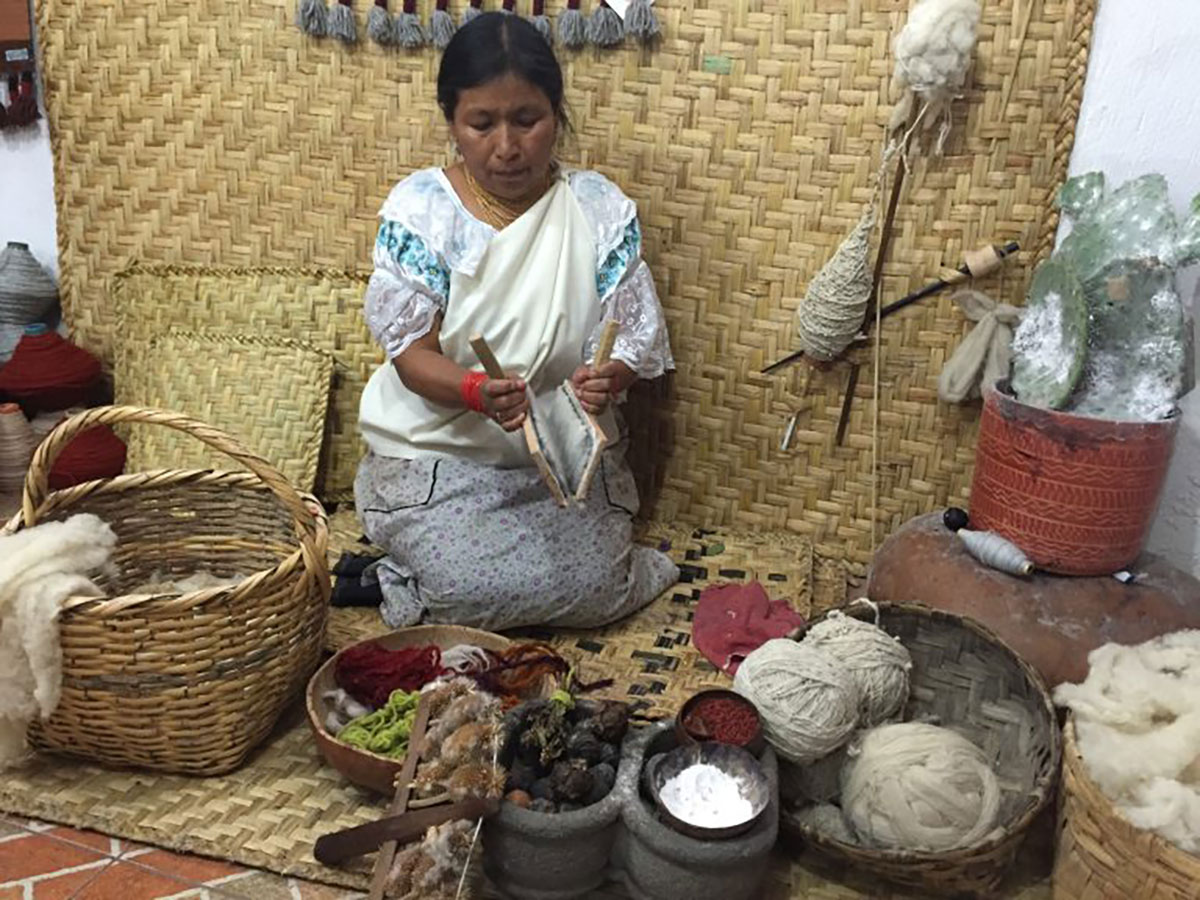
Later, we are welcomed into the rural San Clemente community, where families share their indigenous traditions, beliefs, and culture. You’ll learn about medicinal plants, walk through their lands, and hear their stories. A traditional lunch is included with the community.
For those who prefer not to horseback ride, a full-day visit to the San Clemente Community can be arranged.
Overnight Hacienda Chorlavi.
This morning we head to Lago Yahuarcocha near Ibarra, where a gentle walk along the lake offers scenic mountain views and activities for children, including play areas and lookouts.
We’ll also visit one of Ibarra’s historic ice cream parlours to see the preparation of helados de paila, a traditional handmade ice cream, and enjoy a taste.
The afternoon is free for your own activities.
Overnight Hacienda Chorlavi.
In the morning, we visit Cuicocha Volcano, known for its breathtaking blue-green crater lake. After hiking to a lookout with stunning views of the lake and volcano, we walk through Andean forests filled with orchids and bromeliads. A boat ride on the lake is also available, where you can witness the bubbling volcanic waters.
We’ll then visit the charming leather market town of Cotacachi.
In the afternoon, enjoy leisure time at Hacienda Chorlavi. While children play, you can relax and make use of the spa facilities.
Overnight Hacienda Chorlavi.
After breakfast, we say goodbye to Hacienda Chorlavi and start our return to Quito.
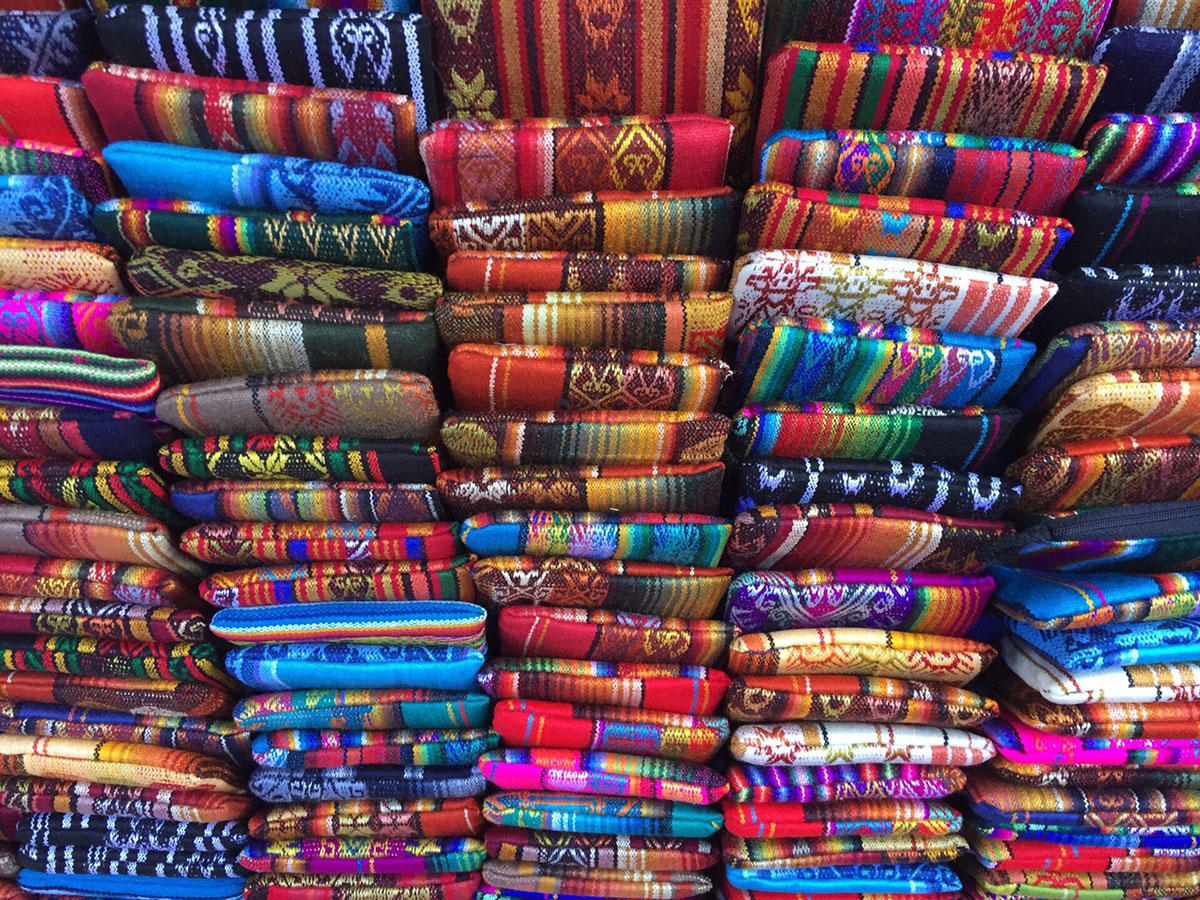
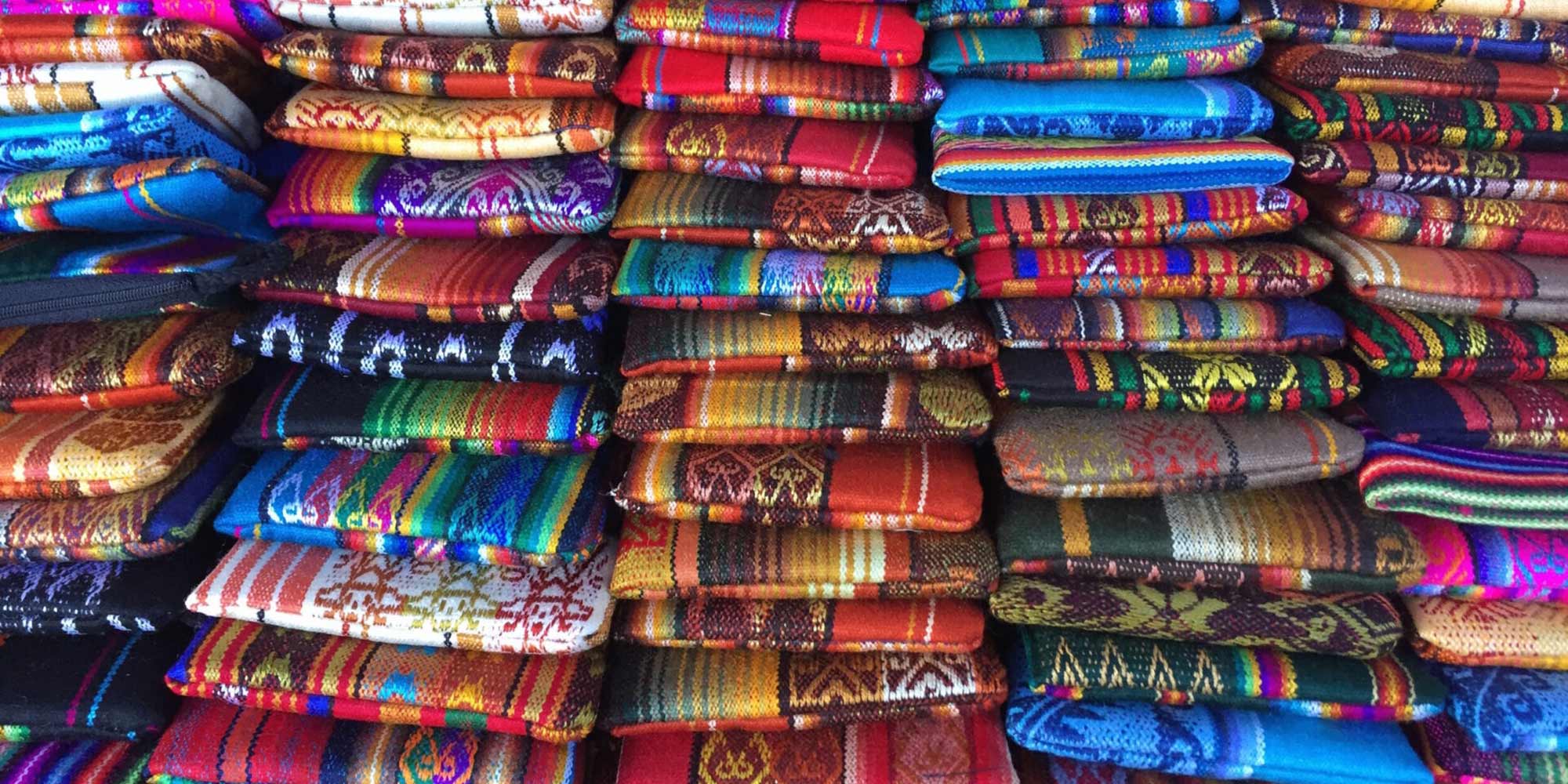
On the way, we’ll stop at Otavalo, known for its vibrant handicraft market, colourful textiles, and rich cultural traditions. Here, you can browse the market and soak up the lively atmosphere before we continue on to Quito, where you’ll be dropped off at your hotel.
Please note: Saturday and Wednesday are the busiest days. On other days the market is smaller, which can make browsing easier.
Hacienda Chorlavi is the base for this tour in the north of Ecuador.
The Hacienda is in a lovely location, ripe for exploring the local area.
There is also a bar, restaurant and small spa including a Jacuzzi.
Chorlavi also has a swimming pool, gardens and common areas as well as a large playground.
Your trip is a private trip, making it a very flexible trip for you and your family.
The itinerary can be adapted to suit your preferences and needs and our guides are flexible and used to guiding families with children, so they know that sometimes plans for the day might change depending on the little ones.
Almost all dietary requirements can be catered for – please ask us for more information.
Breakfasts at hotels will feature teas, coffees and juices to drink, plus cereals, fruit, eggs, toast and jams etc.
While out on tours and where lunch is provided, we either supply a packed lunch of sandwiches, snacks, soup, fruit etc, or we eat at a local restaurant/hacienda. These are often buffet style with soups, rice, pasta, potatoes and then puddings/fruit.
Our accommodation will provide evening meals. In general, it’s a soup for starters followed by an Ecuador inspired main dish – some international meals may be available at certain lodges.
You’ll be shown around by bilingual Ecuadorian guides with many years’ experience.
Our local drivers and support staff have worked with us for many years.
Staff employed at the lodges are generally from the local communities.
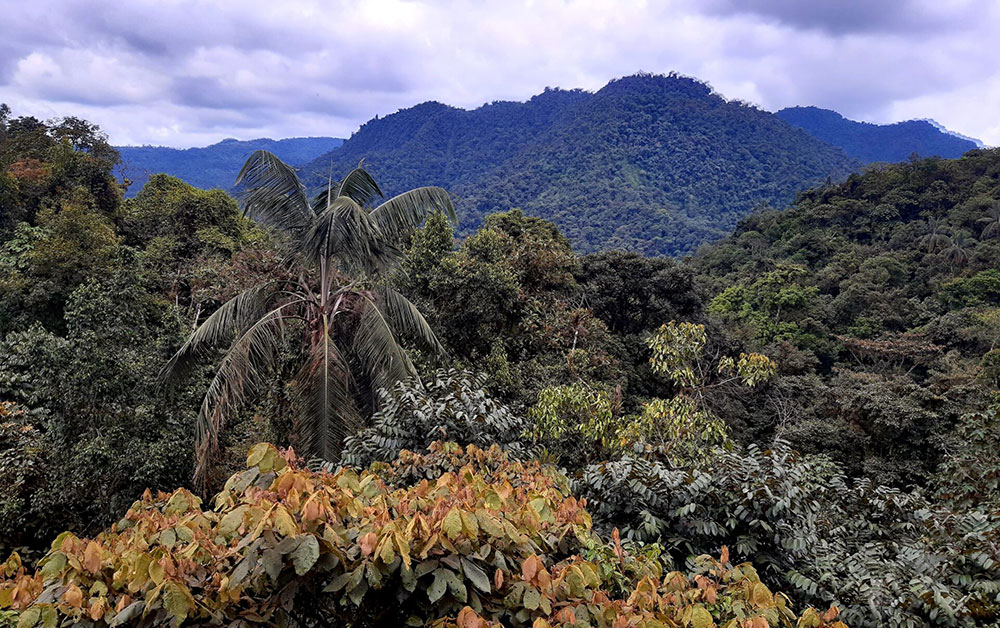
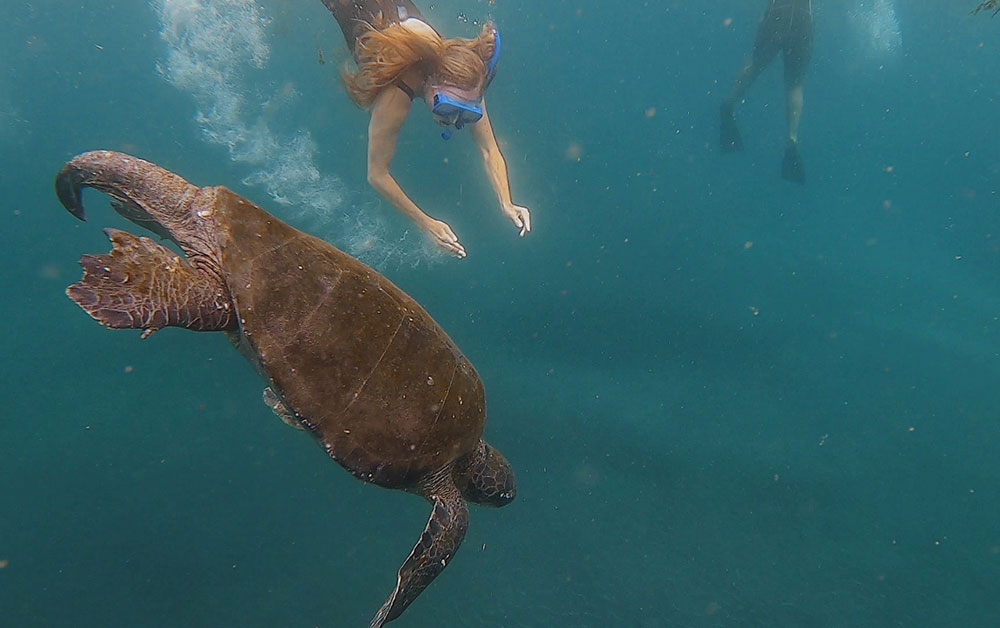
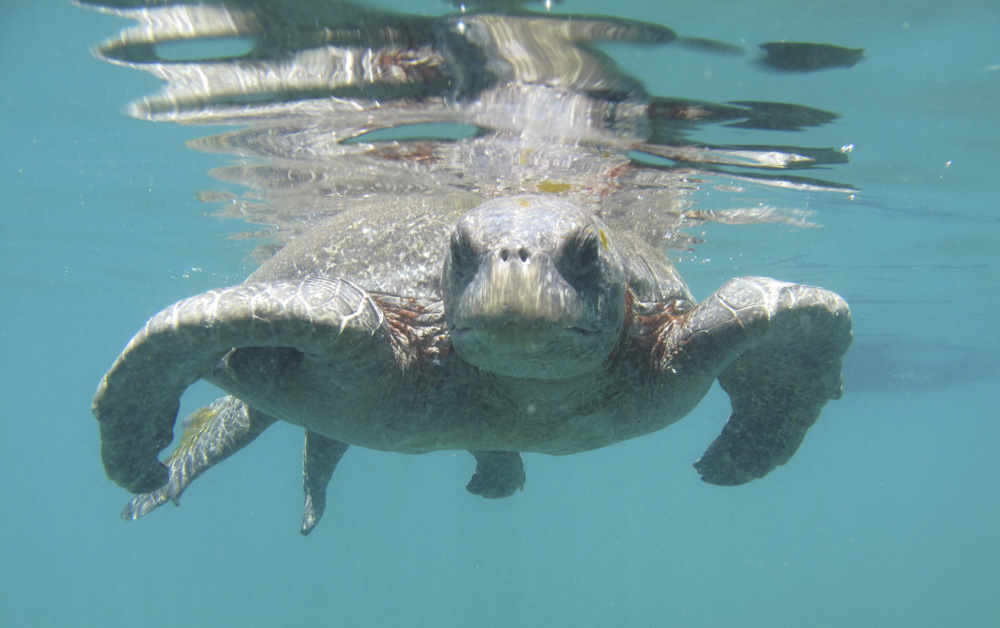
A magical Galapagos adventure highlighted by swimming with turtles and sea lions amid Isabela’s natural charm.
An exciting Ecuadorian mountaineering experience combining glacier training, breathtaking peaks, and exceptional guidance in the Andes.
Get active with our walking and horse-riding adventure holiday to the North of Ecuador.
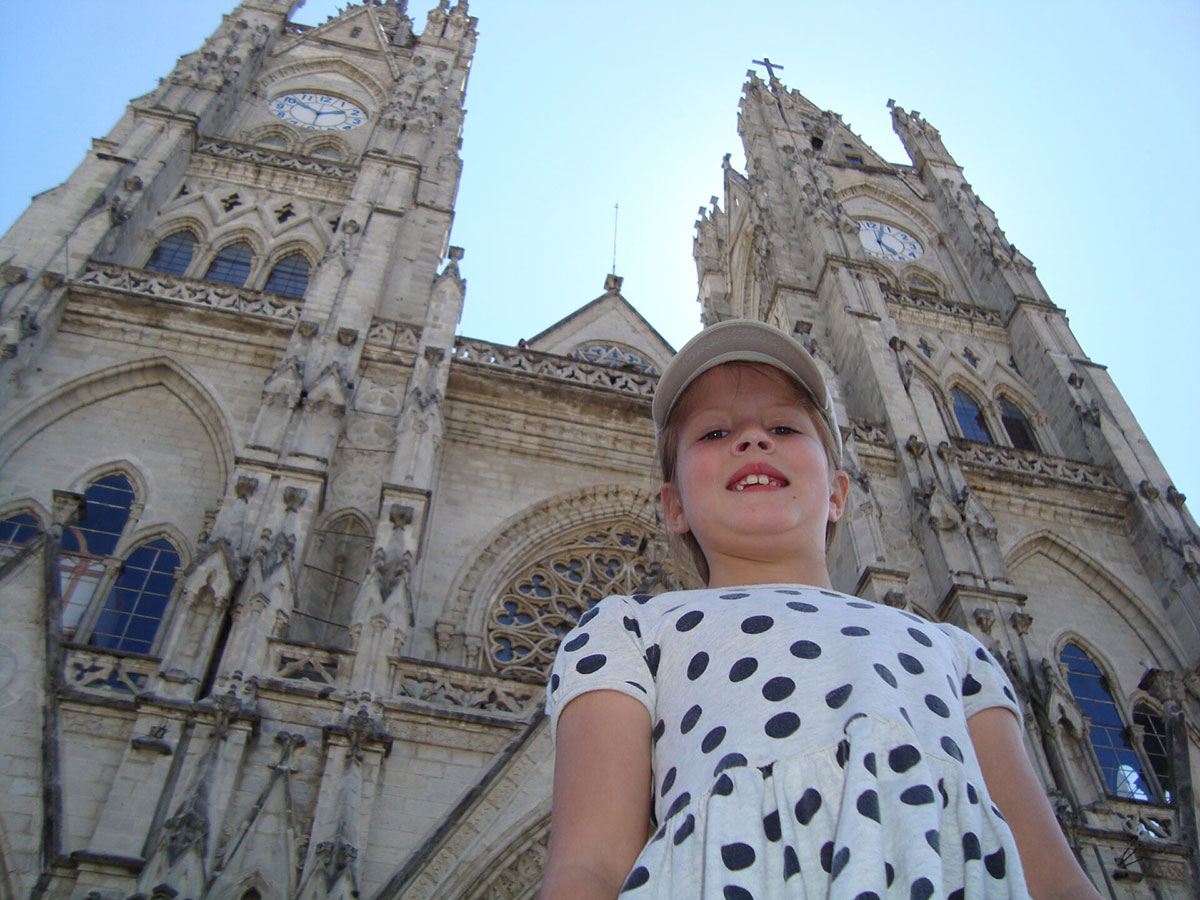
Family travel to Ecuador helps you to experience and enjoy the way of life in this diverse Andean country, including discovering fascinating Afro-Ecuadorian communities.
On our Northern loop you hop along the iconic Equator line, visit Otavalo’s famous and vibrant market and visit a local community.
An array of activities including horse riding and walking are sure to keep the little ones busy, while you explore the culture and scenery.

This trip aims to provide the right balance of exploration and action for children of all ages.
At the same time there is plenty of opportunity for you to unwind at our child-friendly haciendas with plenty of games and entertainment to keep the kids happy.
We realise all children are different and can amend this itinerary to suit your family, including your favourite activities at the right level of action for your children.

From: $3372 per person
Duration
13 days
Ecuador lies between latitudes 4º south and 2º north. Overall, climate varies according to time of year, altitude and region.
In the Ecuadorian highlands, there is little temperature variation by season; this depends largely on altitude.
In Quito, shade temperatures range from 6 to 10ºC in the morning and from 19 to 23ºC in the afternoon, with cool nights. In the lower intermontane basins, it gets significantly warmer.
Rainfall depends on whether an area lies closer to the eastern or western Andes. To the west, June to Sept is the dry period and Oct to May the wet (with often a short, dry spell in Dec or Jan).
The best period to visit Quito and trek and climb volcanoes such as Cotopaxi is the west Andean dry season of June to Sept and Dec/Jan. This is also Ecuador’s high season. During the Oct to May wet season, most rainfall is in the afternoons.
To the east, Oct to Feb are dry and March to Sept are wet. Overall, the southern highlands are drier than the northern highlands.
| On the coast | |
|---|---|
| Ceviche de pescado | Raw marinated fish, served with tostado (roasted maize). |
| Ceviche | Popular everywhere, best on the coast. |
| Ceviche de mariscos | Marinated shellfish. Most varieties such as camaron (prawn) and langostino (king prawn) are cooked before marinating. The exception is ceviche de conchas (clams), which is marinated raw. |
| Langosta | Lobster (increasingly endangered, but still fished illegally). |
| Empanada de verde | Ground plantain pasty filled with meat, cheese or shrimp. |
| Sopa de bola de verde | Plantain dumpling soup. |
| Encocadas | Dishes prepared with coconut milk, often shrimp or fish. |
| Patacones | Fried plantain chips. |
| In the Highlands | |
| Locro de papas | Potato and cheese soup. |
| Mote | Burst maize. |
| Caldo de patas | Cow-hoof soup (with mote). |
| Llapingachos | Fried potato and cheese patties. |
| Empanada de morocho | Ground maize shell filled with meat. |
| Sancocho de yuca | Vegetable soup with manioc. |
| Cuy | Guinea pig. |
| Fritada / Chicharron | Fried pork. |
| Hornado | Roast pork. |
| Humita | Ground maize meal wrapped in a maize leaf and steamed (sweet or savoury). |
| Quimbolito | Similar to humita, made from maize flour and steamed in a banana leaf (sweet or savoury). |
| Drinks | |
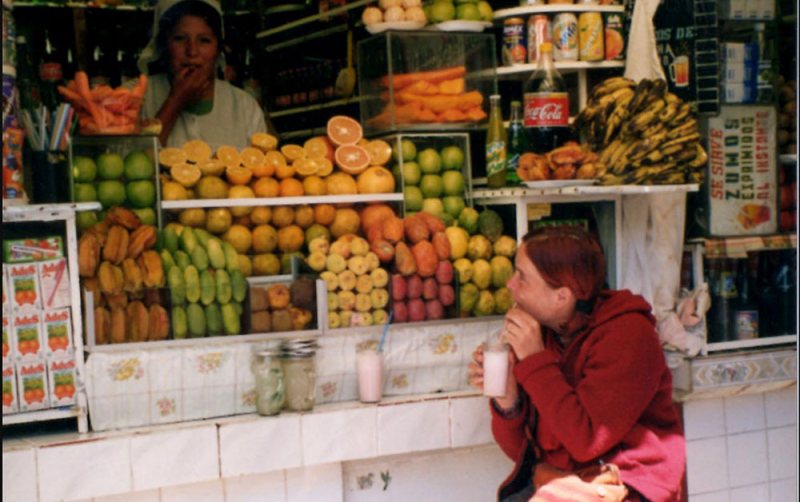
| Jugos | Fresh fruit juices including naranjilla, maracuya (passion fruit), tomate de arbol (tree tomato) and piña (pineapple). |
| Aguardiente | Unmatured rum (Cristal is popular). Also known as paico, trago or trago de caña. |
| Cerveza | Lager-type beer. Popular brands include Pilsener and Club. |
Landscapes vary from the drier south to the more humid north.
The Highlands, or sierra, encompass two Andean Cordilleras (the Central and Western), which run north to south through the country. Ecuador’s largest volcano is Chimborazo (6,310m) whose summit, because of its proximity to the equator, is the closest point on earth to the sun. Several of Ecuador’s volcanoes are still active, and it’s a great area for trekking.
Descending the steep, east-facing slopes of the eastern Cordillera, one passes through a transition zone comprising dense cloud forest and humid high jungle, before entering the Amazon lowlands.
This mainly primary rainforest covers a third of the country, accounts for 5% of the population and stretches across Ecuador, from its Colombian to its Peruvian borders.
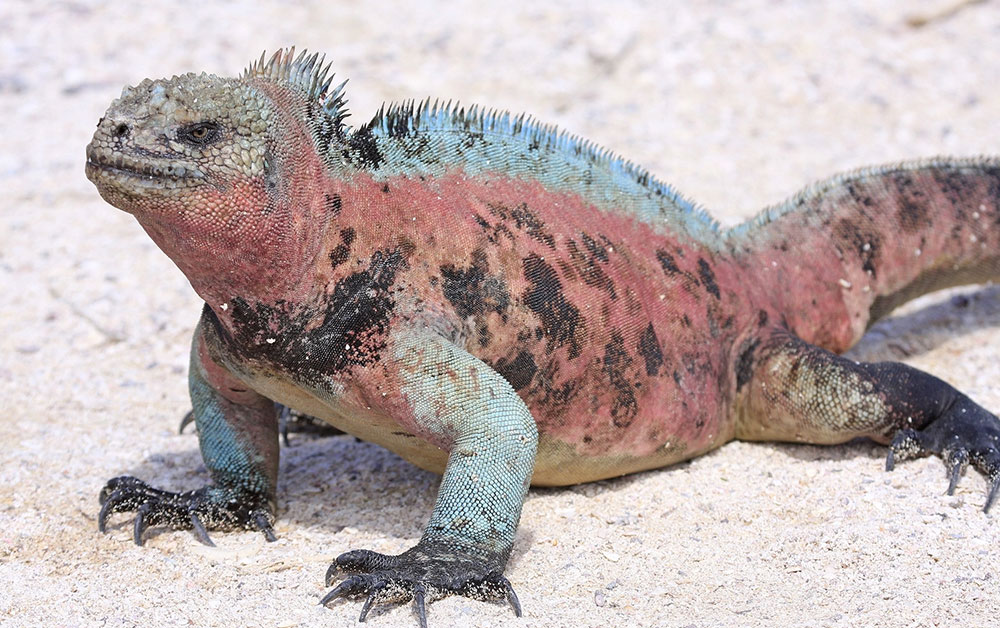
The Galapagos Islands are simply unique. Lying 600 miles off the mainland, the archipelago comprises the summits of gigantic equatorial volcanoes.
The flora and fauna of the Galapagos, long separated from their continental cousins, have evolved differently. Charles Darwin used his observations there to develop his theory of Evolution.
Ecuador is the second smallest South American country, and one of the most varied.
It comprises three main geographical areas: the coast, highlands and Amazon plus is home to the Galapagos Islands.
Because of its relatively compact size, it makes a great holiday destination as you can move from highlight to highlight fairly easily and rapidly.
Ecuador lies between latitudes 4º south and 2º north. Overall, climate varies according to time of year, altitude and region.
In the Ecuadorian highlands, there is little temperature variation by season as temperature depends largely on altitude.
In Quito, shade temperatures range from 6 to 10ºC in the morning and from 19 to 23ºC in the afternoon, with cool nights. In the lower basins between mountains, it gets significantly warmer.
Rainfall depends on whether an area lies closer to the eastern or western Andes. To the west, June-Sept is the dry period and Oct-May the wet (with often a short, dry spell in Dec or Jan).
The best period to visit Quito and trek and climb volcanoes such as Cotopaxi is the west Andean dry season of June-Sept and Dec/Jan. This is also Ecuador’s high season. During the Oct-May wet season, most rainfall is in the afternoons.
To the east, Oct to Feb are dry and Mar-Sept are wet. Overall, the southern highlands are drier than the northern highlands.
On the Pacific coast, rainfall becomes less from north to south. The coast can be enjoyed year-round, although from June-Sept mornings are often grey with the garua mists.
Jan-May is the hottest and rainiest time of year.
In Ecuador’s Amazonian region, rain can fall at any time, but Dec-March is usually the driest season and Mar-Sept is usually the wettest period.
Galapagos can be visited at any time of year.
The warm season is Jan-Jun, bringing calm, warm waters (around 70°F) and sunny days (72-9°F or 22-32°C), February and March being the hottest and sunniest months with blue skies and sunshine.
The islands receive slightly more rainfall during these months, occasional heavy bursts in the afternoon. Great for snorkelling and you can spend a lot of time in the water without wetsuits, with great, clear waters.
The dry ‘garua’ season is Jun-Dec an it’s a great time for marine life. August and September are the coolest when you may need a jacket in the evenings and the sea can be choppy and temperature drops around 15-24ºC on average.
There can be mist on the islands in the mornings (garua) which usually burns off by midday leaving overcast skies or a sunny afternoon.
Sea temperatures may drop to 60°F- 72°F (15-22°C) during this time and snorkellers will want a wet suit for prolonged periods in the sea.
A magical Galapagos adventure highlighted by swimming with turtles and sea lions amid Isabela’s natural charm.
An exciting Ecuadorian mountaineering experience combining glacier training, breathtaking peaks, and exceptional guidance in the Andes.