From: £5,629
From: $7,495
Arrival. We will meet in San Pedro de Atacama in northern Chile (direct connection from Santiago),
19.00-21.00: Dinner with the group, hosted by Bruce.
We spend today getting used to the high altitude at Atacama.
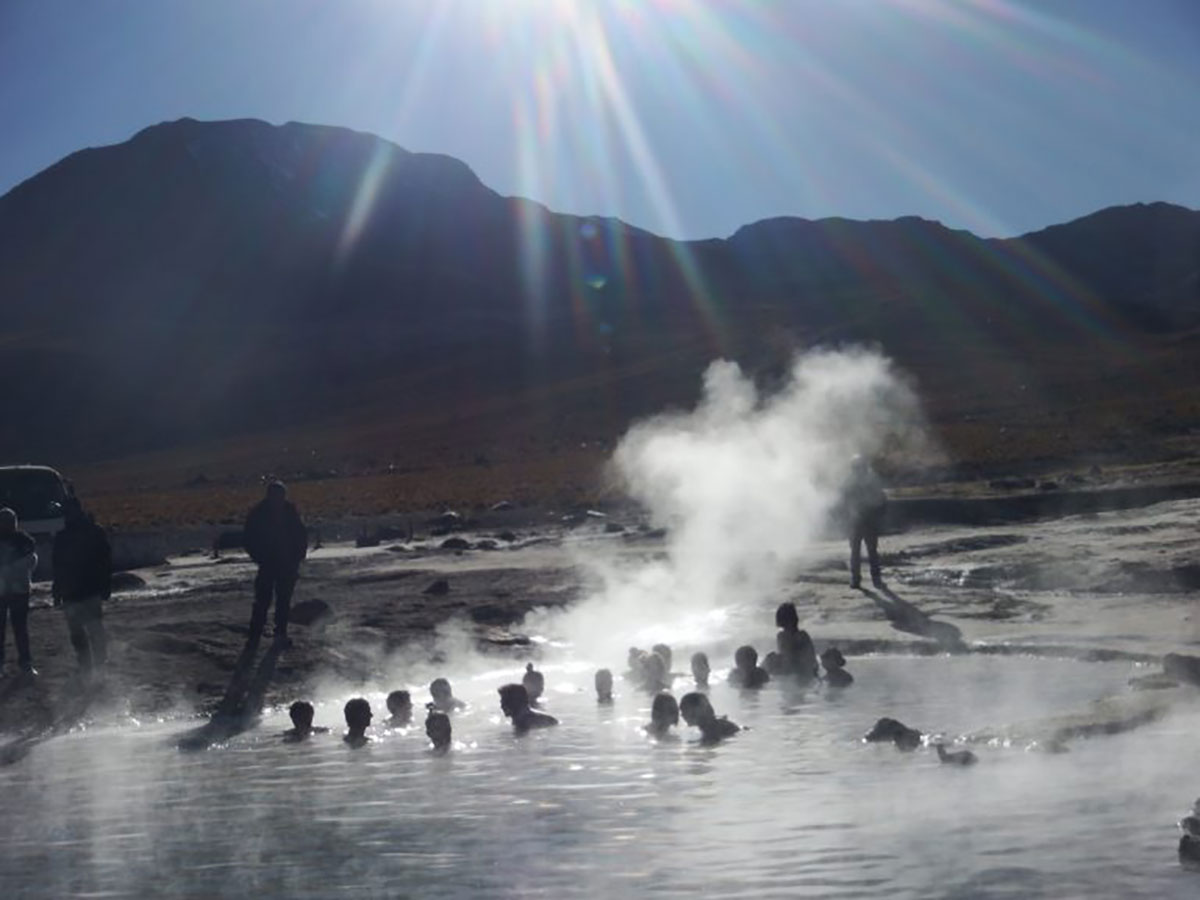
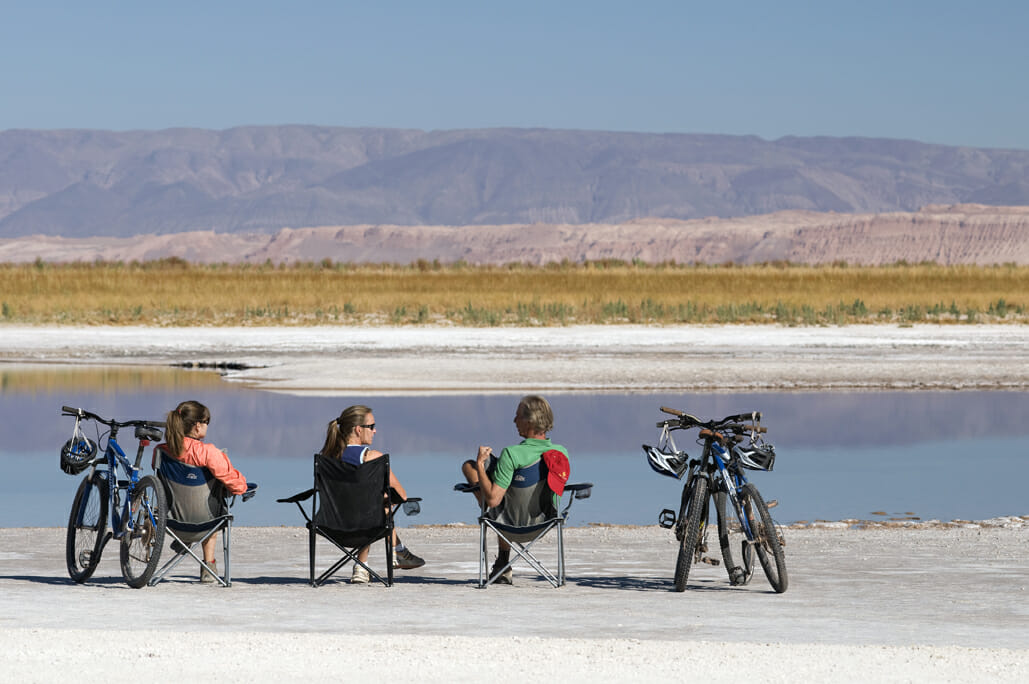
We spend the day visiting the Salar de Tara at higher altitude to help us prepare for our ascent into Bolivia.
We will reach a top altitude of 4,000m/13,123ft during the day.
We return to our hotel (2,600m/8,530ft) in the evening.
Today we head for the central Altiplano where the altitude is at its lowest in Bolivia.
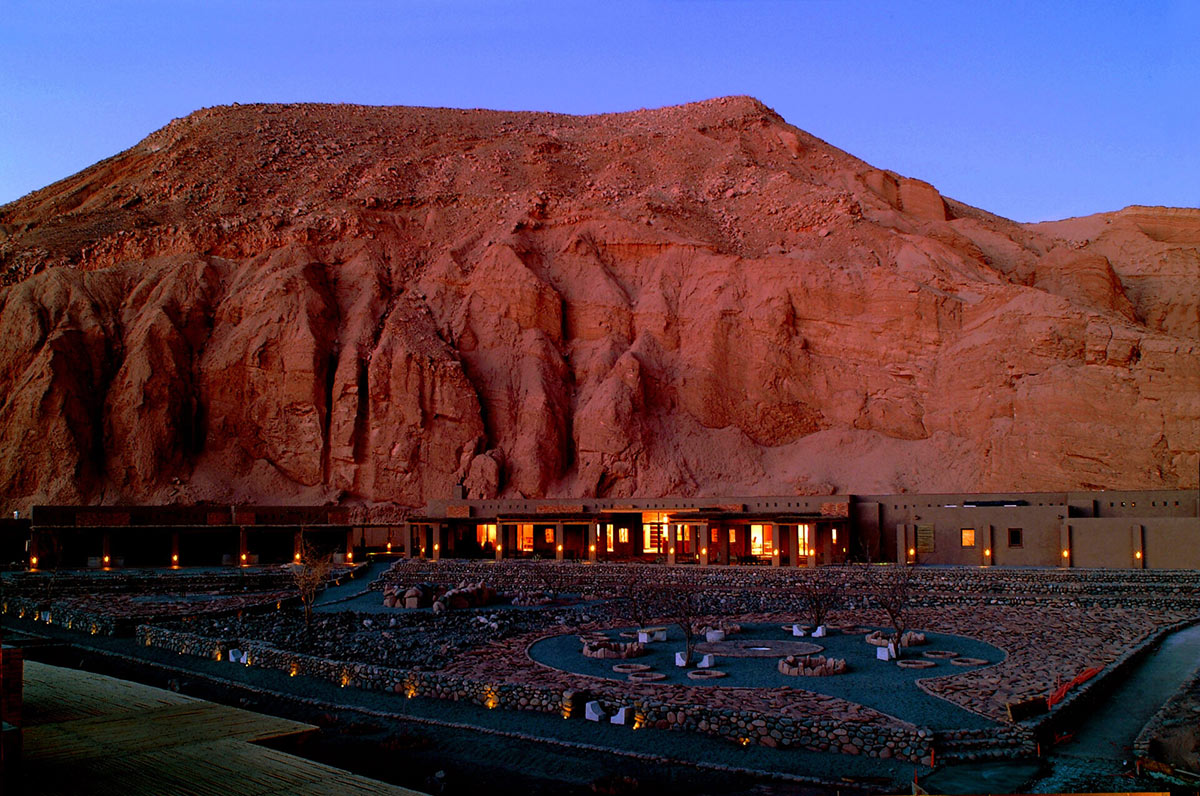
We will shoot the Coral Army at sunset before heading to hotel Tayka Stone for our evening.
We sleep much higher today, at 3,600m/11,811ft.
We shoot the Coral Army stone structures at sunrise, then return for breakfast at Hotel Tayka.
We take the morning off for some rest and at noon have lunch at Hotel Tayka Stone.
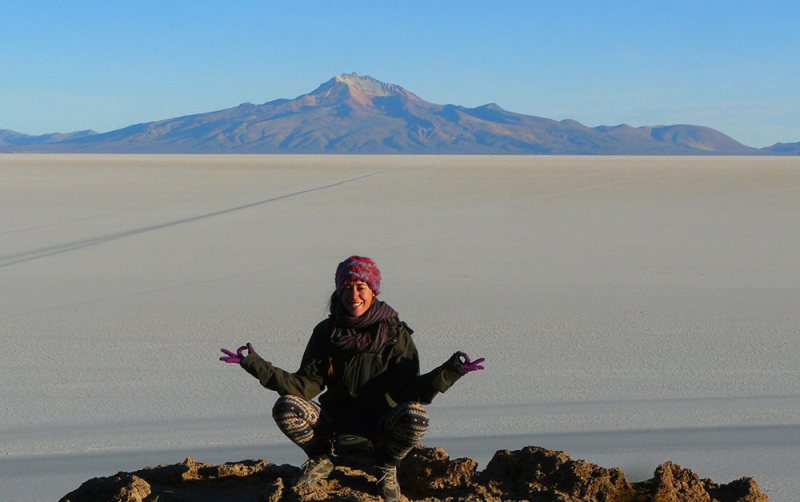
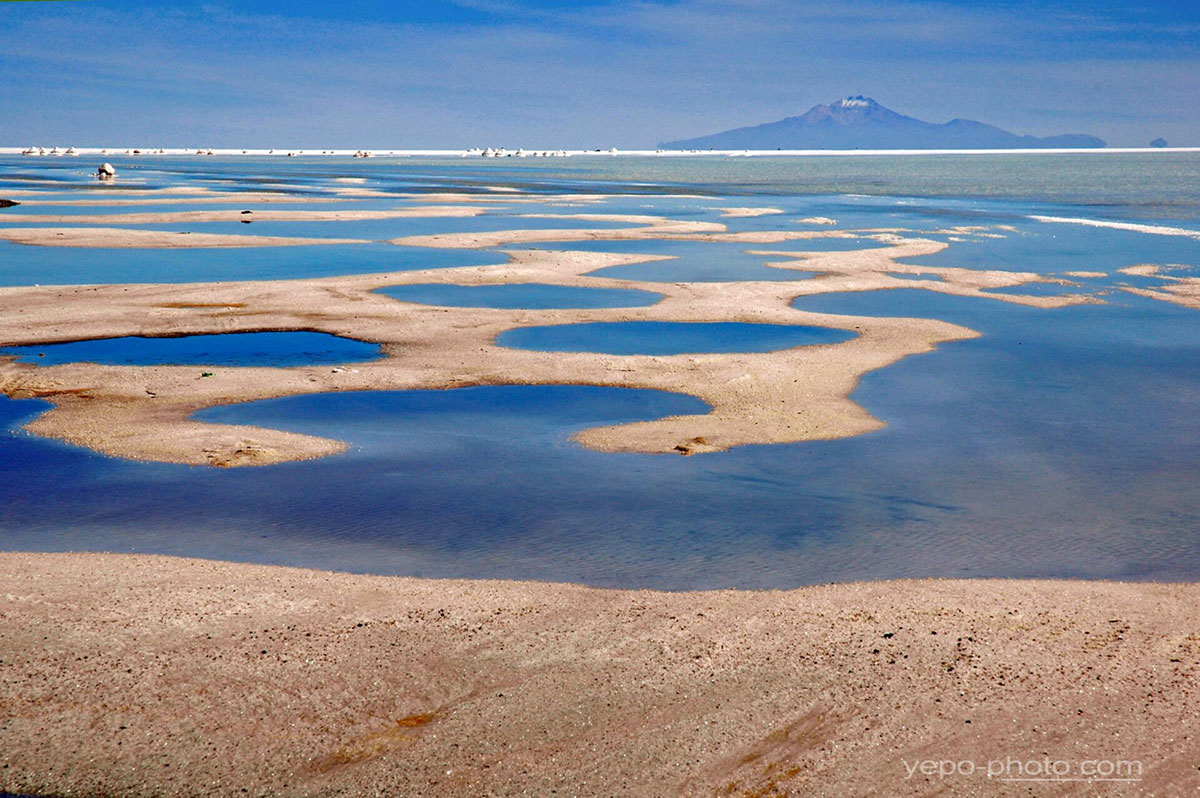
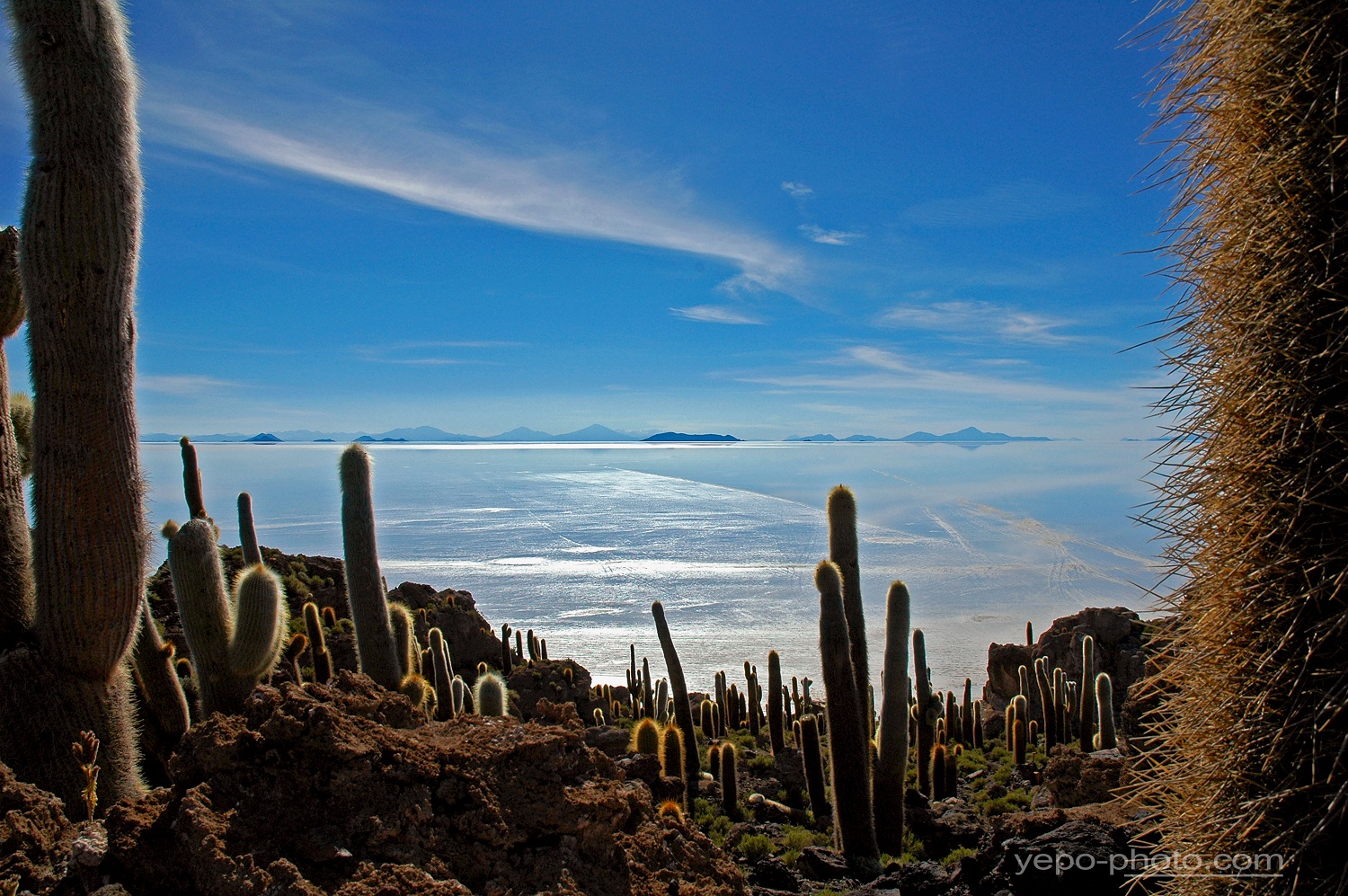
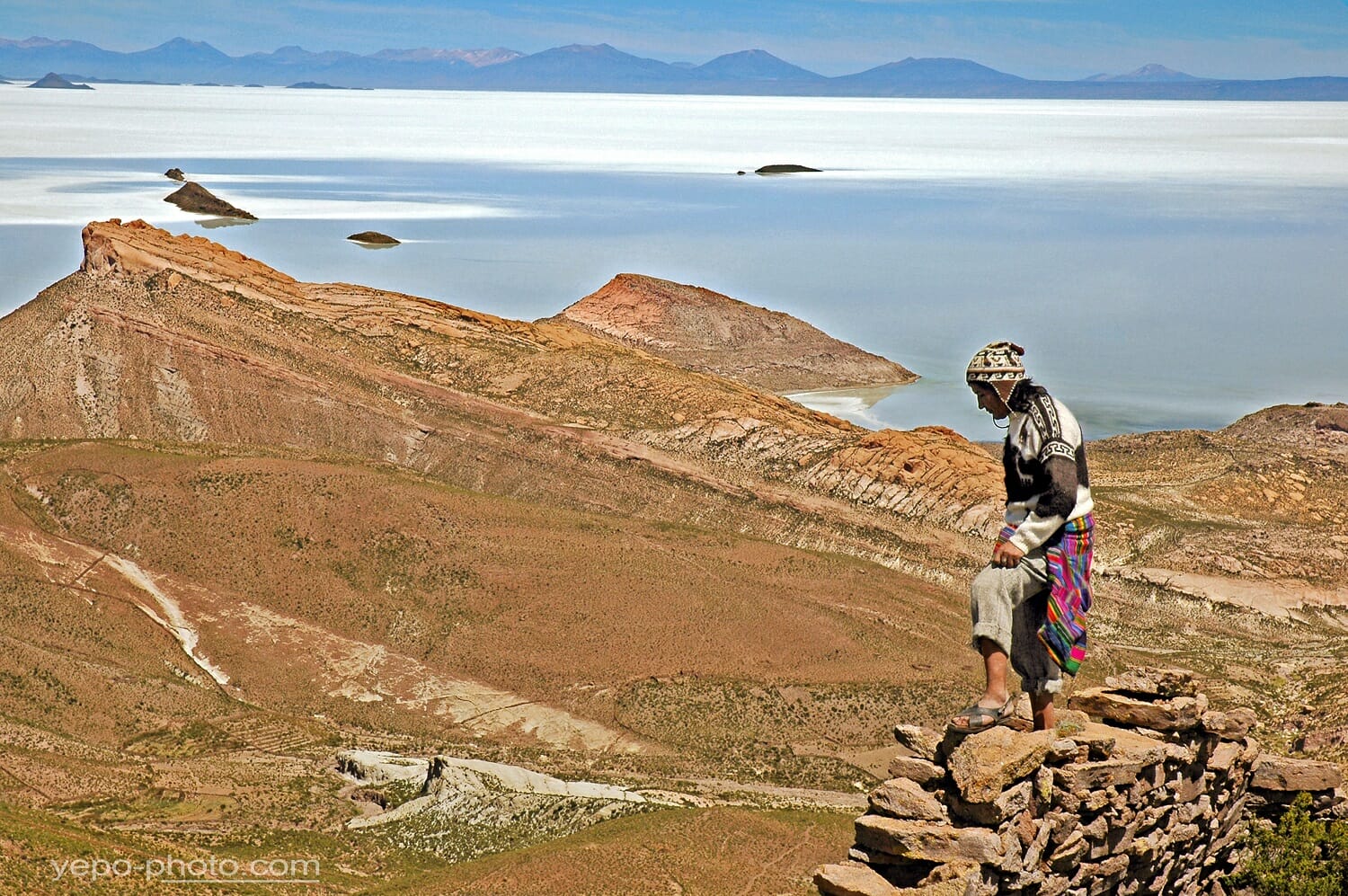
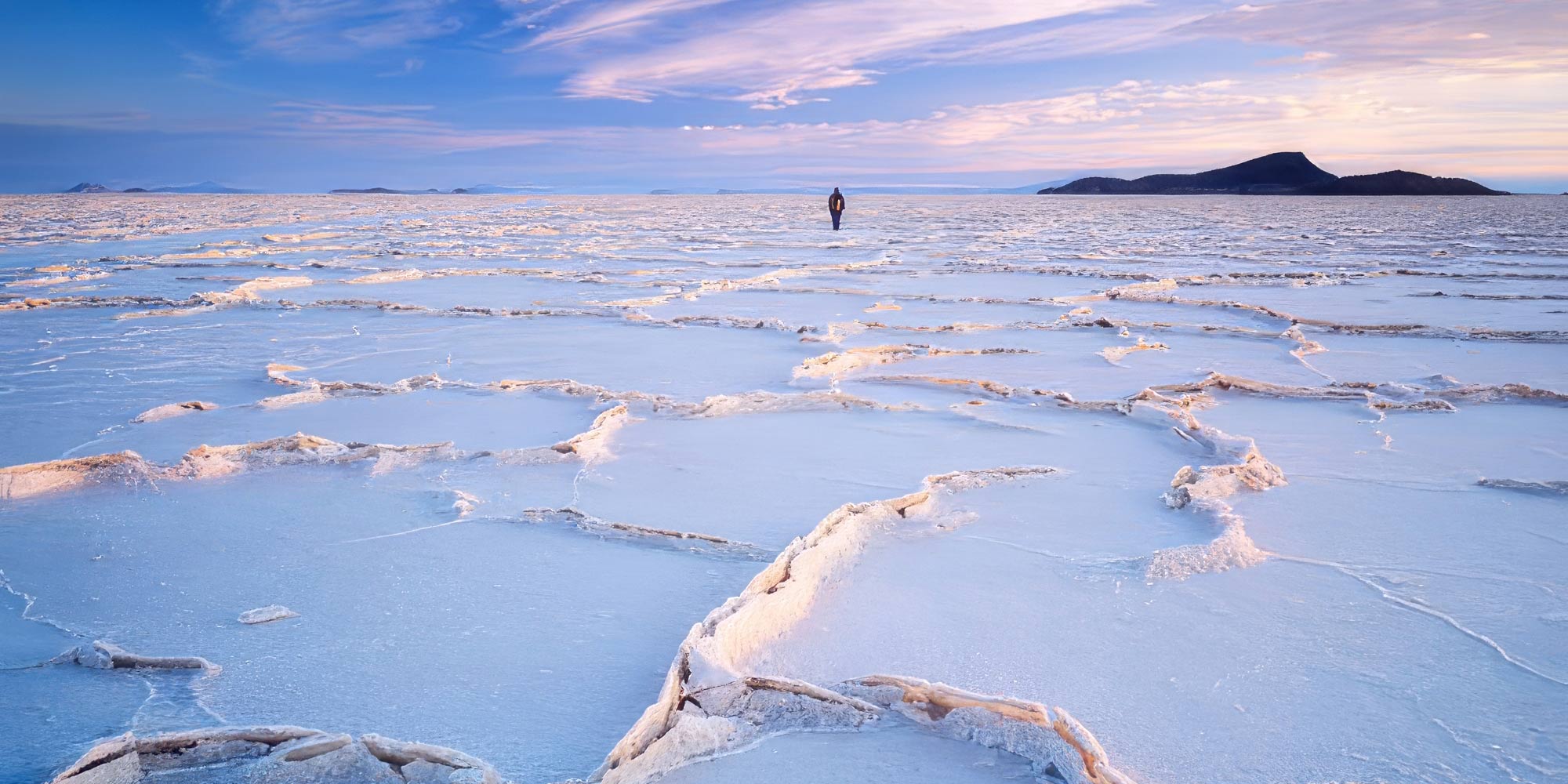
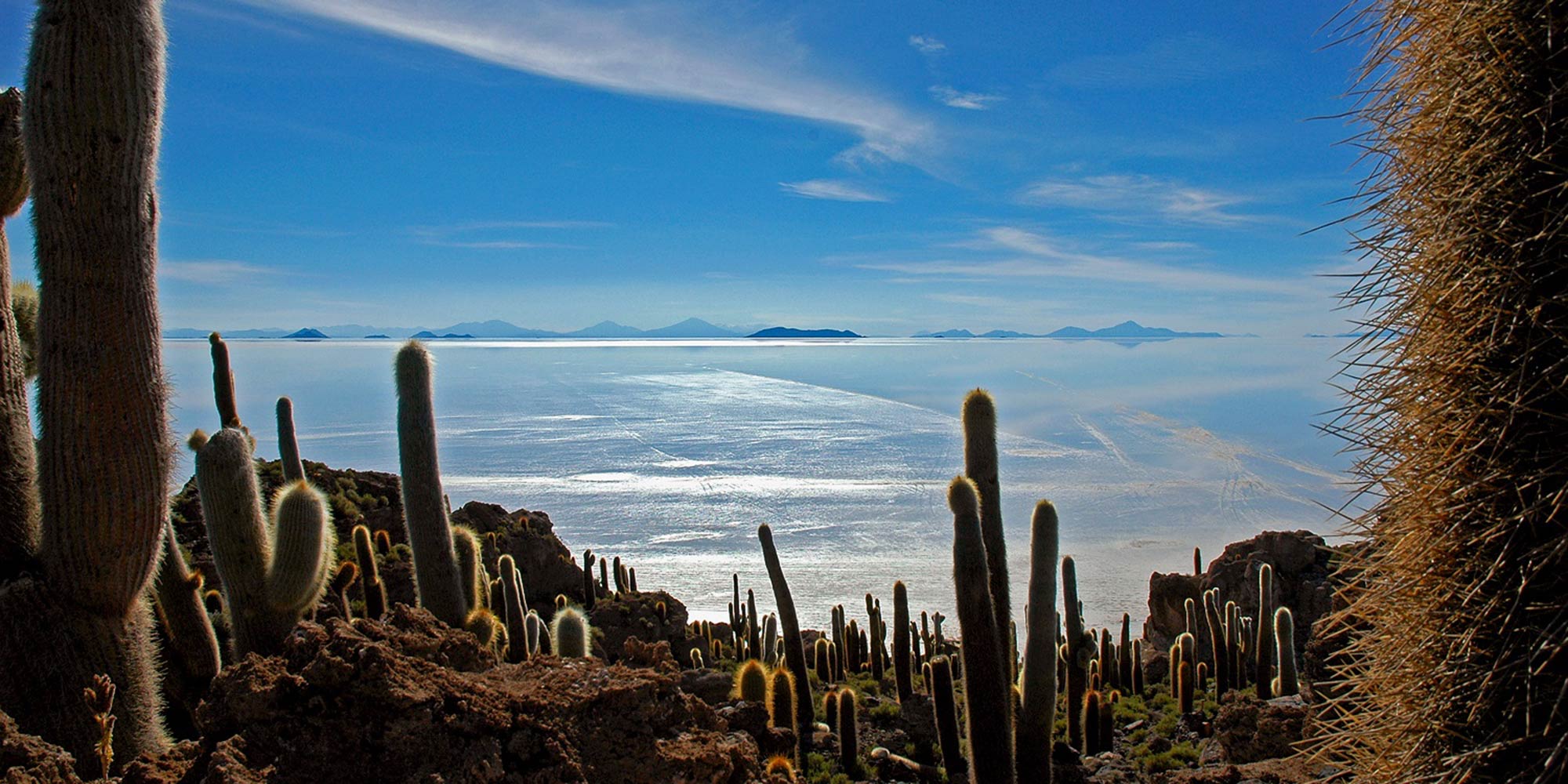
In the afternoon we travel across the Salar de Uyuni to Pescado Island, situated in the heart of the Salar de Uyuni, arriving in the late afternoon.
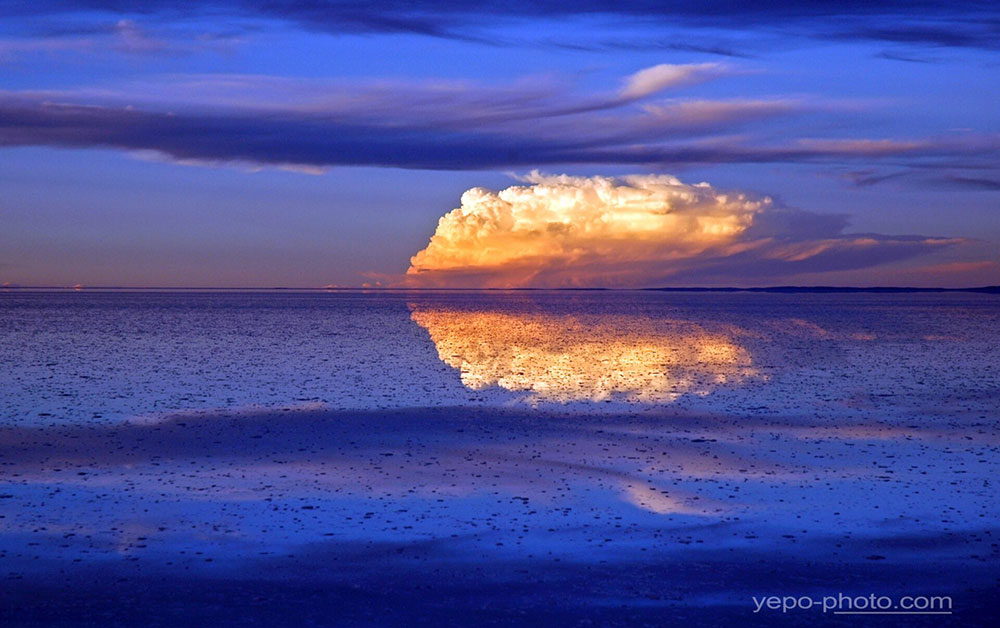
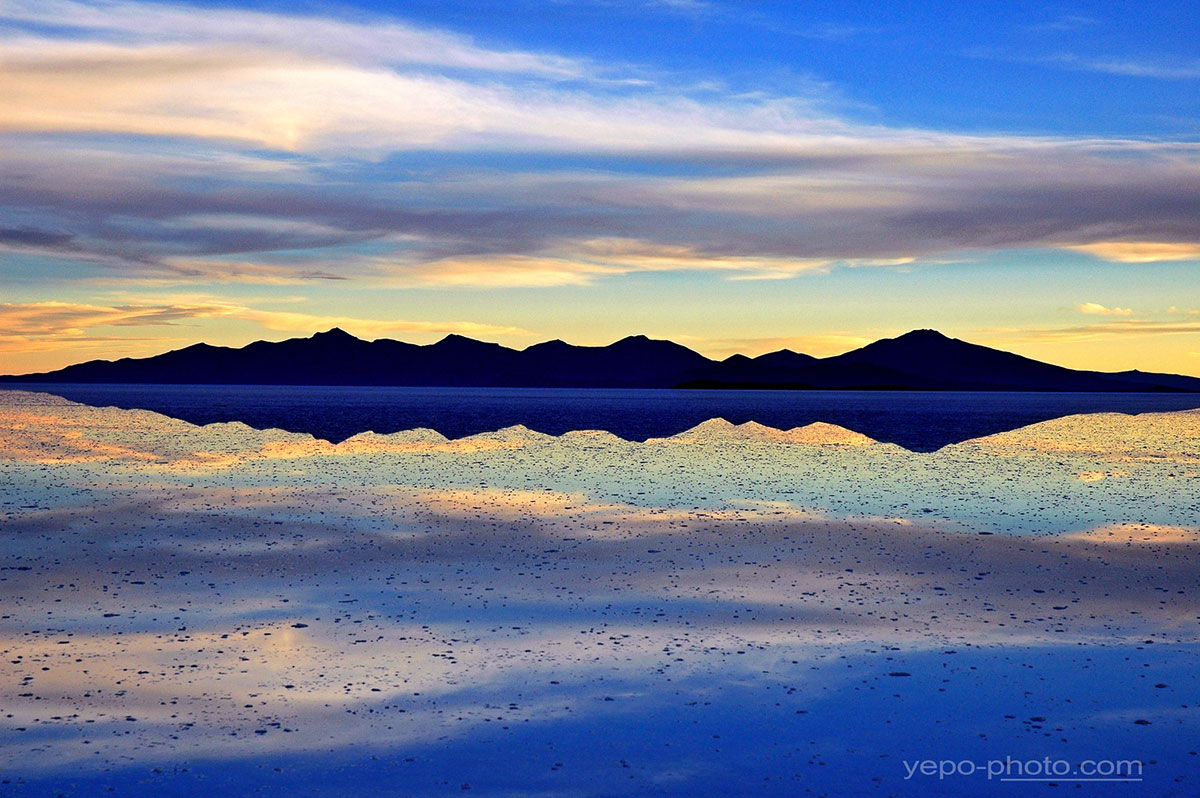
Later, it’s a sunset shoot on Salar de Uyuni at Pescado Island.
Transfer to hotel Tayka Salt after sunset, arriving around 19.30.
Sunrise shoot on Salar de Uyuni.
Return to the hotel for breakfast and morning rest.
Lunch at noon in the hotel.
In the afternoon we return to Pescado Island to explore the island further and shoot the Salar during sunset.
Evening meal at Hotel Tayka Salt.
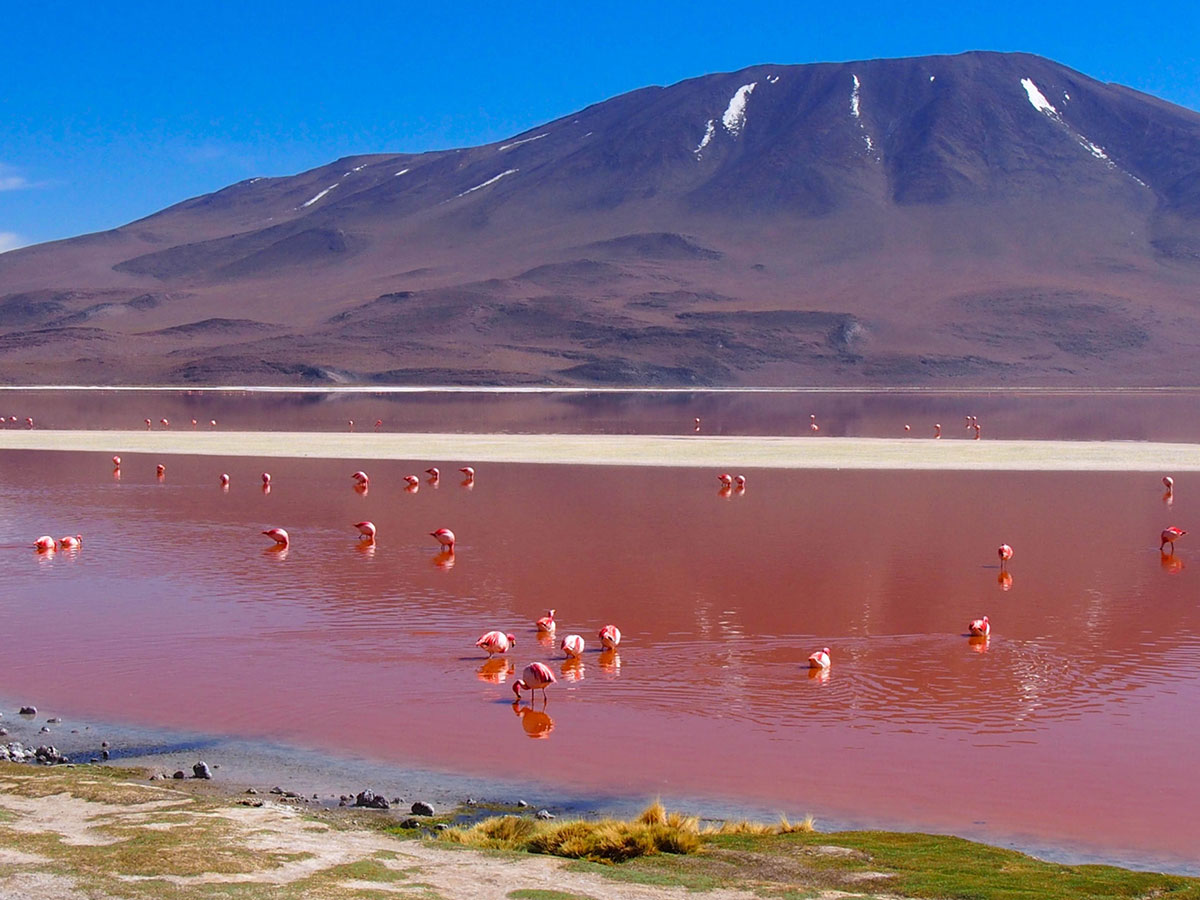
Today we transfer from the Salar to the southern area of the altiplano arriving at Laguna Colorada (The Red Lake) for late afternoon.
Lunch will be provided en route.
We photograph Laguna Colorada during late afternoon and during sunset.
We then transfer to our hotel the Hotel Tayka of the Desert for our evening stay and dinner.
Sunrise shoot at el Arbol de Piedra (Stone Tree).
Return to Hotel Tayka of the Desert for breakfast and morning rest.
In the afternoon we return to Laguna Colorada for a second evening shoot.
Return to Hotel Tayka of the Desert for our evening stay and meal.
During the day we will encounter many lagoons and visit Laguna Verde and Laguna Blanca.
Border crossing to Chile in afternoon, arriving in San Pedro de Atacama in the evening.
Breakfast, end of photographic adventure.
Hotels. Single rooms throughout.
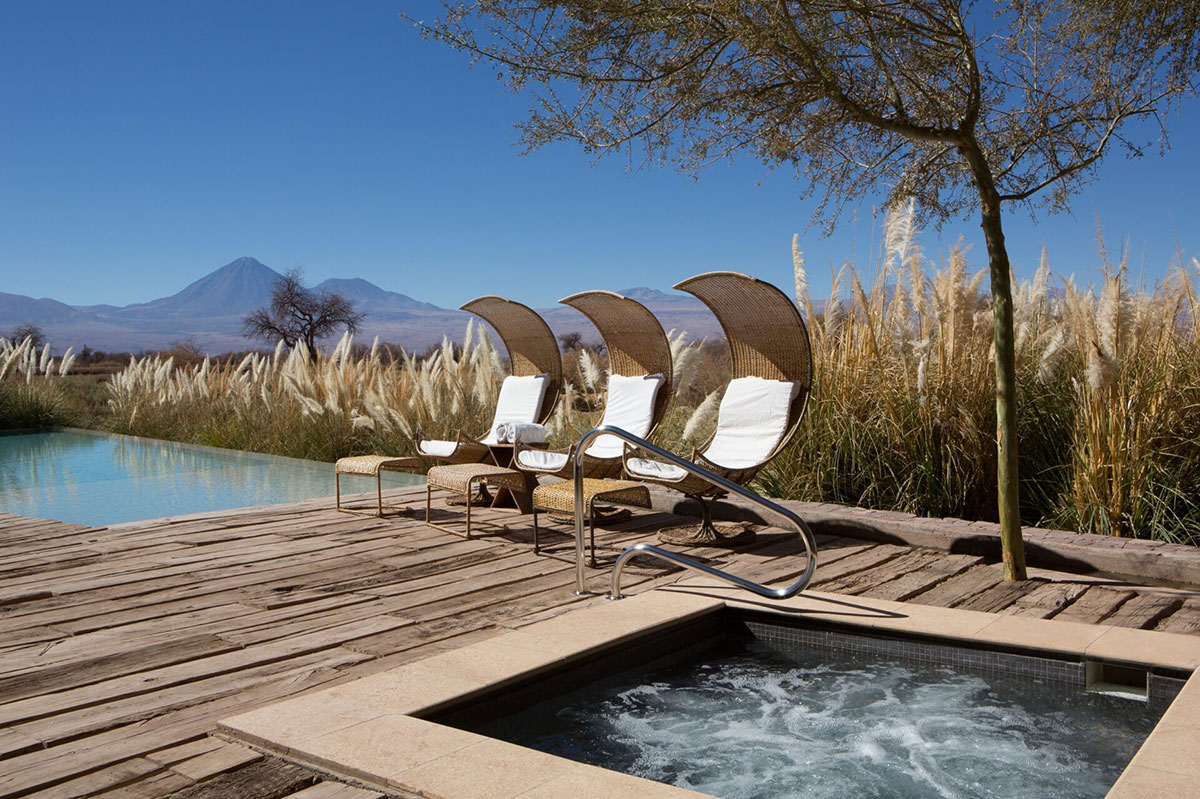
In Bolivia we use hotels built by and in the traditional style of the local Aymara communities, providing an income in this, one of the poorest parts of Bolivia.
Fitness level – Very easy access to locations. Some light trekking (up to 5 minutes) required whilst carrying your backpack and tripod.
Our photography tours are limited to eight people and open to anyone with a passion for photography. They are designed to allow quality time at some fabulous locations, with accommodation, food and logistics all taken care of.
Bruce says: “You don’t have to be an experienced photographer to participate. The workshops are conducted in an informal, friendly group setting, and I’ll help you take great pictures of these amazing places.”
Most of this tour is at high altitude and we have built acclimatisation into the tour.
Each day will have the following (approximate) format:
06.45-08.00: On location for sunrise.
09.00-10-00: Breakfast, back at the hotel.
10.00-12.00 (noon): We travel through the day while the light is bleached out, in order to get to our next major photographic location for sunset. We stop from time to time at areas of interest. On other days when we are not changing hotel, we use this time to rest.
Noon-13.00: Lunch at hotel.
13.00-16.00: Continue traveling. We have a lot of distance to cover.
16.00-18.30: On location for sunset and twilight shooting.
18.30-19.30: Transfer to hotel.
20.00-21.00: Evening meal and talk about day’s shooting.
This unique photographic workshop is led by Bruce Percy.
Bruce is an internationally-travelled and published photographer who also contributes articles to the Outdoor Photography magazine.
He has visited and photographed Easter Island, Bolivia, Peru and Patagonia many times and has the knowledge to help you make the most of the photographic safari in these regions.
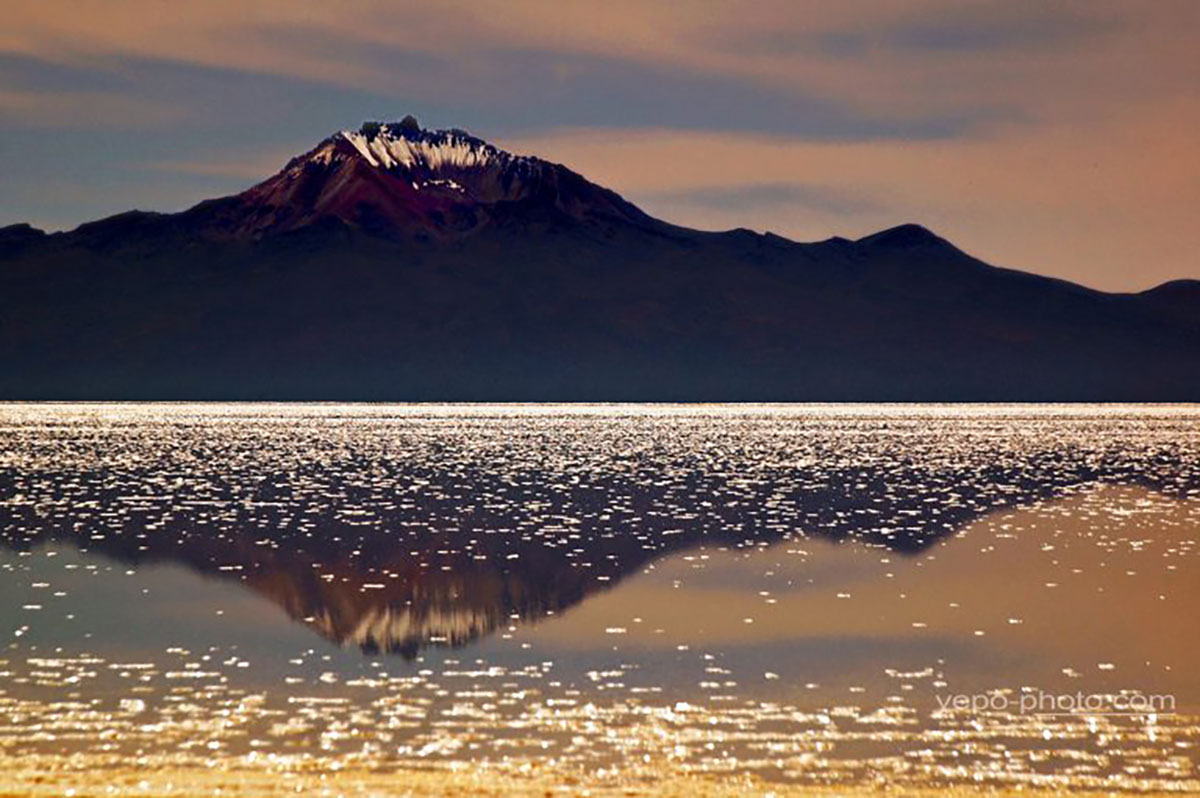
Of this tour, he says: “The Altiplano is perhaps the most lunar landscape I’ve yet encountered. Not only is it enticing in it’s otherworldly look, but being here feels like you’re on another planet because of the high altitude.”
Bruce likes to run his photography-adventures in a friendly, open, group setting. This trip is more of a tour* than Bruce’s normal workshops, due to the logistics involved, but you will get a lot of hands on experience from Bruce while at the same time, immerse yourself with plenty of time out in the field on your own.
* Please note that this is not a workshop. It is a photographic tour, focused on getting you to great locations for the best light.
A flawlessly organized Patagonia journey combining the W Trek and Fitz Roy’s grandeur for the ultimate trekking adventure.
A superbly organized journey showcasing Andean Trails’ consistent excellence, reliability, and seamless travel experiences.
Bruce Percy leads a wonderful photo safari through the Atacama desert of Northern Chile and the salt flats of Uyuni in Bolivia.
Bruce is renowned landscape photographer and guides you through stunning landscapes, helping improve your photographic skills.
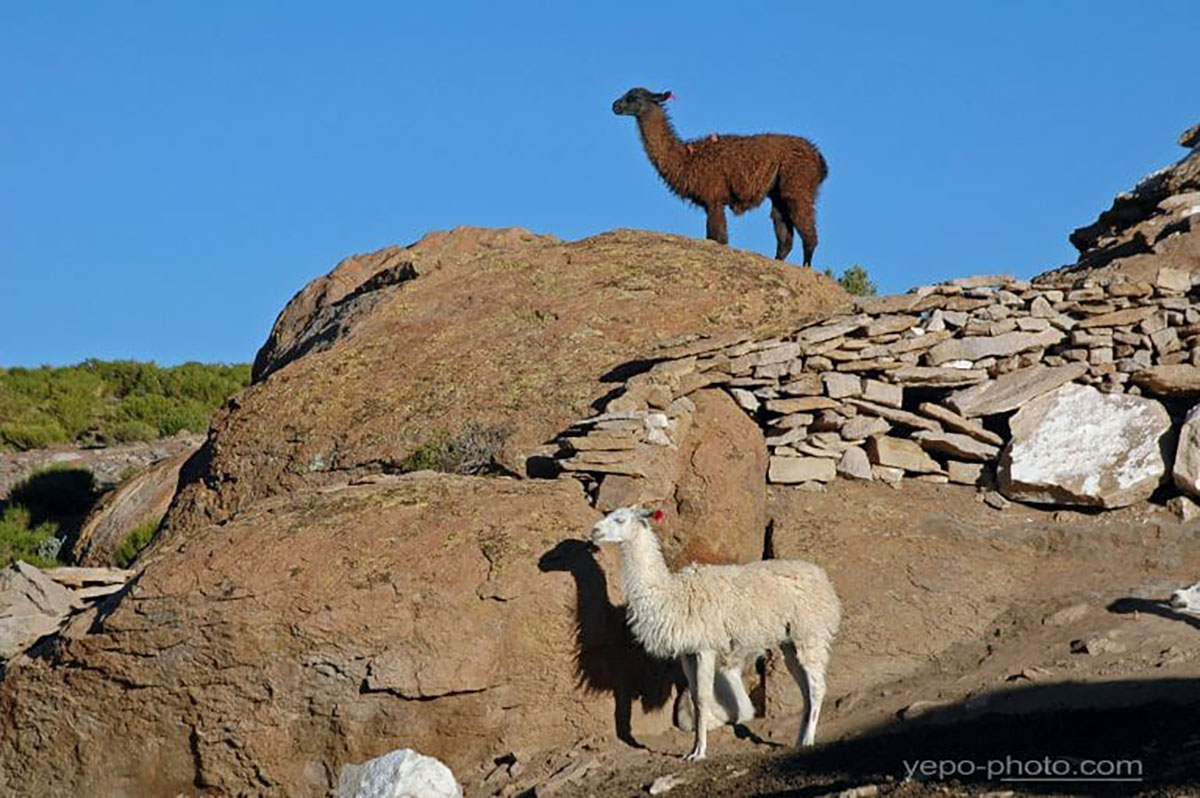
Starting in San Pedro in northern Chile, we explore the Atacama desert.
We have to spend a couple of days in San Pedro de Atacama taking it easy and letting ourselves get acclimatised to the high altitude.
Here we concentrate on capturing the wonderful colours of the desert at dawn and dusk as we acclimatise.
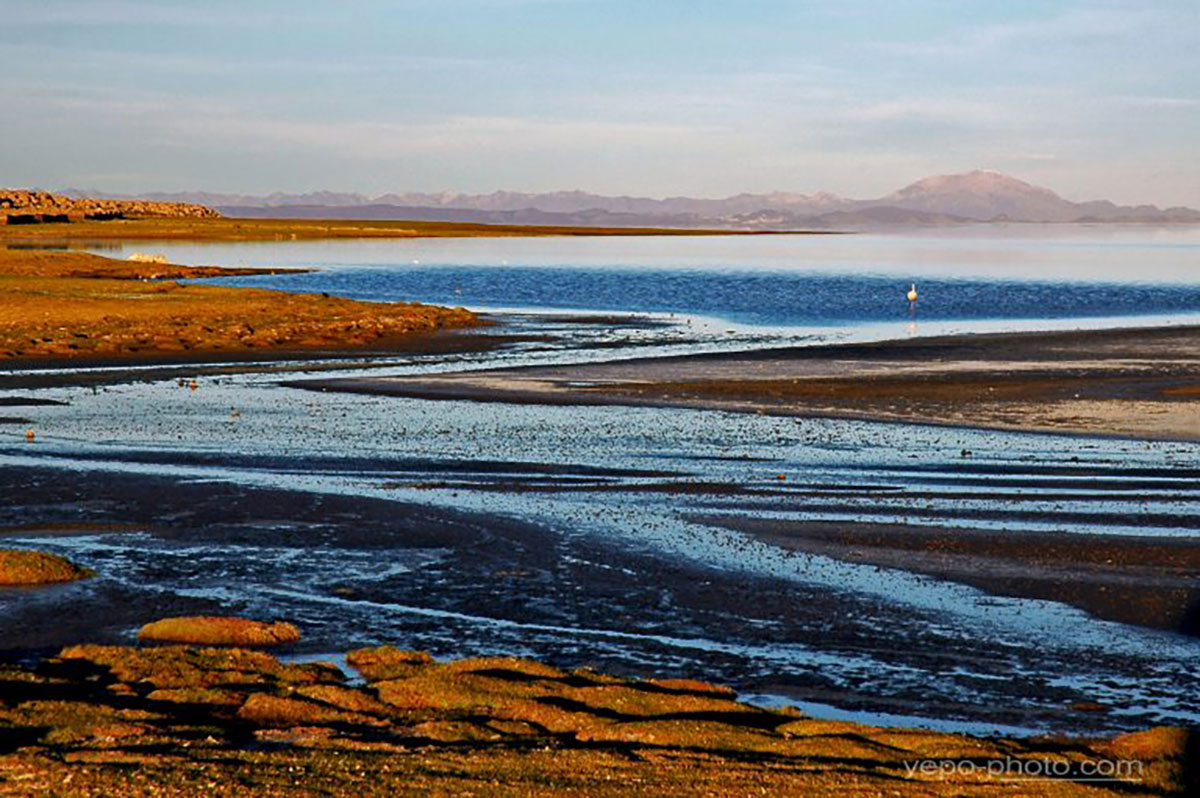
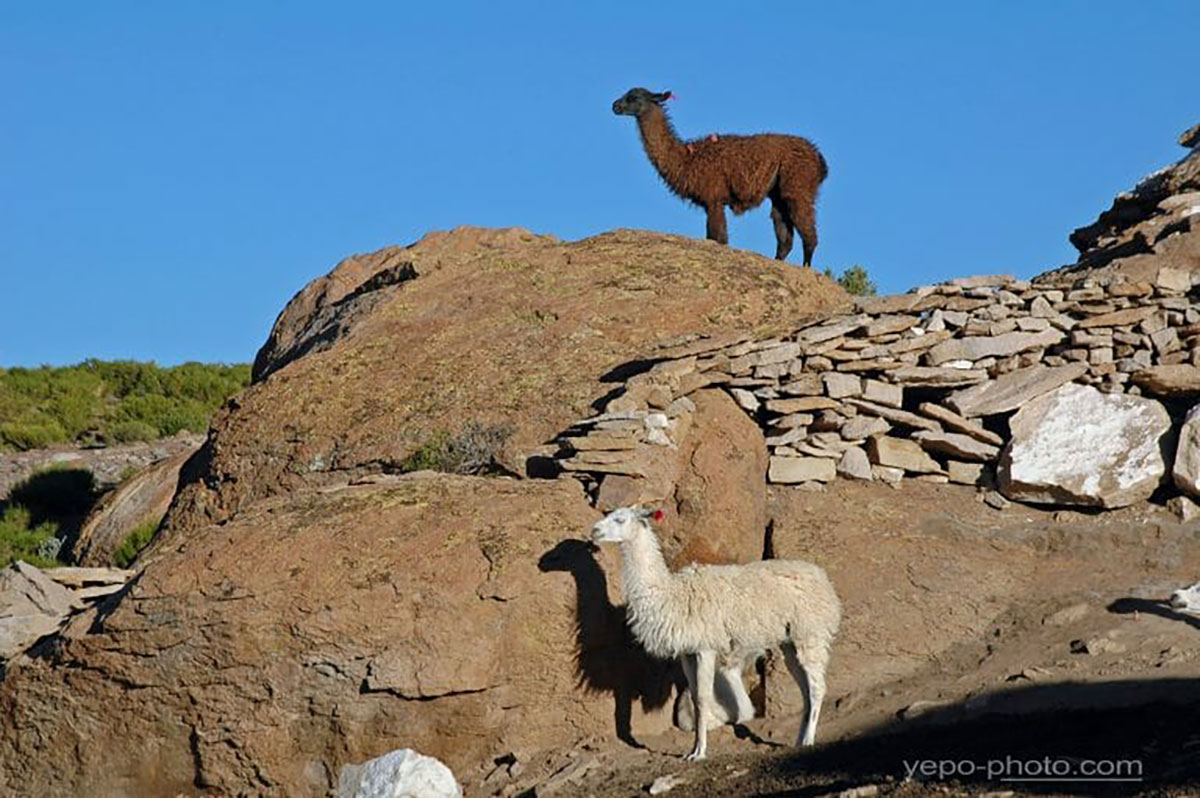
We head next to the vast southern deserts of Bolivia in our four wheel drive vehicle to enjoy the starkly beautiful landscapes of this dramatic desert wilderness.
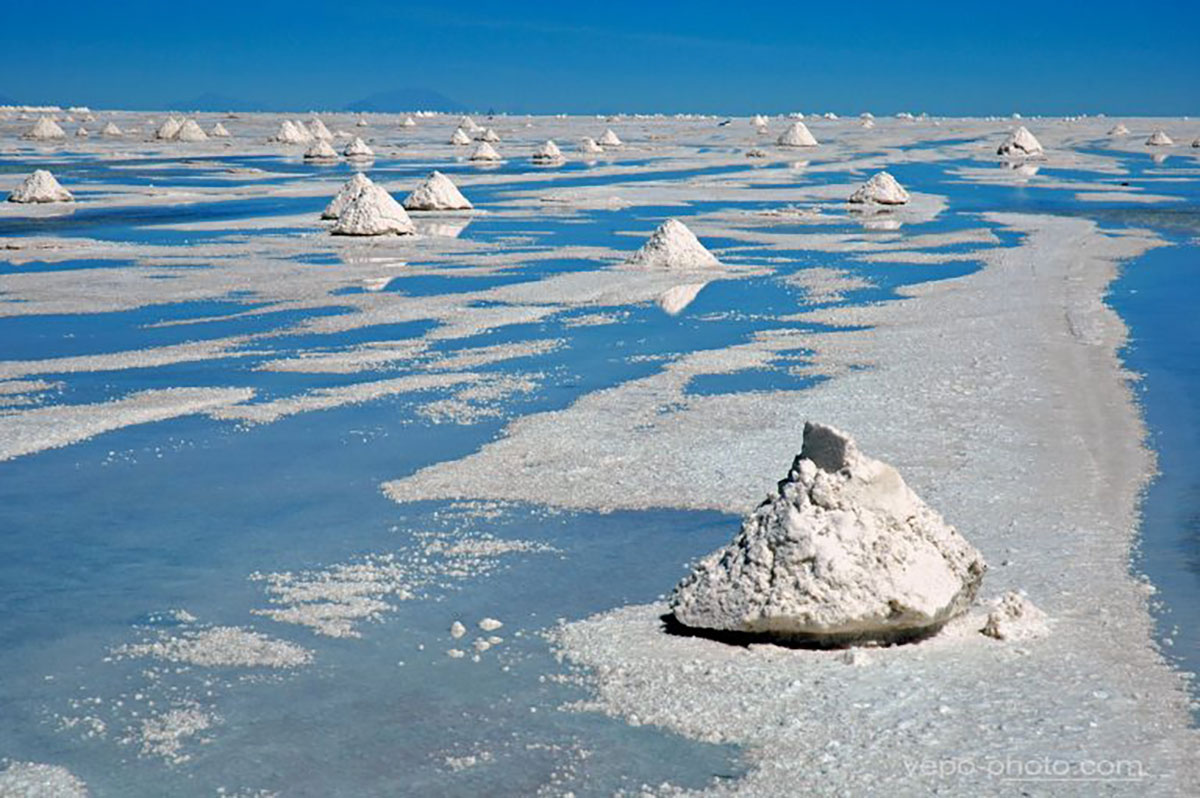
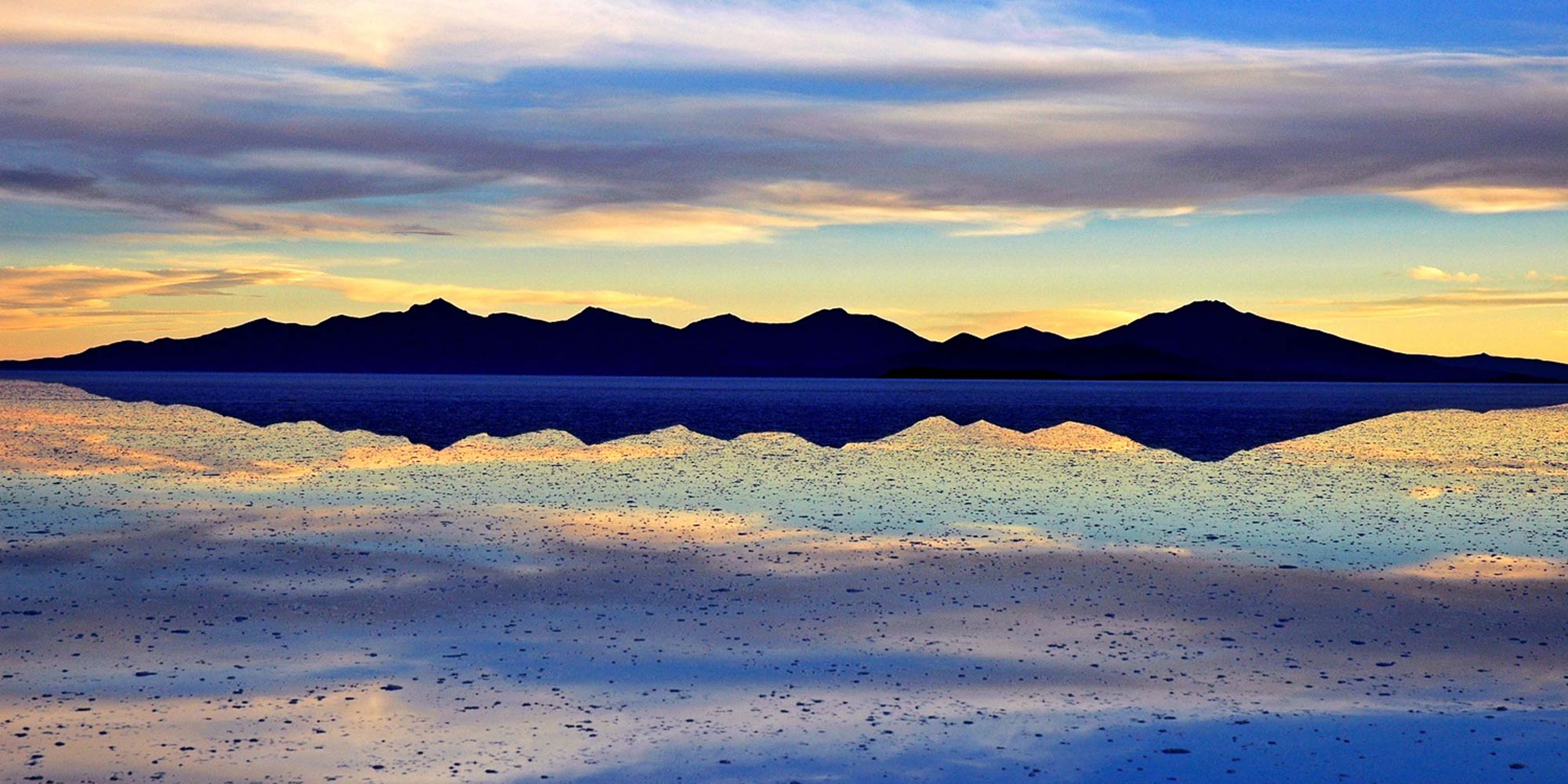
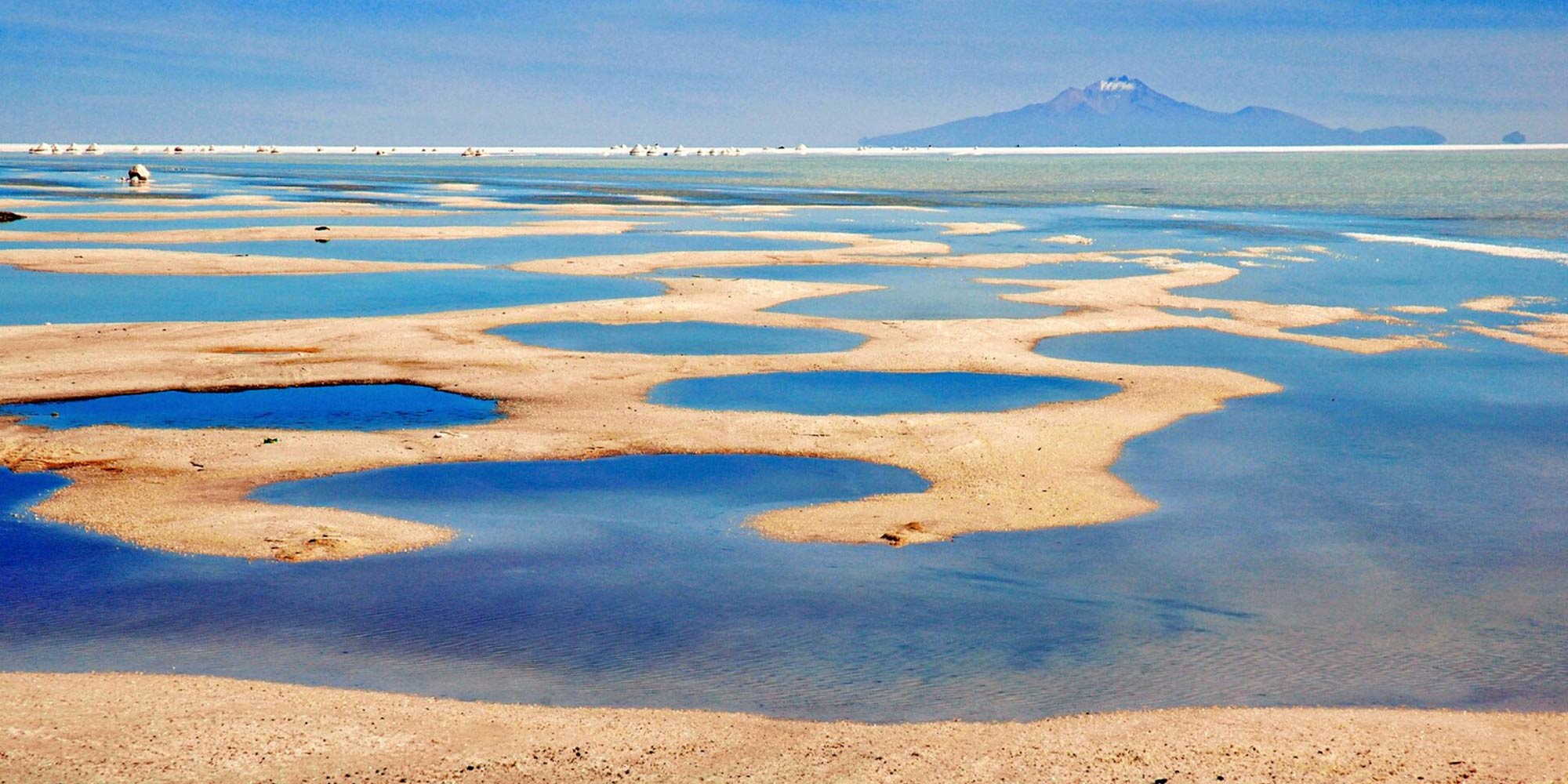
The immense Salar de Uyuni is a natural marvel of South America.
Deep blue skies, clear skies and and the brilliant white salt create a fantastic spectacle.
More about the safari
Bruce Percy is an internationally-travelled and published photographer.
He has visited and photographed South America many times and has the knowledge to help you make the most of this trip, which is limited to 8 people.
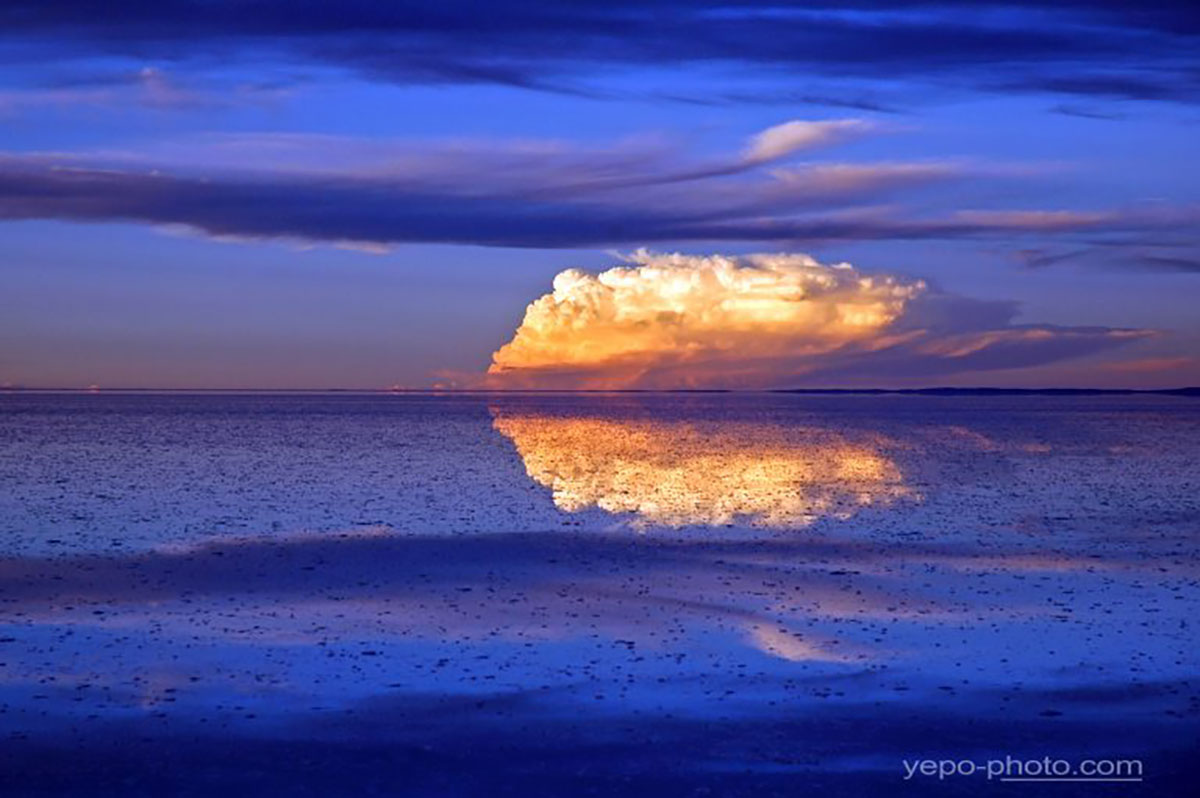
Anyone who has a passion for photography can join, as it is designed to allow everyone quality time at some fabulous locations, with accommodation, food and logistics all taken care of.
We use hotels built by and in the traditional style of the local Aymara communities, providing an income in this, one of the poorest parts of Bolivia.
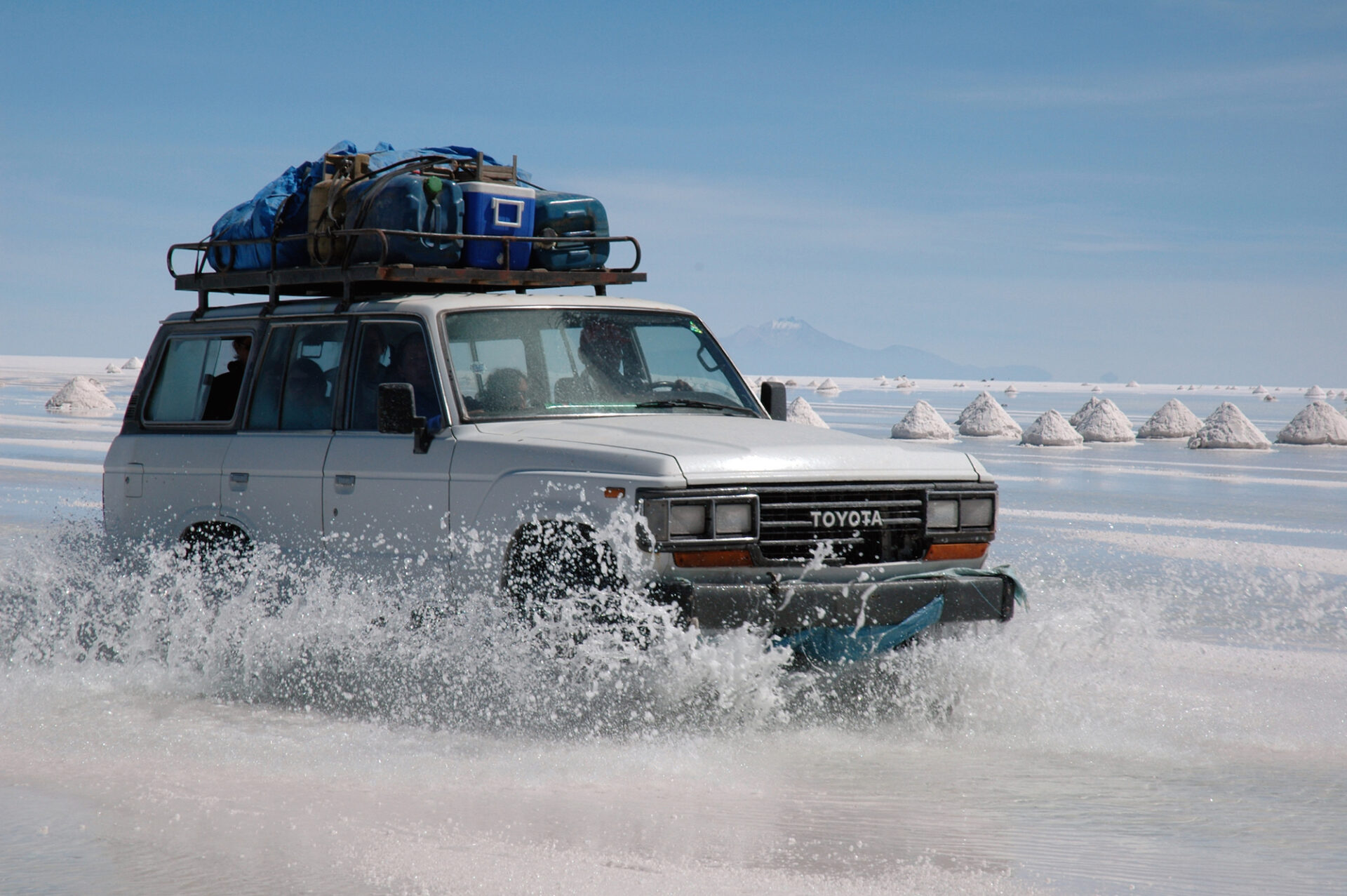
Chile is the land of contrasts, from verdant vineyards to driest desert, deep fjords and towering glaciated volcanoes.
A narrow but incredibly long, snake-like country, Chile’s unusual geography features more than 5,000km of South Pacific Ocean coast. The country is almost 4,400km long but barely more than 160km at its widest.
It is best divided into general regions, all of which offer spectacular landscapes and identities of their own.
This variety means Chile is the land where almost every activity is possible. Hiking, biking, rafting and kayaking.
Or climbing, cruising, fishing, horse riding, wine tasting.
Or simply eating great food, relaxing and exploring.
Trekking heaven. Paine National Park lies in Patagonia and features some of the best trekking in South America. With no altitude worries here, hikers enjoy an unrivalled mix of access to wild flora and fauna that exists in this massif. It is at once windswept, and then balmy. Paine National Park is a must see for walkers visiting South America.
Northern Patagonia is the least densely populated part of the country – spectacular virgin scenery make this a hidden gem and superb area for trekking, boating and horse riding.
And that’s before you think about possibly cruising through fjords, or kayaking them, flying to Antartica or staying at a working hacienda.
Iconic, Easter Island is an archaeological treasure. Here you will find the famous Moai stone statues, as well as caves and rocks decorated with etched petroglyphs and painted pictographs.
Northern Chile features the Atacama, the driest desert with the clearest skies in the world, is alive with active volcanoes replete with spitting geysers mixed with archaeological wonders and fantastic rock formations.
Central Chile is the heart of Chile and includes the capital Santiago. With its Mediterranean climate of hot dry summers and mild wet winters, this central valley produces some of South America’s finest wines, Colchagua Valley to name but one.
Here, the Andean mountain chain soars more than 6,000m above sea level. Chile’s traditional symbols such as huaso (cowboy) and cueca (national dance) originate here, an area which is rich in agriculture and produces most of Chile’s export fruit.
In winter, skiers are attracted to this tasting the promise of some fabulous snow on the huge peaks which overlook Santiago.
Lush and verdant, The Lake District area is the place to climb snow-capped volcanoes by day while relaxing next to stunning glacial lakes by evening. You can walk, bike, raft, cruise and drive your way around this beautiful region.
Central, southern and Patagonia Andes all present different challenges to mountaineers and trekkers. Options are varied in the central Andes with many of the Patagonian peaks remaining unexplored and unsummitted.
Good kit is vital for every trip.
Book with Andean Trails and get 15% off Páramo’s fantastic ethical and high performance outdoor gear.
Chile has a wide range of climates from arid deserts to bracingly cold Patagonia.
When planning for these changeable climatic conditions you will encounter across Chile, layering is the most practical and versatile clothing system.
The sun is very strong throughout the country, so good sun cream, a hat and sunglasses are vital.
It can also get very cold at night time especially in the mountains. Jumpers, fleeces and warms hats – which you can buy there – are also essential.
Give plenty of thought to kit selection, and try to keep weight down.
Below is a more detailed guide.
Chile’s climate varies greatly, owing to its sheer length, variation of terrain and varying altitudes and latitudes.
In the south of Chile, here temperatures drop a little compared to the rest of Chile.
It can be better to go in the Austral summer (Oct-March). Daylight hours are much longer at this time, with Nov-Feb being popular times to visit. October and March can be very colourful and vivid with less visitors, but weather can be more blustery.
In Patagonia, the weather is, putting it mildly, variable, and variable on a daily basis. It is usually cool and windy all year round but seldom does the temperature fall below freezing point. Some days start with snow and end in balmy sunshine. It is always interesting, and can range from 10°C-20°C in the summer, although the wind can make it feel chilly.
The vast unbroken stretch of ocean to the west and south of the South American continent leaves the Patagonian Andes very exposed to the saturated winds that circle the Antarctic landmass. Also the South Patagonia Ice field influence makes the weather hard to predict. In spring or early summer fine weather may deteriorate almost without warning, bringing rains and eventually snow. Even in summer (Dec-Mar) you should come prepared to find cold, strong winds (up to 130 km/hr) and rainfalls. The summer’s average temperature is 11ºC/52ºF (24ºC max, 2ºC min).
Winter visits to these southern areas are possible, but many hotels close and not all trips are possible. Daylight hours can be very short, but the lack of visitors can greatly improve chances of seeing wildlife in parks such as Paine.
The Lake District’s temperate climate can be said to resemble that of the UK, with rain possible but also enjoying long spells of fine, fresh weather in the summer (Oct-March).
Although sub-tropical and essentially a year-round destination, Dec-Feb are the most popular times to visit Easter Island as it is summer there and temperatures average 24°C. There can be colder days and it can be humid too.
The winter months (Jun-Oct) on Easter Island are not overly cold, but they can be cool. The average low temperature is 16°C but there is usually a wind at this time of year that makes the temperature feel cooler than it really is.
The wind rarely stops blowing at this time of year.
The north of the country lies in the tropical zone, but in the main is desert. It is dry and sunny all year round, but does get cold at night time in the high altitude areas.
In winter (June-Aug) the average daytime temperature is 22°C (72°F) and by night 4°C (39°F), descending to -2°C (28°F) in extreme cases.
During summer (Jan-Mar) the temperature fluctuates between 27°C (81°F) and a minimum of 16°C (61°F) at night, reaching maximums of 32°C (90°F), with occasional showers.
The wine growers love the central valley, which has a suitable Mediterranean climate of hot dry summers (Nov-March).
Then, temperatures range from 17°C in the evening and can go up to 30°C inland. It is cooler during the day on the coast.
During winter (May-Sept), which is essentially mild and wet, temperatures inland can vary from 5°C to 18°C during the day, and a bit warmer on the coast.
Autumn (Mar-April) and Spring (Oct-Nov) are lovely times to visit, although hotels in Santiago can book out in March, October and November, as it is conference season.
A flawlessly organized Patagonia journey combining the W Trek and Fitz Roy’s grandeur for the ultimate trekking adventure.
A superbly organized journey showcasing Andean Trails’ consistent excellence, reliability, and seamless travel experiences.