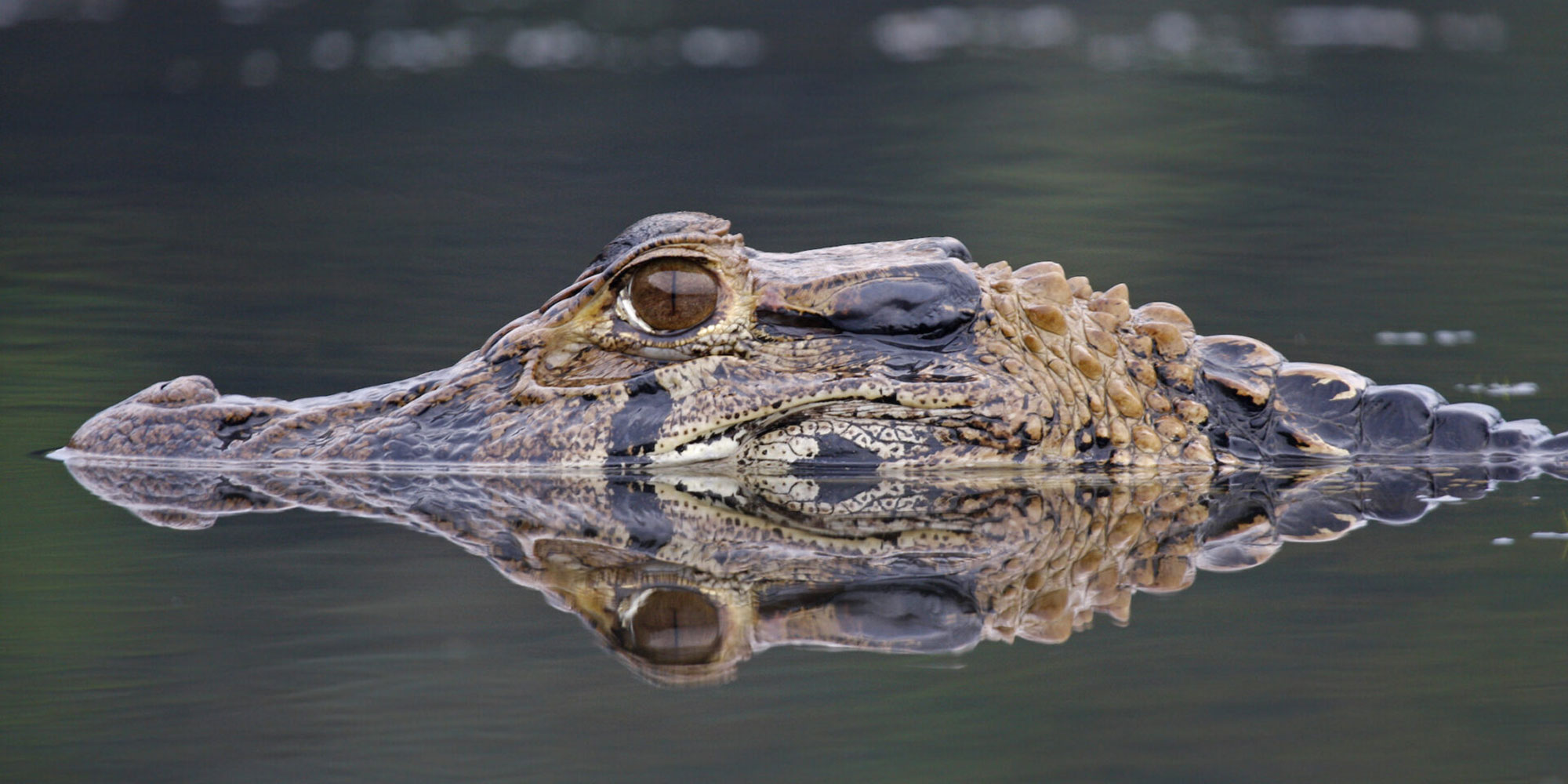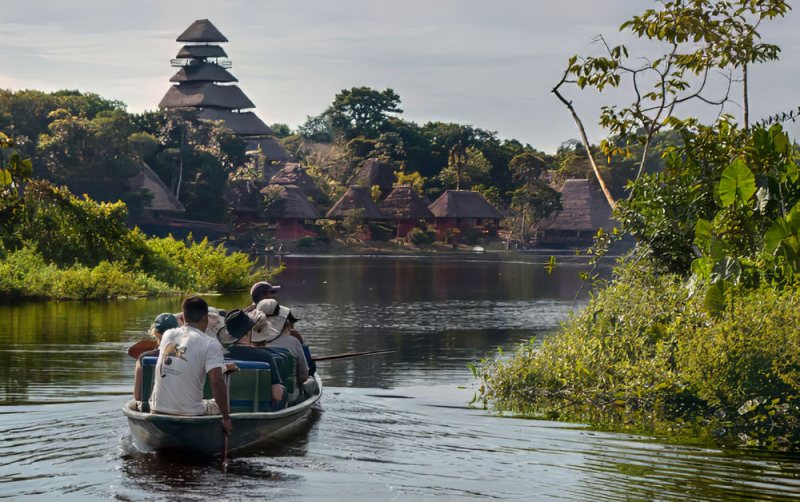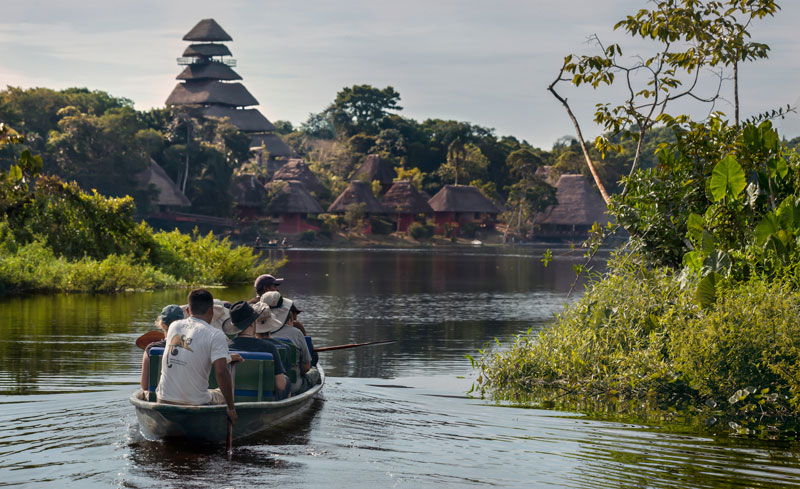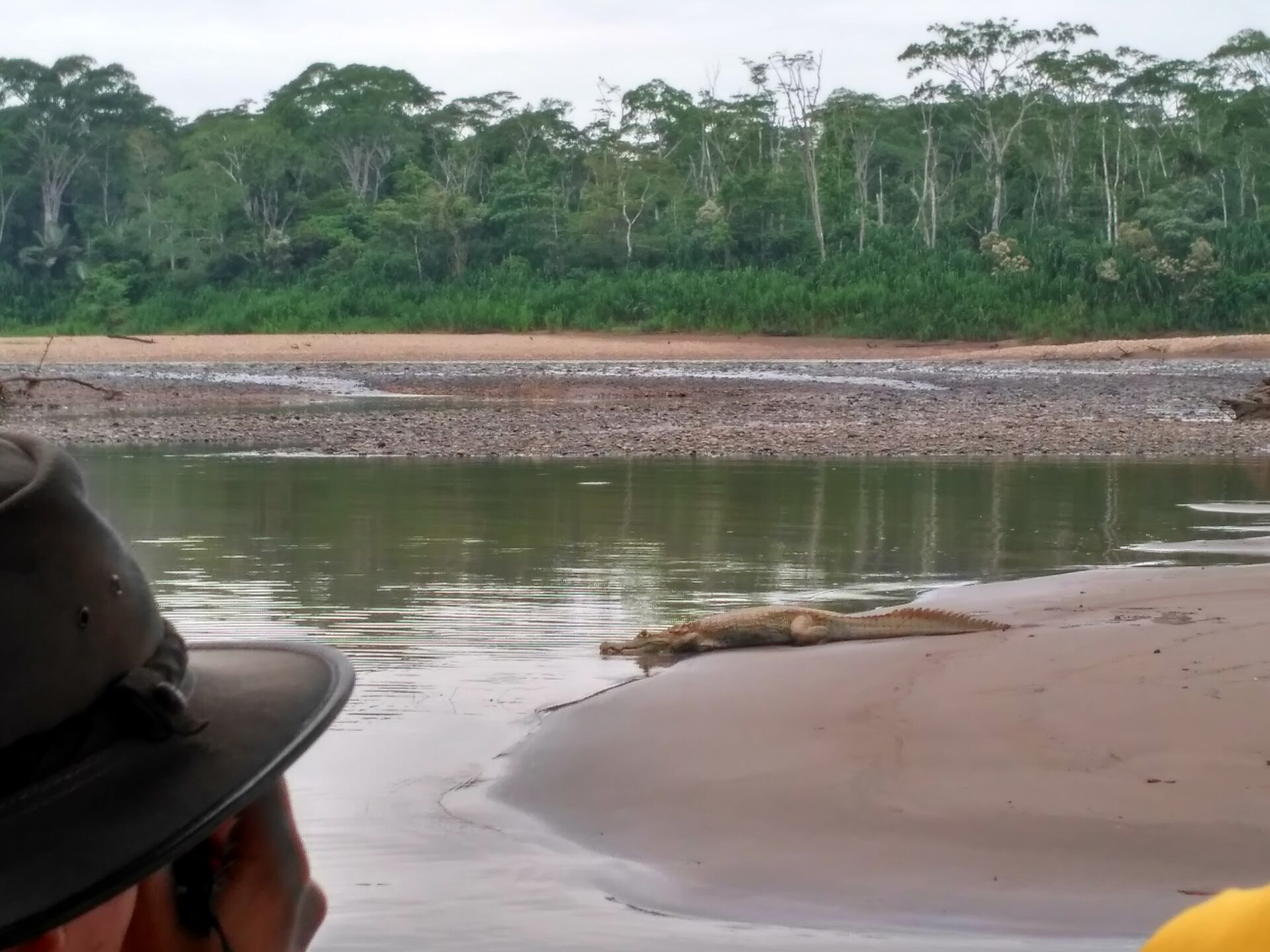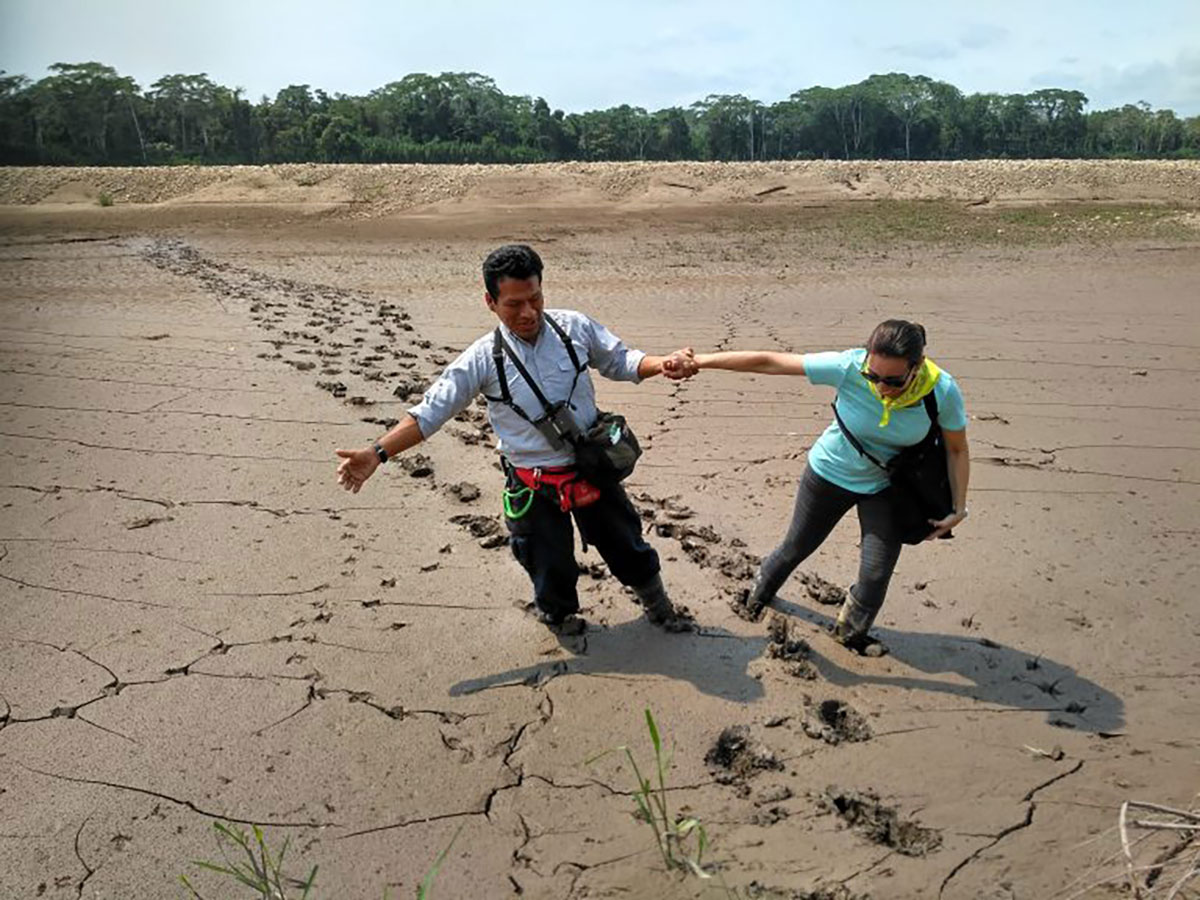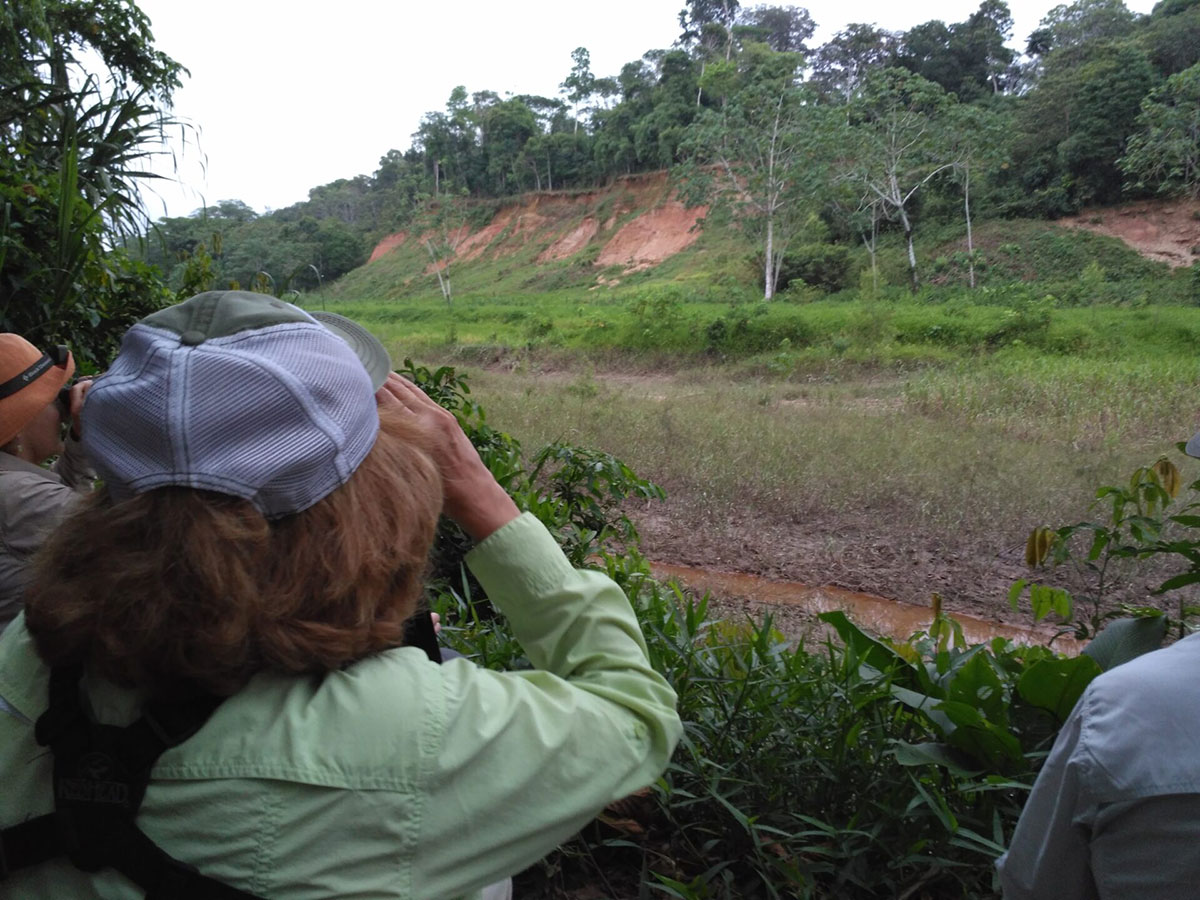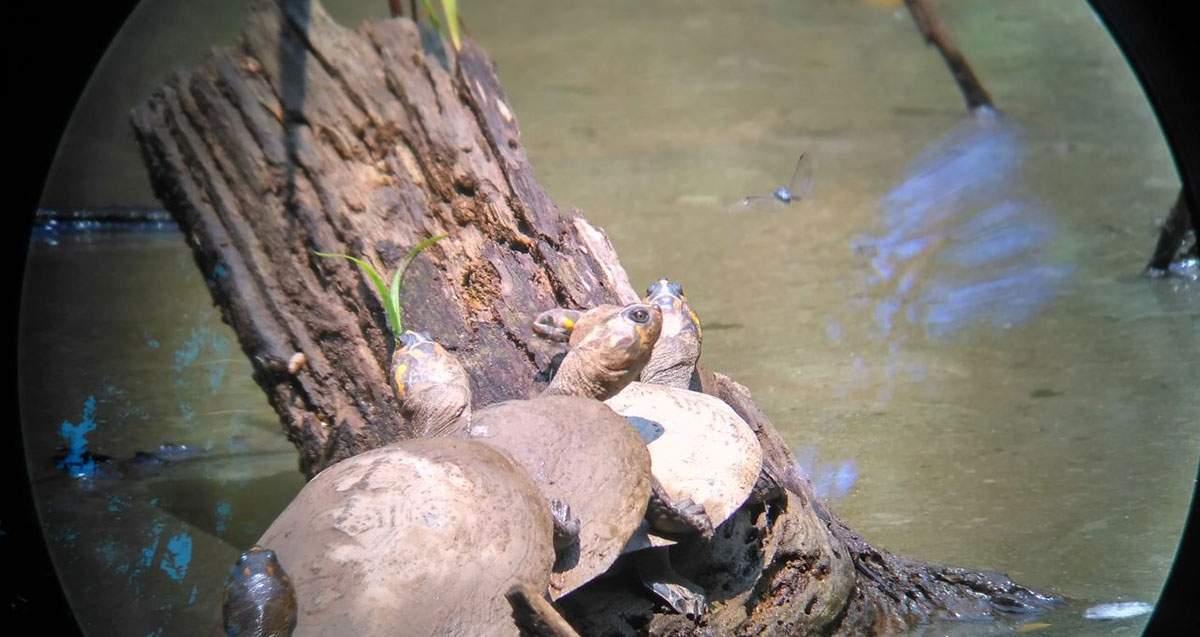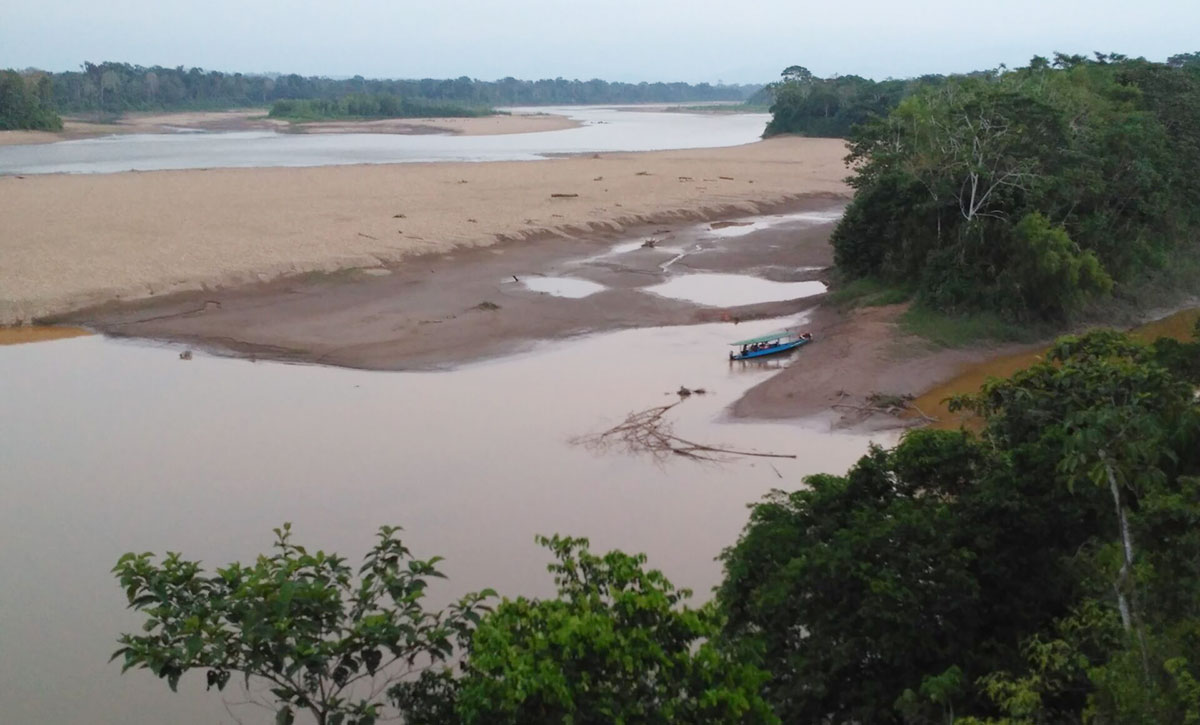
Arriving at Puerto Maldonado, we are transferred to the Tambopata River to go into the pristine heart of the reserve. After the first hour we leave the final traces of human habitation behind as we cross the northern boundary of the 700,000 hectare and completely uninhabited nucleus of the Tambopata National Reserve. Differences in wildlife abundance will be noted immediately: we begin to sight macaws, herons, kingfishers and cormorants and may be lucky to have chance encounters with capybaras, caiman, storks, ducks and other wildlife.
Boxed lunch on the boat.
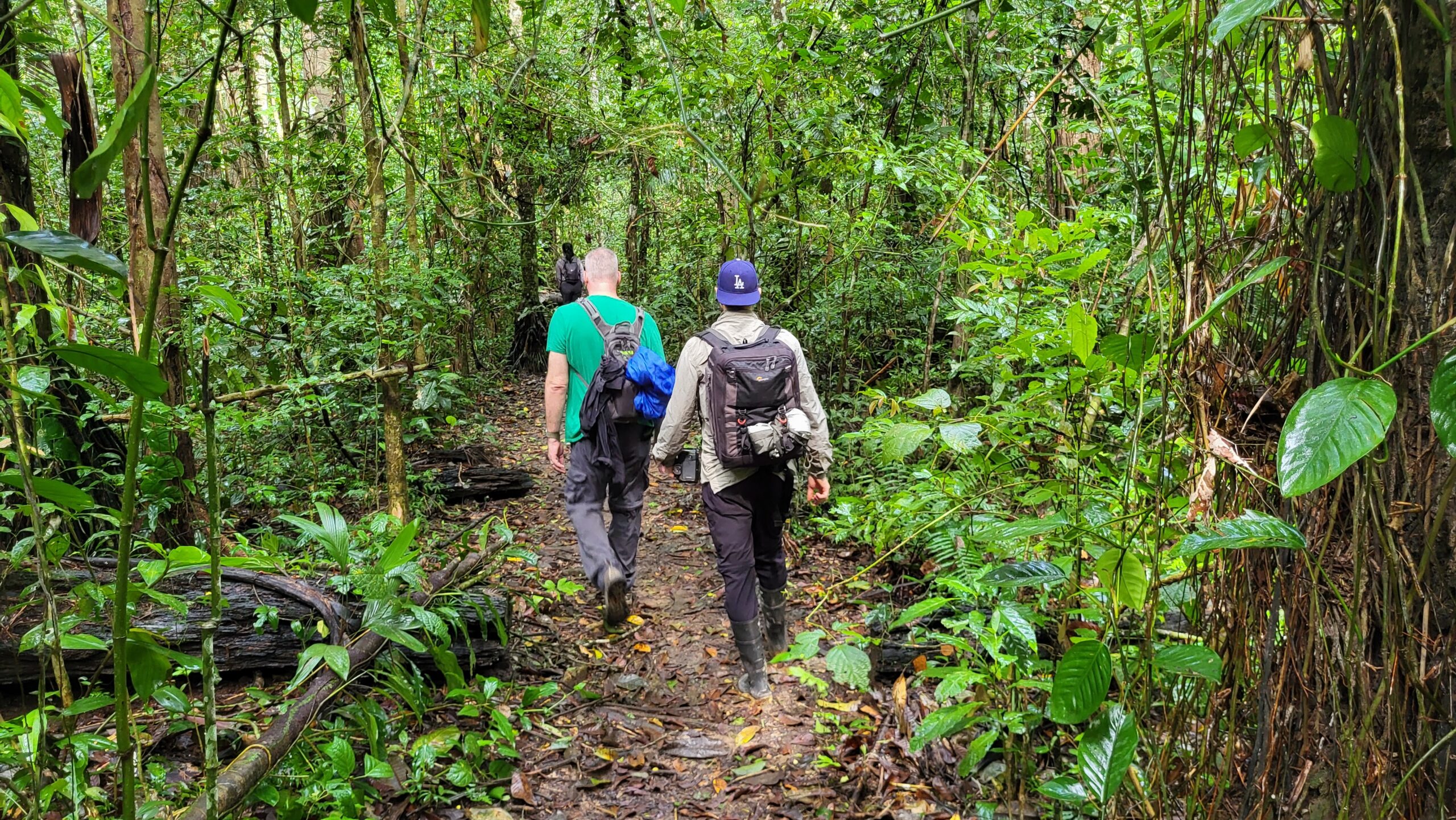
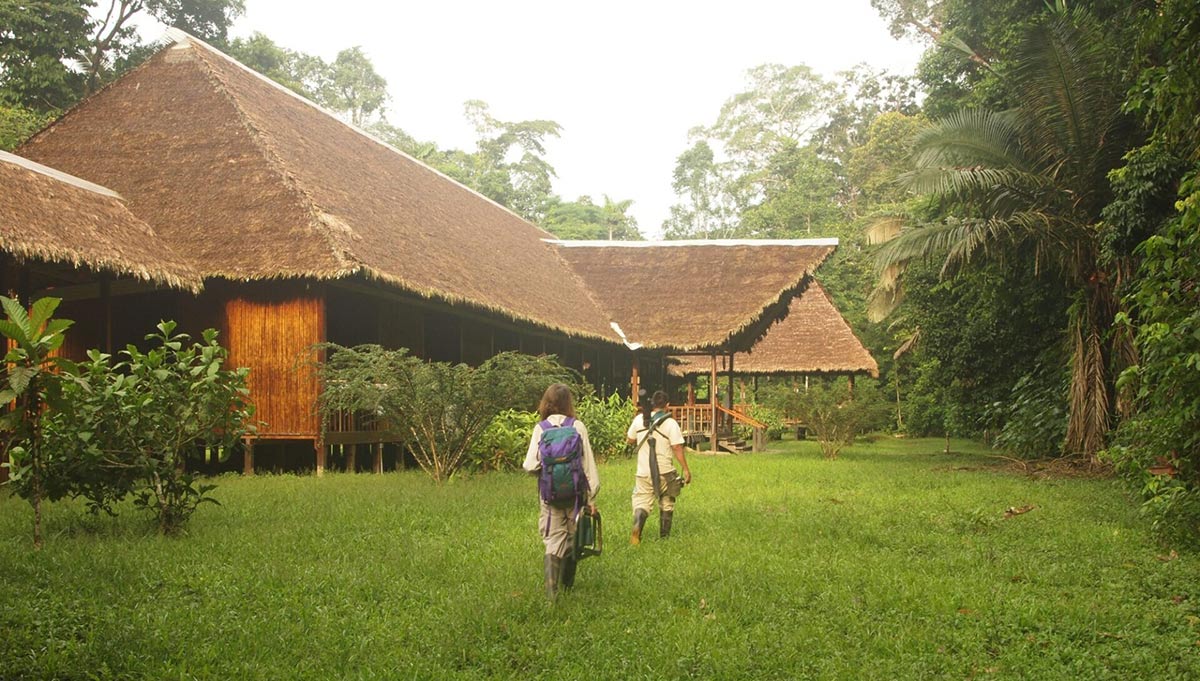
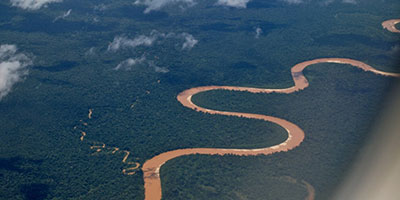
We arrive at the Tambopata Research Centre (TRC) in the early afternoon, greeted by the Chicos, our flock of semi-wild, rescued macaws. On arrival, we hold an orientation session. After this, a three to five kilometre hike will lead us to overlooks commanding magnificent views of the Tambopata river winding its way into the lowlands. The forest on this trail, regenerating on old bamboo forest, is good for Howler Monkey and Dusky Titi Monkey.
We return to TRC for dinner.
After dinner, we can choose to take part in the Macaw Project Lectures. Scientists will provide an in depth look at the biology of macaws, their feeding habits,the theories for clay lick use, their breeding and feeding ecology, population fluctuations and the threats to their conservation.
While we are at the TRC, there are many activities to choose from according to our interests. These include a monkey search, different walks and a Macaw nest visit.
At dawn we cross the river and enjoy the world’s largest macaw clay lick where hundreds of parrots and macaws of up to 15 species congregate daily.
Of the lick, the January 1994 issue of National Geographic stated: “When the morning sun clears the Amazon tree line in southeastern Peru and strikes a gray-pink clay bank on the upper Tambopata River, one of the world’s most dazzling wildlife gatherings is nearing its riotous peak.
“The steep bank has become a pulsing, 130-foot high palette of red, blue, yellow and green as up to a thousand parrots squabble over choice perches to grab a beakful of clay, a vital but mysterious part of their diet. More than a dozen parrot species will visit the clay lick throughout the day, but this midmorning crush belongs to the giants of the parrot world, the macaws.”
You can expect to see ten to twelve of the following members of the parrot family: Red-and-green, blue-and-gold, scarlet, red-bellied, chestnut-fronted and blue-headed macaws; mealy and yellow-crowned amazons; blue-headed, orange-cheeked and white-bellied parrots; dusky-headed, white-eyed, cobalt-winged and tui parakeets and dusky-billed parrotlets.
This show will continue until the macaws sense danger, usually in the form of an eagle, and depart simultaneously in an explosion of sound and colour.
Around mid-morning, when the most intense clay lick activity is over for the day, we return to TRC for breakfast.
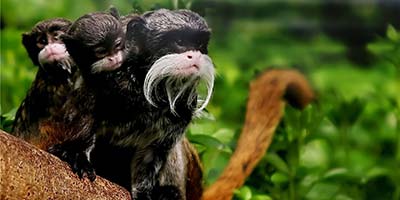
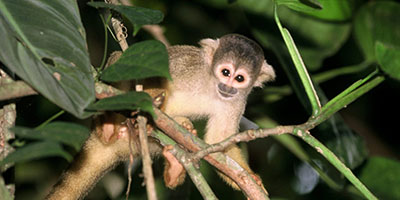
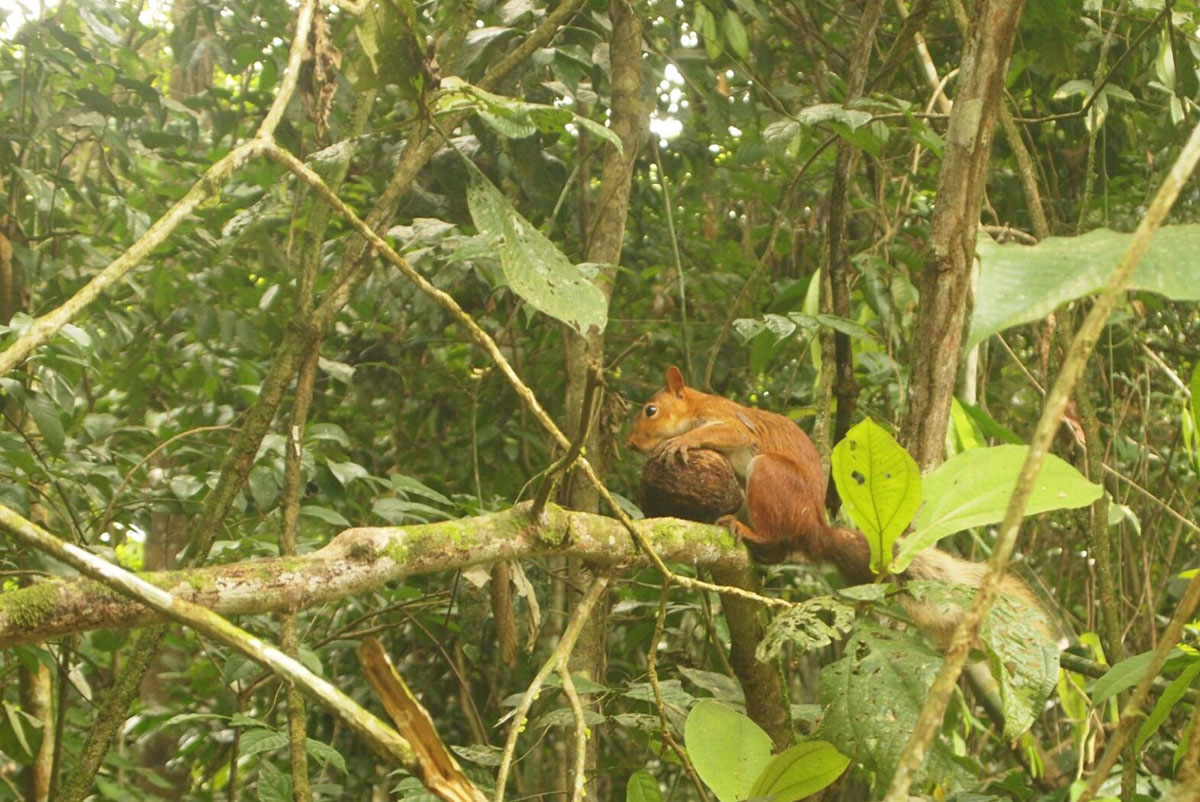
This five kilometre Floodplain trail covers the prototypical rain forest with immense trees criss-crossed bycreeks and ponds. Amongst the figs, ceibas and shihuahuacos we will look for Squirrel, Brown Capuchin, and Spider Monkeys as well as peccaries. TRC is located within this habitat.
We will return to TRC for lunch. Ten minutes upriver from the lodge is a tiny pond with a platform in the middle. It is a great place tos pot waterfowl such as Muscovy duck, sunbittern and hoatzin along with the woodpeckers, oropendolas, flycatchers and parakeets that call this pond their home.
After dinner you will have the option of hiking out at night, when most of the mammals are active but rarelyseen.
Much easier to find are frogs with shapes and sounds as bizarre as their natural histories.
We wake up at dawn once again to visit the macaw clay lick and then return for breakfast.
After breakfast we will hike the Terra Firme Trails, an entirely different habitat characterised by smaller, thinner trees atop hills and slopes is covered by this five kilometre trail.
Saddleback tamarins are frequently found here. As we walk near the limits of the swamp we will also keep our eyes open for rare tapir tracks.
After lunch we visit the Palm Swamp Trail. Growing on the remains of an oxbow lake and providing both arboreal as well as terrestrial mammals with fruits throughout the year, the aguaje palms are one of the most important food sources in the rainforest. Demand for these fruits and great conditions for planting rice, makes the palm swamp also one of the most threatened habitats.
We return to TRC for Dinner.
After an early breakfast we return to Puerto Maldonado for our flight back to Cusco or Lima.
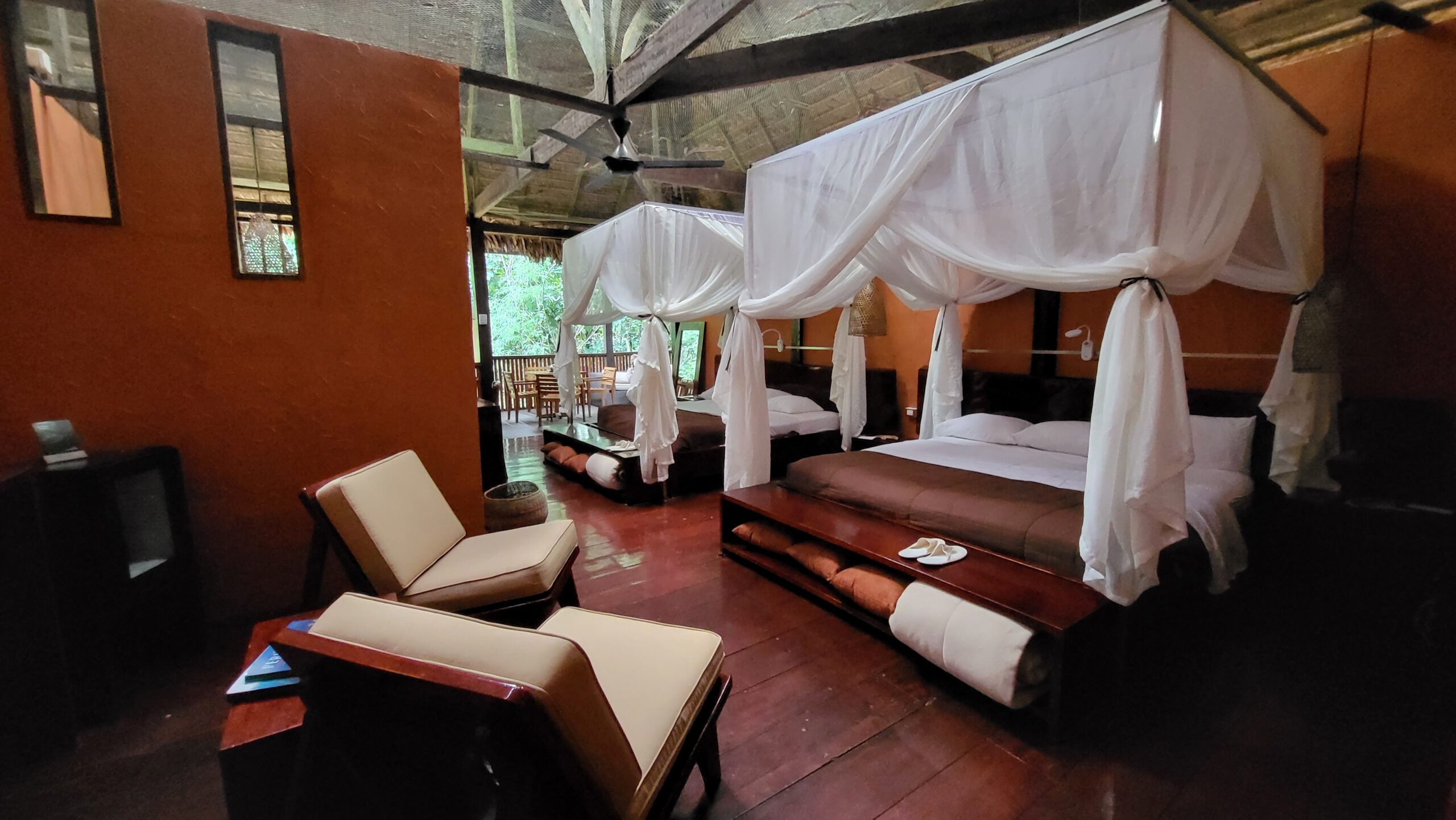
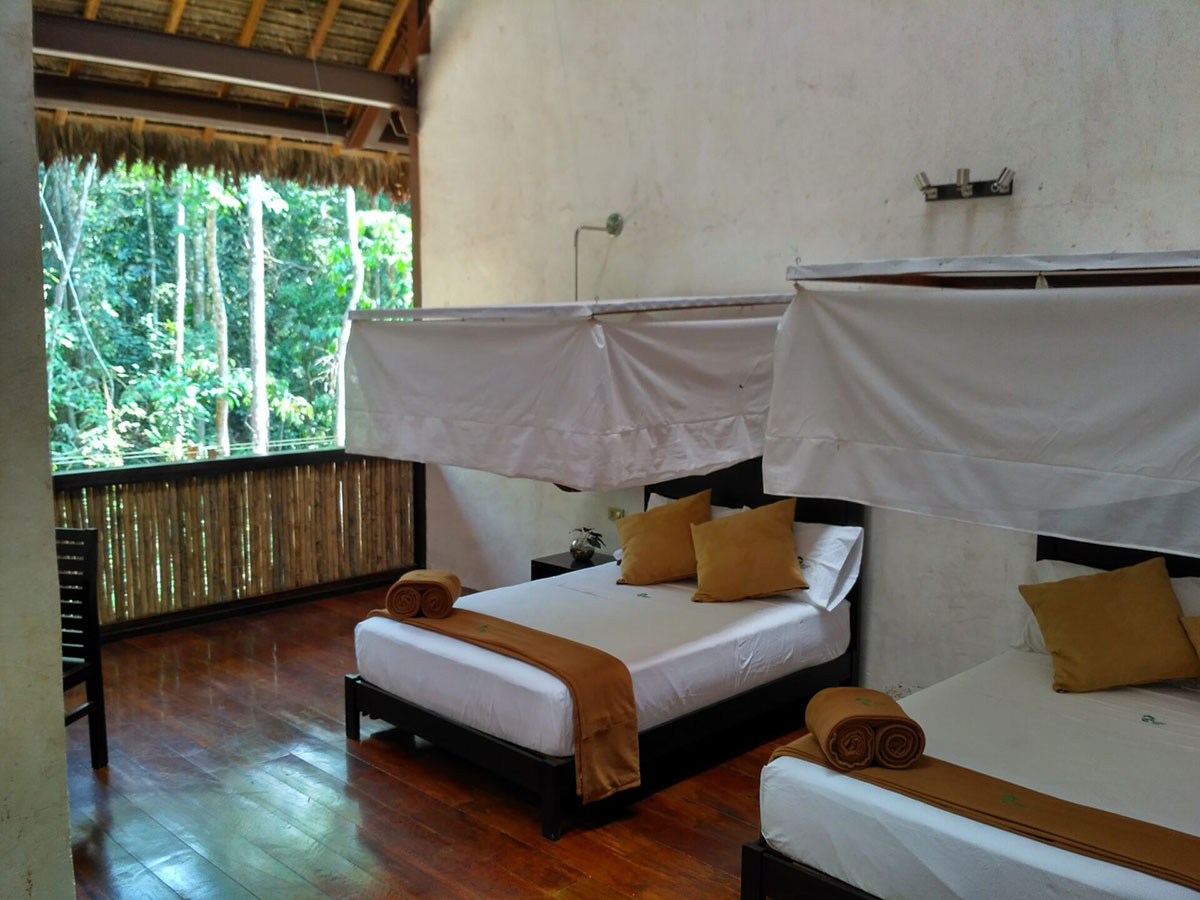
All rooms have an authentic Ese-Eja décor which has been crafted by artists from the local community of Infierno.
All rooms feature private bathrooms with access to hot water showers.
The rooms also feature an open veranda so you can feel part of the rainforest. Don’t fret! The few (if any) animals that may come in can be swiftly removed by the locals.
There is electricity in common areas three times per day: From 6hrs to 8hrs – From 12hrs to 14hrs – From 17hrs to 22hrs (Referential time)
There are five types of rooms at the Research Centre.
Quaint, comfortable rooms in the middle of the tropical rainforest let guests experience this global biodiversity hotspot even during downtime.
Monkeys, many species of birds, frogs, and other rainforest wildlife are often visible from our signature windowless verandas. Those same verandas also add comfort with excellent ventilation. These rooms are built with local materials, including tropical hardwoods, palms, bamboo, and adobe.
They are available as singles, doubles or twins and come equipped with mosquito nets for the beds and have spacious private bathrooms with hot water. Numerous kerosene lamps and candles provide soft lighting.
The premium rooms have lovely, varnished tropical hardwood floors, are 44 square metres, and have an open verandah that overlooks a roadless, wild tropical rainforest preserve.
Premium rooms are available as singles, doubles or twins, and each is equipped with a mosquito net over large, comfortable beds, two hypoallergenic pillows per person, a hammock, and a reading table.
Stay in one of our premium rooms and enjoy:
These are the same as the premium rooms with these additions:
These are the same as the suite rooms with these additions:
These trips are designed to be open to people of all ages and abilities.
You need to be able to step into and out of a boat and the fitter you are the more you will enjoy the trip.
Walks are short in length but you may be on your feet for 2-3 hours as you stop to look at wildlife. There are shorter walks for those who don’t want to walk so far – your guide will talk to you about preferred activity levels.
There are also rides in boats/canoes that can last up to 1.5 hours, depending on the tour. The trip to Tambopata Research Centre can last 2.5 hours.
We can cater for almost any dietary requirement – please ask for more information.
Dedicated kitchen staff serve up a mix of local dishes and international plates using food from the rainforest wherever possible.
This means a delight for the tastebuds as there are so many tasty treats growing around the lodge.
Breakfasts are usually early and there are fruit juices made from local plants – some of which you may have never heard of – along with teas and locally-grown coffee. There are usually cakes, jams and a choice of eggs, toasts and cereals.
Lunch and dinner are usually three courses – a soup to start followed by a hearty main and then pudding.
Fish, chicken and beef all feature, and there is always a vegetarian option, too. Side dishes include yams and potatoes and rice, plus more rainforest delicacies.
Pudding is often fruit or a cake made in the local style.
Local native guides come from the community and/or the area surrounding the lodge. Some specialist guides do come from other parts of Peru.
They speak English and will bring the rainforest alive for you. Each has a speciality/interest as well as a broad overview of the forest.
The lodge itself is staffed by community members, so you visit really means giving back to the locals.
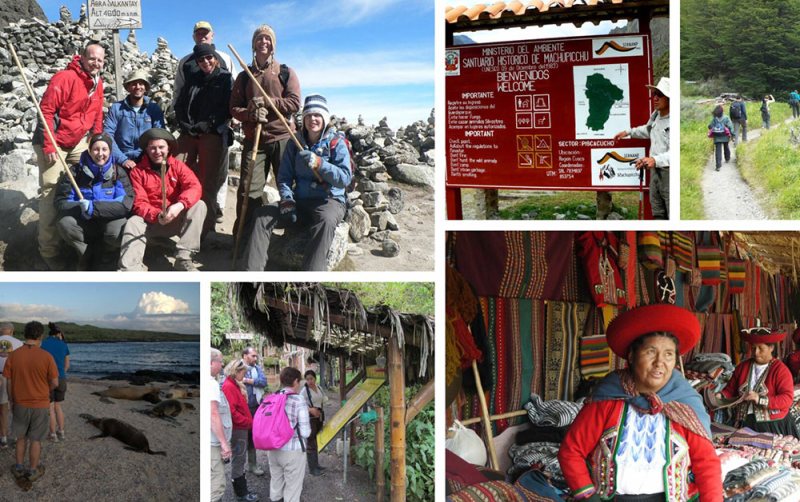
A wonderfully organised trek with knowledgeable guides, fantastic food, and thoughtful touches throughout, from tea in bed to warm camp welcomes, making for an unforgettable Andean adventure.
A special and enriching Peruvian adventure, combining an unforgettable trek with deep insights into the Quechua people’s enduring traditions.
This community run lodge and research centre, with a strong focus on conservation, takes you as far into the jungle as travellers can go.
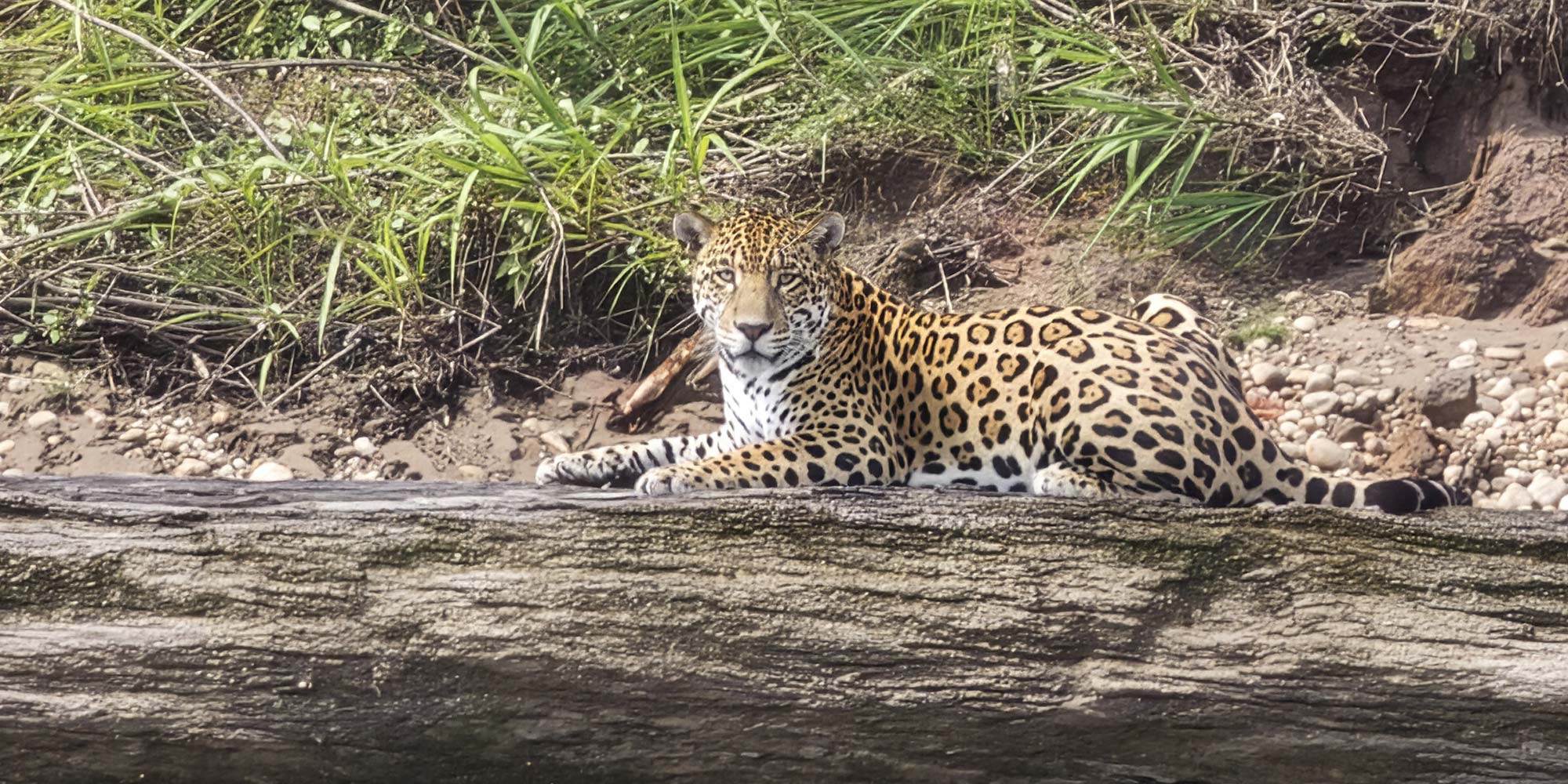
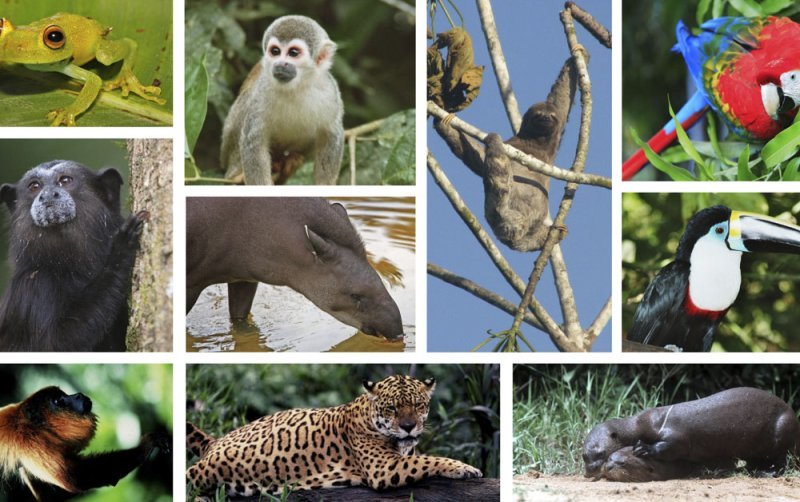
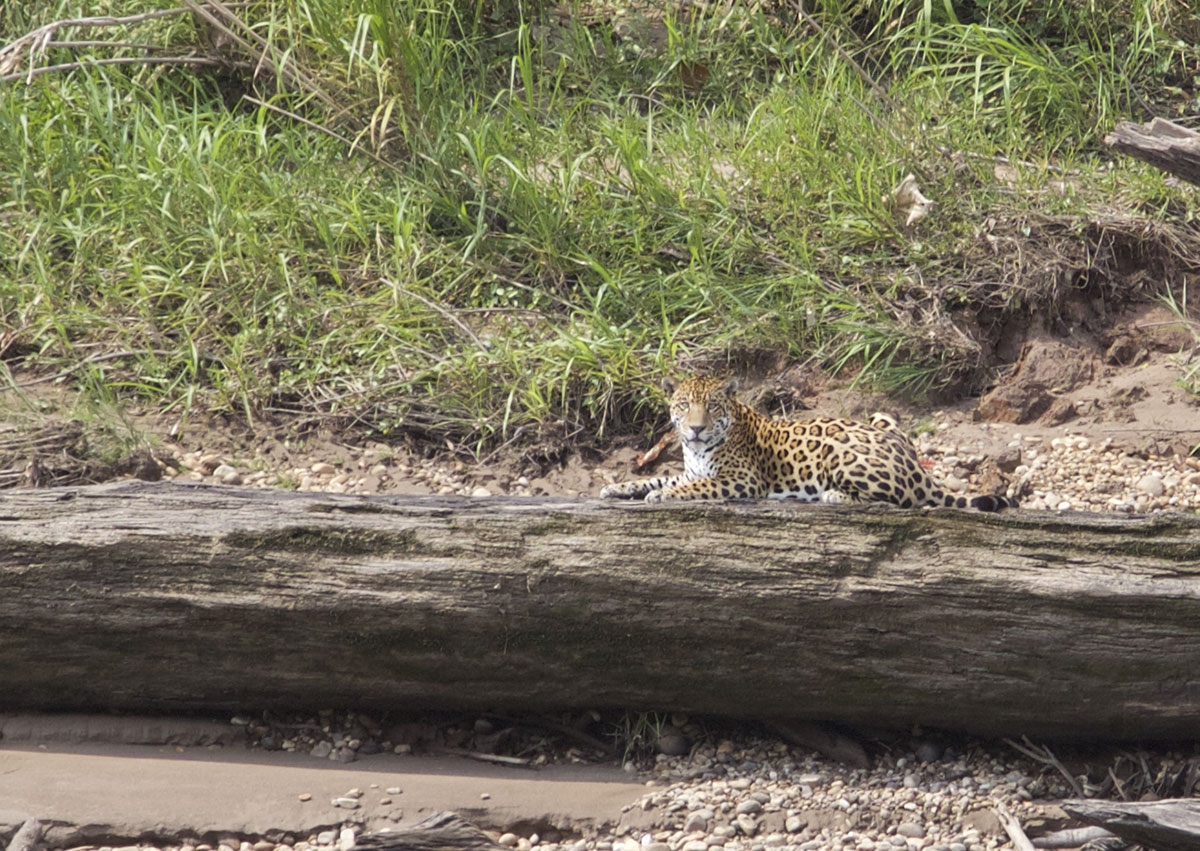
Such dedication to wildlife is rewarded with some of the best chances for seeing macaws, monkeys and jaguars anywhere.
You’ll get the chance to help researchers on projects, look for new species and enjoy some of the very best Amazon lodging.
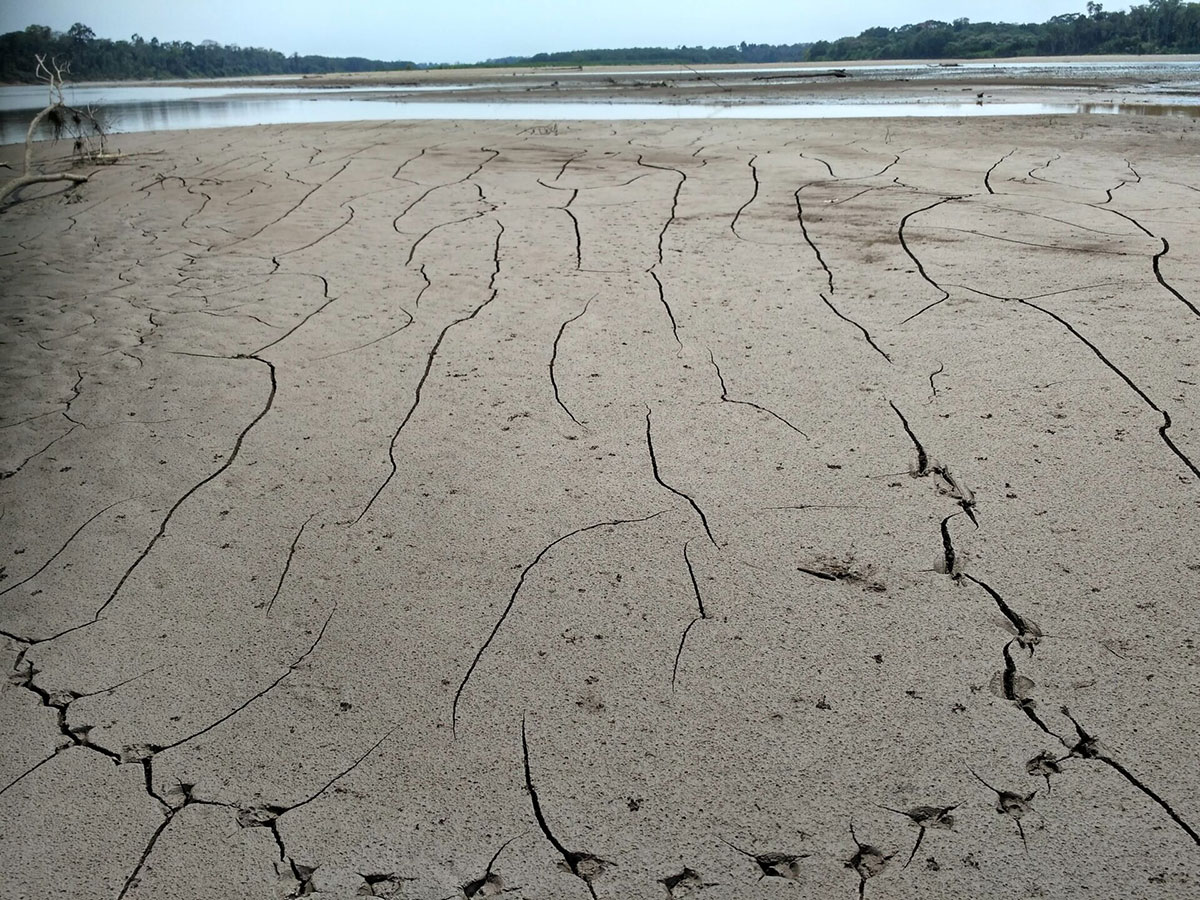
You visit the Tambopata Research Centre, also known as TRC.
Here, you can see the work being undertaken by researchers there, as well a visit a huge macaw lick, oxbow lakes and enjoy jungle walks. There are a wide variety of activities you can choose from.
Your rewards can include seeing Giant Otters, Macaws, Harpy Eagles and possibly a Jaguar. Read Tom’s blog about doing just that – spotting a jaguar.
Night walks with ultra violet lights is a real highlight, as the UV reflects off lichens, scorpions and spiders to give the canopy a whole new look.
More than 1,300 bird species (including 32 parrot species – 10% of the world’s total), 200 mammal species, 90 frog species, 1,200 butterfly species and 10,000 species of higher plants are protected within this reserve.
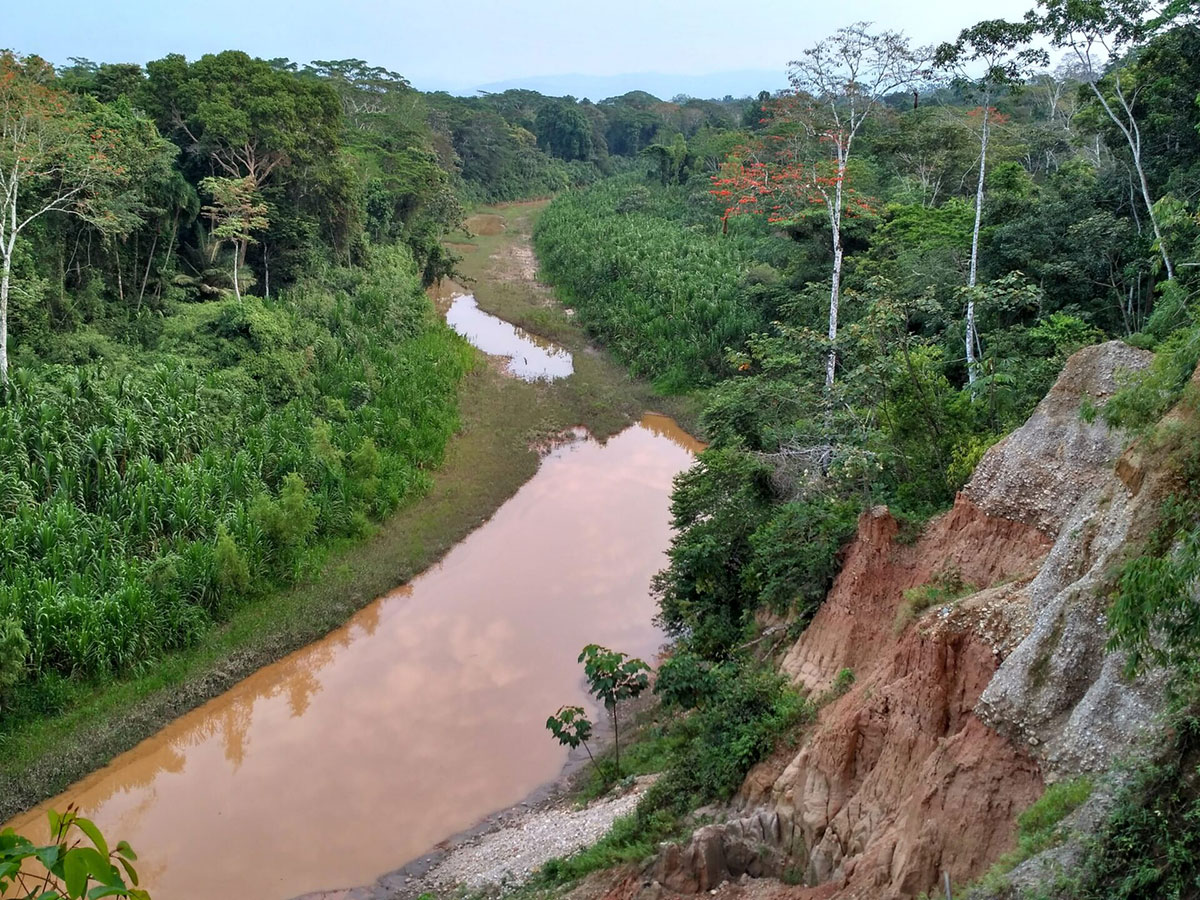
You are accompanied by Ese’eja and English-speaking Peruvian naturalist guides through the forest, and on canoe trips.
Tambopata Research Centre Lodge now boasts a new wing with luxury accommodation in the heart of the Amazon.
All have been constructed combining traditional native design and materials (wood, palm fronds, wild cane and clay) with modern, low-impact technology.
From: $690 per person
Duration
4 days

Peru is made up of 3 distinct geographical areas: the coast, the mountains and the jungle.
The costa or coastal region is a narrow ribbon of desert 2,250 km long, crossed by fertile river valleys flowing from the Andes. It takes up 11% of the country and holds more than 40% of the population.
The cold Humboldt current gives rise to a blanket of mist – the garua – which hangs above coastal cities like the capital Lima from May to November.
Heading east, you’re soon climbing above the garua and into the Andes. The sierra, or mountainous region, covers some 25% of Peru’s territory and contains 50% of the population. The sierra inhabitants are mainly Indigenous or Mestizo, and many still speak Quechua or Aymara.
The sierra contains dozens of 6,000-metre snow peaks and volcanoes, including Huascaran (6,768m) the highest mountain in the tropics. The deep valley basins contain most of the towns and arable land; the terracing and canal systems of the Incas and pre-Incas are often still used today.
The eastern Andes are heavily forested up to 3,350m and sweep down into the Amazon Basin.
Peru’s selva or jungle makes up almost two thirds of the country’s area, but holds only about 6% of the population: the only towns with significant populations are Iquitos and Pucallpa.
Peru is the perfect holiday destination for adventure travellers that want an amazing variety of activity, geography and cultural travel experiences.
The breadth of travel experiences in Peru is breathtaking – from trekking in the Andes to Machu Picchu to the tropical jungle of the Amazon, and plenty in between.
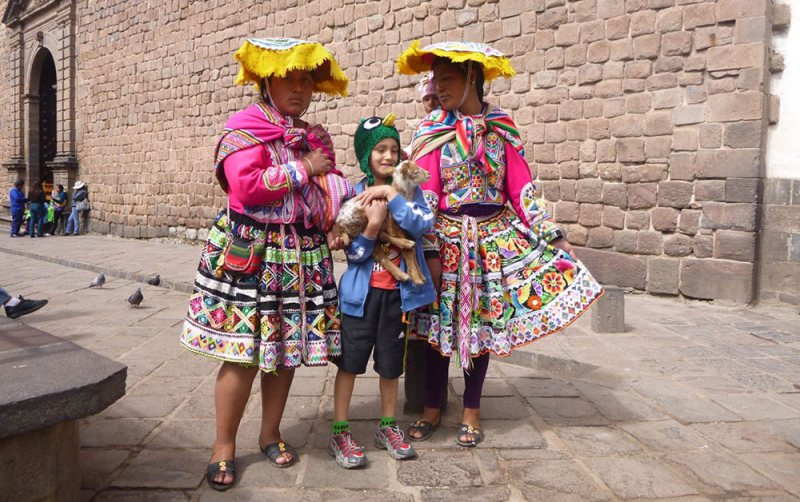
The people of Peru make it a special destination too, with its colourful and traditional street life and friendly locals.
Good kit is vital for every trip.
Book with Andean Trails and get 15% off Páramo’s fantastic ethical and high-performance outdoor gear.
You can also read our blog about a day in the Amazon rainforest of Peru.
Please note: Guests should arrive in clothes which they do not mind getting slightly dirty or wet, and should wear footwear that is suitable to walk on a rainforest trail. Sun cream, insect repellent, hat and waterproof clothing should be carried in hand luggage and kept accessible for the journey to the lodge.
You may want to keep your binoculars and camera handy, too.
All bedding, toilet paper etc. is provided at the lodge (or camp, if camping).
Year-round, weather conditions are hot and humid and there is always the risk of rain
There is a ‘dry season’ in Tambopata and Manu between May and October. The average daytime high temperature is between 25°C and 34°C and the average nighttime low is between 16°C and 22°C. Heavy downpours typically occur every few days.
Around 80% of annual average rainfall – approx 2,000 mm in Manu and Tambopata and 1,400 mm in Iquitos – occurs in the wet season Nov-April.
On rare occasions, between May and September, cold fronts from Argentina – ‘friajes’ – can sweep into southwest Amazonia and push temperatures down to 9° C. (Friajes usually last between 1 and 3 days).
A wonderfully organised trek with knowledgeable guides, fantastic food, and thoughtful touches throughout, from tea in bed to warm camp welcomes, making for an unforgettable Andean adventure.
A special and enriching Peruvian adventure, combining an unforgettable trek with deep insights into the Quechua people’s enduring traditions.