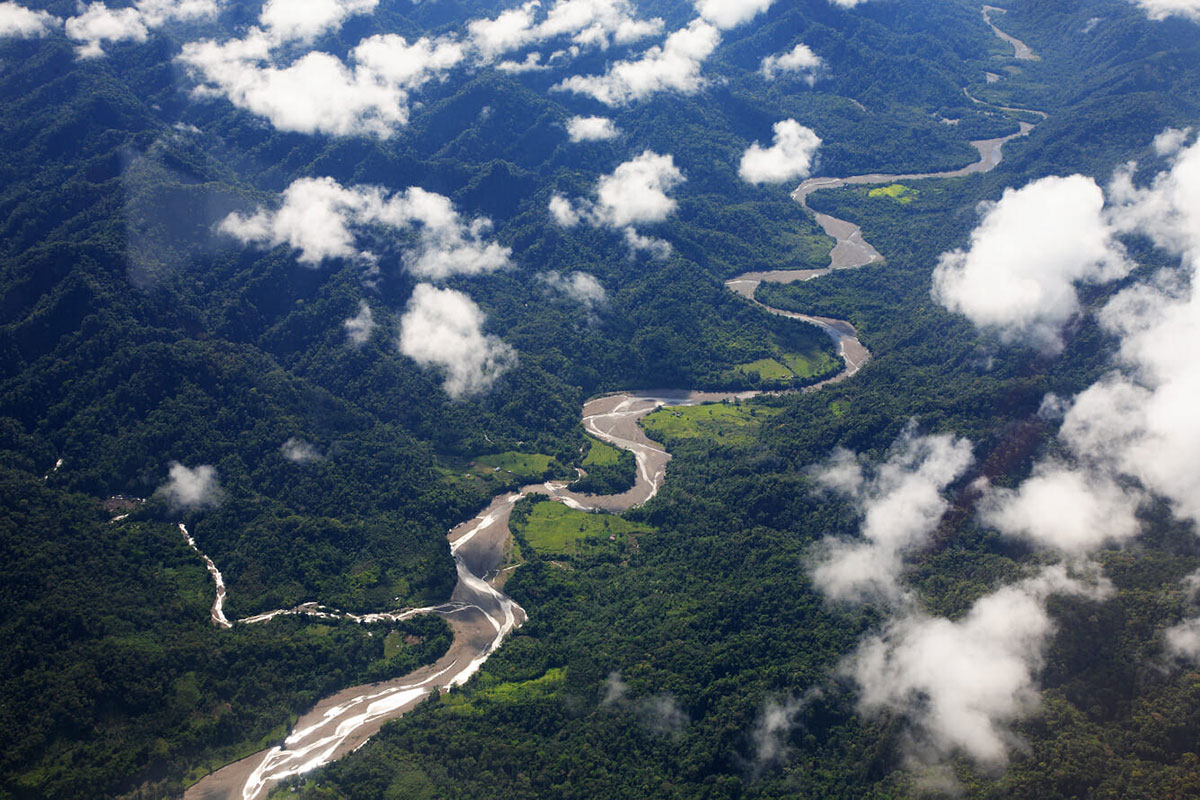
Our service begins at 06.00 to 06.30 with a transfer service by van from your Puerto Maldonaldo hotel to Santa Rosa Village.
This journey takes about 2.5 hours. Next, we cross the Inambari river for a 15-minute boat trip to Puerto Carlos.
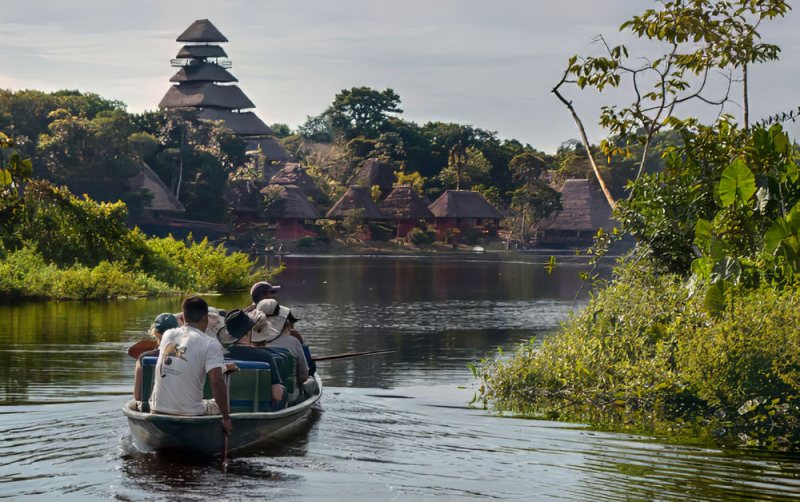
From Puerto Carlos, it’s a 45-minute overland journey by car to Boca Colorado, followed by four hours and a half motorised boat journey ride upstream the Madre de Dios river.
We arrive at Manu Wildlife Centre for lunch.
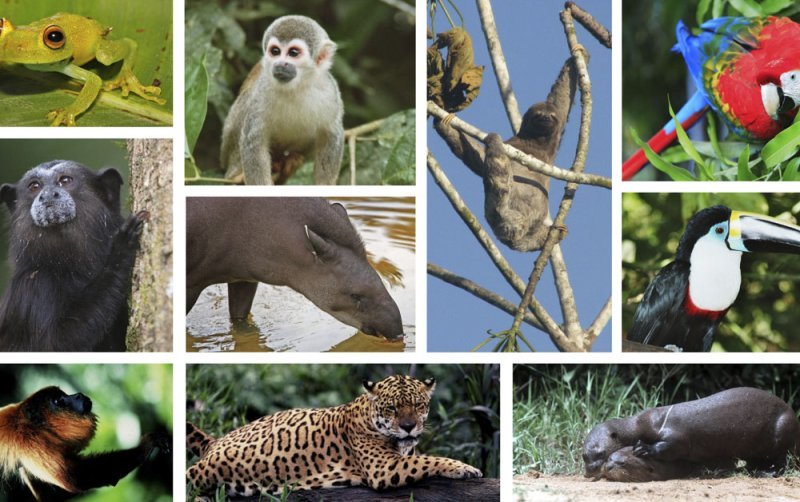
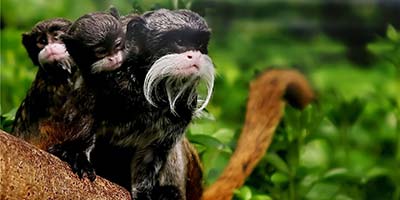
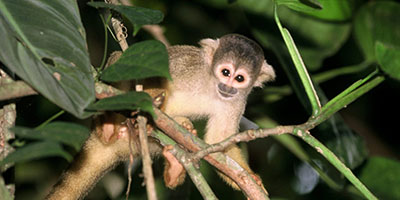
Later we make our first acquaintance with the rainforest, exploring some of the 30 miles of forest trails that surround the lodge. We have an excellent chance of encountering some of the 12 species of monkeys, including the Spider Monkey and Emperor Tamarin, which inhabit the surrounding forest.
After dinner there will be an enchanting night walk along the trails, in search of the nocturnal birds and animals of the rainforest.
NOTE: You must overnight in Puerto Maldonaldo the night before your Manu Wildlife Centre tour starts.
An early start (inevitable on wildlife expeditions), is followed by a short boat ride downstream.
We take a 20-minute trail through palm plantations to a cut-off channel of the river, where we find the Macaw Lick project. A spacious hide provided with individual chairs and a convenient place for cameras and binoculars is our ringside seat for what is usually a very spectacular show. We enjoy a full breakfast here while waiting for the main players to arrive.
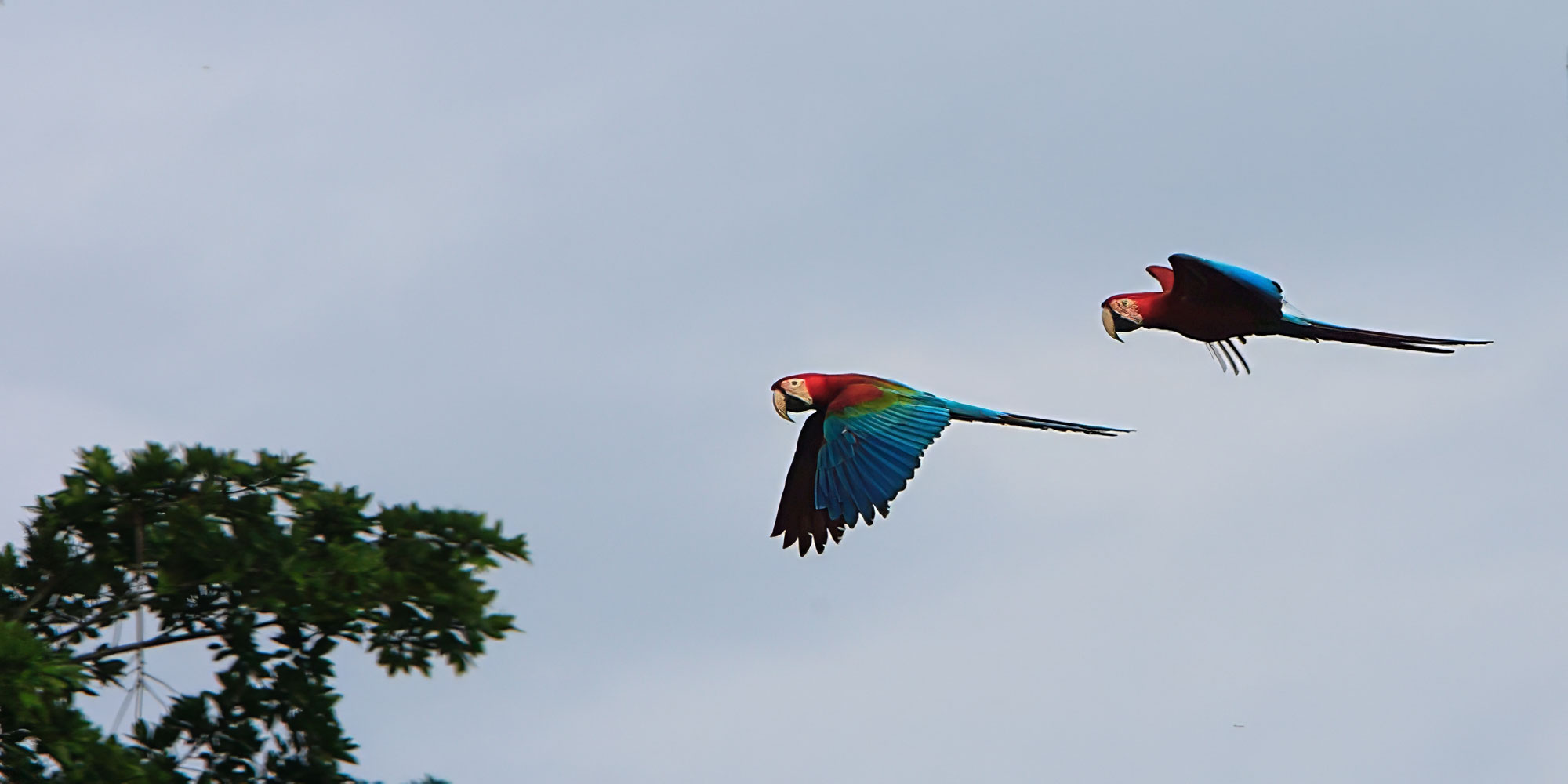
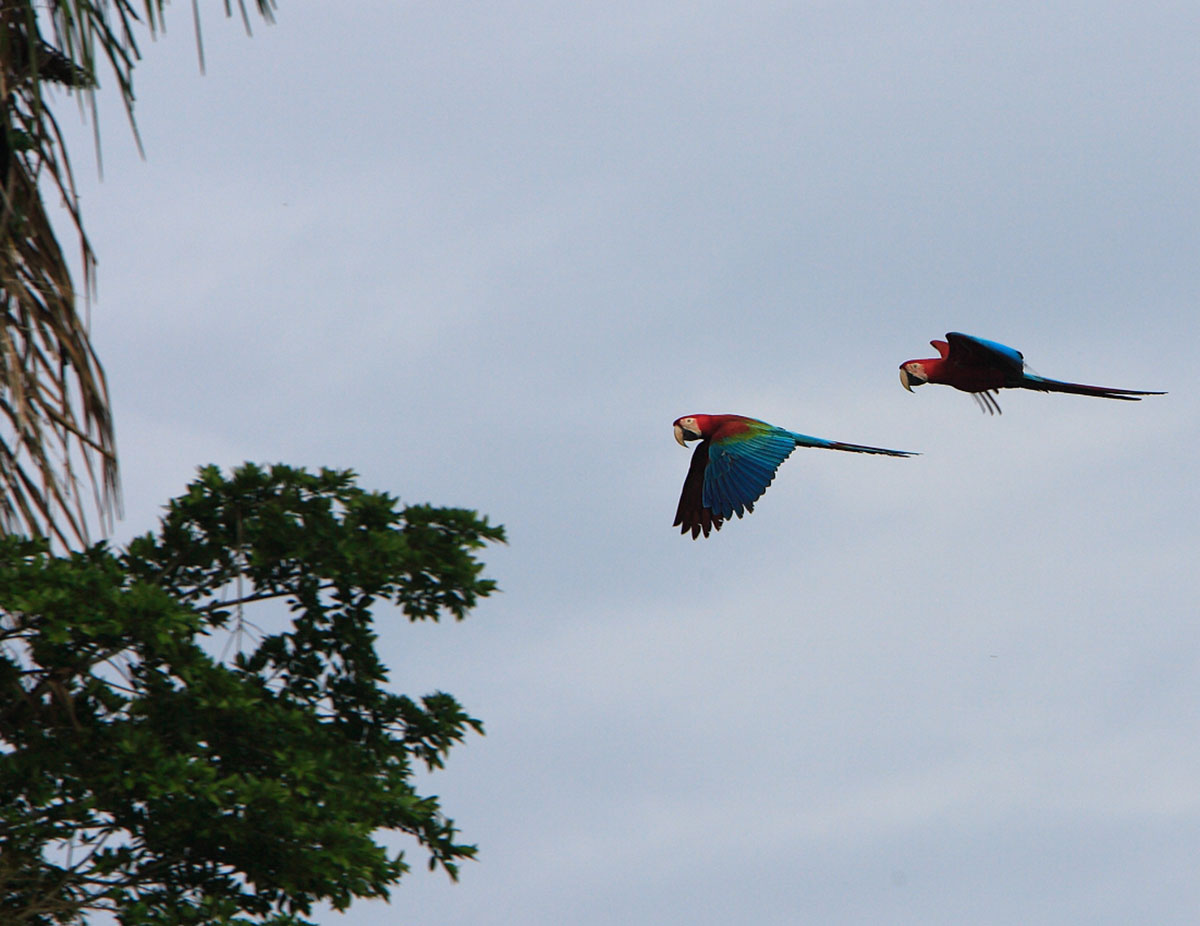
In groups of twos and threes the big Red-and-Green Macaws come flapping in, landing in the treetops as they eye the main stage below – the eroded clay banks of the old channel.
Meanwhile the supporting cast appears: these may included Blue-headed, Mealy, Yellow-crowned, and Orange-cheeked Parrots – and the occasional villain, a menacing and unwelcome Great Black Hawk.
The drama plays out in first in tentative and then bolder approaches to the lick, until finally nearly all the macaws, parrots and parakeets form a colorful and noisy spectacle on the bare banks, squabbling as they scrape clay from the hard surface.
Please note: The clay lick is most active from August to October and less so during the months of May and June.
We return to the lodge for lunch, and then we continue to explore and discover the rainforest, its lore and plant life, on the network of trails surrounding the lodge, arriving in the late afternoon at our 34m/112ft Canopy Tower. On its platform we witness the frantic rush-hour activity of twilight in the rainforest canopy, before night closes in.
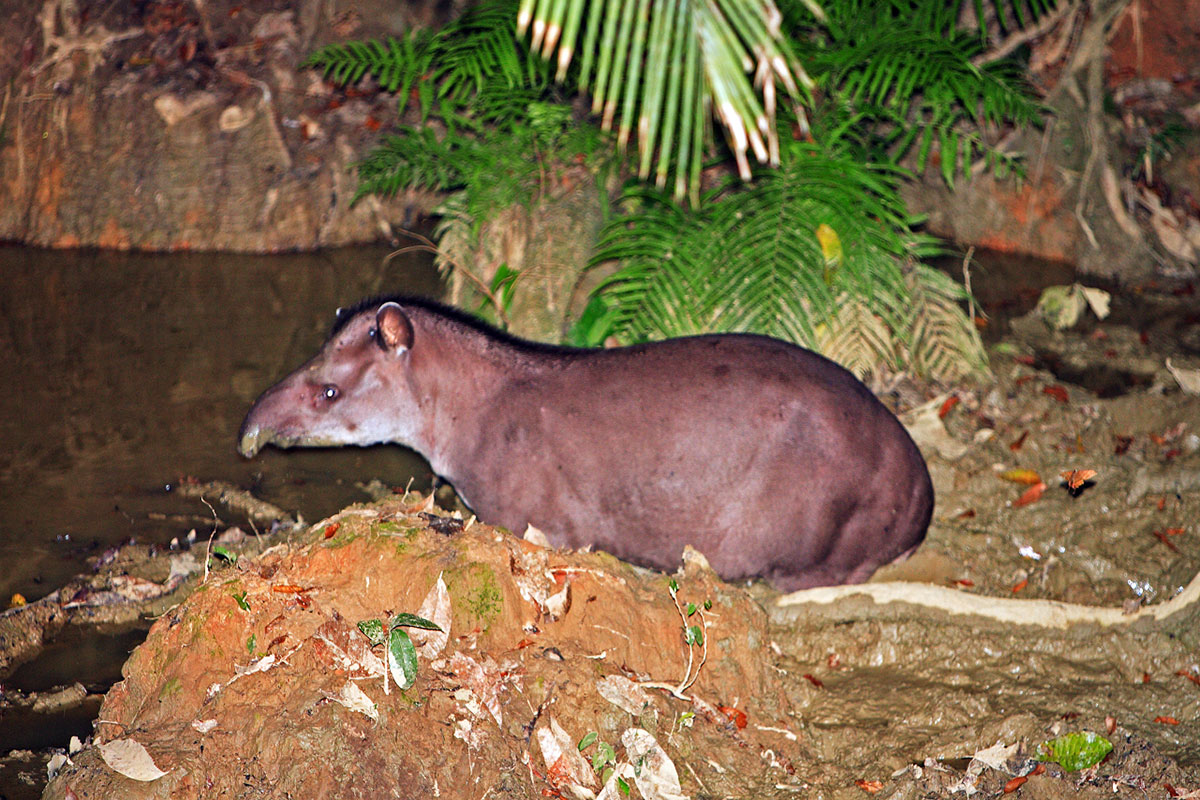
Later we set off along the Collpa trail, which will take us to the lodge’s famous Tapir Clay lick. Here at the most active tapir lick known in all the Amazon, our research has identified from 8-12 individual 600-pound Tapirs who come to this lick to eat clay from under the tree roots around the edge.
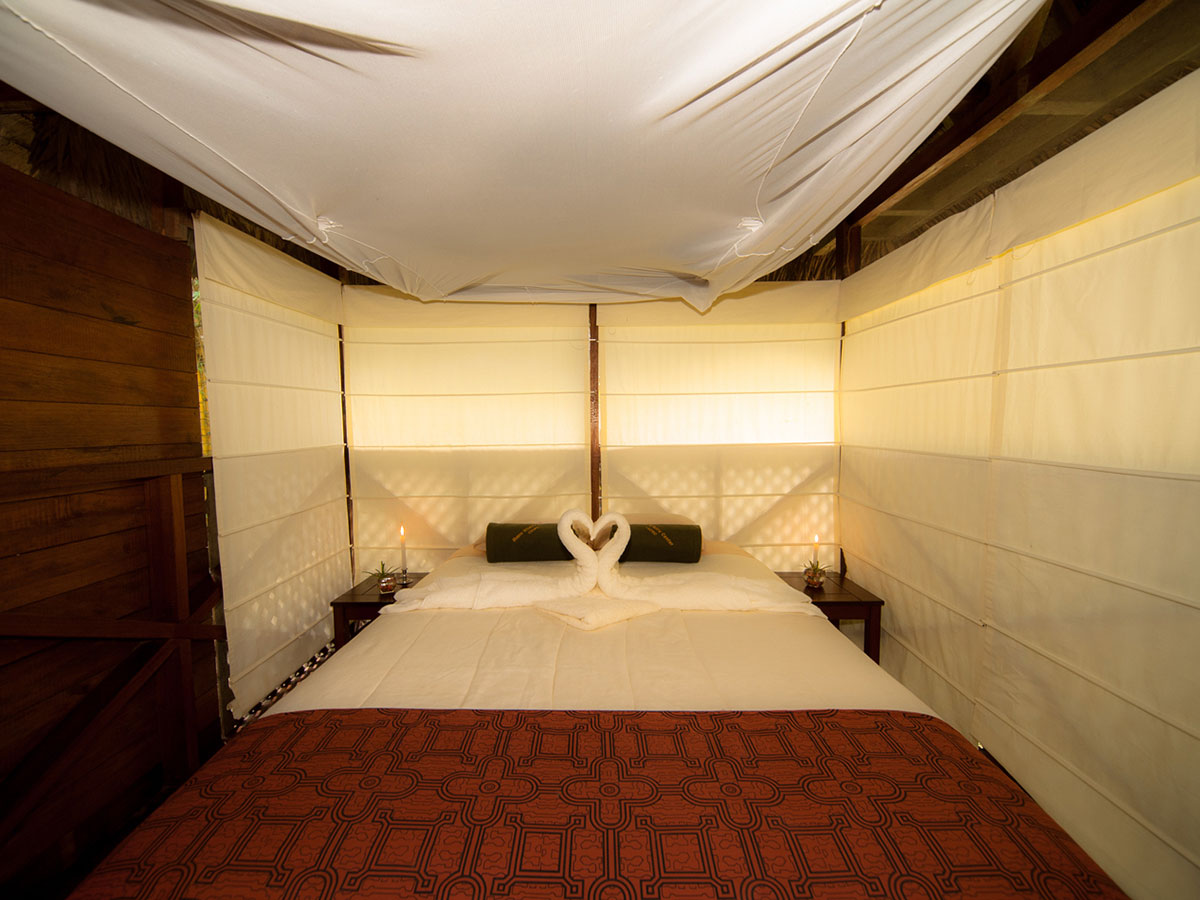
This unlikely snack absorbs and neutralizes toxins in the vegetarian diet of the Tapir, the largest land animal of Latin America. The lick features a roomy, elevated observation platform 5m/17ft above the forest floor. The platform is equipped with freshly-made-up mattresses with pillows. Each mattress is covered by a roomy mosquito net.
The 50m-long, elevated walkway to the platform is covered with sound-absorbing padding to prevent our footsteps from making noise.
This Tapir Experience is unique and exciting because these normally very shy creatures are visible up close, and flash photography is not just permitted, but encouraged.
The hard part for some is to remain still and silent. Many prefer to nap until the first Tapir arrives, at which point your guide gently awakens you to watch the Tapir 10-20m/33-66ft) away below the platform.
Most people feel that the wait is well worth it in order to have such a high probability of observing the rare and elusive Tapir in its rainforest home.
We set off early for Cocha Blanco, an old oxbow lake full of water lilies and sunken logs. As we circle the lake on our catamaran we might encounter the resident Giant Otter family on a fishing expedition, or troops of monkeys crashing noisily through the trees. Wattled Jacanas step lightly on the lily pads, dainty Sun Grebes paddle across the water, supple-necked Anhingas air-dry their wide, black wings, and perhaps an Osprey scans for fish from a high branch.
Among the bushes near the waterline, Hoatzins, which look like rust-colored, punk chickens, announce their presence with distinctive, bizarre wheezing and grunts.
Woodpeckers, tanagers, macaws, toucans and parakeets all finally come swooping in to trees surrounding the lake. Many of them roost around the lake for the night.
After lunch at the lodge our guide is available to lead us on further expeditions in search of further wildlife encounters, or we may take one of the lodge’s many trails on private and personal excursions to commune with the spirits of the rainforest.
This evening, from late afternoon until after dinner, we can take a boat ride in search of caiman (alligator-like reptiles), and other nocturnal wildlife along the riverbank.
Rising at dawn you will board the motor-canoe to visit the Camungo Oxbow Lake.
In addition to touring the lake by catamaran to look for the resident family of giant otters and other lakeside fauna, we will explore the forest trails and visit the 40 metre or 130 foot high canopy platform. This platform provides a beautiful view of the Camungo Lake as well as the forest canopy, and on very clear days it is possible to look over the rainforest to the Andes.
After lunch at the Centre we explore the forest trails with the emphasis on visiting the fruiting and flowering trees that our experienced naturalist guides have been monitoring. Here we hope to encounter more monkey species as well as numerous species of birds.
Again, before or after supper, those explorers still with enough energy will have another chance for an additional visit to the Tapir clay lick.
We leave our lodge very early for the three-hour return boat trip downstream to the Colorado Village. Breakfast will be served on the boat while you enjoy the early morning wildlife activity.
This is the perfect time to take advantage of valuable early morning wildlife activity along the river, as well as allowing us to see several lowland native settlements and gold miners digging and panning gold along the banks of the Madre de Dios River.
We stop in the far-west type gold-mining town of Colorado to start our overland journey to Puerto Carlos for 45 minutes.
From here, you cross the Inambari River (15 minutes) to Santa Rosa, then a van or bus will drive us in approximately two-hours and a half to the airport in Puerto Maldonado City.
NOTE: It is important to buy a ticket for the last flight out of Puerto Maldonaldo. It is not possible to connect with earlier flights.
Please note: The program may vary slightly so as to maximize your wildlife sightings, depending on the reports of our researchers and experienced naturalist guides based at the lodge.
Manu Wildlife Centre is located east of the Manu River on the north bank of Madre de Dios River.
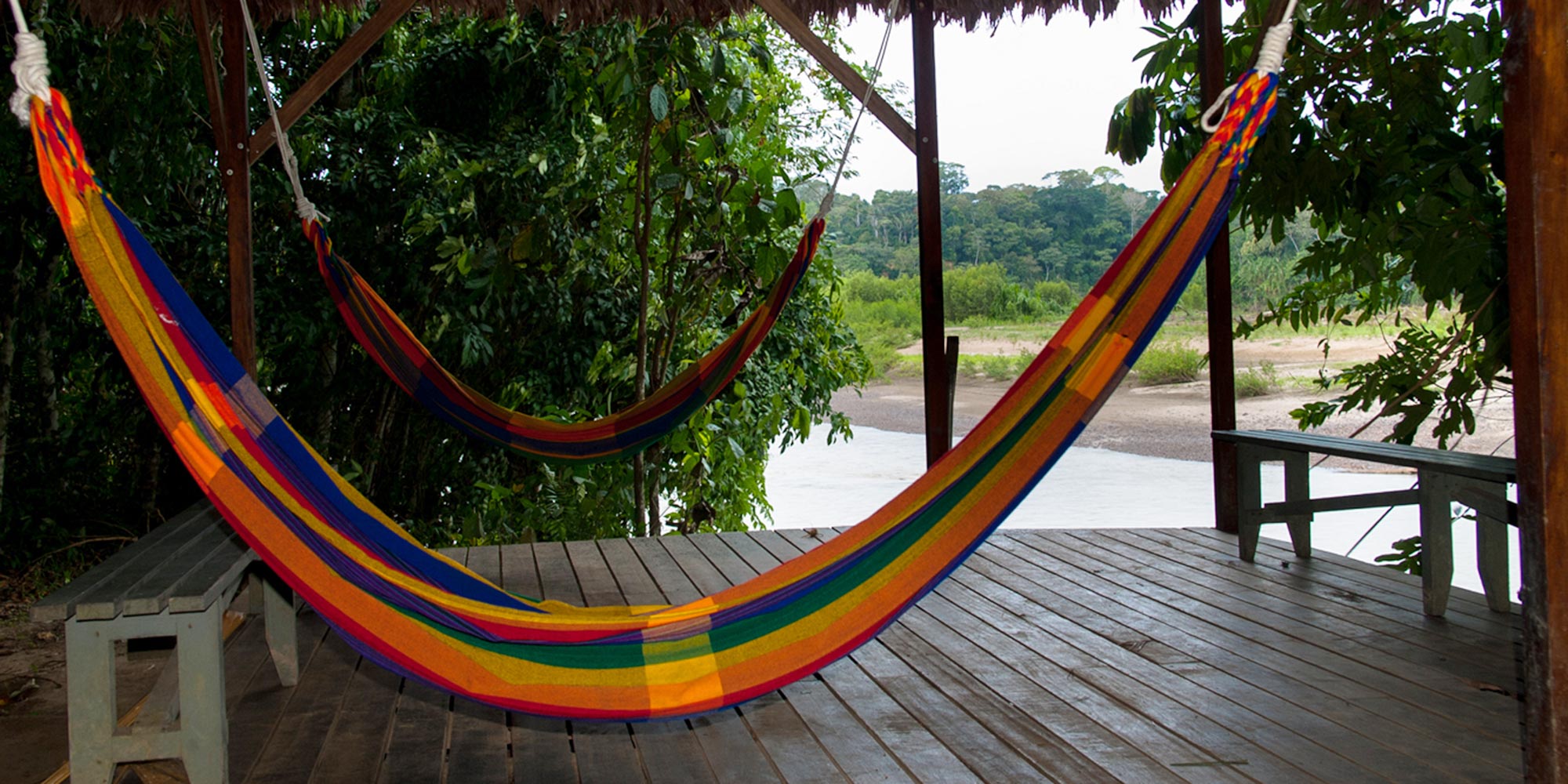
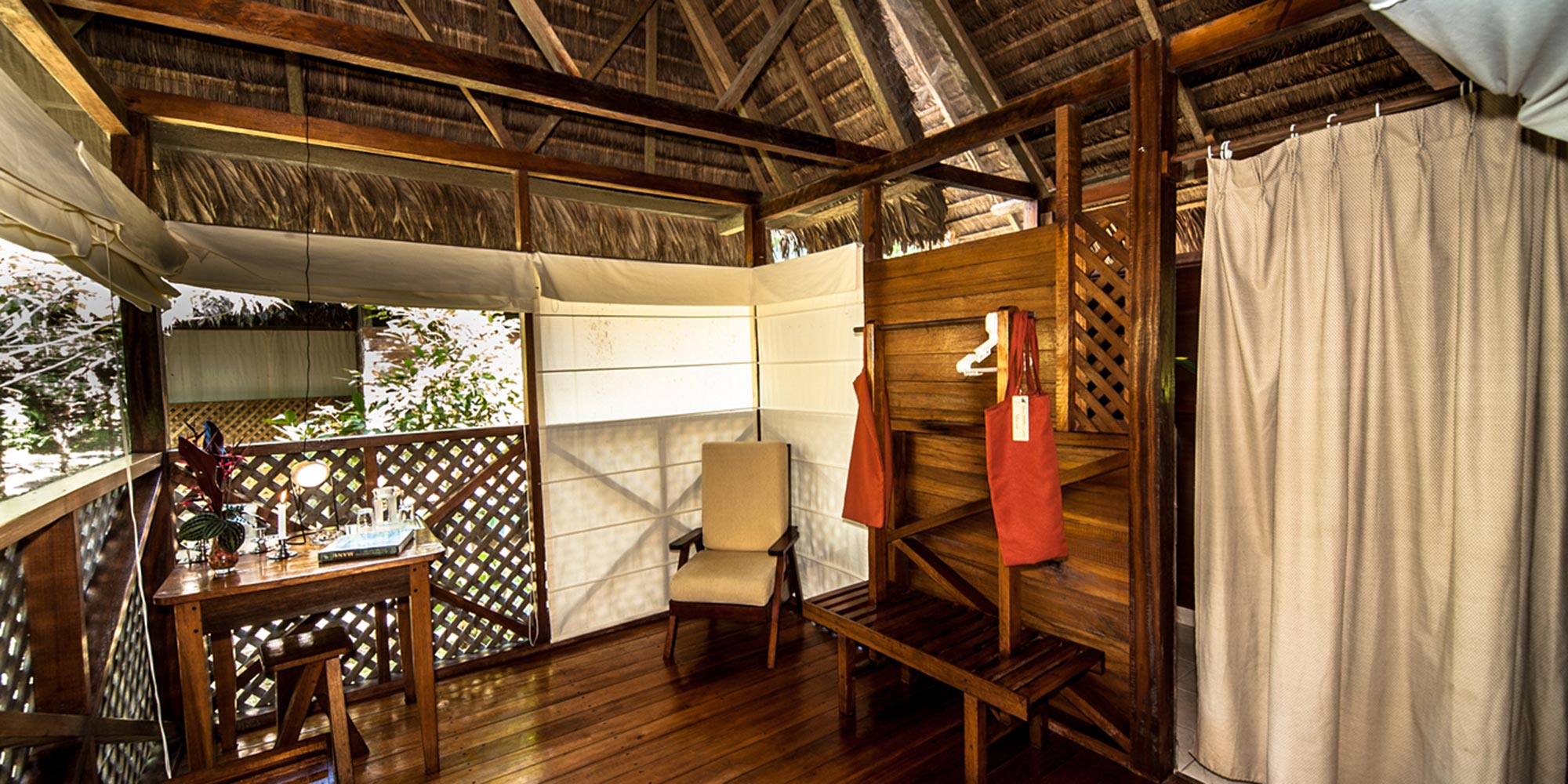
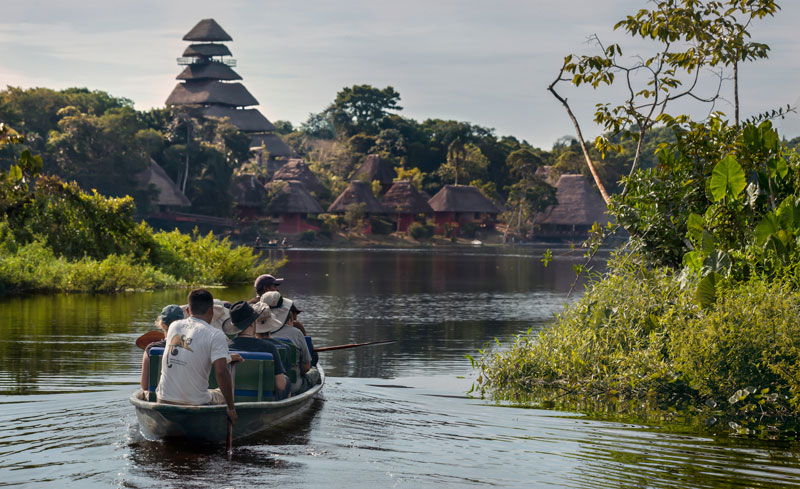
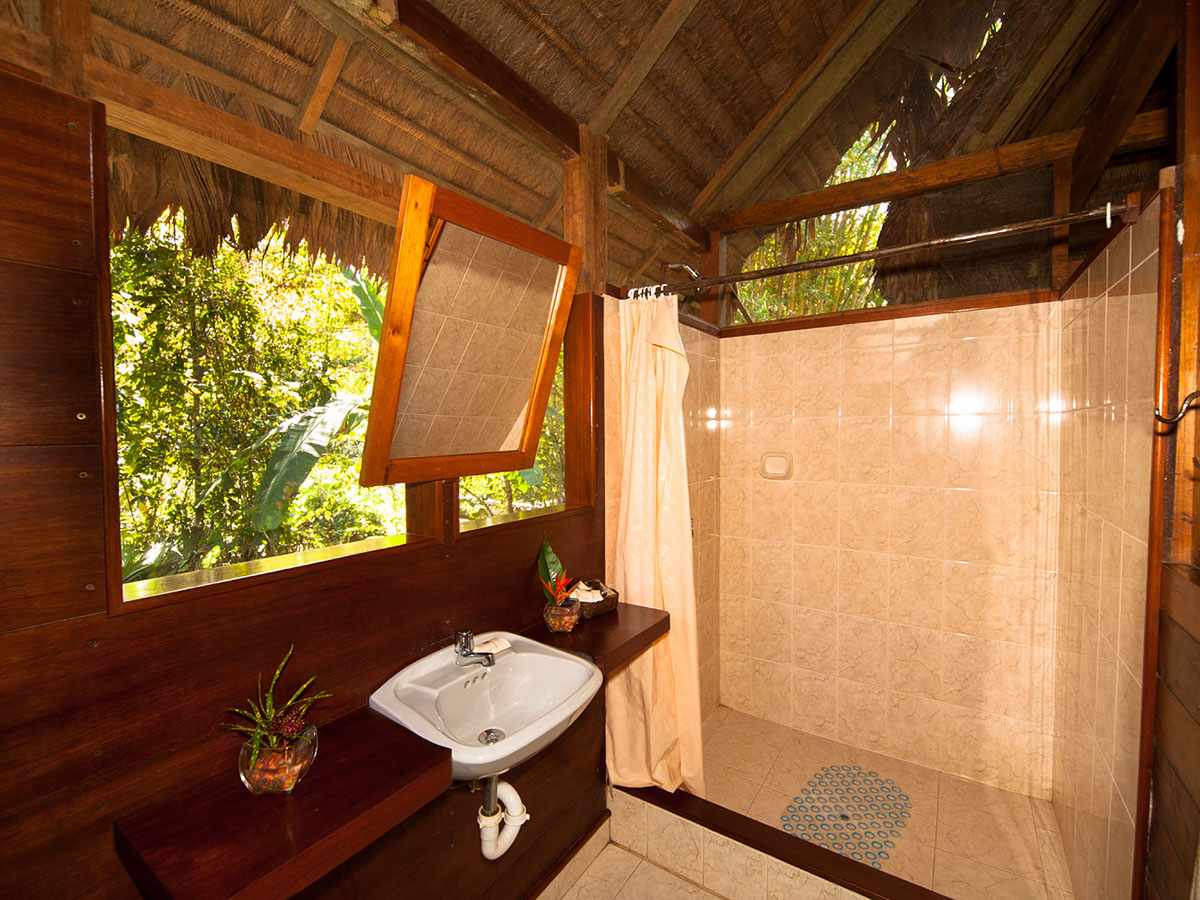
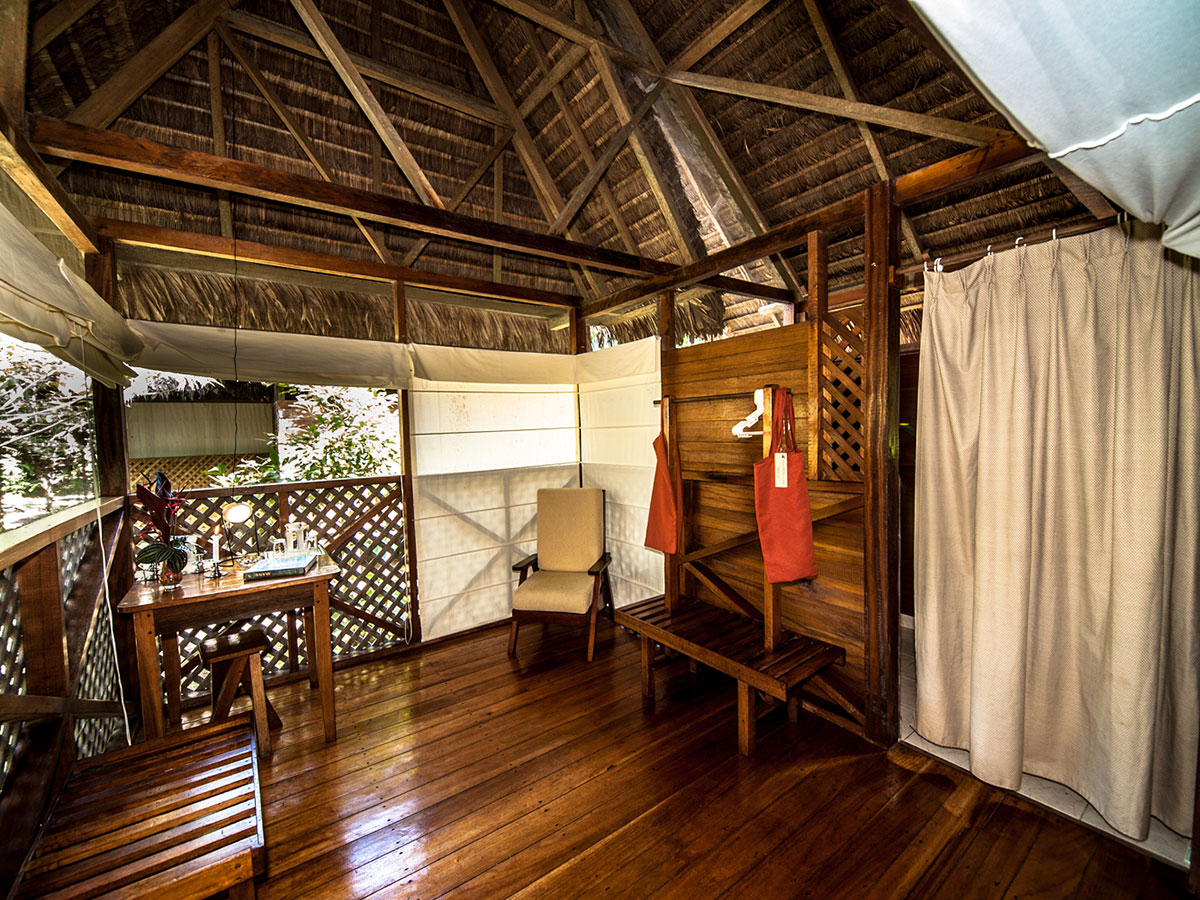
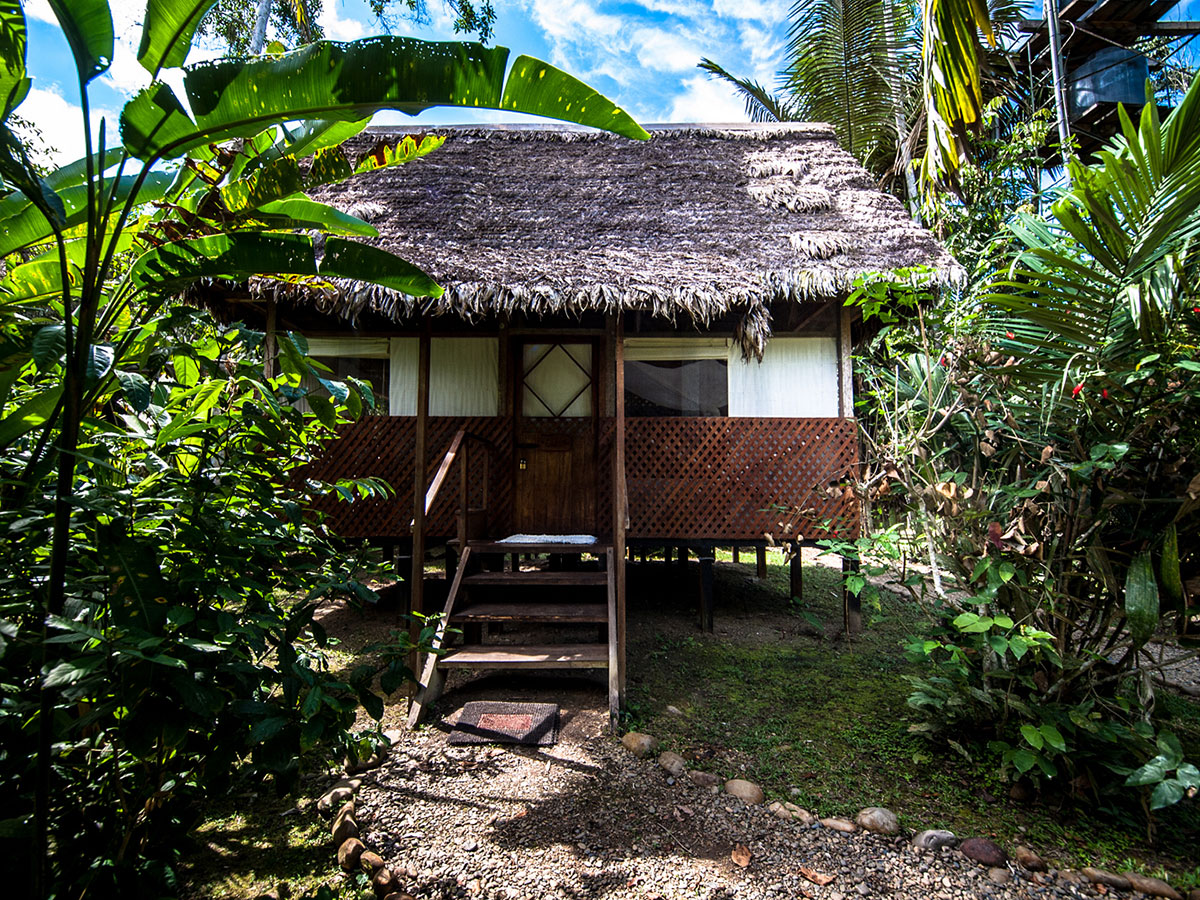
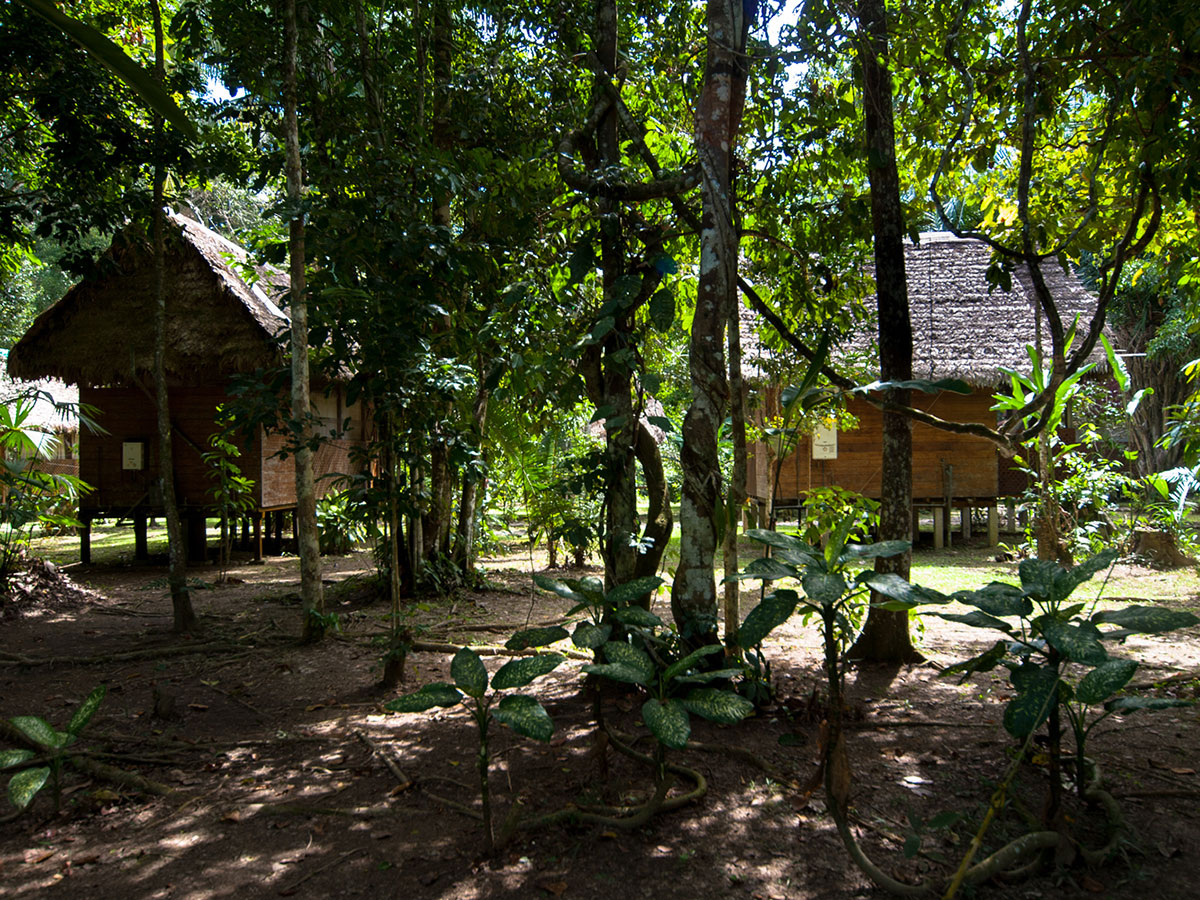
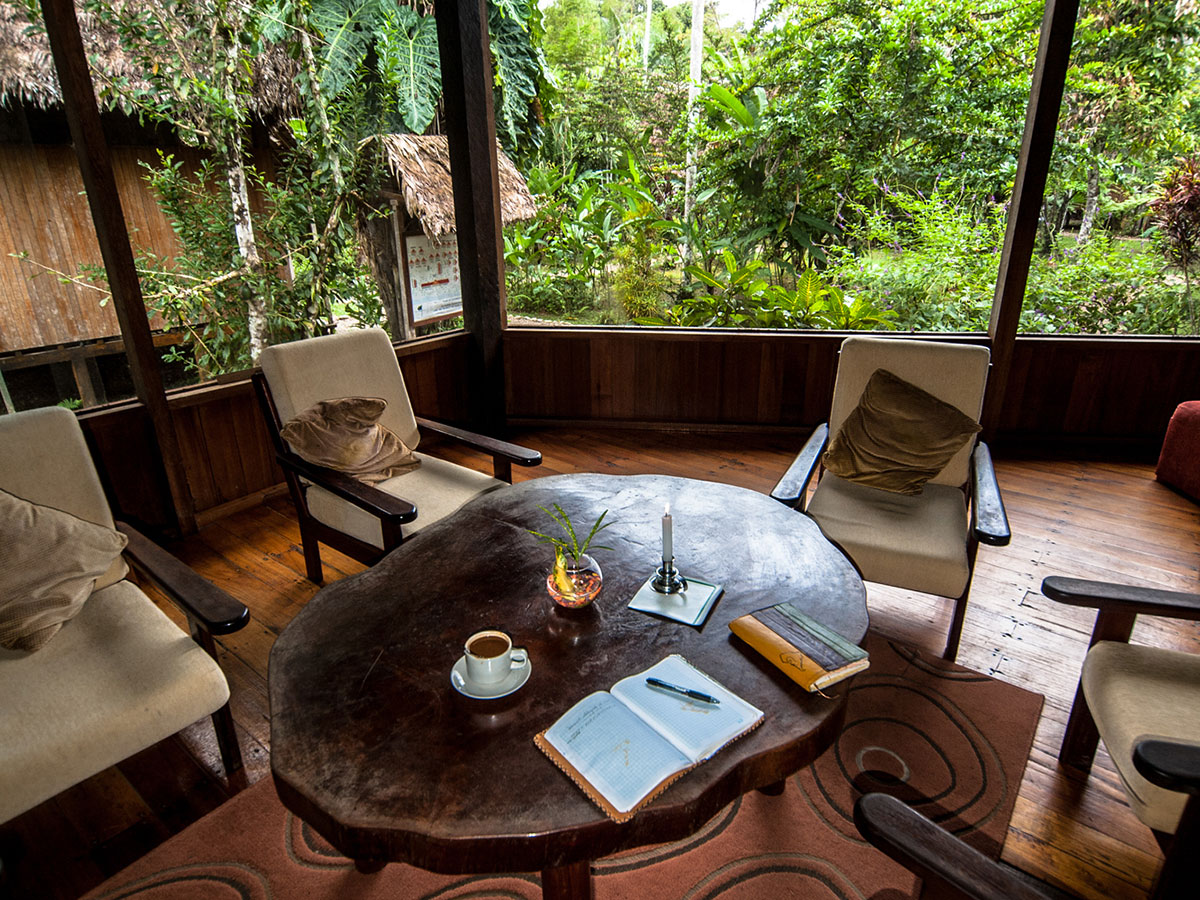
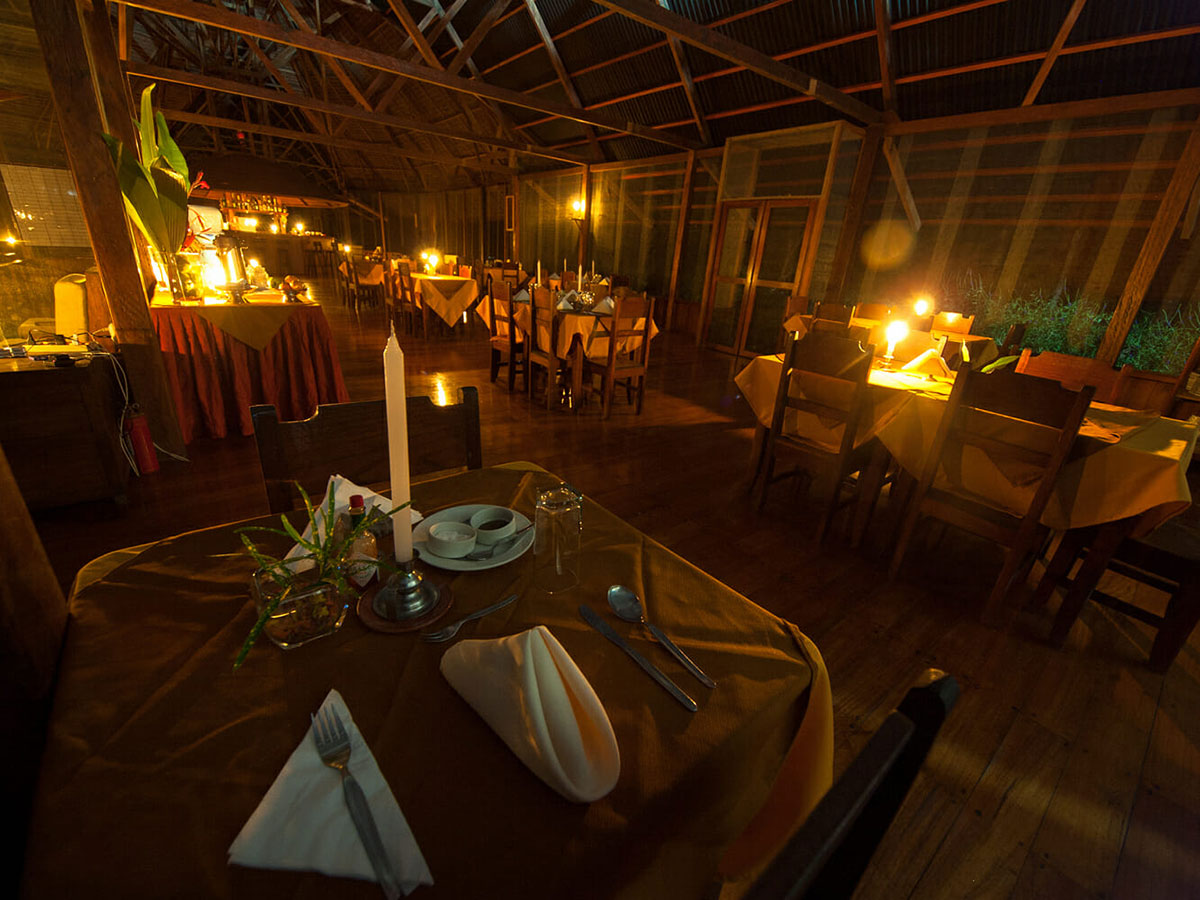
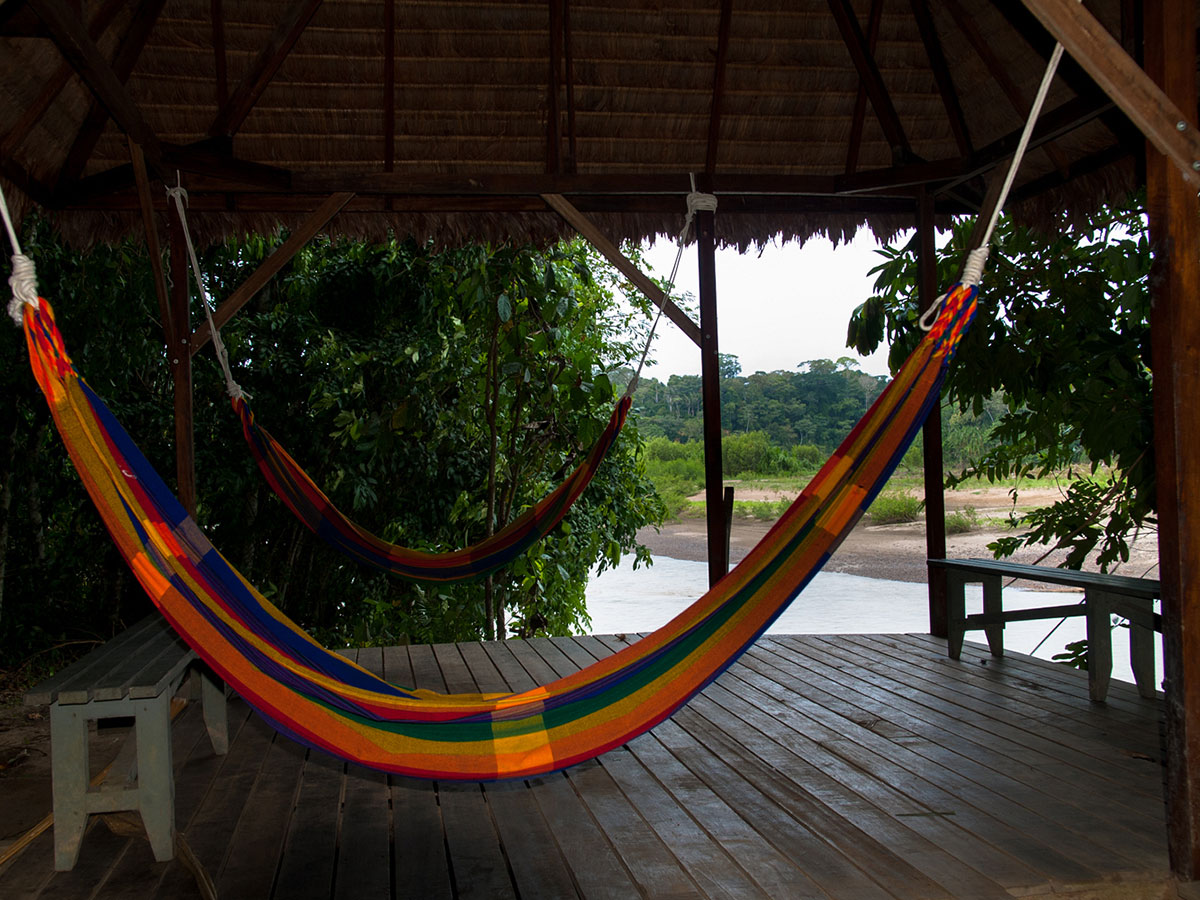
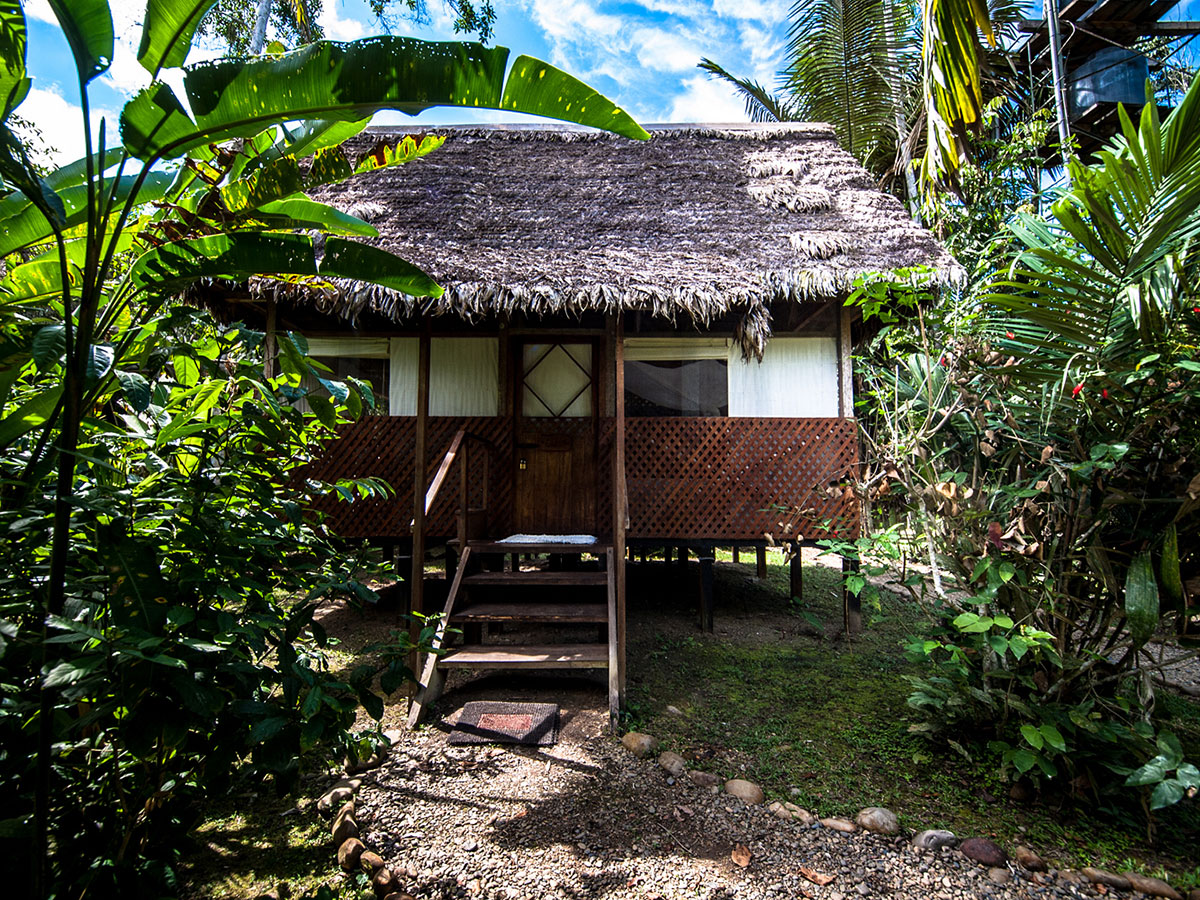
The Lodge contains 22 double-occupancy fully-screened private bungalows, separate complexes with hot showers and toilets, a large fully screened dining room and a delightful bar with hammocks for relaxing.
Manu Wildlife Centre has no electricity, a 220V the generator is available (make sure your equipment is compatible with this voltage) and has limited electricity at certain times of night, during which it is possible to recharge batteries – a local wall-plug adaptor may be required.
Communal areas are lit by lamps and candles, the paths around the lodge complex lit by lamps, and the guest bungalows lit by candle.
The Amazon is very hot between midday and early afternoon, so we rise early, between 06.00 and 07.00, to catch the animals at dawn when they are very active.
Some trips, such as macaw lick, require an earlier start. We leave the lodge early, go on an activity, and then relax when the sun is at its hottest.
As the day cools, we head off in the afternoon and in the evenings go on hikes or caiman spotting.
Evening meals are usually around 19.30-20.00, after which we relax at the lodge and listen to the sounds of the Amazon.
Note: Arrival and departure days require 2-3 hours of overland travel, and 3-4 hours’ travelling in a motorised canoe.
All meals are included in the trip from lunch on the first day to the breakfast on the last day.
Guests taste typical dishes, with a mixtureof Peruvian dishes with an occasional international twist.
When it is possible fruit and vegetables are bought from the few families who live in the area.
The experienced kitchen personnel can also cater for special dietary requirements, such as low or no salt, low or no sugar, low or no fat, and vegetarian (strict “vegan” or “ovo-lacto” vegetarian), upon request.
You will meet your guide your Puerto Maldonaldo hotel, and will stay with you throughout the trip, advising you of any changes in plan etc.
Local native guides come from the community and/or the area surrounding the lodge. Some specialist guides do come from other parts of Peru.
They speak English and will bring the rainforest alive for you. Each has a speciality/interest as well as a broad overview of the forest.
A superbly organized journey showcasing Andean Trails’ consistent excellence, reliability, and seamless travel experiences.
A perfectly organized five-week adventure through Argentina, Bolivia, and Peru, blending remote trekking, rich culture, and unforgettable encounters.
Manu nature tours offer wildlife holidays with a fantastic quantity and diversity of animals and plants.
Manu Wildlife Centre boasts the highest bird, mammal, and plant diversity of any park on Earth.
The Park is home to 1,000 of the world’s 11,000 bird species, 200 species of mammals, and 15,000 species of flowering plants.
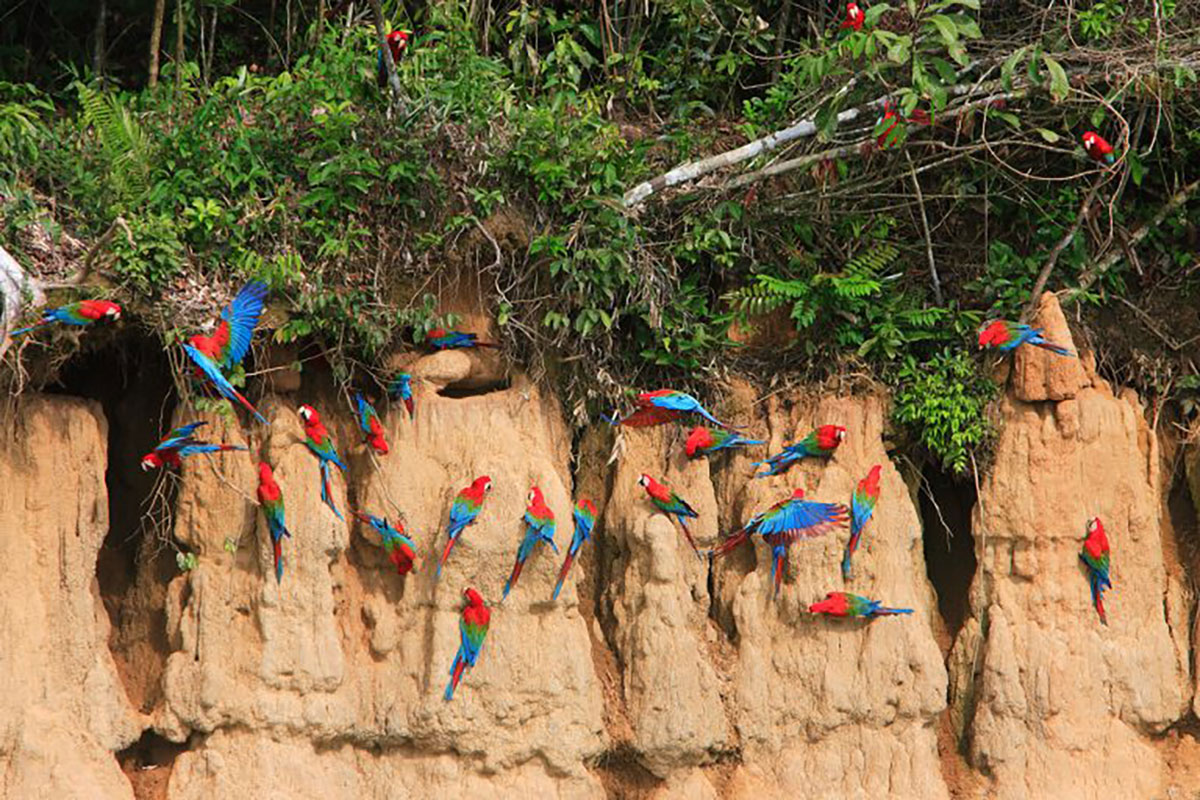
The most photogenic spectacles are Giant Otters, parrots and macaws at a riverbank clay lick.
More wildlife highlights include the dancing Cock-of-the-Rock, many species of monkeys and Tapirs at a forest clay lick.
The Manu Wildlife Centre also offers a great chance to see that most elusive of big cats, the jaguar.
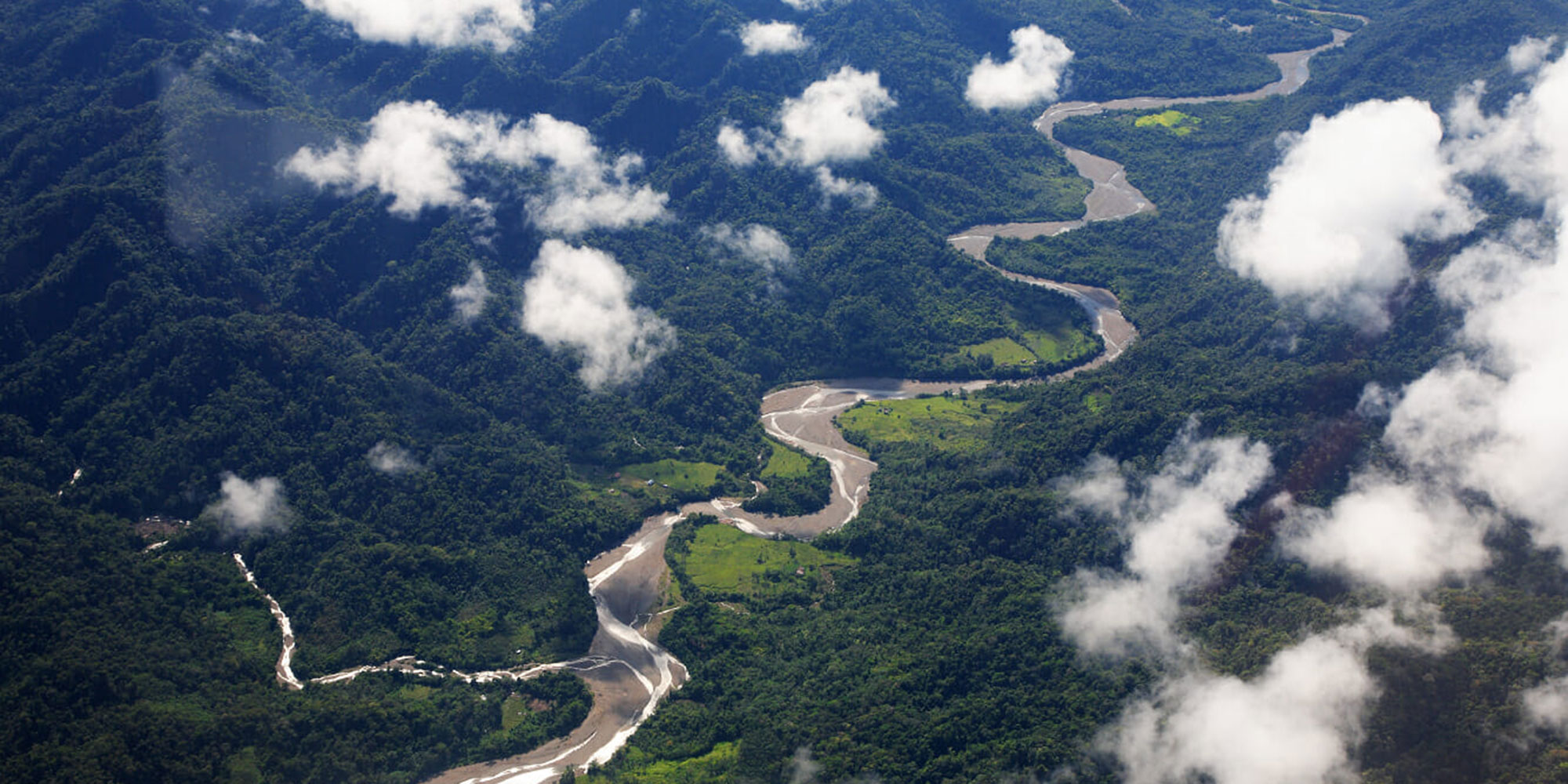
Manu Wildlife Centre is located in a private, 40,000-acre rain forest reserve adjacent to the 1 million acre protected area named the “Amarakaeri Reserved Zone”.
The Centre is the only lodge in the Manu lowlands with roomy, private bungalows, with en suite private bathrooms complete with tiled, hot water showers.
From: $690 per person
Duration
4 days

Peru is made up of 3 distinct geographical areas: the coast, the mountains and the jungle.
The costa or coastal region is a narrow ribbon of desert 2,250 km long, crossed by fertile river valleys flowing from the Andes. It takes up 11% of the country and holds more than 40% of the population.
The cold Humboldt current gives rise to a blanket of mist – the garua – which hangs above coastal cities like the capital Lima from May to November.
Heading east, you’re soon climbing above the garua and into the Andes. The sierra, or mountainous region, covers some 25% of Peru’s territory and contains 50% of the population. The sierra inhabitants are mainly Indigenous or Mestizo, and many still speak Quechua or Aymara.
The sierra contains dozens of 6,000-metre snow peaks and volcanoes, including Huascaran (6,768m) the highest mountain in the tropics. The deep valley basins contain most of the towns and arable land; the terracing and canal systems of the Incas and pre-Incas are often still used today.
The eastern Andes are heavily forested up to 3,350m and sweep down into the Amazon Basin.
Peru’s selva or jungle makes up almost two thirds of the country’s area, but holds only about 6% of the population: the only towns with significant populations are Iquitos and Pucallpa.
Peru is the perfect holiday destination for adventure travellers that want an amazing variety of activity, geography and cultural travel experiences.
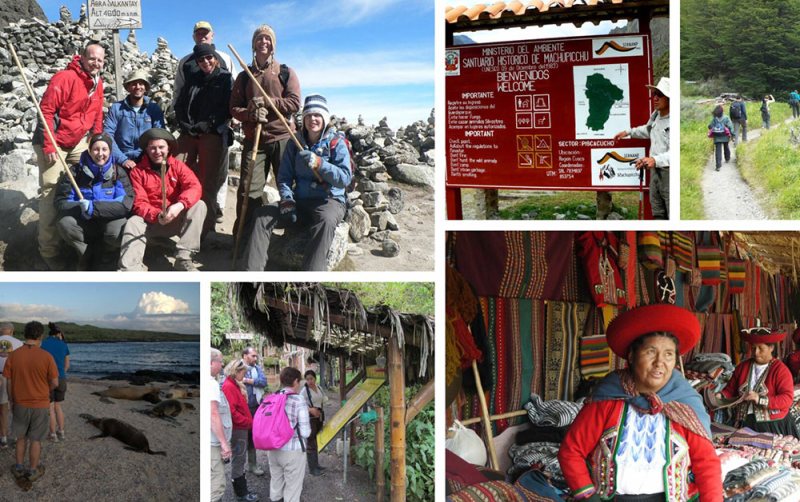
The breadth of travel experiences in Peru is breathtaking – from trekking in the Andes to Machu Picchu to the tropical jungle of the Amazon, and plenty in between.
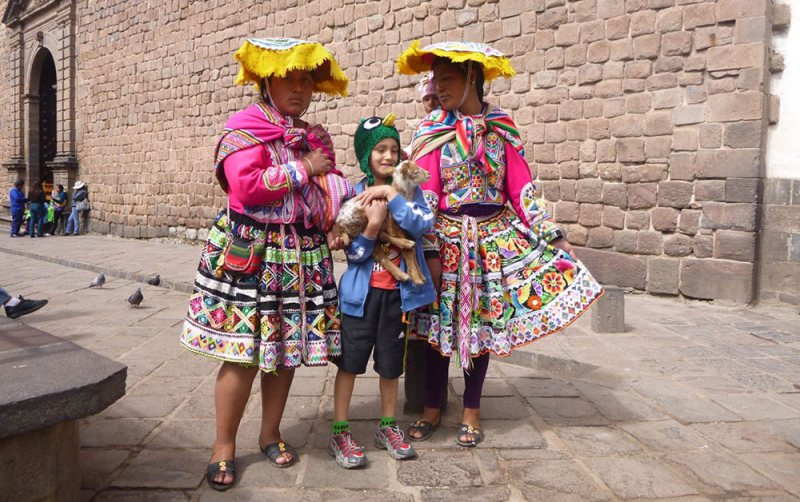
The people of Peru make it a special destination too, with its colourful and traditional street life and friendly locals.
Good kit is vital for every trip.
Book with Andean Trails and get 15% off Páramo’s fantastic ethical and high-performance outdoor gear.
You can also read our blog about a day in the Amazon rainforest of Peru.
Please note: Guests should arrive in clothes which they do not mind getting slightly dirty or wet, and should wear footwear that is suitable to walk on a rainforest trail. Sun cream, insect repellent, hat and waterproof clothing should be carried in hand luggage and kept accessible for the journey to the lodge.
You may want to keep your binoculars and camera handy, too.
All bedding, toilet paper etc. is provided at the lodge (or camp, if camping).
You can also read about the weather of Peru in our blog.
You can also read about the weather of Peru in our blog.
Peru is located in the southern tropics (latitudes 0º to 18º), but climate varies significantly according to season, altitude and region.
From May to October, Lima is often overcast, but with minimal precipitation. There are sunny spells, and it’s a fresh to pleasant 13-20ºC.
At the same time, inland areas and the north coast mid to high 20’s ºC.
November to April is generally warm and sunny and Lima enjoys warm temperature of 19-25ºC, with the coast averaging 22-30ºC.
Climate depends largely on altitude. As a rule of thumb, below 2,000m climate is mild and above 2,000m warm clothing is required for evenings, nights and early mornings.
The Andean sun is very strong.
Cusco (3,300m): Average max/min temps: 22ºC /2ºC. Average 3 or 4 wet days per month.
Arequipa (2,380m): Average max/min temps: 26ºC /9ºC. Sunny more than 340 days/year with minimal precipitation.
On highland treks: Conditions are generally dry. However, at this time of year, expect a range of conditions within a single day: cold/freezing nights at camps above 4,000m, where pre-dawn temperatures can be -5ºC; warm, spring-like mornings and afternoons; and cold evenings.
Note that mountain weather can be fickle and localised, and that precipitation is not unknown in the dry season. Expect temperatures to swing between sun and shade, sheltered and exposed ground and with altitude gain and loss. A quick-setting sun means temperatures drop fast.
In the cloud forest, e.g. around Machu Picchu, daytime conditions are generally warm or hot, and evenings cool.
Cusco: Average max/min temps: 23ºC /6ºC. Average 13 wet days per month.
Arequipa: Average max/min temps: 25ºC /14ºC.
On highland treks: Wetter conditions, with cooler days and milder nights than dry season. Jan-Mar usually the wettest months.
Year-round, weather conditions are hot and humid and there is always the risk of rain.
There is a ‘dry season’ in Tambopata and Manu between May and October. The average daytime high temperature is between 25°C and 34°C and the average nighttime low is between 16°C and 22°C. Heavy downpours typically occur every few days.
Around 80% of annual average rainfall – approx 2,000 mm in Manu and Tambopata and 1,400 mm in Iquitos – occurs in the wet season Nov-April.
On rare occasions, between May and September, cold fronts from Argentina – ‘friajes’ – can sweep into southwest Amazonia and push temperatures down to 9°C. (Friajes usually last between 1 and 3 days).
A superbly organized journey showcasing Andean Trails’ consistent excellence, reliability, and seamless travel experiences.
A perfectly organized five-week adventure through Argentina, Bolivia, and Peru, blending remote trekking, rich culture, and unforgettable encounters.