From: £3,233
From: $4,305
On arrival at Salta airport you will transferred to your hotel. Depending on your arrival time, the remainder of the day may be spent exploring Salta. The main plaza is a lovely place to while away your time over a coffee, or you can visit some of the beautiful churches, head to a nearby viewpoint or the bustling market.
We depart early – there’s a lot to fit in today.
En route to Campo Quijano, we drive stop at Rosa de Tastil, which has some impressive ruins. We continue to climb high into the Andes, the air becoming thinner. As we reach 4,000m above sea level, we will stop at San Antonio de los Cobres, a typical high Andean town.
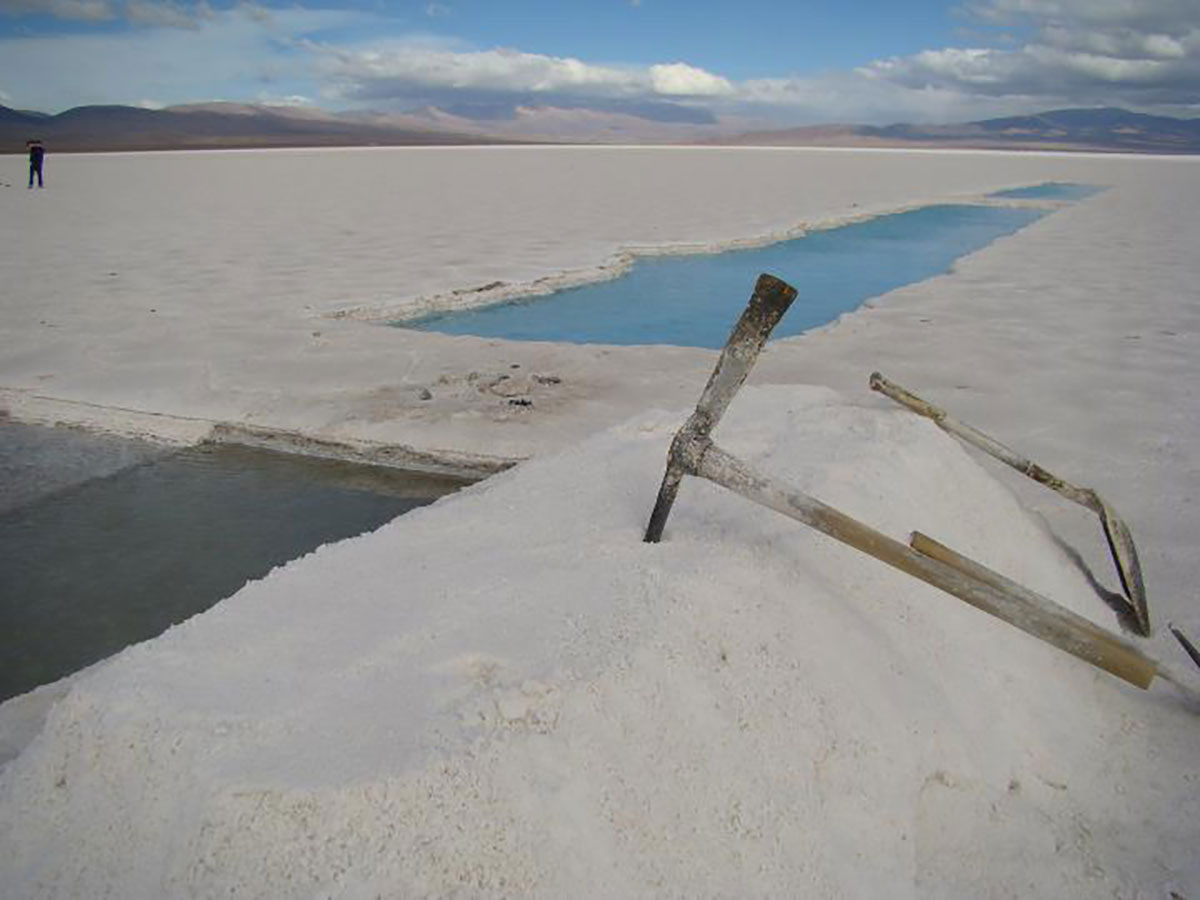
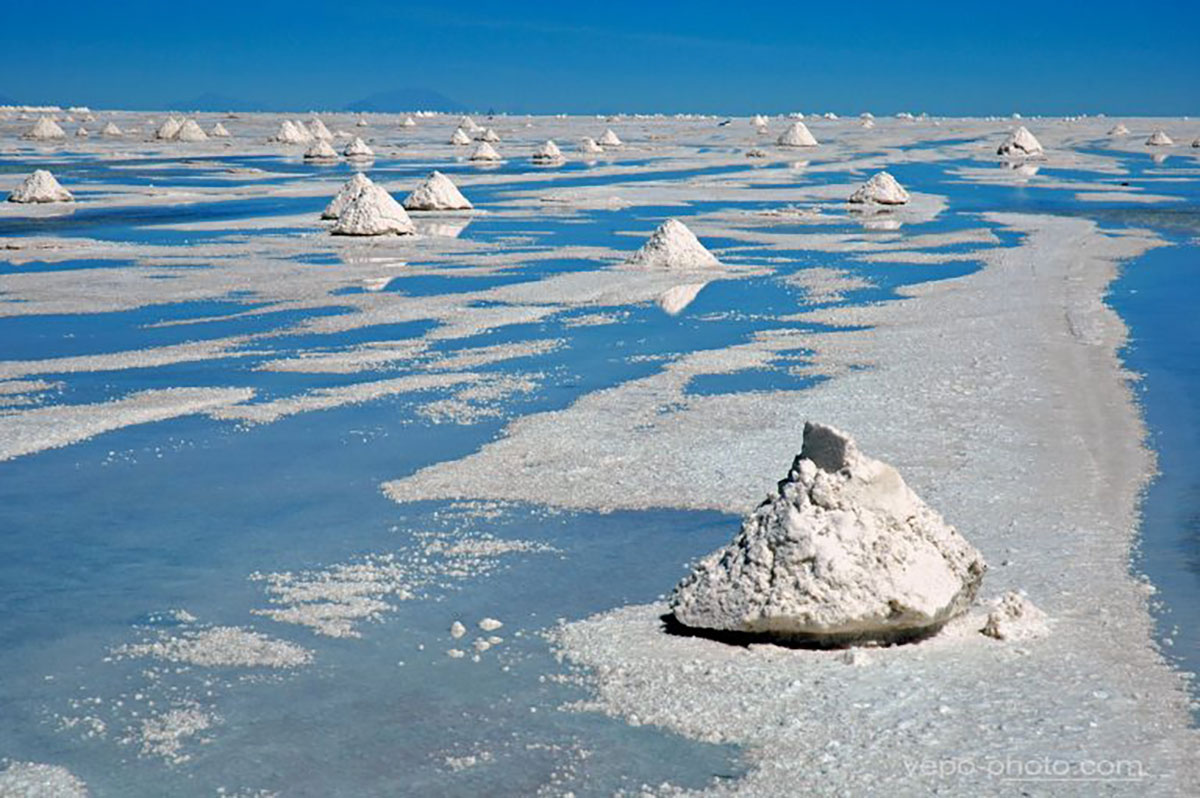
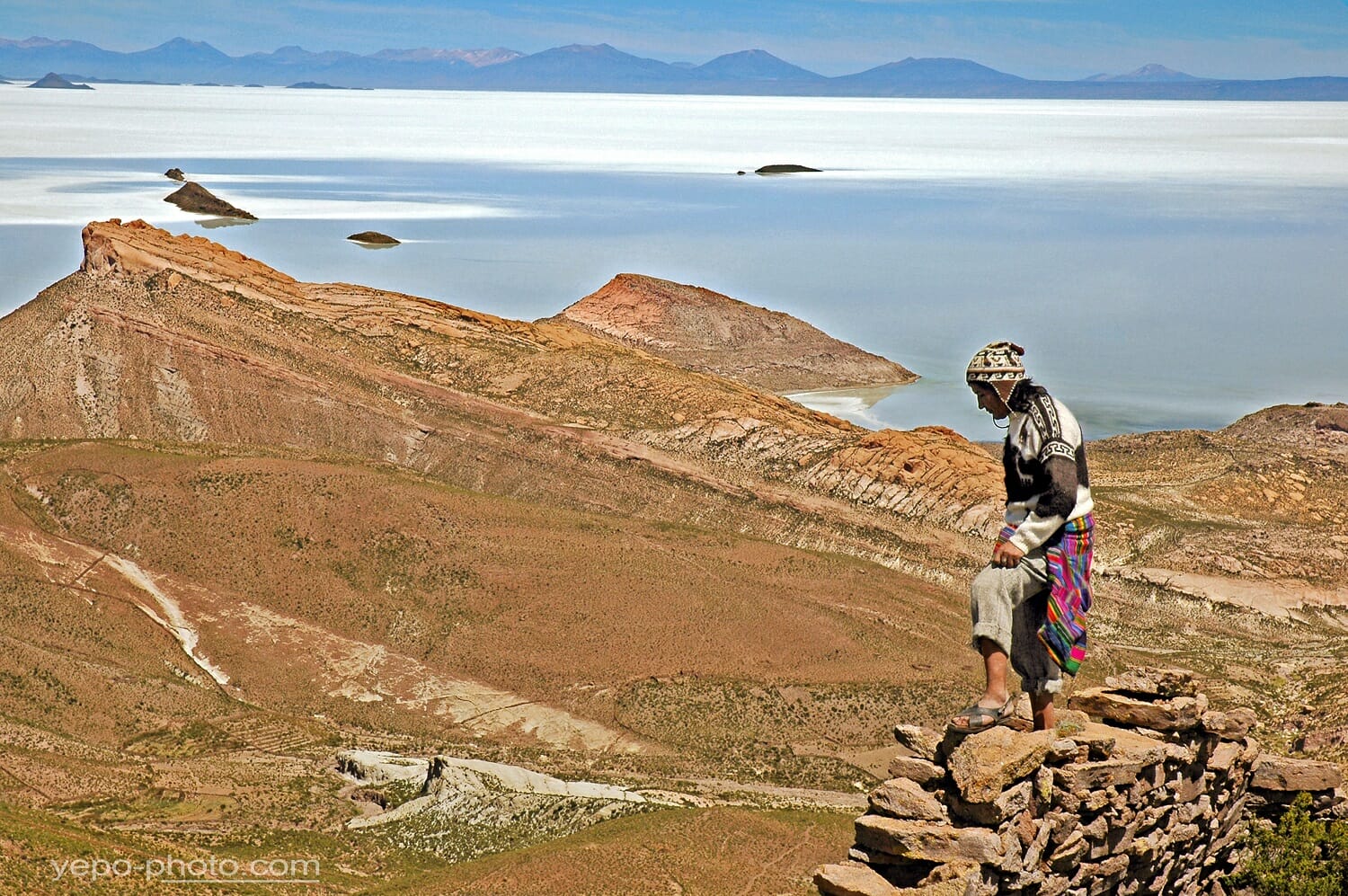
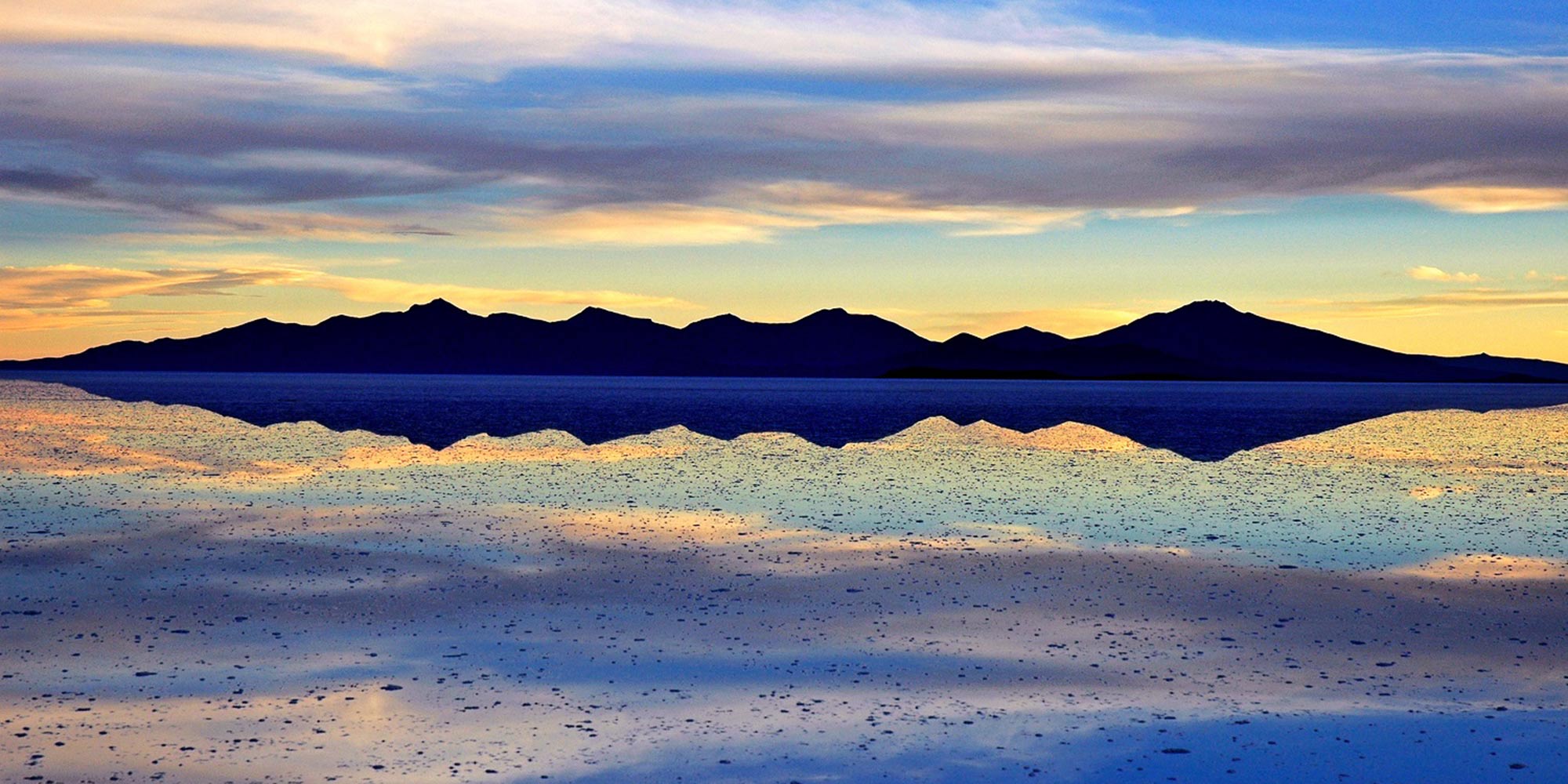
This is an acclimatisation day, and you’ll need to take it slowly as we make it to the amazing Salinas Grandes, a huge salt lake from which the locals harvest the salt. Your guide explains the process and there will be chances to buy some local crafts sculpted from the salt.
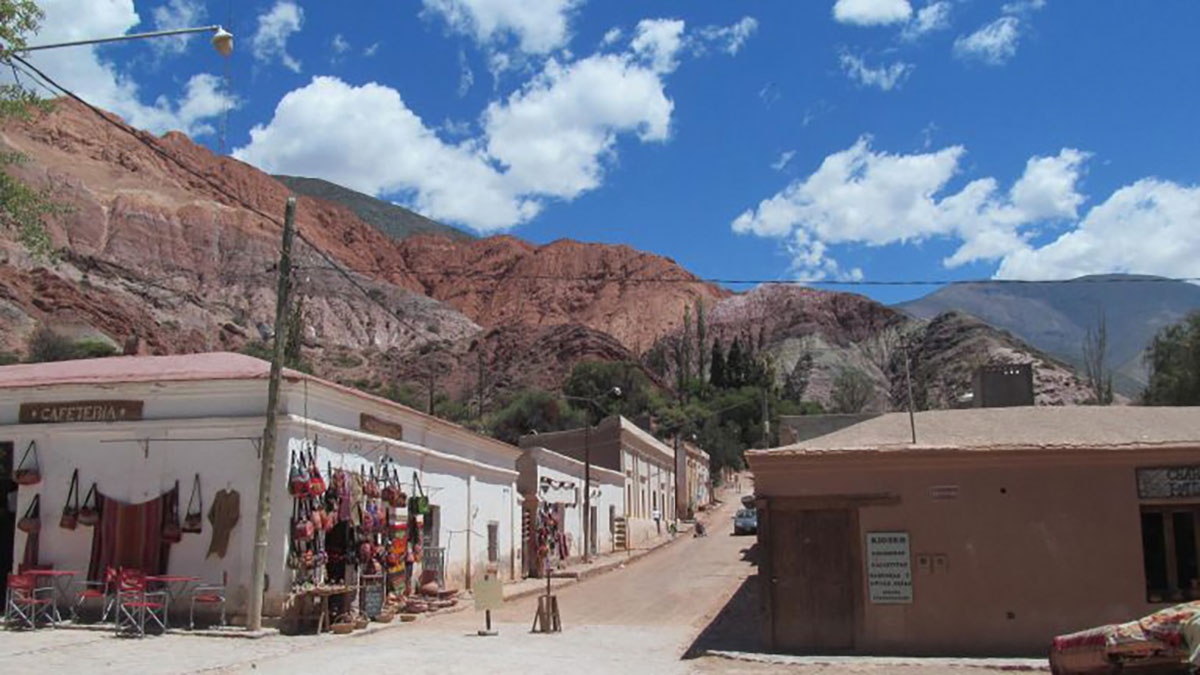
Back in the van, we drive to Pumamarca and its famous rainbow coloured rocks – the mountain of seven colours. A great photo opportunity. We round the day off by heading to Tilcara and our hosteria for the night. If there is time before sunset, you can explore the ruins at the gateway to the town.
As the sun rises and quickly warms Tilcara, we join the locals and hop on the bus to Iruya.
This feels like a timeless town. The small church perches at the end of tiny cobbled streets, overlooking the river and valley below. This is a quiet town, and we will make it our simple hostel base as we continue to acclimatise before we set off on our trek.
We can see the mountains and Andes in front of us, our trekking destination.
Early in the morning, we begin our trek.
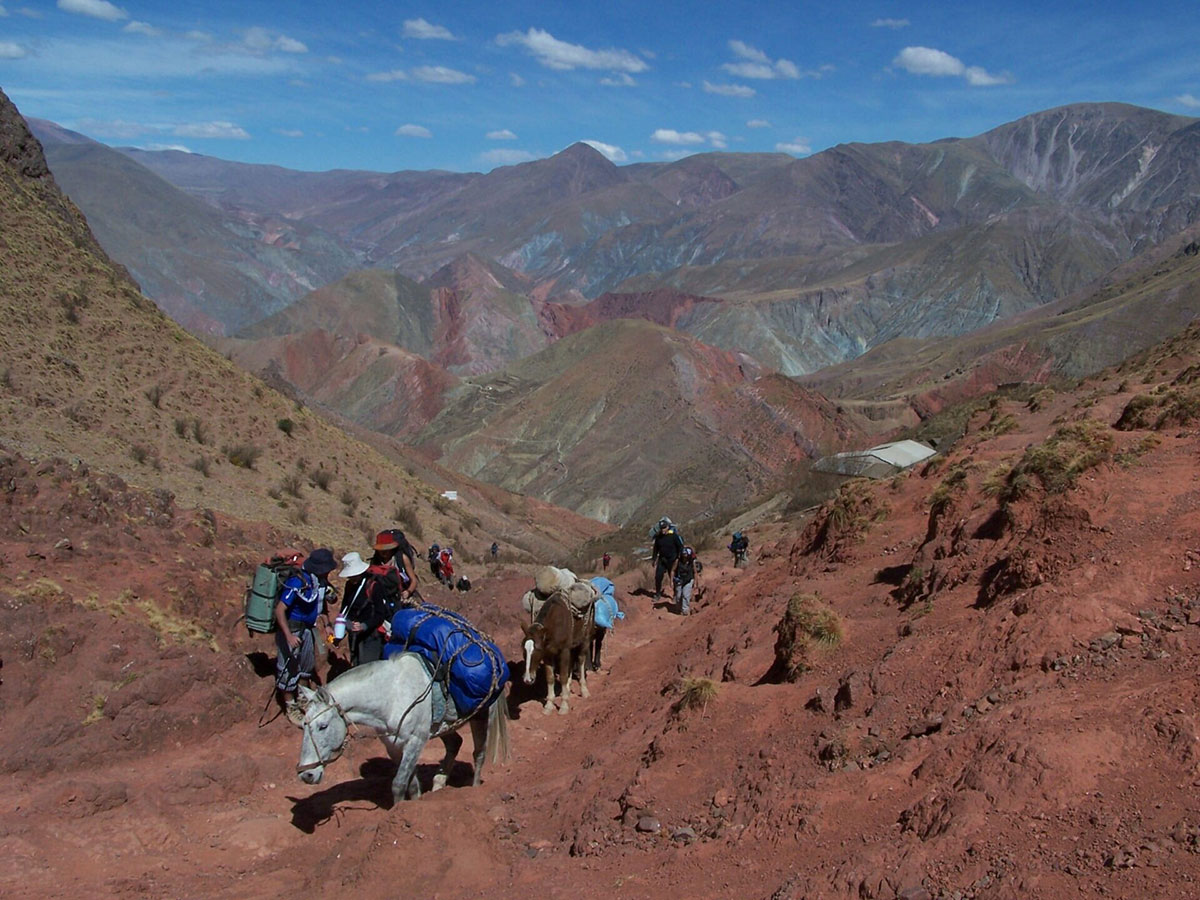
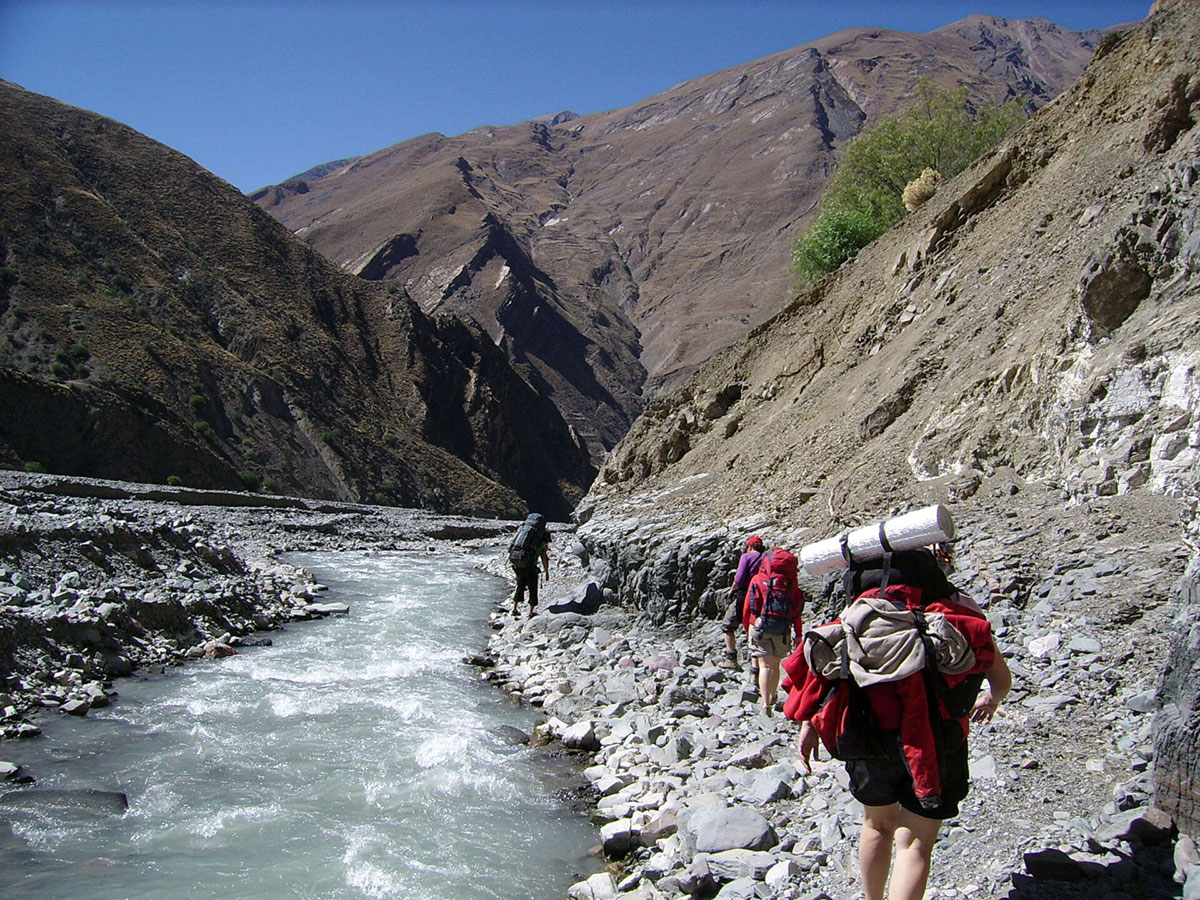
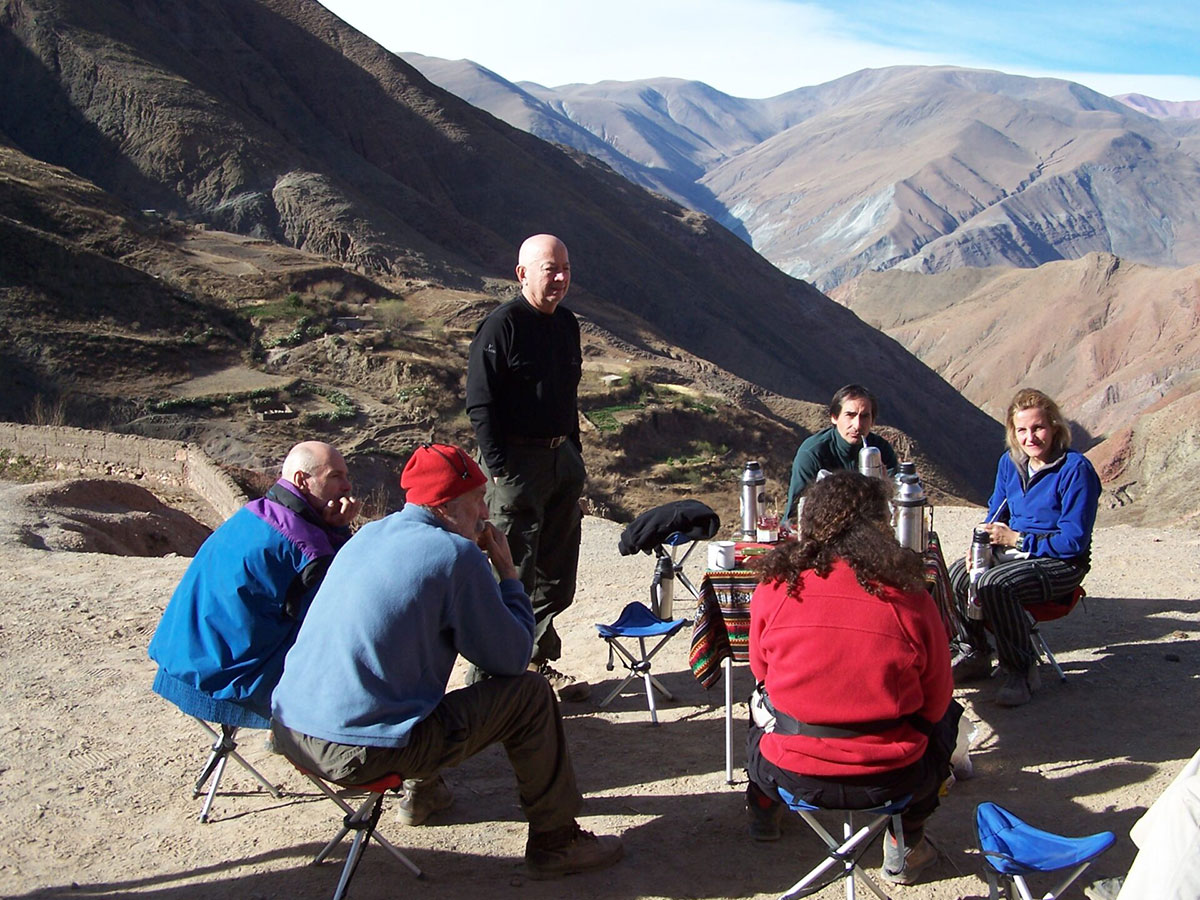
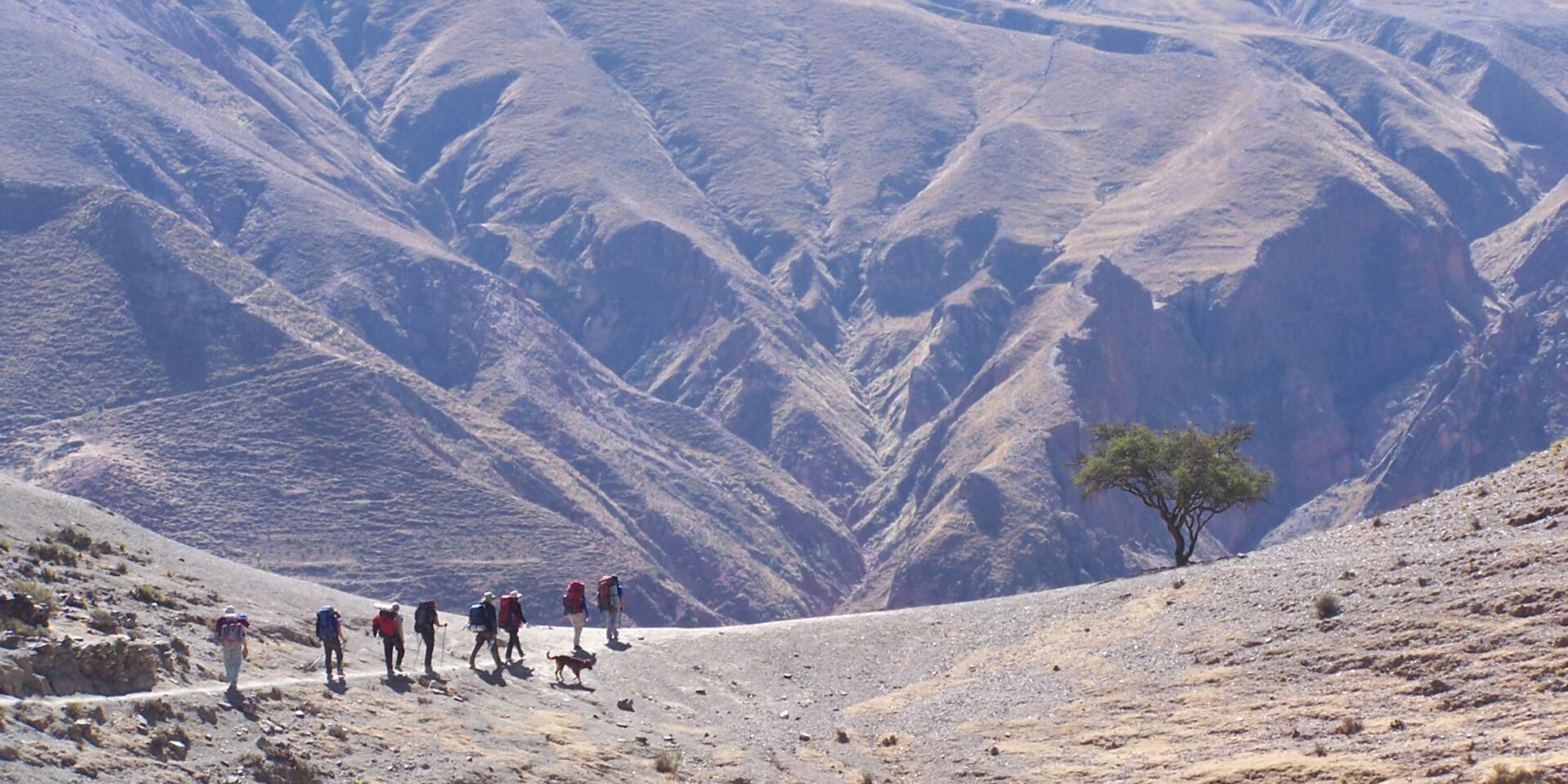
We head down to the river, and cross over, starting at 2,800m.We trek northwards, following the river, keeping a steady pace. It’s a slow climb, uphill all the way, until we reach the Abra Del Colorado. From this pass, we drop down to the San Juan River, where we have lunch.
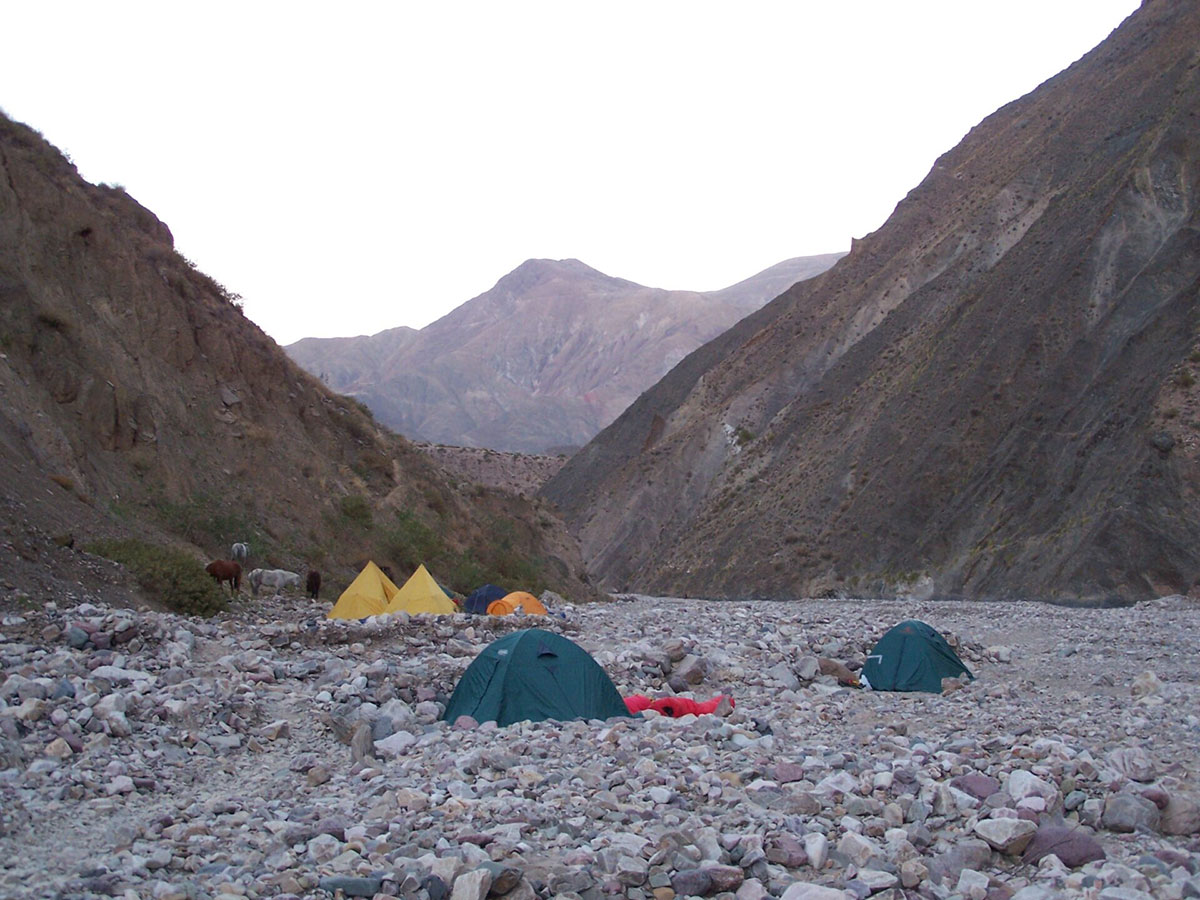
After a hearty feed, it’s uphill again, before we head down to our camp at Chiyayoc village, at 3,100 metres above sea level. Walking time 8-9 hours.etres above sea level. Walking time 8-9 hours.
We wake early as our trek continues through this amazing landscape.
We descend down to reach the valley through which the Rio Trancas runs. Our up-and-down pattern continues as we take a path from the river edge to the top of the next pass.
From here we have a fabulous view of the town of Rodeo Colorado, our eventual destination for today. We have to head to the town following the course of the Pera River, and check in at our simple lodge. Walking time 8 to 9 hours, simple lodge.
A shorter walking day today, over fairly easy terrain.
We take a wide path down to the town of Molino, with amazing views of the valley all the time. There is a short pull up to our campsite for the day. Walking time: 4 to 5 hours, camping.
Today is the final day of our trek. We head up river to get to Nazareno village. Once we arrive at our simple lodge, we can relax, knowing that the Salt Flats of Bolivia and the Atacama desert await!
Walking time: 5 to 6 hours, simple lodge.
We wake early and head to the Bolivian border at La Quiaca, the northernmost corner of Argentina.
We cross the border, and head to Villazon and its train station to catch the service to Uyuni, the gateway to the Salar de Uyuni. We spend the night here, in a hosteria.
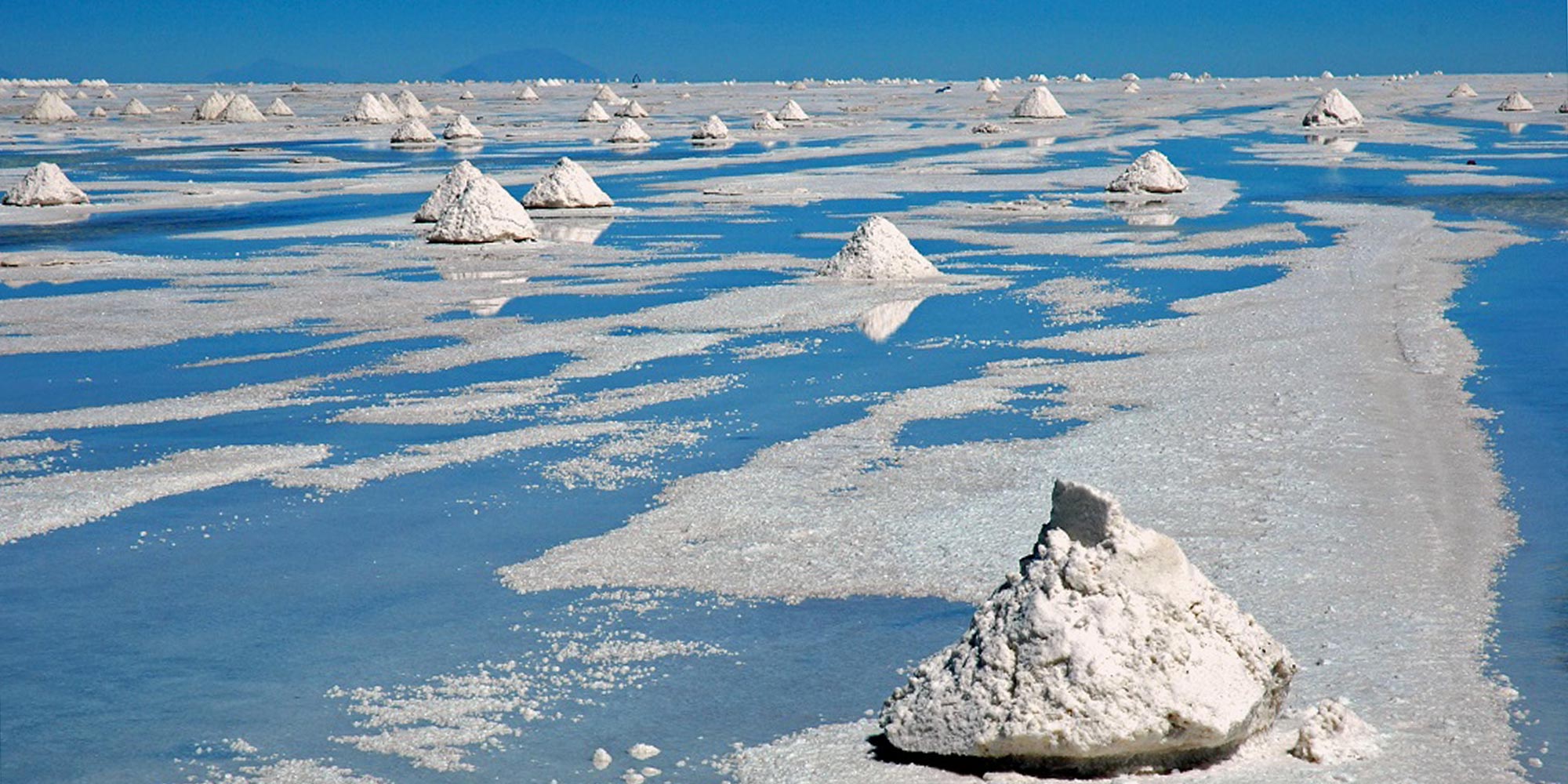
We leave Uyuni at about 11am and head north, 20km or so, to Colchani. This small village exists only because of the exploitation and refinery of the salt.
We walk through the town, seeing how the salt is extracted, visiting the craft stores and salt hotels.
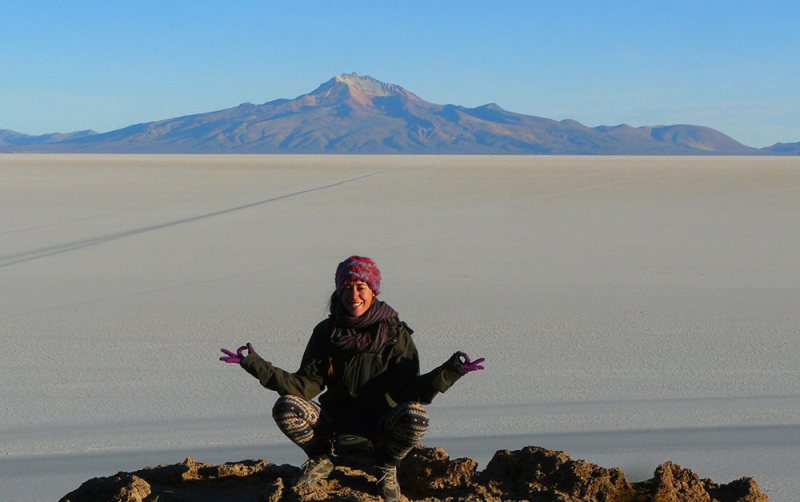
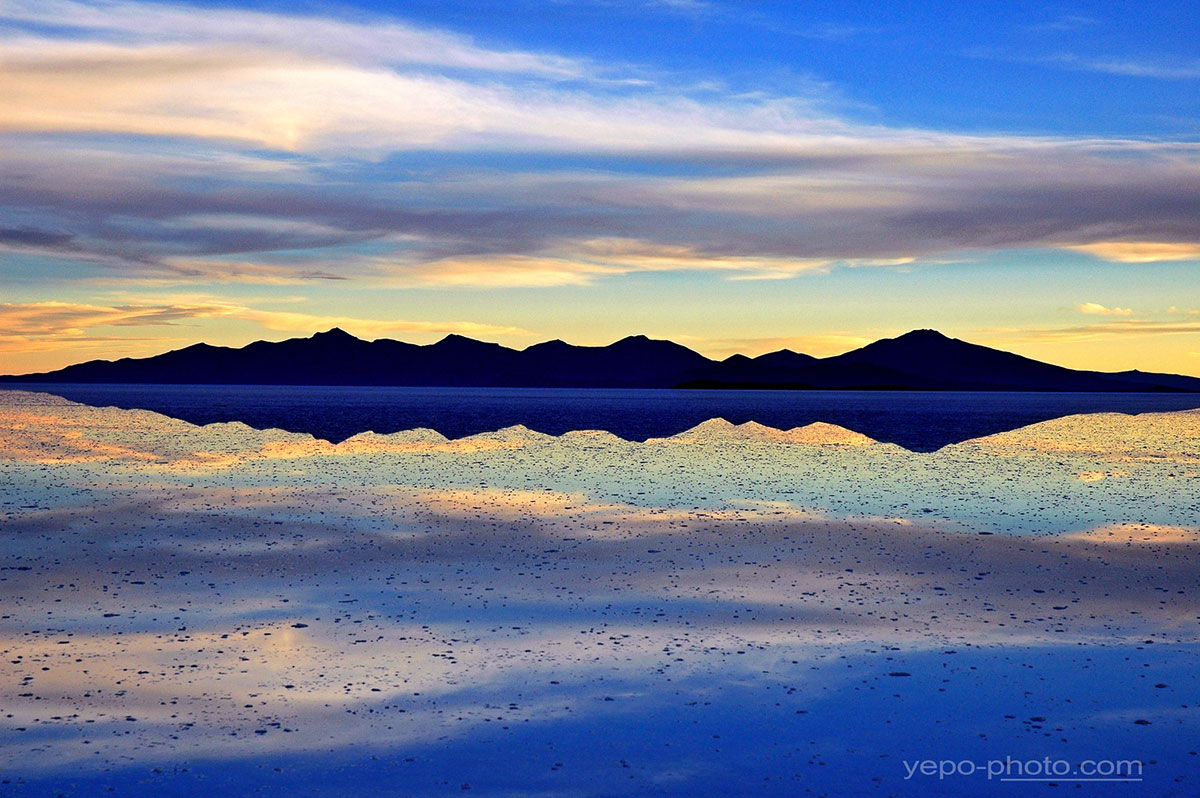
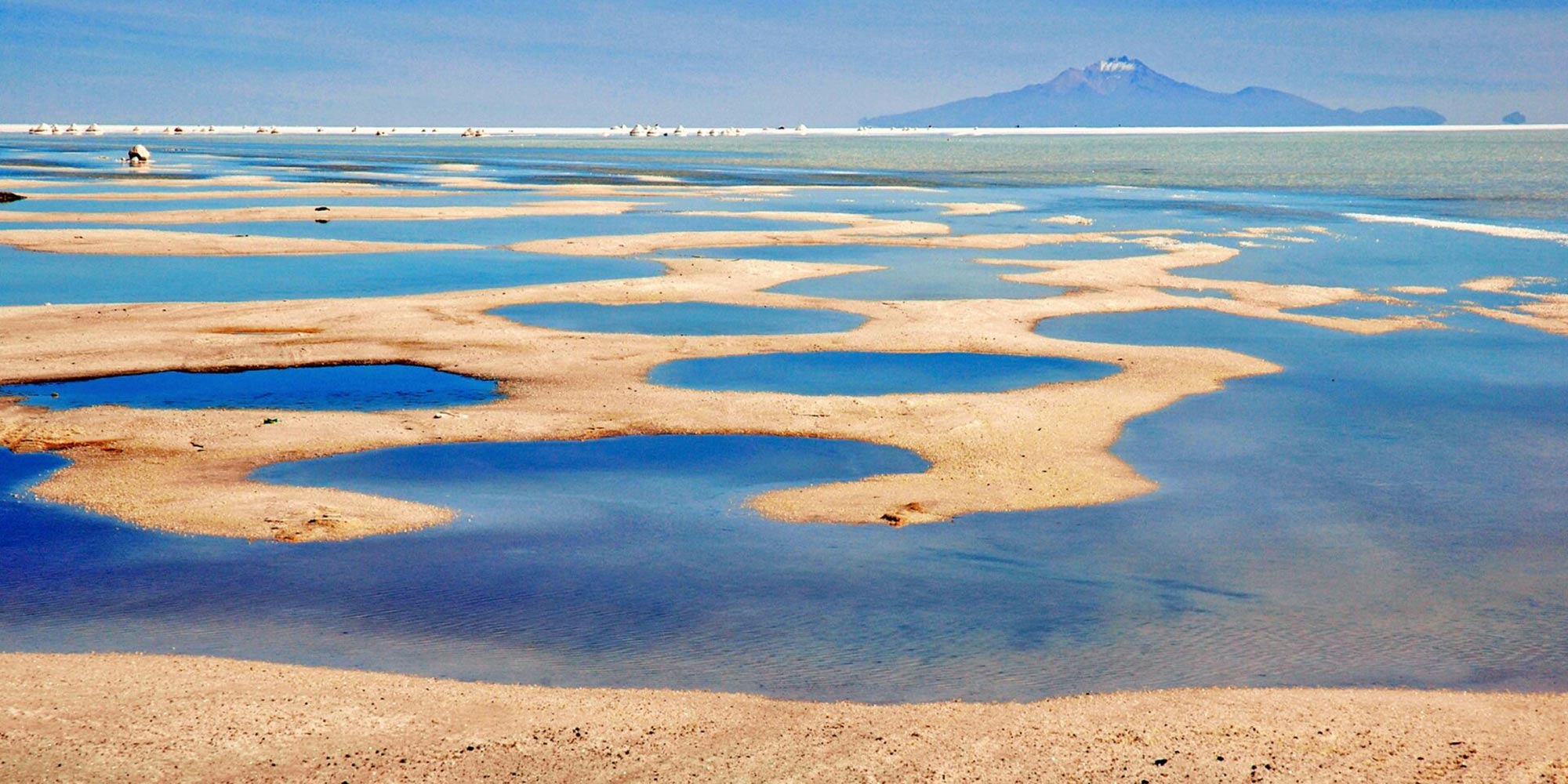
We head to the Isla Lomo Pescado, where we can spot enormous cacti and get an outstanding panoramic. Here, we have our lunch and then continue walking to Chuvica, where we spend the night in a basic and rustic refuge.
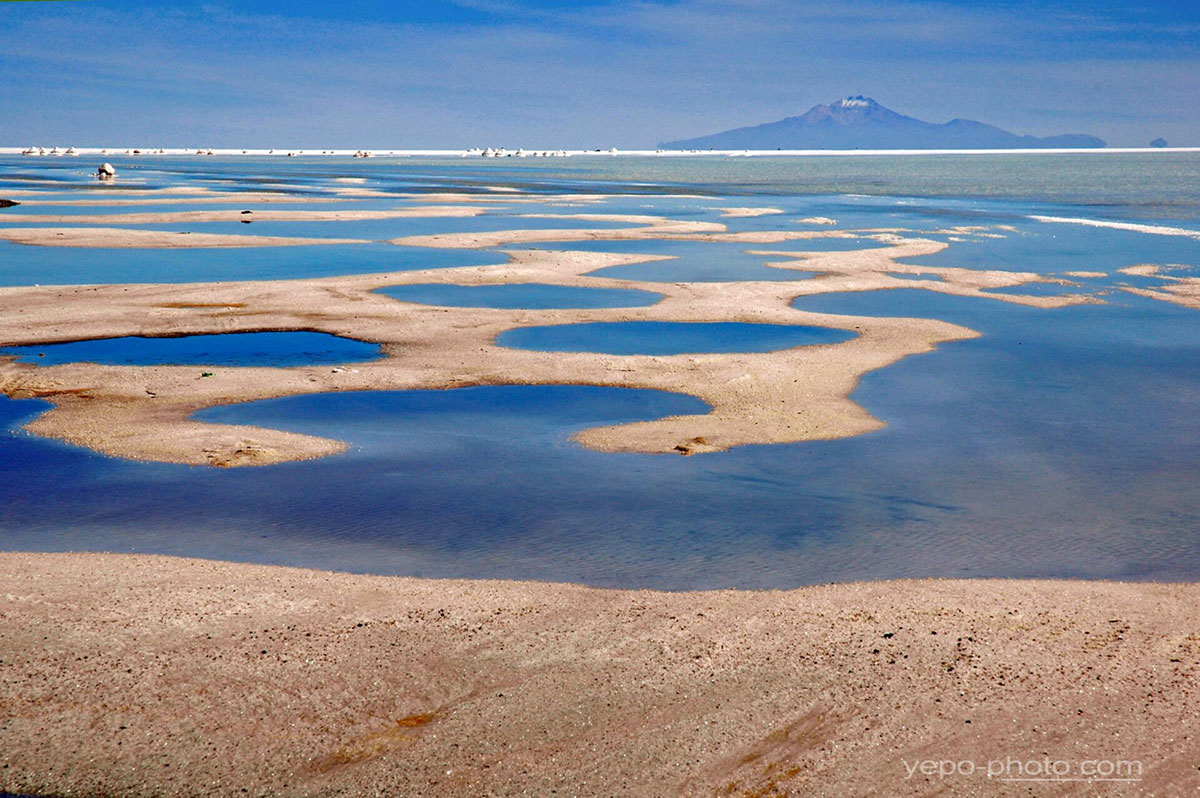
After breakfast we visit the amazing lagoons of the Salar: Cañapa, Hedionda and Ramadita.
We continue through the desert of Siloli to see the Tree of Stone – an enormous rock carved into an outlandish shape by the winds that can whip through the area.
Next up is Laguna Colorada where we may be lucky to see some pink flamingos and other Andean fauna such as vicuña, suri or andean ñandú.
After a great day on the Salar, we spend the night at another basic refuge.
An early start today – up at 05.00. We want to get to the Geysers early so we can see the impressive display of volcanic steam spewing from the earth, and see the thermal waters. The rock formations in this region are outstanding, formed by thousands of years of erosion.
The early start means we can reach Laguna Verde by 11.00. This lagoon is famed for the way it changes colour between 11.00 and 12.00, and we aim to be there for that display.
Our last sight is Laguna Blanca, after which we cross the border to Chile. We have a new vehicle waiting for us in Chile, and we had to San Pedro de Atacama, the desert town. We head to our hosteria.
Today we float in salty lakes! We visit two lagoons in the northern sector of the Atacama salt flats, some 30 km away from San Pedro de Atacama.
The first lagoon we encounter is Laguna Cejar, with its intense emerald colour and borders crystallized by salt. Here you can jump in and enjoy the levitating effect of the salt-rich water, which makes you float easily – a very relaxing experience.
After the float-athon, we reach Tebinquinche lagoon. Here we can see some flamingos, foxes and a variety of birds. We return to our hosteria at San Pedro de Atacama.
A chance to stretch the legs today. We aim to walk up Las Cornisas (Cornices), which takes us to the highest part of the salt mountain chain.
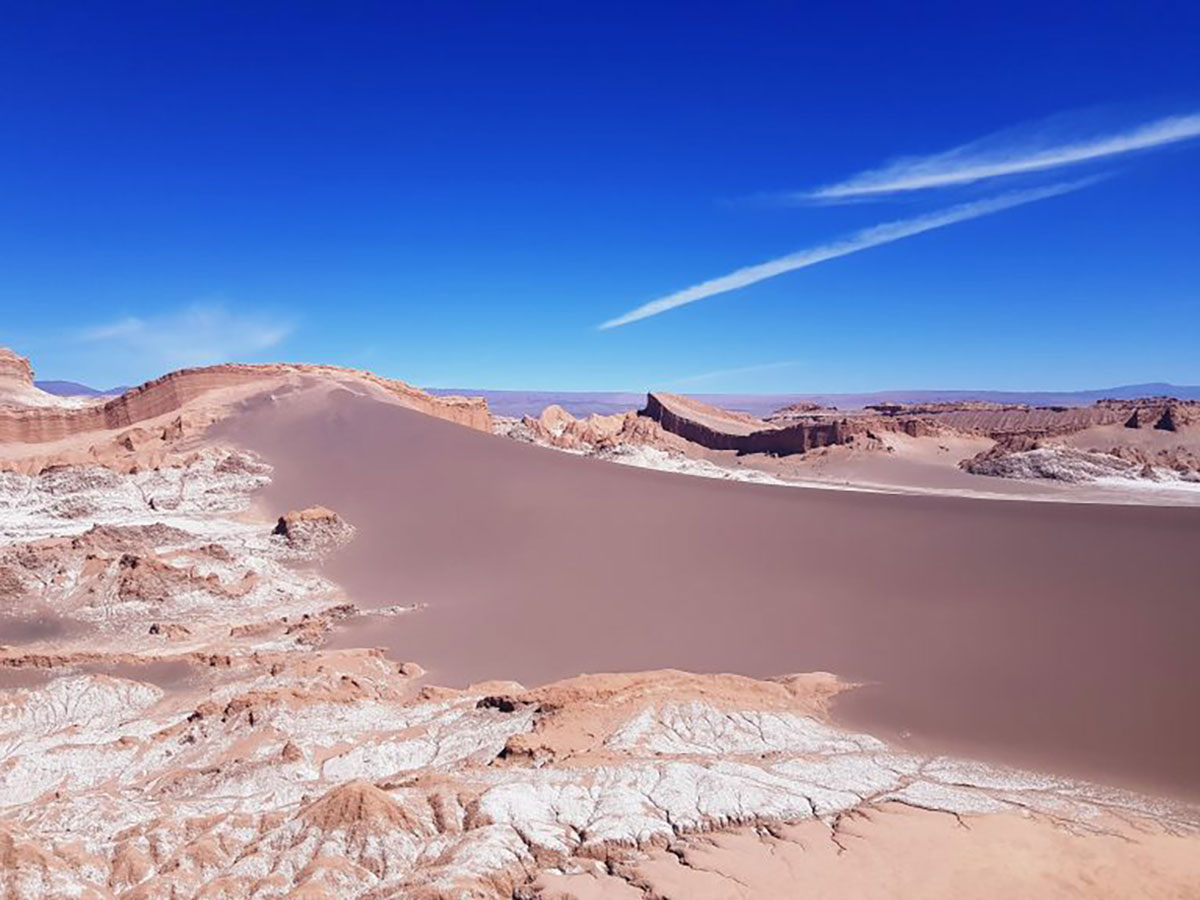
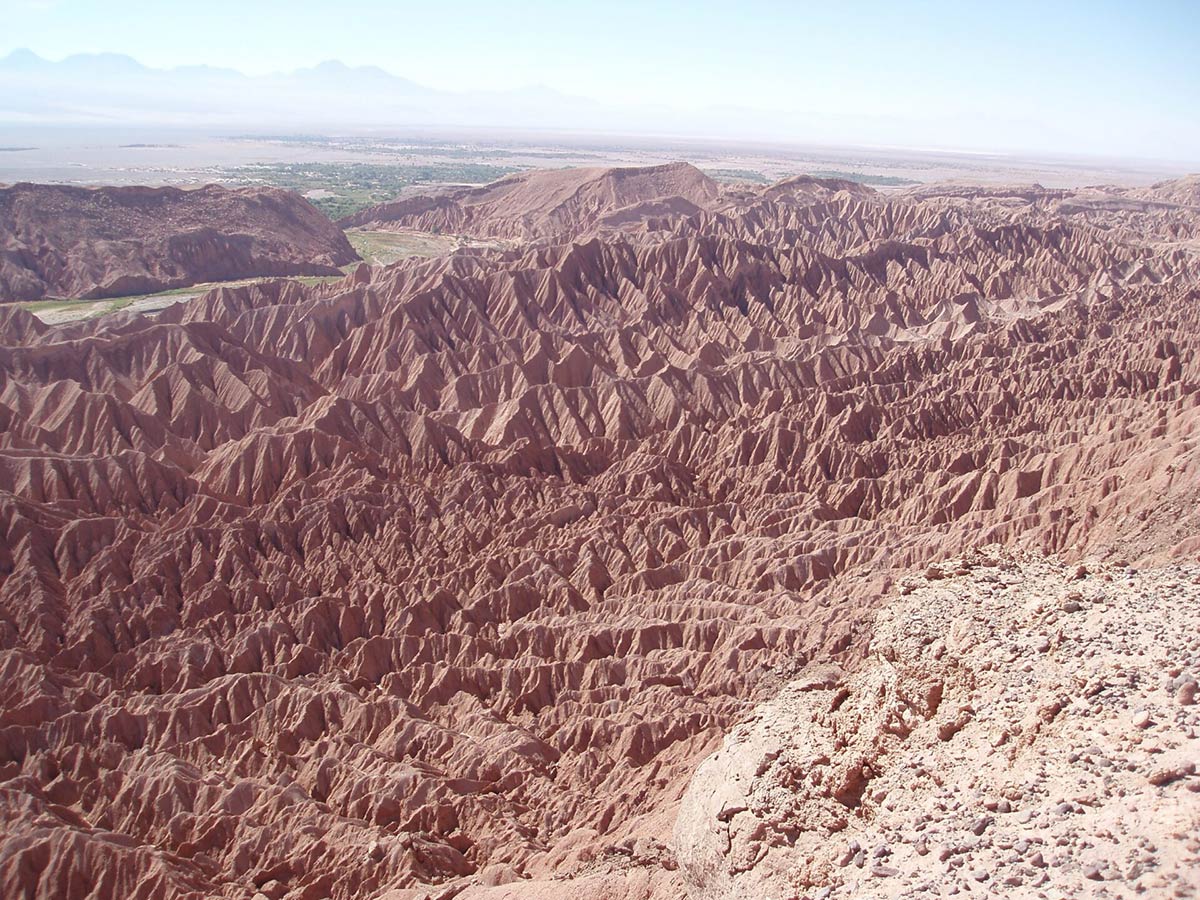
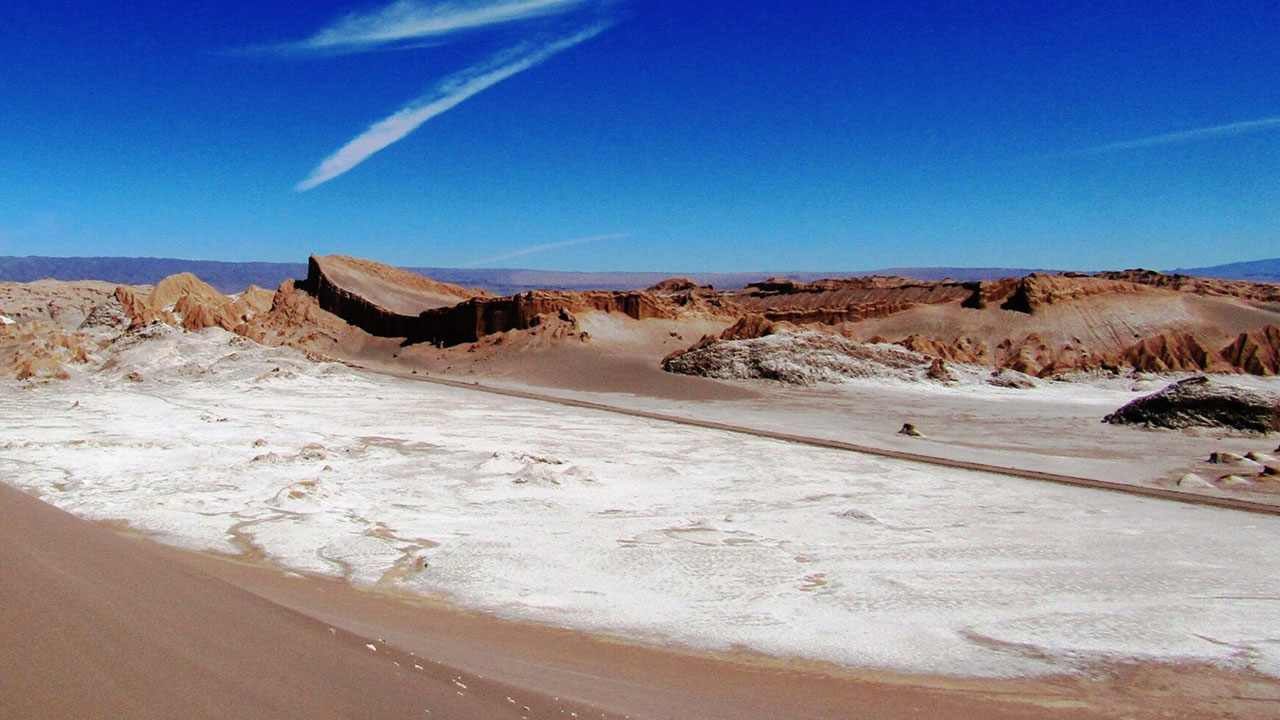
We drive to the starting point, the old tunnel to Calama, built in 1930. We start at the Catarpe Valley, going up to the salt mountain to some outstanding viewpoints – you can appreciate the magnitude of Salar de Atacama, San Pedro de Atacama and the Andes.
After the half day trek (3-4 hours), we return to San Pedro de Atacama for some free time. Hosteria.
Early in the morning we say goodbye to San Pedro de Atacama and take a public bus across the Andes and enter Argentina.
This a stunning trip over Paso de Jama (at 4,200m) until we reach Salta once more, and our hosteria.
After breakfast you are taken to the airport / bus station.
Guide price, per person, hostel basis.
Minimum 2 people per departure
Season May to October
Upgrades available
Single supplements apply
Mixture of hostels, hosterias and basic refugios
You will need to have a reasonable level of fitness as whilst trekking in Argentina you will have two 9 hour trekking days followed by ton 6 hour days at altitude. Its best you prepare with hill walking prior to setting off.
All breakfast are included whether at the hotel or camping. Six box lunches and one restaurant lunch is included as well as 7 dinners.
In Argentina there will be highly qualified guides on the excursions and trek. For Bolivia and Chile you will be accompanied by an English speaking tour leader.
A flawlessly organized self-guided Patagonia adventure combining freedom, efficiency, and unforgettable trekking experiences.
A flawless Patagonia adventure combining EcoCamp luxury, breathtaking treks, and unforgettable experiences across Chile and Argentina.
On this small group holiday or custom made tour you journey through remote and beautiful parts of Argentina, Bolivia and Chile.
Journey along the historical trails that the locals still use to this day, passing colourful cultures, rock formations and a dazzling array of different scenery.
We start in the province of Salta, a dry and beautiful area full of vineyards and surrounded by mountains. It is in these mountains that we visit towns such as Humahuaca, Tilcara, Uquía and Purmamarca.
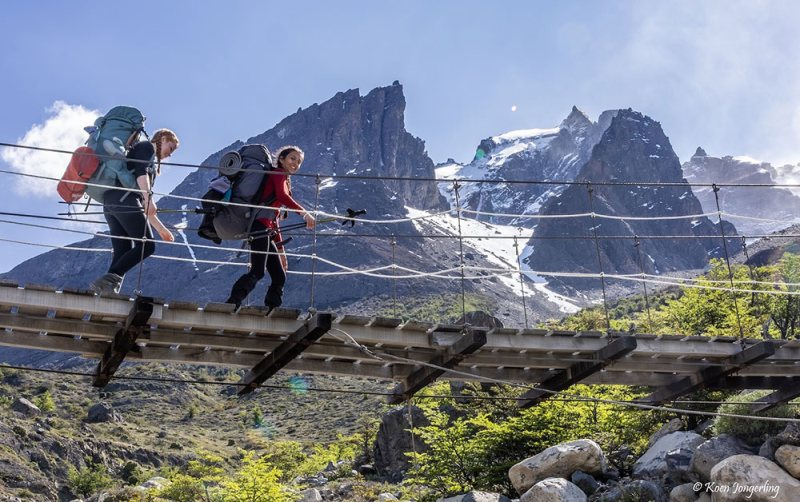
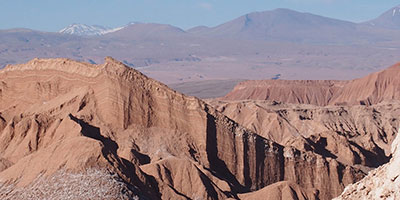
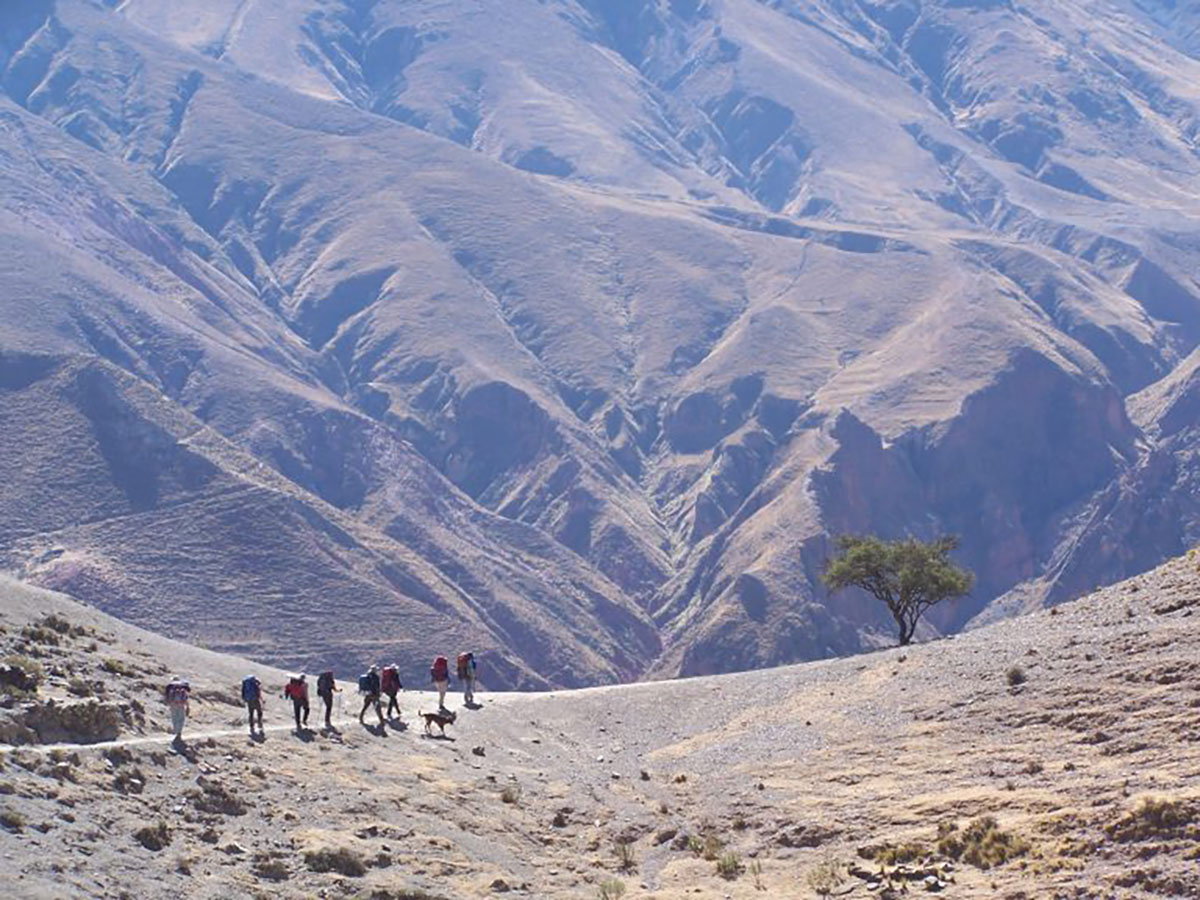
On our trek, we walk an average of 6 to 7 hours a day with a couple of longer days. You trek over high passes with some steady climbs, through the amazing multi-coloured rocks of the surrounding mountains.
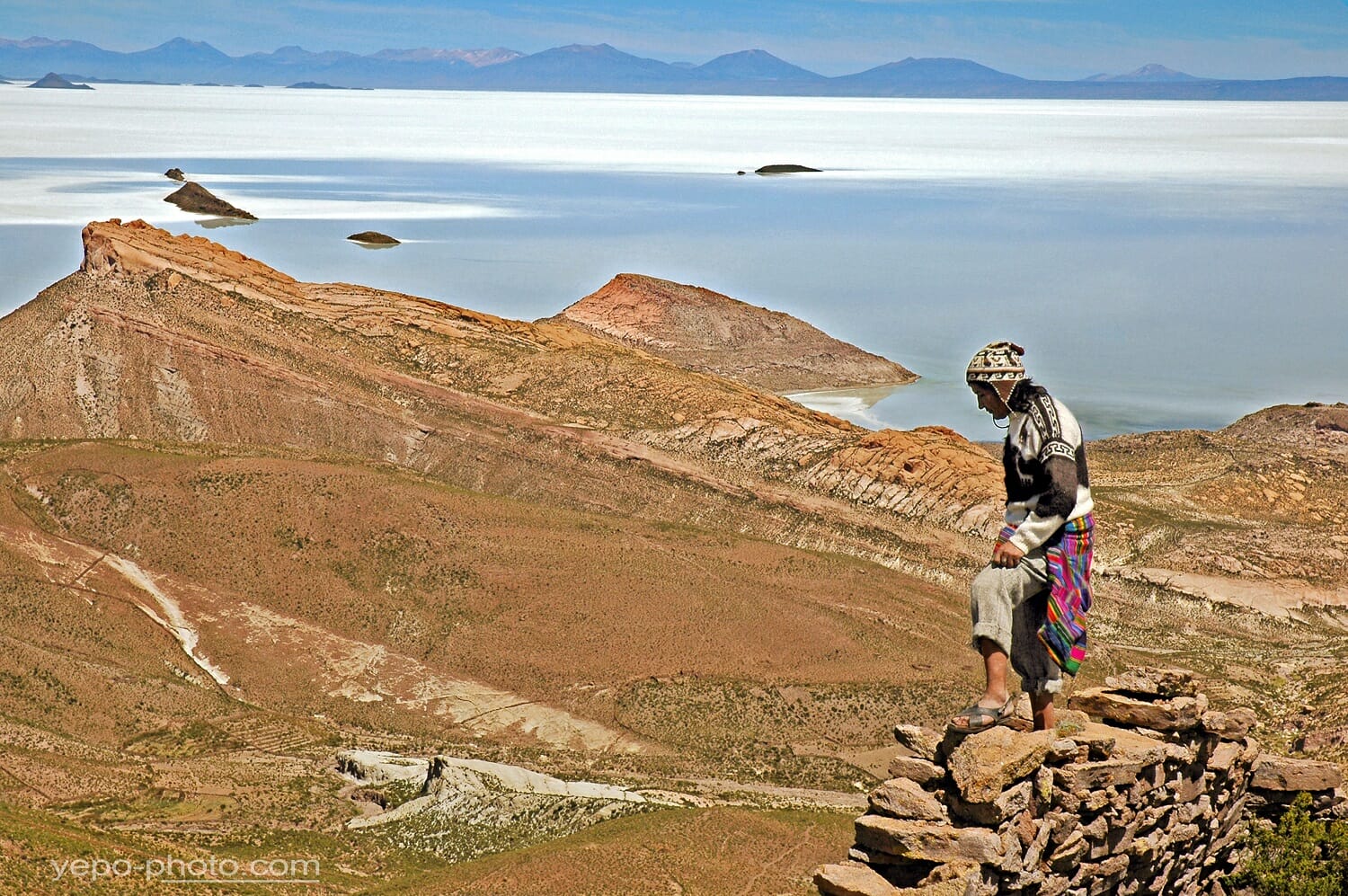
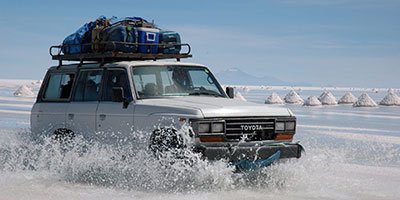
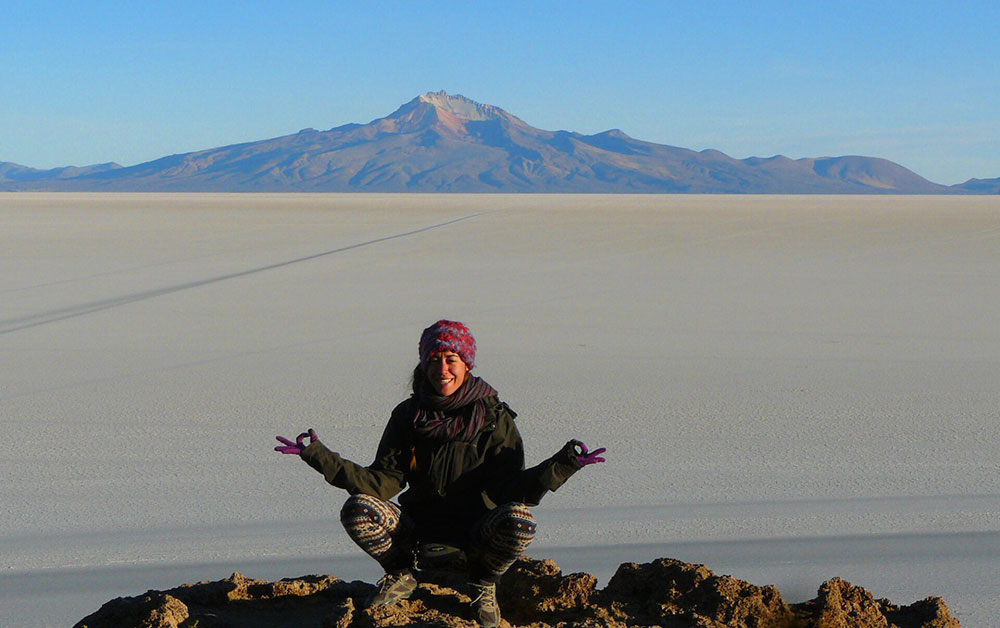
Next, we adventure through the the wilderness of Southern Bolivia, Uyuni, the Salt Lakes and volcanoes, to enjoy the starkly beautiful landscapes of this dramatic desert wilderness. From lakes that change colour, to geysers and bizarre rock formations – just some of the highlights of this enormous salt plain and high desert.
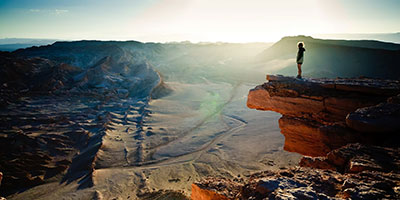
From here, it’s onwards by 4wd to Chile and San Pedro de Atacama desert. We explore the varied Atacama landscapes. One day you are floating around in the salty Laguna Cejar, the next, gazing at the awesome scenery from atop a salty peak.
You can head back to Salta or extend your trip with our excellent Puna to Jungle trek. For something a bit more relaxed, try our Highlights trip.
Being at altitude, especially in the tropics, is usually a pleasure as it isn’t so hot, there are few insects and the air is clear.
However, when gaining altitude, air pressure drops and the amount of oxygen reaching the lungs is reduced. Although we build plenty of acclimatisation time into our itineraries, certain ill-effects are possible. Nevertheless, all of these can be minimised or prevented if care is taken.
On reaching heights above 2,500m (approx. 8,200 ft), especially when ascent has been straight from sea level, heart pounding, mild headache and shortness of breath are normal, especially on exertion.
Acute mountain sickness (AMS) is a syndrome known locally as soroche, whose symptoms can include of bad headache, dizziness and nausea).
To avoid AMS, you should:
Chile is the land of contrasts, from verdant vineyards to driest desert, deep fjords and towering glaciated volcanoes.
A narrow but incredibly long, snake-like country, Chile’s unusual geography features more than 5,000km of South Pacific Ocean coast. The country is almost 4,400km long but barely more than 160km at its widest.
It is best divided into general regions, all of which offer spectacular landscapes and identities of their own.
This variety means Chile is the land where almost every activity is possible. Hiking, biking, rafting and kayaking.
Or climbing, cruising, fishing, horse riding, wine tasting.
Or simply eating great food, relaxing and exploring.
Good kit is vital for every trip.
Book with Andean Trails and get 15% off Páramo’s fantastic ethical and high performance outdoor gear.
Chile has a wide range of climates from arid deserts to bracingly cold Patagonia.
When planning for these changeable climatic conditions you will encounter across Chile, layering is the most practical and versatile clothing system.
The sun is very strong throughout the country, so good sun cream, a hat and sunglasses are vital.
It can also get very cold at night time especially in the mountains. Jumpers, fleeces and warms hats – which you can buy there – are also essential.
Give plenty of thought to kit selection, and try to keep weight down.
Below is a more detailed guide.
Many of our tours travel through remote areas.
We believe our clients should be aware that the remoteness of some of our tours so very special could also cause certain problems.
Thus, whilst we endeavour to minimise the chances of anything unexpected happening, it has to be noted that no itinerary can or should be rigidly adhered to.
This is the very nature of adventure travel and we expect our clients to be prepared for delays and slight alterations in our programmed events.
Also, shared tours may include travellers from all over the world whose native language is not English.
A flawlessly organized self-guided Patagonia adventure combining freedom, efficiency, and unforgettable trekking experiences.
A flawless Patagonia adventure combining EcoCamp luxury, breathtaking treks, and unforgettable experiences across Chile and Argentina.