From: £1,694
From: $2,256
Departing from Quito, you take a 30 minute flight to Coca over the eastern Andes mountain range.
After landing, about mid morning, and airport procedures a 5 min transfer in local chiva (hired bus) or local taxi from airport to Port Francisco de Orellana will drive us to embark onto a comfortable covered motor boat.
Here we start a canoe ride along the Napo river for about 2 hours approx, lunch box in route. Along the way birds like herons, kingfishers and others can be spotted.
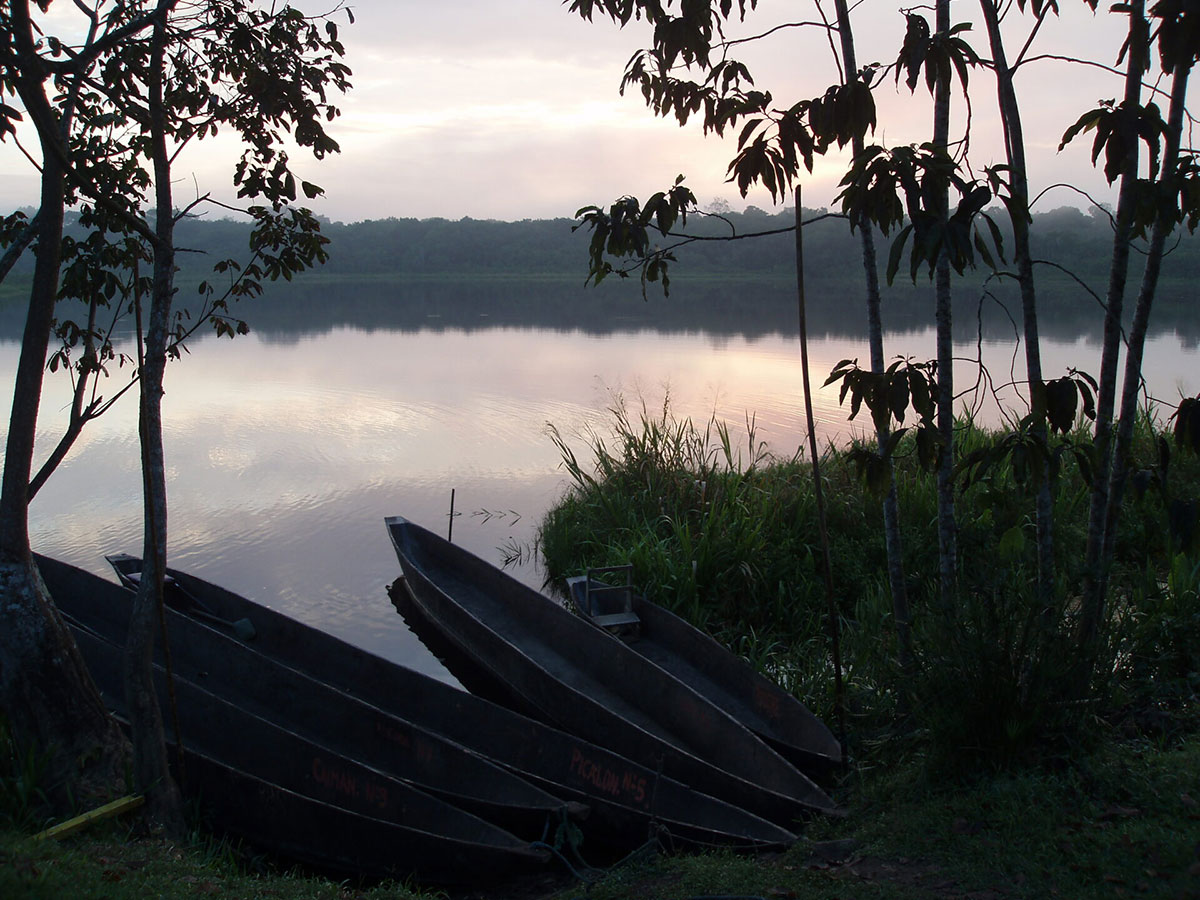
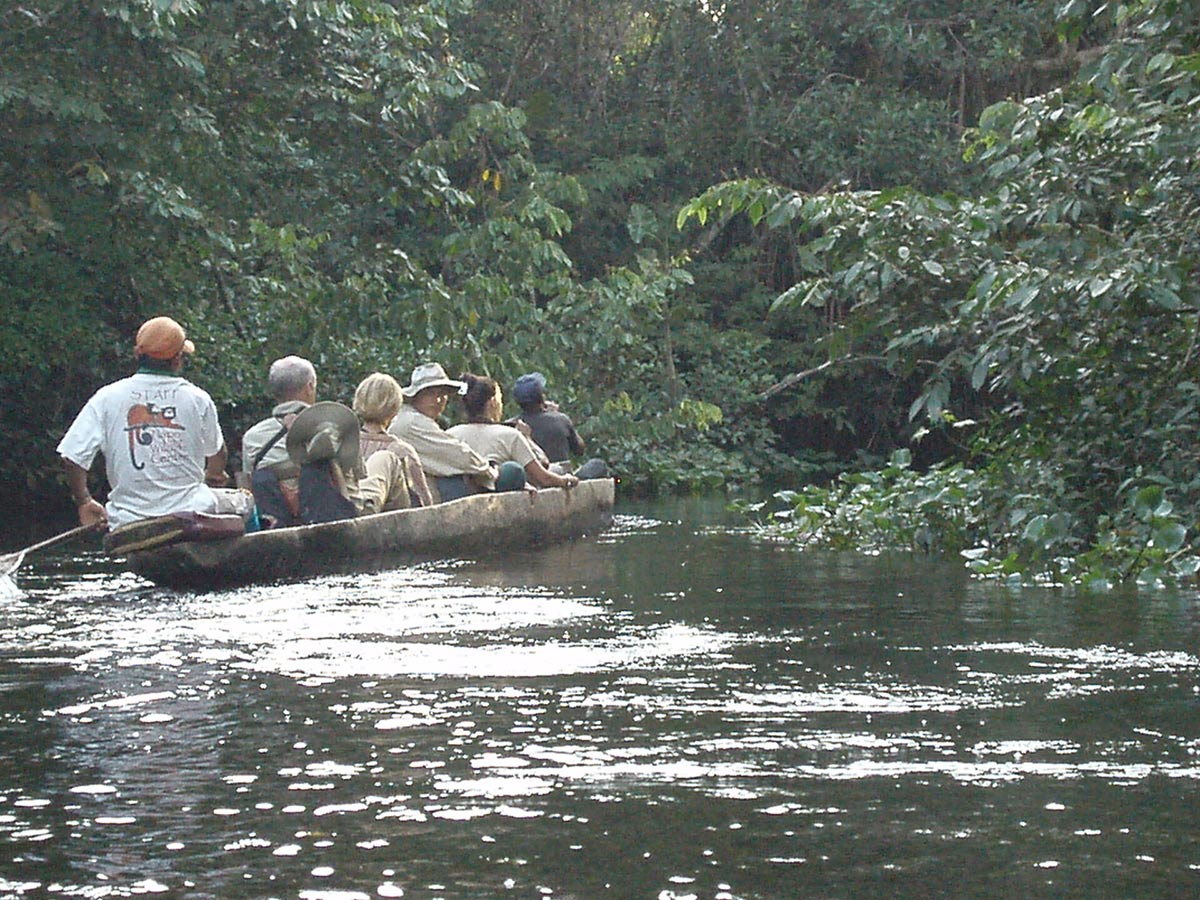
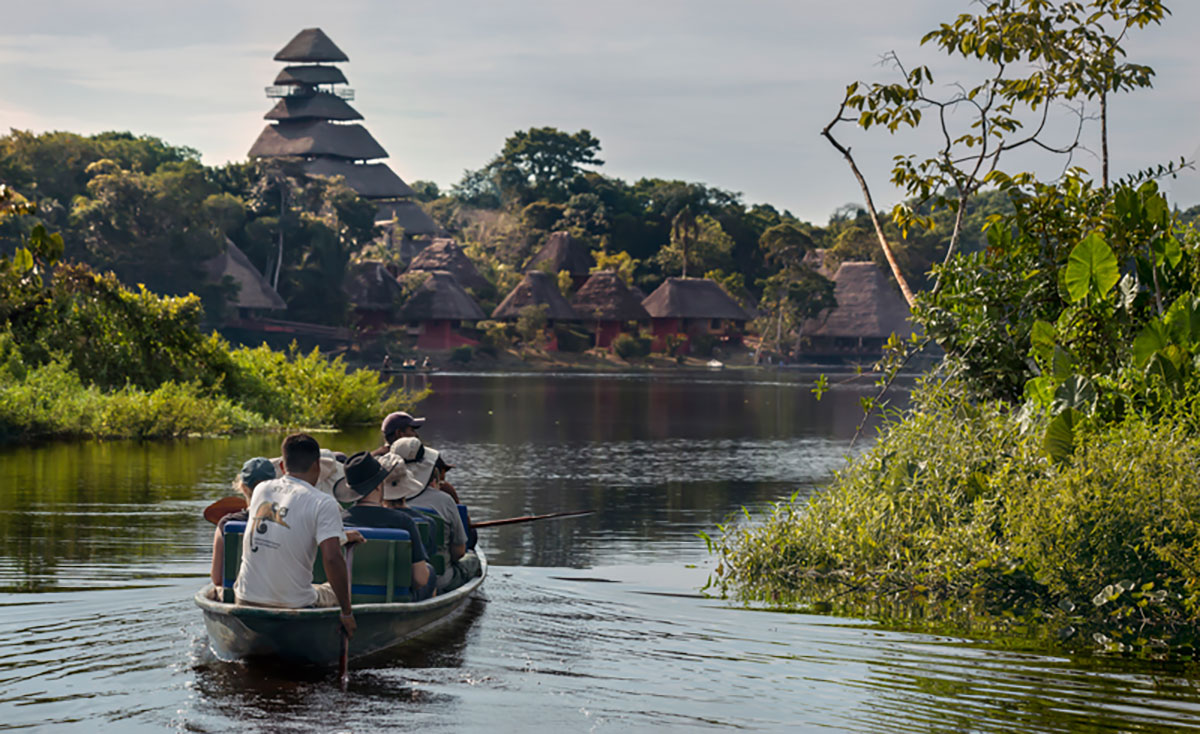
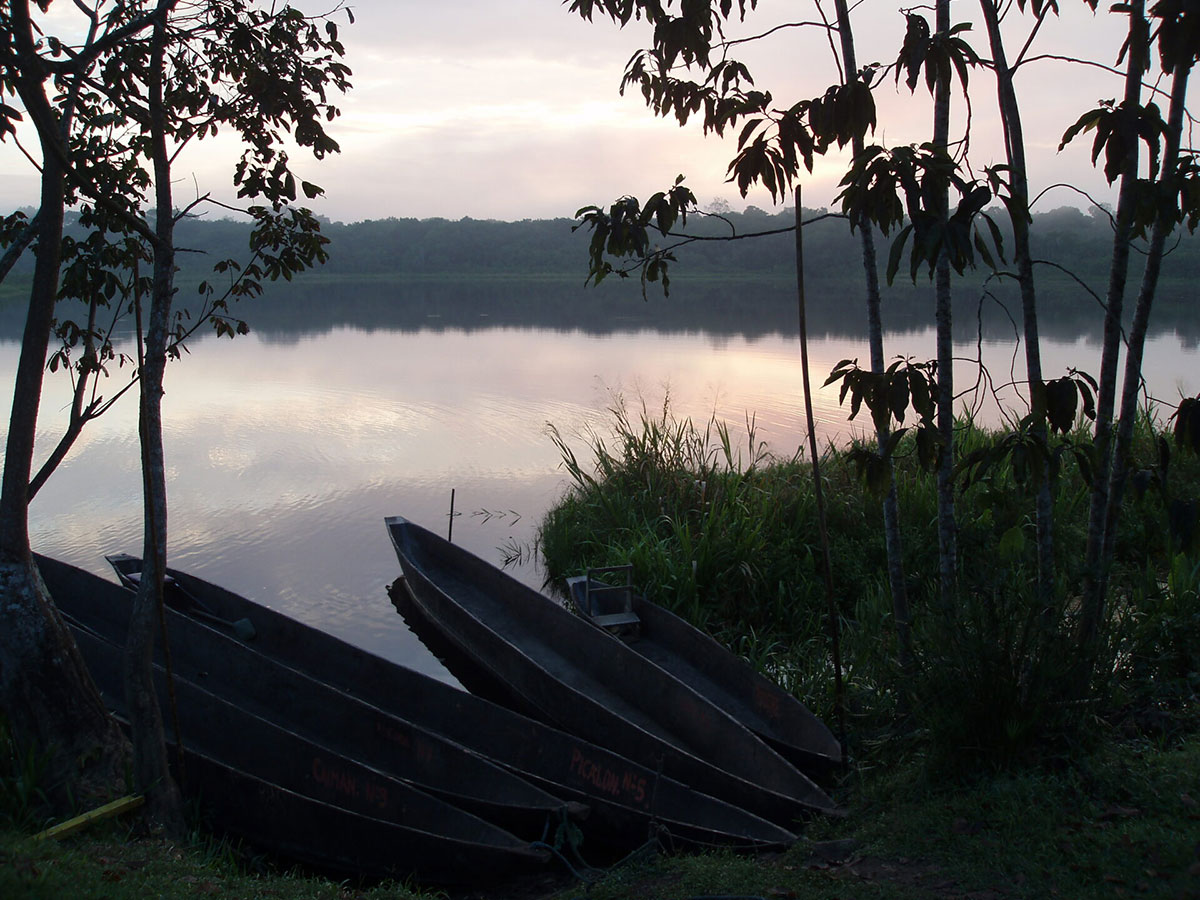
After arriving at NWC’s entry dock we disembark then take a majestic and peaceful one to two hours dugout canoe ride surrounded by trees overhead, paddling along a narrow creek that connects to the lake where the lodge is located.
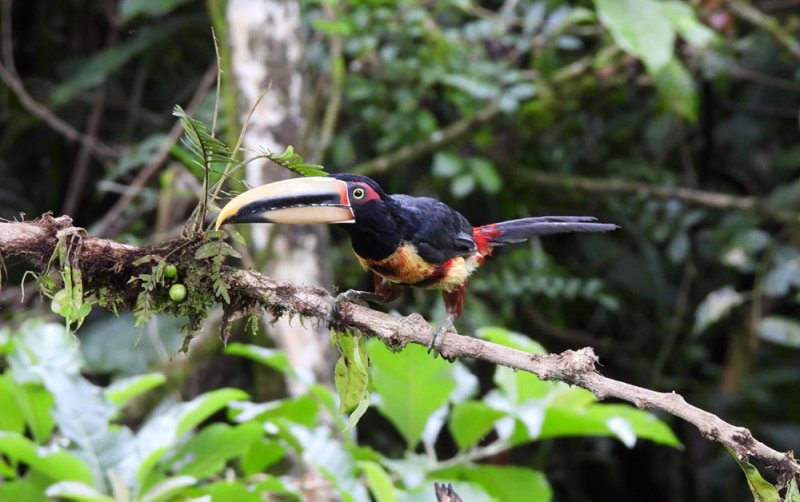
Good possibilities of monkey sightings of various species, as well as large birds like toucans, parrots or even macaws.
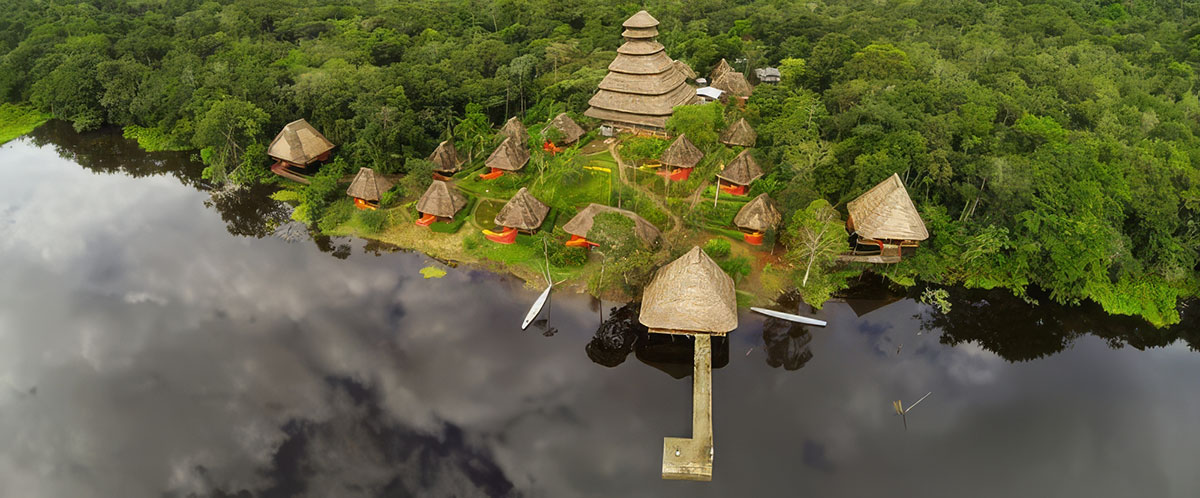
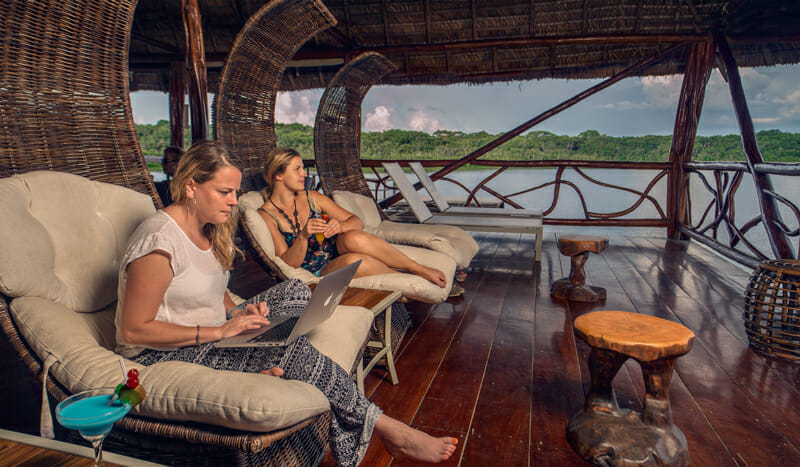
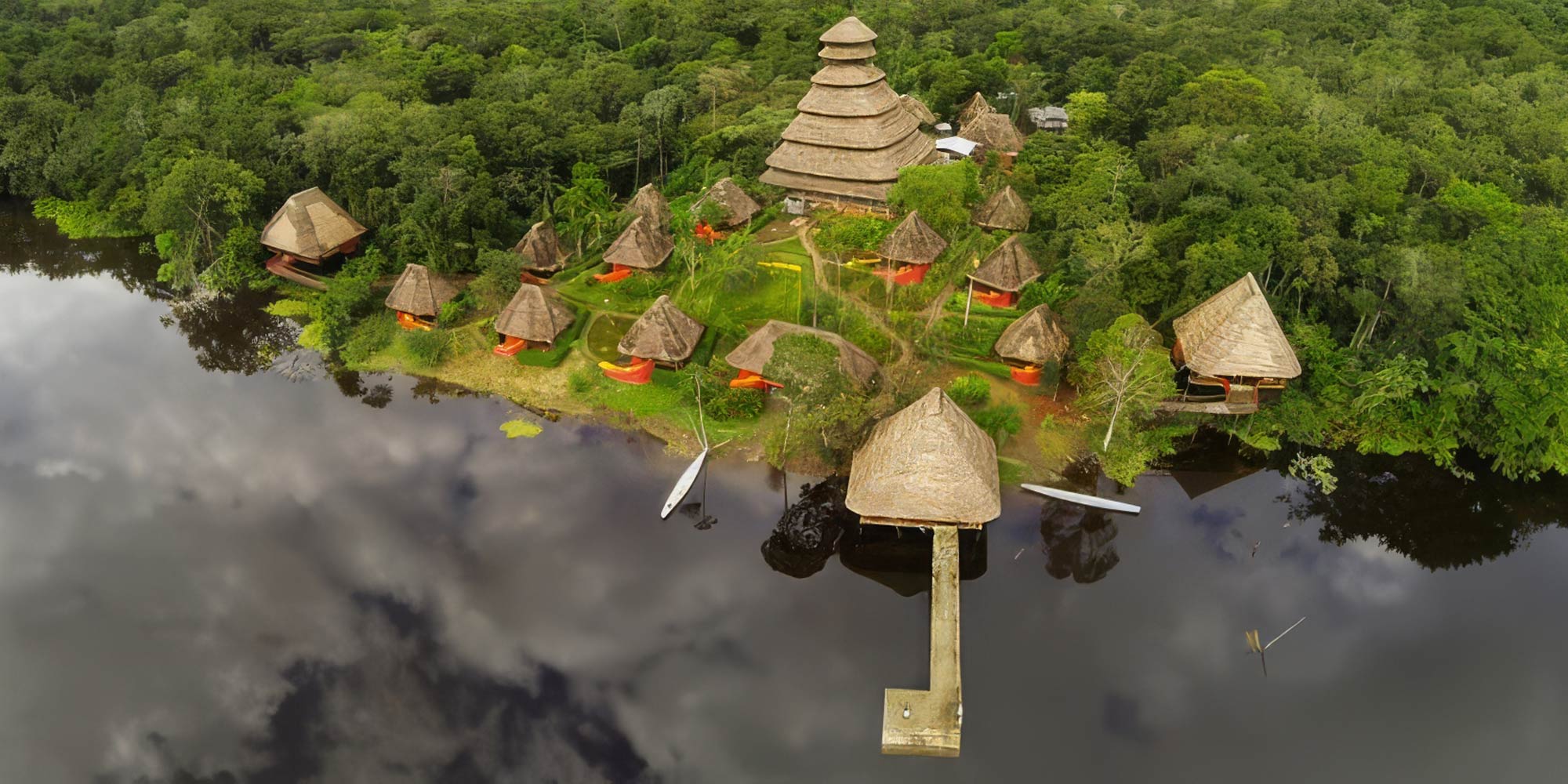
Late afternoon arrival at the NWC lodge, you’ll be greeted by amazing view of Anangu lake, welcome drink and lovely facilities.
Note: All activities listed are suggestions and subject to change according to weather and wildlife conditions. Your guide will make suggestions throughout your stay.
After an early breakfast, depart from the lodge to one of the finest experience at a canopy tower on the Napo river.
This 36m high canopy tower is a great way to experience the life above the forest floor. This is the second tower at the Napo Wildlife Centre (the first is attached to the dining hall and allows great views of the lake).
This new canopy tower is located about 20 minutes from the lodge deep within the terra firme forest. As you ascend the 12-floor tower, you pass through different levels of the forest and emerge on top of a huge Ceiba tree. Here you cross onto a wooden platform that is actually built into the tree and experience the view formerly reserved only for the birds.
The metal tower itself was constructed to the highest standards, galvanized, and carefully inspected by engineers. Safety is the priority.
The platform at the top of the tree was constructed by tree platform specialists as well. From top to bottom, there is no finer canopy experience in Eastern Ecuador. Flocks of colorful tanagers pass right through the canopy of the tree, Blue-and yellow Macaws fly past, in nearby trees Spider Monkeys search for fruit, two species of large toucans call in the early mornings and afternoons, and the life of the forest canopy opens before you.
Birds that are virtually impossible to see from the forest floor far below are suddenly right beside you, oblivious to your presence. The canopy tower opens a whole new world to guests of the Napo Wildlife Centre.
Lunch served at the lodge.
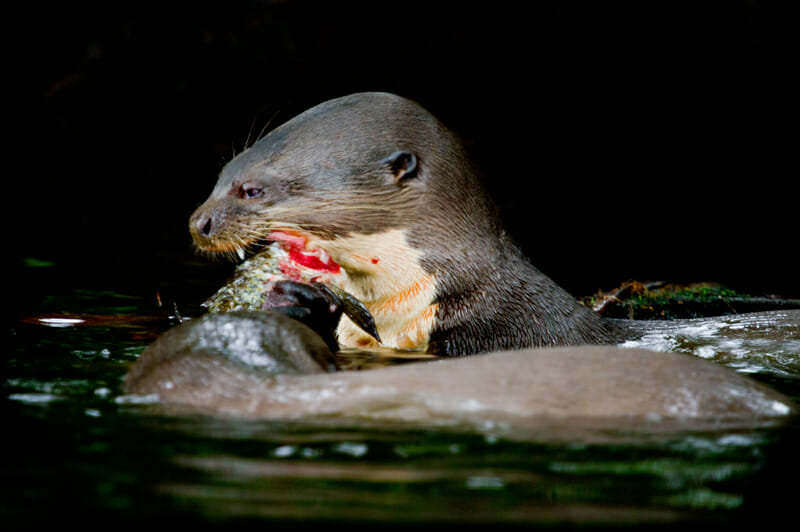
Afternoon visit to a terra firme trail, hike along primary forest to discover the forest interior, possibilities of finding lizards, colorful manakins or the unique and endemic Golden mantle tamarin monkeys. After the hike, explore the lake and creeks by dugout canoe with a great chance of running into a giant otter family on the way…
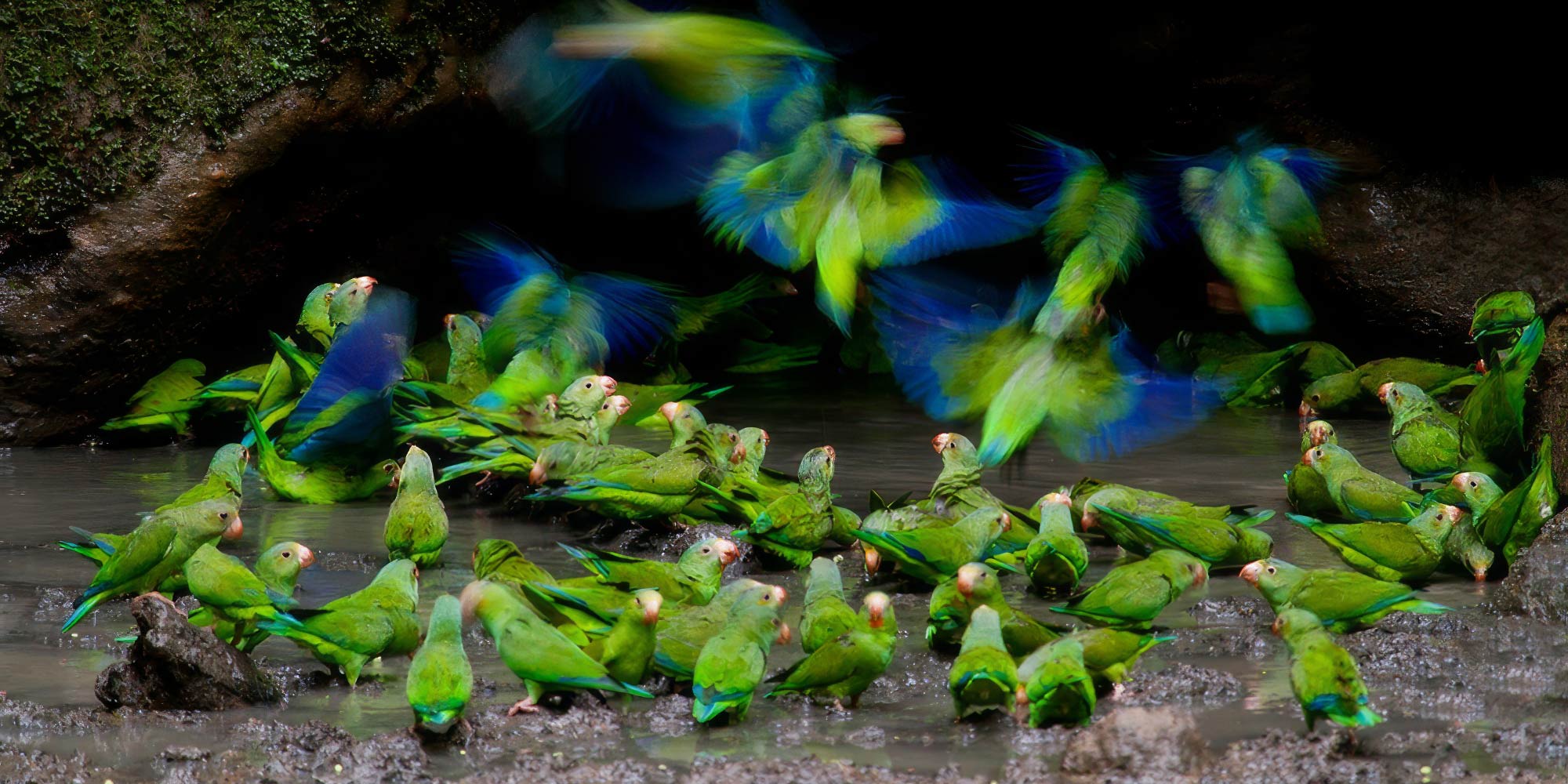
Early wake up to reach the most easily accessed parrot clay lick in Ecuador, about one hour away from the lodge.
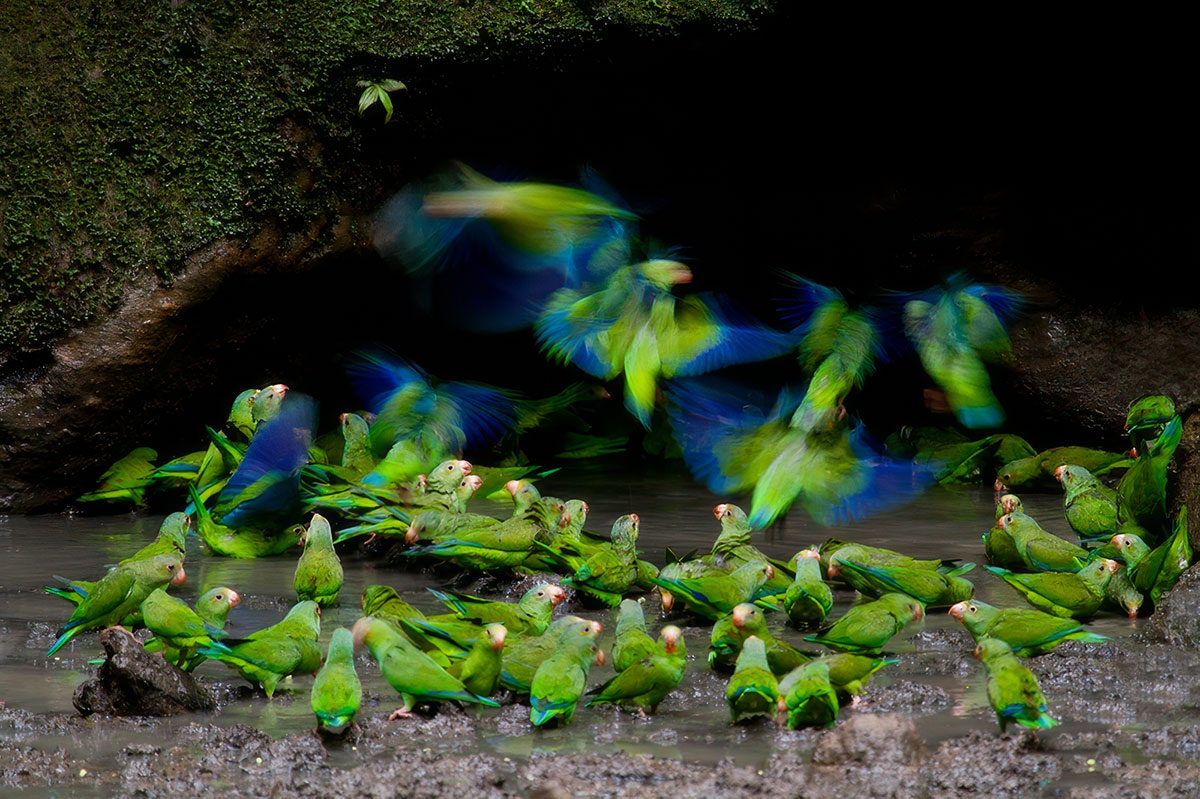
Once you get there, hundreds of parrots such as the Amazon-Mealy and the bleu-headed Parrot; parakeets and macaws shown up just before your eyes to feed with the minerals and salts the soil contains.
After our visit to the licks, we will spend time with local people of the Kichwa Anangu community, learning about their daily life activities, routines and ancestral customs and traditions. Lunch will be served at a local restaurant in the welcome area.
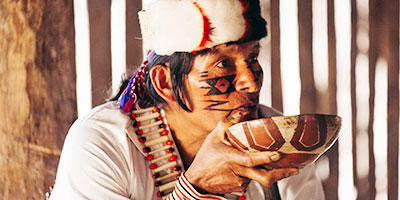
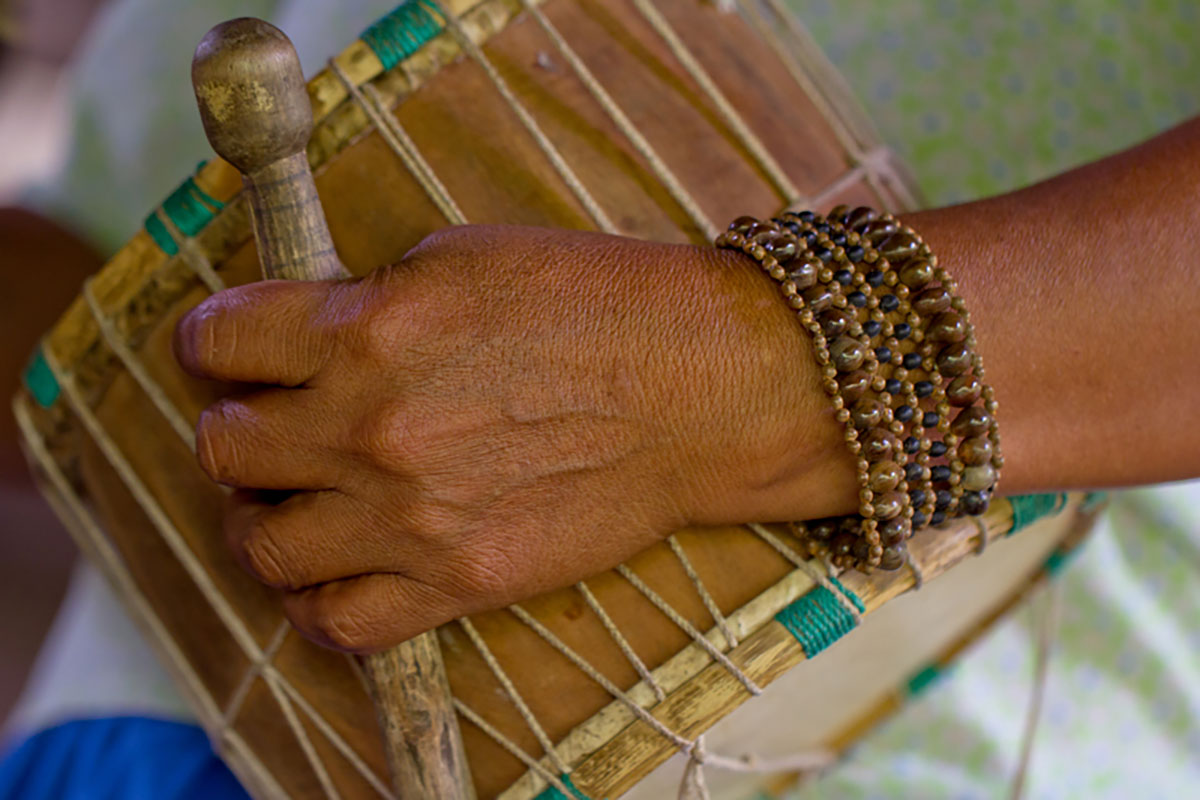
In the afternoon, we will visit the Interpretative Centre where women of the community will welcome you with dances and typical rituals and typical drinks as “chicha”. It is a nice and interesting activity in which you will learn much more about indigenous rich culture.
Late in the afternoon, back to the lodge you will be welcomed with some drinks followed by a delicious dinner.
This morning we will explore the forest trails of the Amazon jungle to search for more wildlife species such as monkeys, birds, rare insects, reptiles, mammals, etc. The Yasuní National Park is one of the most diverse areas in the world, so you never know which jungle creature will show up. But what we can assure you is that there is a lot to see.
Then, after a long walk we will go back to the lodge to have lunch and rest in the social areas and rooms. In the afternoon, we will continue the adventure at Napo’s surrounding creeks to see some aquatic species such as caimans, turtles, fish or the endemic giant otters, a unique specie of the Amazon Basin.
Later in the afternoon, back to the lodge our staff members will share with you a video about the Napo Wildlife Center and the Kichwa Añangu Community’s history and beginnings.
On your last day at the lodge our staff members will prepare you and the other guests a special farewell breakfast early in the morning.
Then, you will go back the way you came to the hotel: a paddle-canoe ride to the NWC welcome area and then navigate on the Napo River to reach the jungle town of Coca and to the airport to catch your flight.
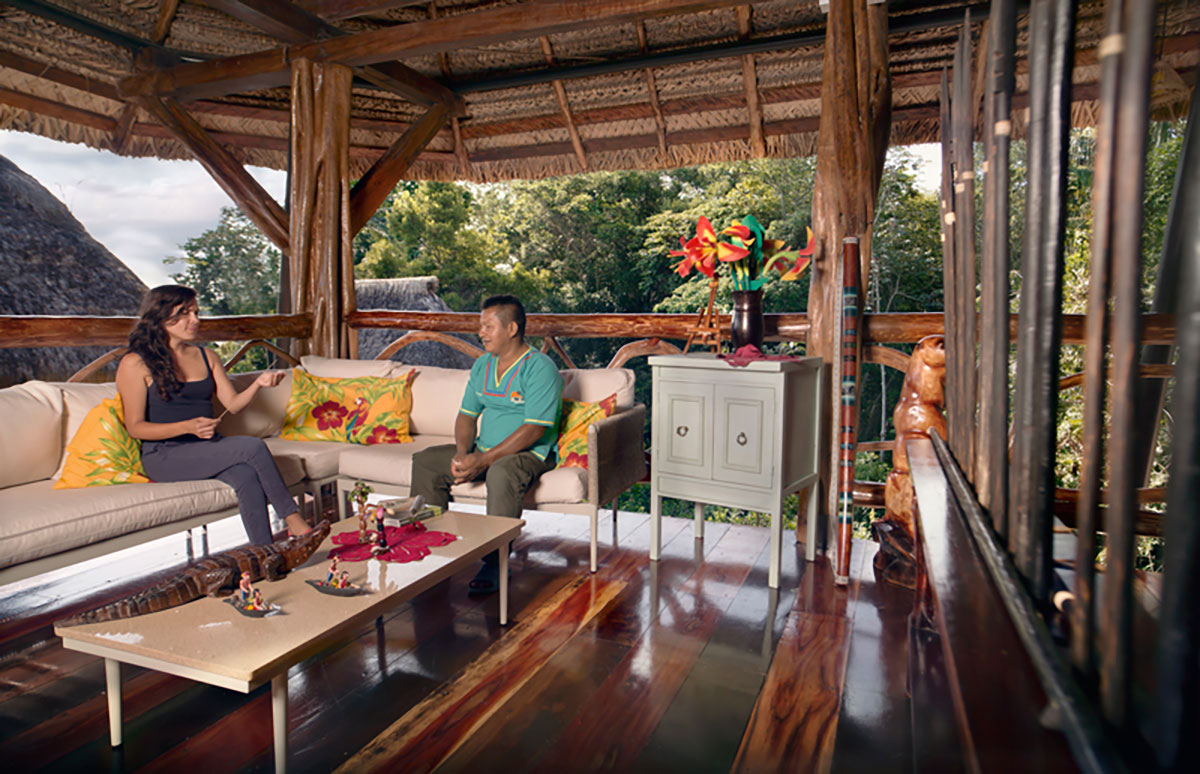
The main hall of the Napo Wildlife Centre is a central structure where visitors and staff meet, dine and share their experiences during their stay. In this main house there are several comfortable social areas including a full-stocked bar; a library where you can borrow some interesting books to read during your stay; the restaurant where all meals are served and a 20 ft high observation tower that provides an incredible 360° view of the surrounding forest, lake and passing wildlife. Also, there is a short trail behind the house where nocturnal creatures can be observed.
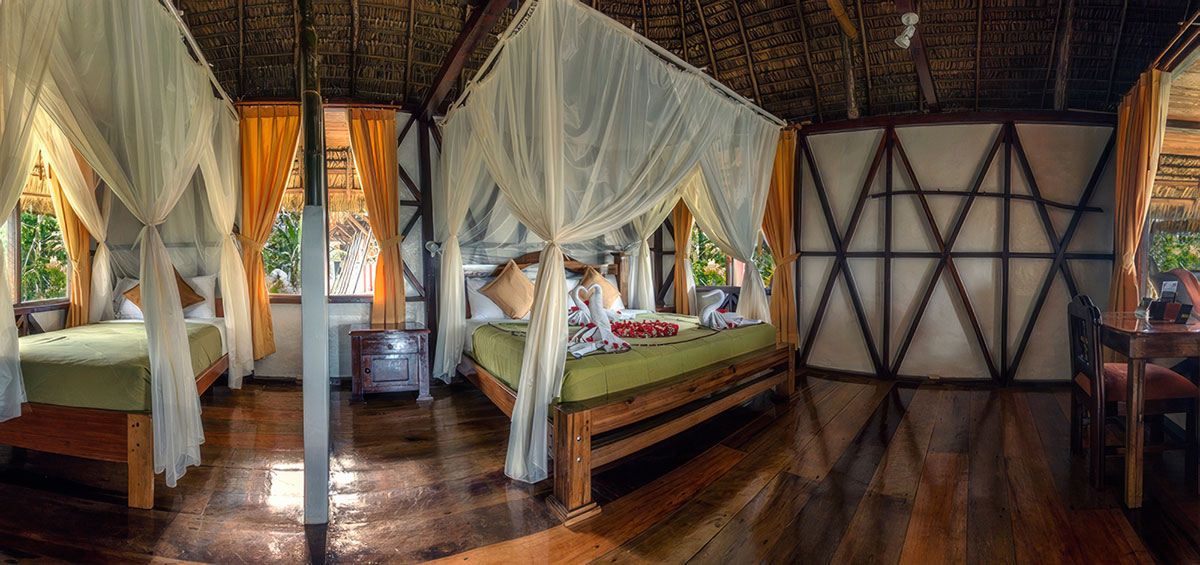
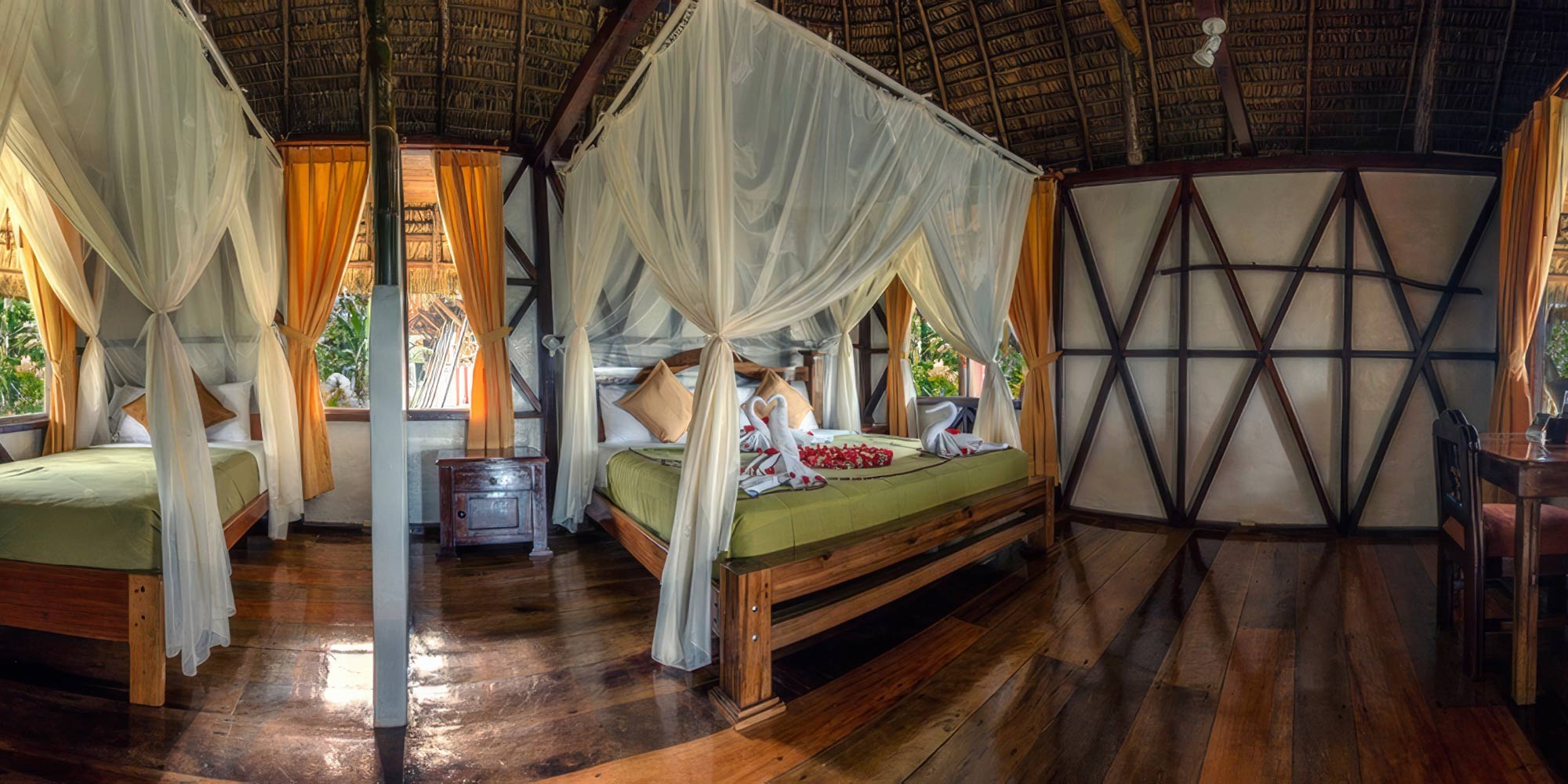
The Napo Wildlife Center complex has sixteen cabins. The spacious cabins are comfortable and clean. Room facilities include:
The Napo Wildlife Centre is situated on the Northern margins of the Yasuní National Park on the banks of the Napo River.
The lodge is reached after a 2.5 hour motorboat ride from Coca city down the Napo River.
The Interpretative Centre is part of a cultural activity organised by the women of the community in their cultural centre. You will be introduced to the local Kichwa culture and traditions with examples of traditional hunting methods, use of medicinal plants, cooking, dances, etc.
The Napo Wildlife Centre first class services include:
Electricity in the lodge is provided by hybrid systems of solar panels and silent diesel engines that provide 24-hour electricity. Also, the lodge has plenty of 110-volt outlets in the cabins and living room in case you need to recharge your batteries and equipment.
The NWC has a unique wastewater treatment system. Water for the bathrooms and kitchen at the lodge is taken from the lake and it undergoes on a purification system to avoid lake pollution.
As for drinking water, you can find it in a water dispenser in the main hall area. The idea is that you take a bottle and refill it every time you need trying to use as less plastic bottles and cups as possible.
The lodge has a library from which you can borrow a wide variety of books from biology, to conservation, literature, natural history, birds, etc. on our reading lounge.
The lodge boutique is a place where you can buy souvenirs and also personal care items. Also, at the cultural centre there is a gift shop where you can buy handicrafts made by women of the community.
The Internet service is available at the lodge at a very reasonable price. If you need to use this service it will be added to your bill.
The Napo Wildlife Centre has a two-way radio that connects the Lodge to our office in Quito and our office in Coca. Mobile service can sometimes be accessed in the lodge from the tower’s highest levels.
We provide visitors with first aid kits for excursions. Also, our excursion guides have basic medical training so they are capable of helping you in case of any emergency. For more serious attention there is a health centre in the Community area.
There is laundry service at the lodge at a very reasonable price. There is a white bag in your room and a form to fill out with the clothes you need washing which will be picked up by staff every morning and delivered back.
This trip is open to everyone who has good mobility. You need to be able to get in and out of canoes and boats. Walks are 3-4km in total, but can be varied.
The Amazon is very hot between midday and early afternoon, so we rise early, between 0600 and 0700, to catch the animals at dawn when they are very active. We leave the lodge early, go on an activity, and then relax when the sun is at its hottest.
As the day cools, we head off in the afternoon and in the evenings go on hikes or caiman spotting. Evening meals are usually around 1930-2000, after which we relax at the lodge and listen to the sounds of the Amazon.
You can pick and choose activities along with your guide and group, although the guide’s decision is final.
Almost all dietary requirements can be catered for – please ask for more information.
In Napo lodge restaurant you can enjoy our first-rate delicious local and international meals.
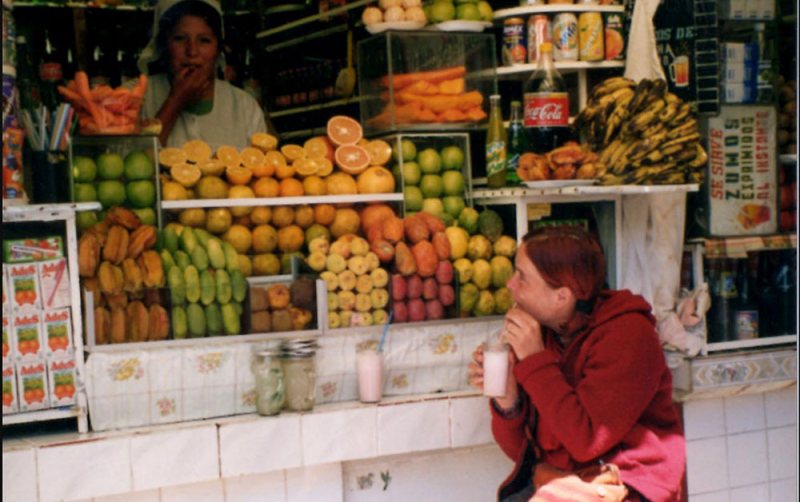
Lots of fruits and locally sourced ingredients feature heavily.
Napo employ local staff from the Kichwa Añangu community.
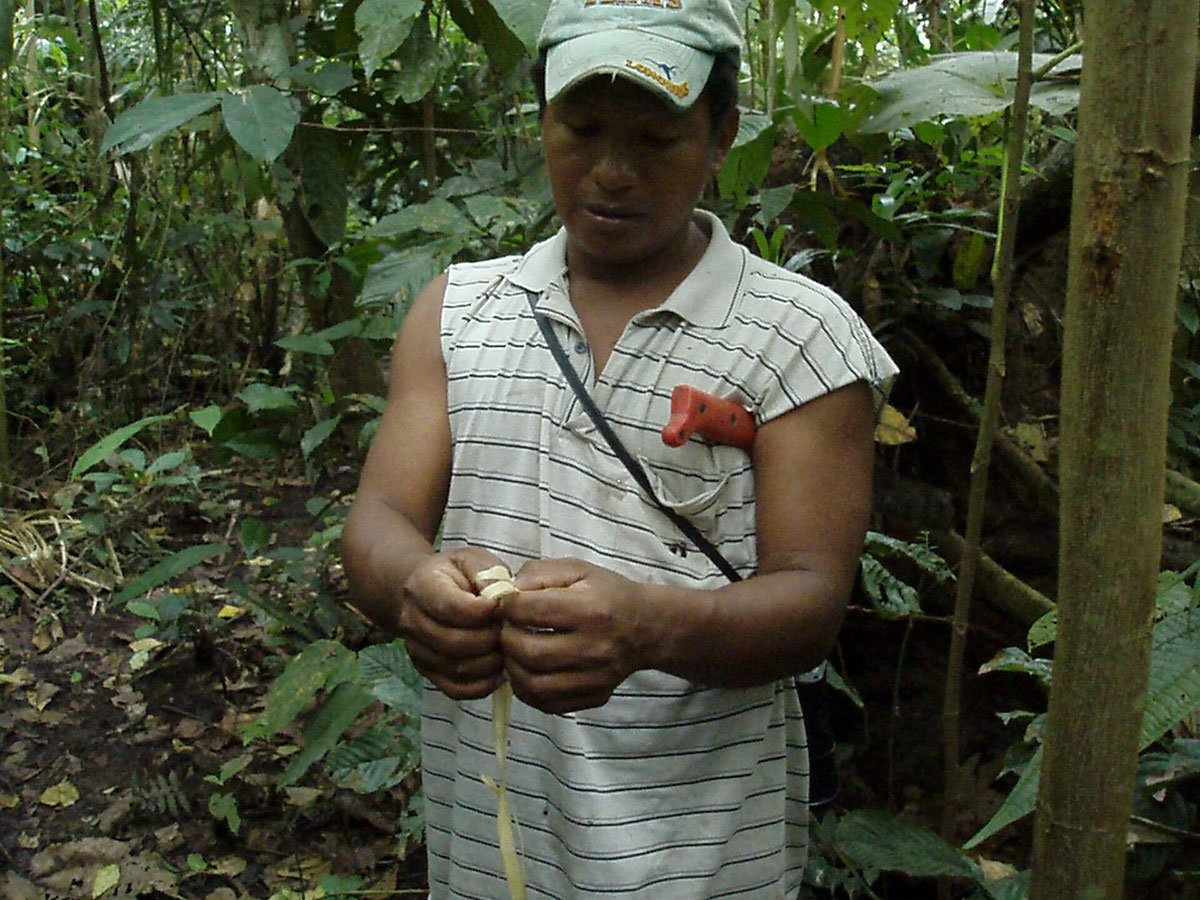
Expert, native local bilingual guides show you around the forest, bringing it to life.
A fantastic Galapagos experience from start to finish, with excellent guides, great food, lovely hotels and a perfectly planned pace. We wouldn’t have skipped a thing.
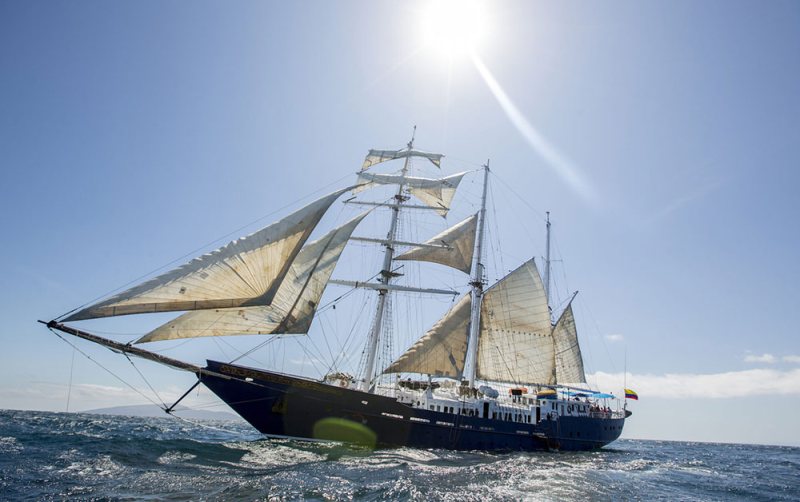
A flawless, perfectly organised Galapagos cruise aboard the Eric, with an outstanding crew and naturalist, proof that even last-minute trips can be extraordinary.
The Lodge is located by the Anangucocha lake, within the ancestral lands of the Anangu Quichua community.
The fabulous lodgings – one of the best in Ecuador’s Amazon – are matched by the wonderful wildlife that lives in the jungle.
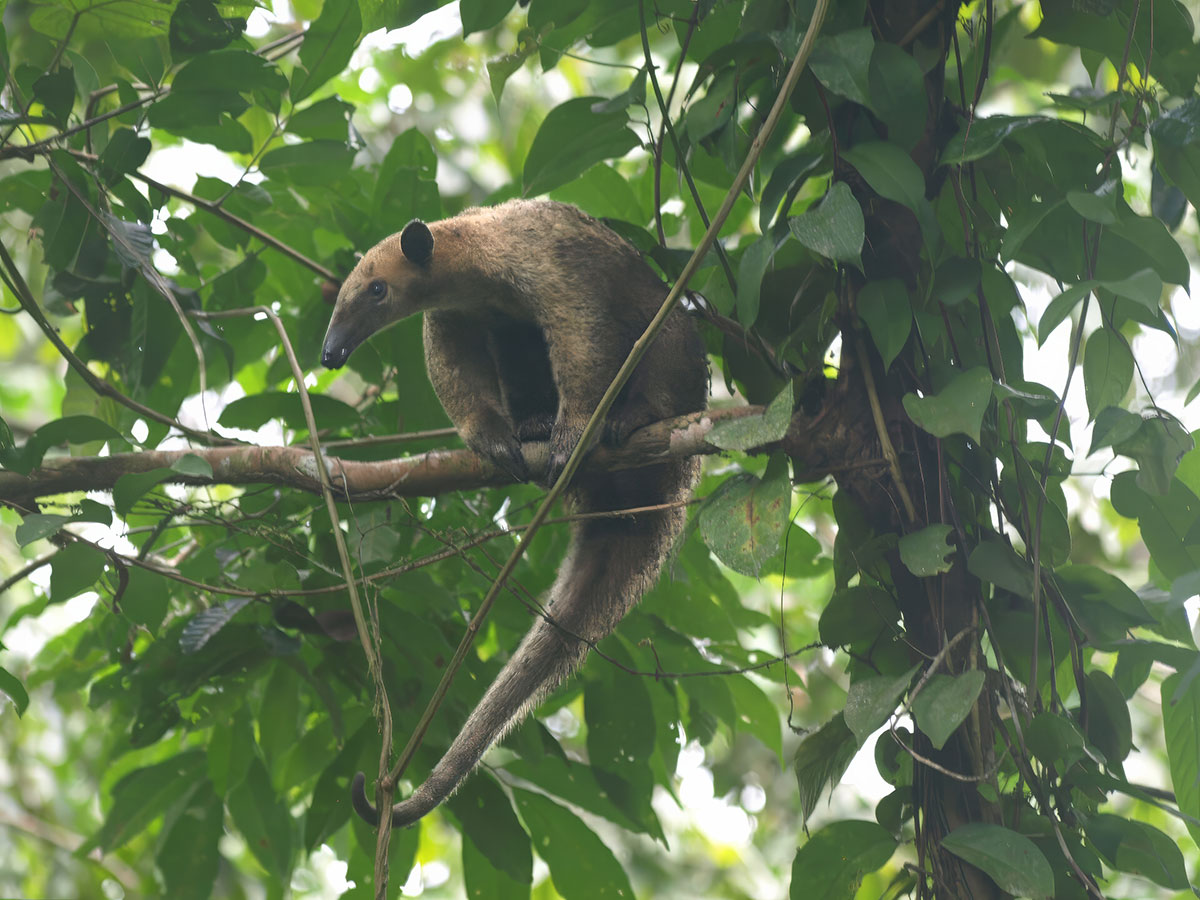
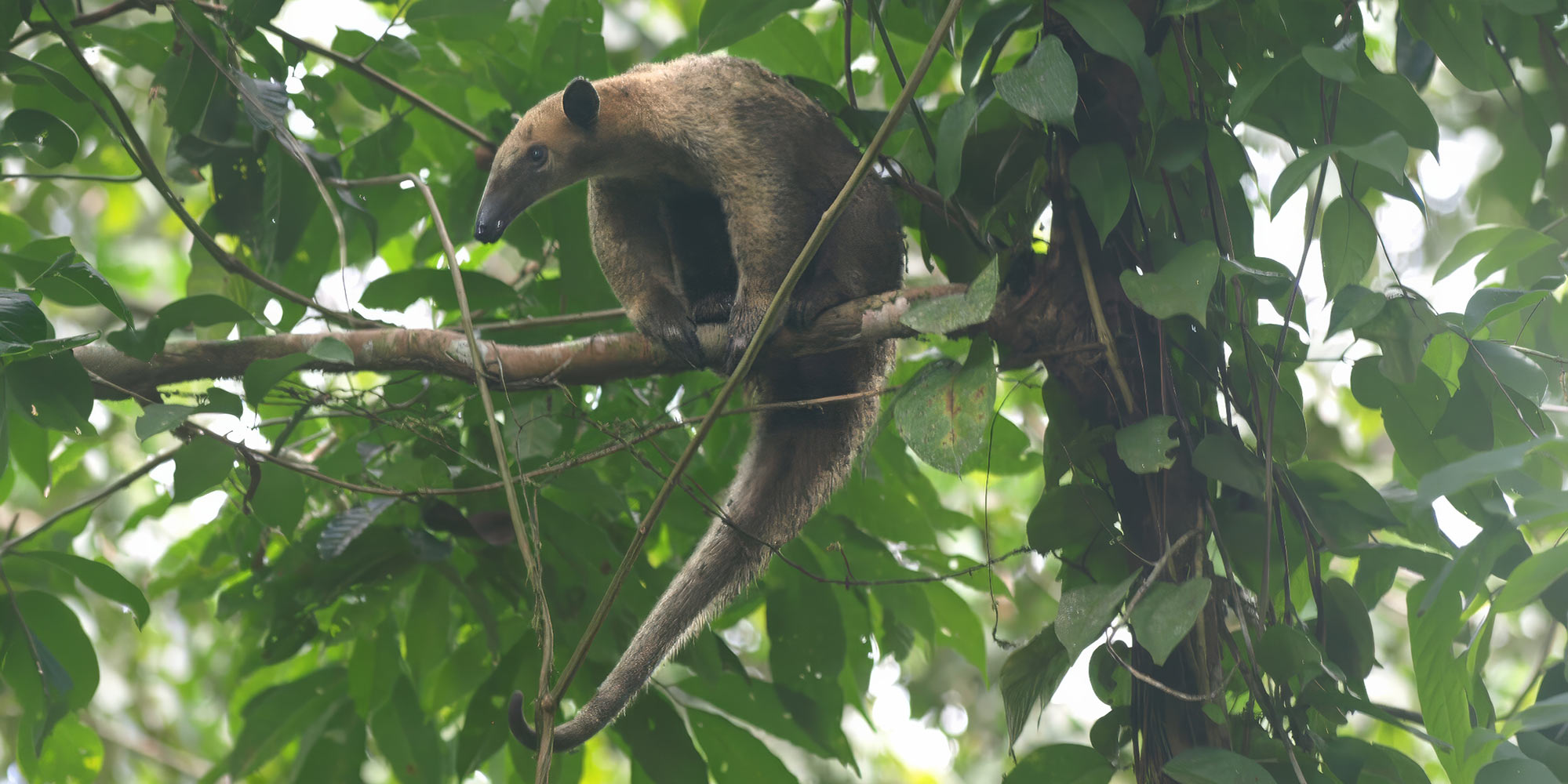
Jaguars, monkeys, anteaters and pumas all inhabit this area of rainforest.
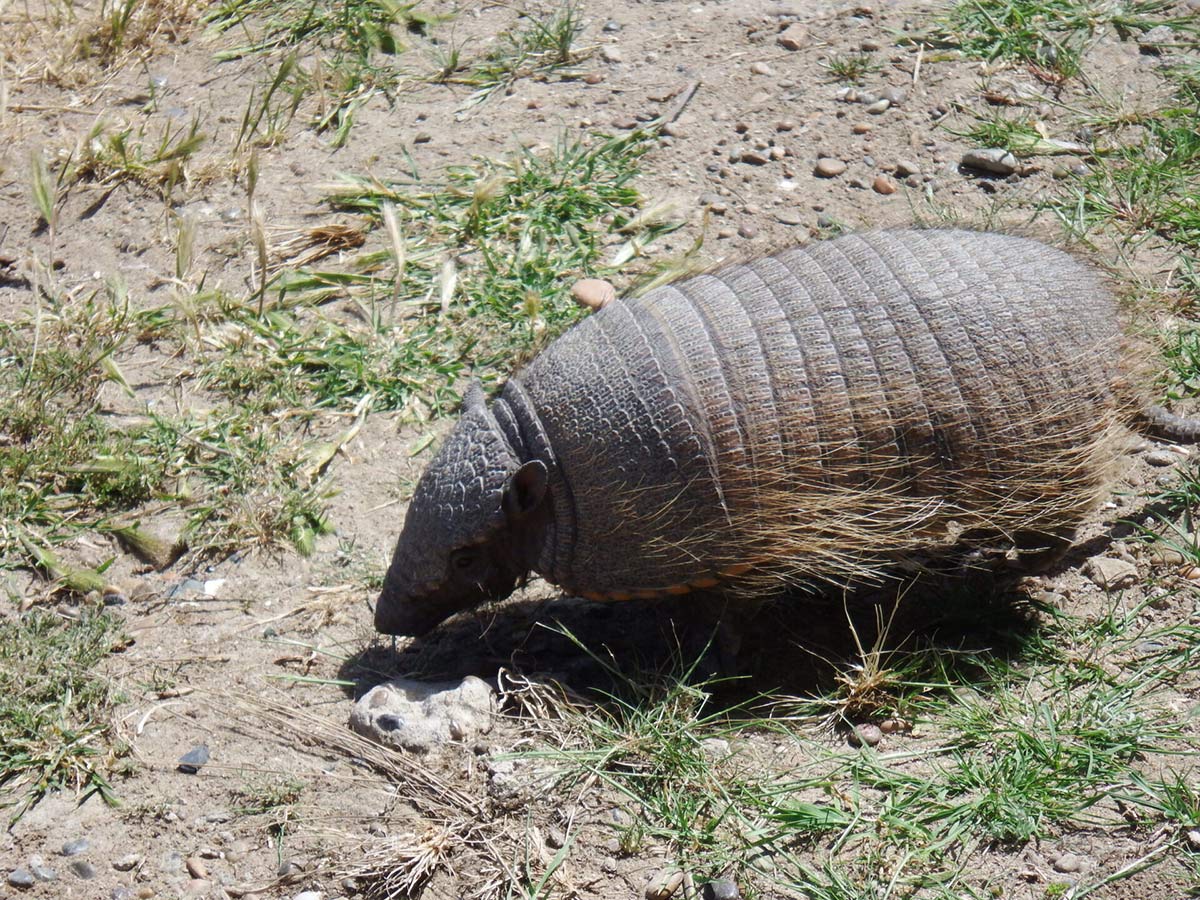
The largest mammals like jaguar, puma, tapir, giant anteater and giant armadillo have been spotted on the area also, though are certainly elusive.
You are guided by native guides on forest trails, and you can see up to 11 species of monkeys, lizards, tortoises, frogs and army ants.
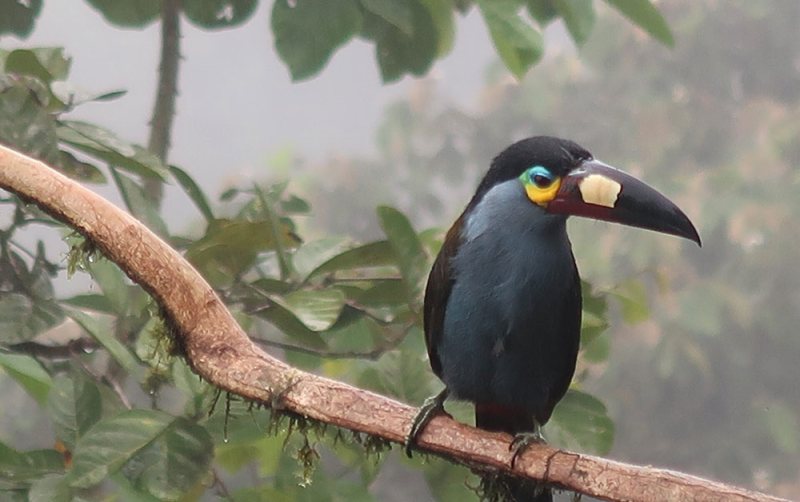
See an array of birds – 568 species recorded and counting – from toucans, macaws, parrots, manakins and hummingbirds.
A big highlight at Napo is Ecuador’s most accessible parrot clay licks.
Napo and was built in conjunction with EcoEcuador, a non-profit organisation dedicated to conservation efforts in Ecuador.
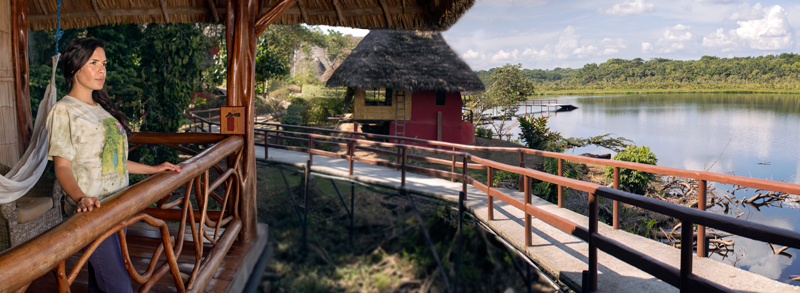
Each of the 10 individual bungalows room has a lake and forest view from its private porch.
Landscapes vary from the drier south to the more humid north.
The Highlands, or sierra, encompass two Andean Cordilleras (the Central and Western), which run north to south through the country. Ecuador’s largest volcano is Chimborazo (6,310m) whose summit, because of its proximity to the equator, is the closest point on earth to the sun. Several of Ecuador’s volcanoes are still active, and it’s a great area for trekking.
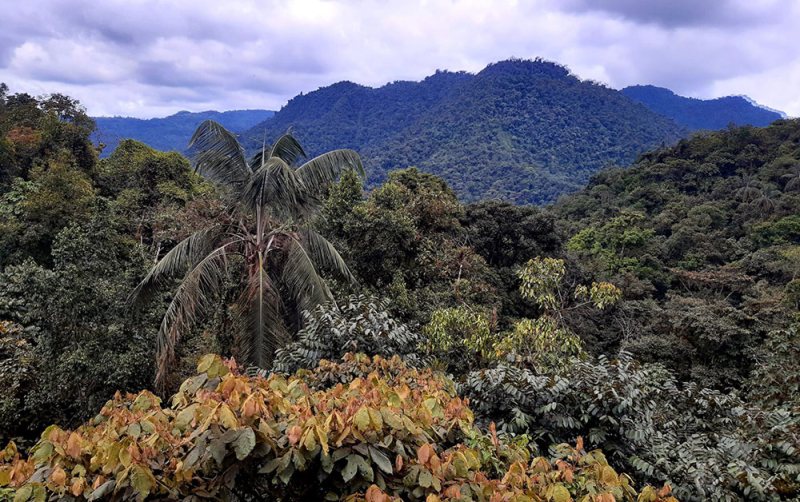
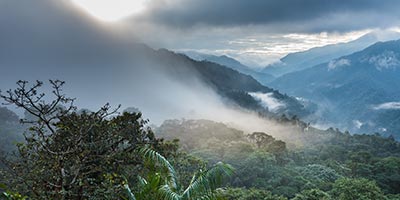
Descending the steep, east-facing slopes of the eastern Cordillera, one passes through a transition zone comprising dense cloud forest and humid high jungle, before entering the Amazon lowlands.
This mainly primary rainforest covers a third of the country, accounts for 5% of the population and stretches across Ecuador, from its Colombian to its Peruvian borders.
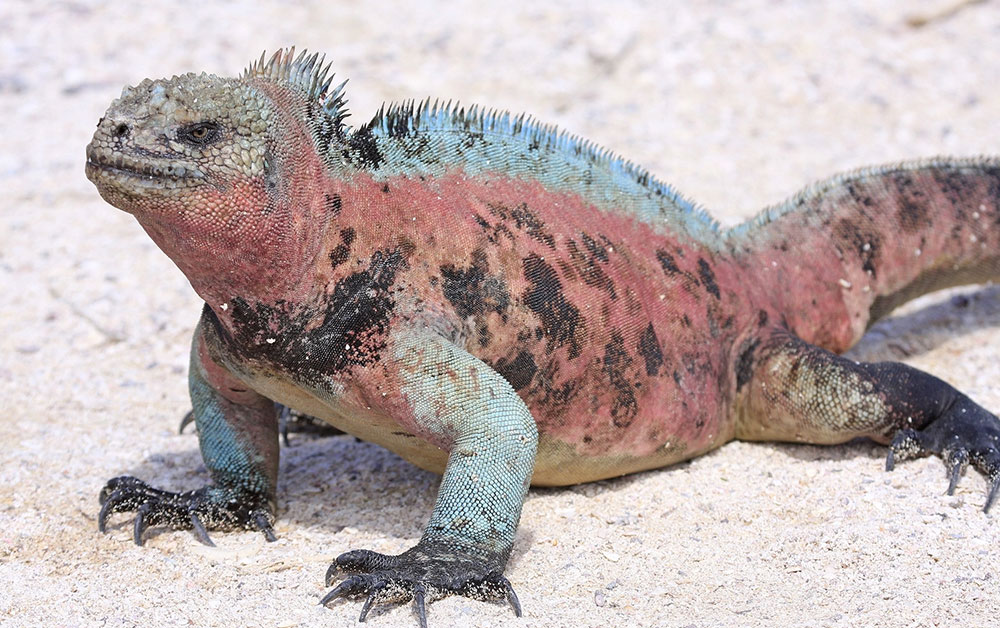
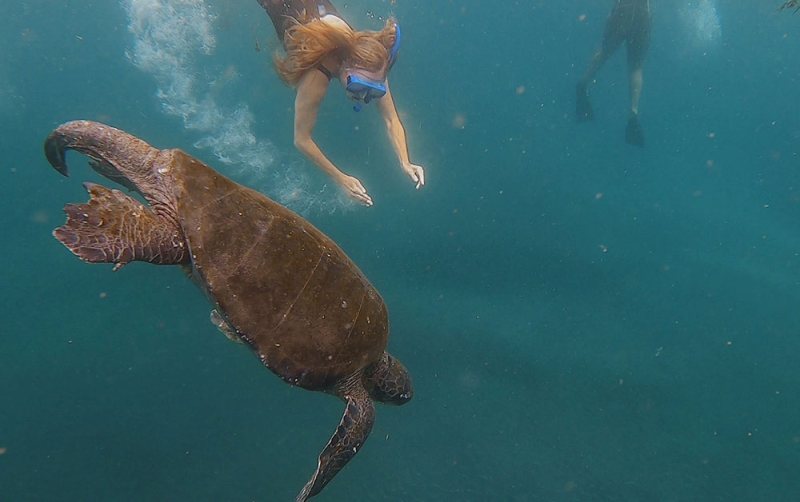
The Galapagos Islands are simply unique. Lying 600 miles off the mainland, the archipelago comprises the summits of gigantic equatorial volcanoes.
The flora and fauna of the Galapagos, long separated from their continental cousins, have evolved differently. Charles Darwin used his observations there to develop his theory of Evolution.
Ecuador is the second smallest South American country, and one of the most varied.
It comprises three main geographical areas: the coast, highlands and Amazon plus is home to the Galapagos Islands.
Because of its relatively compact size, it makes a great holiday destination as you can move from highlight to highlight fairly easily and rapidly.
Good kit is vital for every trip.
Book with Andean Trails and get 15% off Páramo’s fantastic ethical and high-performance outdoor gear.
You can also read our blog about a day in the Amazon rainforest of Peru.
Please note: Guests should arrive in clothes which they do not mind getting slightly dirty or wet, and should wear footwear that is suitable to walk on a rainforest trail. Sun cream, insect repellent, hat and waterproof clothing should be carried in hand luggage and kept accessible for the journey to the lodge.
You may want to keep your binoculars and camera handy, too.
All bedding, toilet paper etc. is provided at the lodge (or camp, if camping).
Ecuador lies between latitudes 4º south and 2º north. Overall, climate varies according to time of year, altitude and region.
In the Ecuadorian highlands, there is little temperature variation by season as temperature depends largely on altitude.
In Quito, shade temperatures range from 6 to 10ºC in the morning and from 19 to 23ºC in the afternoon, with cool nights. In the lower basins between mountains, it gets significantly warmer.
Rainfall depends on whether an area lies closer to the eastern or western Andes. To the west, June-Sept is the dry period and Oct-May the wet (with often a short, dry spell in Dec or Jan).
The best period to visit Quito and trek and climb volcanoes such as Cotopaxi is the west Andean dry season of June-Sept and Dec/Jan. This is also Ecuador’s high season. During the Oct-May wet season, most rainfall is in the afternoons.
To the east, Oct to Feb are dry and Mar-Sept are wet. Overall, the southern highlands are drier than the northern highlands.
On the Pacific coast, rainfall becomes less from north to south. The coast can be enjoyed year-round, although from June-Sept mornings are often grey with the garua mists.
Jan-May is the hottest and rainiest time of year.
In Ecuador’s Amazonian region, rain can fall at any time, but Dec-March is usually the driest season and Mar-Sept is usually the wettest period.
Galapagos can be visited at any time of year.
The warm season is Jan-Jun, bringing calm, warm waters (around 70°F) and sunny days (72-9°F or 22-32°C), February and March being the hottest and sunniest months with blue skies and sunshine.
The islands receive slightly more rainfall during these months, occasional heavy bursts in the afternoon. Great for snorkelling and you can spend a lot of time in the water without wetsuits, with great, clear waters.
The dry ‘garua’ season is Jun-Dec an it’s a great time for marine life. August and September are the coolest when you may need a jacket in the evenings and the sea can be choppy and temperature drops around 15-24ºC on average.
There can be mist on the islands in the mornings (garua) which usually burns off by midday leaving overcast skies or a sunny afternoon.
Sea temperatures may drop to 60°F- 72°F (15-22°C) during this time and snorkellers will want a wet suit for prolonged periods in the sea.
A fantastic Galapagos experience from start to finish, with excellent guides, great food, lovely hotels and a perfectly planned pace. We wouldn’t have skipped a thing.
A flawless, perfectly organised Galapagos cruise aboard the Eric, with an outstanding crew and naturalist, proof that even last-minute trips can be extraordinary.