From: £1,179
From: $1,570
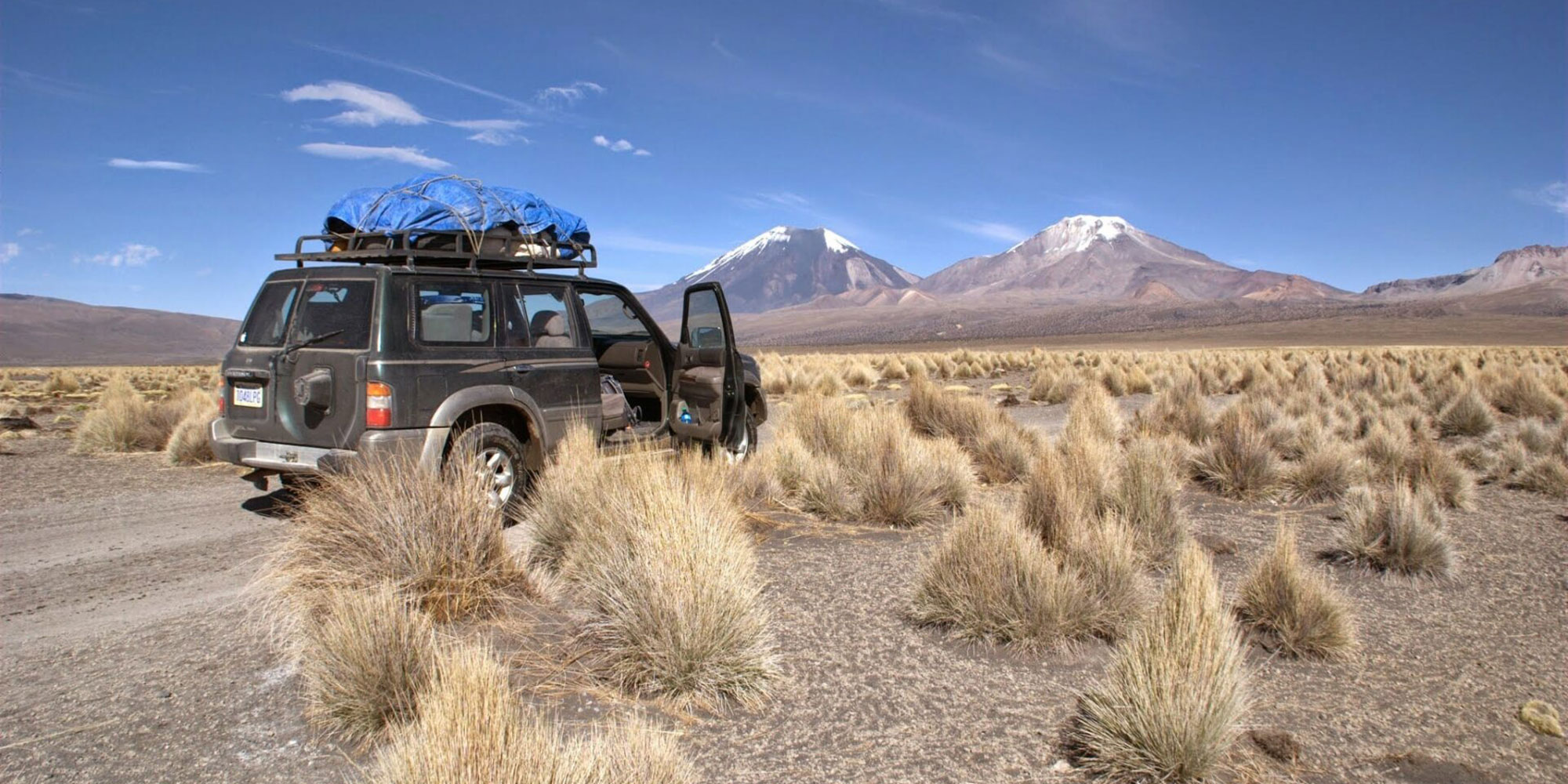
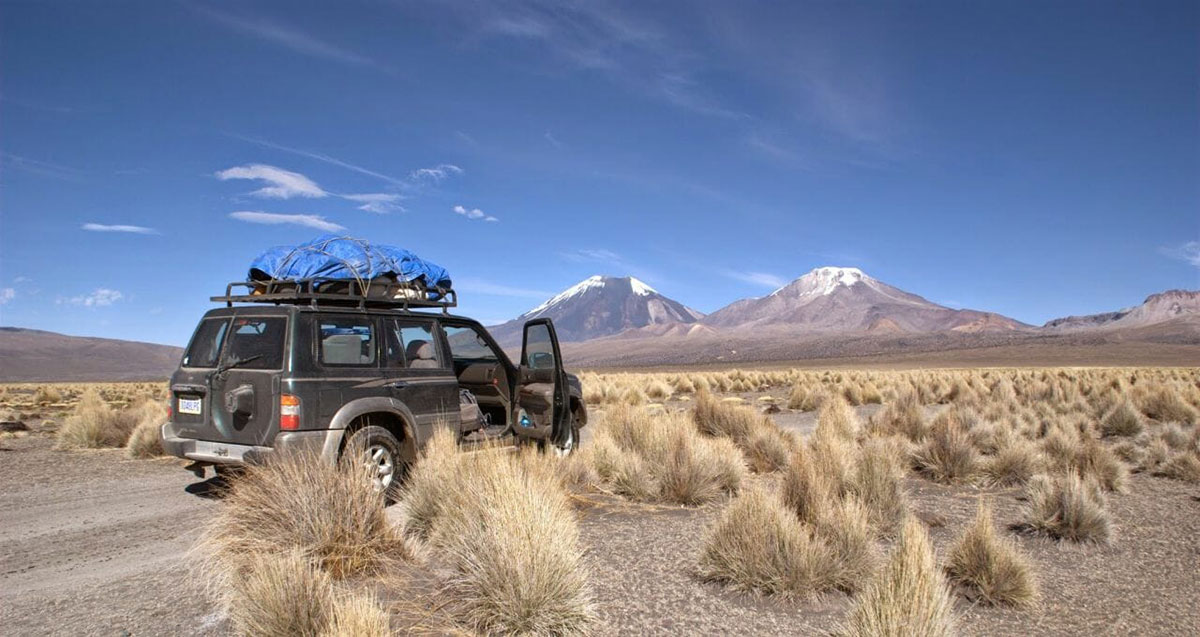
We leave La Paz in our 4×4, crossing entire southern part of the Bolivian highlands.
We can enjoy great views of the mountain ranges to the south of La Paz and after a few hours pass beautiful rock formations.
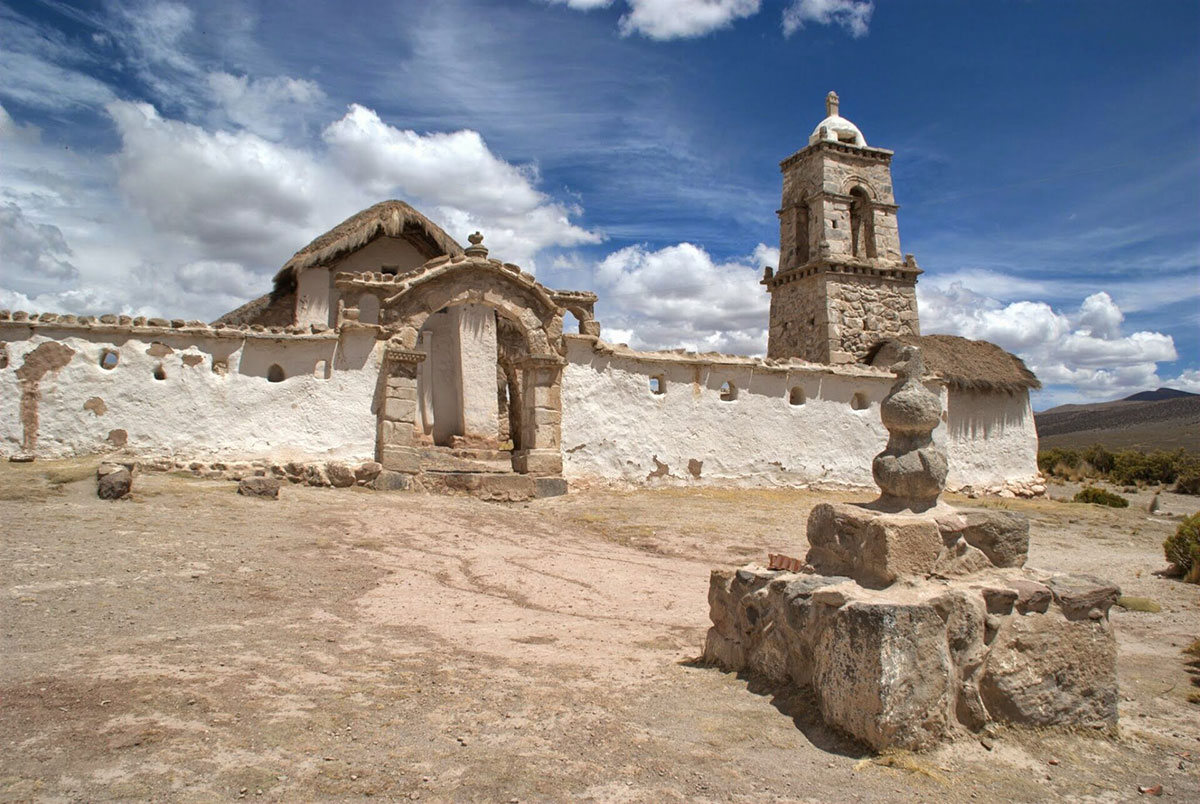
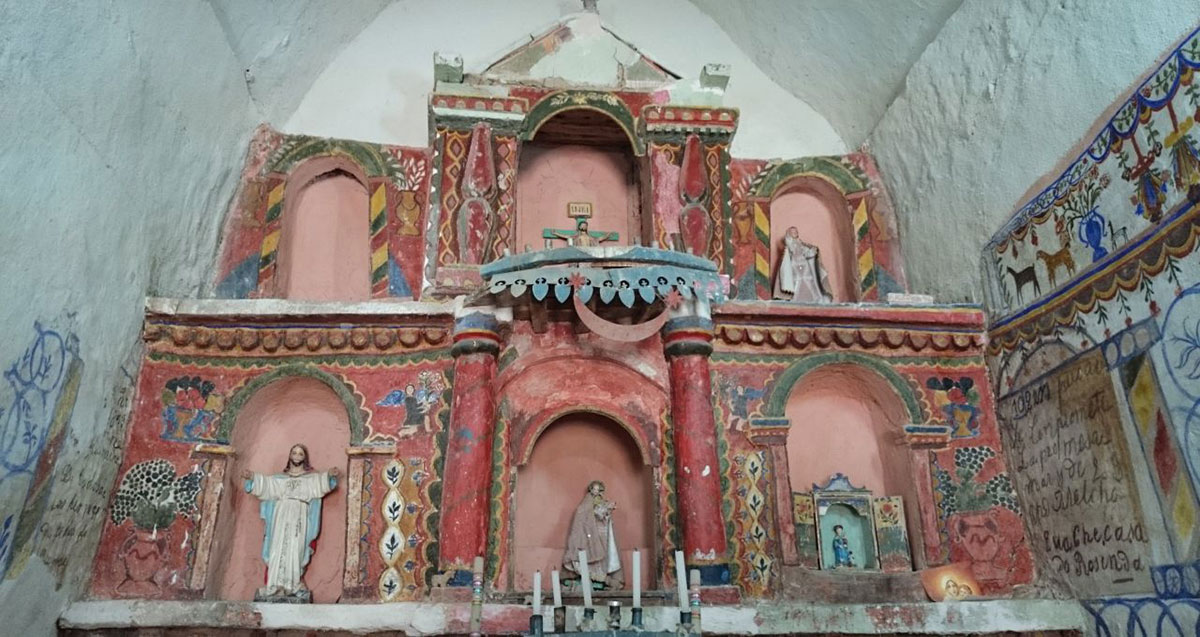
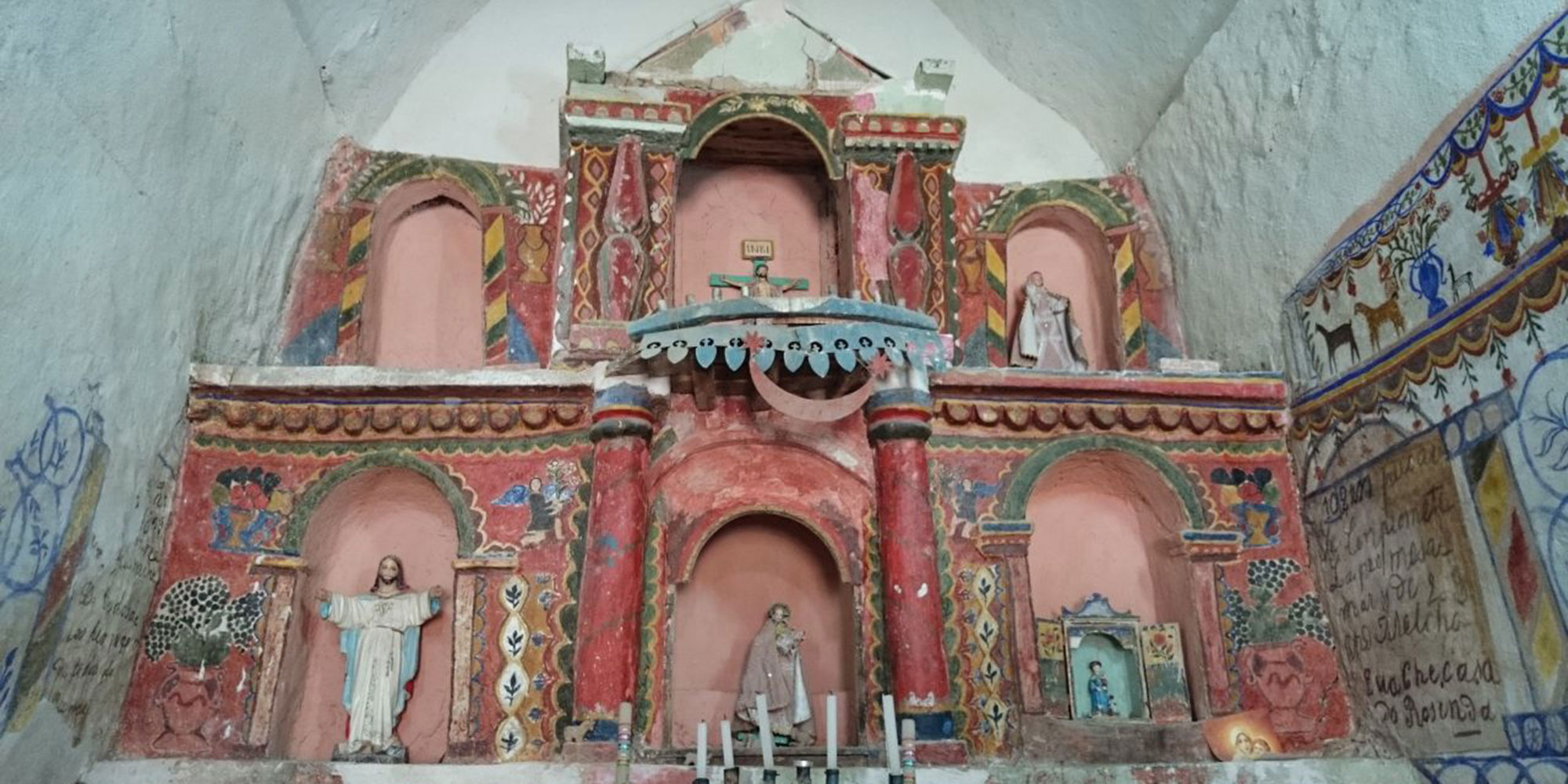
After 3 hours we stop at the famous Sistine Chapel of the highlands, located in the village of Curaguara of Carangas.
Accompanied by a local guide we explore some of the local sites and discover their magic.
Afterwards we continue (2 hrs) to Sajama village (4,000m/13,123ft) where we spend the night in comfortable accommodation amid beautiful surroundings.
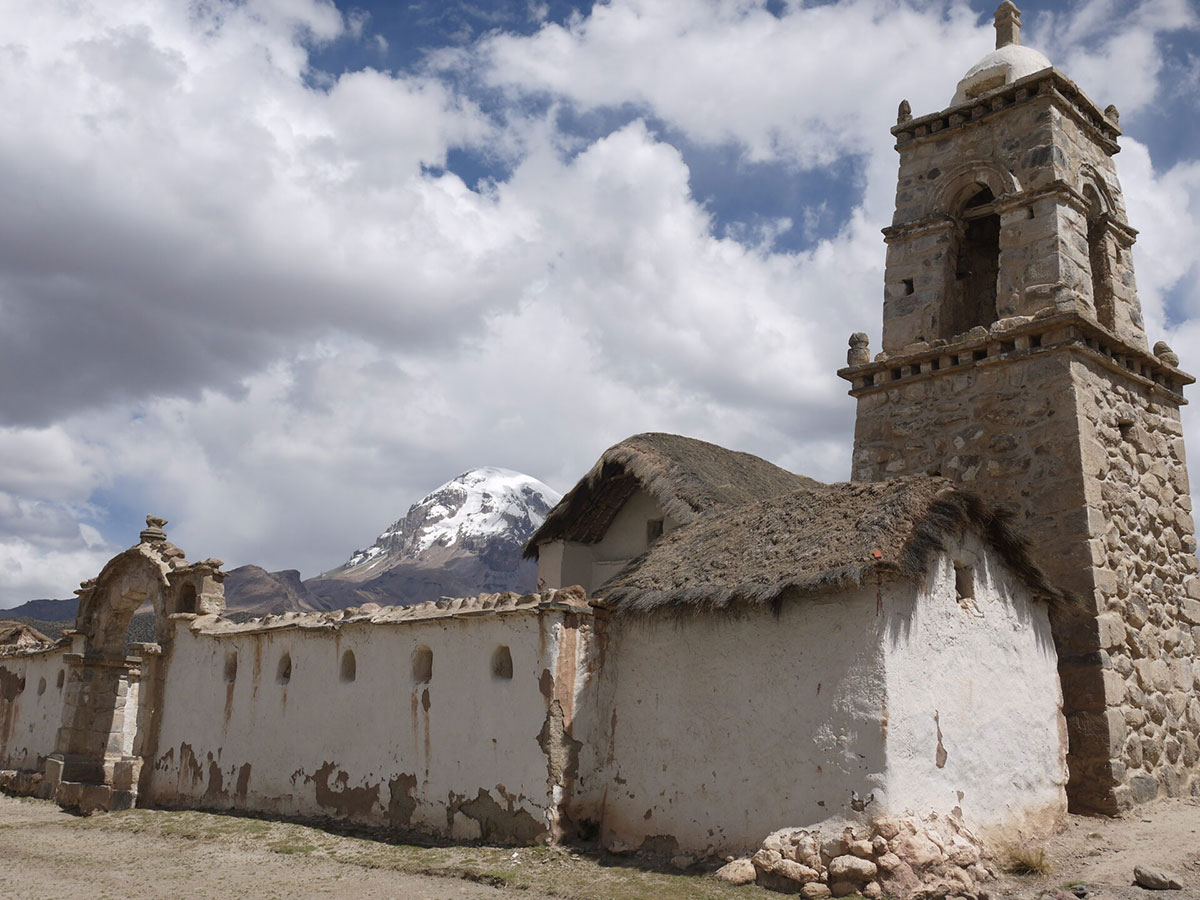
We leave the village of Sajama and head to Casilla, a small abandoned church well worth seeing.
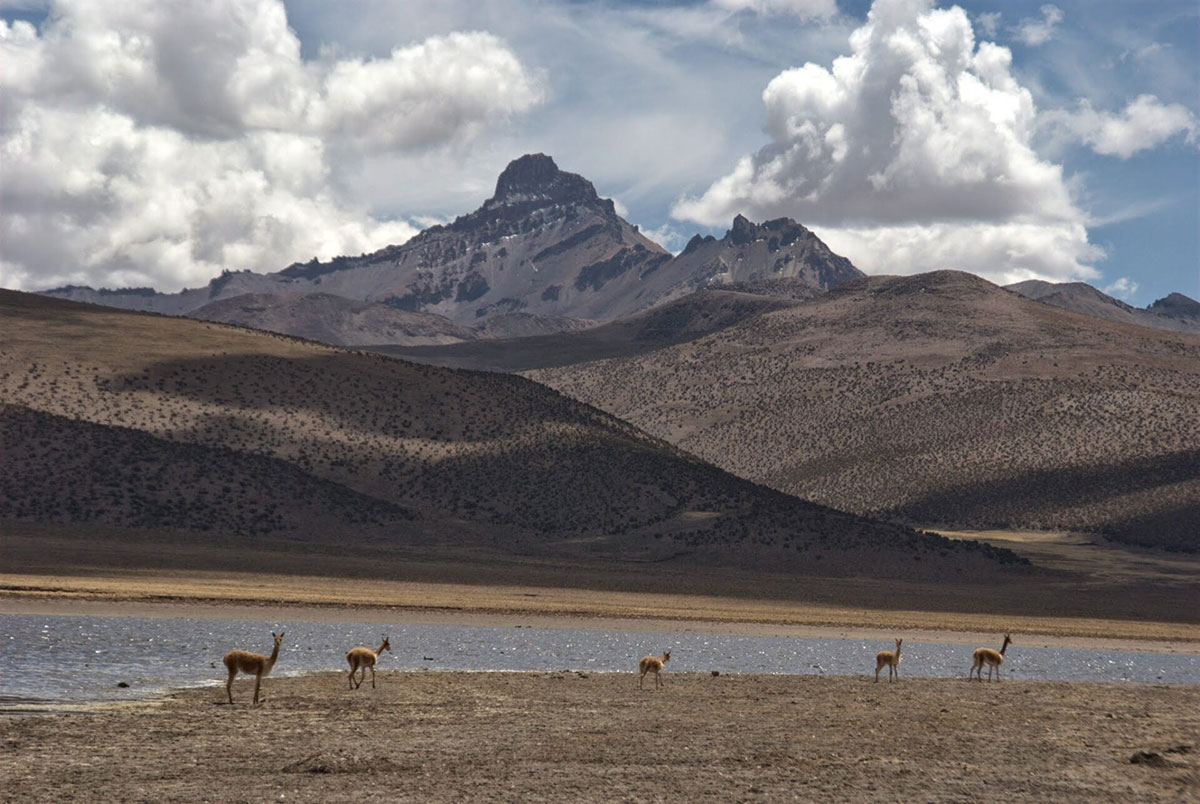
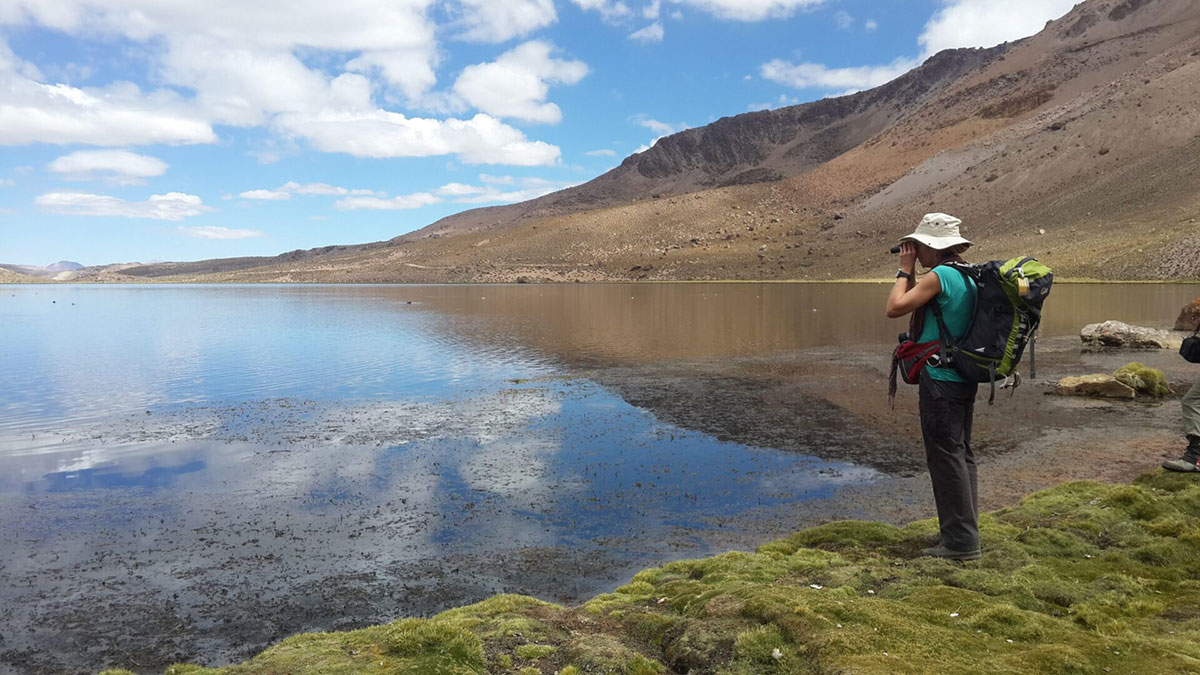
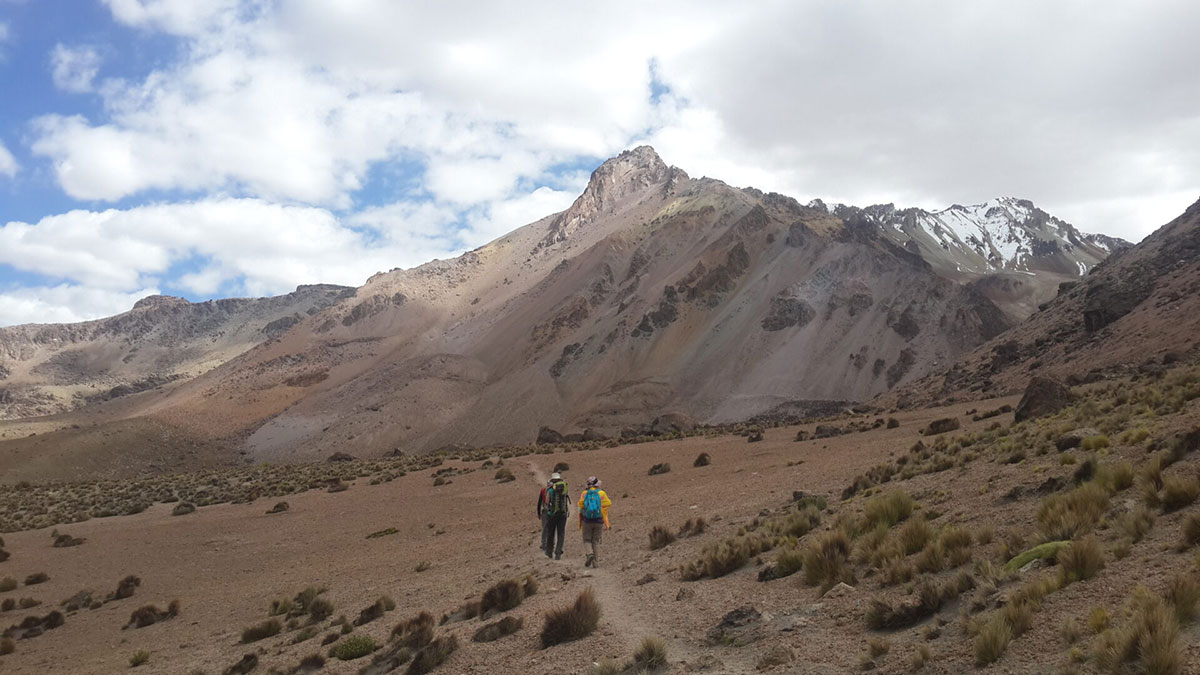
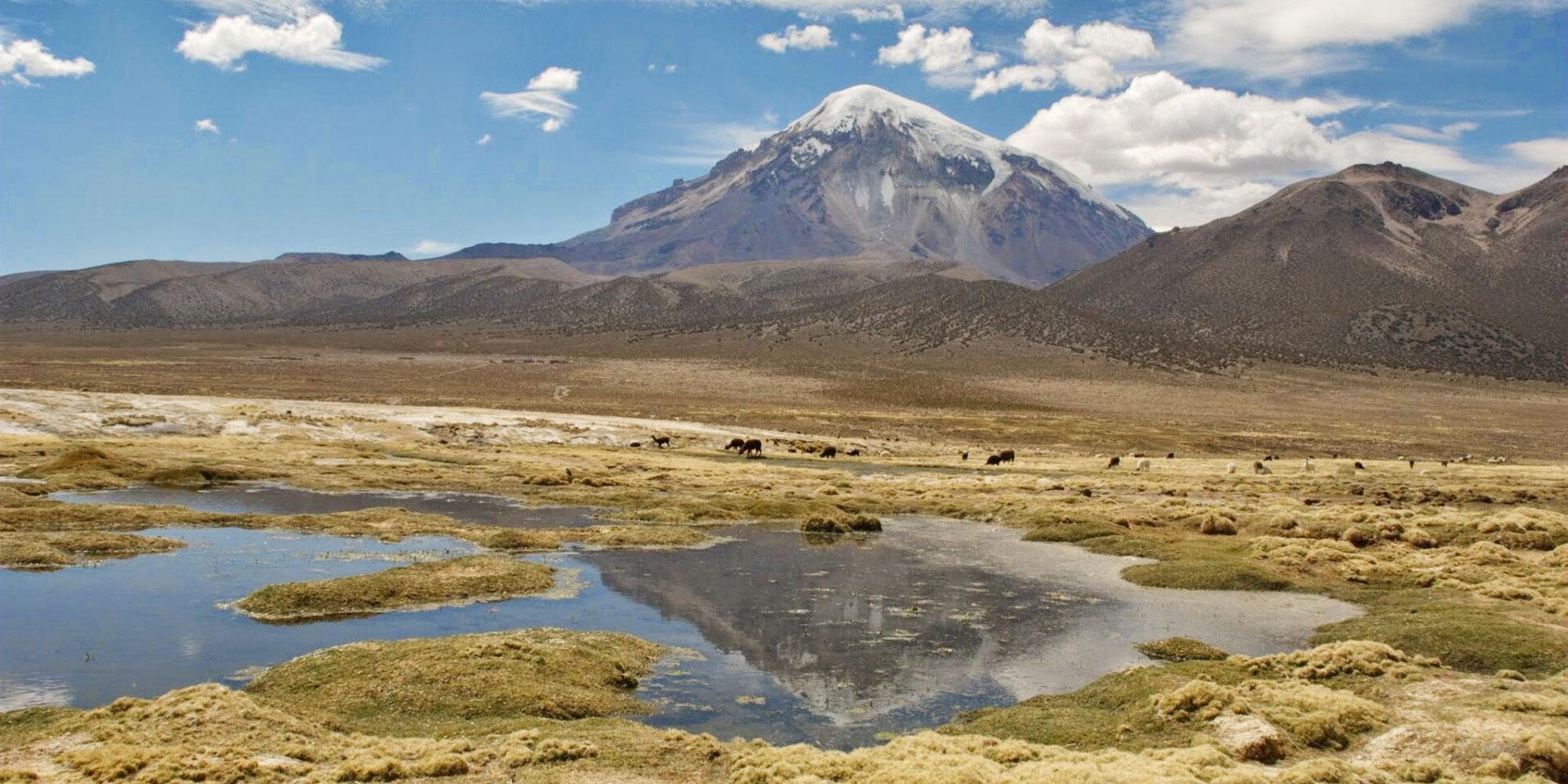
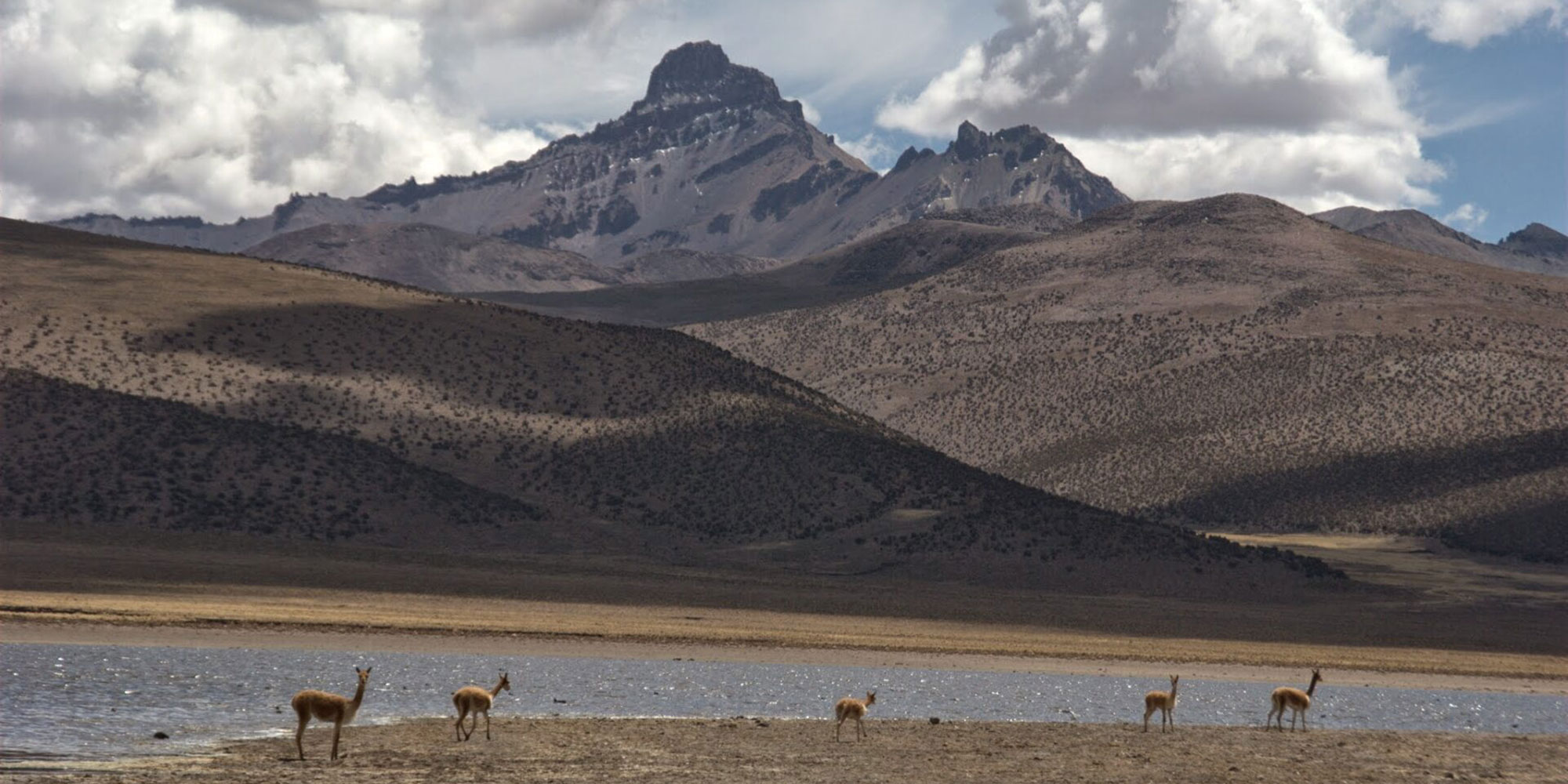
From here we enter a valley with abundant wildlife such as llamas, alpacas, vicunas and the occasional group of rhea (ostrich) or an Andean puma if we are lucky. The trail starts to climb following a river with crystal-clear water to reach the beautiful Laguna Chiarkhota (5,100m/16,732ft), where we will set up our camp. It’s more than likely that we’ll be the only ones to enjoy this location.
Mules carry our loads and our cook will prepare a delicious meal (5 hrs walking).
Alternatively we run this as a day walk and return to the village of Sajama and our basic hotel.
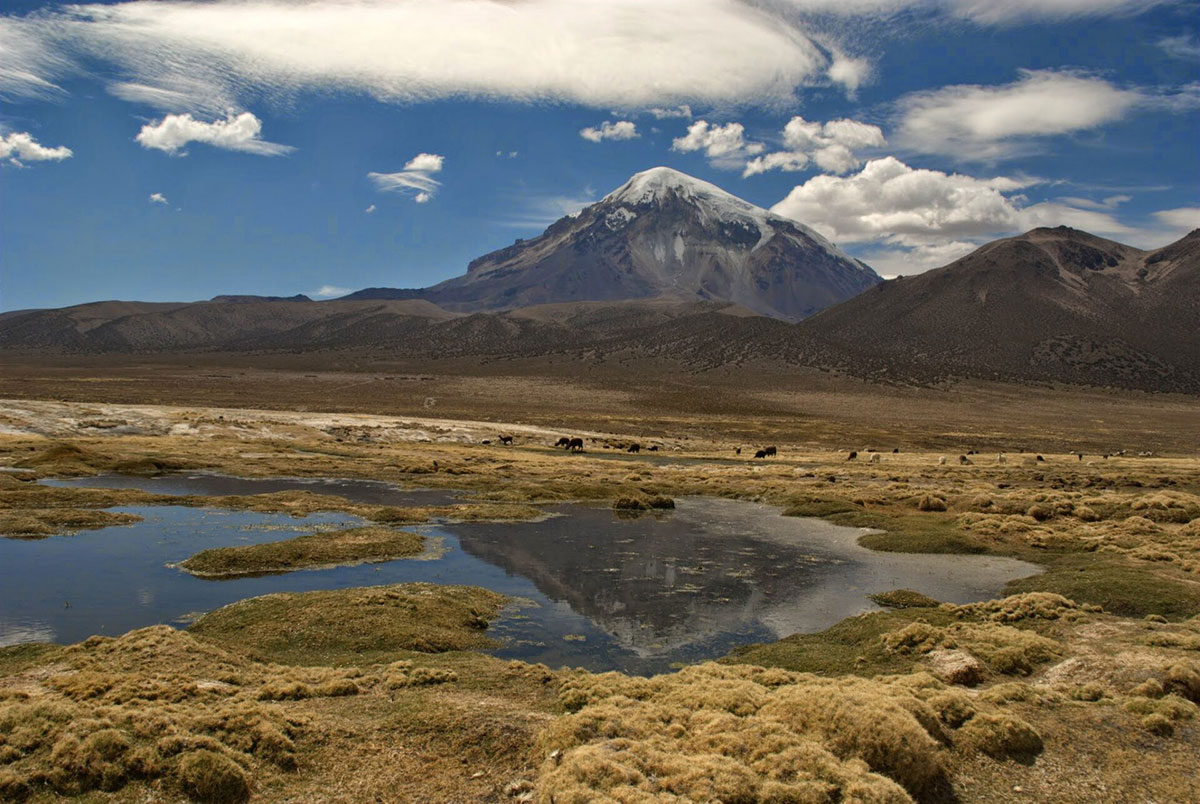
After breakfast we trek through some marshland at the edge of this peaceful lagoon.
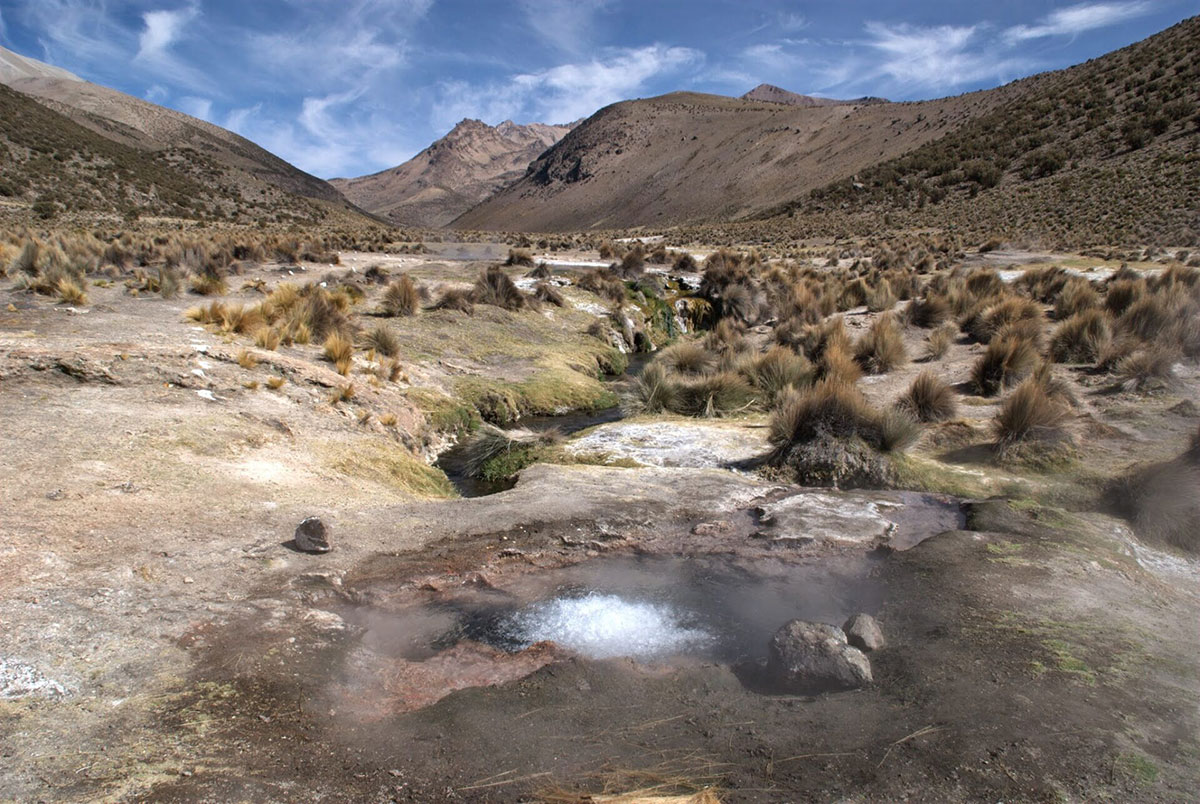
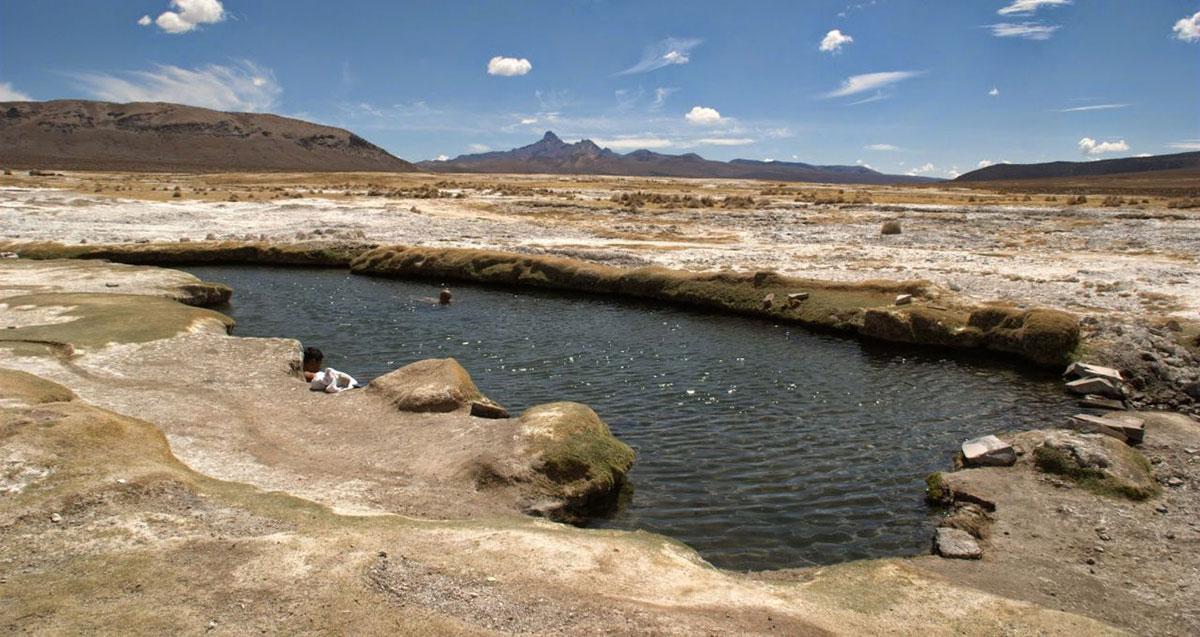
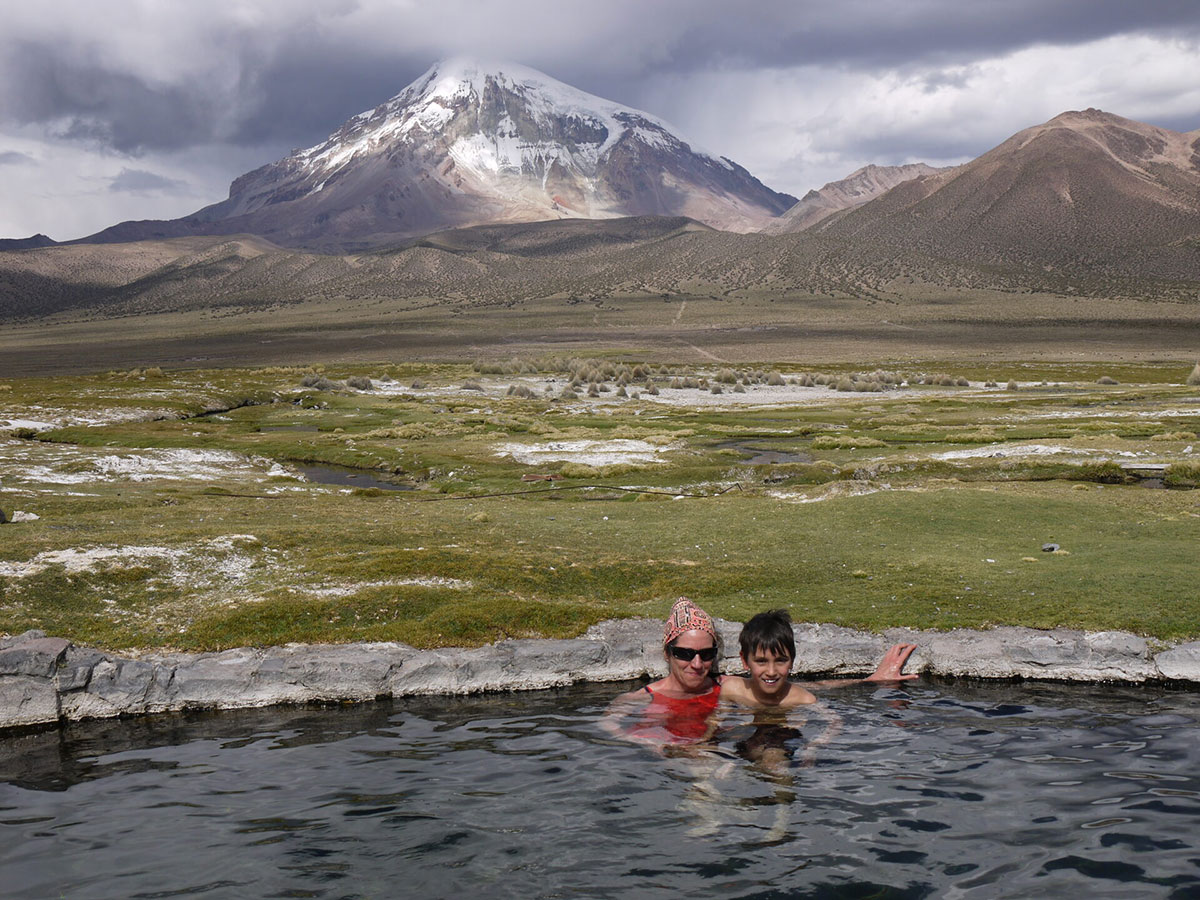
This trail takes us towards the border with Chile, and following a small path we reach Laguna Kasiri Khota (4,900m/16,076ft). From here we descend to some beautiful geysers where we can enjoy the heat coming from the water holes and take in our surroundings.
It’s a fascinating spectacle against a lovely background of mountain scenery.
We continue the descent to the village of Sajama. Accommodation at our hotel. (6 hrs walking)
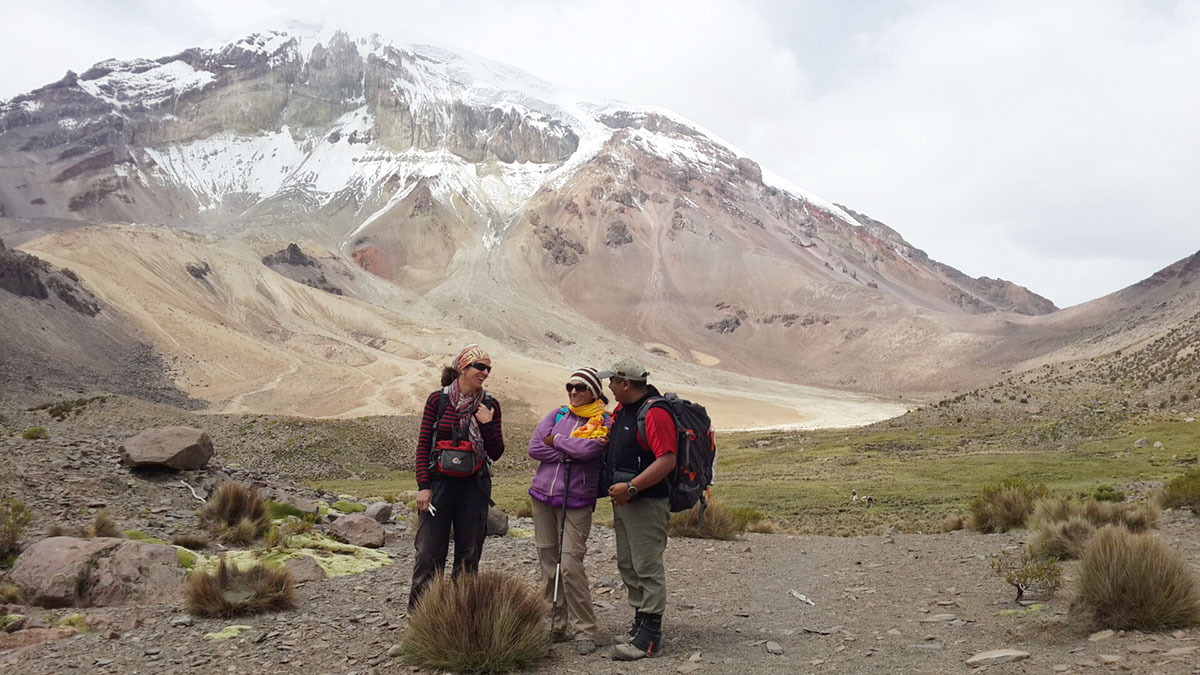
Today we cross open land and head towards the base camp of Sajama (4,800m/15,748ft),with yesterday’s mountain ranges behind us and views of the lonely Sajama ahead of us.
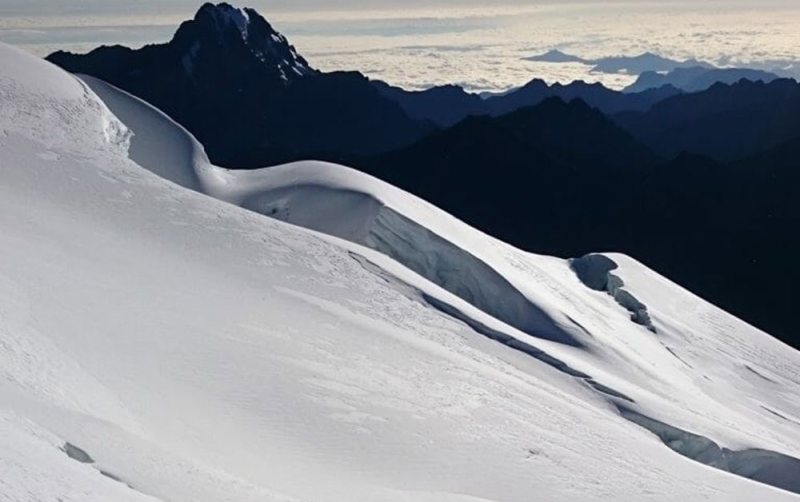
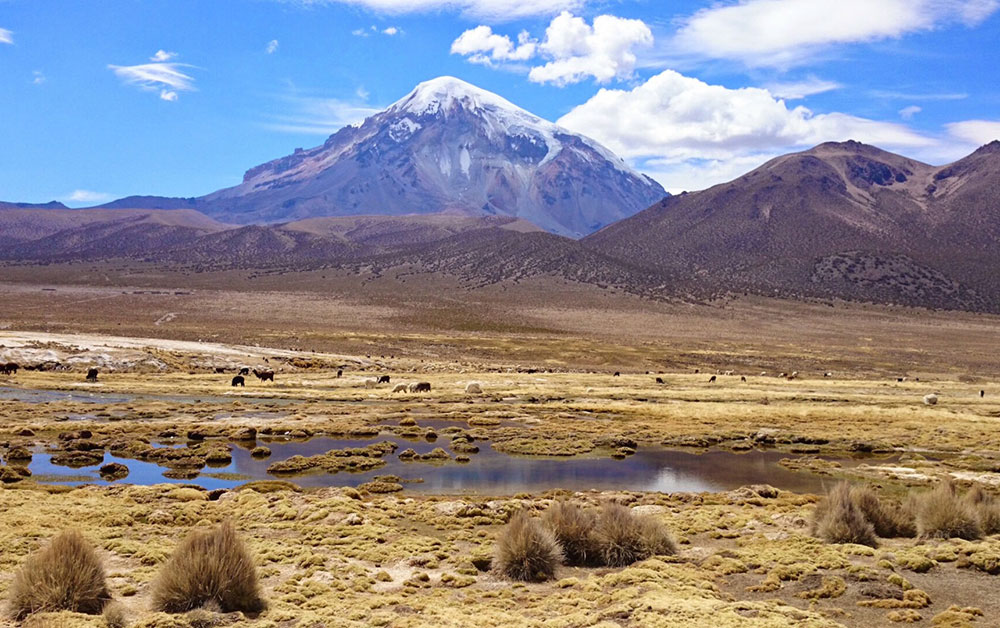
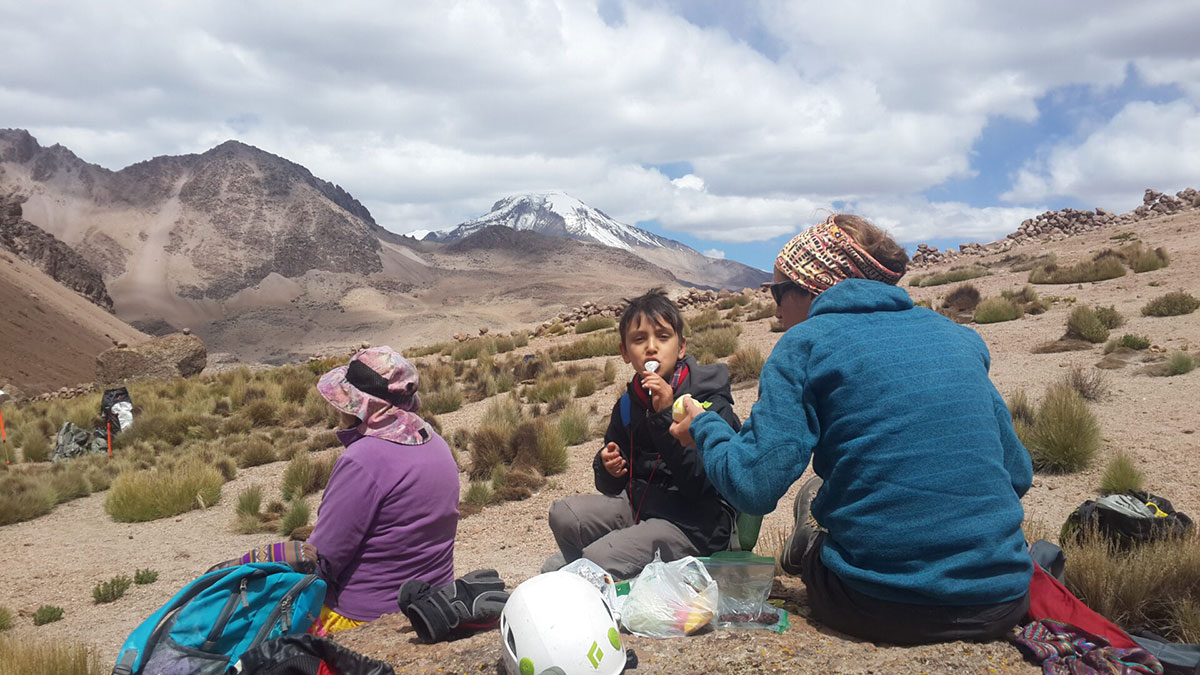
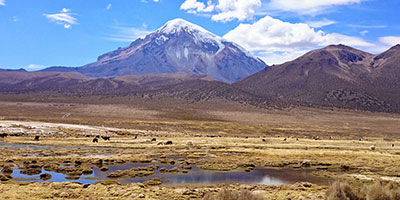
Sajama is the highest mountain in Bolivia (6,542m/21,463ft) and once we reach basecamp we can enjoy views of its snowcapped peak. The ascent to basecamp is a straight forward walk of a couple of hours and a nice way to get up close to this mighty mountain.
Please note, we can arrange add ons to climb Sajama.
In the afternoon we return to La Paz. (4 hrs walking, 4-5 hours driving)
This is a bespoke itinerary, and you can choose to camp, stay in hotels or a mixture of both.
When camping, we have a dining tent, toilet tent and you sleep in 2-man, high mountain tents.
Hotel accommodation is simple, with private bathrooms.
The National Park is a 5-hour drive from La Paz.
The village of Sajama is a small remote community and tourism to this part of Bolivia is still relatively small, so we do ask that you bring a little flexibility and a sense for adventure to fully enjoy this part of the world.
In order to get the most out of the tour you should be in good physical condition. It is an active itinerary with daily elements of walking included.
The highest point in the programme is around 5,100m/16,732ft, making it imperative to be well acclimatised (we recommend several nights in La Paz or at altitude beforehand) before joining this trip.
The trekking options are strenuous as they involve several days of 6 to 8 hours of walking at high altitudes. This requires a good acclimatisation and a good level of fitness.
If you’d like to see the park but feel you would prefer less walking please get in touch and we can design a less active alternative for you.
If you would like to add more walks or would like to extend your trip by climbing Acotango, Parinacota or Sajama mountain, we can arrange this, please ask.
Vegetarians and many other dietary requirements are catered for without problems. Please let us know in advance of any requirements you have.
We travel with our own cook and provisions so that we can control the variety and quality of food in this remote area.
You wake early, usually around 07.00. Breakfast is served in a dining tent, and consists of hot drinks, porridge, toast, jams and bread, and your guide will explain the day’s plans.
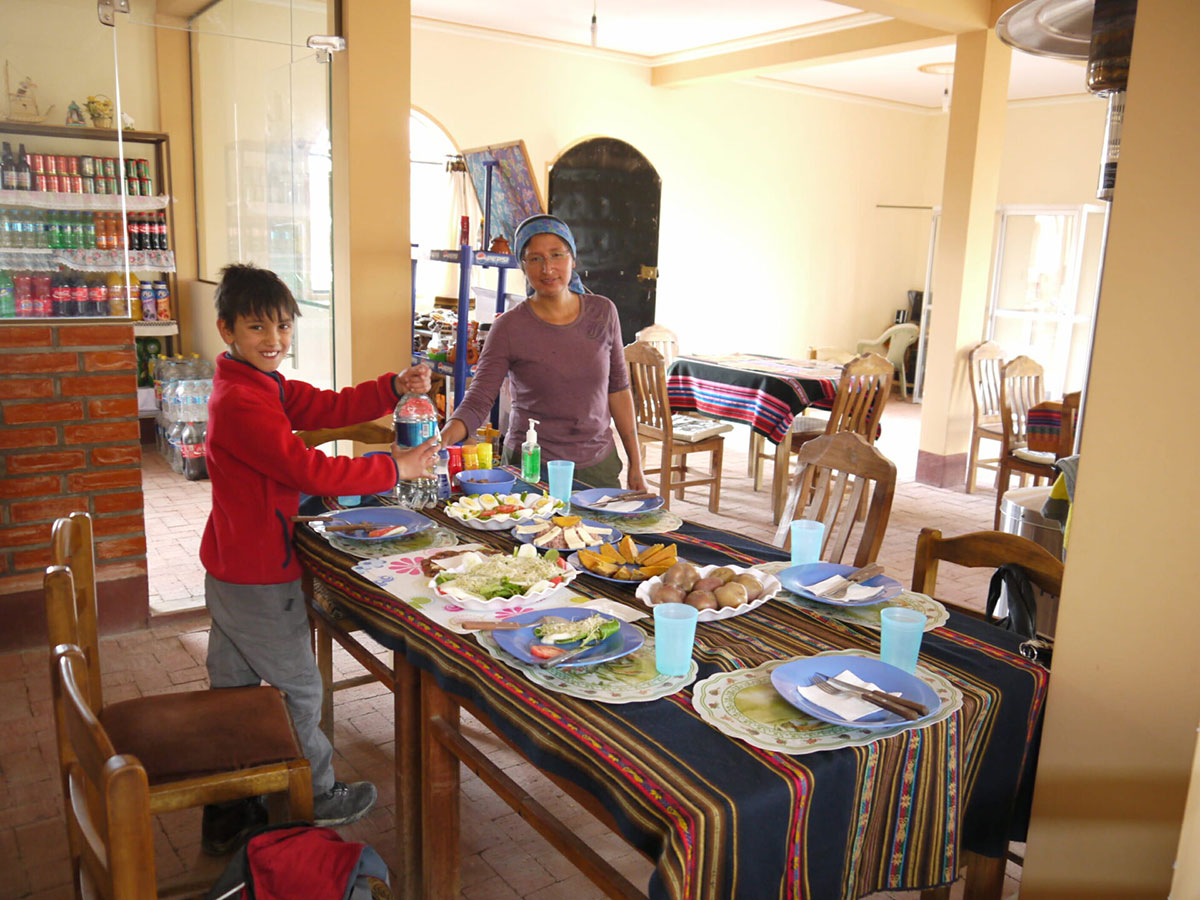
Lunch is usually around 13.00 and can feature soups, meats, salads and fish, with vegetarian options and hot drinks too.
Dinner is served around 19.30, and will feature pasta, quinoa, mashed potatoes, meat, fish or vegetarian options, followed by hot drinks and a pudding.
The campsites are comfortable and around 17.00 hot drinks, popcorn and other snacks are served to help you recover energy.
This is a private trip with an experienced English-speaking mountain trek guide.
Our local Bolivian trekking guide, driver and cook accompany you throughout.
If trekking, local horsemen will support the walk, arranging transportation of all equipment.
A perfectly organised and thoroughly enjoyable trip through Bolivia and Peru, with friendly guides, smooth logistics, and excellent service from start to finish.
A spectacular Bolivian adventure combining the Condoriri trek and Huayna Potosi climb delivered breathtaking scenery and exceptional support.
Sajama National Park provides an excellent opportunity to discover a little visited part of southern Bolivia.
Trek in the shadow of Bolivia’s highest peak – Nevado Sajama (6,542m/21,463ft) – with this tour which is just 5 hours from La Paz.
Snow-capped volcanoes fringe the vast altiplano and high altitude lakes lie only a hike away in the mountains. You have the option to climb the non-technical 6,050 metre peak of Acotango.
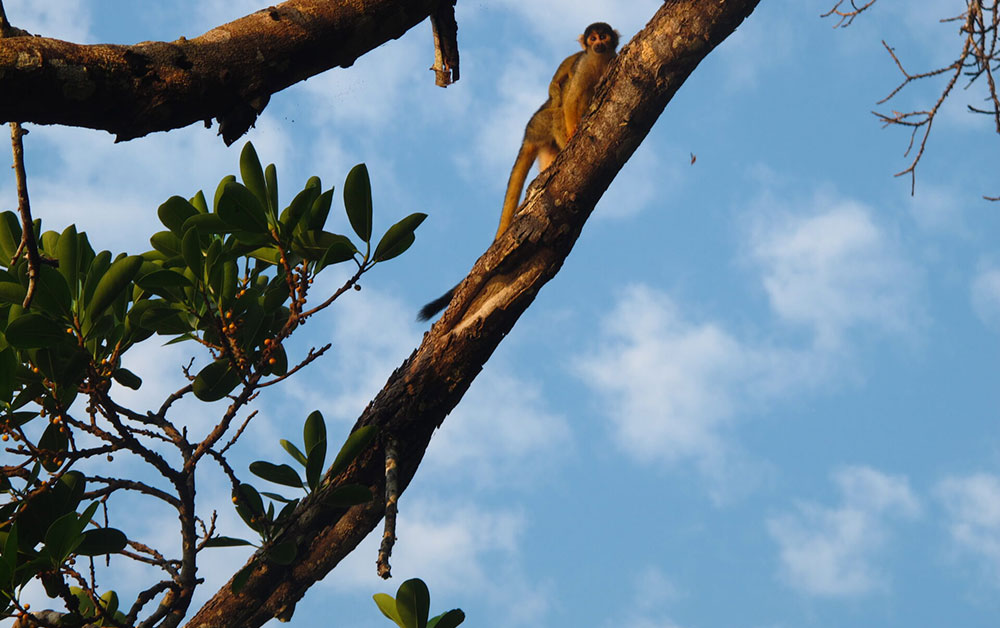
Geysers and hot springs await and you can be sure to see a variety of typical Andean wildlife, such as llama, vicuna, alpaca, flamingos and viscachas amongst many.
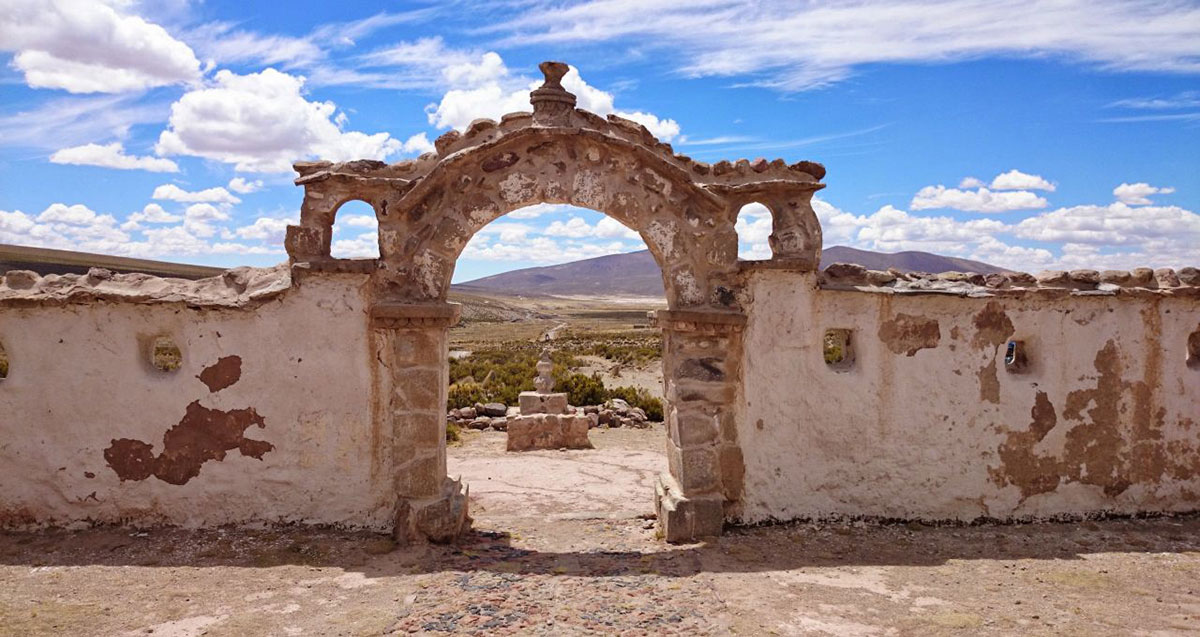
Add a splash of culture by visiting the fascinating Andean Sistine Chapel and explore the village of Sajama and its picturesque little church when you stay in this remote community.
We have included the options of trekking and camping or alternatively enjoy several day walks, returning to your hotel in the evening.
For intrepid mountain climbers why not add the non-technical volcano climb of Acotango, at just over 6,000 m this is a challenge but achievable by fit and acclimatised explorers. We provide a local guide for this.
Either way you are up close to nature in this remote mountain environment.
We use simple hotel accommodation, but we can tailor this tour to be exclusively camping or hotel accommodation or a mix, whatever you prefer.
The colours of the national park are a beautiful mix of white, greens, yellows and browns and its geysers are set in a peaceful location, surrounded by mountains.
If you camp at one of the beautiful, coloured lagoons, we are most likely to be the only human souls there – bird life is prolific.
From: $1585 per person
Duration
5 days

From: $3300 per person
Duration
15 days
From: $4450 per person
Duration
17 days

Land-locked Bolivia is a country of dramatic landscapes and fascinating native cultures and traditions.
The Altiplano or “High Plain”, averaging 3,800m, is its most populous region. The vast, luminous plateau is flanked to east and west by parallel Andean ranges.
La Paz, the world’s highest capital, lies in a deep canyon at the edge of the Altiplano, and at the foot of Illimani (6,400m). It is a striking city for its dramatic setting and its strong Indian character.
Lake Titicaca is the world’s highest navigable lake. It was sacred to the Incas; according to legend, their founding emperor-gods rose from these waters to give birth to their empire. Just south of the lake stands the sacred pre-Inca site of Tiahuanaco.
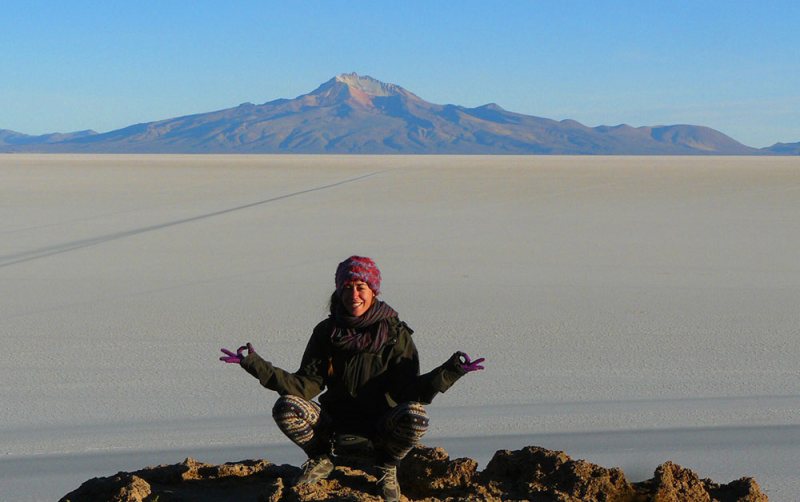
On the south-western Altiplano are the Uyuni Salt Flats, the largest in the world. Here, the shimmering white salt pan and deep blue sky combine to create a truly magical spectacle.
The stunning Cordillera Real is a mountain range dominated by huge snow peaks, including Illimani and Illampu (6,380m). The Real divides the northern Altiplano from the tropical forests to the east. The Cordillera Real’s eastern slopes are characterized by the deep, sub-tropical Yungas gorges.
Further south, the tropical Chapare is the agricultural heart of Bolivia. East of this band of high forests and plantations lies Bolivia’s Oriente, a vast swathe of Amazonian jungle and savanna accounting for 2/3 of the country and featuring some of the last untouched wilderness on earth.
In the north-eastern Department of Beni, some 50% of the country’s mammals and birds reside. Below, and in no special order, we outline some of the top places to go and things to do.
Good kit is vital for every trip.
Book with Andean Trails and get 15% off Páramo’s fantastic ethical and high performance outdoor gear.
Good kit is vital for every trip.
Book with Andean Trails and get 15% off Páramo’s fantastic ethical and high performance outdoor gear.
When planning for the varied climatic conditions encountered, layering is the most practical and versatile clothing system. It’s worth remembering that our clothing keeps us warm by retaining and isolating the heat we ourselves create.
To best maintain body heat, several layers of lightweight, warm and quick-drying clothing are far more efficient than one or two thick layers. Layers should have the following qualities:
First (base) layer: This layer wicks the sweat away from our skin, thus helping keep the body dry and warm. To this end, synthetic fabrics such as polypropylene should be used.
Mid layers: These isolating layers should also be synthetic (e.g. the known polar linings such as polartec or windblock, which are light and insulate twice as well as wool). Very important layers for retaining body heat.
Outer layer / shell: Finally, the vital layer which protects us from climatic adversities. A breathable, wind-proof and waterproof anorak, such as Goretex.
Give plenty of thought to kit selection, and try to keep weight down.
We also carry an extensive first aid kit & oxygen on all trips, but these are generally for emergencies only.
Below is a more detailed kit list.
Bolivia lies within the tropics, between latitudes 10º and 22º south. The climate, as varied as its geography, is affected by latitude and, especially, by altitude.
The best time to travel is the winter (dry season) between May and Oct when, typically, weather systems over the Andes are stable, and overall you can expect bright sunny days and cold clear nights. Most of the rain falls from Dec to March. Climate can be divided into these distinct zones:
There is relatively little precipitation on the Altiplano, especially in the dry season – most rainfall is from Dec to March. However, there is periodical, localised rain on high peaks and valleys all year round.
The further south and west you go on the Altiplano, the drier are the conditions; around Uyuni, semi-arid conditions prevail. The Andean sun’s rays are very strong.
Temperature-wise, the Andes and Altiplano experience significant fluctuations over a single day. At 4,000m, the pre-dawn temperature can drop to -15ºC, while noon temperatures at the same location can reach 20ºC.
Southerly cold winds mean the southern Altiplano is not only drier, but also noticeably colder and windier than the north (pre-dawn temperatures at Uyuni in July regularly drop to -20ºC).
On treks in the Cordillera Real in the dry season, expect a range of conditions within a single day: cold/freezing nights at camps above 4,000m (where pre-dawn temperatures sometimes reach -15ºC); warm, spring-like mornings and afternoons; and cold evenings. Conditions are generally dry, but note that mountain weather is fickle and localised, and precipitation is not unusual in the dry season.
Expect temperatures to swing between sun and shade, sheltered and exposed ground and with altitude gain and loss. A quick-setting sun means temperatures drop fast.
The city of La Paz (3,630m) is relatively sheltered. Average high/low temperatures range from 1-17ºC in June and July (coldest months) to 6-19ºC in Nov and Dec (warmest months). In June and July, it rarely rains more than 1 or 2 days per month, while in January there are on average 15 wet days.
Year-round, weather conditions in the Amazon basin are hot and humid and always with the chance of rain.
There is a ‘cooler’, drier winter season between May and October. During this ‘dry season’, the average daytime high temperature is between 25-31°C and the average nighttime low is between 16-22°C.
In the dry season, heavy downpours typically occur every few days.
Note that around 80% of annual average rainfall – approx 2,000 mm in Bolivia’s northern lowlands – occurs in the wet season, Nov-April.
On rare occasions, between May and September, cold fronts from Argentina – surazos – can sweep into southwest Amazonia and push temperatures down to 9°C. (Surazos usually last between 1 and 3 days).
The Yungas shares the same dry/wet months but varies from quite wet to very wet depending on whether it is the ‘dry’ or rainy season. Average temperature is 24°C.
A perfectly organised and thoroughly enjoyable trip through Bolivia and Peru, with friendly guides, smooth logistics, and excellent service from start to finish.
A spectacular Bolivian adventure combining the Condoriri trek and Huayna Potosi climb delivered breathtaking scenery and exceptional support.