From: £310
From: $413
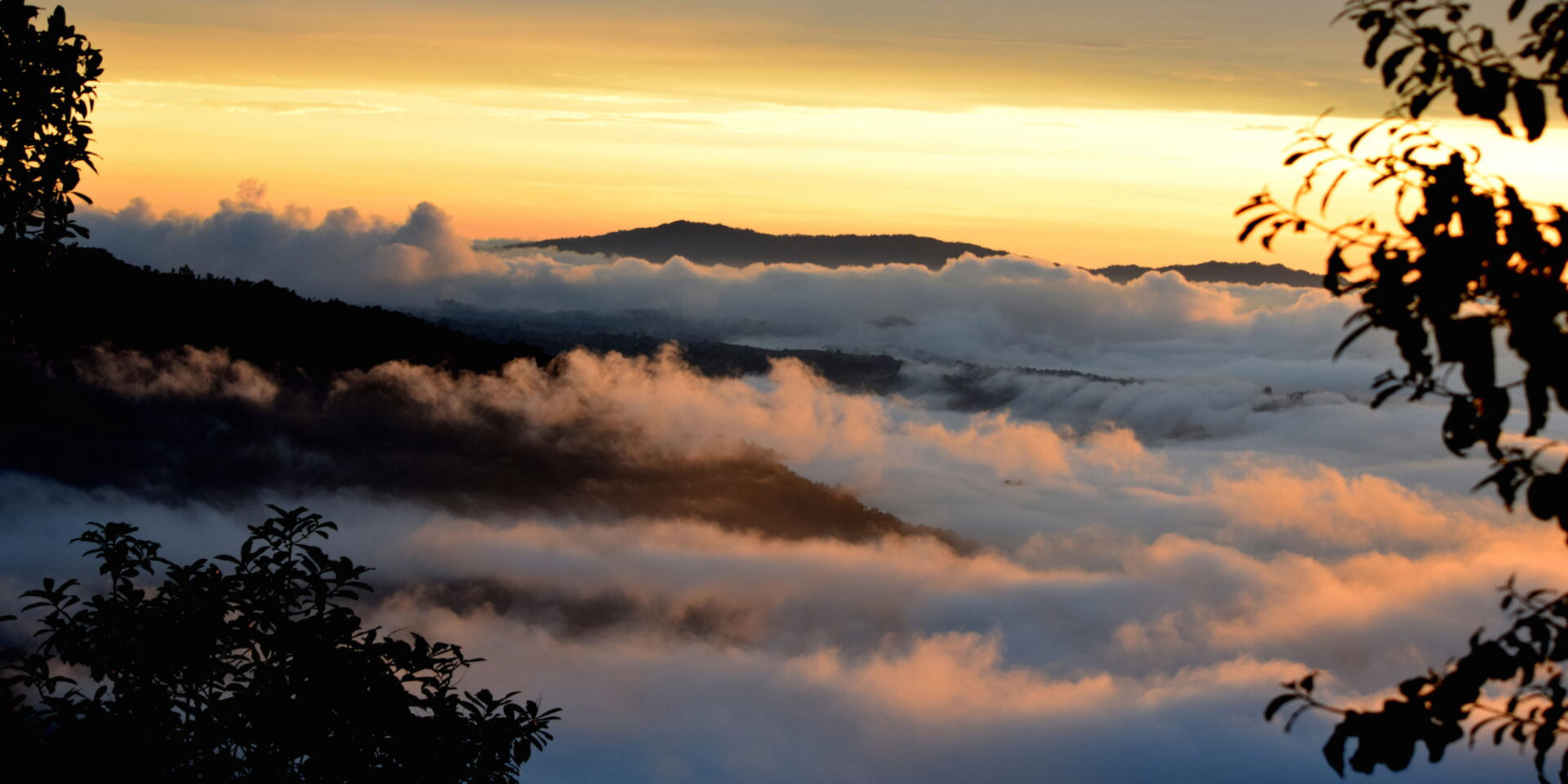
Pick up from Quito at 8am, arriving at the trailhead at 10.30am.
Two-hour guided hike through the forest to the lodge. You meet your guide at the start of a path that climbs 500 metres in altitude up to the lodge.
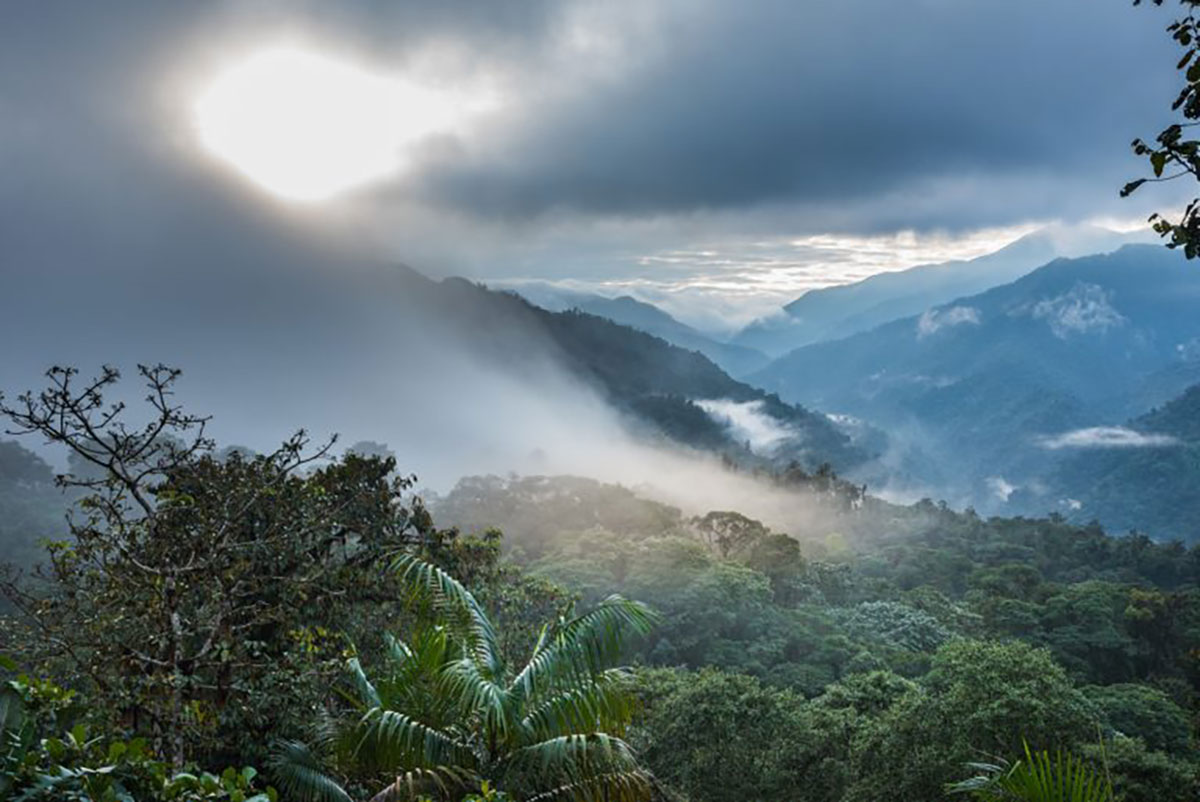
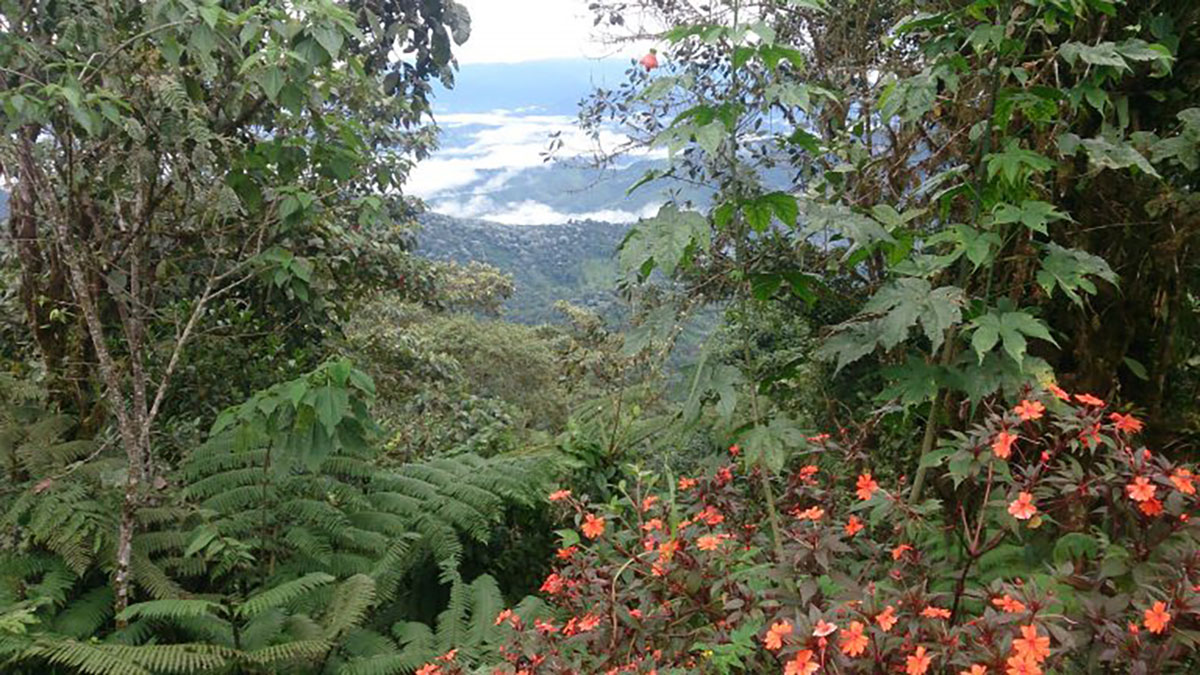
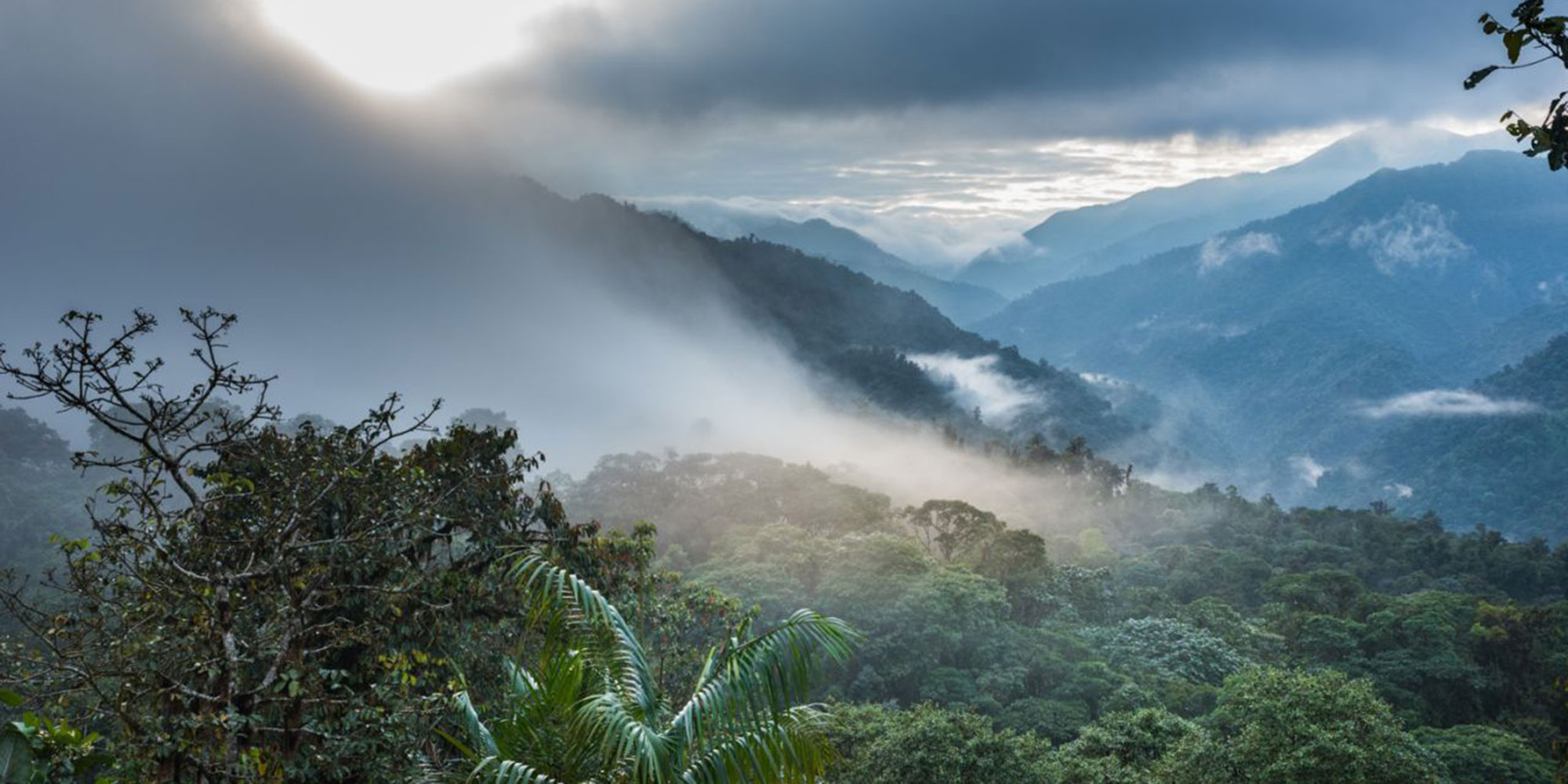
Keep your eyes open and be rewarded with spectacular panoramic views. There are some steep sections, but the path is good and your guide will explain the forest that you pass.
After lunch and settling in at the lodge, you can relax or hike a circular trail, taking in the orchid garden and giant tree swing with an explanation of Santa Lucia’s conservation ethos.
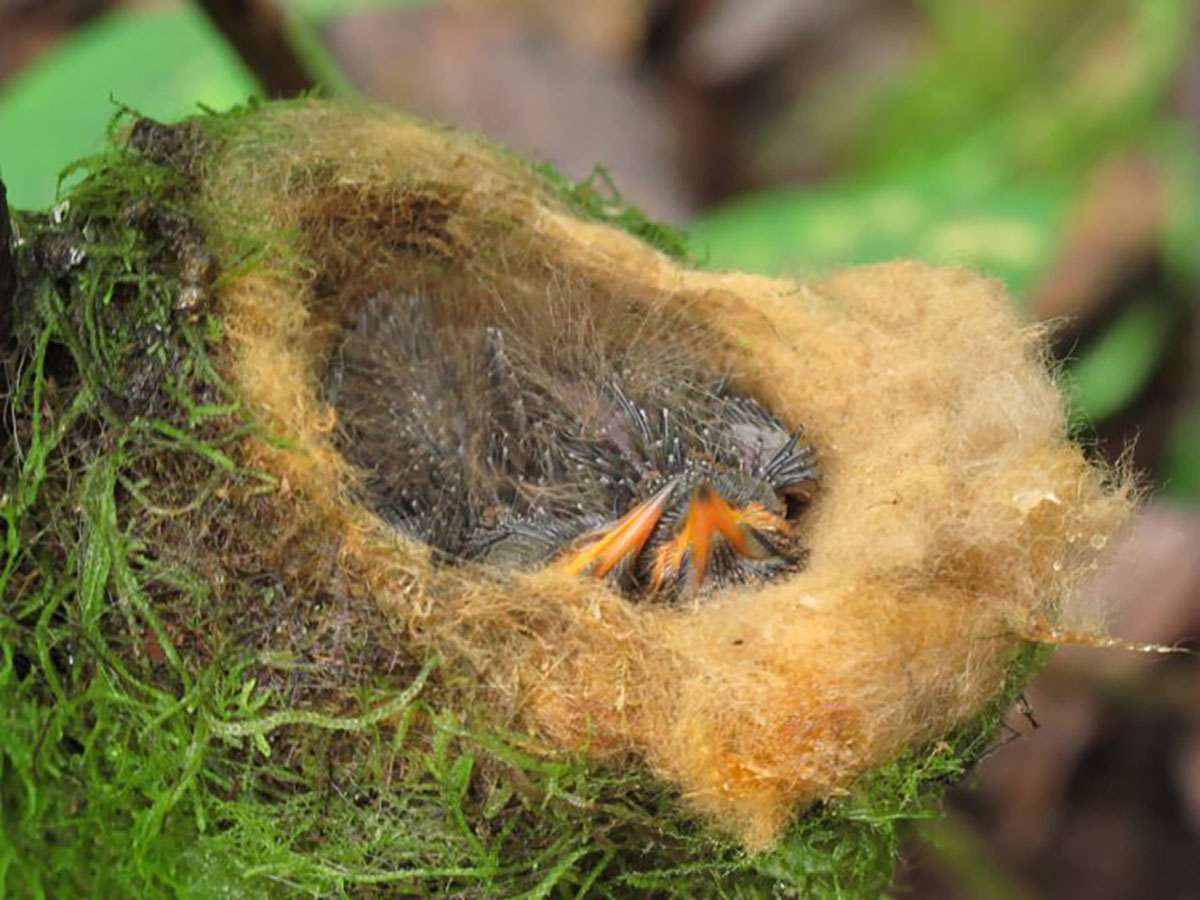
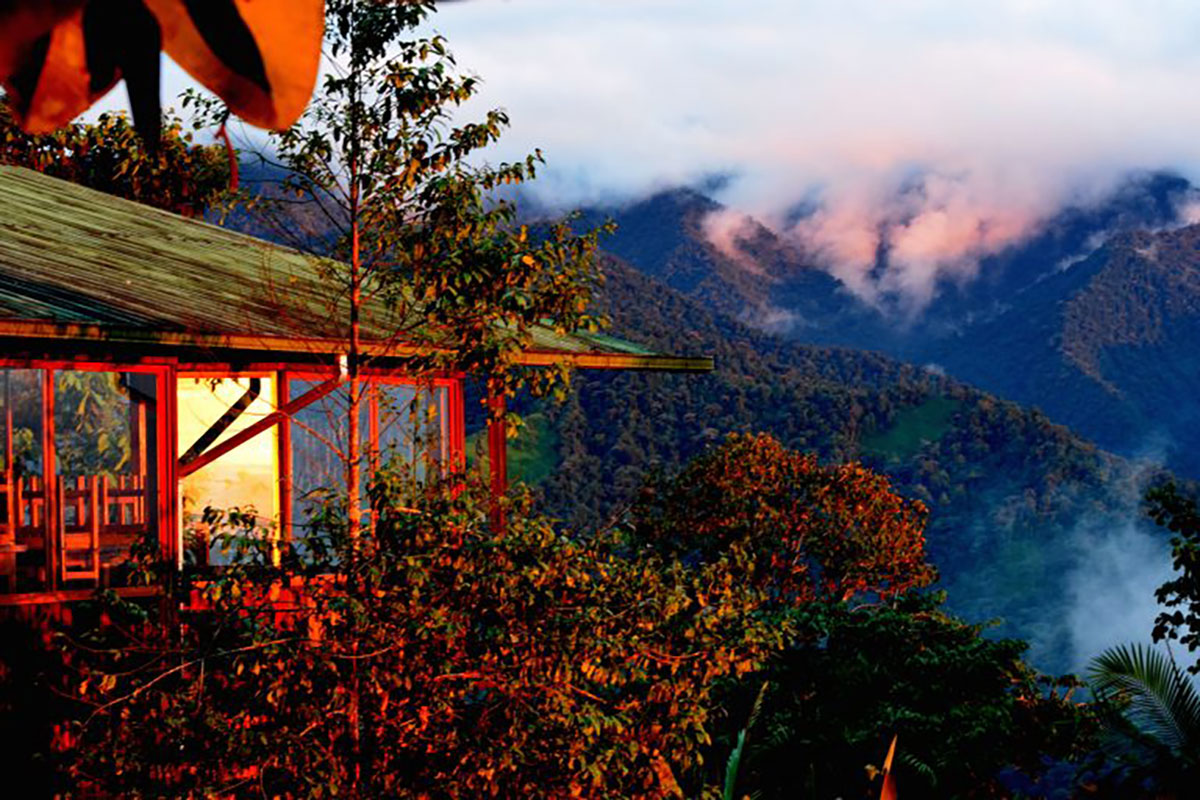
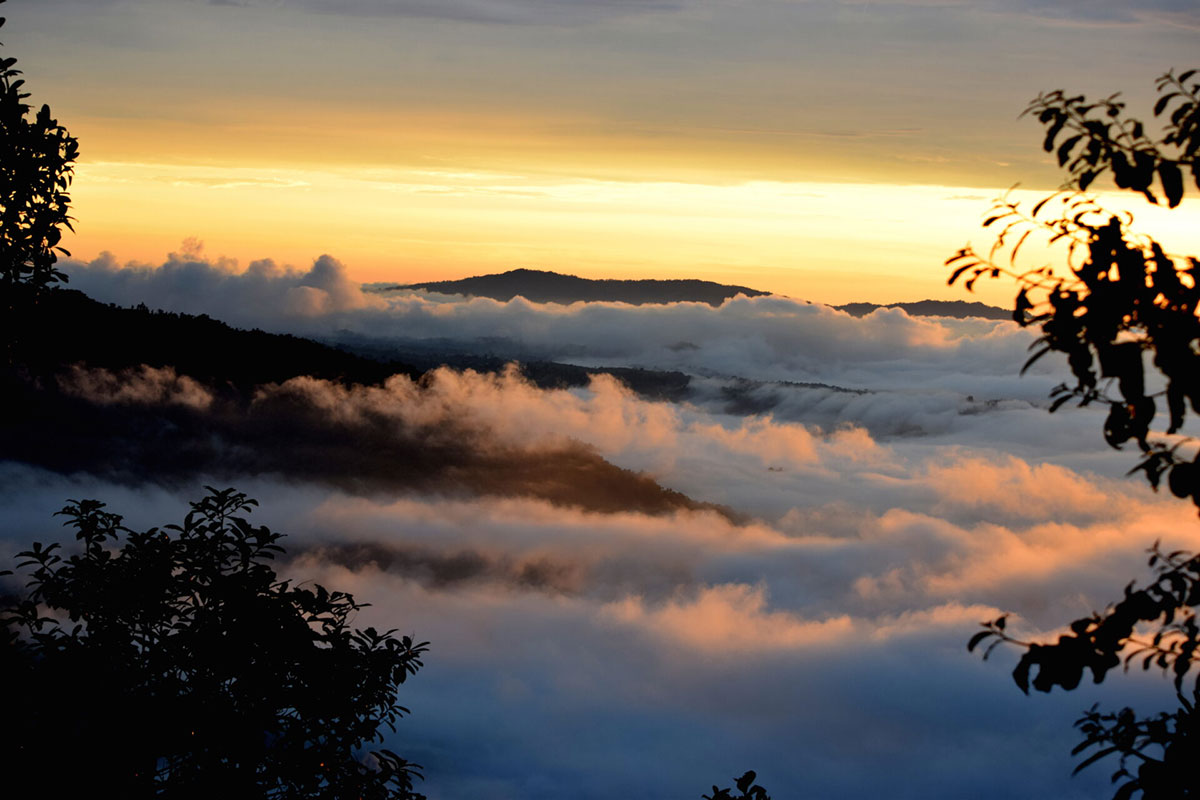
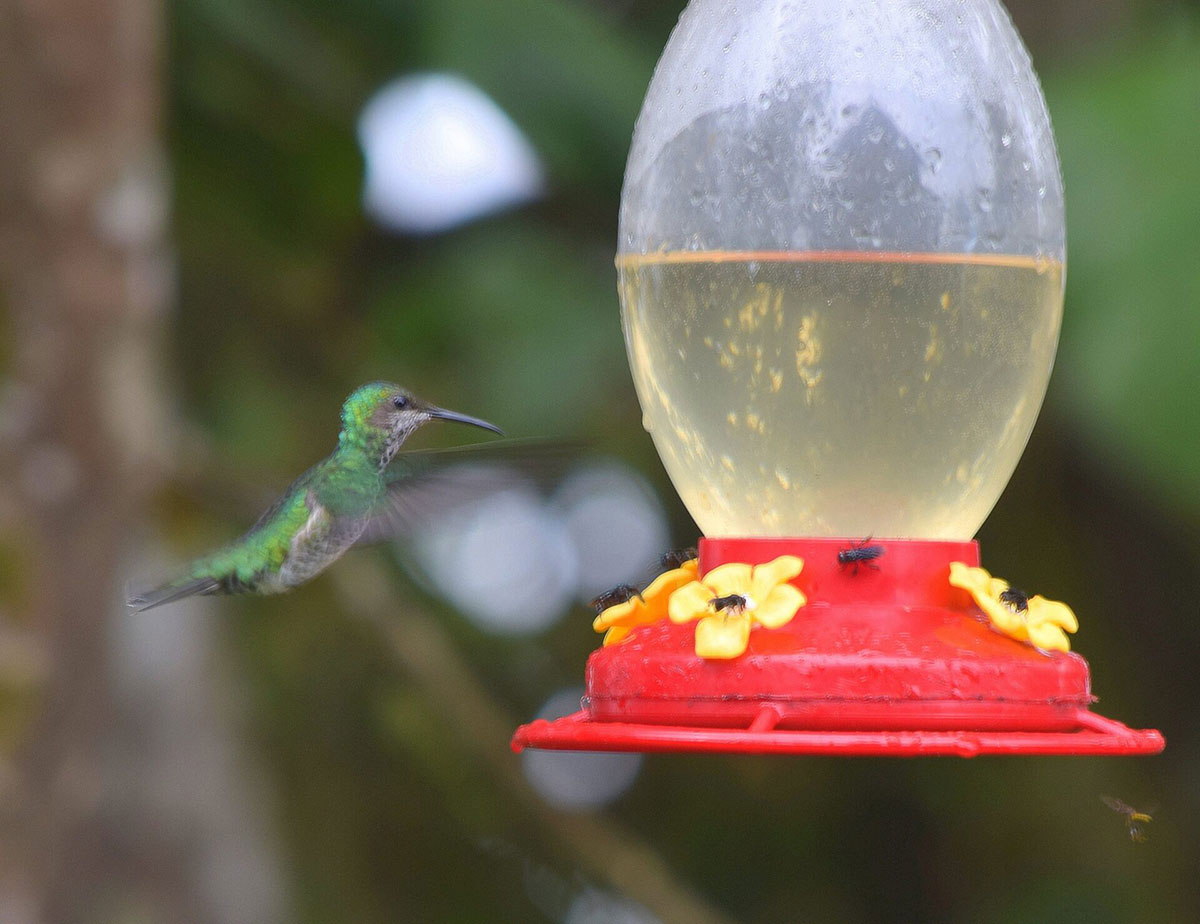
Spend the afternoon watching the sunset or spot up to 15 species of humming birds coming to the feeders – spectacular.
After dinner there is the option of a night walk to see and hear the sounds of nocturnal animals and birds of prey.
The lodge has some solar panels to allow people to charge cameras. You’ll need a head torch or a candle for everything else, as you go back to nature and enjoy the surroundings, away from the glare of everyday lights.
Every day you have lots of options, depending upon your interests, the weather and wildlife activity around the lodge. These days are an outline of what is possible.
Activities at Santa Lucia include:
The Cock-of-the-Rock lek involves a 4am start if you wish to see the bird mating ritual (best time June-Nov).
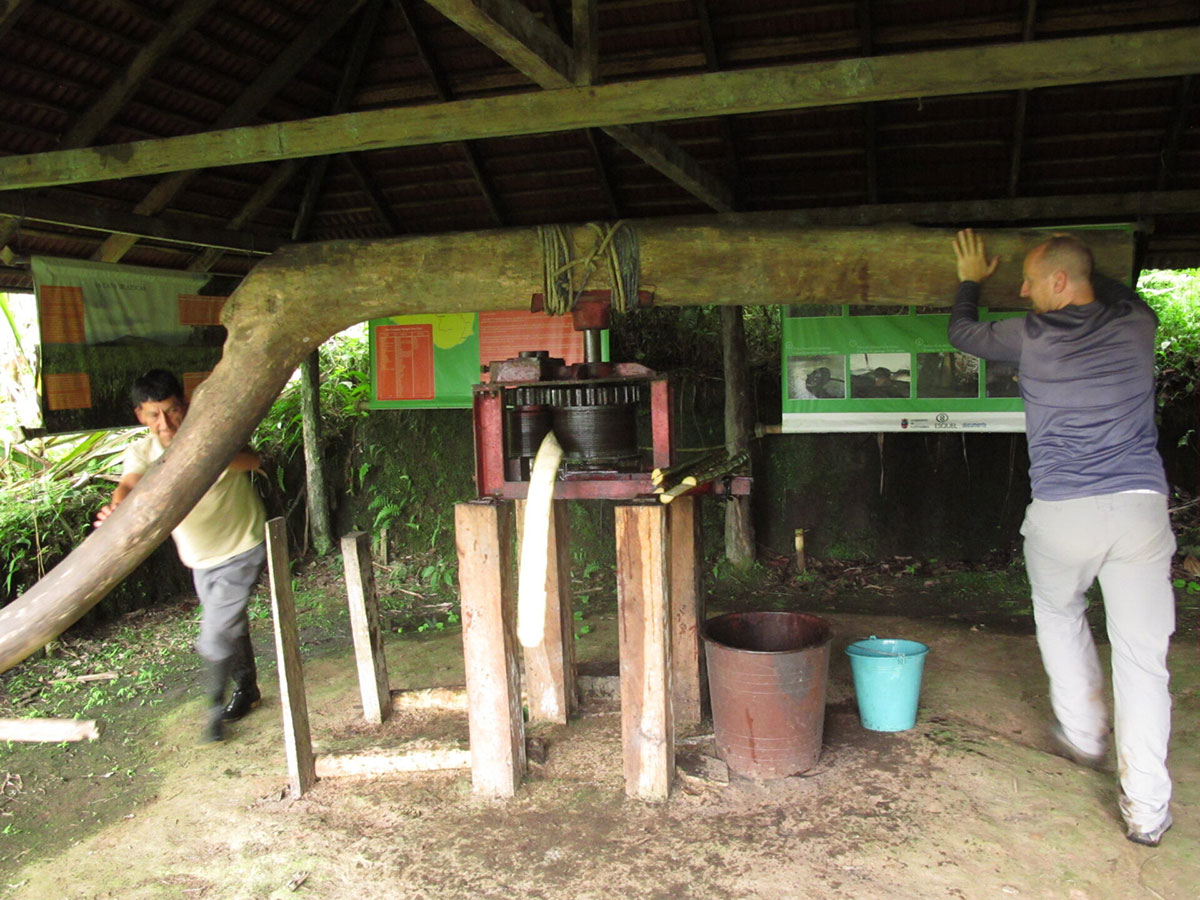
After breakfast we hike down through the forest passing through the banana plantation with shade grown coffee trees, to the Umachaca River where you can walk upstream to a waterfall which cascades into a beautiful pool (seasonal option depending on the flow of the river).
A good spot for your box lunch.
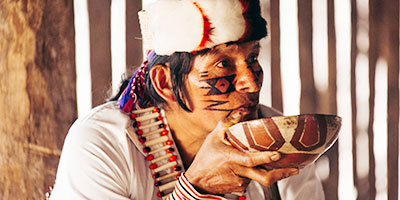
Then take the pre-Inca trail, used by the Yumbo people as a trade route.
Much of the trail is in the form of a deep trench called a “culunco,’’ made by the Yumbo people – look out for tracks of wild pigs and the elusive Puma.
The trail opens out into lush meadow. A car will be waiting at 2pm to go back to Quito.
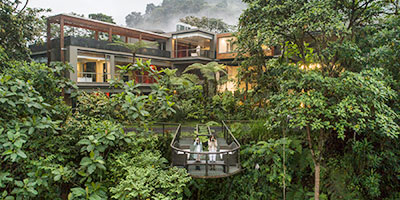
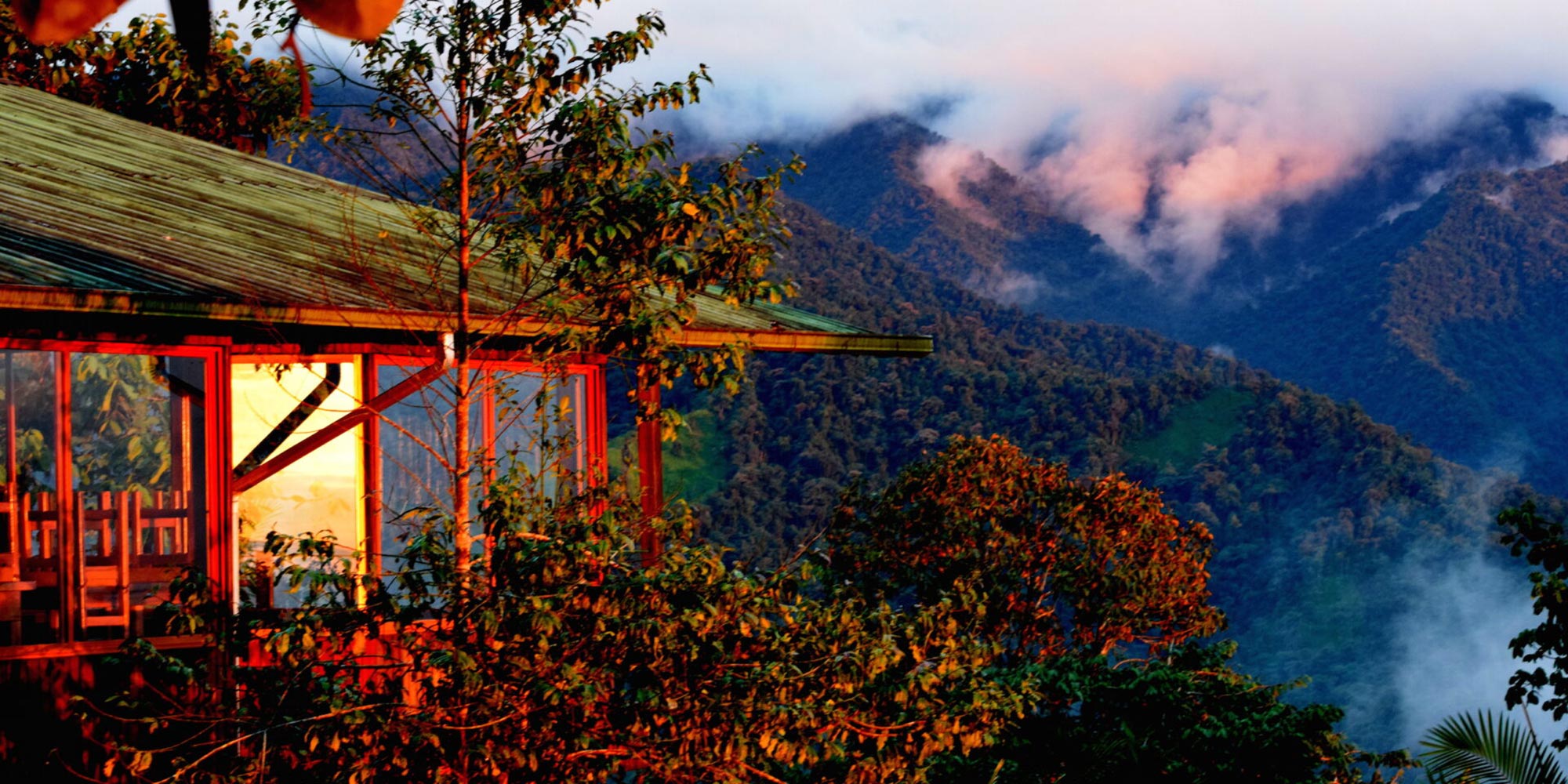
Private cabin with private bathroom and great views.
There are hot showers and a flush toilet in the private rooms.
You need a good level of fitness for this trip as there is a 1.5-2 hour uphill hike to get to the lodge.
This lodge is aimed at people that want to be a bit more active than at other lodges. It’s wonderful trails do undulate as they cross the mountain, so the fitter you are, the more you will enjoy the trip.
You usually wake early, before dawn if you wish, to catch the wildlife at its best. You can skip pre dawn walks and relax.
After breakfast, packs are prepared and your guide will explain the day’s activities. You are typically out and about for 2-4 hours in the morning before lunch, with a short or break or two en route.
After an hour or so for lunch – depending on weather conditions – you will continue, usually 3-4 hours more, depending on sunset time and wildlife activity in the area.
After eating, you can choose to socialise with other guests, relax in your room, or take in the views.
Lodge meals are large and feature bread, vegetables, meats and hot drinks, rice and pasta dishes.
Almost all dietary requirements can be catered for – please contact us for more information.
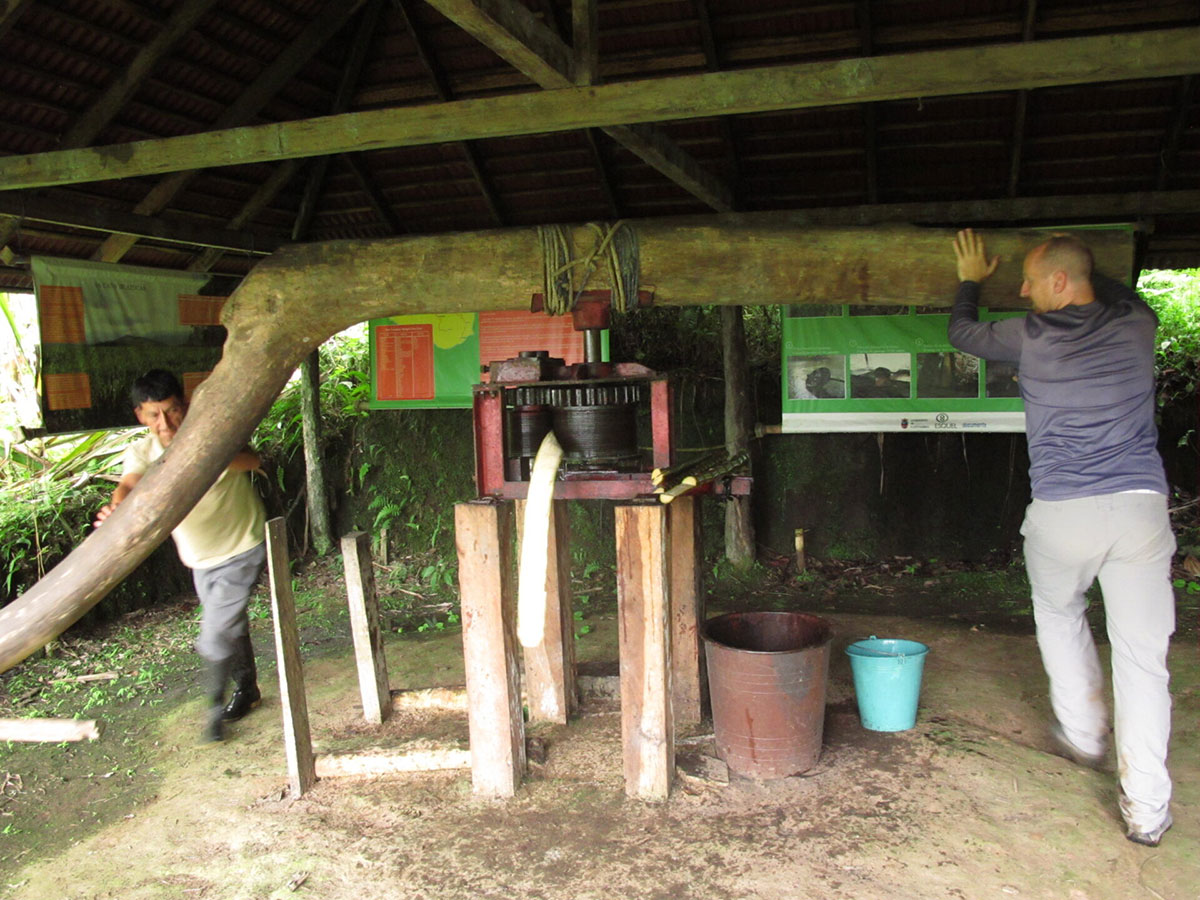
As much produce as possible is grown in the Santa Lucia organic gardens, or in the family’s farms in the valleys below.
Breakfast usually features eggs, bread, cereals, fruit juices and hot drinks.
Lunch, while out walking or back at the lodge, will be either sandwiches or meat and cheese with crackers, with fruits etc, like a picnic.
After an hour or so for lunch – depending on weather conditions – you will continue, usually 3-4 hours more, depending on sunset time and wildlife activity in the area.
After eating, you can choose to socialise with other guests, relax in your room, or take in the views.
Dinner will usually be a soup followed by a main of pasta, rice or potatoes, all home made that day.
In 1976, local families decided to buy the lands that are now part of the Reserve St. Lucia. They formed an agricultural cooperative and began clearing jungle areas to turn them into crops.
However, after a while of being deforested, the land of cloud forest degraded rapidly, and environmental problems resulting from agriculture became evident.
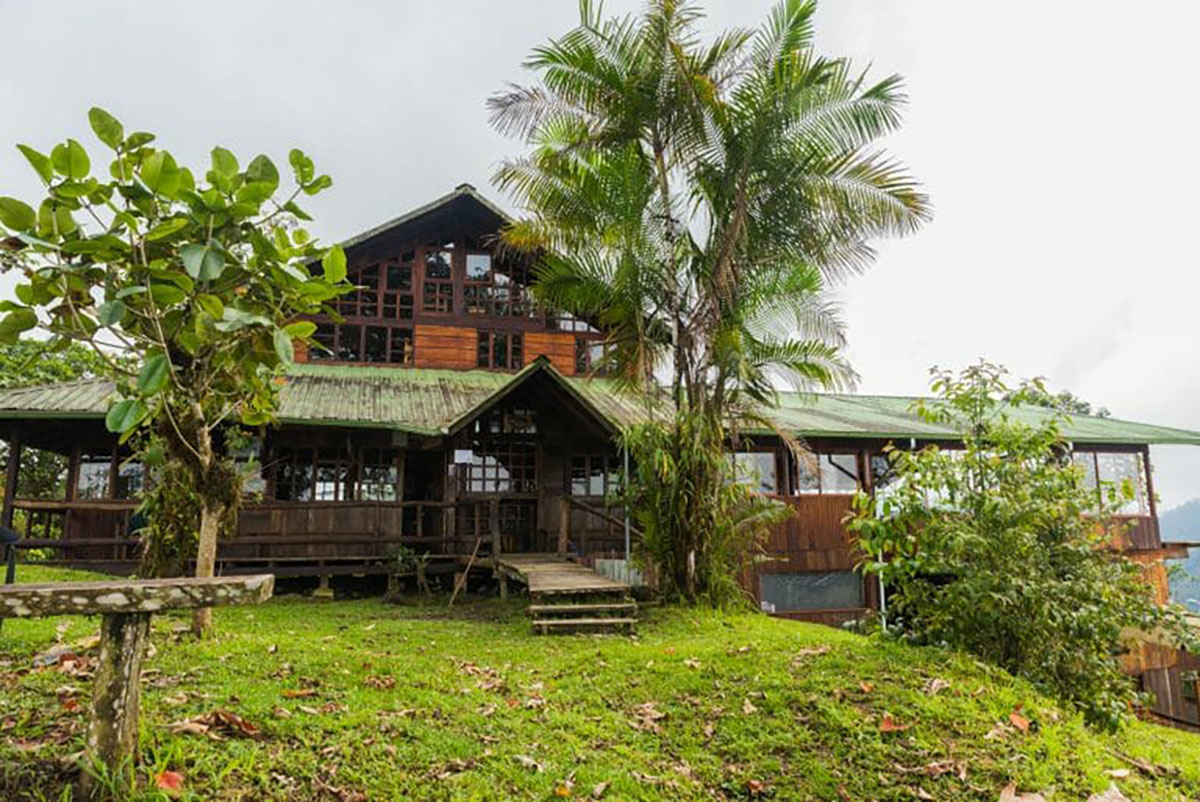
In 1988, the area was declared part of protected forest by hunting and logging are illegal, threatening families in their survival. Members of the cooperative began to look for other ways to earn a living with their land and 90s, decided that ecotourism would allow them to protect the forest and generate income. In 1999 they began building the cottage with wood from fallen trees, trails within the reserve, with the precious help of volunteers, and other organisations.
Now the lodge is staffed by locals from the communities – including guides – albeit some specialist guides from Quito do work here from time to time.
The local families all draw a modest income from the project.
Local guides will speak English and Spanish and show you around the forest. Specialist birding guides available at extra cost.
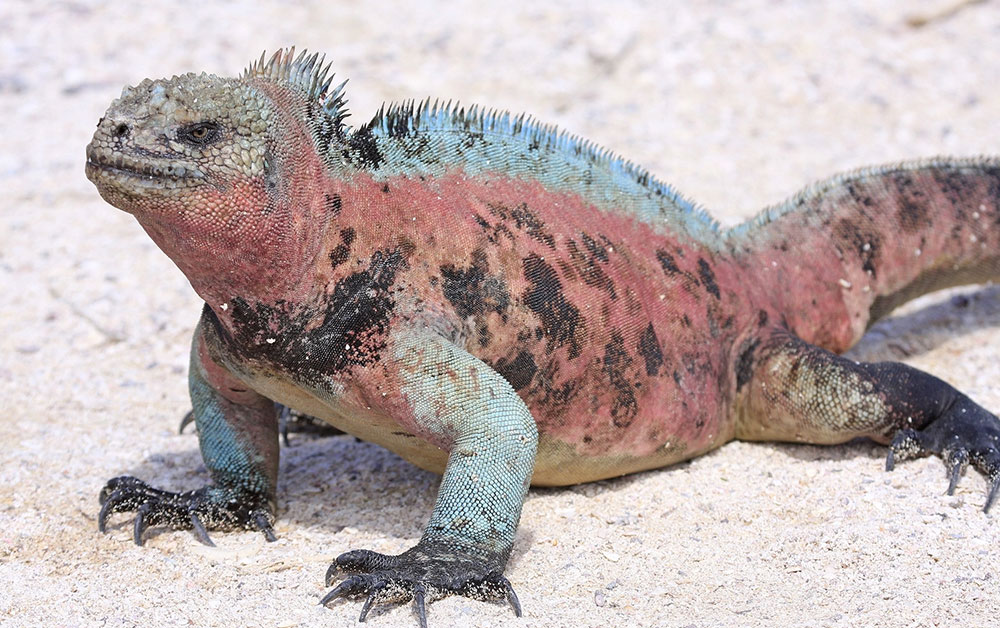
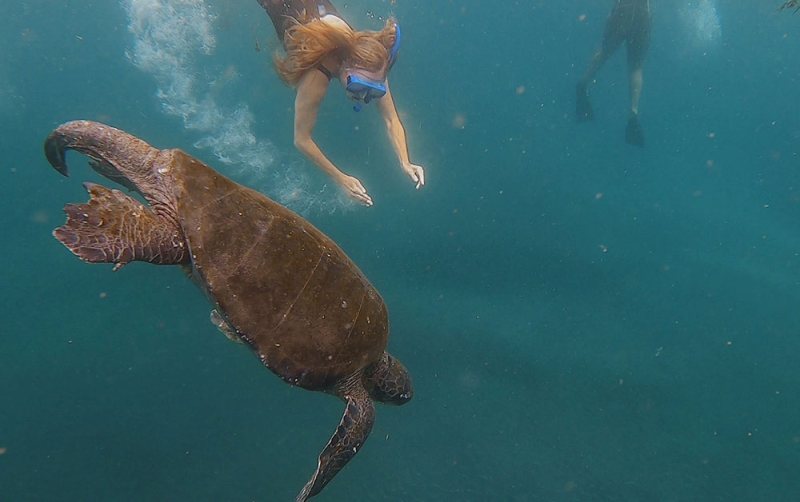
Perfect weather, expert guiding, and extraordinary wildlife made this ten-day Galapagos adventure truly unforgettable.
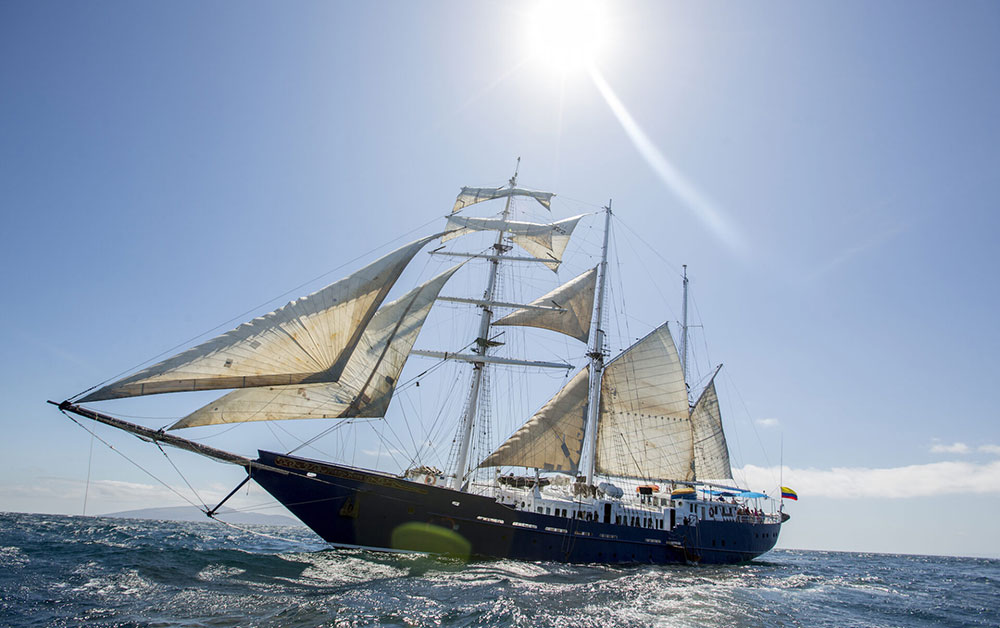
A spectacular journey through Peru and Ecuador, blending ancient wonders, rare wildlife, and unforgettable Galapagos encounters.
Santa Lucia features comfortable cabins with views over the wooded, wildlife-rich valleys. This community-owned eco lodge is one of Ecuador’s hidden jewels.
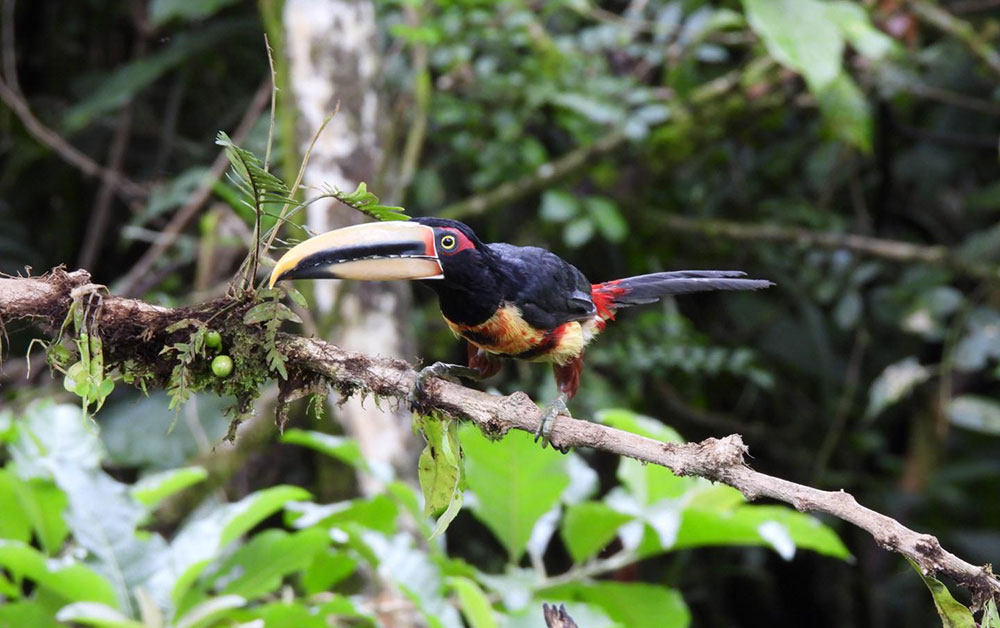
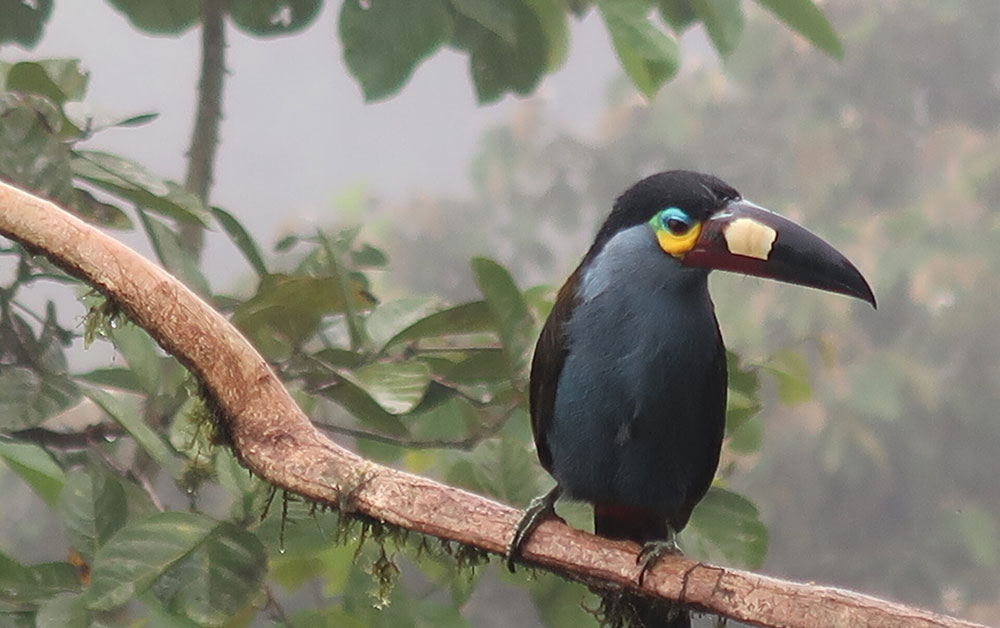
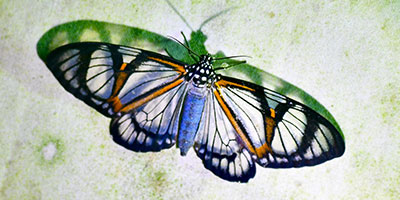
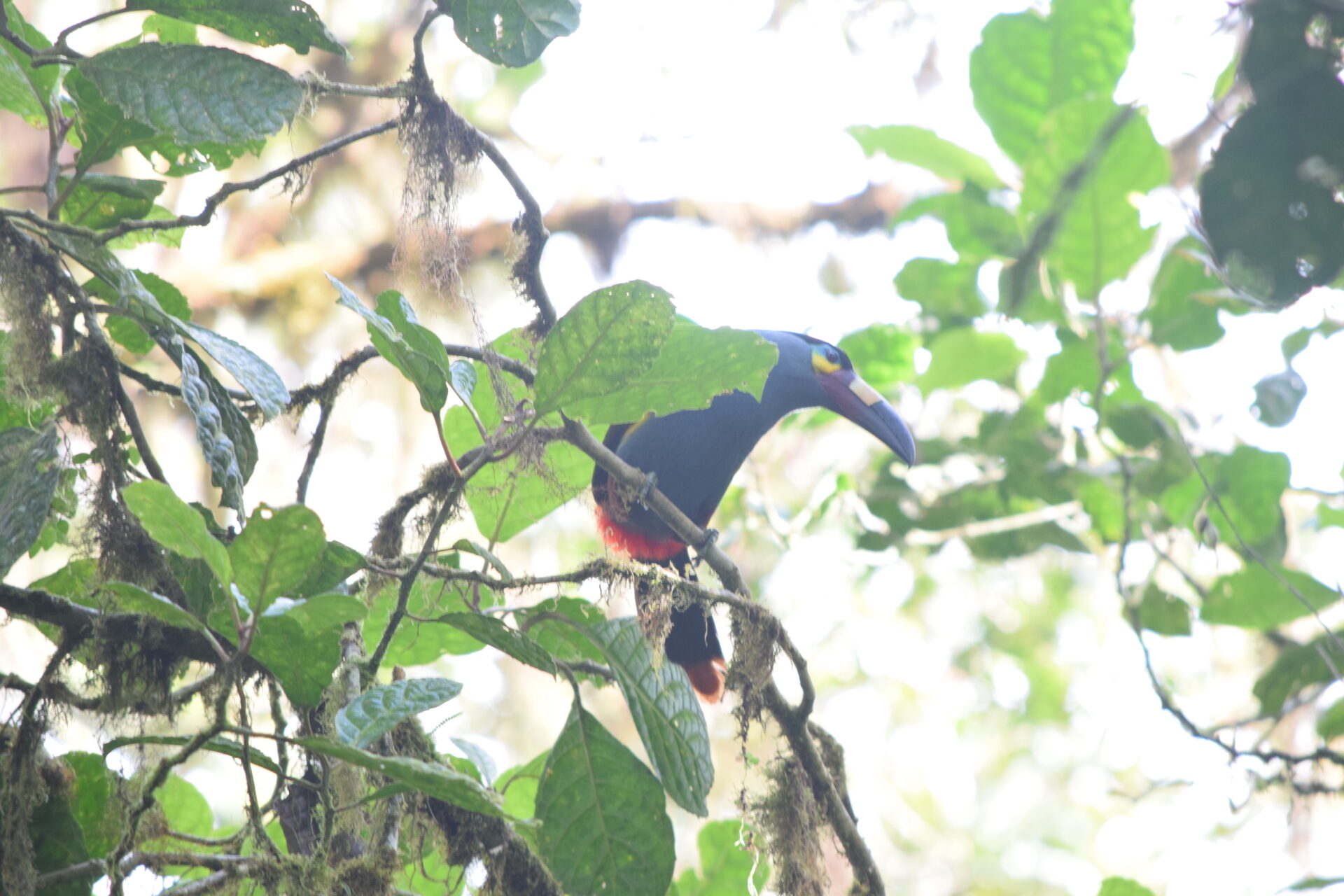
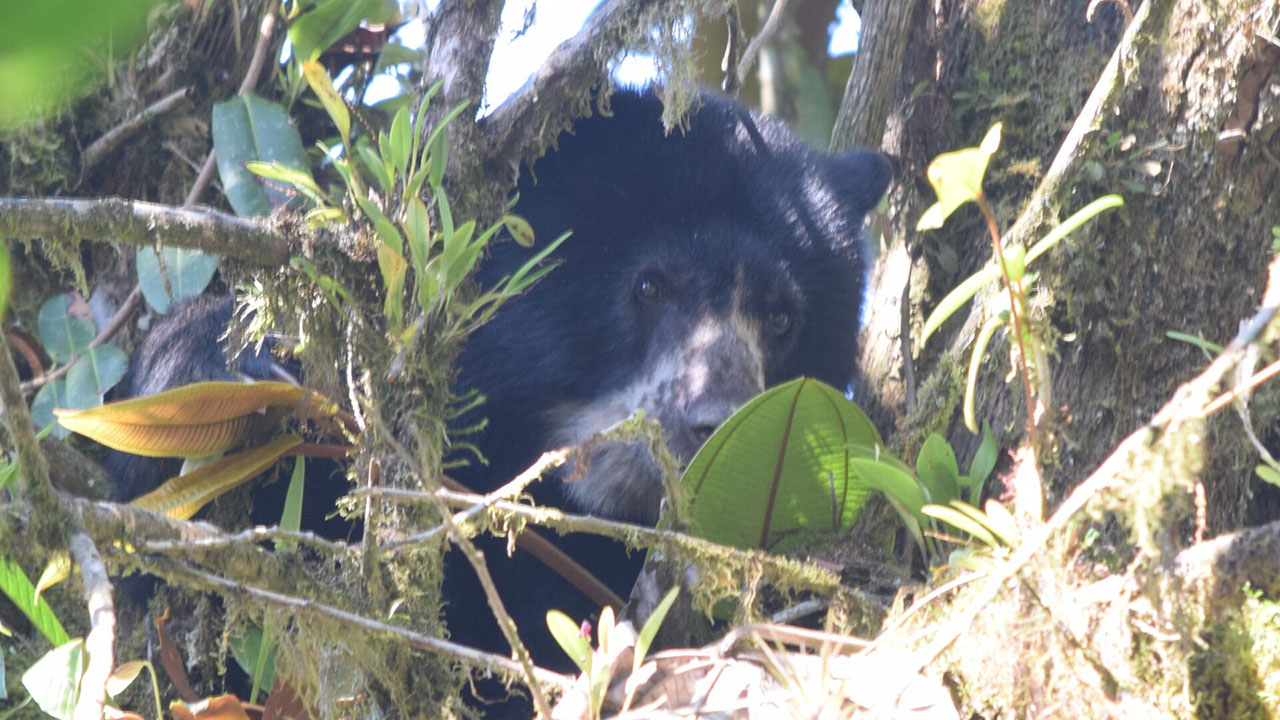
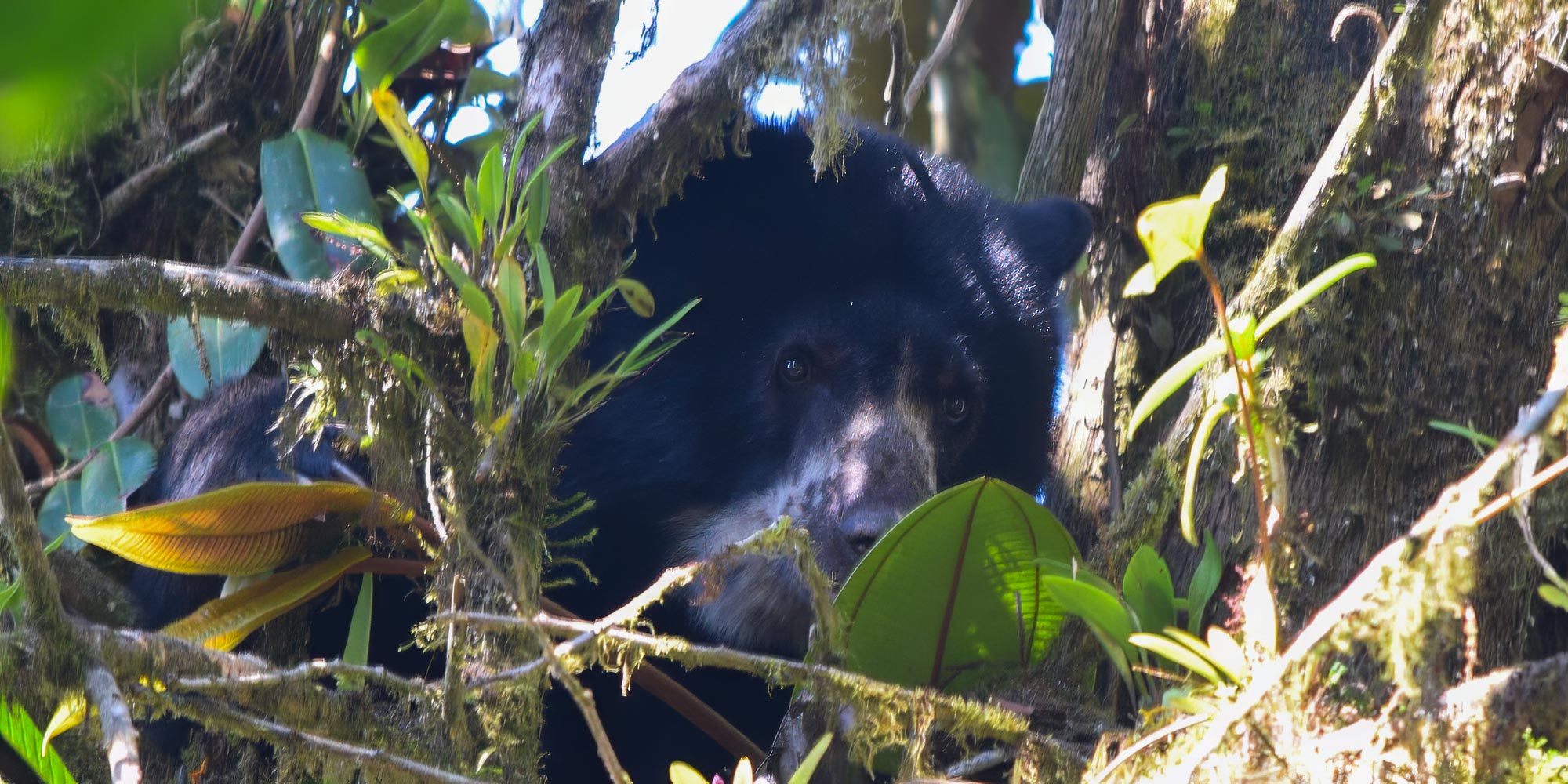
You have the chance to see more than 390 species of birds and 300 of orchids, the Andean bear, Cock-of-the-Rock and Toucans, to name a few.
Enjoy organic food grown in the fertile land around Santa Lucia lodge, taking your meals by candlelight.
Read Tom’s blog about his visit there.
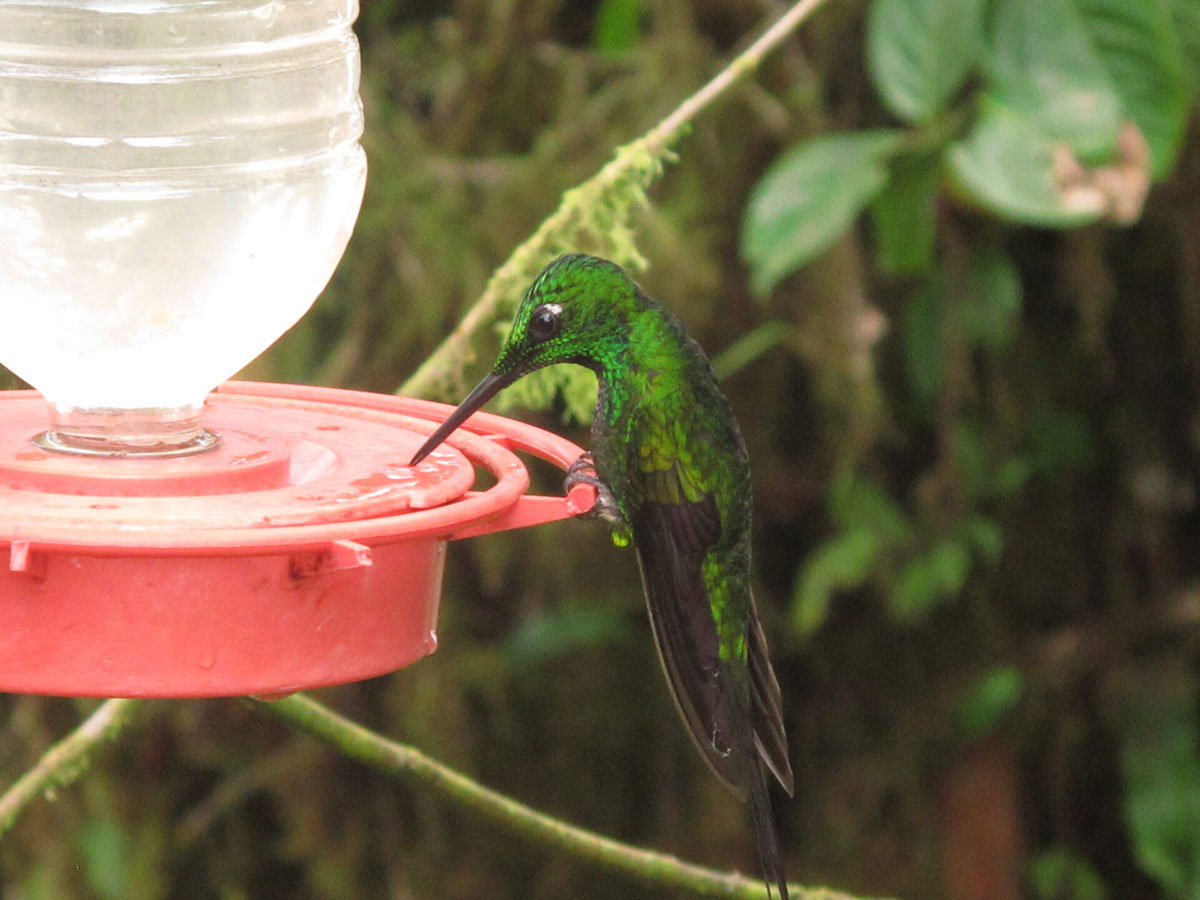
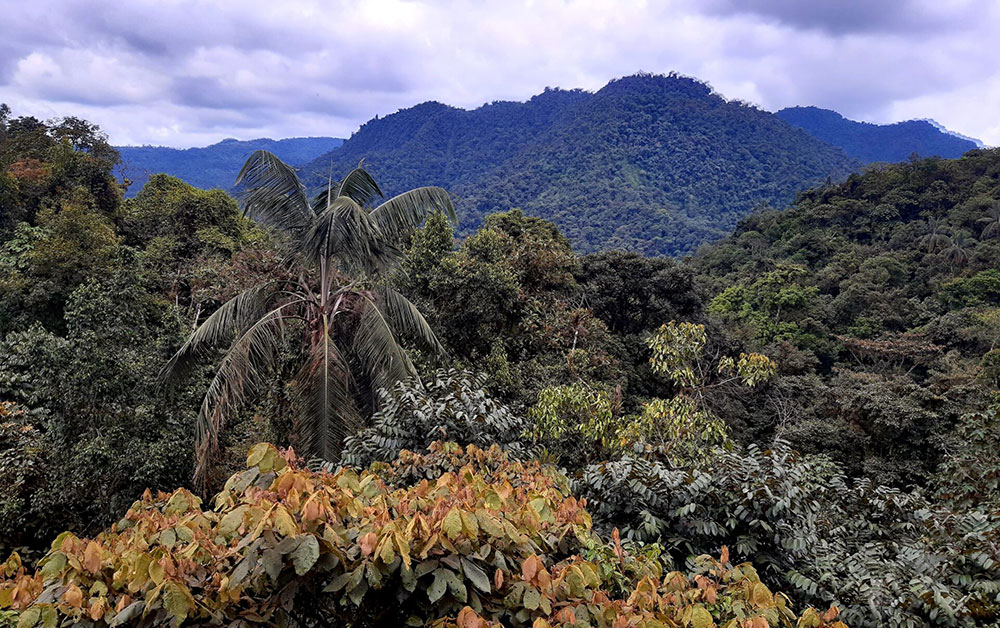
More than 80% of the Santa Lucia’s 1,800-acre cloud forest reserve is primary, and ranges from 1,300m-2,800m, giving incredible bio-diversity.
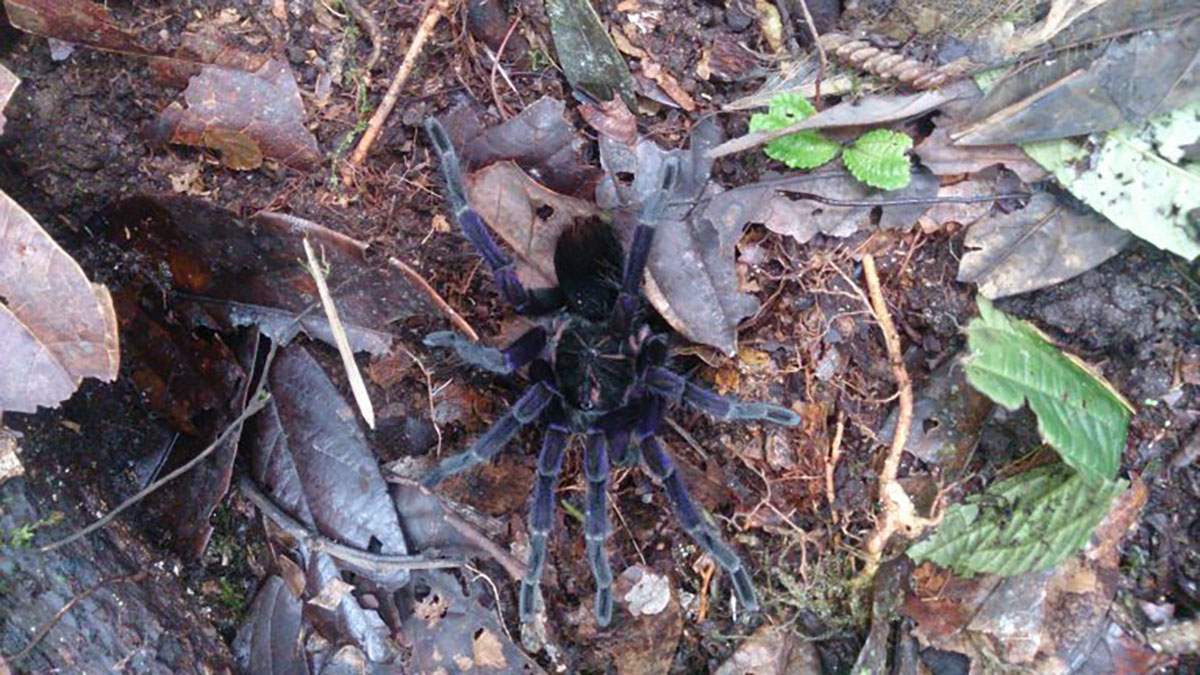
Keep a look out for puma, snakes, frogs, tarantulas and more in this, the Choco region.
The up-and-down nature of a lodge atop a mountain, plus more than 42km of trails, means this is the perfect place for people that wish to combine some walking – from easy to more strenuous – into their cloud forest stay.
Your luggage is carried in by mule, so you need only carry a day pack.
The lodge is staffed by members of a dozen local families who have set up Santa Lucia to protect the precious cloud forest in which it sits.
Ecuador lies between latitudes 4º south and 2º north. Overall, climate varies according to time of year, altitude and region.
In the Ecuadorian highlands, there is little temperature variation by season; this depends largely on altitude.
In Quito, shade temperatures range from 6 to 10ºC in the morning and from 19 to 23ºC in the afternoon, with cool nights. In the lower intermontane basins, it gets significantly warmer.
Rainfall depends on whether an area lies closer to the eastern or western Andes. To the west, June to Sept is the dry period and Oct to May the wet (with often a short, dry spell in Dec or Jan).
The best period to visit Quito and trek and climb volcanoes such as Cotopaxi is the west Andean dry season of June to Sept and Dec/Jan. This is also Ecuador’s high season. During the Oct to May wet season, most rainfall is in the afternoons.
To the east, Oct to Feb are dry and March to Sept are wet. Overall, the southern highlands are drier than the northern highlands.
Landscapes vary from the drier south to the more humid north.
The Highlands, or sierra, encompass two Andean Cordilleras (the Central and Western), which run north to south through the country. Ecuador’s largest volcano is Chimborazo (6,310m) whose summit, because of its proximity to the equator, is the closest point on earth to the sun. Several of Ecuador’s volcanoes are still active, and it’s a great area for trekking.
Descending the steep, east-facing slopes of the eastern Cordillera, one passes through a transition zone comprising dense cloud forest and humid high jungle, before entering the Amazon lowlands.
This mainly primary rainforest covers a third of the country, accounts for 5% of the population and stretches across Ecuador, from its Colombian to its Peruvian borders.
The Galapagos Islands are simply unique. Lying 600 miles off the mainland, the archipelago comprises the summits of gigantic equatorial volcanoes.
The flora and fauna of the Galapagos, long separated from their continental cousins, have evolved differently. Charles Darwin used his observations there to develop his theory of Evolution.
Ecuador is the second smallest South American country, and one of the most varied.
It comprises three main geographical areas: the coast, highlands and Amazon plus is home to the Galapagos Islands.
Because of its relatively compact size, it makes a great holiday destination as you can move from highlight to highlight fairly easily and rapidly.
Good kit is vital for every trip.
Book with Andean Trails and get 15% off Páramo’s fantastic ethical and high performance outdoor gear.
It can be very warm in the day, and you can wear shorts and t-shirts, although there are biting insects, so covering up with long cotton shirts and trousers is recommended.
At night, it can get chilly, so you will need a variety of clothing.
Please note: Guests should arrive in clothes which they do not mind getting slightly dirty or wet, and should wear footwear that is suitable to walk on a rainforest trail. Sun cream, insect repellent, hat and waterproof clothing should be carried in hand luggage and kept accessible for the journey to the lodge.
You may want to keep your binoculars and camera handy, too.
All bedding, toilet paper etc. is provided at the lodge.
Perfect weather, expert guiding, and extraordinary wildlife made this ten-day Galapagos adventure truly unforgettable.
A spectacular journey through Peru and Ecuador, blending ancient wonders, rare wildlife, and unforgettable Galapagos encounters.