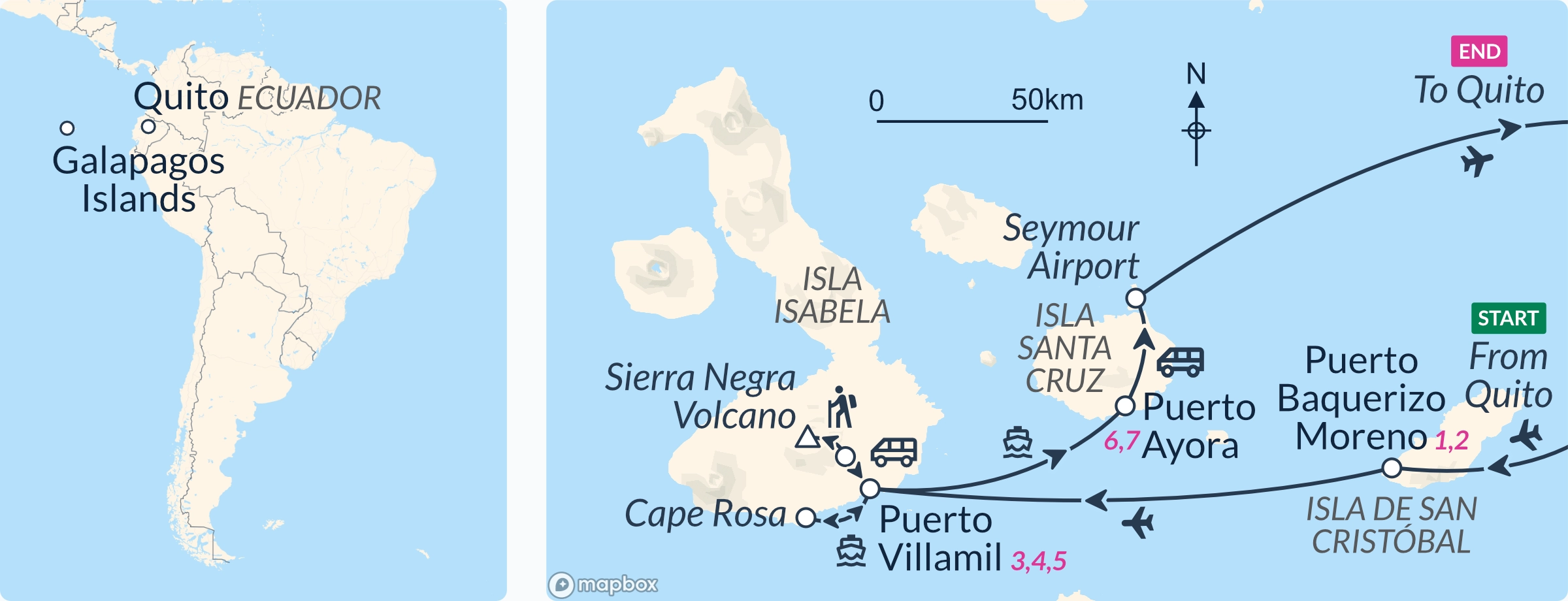
Fly to San Cristobal Island.
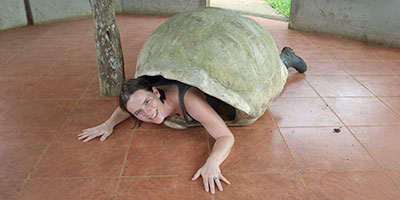
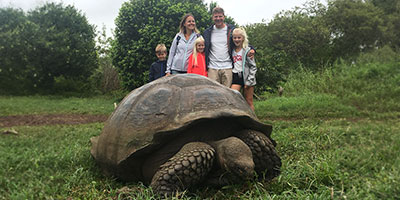
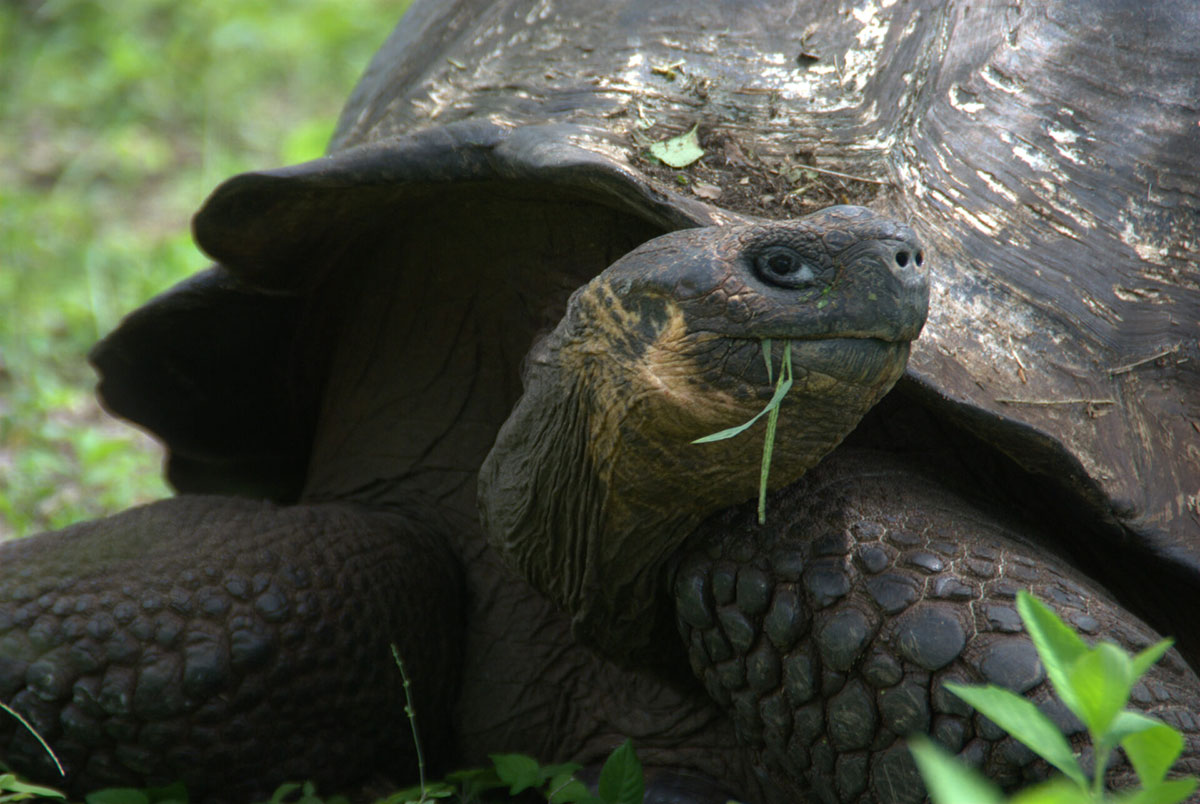
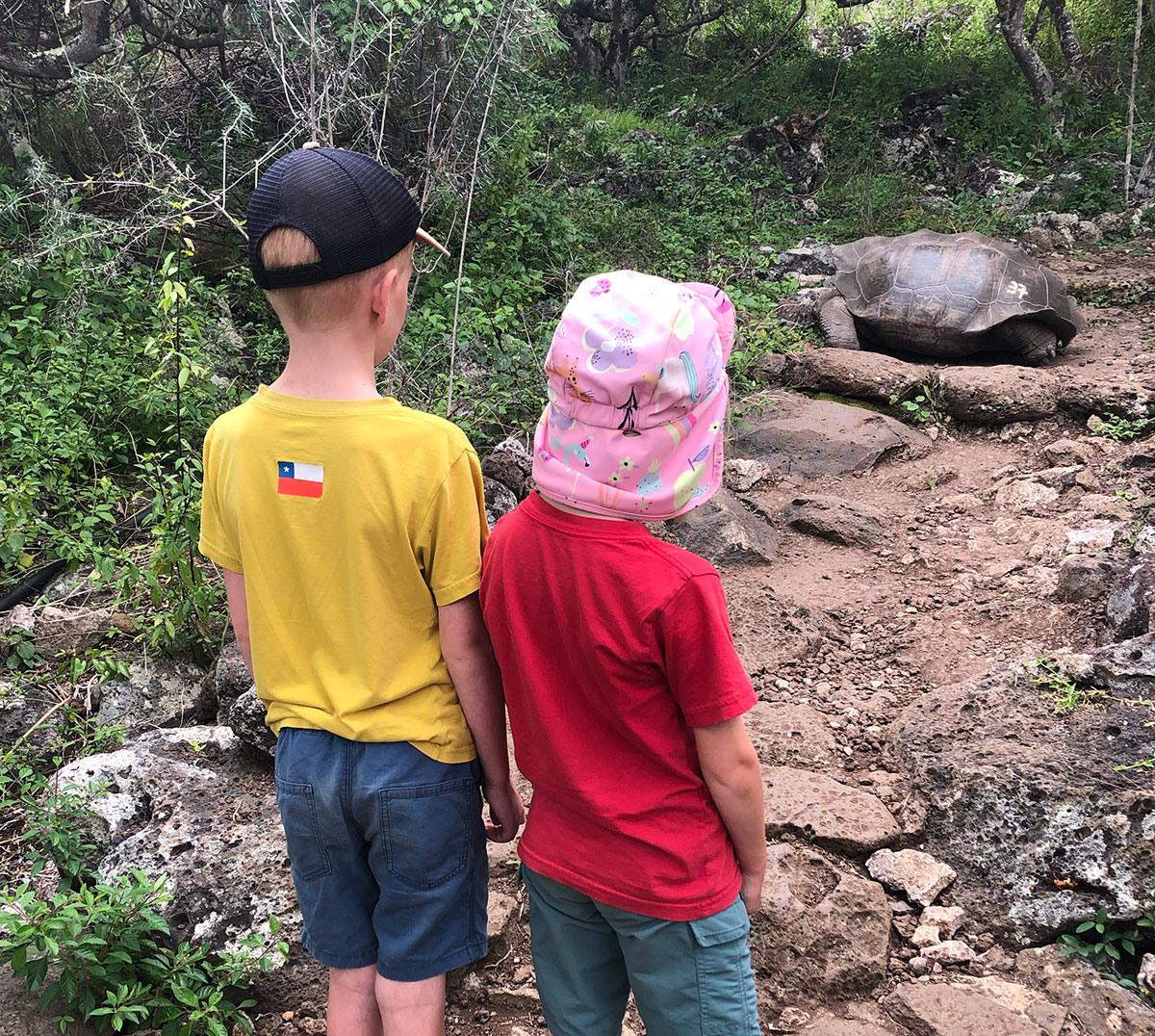
From San Cristobal Airport, where our local guide welcomes us, we head to the Highlands of the island for a visit to La Galapaguera, a giant tortoise breeding centre, where we will be able to see the archipelago’s most iconic creature.
We continue our excursion to Junco Lake – the only fresh water lake in Galapagos – where we see marine birds.
Our final stop is at Chinese Port, a beautiful beach, then on to our hotel to settle in.
Hotel Pimampiro or similar
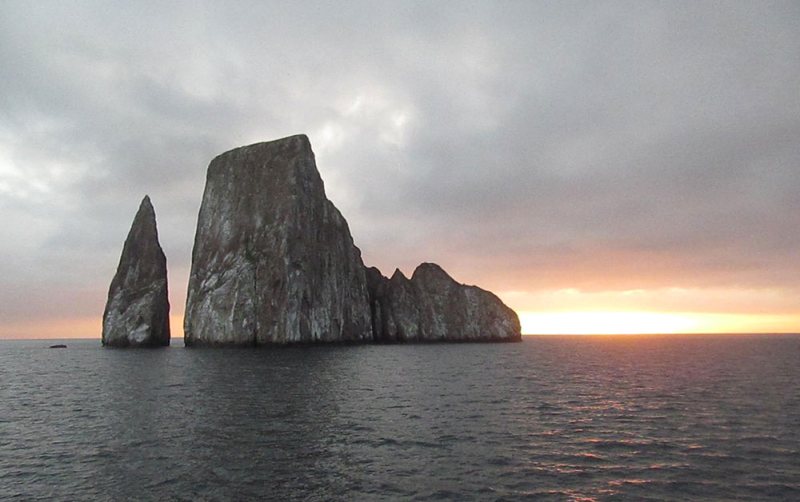
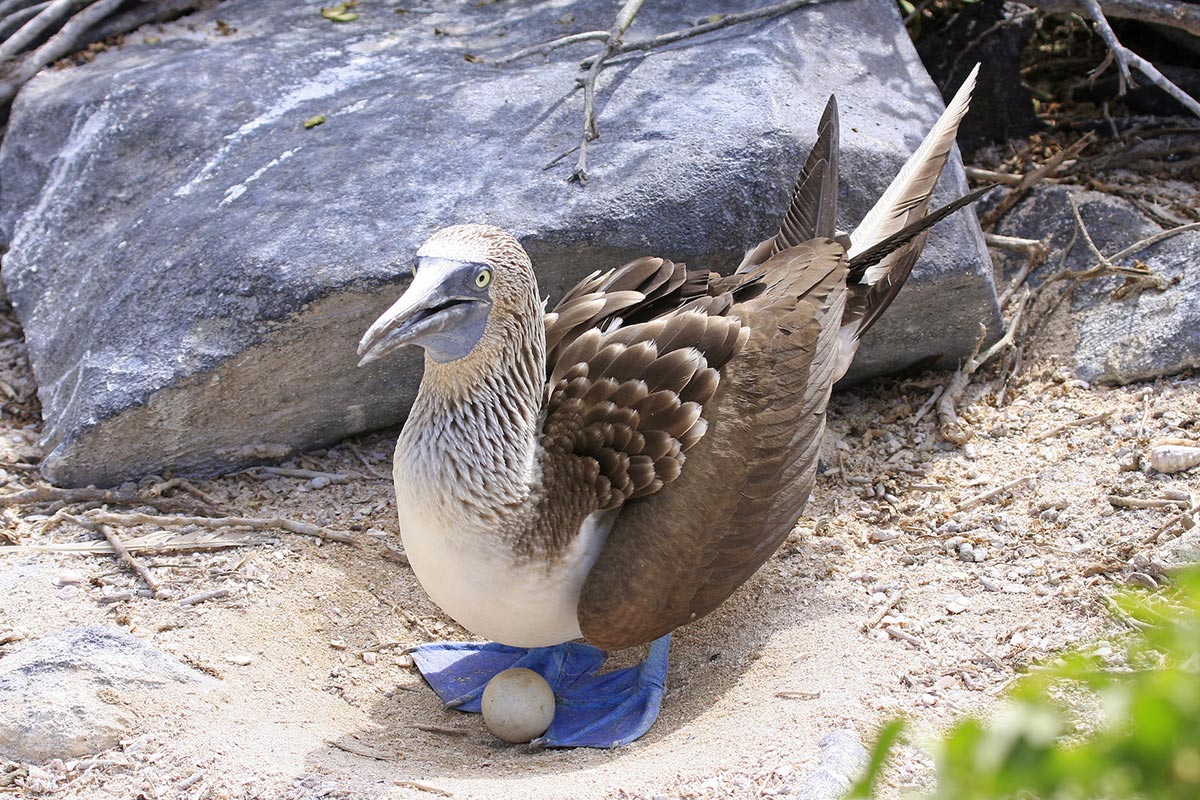
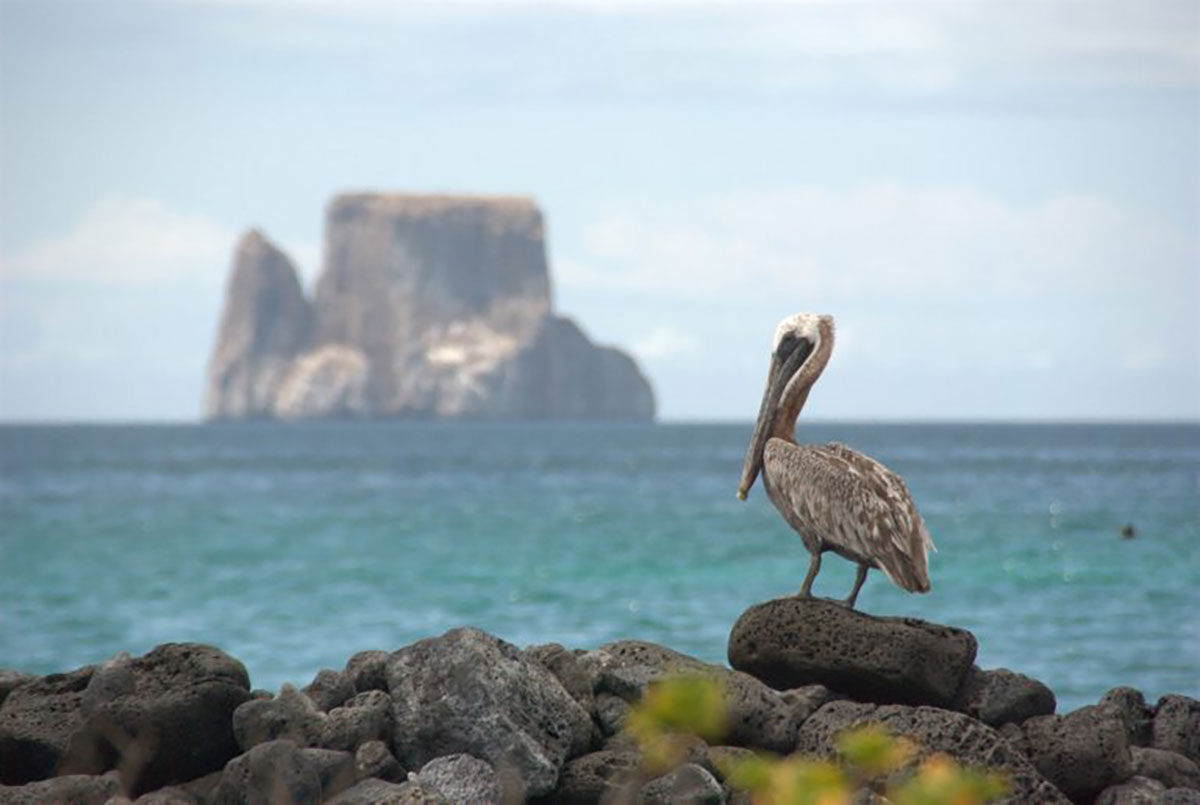
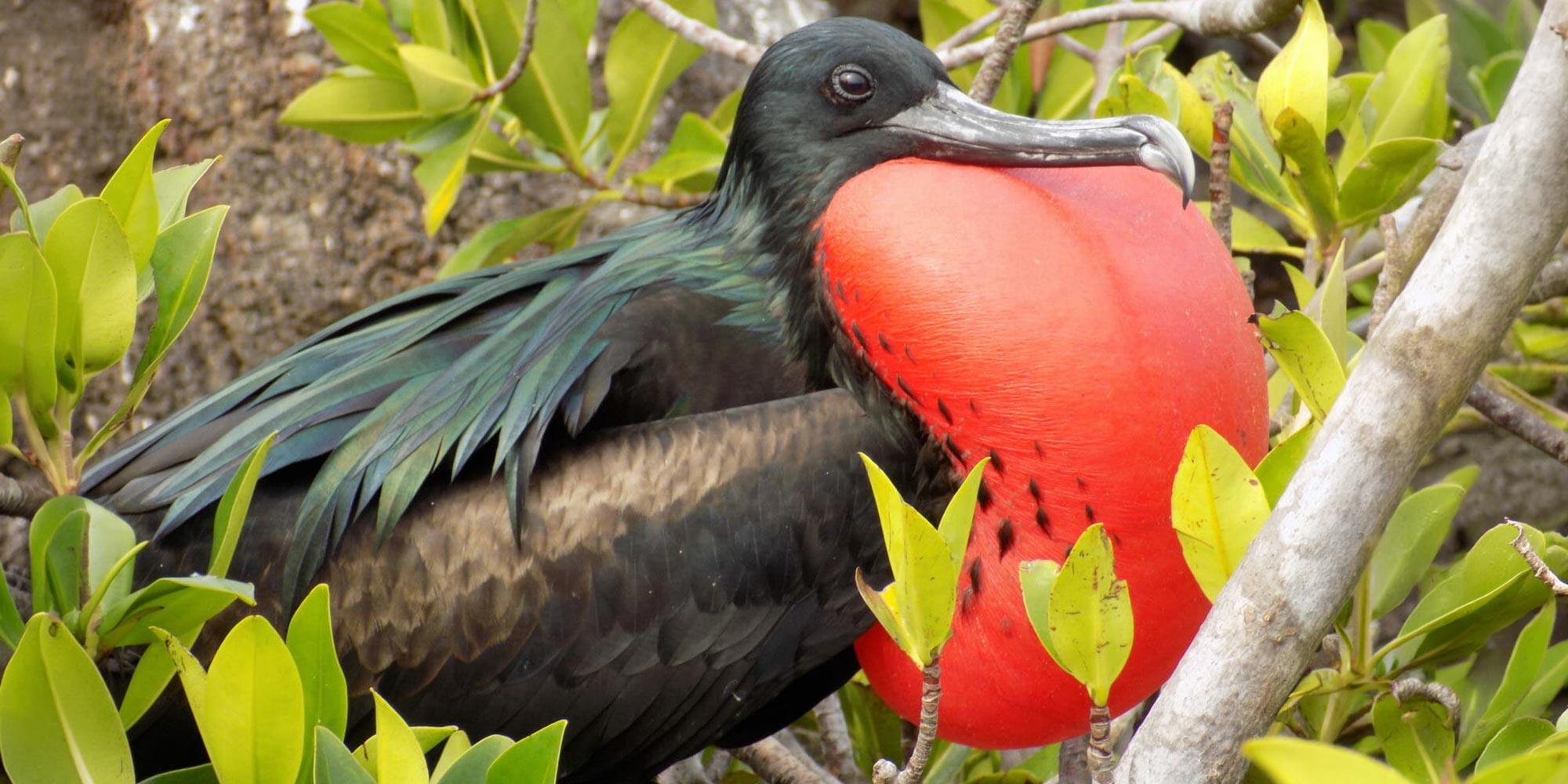
Today we set sail for the famous Leon Dormido (Kicker Rock) where we can watch the high-flying boobies and frigate birds.
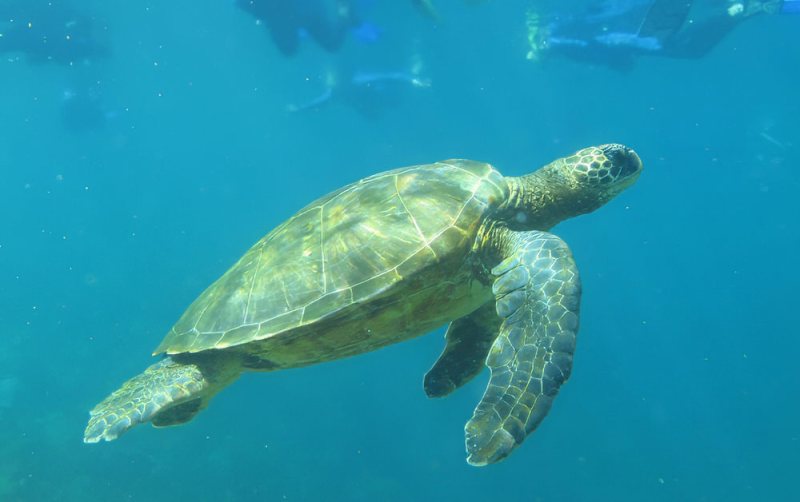
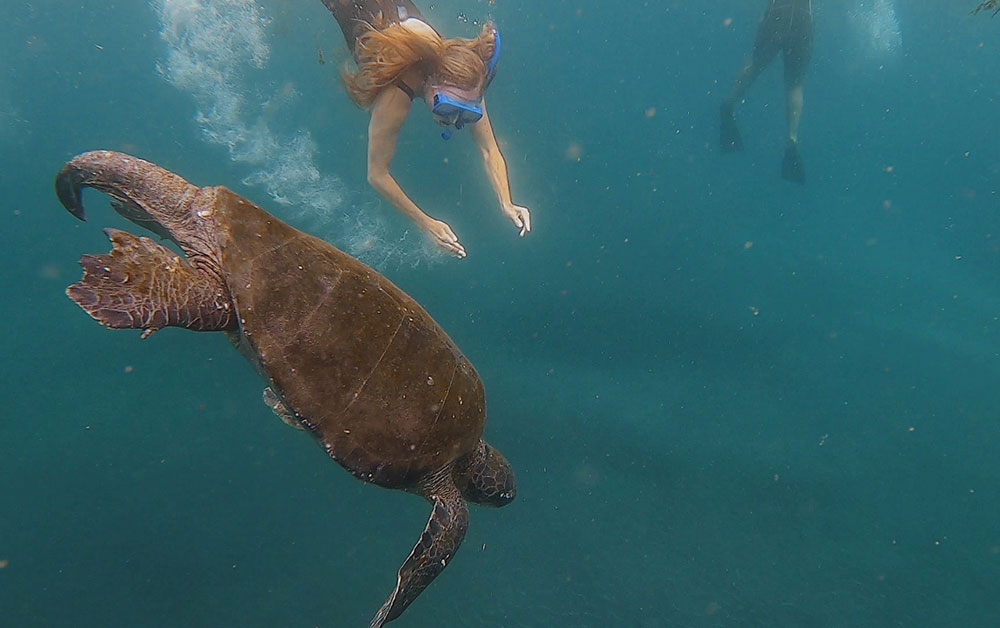
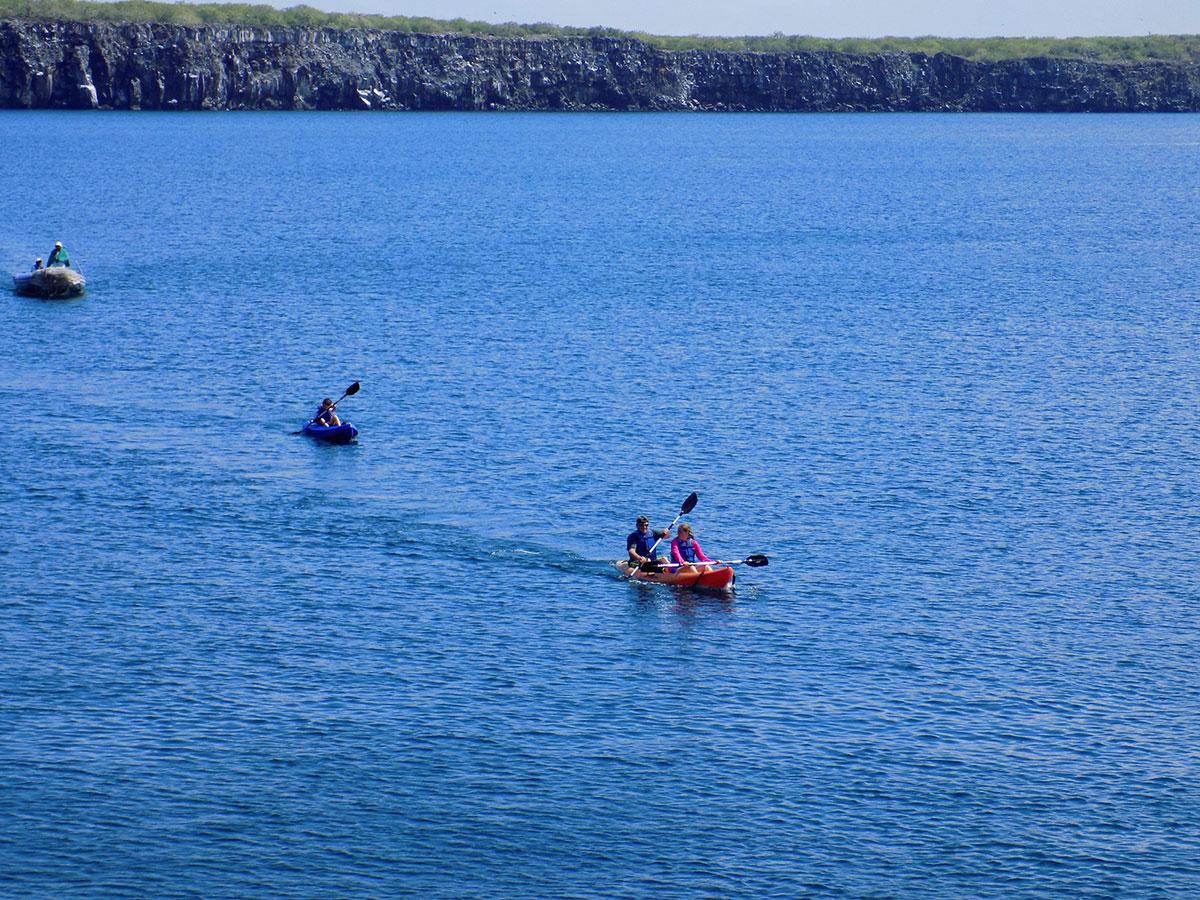
We jump into the clear water for some deep water snorkelling around Kicker Rock. There will be the opportunity to swim with rays, seals, iguanas, multi-coloured fish, and much more.
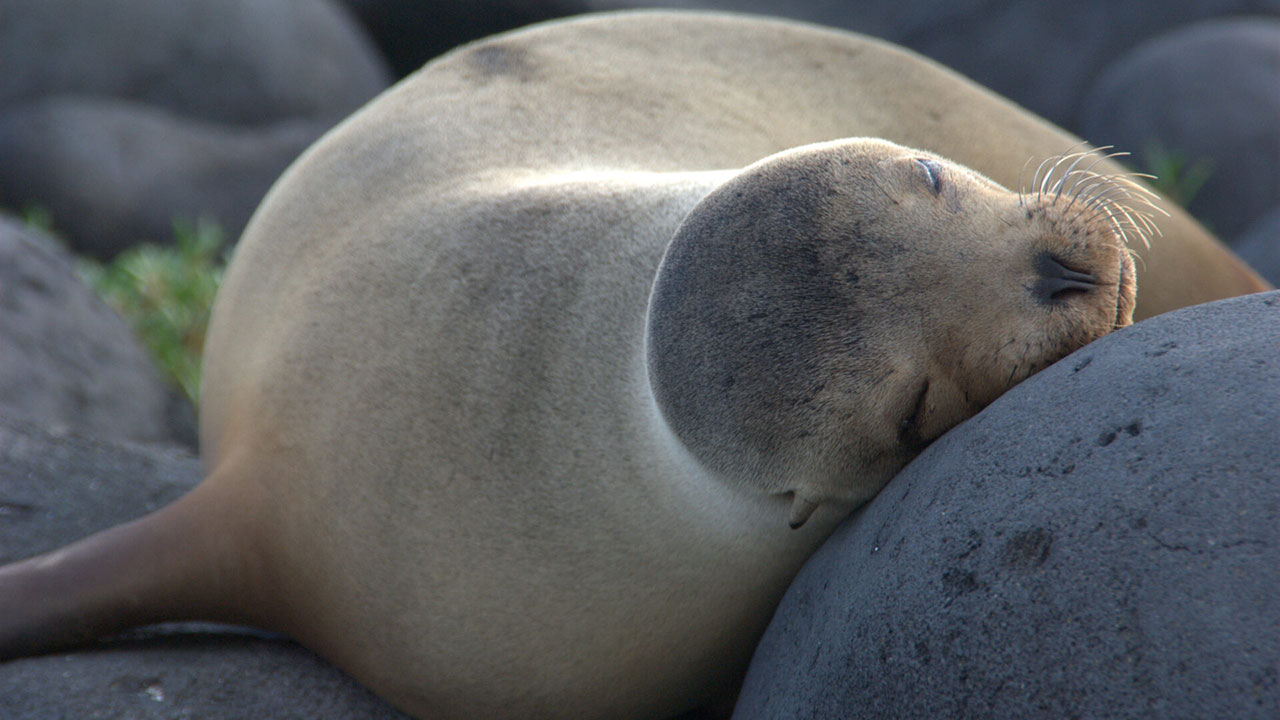
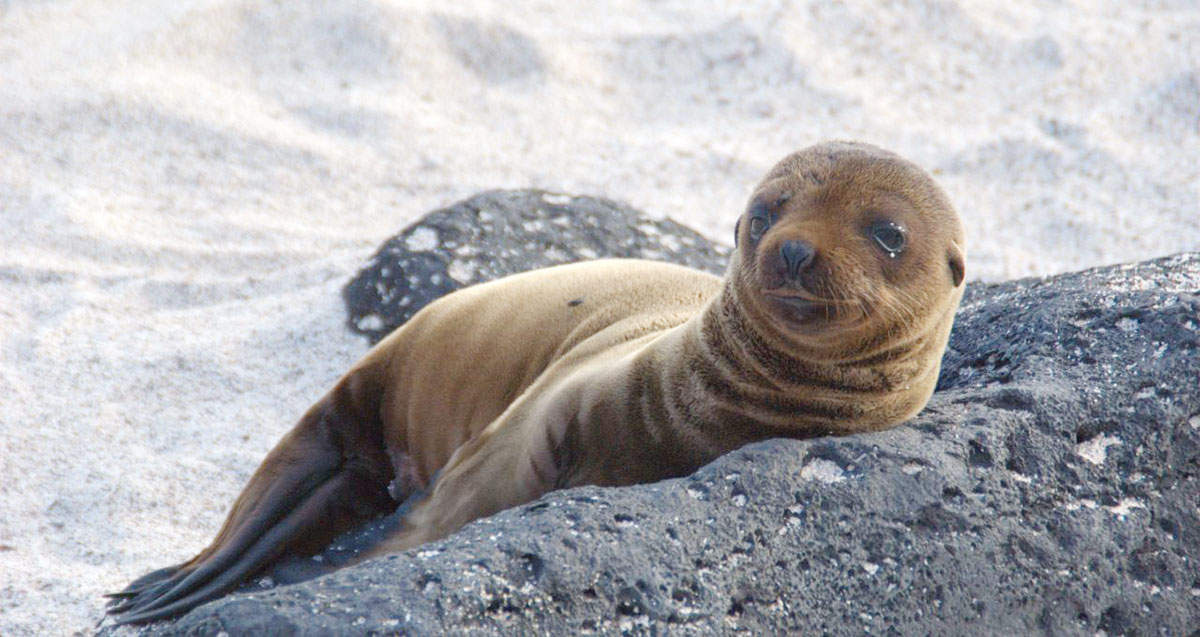
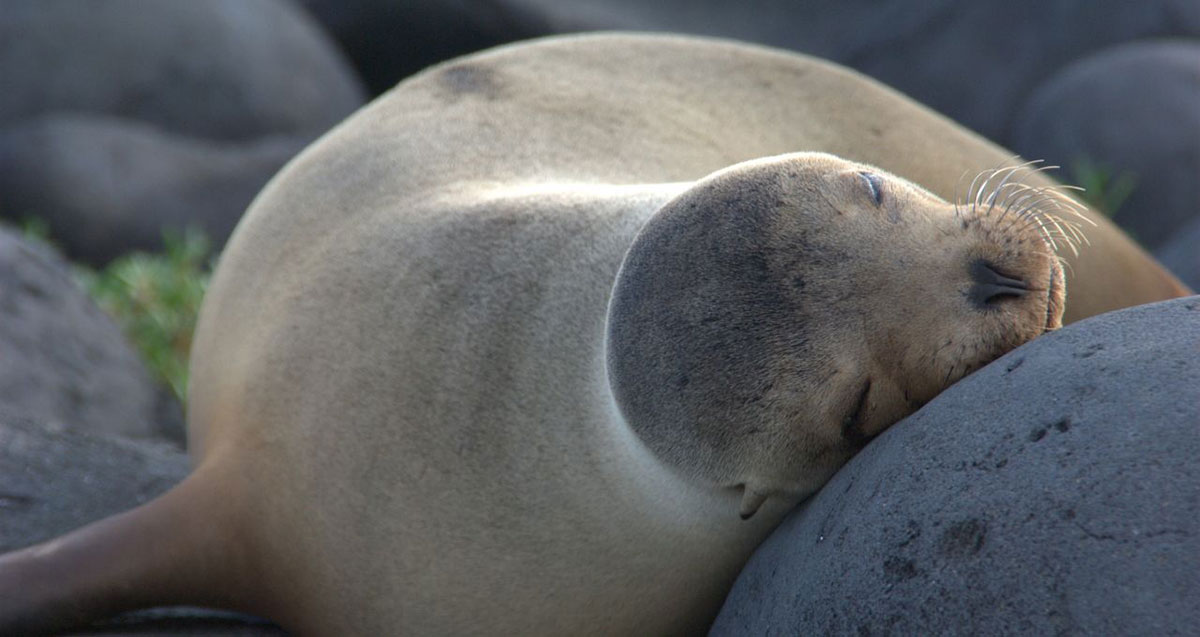
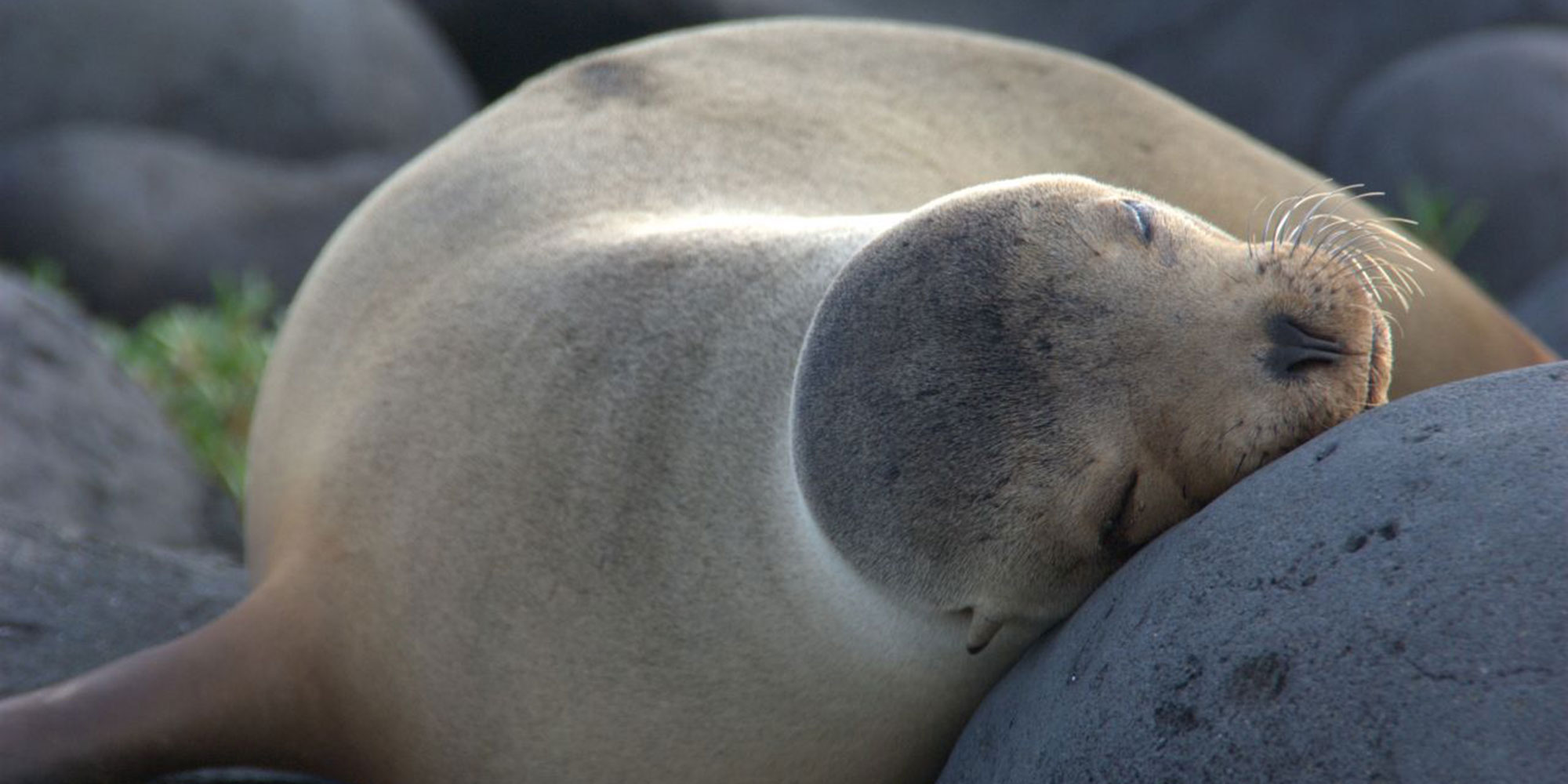
Alternatively, you could choose a trip to Lobos Island. Here, we can snorkel with the playful local sea lion colony, who seem enjoy our company as much as we do.
Whichever trip you choose, after the snorkel, we head to one of three beaches — which beach we visit is decided by the Galapagos Park authorities.
Puerto Grande has a beautiful white sand beach to enjoy a well-deserved rest and a box lunch.
Cerro Brujo has stunning rock formations and caves plus a white sandy beach.
Manglesito is an east-facing beach, great for sea birds and mangroves.
After enjoying our time on the beach, we return to the Puerto Baquerizo Moreno on San Cristobal by boat.
Hotel Pimampiro or similar
This morning we board a light aircraft for our short hop to Isabela Island. (includes 35lb luggage).
You will be met on arrival to begin our exploration of Isabela Island with a visit to the Giant Tortoise Breeding Centre where you can observe tortoises of all ages and sizes. We also learn about the breeding and farming of giant tortoises and see all the work that is being done to help recover the wild populations of these species. From here we continue to Flamingo Lagoon, where you get a close look at these fabulous birds.
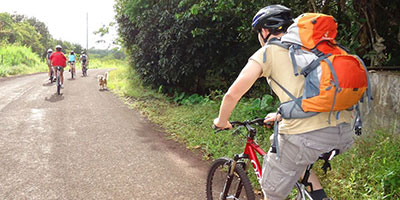
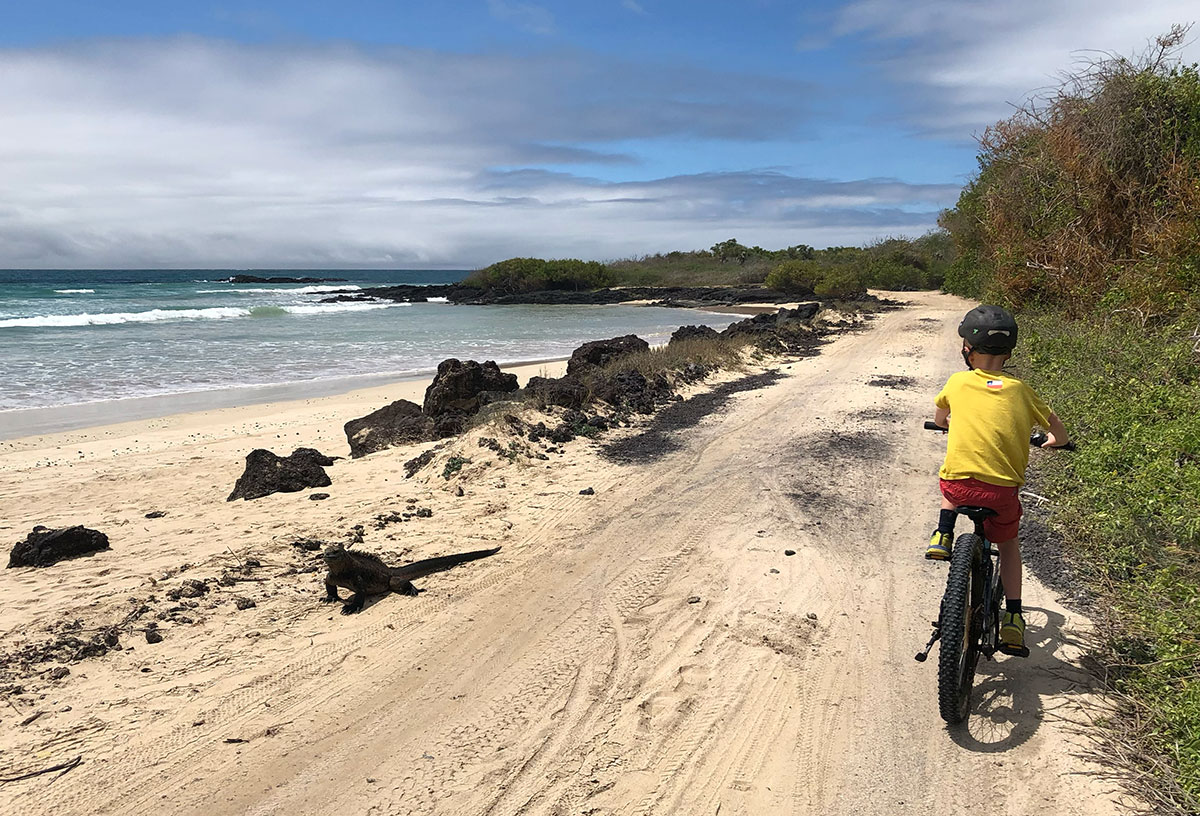
After lunch we hop on our bikes and head to the Wall of Tears. This historical place was built by the prisoners of Ecuador’s first jail – your guide will explain more about its history.
On our way back we stop at the Orchilla Viewpoint. From the top you can see the entire coastal wetland system including Poza de los Diablos, Puerto Villamil, the beaches, the volcanoes and the islets to the south-east of Isabela. It’s a great location for a panoramic photo on clear days.
Return to the hotel.
Hotel Laguna or similar
Isabela is the largest island in the Galapagos – bigger than the rest combined. It is about 75 miles long and 50 miles at its widest point. The total land area measures 1,771 square miles – bigger than Rhode Island.
It is comprised of five major volcanoes, two of which are still active. These mountains were most likely separate at some point in the past, later fusing into a single mass. Cerro Azul most recently erupted in 1999 as Isabela continues to emerge from the earth. Wolf Volcano is the highest point throughout the Galapagos at present with an elevation of 5,600 feet.
Because it is relatively young, Isabela’s lava fields and surrounding soil do not have the varied vegetation zones of other islands. Despite this, the rich animal, bird, and marine life exists here. There are more wild tortoises here than on all of the other islands combined and they roam freely in the calderas of the volcanoes.
Today, we’re heading up a volcano!
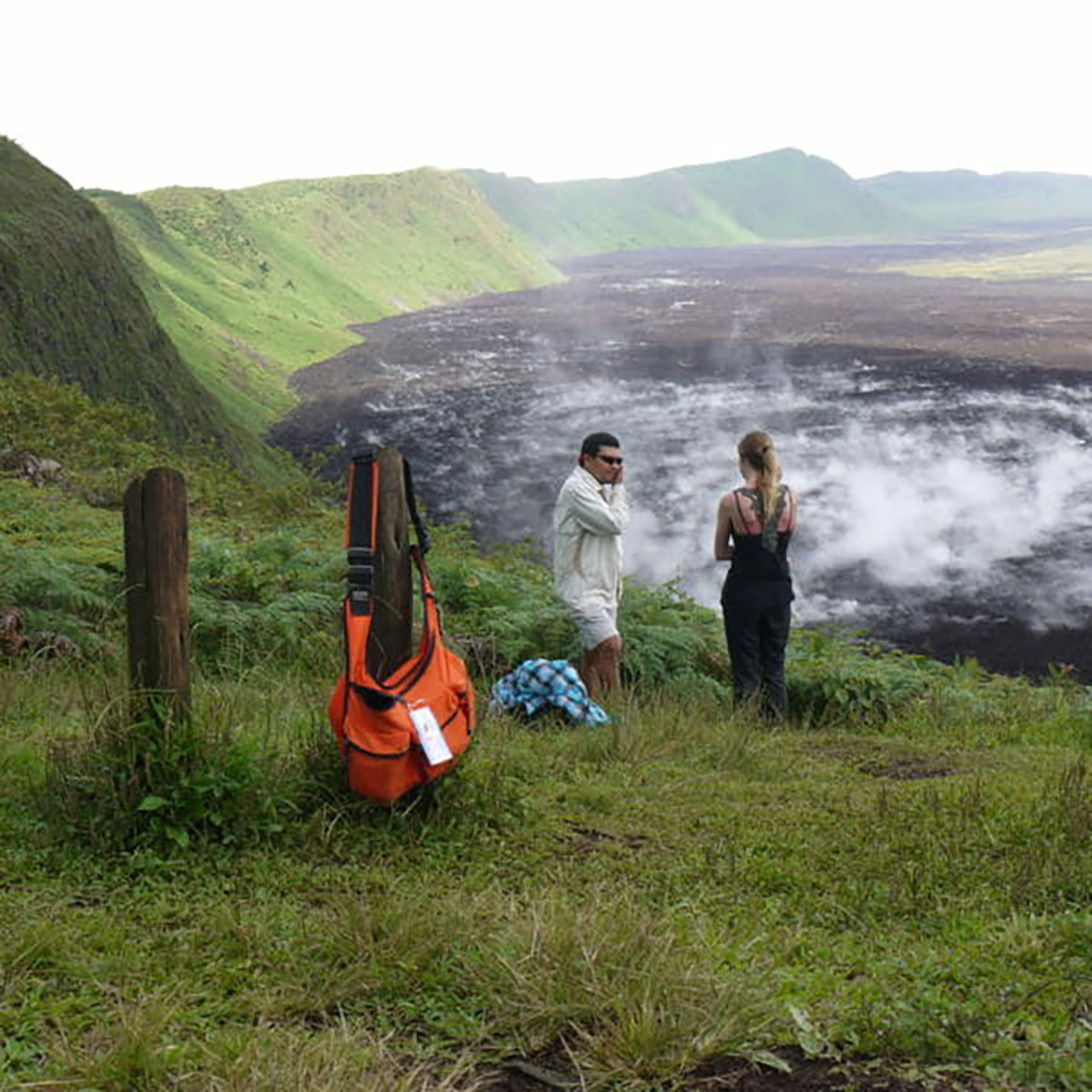
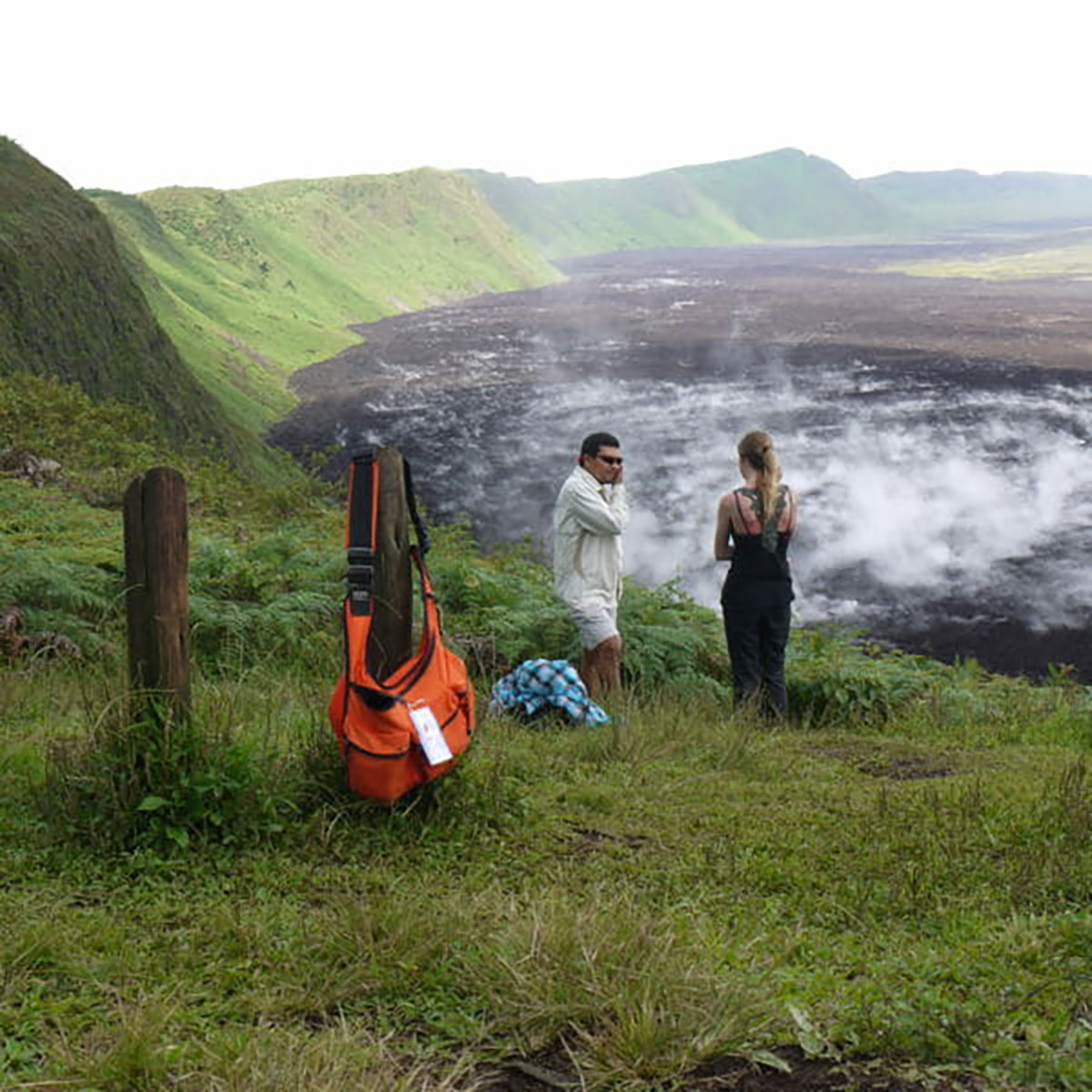
Sierra Negra Volcano is one of the most active volcanoes in Galapagos; its last eruption was in October 2005. A short uphill hike takes us to the perimeter of the caldera.
Once we reach the rim, we’ll have a nine kilometre view that stretches across one the most active calderas in the world. We’ll continue on to traverse the vast lava fields of Chico volcano to a lookout that boasts breathtaking views reaching to the north of Isabela.
With a hearty sense of accomplishment, we’ll make our way back to town.
Return and lunch in a local farm where we can also watch Isabela Giant Tortoises ambling slowly around. In the afternoon return to Puerto Villamil and our hotel
Volcano hike notes: You’ll be walking 2-4 hours with frequent rest stops. From the National Park checkpoint, there’s about a 45-minute walk uphill to the rim of the volcano. The trail around the rim has only slight up and downs with a few short steep inclines. The lava fields of Volcan Chico are uneven and rocky in areas.
The path in and out is dirt: if it’s been raining, it could be muddy. There’s one proper bathroom at the beginning of the trail. The majority of walking is on level terrain. If you have weak ankles, use athletic braces and wear hiking boots. If you have knee trouble, bring a hiking pole or two. This is a non-technical hike.
Today another one of the highlights of this trip awaits!
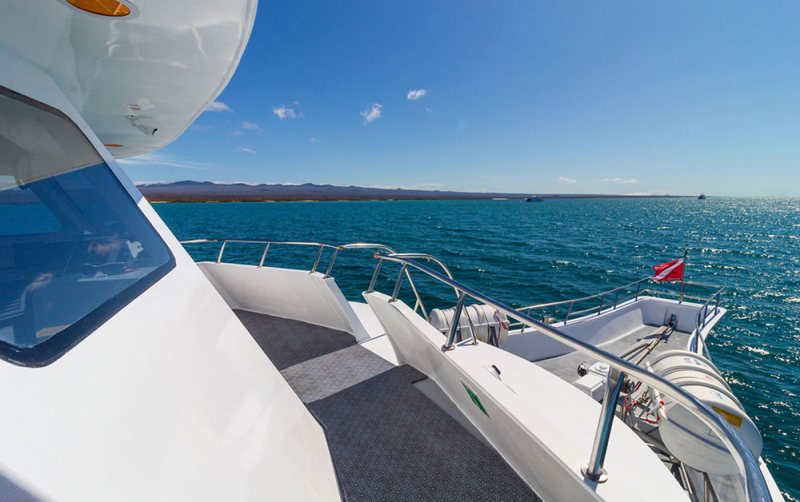
We are leaving Puerto Villamil by boat again and after 45 minutes we reach beautiful Cape Rosa on the western side of the island.
Here we can walk on connecting lava tunnels in the blue sea waters. From the surface, we can easily spot dozens of sea turtles, penguins and rays and we can go snorkelling and swimming in this rich marine fauna.
As we sail to and from Isabela, we hopefully see manta rays of different sizes and if it is the mating season, we see them diving upside-down, waiting to have their pictures taken.
Then there will be free time to explore Puerto Villamil’s beach by yourselves.
Hotel Laguna or similar
In the morning we visit Tintoreras Islet. Here a colony of white-tipped reef sharks can often be seen resting in a lava canal.
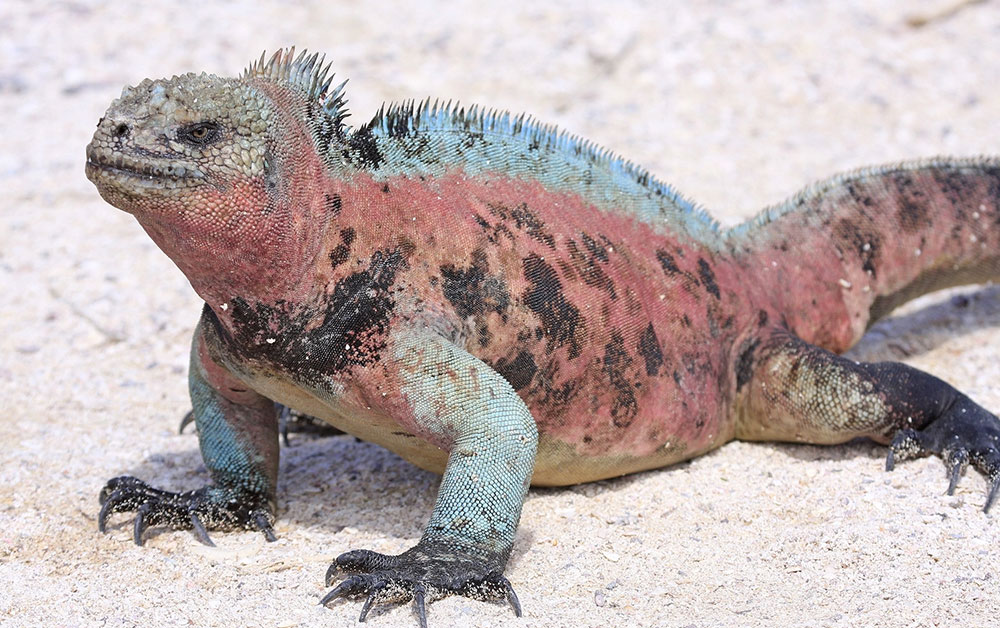
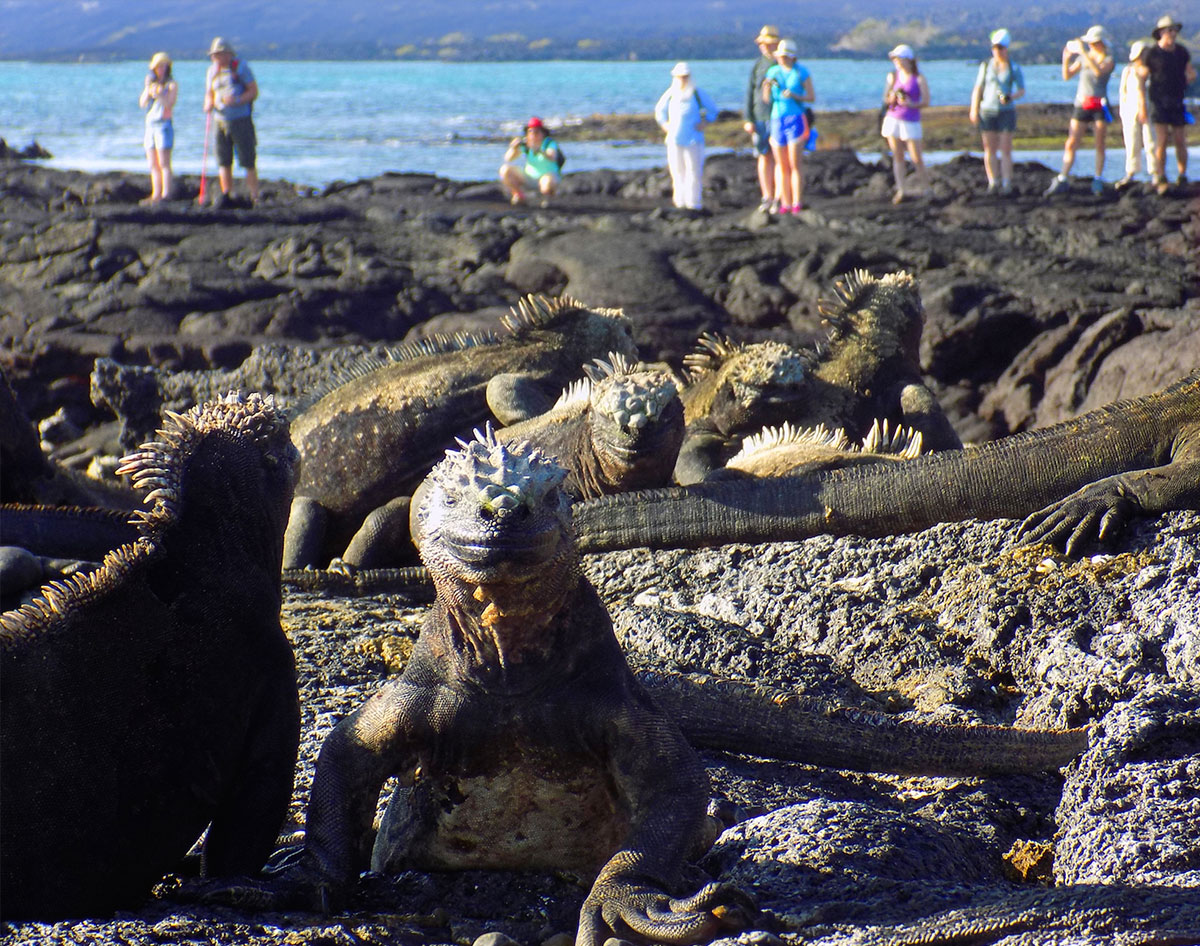
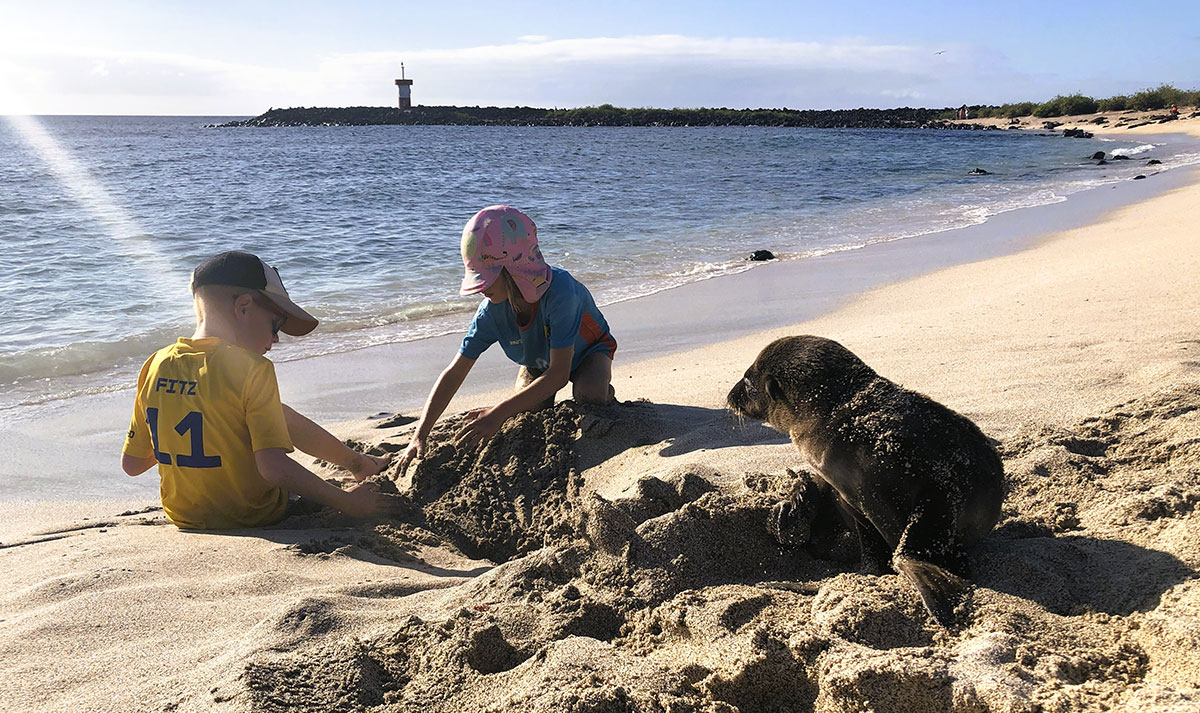
Nearby hundreds of marine iguanas can be observed, as ‘Las Tintoreras’ is one of their main breeding sites. On the nearby sandy beaches, sea lions play and relax in the sun. Afterwards you have the opportunity to snorkel, looking out for rays, penguins and sharks.
After lunch, we board the public speed boat for the two-hour crossing to Santa Cruz.
Hotel Hotel Deja Vu or similar
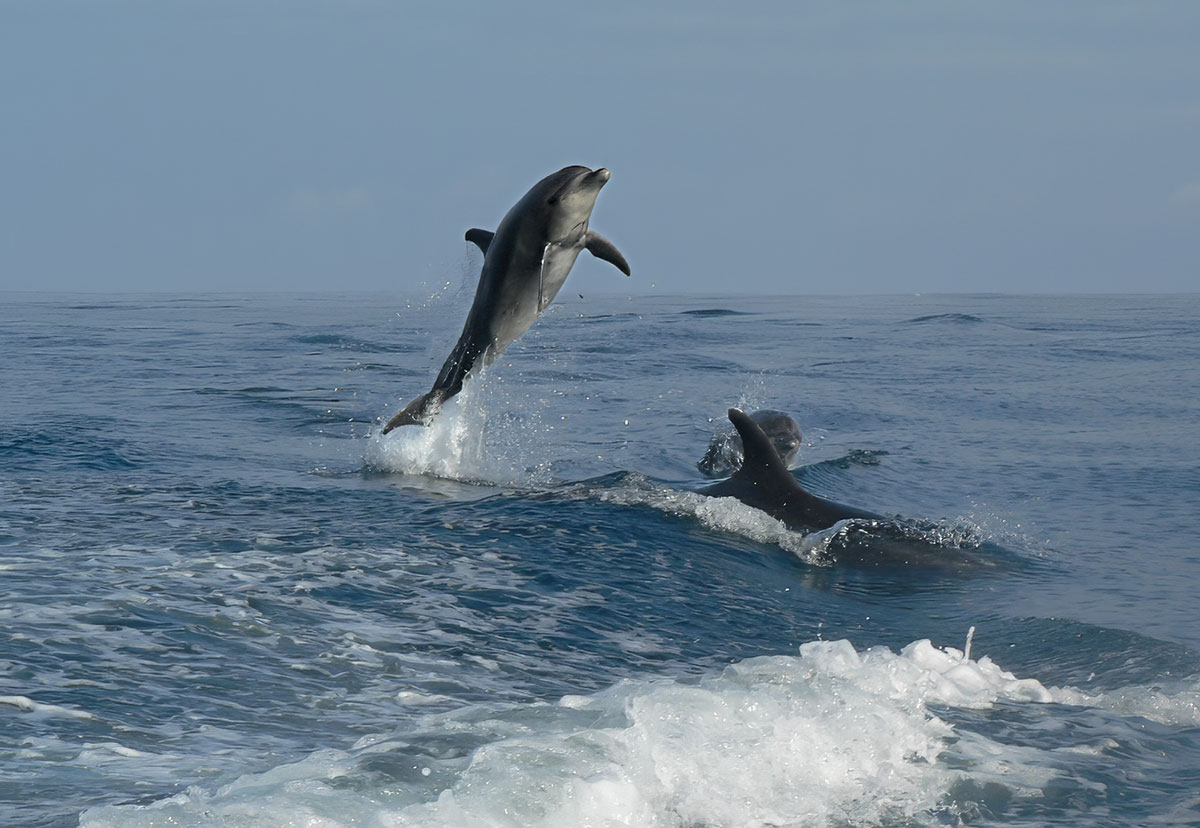
Residents and tourist alike use this method of shared transport regularly between the main inhabited islands. Out on the open ocean, this is your best chance to see whales and dolphins. Each crossing takes about 2-2.5 hours. Less time if the sea is calm, more time if the sea is rough. Boats are usually 30-35 feet long and hold 20-30 passengers. If you’re prone to seasickness or not sure, bring some seasickness pills just in case.
We start the day with a visit to the important Charles Darwin Research Station – one of the largest breeding centres for Galapagos tortoises and land iguanas.
Here our guide gives us a detailed explanation regarding the evolution of the islands, as well as its famous giant tortoises.
From there we head for Santa Cruz Highlands, where we walk into the bush to look for giant Galapagos tortoises who cross this farm as part of their migration route across the island.
Then we hope on our bikes and descend to the town – stopping to look at some fascinating lava tunnels on our way.
After lunch, we tour the bay and visit Punta Estrada, the Germans’ Beach, Channels of Love and the Grietas, where we have the opportunity to watch marine birds and sea lions and are able to snorkel.
Hotel Deja Vu
After a final breakfast we say goodbye to the islands and take our transfer back to Baltra airport.