Going to Southern Patagonia
Kathy, Andean Trails’ director, has put together some suggestions of places to see and things to do in southern Patagonia for first time visitors.

What should I see and do in Argentinean Patagonia?
El Calafate
Most trips to the Argentinean side of Patagonia will include a visit to El Calafate. El Calafate is a small town of some fifteen thousand inhabitants. It was, for several decades in the early 20th century, a staging post for the wagons transporting wool between remote estancias (sheep stations) and the coast.
El Calafate lies on the shore of the vast, turquoise Lake Argentino and is the gateway to the natural wonders of Los Glaciares National Park. El Calafate is 2,730km south of Buenos Aires and there are regular flights between the two cities.

Top sights from El Calafate are the full-day guided trip to the immense Perito Moreno Glacier and the full-day boat trip to the Upsala and Spegazzini Glaciers.
We also recommend a visit to the ice museum, an evening walk along the lake shore for excellent bird-watching, followed by a hearty evening meal of Patagonian lamb, steak or home-made pasta and Malbec.
A day or two in El Calafate is probably enough for most people.
El Chalten
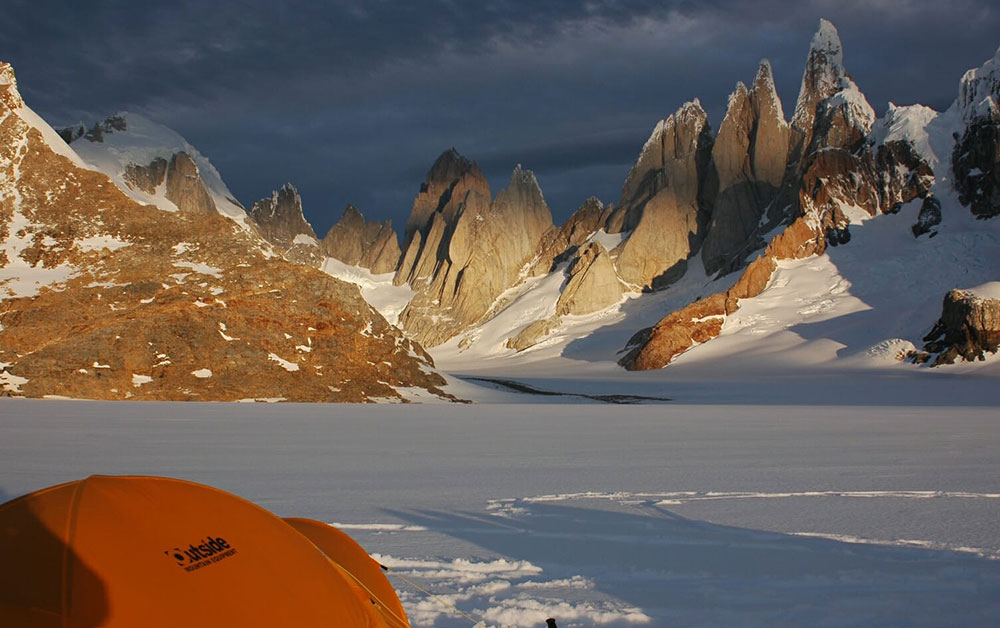
El Chalten, just three hours by road north from El Calafate, is the jumping-off point for the stunning Fitz Roy and Cerro Torre peaks. It has been named Argentina’s trekking capital. I’d recommend at least three days here.

Laguna Torre lies at the base of Cerro Torre and is an easy three-hour walk (six hours return) from town on a well-marked trail.
Getting to the base of Fitz Roy Mountain involves a four-hour hike (eight hours return) to the magnificent Laguna de los Tres.
The third classic walk out of El Chalten is to Loma de Pliegue Tumbado – a personal favourite for its stunning views on a clear day and the marine fossils underfoot.
If you have a day to spare, it is well worth a bike trip or day tour to Lago del Desierto, plus a boat trip or hike along its shores.
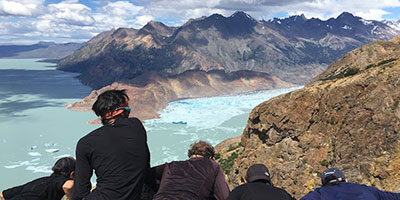
The large blue-green Lake Viedma is fed by the Viedma Glacier, and there are short boat trips and glacier walks (conditions permitting) to enjoy this marvellous chunk of ice.
Ushuaia and Tierra del Fuego
At the very end of the South American continent lies the town of Ushuaia. Its location on the Beagle Channel, historical significance and marine wildlife make this a must-see destination.

There are trekking options from half a day to three days or more. Museums and food are excellent, and a boat trip on the Beagle Channel to see albatrosses, cormorants, sea lions, fur seals, lighthouses and sometimes penguins is a must.
I would suggest two or three days in the area.
What should I see and do in Chilean Patagonia?
Torres del Paine
Without a doubt, the highlight of Chilean Patagonia is Torres del Paine National Park. Paine warrants four to nine days depending on how much hiking you are up for.

Within the park, highlights include the Ascencio Valley and base of the towers, the French Valley, Lake Grey and Grey Glacier, Lake Pehoe and the Cuernos viewpoint.
There are two well-known multi-day walks: the Paine W (5–7 days) and the Paine Circuit (8–10 days). The Circuit requires camping, while the W offers more accommodation options.
There are also day tours and activities such as photography, horse riding and kayaking, especially if staying at a hotel like Tierra Patagonia.
Punta Arenas
If you fly into southern Chile, you may spend some time in Punta Arenas. While there isn’t a huge amount to do, options include visiting Magdalena Island, the King Penguin Colony on Tierra del Fuego, Fuerte Bulnes or hiking in the hills beyond the ski station.

Puerto Natales
Puerto Natales is the gateway to Torres del Paine National Park. The town has supermarkets, accommodation, a bus station, cafés, restaurants and fabulous views across Last Hope Sound.

A short hike along the sea front offers sightings of black-necked swans, cormorants and other seabirds. With more time, take a half-day hike up Cerro Dorotea behind the town.
Full-day trips include zodiac rides to the Balmaceda and Serrano Glaciers, and bike trips north to Milodón Cave. Kayaking, horse riding and longer treks are also available.
The seafood in Puerto Natales is justifiably famous, and the salmon is generally superb.