From: £424
From: $564
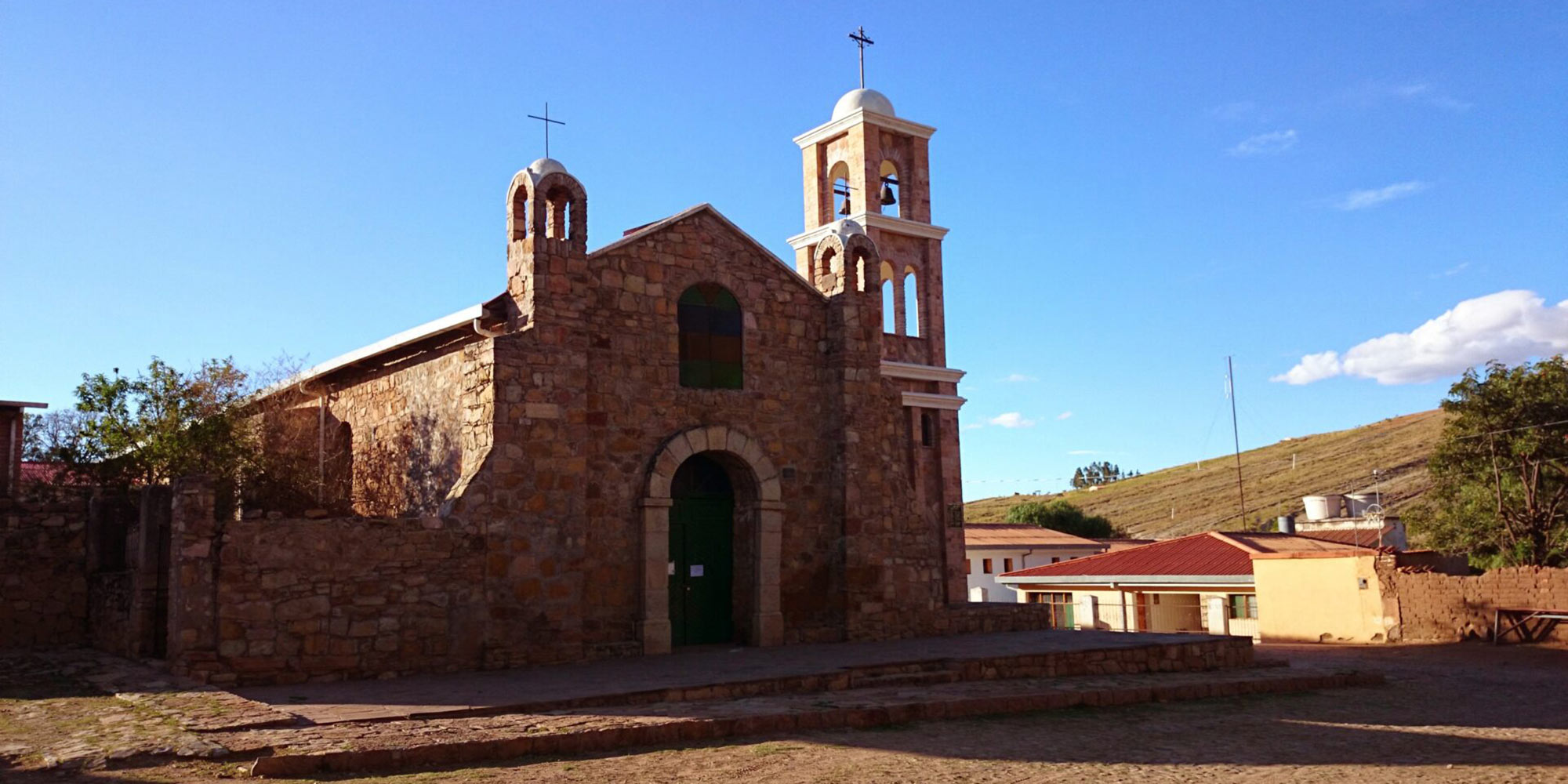
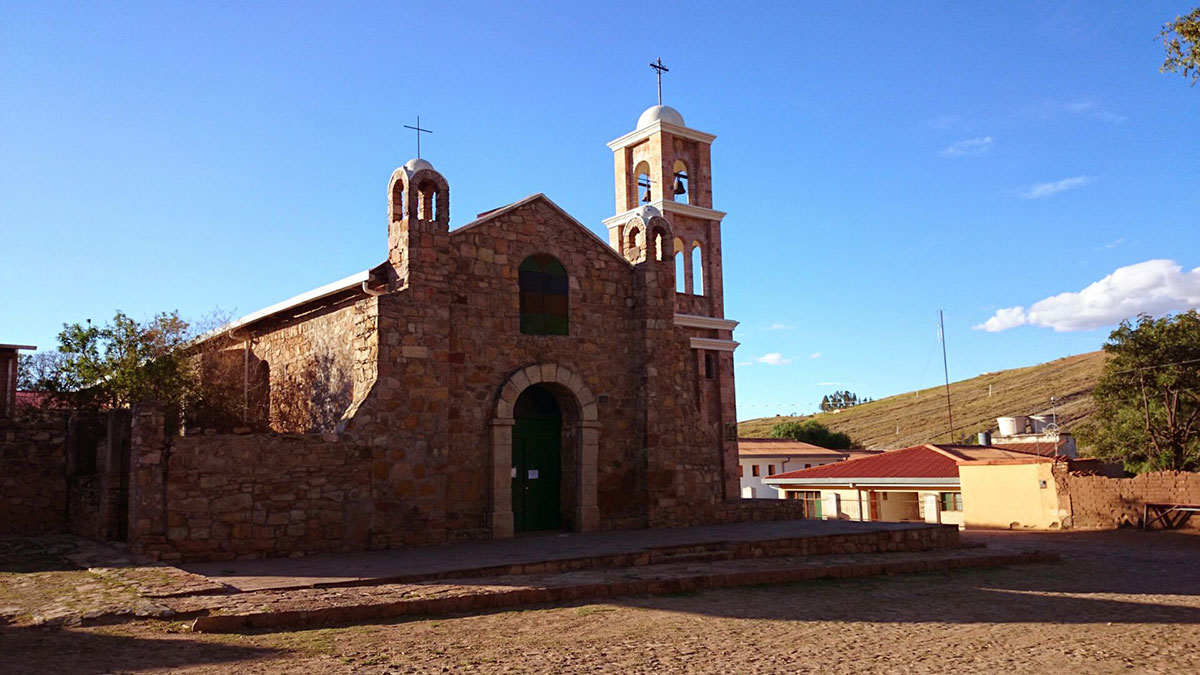
You will be picked up from your Cochabamba hotel in the morning and travel to the village of Torotoro, located in the National Park.
The journey takes approximately 4 hours and is by private 4×4. Roads are unpaved and bumpy, but it’s worth it and scenic views make up it. Plenty of stops en route to stretch your legs and take photos.
We stop at the colonial village of Tarata to admire the crumbling yet beautiful colonial facades and learn about Tarata’s history – home to only a few thousand inhabitants but it has produced two of Bolivia’s former presidents.
On arrival in the little village we check into our hotel to freshen up, before heading to the nearby Umajalanta Cave, enjoying the first views of the iconic hills of the national park.
At the cave we don helmets and torches to enter the cave. The cave is estimated to be 7km deep, although it is unknown how much of it remains unexplored. Huge stalactites and stalagmites can be seen, as well as blind fish and stunning rock formations. The visit can be as adventurous as you like it to be – full on caving, or a more leisurely visit of the first part of the cave.
We return to our hotel for dinner.
Overnight at Cabanas Umajalanta .
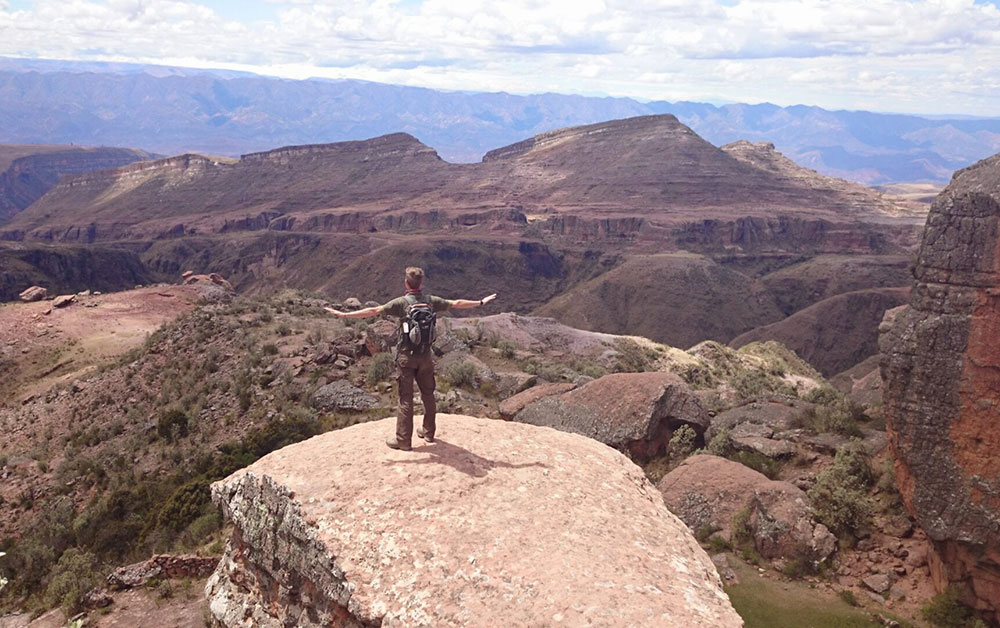
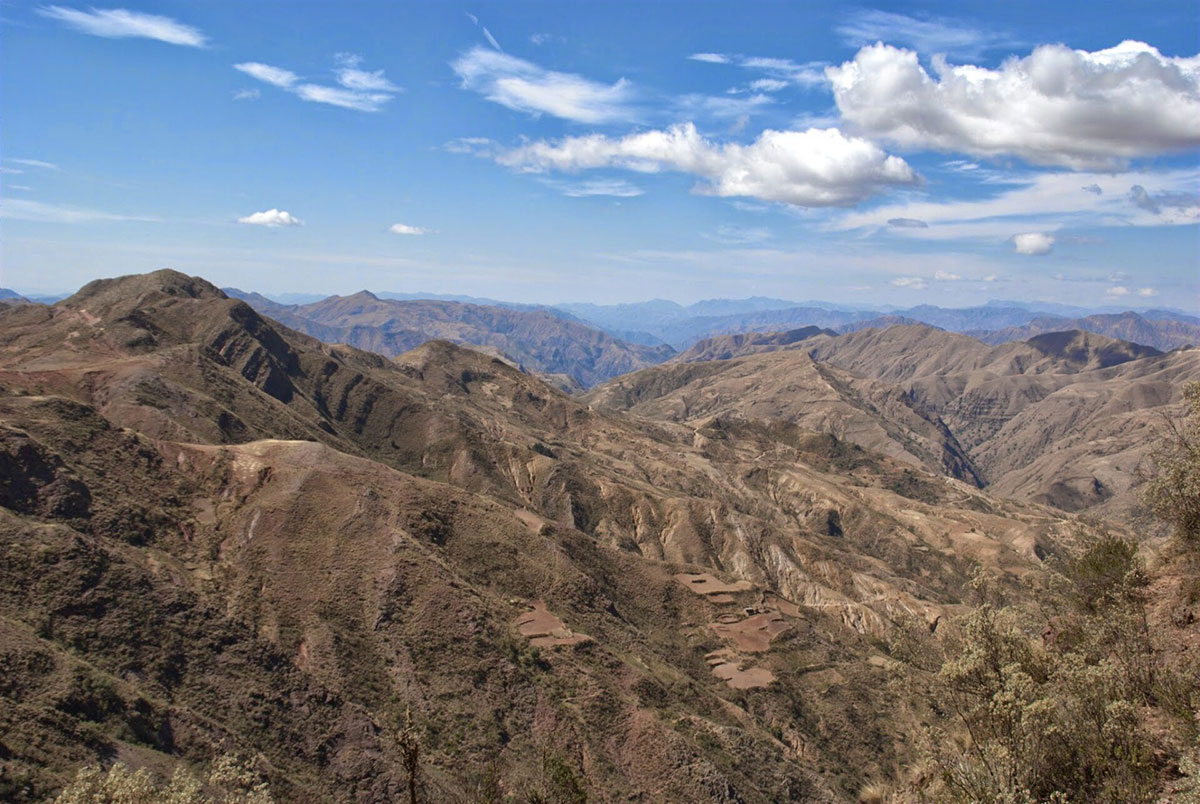
Today we will drive into the mountains and slowly climb higher until we reach an altitude of 4,000m/13,123ft.
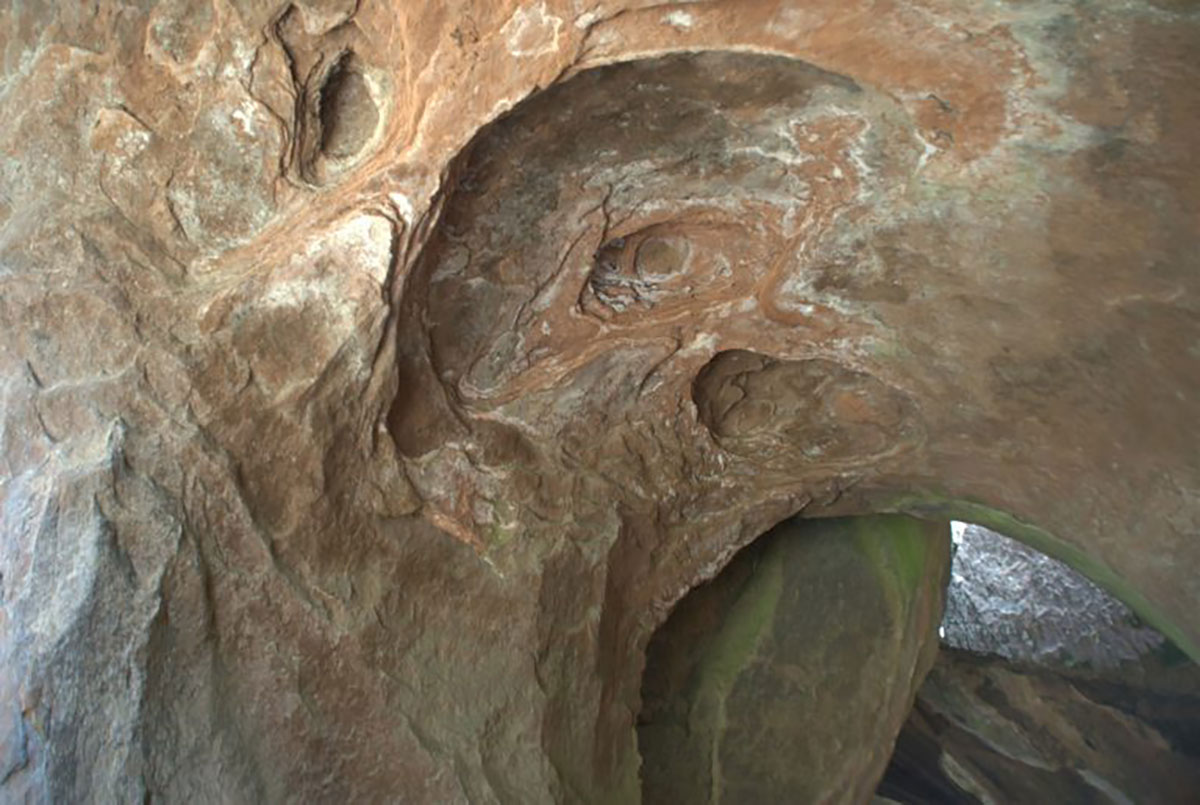
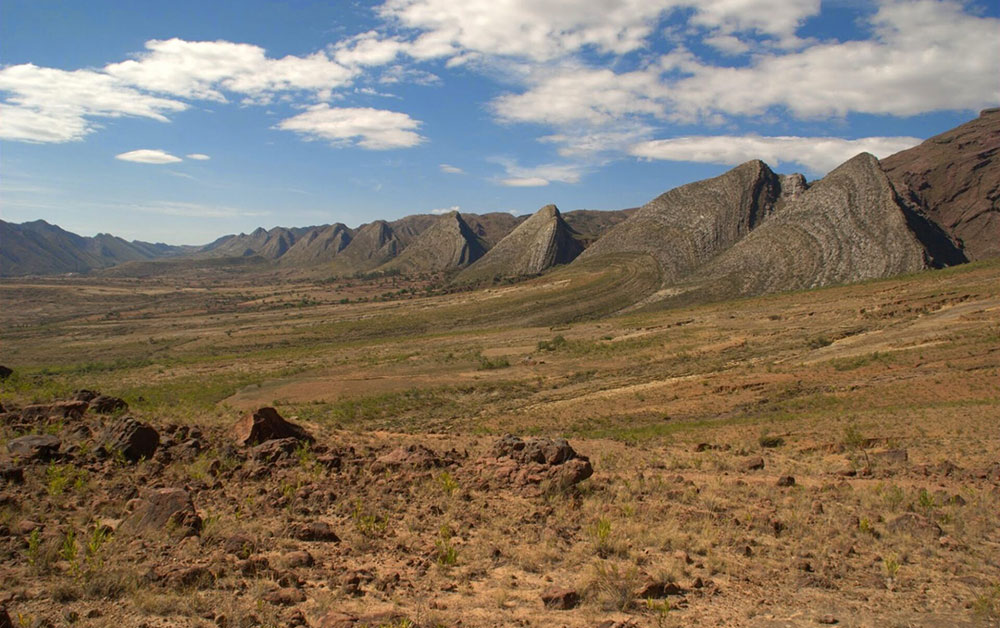
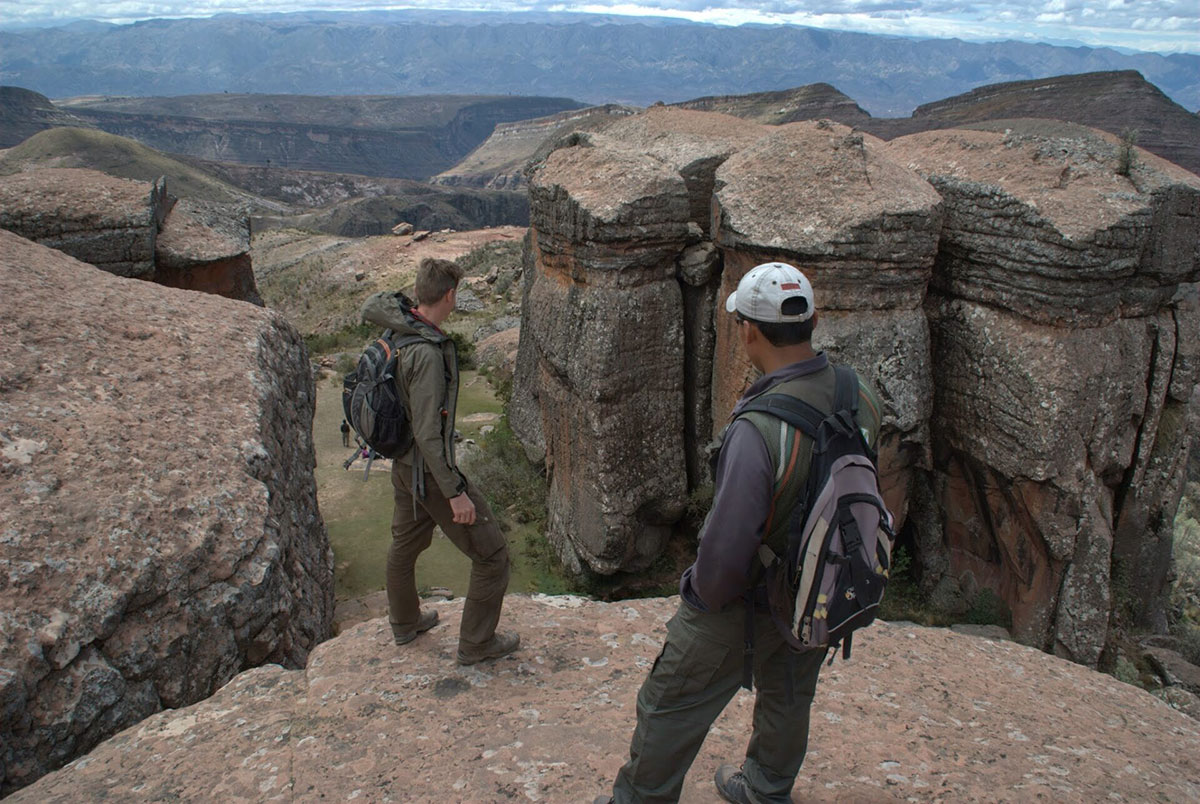
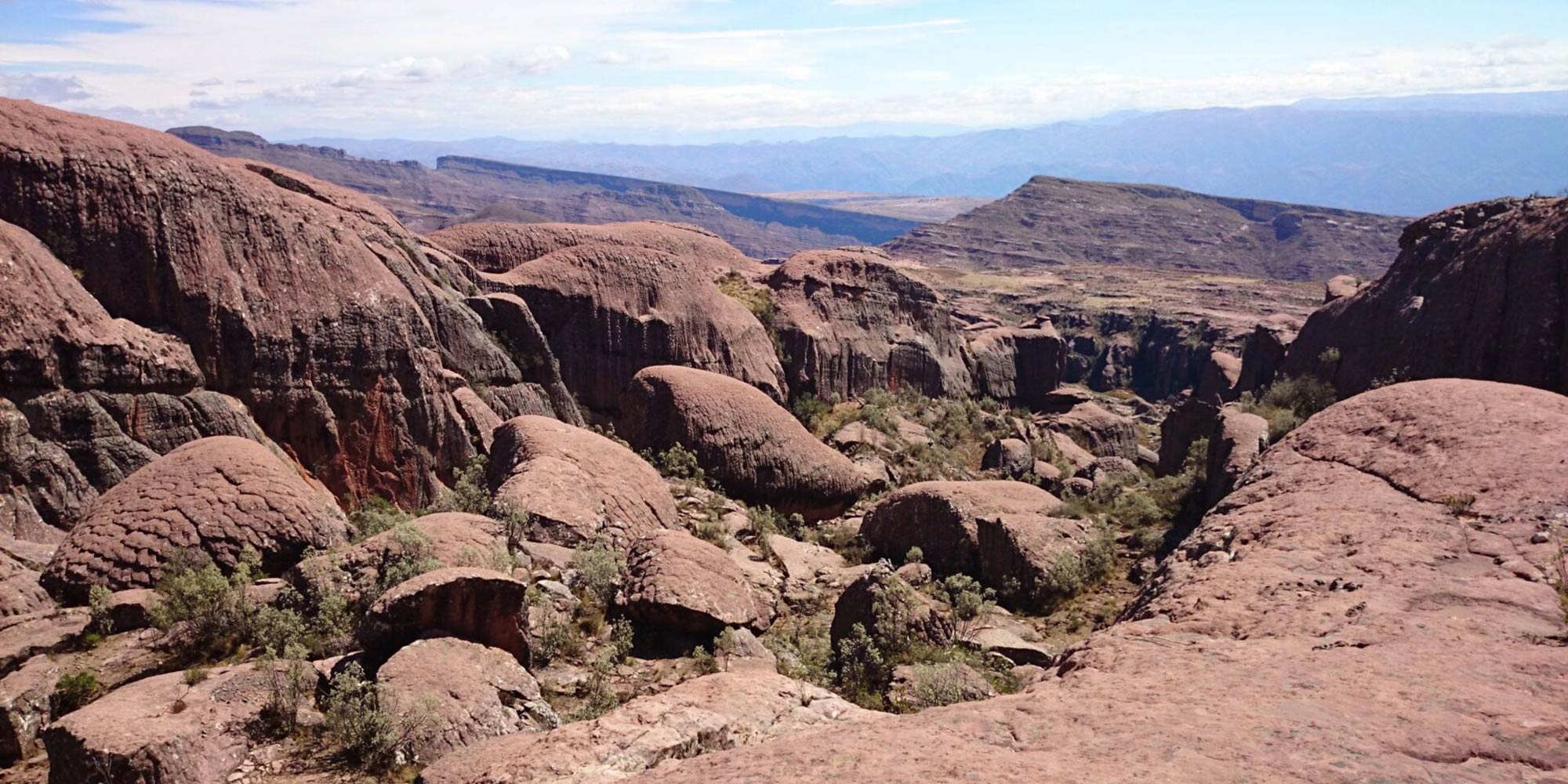
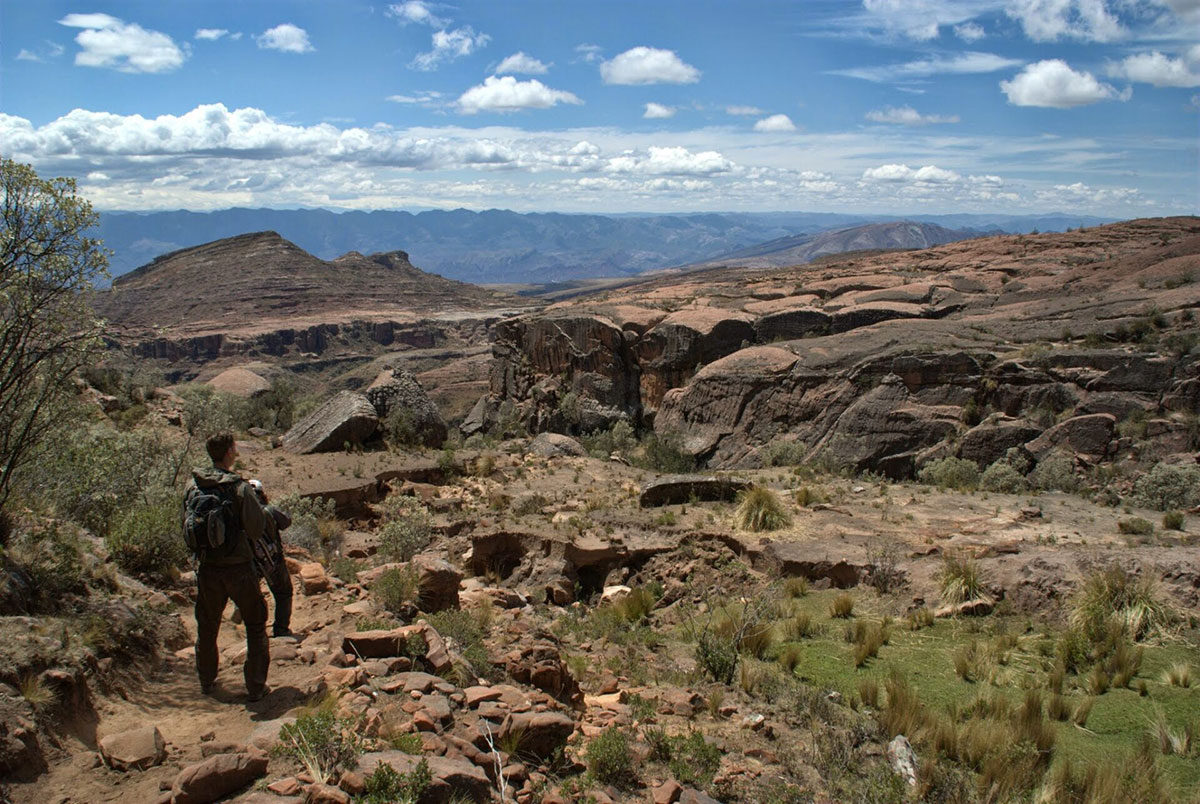
From up here the views are stunning and we make plenty of photo stops on our way to “Ciudad Itas”, a place that resembles a city (ciudad) of stone, including its very own “cathedral”.
The formations are fascinating, created over thousands of years as water eroded the stones.
Small caves have developed and we can find rock paintings that are estimated to be some 2,000 years old.
Again, the views are magnificent and you are likely to be on your own as you explore the many paths through the stones. The lucky ones may see a condor soar.
Lunch at the site.
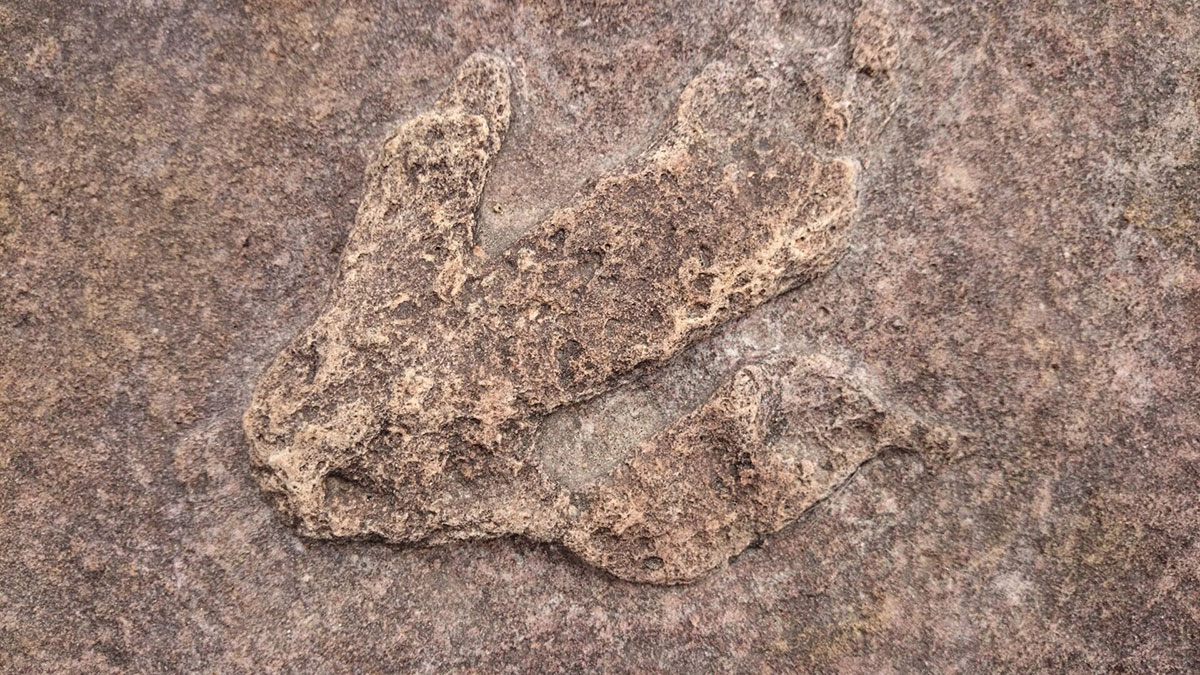
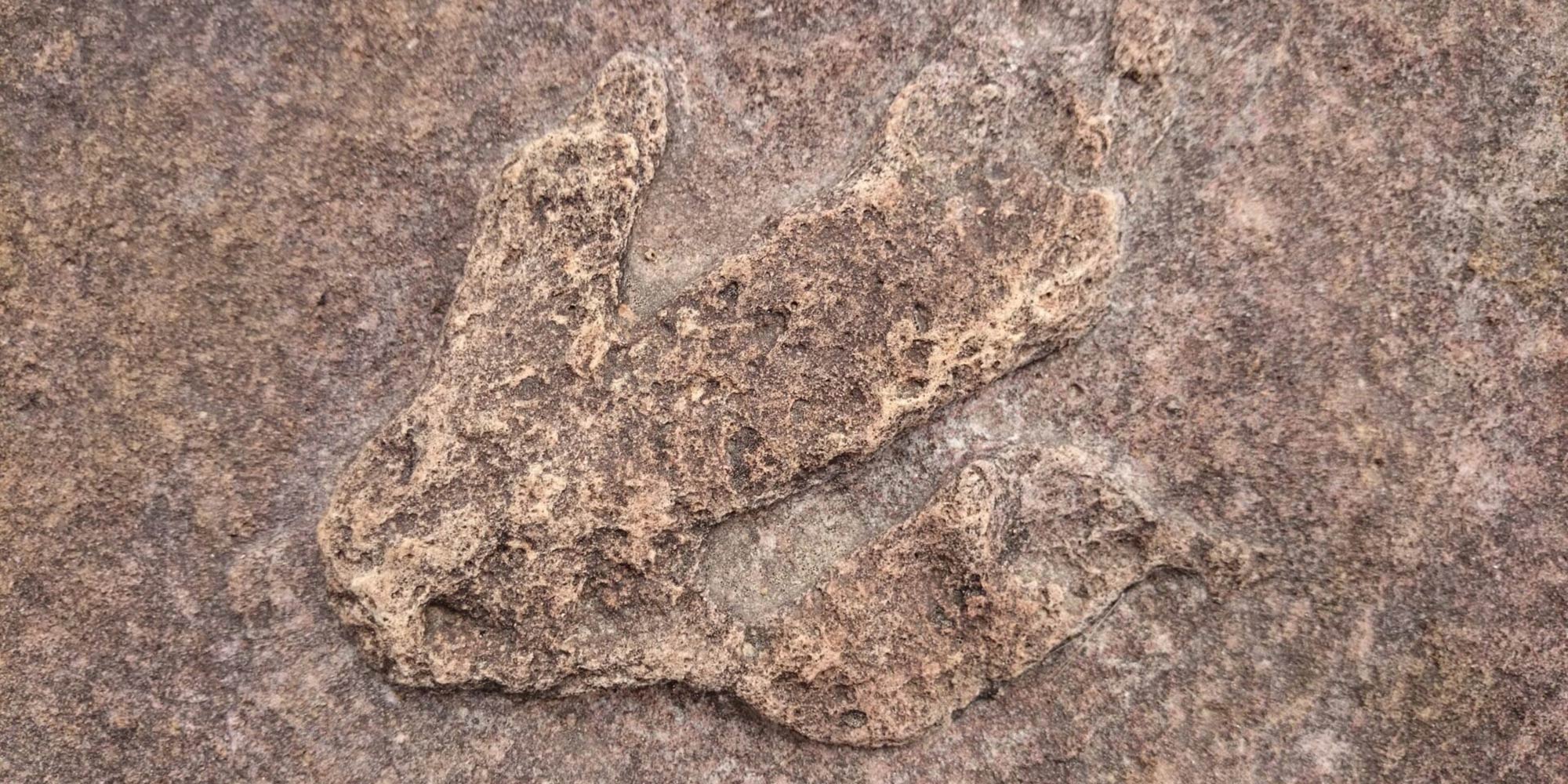
The afternoon is all about the mighty beasts that roamed our planet in times long gone by – dinosaurs. Thousands of footprints have been uncovered in the National Park and our guide shows us the best preserved. You will be able to follow their steps and see their enormous prints close up.
Dinner and overnight at Cabanas Umajalanta.
We cannot leave Torotoro without visiting one of its many canyons.
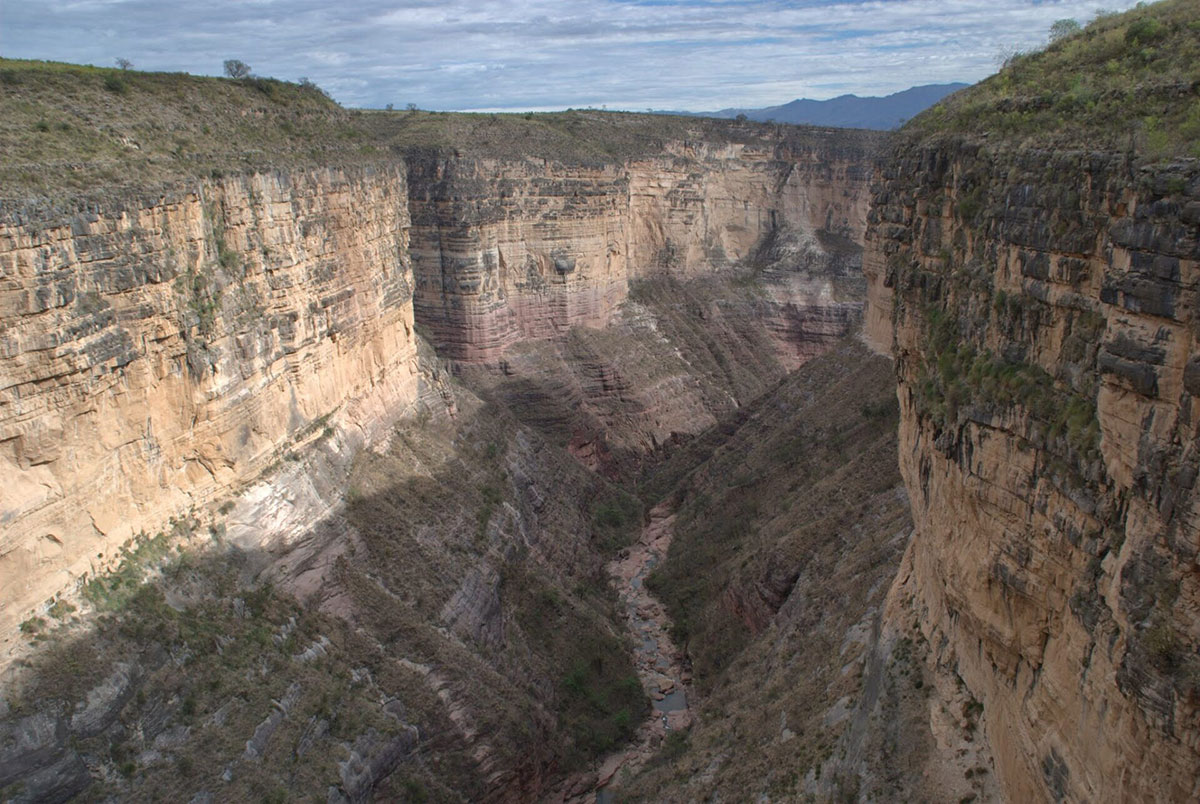
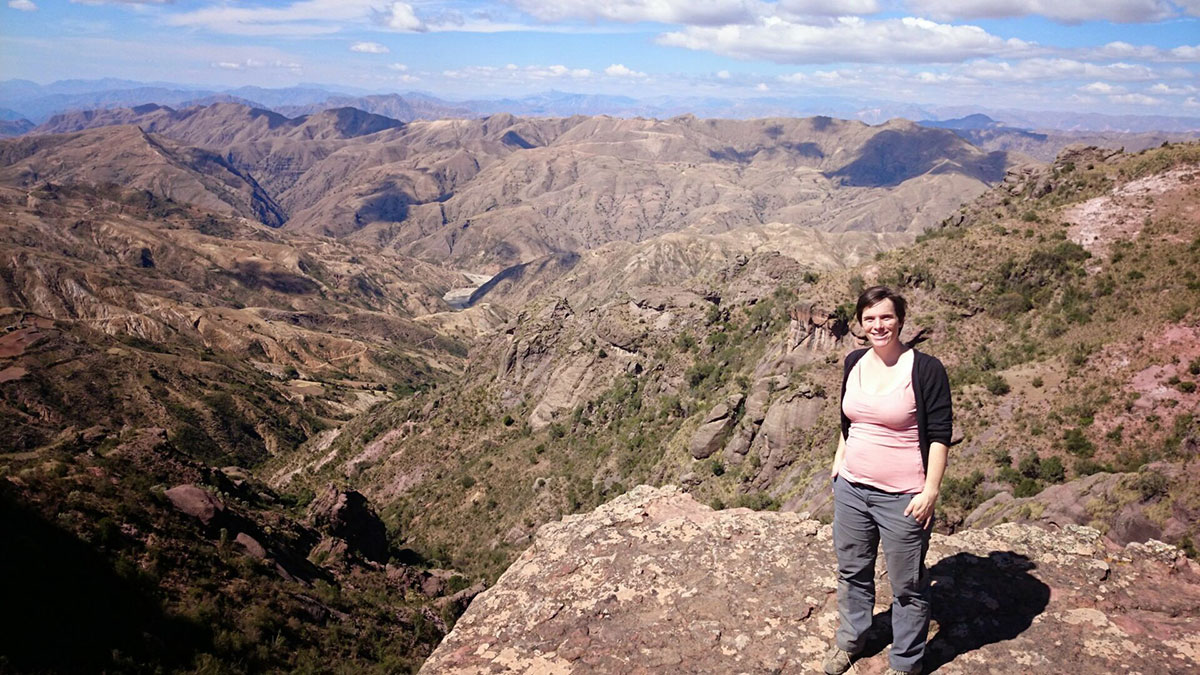
The Vergel Canyon is one of the deepest canyons at Torotoro at around 250m. Before we begin our descent we stop to admire the views from a vantage point high over the canyon. Vultures can usually be seen soaring, and keep your eyes peeled for the mighty condor.
The descent is via a well-maintained path of around 800 steps. At the bottom of the canyon we walk across boulders and along a small path to a wonderful natural pool, formed by the Vergel Waterfall. Time for a refreshing (yes, a little cold!) dip and a snack by the waterfall.
We then return to the 4×4 and on our way back to the village stop one last time to see some of the park’s biggest dinosaur footprints, those of the Titanosauras. A fitting way to say farewell.
We eat a traditional lunch and return to Cochabamba, arriving in the early evening.
Accommodation at Cabanas Umajalanta
We recommend you carry cash with you to Toro Toro as there are no ATMs. Please bring local currency, Bolivianos.
Life in the village of Toro Toro is still slow and anybody who likes to explore off the beaten track destinations will enjoy exploring the village and the surrounding park. All we ask is that you bring a little flexibility and a sense for adventure.
Routes change – unpredictable weather conditions, group desires, road conditions etc. We require flexibility as sometimes a decision to change must be taken by the guide and accepted by all members.
This is an active itinerary with elements of walking included. The caving at Umajalanta Cave can be anything from a light introduction to a more physical activity, depending on your preferences.
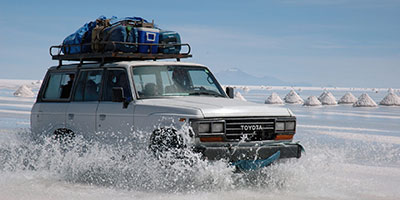
A 4×4 is used to provide some comfort getting into the park, but be prepared for some bumps along the way as some of the roads are very basic.
Parts of the tour are at high altitude.
Vegetarians and many other dietary requirements are catered for without problems. Please let us know in advance of any requirements you have.
The food available is very typical of the region and will feature rice, quinoa, cheese, meats and potatoes.
There are also a lot of soups on offer at lunch and dinner times, and we use local restaurants so you can try local dishes.
Local, bilingual English-speaking Bolivian guides will accompany you on this tour.
Drivers and support staff are from the local community.
Exceptional guides and unforgettable wildlife made this Amazon trekking experience in Bolivia truly extraordinary.
A wonderfully diverse and expertly organised family adventure through Peru and Bolivia, from deserts to rainforests, with Tom’s personal insight, flexibility, and local knowledge turning an ambitious plan into a truly unforgettable journey.
Torotoro is one of the best places to visit in Bolivia, a true hidden gem.
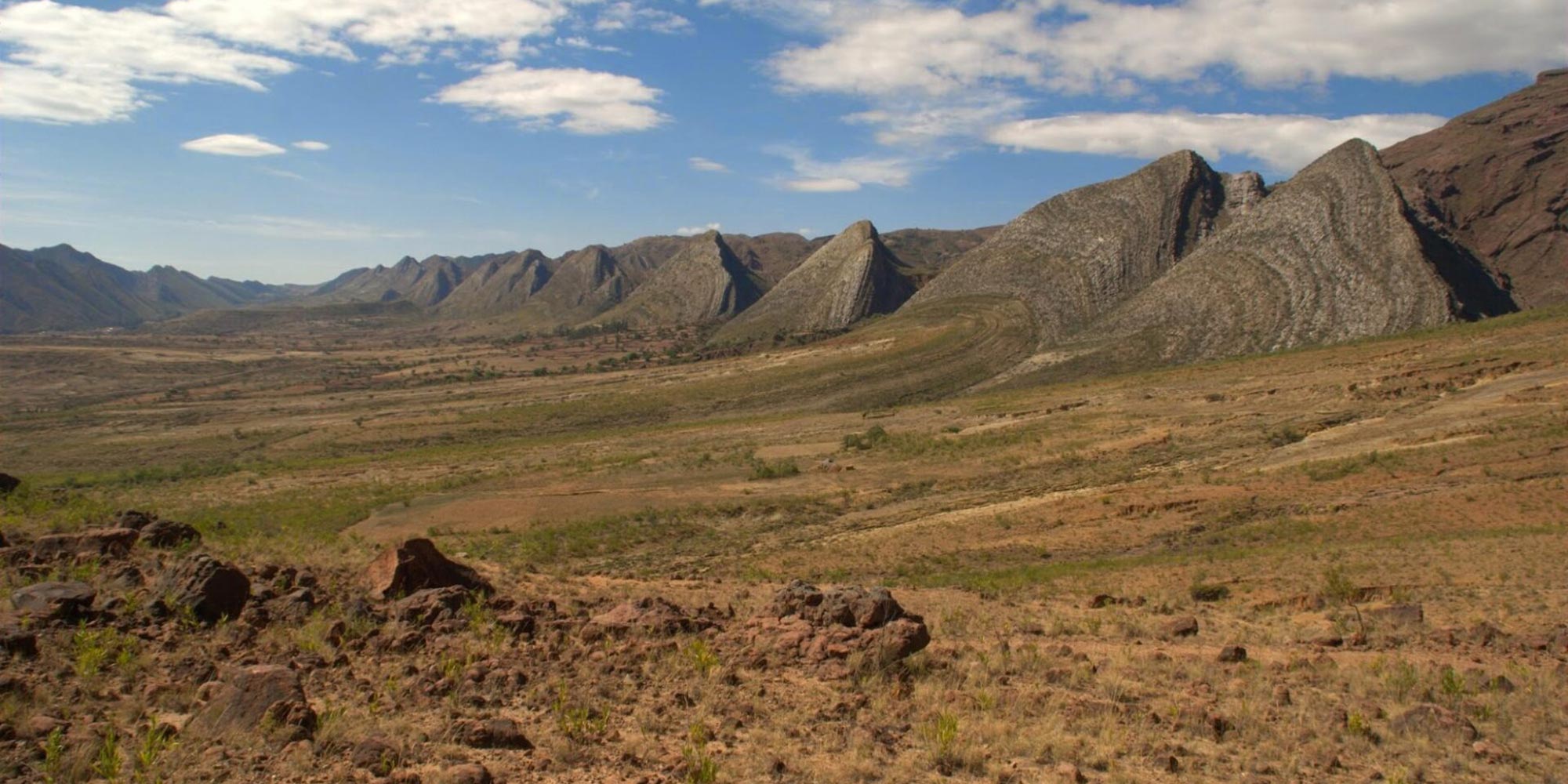
Its highlights include some of the best preserved dinosaur footprints in South America, as well as stunning geological formations from an era long gone.
The tour starts and end in the city of Cochabamba and makes for a perfect 3-day extension to any Bolivia holiday.
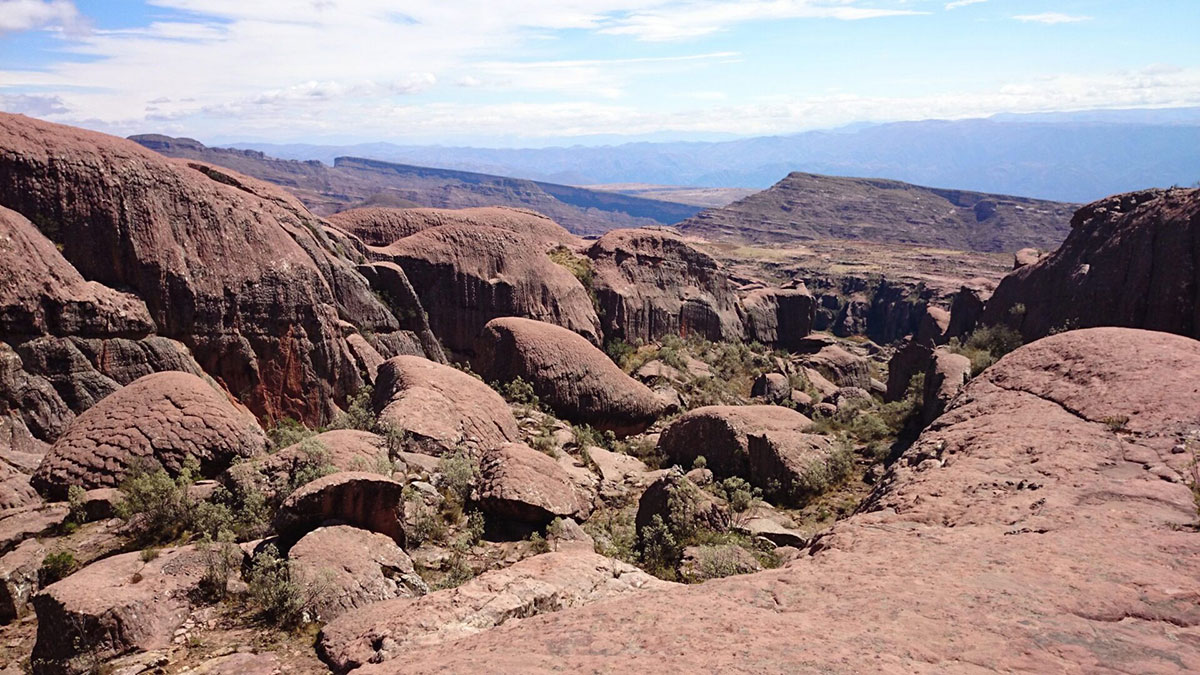
On this tour you will visit breathtaking view points.
Explore fascinating rock formations at “Ciudad Itas”, enter the enormous Umajalanta cave and hike into one of many canyons in the region, the Vergel Canyon.
Torotoro is perfect for those looking to explore a more hidden part of Bolivia and visit one of the country’s most scenic and exciting national parks.
This is an active tour but we can tailor it to follow a more relaxed pace, too. Read our insider’s guide for more travel tips.
From: $3300 per person
Duration
15 days

Land-locked Bolivia is a country of dramatic landscapes and fascinating native cultures and traditions.
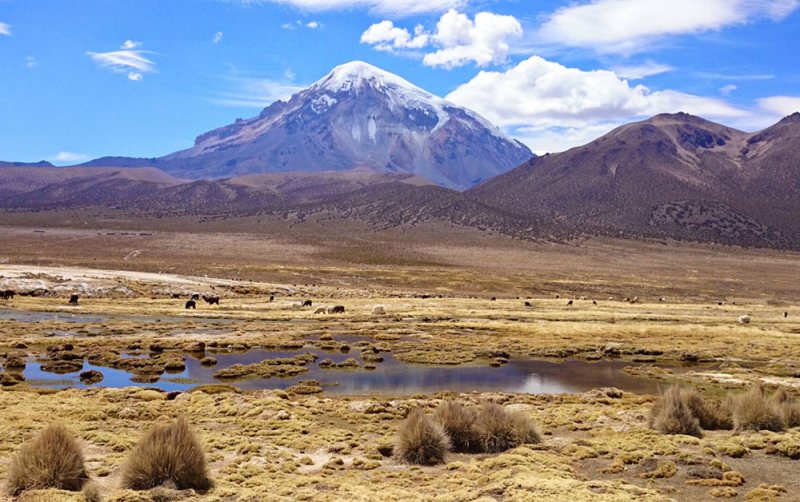
The Altiplano or “High Plain”, averaging 3,800m, is its most populous region. The vast, luminous plateau is flanked to east and west by parallel Andean ranges.
La Paz, the world’s highest capital, lies in a deep canyon at the edge of the Altiplano, and at the foot of Illimani (6,400m). It is a striking city for its dramatic setting and its strong Indian character.
Lake Titicaca is the world’s highest navigable lake. It was sacred to the Incas; according to legend, their founding emperor-gods rose from these waters to give birth to their empire. Just south of the lake stands the sacred pre-Inca site of Tiahuanaco.
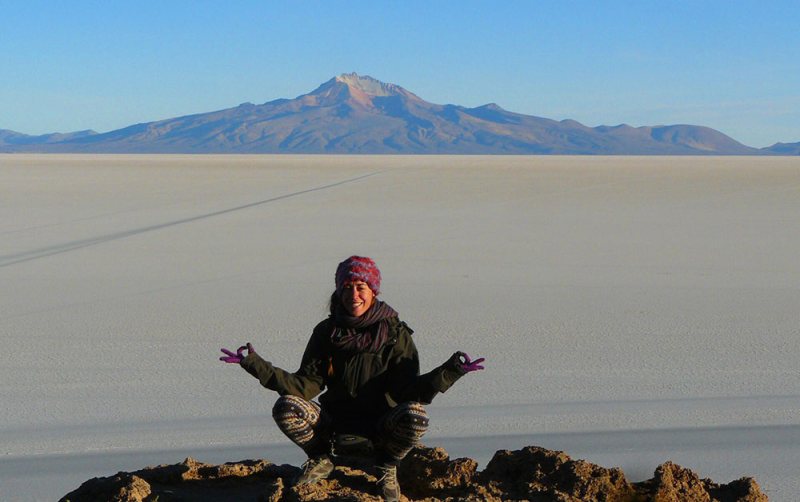
On the south-western Altiplano are the Uyuni Salt Flats, the largest in the world. Here, the shimmering white salt pan and deep blue sky combine to create a truly magical spectacle.
The stunning Cordillera Real is a mountain range dominated by huge snow peaks, including Illimani and Illampu (6,380m). The Real divides the northern Altiplano from the tropical forests to the east. The Cordillera Real’s eastern slopes are characterized by the deep, sub-tropical Yungas gorges.
Further south, the tropical Chapare is the agricultural heart of Bolivia. East of this band of high forests and plantations lies Bolivia’s Oriente, a vast swathe of Amazonian jungle and savanna accounting for 2/3 of the country and featuring some of the last untouched wilderness on earth.
In the north-eastern Department of Beni, some 50% of the country’s mammals and birds reside. Below, and in no special order, we outline some of the top places to go and things to do.
Good kit is vital for every trip.
Book with Andean Trails and get 15% off Páramo’s fantastic ethical and high performance outdoor gear.
Bolivia has an incredibly local and varied set of weather systems, which means you need to be prepared for almost every eventuality.
When planning for these changeable climatic conditions you will encounter across Bolivia, layering is the most practical and versatile clothing system.
The sun is very strong throughout the country, so good sun cream, a hat and sunglasses are vital.
It can also get very cold at night time especially in the mountains and in cities like La Paz. Jumpers, fleeces and warms hats – which you can buy there – are also essential.
It can rain at any time, so always have a poncho/waterproof jacket handy.
Give plenty of thought to kit selection, and try to keep weight down.
Below is a more detailed guide.
Bolivia lies within the tropics, between latitudes 10º and 22º south. The climate, as varied as its geography, is affected by latitude and, especially, by altitude.
The best time to travel is the winter (dry season) between May and Oct when, typically, weather systems over the Andes are stable, and overall you can expect bright sunny days and cold clear nights. Most of the rain falls from Dec to March. Climate can be divided into these distinct zones:
There is relatively little precipitation on the Altiplano, especially in the dry season – most rainfall is from Dec to March. However, there is periodical, localised rain on high peaks and valleys all year round.
The further south and west you go on the Altiplano, the drier are the conditions; around Uyuni, semi-arid conditions prevail. The Andean sun’s rays are very strong.
Temperature-wise, the Andes and Altiplano experience significant fluctuations over a single day. At 4,000m, the pre-dawn temperature can drop to -15ºC, while noon temperatures at the same location can reach 20ºC.
Southerly cold winds mean the southern Altiplano is not only drier, but also noticeably colder and windier than the north (pre-dawn temperatures at Uyuni in July regularly drop to -20ºC).
On treks in the Cordillera Real in the dry season, expect a range of conditions within a single day: cold/freezing nights at camps above 4,000m (where pre-dawn temperatures sometimes reach -15ºC); warm, spring-like mornings and afternoons; and cold evenings. Conditions are generally dry, but note that mountain weather is fickle and localised, and precipitation is not unusual in the dry season.
Expect temperatures to swing between sun and shade, sheltered and exposed ground and with altitude gain and loss. A quick-setting sun means temperatures drop fast.
The city of La Paz (3,630m) is relatively sheltered. Average high/low temperatures range from 1-17ºC in June and July (coldest months) to 6-19ºC in Nov and Dec (warmest months). In June and July, it rarely rains more than 1 or 2 days per month, while in January there are on average 15 wet days.
Year-round, weather conditions in the Amazon basin are hot and humid and always with the chance of rain.
There is a ‘cooler’, drier winter season between May and October. During this ‘dry season’, the average daytime high temperature is between 25-31°C and the average nighttime low is between 16-22°C.
In the dry season, heavy downpours typically occur every few days.
Note that around 80% of annual average rainfall – approx 2,000 mm in Bolivia’s northern lowlands – occurs in the wet season, Nov-April.
On rare occasions, between May and September, cold fronts from Argentina – surazos – can sweep into southwest Amazonia and push temperatures down to 9°C. (Surazos usually last between 1 and 3 days).
The Yungas shares the same dry/wet months but varies from quite wet to very wet depending on whether it is the ‘dry’ or rainy season. Average temperature is 24°C.
Exceptional guides and unforgettable wildlife made this Amazon trekking experience in Bolivia truly extraordinary.
A wonderfully diverse and expertly organised family adventure through Peru and Bolivia, from deserts to rainforests, with Tom’s personal insight, flexibility, and local knowledge turning an ambitious plan into a truly unforgettable journey.